

.svg)
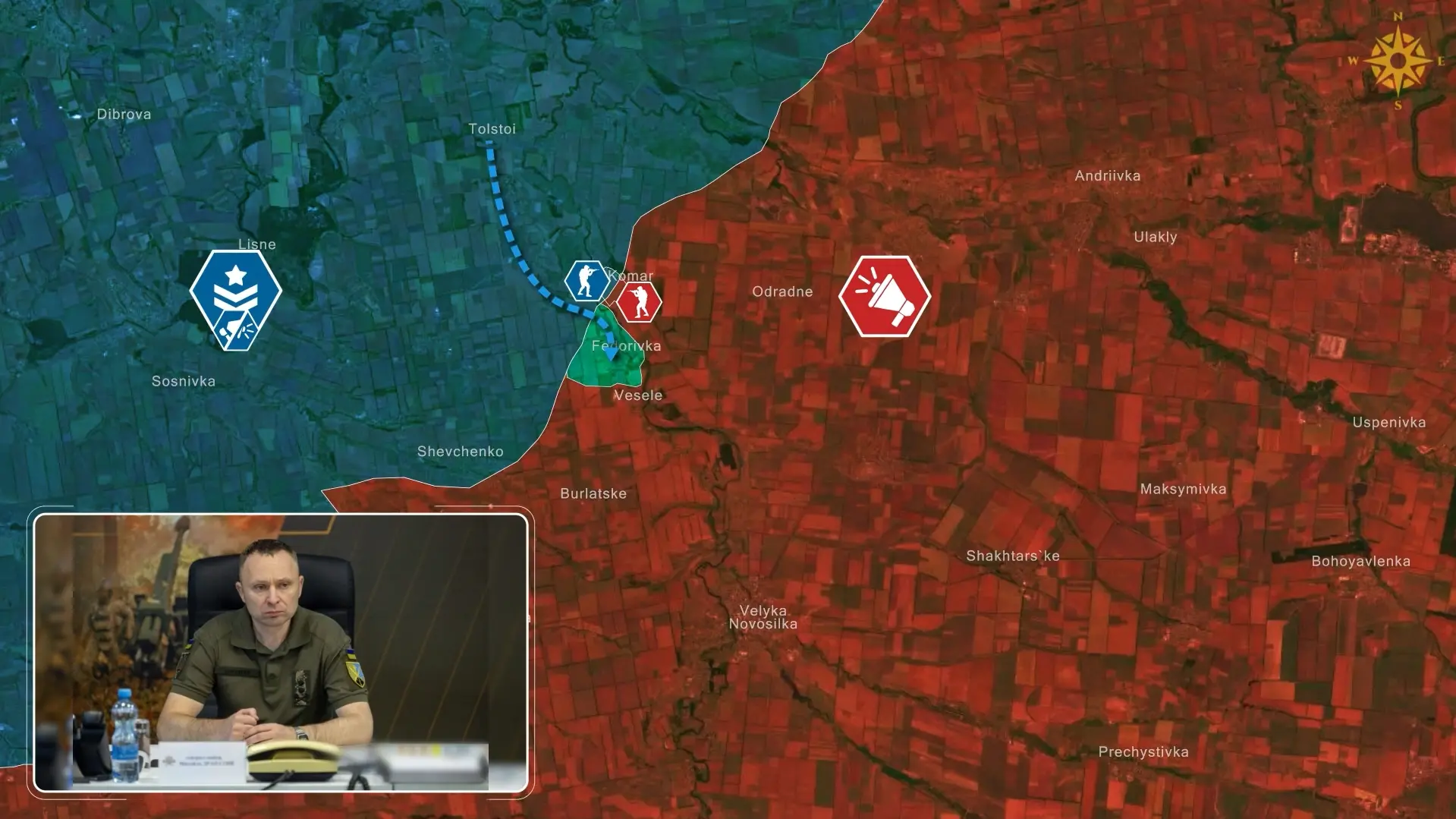
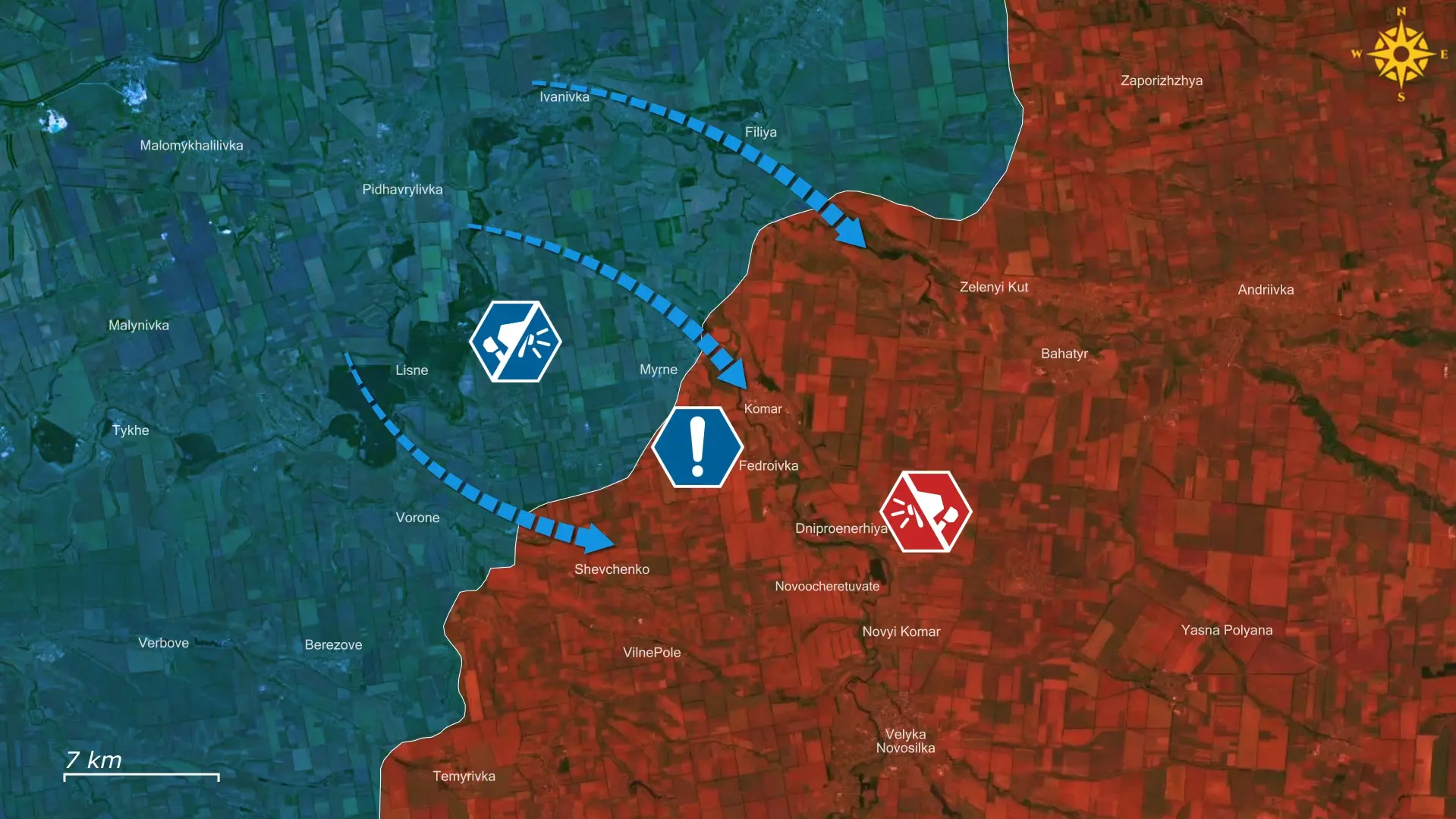
Today, the most important developments come from the Huliaipole direction.
Here, north of the main stronghold, Ukrainian forces have broken through Russian positions and are expanding their advance. Russian defenses began to fall apart more quickly than anticipated, allowing even deeper penetration by Ukrainian forces.
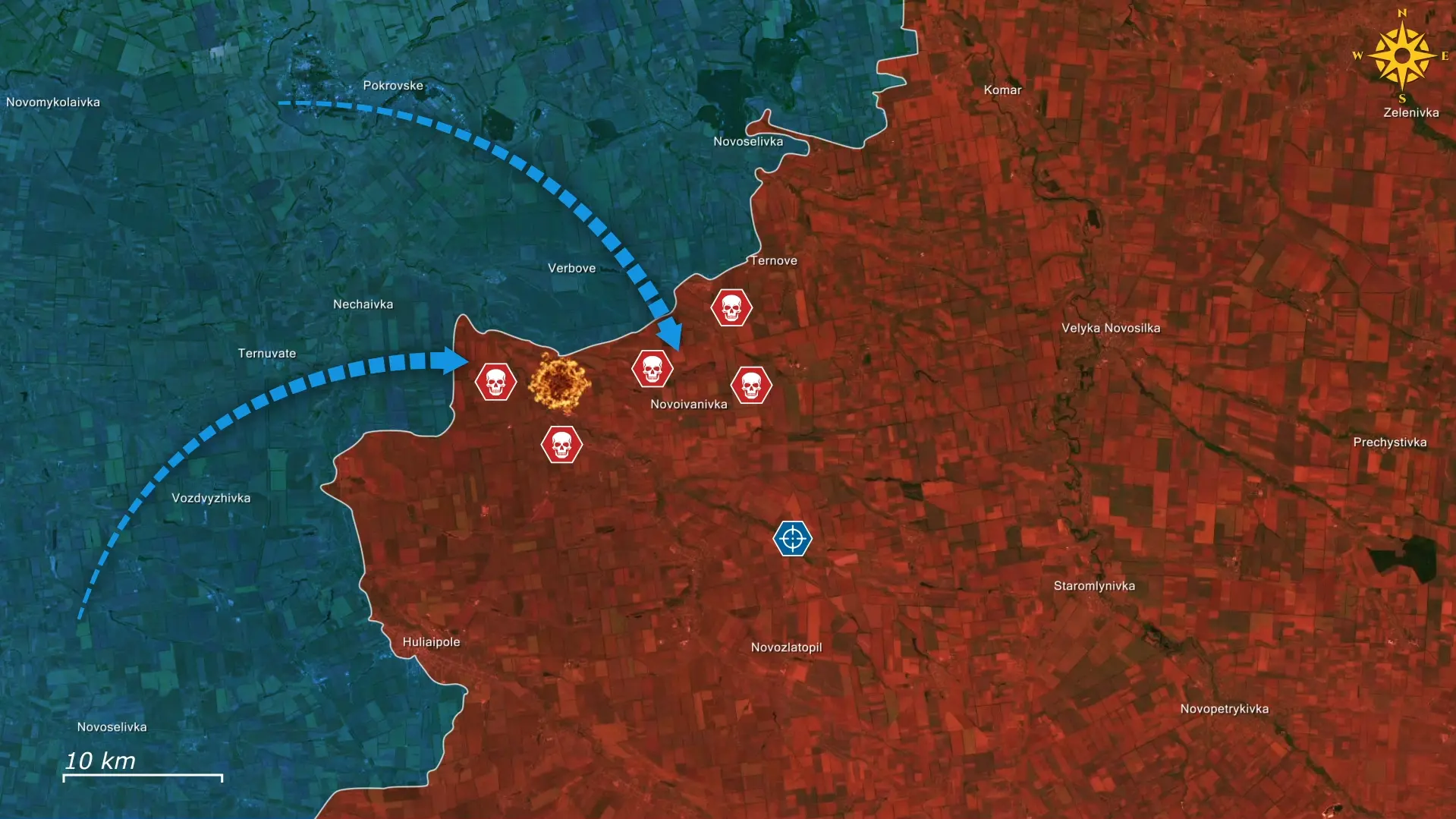
Recently, the Ukrainian command reported restoring control over more than 400 square kilometers through counterattacks, while daily combat intensity in the direction has reached roughly fifty engagements per day. As Ukrainian forces regain control over key terrain, they improve their ability to observe Russian movement, making it harder for Russian forces to reposition without being detected.

This has shifted battlefield control, giving Ukrainian forces greater freedom to move reinforcements, coordinate fire support, and maintain better situational awareness than the enemy. This development was helped by the sudden degradation of Russian communications and drone activity after verification control blocked unauthorized Starlink terminals. Ukrainian units achieved drone dominance, forcing the Russian infantry into hiding to avoid constant aerial attacks.
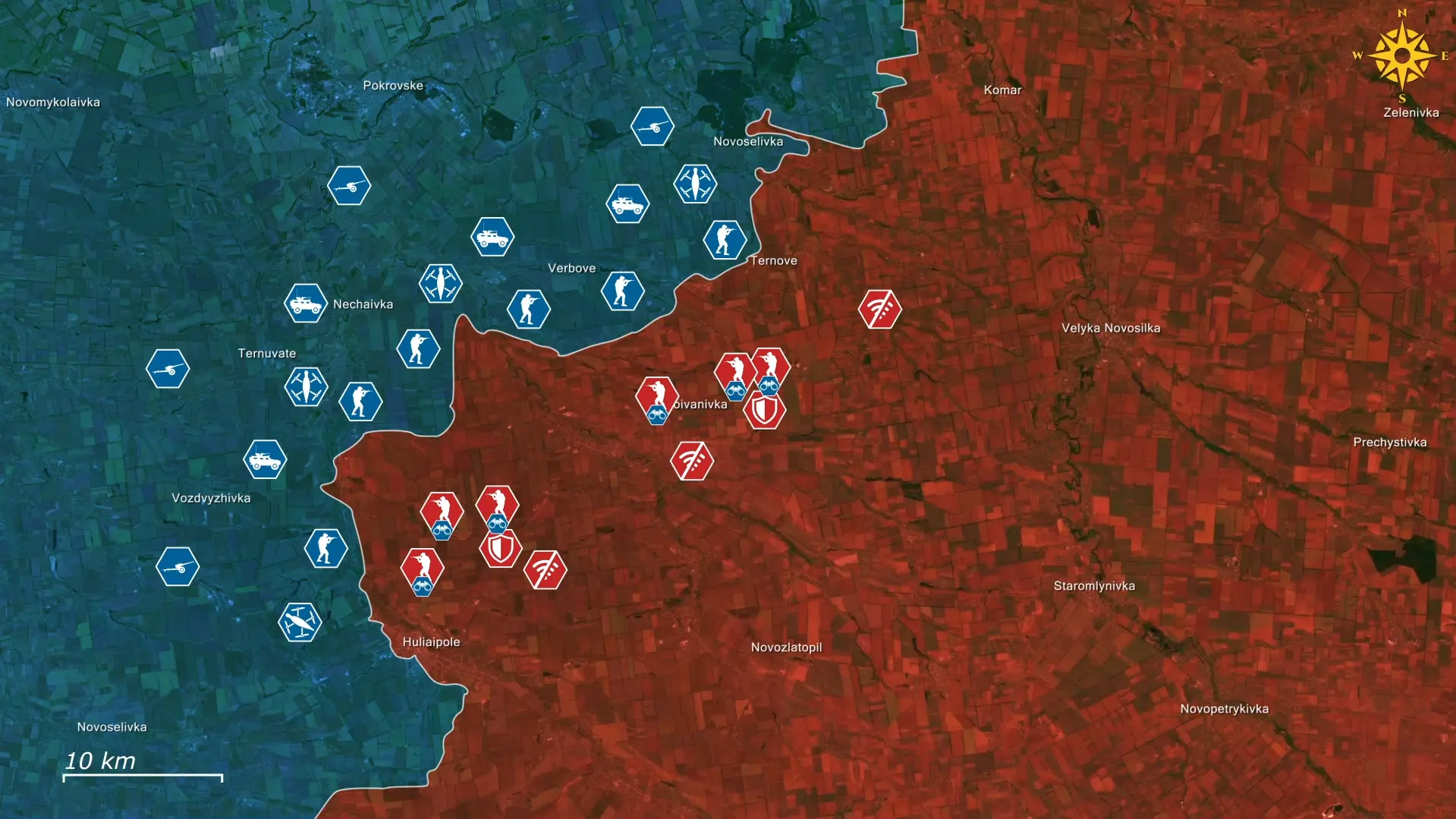
The dugouts used by the Russians became predictable targets for Ukrainian FPV drones, which delivered explosives into their entrances, complemented by Ukrainian ground units deploying TM-62 anti-tank mines to collapse them. Simultaneously, Ukrainian artillery also had the freedom to fire more, striking the remaining positions and completing their destruction.
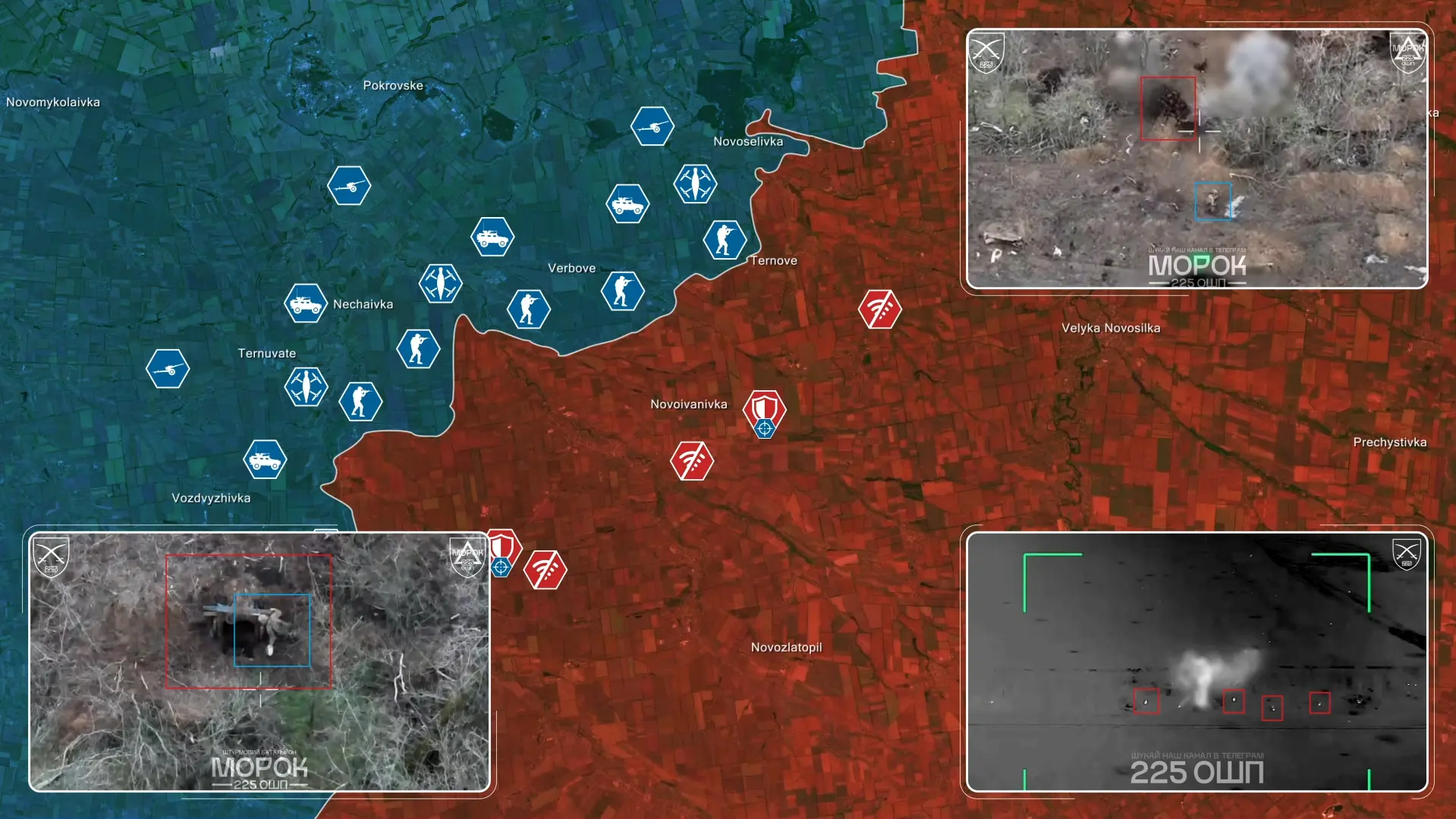
Without reliable drone coverage, Russian units lose their primary tool for detecting Ukrainian movement, making it harder to anticipate attacks or adjust their defenses in time.
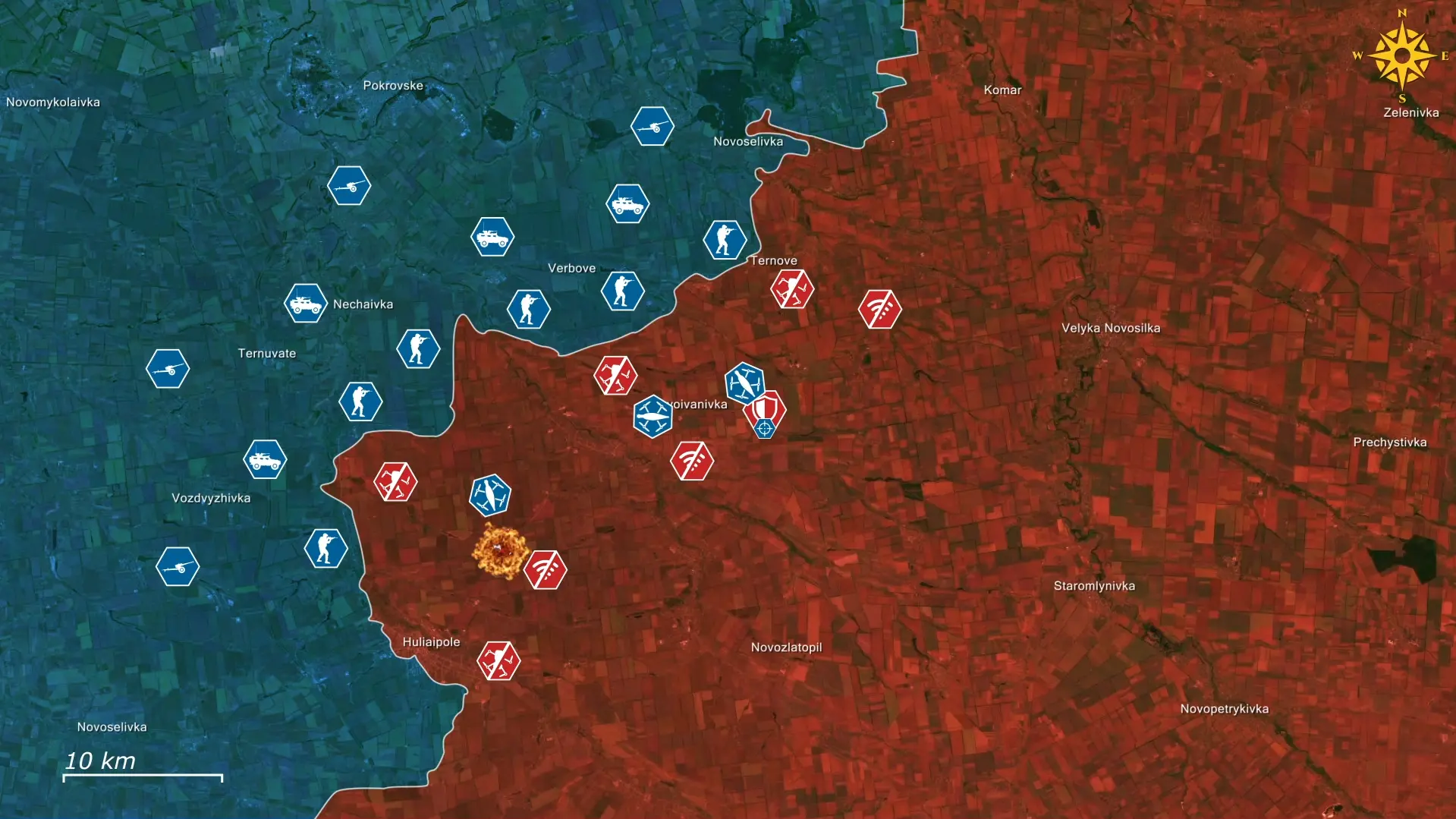
Ukrainian drone operations have also extended into the Russian rear, targeting the supply routes that sustain frontline positions. Russian units north of the main stronghold rely on exposed rural roads to move reinforcements forward, which are now intercepted before they can reach the combat zone.
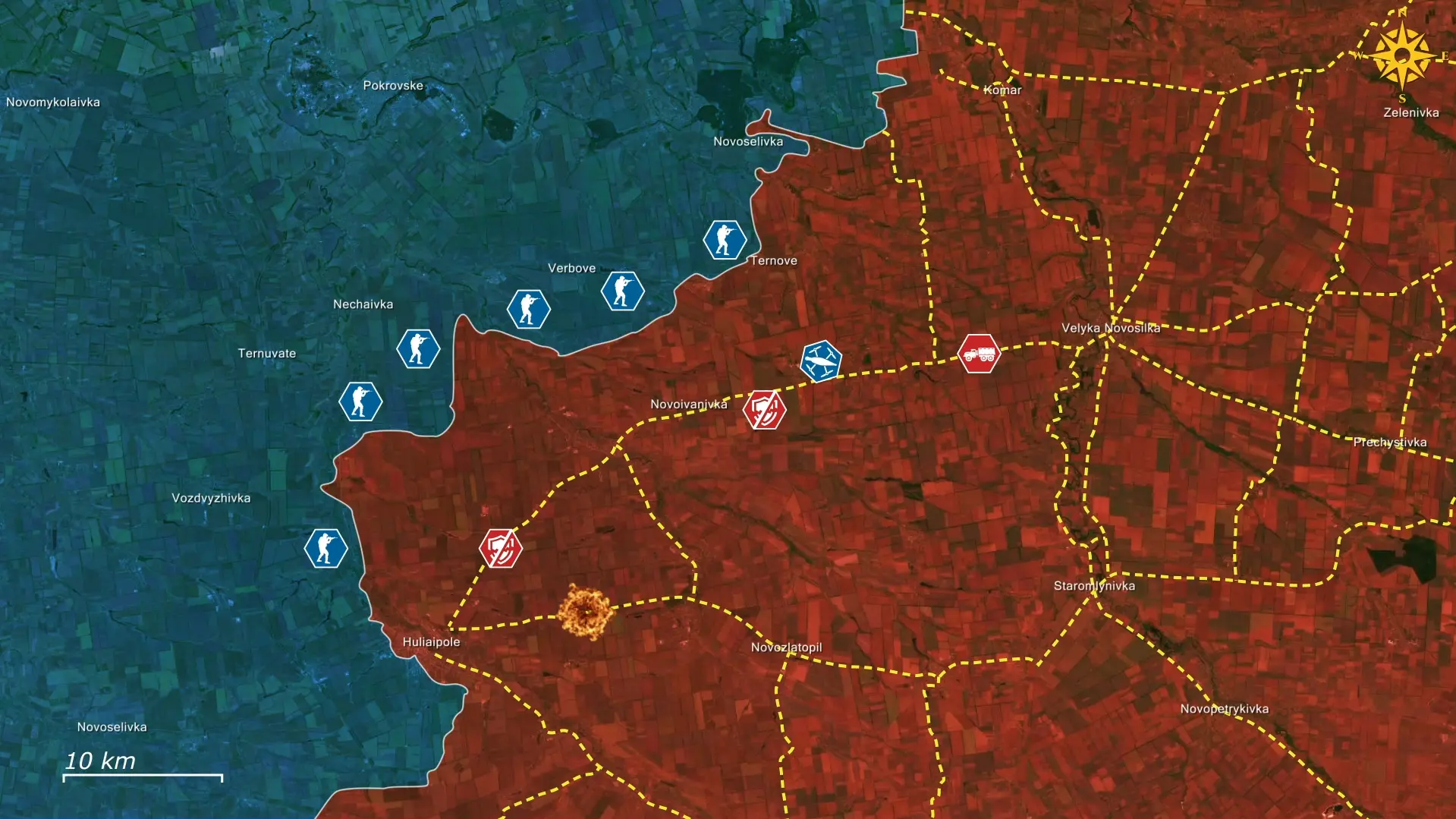
Footage shows how Ukrainian drone operators located and destroyed a Zil-131 truck carrying seventeen Russian troops while it was still en route. Additional drone and artillery strikes have also targeted supply vehicles, preventing Russian attempts to move ammunition and equipment forward.
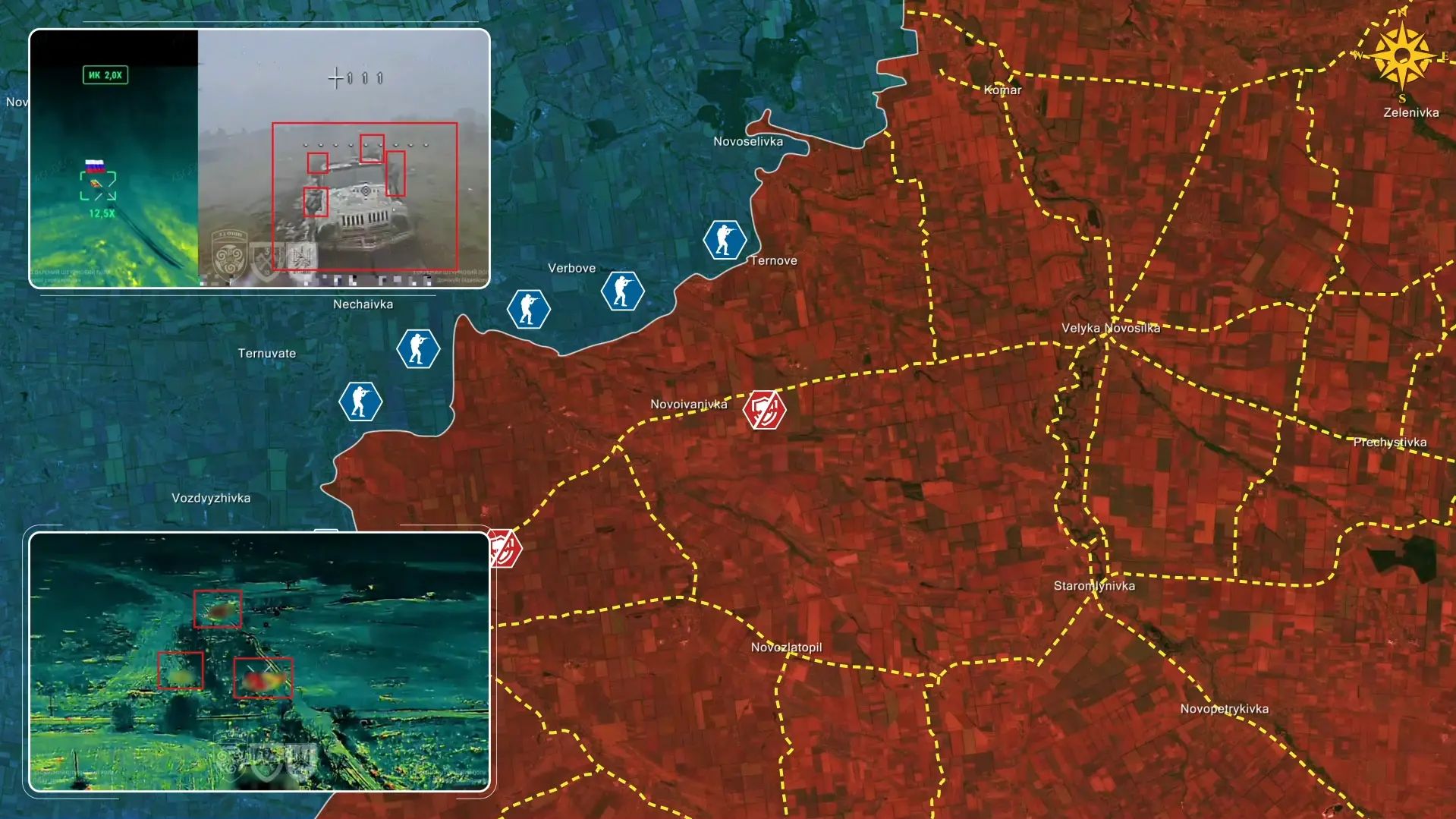
As these routes became increasingly disrupted, Russian frontline units were left more isolated, with fewer reinforcements and lacking any ability to sustain coordinated defensive operations. As a result of the isolation and recent raids, Ukrainian forces regained control of Ternove, Danylivka, Nechaivka, Stepove, and Verbove, expanding the breakthrough and securing forward positions. From there, Ukrainian units can advance into nearby settlements and continue pressing south toward even deeper Russian controlled areas.
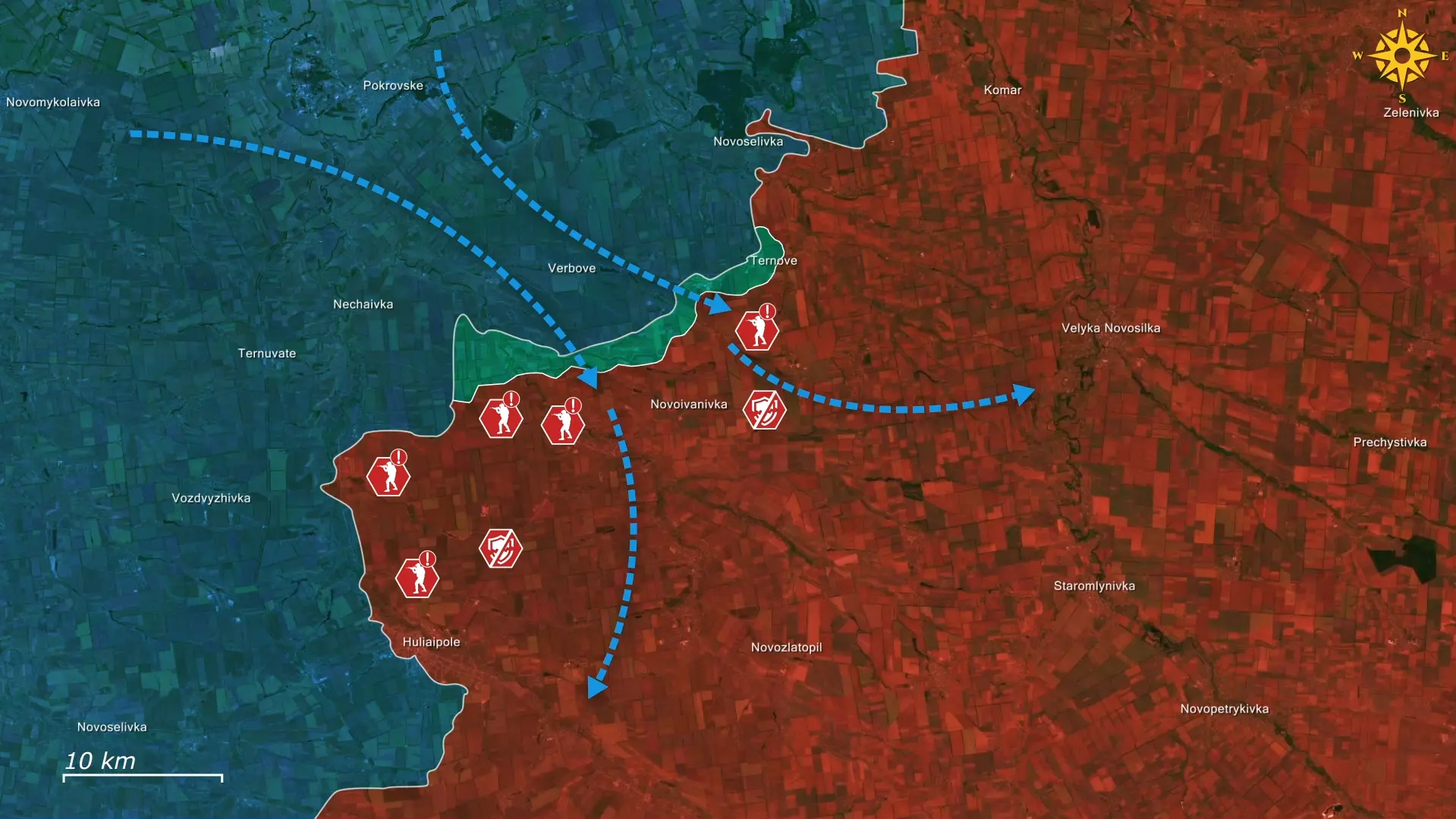
These advances place Ukrainians in a better position to target an even more critical area, which would cut off the routes Russian units use to move reinforcements, preventing them from stabilizing weakened positions and allowing the breakthrough to expand further.
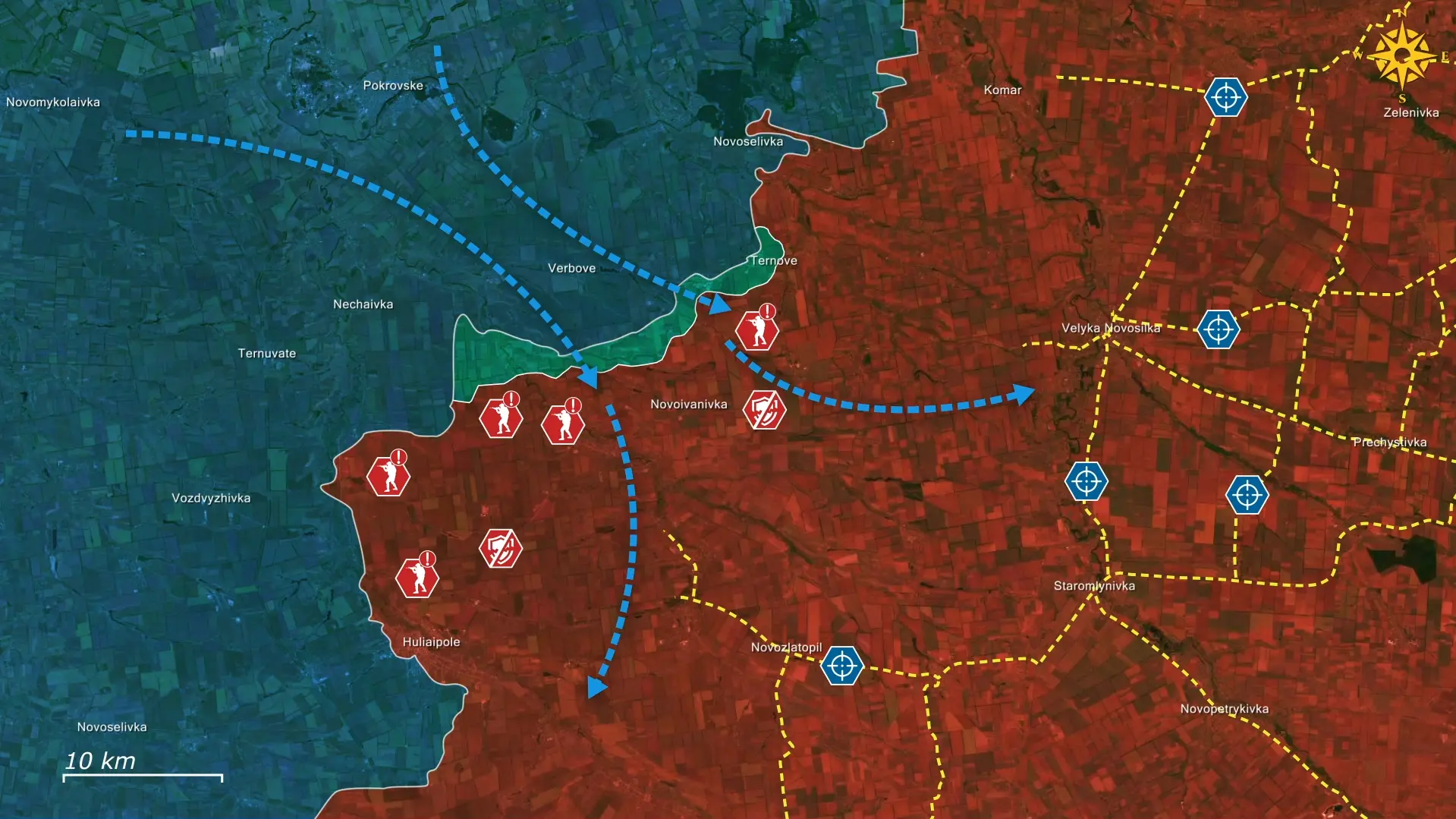
To complement their advance, Ukrainian forces struck the headquarters of the 5th Russian Combined Arms Army near Novopetrykivka, further disrupting coordination across a wide section of the southern front. This headquarters serves as the central command node that links frontline units with higher command and coordinates defensive actions across the sector. Its disruption slows decision-making and reduces Russia’s ability to react in time to contain Ukrainian breakthroughs before they expand further.
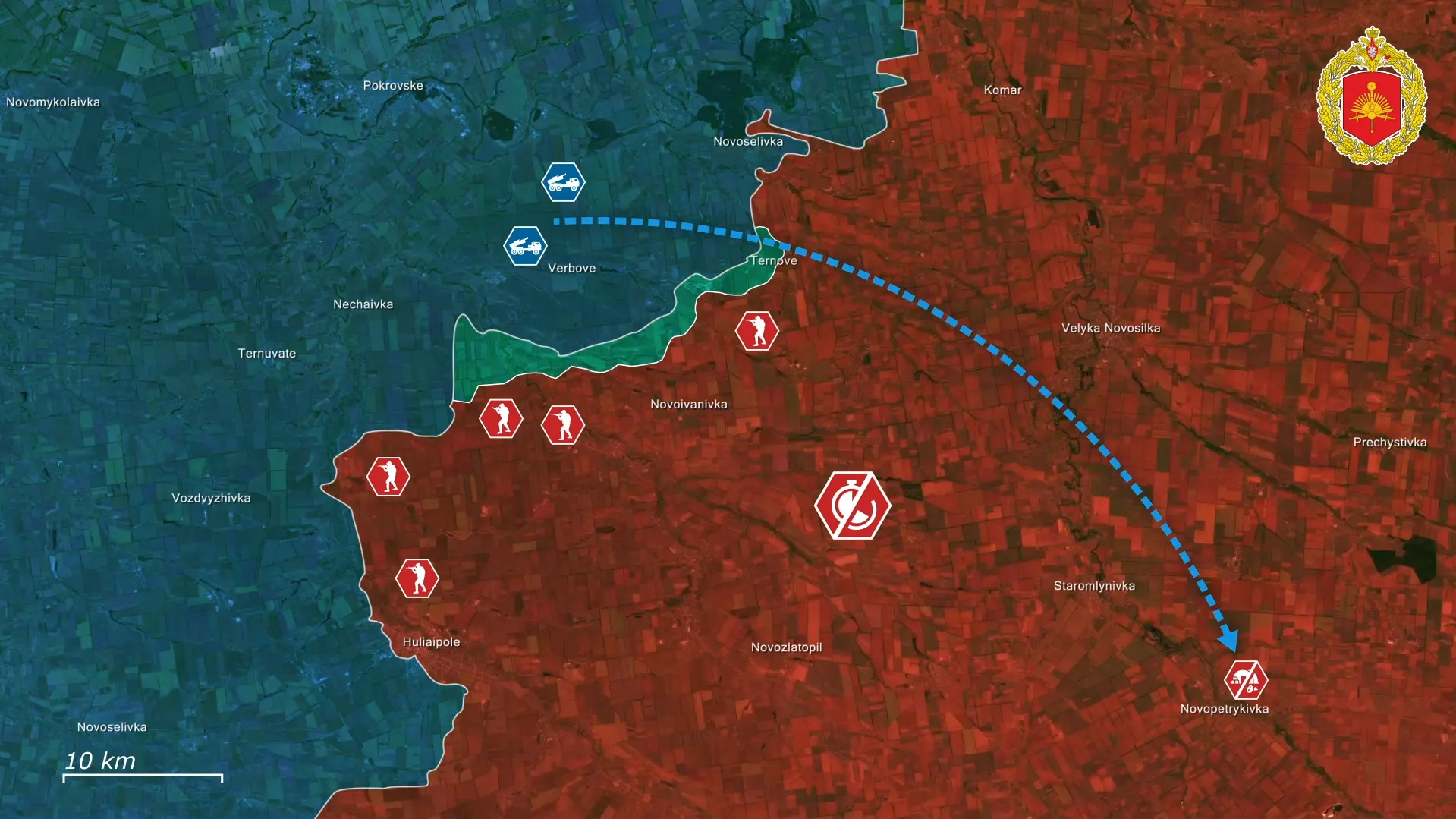
As Ukrainian forces advance, Russian units retreat without being reinforced, gradually reducing the density of their defensive line. This creates gaps between positions, allowing Ukrainian units to move through weak points and advance further along the southern axis. Pressure across nearby positions forces additional Russian withdrawals, preventing the formation of a new defensive line and causing positions across the sector to collapse backward.
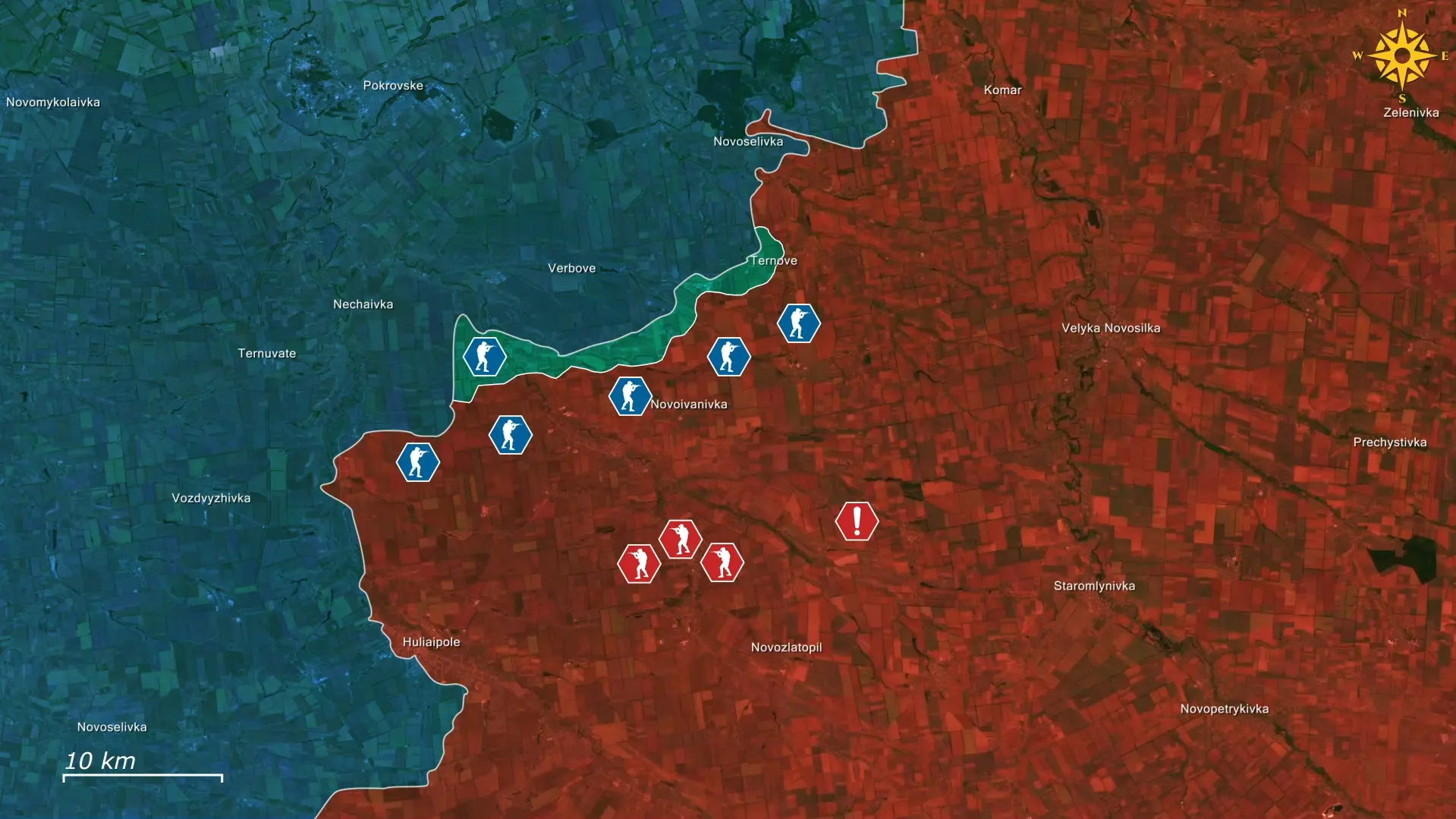
Overall, sustained Ukrainian pressure has begun to break Russian defenses near the main town, as frontline units become isolated without supplies to hold their positions. As Ukrainian forces continue advancing, Russian units are being pushed out of the former Ukrainian defense lines and forced into less favorable positions with weaker protection.
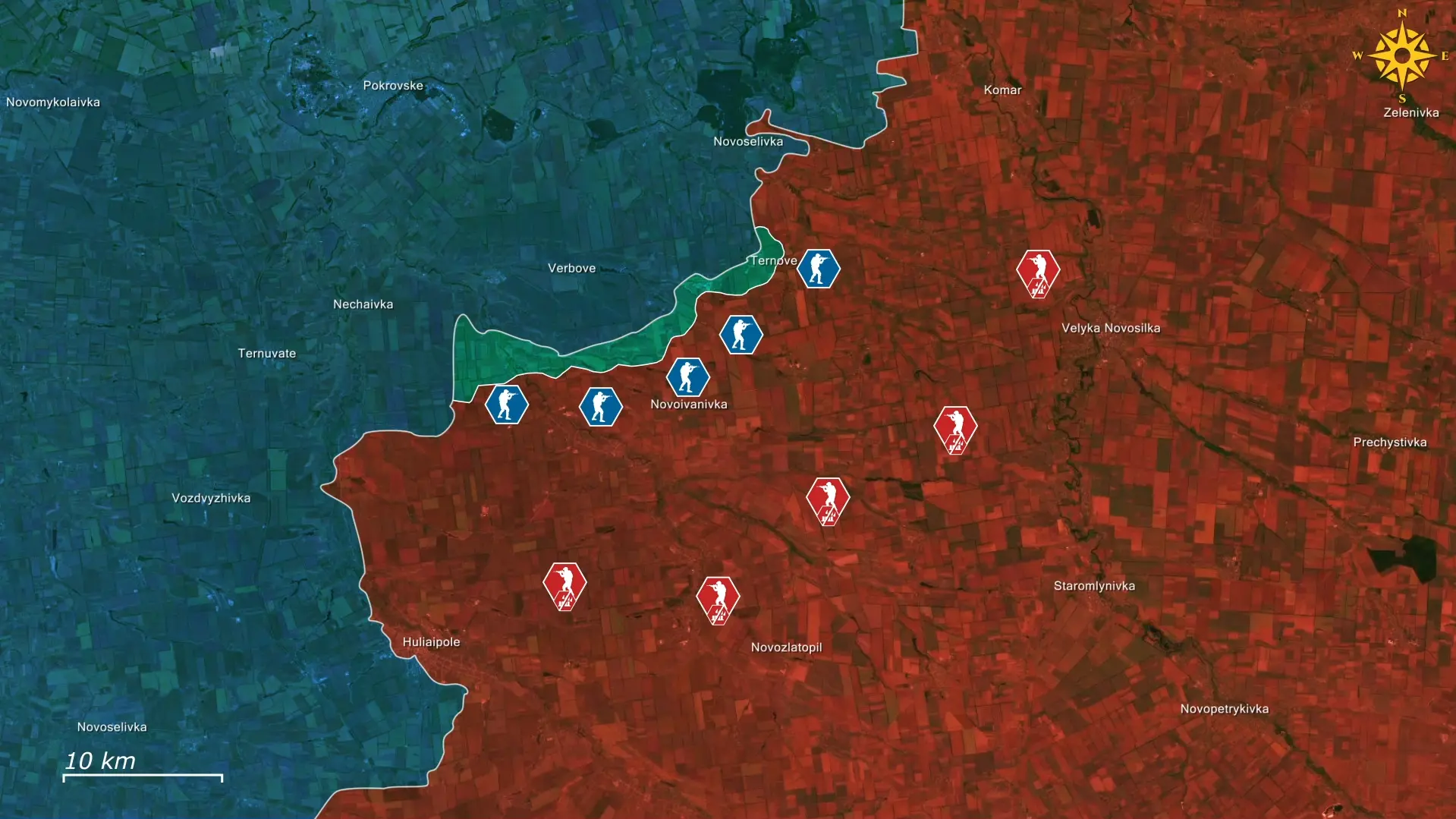
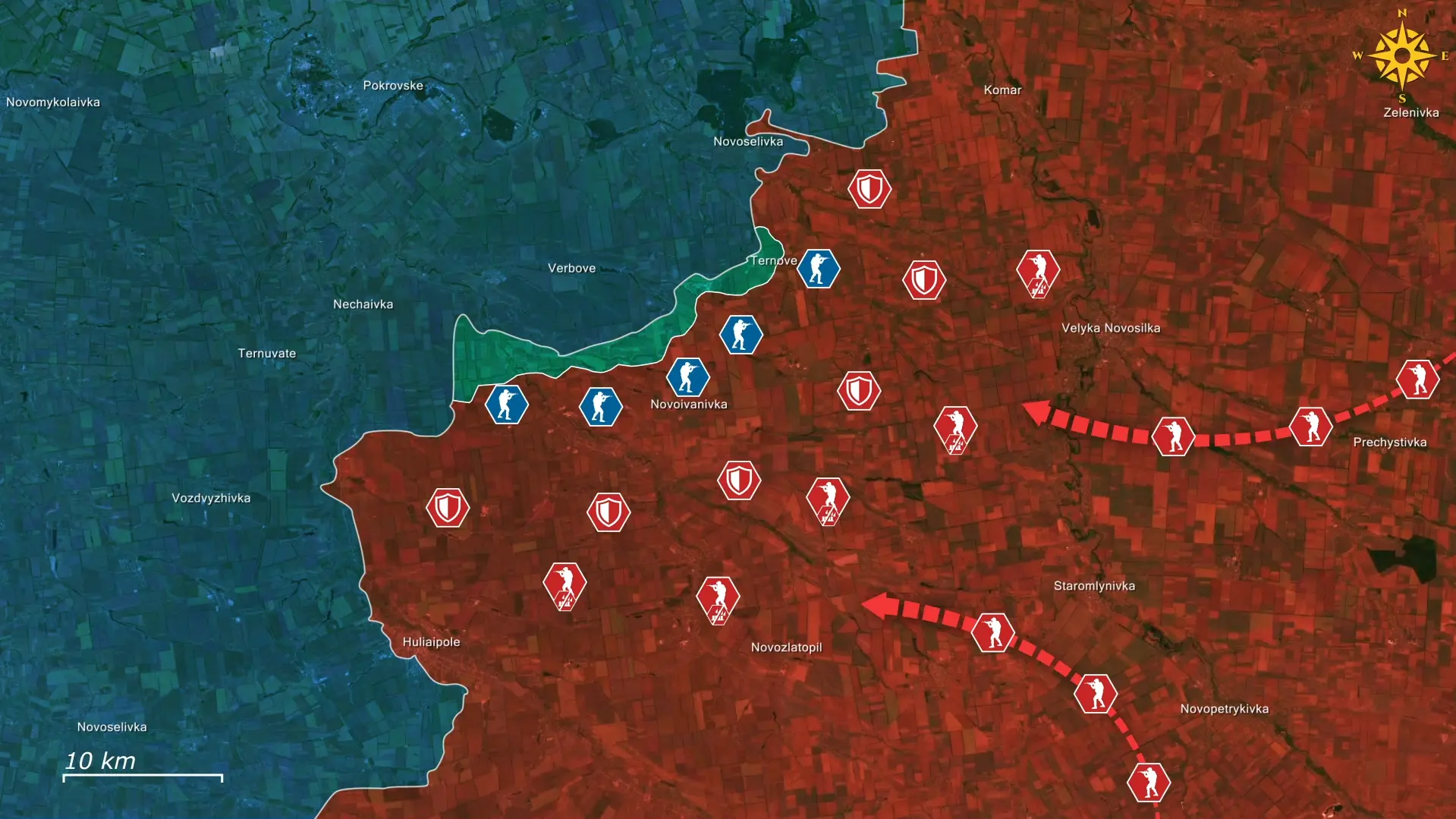
This reduces Russia’s ability to maintain a stable defensive line in this sector and increases the risk of further withdrawals and bigger losses. This creates a growing risk that Russian command will be forced to commit scarce reserves from other sectors to prevent further collapse here, weakening their ability to maintain defensive stability across the wider southern front.

.jpg)

Comments