

.svg)
Today, the biggest news comes from the Russian Federation.
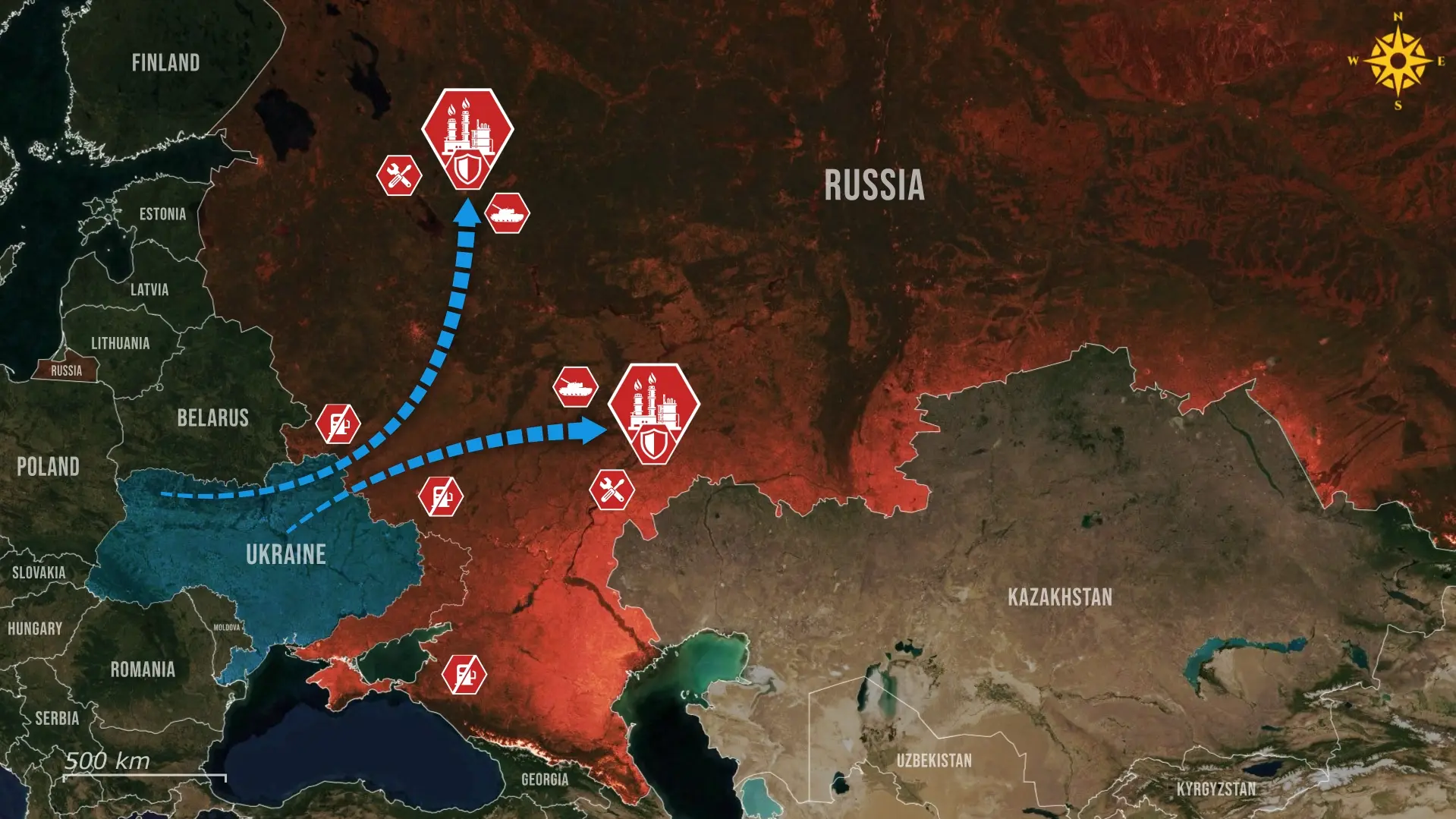
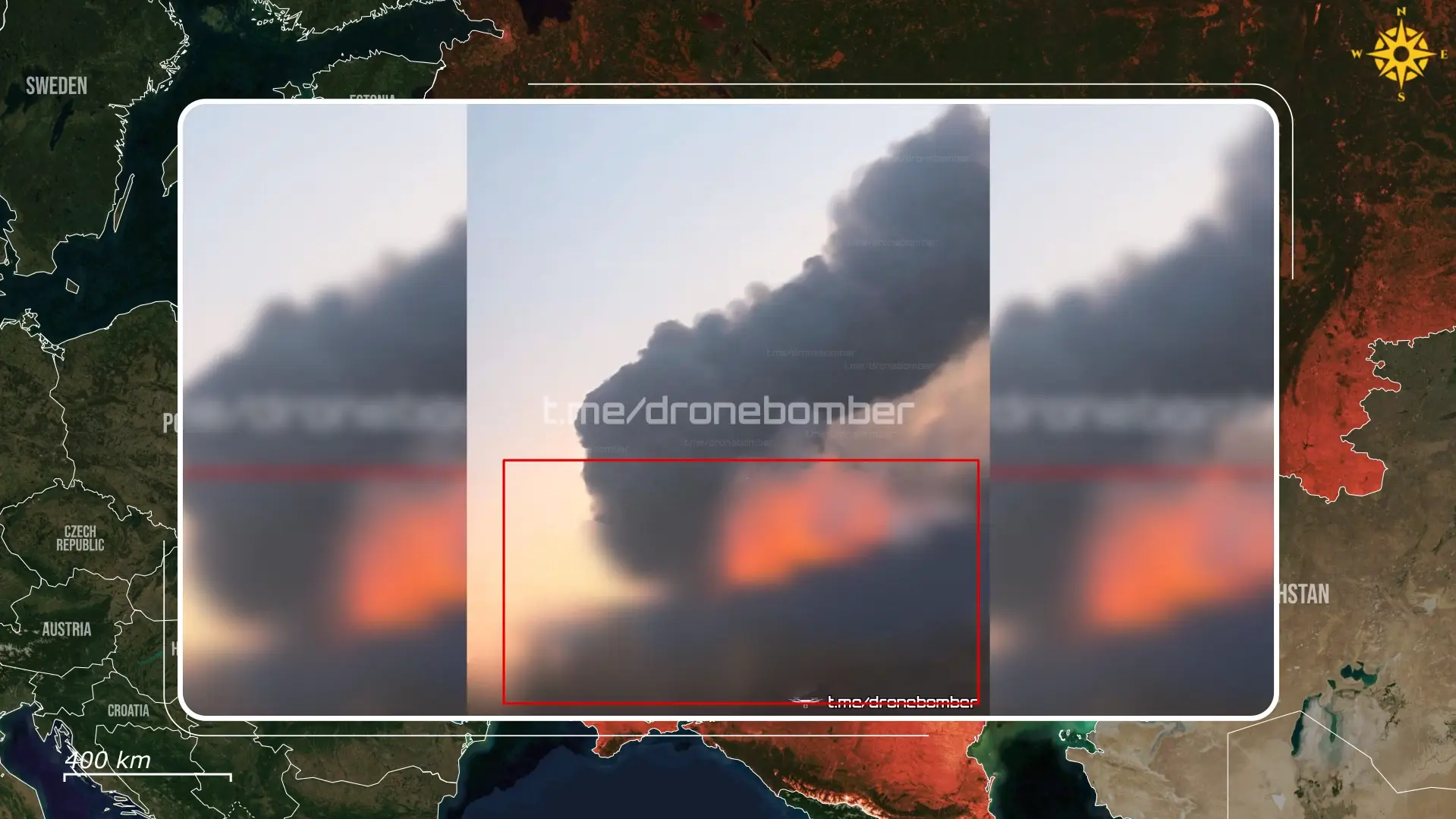
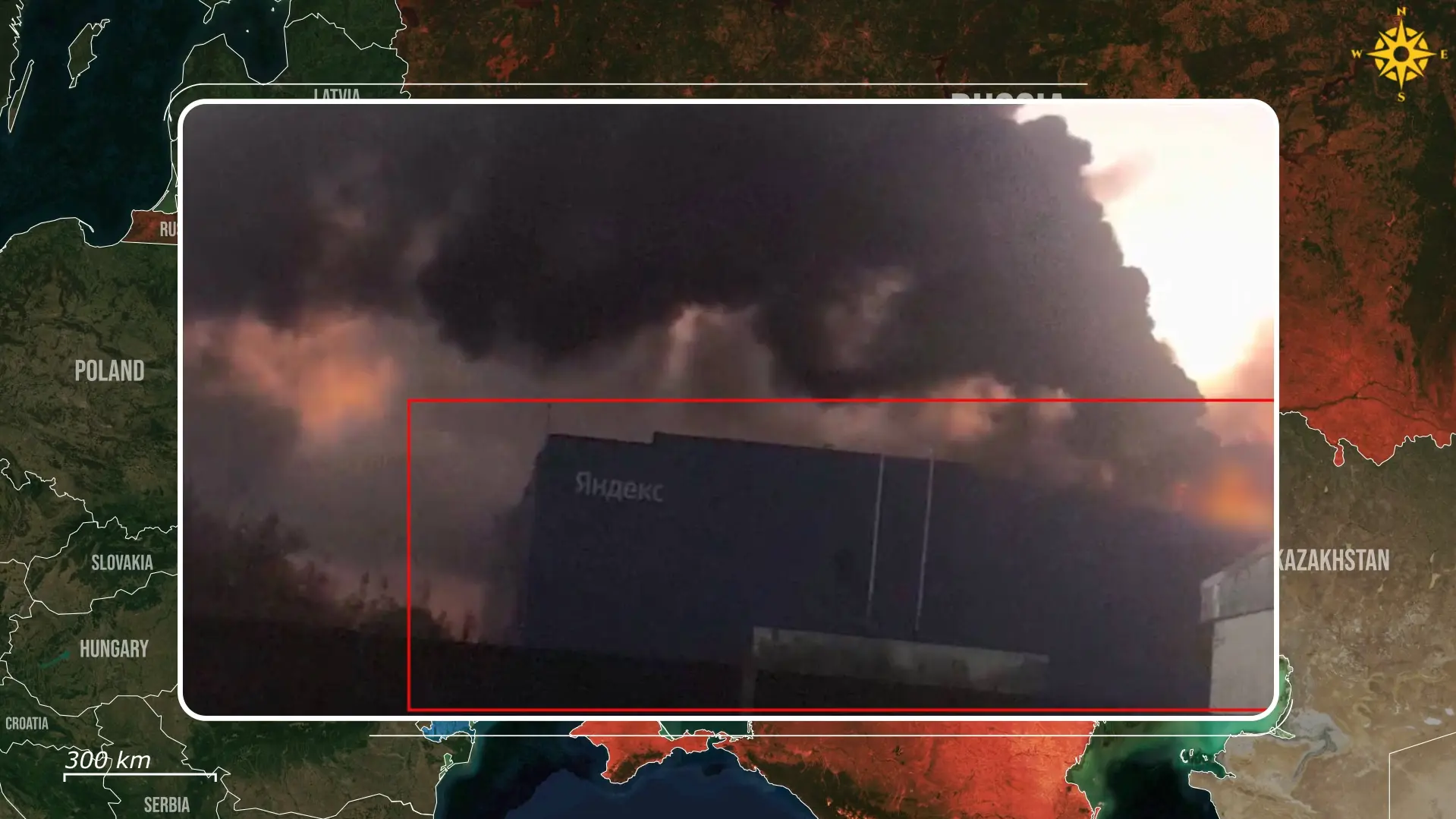
Here, Ukrainian strikes have forced Russia’s major oil refineries to shut down, bringing fuel production to a halt and pushed the Kremlin to urgently stop all fuel exports. This marks a mission accomplished moment in Ukraine’s refinery campaign, as the effects of those strikes are now crippling the wider Russian fuel system.
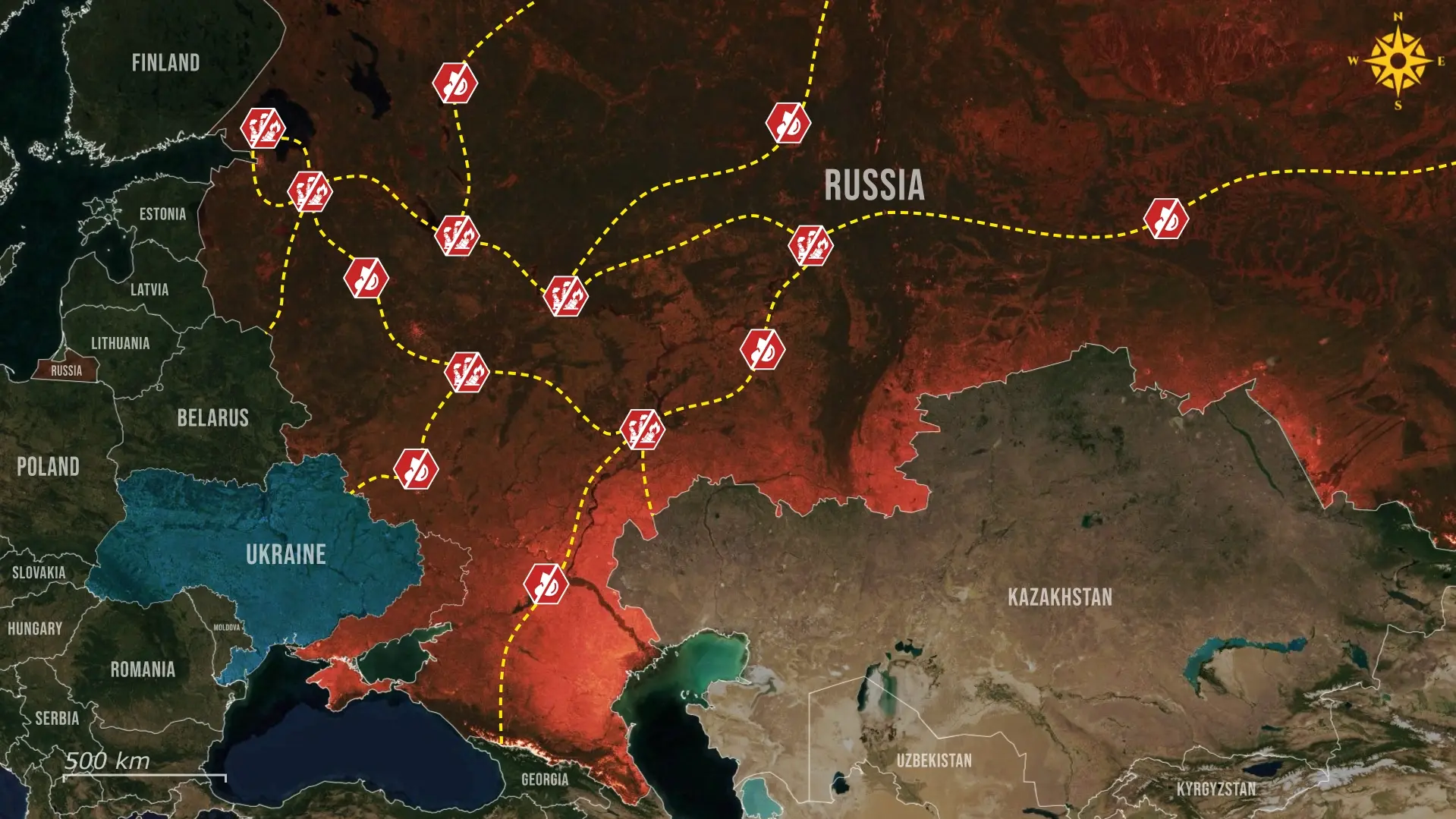
Several of Russia’s major oil refineries in central regions have now halted operations or sharply cut output after recent successful Ukrainian attacks on critical processing infrastructure. These are key plants that turn crude oil into gasoline, diesel, and aviation fuel, so once they stop, Russia loses fuel output at the source. Several major refineries were knocked offline within the same stretch of attacks, leaving the rest of the network with less room to cover the missing output.
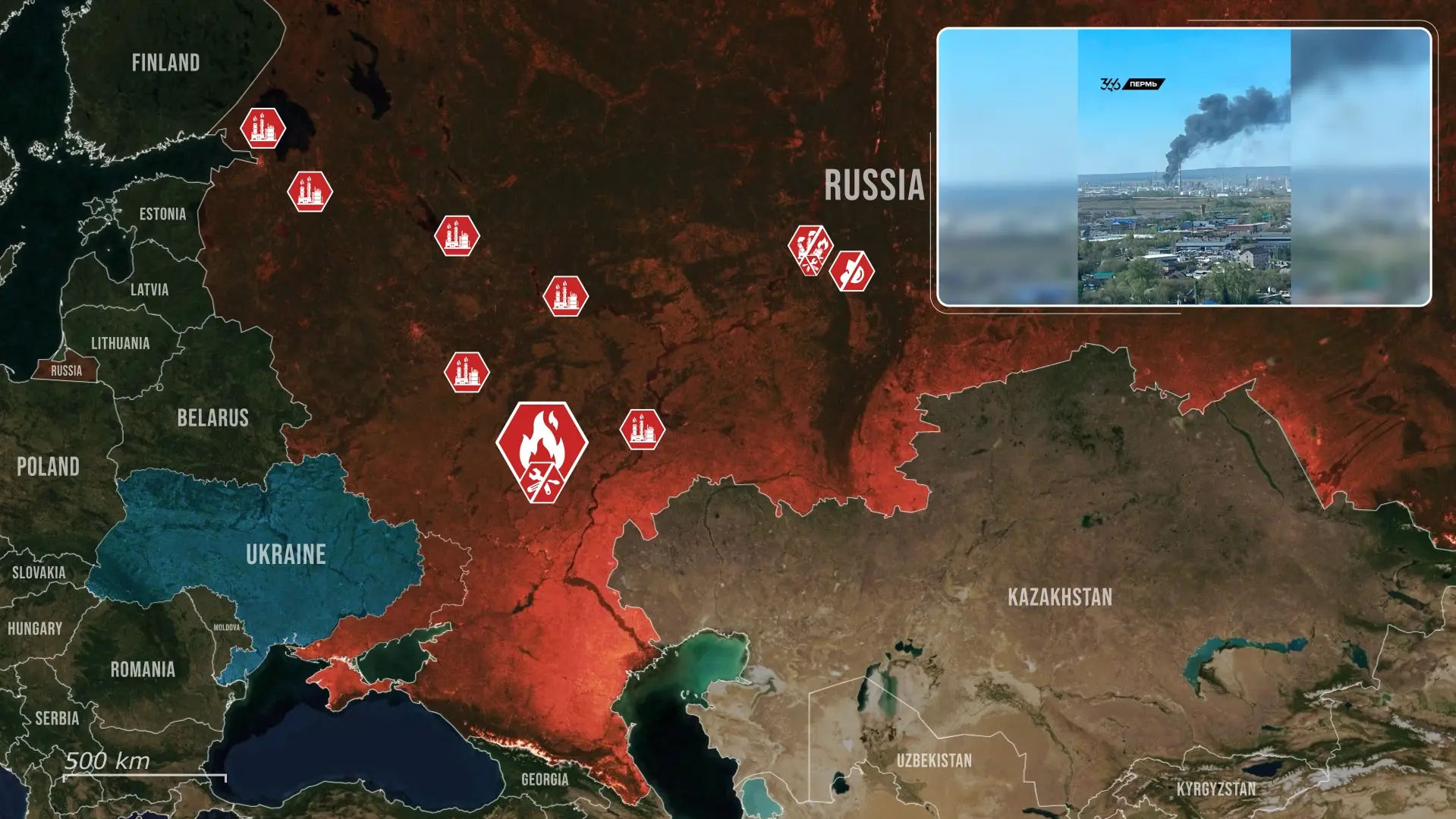
Production wise, the effect is now visible across a large share of Russia’s refining system. Ryazan alone lost roughly ninety to one hundred percent of its processing capacity after the May fifteenth strike, while the latest damage at Yaroslavl was estimated to affect units covering about eighty to one hundred percent of plant processing volume. Perm was also forced into a full halt after three primary crude processing units were emergency stopped. Once losses of that scale appear across several major refineries at the same time, Russia is no longer dealing with isolated damage, but with a major reduction in the refining capacity still available to balance fuel supply.
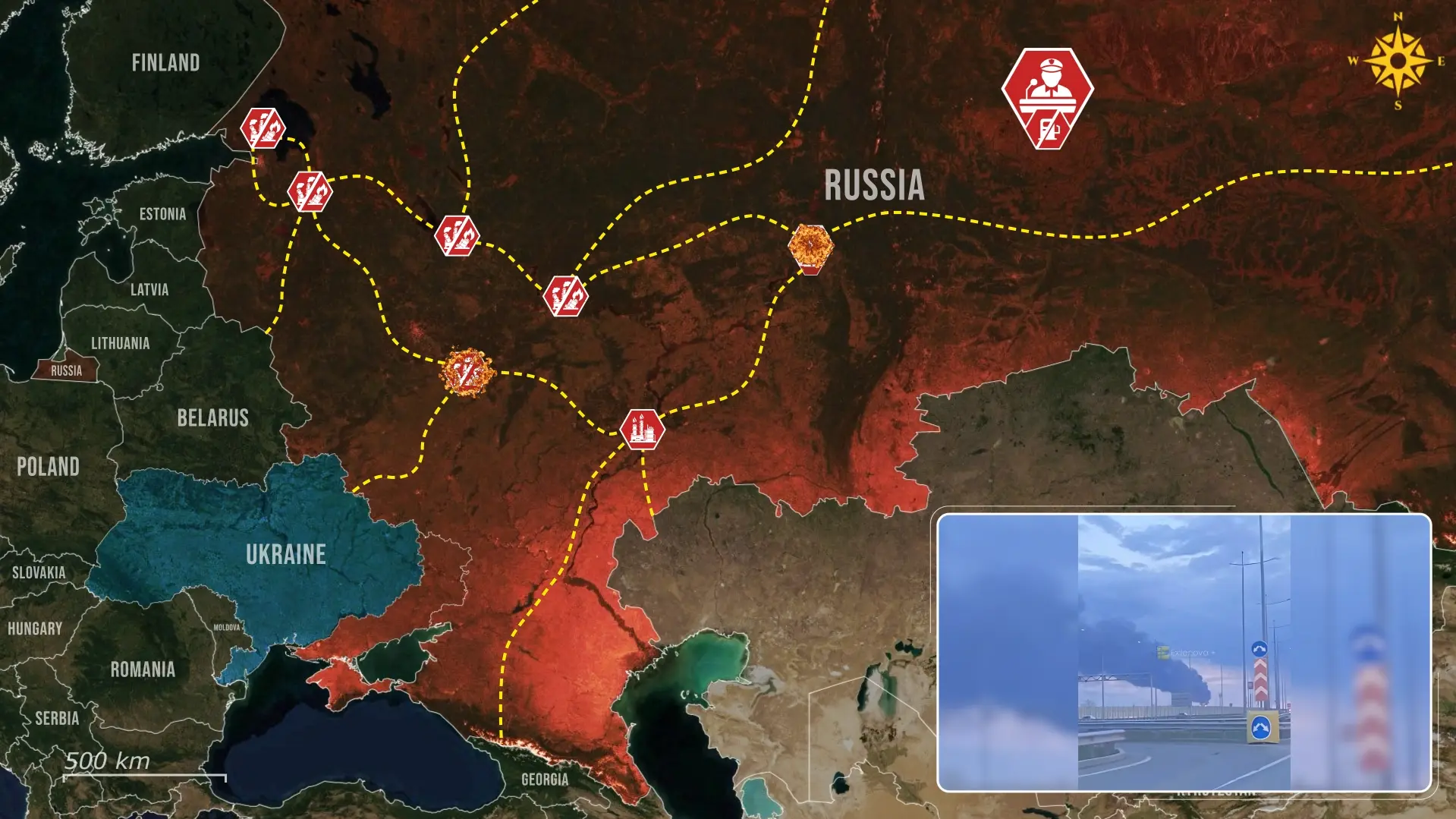
With refining output falling across the system, the pressure soon moved into exports and forced Moscow into a longer term tradeoff. Russia imposed its gasoline export ban on April first and will continue to keep it in place till the end of July, so the restrictions had already been running for nearly two months when the latest refinery losses hit. With the gasoline ban in place in April, Russian oil product exports fell by about three hundred forty thousand barrels per day from March to two point two million barrels per day
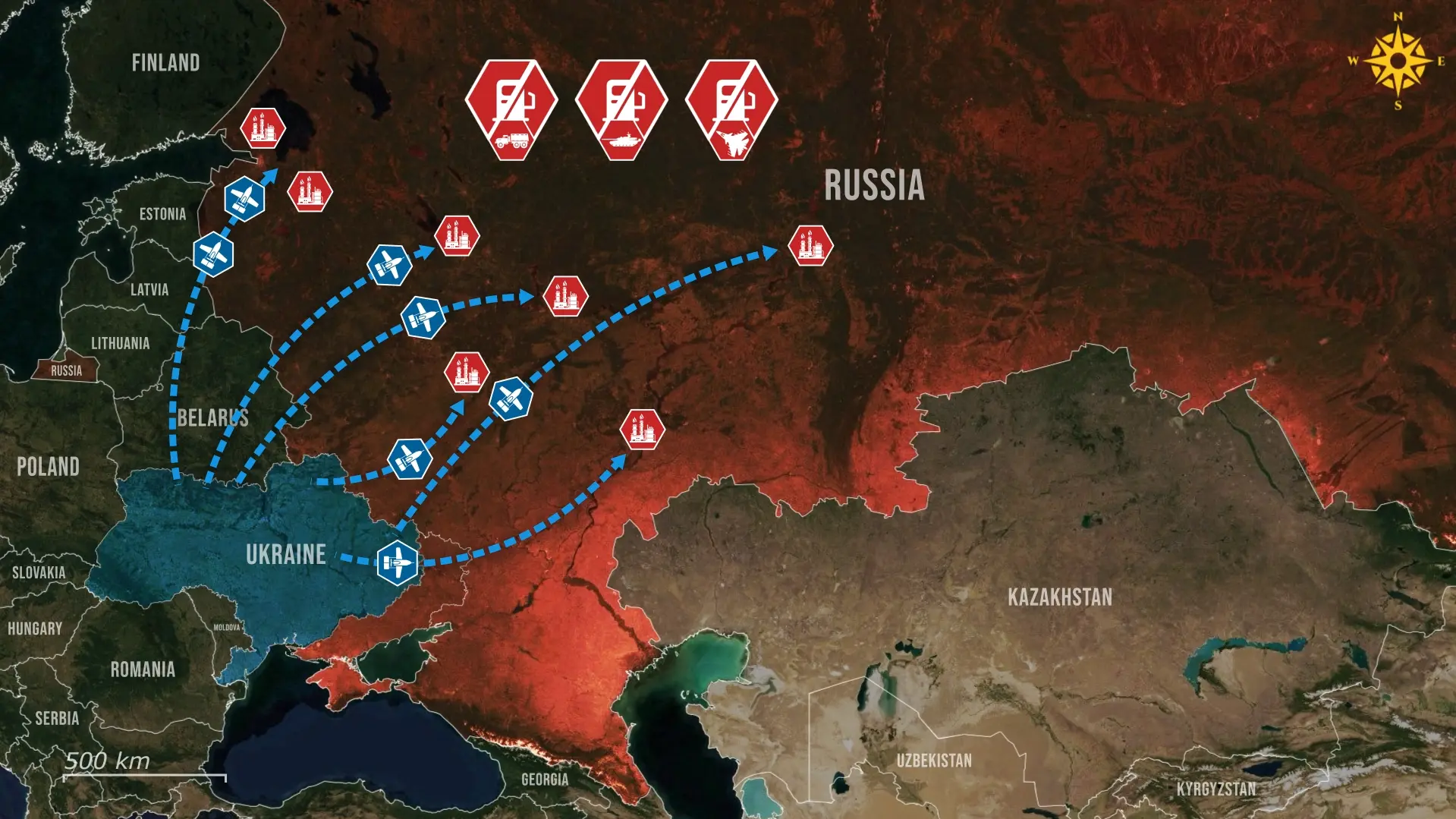
Ukraine achieved this through a sustained strike campaign against the refinery units that matter most for fuel production. In the first twenty days of May alone, ten major Russian oil sites were hit, and six were forced to halt operations. The campaign became effective because Ukraine kept returning to damaged facilities before repairs could restore output, while also striking the processing sections Russia finds hardest to replace quickly. Perm shows this clearly, because the refinery had already been hit five times by May eighth, including three strikes in one week, before another attack followed on May twelfth that put the refinery out of action. That sequence prevented repairs from stabilizing the site and eventually put a halt to fuel processing. The same method appeared in Yaroslavl and Ryazan, where repeated strikes deepened earlier damage instead of allowing recovery. Yaroslavl was hit three times in May, while Ryazan was struck on May fifteenth in one of the most damaging attacks of the campaign. Kstovo and Syzran were also hit again, adding fresh disruption at major processing sites in Nizhny Novgorod and Samara regions. Kirishi, Primorsk, and several pumping stations were struck as well, which reduced the oil flow reaching the refineries that were still operating. That left the remaining plants processing less crude oil while covering more of the system’s needs, which made delays and bottlenecks harder to avoid.

Overall, Ukraine’s refinery campaign is now forcing Russia to spend more resources protecting fuel infrastructure and restoring damaged plants far behind the front. This pulls air defenses and repair capacity into the energy sector, where repeated strikes keep undoing earlier recovery work and slowing stabilization. As refinery outages continue, fuel distribution becomes harder to manage, increasing pressure on military supply planning across the war effort. Russia now faces a deeper logistical vulnerability inside its own rear, because every new disruption widens the gap between fuel demand and refining capacity.

.jpg)

Comments