

.svg)
Today, the biggest news comes from Ukraine.
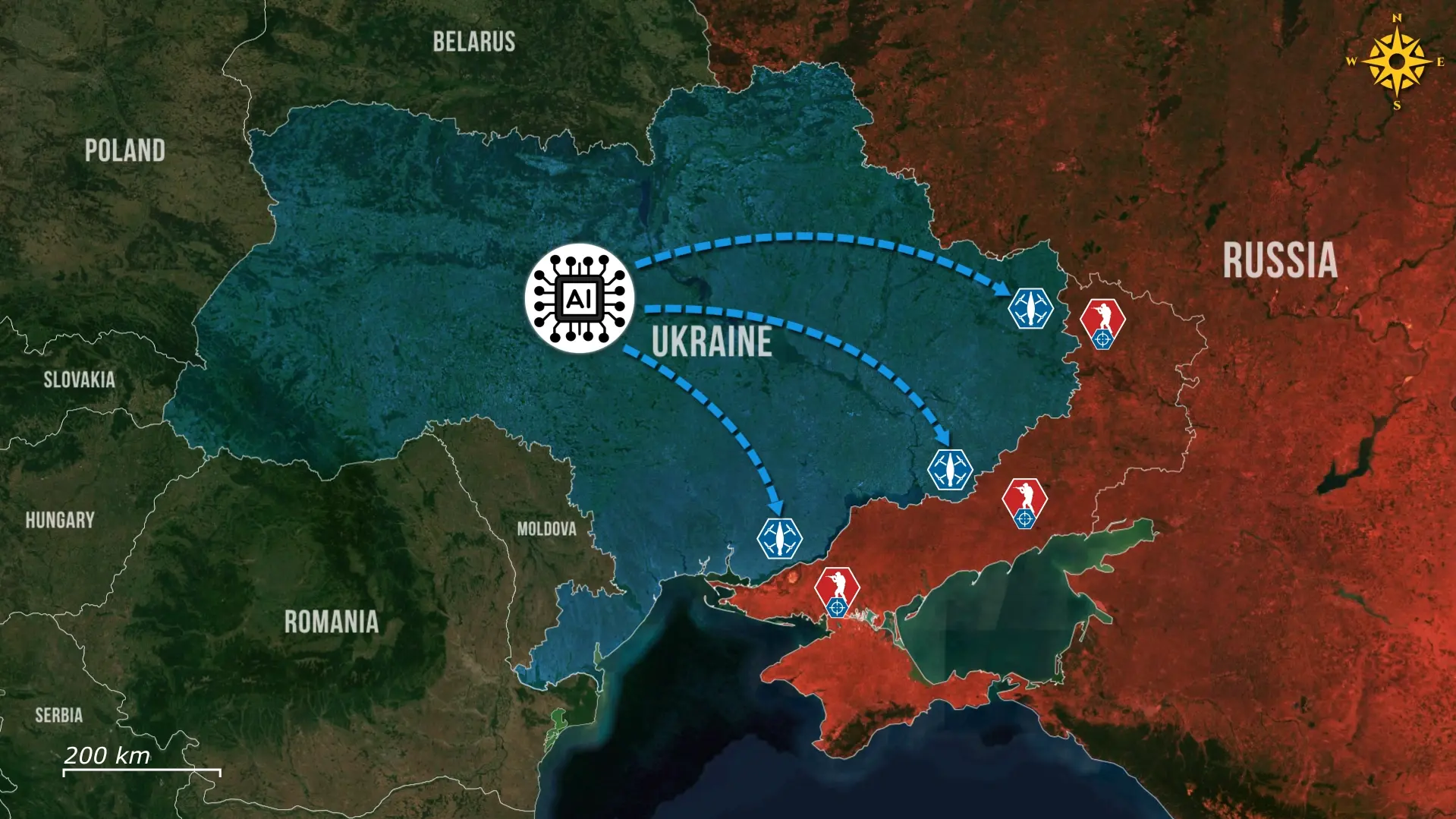
Ukrainian FPV drones are growing increasingly lethal on the battlefield, carrying anti infantry explosives and delivering precise, highly effective strikes against Russian infantry. To make these drones even more lethal, Ukraine is integrating AI assisted remote detonation systems into them, turning each strike into an almost guaranteed fatal hit, marking a new chapter in drone warfare.
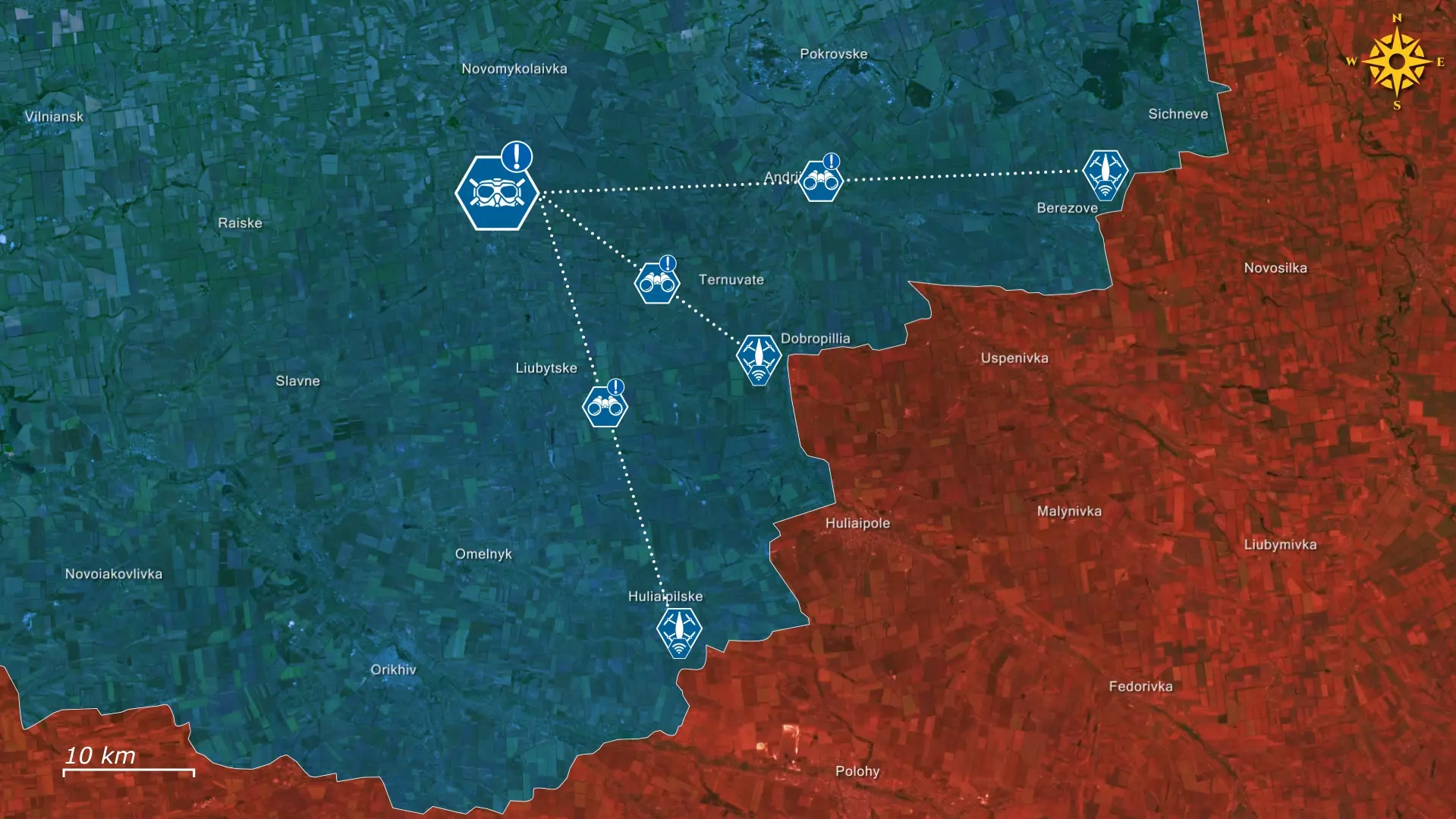
The integration of remote detonation technology in FPV drones is not new; a drone operator can guide the drone to a specific position or close proximity to the target and then remotely trigger the explosion. This capability helps mitigate the limitations of most FPV Kamikaze drones used on the battlefield, where even minor targeting errors by the operator or last moment evading movements from the target can significantly impact the effectiveness of a strike. With remote detonation, the resulting fragmentation from detonating only near the target still spreads rapidly in all directions; therefore, even if the target attempts to jump away, it becomes almost impossible to fully escape the impact of the explosion.
Previously, full control of this remote detonation was in the hands of the drone operators themselves; by monitoring the live video feed from the drone, the operator would decide themself the exact moment to trigger the explosion in order to ensure a successful kill. However, due to the extremely high-speed nature of FPV drones, even a slight delay or miscalculation caused by human reaction time can already result in a miss, or a non-fatal strike.
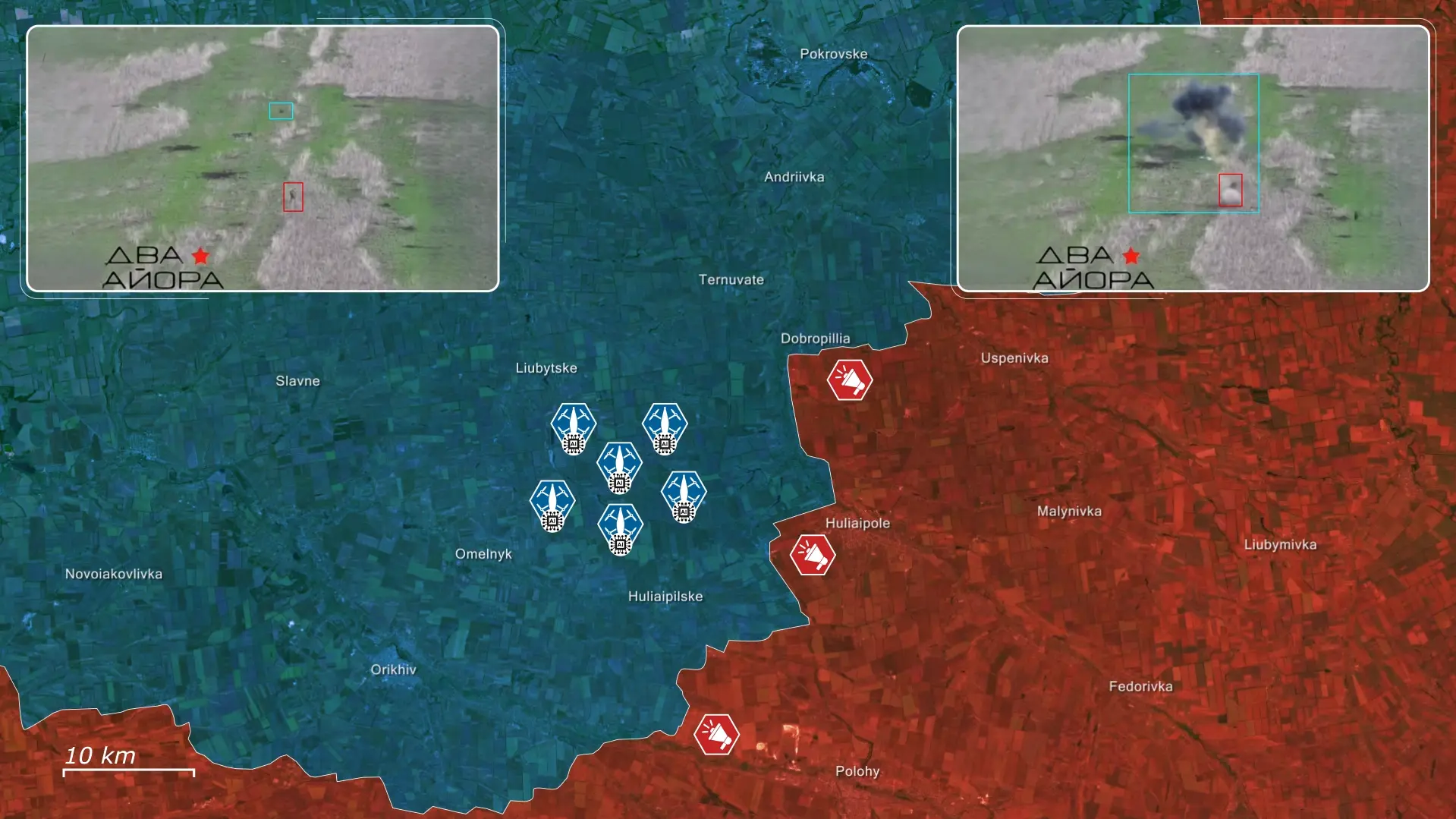
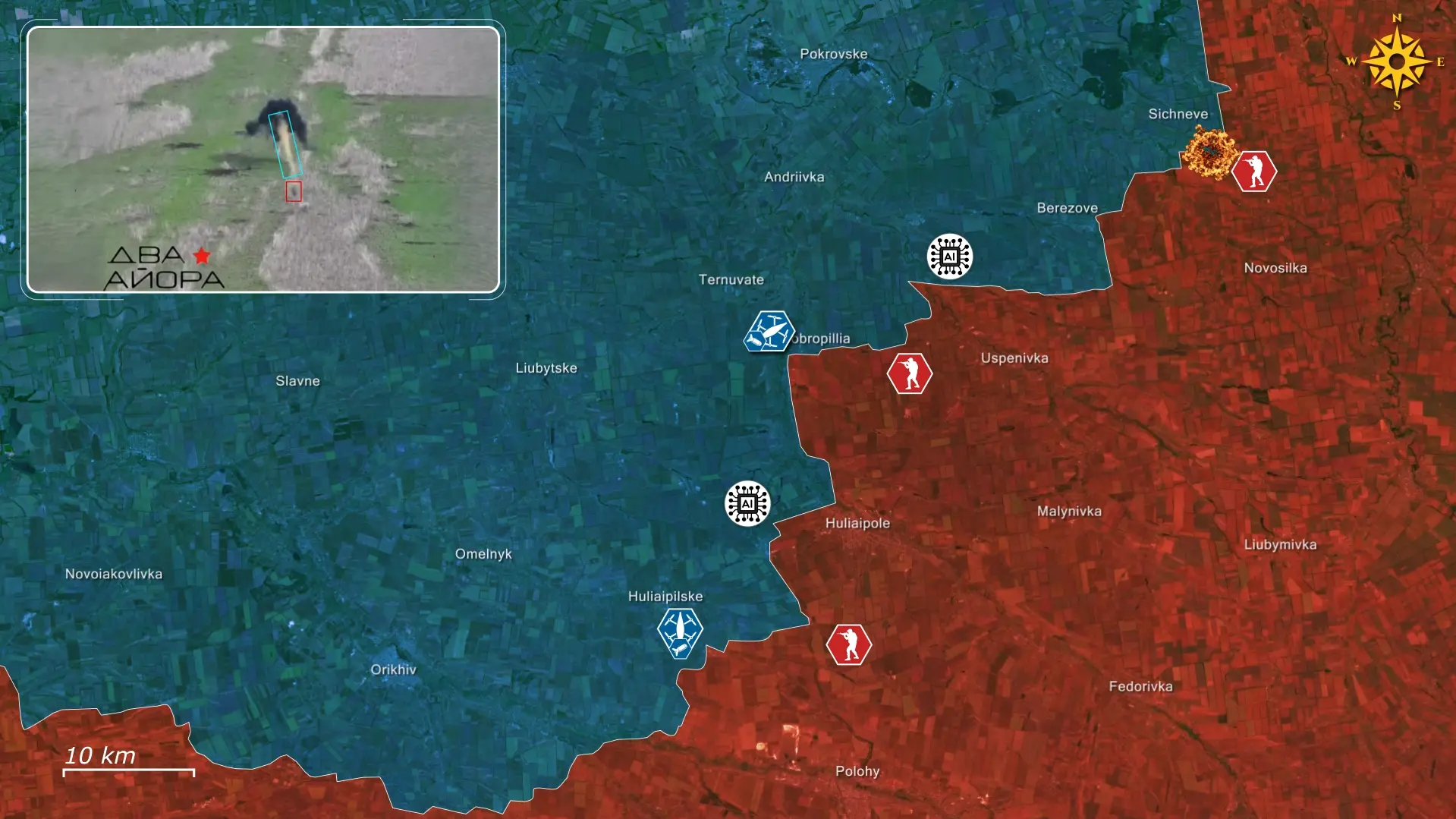
Now, recently published video footage shows a Ukrainian FPV drone flying in and, from a considerable distance and with extreme precision, triggering the explosion and killing the Russian soldier. This coincides with recent Russian claims that Ukrainians have begun integrating combat artificial intelligence into their FPV drones, with drones showing increasing signs of automatic target-recognition.
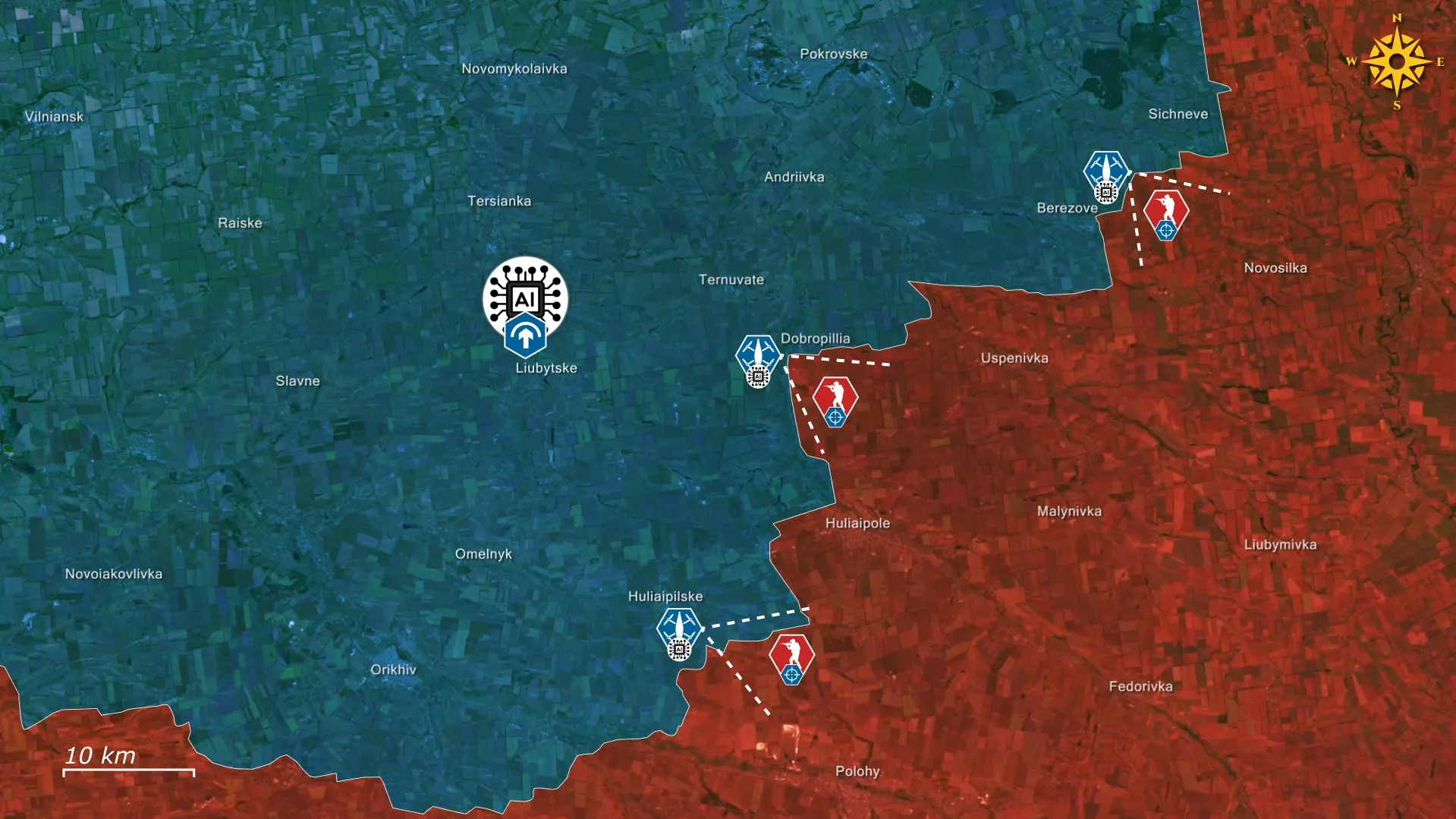
The integration of an AI assisted system into the remote detonation framework is leading to a significant change in the way Ukrainian operators control FPV drones. Previously, the entire decision making and control process from launching the drone toward a specific target to pressing the trigger for detonation was fully dependent on the operator. In contrast, operators now primarily guide the drone toward the designated target and upon reaching the target area, authorize the AI system to execute the strike. The AI system autonomously analyzes the drone’s camera feed, the target’s position, speed, distance, and the potential angle of impact, and determines the optimal moment for detonation when the drone reaches close proximity to the target. As a result, the FPV drone is able to destroy the specified target with a high degree of precision.
The recent video footage also shows a distinct smoke trail visible from the exploding drone toward the Russian soldier, suggesting that Ukraine has combined the AI-assistant with directional charge explosives. In FPV drone systems, the use of directional charges eliminates the need for direct collision with the target, but the biggest challenge is aiming the explosive with extreme precision, since even a slight error can cause the strike to fail. To overcome this limitation, Ukraine has integrated AI into the system. Once the drone reaches a designated position, the operator activates the AI system by pulling the trigger, after which the entire process including target identification, maintaining the correct distance, and detonating the directional explosive at the optimal moment is carried out by the AI itself with a very high level of precision. As a result, the explosive is able to strike the target more effectively.
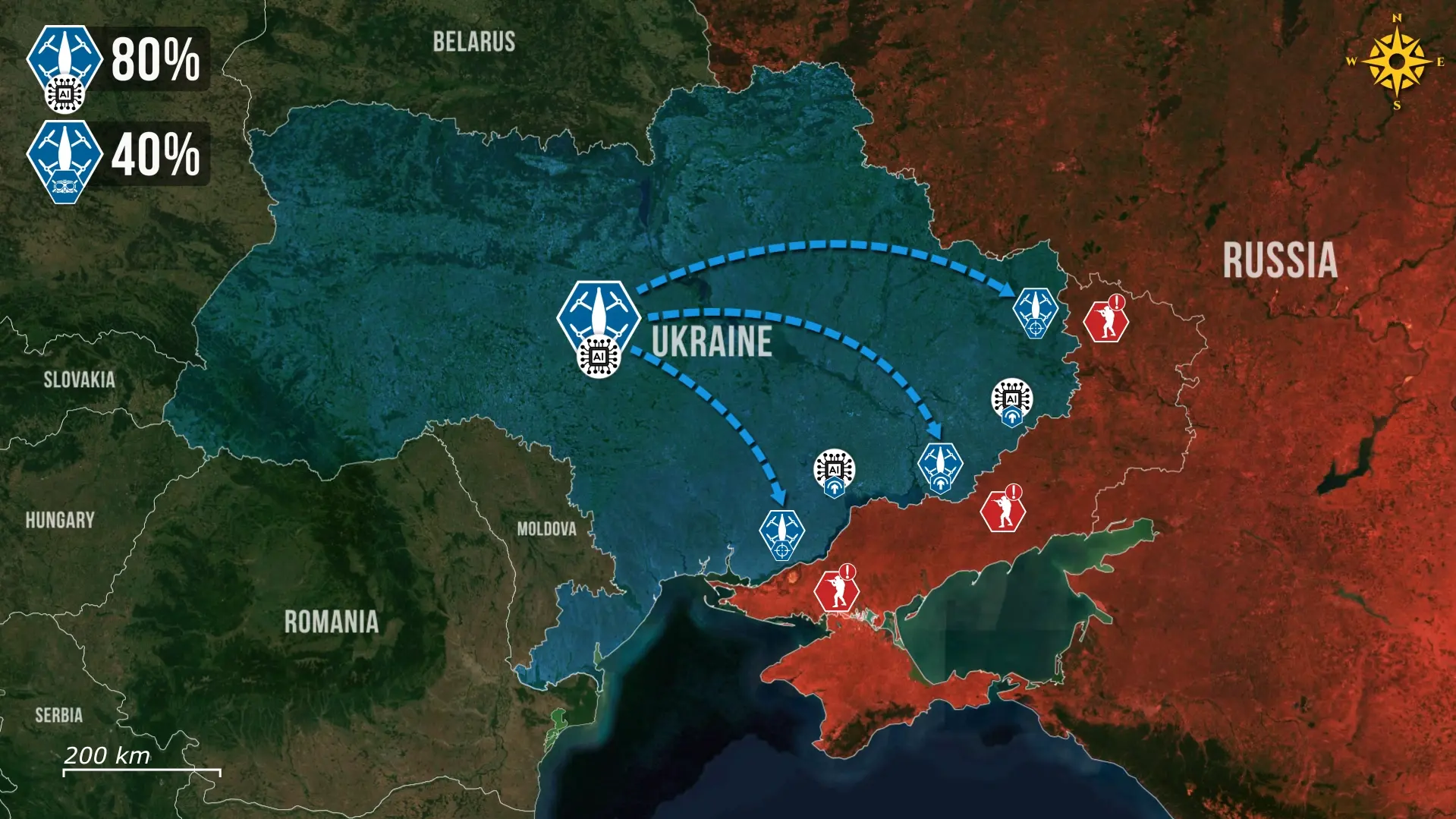
Overall, Ukraine’s activities are creating an operational environment where human decision making is integrated with the high-speed analytical capabilities of AI, significantly increasing the accuracy, effectiveness, and success rate of FPV drone strikes. According to claims by Ukrainian manufacturers, the strike success rate of AI enabled FPV drones in the battlefield is around eighty percent, whereas it is approximately forty percent under manual control, clearly indicating that Ukraine is rapidly advancing toward AI enabled drone technology. This technological progress has severely weakened the survival prospects of Russian infantry forces on the battlefield, further highlighting the strategic impact of AI assisted FPV drone systems in modern warfare.

.jpg)

Comments