

.svg)
Today, there are interesting updates from the Li-man direction.
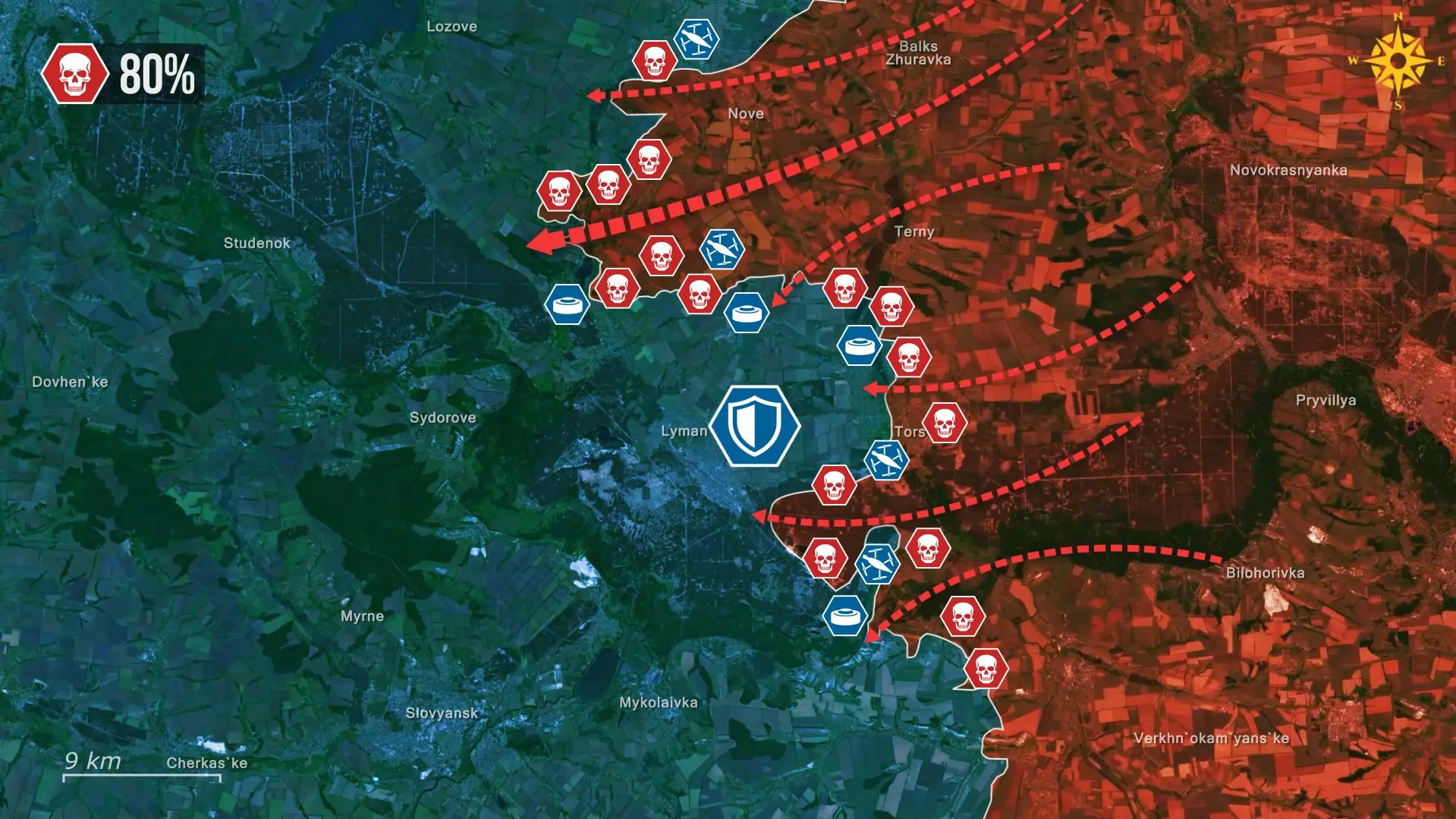
Here, with the Russian command getting desperate and spring arriving, mega assaults were launched across the whole local frontline in the hope of achieving a breakthrough. However, the Ukrainian defenders were prepared to cause the enemy disproportionally high losses.
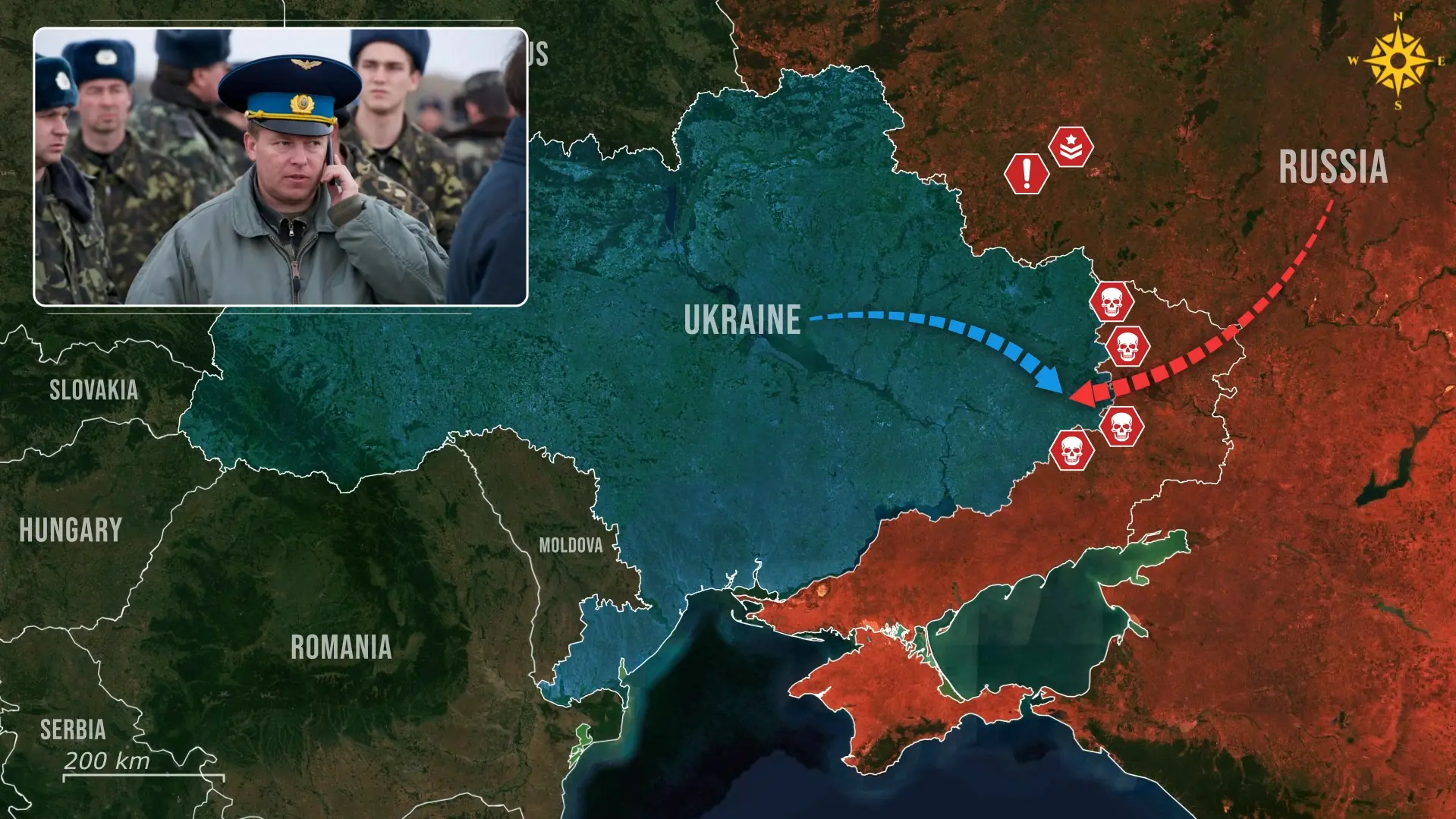
Аcross the entire frontline, a clear pattern has emerged over the past weeks, with Russian progress stalling. In response, the Russian high command has resorted to intensified, large-scale assaults across multiple directions, leading to catastrophic losses. According to Ukrainian officials, just within a matter of five days after the Russian spring offensive started, enemy forces suffered over eight thousand killed and severely wounded.
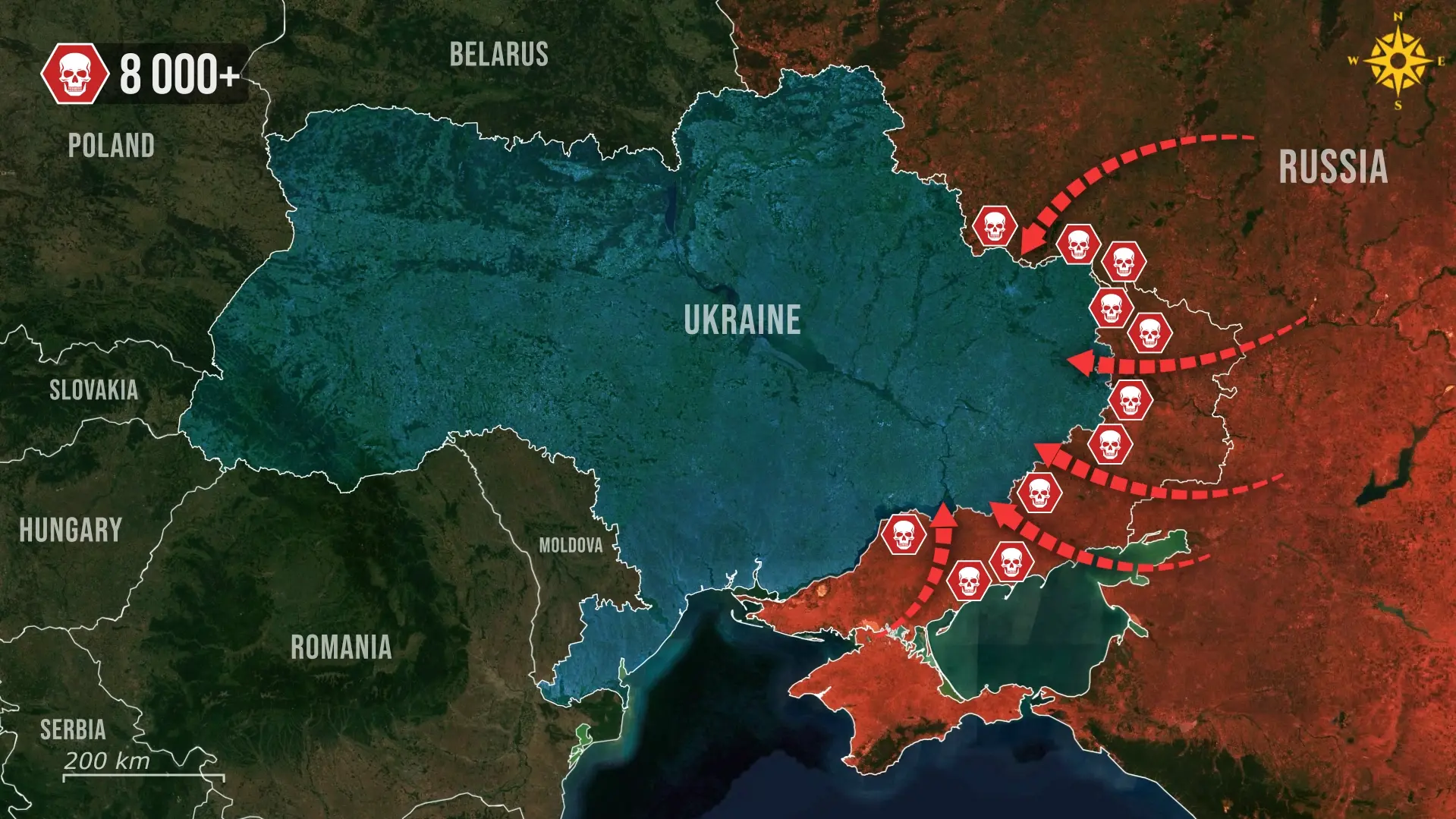
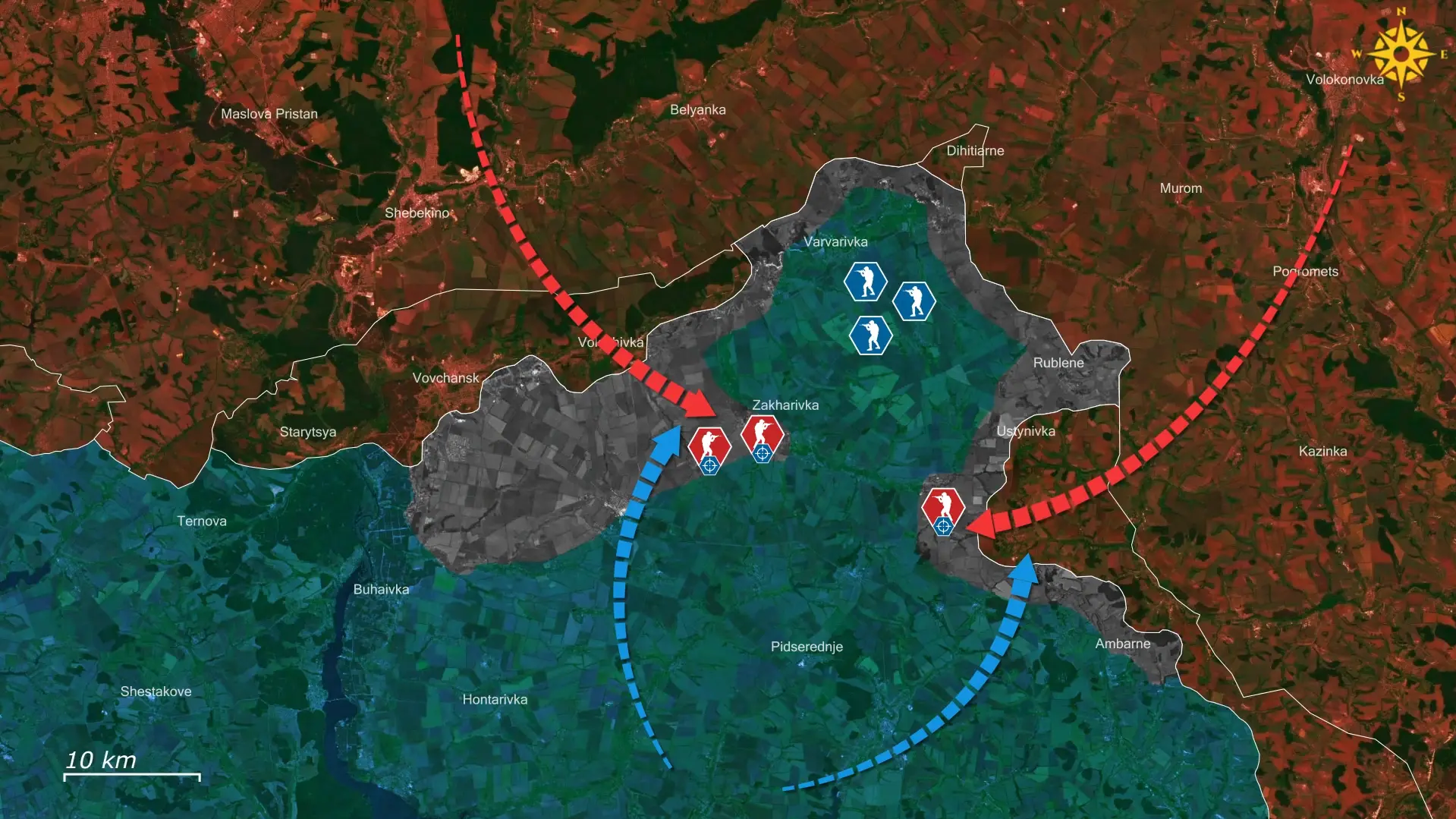
Nowhere is this dynamic more visible than in Li-man, which has become one of the hottest zones of the frontline. Recently, Russian forces have launched relentless assaults here, aiming to break through toward Sloviansk and regain operational momentum.
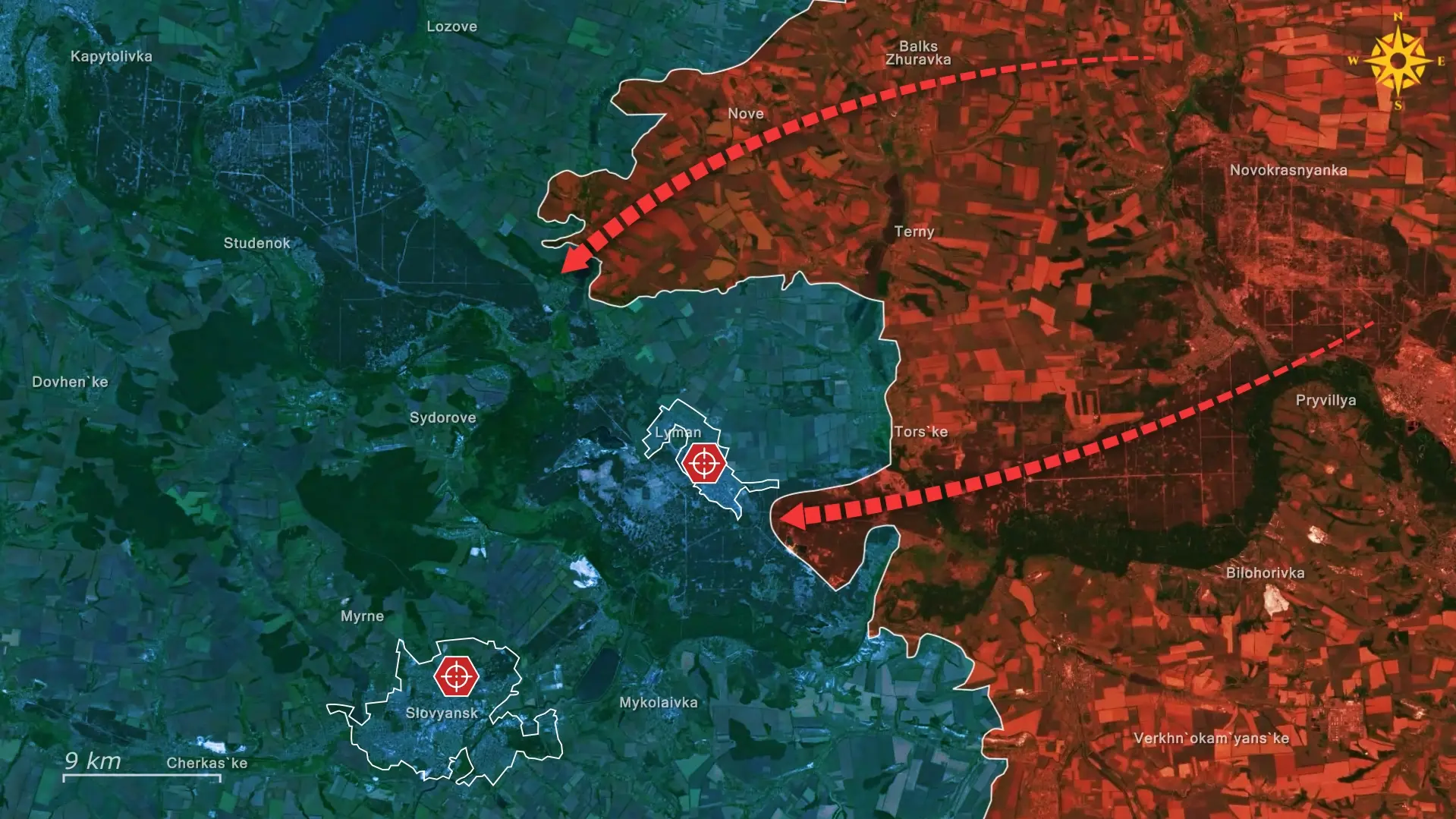
In response, Ukraine’s Third Army Corps has implemented a highly effective active defense, combining layered fortifications with constant drone surveillance, ground drone operations and precision strikes. Russian units are repeatedly identified, fixed, and destroyed before they can consolidate gains, as Ukrainian forces target their command nodes, logistics routes, and assault groups in real time. Despite constant pressure, these methods have denied Russia any breakthrough, keeping the sector firmly under Ukrainian control.
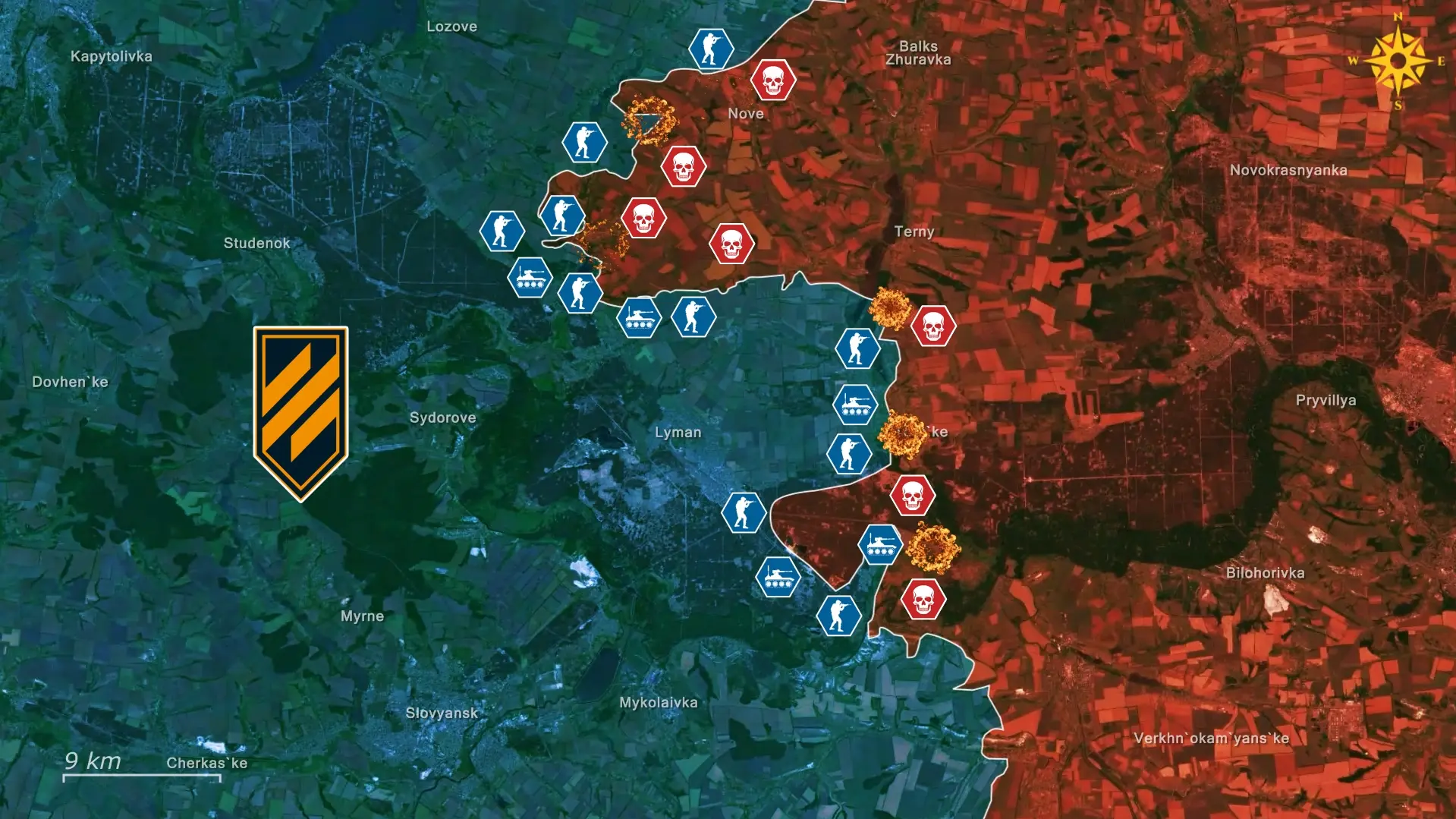
The Russian command launched one of the largest mechanized assaults seen in recent months to regain the initiative, with the most intense push happening near Shandriholove. This is where Russian forces committed a significant part of over five hundred troops, twenty-eight armored vehicles, and more than one hundred motorcycles and buggies thrown forward along a broad sector of around one hundred and fifty kilometers in a coordinated attempt to overwhelm Ukrainian defenses. The Russian assault began early in the morning, aiming to exploit the advantage of fog cover and rapidly penetrate Ukrainian lines by using fast-moving buggies and motorcycles, supported by armored vehicles to provide firepower.
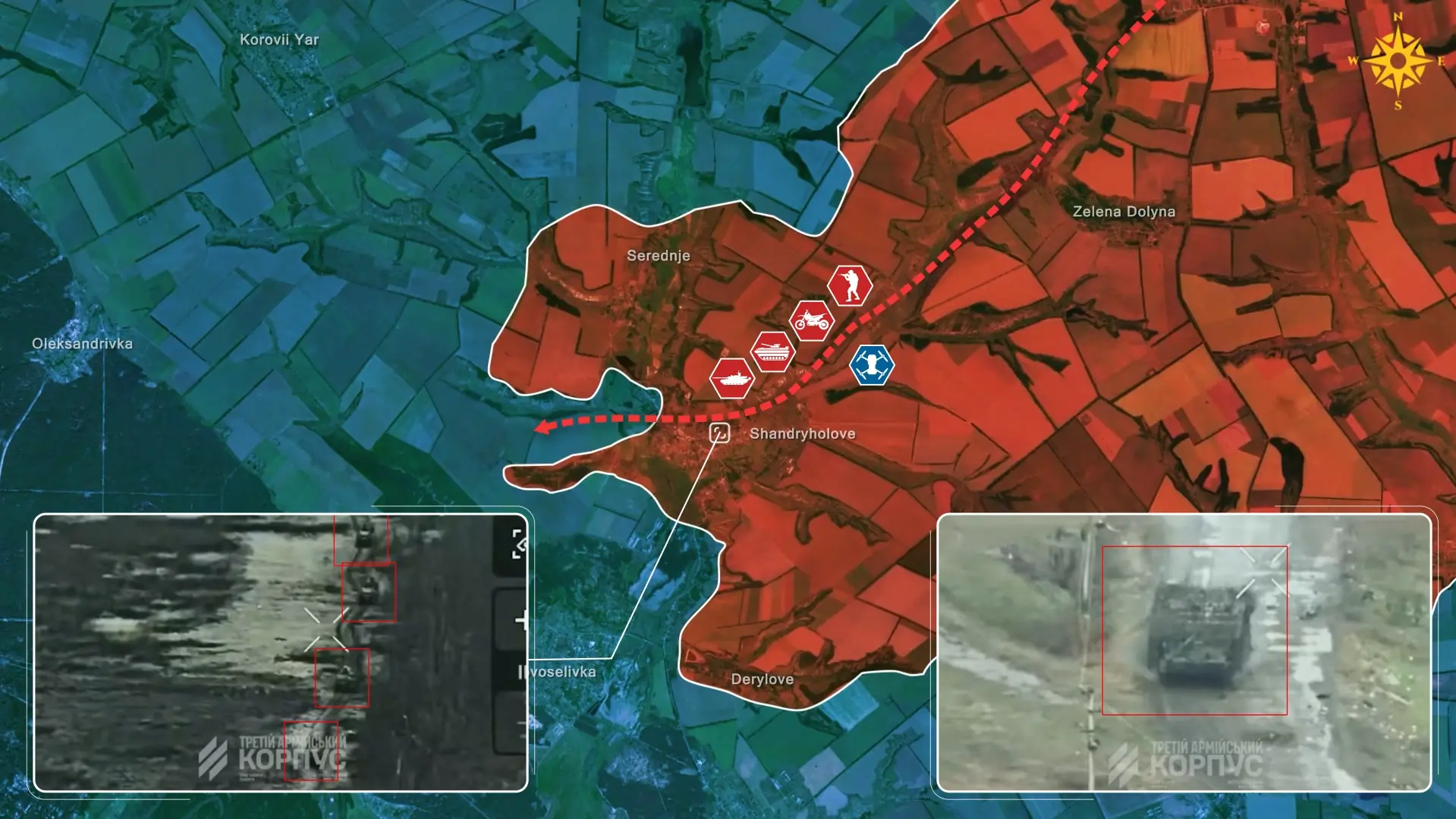
Unfortunately for the Russians, the very scale and composition of the attack exposed critical vulnerabilities, as constant Ukrainian drone surveillance through aerial and ground drones detected it early. Even the quickest Russian vehicles were successfully intercepted by Ukrainian FPV drones before reaching their objectives, with dozens of Russian soldiers not even managing to dismount.
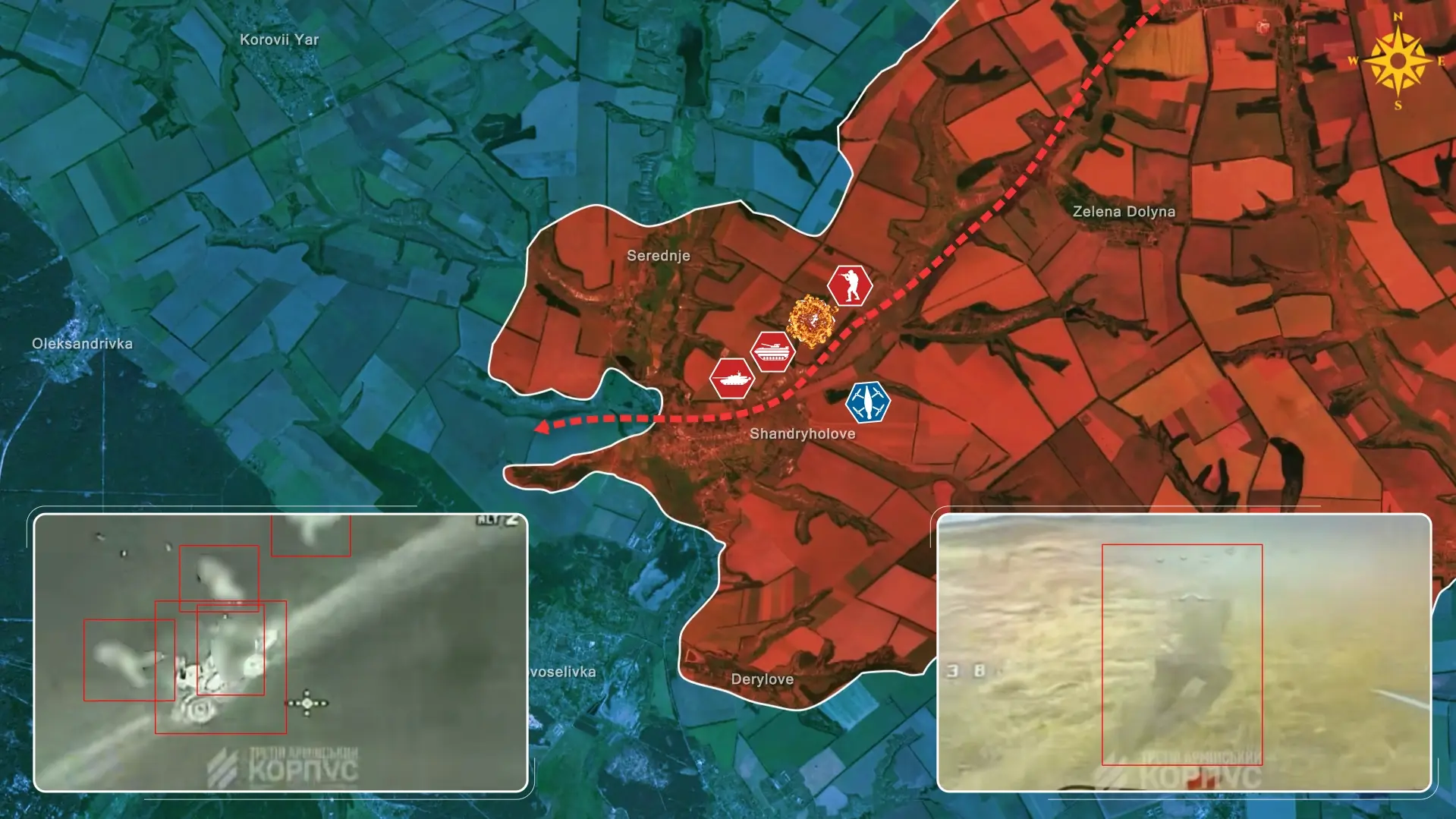
Heavier Russian armored vehicles were restrained by the terrain that was remotely mined by Ukrainian drones and funneled into predictable routes where they became trapped in kill zones. As the first vehicles were destroyed by waves of Ukrainian kamikaze drones, the advancing columns stalled, creating congestion and making subsequent targets even easier to engage.
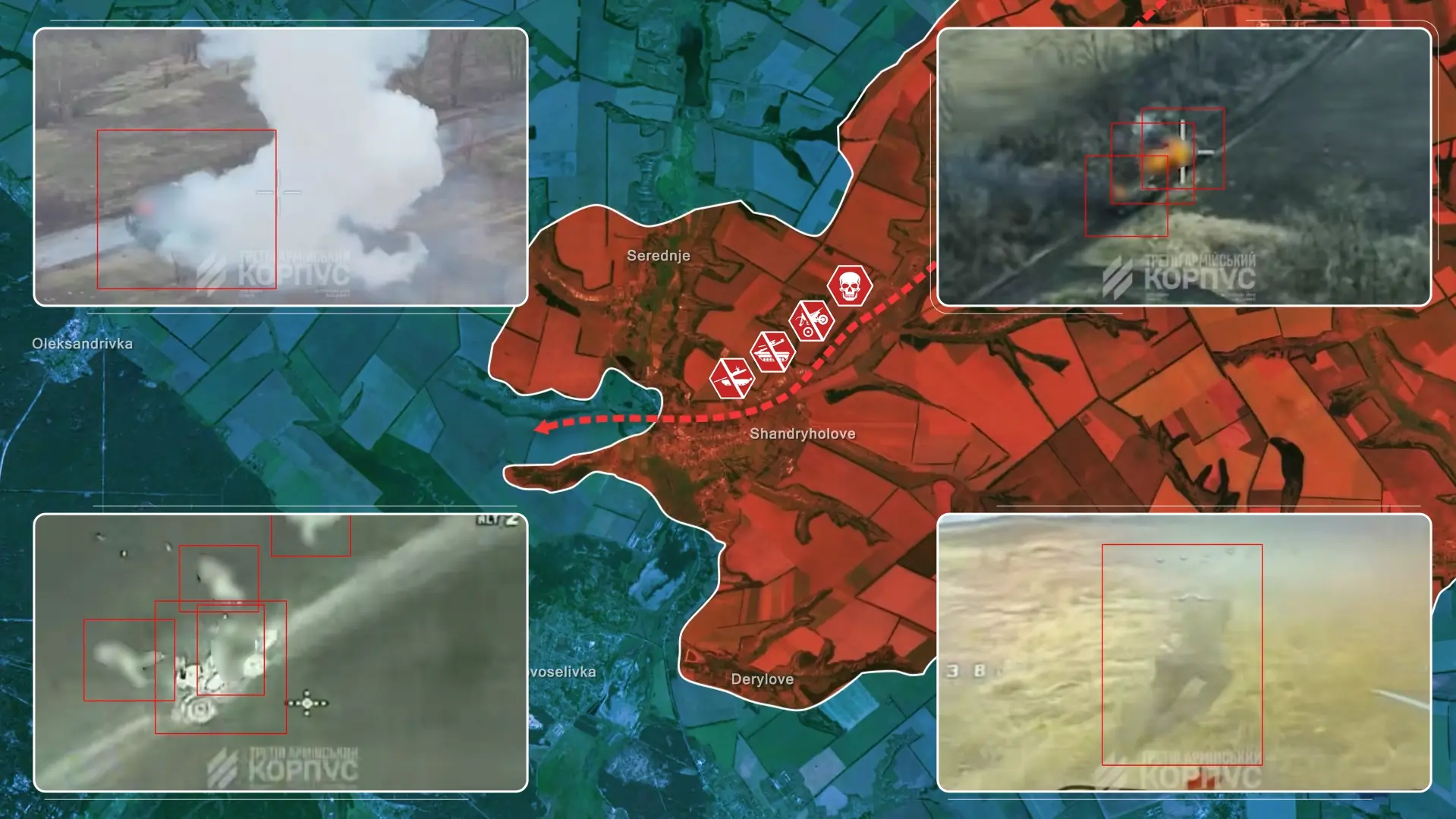
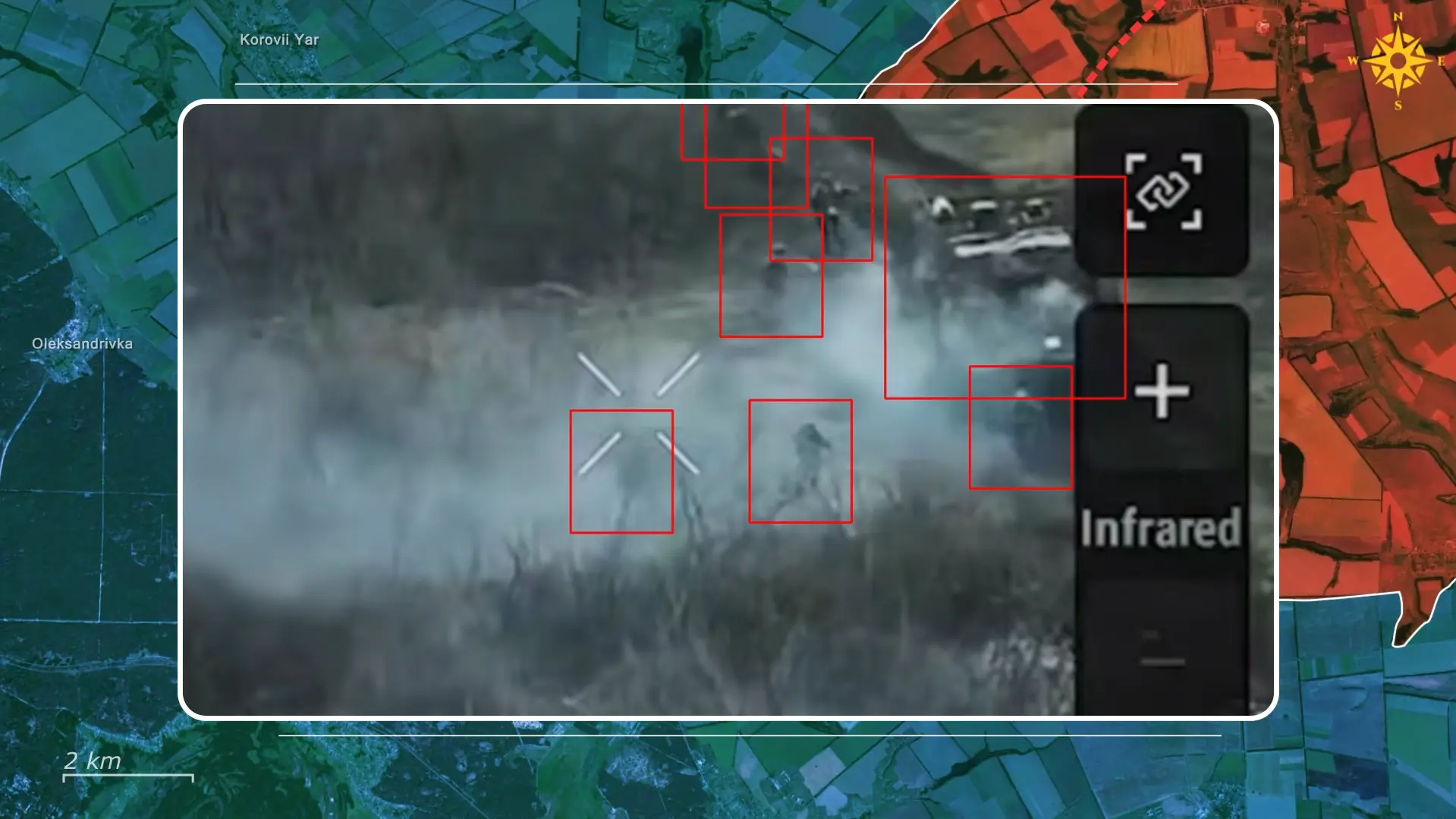
The systematic dismantling of the assault followed, with Russian soldiers abandoning damaged vehicles seeking cover in nearby forested areas, only to be struck by precise Ukrainian artillery fire. Those who attempted to hide were tracked using thermal drone surveillance and eliminated with additional strikes.
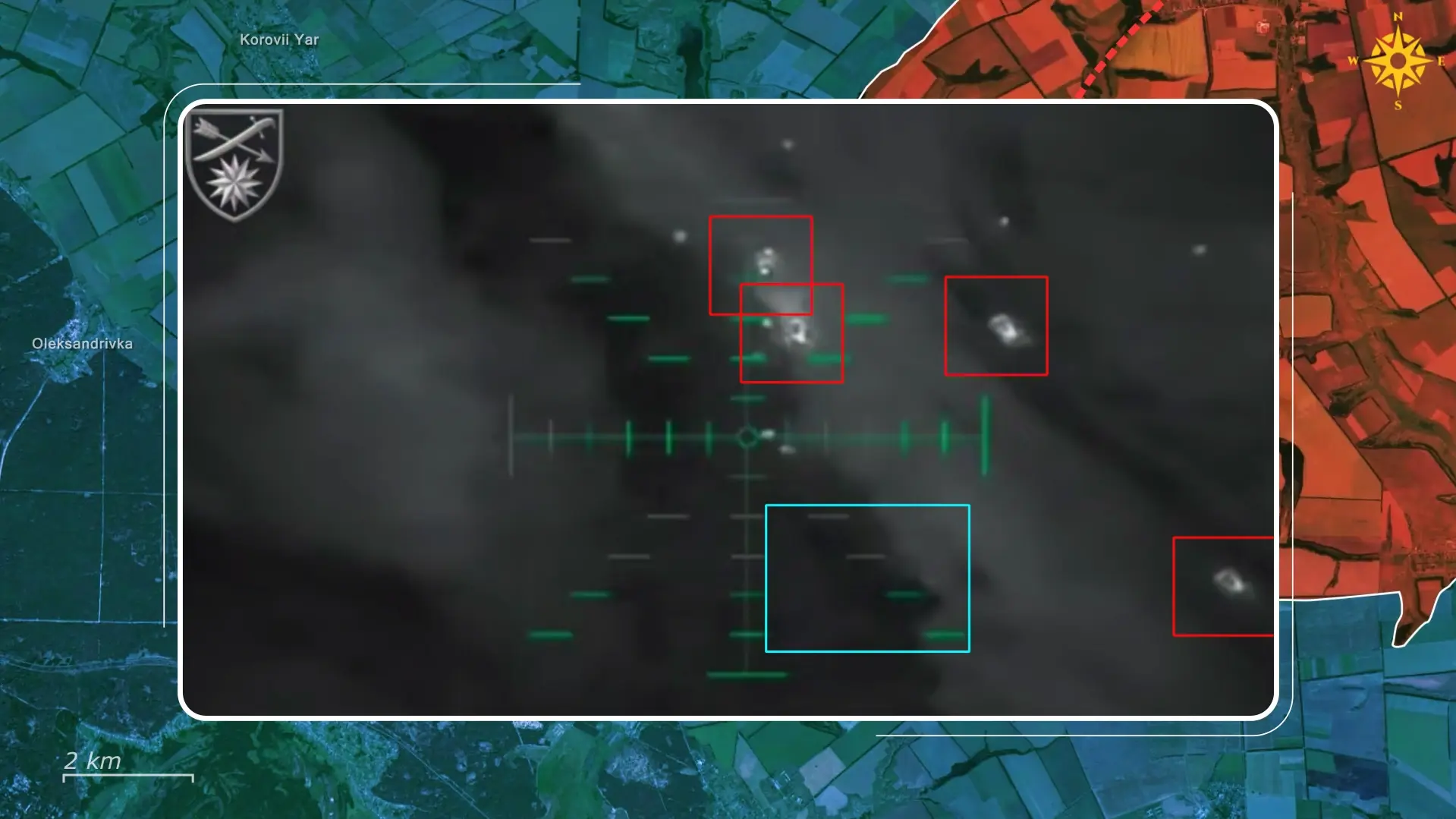
Others who tried to retreat back toward their initial routes were intercepted and destroyed by Ukrainian fire. Ukrainian forces also neutralized Russian support elements, destroying multiple artillery systems, including a Tos One intended to provide breakthrough firepower. Electronic warfare units suppressed over one hundred and sixty Russian drones, blinding their reconnaissance and striking capabilities, further isolating the assault groups.
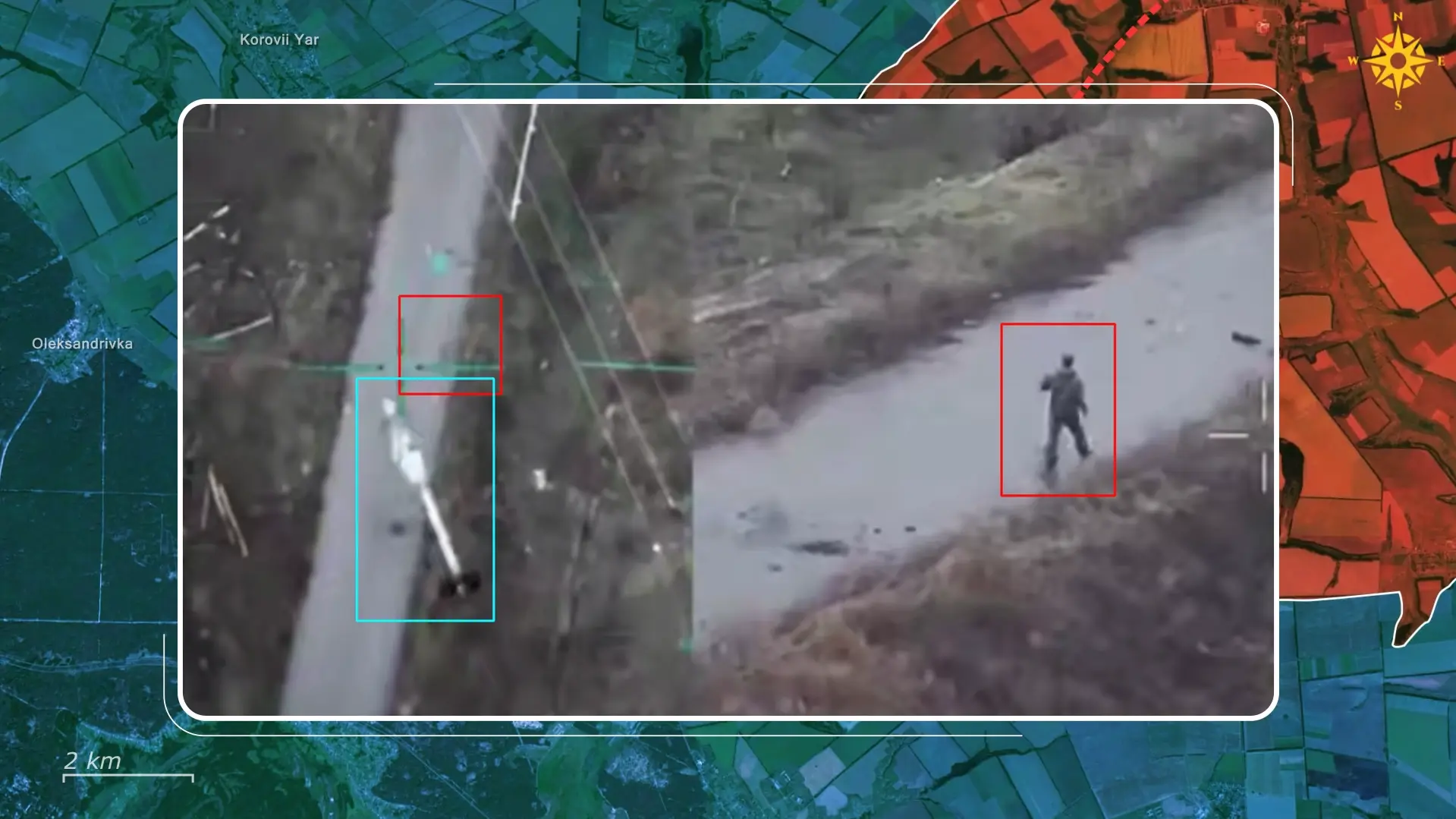
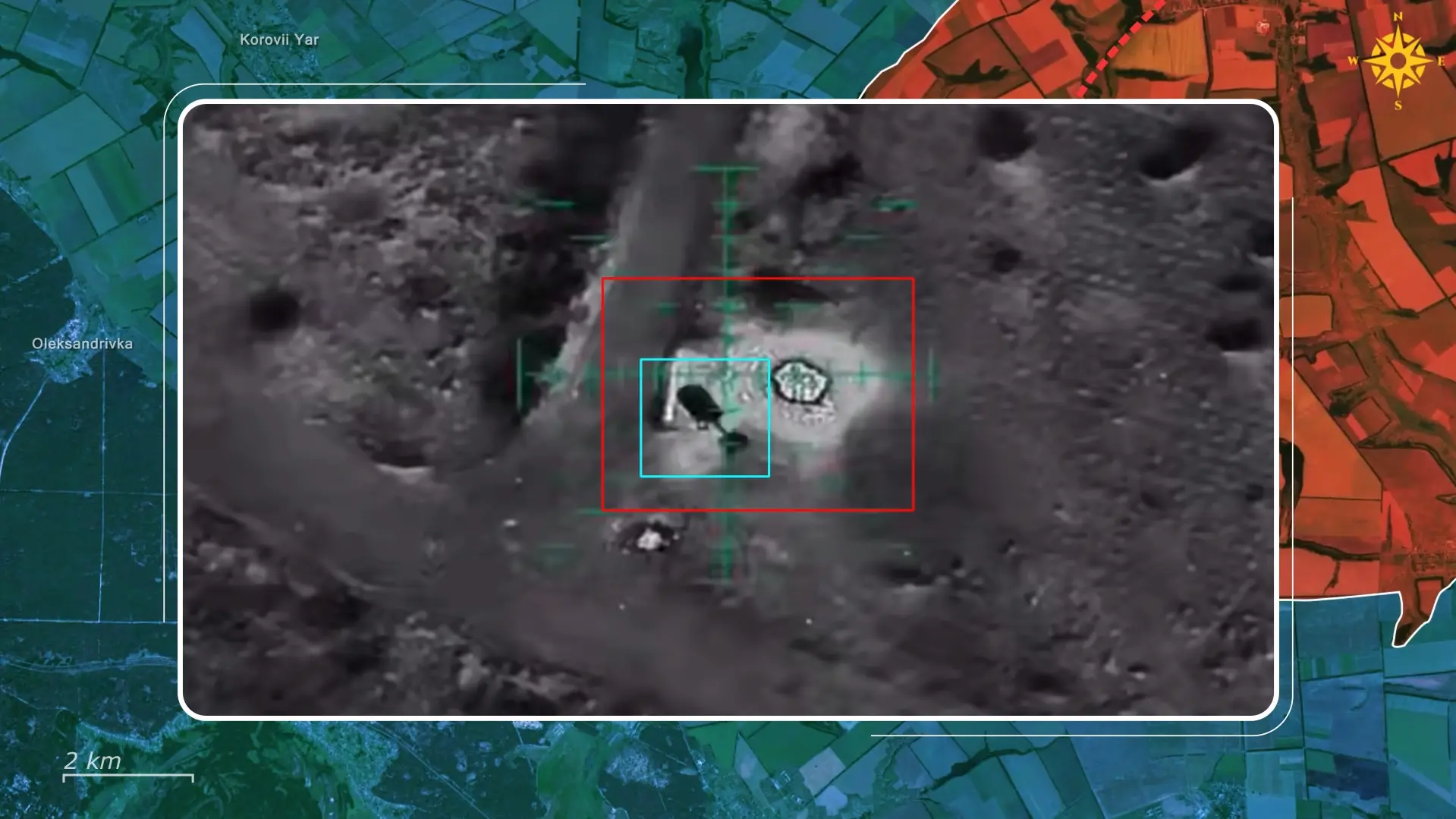
Similar, though smaller, assaults unfolded across the wider Li-man sector, and while less massive than the Shandriholove push, these attacks were still significantly larger than those seen in previous months, indicating a broader escalation in Russian tactics. Yet the outcome remained the same, as Ukrainian forces repelled each attempt, destroying equipment, halting advances with remote mining and drones, and inflicting heavy casualties.
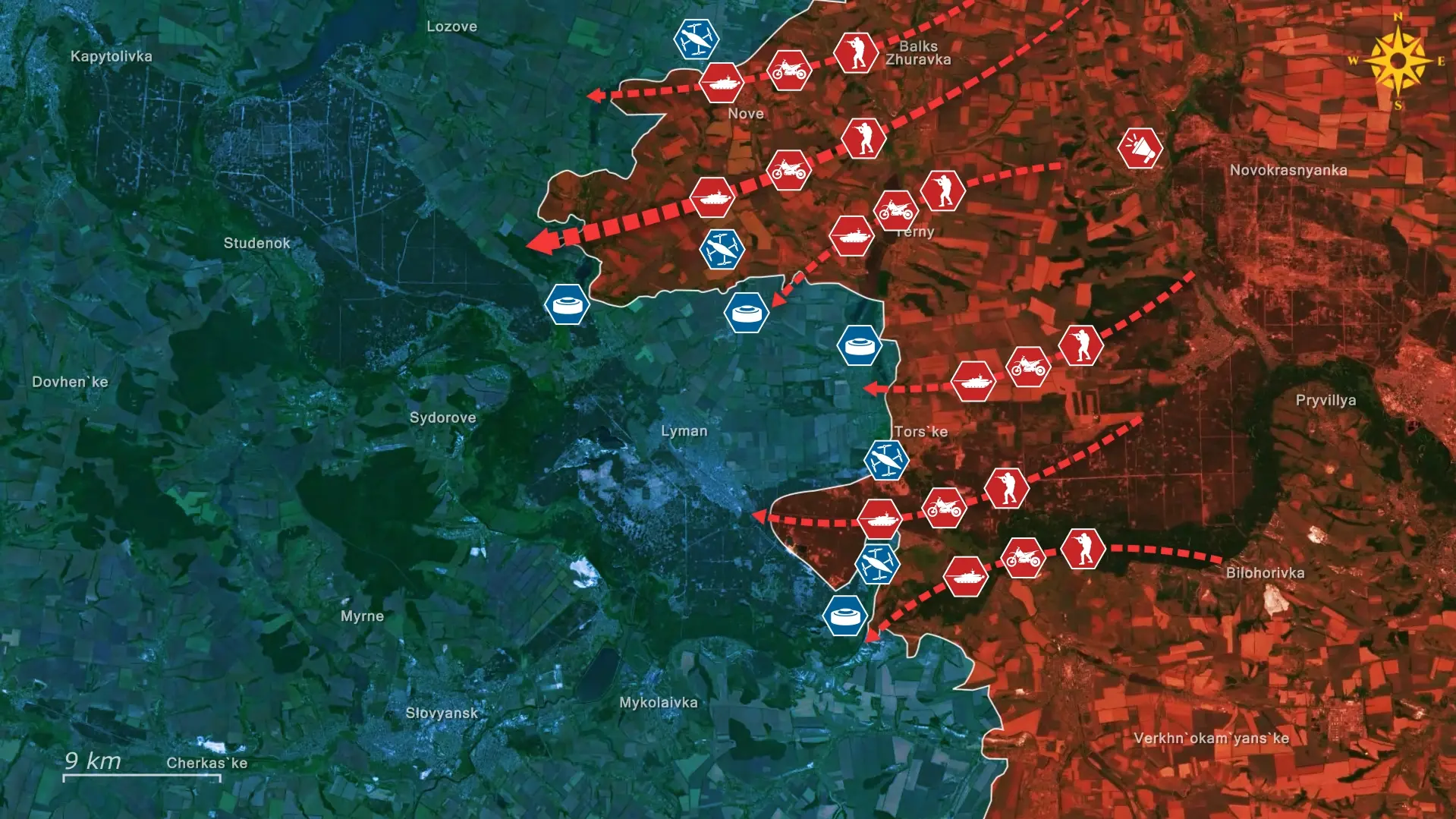
Within hours, the entire offensive collapsed, as Ukrainian defenders destroyed dozens of tanks and armored vehicles, over eighty smaller platforms, and eliminated approximately four-hundred-five Russian soldiers, while crucially, not a single Ukrainian position was lost. In total, more than eighty percent of attacking Russian units in the Li-man sector were neutralized, without any territorial gain.
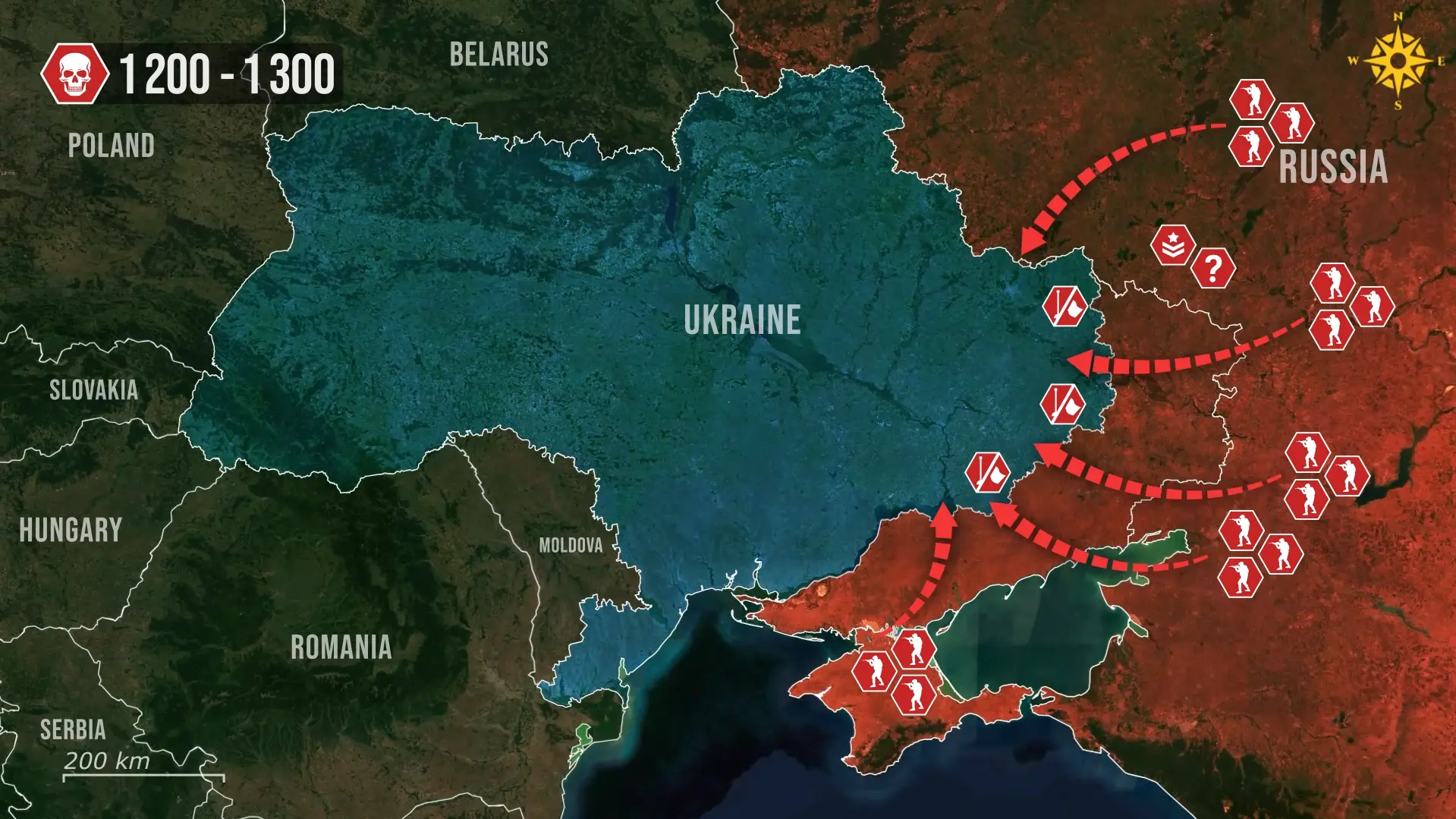
Overall, the situation highlights the stark reality in which massive Russian assaults now consistently translate into massive Russian losses. Faced with slowing progress and mounting pressure, the Russian command is committing more forces in increasingly desperate attempts to regain momentum. However, with average daily losses between twelve-hundred and thirteen-hundred a day for the past weeks in a row, this approach is becoming unsustainable, as Russia is losing men and equipment at a rate that would be difficult to replace, while gaining nothing in return.

.jpg)



Comments