

.svg)
In this video, we will analyze how Ukraine has started establishing a logistics lockdown against the Russian rear.
Here, Ukraine prepares to launch the second stage of what its officials are now openly calling a full-scale logistics lockdown. The Ukrainian command is now moving beyond disruption, preparing to strangle Russia’s entire war machine through a logistics blockade on an unprecedented scale.
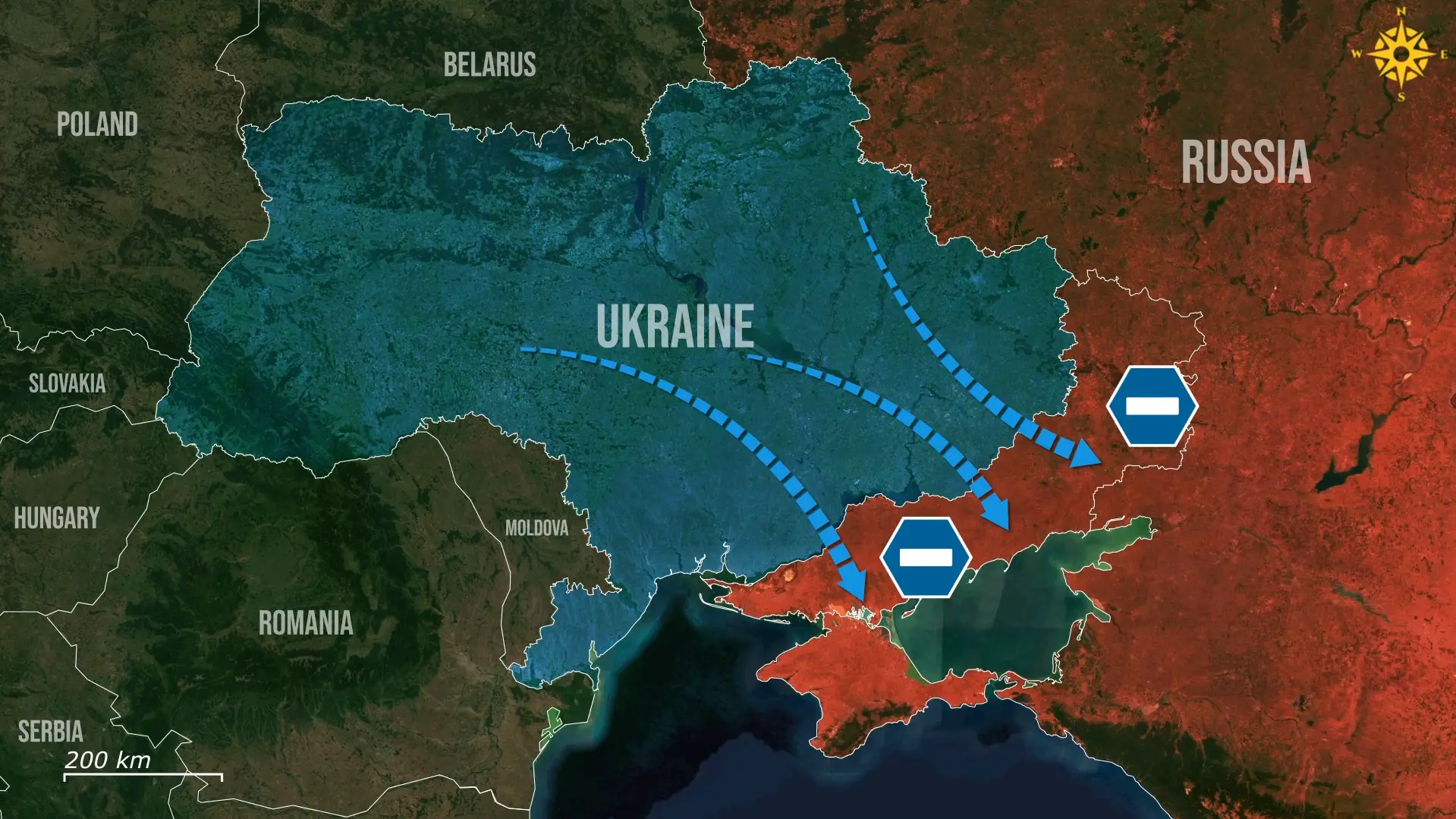
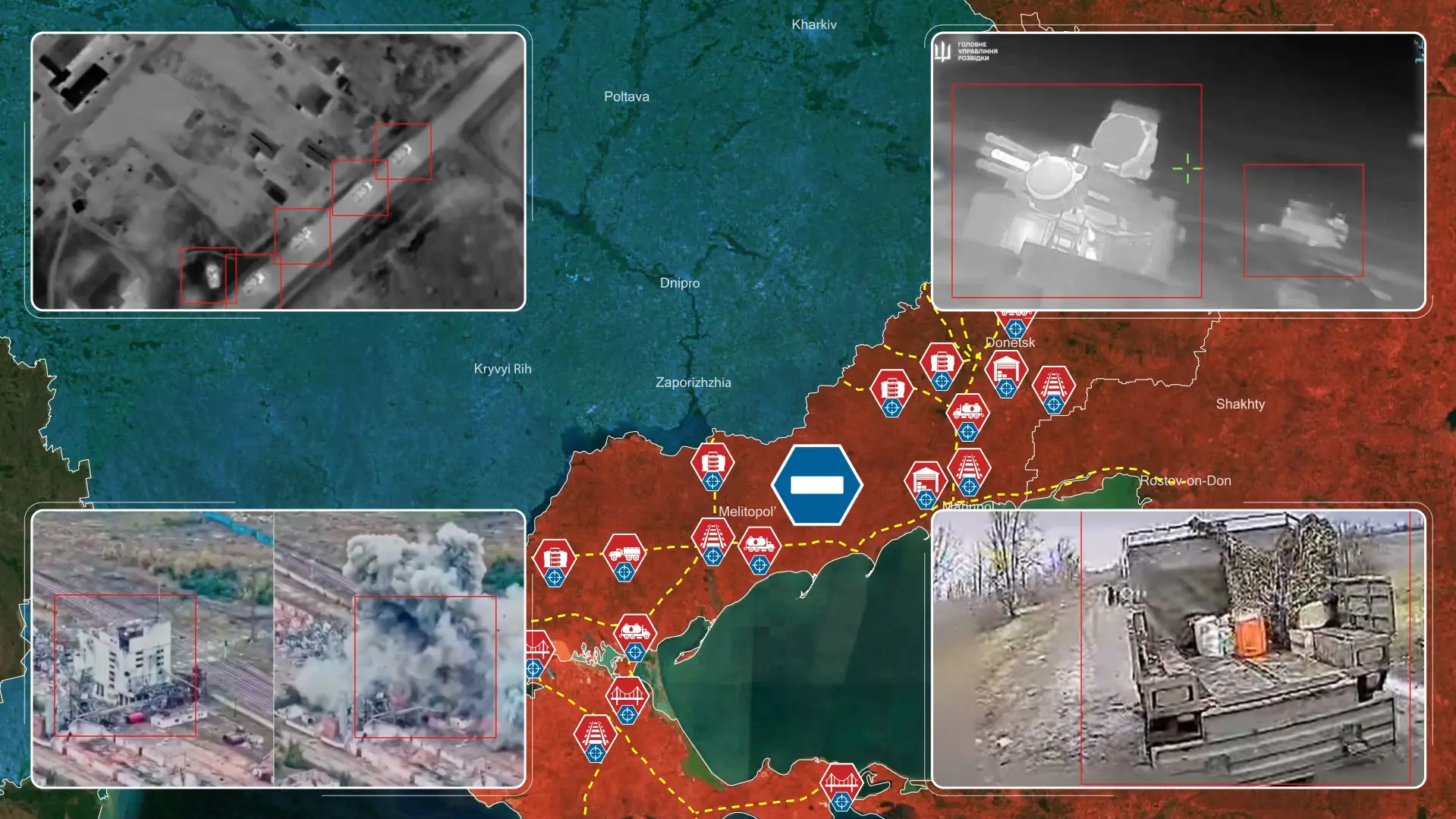
The first phase of the Ukrainian campaign targeting Russia’s logistics network has already produced significant results, as Ukrainian units have dramatically increased the number of medium-range strikes against Russian logistics targets. Namely, one of Ukraine’s special operations units recently conducted more than five hundred strikes against Russian vehicles, convoys, and rear-area logistics assets in just one week. At the same time, independent analysts have documented more than one thousand geolocated medium-range strikes since January this year. Importantly, these last figures include only visually verified attacks, already averaging over one hundred confirmed strikes every week, while the true number is substantially higher, reflecting a massive expansion of Ukrainian strike capabilities operating deep behind the front.
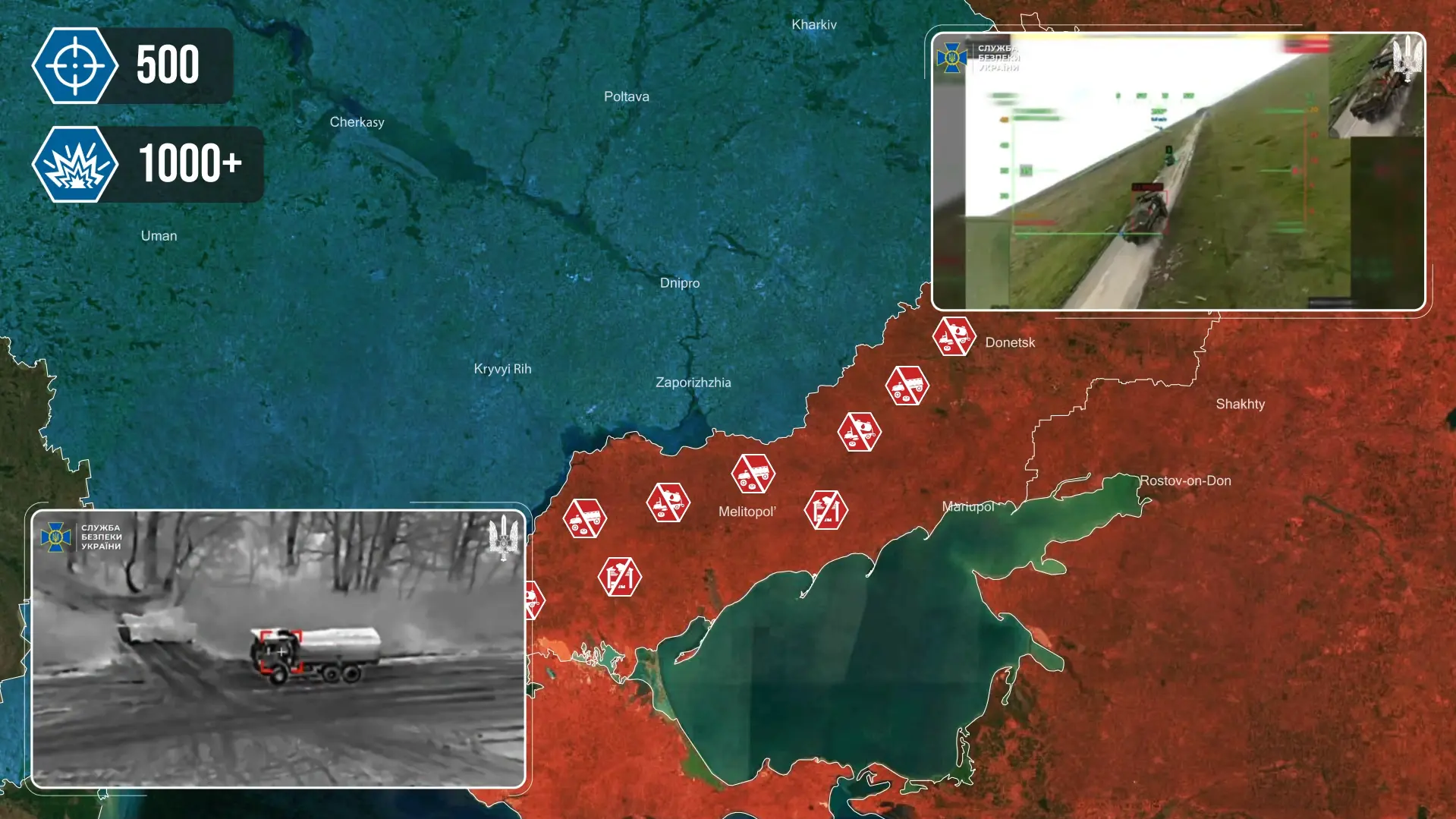
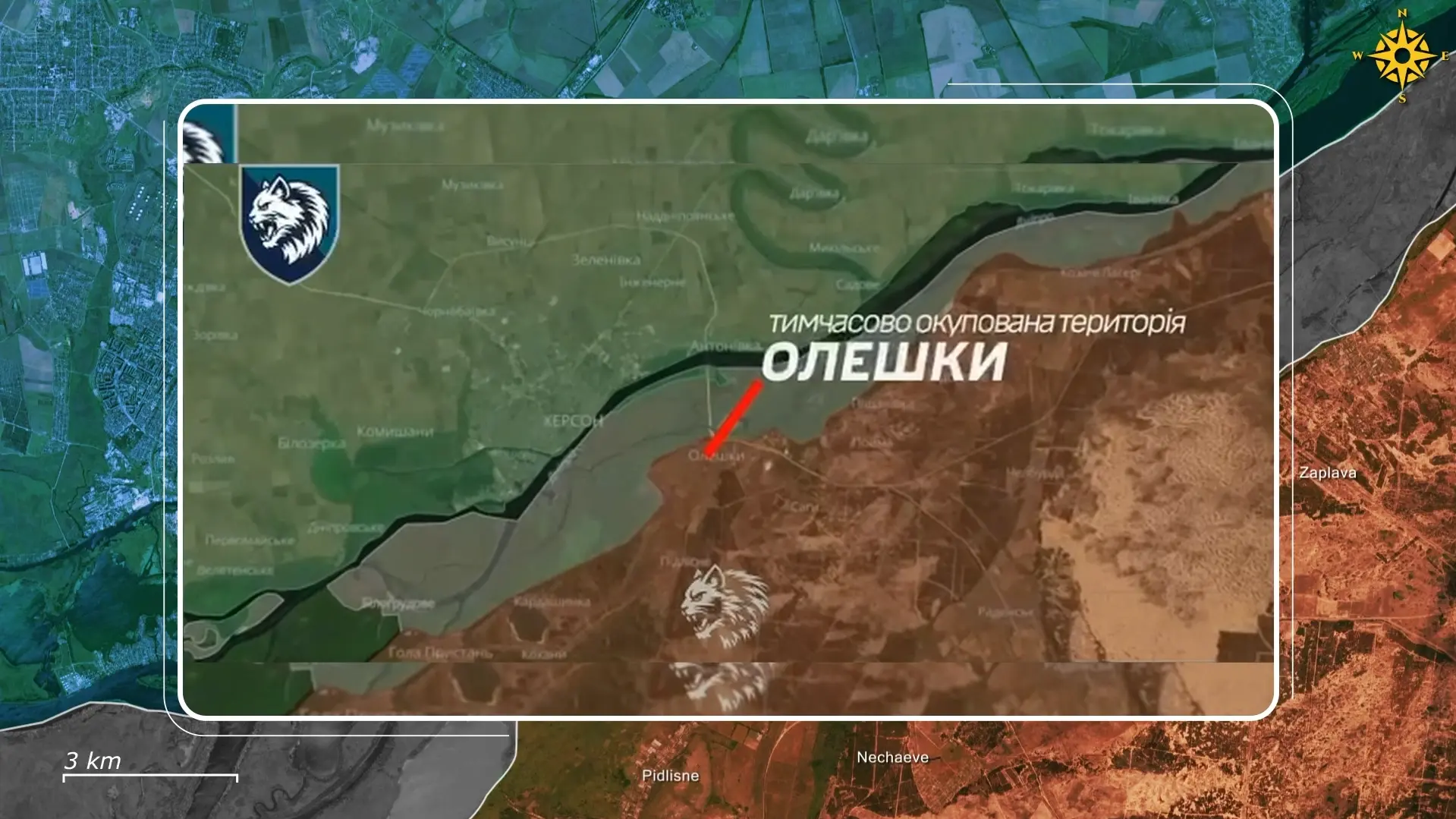
The objective of this first stage was to disrupt Russian sustainment before supplies ever reached frontline troops. Ukrainian drones systematically targeted fuel tankers, transport vehicles, depots, warehouses, command posts, and critical supply routes connecting Russian-controlled territories. The campaign proved particularly effective along the Melitopol Crimea highway, where destroyed vehicles created bottlenecks severe enough to force Russian convoys onto secondary roads throughout the Kherson region. Russian military bloggers increasingly reported logistical difficulties, while occupied areas experienced growing fuel rationing and supply disruptions. The campaign successfully imposed a growing burden on Russian supply lines and contributed to the slowing of Russian offensive operations.
Now Ukraine is preparing the second stage of the campaign, aiming to expand the strike volume and to create visible effects directly on the battlefield. The goal is no longer merely to damage enemy logistics but to push the Russian army toward systemic failure.
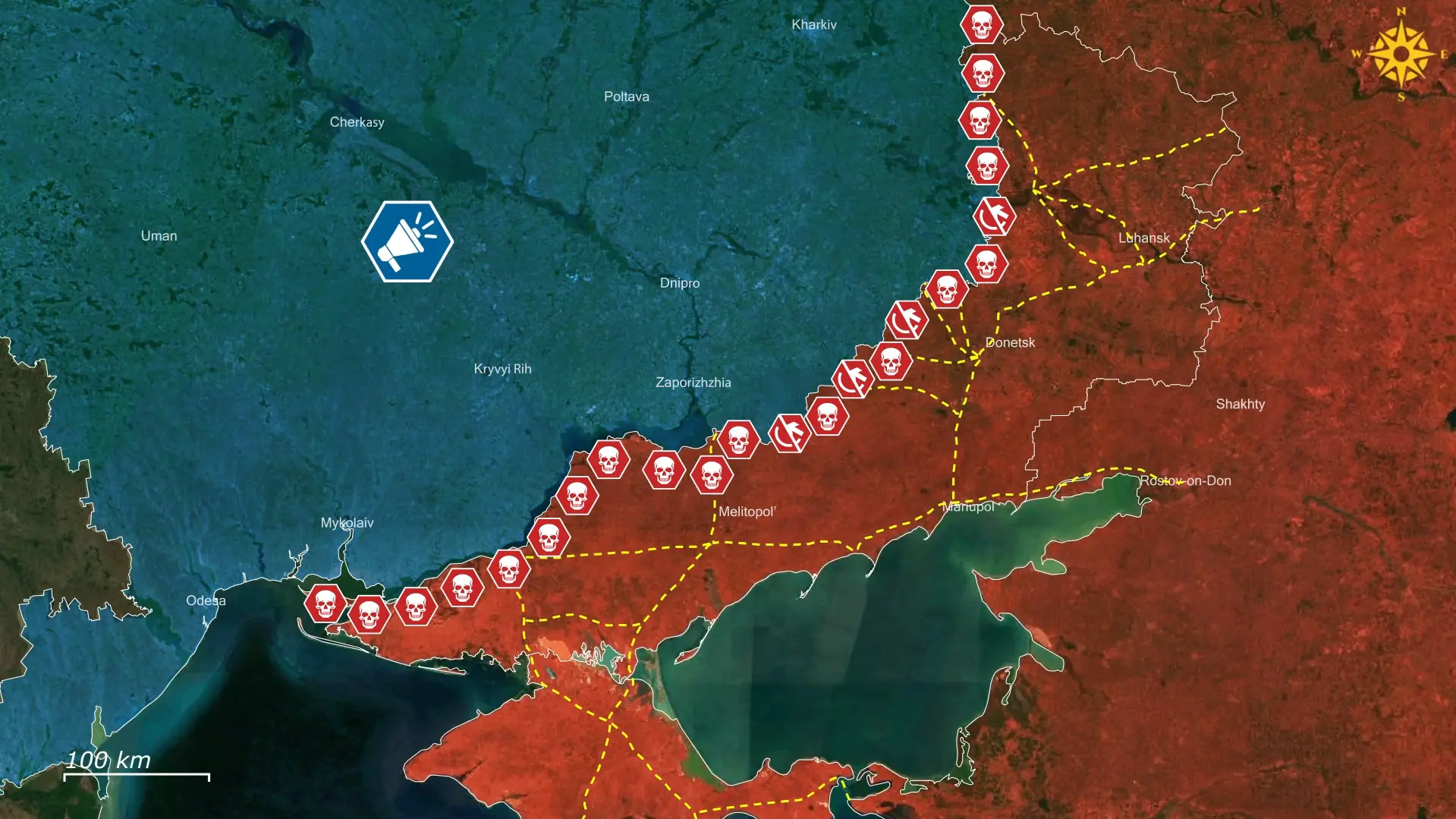
To achieve this, Ukraine intends to concentrate attacks against the major corridors connecting Crimea, Melitopol, Mariupol, Donetsk, and key rear logistics hubs. Fuel trucks, ammunition carriers, repair vehicles, engineering equipment, rail transfer stations, road junctions, bridges, and convoy assembly points are expected to remain priority targets. Rather than striking isolated vehicles, the Ukrainian army will increasingly aim to make entire transportation networks unreliable and dangerous.
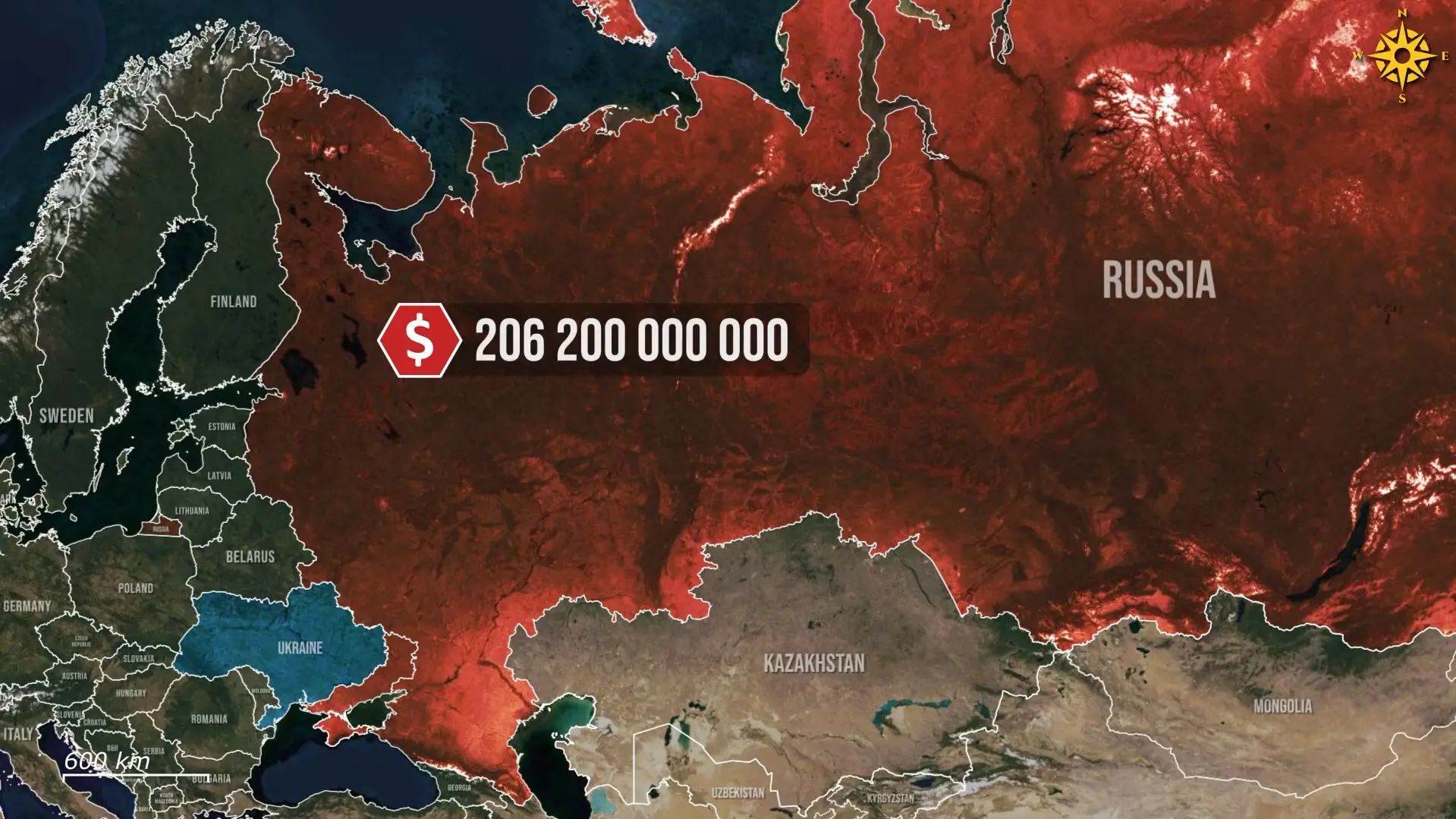
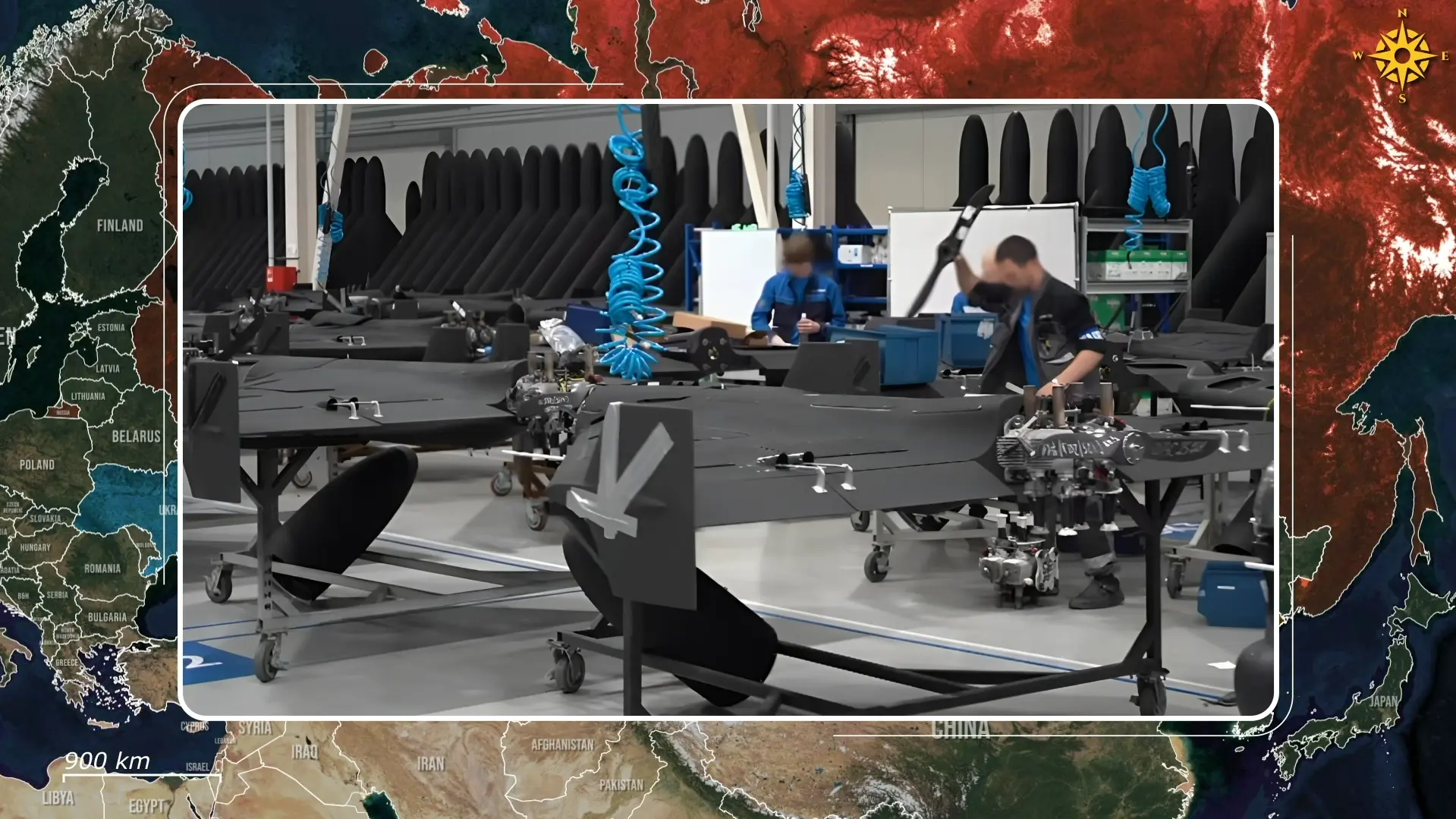
The second stage will be supported by an initial allocation of approximately one-hundred-twelve million dollars directly to frontline units, while additionally launching a centralized campaign to produce and acquire large quantities of medium-range strike drones for the army. The goal is unprecedented industrial-scale production capable of dramatically increasing both the number and persistence of Ukrainian attacks. After using real battlefield data from the first stage of the campaign to improve them, new generations of AI-assisted drones, such as Hornet, Bulava, RAM-X, FP-One, and FP-Two platforms, are expected to form the backbone of the campaign.
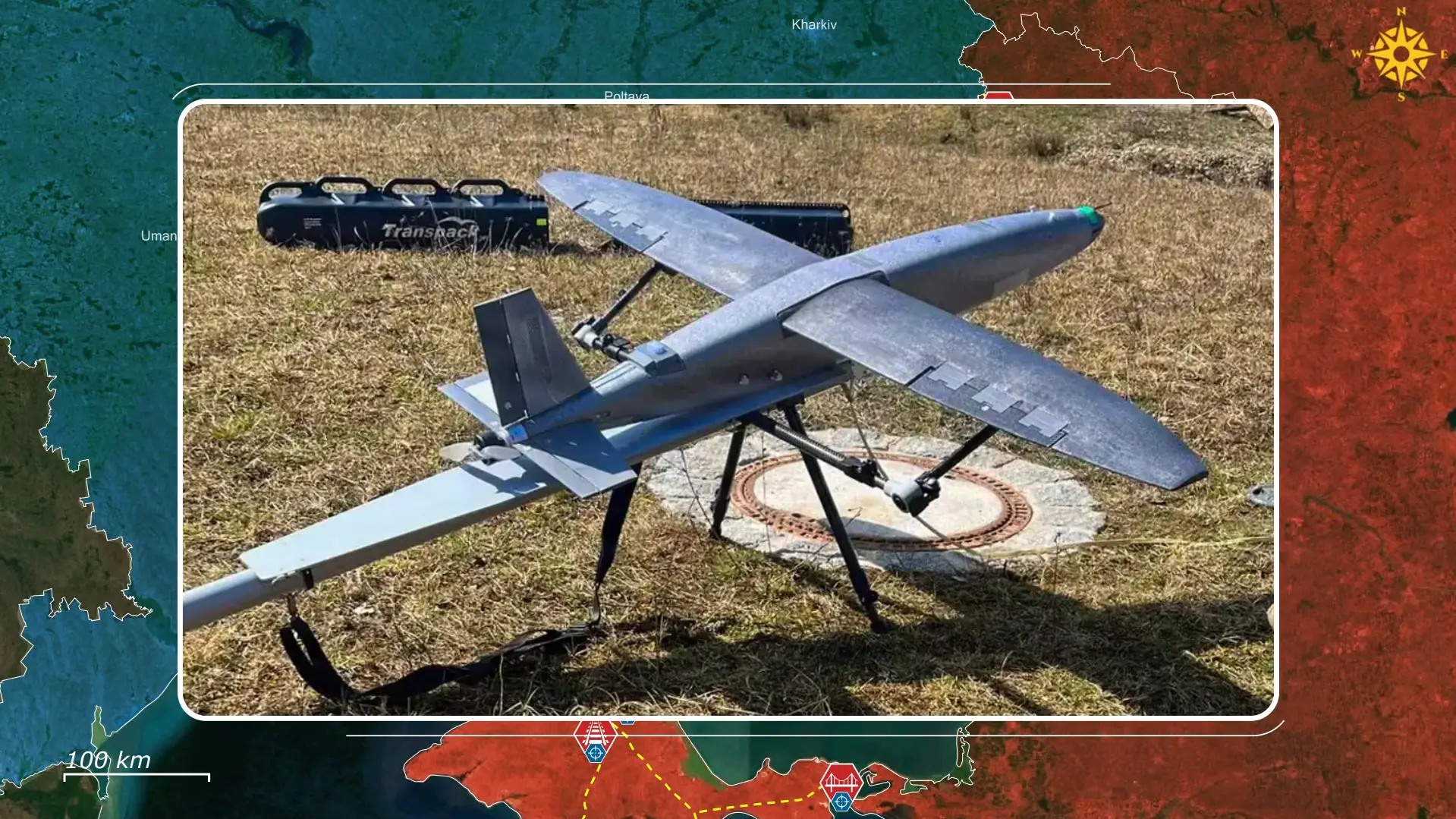
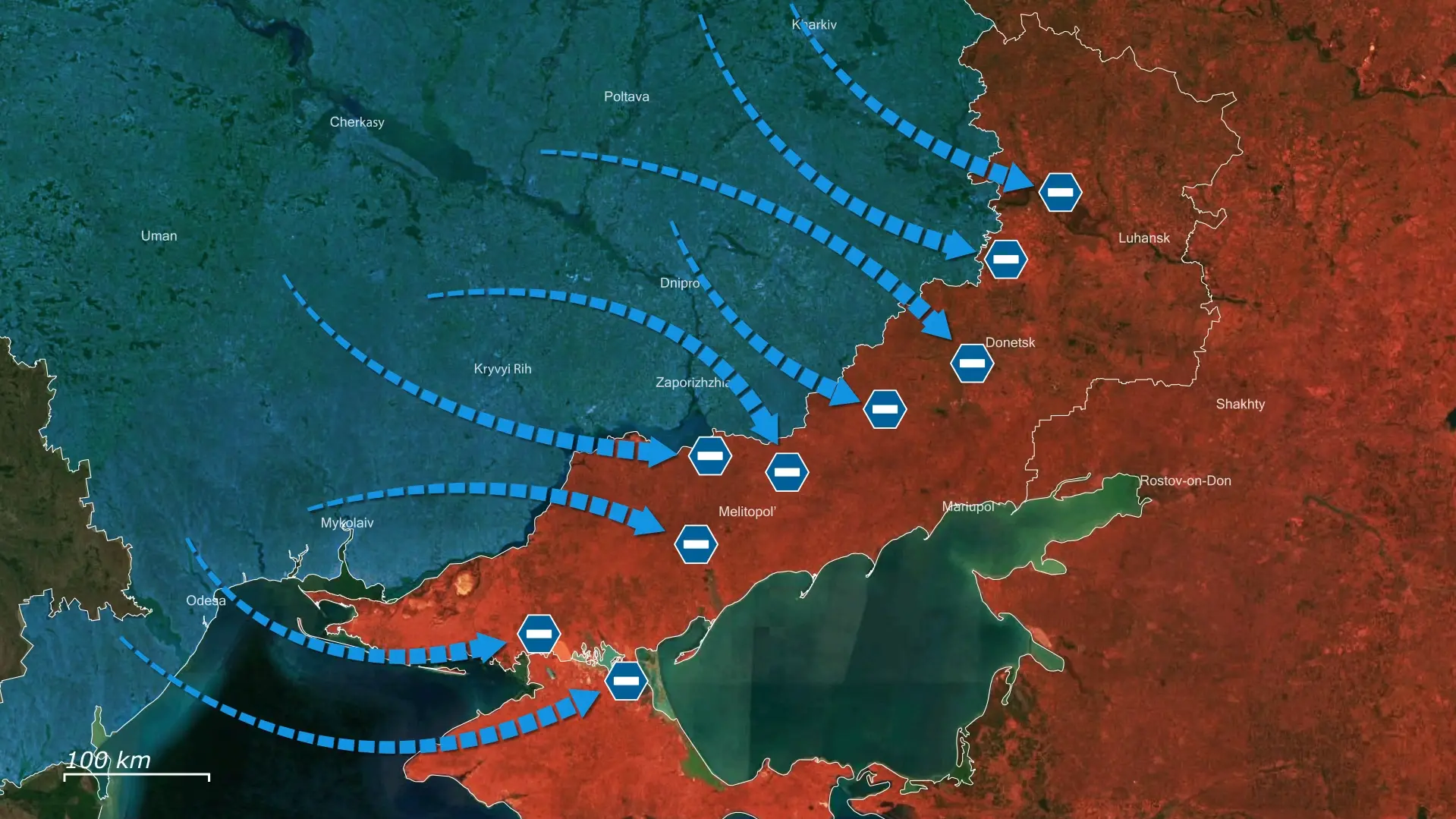
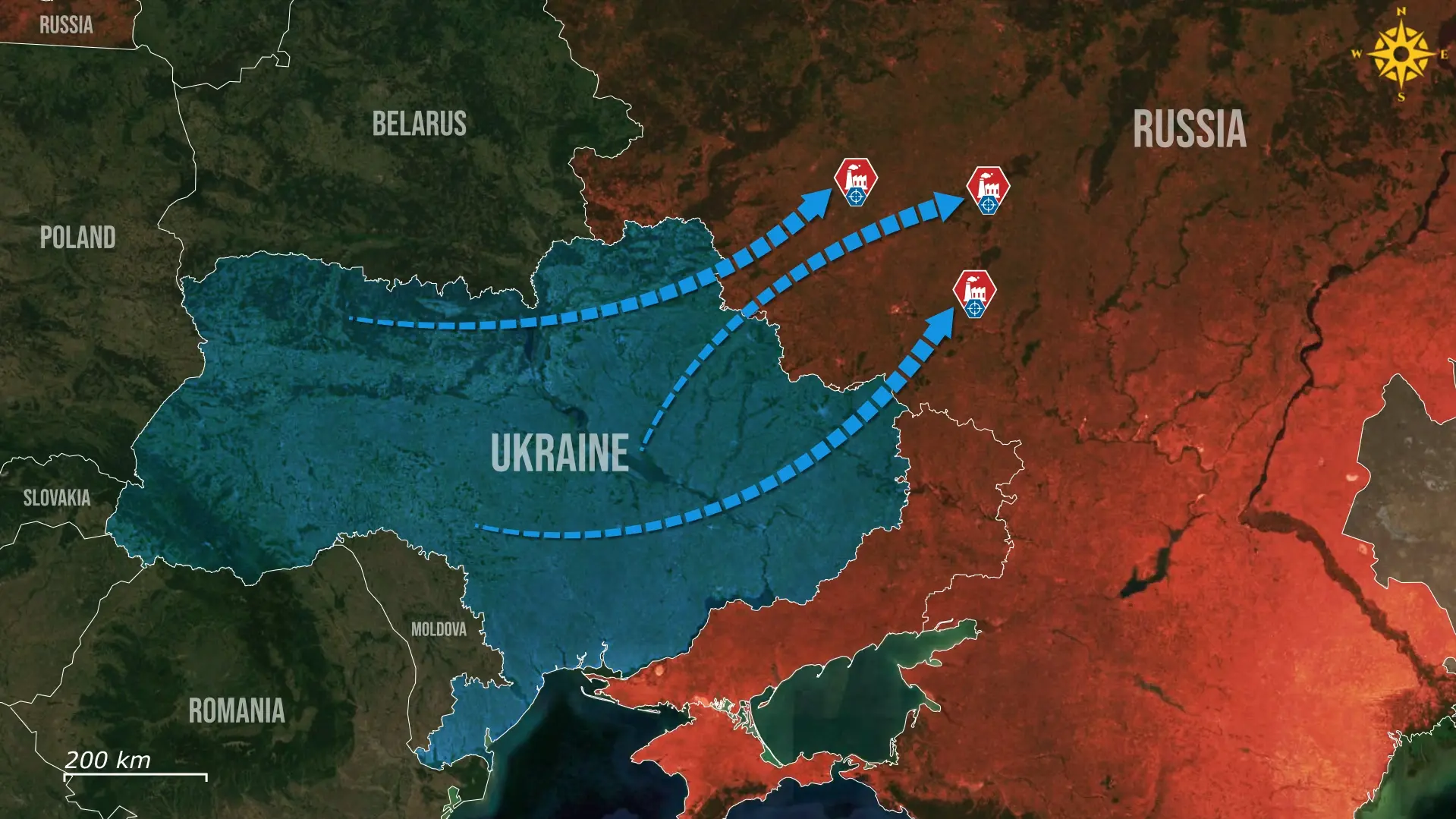
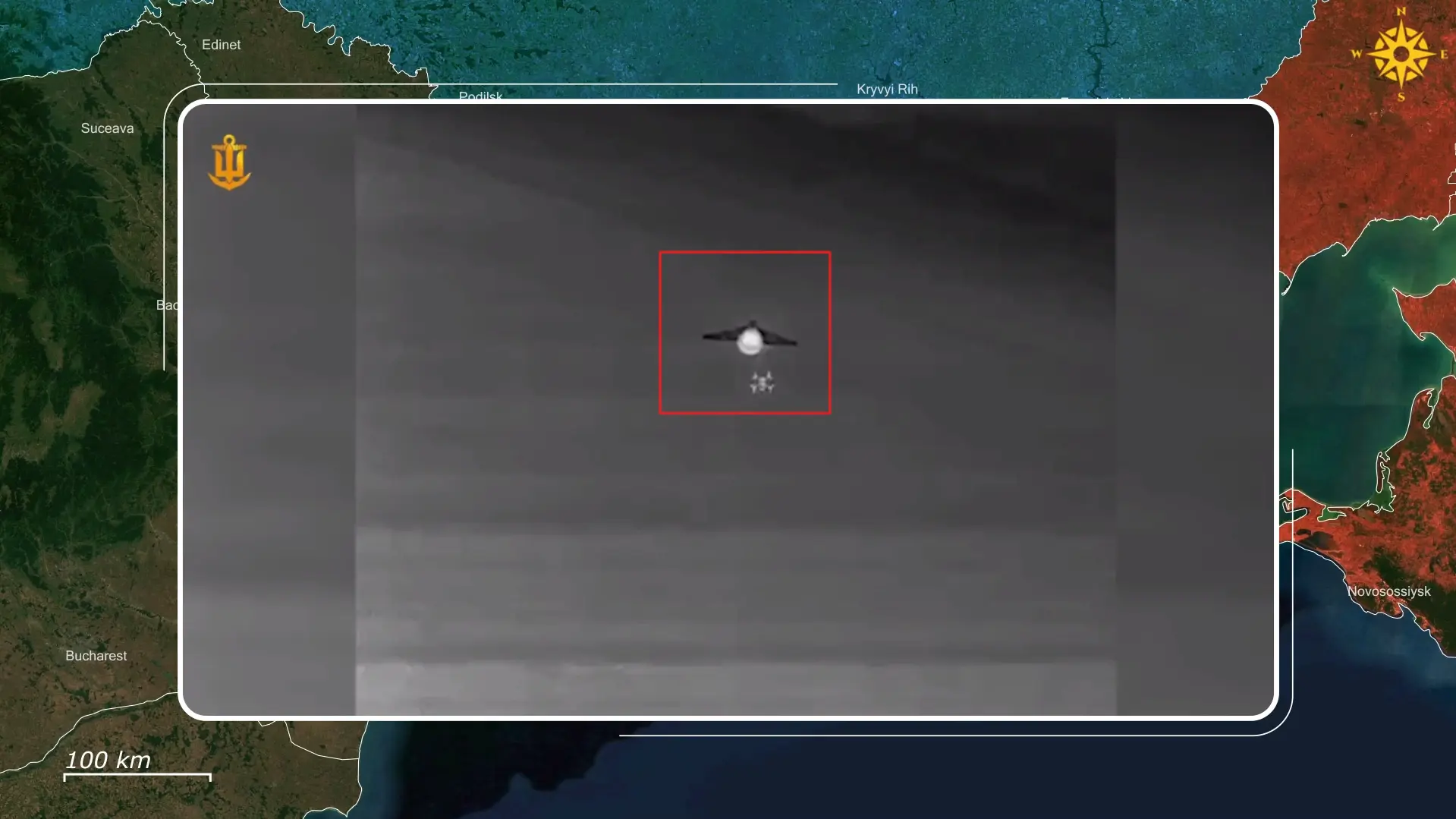
Operationally, Ukraine is building a self-sustaining strike cycle, in which its reconnaissance drones locate targets, strike drones destroy air defenses and electronic warfare systems, and follow-up waves attack convoys, depots, command posts, and repair facilities. As routes become more dangerous, Russian traffic is forced onto fewer roads, making movements increasingly predictable and easier to target. Over time, the goal is to make entire logistics corridors permanent death zones stretching up to two hundred kilometers behind the front.
Ukrainian drones already threaten Russian logistics twenty to fifty kilometers behind frontline positions. If production expands as planned, weekly strike numbers could rise several times above current levels, making the effects of a successful second phase of the campaign profound. Russian convoys will be forced to travel primarily at night, while fuel shortages will quickly expand into ammunition shortages, repair cycles could lengthen, and artillery expenditure could become increasingly constrained.
Overall, Ukraine’s logistics lockdown campaign has already weakened Russia’s offensive capabilities during its first phase by disrupting supply routes, destroying transport assets, and forcing costly adaptations. The second phase seeks to go much further by transforming disruption into a comprehensive operational blockade. If successful, Russian frontline formations could find themselves increasingly isolated, undersupplied, and unable to sustain large-scale offensive operations, creating exactly the kind of vulnerabilities Ukraine hopes to exploit through future counterattacks and localized breakthroughs.

.jpg)

Comments