

.svg)
Today, there are interesting updates from the Russian Federation.
Here, the Russians cheered as oil prices rose due to the war in Iran, hoping to boost their revenue and laugh off Western sanctions. However, even elevated prices could not offset the costs that the Russian shadow fleet has incurred recently, pushing Russia deeper into the losses and deficit.
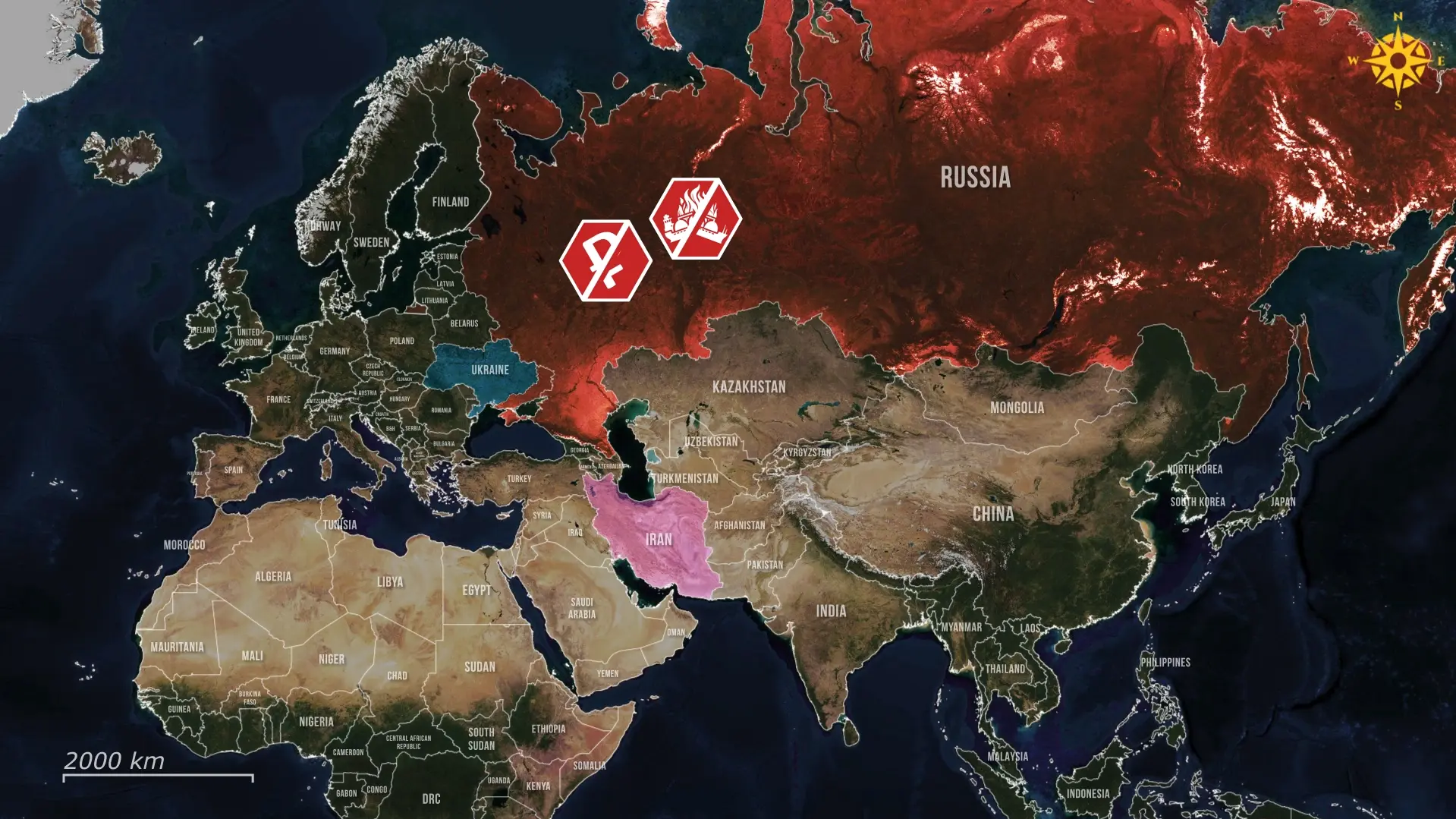
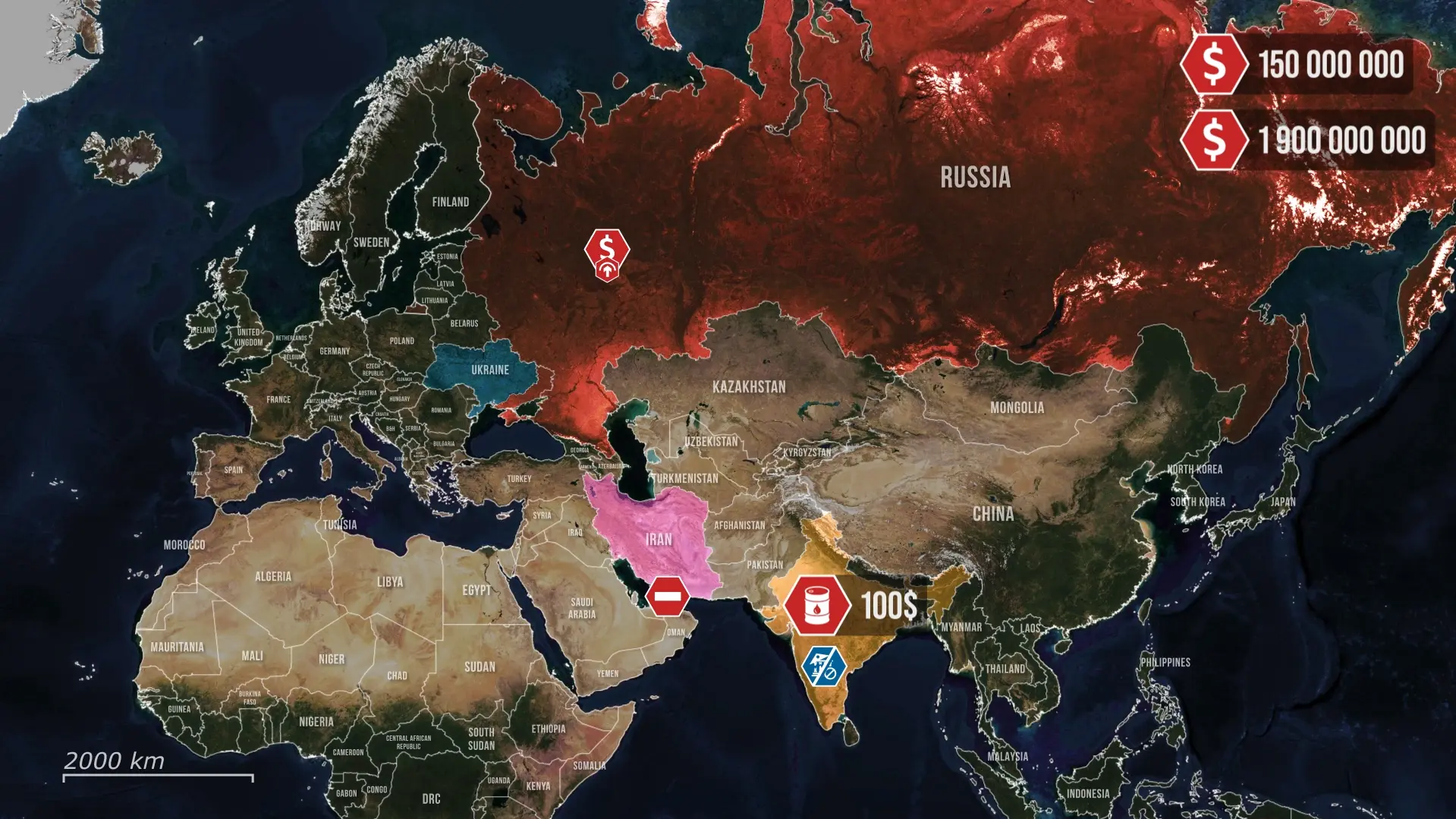
The war in Iran initially appeared to hand Moscow a rare economic opportunity, as disruptions in the Strait of Hormuz sent global oil prices soaring. With tanker traffic halted and markets in panic, Russian Urals crude surged to nearly 100 dollars per barrel in India, its highest level since the start of the full scale invasion in Ukraine. Backed by a temporary US waiver allowing Indian purchases, Russia was suddenly earning up to 150 million dollars per day in additional oil revenue. In the first 12 days, Moscow reportedly gained around 1.9 billion dollars in extra income, with projections suggesting a total windfall of up to 5 billion dollars by the end of March.
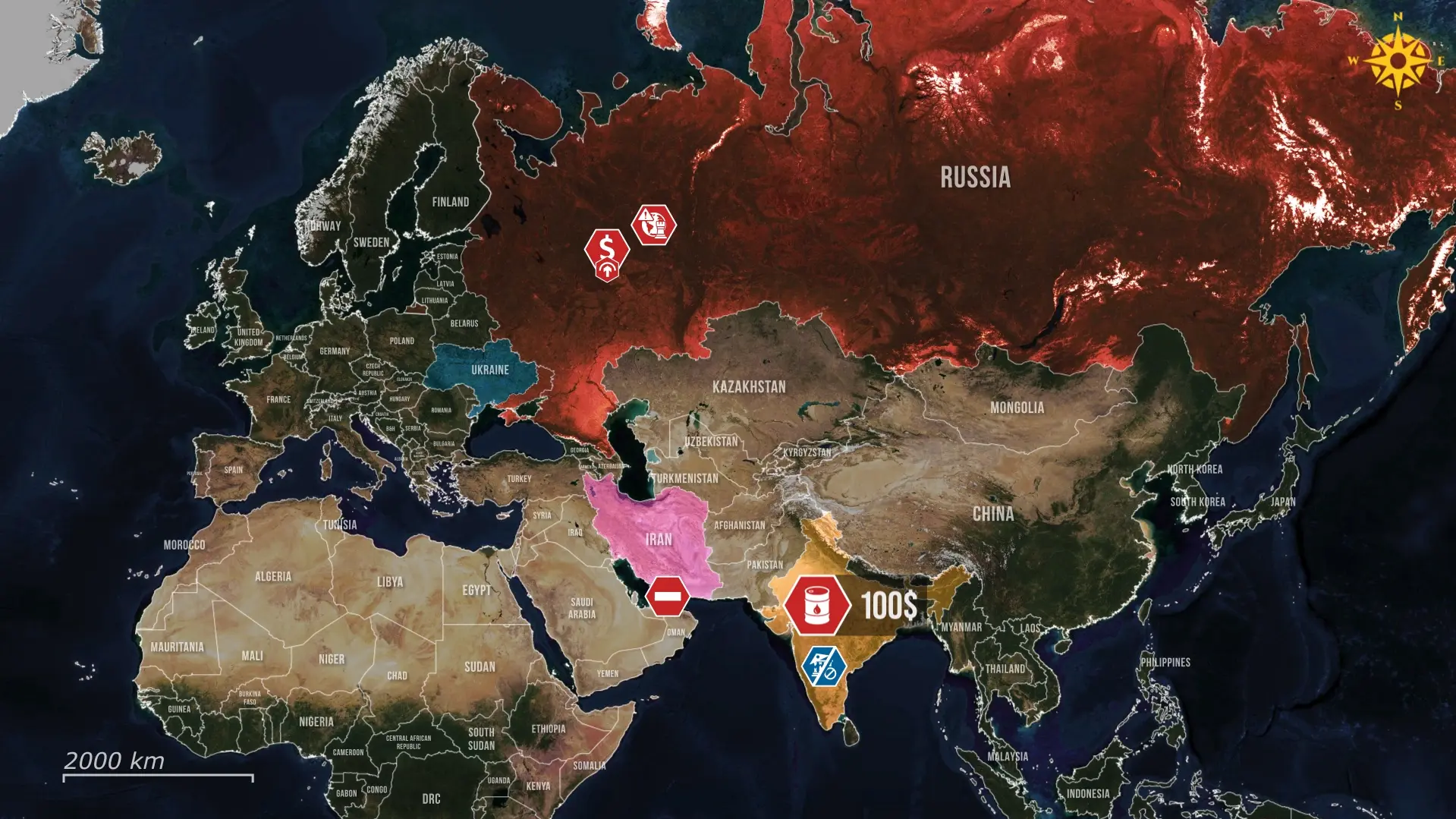
On paper, it looked like the perfect storm in Russia’s favor: geopolitical chaos driving prices up and sanctions briefly loosened at a critical moment.
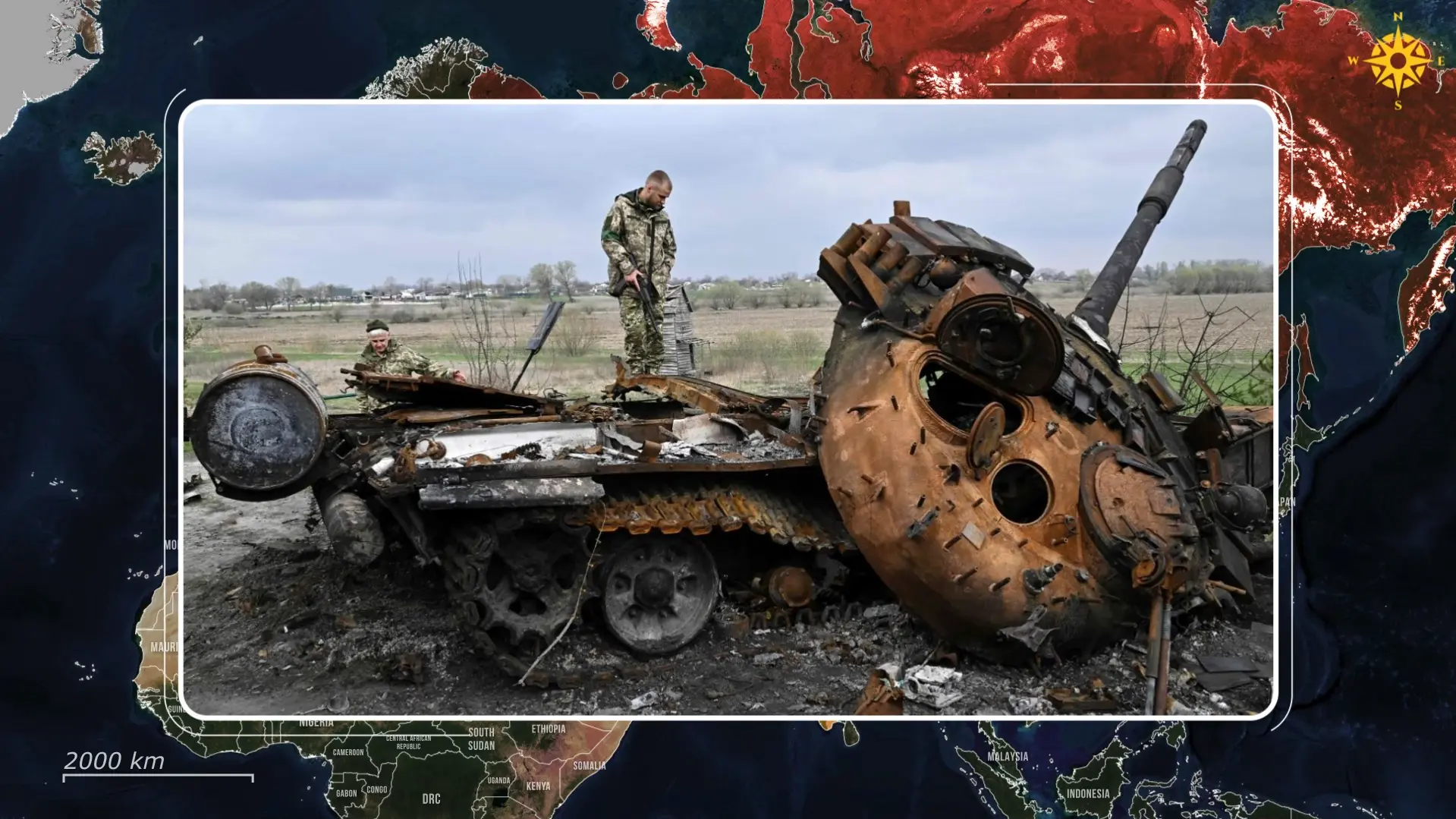
However, this quickly proved deceptive, as the additional billions remain marginal compared to the scale of Russia’s wartime expenditures and structural economic losses. Direct military spending has already exceeded 250 billion dollars, while total economic damage since 2022 is estimated at over 1.3 trillion.
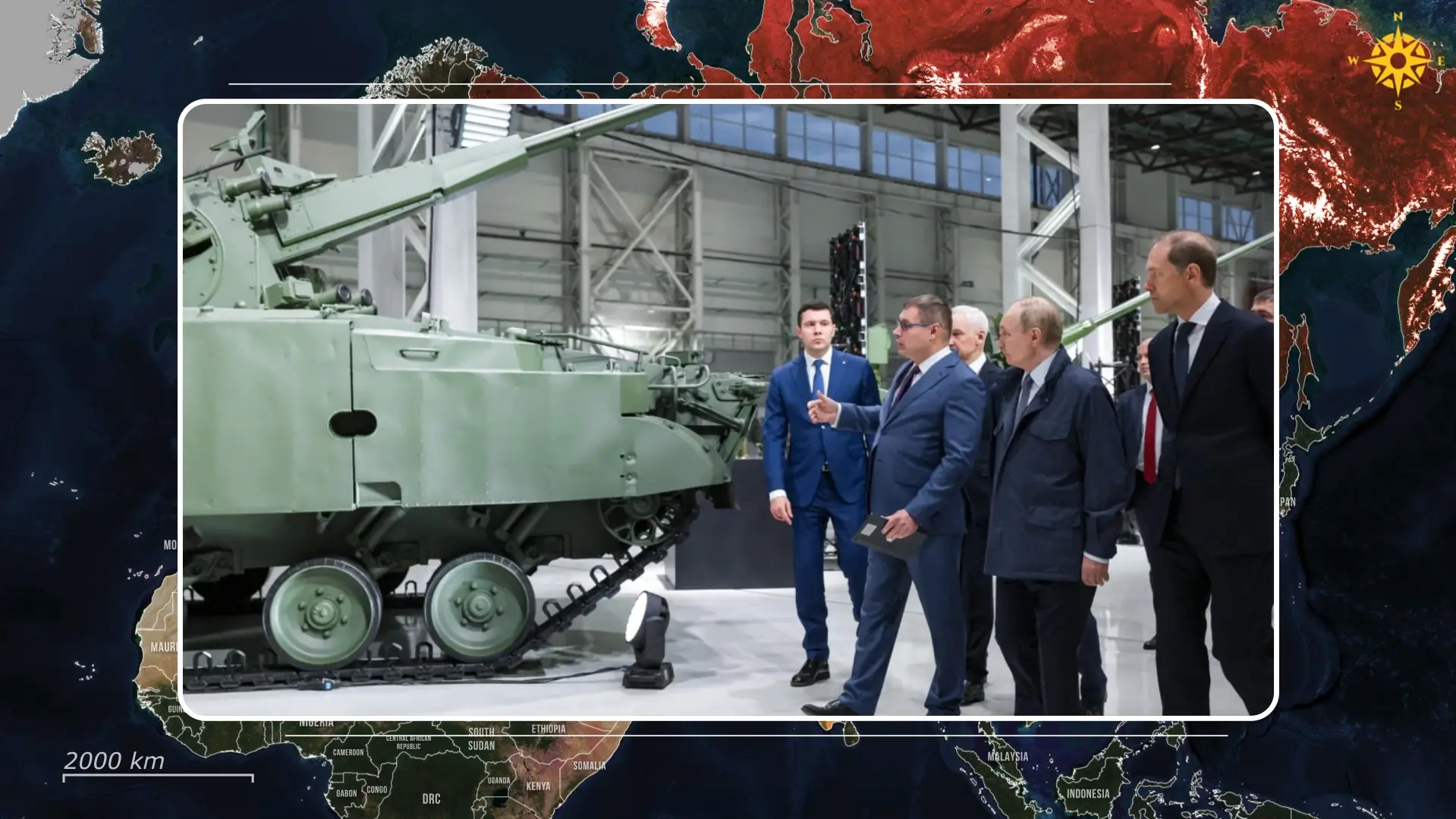
The Russian federal deficit alone has climbed above 70 billion dollars annually, so even a multi-billion-dollar boost from higher oil prices barely makes a dent in the financial sinkhole that has become the Russian budget.
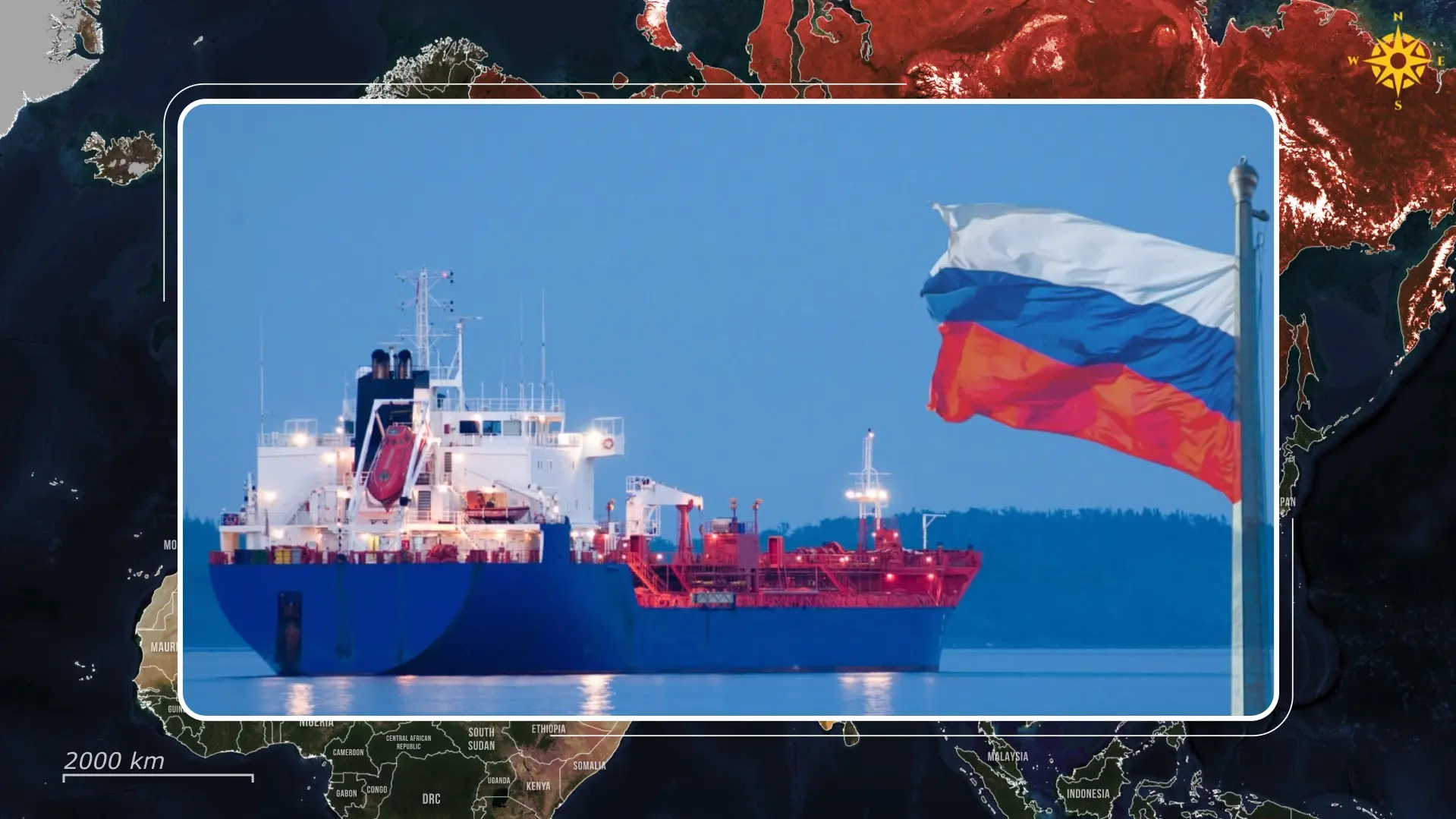
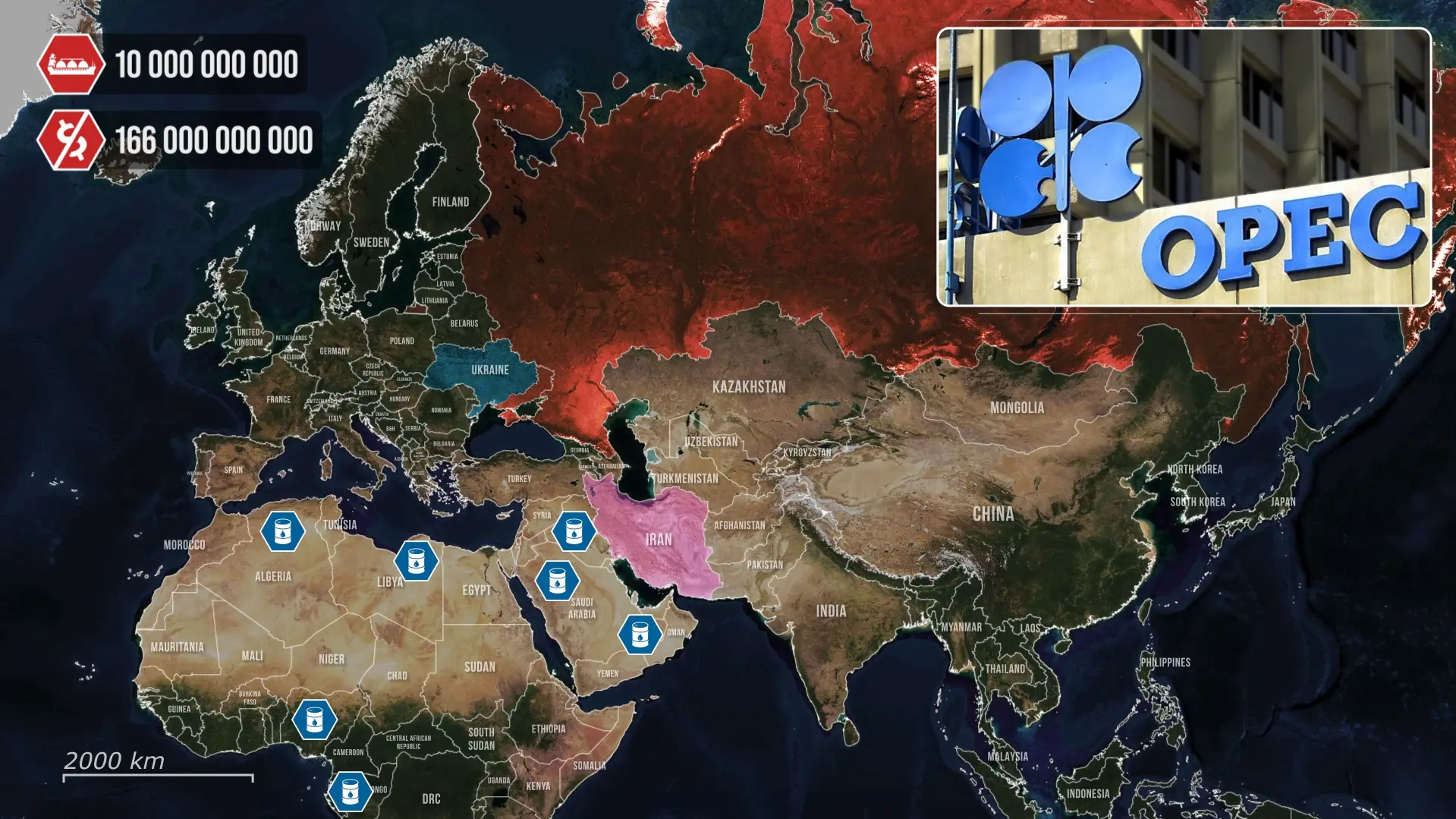
More importantly, these gains are volatile and temporary, depending on external factors. For example, OPEC countries increasing oil production or the Strait of Hormuz opening will delete them in a moment, while the costs imposed on Russia by sanctions and war are constant and escalating. Russia's primary tool to bypass sanctions, the shadow fleet, has itself become a financial burden, costing over 10 billion dollars annually to maintain. Since 2022, sanctions-driven discounts and logistical inefficiencies have already wiped out an estimated 166 billion dollars in potential revenue.
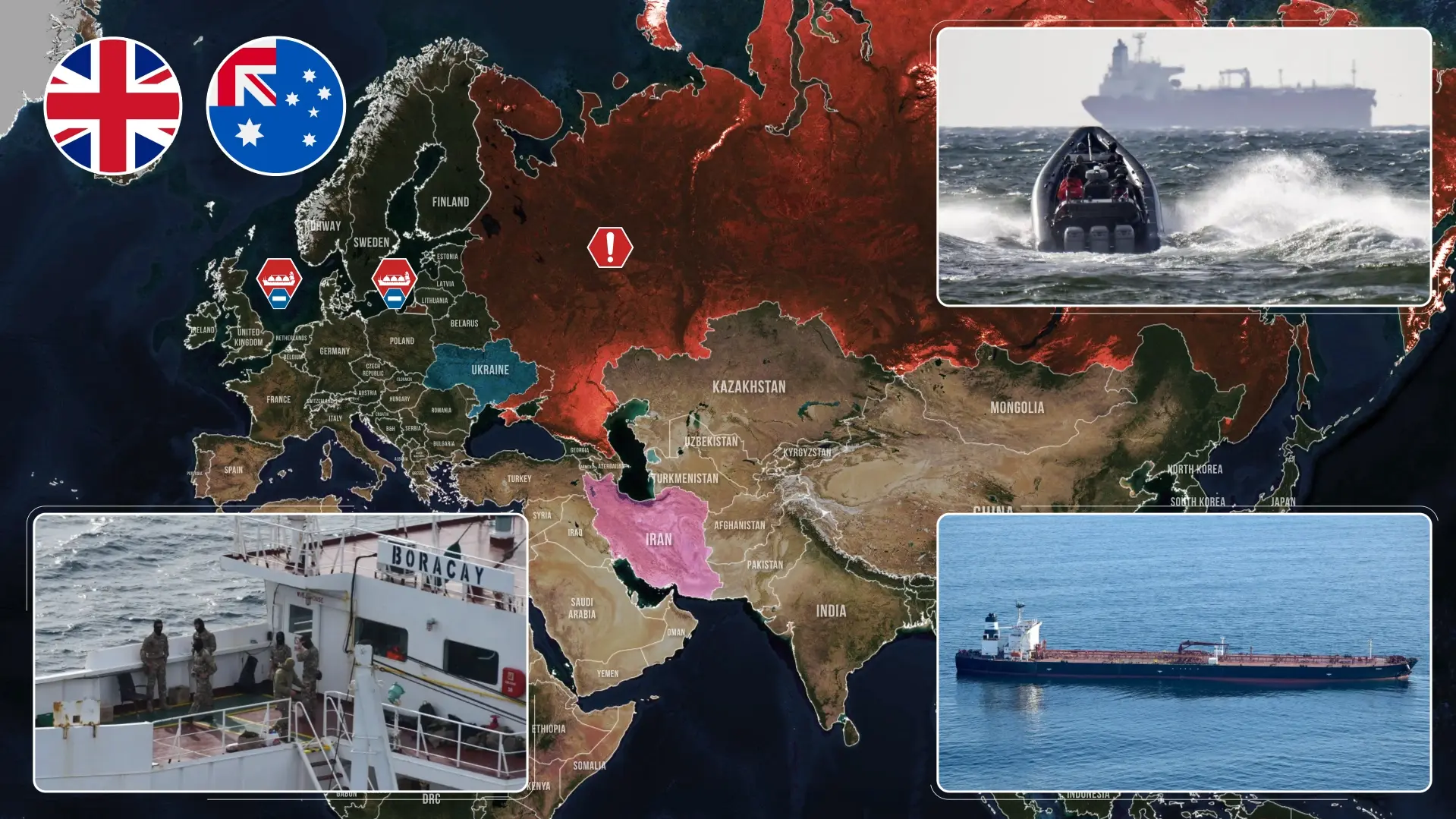
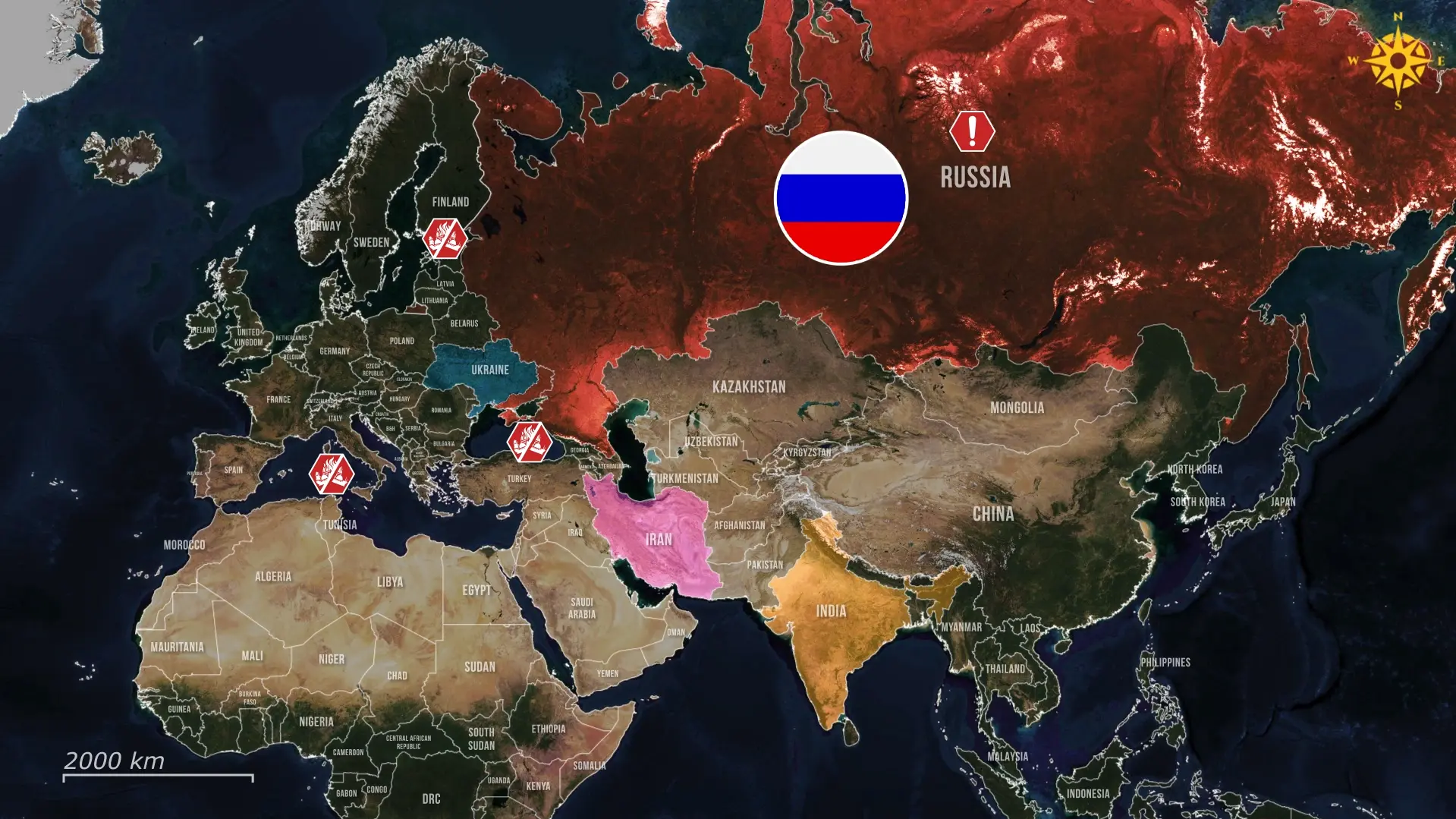
Russia’s shadow fleet is also no longer operating in a permissive environment but in an increasingly hostile one. Most recently across Europe, enforcement actions are intensifying, and Sweden’s detention of the tanker Sea Owl 1 on fraud charges signals a broader trend: legal pressure is now directly targeting crews and documentation. Immediate Denmark’s seizure of a vessel linked to sanctioned trade routes further demonstrates that interdictions are part of a coordinated effort. On top of that, the United Kingdom is openly considering military seizures at sea, while Australia has expanded sanctions to include over 180 additional entities and vessels, tightening the net even further. Each detention or inspection creates cascading delays, and in global shipping, every extra day at sea can cost between 150,000 and 200,000 US dollars, and there are also additional fines, as the Belgian government set at 10.9 million dollars for the Russian shadow fleet tanker it detained.
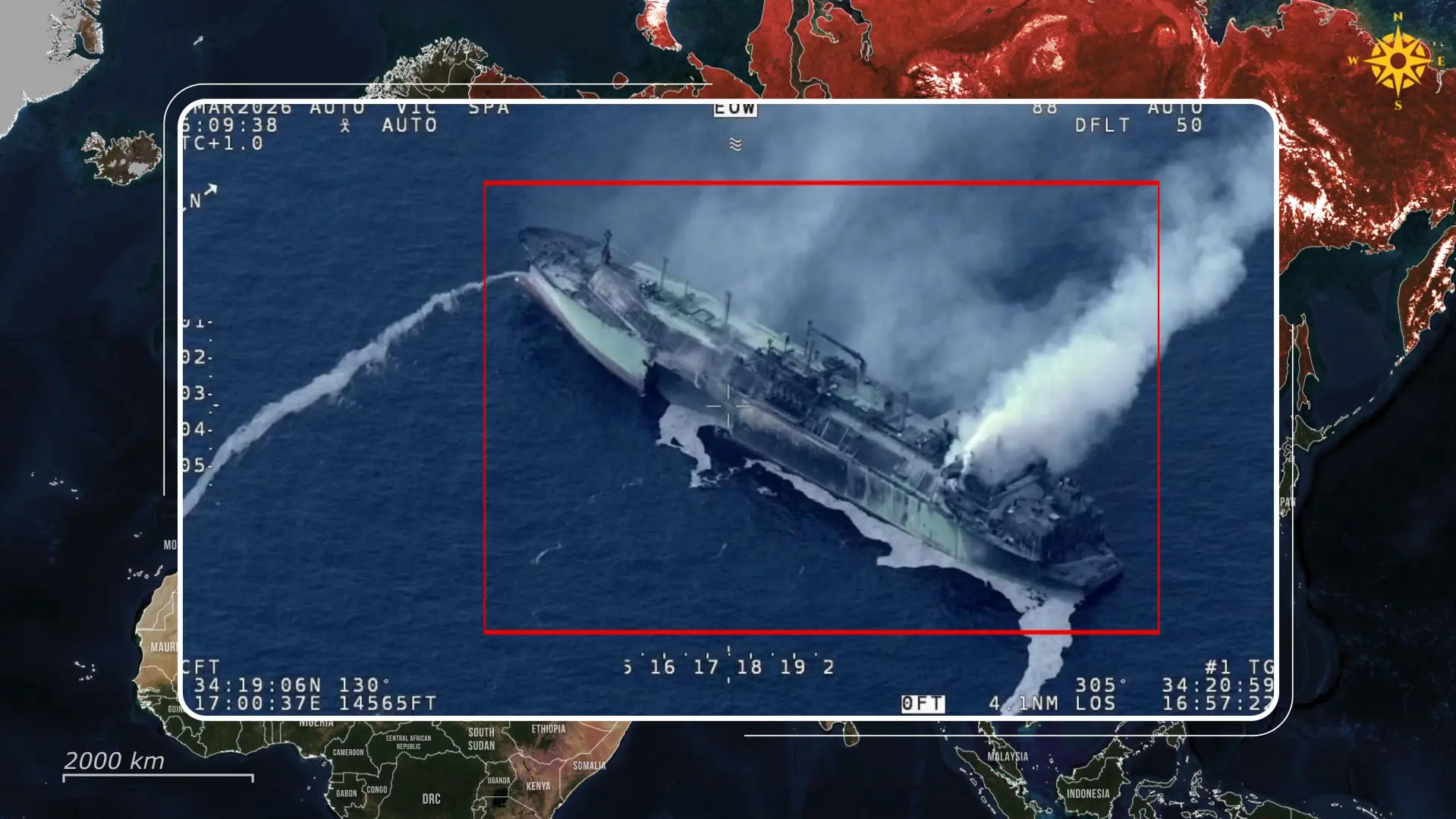
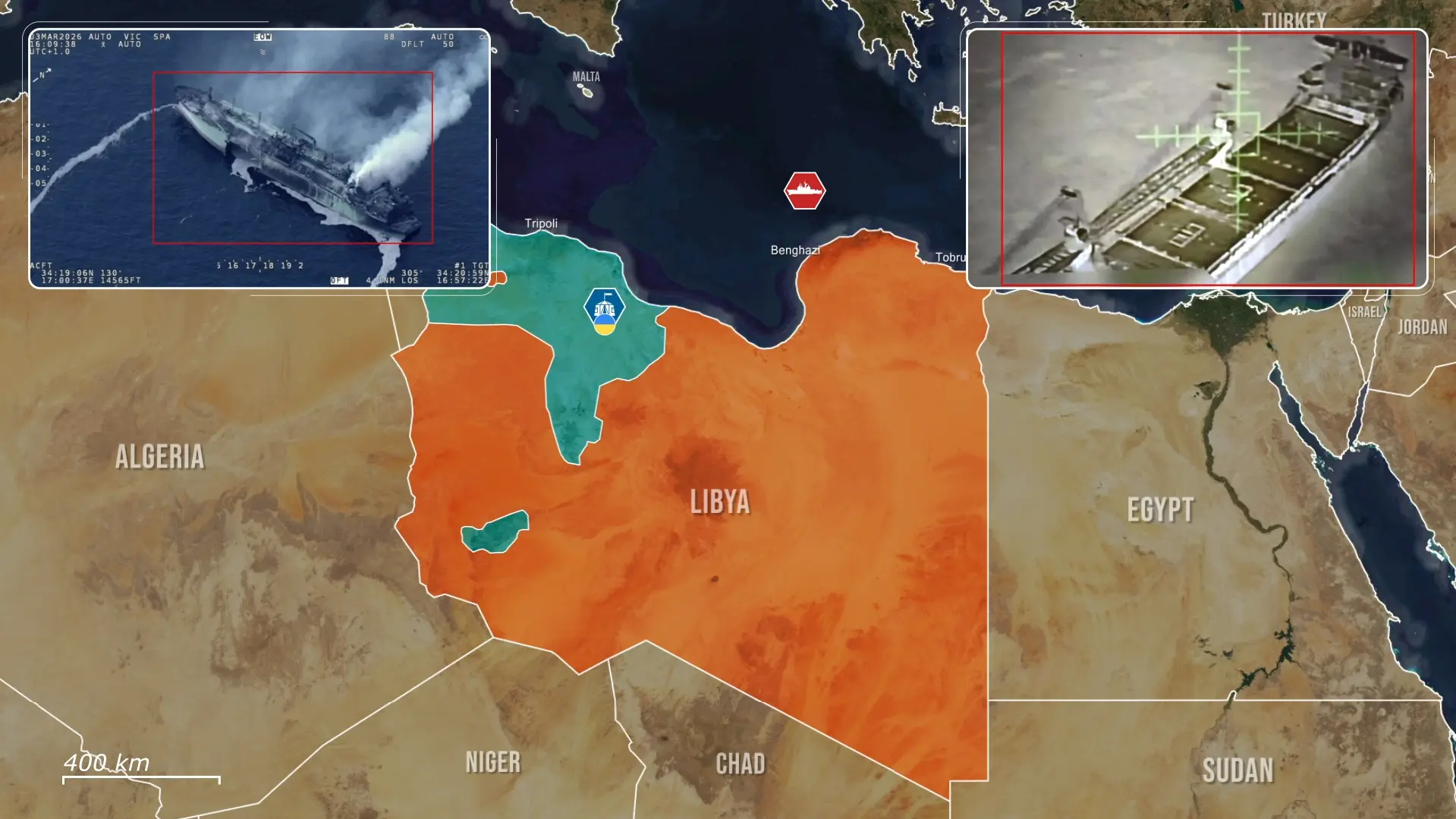
At the same time, physical risks are rising sharply, as reportedly the latest Ukrainian drone strike near Malta left the Russian LNG tanker Arctic Metagaz burning and drifting.
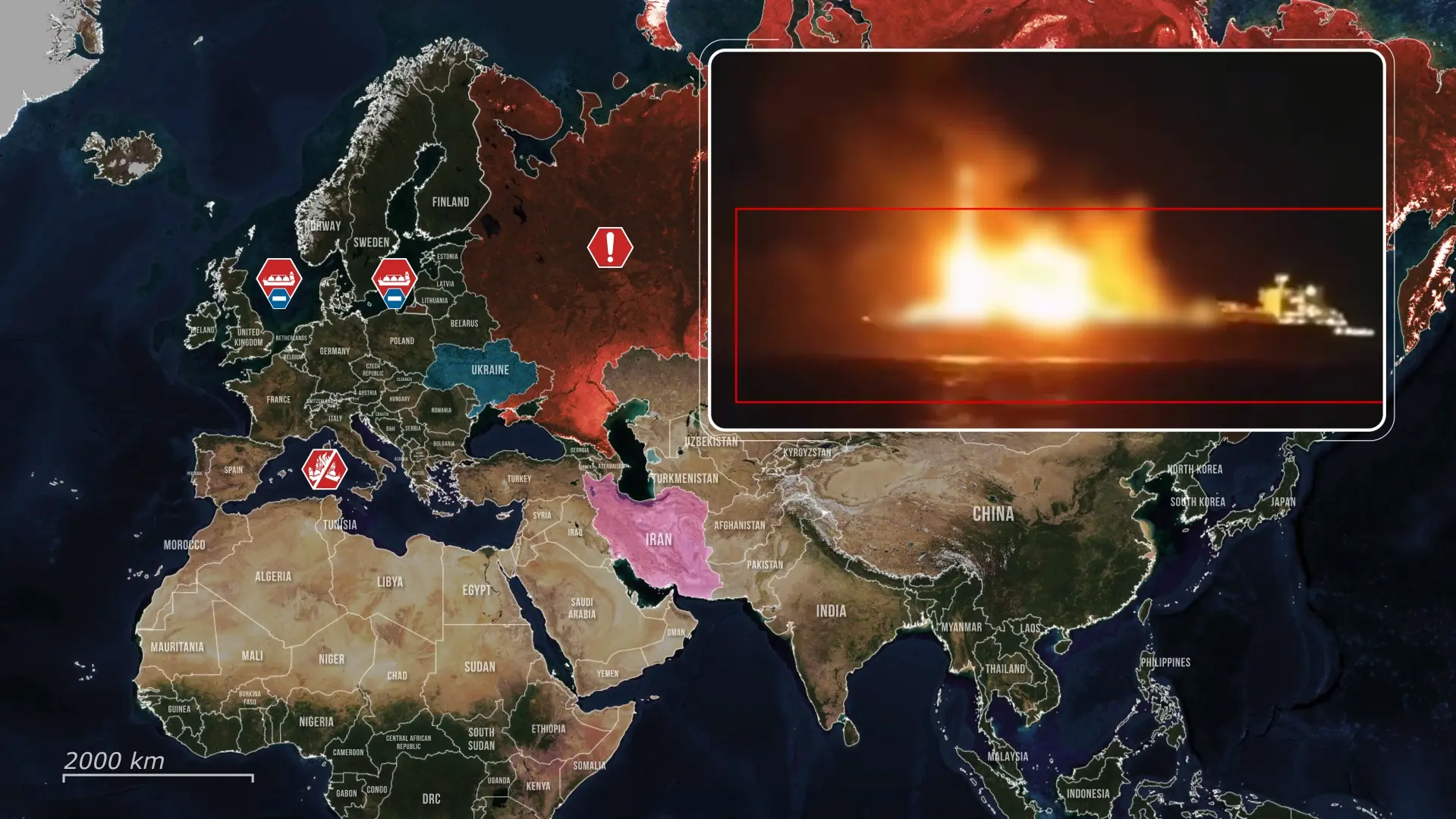
Damage of this scale not only removes vessels from service but also imposes massive replacement costs, between 100 and 150 million dollars. Combined with earlier losses and sabotage risks, this creates a compounding financial burden, with shipowners now facing a stark calculation to continue operating under Russian-linked contracts and risk destruction or withdraw entirely.
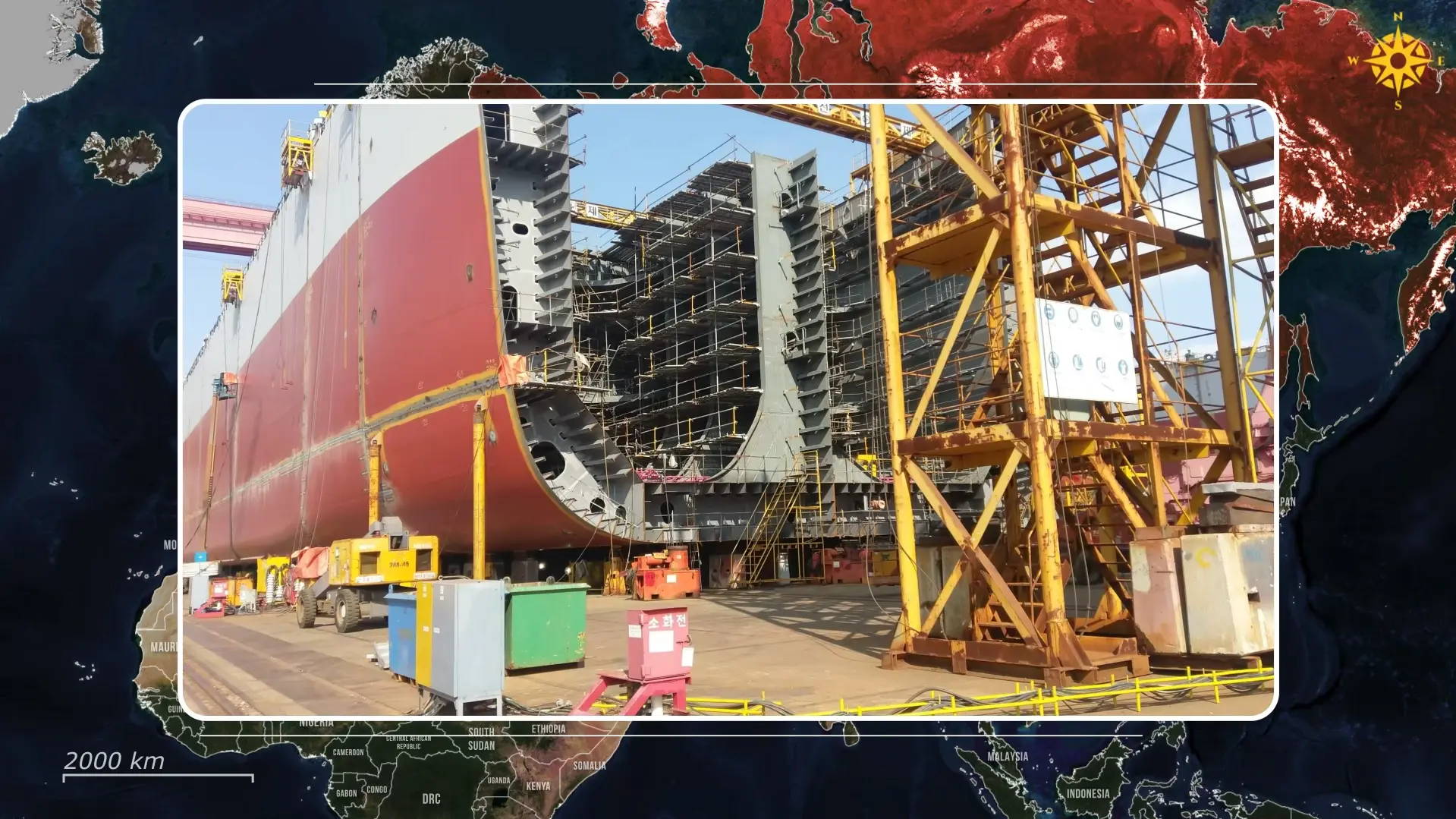
Insurance costs have amplified this crisis to another level, as war-risk premiums have surged by 500 to 1000 percent in some cases, transforming a cost of around one million dollars per voyage into as much as seven million, costing between 5 and 15 dollars per barrel in transport costs. For shadow fleet operators, the situation is even worse, as many lack recognized insurance, forcing them into longer routes, ship-to-ship transfers, and restricted port access. These inefficiencies increase fuel consumption, extend delivery times, and expose vessels to further inspections or attacks.
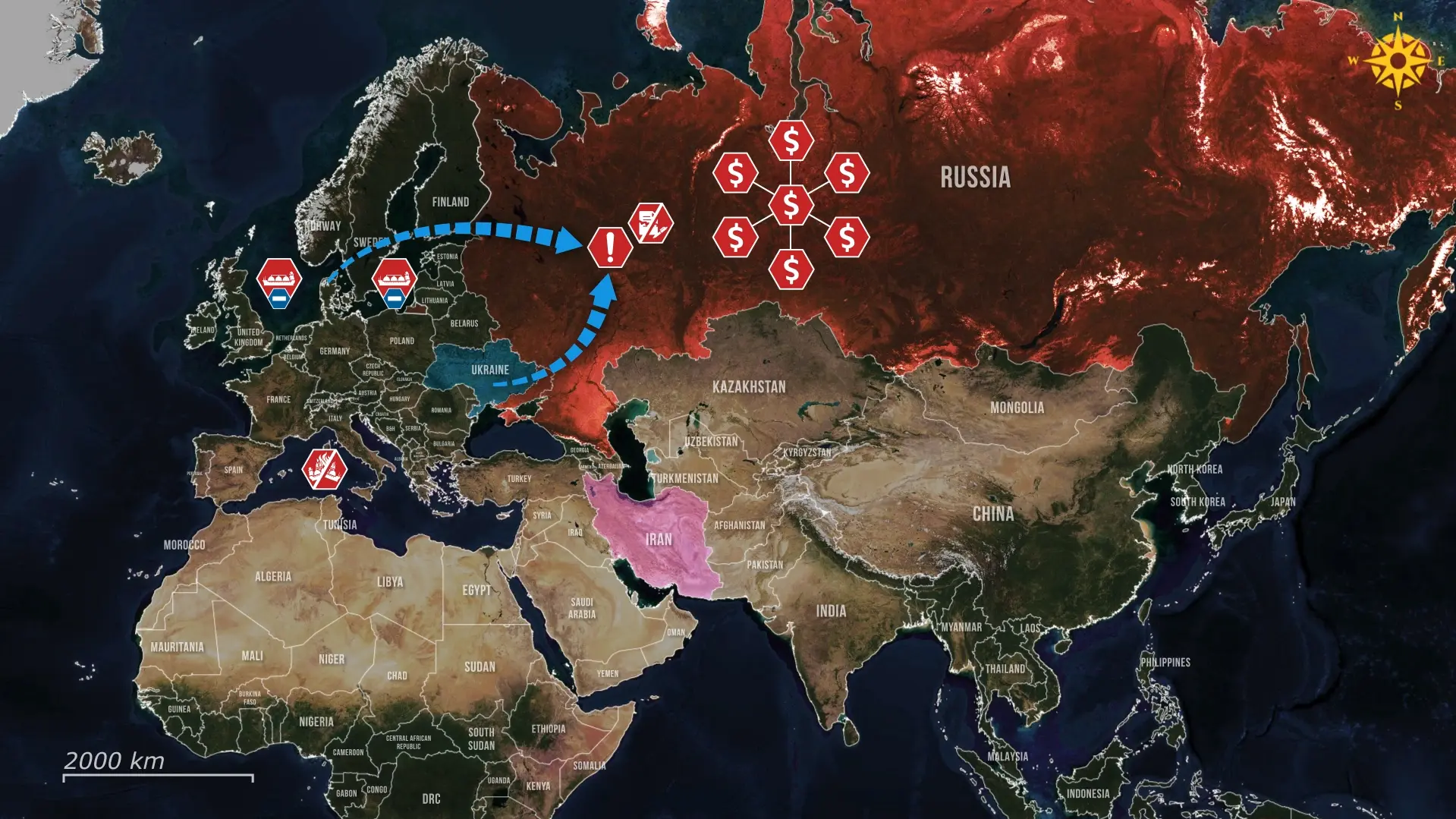
Even compliant carriers now demand higher freight rates to handle Russian oil, nearly doubled in the last month and rising by approximately 5 to 8 million dollars per voyage, widening the discount Moscow must offer buyers – so while global oil prices rise, Russia’s net revenue per barrel declines.
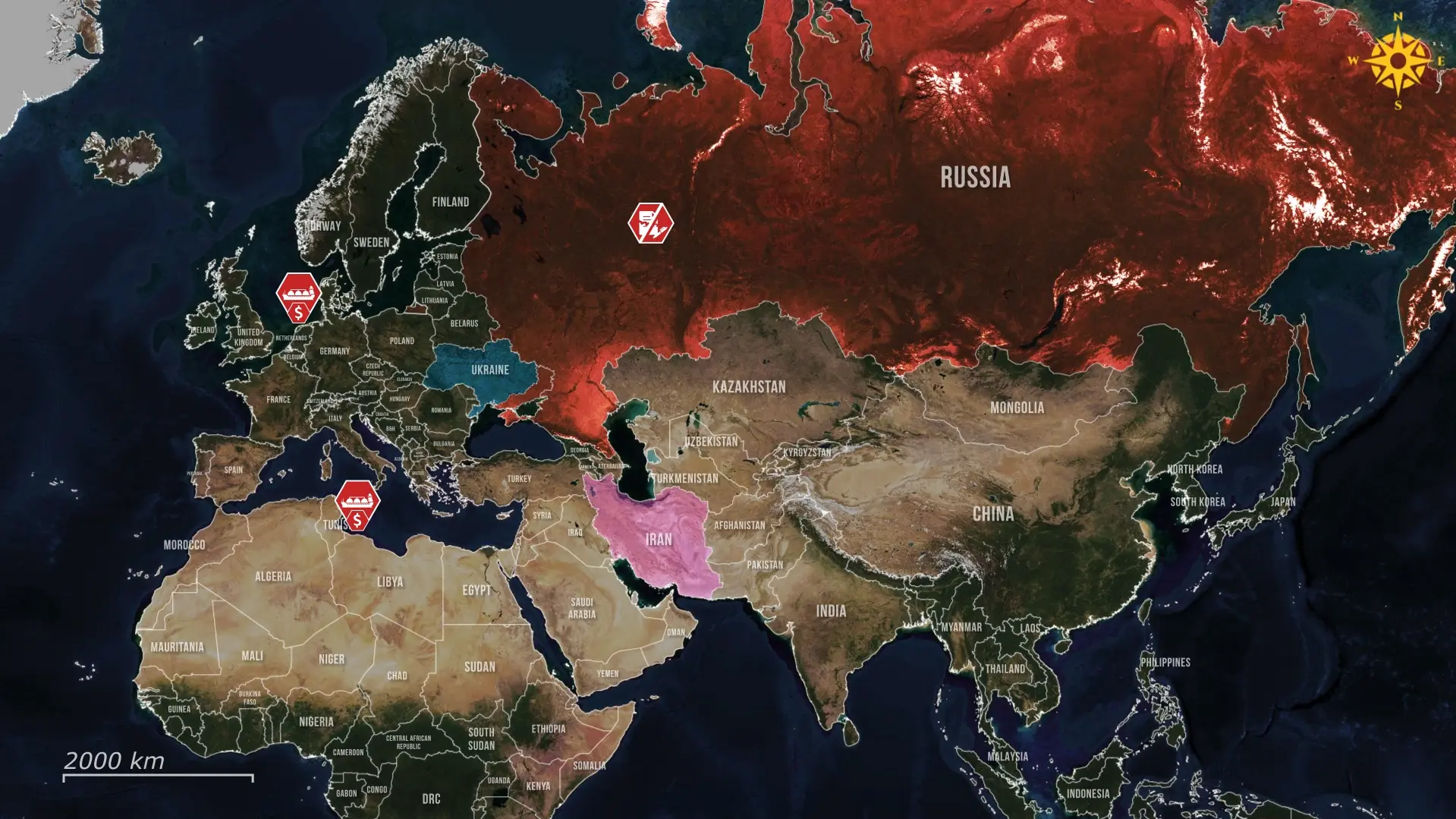
Initially, Russian analysts celebrated the Iran war as a financial lifeline, expecting high prices to stabilize the budget and offset sanctions pressure. Instead, the new war made the shadow fleet even less sustainable and barely profitable, as its vessels are blacklisted, detained, damaged, or forced into costly rerouting throughout numerous seas or devastating insurance costs.
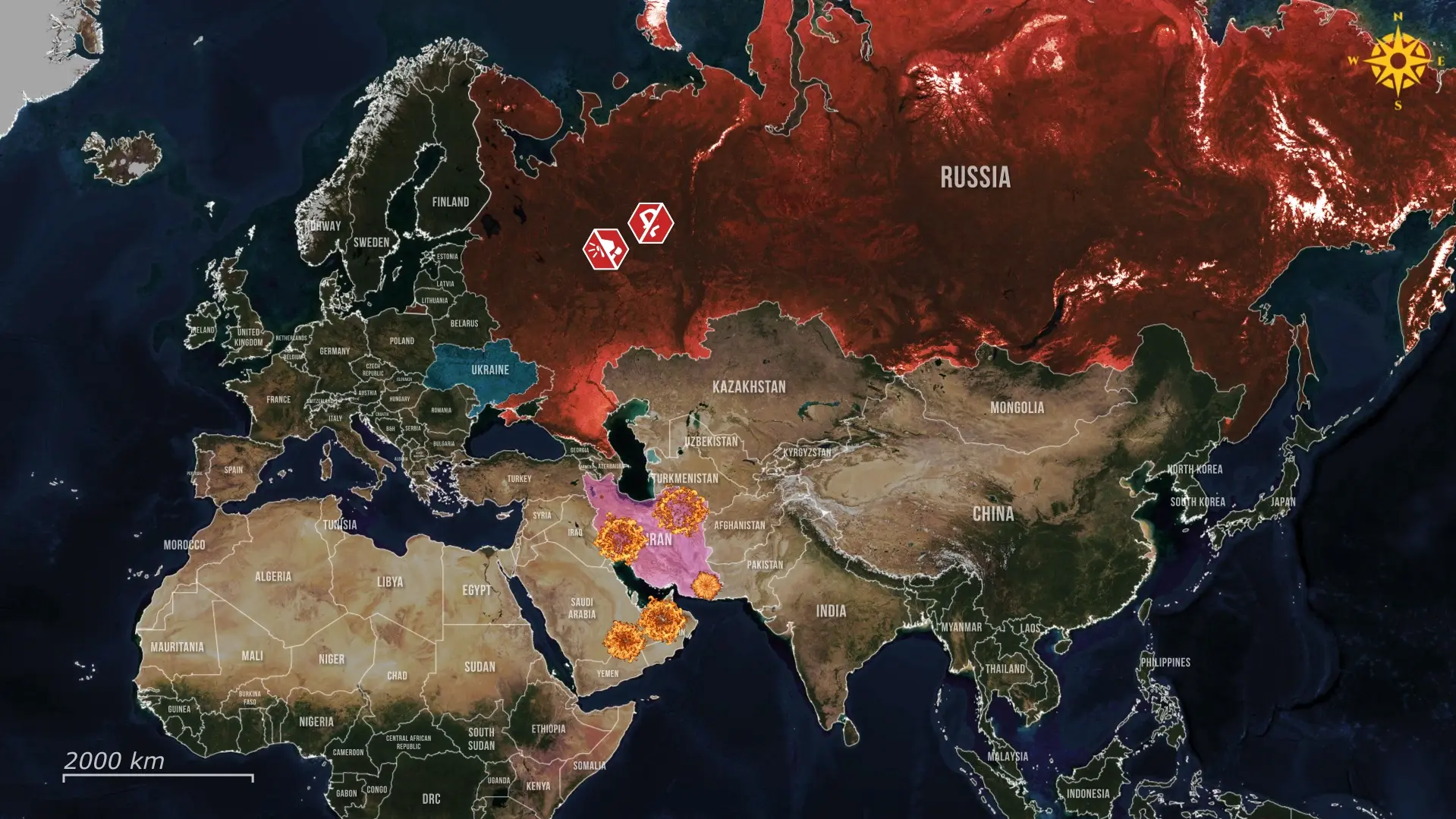
Overall, the Russian illusion of an oil-driven recovery collapses under the weight of structural realities. Russia’s war economy depends on maintaining complex and costly logistics under constant pressure, and even record-high oil prices cannot compensate for the growing inefficiencies and risks.
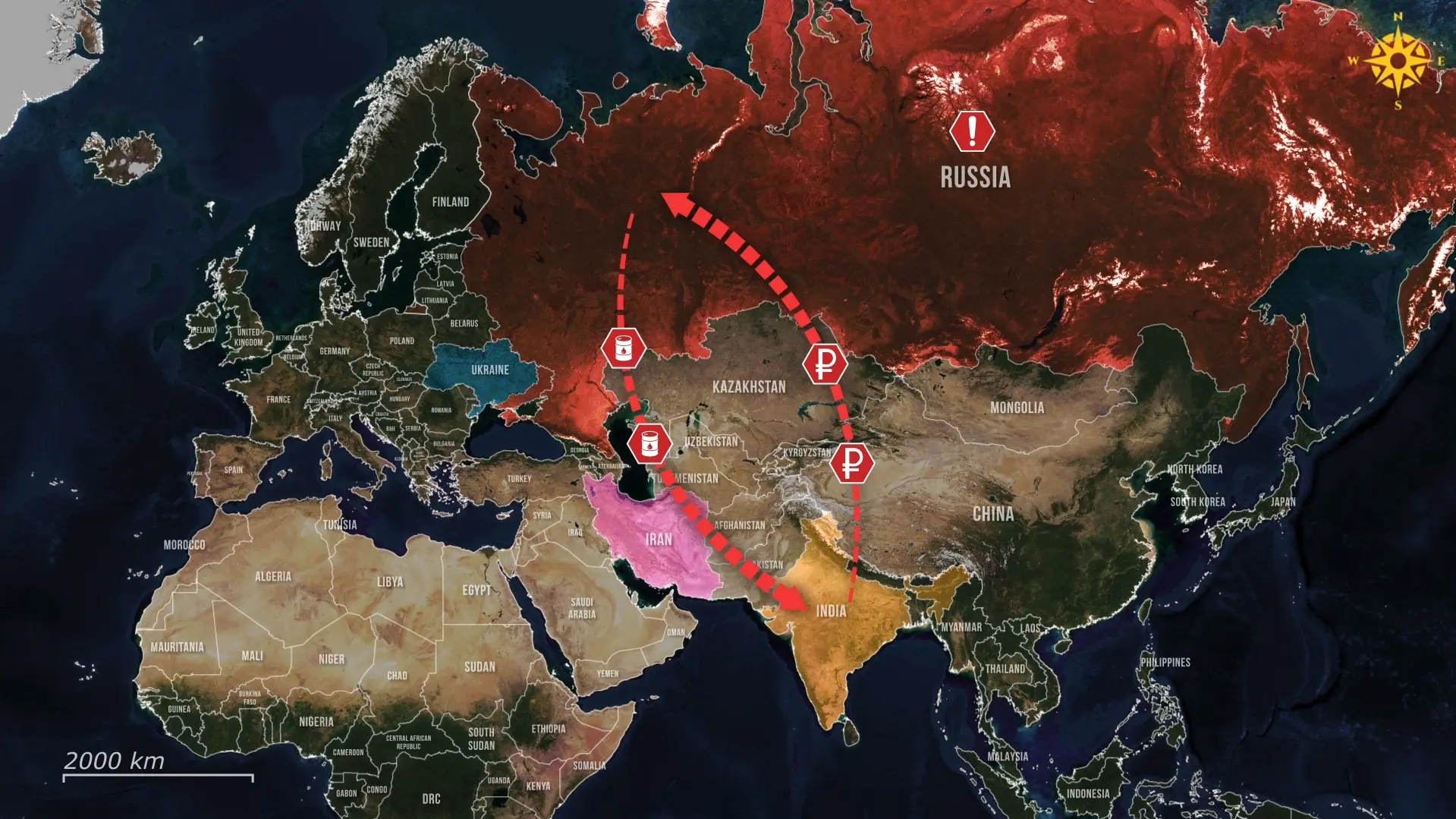
The shadow fleet, once seen as Moscow’s economic lifeline, is now contributing to the very financial strain it was meant to overcome, leaving Russia increasingly exposed to bankruptcy as costs rise faster than revenues.

.jpg)

Comments