

.svg)
Today, there are important updates from the Black Sea.
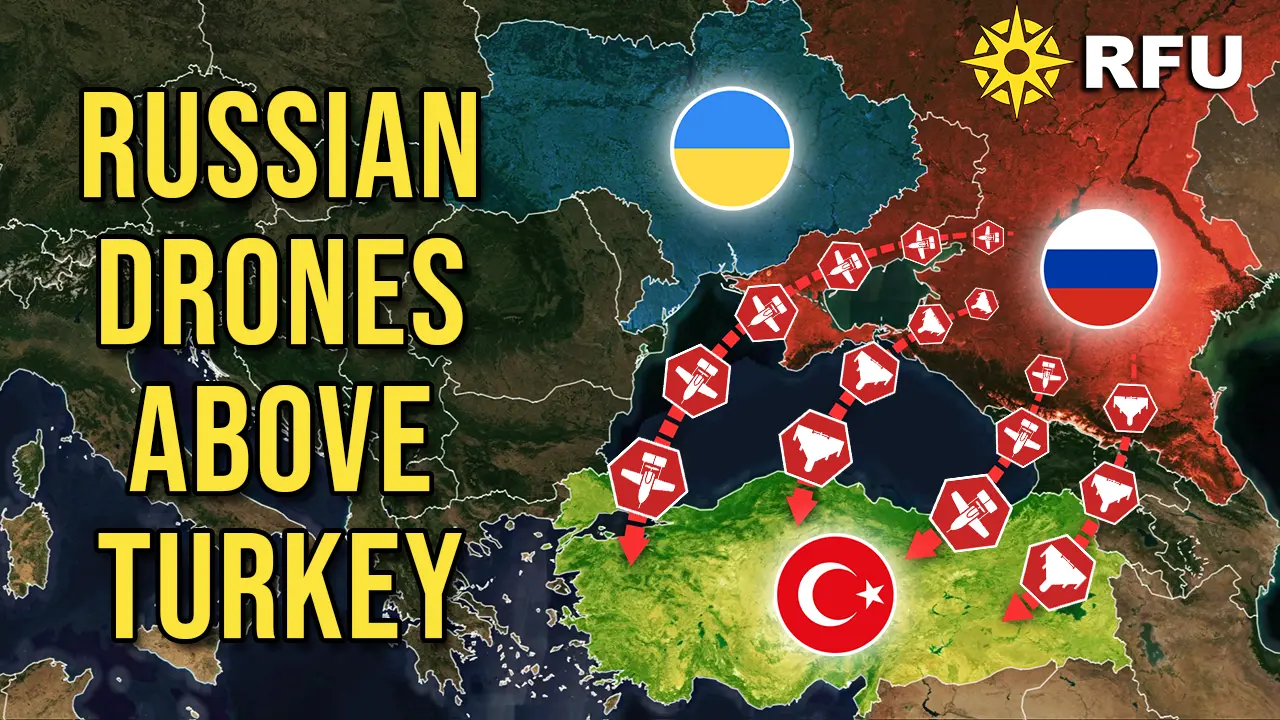
Here, after Russian forces increased their activity and provocations over the sea and Nato countries' airspace, Turkey was the first to act and shot down Russian surveillance drones without warning. As more accidents followed, the Russians are now at risk of facing the Turkish wrath, getting all their trade cut off outright, without any strikes needed.
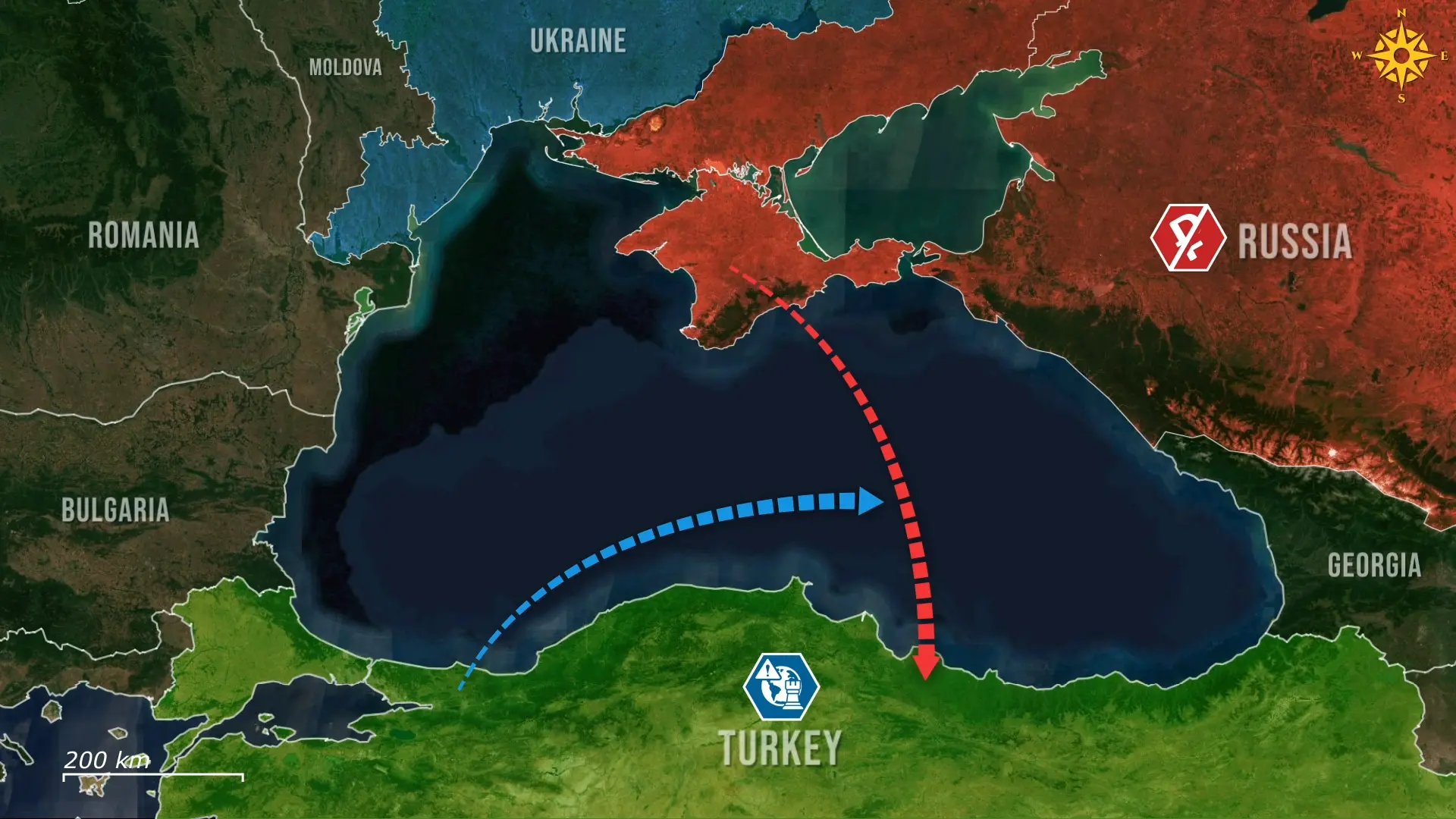
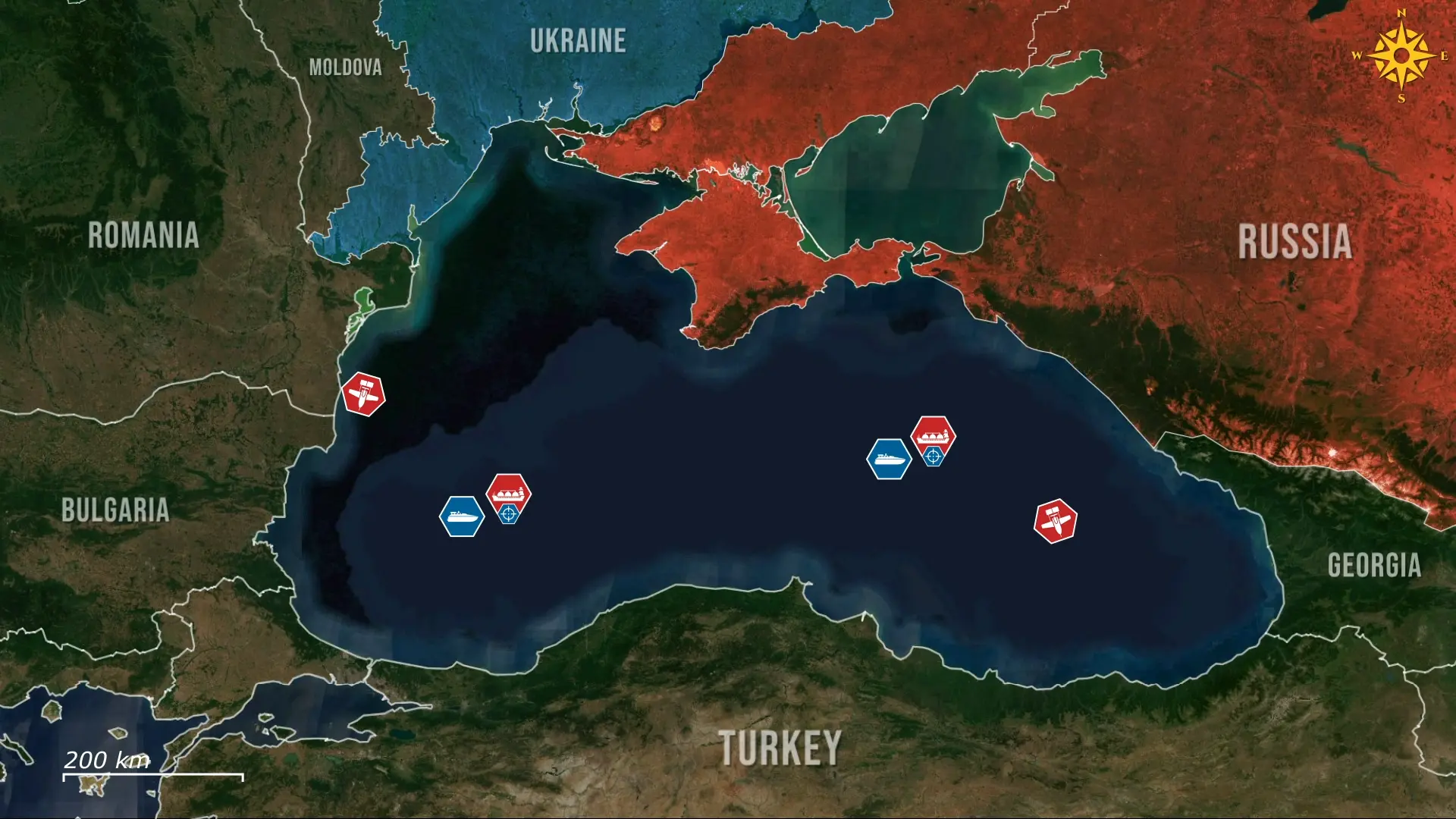
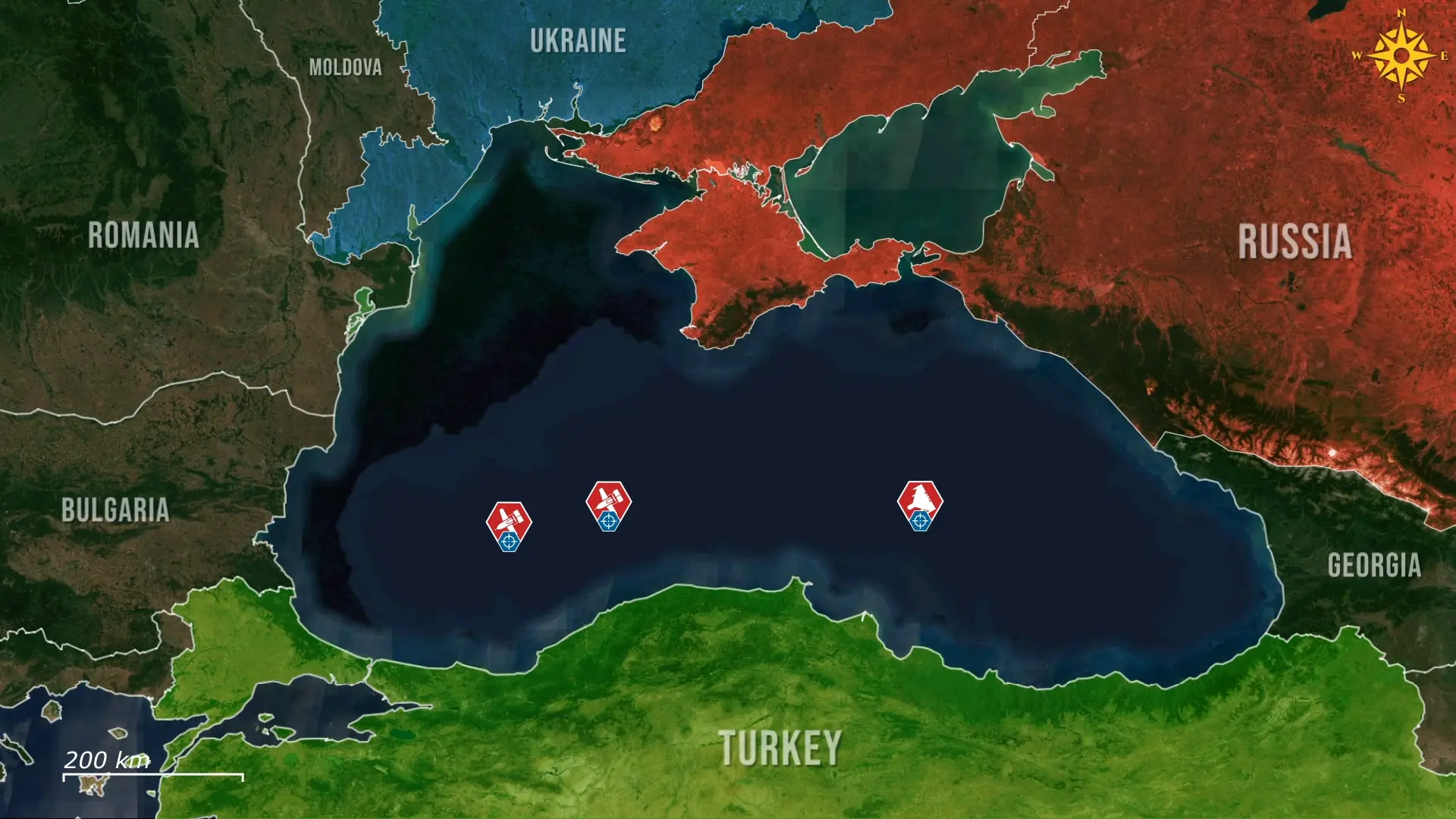
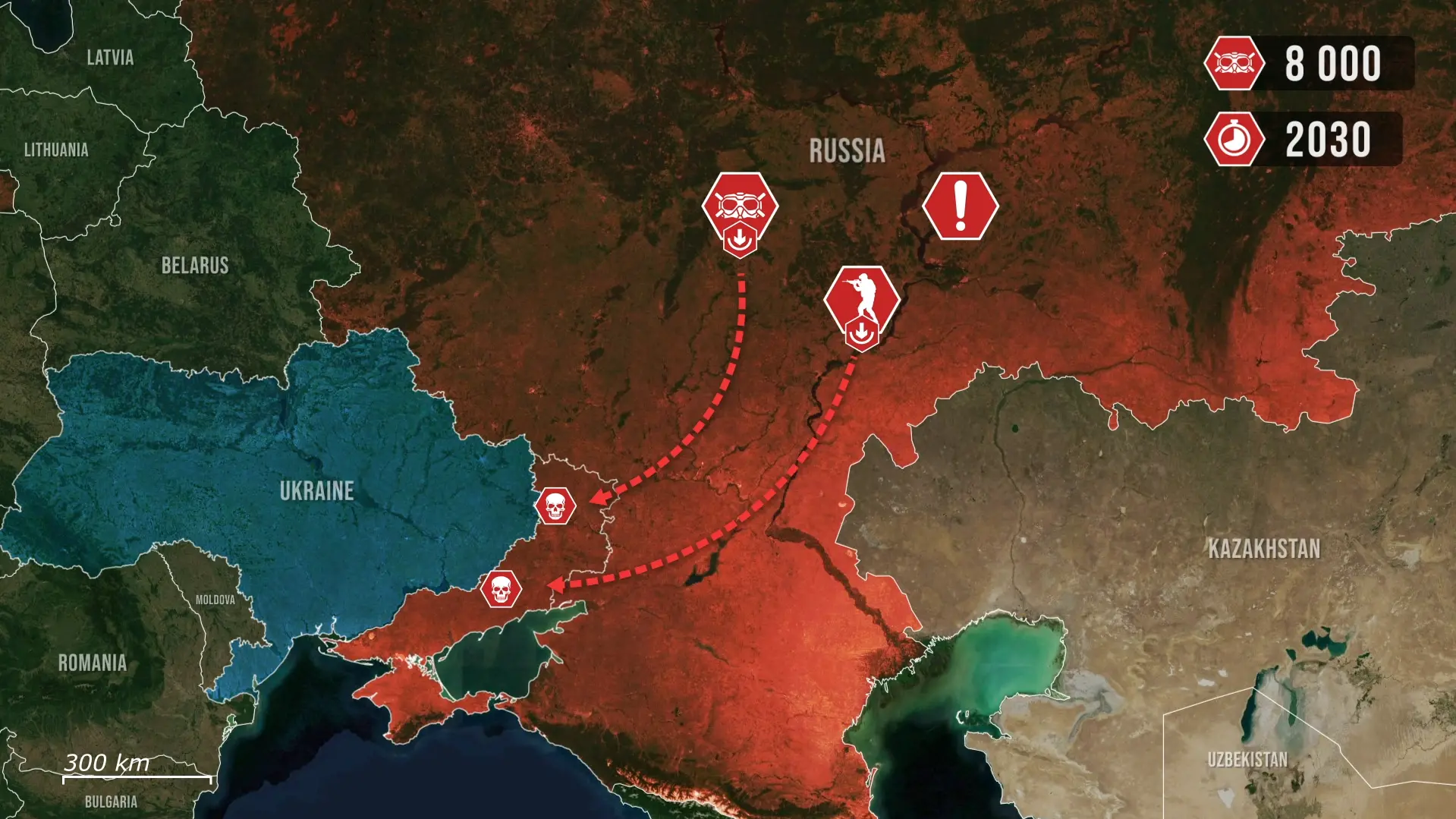
Russia’s struggle to retain influence in the Black Sea is increasingly spilling over, as Ukrainian naval drones have steadily eroded Russia’s control at sea. As a result, the Russian army has expanded the use of reconnaissance and strike drones across the wider Black Sea region to regain situational awareness and protect its remaining assets, including shadow fleet tankers.
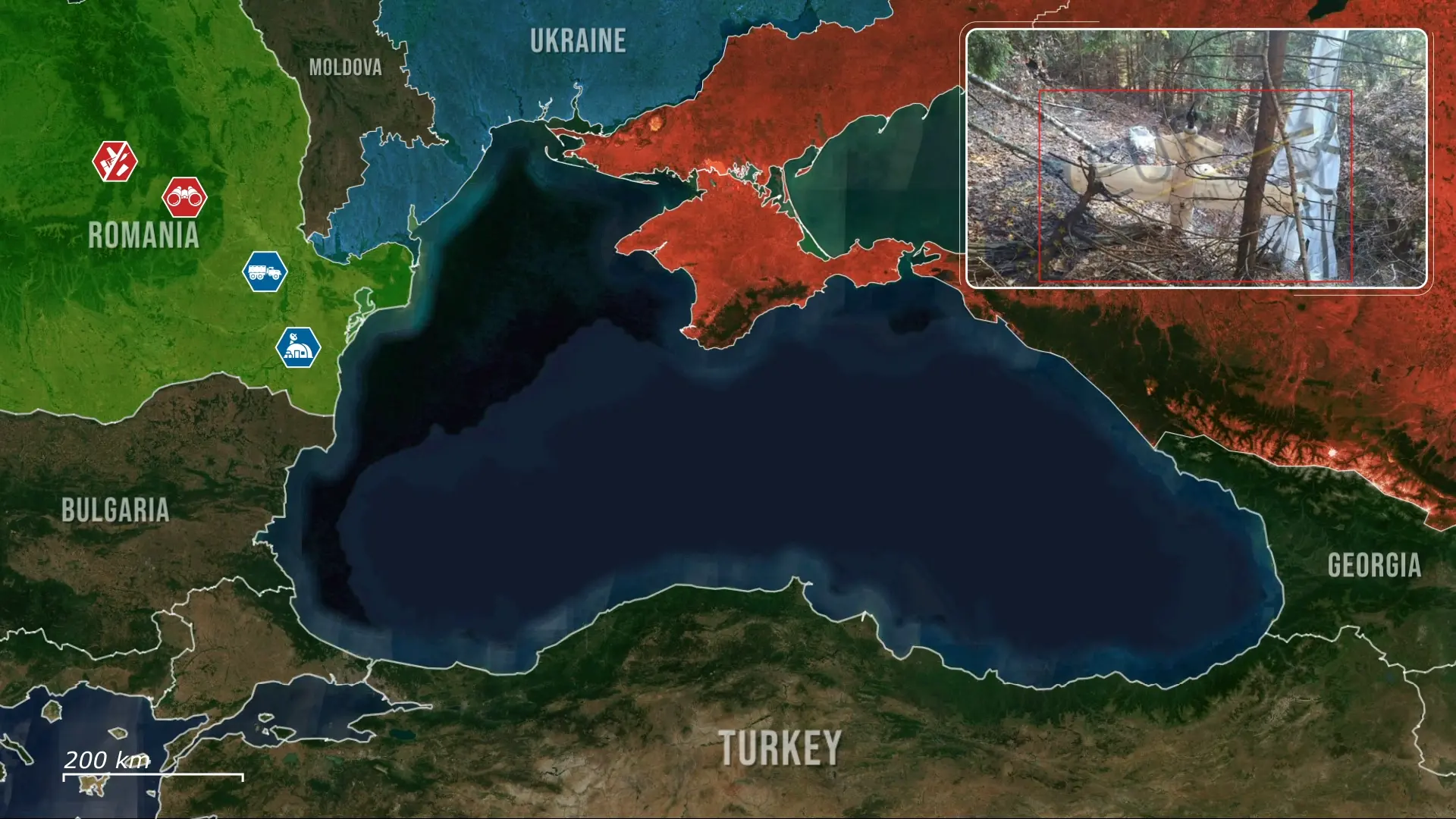
In a worrying signal of escalation, a mysterious drone equipped with a parachute and a suspected explosive device was recently discovered by hunters in a Romanian forest. With a wingspan of roughly two meters, Romanian authorities assessed that the device had been used to monitor Nato facilities or track military aid deliveries to Ukraine. The drone was found intact, prompting police to cordon off the area immediately, underscoring how Russia’s operations are increasingly bold and aggressive inside Nato territory.
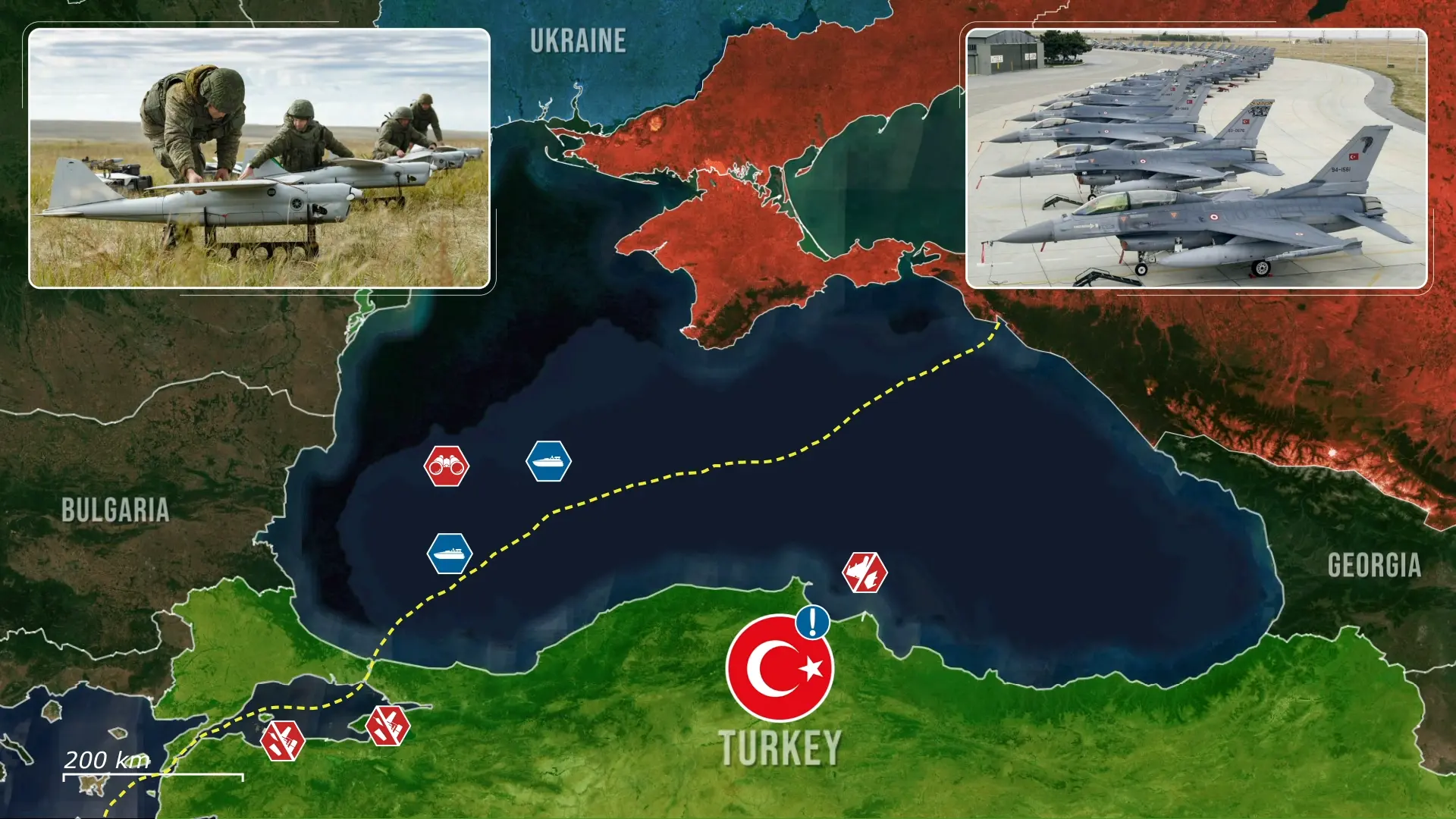
Turkey has felt this pressure even more directly, as within days, three separate Russian drones violated Turkish airspace, pushing the country closer to decisive action. The first incident occurred when a Russian drone entered Turkish airspace from the Black Sea.
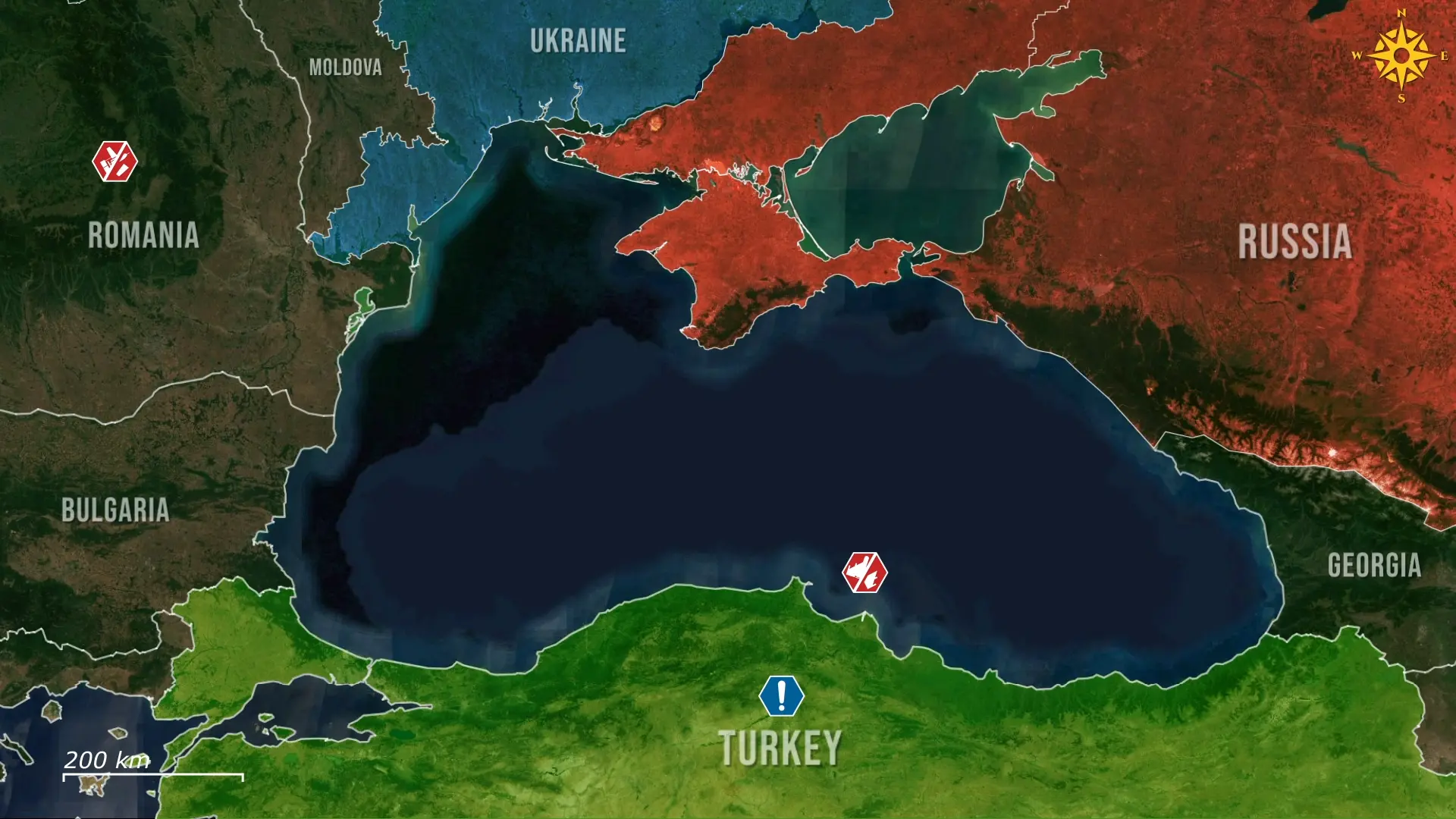
Turkish air defense reacted swiftly, and F-16 fighter jets intercepted the target, ultimately shooting it down with an Aim-9X Sidewinder missile. Debris scattered across rough terrain, but the message was clear: Turkey would not tolerate unauthorized military aircraft in its skies.
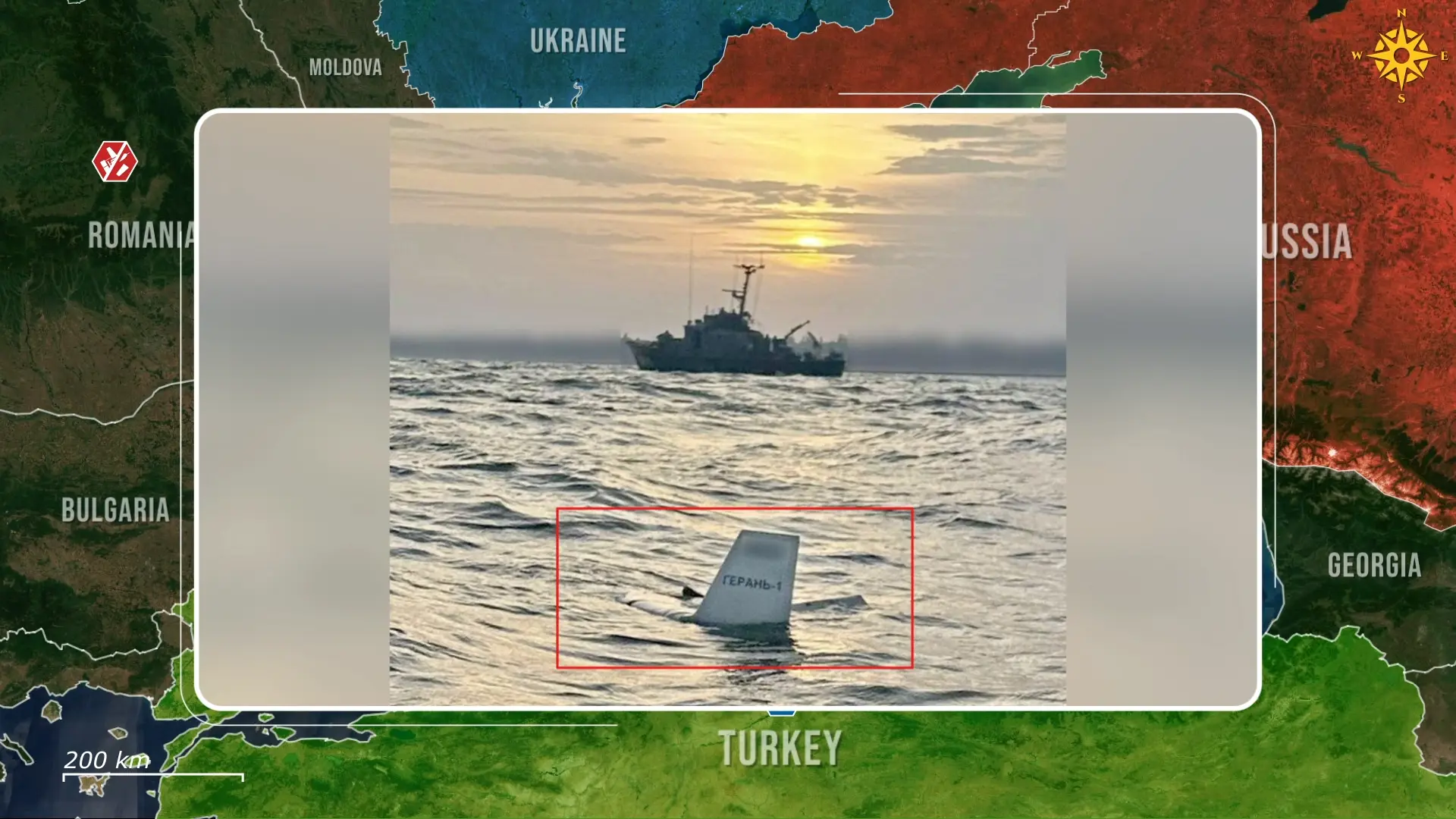
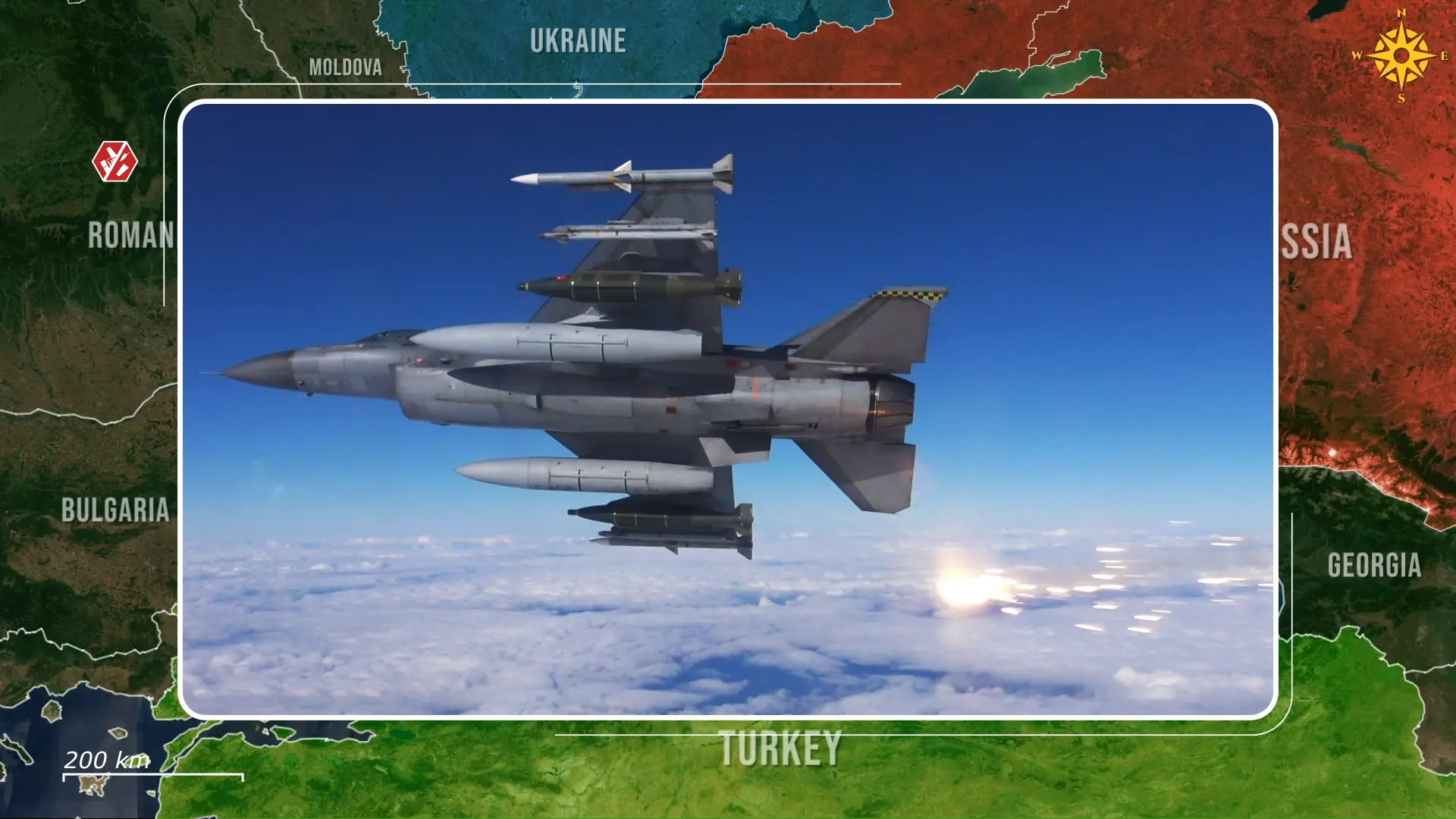
The second incident was even more alarming when a Russian Orlan-10 reconnaissance drone crashed near the city of Izmit, just 50 kilometers from Istanbul. Given the distance and trajectory, analysts believe it was launched from Russian-controlled Crimea and tasked with surveying the Black Sea, to detect Ukrainian maritime drones. The proximity to one of Turkey’s most important urban and industrial regions raised immediate concerns about how deeply Russian surveillance efforts were encroaching into Turkish territory.
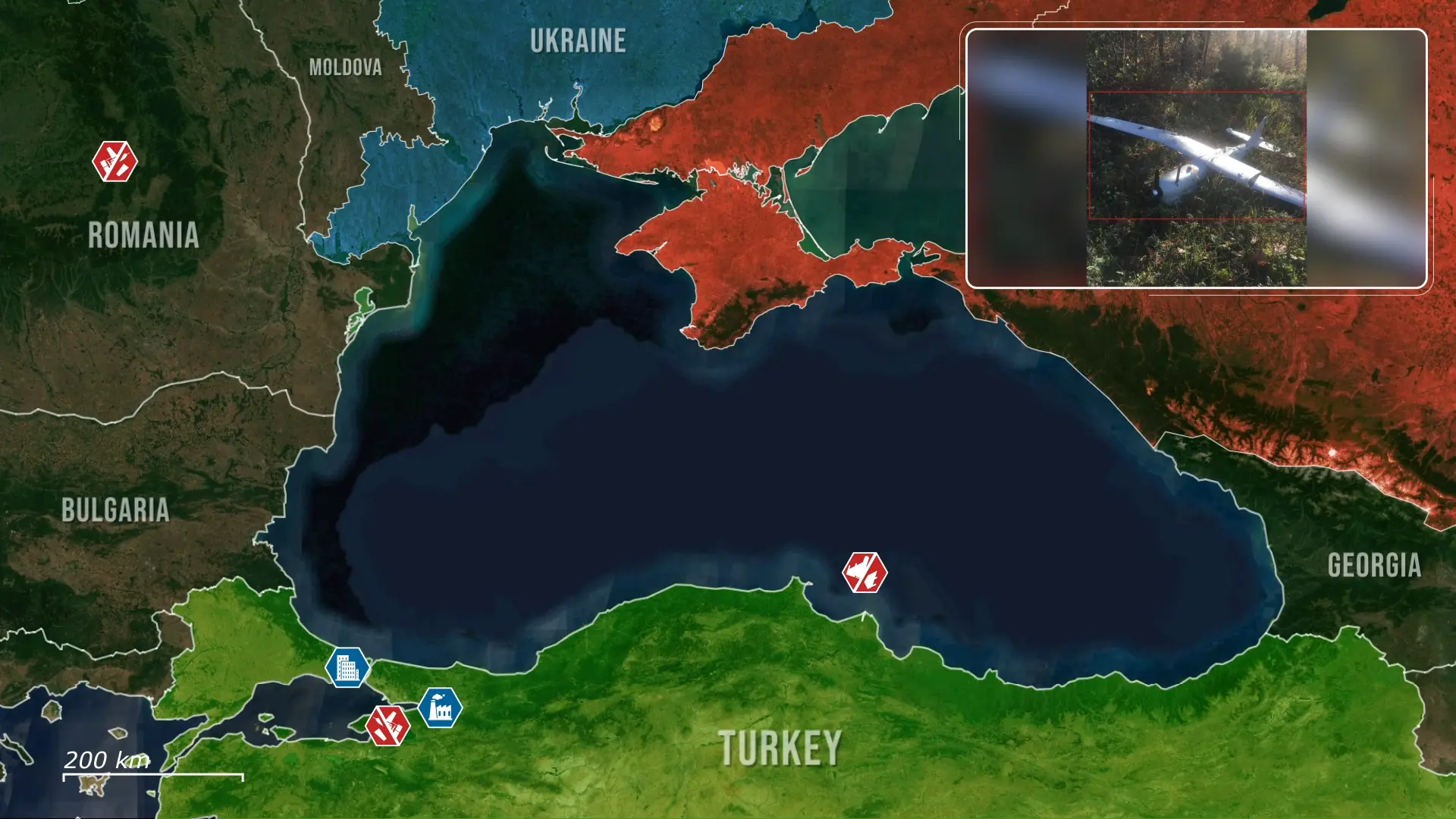
The third case involved debris from a Russian Merlin reconnaissance drone discovered in western Turkey. The Merlin can remain airborne for up to ten hours, flying at altitudes of up to five kilometers, and carrying advanced optoelectronic sensors. Its presence again pointed to sustained intelligence-gathering activity rather than an isolated malfunction.
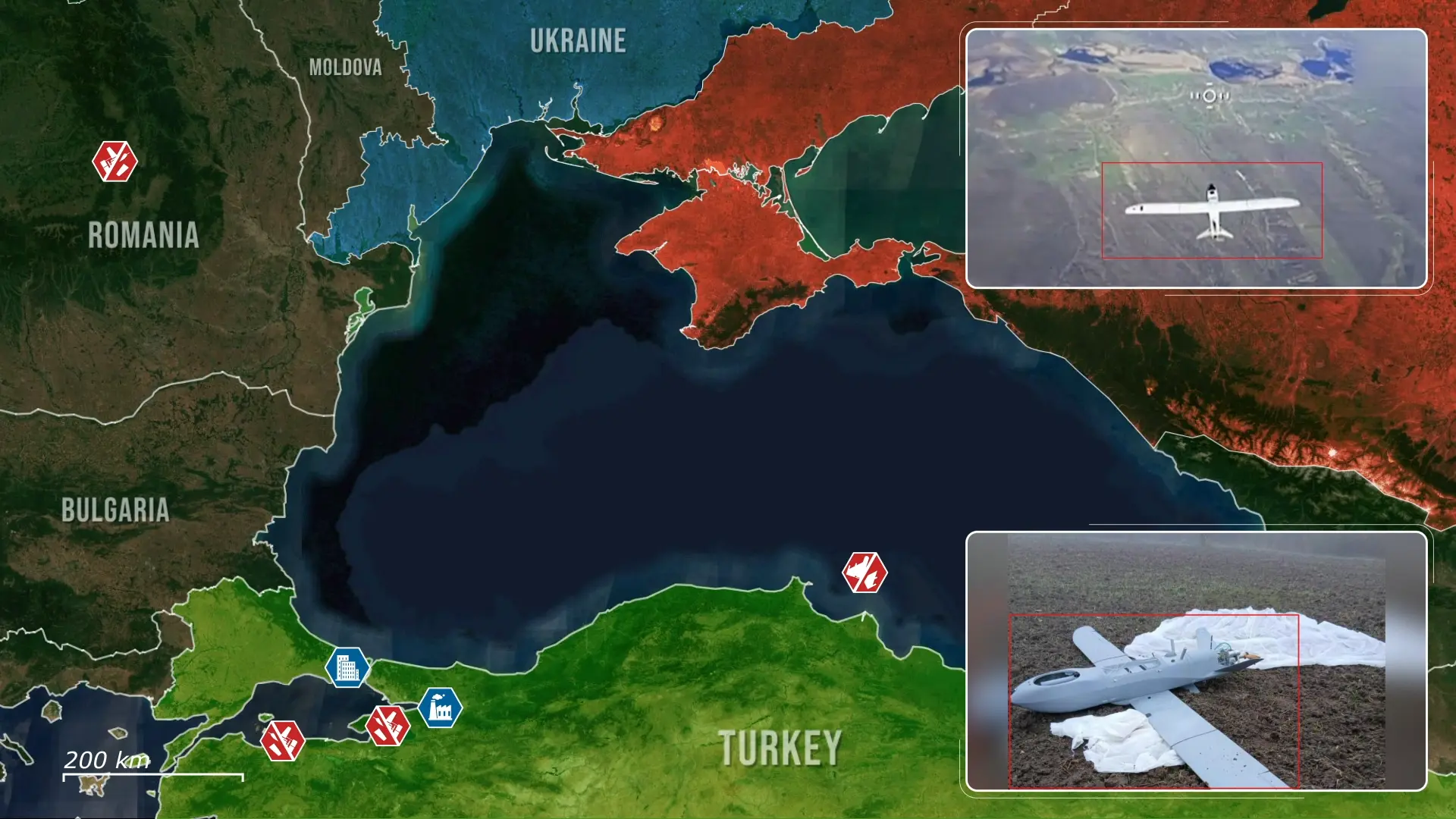
Taken together, these three incidents crossed multiple Turkish red lines, as all occurred near strategically sensitive locations, including defense industry facilities, refineries, naval, and air bases. This pattern suggests deliberate reconnaissance rather than navigational error, as Russia seeks to observe Ukrainian naval drone activity and shipping movements in and around the straits. It also reflects a broader shift in regional security, where low-cost unmanned systems can create strategic effects far beyond their size. For Turkey, the issue is no longer just interception, but early detection, attribution, and deterrence.
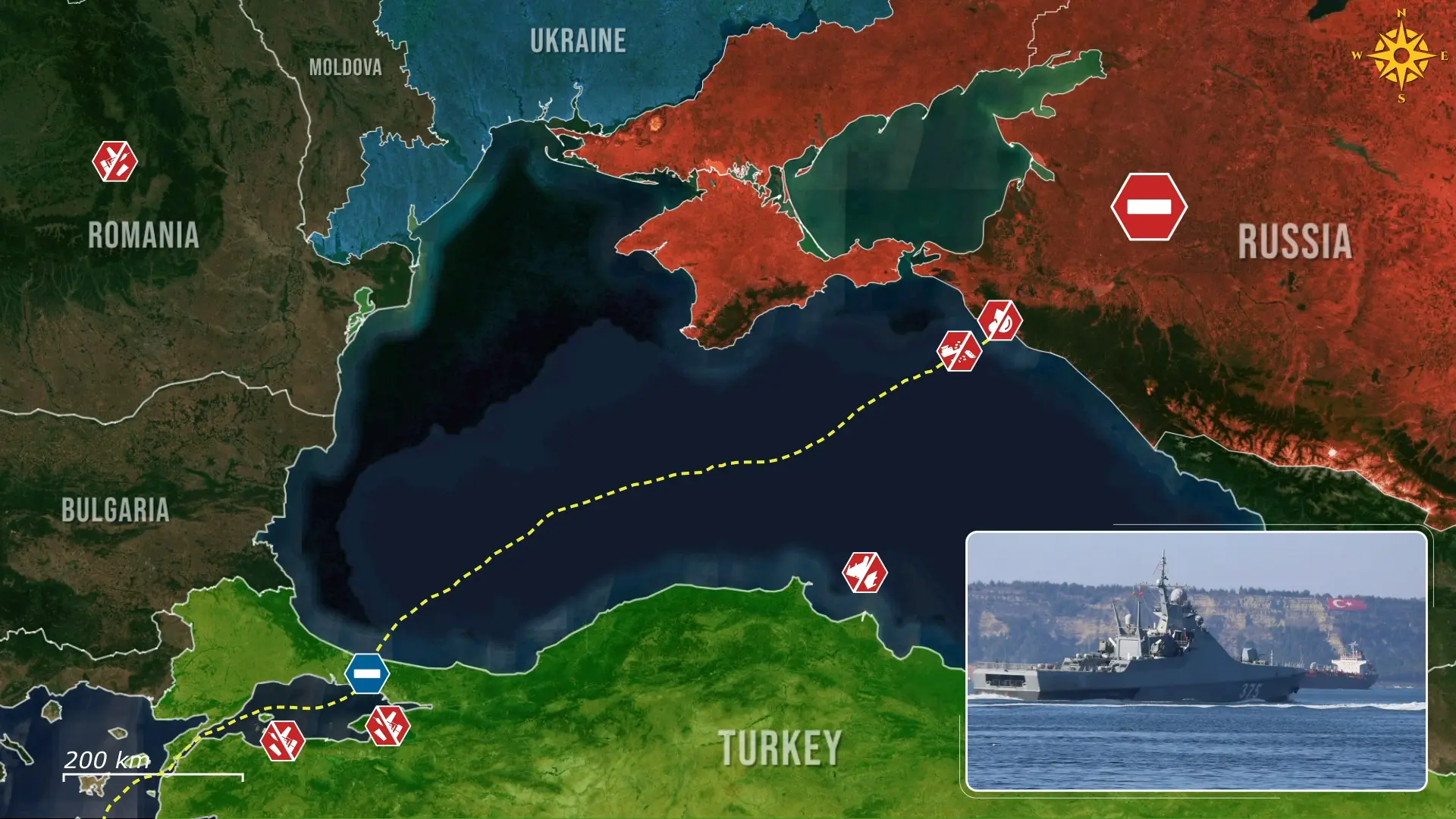
This escalation raises the possibility of far harsher Turkish responses, and if Ankara were to cite repeated Russian drone incursions as a security threat, it could even restrict civilian Russian shipping through the Bosporus in retaliation. The consequences would be severe, as such a move would devastate Russia’s Black Sea trade, and challenge the 1936 Montreux Convention guaranteeing free passage for merchant vessels. Even so, Novorossiysk, which handles roughly 20 percent of Russia’s oil exports, would face crippling bottlenecks. Grain exports, heavily reliant on southern ports, would also collapse, amplifying economic and political pressure on Moscow. Alternative export routes via the Baltic or Pacific lack the capacity to compensate, making any disruption in the Bosporus strategically catastrophic for Russia.
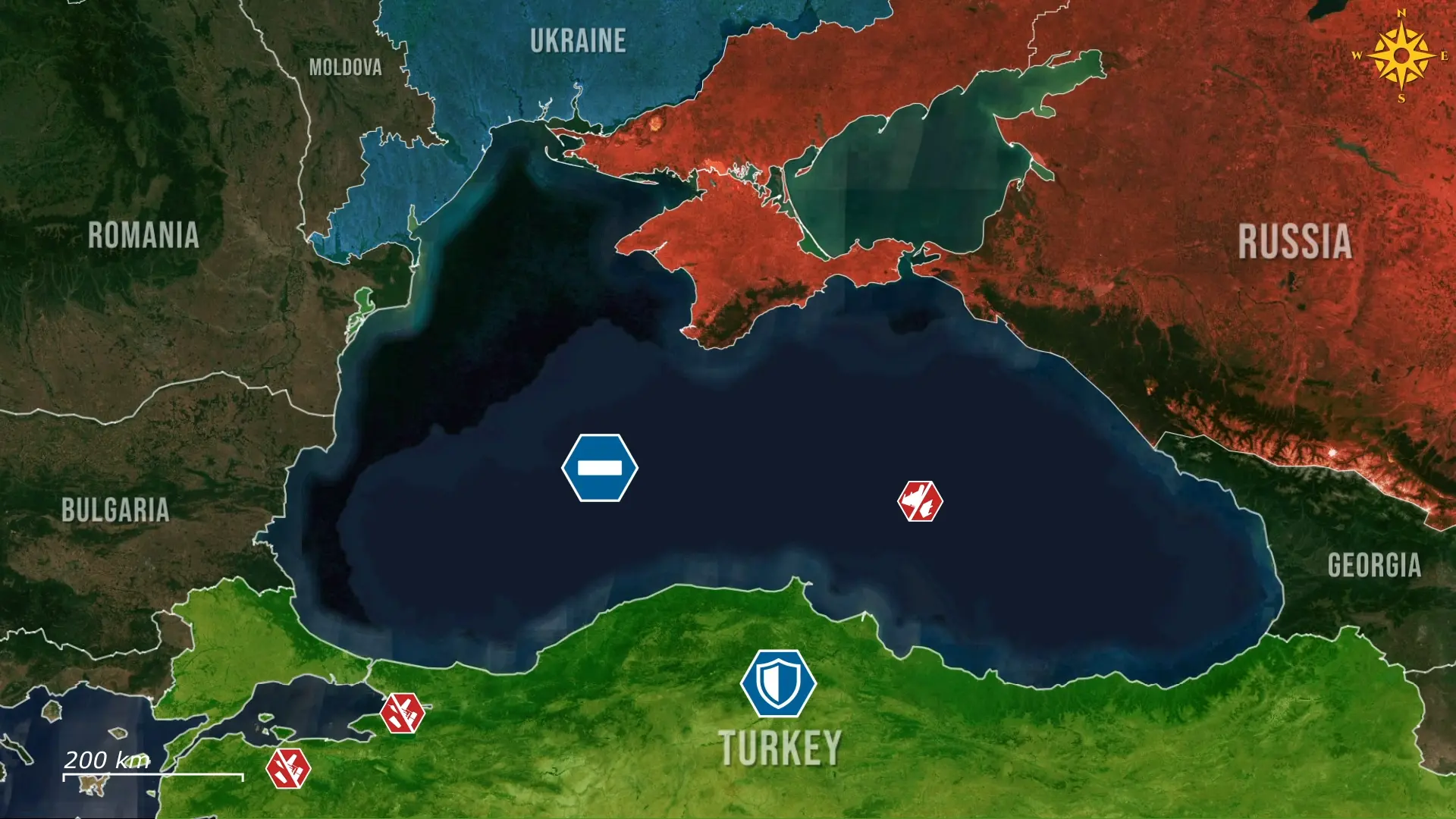
Overall, Turkey is signaling that it views Russian drone activity over the Black Sea and Turkish territory as a serious and growing threat. The immediate shootdown of the first drone demonstrated its readiness to act, while the later undetected incursions highlighted the urgency of tightening airspace control.
Unlike other Nato members, Turkey is not prepared to absorb repeated violations passively. If Russian drone operations continue, Ankara appears willing not only to shut down the sky over the Black Sea but also to potentially escalate further and close the Bosphorus, making it clear that spying on Nato members in the region will carry real and costly consequences.
.jpg)

Comments