

.svg)
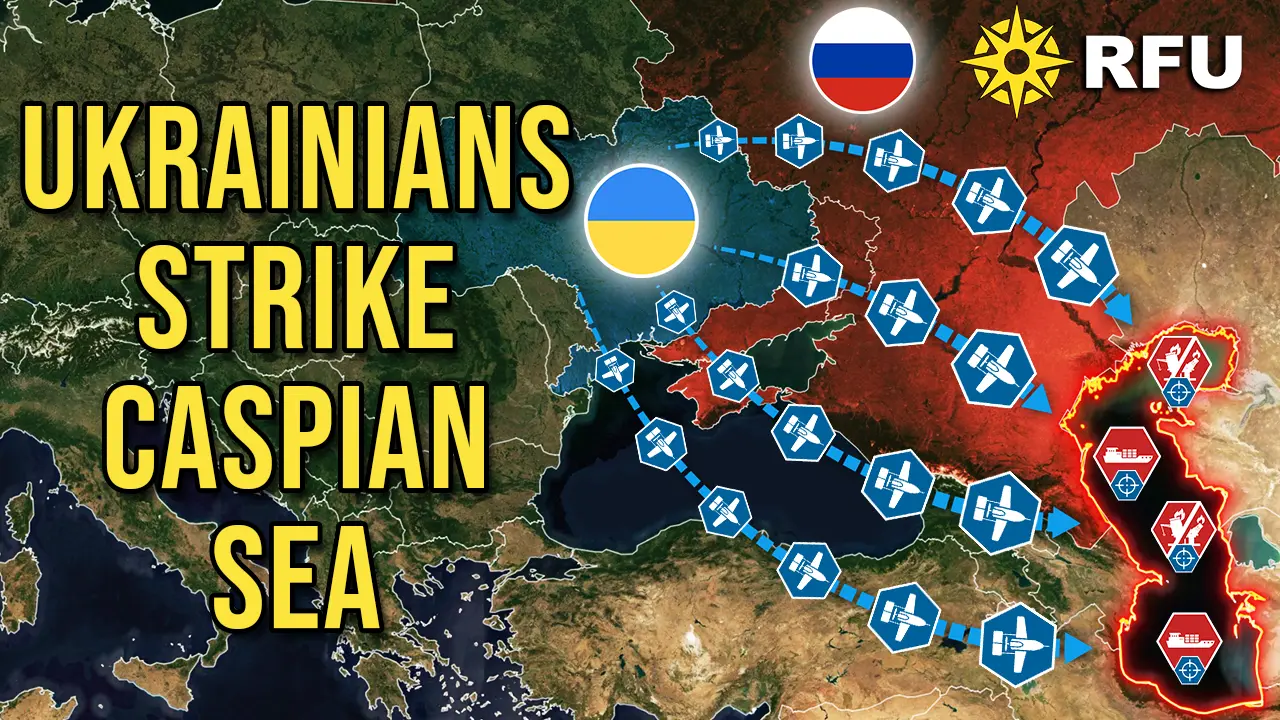
Today, the biggest news comes from the Caspian Sea.
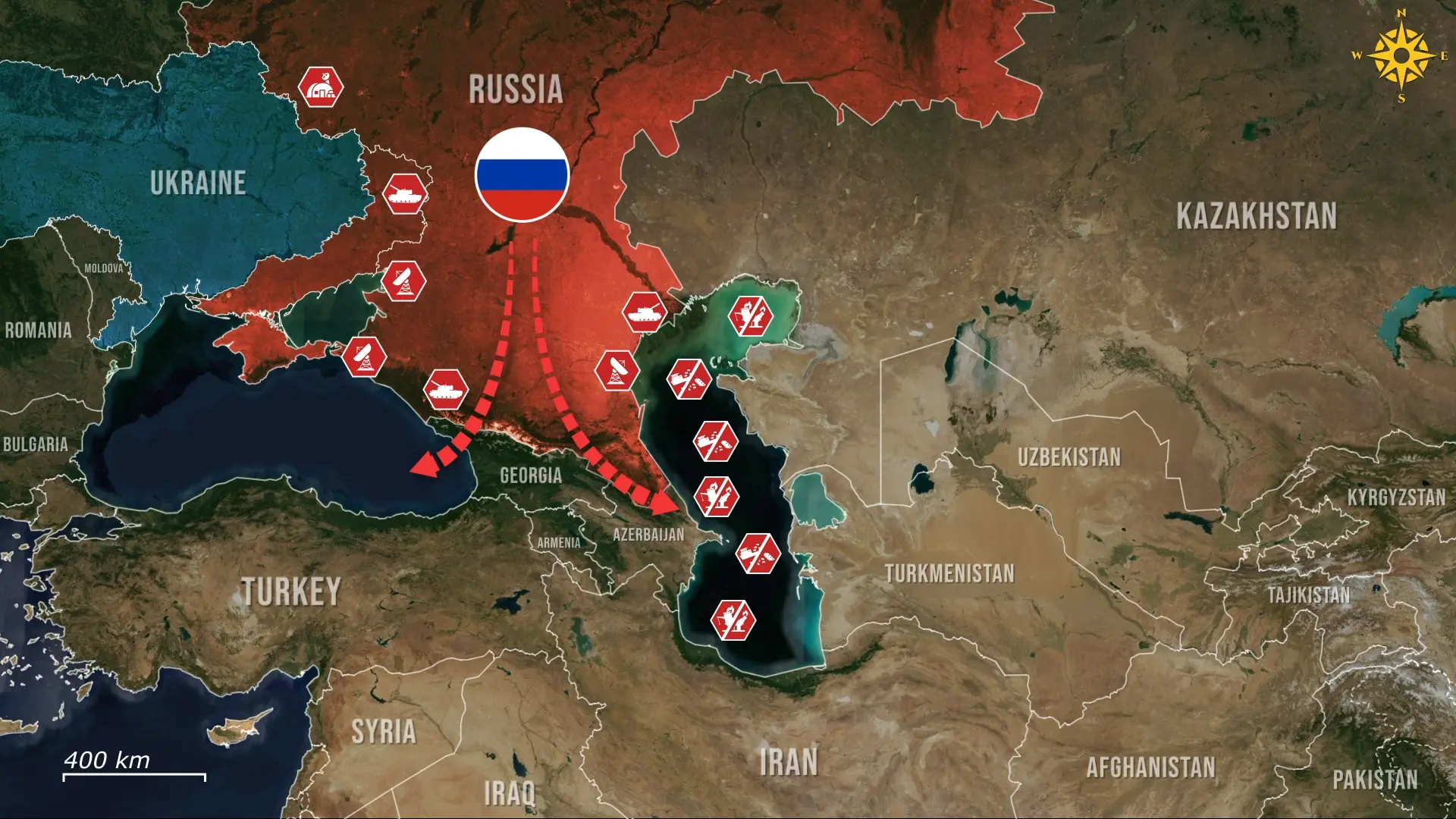
Here, Ukraine has demonstrated that Russia’s most protected maritime area is no longer beyond reach. What began as a Black Sea blockade has now evolved into a campaign capable of disabling Russia’s logistics, platforms, and revenue sources deep inside territory that Moscow once treated as untouchable.
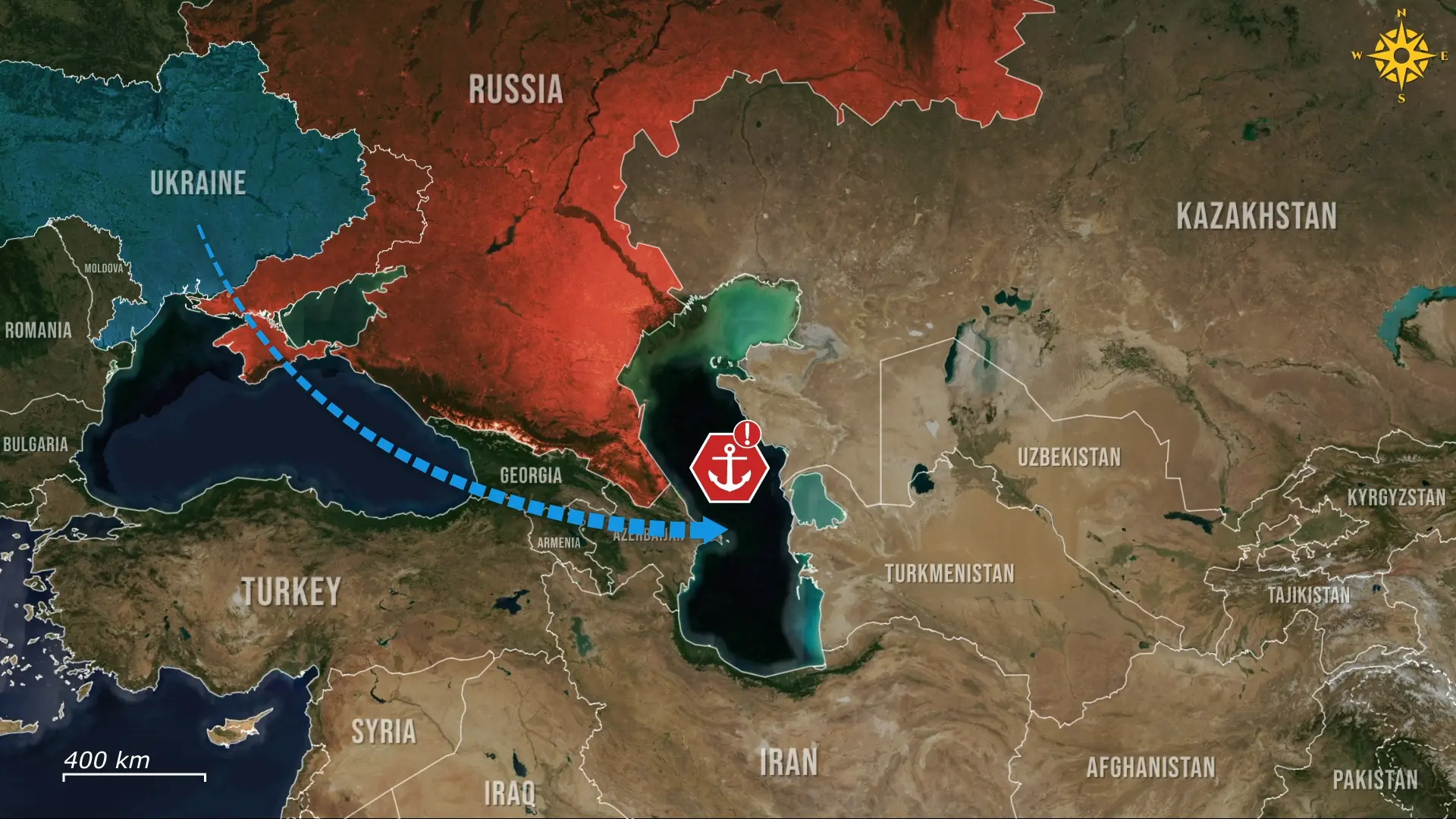
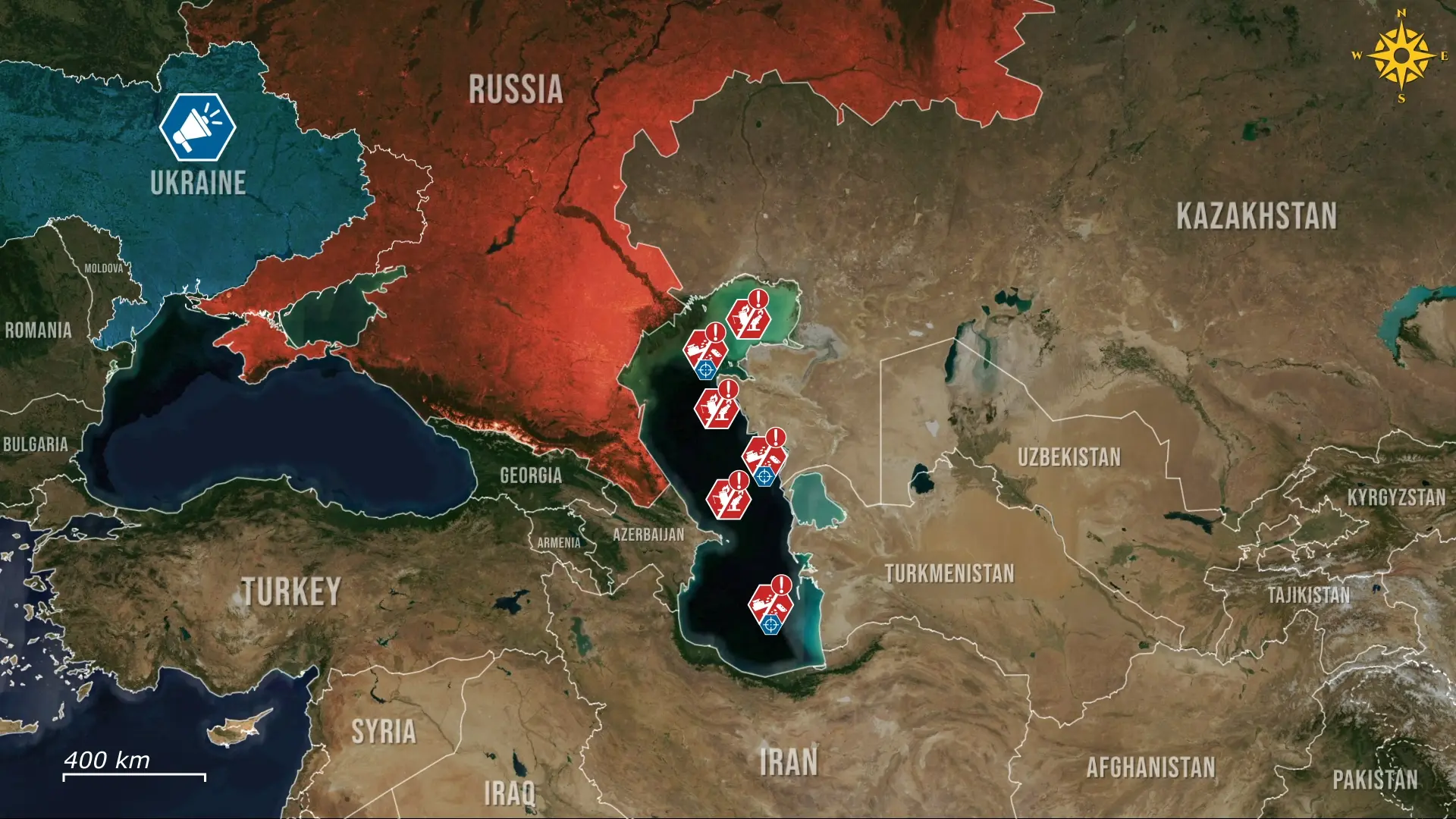
The strikes in the Caspian Sea were not isolated incidents but a single, layered operation designed to expose the depth of Russia’s maritime vulnerability. Ukrainian Special Operations Forces, working directly with the insurgent network known as Black Spark, first targeted the Kompozitor Rakhmaninov and Askar-Saridja barges, vessels used to move military equipment and materials along Russia’s internal route system. Local intelligence provided by the partisans enabled precise timing and flight-path selection, allowing the drones to reach vessels that Russia assumed were fully protected by distance and geography.
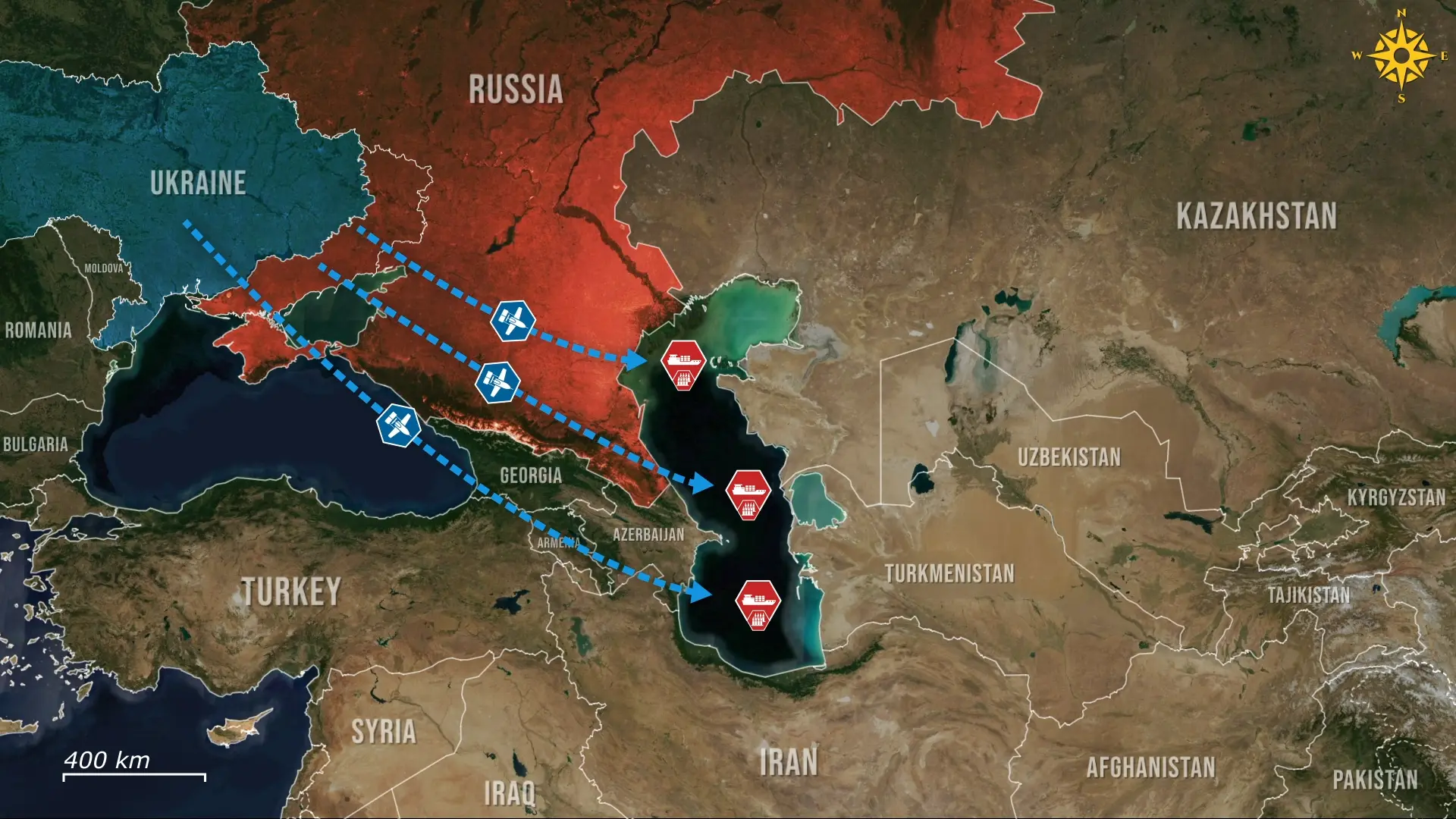
In parallel, Ukraine’s SBU Alpha unit executed a sequence of long-range strikes on the Filanovsky and Korchagin offshore platforms. These platforms sit at the heart of Lukoil’s extraction network in the northern Caspian Sea, and by hitting them repeatedly over the span of a week, Ukraine forced the shutdown of more than twenty wells and damaged pressure-control systems central to production.
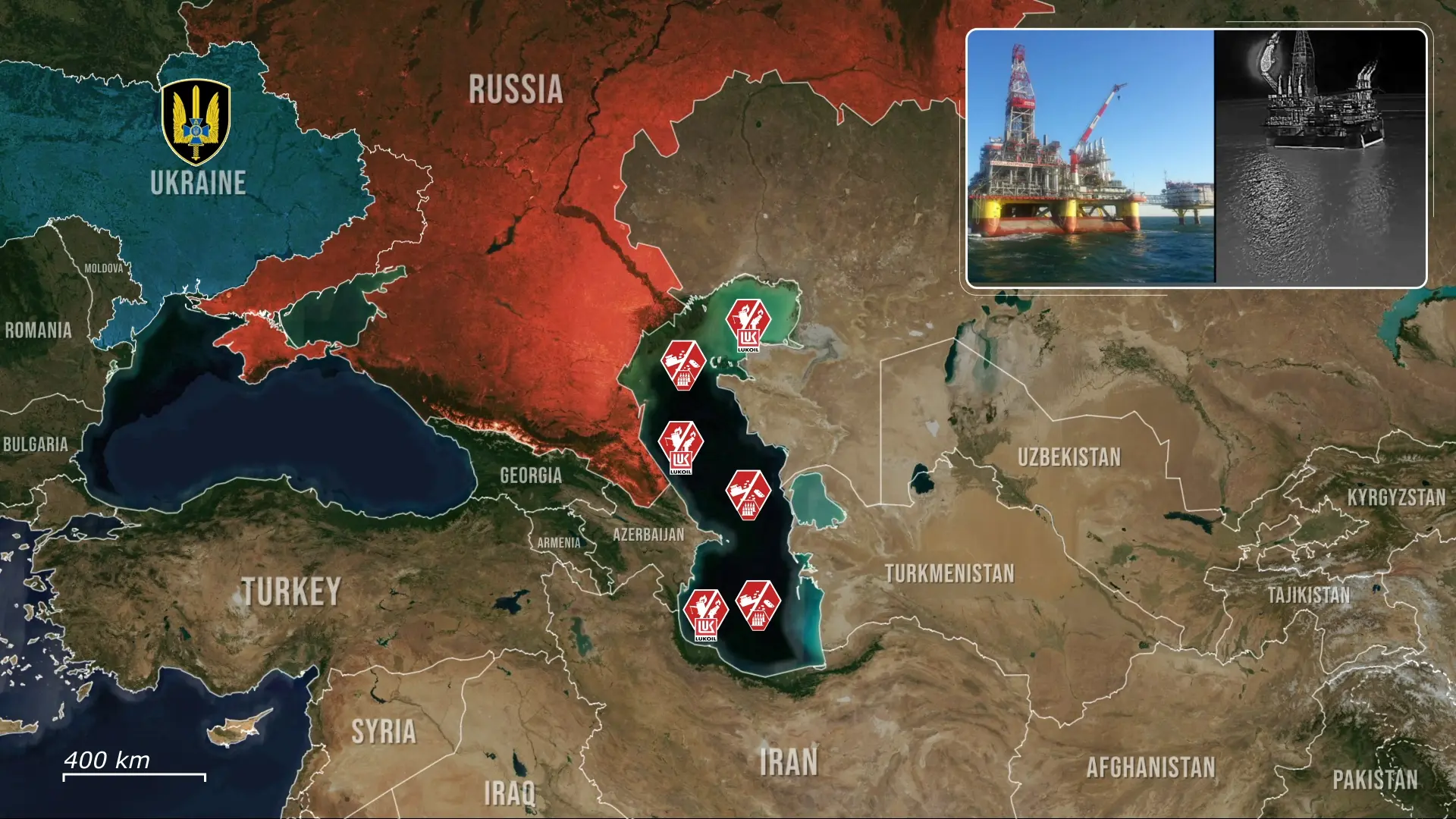
What makes this operation exceptional is the rhythm, as each strike followed the last within days, collapsing Russia’s ability to restore operations before the next blow landed. The result was not just damage but further damage to Russia’s operations, as Moscow was forced to halt activity at platforms that feed fuel and revenue into its southern economy.
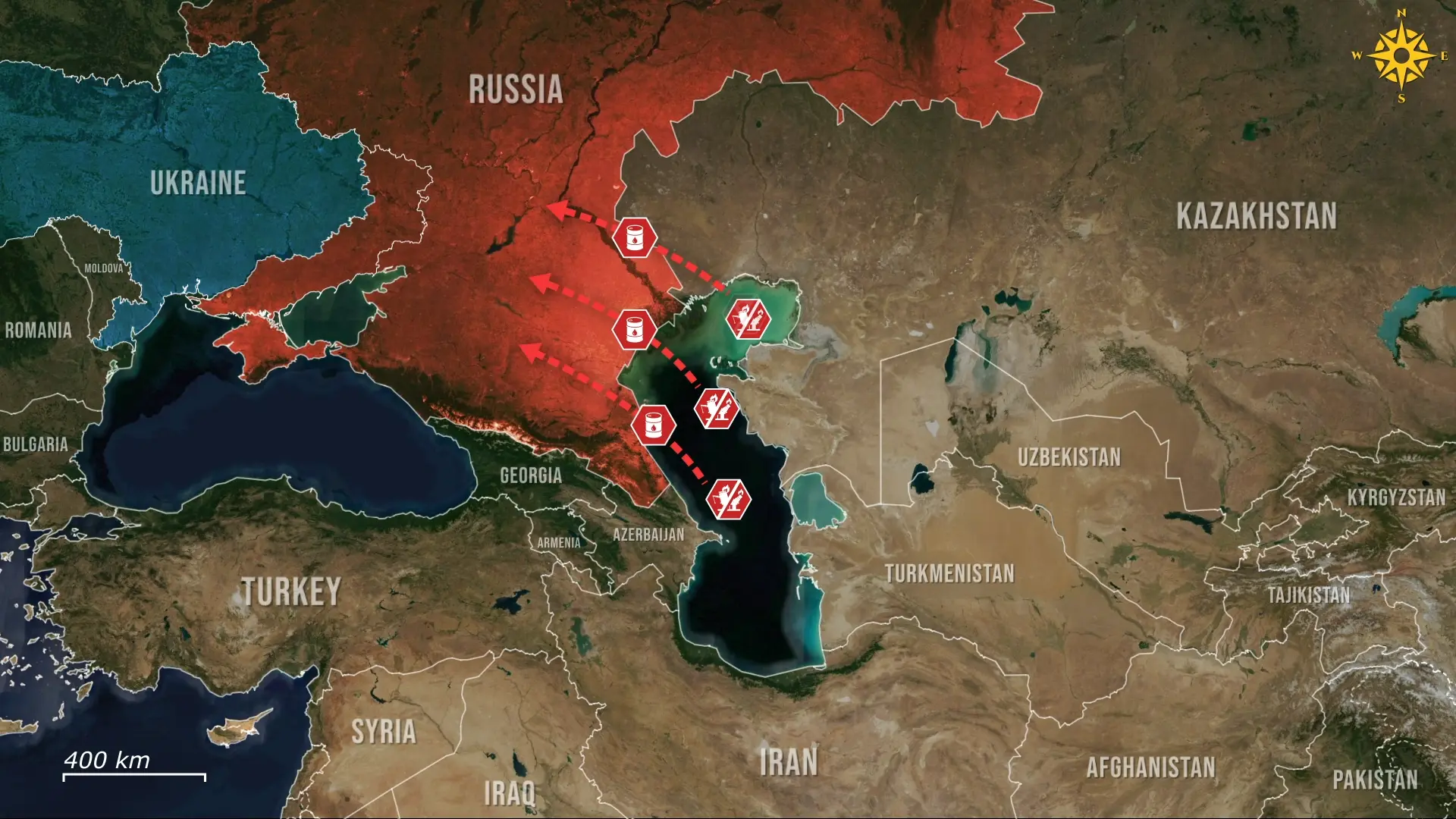
The combined effect of striking barges and production infrastructure shows a shift in Ukrainian doctrine, as Ukraine is no longer targeting single military objects but the supporting structure around them, and transport routes, energy nodes, and the financial flows that sustain them. The Caspian Sea, long treated as a secure interior lake, has become another area where Russia cannot protect fixed assets or slow-moving vessels. By choosing targets with both military and economic value, Ukraine exposed the limits of Russia’s air-defense posture and the vulnerabilities of an offshore network that cannot disperse, retreat, or relocate.
Ukraine’s arrival in the Caspian Sea is strategically significant because it undermines one of Russia’s core assumptions, that distance equals safety. The Caspian Sea is not only a corridor for internal logistics but also a major extraction zone, with Russia pumping well over ten million tonnes of oil annually from platforms in these waters. Yet this production volume is only one part of why the region matters: the Caspian anchors the transport routes linking southern ports, military stockpiles, and energy infrastructure that feed Russia’s wider economy. For decades, Moscow treated the body of water as insulated from conflict, defended by geography and shared borders with states that generally avoided confrontation.
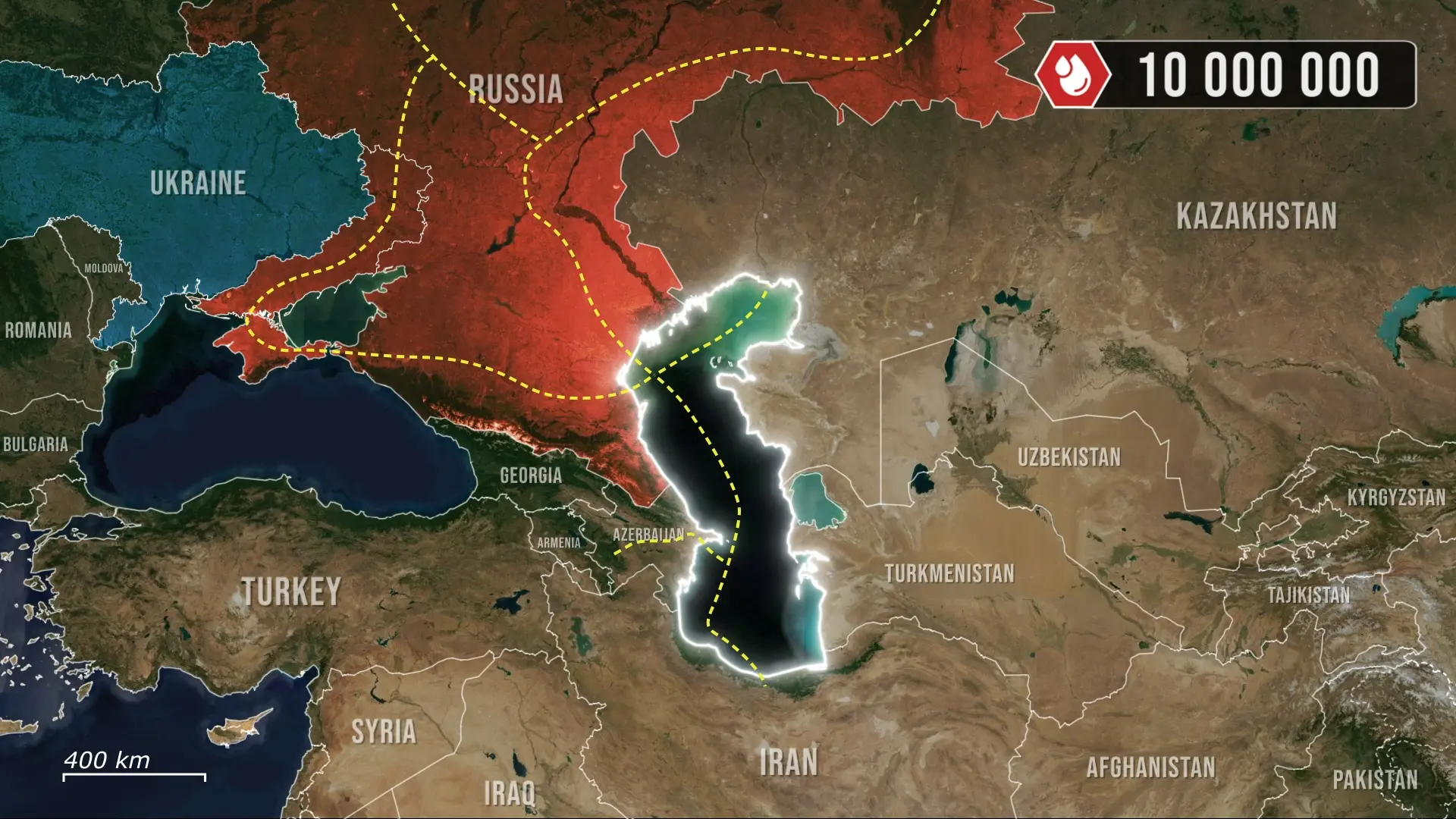
Ukraine’s operation removes that certainty, showing that long-range drones can bypass the Volga-Caspian choke points, reach deepwater platforms, and strike low-profile vessels using partisan-generated targeting data
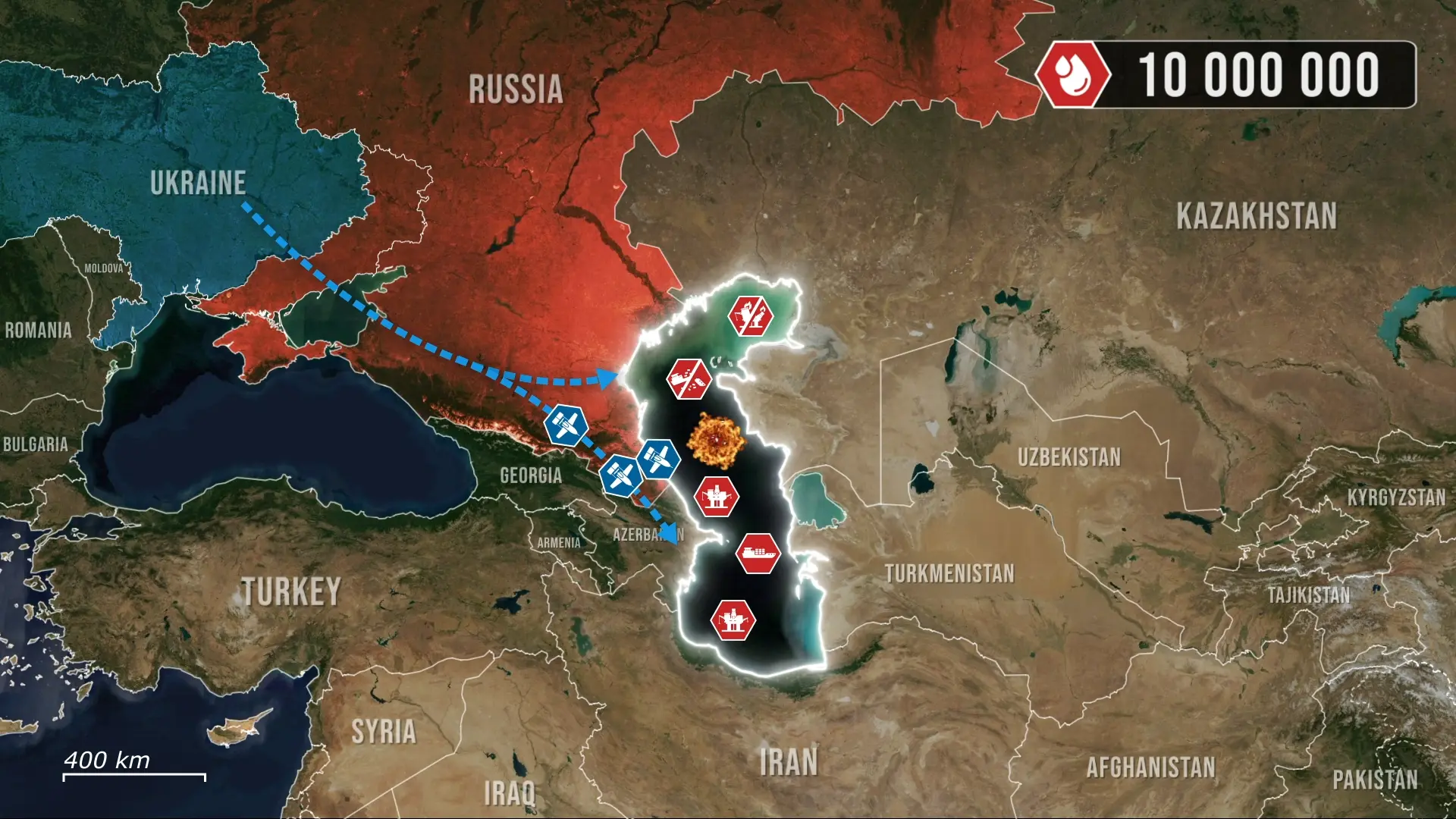
It also means Russia must now reinforce a region where its forces were not expecting to fight, stretching air-defense systems already under pressure across the Black Sea, Crimea, the mainland, and now the Caspian. Even a modest number of Ukrainian drone forces Russia to reroute resources, reposition radars, and divert naval assets that were never designed to protect against long-range strikes. The operation also aligns with recent US decisions permitting Ukraine to target Russian global oil logistics, including the shadow fleet in international waters. The strikes in the Caspian fit into this emerging pattern because Ukraine is attacking the infrastructure that supports Russia’s revenue and internal distribution network, not merely its navy or coastal depots.
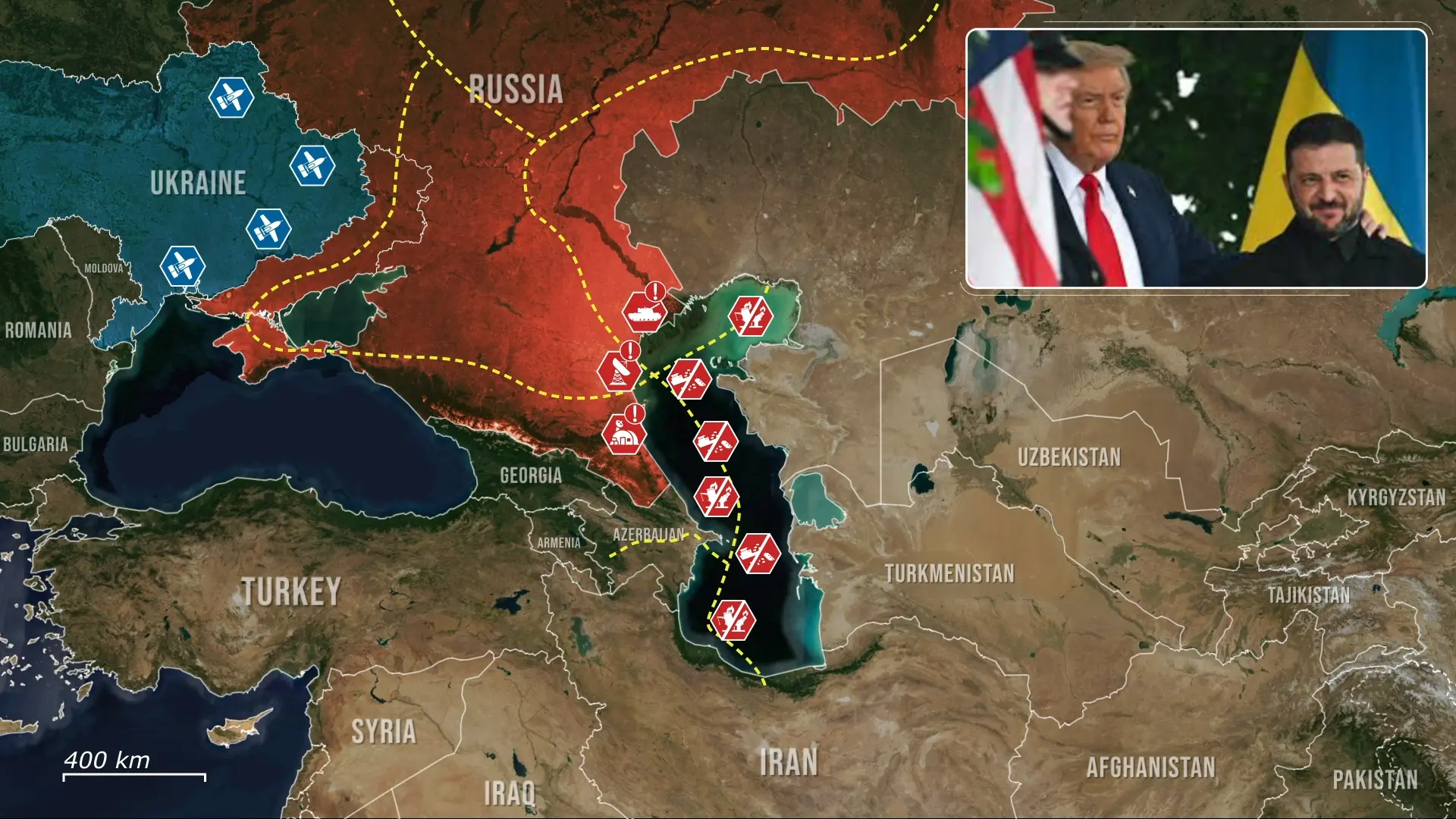
Overall, the Caspian strikes mark a turning point in Ukraine’s long-range campaign. Russia must now defend not only the Black Sea but the inland base that undermines its energy exports and military logistics, stretching its air-defense network across an even wider geography. The shutdown of platforms, the disabling of barges, and the exposure of internal routes all remove the sense of strategic depth Russia relied on. If Ukraine maintains this pressure, Moscow’s protected rear will become another contested front, forcing Russia to choose between defending its coastline or safeguarding the energy systems that finance its war.
.jpg)

Comments