Thank you! Your submission has been received!
Oops! Something went wrong while submitting the form.

Latest News

Ukraine keeps shifting pressure as Russians try to identify Ukraine’s next move

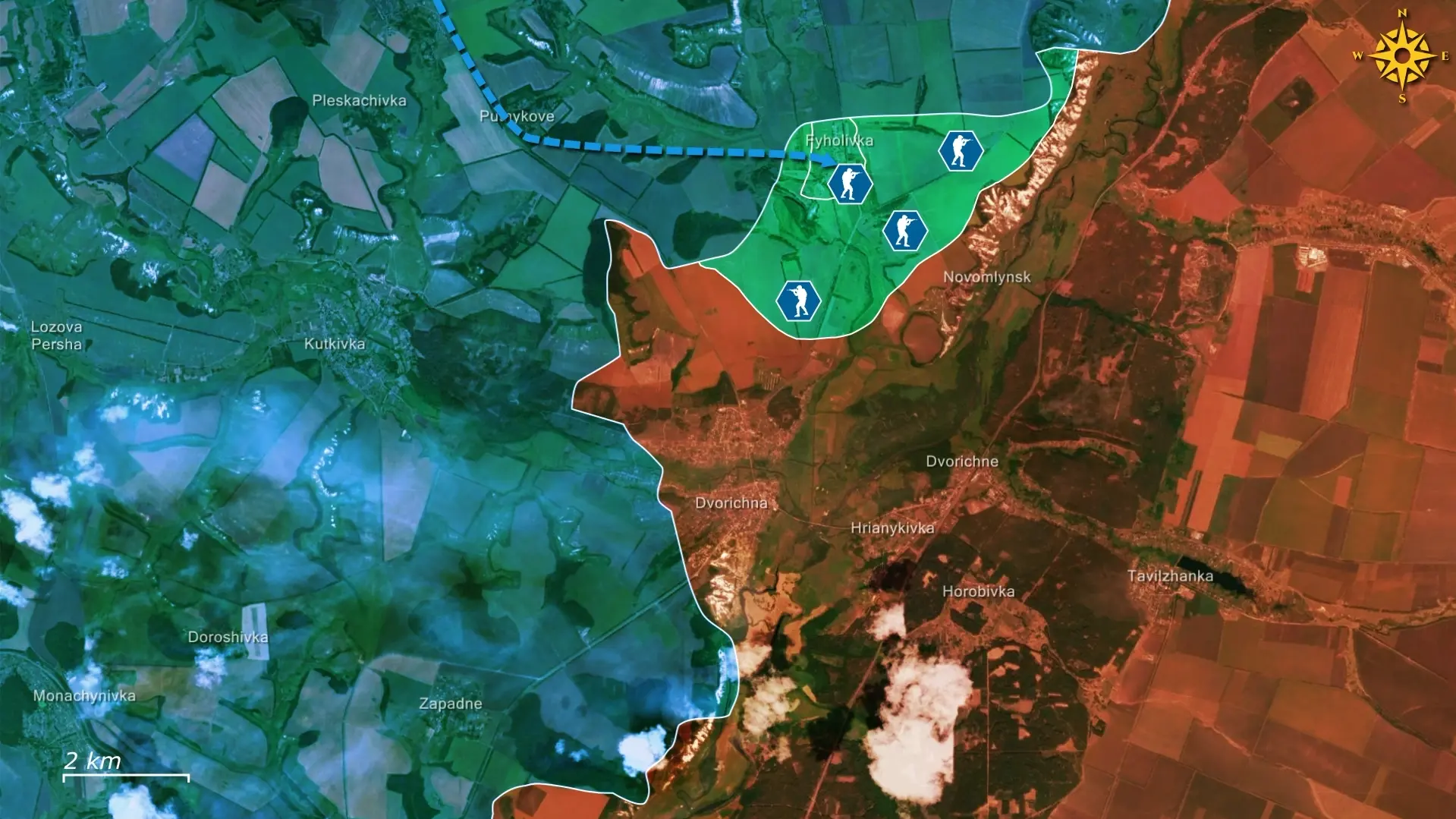
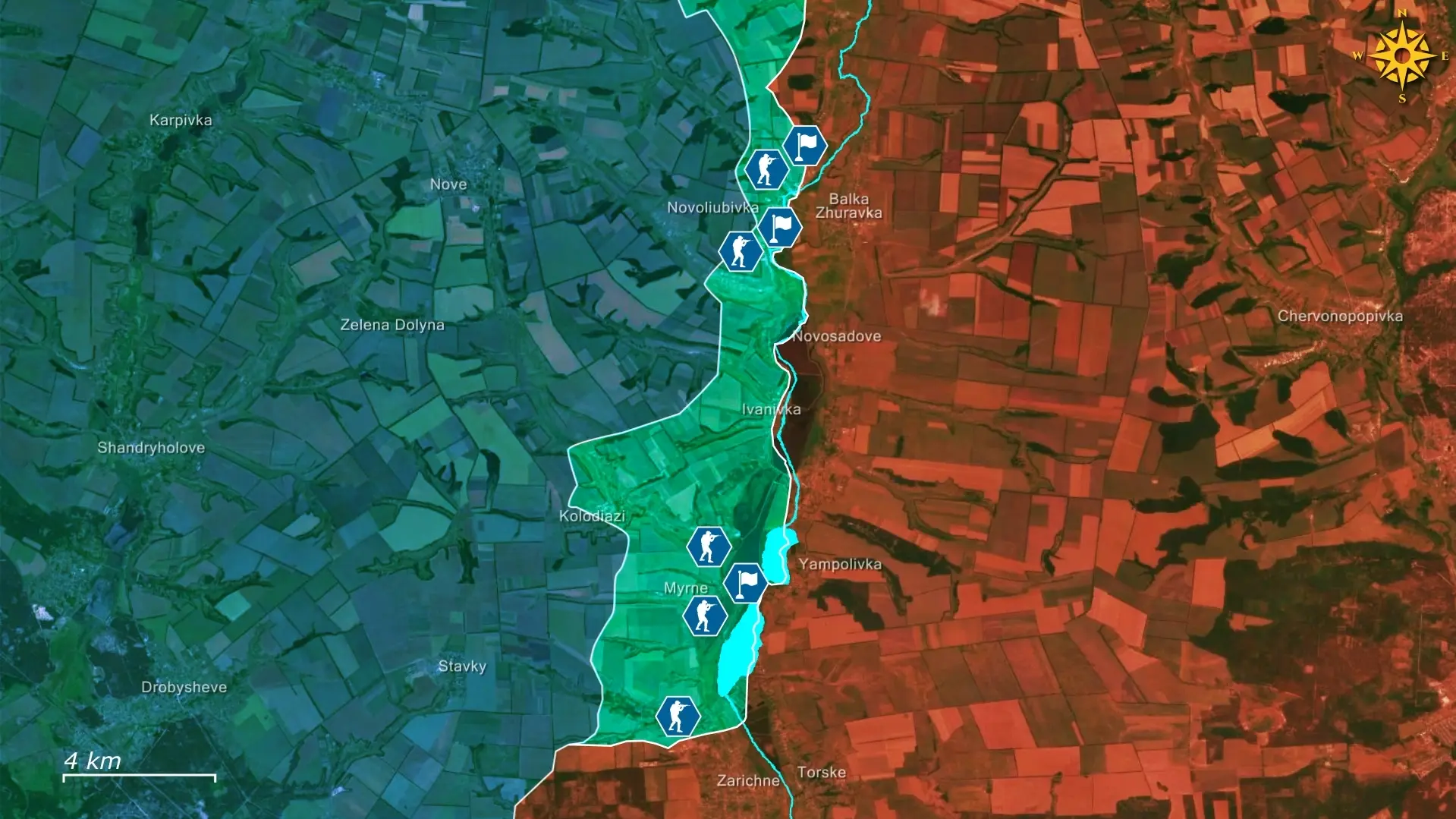
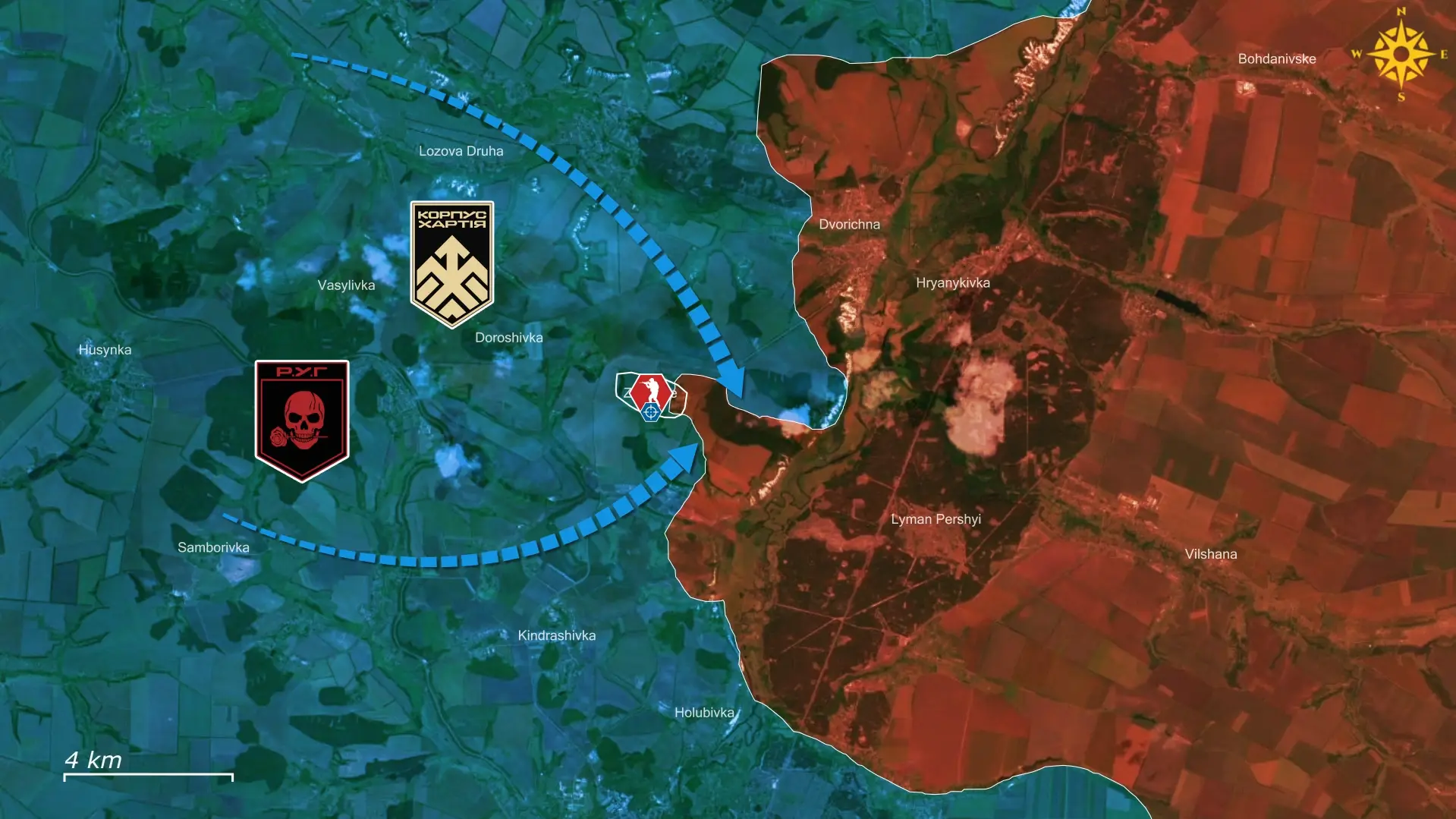
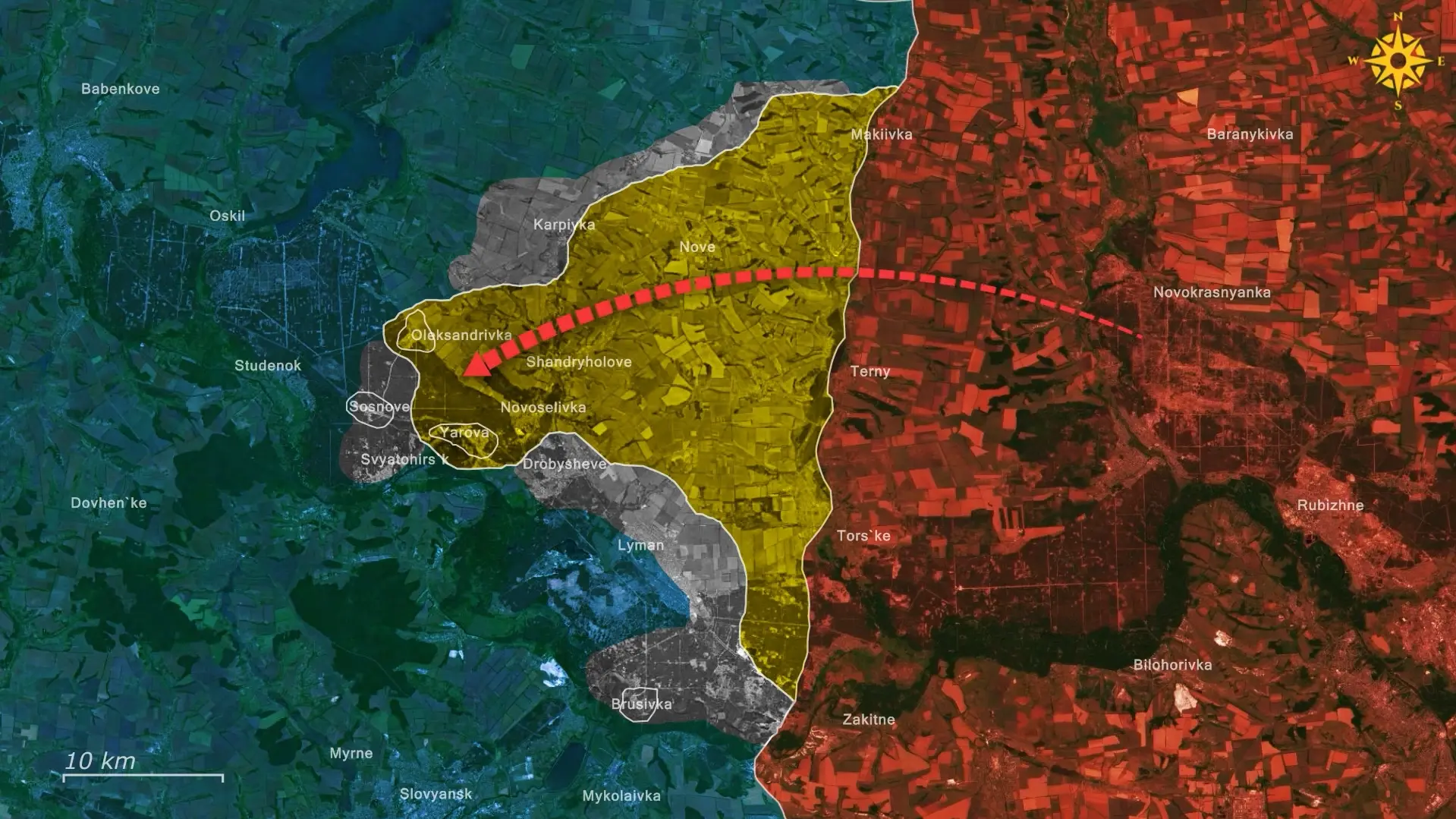
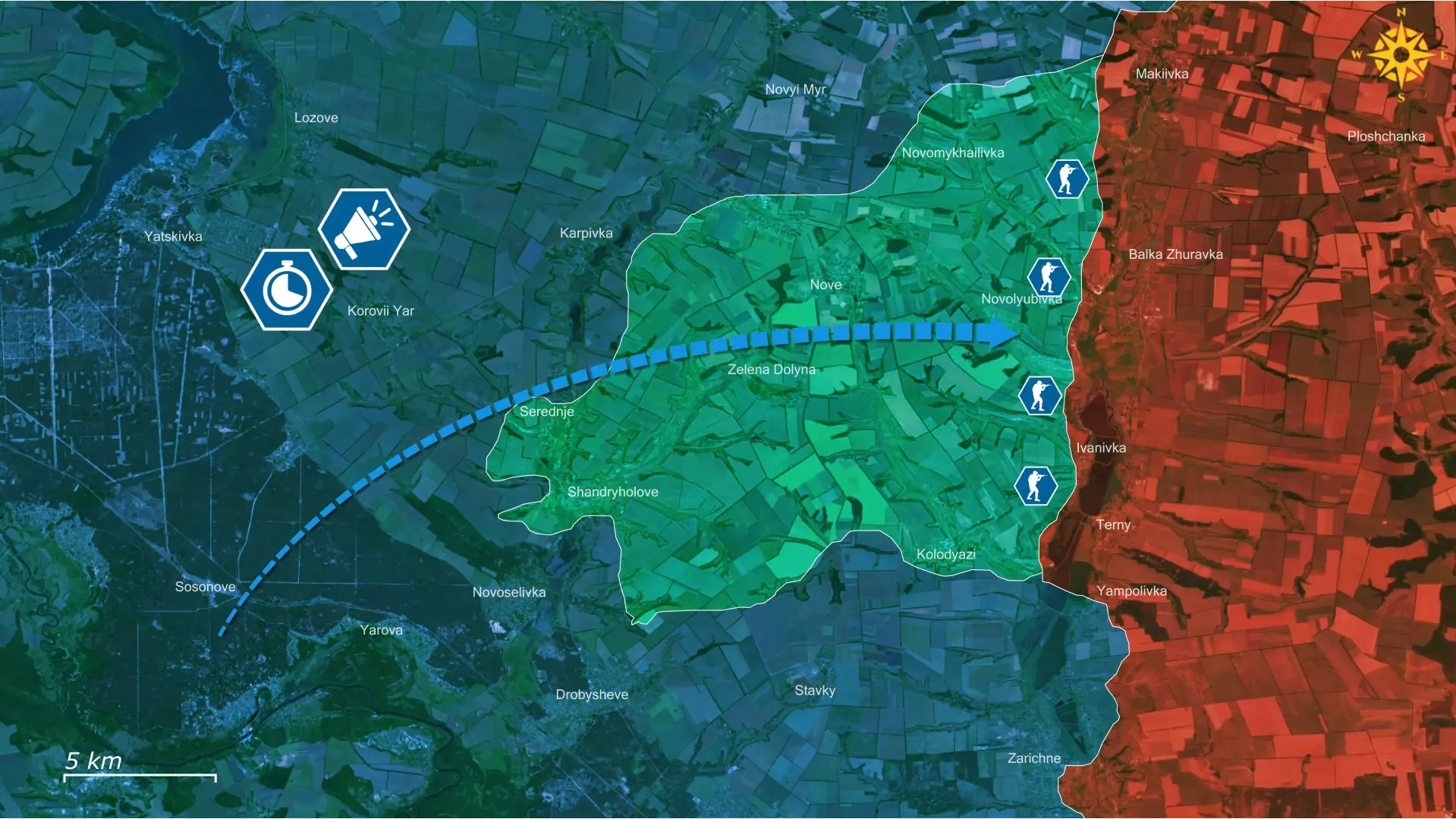
The operational retrograde of Russian forces west of the Zherebets River, compounded by command-level institutional denial, has introduced severe command-and-control friction and exposed forward-deployed support assets to asymmetric interdiction. By consolidating the western riverline while projecting dynamic reconnaissance-in-force detachments across the water obstacle, Ukrainian forces impose a dual-axis operational dilemma that forces Russian commanders to defend an expanded frontage with disorganized rear echelons. The resulting vulnerability of static command nodes, specialized drone crews, and logistics hubs significantly degrades Russian defensive depth and impedes the fortification of coherent secondary lines along the eastern bank. This disruptive probing effectively generates the operational tempo and security necessary for Ukraine to establish sustainable forward sustainment corridors, mitigating the acute logistical risks inherent to river-crossing maneuvers before committing major combat formations. Systemically, the re-establishment of Ukrainian footholds within Luhansk Oblast dismantles Moscow’s political-strategic narrative of irreversible territorial consolidation, compelling Russia to commit scarce operational reserves and accept unfavorable force-allocation trade-offs across the wider theater.

Exclusive

Available to Insider Annual tier and higher.
Upgrade here to access.

By
RFU News
Sep 19, 2026

Ukrainians dig underground to shelter from Russian drone and air strikes

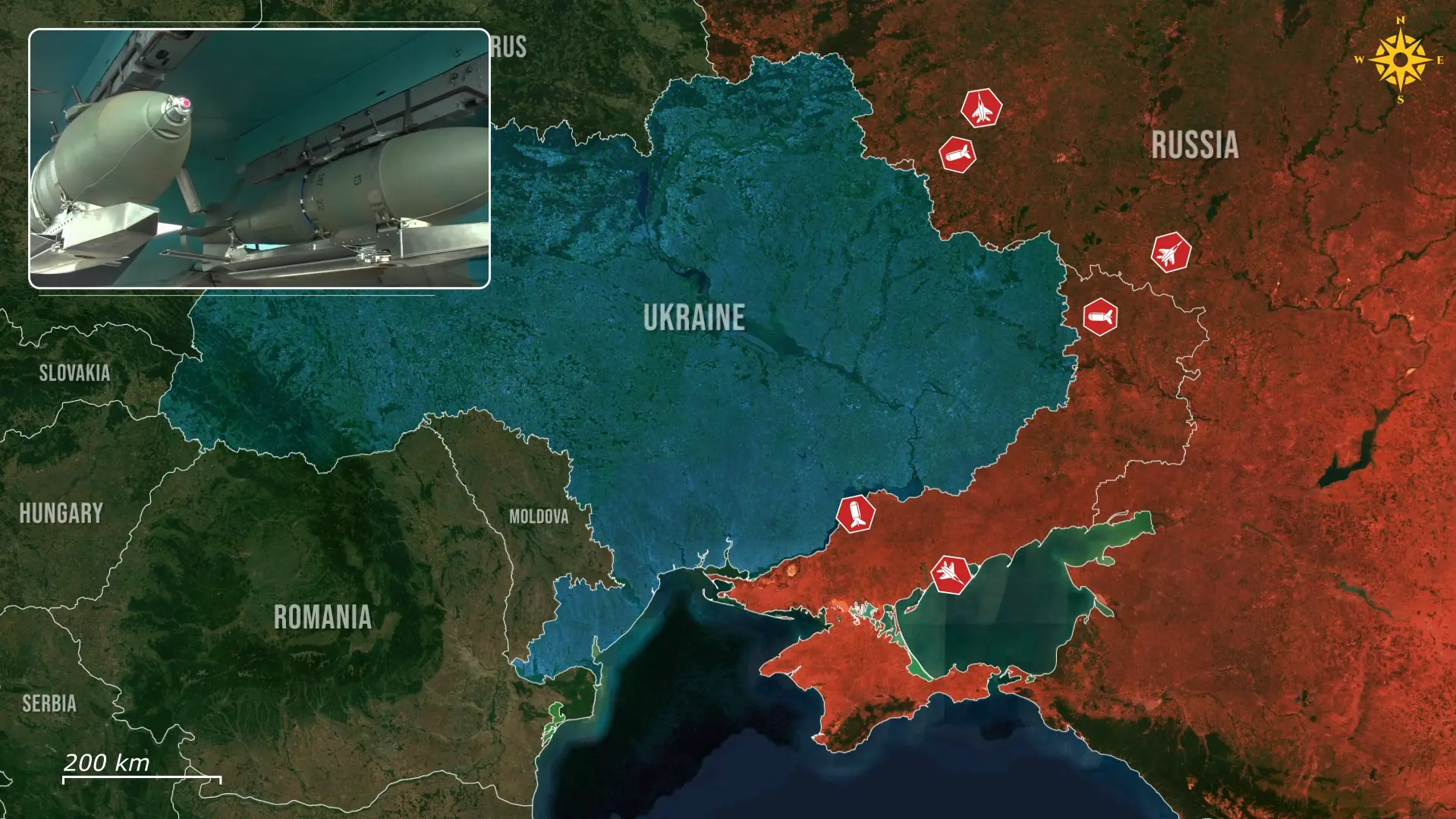
By fitting Soviet-era FAB gravity bombs with low-cost guidance and glide kits, Russian forces have operationalized mass stand-off aerial bombardment (KABs) that systematically delivers heavy explosive yields against Ukrainian fortifications from outside forward air defense envelopes. While first-person view (FPV) drones excel in tactical precision against vehicles and personnel, their limited explosive payloads and vulnerable command links prevent them from replacing heavy glide bombs capable of collapsing entrenched logistics and defensive networks. Because KAB guidance exhibits an operational circular error probable of ten to fifteen meters—which is further degraded by electronic warfare—Ukrainian defenses have adapted by relocating command posts, personnel, and maneuvering corridors into deep subterranean positions. This defensive dispersal across rural dugouts and urban basements creates a structurally layered battlefield, allowing defending forces to absorb severe surface destruction without suffering catastrophic force attrition. Consequently, the strategic dynamic has shifted into an industrial contest of adaptation, pitting Russia's ability to sustain mass glide-bomb throughput against Ukraine's capacity to structurally decouple physical surface devastation from the operational neutralization of its forces.

Exclusive

Available to Insider Annual tier and higher.
Upgrade here to access.

By
RFU News
Sep 19, 2026

No Results found

Please try different keywords