Thank you! Your submission has been received!
Oops! Something went wrong while submitting the form.

Latest News

Russians in shock… Ukraine just secured the flank of the most important offensive

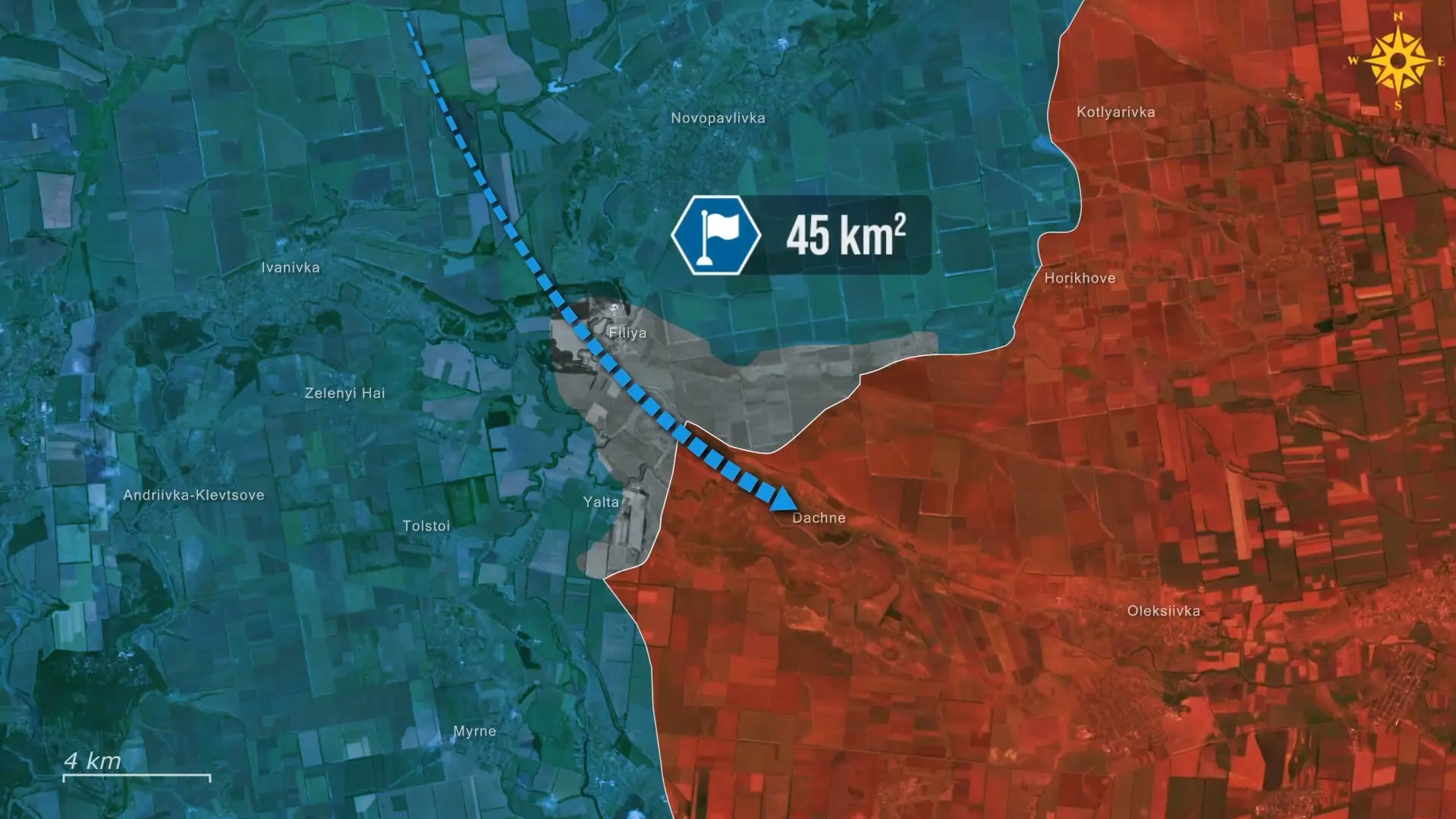
Ukrainian offensive operations in the Novopavlivka direction have liberated over 45 square kilometers and pushed Russian forces back 10 kilometers to the Donetsk Oblast border, contracting Moscow’s footprint in Dnipropetrovsk Oblast from nearly 450 square kilometers at the start of 2026 to roughly 39 square kilometers and a single village. This breakthrough demonstrates an effective tactical synthesis by the Skelya Assault Regiment, which pairs two-man infiltration teams with FPV strikes, heavy bomber drones, and anti-tank mines employed as high-yield demolition charges to collapse fortified trench systems without massed-infantry attrition. Simultaneously, the mid-flight interception of Russian fixed-wing Molniya strike drones—capable of delivering anti-tank mine payloads—by Ukrainian FPV interceptors exposes a growing vulnerability in Russia’s reliance on heavy unmanned munitions to halt ground advances and compensate for infantry shortages. By clearing Russian positions around Filiya and Dachne while expanding control along both banks of the Vovcha River east of Yalta, Ukrainian forces have eliminated a persistent northern flanking threat and established a widened offensive salient. This secured northern anchor provides Ukrainian command with greater operational flexibility to pivot southward toward elevated terrain at Odradne, where subsequent advances toward Komar would directly threaten the defensive network protecting Velyka Novosilka. Consequently, the localized balance in this sector is shifting from attritional positional containment to maneuver-driven corridor expansion, forcing Russian command to defend a widening breach while losing forward staging ground in Dnipropetrovsk Oblast.

Exclusive

Available to Insider Annual tier and higher.
Upgrade here to access.

By
RFU News
Nov 20, 2026

Putin’s last resort… Belarus deploys its army to Ukraine’s northern border

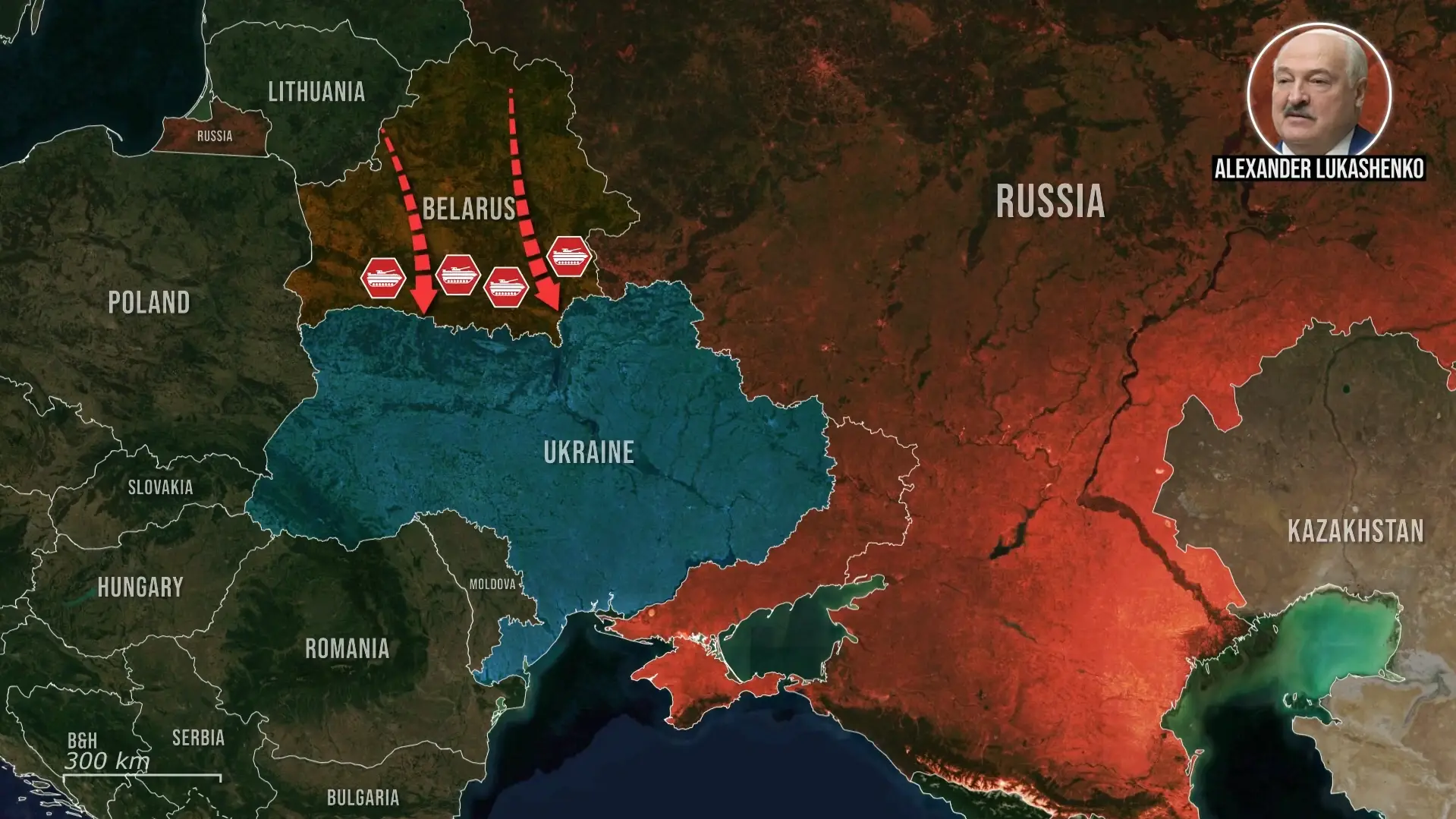
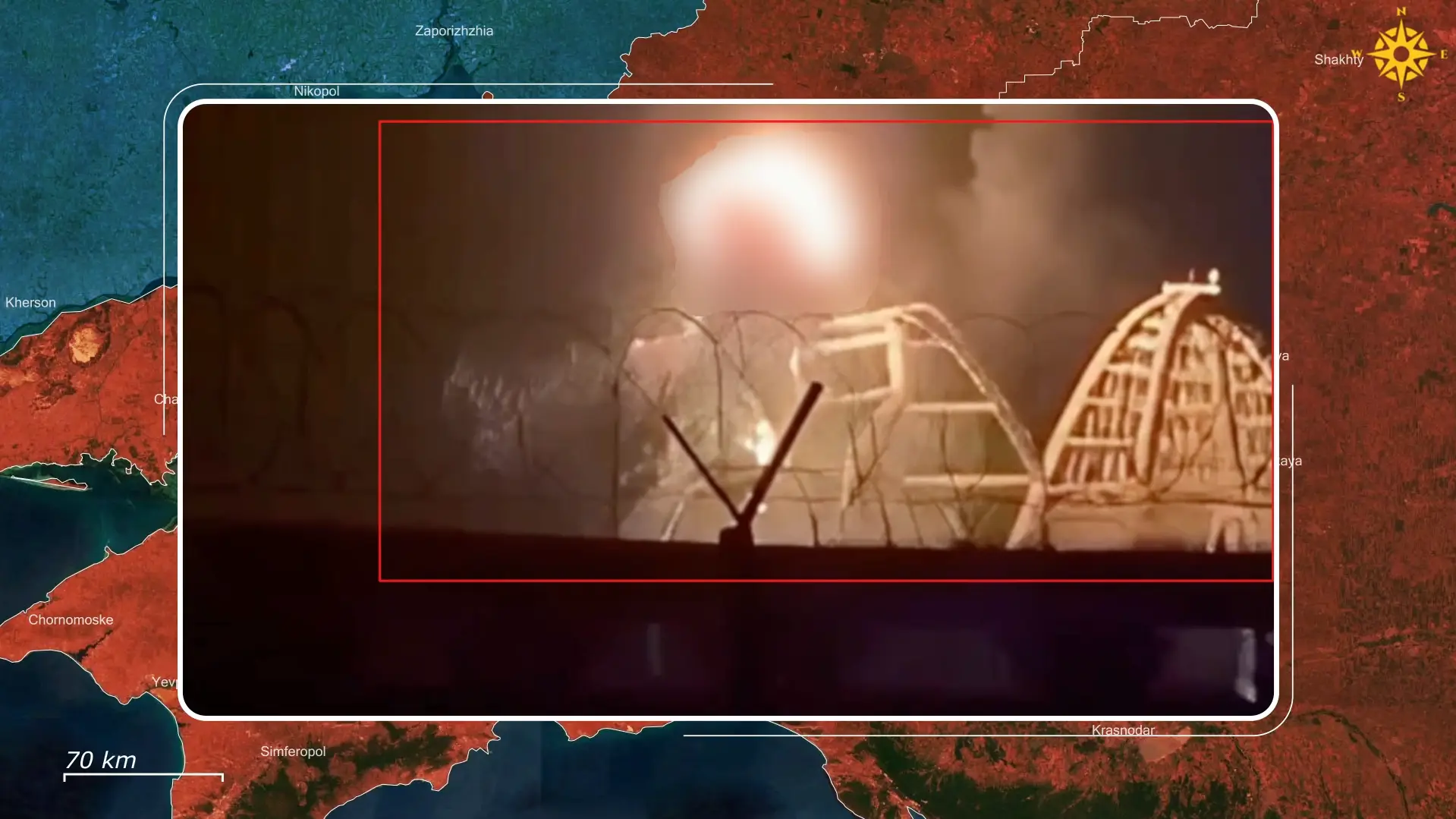
The destruction of the Kerch Strait Bridge road section and damage to its railway link force Russian formations in Crimea, Kherson, and Zaporizhzhia to rely heavily on the overland supply corridor running from Rostov through Donetsk, Zaporizhzhia, and Kherson. Concentrating fuel, ammunition, spare parts, and reinforcements onto these fewer, exposed road and rail arteries magnifies vulnerability to Ukrainian interdiction strikes, enabling Kyiv to degrade southern combat power through sustained supply attrition rather than direct frontal battles. To offset this southern logistical strain, Moscow is leveraging a Belarusian border service readiness inspection—featuring BTR armored deployments toward Pinsk and maneuvers in the Brest and Gomel directions—alongside Russian contingency planning for renewed pressure on Kyiv and Chernihiv. Even without a cross-border offensive, this buildup along the northern frontier compels Ukraine to divide its operational capacity, keeping troops and air defense assets tied down in the north instead of concentrating them against Russian supply routes in the south. Ultimately, increasing reliance on Minsk to generate a northern diversion highlights Russia's limited capacity to open another front independently while exposing Belarusian military bases, transport hubs, and staging areas to potential Ukrainian retaliatory strikes.

Exclusive

Available to Insider Annual tier and higher.
Upgrade here to access.

By
RFU News
Nov 19, 2026

Point of no return… Putin opened Pandora’s box

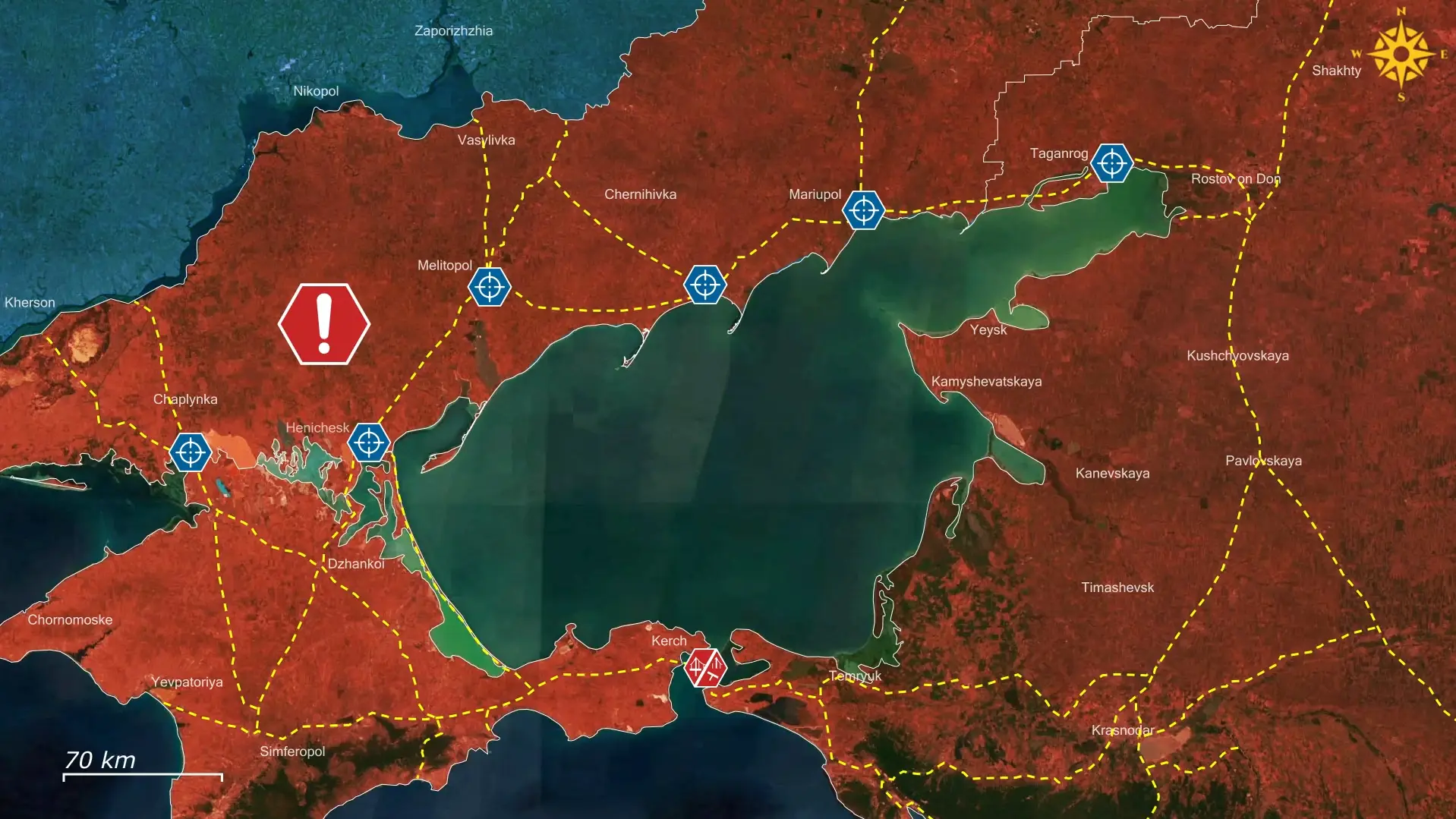
Ukraine’s expansion of long-range strikes and sabotage against fixed road and rail bridges—spanning the Kerch Strait, the Rostov land corridor, Crimean approaches, and Russia’s deep interior—establishes symmetric deterrence against Russian bombardments of Kyiv’s Dnipro River crossings. By simultaneously severing the Kerch Bridge and degrading alternative arteries such as the R-280 highway over the Mius River and the Henichesk approaches, Ukrainian forces are systematically eliminating logistical redundancy across southern Ukraine. Forcing Russian military transport onto lengthy detours and vulnerable, low-capacity pontoon crossings substantially increases transit times, fuel expenditure, and exposure to follow-on strikes along predictable ground lines of communication. Concurrent disruptions to railway bridges deep inside Russian territory, extending to freight corridors in Arkhangelsk and Bryansk oblasts, expose a structural vulnerability in Moscow’s inability to defend its expansive, rail-dependent transit network simultaneously. Over the long term, this sustained attrition of arterial bridge infrastructure threatens to make Russia’s military presence in Crimea and adjacent occupied territories logistically unsustainable, shifting the strategic balance toward the systematic degradation of Russian operational endurance.

Exclusive

Available to Insider Annual tier and higher.
Upgrade here to access.

By
RFU News
Nov 18, 2026

Putin is furious… French soldiers just moved into Ukraine

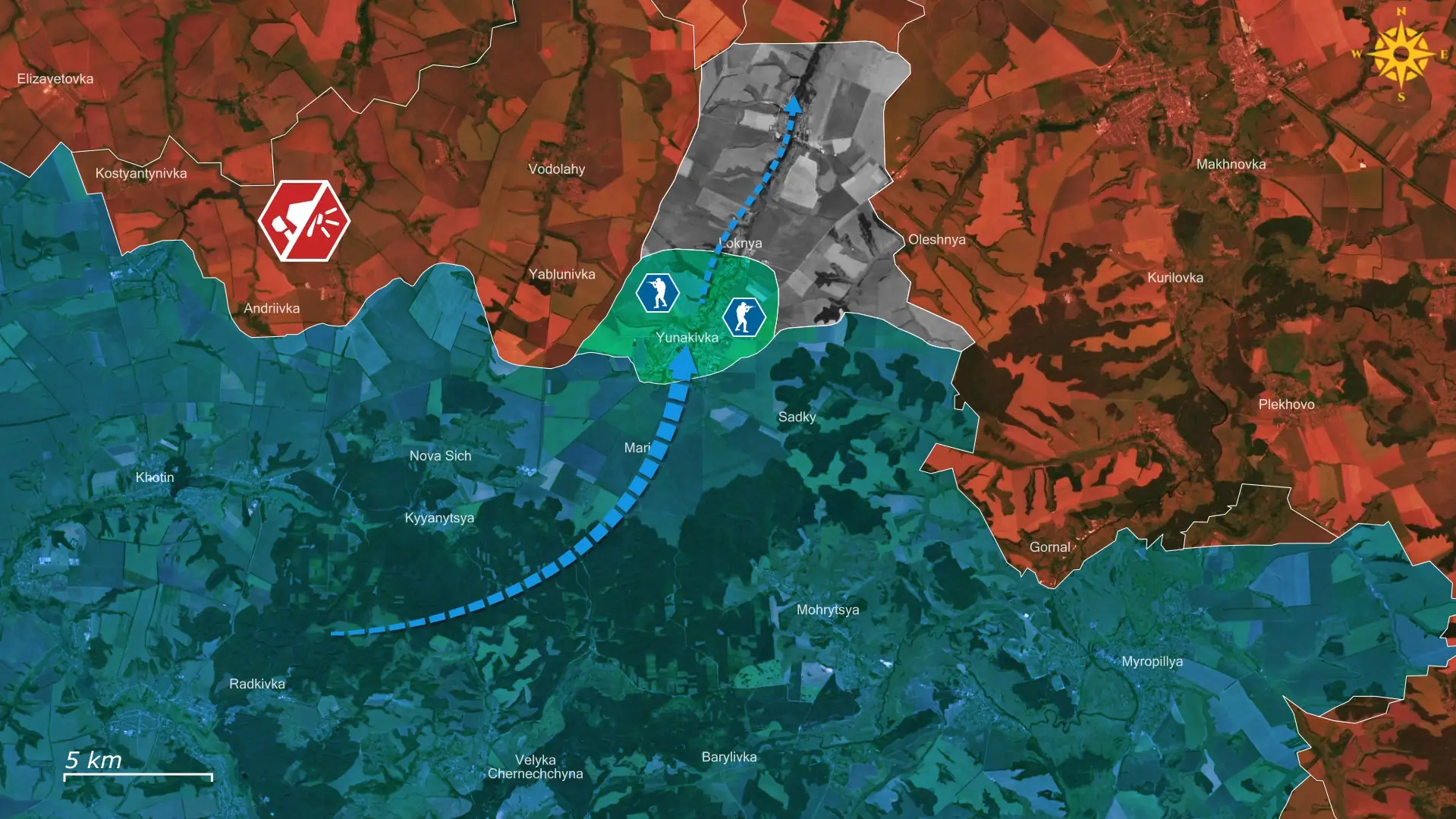
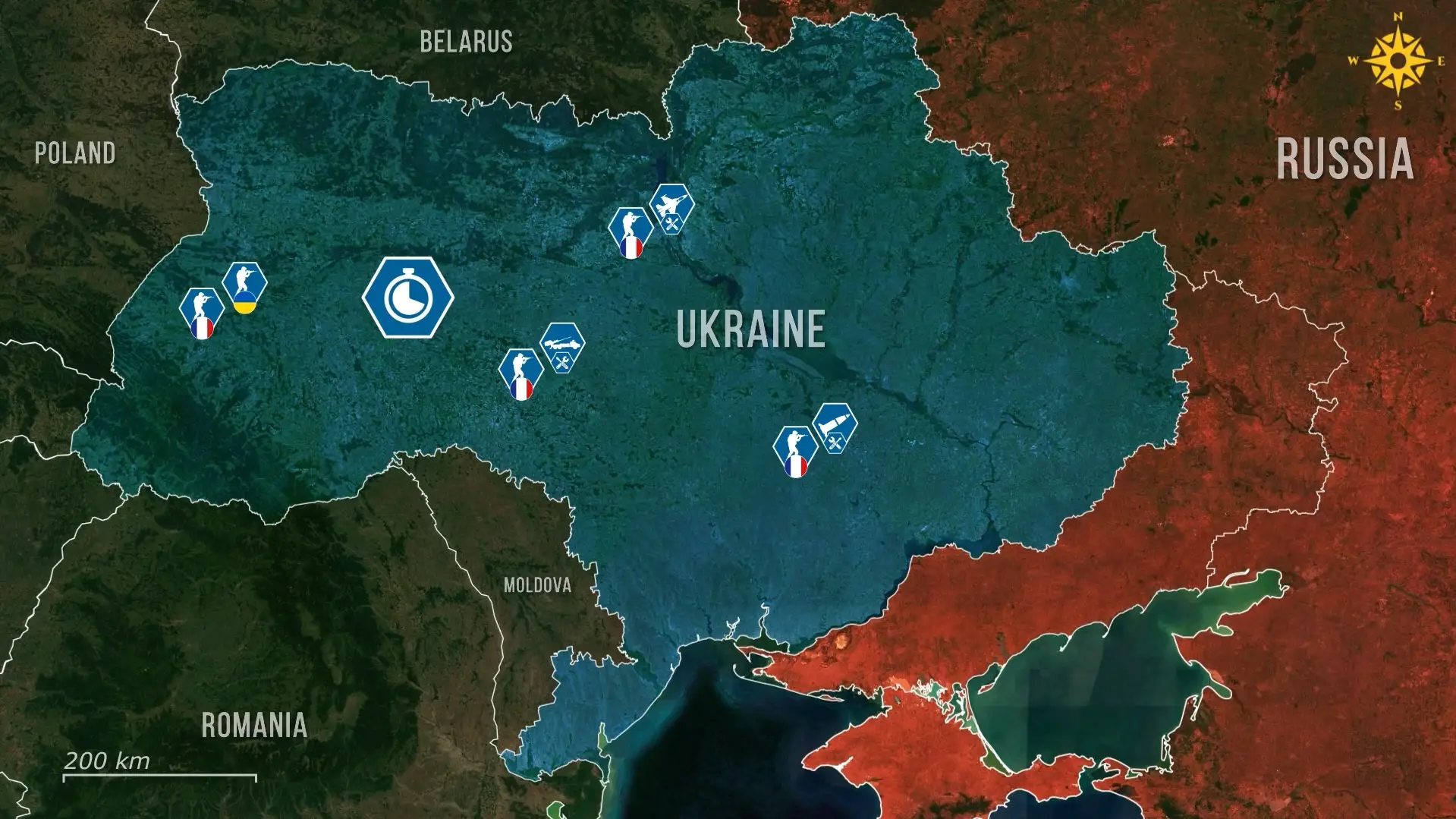
The covert deployment of non-combat French technical teams under Mission Volia, alongside British and allied special operations detachments, accelerates the combat integration of complex systems—specifically Caesar artillery, Mirage 2000 fighters, and Scalp cruise missiles—by providing in-theater maintenance and specialist training. Routing these rotations through official training hubs in Poland as logistical cover enables Western capitals to bypass domestic parliamentary disclosure and deny Moscow propaganda pretexts of direct NATO combat intervention, distinguishing state personnel from foreign volunteers serving within the Ukrainian military. Operationally, embedding allied advisors for intelligence analysis, artillery targeting, and on-site repair prevents donated hardware from sitting idle during lengthy external refurbishment cycles, converting materiel transfers into immediate battlefield lethality. Simultaneously, this forward footprint establishes a critical feedback loop in which NATO operators acquire firsthand near-peer combat insights from Ukrainian veterans, particularly regarding mass drone employment, low-signature movement, and survival in sensor-saturated environments. Strategically, establishing persistent Western advisory and sustainment infrastructure inside Ukraine lays the institutional foundation for deploying a larger post-ceasefire peacekeeping contingent, creating an acute deterrence dilemma that complicates any future Russian plans for renewed aggression.

Exclusive

Available to Insider Annual tier and higher.
Upgrade here to access.

By
RFU News
Nov 18, 2026

No Results found

Please try different keywords