

.svg)
Today, we will analyze what pushed the US to call off the ground invasion of Iran at the last minute.
As tens of thousands of American troops accumulated across the Middle East and planners examined options for landings on Iranian territory, the prospect of a direct US invasion of Iran became a real possibility during the height of the war. However, just as Washington appeared to be assembling the final pieces required, events took a turn that would reshape the course of the confrontation.
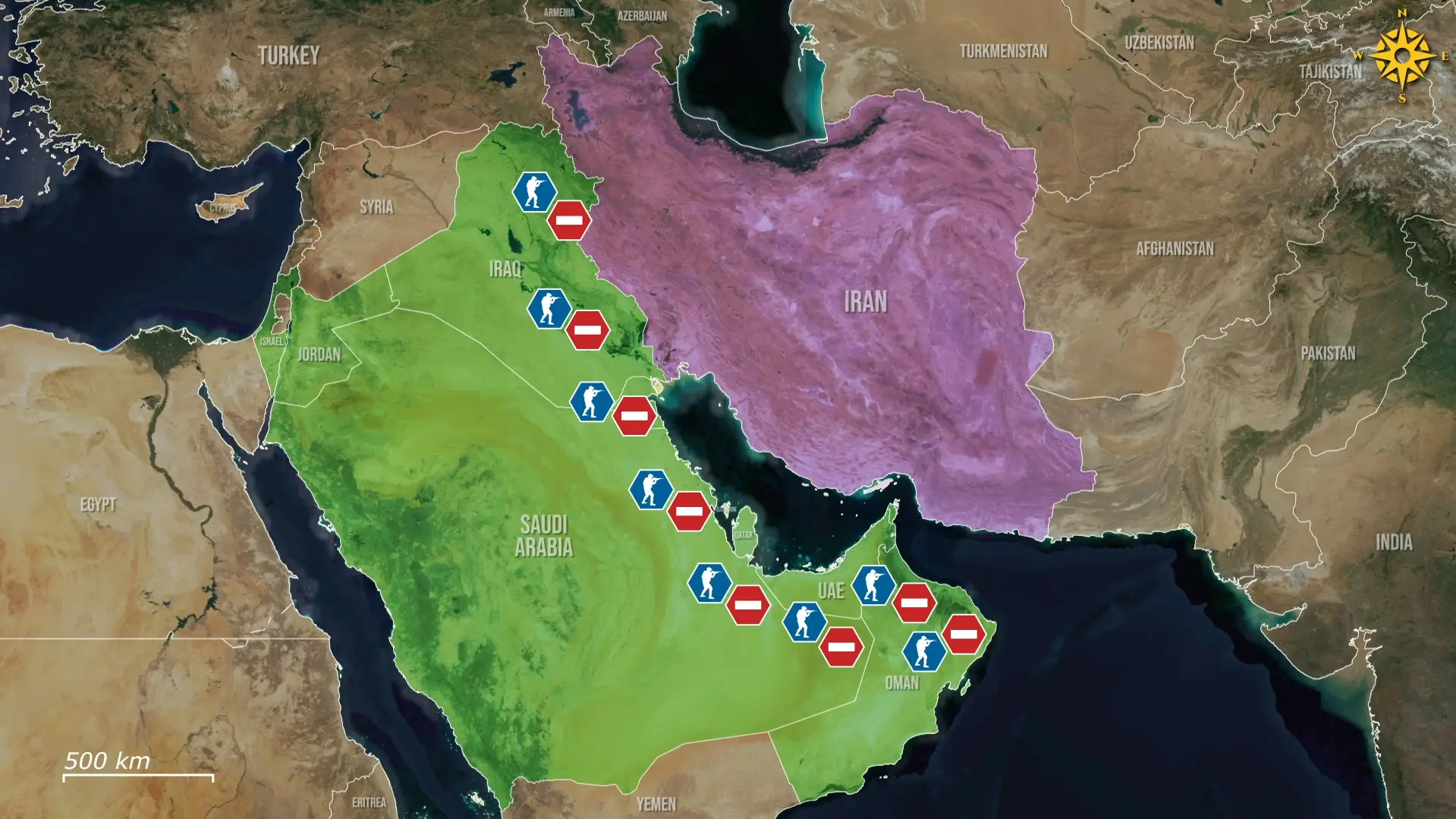
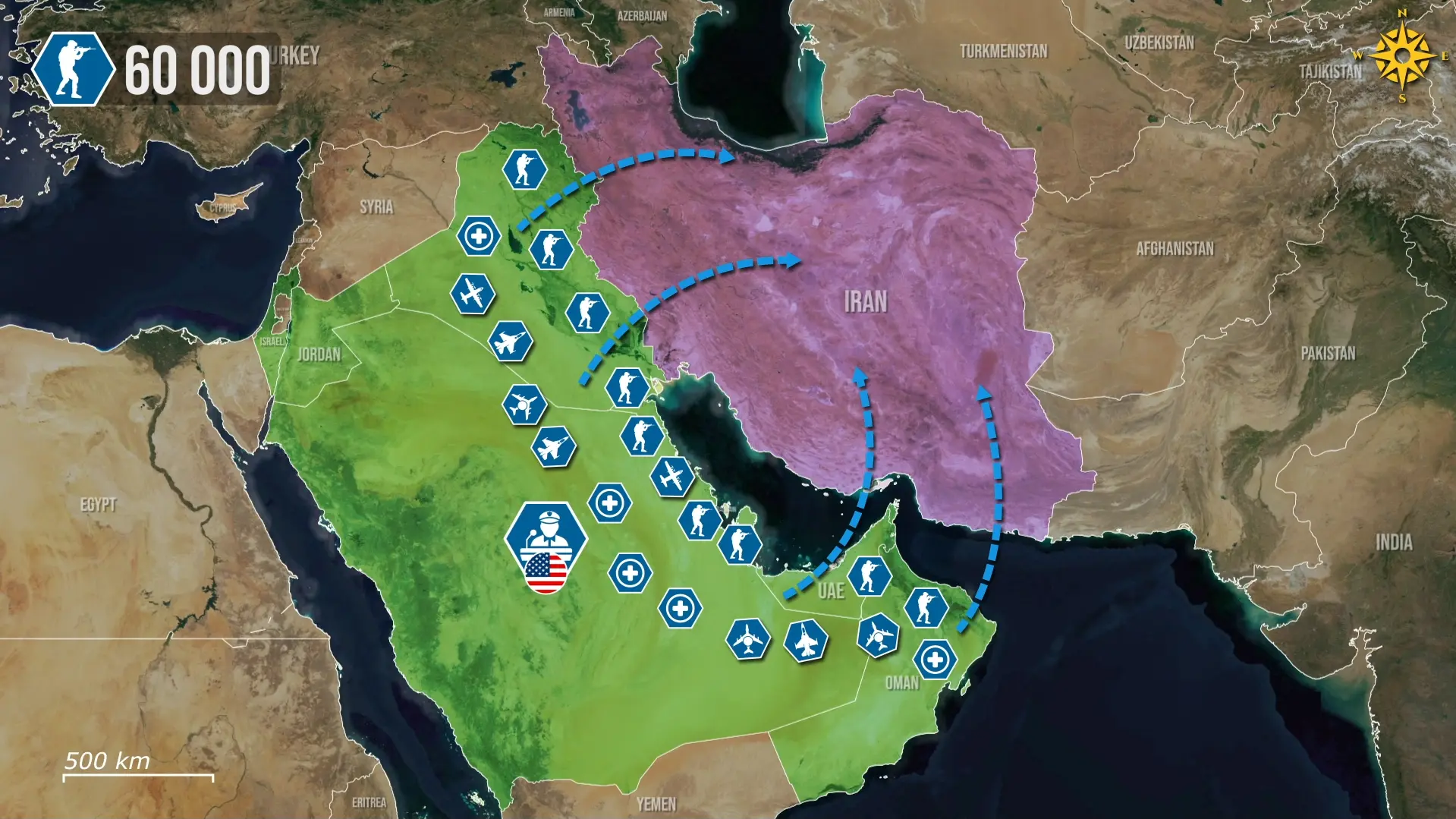
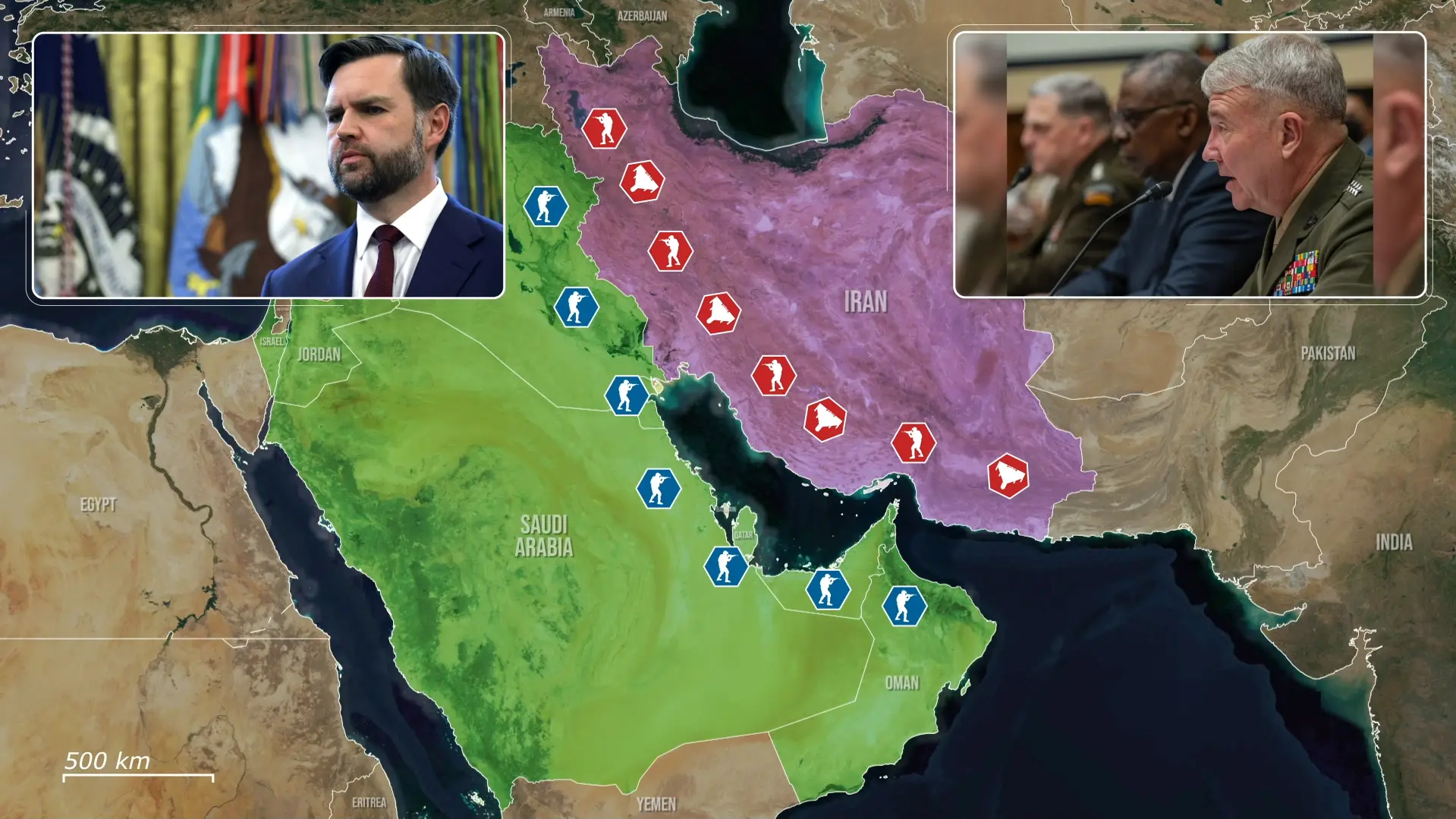
The possibility of a US ground operation against Iran was not just a theory but a scenario for which Washington was steadily building the necessary military posture. By late March two-thousand-twenty-six, more than fifty-thousand American troops were deployed across the Middle East. As this happened, additional Marines and special operations forces were sent forward as the crisis deepened. Reports also pointed to the deployment of elements of the eighty-second Airborne Division. Additionally, the United States surged more than one hundred and twenty aircraft into the region, including fighter, strike, reconnaissance, transport, and tanker aircraft. Separate reporting indicated that the broader US and allied air component eventually exceeded five hundred combat aircraft across the theater, providing substantial support for any potential ground operation. By early April, this brought the total number of troops deployed in the Middle East to more than sixty thousand, which is double the number of usual troops stationed in the region. At the same time, US strikes targeted Iranian military infrastructure along the southern coast. This happened while logistics preparations took place, in the form of field-hospital planning and the movement of support personnel. Taken together, these developments pointed to preparations for far more than a prolonged air campaign.
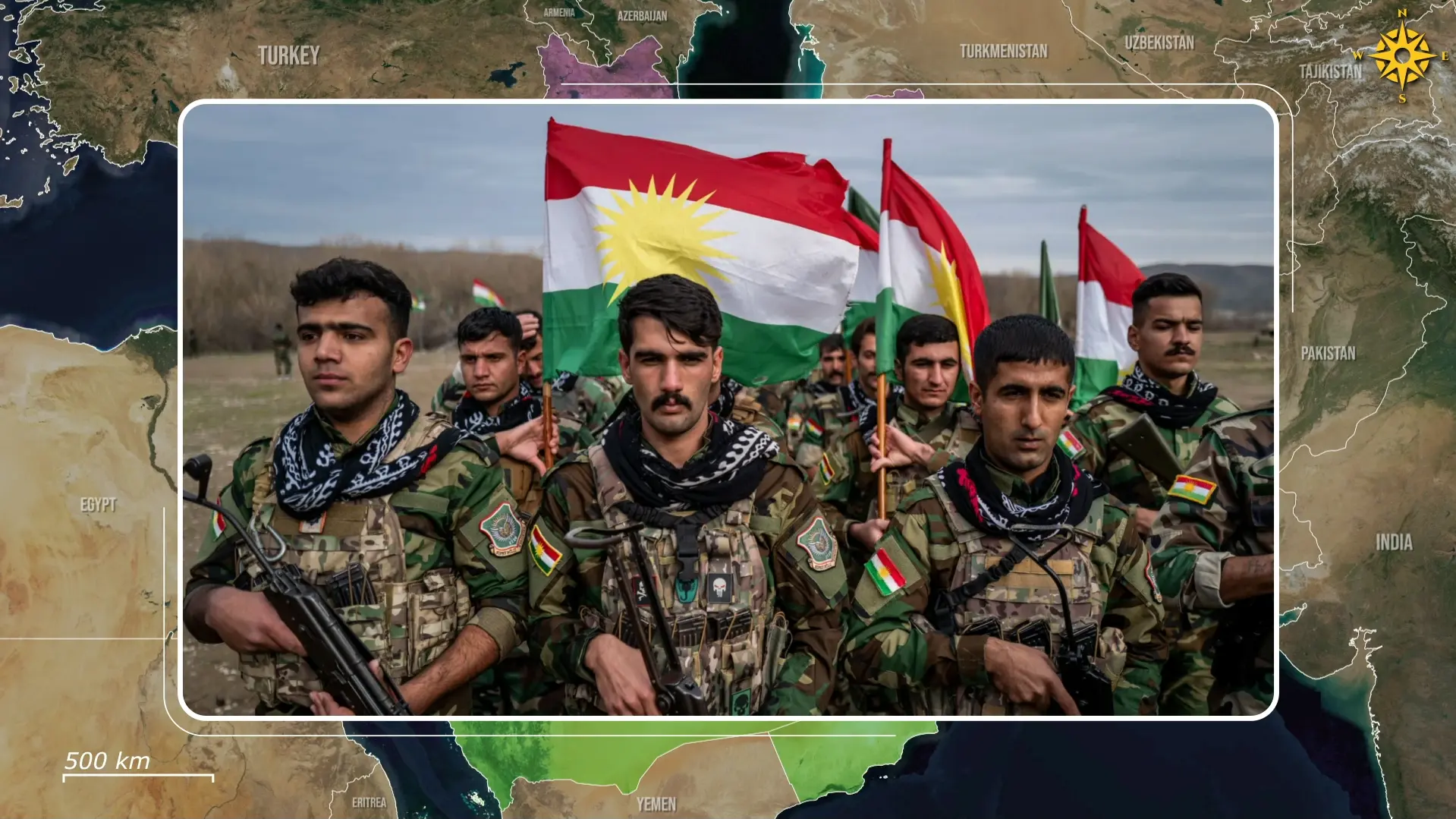
The logic behind these preparations was straightforward. Airstrikes could damage Iran's military capabilities and infrastructure, but as discussed in recent Iran analysis, the US understood that it could not by itself force regime change or otherwise collapse the government in Iran. For that, pressure on the ground was required, as other options appeared increasingly unrealistic. Large-scale anti-government protests failed to emerge due to the massive suppression efforts of the Iranian regime back in January. Meanwhile, Kurdish forces declined to join the campaign against Iran, fearing they would once again be abandoned after bearing the costs of the fighting. Meanwhile, Washington's regional allies showed little willingness or ability to participate in a costly and direct ground war against Iran. As these alternatives became increasingly unrealistic, a limited US ground operation emerged as the last remaining option for applying direct pressure on Iran's military and leadership.
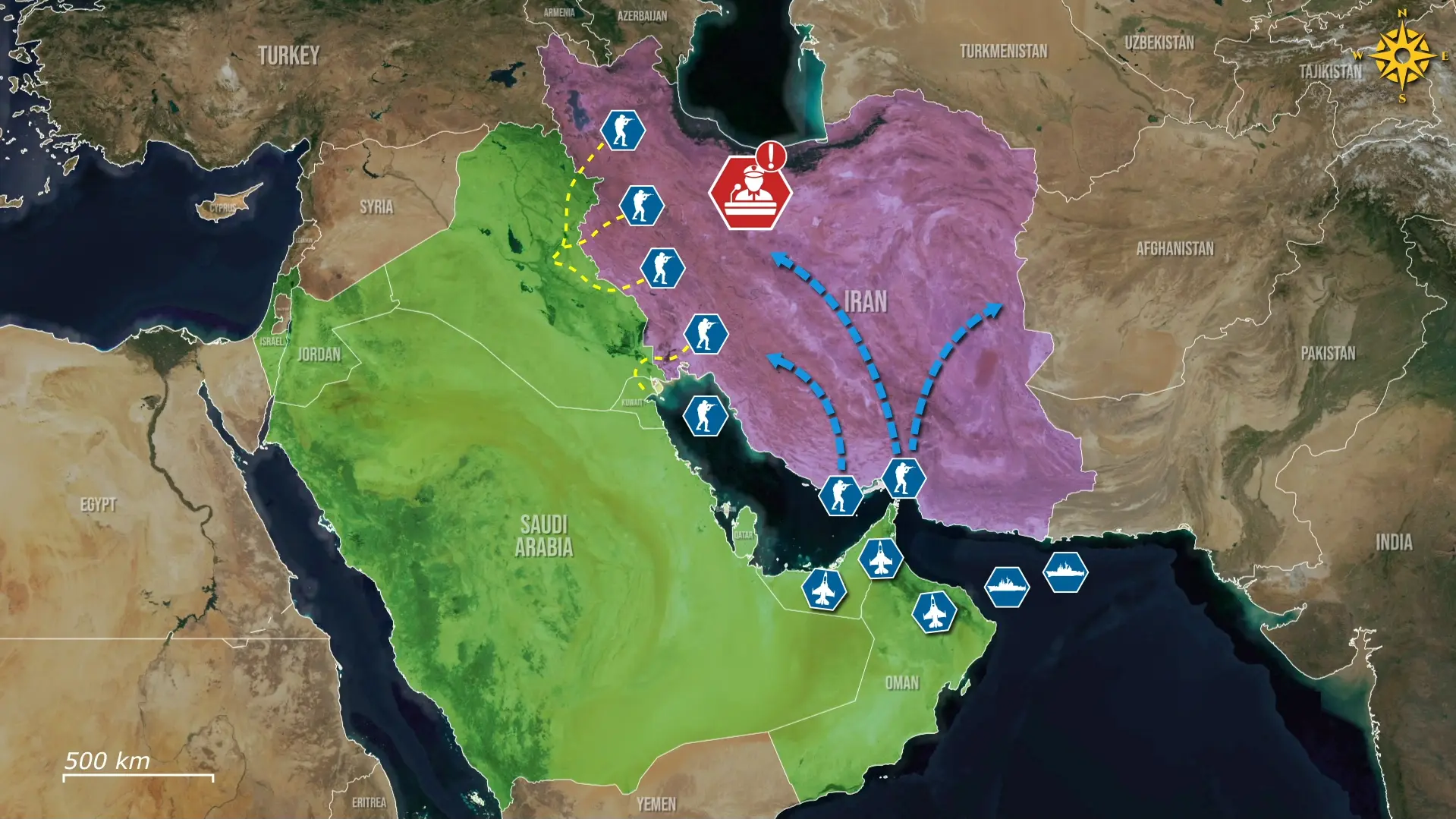
The most discussed invasion scenarios focused on southern Iran, where American naval and air power could be most effectively used. One option involved the seizure of Kharg Island, Iran's critical oil export hub, depriving Tehran of a major source of revenue while establishing a forward position close to the mainland. Another centered on Kish Island, whose location offered a useful staging point inside the Persian Gulf. More ambitious concepts involved operations on the mainland around Bandar Abbas, aiming to secure key maritime chokepoints within the Strait of Hormuz and place direct pressure on Iran's military infrastructure. Some analyses also pointed to a possible invasion axis from Iraq, where existing US military infrastructure could facilitate logistics and large force movements. Although these plans differed greatly in scale, they shared the same objective of establishing an initial physical presence on Iranian territory to create leverage that missile and air strikes alone could not provide.
Yet as planning progressed, the drawbacks of a ground operation became increasingly difficult to ignore. Even a limited landing would have placed American forces exposed to a wide range of Iranian missiles, drones, and large numbers of regular and irregular troops. US military analysts framed any landing operation as a suicide mission, noting it would be extremely dangerous, invite significant to heavy casualties, and require a massive supportive effort from the sea and air to prevent the landing force from being destroyed once they had captured any ground. They agreed that the forces assembled in the region were sufficient for raids, limited landings, and the seizure of isolated objectives such as offshore islands, but not for an invasion capable of overthrowing the Iranian government. Any operation that expanded beyond those limited goals would likely have required substantial additional troop deployments. At the same time, there was little reason to believe that capturing an island or coastal position would suddenly trigger major anti-government unrest, Kurdish advances, or reinforcements from regional allies. As a result, the costs of a landing appeared increasingly clear, while its ability to achieve Washington's broader objectives remained uncertain.
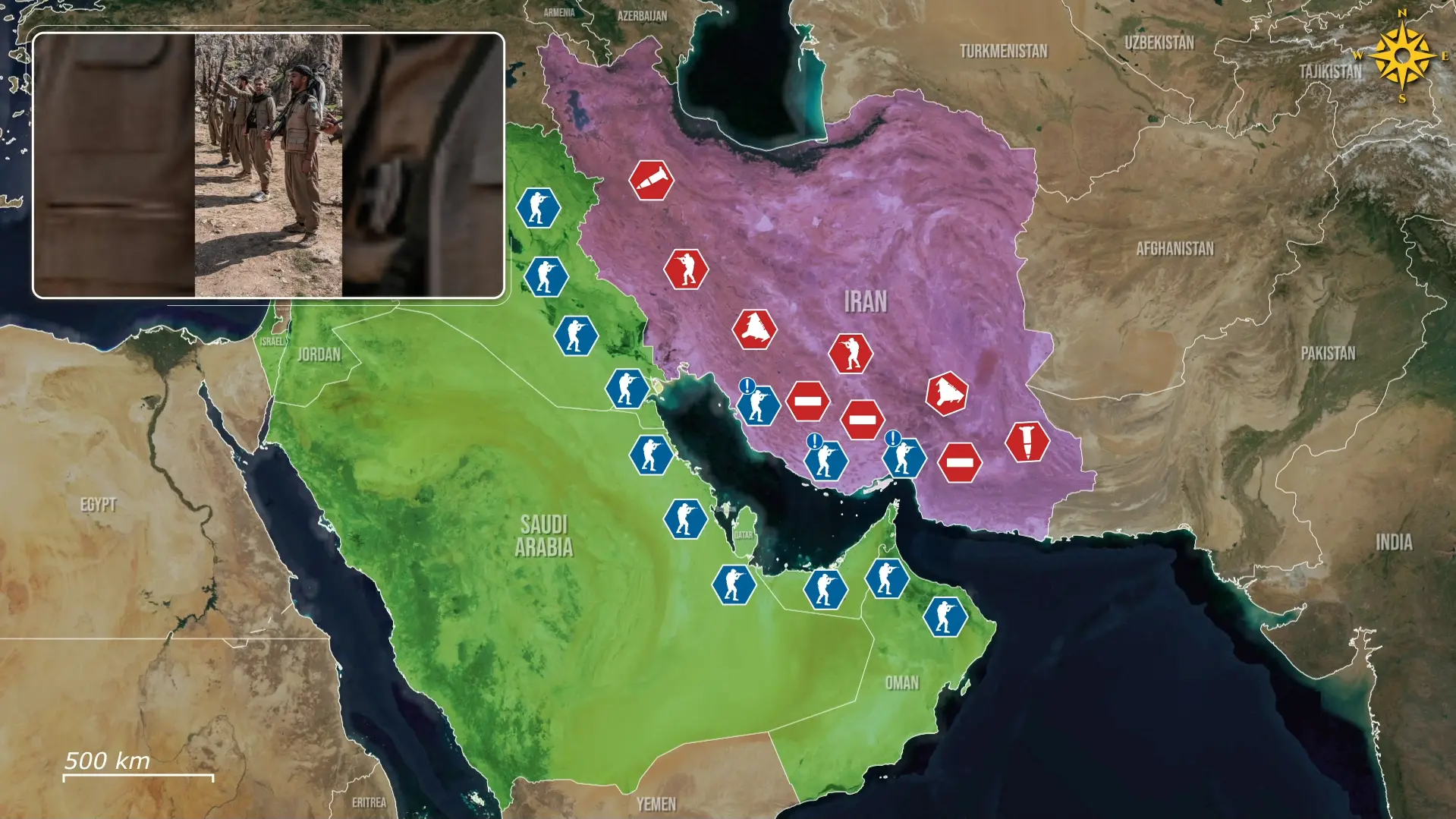
Overall, the United States did not abandon the invasion because it lacked the ability to launch it, but because the expected costs became too high. Iran still possessed enough military strength to make any landing operation extremely dangerous and potentially very costly in lives. At the same time, Washington could not be certain that seizing territory would achieve its broader political and military goals. In the end, the invasion was abandoned because it required a much larger commitment than the United States was prepared to make for an uncertain result.

.jpg)

Comments