

.svg)
Today, the biggest updates come from Ukraine.
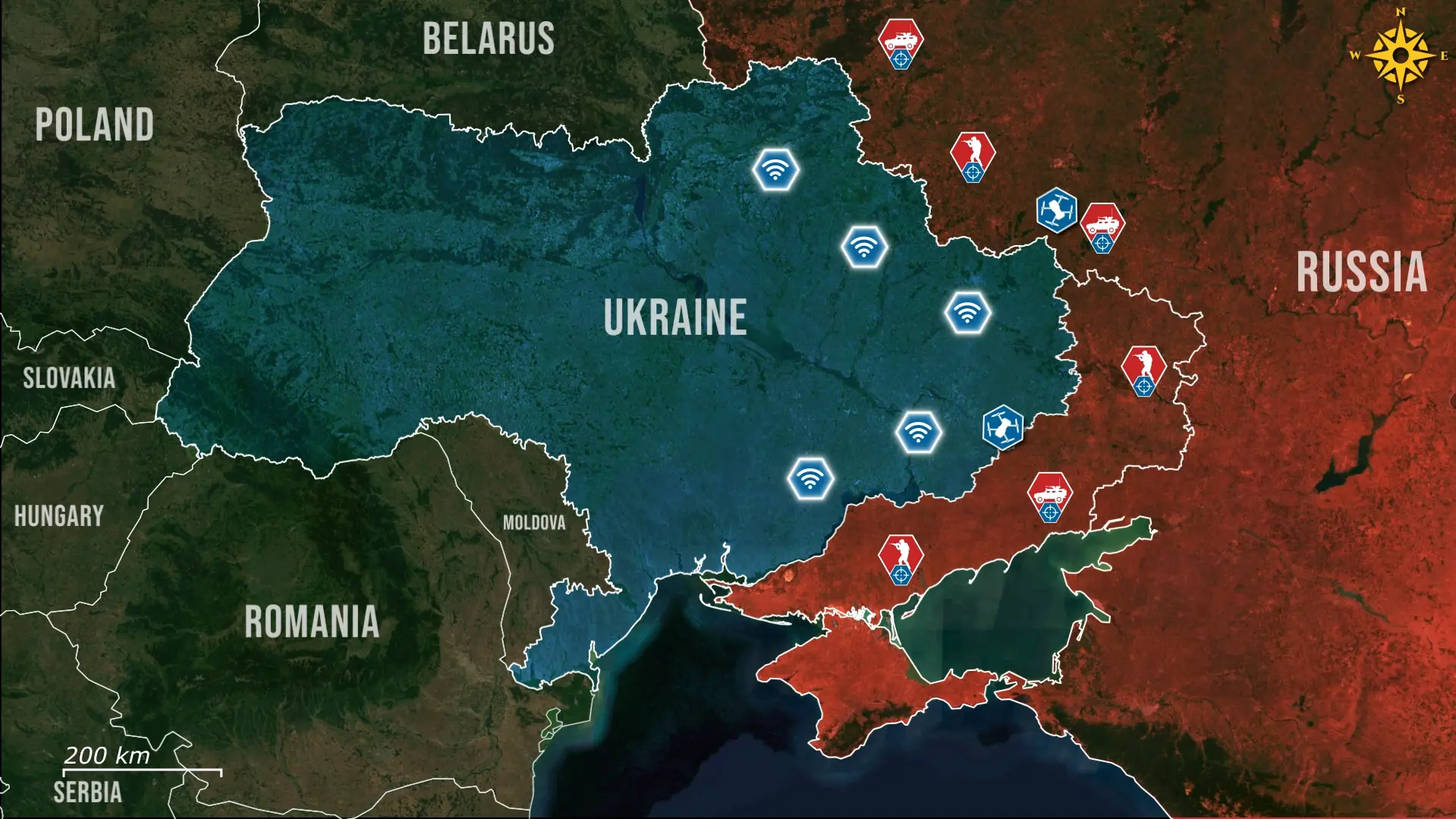
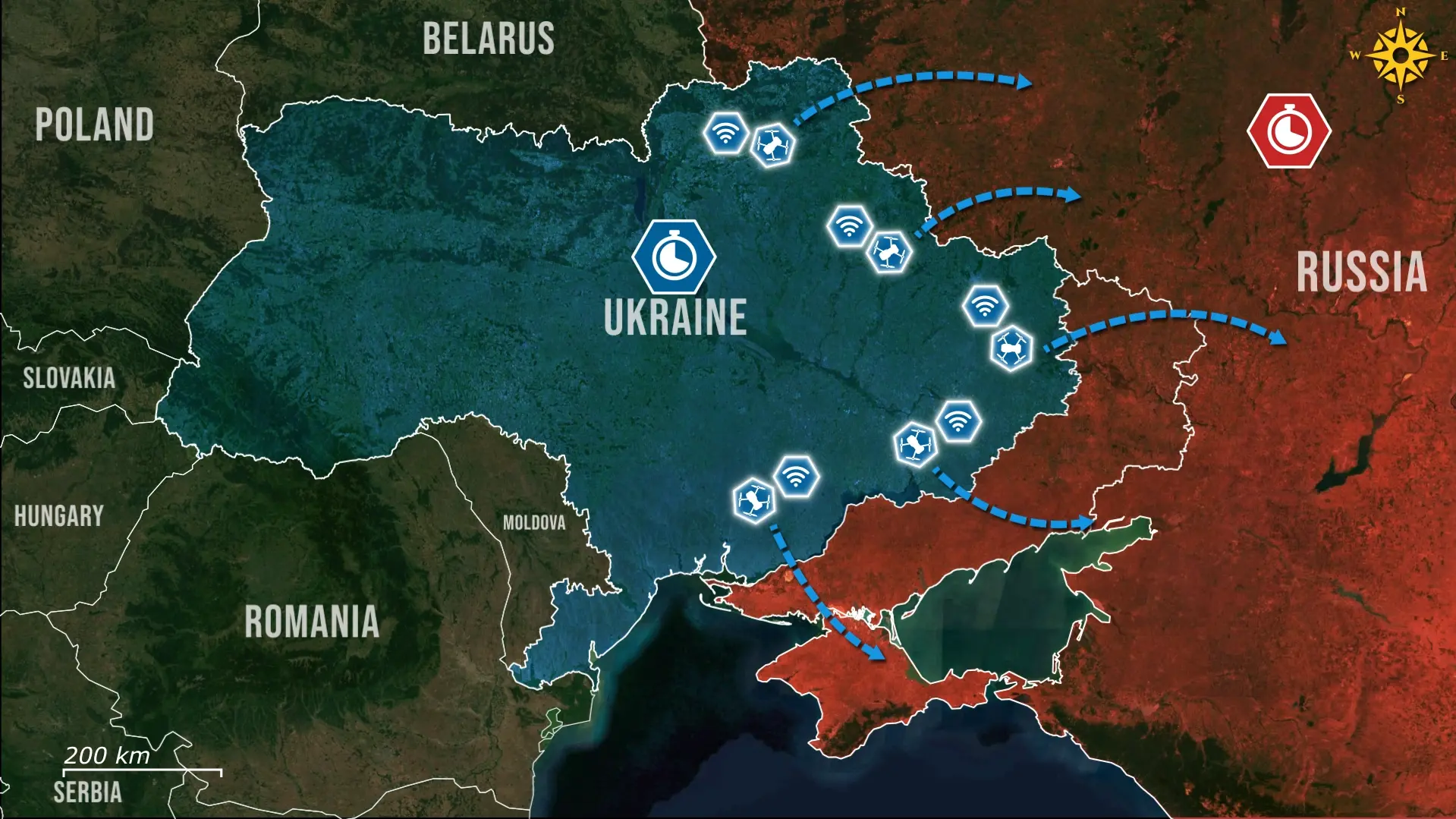
Here, autonomous systems are increasingly shaping modern warfare, as militaries seek to process vast amounts of battlefield data and translate it into faster decisions on the ground. In Ukraine, this shift is now converging around a new frontier where real combat data is used to train artificial intelligence systems capable of guiding coordinated drone swarms, pushing the battlefield closer to automated warfare.
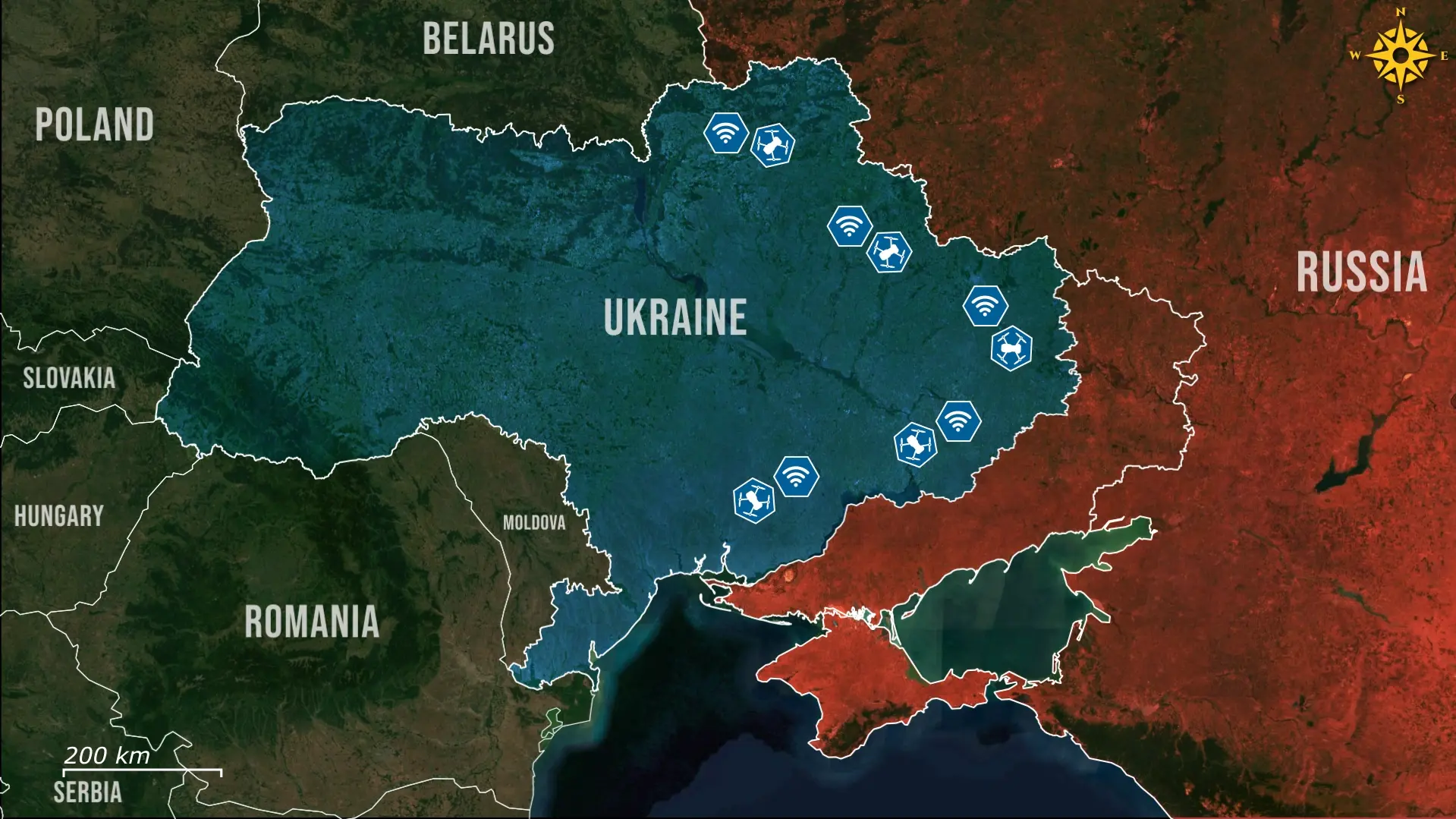
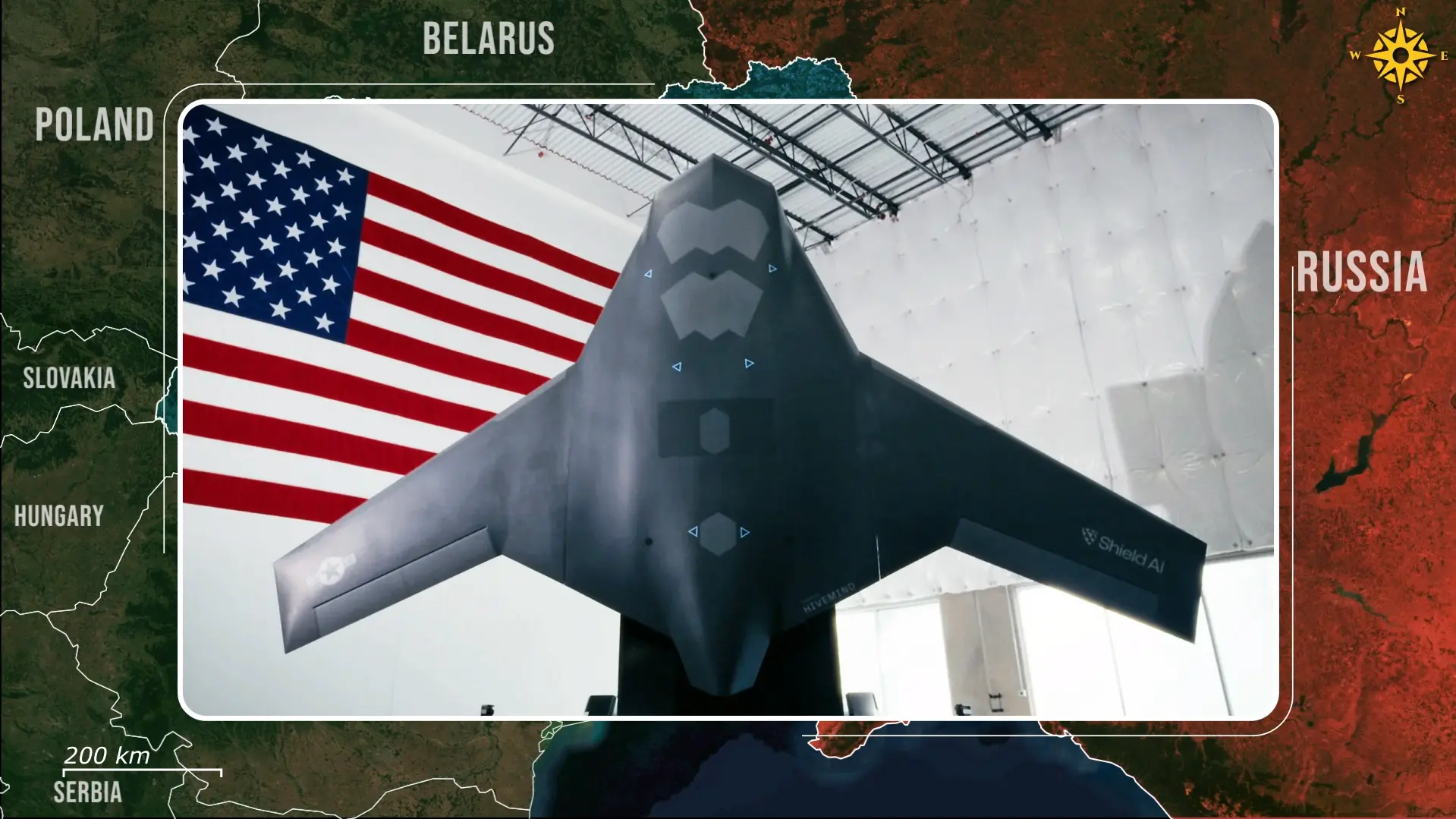
Recent developments in Ukraine’s war effort highlight three parallel advances in military artificial intelligence. First, the US defense company Shield AI announced a partnership with Ukraine to integrate its Hivemind autonomy system into Ukrainian drones.
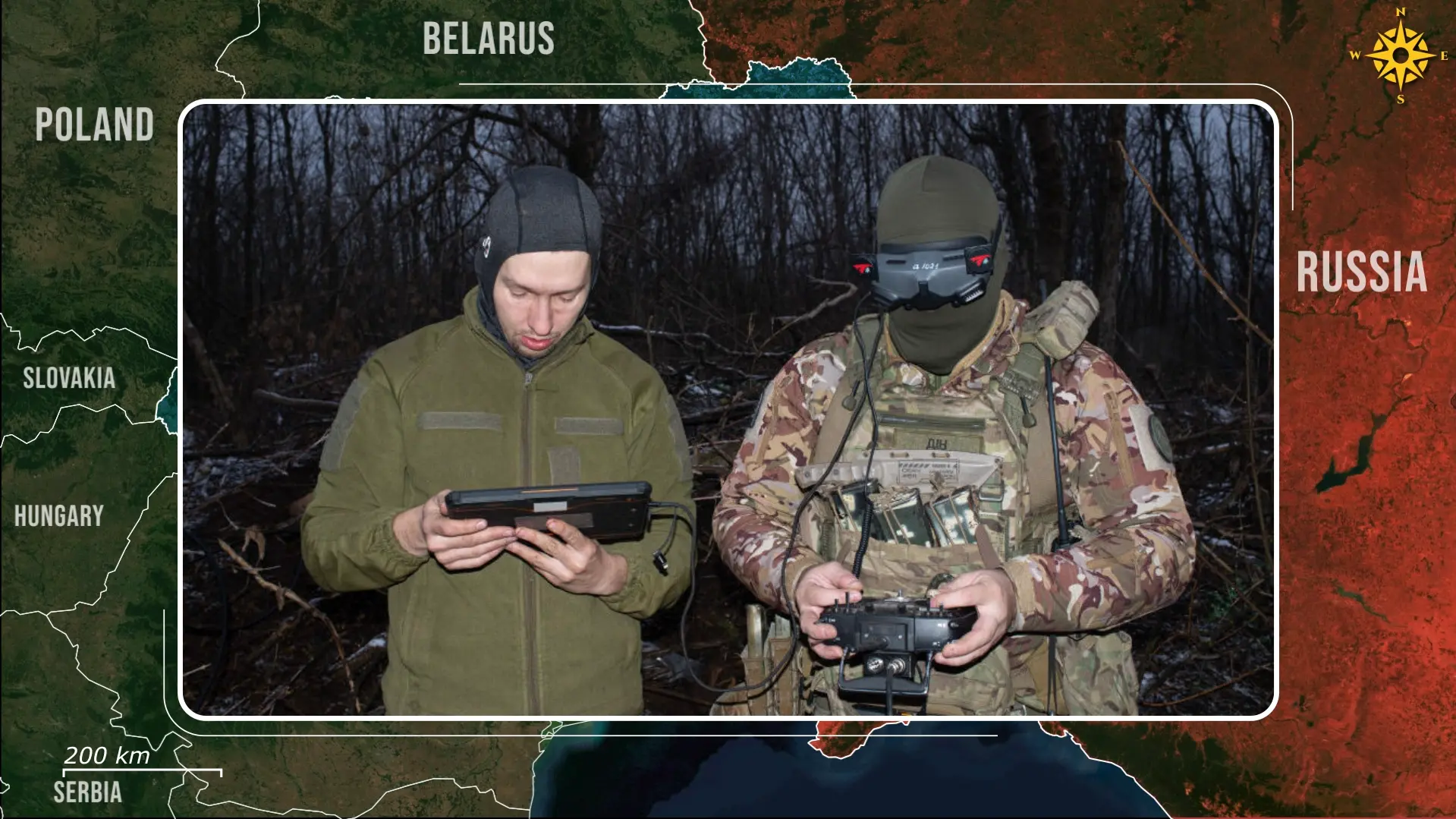
Separately, Ukraine signaled it will share large volumes of real battlefield data with partners to train military AI models. This information comes from drones, sensors, and operational reports collected during more than two years of high-intensity fighting.
At the same time, Kyiv launched a new defense AI center called A1 to analyze battlefield data and support military decisions. Together, the three developments illustrate how data collection, AI training, and autonomous systems are becoming central elements of modern warfare in the conflict in Ukraine today.
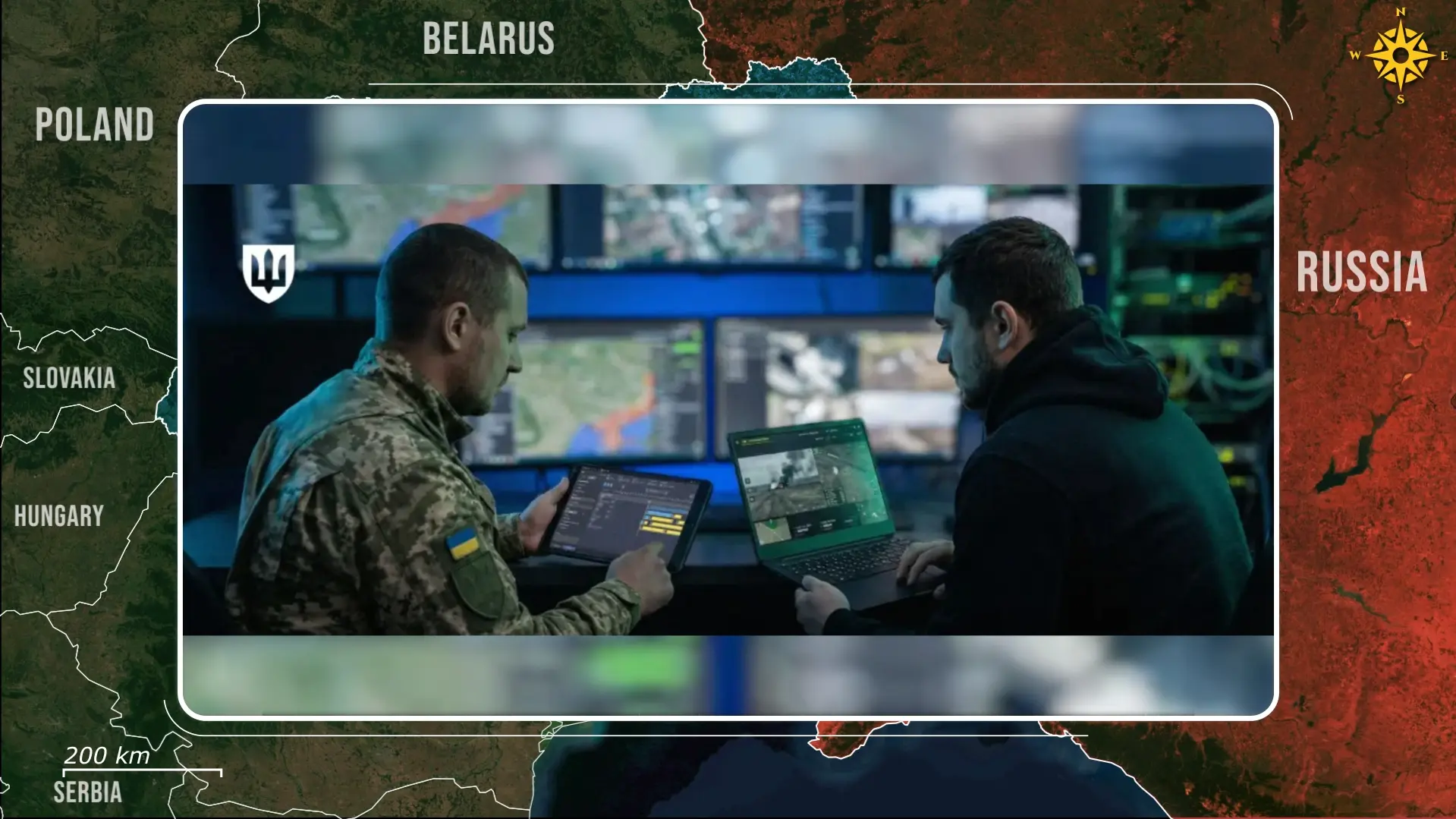
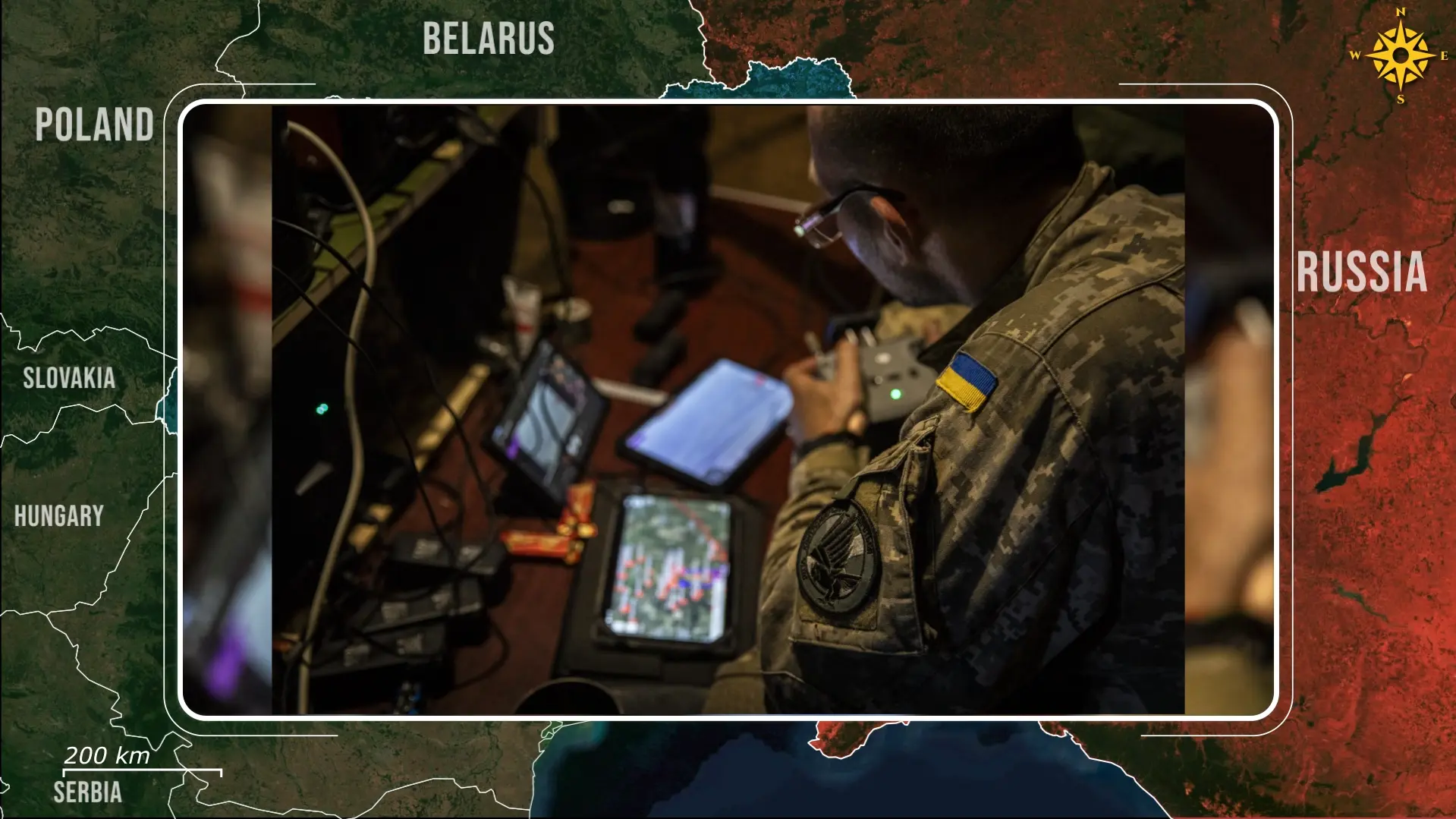
The newly launched A1 Defense AI Center represents Ukraine’s first dedicated hub for integrating artificial intelligence into military operations. Created under the Ukrainian Ministry of Defense with support from the United Kingdom, the center is designed to accelerate the adoption of AI technologies across the armed forces.
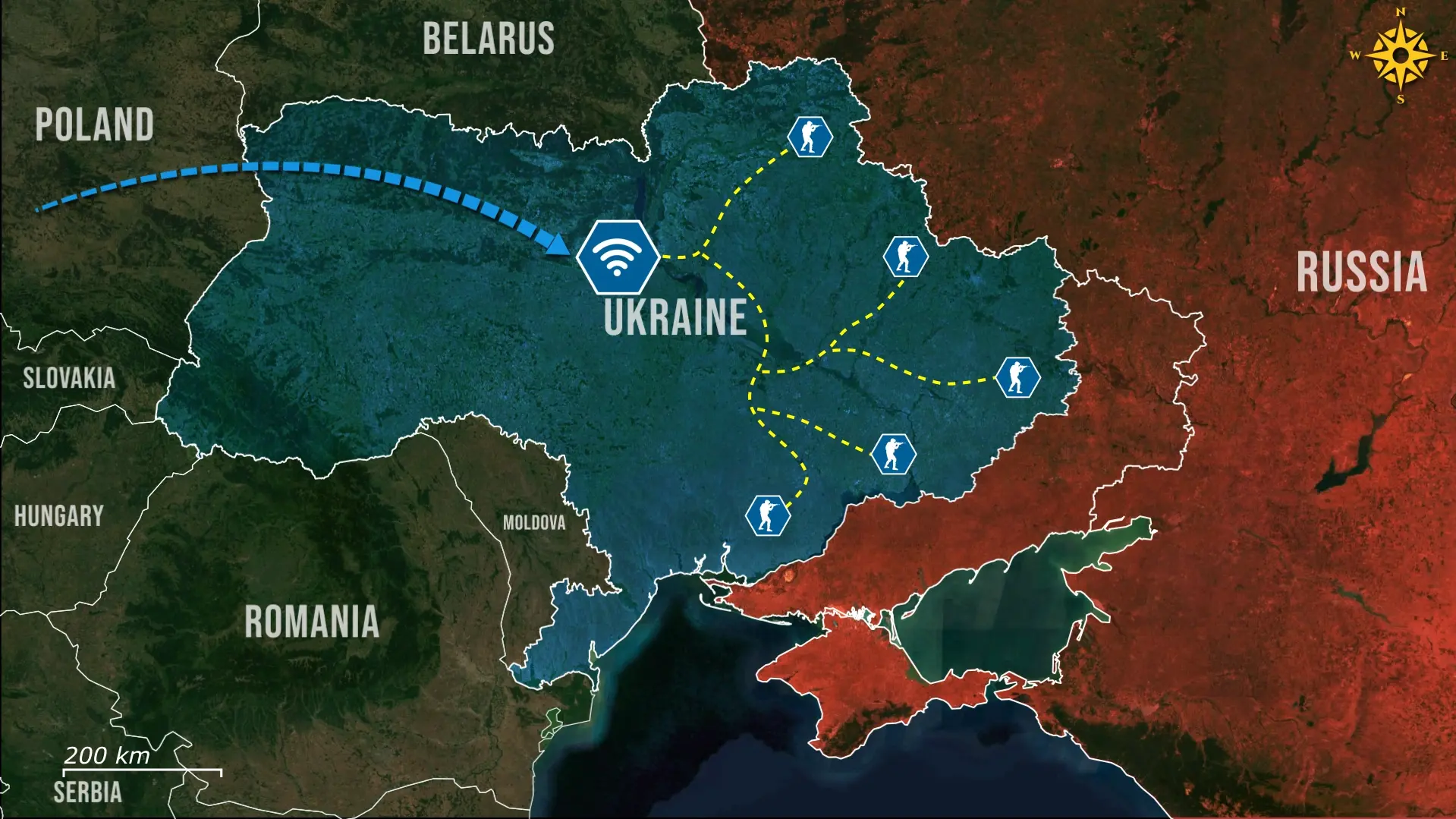
Its primary role is to analyze large volumes of combat data, meaning drone footage, sensor readings and frontline reports, and convert that information into usable military tools. By processing this data, the center can identify subtle patterns, detect early warning signals, and highlight changes in enemy behavior.
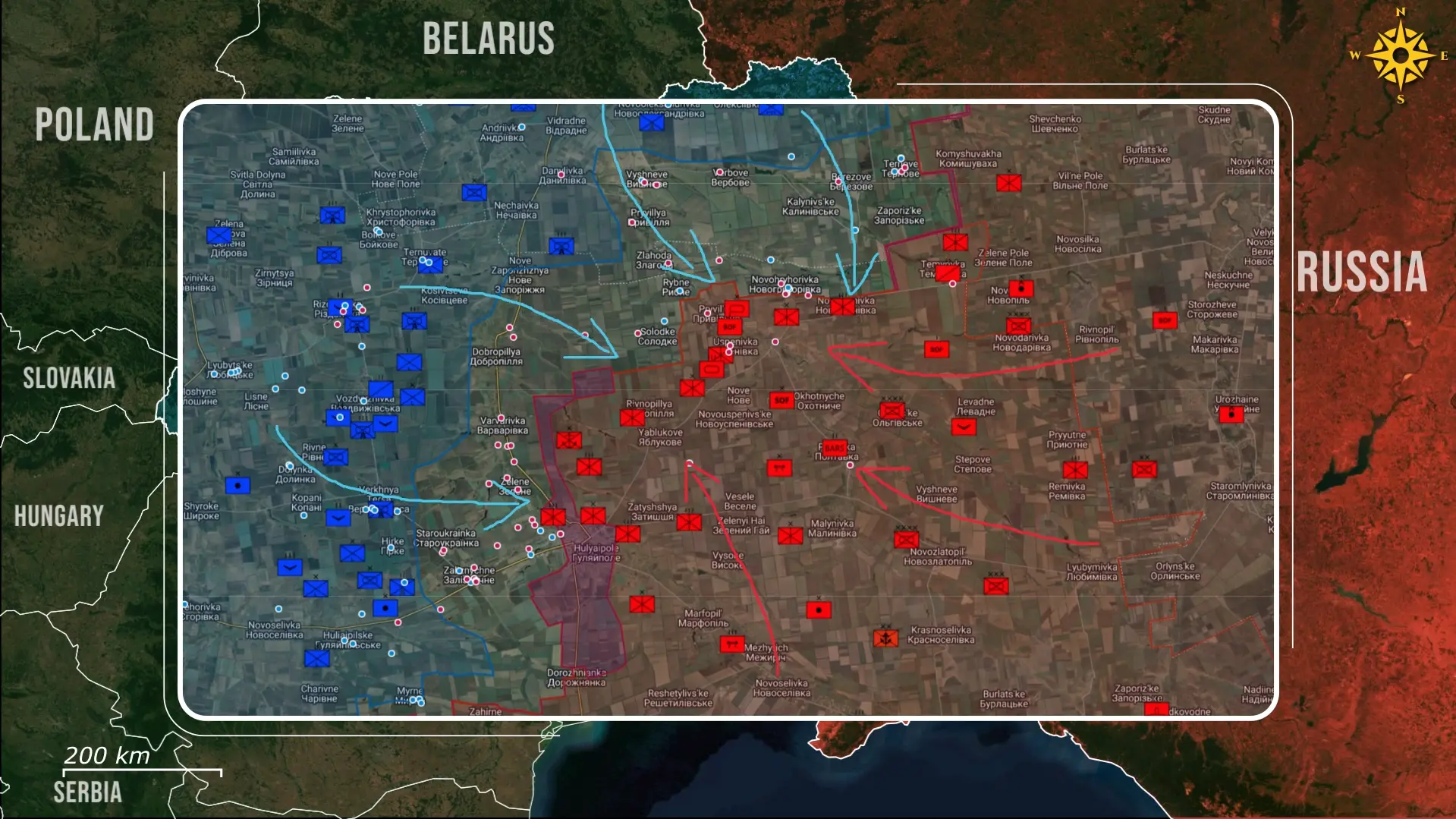
This allows the system to anticipate possible Russian plans, new tactics, or newly deployed equipment. Engineers and analysts will also develop autonomous systems and command tools, with the goal of turning battlefield insights into faster, more adaptive military responses.
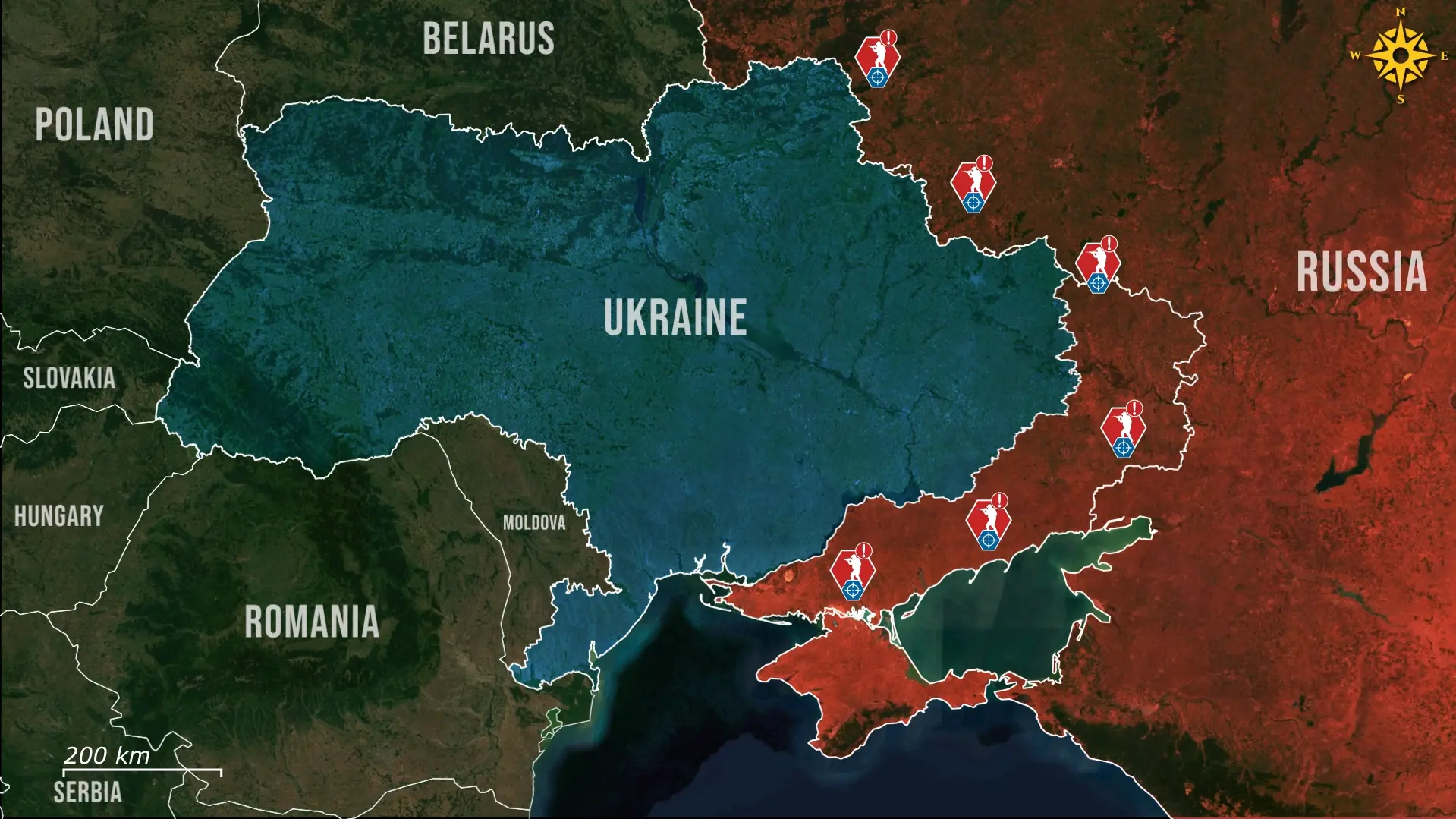
Following those developments, Ukraine is preparing to share large volumes of real battlefield data with partners in order to train military artificial intelligence models. The data comes from multiple sources, including drone reconnaissance footage, sensor networks, and operational battlefield reports.
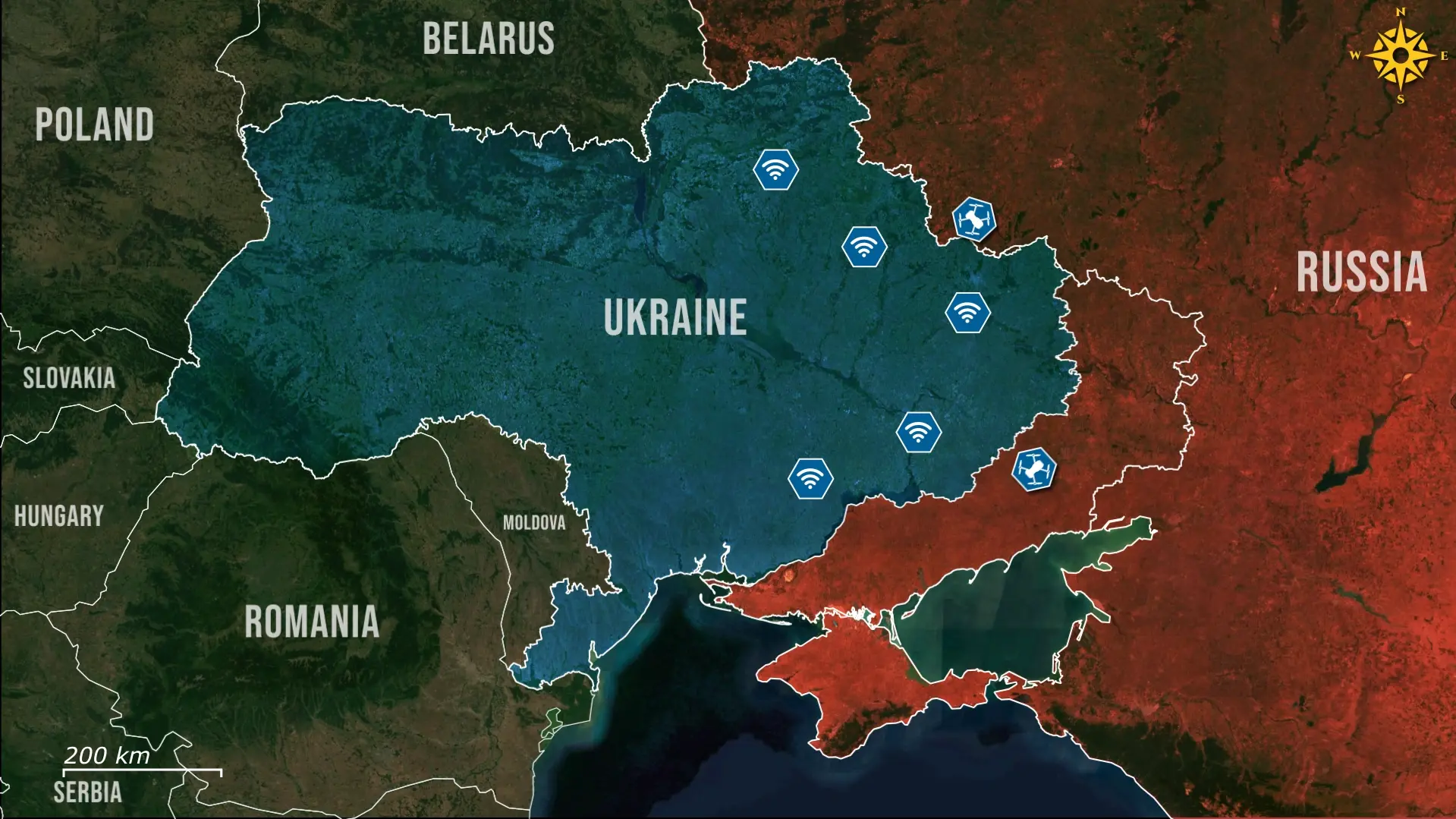
By combining these datasets, developers can train AI systems to recognize vehicles, equipment, and troop movements across complex combat environments. The objective is to improve how quickly AI systems, both those supporting battlefield decision-making and those integrated into weapon systems, can process information, identify and track targets, and generate actionable insights for commanders.
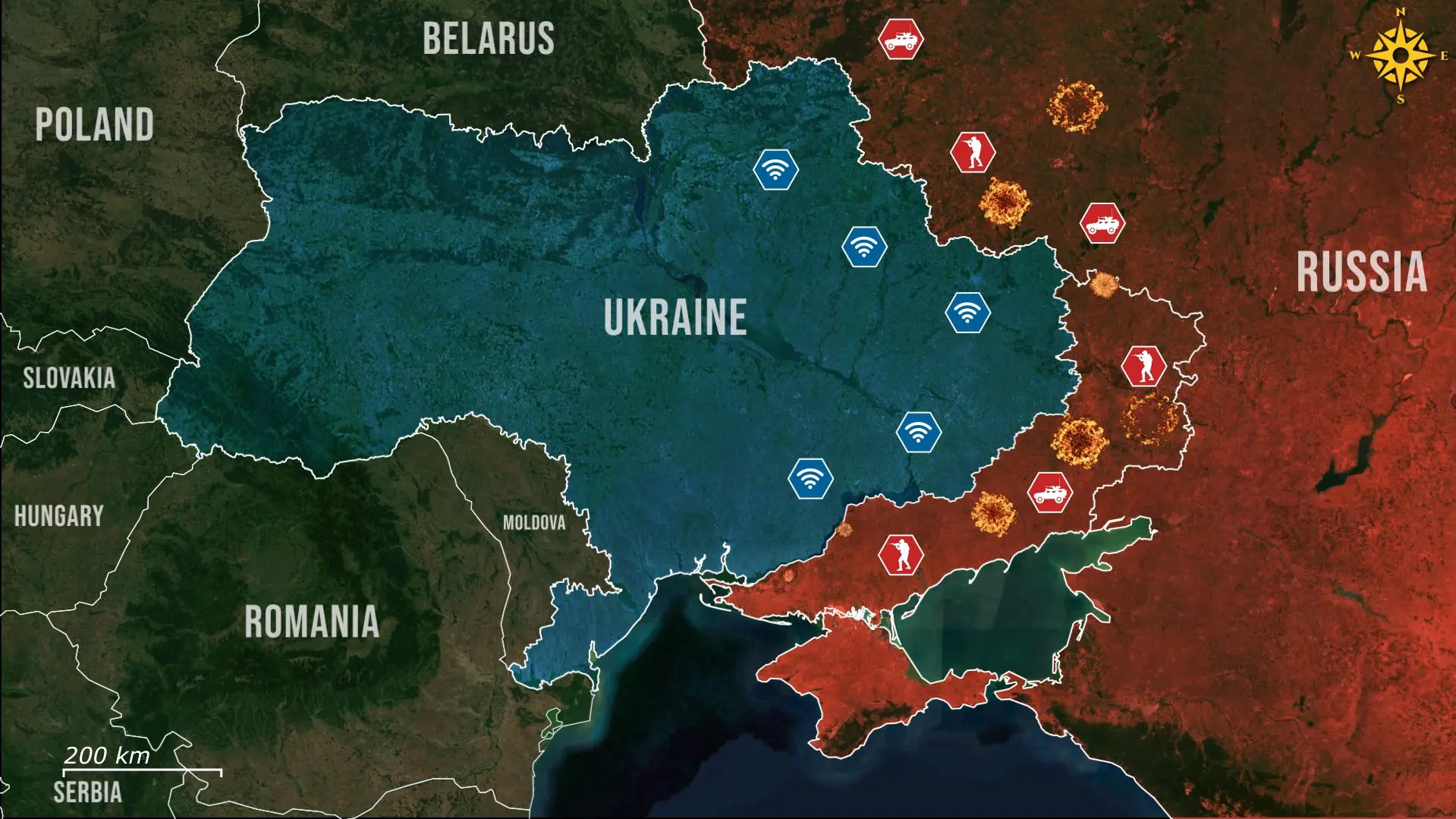
AI models trained on real combat conditions are expected to perform more reliably than systems developed only on simulated data. Over time, this approach could enable automated target recognition, faster intelligence analysis, and improved battlefield prediction tools. In effect, Ukraine’s battlefield is becoming a large-scale training environment for the next generation of military AI systems.
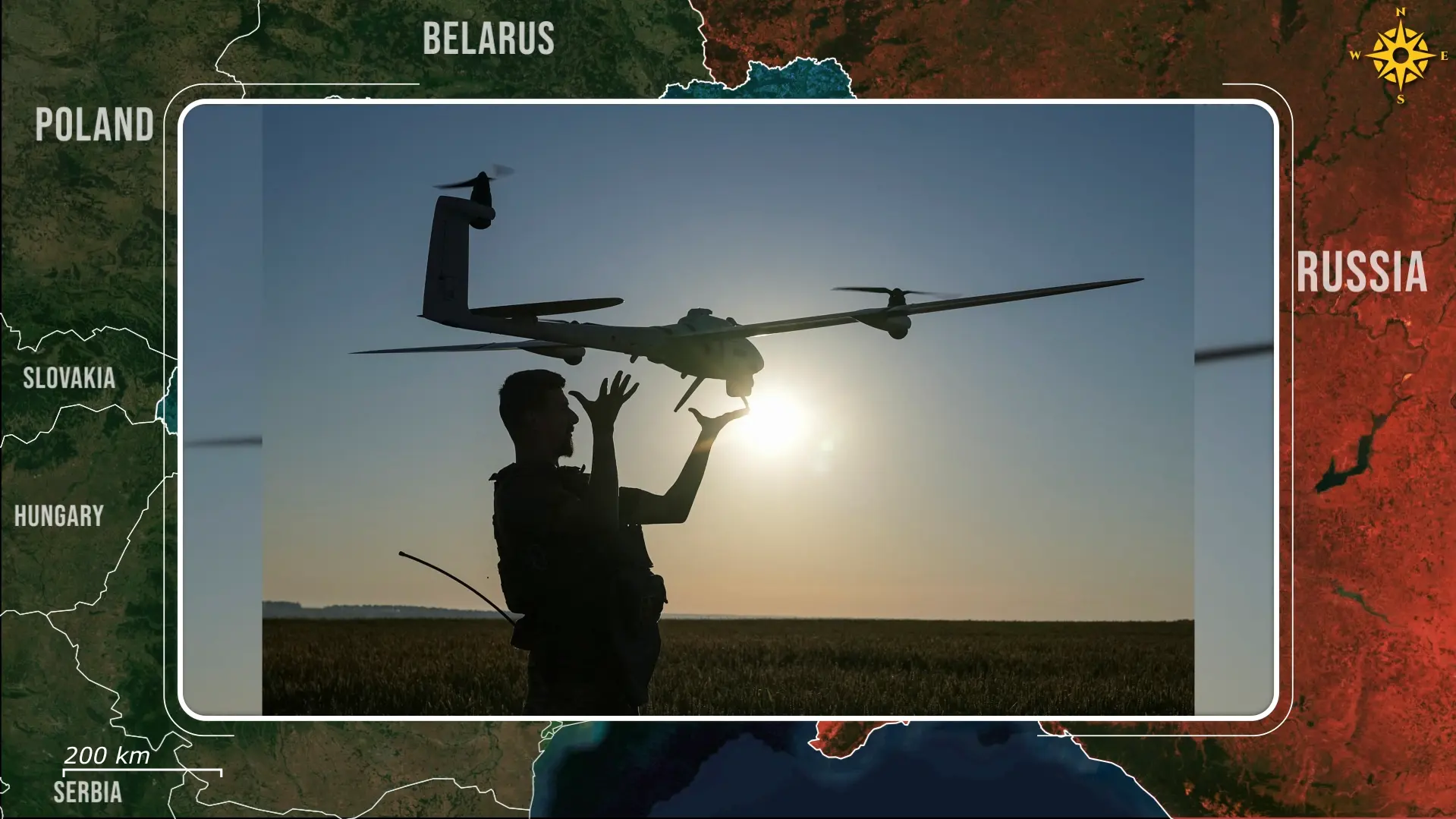
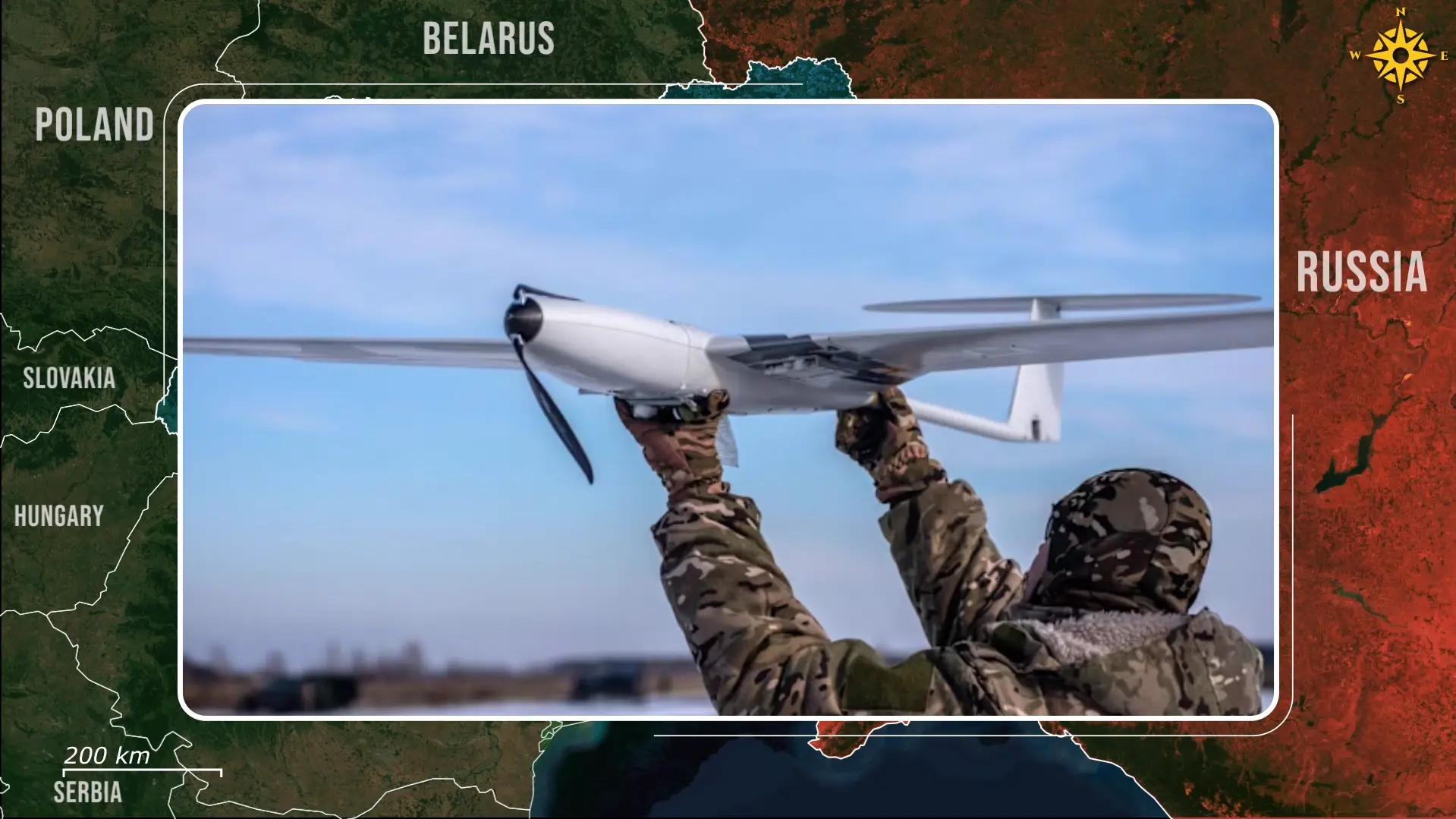
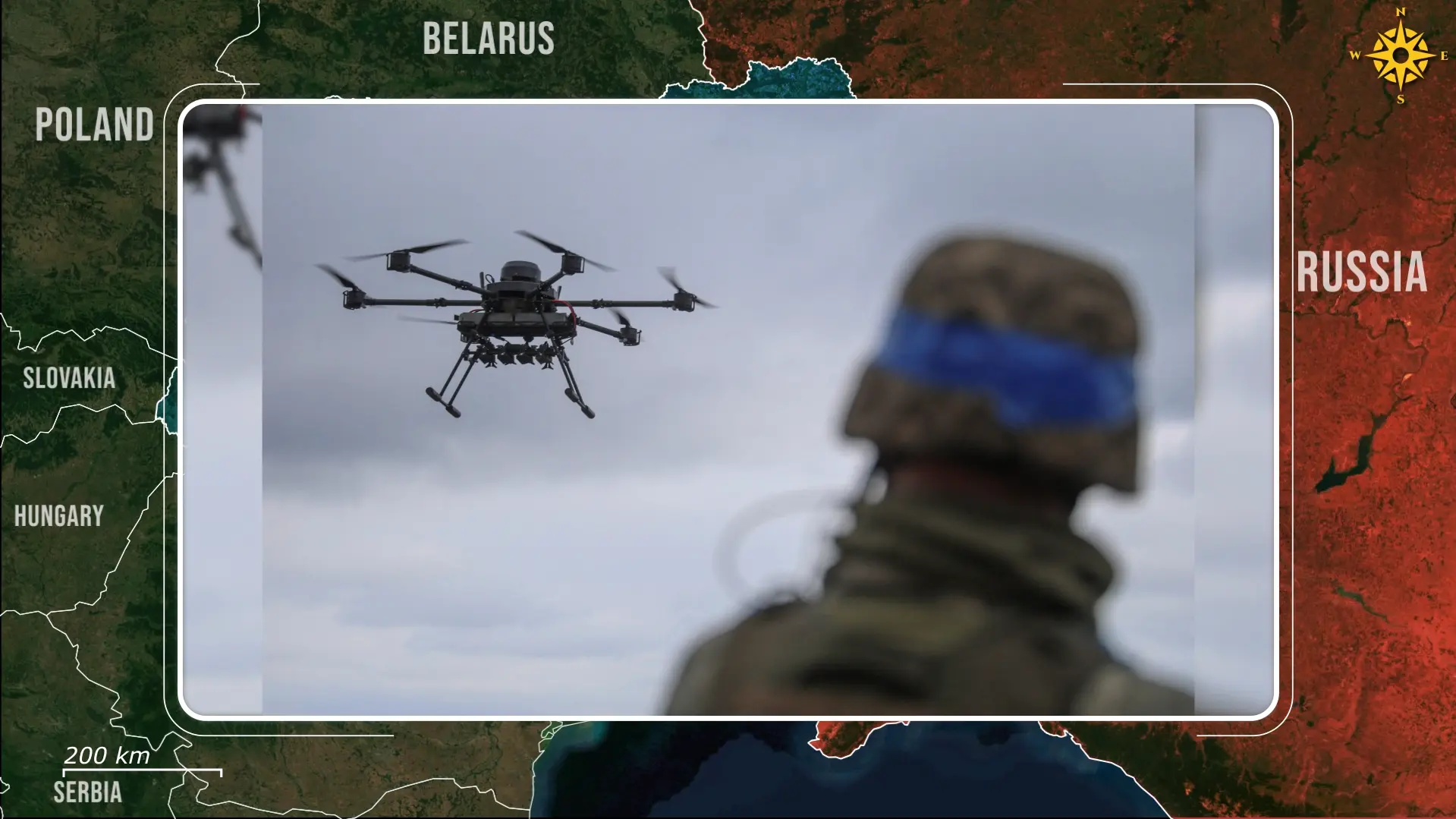
The next step in this technological shift is the integration of artificial intelligence directly into unmanned aerial systems. The system is designed to allow drones to operate with a higher level of autonomy, reducing the need for constant human control during missions.
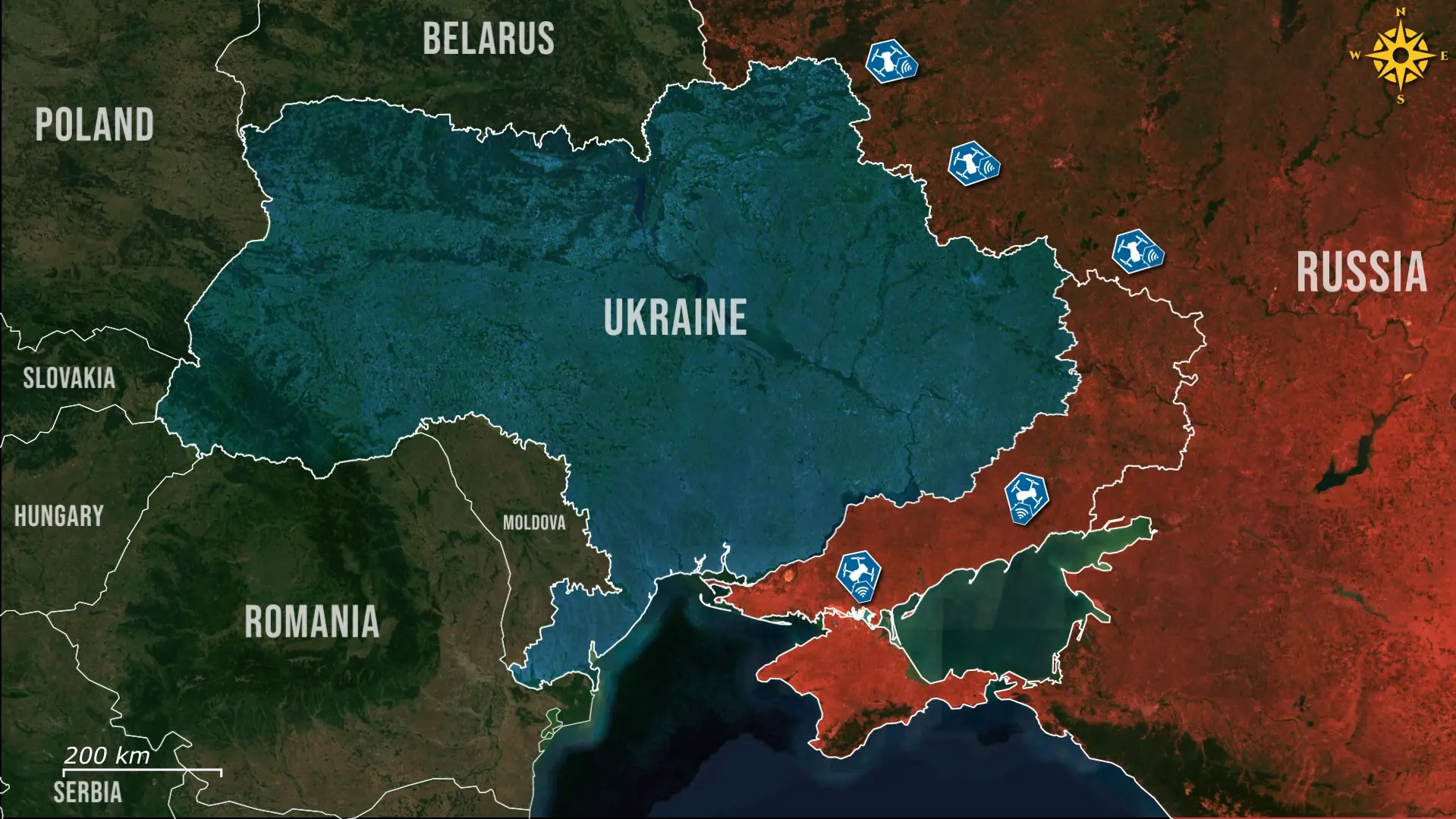
Instead of relying entirely on remote pilots, drones equipped with AI can navigate contested environments, identify targets, and adapt to changing battlefield conditions. The concept also supports coordinated drone operations, where multiple unmanned systems share information and act together. Because electronic warfare and signal jamming often disrupt remote control, this approach aims to improve drone survivability by enabling greater autonomy in contested environments.
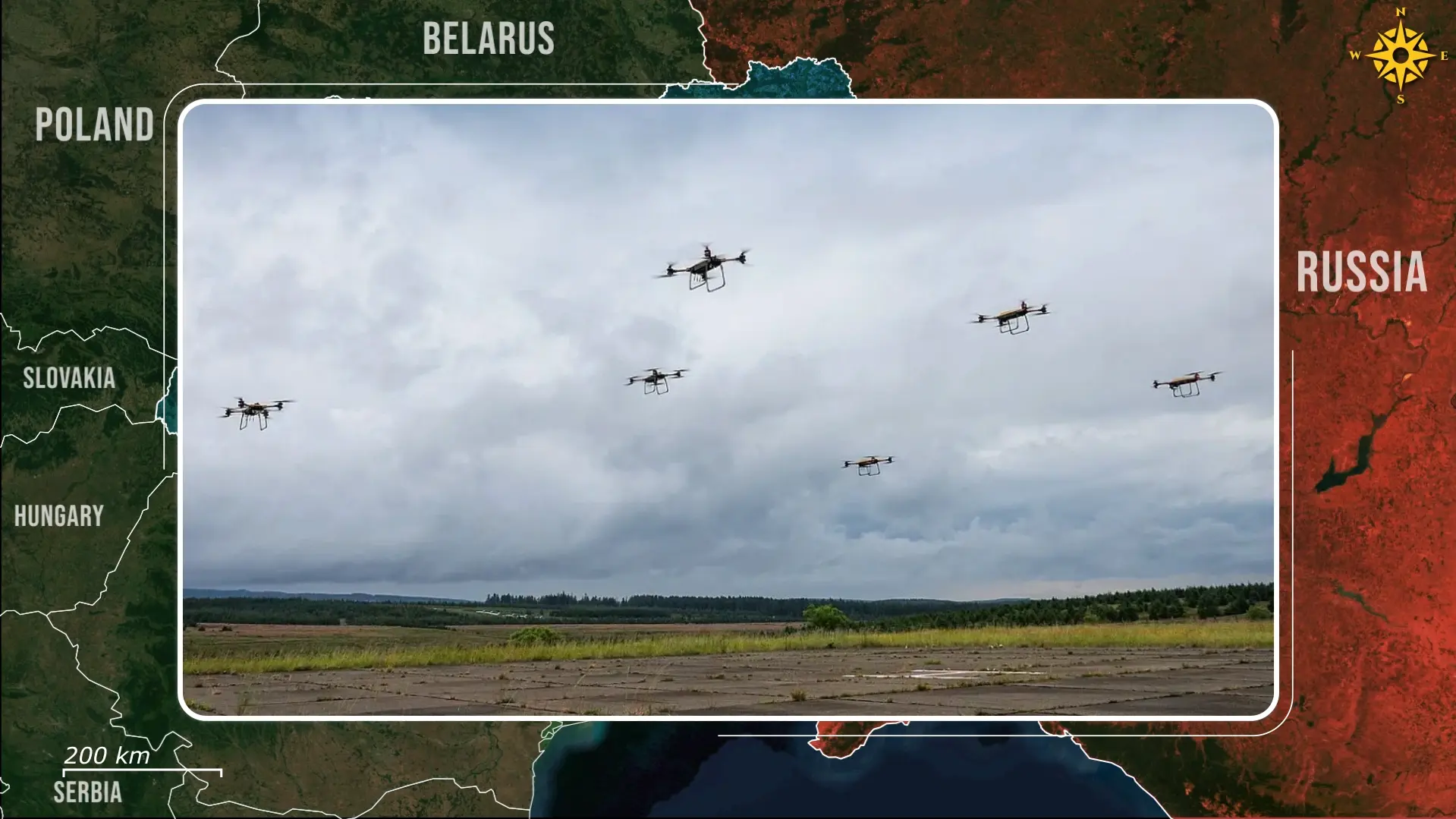
Overall, these developments show how modern warfare is increasingly being shaped by the interaction between data, artificial intelligence, and autonomous systems. The collection of battlefield data, the training of AI models, and the integration of autonomy into drones together point toward a gradual shift toward more automated forms of military decision-making and operations. In this environment, the side that can process information faster and translate it into operational action may gain a significant advantage on the battlefield. The growing role of AI in Ukraine’s defense effort therefore reflects a broader transformation in warfare, where algorithms and autonomous systems are becoming as strategically important as traditional military hardware.

.jpg)


Comments