

.svg)
Today, the biggest news comes from the Middle East.
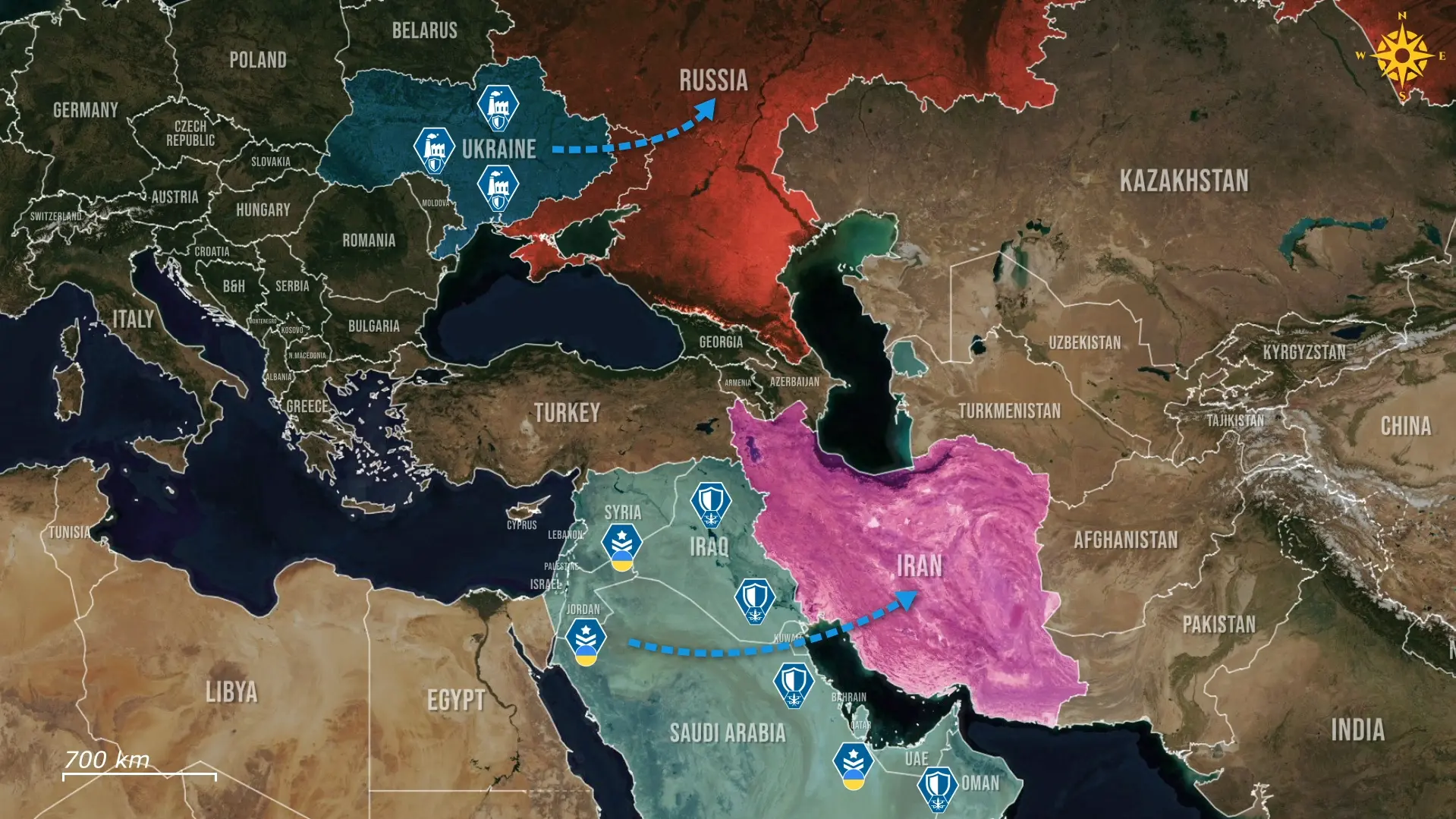
Here, Ukrainian interceptor drones are destroying Shaheds in midair as Arab monarchies go all-in on Ukraine’s war-tested defense model. This marks a decisive shift in the regional balance, as while the new alliances are formed, Russia is losing its position in the region.
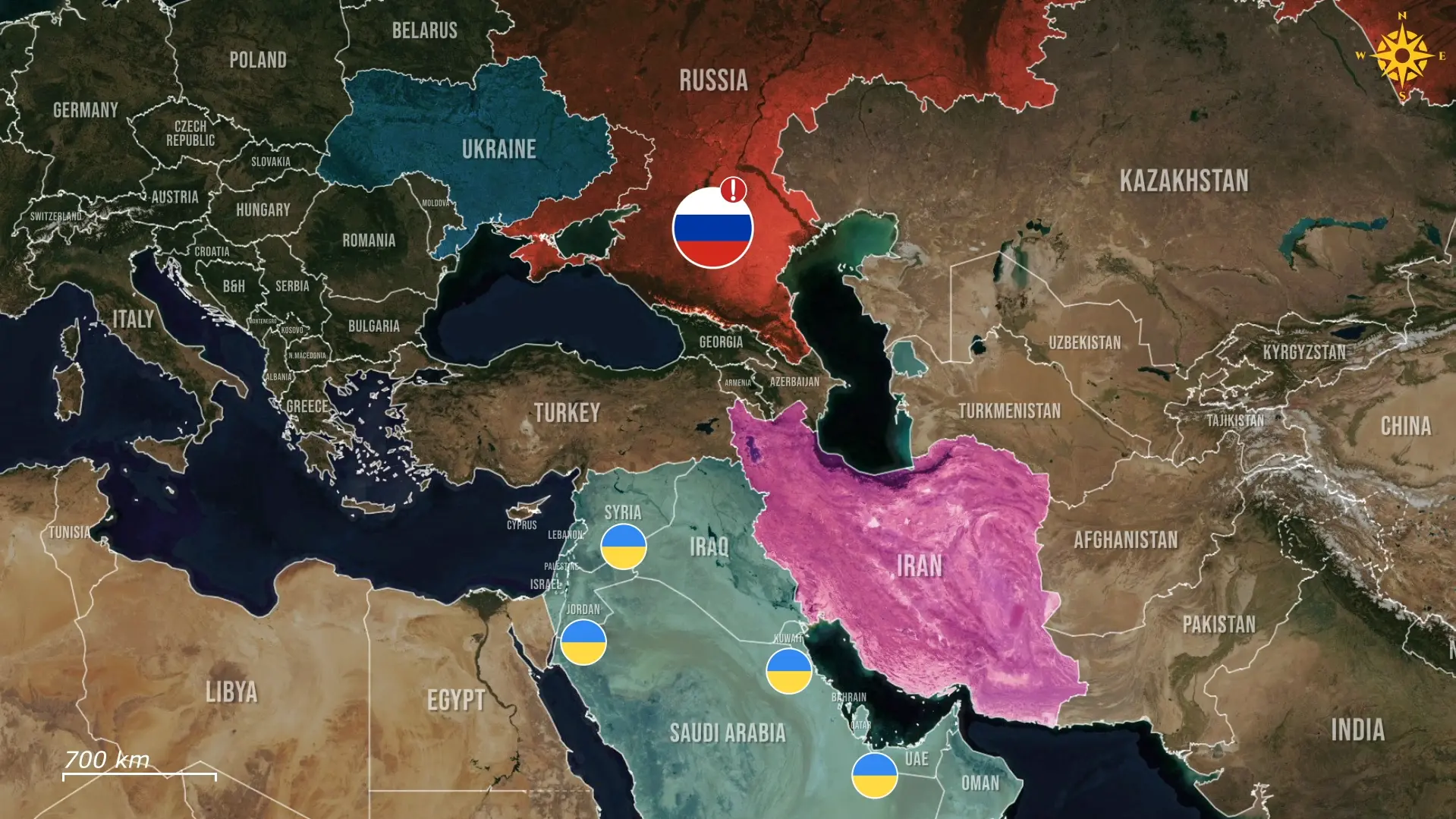
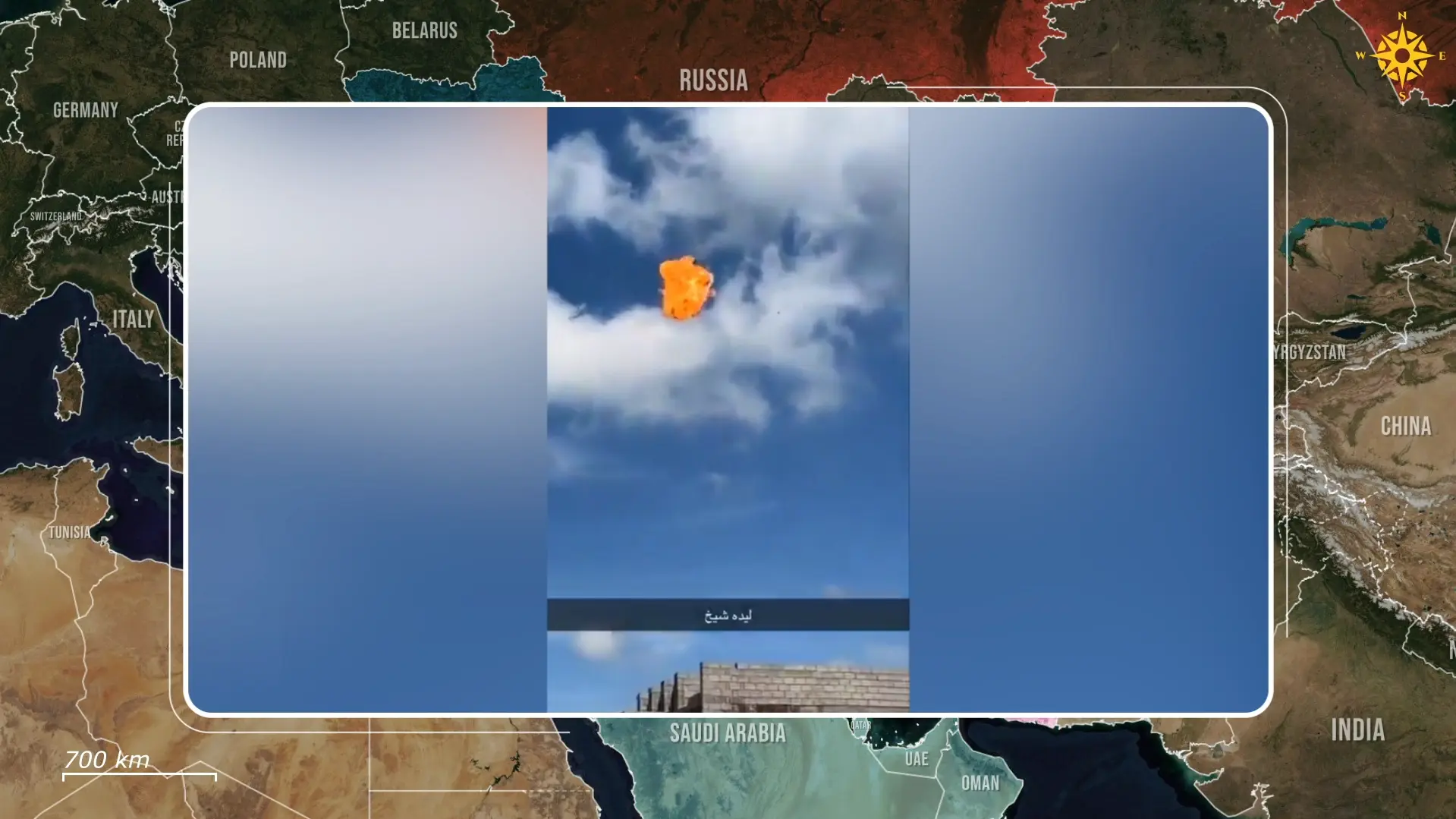
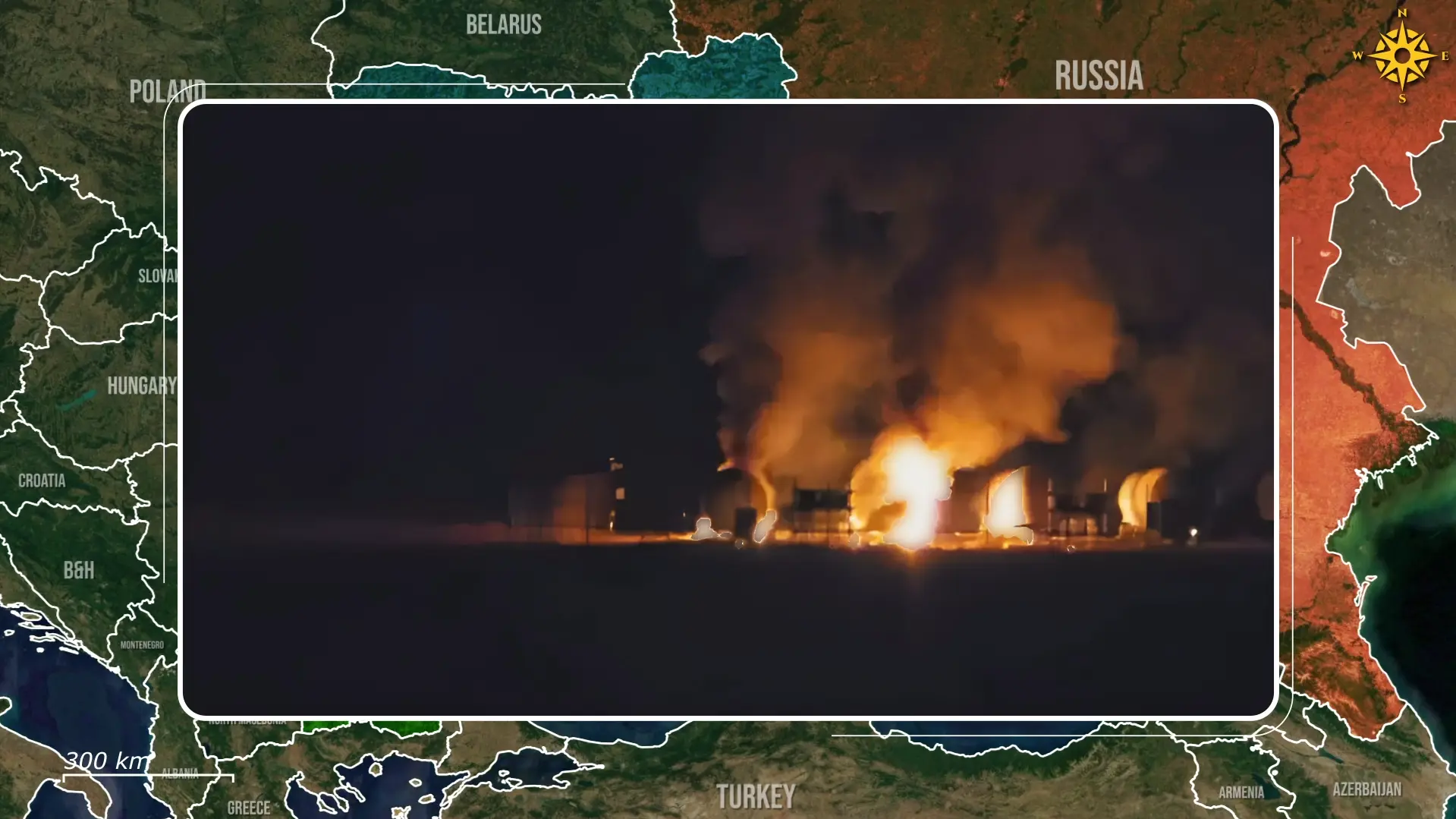
In the Middle East, footage has just been released of Ukrainian interceptor drones shooting down Iranian Shaheds in midair. Some of these drones are variants now used and upgraded by Russian forces, which means Ukrainian systems are effectively intercepting Russian-linked drones outside Ukraine.
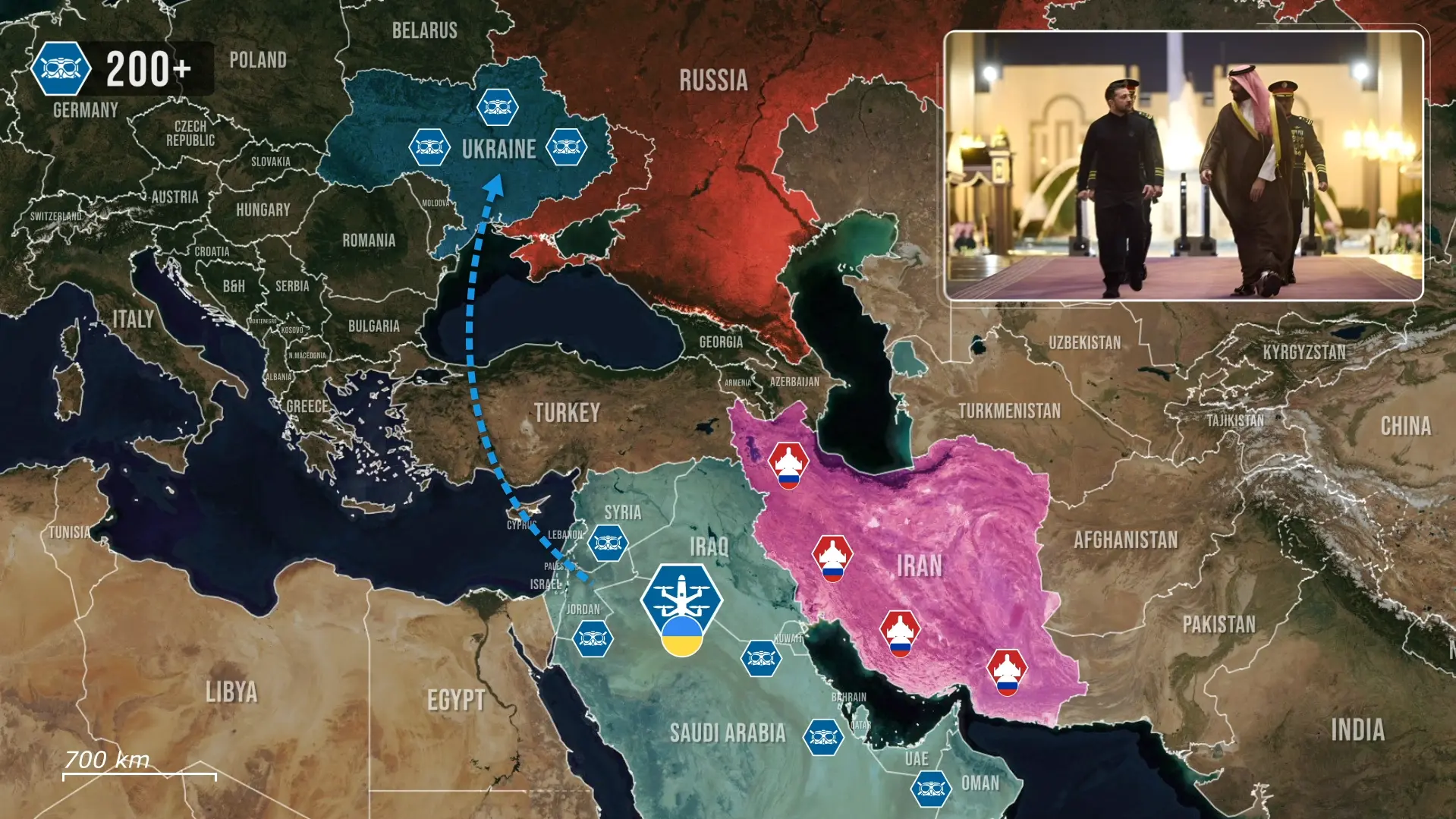
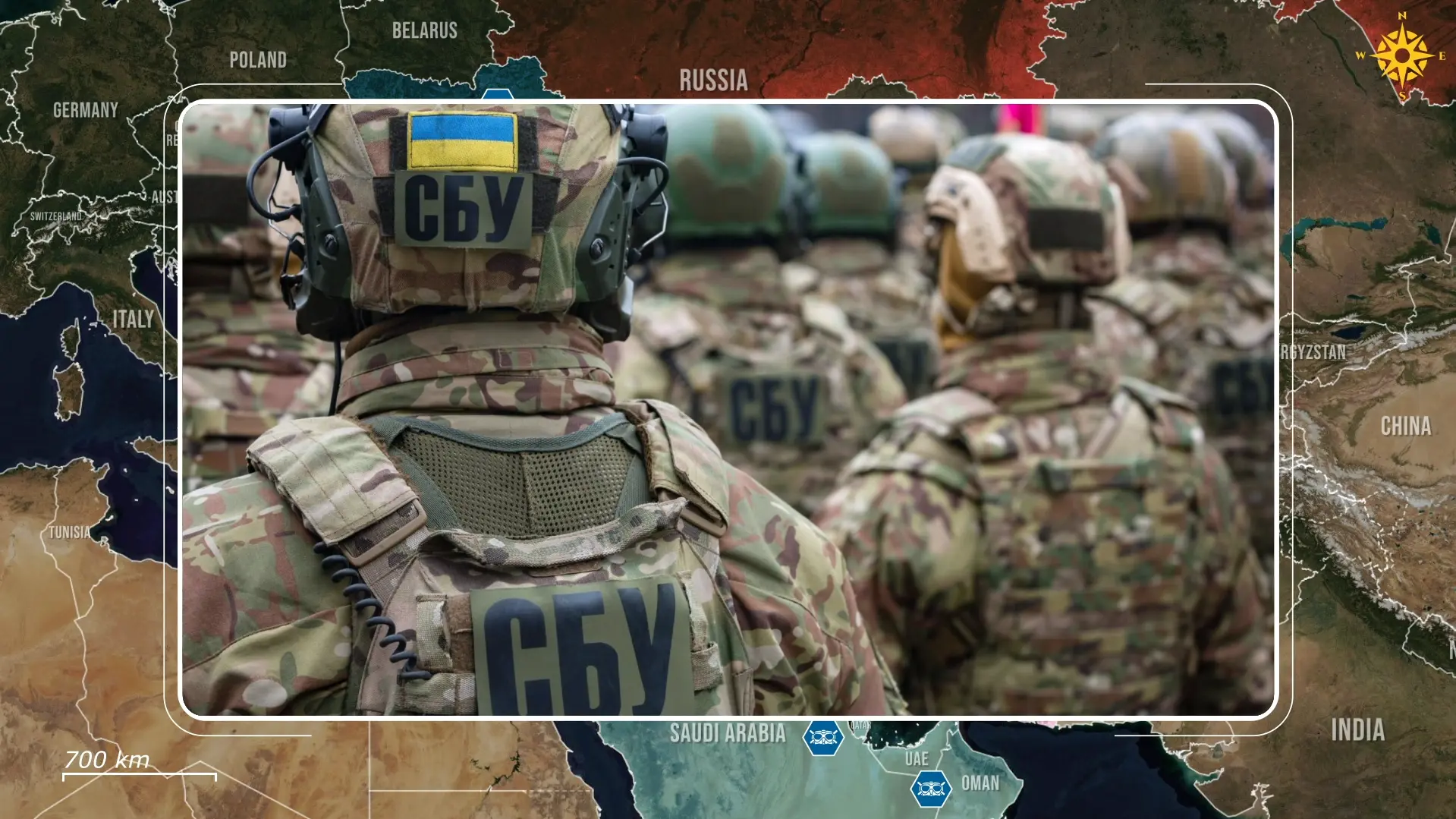
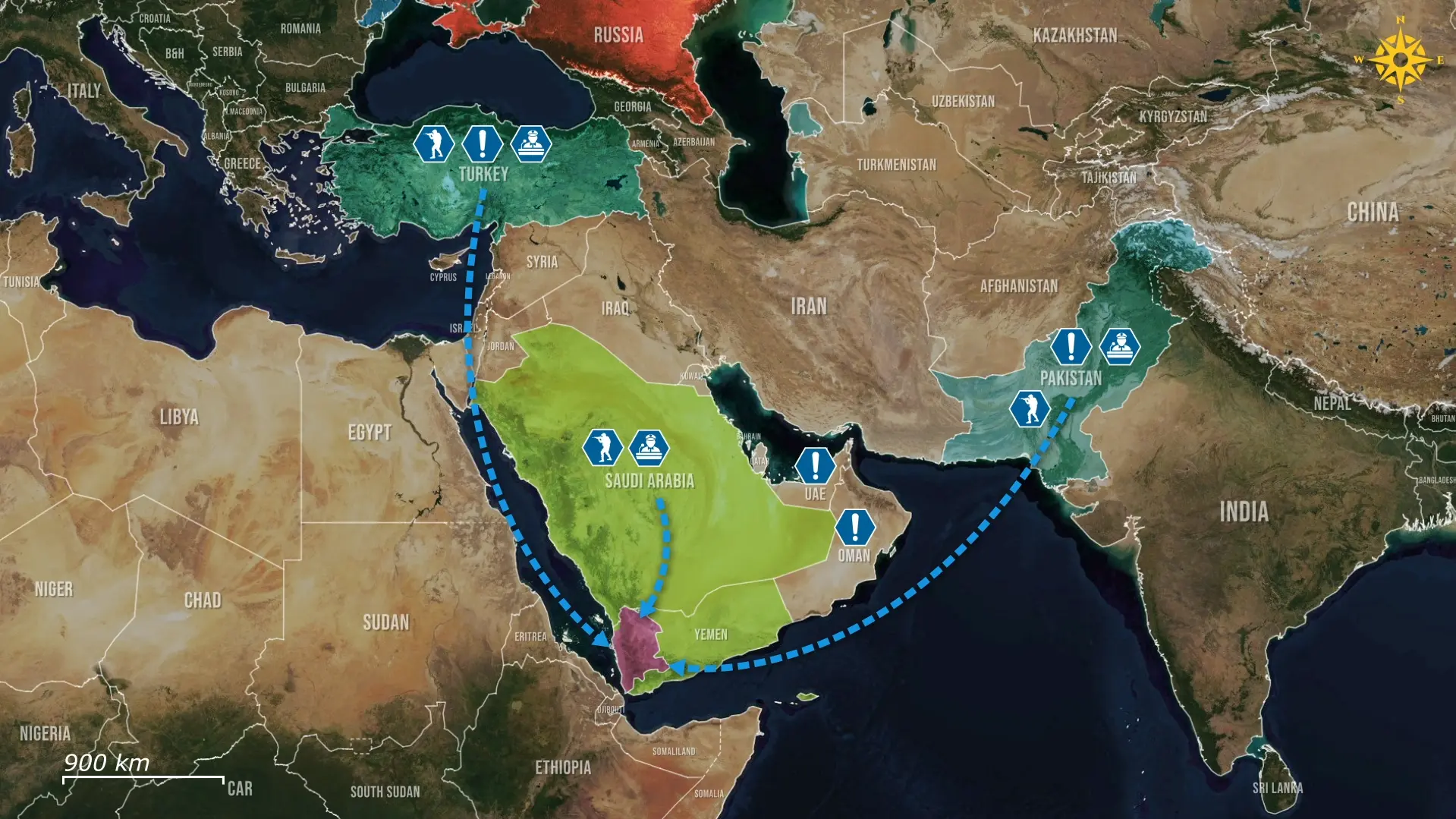
More than two hundred Ukrainian air defense specialists are already deployed across Gulf countries, where they counter Iranian drone attacks and help build defense systems on the ground. That operational result explains the speed of the current political shift, as states that were previously cautious around Russia are now moving toward Ukraine. The key driver is that Ukraine offers a working solution against the same Shahed drone and ballistic missile threats now spreading across the region, based on real combat experience rather than theory. This is already visible in how Gulf states are aligning with Kyiv.
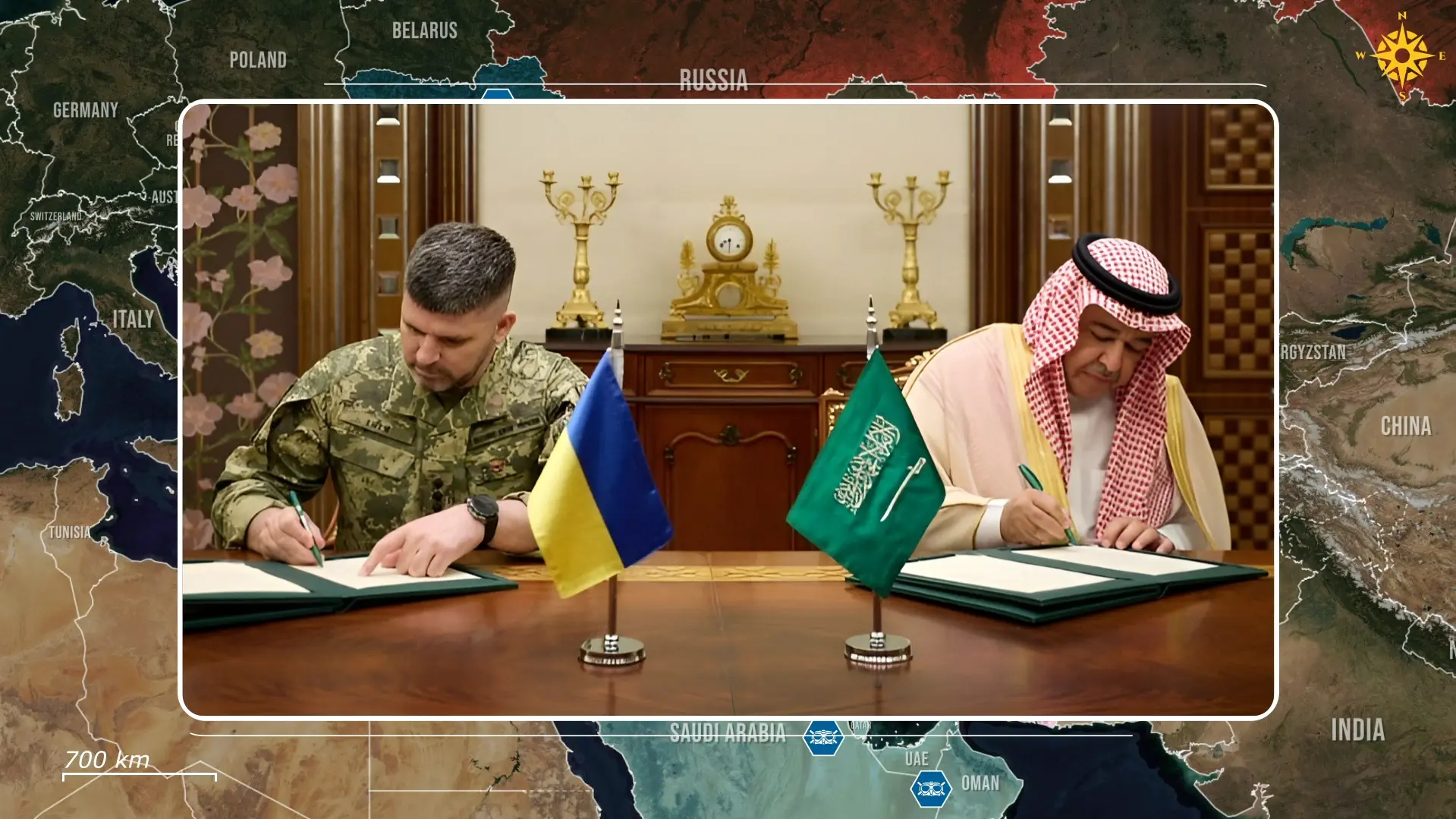
Saudi Arabia has reached a defense cooperation arrangement that opens the way for contracts, technology transfer, and direct investment into defense production. Qatar signed a ten-year partnership focused on joint production and long-term capabilities to counter modern air threats.
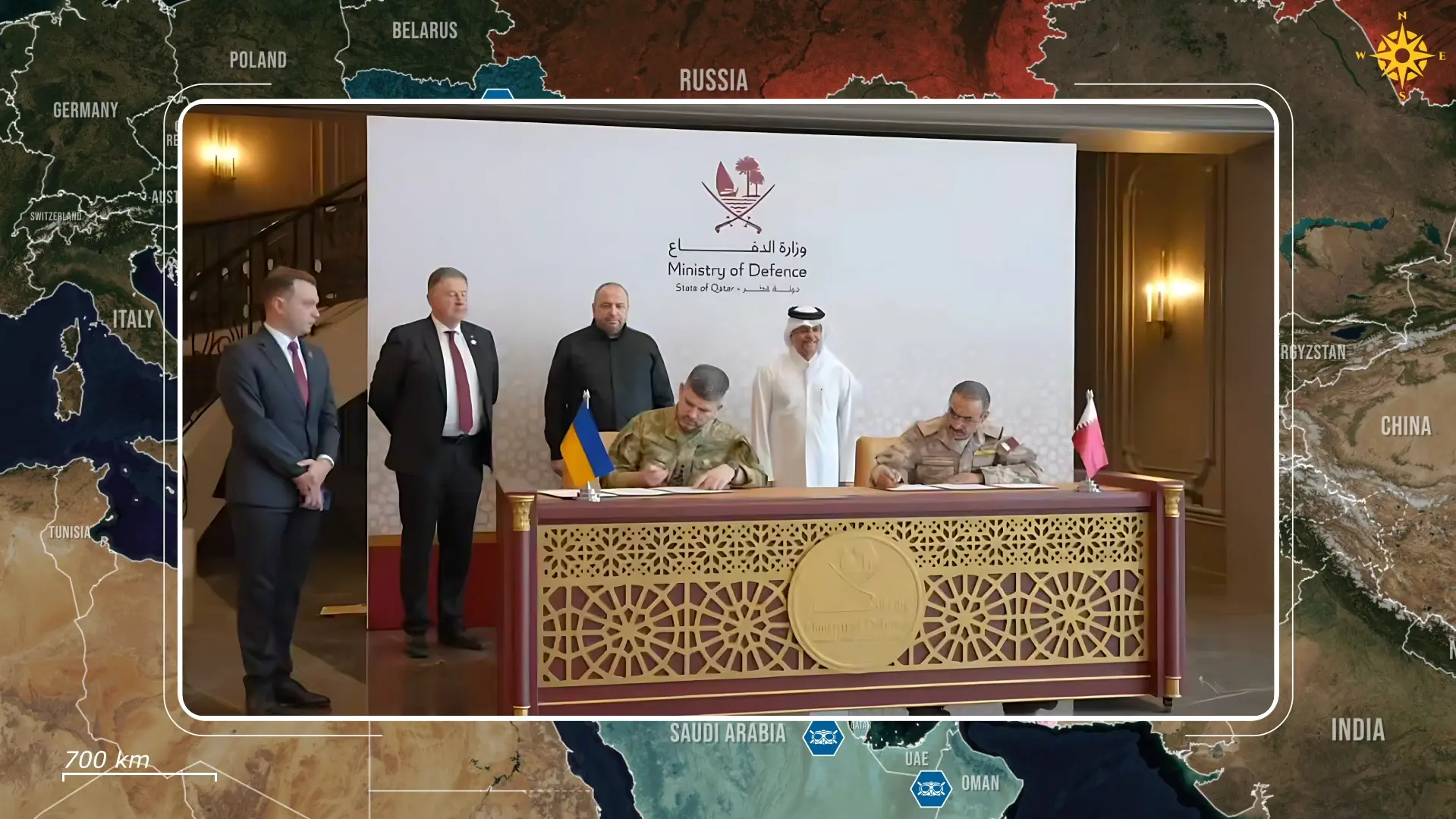
The UAE has also entered into cooperation that includes energy support, such as diesel and other critical fuel supplies, helping sustain military logistics and infrastructure during disruptions. Taken together, these moves show that Ukraine is no longer seen only as a country receiving support, but increasingly as a provider of security solutions.
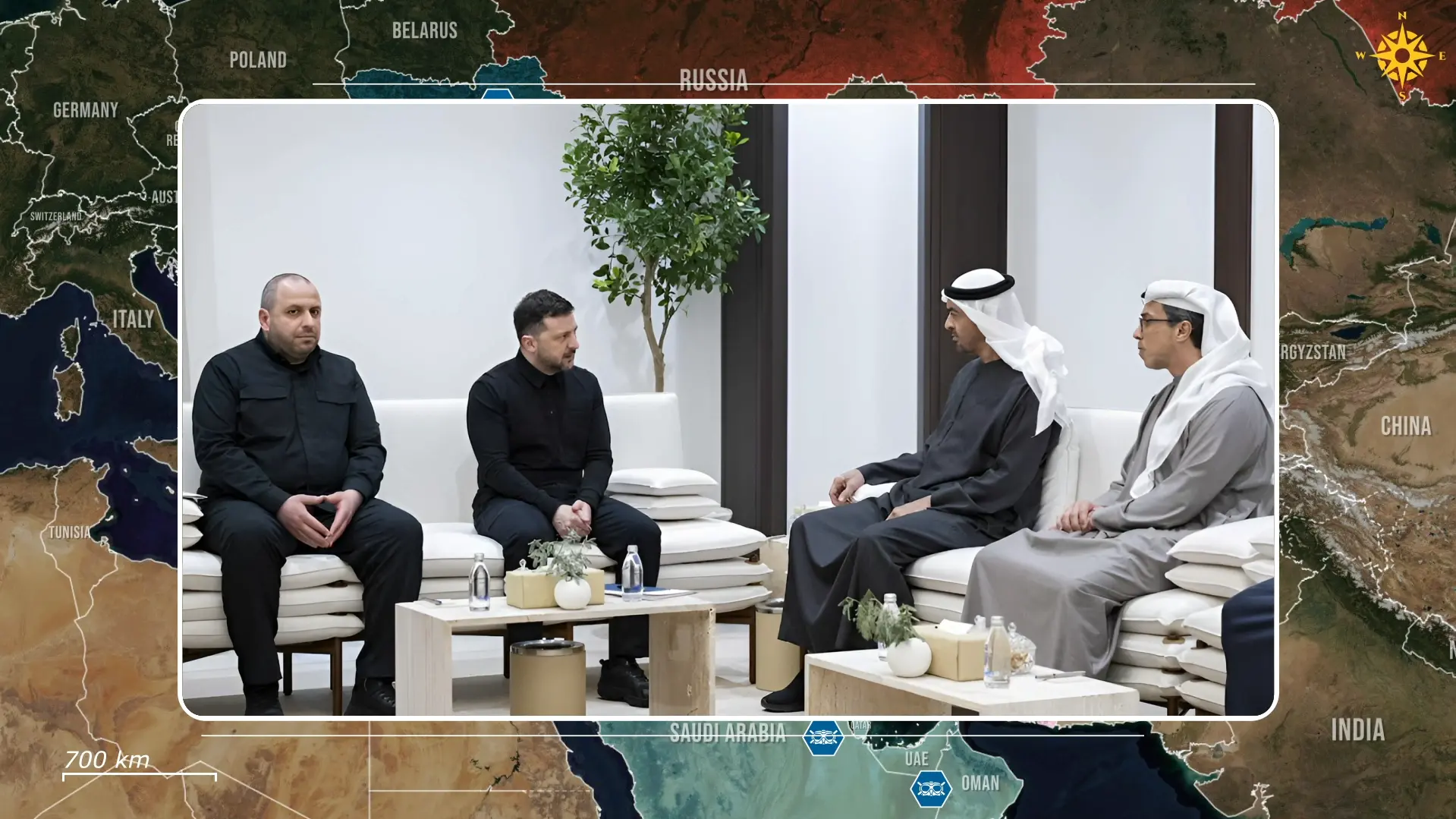
Building on these agreements, the shift now extends into the industrial domain, as Gulf states move from cooperation into direct investment in Ukraine’s defense sector. Reporting has linked the UAE to an earlier almost one billion dollar investment into the Ukrainian defense-tech company Fire Point, which fits into this broader trend of identifying and backing scalable, combat-proven technologies.
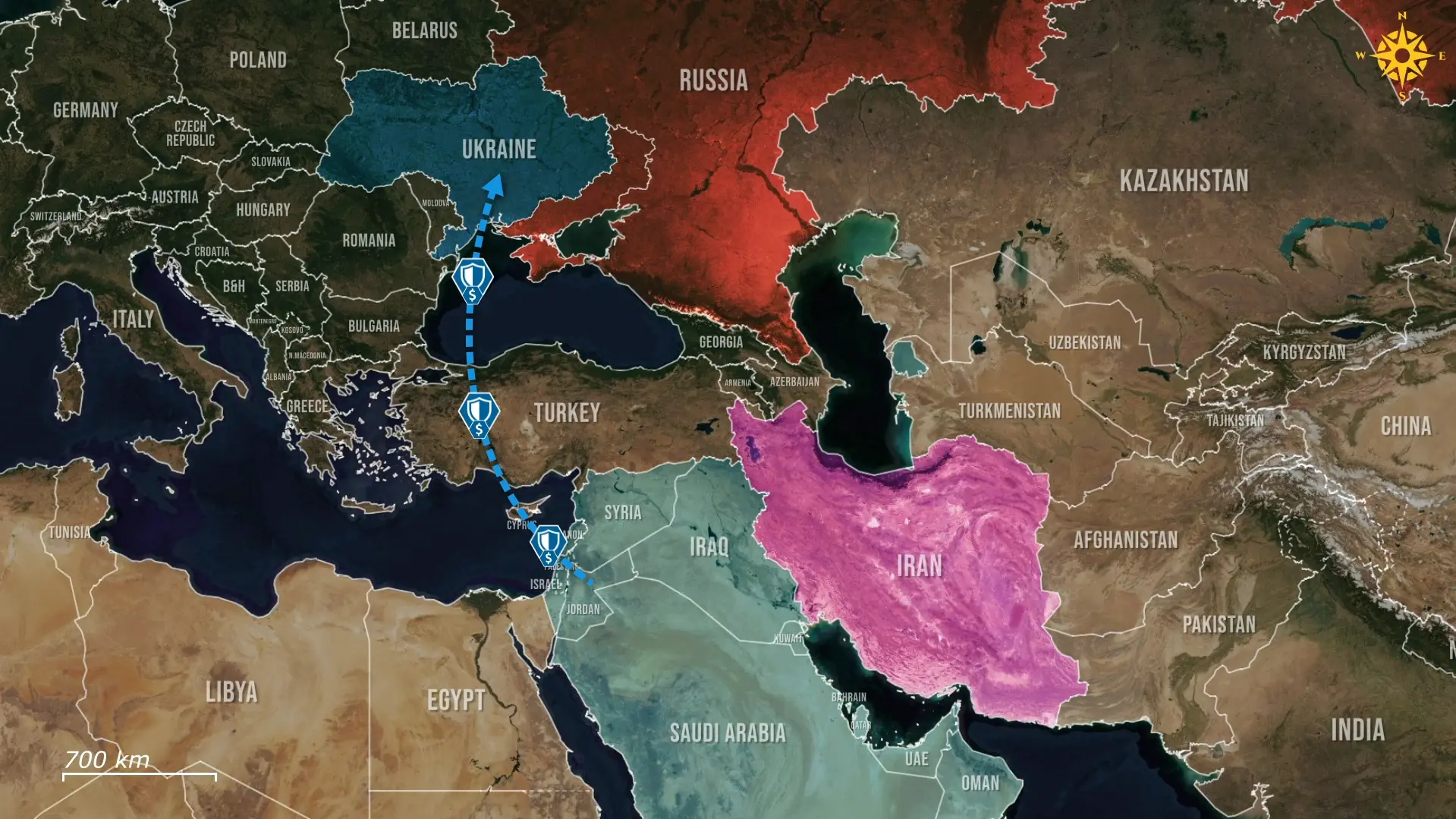
This is now expanding as Gulf monarchies move beyond agreements and begin financing production at scale. That funding links battlefield experience directly to manufacturing, allowing Ukraine to turn combat-proven solutions into systems produced in large numbers. Ukraine has stated it can produce up to two thousand interceptor drones per day if sufficient funding is secured, while continuous production enables faster refinement and adaptation based on real combat feedback.
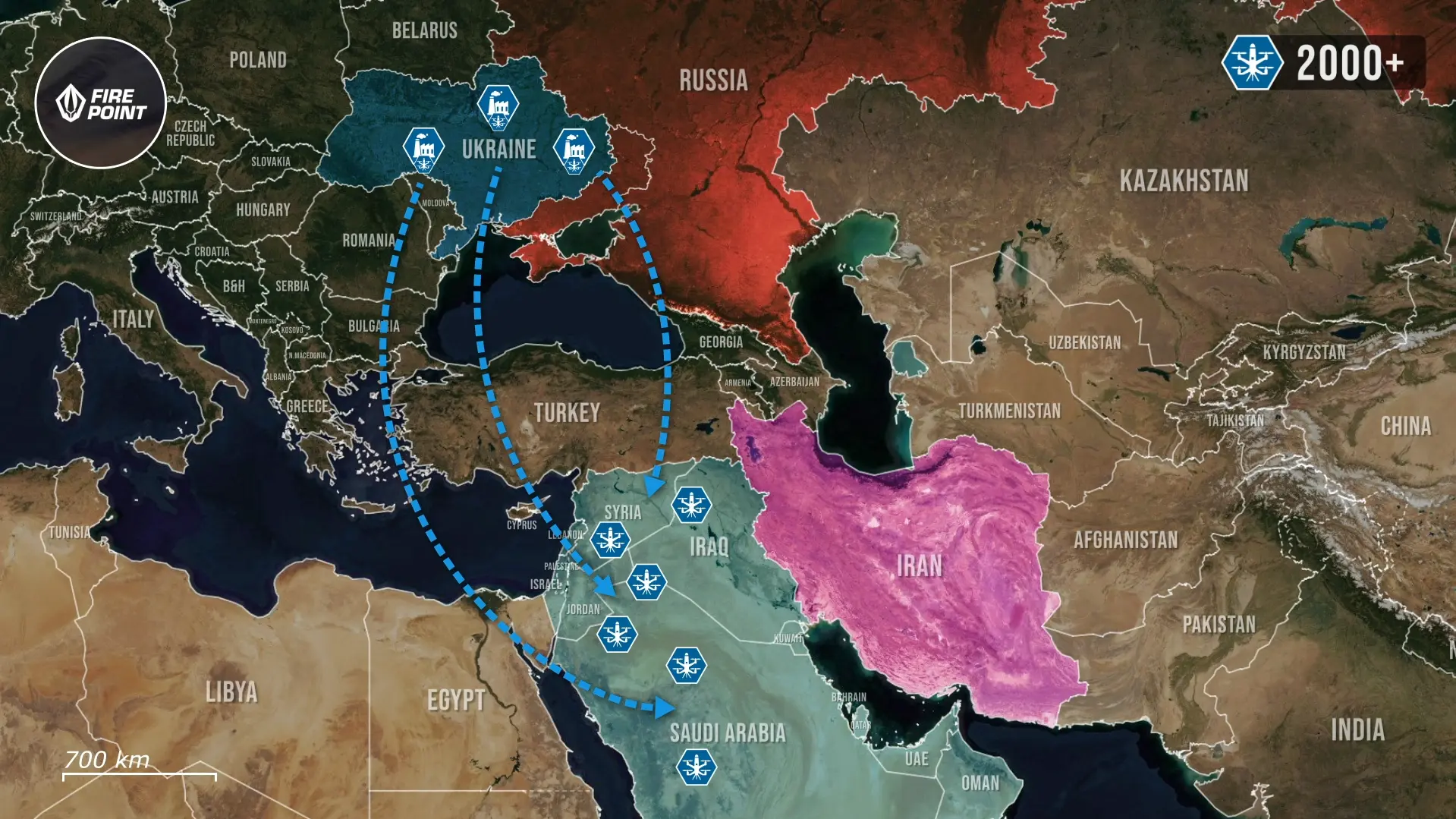
In exchange, Ukraine is not offering a single system, but building an interconnected military network designed to function under constant attack. Instead of isolated systems, the focus is on creating an integrated structure that can detect incoming threats, track them in real time, disrupt their guidance, and destroy them before they reach critical targets.
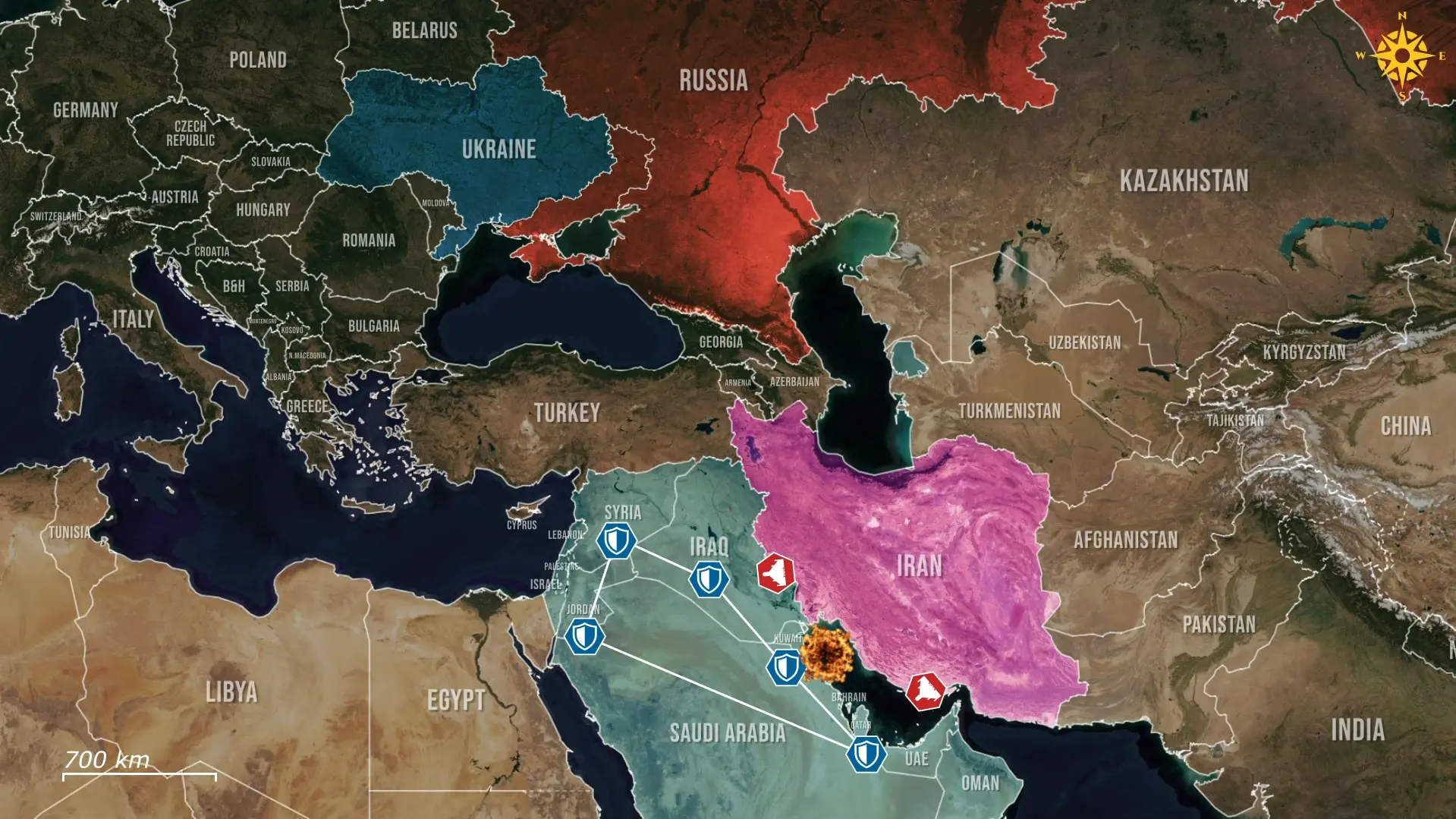
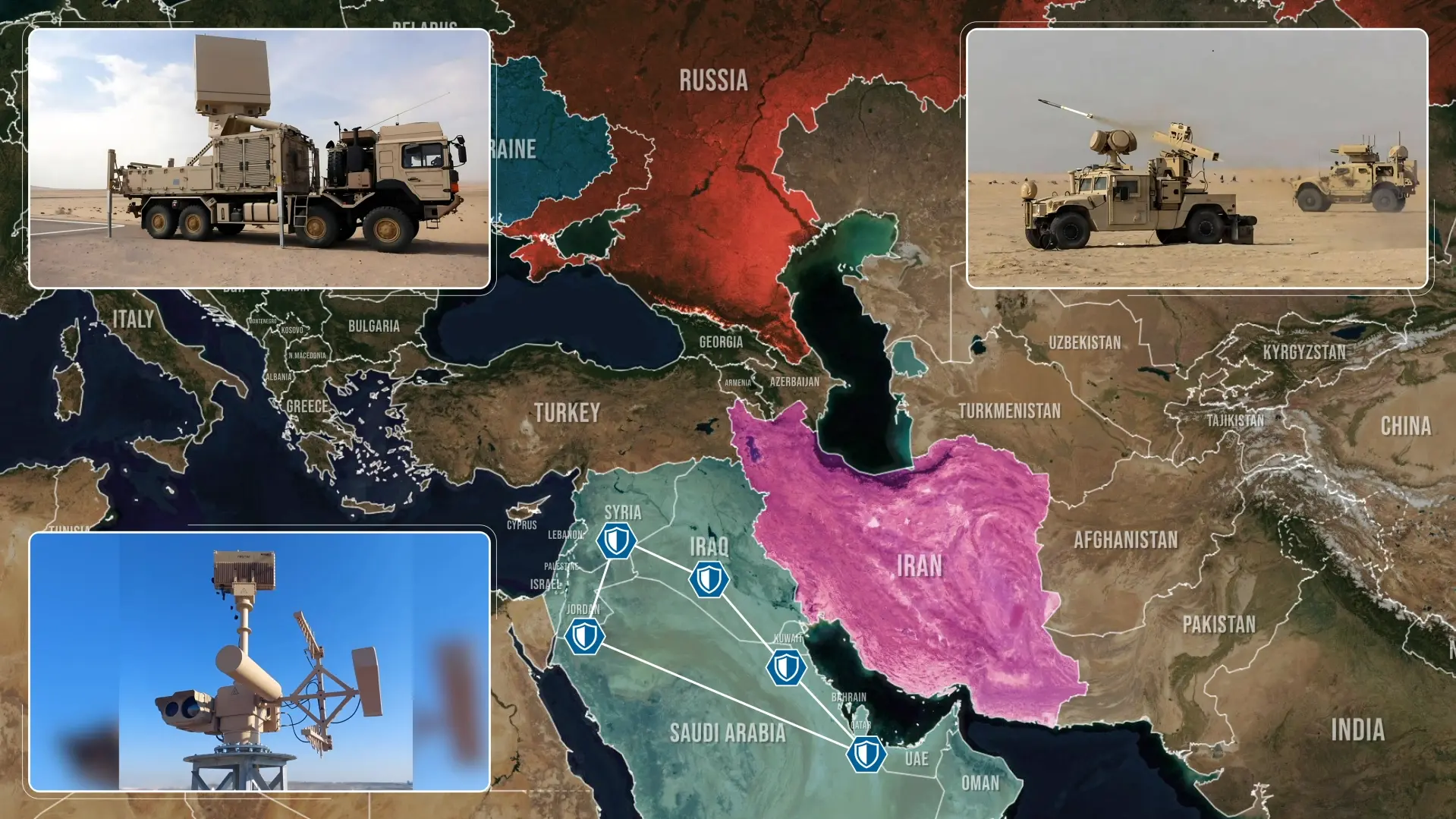
Radar systems play a central role by detecting and tracking targets early, providing the data needed for timely interception, while electronic warfare disrupts hostile signals and makes enemy drones harder to control. These elements are integrated into a layered air defense structure, where each system contributes to a continuous process that tracks, disrupts, and ultimately destroys incoming threats.
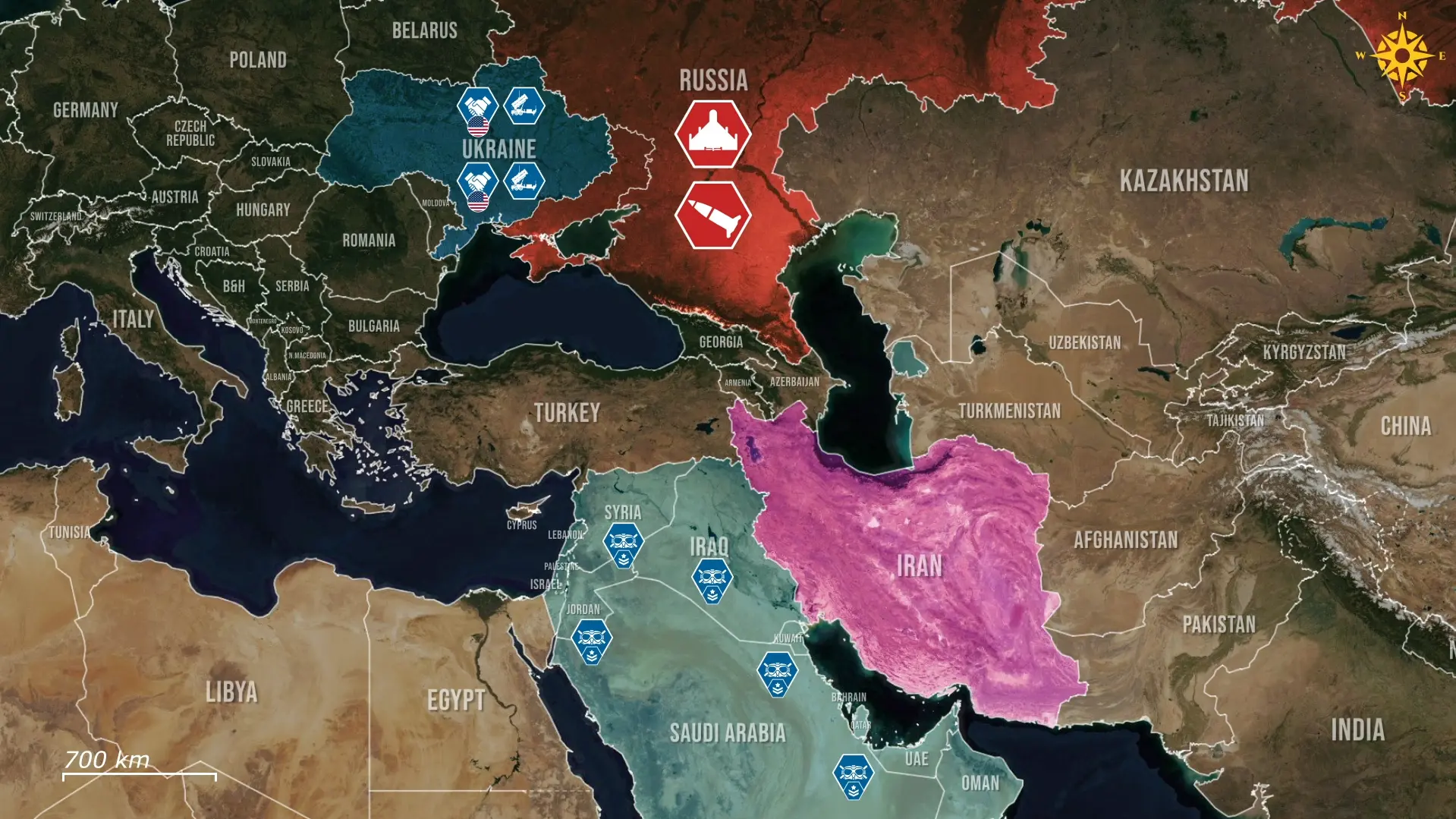
This also highlights that Ukraine is not only supplying systems, but transferring operational knowledge shaped by continuous combat experience. Its role goes beyond supplying equipment, as Ukraine transfers the practical knowledge of how to operate these systems under real combat conditions. This includes tactics, coordination, and decision-making shaped by continuous exposure to drone and missile attacks. Another example is the use of Patriot systems, where Ukrainian crews have adapted them so effectively in combat that even the United States is now learning from their methods, turning Ukraine into a source of operational doctrine.
Overall, this marks the formation of a new security framework built around Ukraine’s battlefield experience. If Gulf funding continues and these partnerships evolve into long-term production and training arrangements, Ukraine will secure sustained financing and stable demand for its defense industry. As Gulf states begin to rely on Ukrainian systems for protection against Iranian threats, their security becomes tied to Ukraine’s capabilities. If this structure continues to develop, Russia will face not only Ukraine on the battlefield, but a wider network whose stability depends on countering its strike.

.jpg)

Comments