

.svg)
Today, there is dangerous news from Moldova.
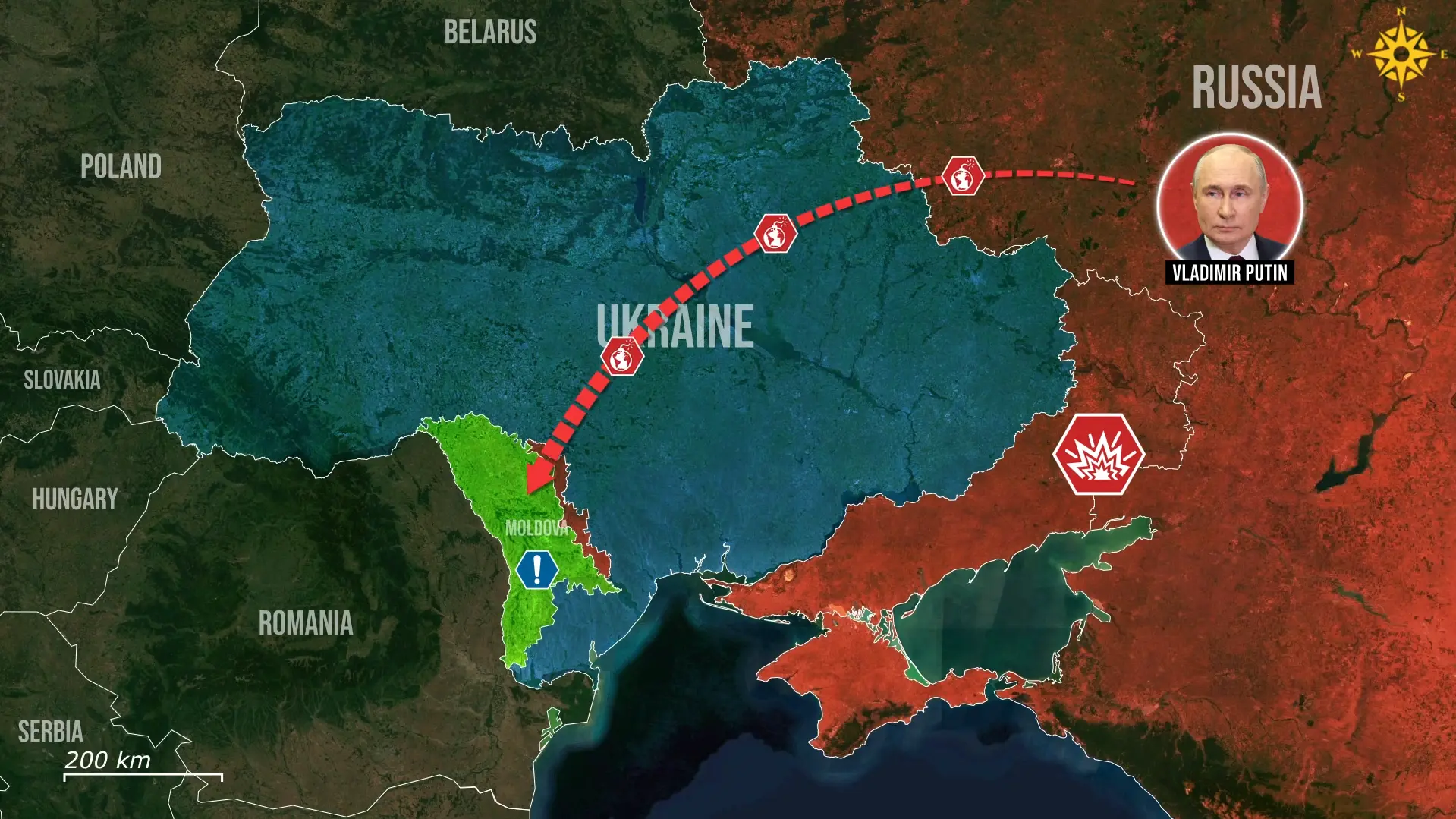
Here, Russia’s war is increasingly spilling beyond Ukraine, and Moldova is becoming one of the most exposed targets. Russia’s current goals are to destabilize the country, but Putin’s attacks on Moldovan territory show what his real plans are.
Overnight, five Russian drones entered Moldovan airspace and exploded on its territory, immediately before the country’s Independence Day. Moldovan authorities recovered drone debris, as this unprecedented attack follows an earlier Russian Banderol cruise missile strike and other Shahed incursions. The timing before Independence Day carries a clear threat for Moldovans already facing sustained Russian pressure. Moscow’s actions are a message that Moldovan independence and the country's Western orientation will continue to carry consequences.
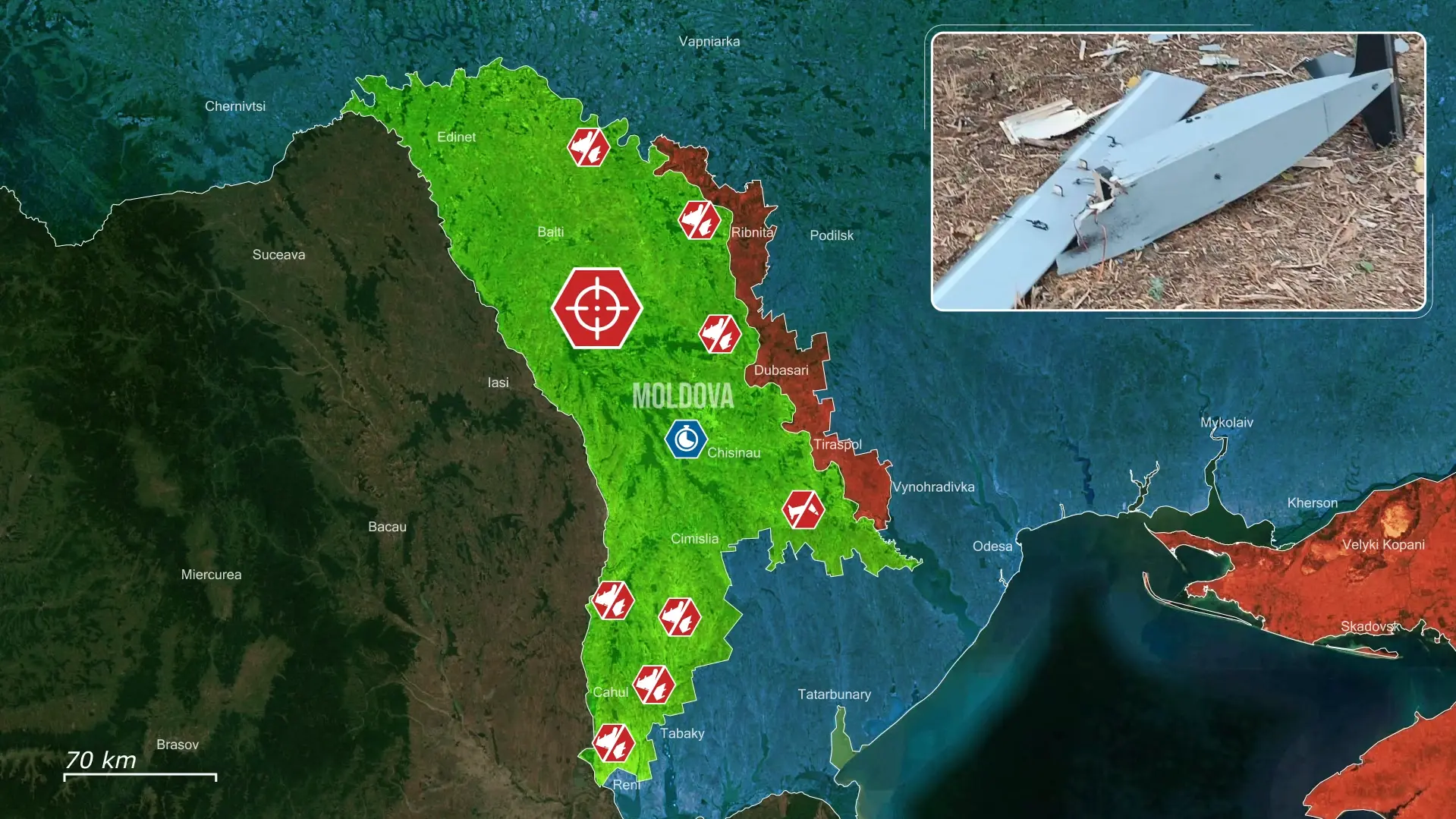
The Russian command also intensified strikes around crossings connecting southwestern Ukraine with Moldova, after Russian analysts increasingly argued that defeating Ukraine requires attacking the logistical system extending beyond its borders. As a result, border crossings in Reni, Tabaky and Vynohradivka were struck in the last days and subsequently closed. Russia had previously attacked the Mayaky bridge while attempting to complicate access toward other crossings. Combined with Russian attacks that have made Black Sea shipping increasingly dangerous, the pattern threatens both to cut off Ukraine from Moldova and to isolate the Odesa Region logistically.
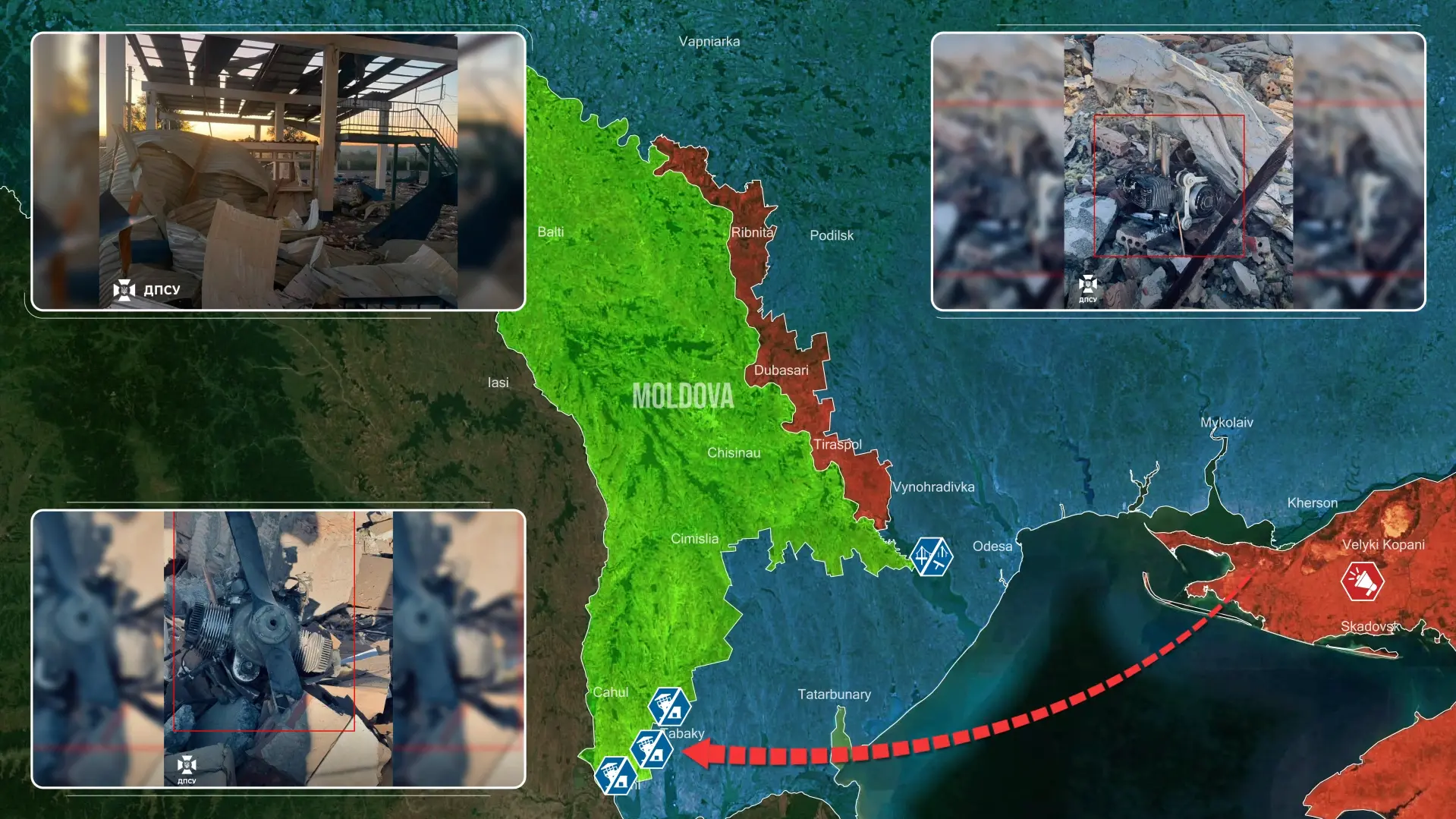
By closing one crossing, Russia aims to redirect trucks toward another, creating queues, higher fuel consumption, insurance costs, and delays. Vital Ukrainian military imports, including fuel, weapon systems, and munitions, are slowed down, with logistics becoming more expensive. Ukrainian agricultural exporters operating on thin margins suffer particularly badly, which also puts frontline operations under pressure as Ukraine needs a strong economy to sustain its war effort. Russia can therefore damage Ukraine both militarily and economically simply by making every logistical route uncertain.

At the same time, Moldova itself is also under pressure, as Western intelligence officials have described an extensive Russian destabilization campaign involving training programs linked to Russian military intelligence, political interference, disinformation, and enormous vote-buying operations. Moldova’s pro-European government represents precisely the geopolitical trajectory Moscow wants reversed, and the Russian-controlled Transnistria makes the situation especially dangerous because Russian troops are already stationed inside the separatist territory within Moldova.
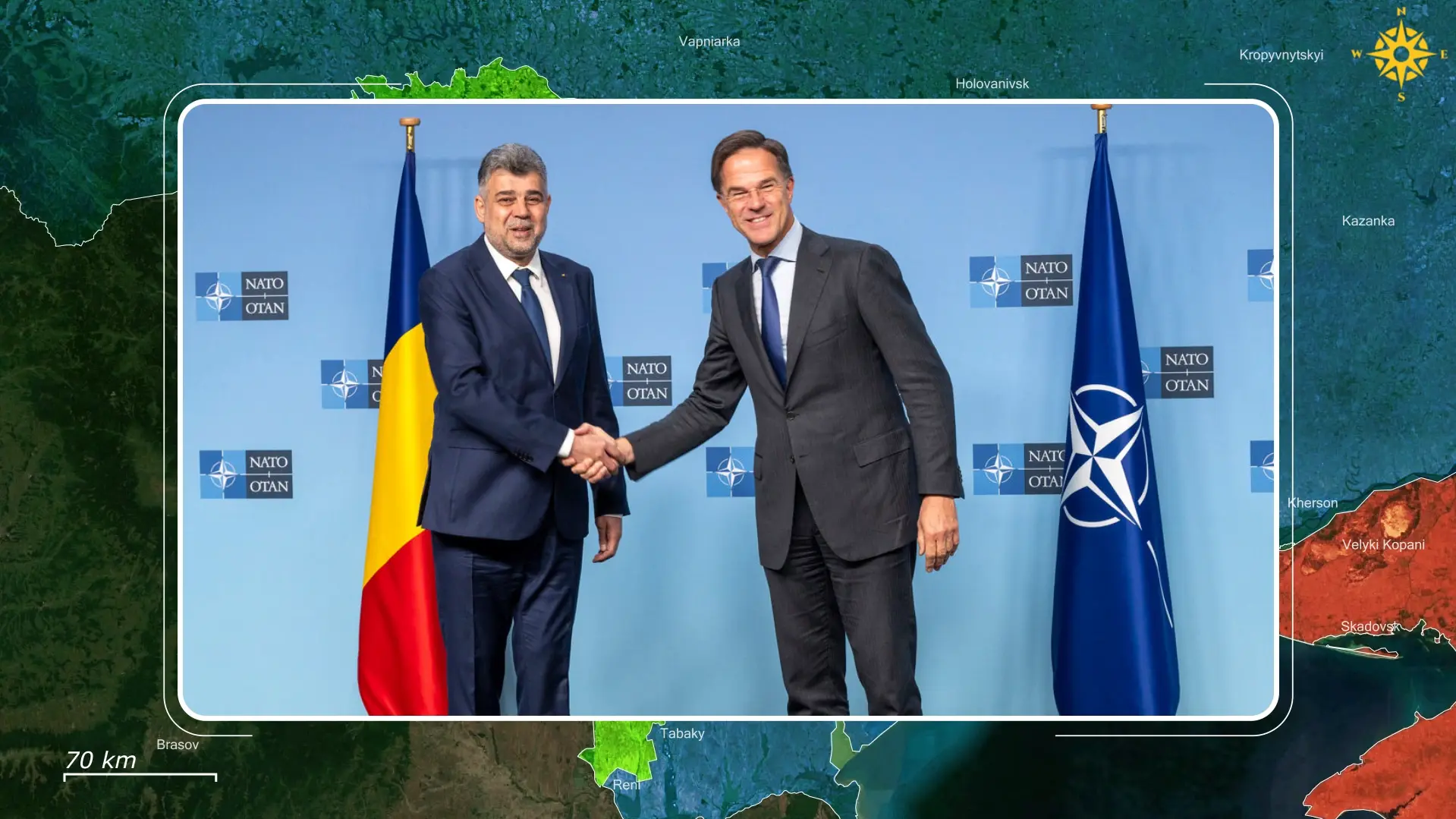
Moldova is particularly vulnerable because it belongs to neither Nato nor the European Union, so unlike neighboring Romania, it has no Article 5 guarantee to receive help in case of an open Russian attack. Its comparatively small armed forces and constitutional neutrality provide limited deterrence, while Russia can apply pressure through drones, energy, cyber operations, political interference, and Transnistria without immediately confronting Nato.
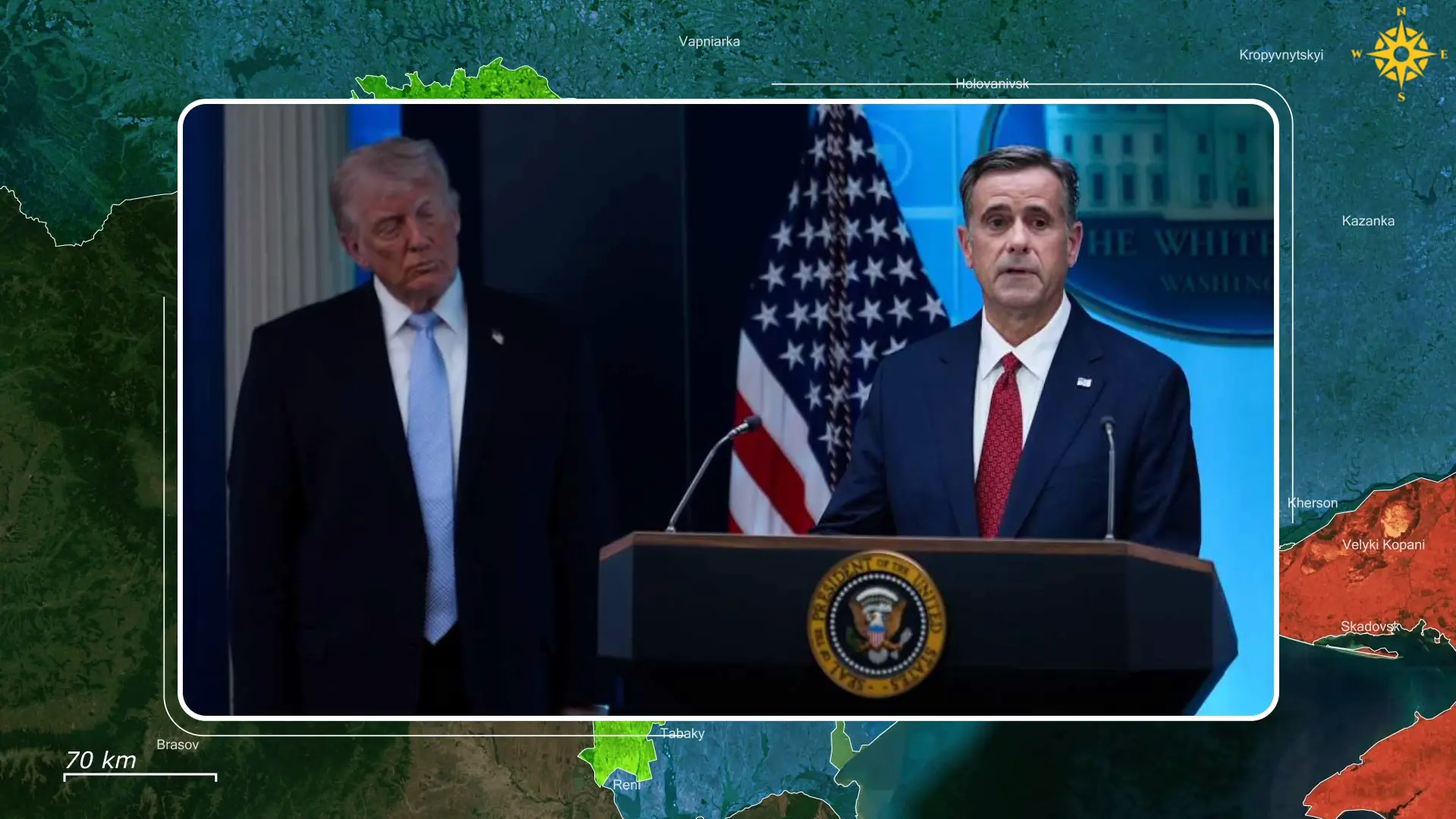
This vulnerability prompted recent Western diplomacy, as Cia director John Ratcliffe reportedly made an unannounced visit to Moscow on August Twenty-Fifth and held discussions with Russian intelligence officials and Putin amid concerns about escalation. However, the subsequent Russian drone incursions into Moldova were a direct and clear response to his visit that illustrates the central problem. While Western governments seek to prevent the war from expanding, Russia continues testing boundaries around vulnerable neighboring states. Five drones entering Moldovan airspace therefore matter more, because combined with Russian attacks against Ukrainian-Moldovan border infrastructure and Moscow’s continuing interference inside Moldova, they demonstrate how Russia is ready to spill the war beyond Ukraine.
Overall, Moldova can serve two purposes simultaneously for Putin by disrupting Ukrainian logistics today while preserving another pressure point for tomorrow. Russia has not opened a conventional war against Moldova, but repeated airspace violations make the trajectory increasingly dangerous. If Moscow continues escalating while pursuing territorial ambitions toward southern Ukraine and Transnistria, Moldova could become the next major confrontation point, following the example set by Russia in two-thousands-fourteen in Donbas, which can be used in Moldova to bring Russian military pressure dangerously closer to Nato’s border.

.jpg)

Comments