

.svg)
Today, there is worrying news from Africa.
Here, Russia started massively supplying weapons to Madagascar, stating on the surface that they just sought to maintain positive ties with friendly countries. However, the head of Russia’s clandestine operations unit himself was put in charge of personally overseeing its delivery, indicating that Russia’s intentions go much deeper than one might think.
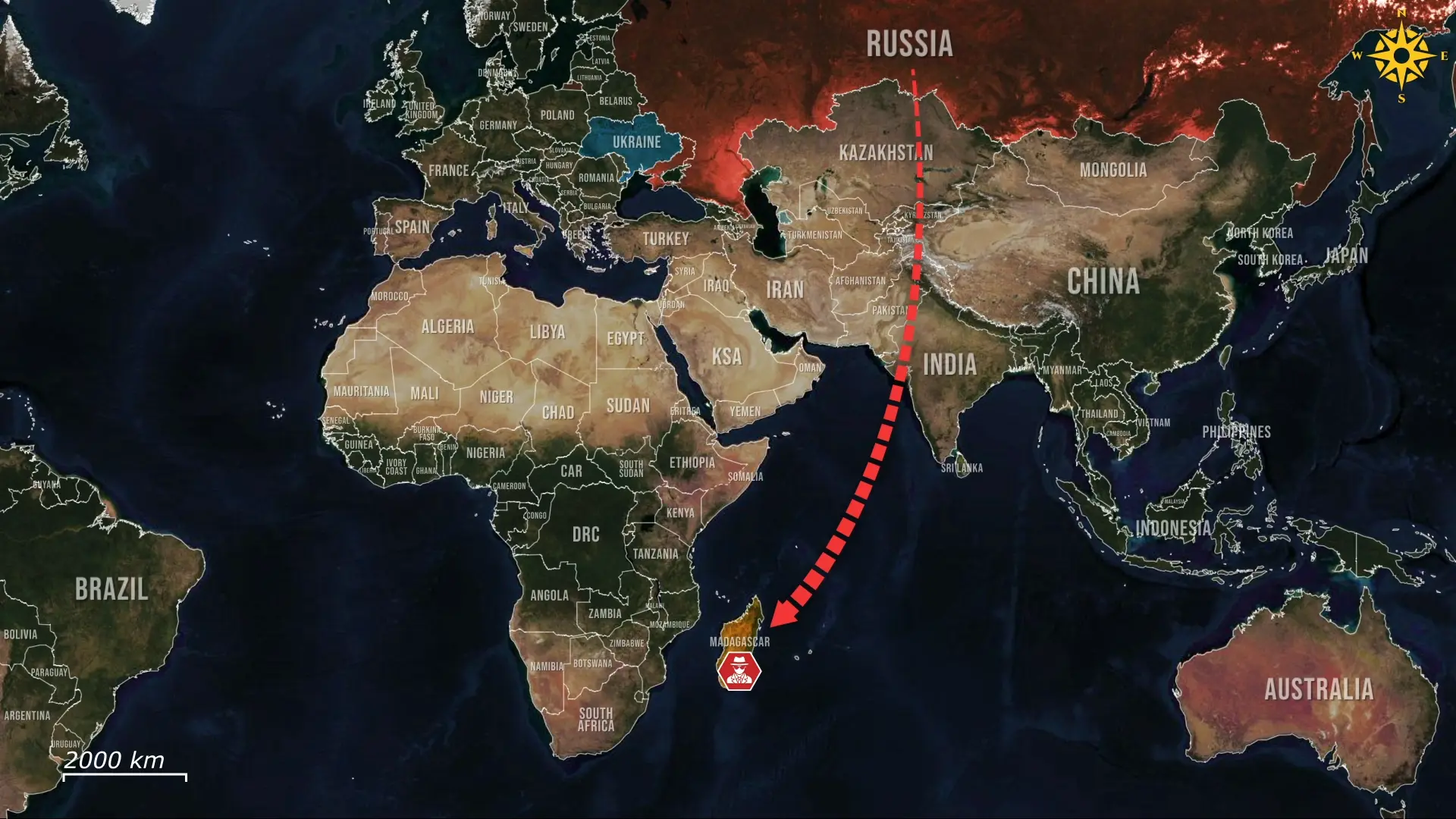
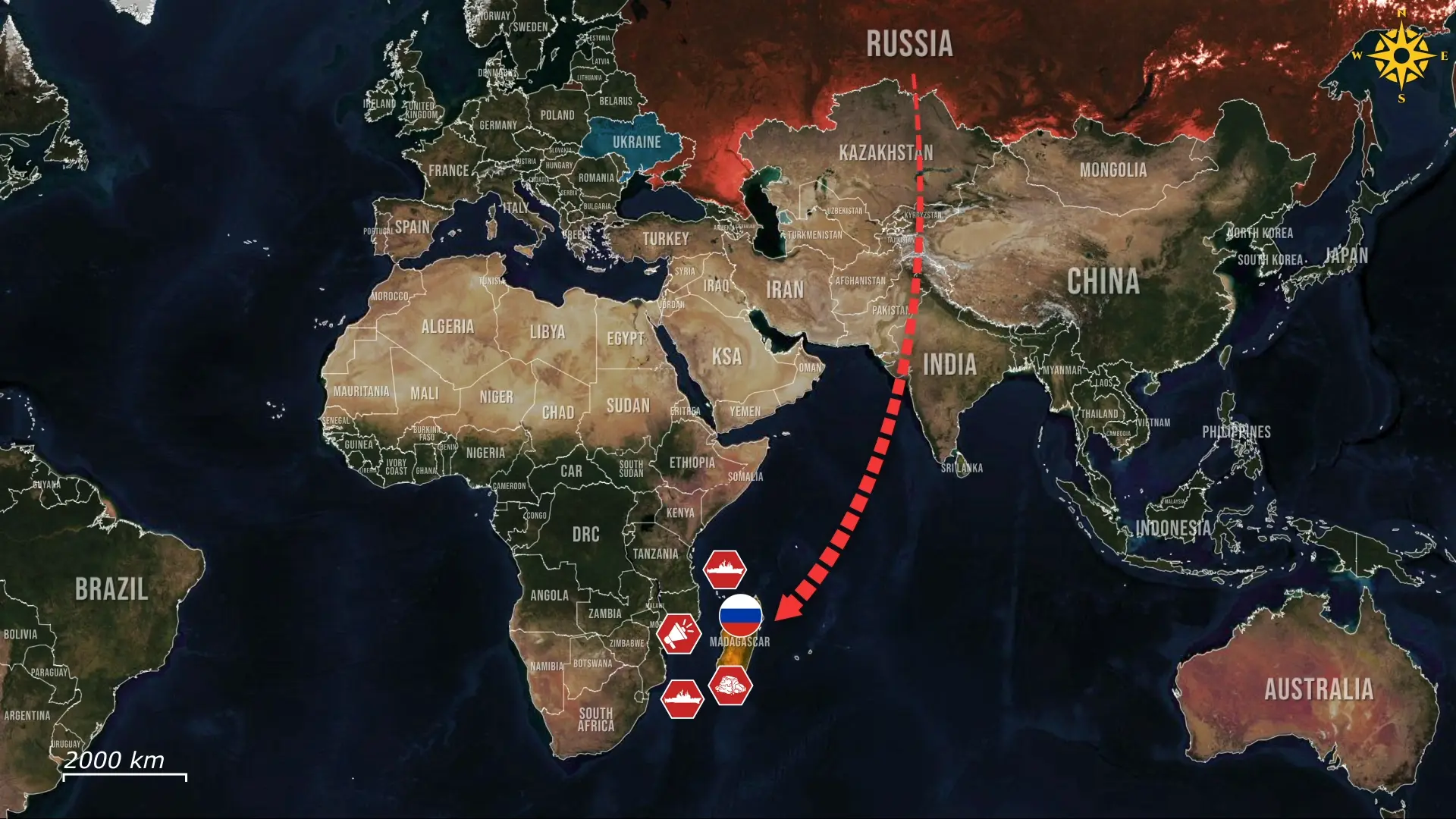
Bloomberg reports that Russia initiated arms deliveries to Madagascar’s military-led government. On December 20, a Russian Air Force aircraft reportedly landed near Antananarivo carrying 40 Russian military personnel and 43 crates of weapons. The shipment was described as military equipment intended to strengthen the operational capabilities of Madagascar’s armed forces. Although such deliveries are consistent with Russia’s broader activities in Africa, the operation is notable because the deputy head of the GRU, the commander of the notorious unit 29-1-55, was tasked to represent Russia and personally hand over the weapon crates, indicating a much higher level of strategic involvement than would seem on the surface.
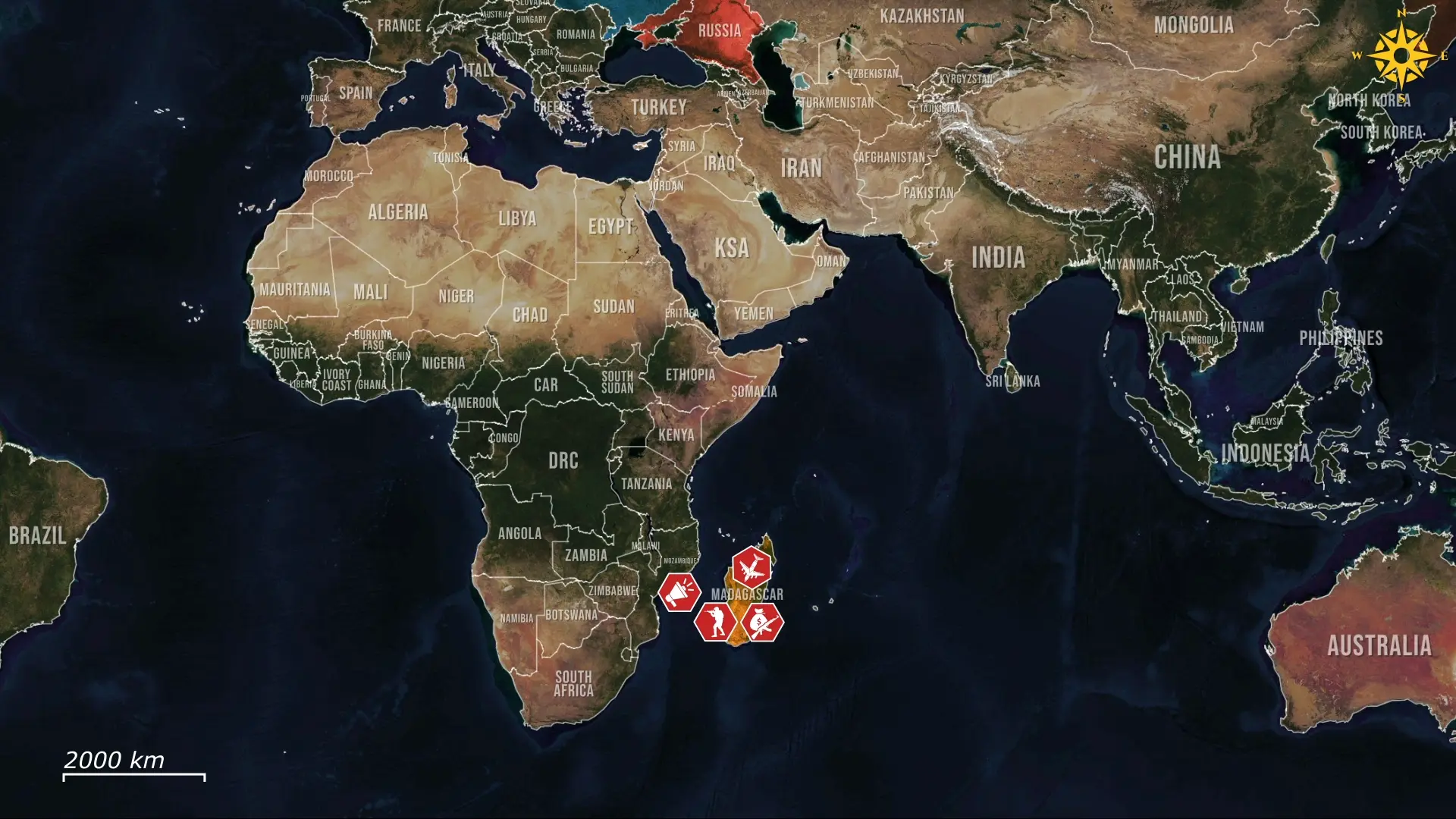
Unit 29-1-55 is a covert GRU Russian military intelligence formation tasked with conducting clandestine offensive operations abroad, predominantly linked to assassinations and activities intended to destabilize European states. The unit is commanded by Major General Andrey Vladimirovich Averyanov, who has notably assumed effective control over former Wagner Group operations in Africa after the mercenary group fell out of favor.
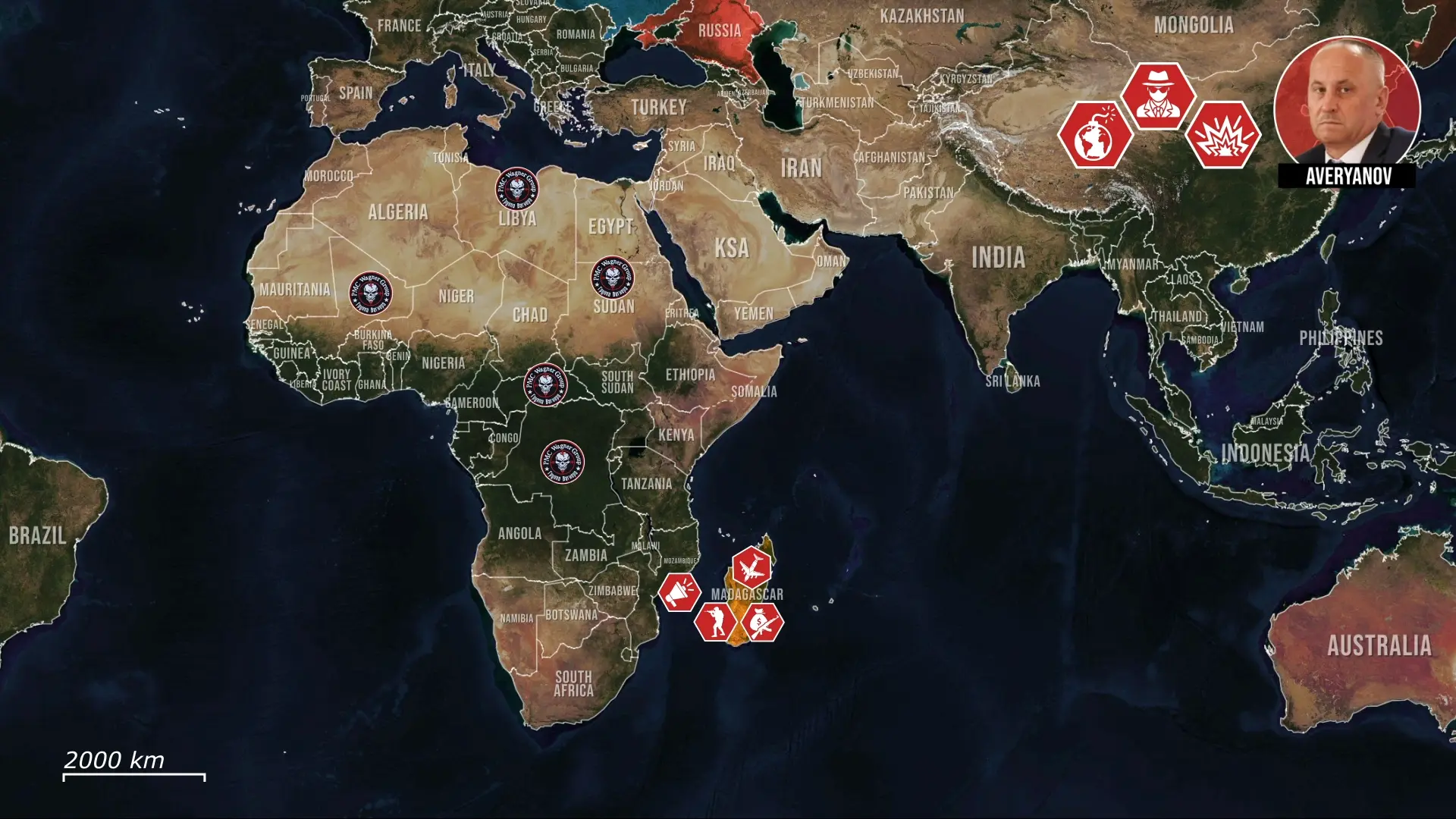
Russia’s stated objective in Madagascar is to provide training to the military junta’s forces and pursue intergovernmental cooperation. The layer beneath this surface narrative, however, is revealed by Averyanov’s presence. Russia’s real goal is to cultivate a loyal partner in the strategically significant Indian Ocean region, expand its diplomatic leverage, and erode traditional Western footholds.
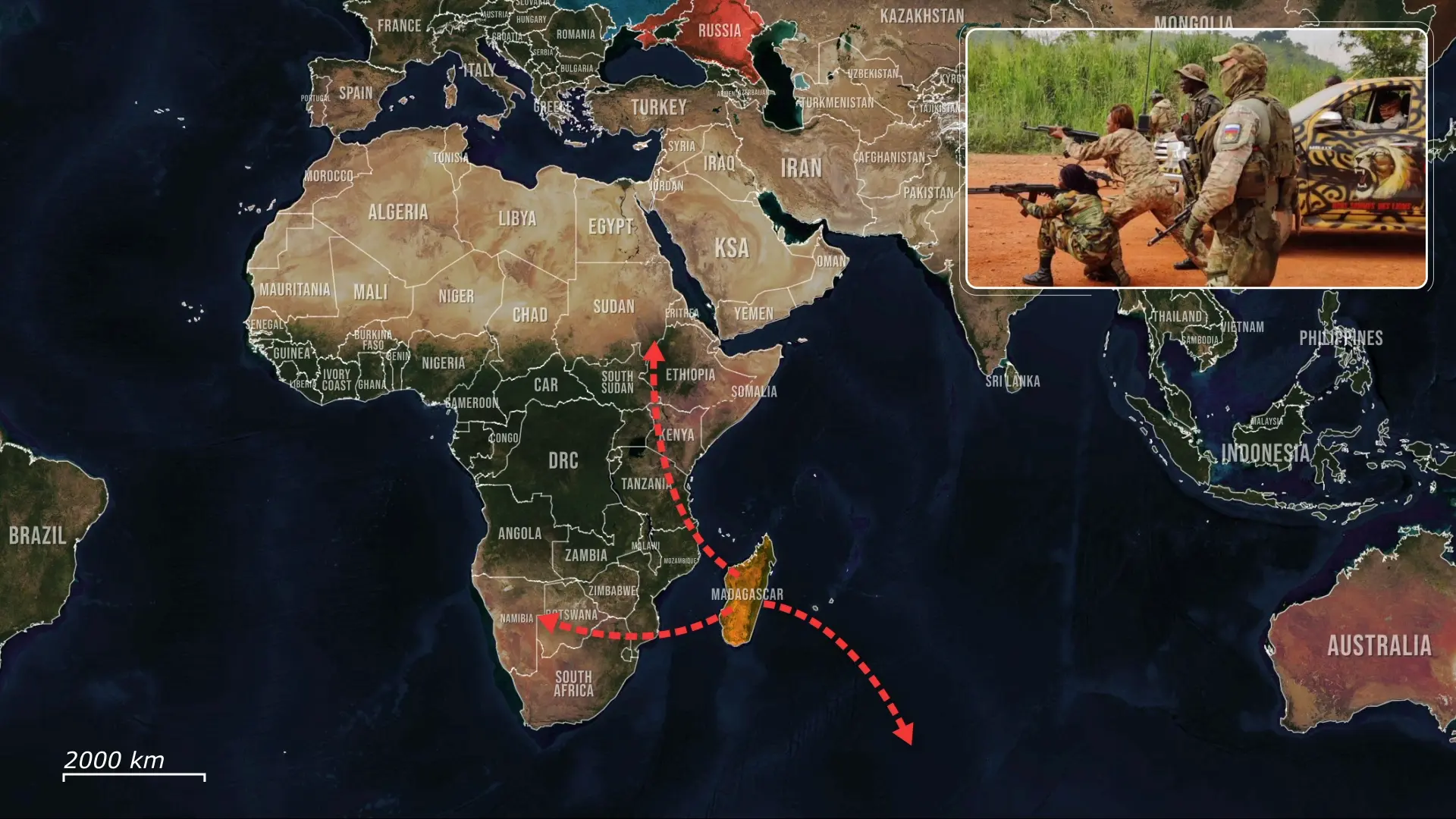
Madagascar’s position in the Indian Ocean grants it notable geopolitical importance for its sea trade lanes and broader regional dynamics. Notably, all east-to-west maritime trade goes through the Suez Canal or around Africa. When the Suez Canal is inaccessible due to conflict or other disruptions, most, if not all, maritime traffic diverts around the Cape of Good Hope, transiting along Africa’s eastern coast and through the Mozambique Channel between Mozambique and Madagascar.
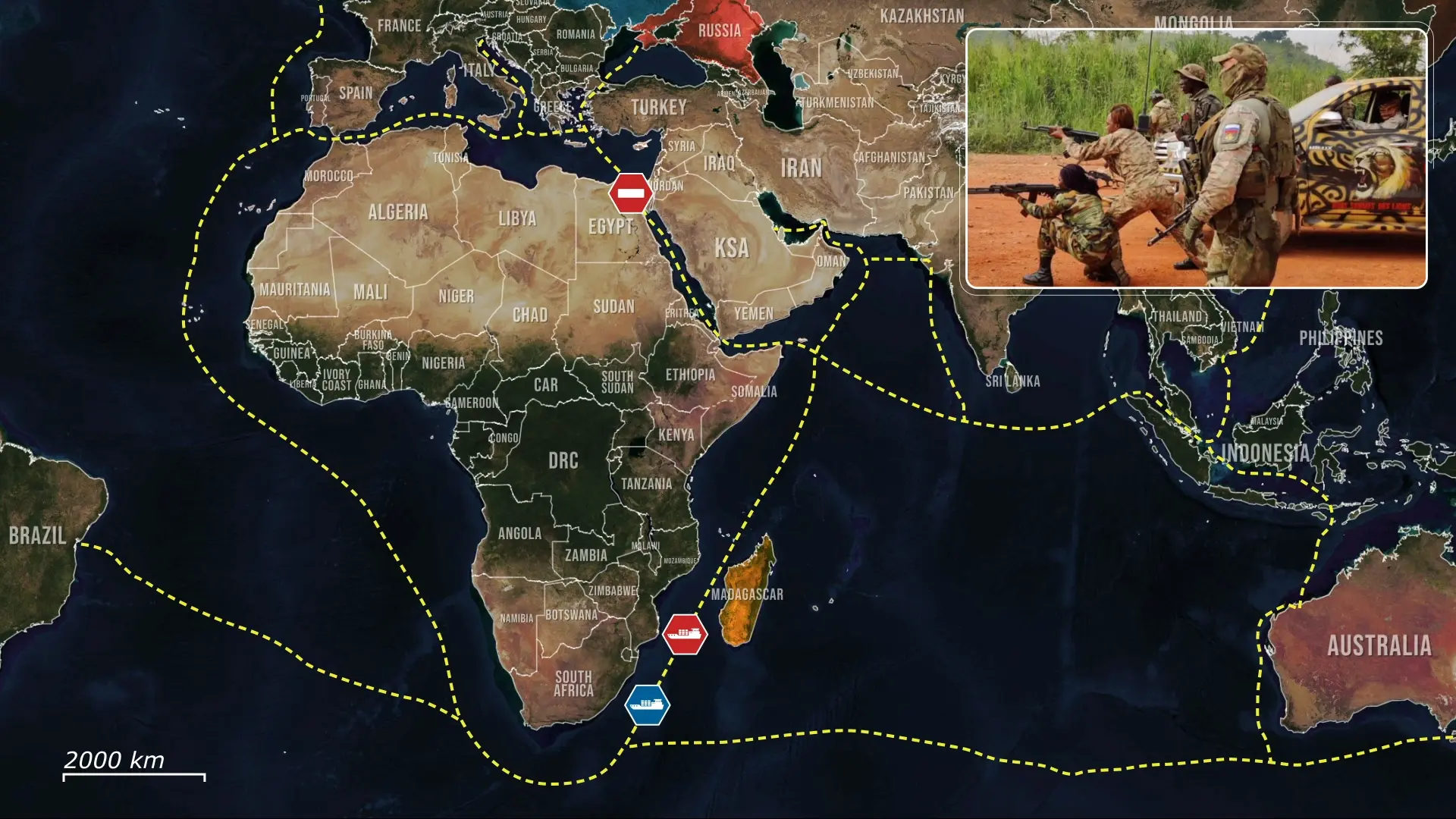
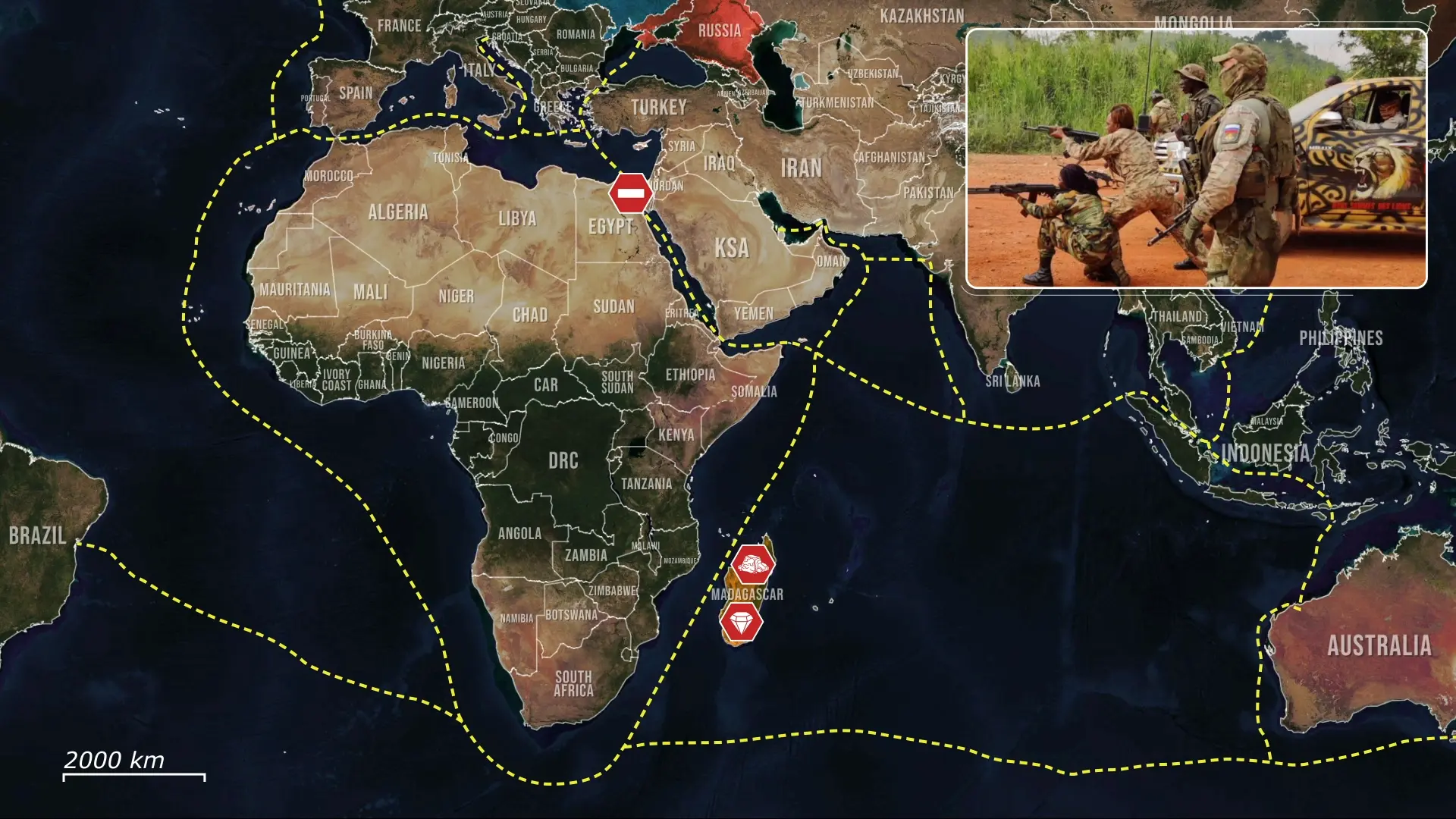
An additional prize for Russia is Madagascar’s significant natural resources, including graphite, where the country ranks among the world’s leading producers, as well as nickel, cobalt, rare earth elements, and precious stones such as sapphires, rubies, and other gemstones.
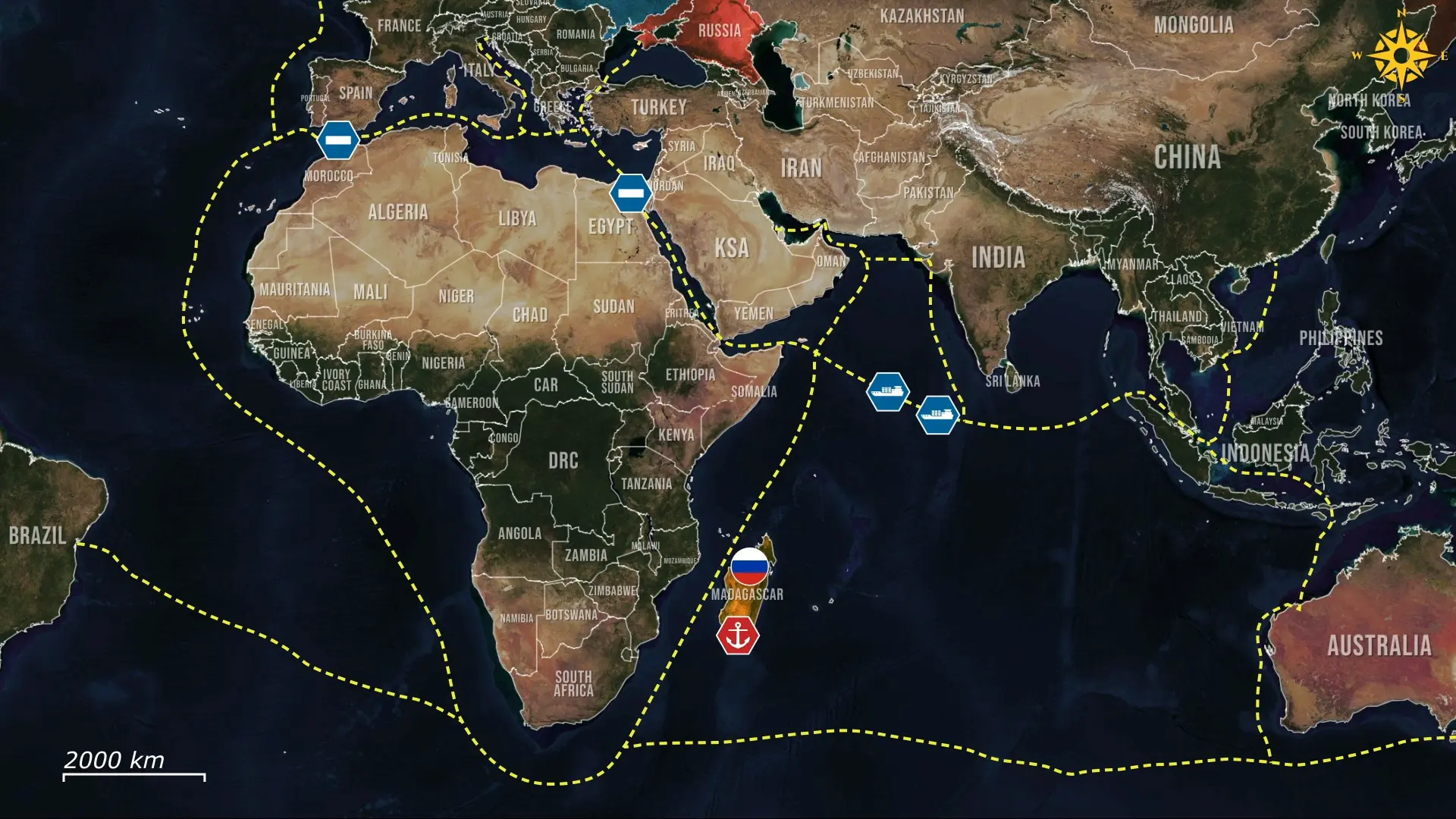
These developments could pose strategic challenges for Western states should Russia gain the upper hand in the recently turbulent country. Primarily, Russia aims to expand its influence to safeguard its own trade routes, including those used by its shadow fleet vessels. If Ukraine or its western allies manage to continue their campaign and effectively block sea trade routes through the Mediterranean, Russia would require safe passage and friendly ports along an alternative trade route that would form near Madagascar.
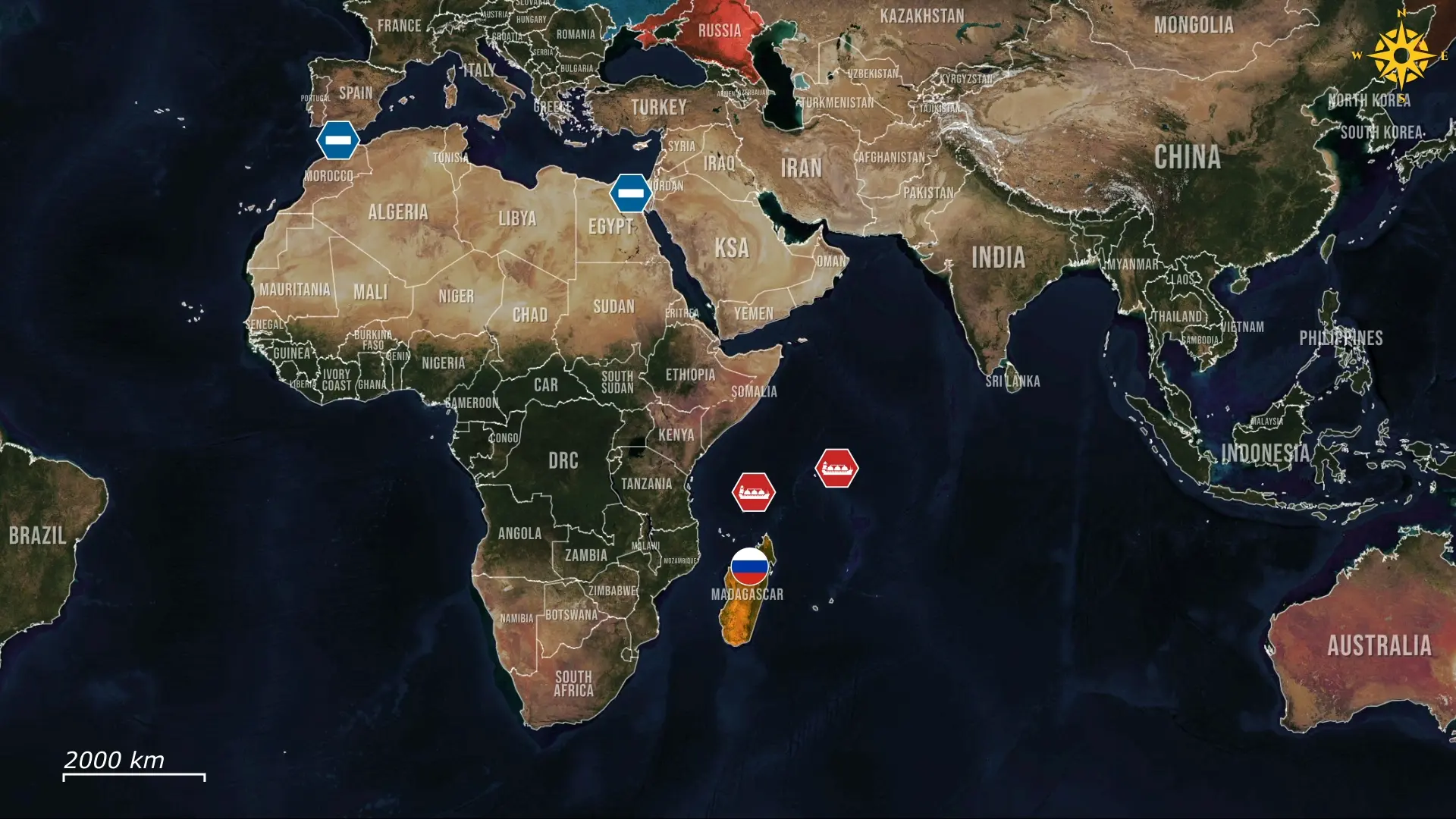
It’s important to understand that should Russia push Madagascar over the tipping point, it would create the long-term potential to exert leverage over the trade routes of other states. Madagascar would enable Russia to have leverage over Western rivals, controlling half of the trade between Europe and Asia.
Following Gen-Z protests in October, the military junta has pledged to hold elections and take a non-aligned status in world politics. Western powers and the African Union have halted cooperation with Madagascar, pending the validity of the country’s return to democracy. As such, Russia is taking advantage of its indifferent stance on its allies’ democracy and gaining a head start in the race to secure its position, and the powerful influence it can project from the recently turbulent country.
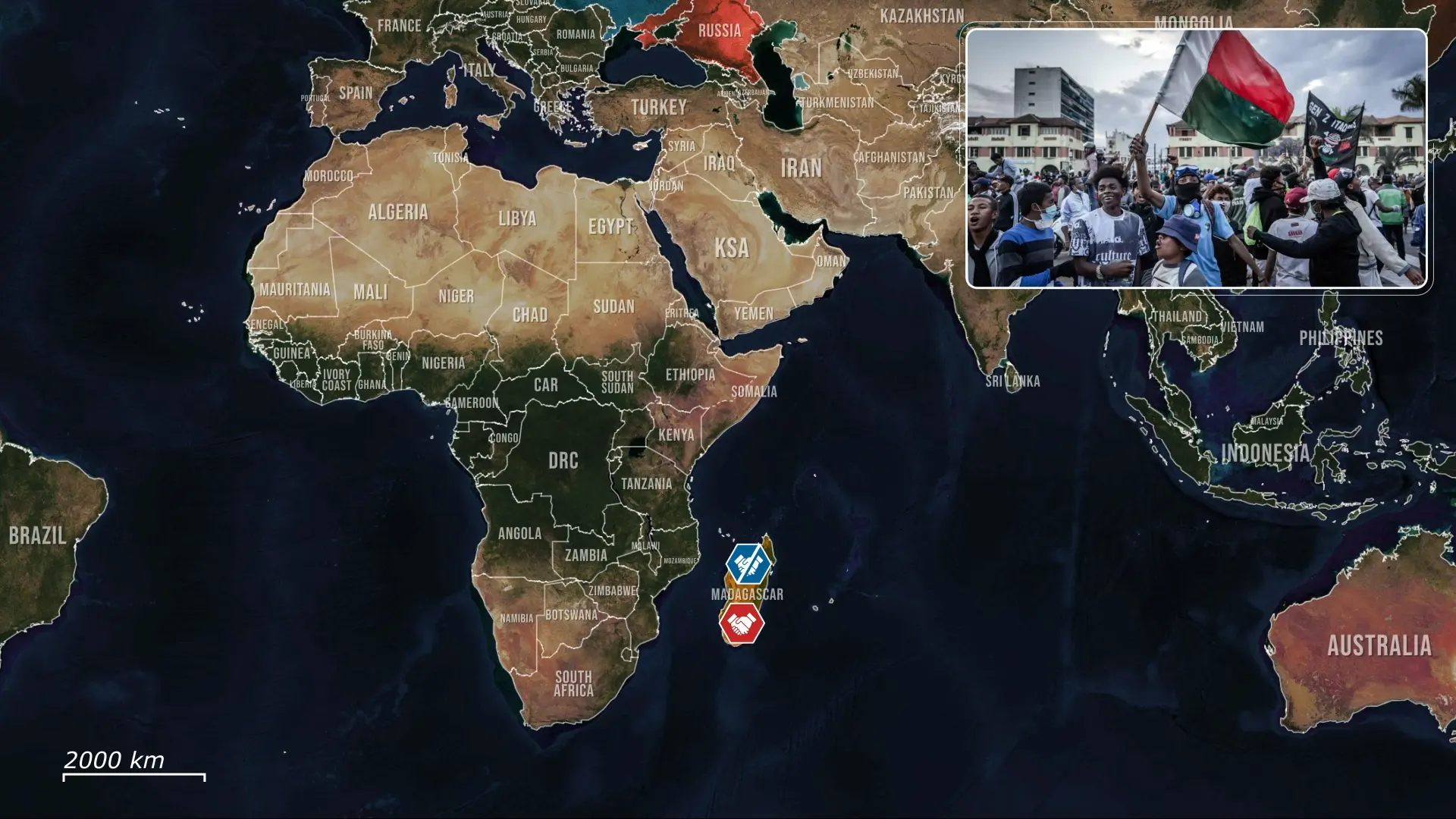
Overall, Madagascar is another part of the African continent, where Russian operations are ongoing to carve out their sphere of influence and deny access to Western powers. Russia’s usual playbook of arms deliveries and security to gain influence is in play in Madagascar as well. The military junta finds an ally in Russia, regardless of the return of democratic practices, in exchange for natural resources, secure trading routes, and a potential military staging ground on the island. Through Madagascar, Russia aims to enhance its image as a security guarantor and a reliable partner for other regimes, looking for new friends as its historical soviet allies are turning away.
.jpg)

Comments