

.svg)
Today, there are interesting developments in Eastern Europe.
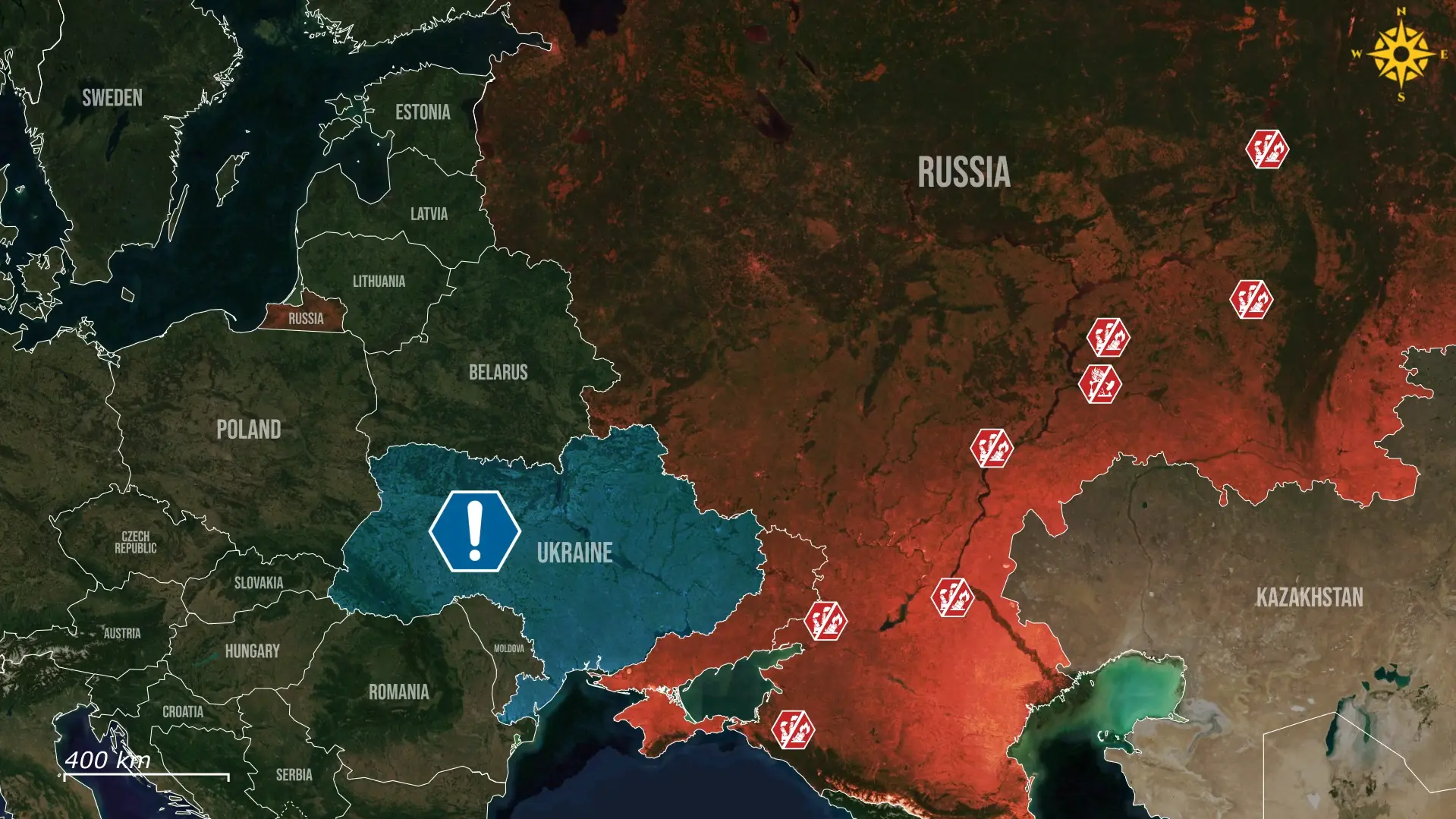
Here, Russia has been targeting the countries with escalating drone incursions into their airspace. However, Europe had had enough, and now Russia is forced to face a hard response for its reckless actions.
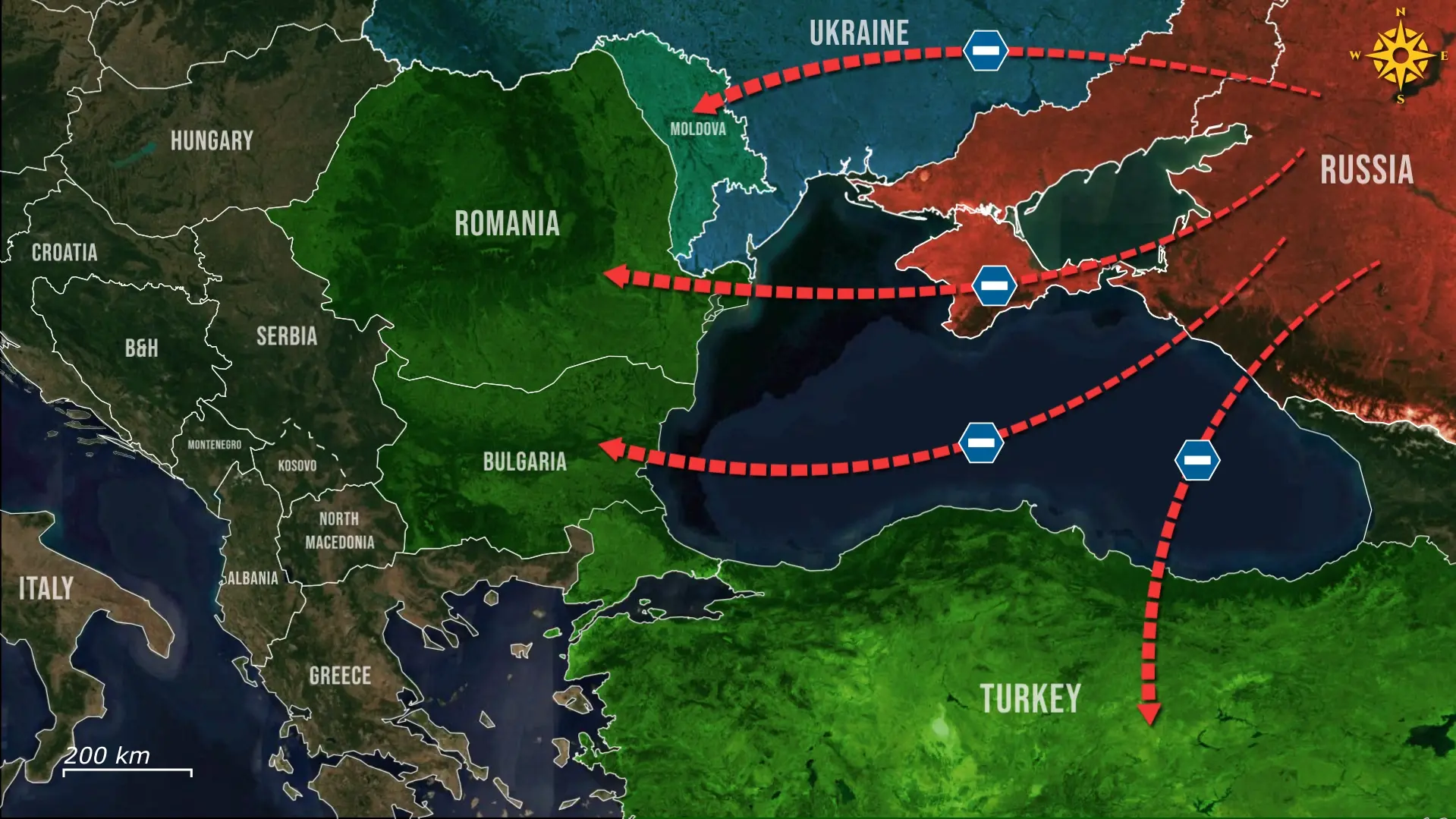
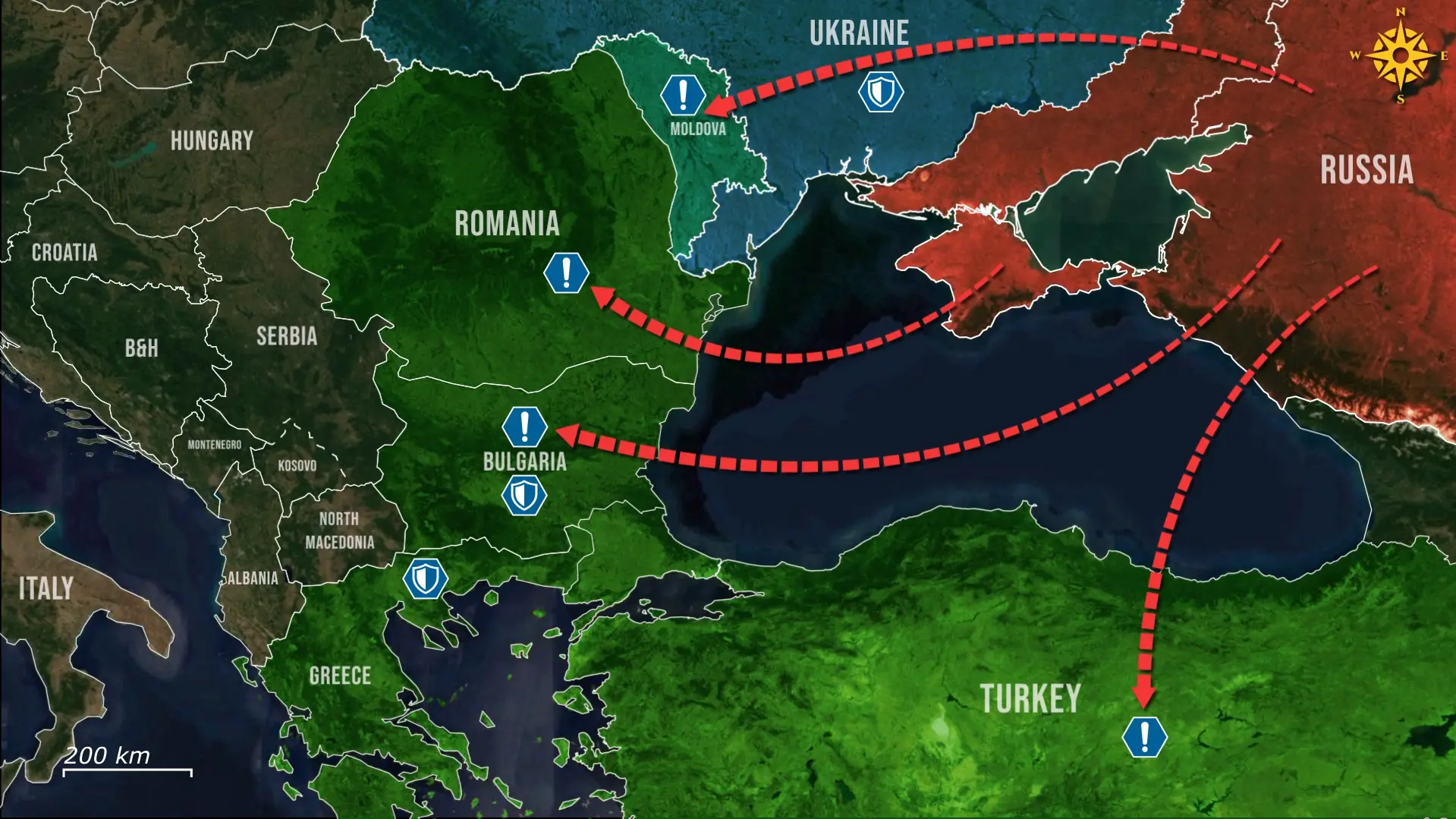
Recently, Russia has sent drones repeatedly into the surrounding countries of Ukraine, causing a large-scale regional havoc. The Russian strikes on Ukraine are increasingly spilling over into Nato countries and partner territories. Notably, some Russian drones miss their targets in Ukraine and crash or fly over Nato countries, which forced them to look for measures to finally put an end to this.
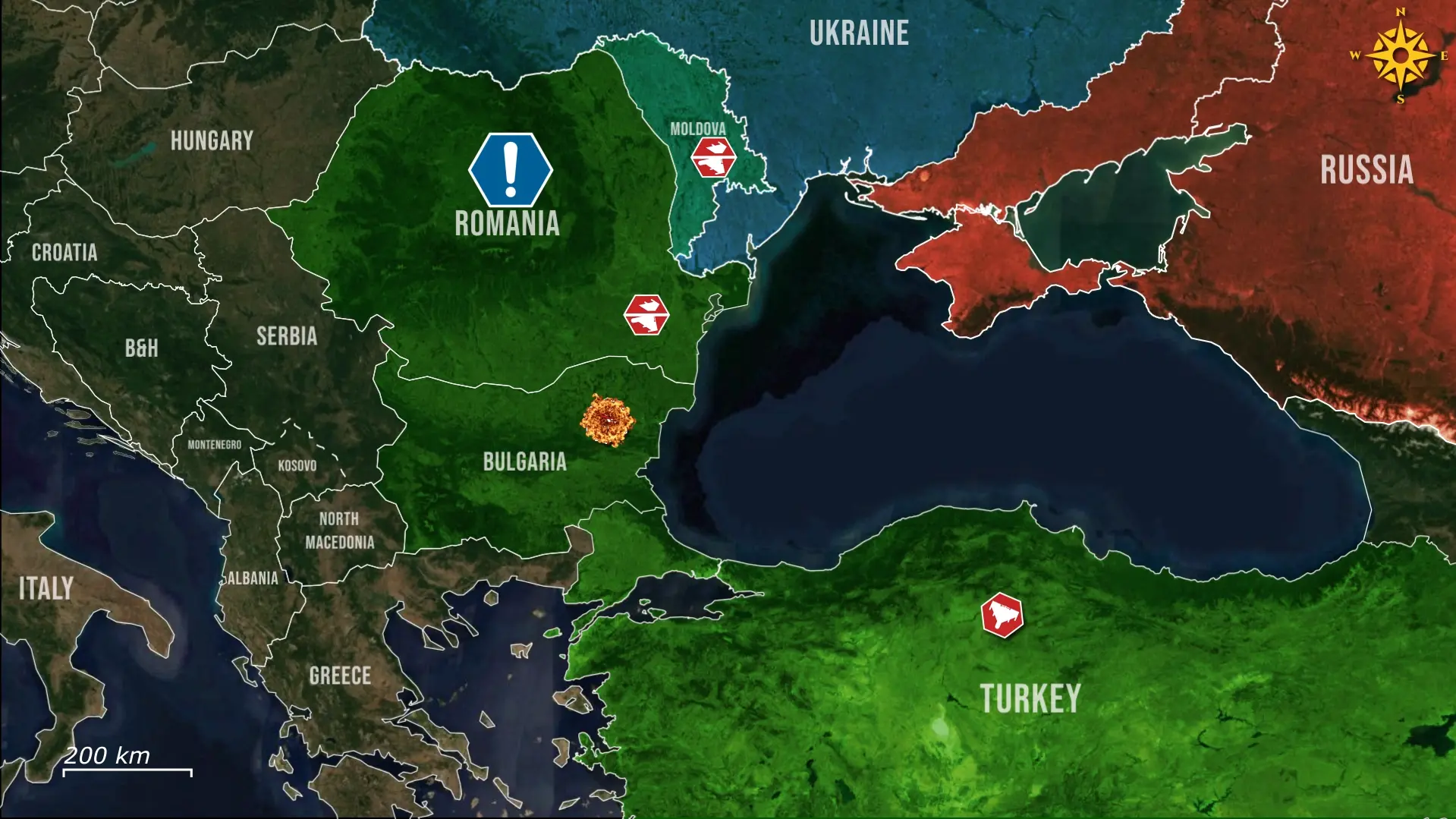
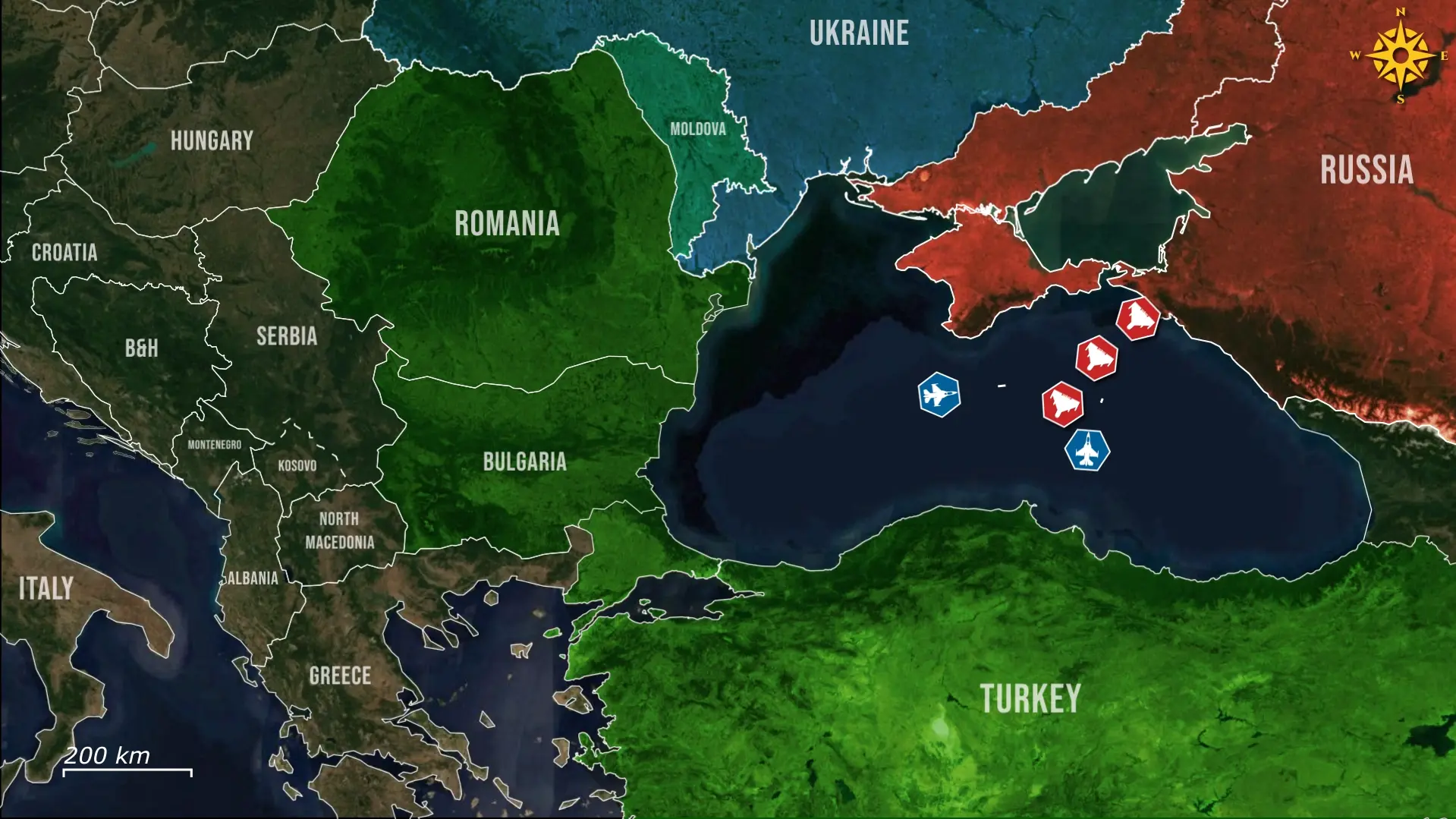
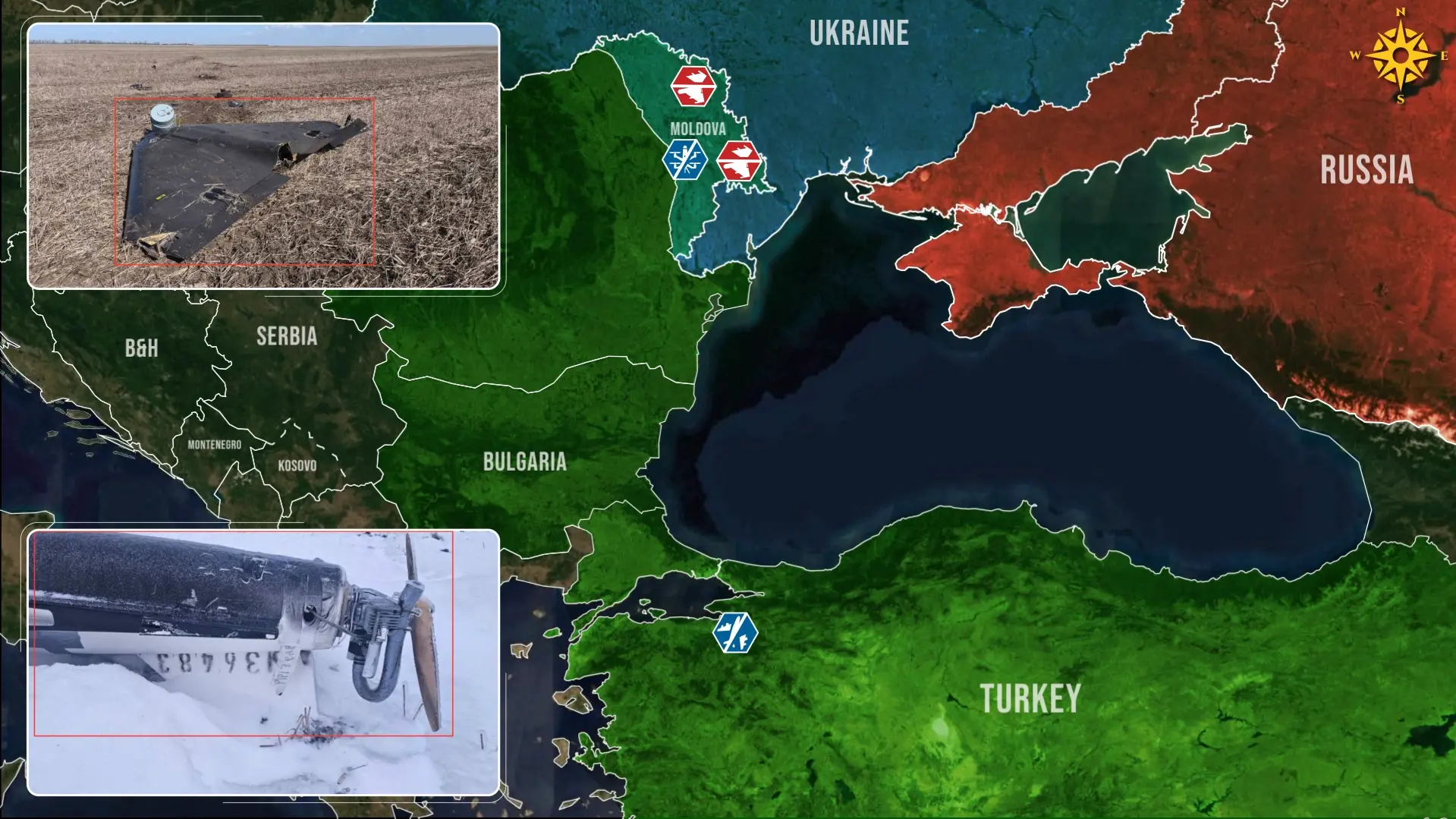
The most serious incident happened in Turkey, where Turkish F-Sixteen fighter jets were deployed to intercept Shahed drones approaching its airspace.
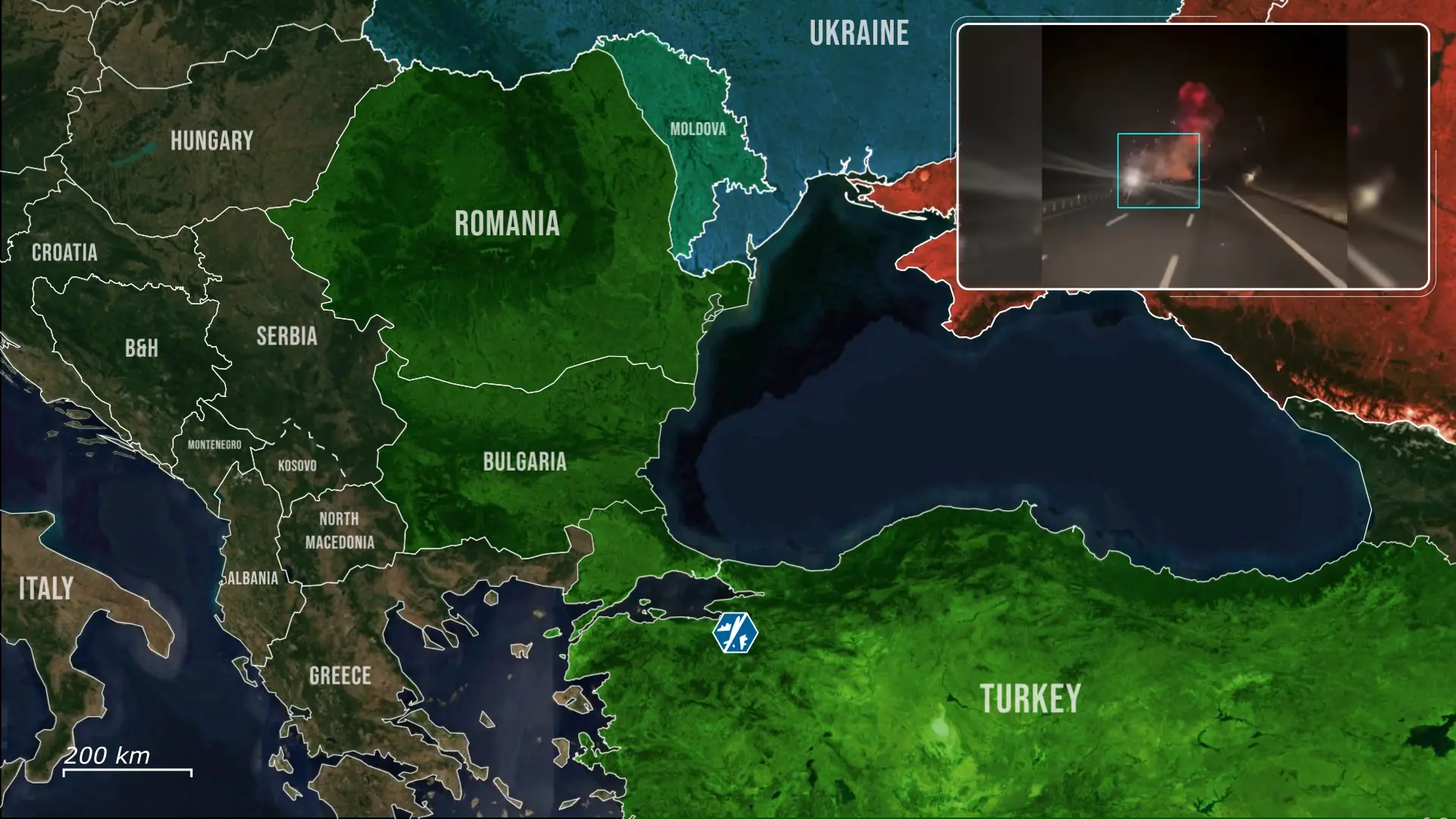
Shortly afterward, one of these aircraft crashed on the Istanbul-Izmir highway after contact was lost with the pilot, who had taken off from a base in western Turkey.
Another incursion involved a Shahed drone, which crashed in Moldova in a field, approximately five hundred meters from the Ukrainian border, highlight a continuing pattern of drones entering Ukrainian airspace via Moldova to conduct attacks from an unexpected direction. In a separate case, another downed drone was discovered, marking the third such event in Moldova since the beginning of the year, suggesting that Russian forces are continuing to exploit the country’s lack of anti-drone capabilities.
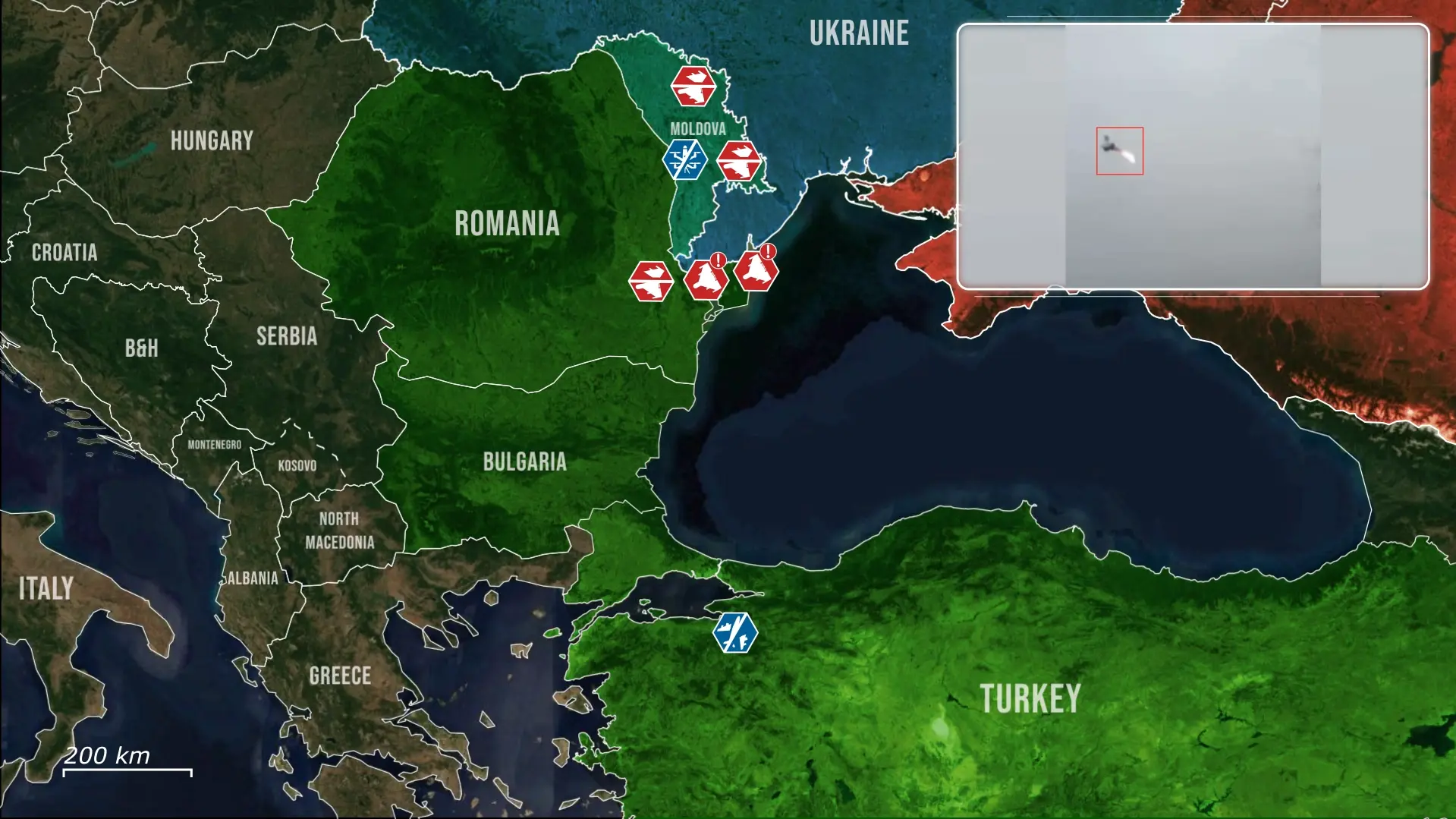
More violations involved a Russian drone that crashed in Romania near the Ukrainian border, as reported by the Romanian Ministry of Defense, while footage captured the moment another Russian Shahed drone was shot down over the Danube during a morning attack in the southern part of the Odesa region. These attacks pose a serious risk to Romania because Russian drones often miss their targets in the Danube Delta and fly into Romanian airspace, putting Nato territory at risk.
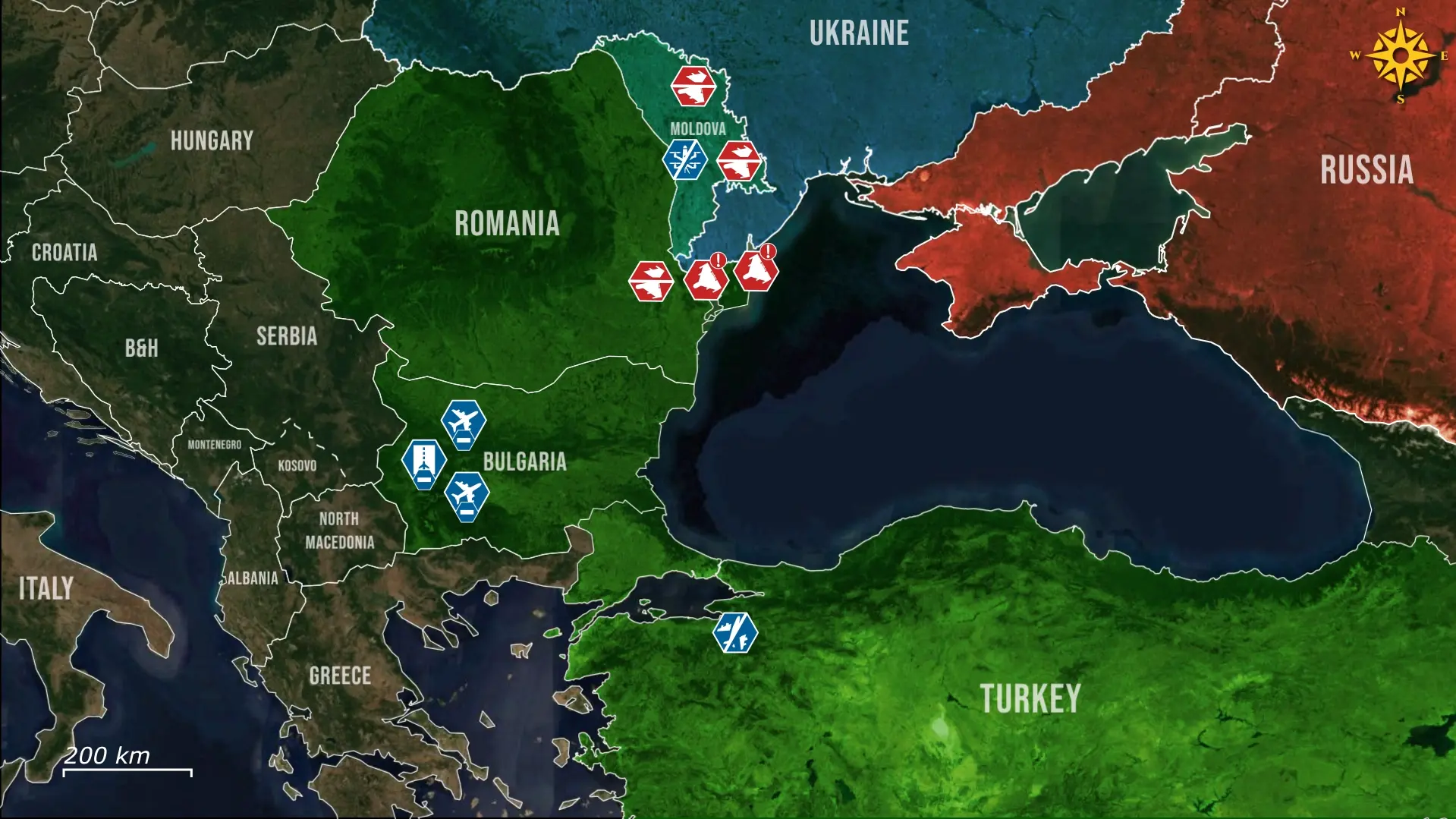
The airspace over the Bulgarian capital Sofia was temporarily closed after a drone was detected within a flight corridor. The disruption forced dozens of flights to divert to alternate airports or remain in holding patterns, affecting thousands of passengers.
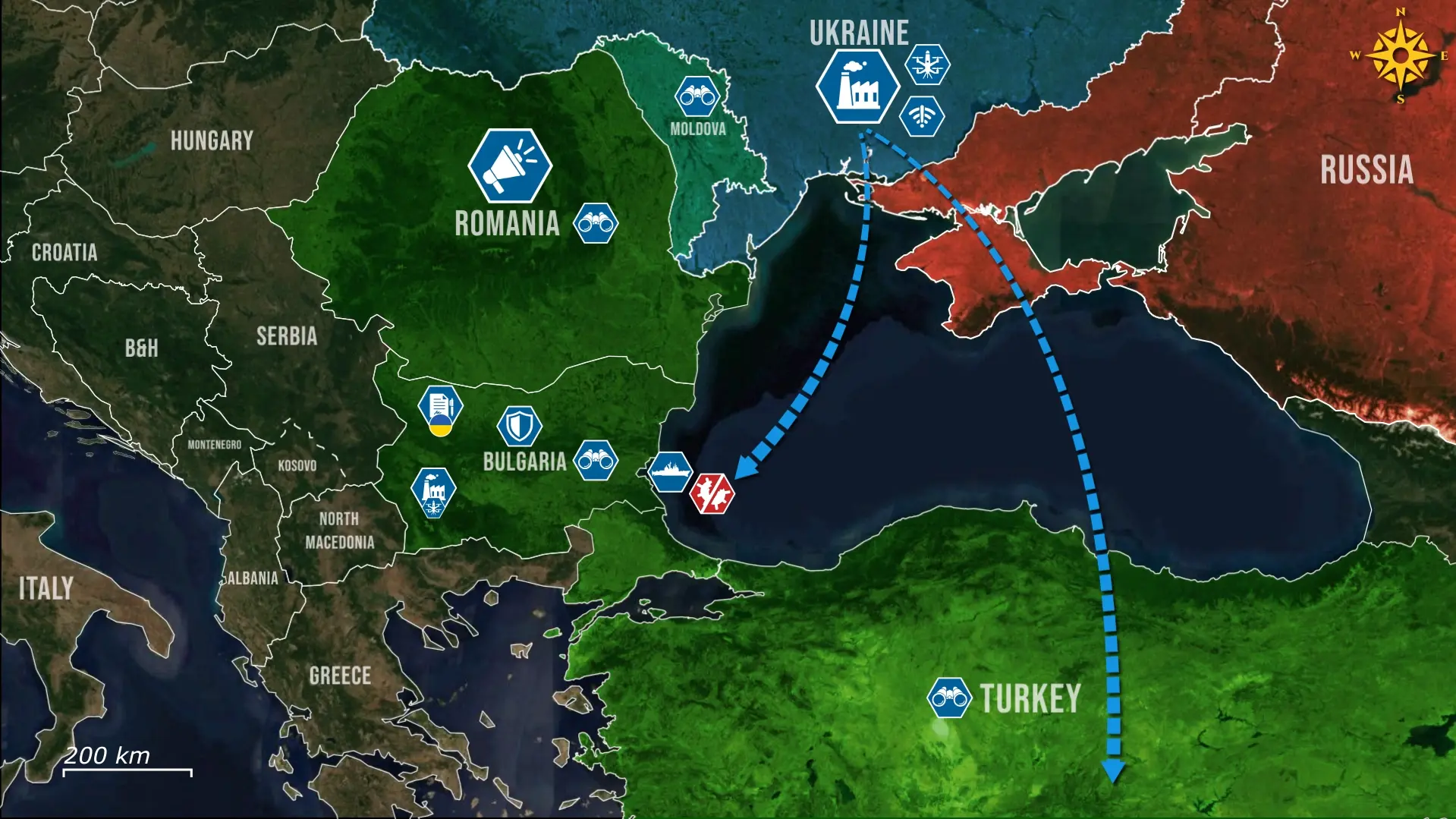
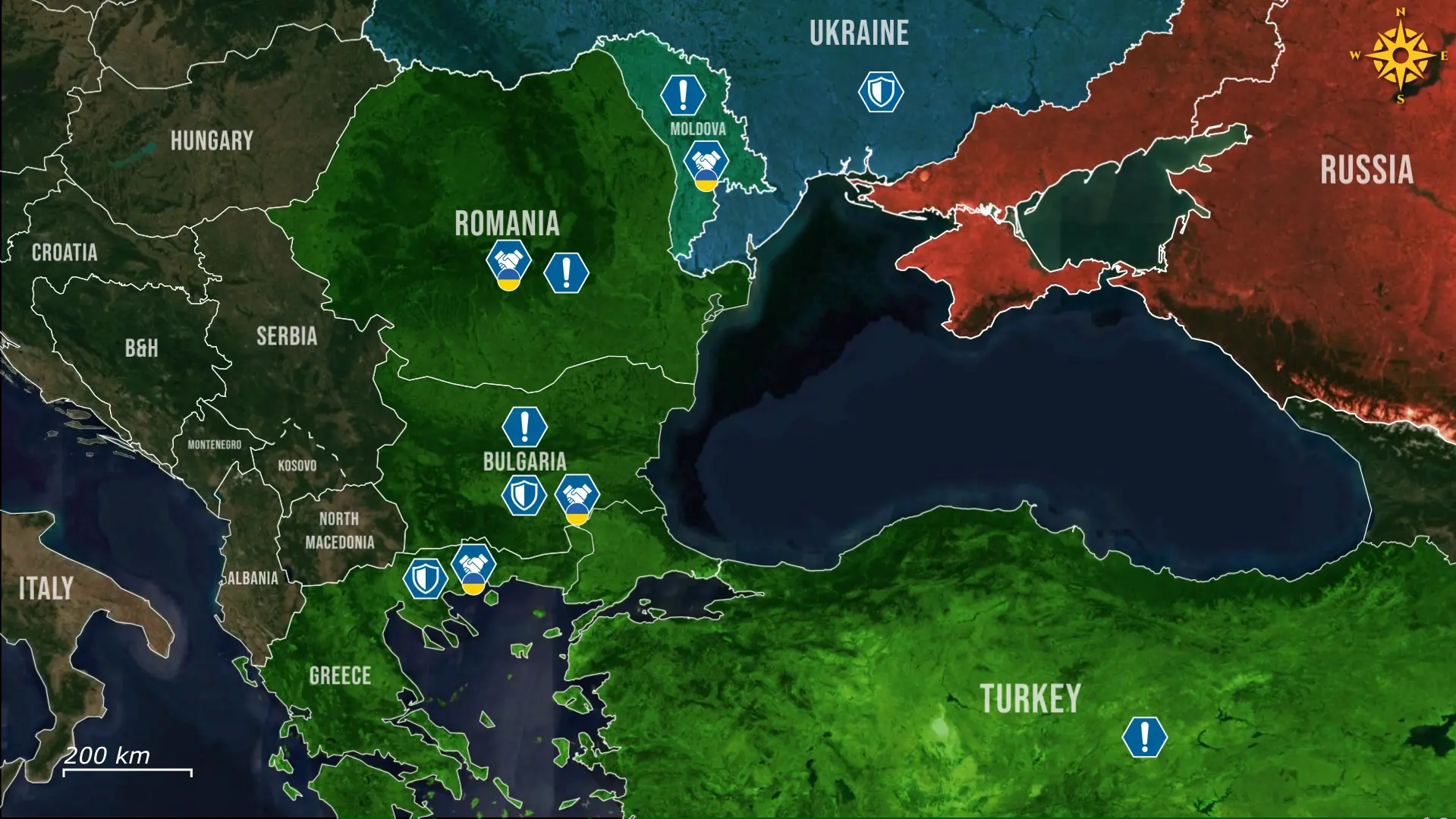
The seriousness of these incidents caused a decisive shift in and forced Europe to take a firmer stand. Bulgaria was the first to take proactive measures by strengthening its defenses and coordinating with regional Nato partners to react to Russia’s provocations. As a response, Bulgaria just signed a ten year bilateral security agreement with Ukraine, which includes continued military assistance, joint weapons production, including drones, and cooperation on demining operations in the Black Sea. Bulgaria also reaffirmed its participation in the PURL initiative aimed at strengthening Ukraine’s defense industrial base using the financial support of EU and Nato countries.
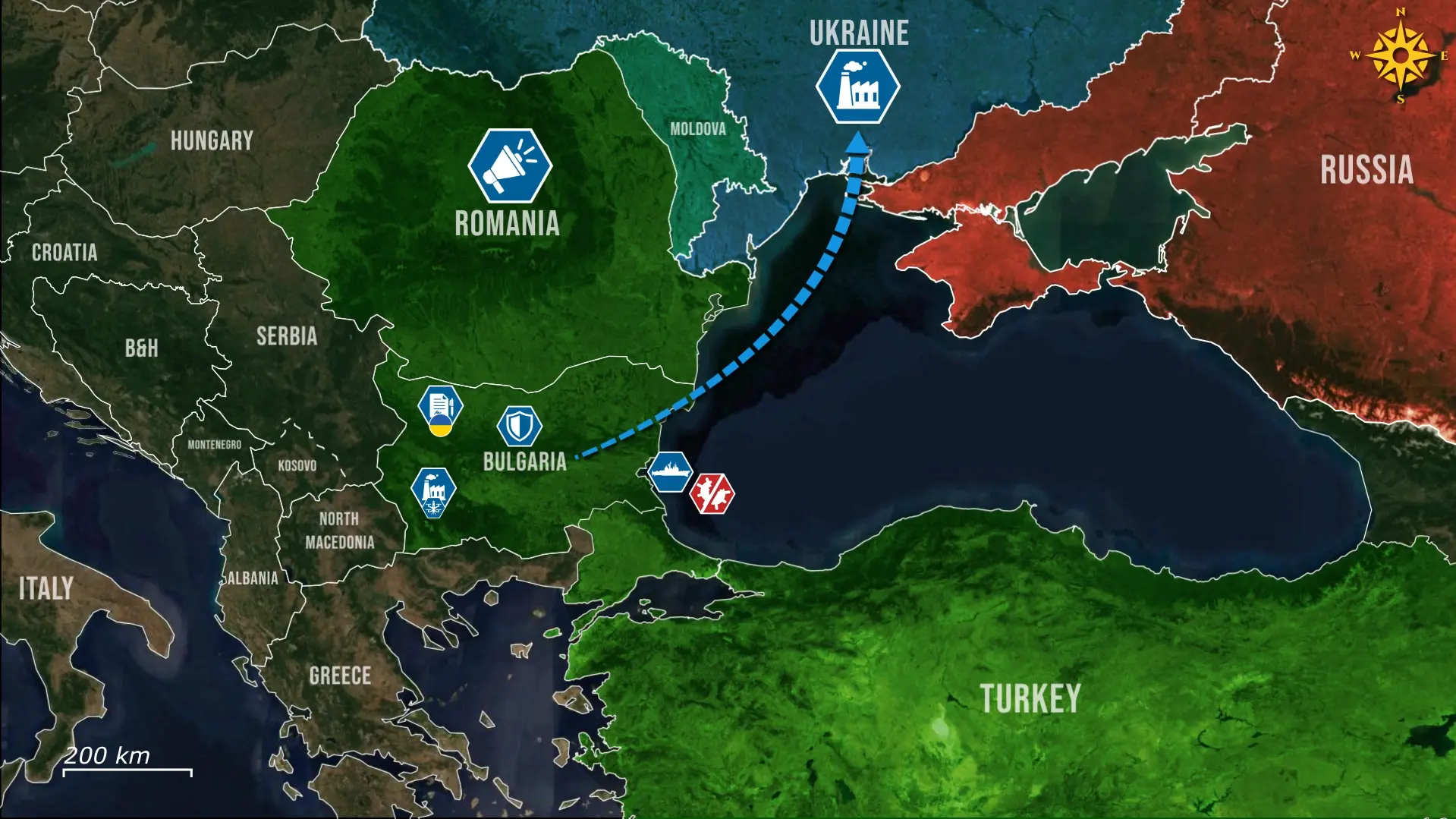
Several additional countries in the region have decided to look for assistance from Ukraine, with its vital experience that can help its allies ensure their security. The country has developed a strong defense industrial base in counter-drone technologies, such as interceptor drones, electronic warfare capabilities, and has the data to build corresponding tactics for layered air defenses. These capabilities are already being applied to protect the Gulf states and can now also contribute to strengthening Eastern Europe’s defenses in the Black Sea region to counter the threat from Russian drones.
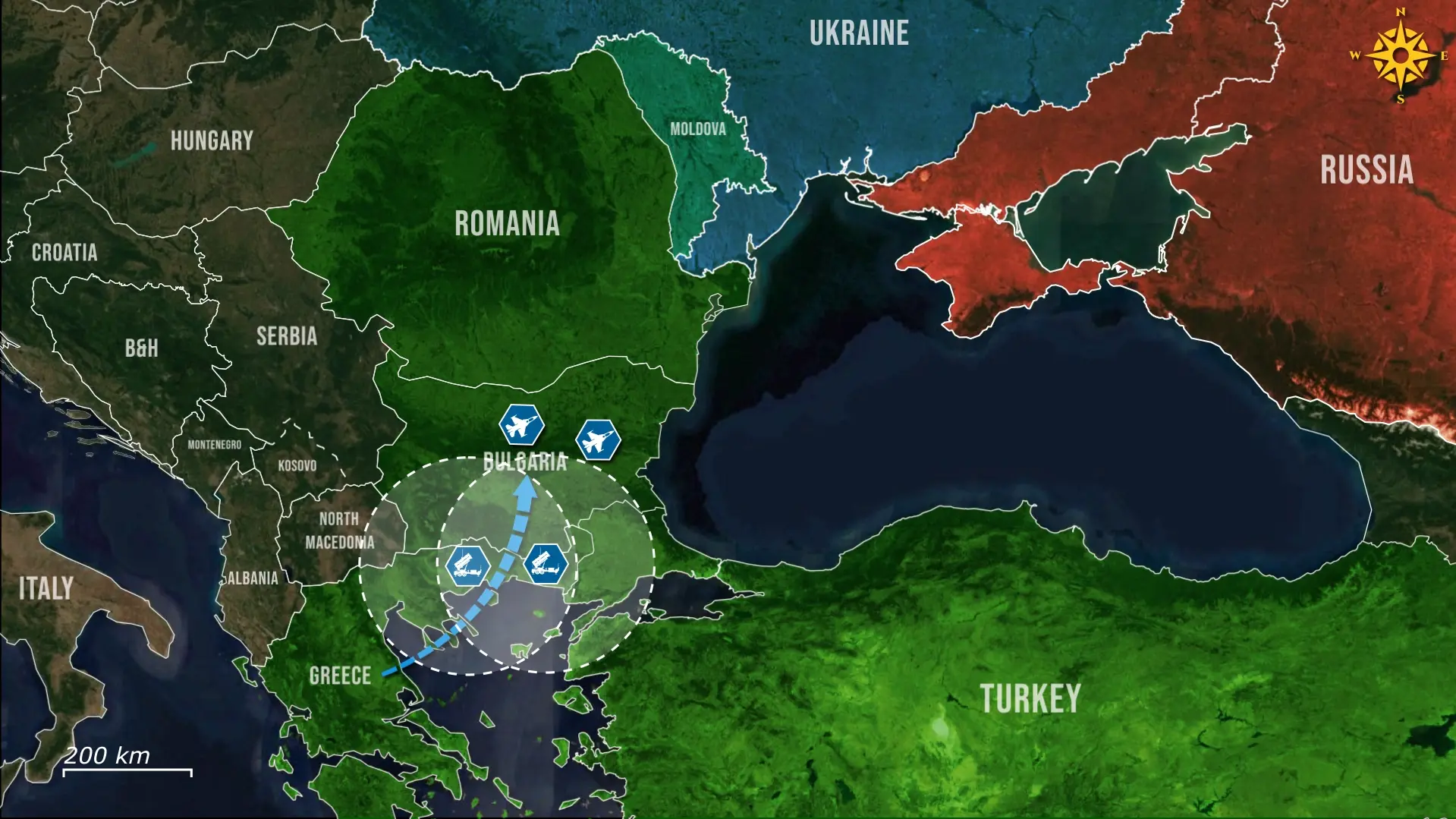
Additionally, support from Greece was arranged for Bulgaria. Under this cooperation, Greek authorities deployed a Patriot air defense system in northern Greece to help protect Bulgarian airspace from potential missile threats, and two F-Sixteen fighter jets were sent to Bulgaria for air policing missions.
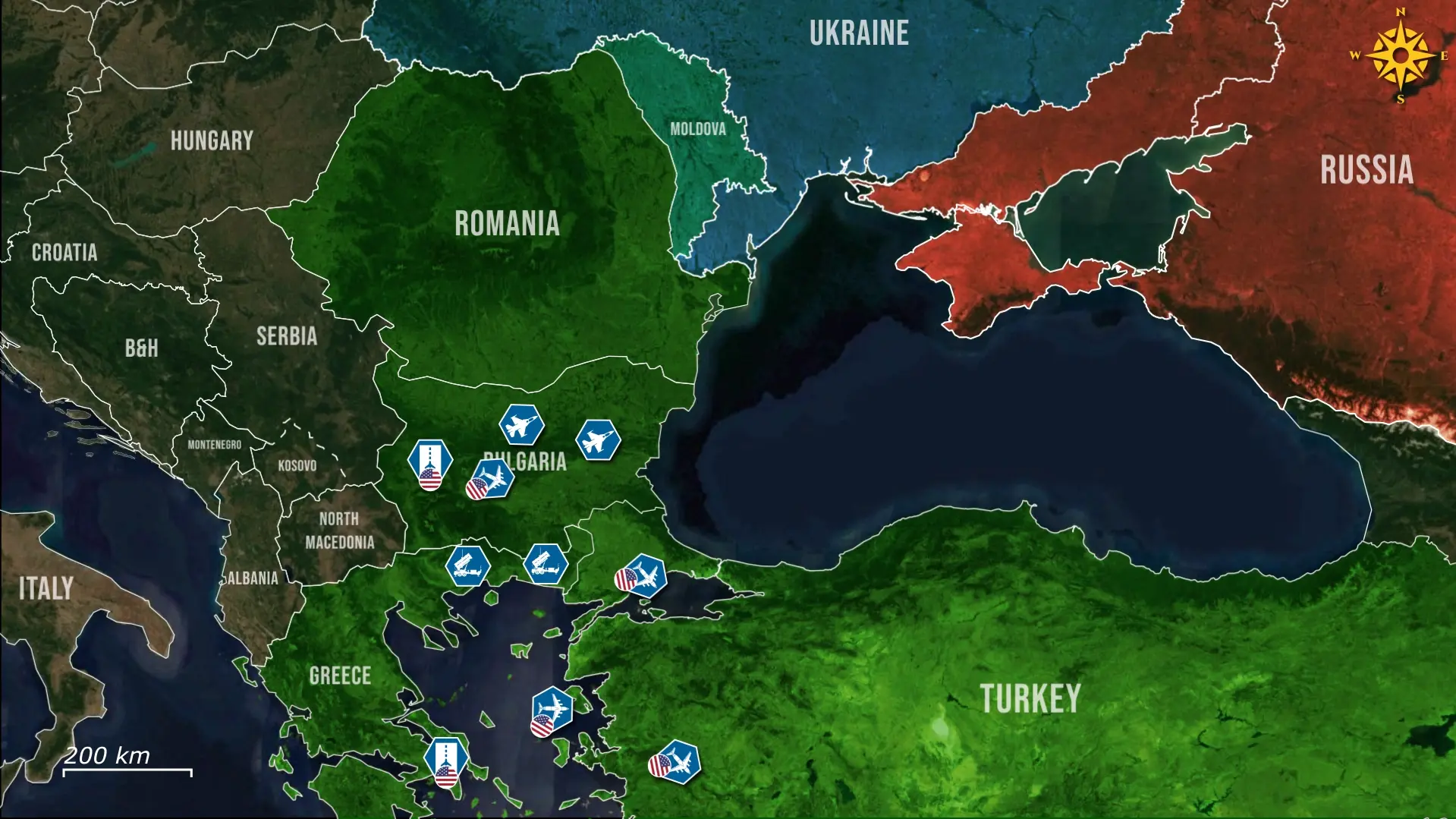
These steps come amid heightened concerns over a broader regional escalation, particularly in light of the war in the Middle East, as the United States uses military and logistical infrastructure in both Bulgaria and Greece for its operations.
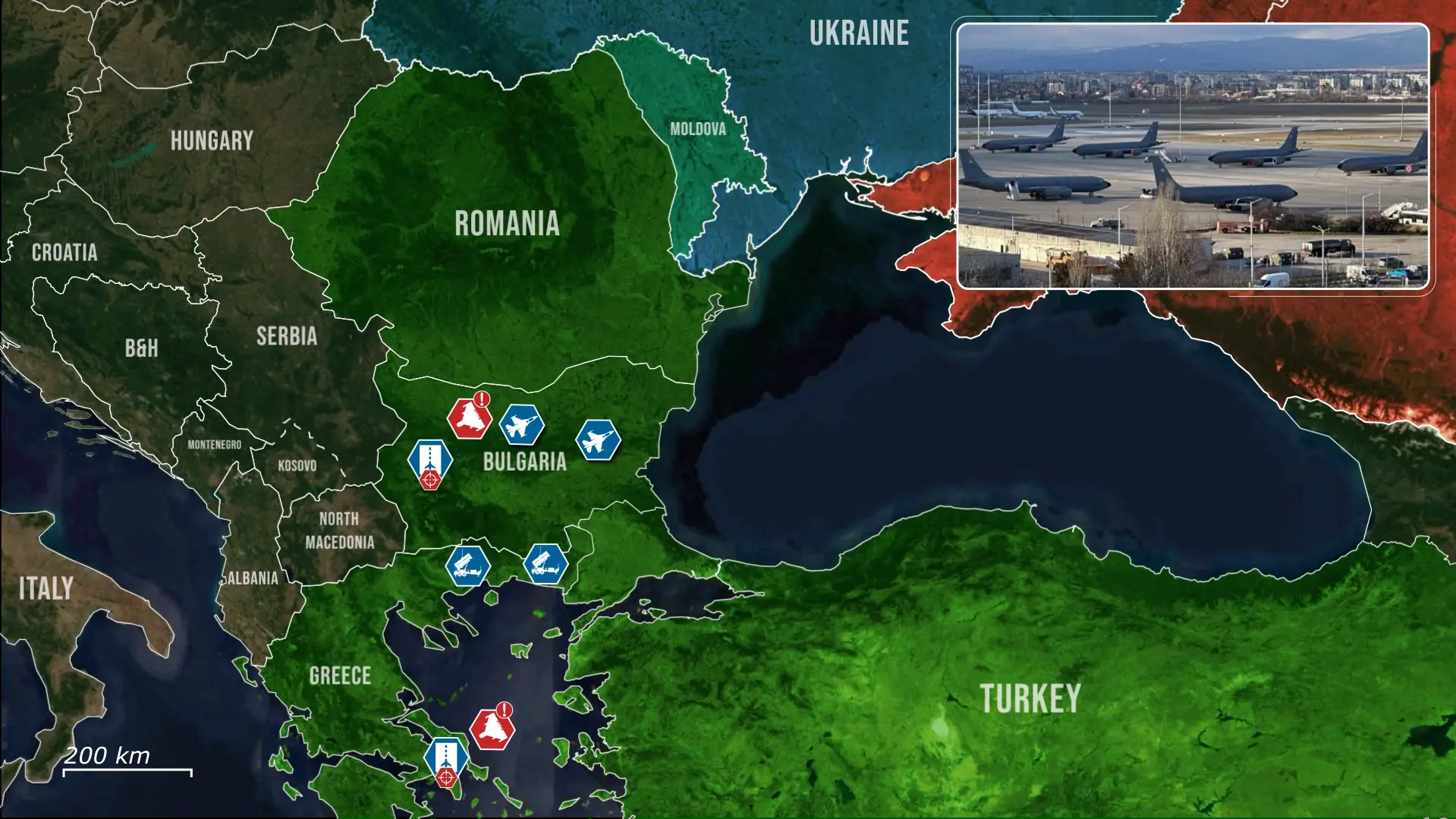
This reliance increases the strategic importance of these sites, while also making them more vulnerable to potential targeting and provocations. For countries in the region, the presence of drones near key infrastructure used for military operations is no longer a minor airspace violation but a serious security concern. For example, the airspace closure over Sofia came in just two days after the US army redeployed fifteen tanker aircraft in Sofia, which take part in US operations.
Overall, Russia’s repeated provocations are getting more intense, so Europe is forced to shift from passive to active, with Bulgaria being the first to draw the line and take urgent measures together with Greece and Ukraine to protect itself better against future accidents.
Bulgaria’s example shows other countries that deepening collaboration with Ukraine is essential to further enhance Europe’s air defense and show that Nato countries won't tolerate Russia's hybrid warfare arsenal forever.

.jpg)

Comments