

.svg)
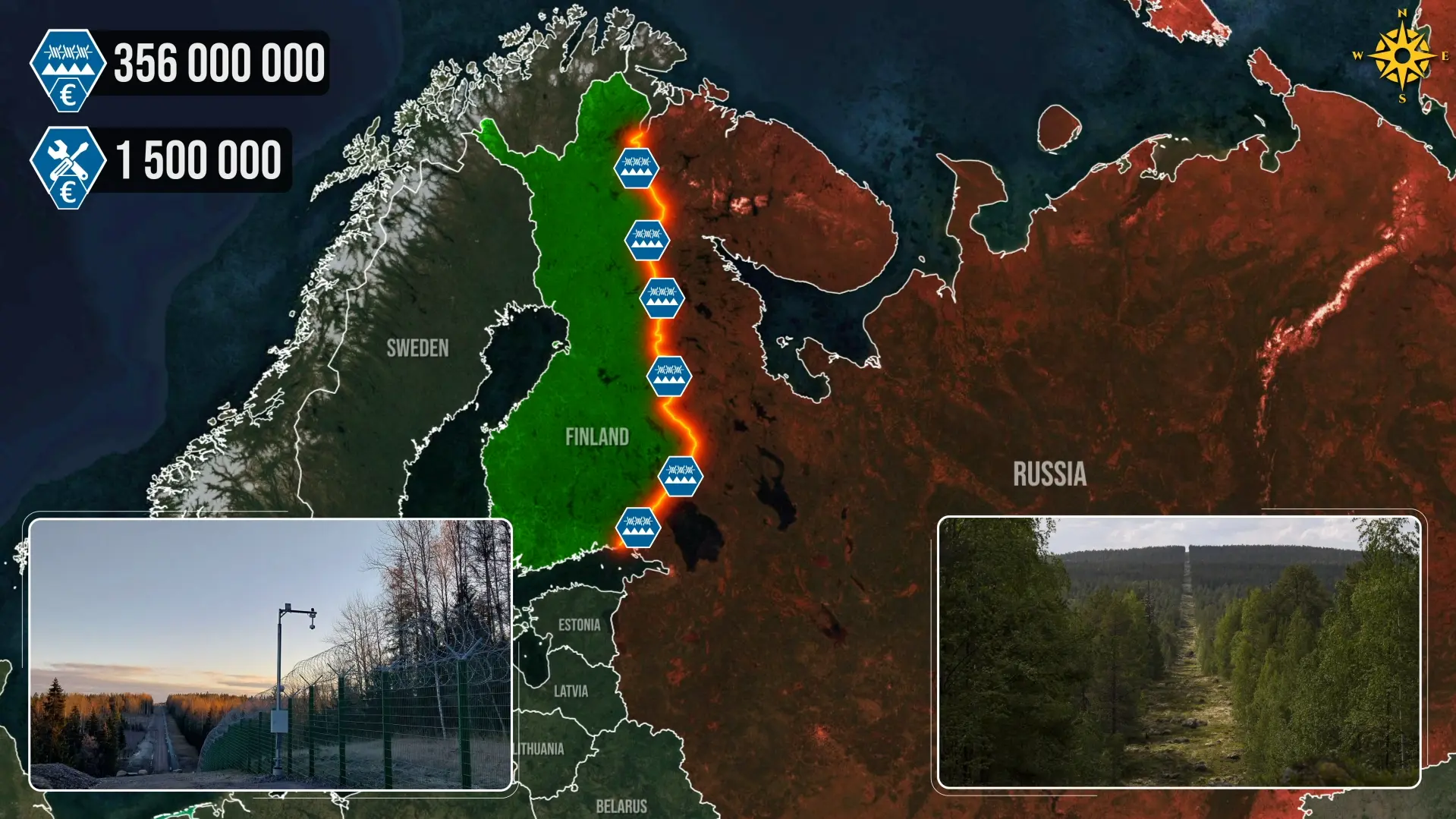
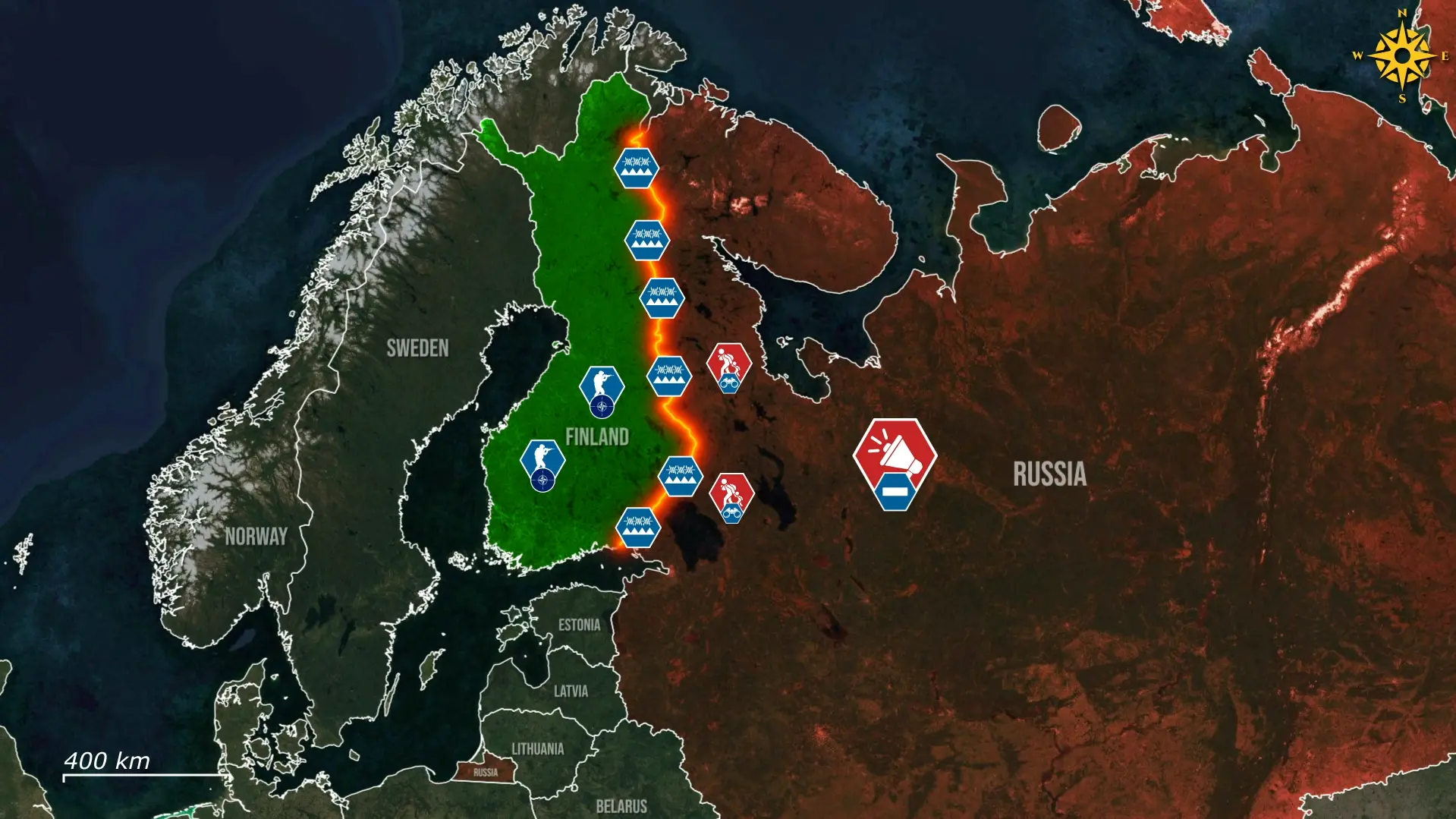
Finland has now completed a massive new defensive barrier along its eastern frontier with Russia, reinforcing the longest border any Nato country shares with the Russian state. Around two hundred kilometers of fencing have been built across selected sections of the roughly one thousand three hundred forty kilometer frontier, with barriers positioned in Southeast Finland, North Karelia, Kainuu, and Lapland. The system combines a metal mesh fence with an adjacent patrol road, a cleared security strip, and technical surveillance equipment designed to detect movement across the border.
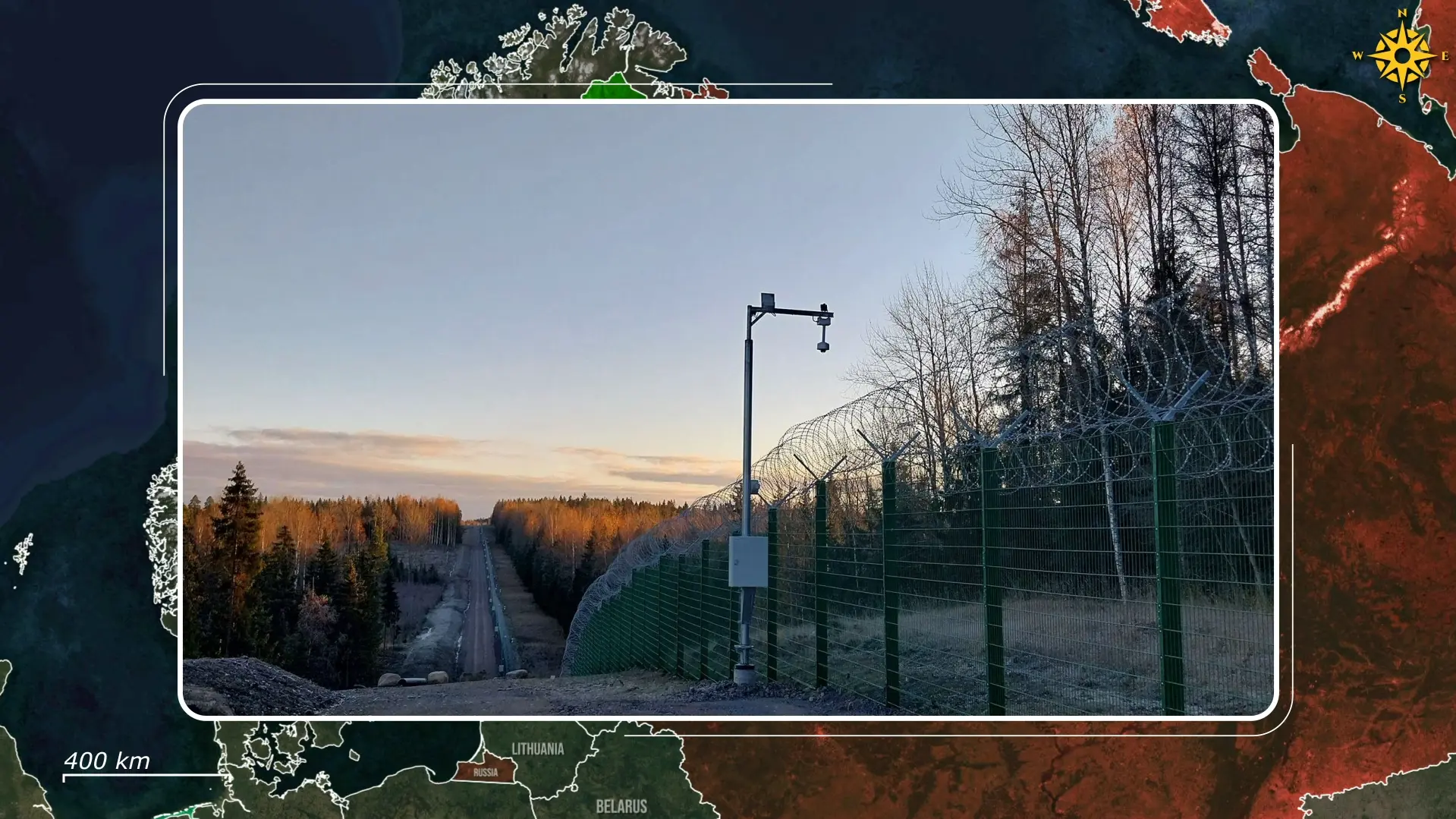
Construction cost Finland three hundred fifty six million euros, while annual maintenance is expected to cost another one point five million euros, with the money focused on the sections of the frontier considered most vulnerable. Finland concentrated the fencing around the more accessible parts of the border where large groups could realistically cross, while leaving remote wilderness sections unfenced where the terrain itself makes mass movement far more difficult.
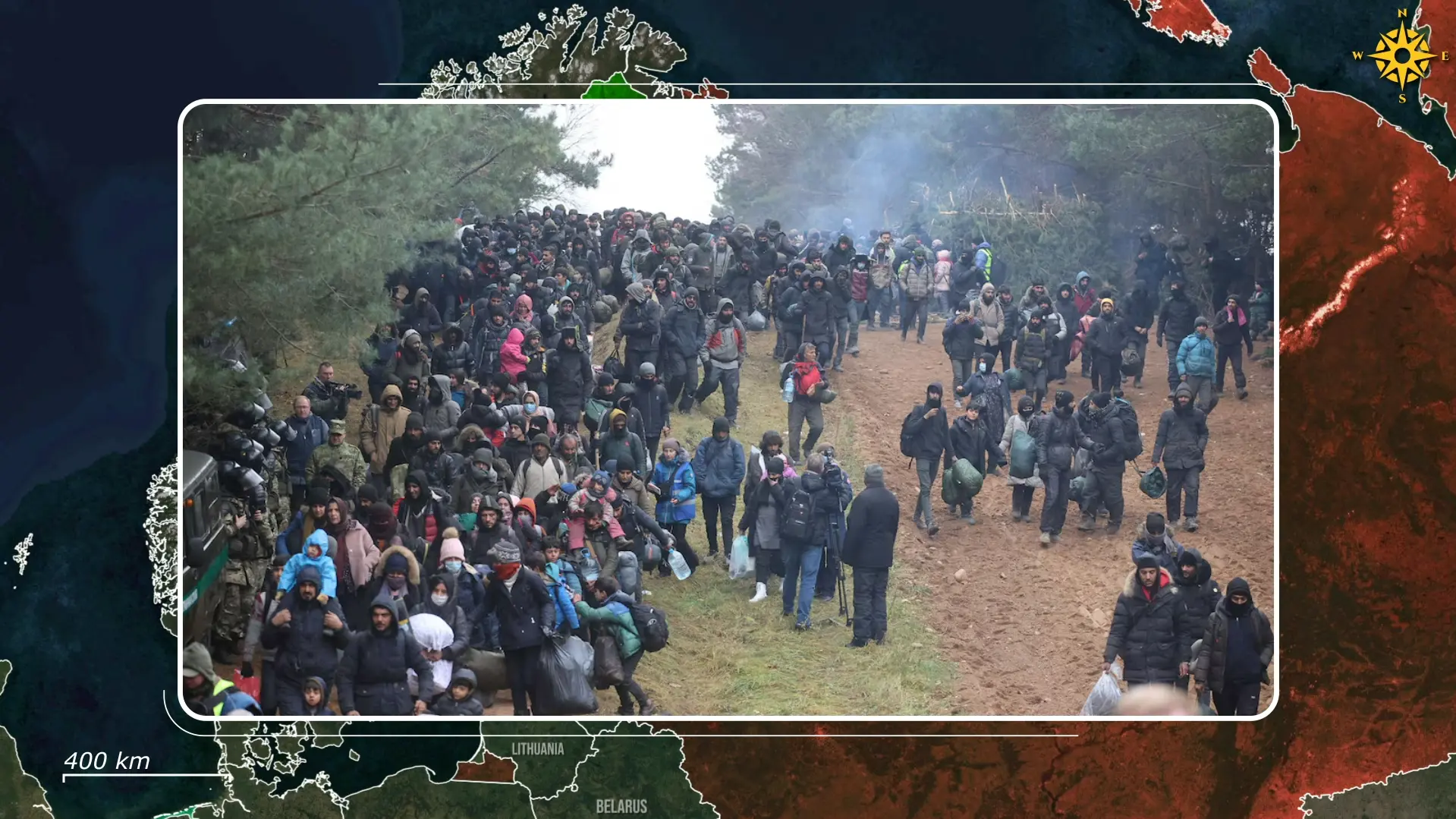
The reason for this barrier is Russia’s use of migration as a way to put pressure on neighboring countries without using military force. Finland experienced this directly when nearly one thousand people arrived from Russia without the required travel documents and applied for asylum. Finnish authorities said Russia was facilitating their movement toward the frontier, and after closing individual checkpoints only shifted the arrivals elsewhere, Helsinki eventually shut every land crossing with Russia. Poland faced a similar situation on its border with Belarus, where Belarusian authorities facilitated migrant movements toward the frontier while maintaining close political and military ties with Moscow, and Warsaw eventually responded by constructing its own border fence. Finland’s barrier serves the same wider purpose by making it much harder to direct large groups of people toward vulnerable sections of the frontier and create sudden pressure on Finland’s border system.
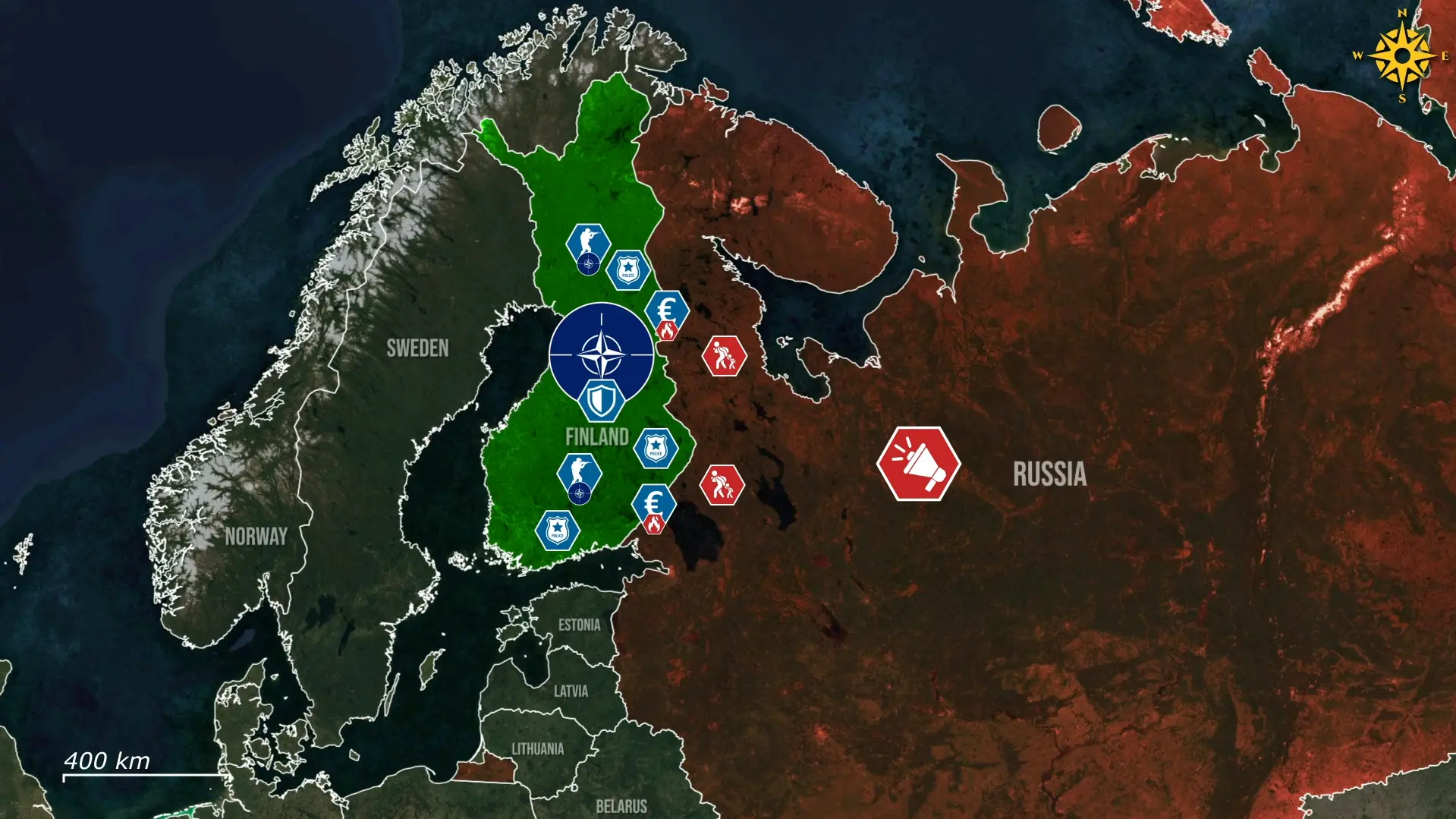
Finland’s Nato membership has decreases the risks of a direct Russian attack, but it has not removed Moscow’s ability to put pressure on the country through its border. Allied troops can now deploy, train, and operate in Finland as part of Nato’s northern defenses, while Finland is protected by the alliance’s collective defense commitment, making a direct Russian attack far more dangerous for Moscow. However, Nato membership does not remove the need for Finland to manage organized migration pressure, which can disrupt the border without becoming an armed attack. Directed migration allows Moscow to create sudden pressure on Finnish border authorities and force Helsinki to devote resources to controlling the frontier. The new border barrier closes one of the easiest routes for that pressure just as Finland’s conventional defenses are becoming much harder for Russia to challenge directly.
Finland’s wider defense cooperation has continued to deepen. In August, Finland and Ukraine expanded defense industrial cooperation, including plans to produce drones in Finland, develop maritime unmanned systems, and establish joint production of ground robotic vehicles using Ukrainian battlefield experience and Finnish technology. Earlier that month, Finnish border officials reported that a Russian Il Twenty reconnaissance aircraft was suspected of flying almost nine kilometers into Finnish airspace south of Uto, bringing Russian military activity directly into Finnish territory.
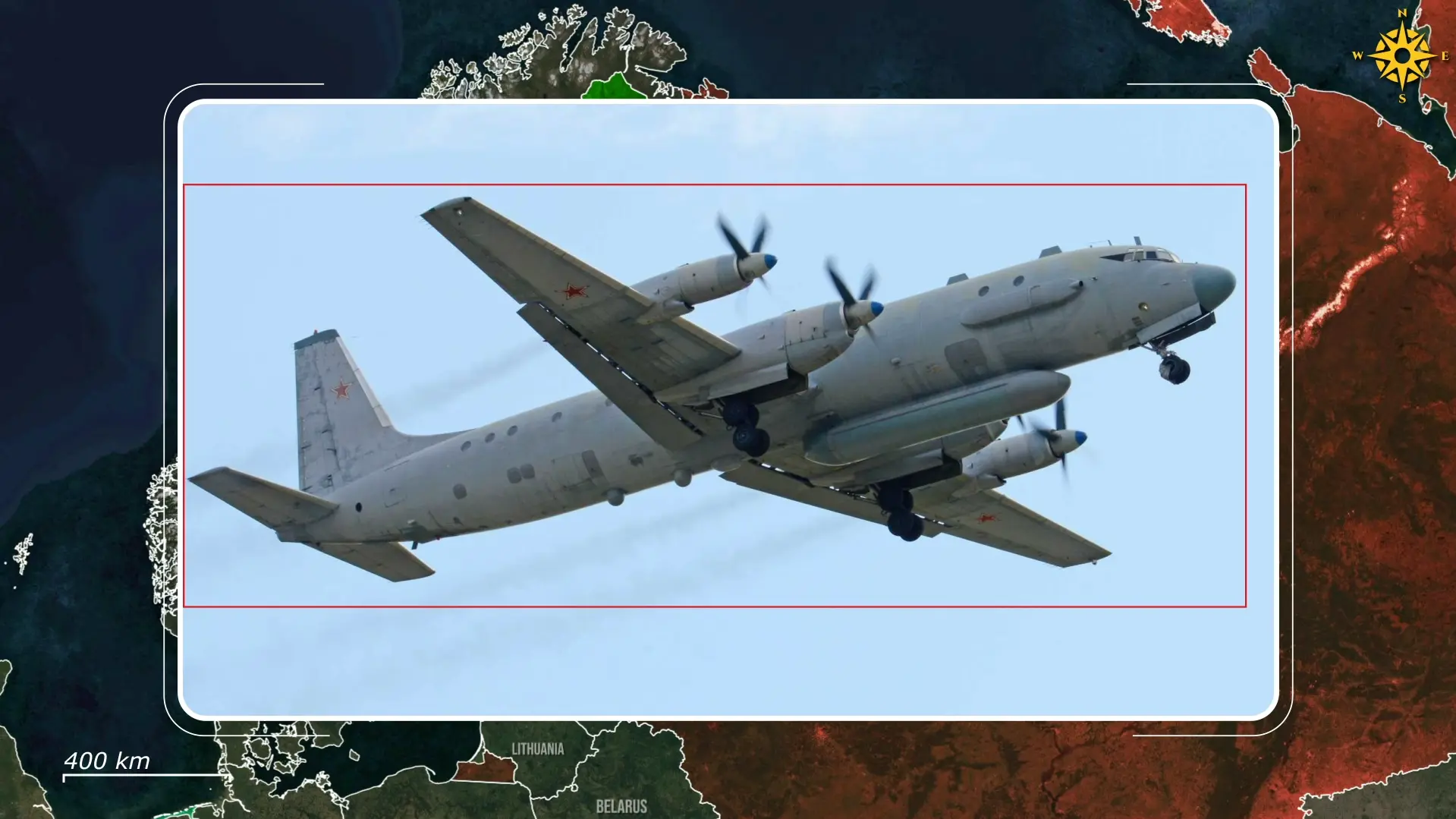
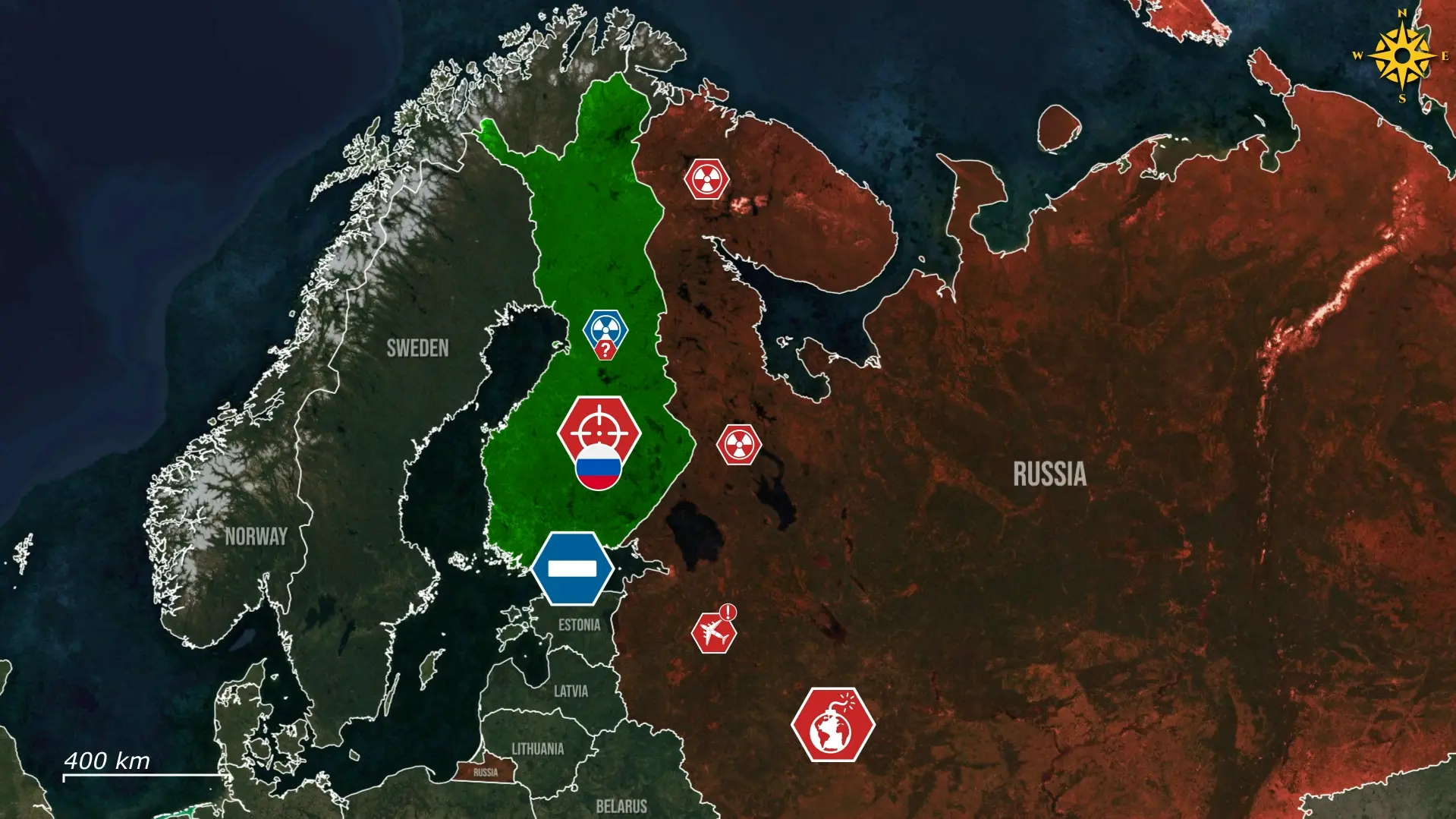
In July, a Russian military channel reported a sharp increase in United States satellite surveillance over strategic sites around the White Sea, including missile testing grounds and facilities linked to the Northern Fleet, as attention shifted deeper into Russia’s northern military zone. That same month, France announced that it would contribute soldiers to the Swedish led Nato force assigned to Finland, placing another allied force on Russia’s northern border. Finland had already imposed temporary aviation restrictions in June near its southeastern frontier and parts of the Gulf of Finland as military activity around the border increased. Then in April, Russian officials had gone further by threatening to make Finland a military target if nuclear weapons were stored there, despite Russia already keeping nuclear forces close to the Finnish border. Every new step Finland takes to strengthen its defense is therefore bringing it into a sharper confrontation with Moscow.
Overall, Finland is building a security system in which Russia has fewer ways to create pressure without facing a prepared response. The new fence gives Finnish authorities more control over where large groups can cross and more time to react before border pressure develops. At the same time, Finland’s growing military integration with Nato raises the cost of any direct Russian military move against the country. By improving its ability to contain border disruption, Finland could make it harder for Moscow to use such incidents to push Helsinki into concessions over its defense policy.
.jpg)



Comments