

.svg)
Today, there is important news from the Kupiansk direction.
Here, after weeks of repeated claims by the Russian political leadership that Kupiansk had been captured, reality hit hard. The Ukrainians demonstrated that the town was not under Russian control at all but had been quietly cleared of enemy forces, prompting President Zelensky to visit Kupiansk in person.
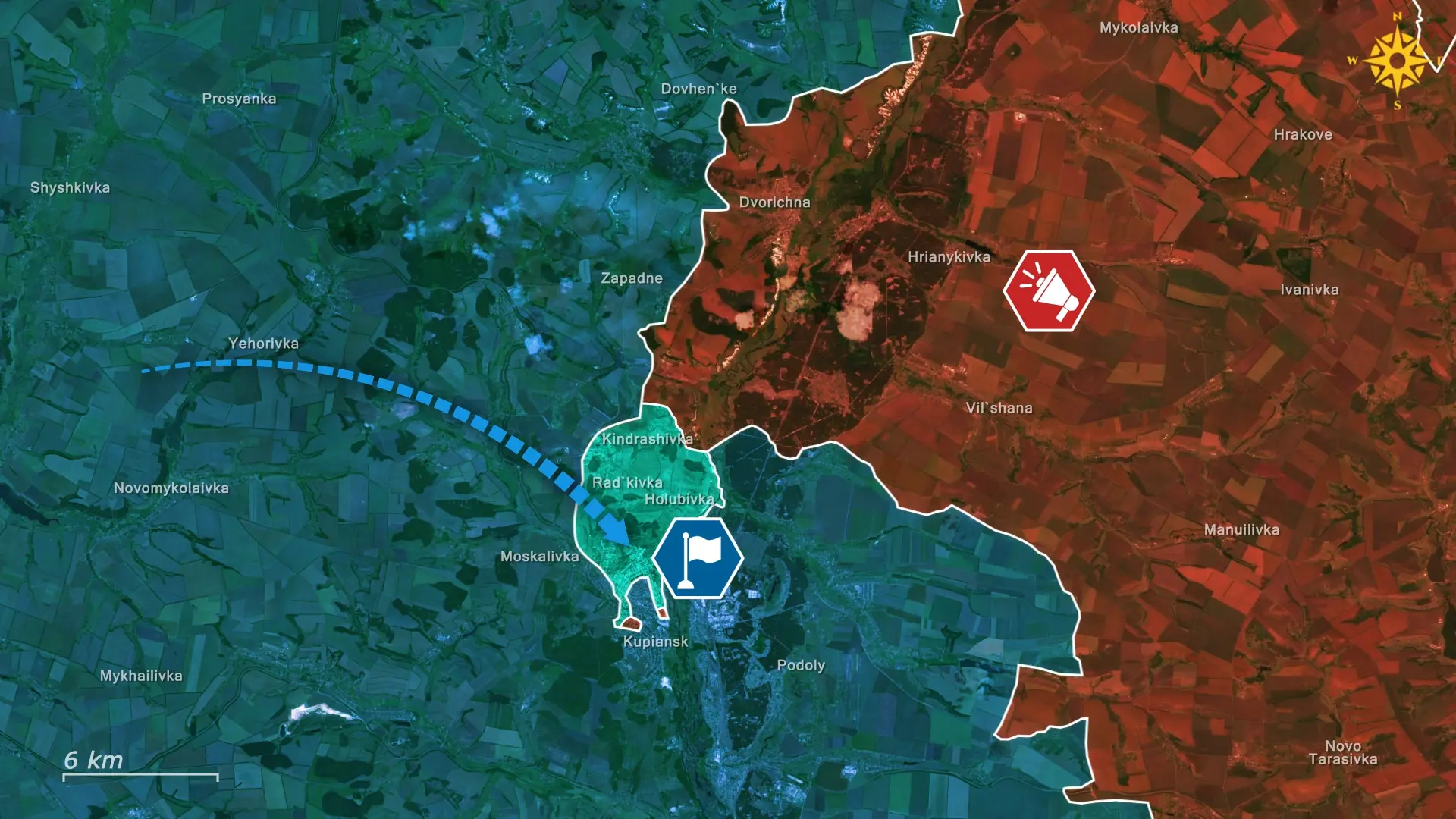
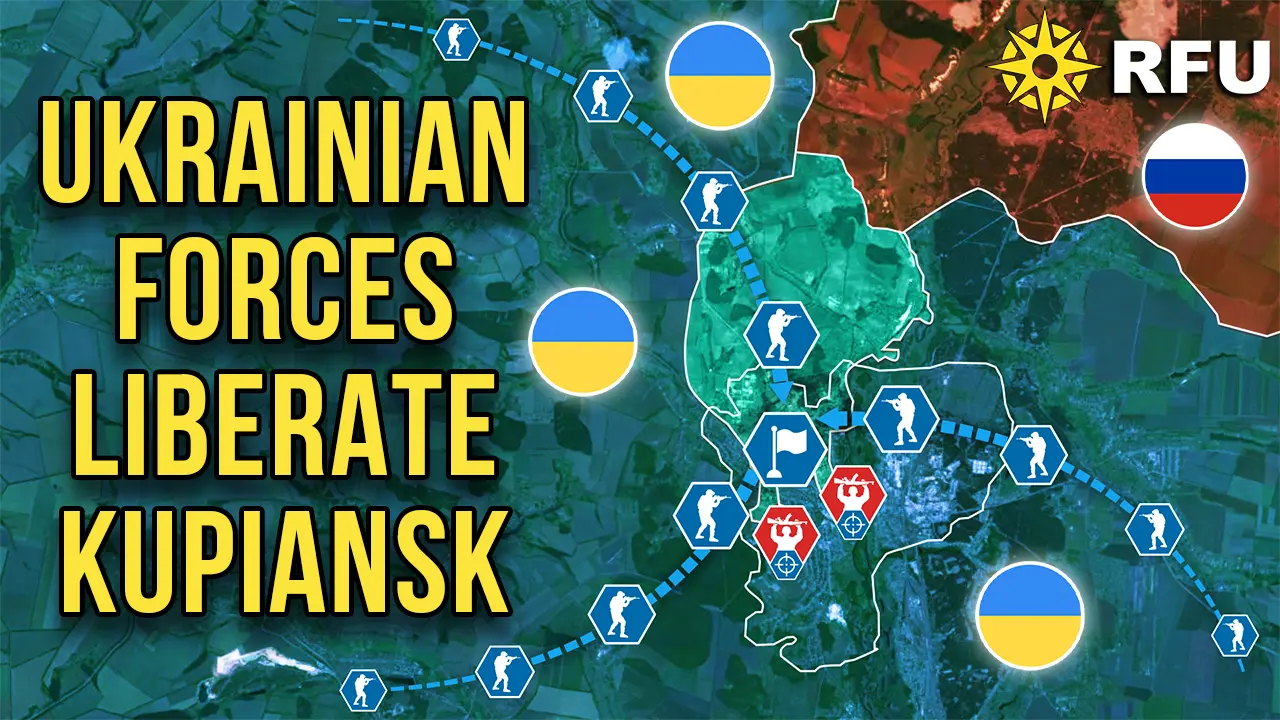
Considering the Russian speculations, understanding the bigger picture is essential, and we will do a comprehensive breakdown of the Ukrainian operation that liberated Kupiansk from Russian forces, as its outcome turned into a direct and highly visible blow to Moscow’s narrative, especially at a time when possible, peace negotiations are underway.
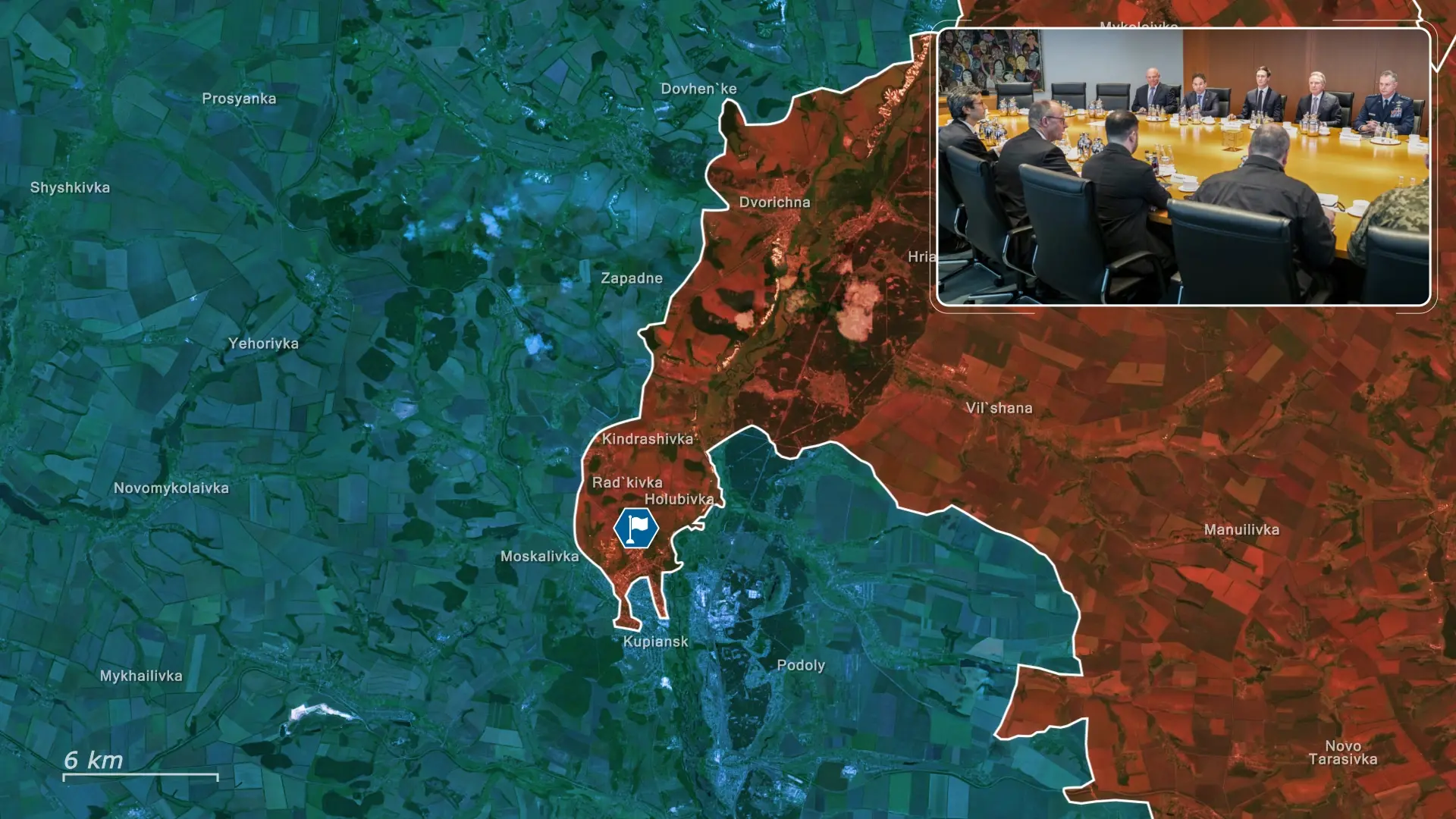
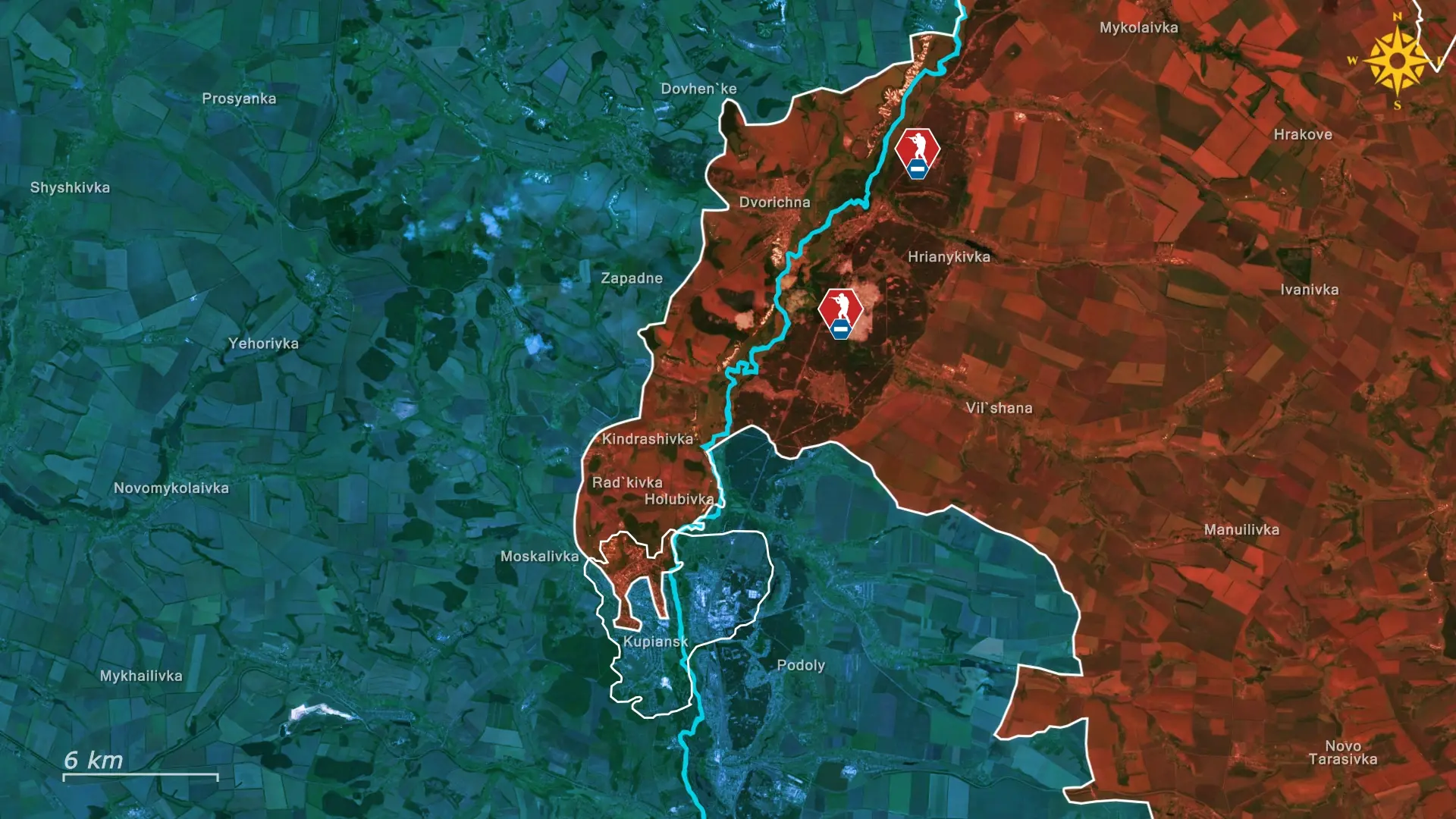
The operation began with a carefully planned campaign aimed at isolating Russian forces inside and around Kupiansk through devastating air strikes. Ukrainian air power focused on preventing reinforcements from crossing the Oskil River and sustaining the Russian bridgehead north of the city, cutting the lifeline before moving in on the town itself.
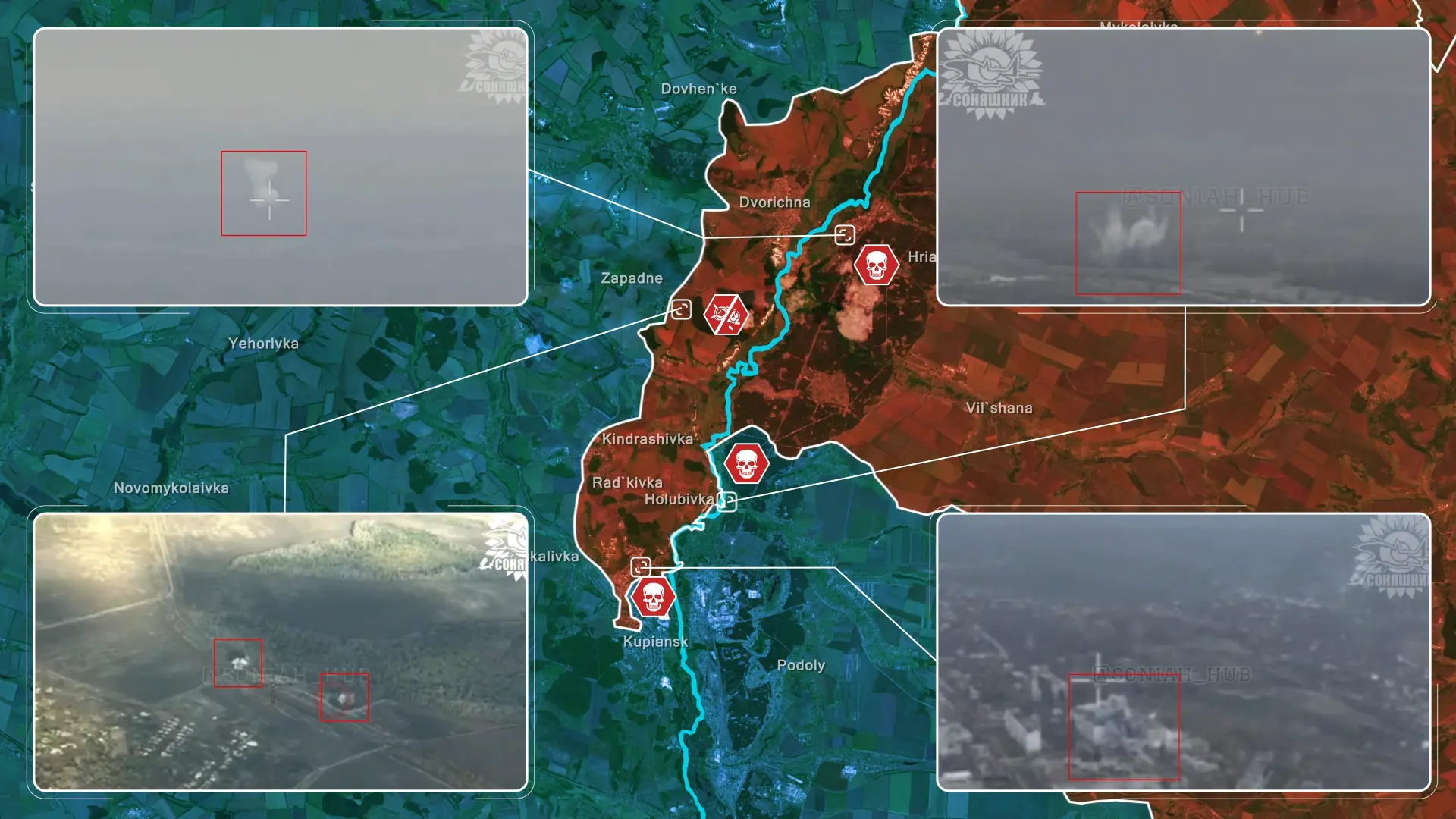
Geolocated footage shows a Ukrainian F-16 striking Russian troops near Hryanivka as they attempted to move across the river. Another concentration was destroyed near Holubivka when J-dam bombs from a Ukrainian F-16 annihilated a group mid-crossing. Ukrainian aircraft continued to hit ammunition depots, troop clusters, and drone-operator positions, steadily dismantling Russia’s ability to support its units already deployed in Kupiansk. Even the appearance of a Russian Su-35 on patrol failed to stop the campaign, as a Ukrainian MiG-29 delivered another J-dam strike on a building in north-central Kupiansk where Russian assault troops had fortified themselves and Russian combat operations were coordinated from.
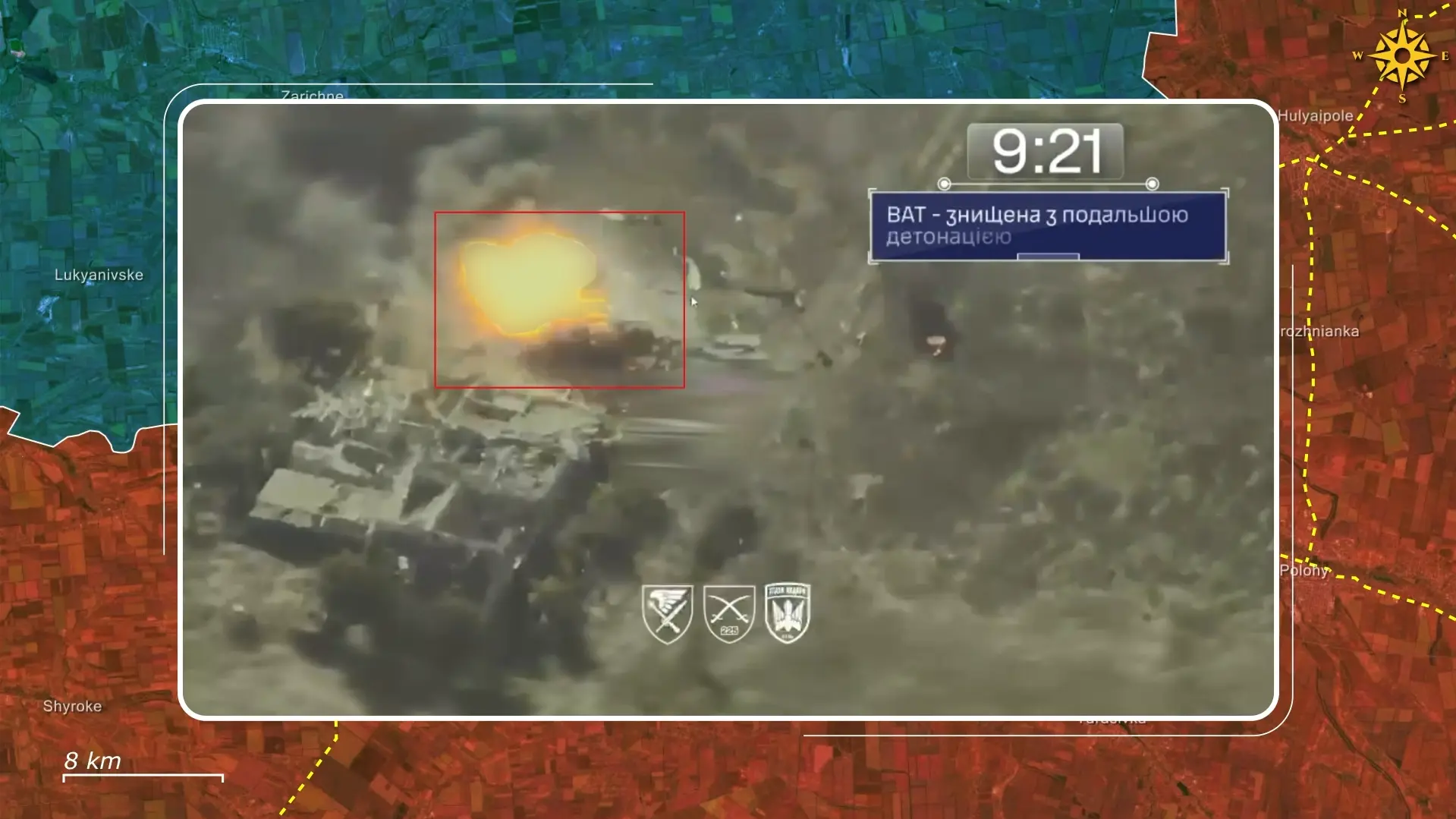
The second stage targeted the land corridor south of Dvorichna, which Russian forces had been using to infiltrate Kupiansk, where Ukrainians aimed to create a bottleneck around the town. Ukrainian assault teams moved in, clearing forest belts and structures one by one. Geolocated combat footage shows Russian soldiers being eliminated or captured, providing Ukrainian commanders with valuable intelligence on enemy plans and remaining force dispositions. Russia attempted to counter this by pushing reinforcements across the river, but at extreme difficulty and high cost. One of the largest attempts ended disastrously when a Russian assault group using All Terrain Vehicles and motorcycles was detected by Ukrainian drones and destroyed, leaving 22 soldiers and 14 vehicles lost in minutes. Realizing that the momentum was rapidly shifting in Ukraine’s favor, Russia tried a more indirect response by striking the Pechenihy dam to halt Ukrainian movements and sabotage the flow of logistics to their counterattacks.
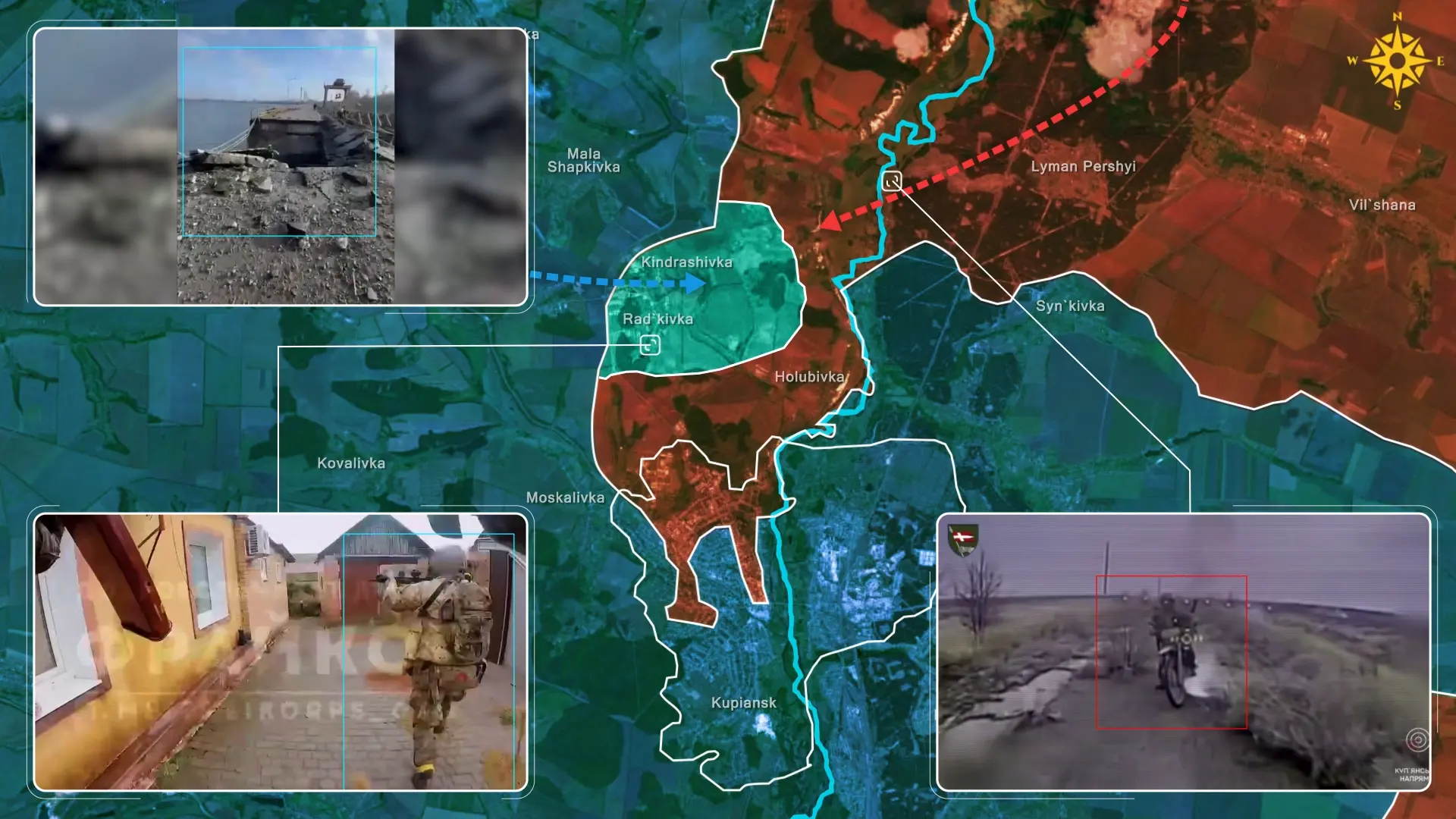
Despite this, Ukrainian commanders were the ones turning geography into an advantage. Seasonal flooding caused the Oskil to overflow north of the town, creating swampy terrain that, combined with relentless ground pressure, turned Russian positions into isolated pockets on the brink of collapse. This meant that while direct Ukrainian logistics were disrupted, they could go around, while Russian positions and ground lines of communications were washed away directly, with no possible fix available.
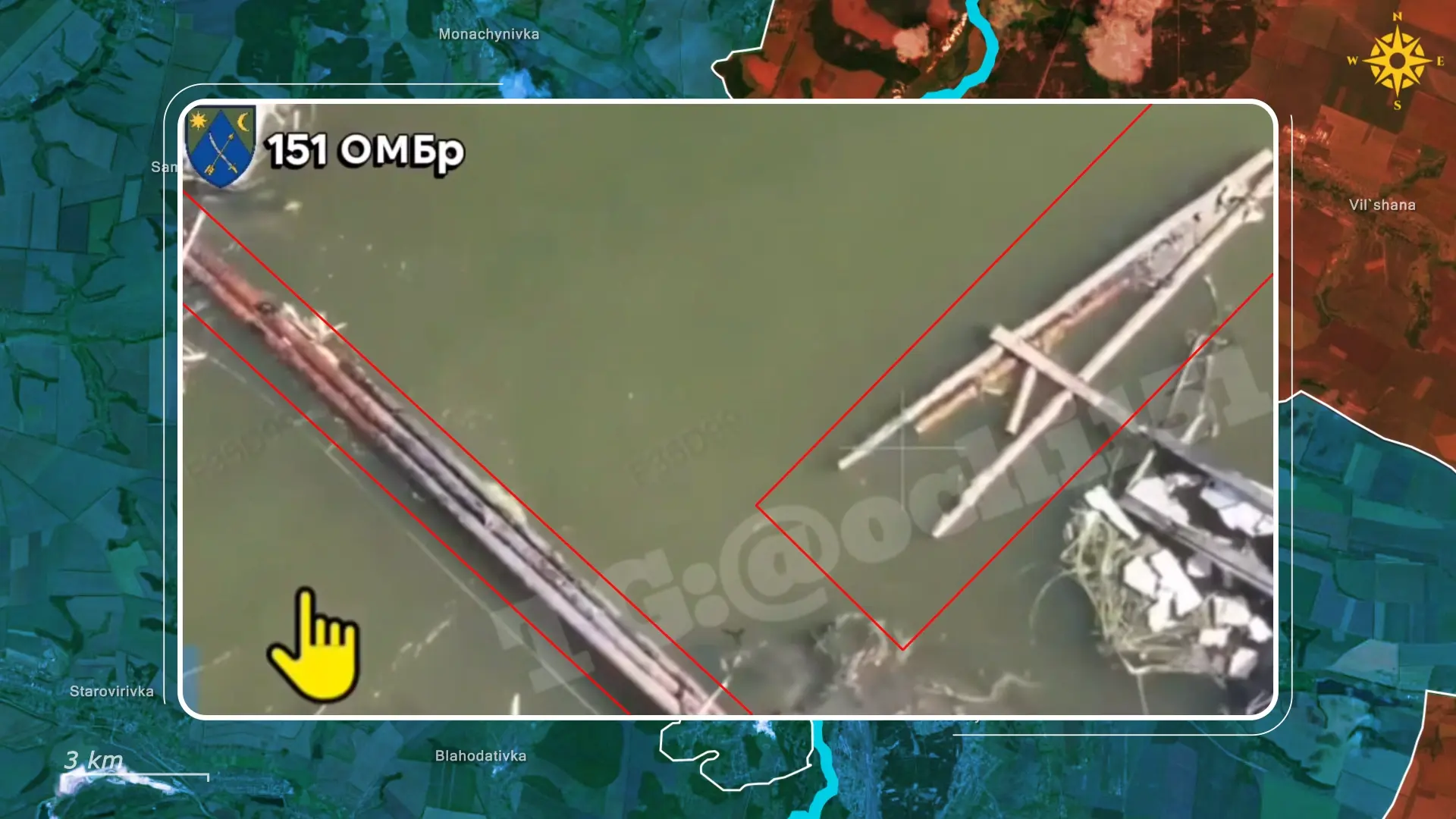
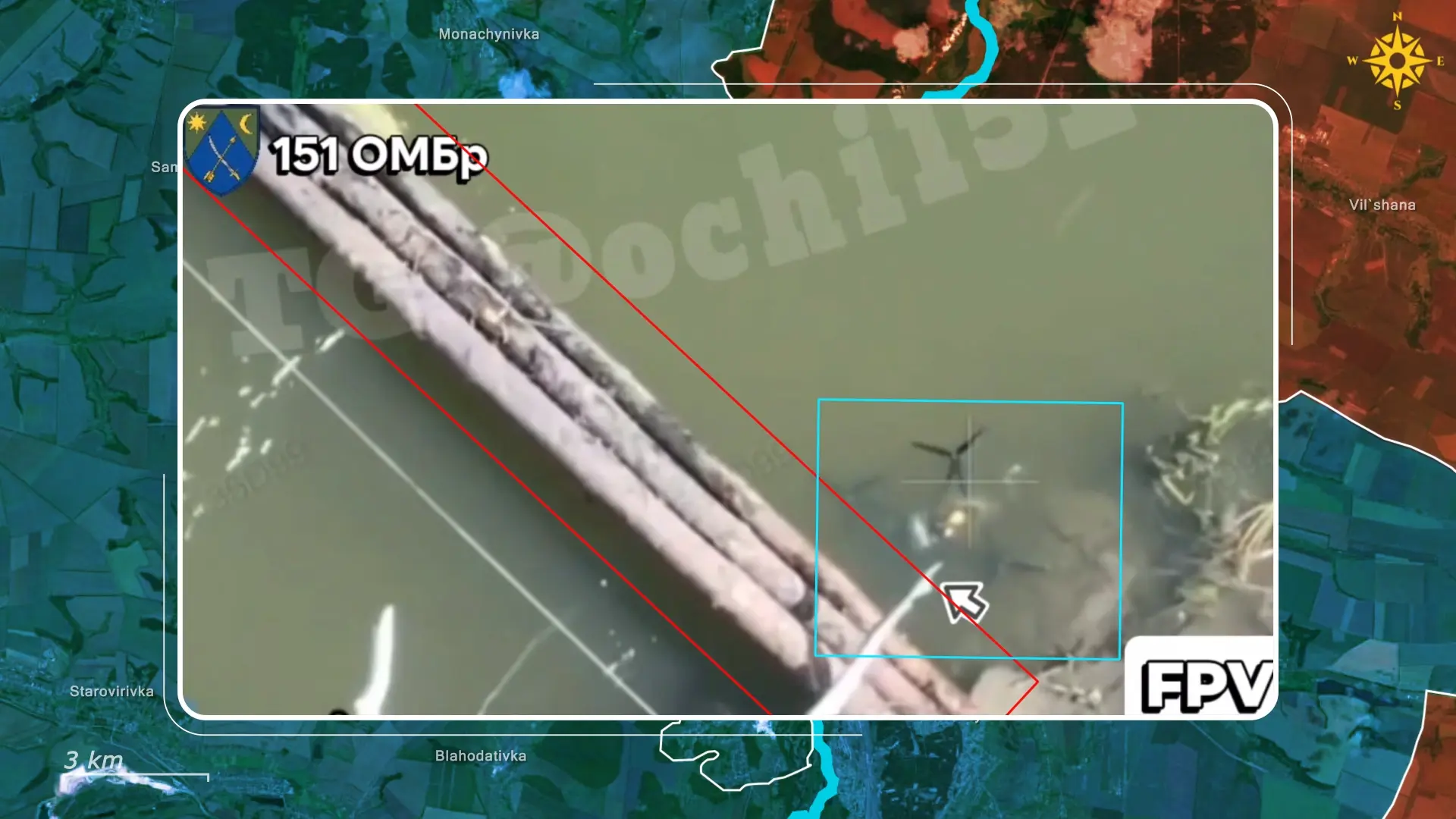
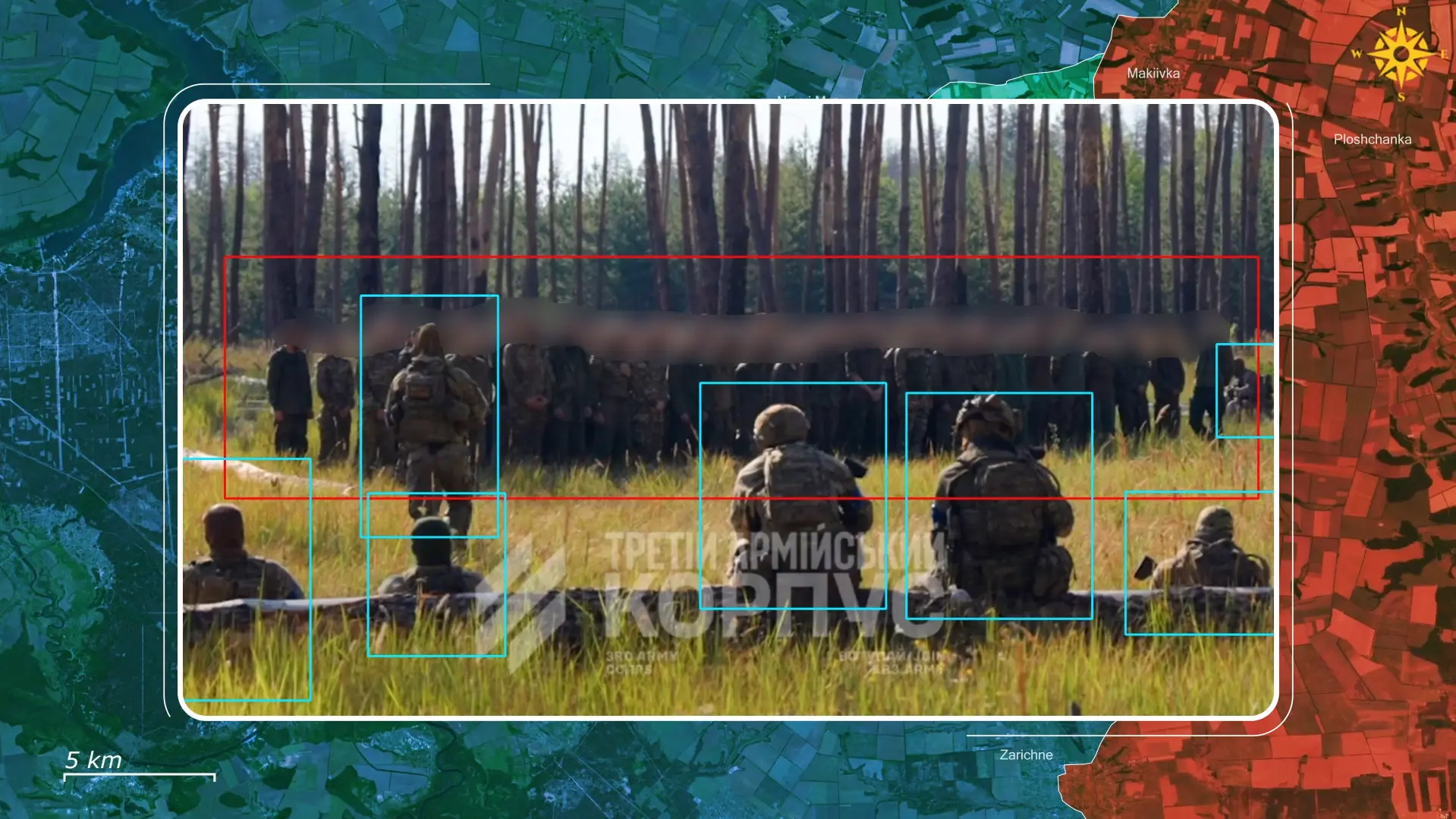
As the situation deteriorated, Russian forces grew increasingly desperate. Small groups attempted to cross the swamps using improvised bridges made of pine logs, hoping to bring at least minimal support to their comrades inside the town. Ukrainian drone surveillance ensured these efforts were futile: the bridges and the troops using them were destroyed almost immediately.
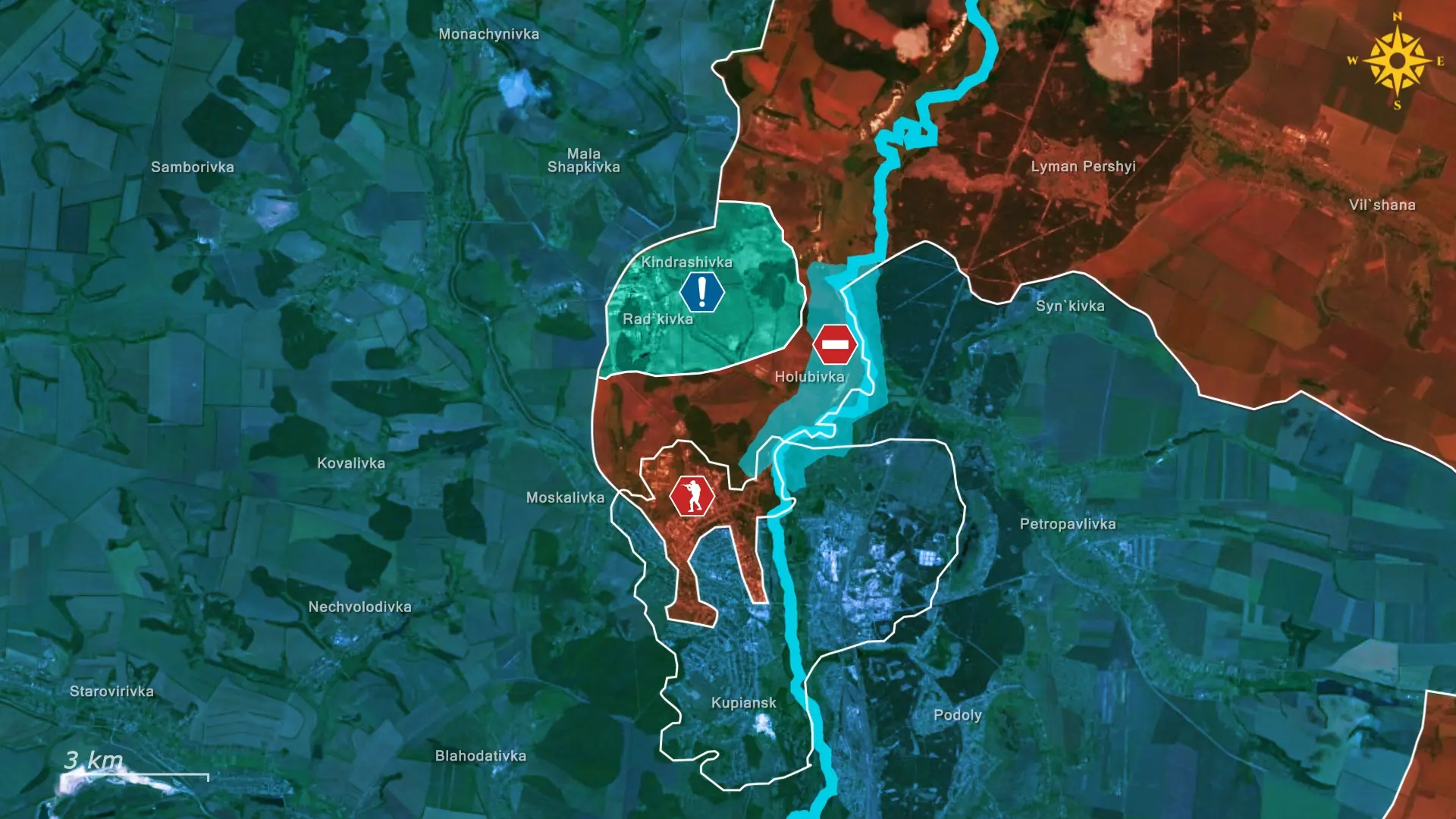
To limit political fallout, the Russian command imposed an information blackout on the situation in Kupiansk, but facts on the ground could not be hidden. Ukrainian forces succeeded in cutting all supply routes into western Kupiansk. Attempts from the eastern flank to break through toward Petropavlivka and relieve the encircled units also failed, as the Ukrainian command concentrated capable formations there in advance, making every Russian push slow, costly, and ineffective.
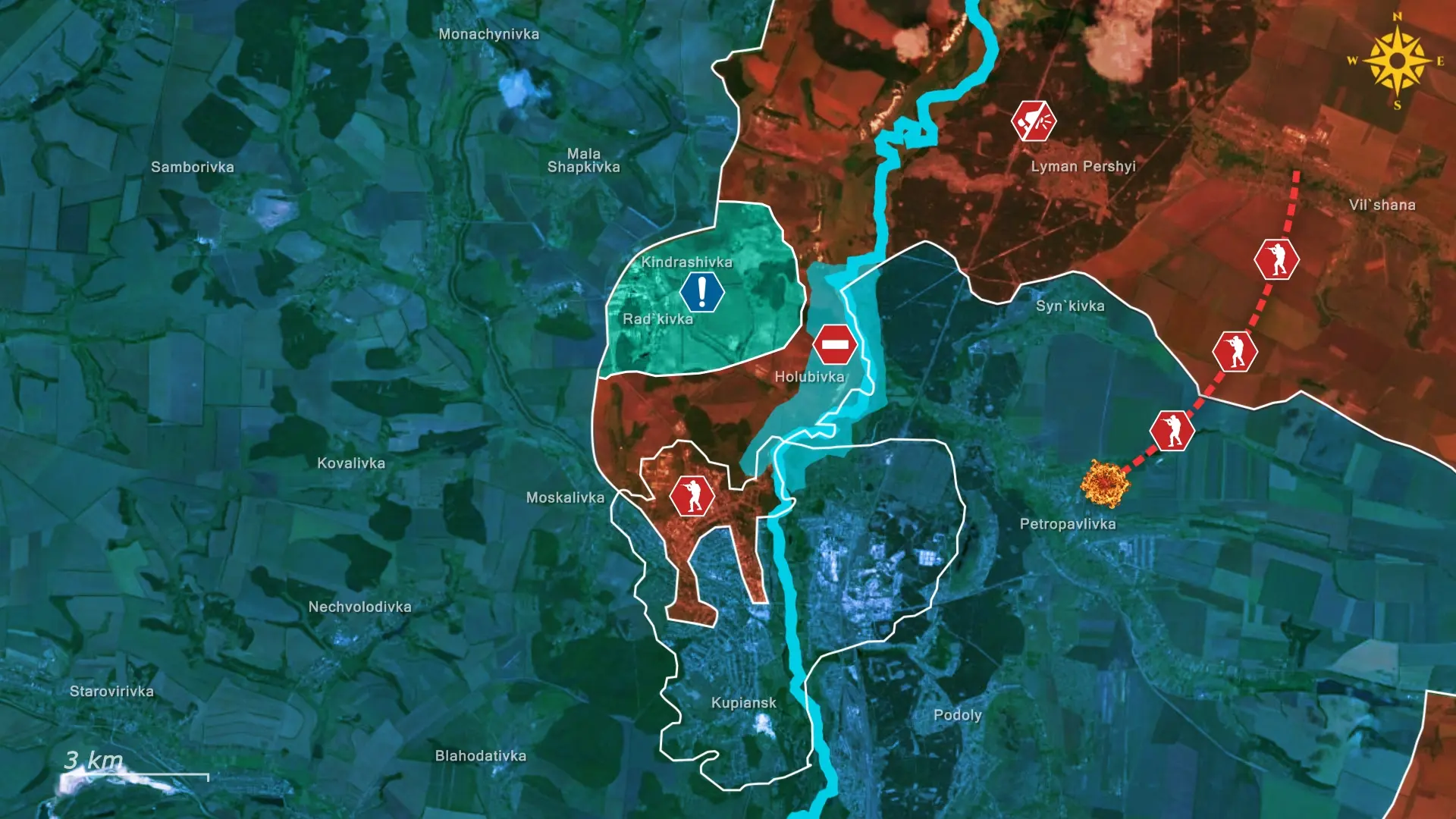
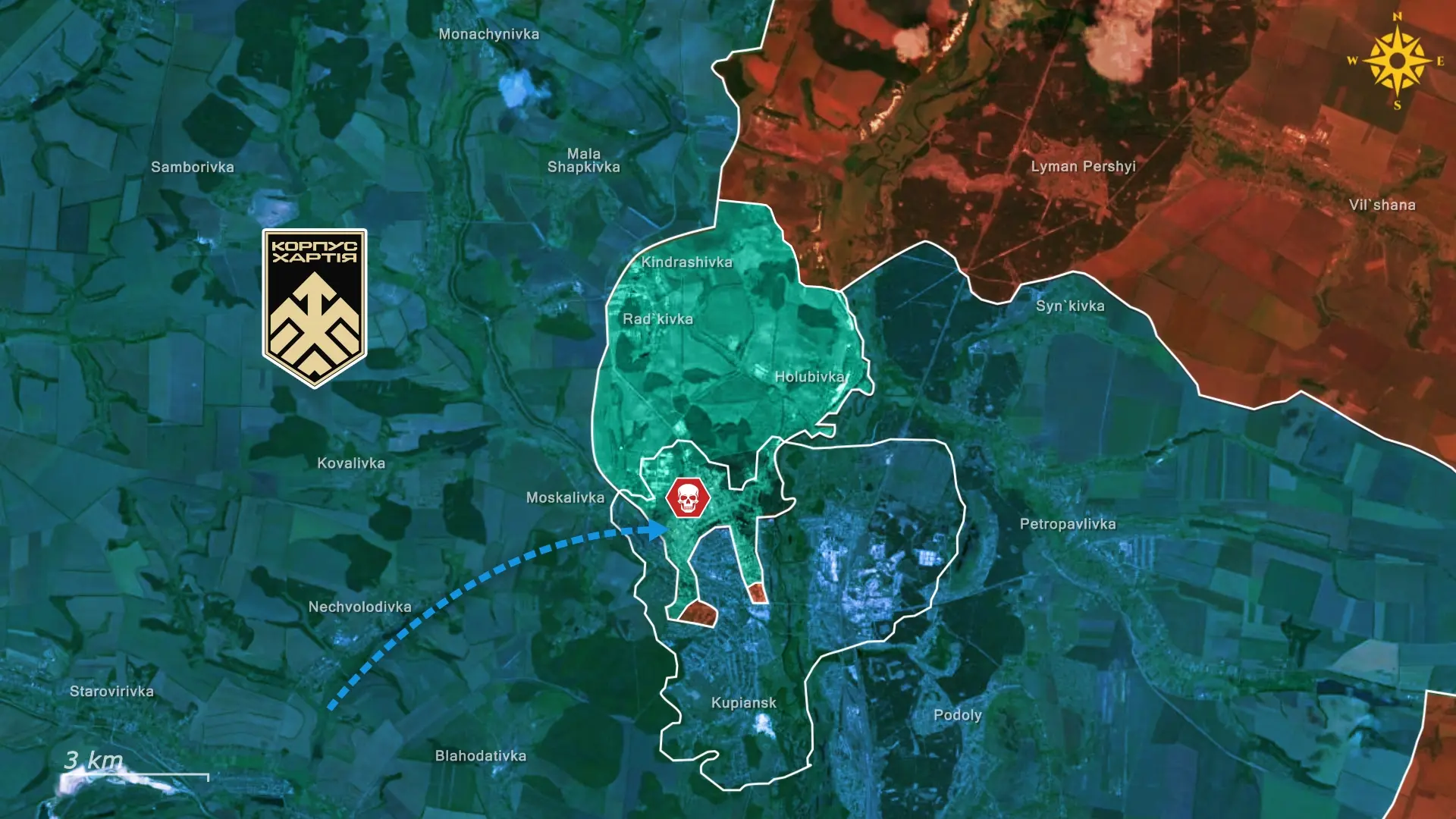
With the enemy exhausted, the Ukrainian plan entered the next phase; clear the outskirts to prevent any escape and tighten the noose around the Russian forces still inside. Ukrainian units quickly liberated Radkivka and Kindrashivka, followed by operations in Moskalivka and the northwestern outskirts of Kupiansk itself.
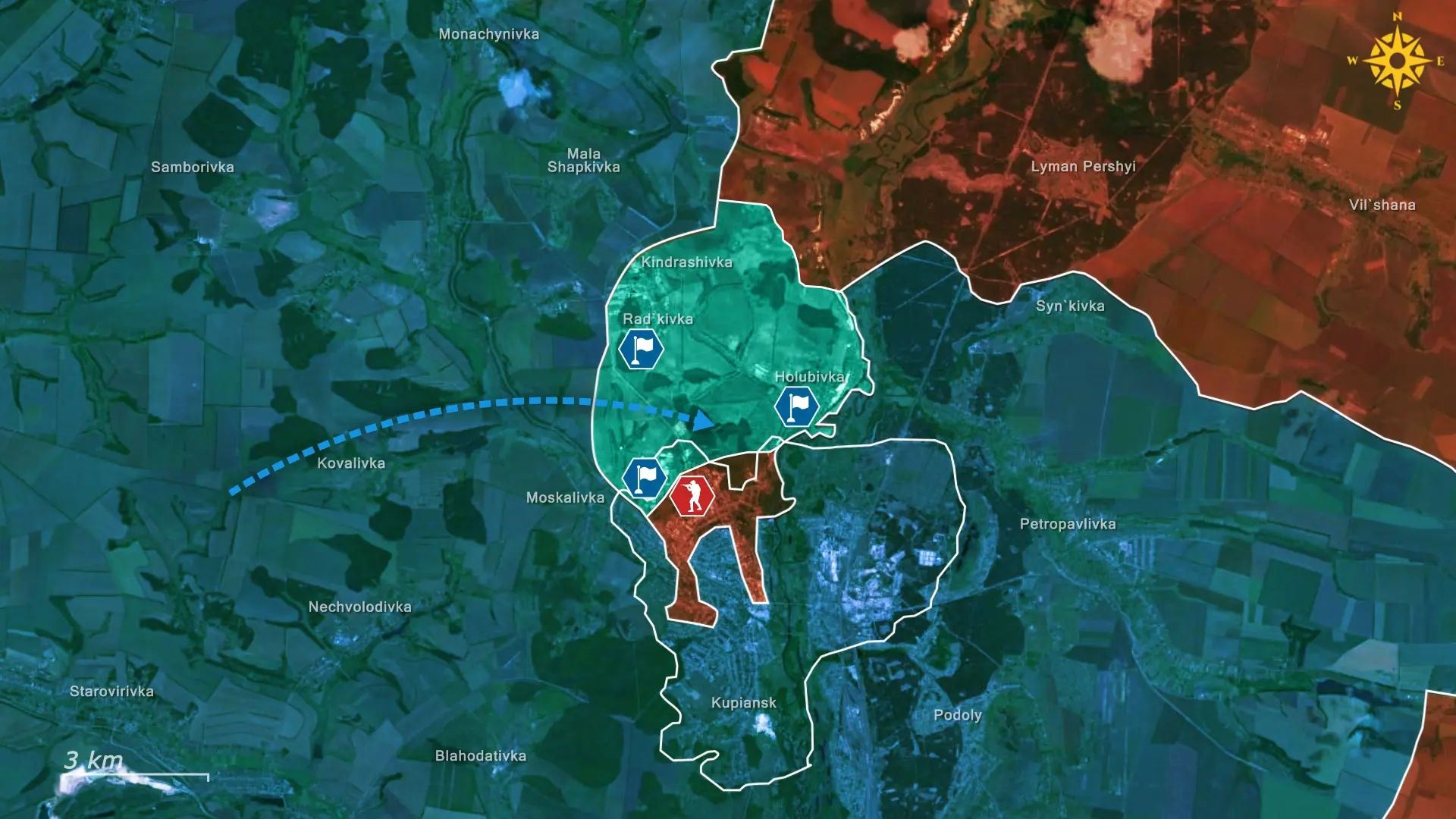
Fighting there was intense and prolonged, with Russian forces reduced to scattered enclaves. Infantry assaults supported by drones pushed the enemy back block by block, forcing withdrawals into the center. Ukrainian drone operators continued to play a decisive role, locating and striking small groups attempting to fortify their positions and prevent the Ukrainian advance.
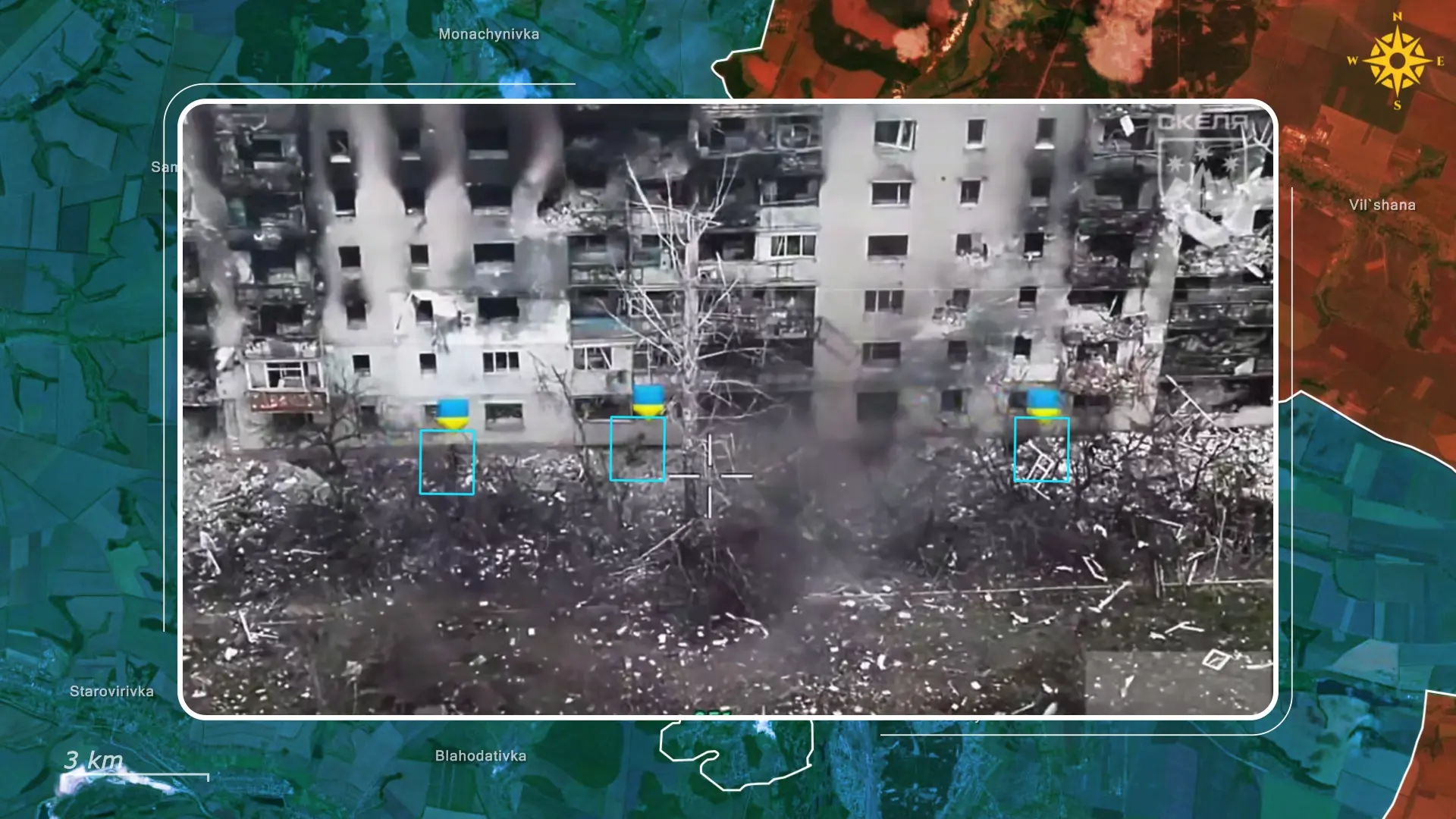
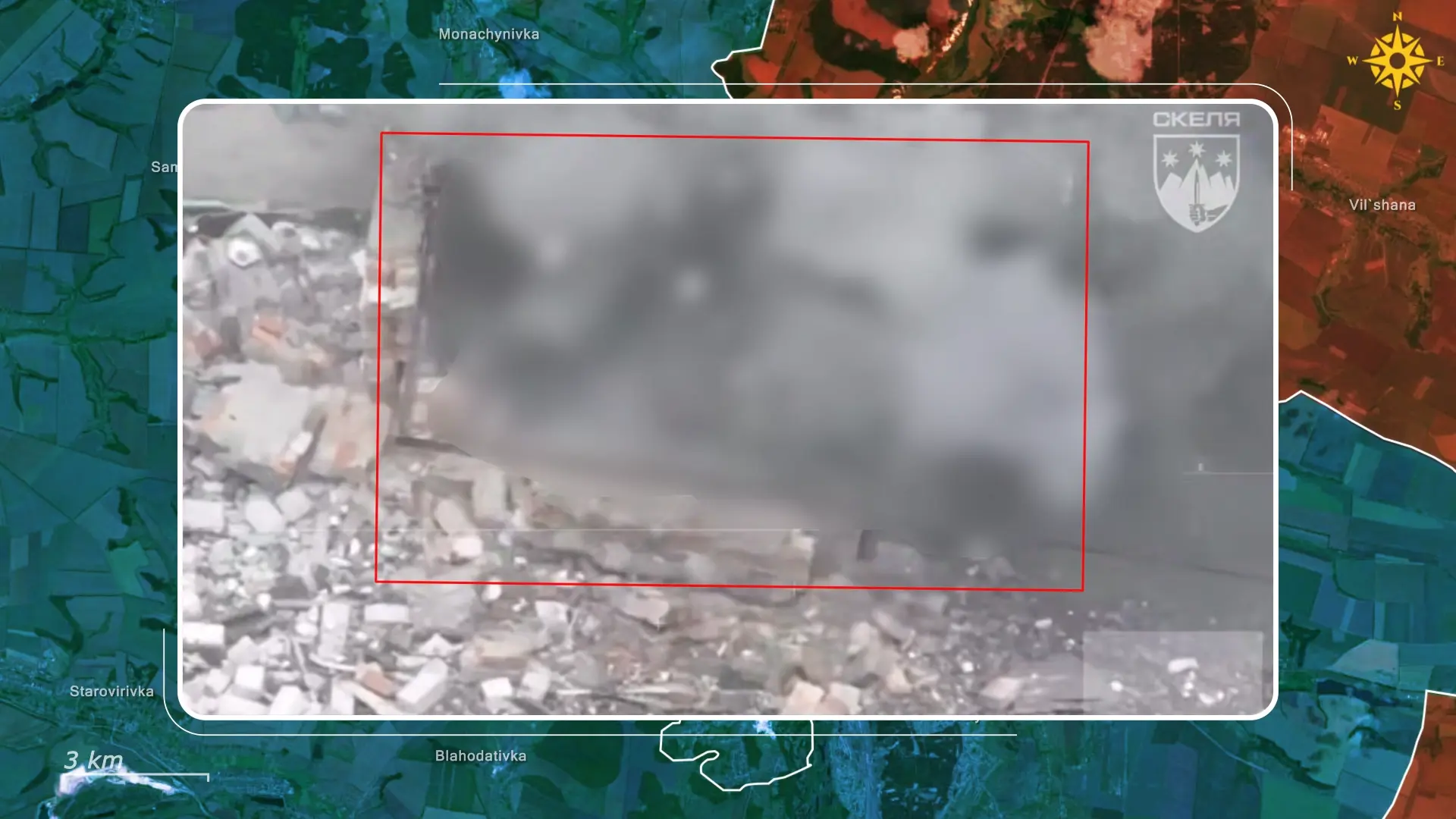
Russian drone activity increased in kind, as one geolocated video shows Ukrainian soldiers clearing buildings while coming under attack from a Russian FPV drone; fortunately, despite heavy fire and the drone not being shot down, the strike missed, as all Ukrainian troops survived and continued on their mission.
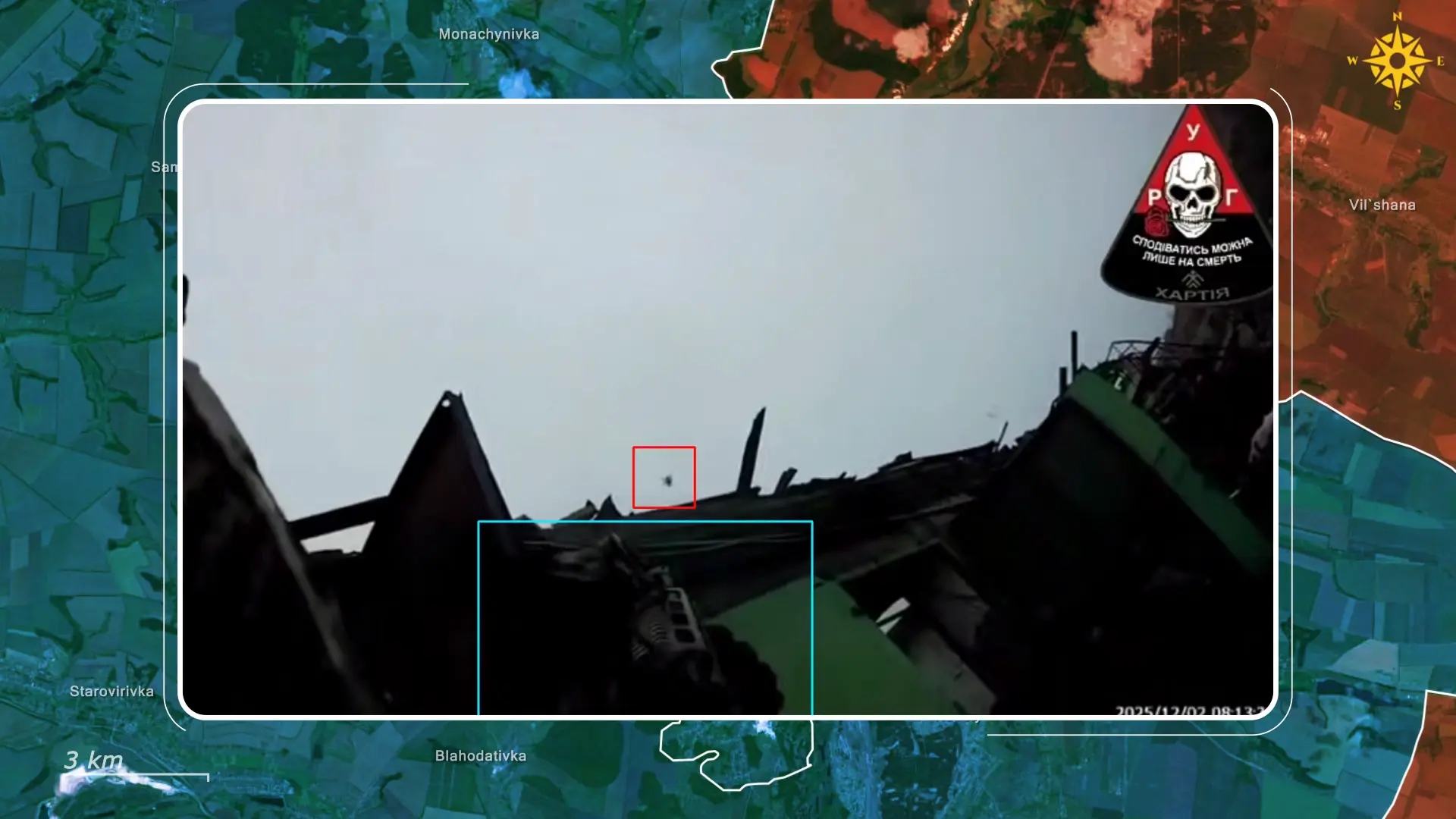
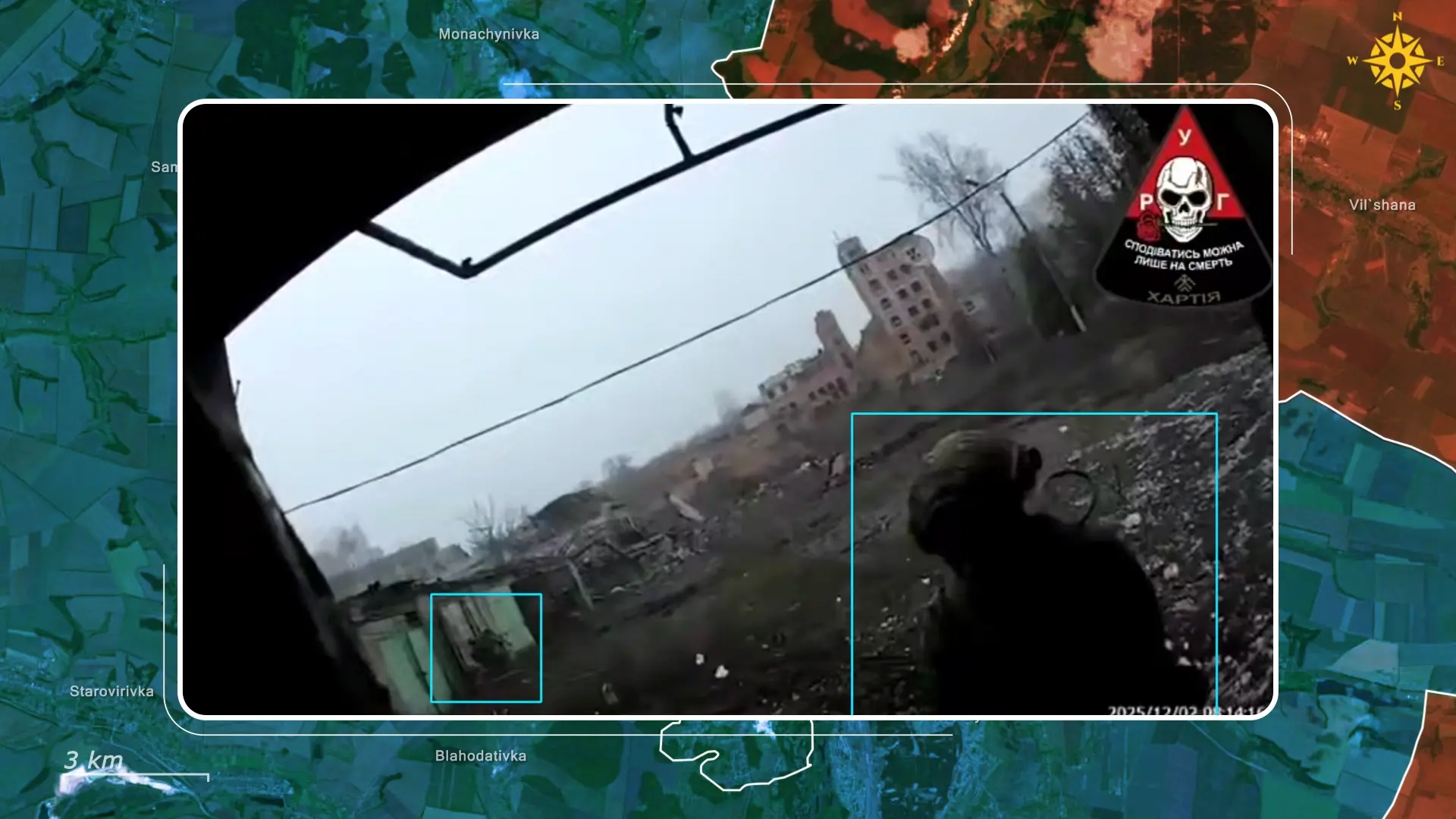
After the Russian remnants were concentrated and reinforcement routes cut off, the Ukrainians decided it was time to finish the remained of Russian forces. As a result, units of the 2nd National Guard Corps Khartia, reinforced by special operations forces, liberated over 40 square kilometers.
Soon after, President Zelensky visited the outskirts of Kupiansk to personally deny past Russian claims of victory. Together with Syrski, he met the frontline command, awarding soldiers and declaring that Kupiansk remains Ukrainian.
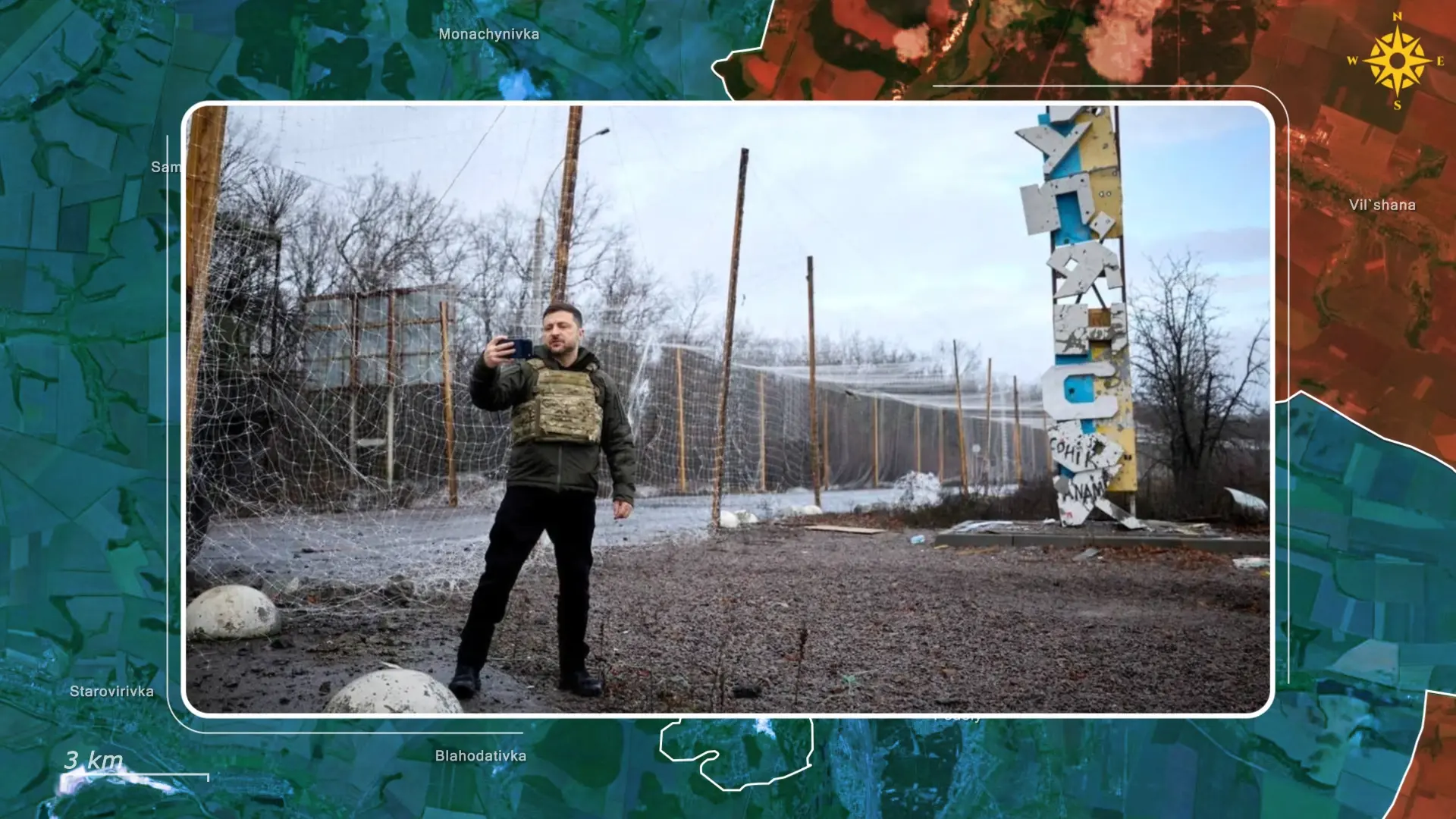
Overall, the importance of the battle for Kupiansk goes beyond the battlefield. Weeks earlier, Putin claimed that Kupiansk and even Pokrovsk had already fallen, calling on international journalists to visit and verify the Russian captures. Zelensky answered that bluff by going to Kupiansk himself, a mere 500 meters from where Russians claimed they held full control, proving that the town remains under the Ukrainian flag. With only isolated Russian groups still hiding and being hunted down, Kupiansk’s clearing has not only dismantled a potential Russian military foothold but also shattered a key enemy claim at a decisive political moment.

.jpg)


Comments