

.svg)
The recently released figures placed Vladimir Putin's approval at the lowest level recorded since the beginning of the war. After four consecutive weeks of decline and a five-point-three percent collapse in only one month, or ten percent drop in 3 months, even Russia’s state-controlled polling can no longer conceal the erosion, despite its usual jerrymandering data and cushioning the Kremlin from bad results. When even loyal institutions admit deterioration, the real frustration lies deep.
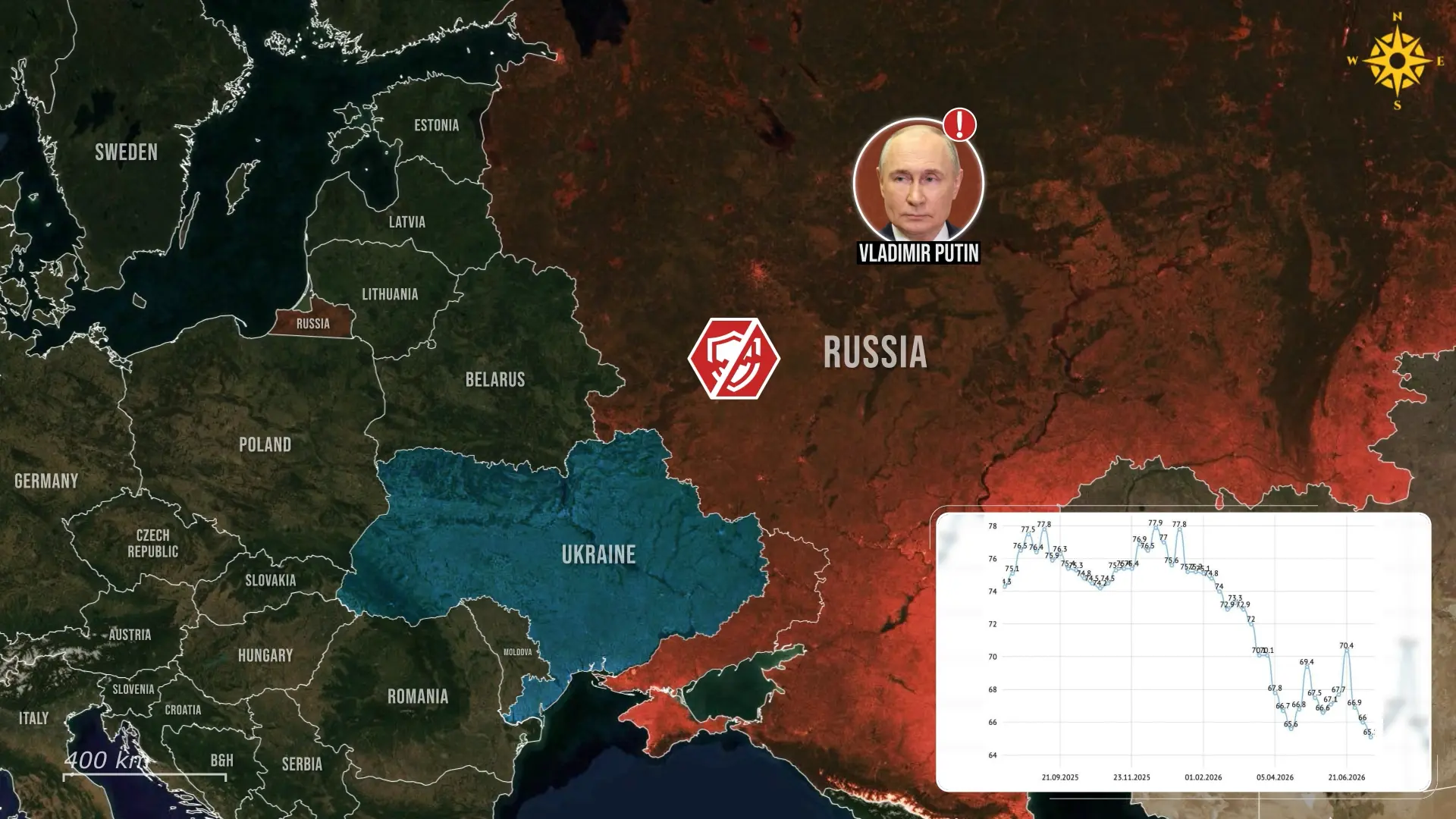
Russians are increasingly posting direct appeals accusing Putin of destroying the country for a war nobody needed, while military commentators, veterans, and public figures speak more openly about failures once considered untouchable. Reports that Putin has tightened personal security, reduced meetings, avoids his own residences, and spends long periods in bunkers micromanaging the war, suggest that he fears more than just losing popularity. In a system built around one man, falling authority can quickly become a personal survival problem, which can escalate and lead to the killing of Vladimir Putin.
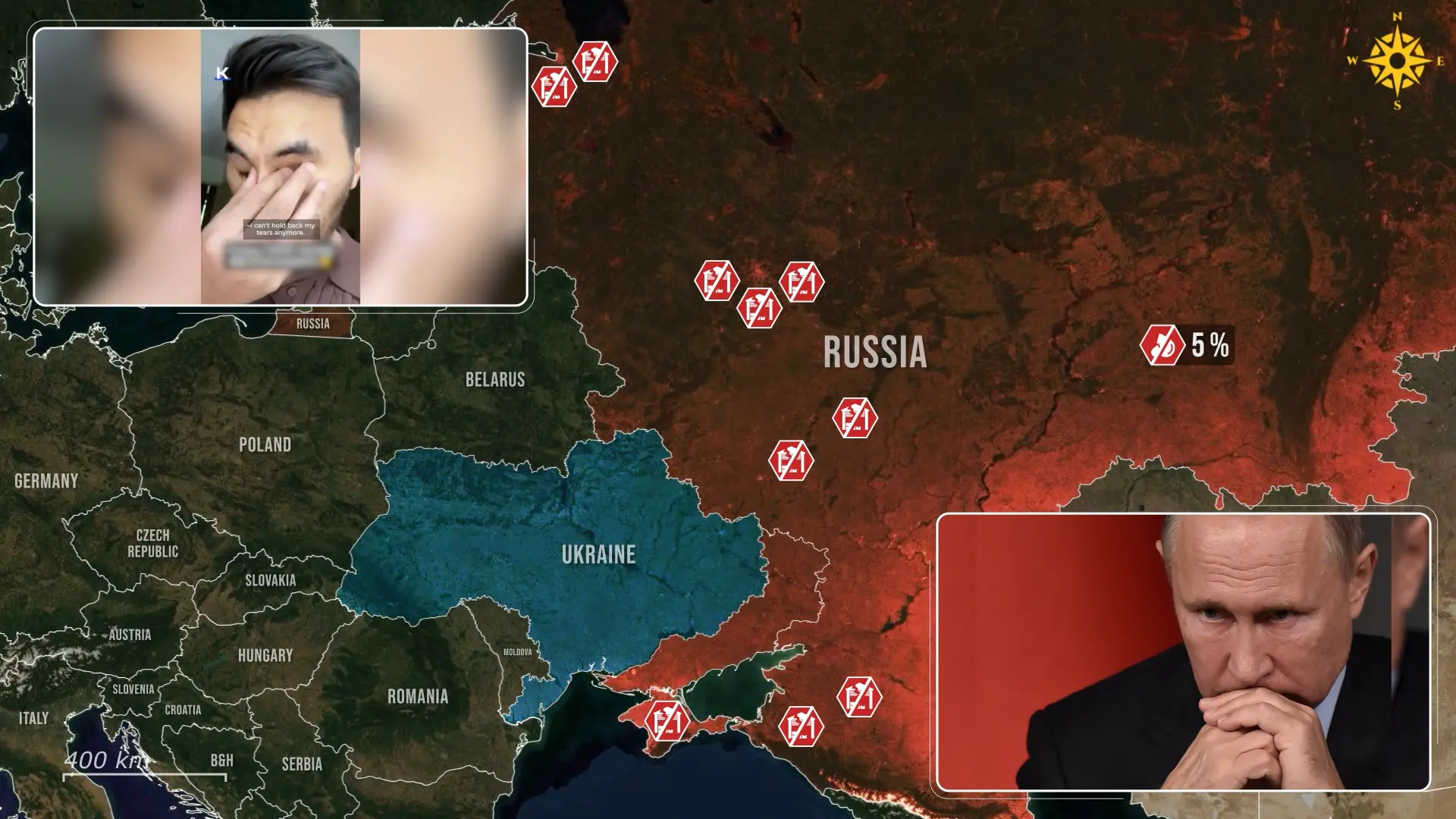
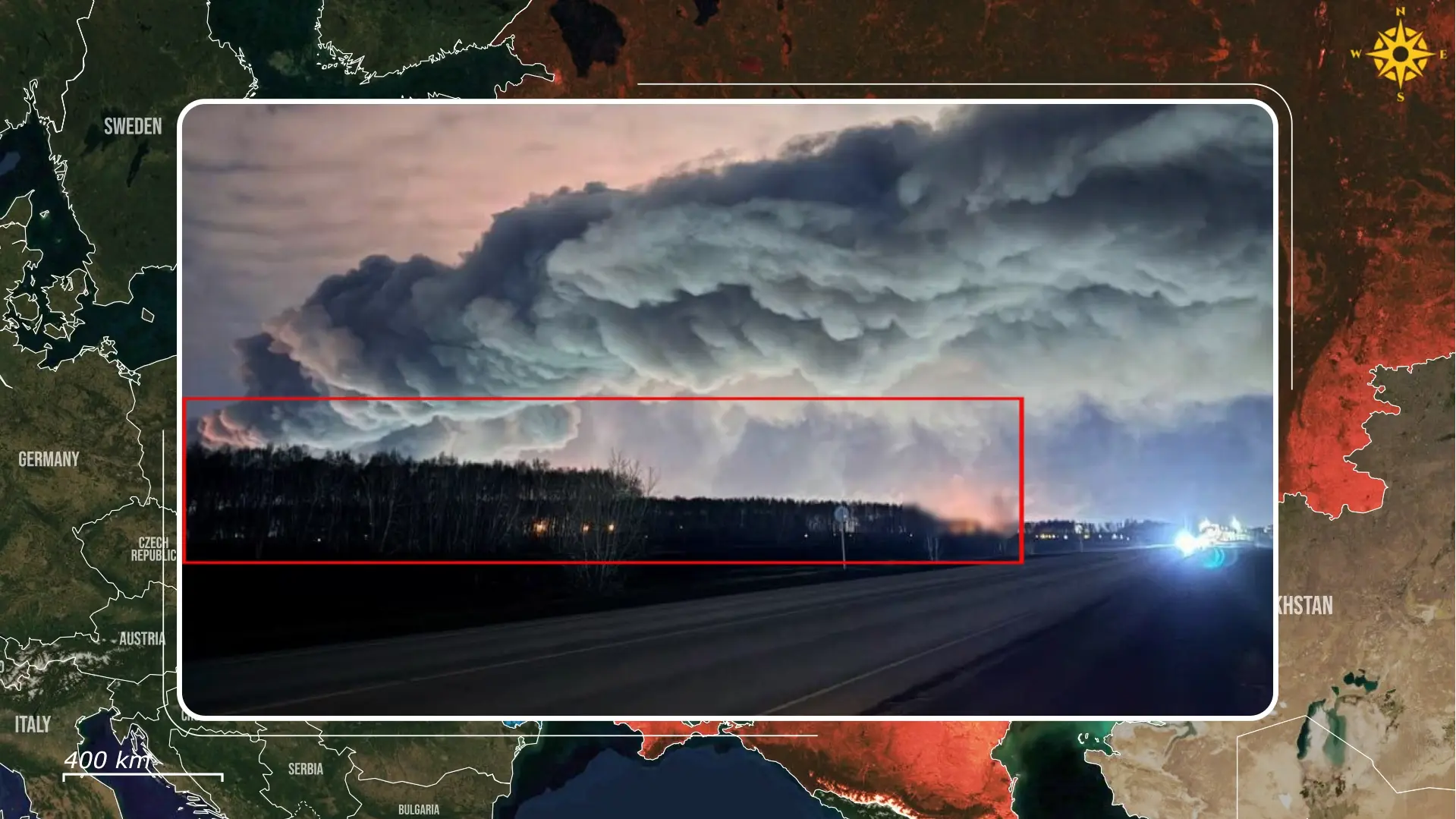
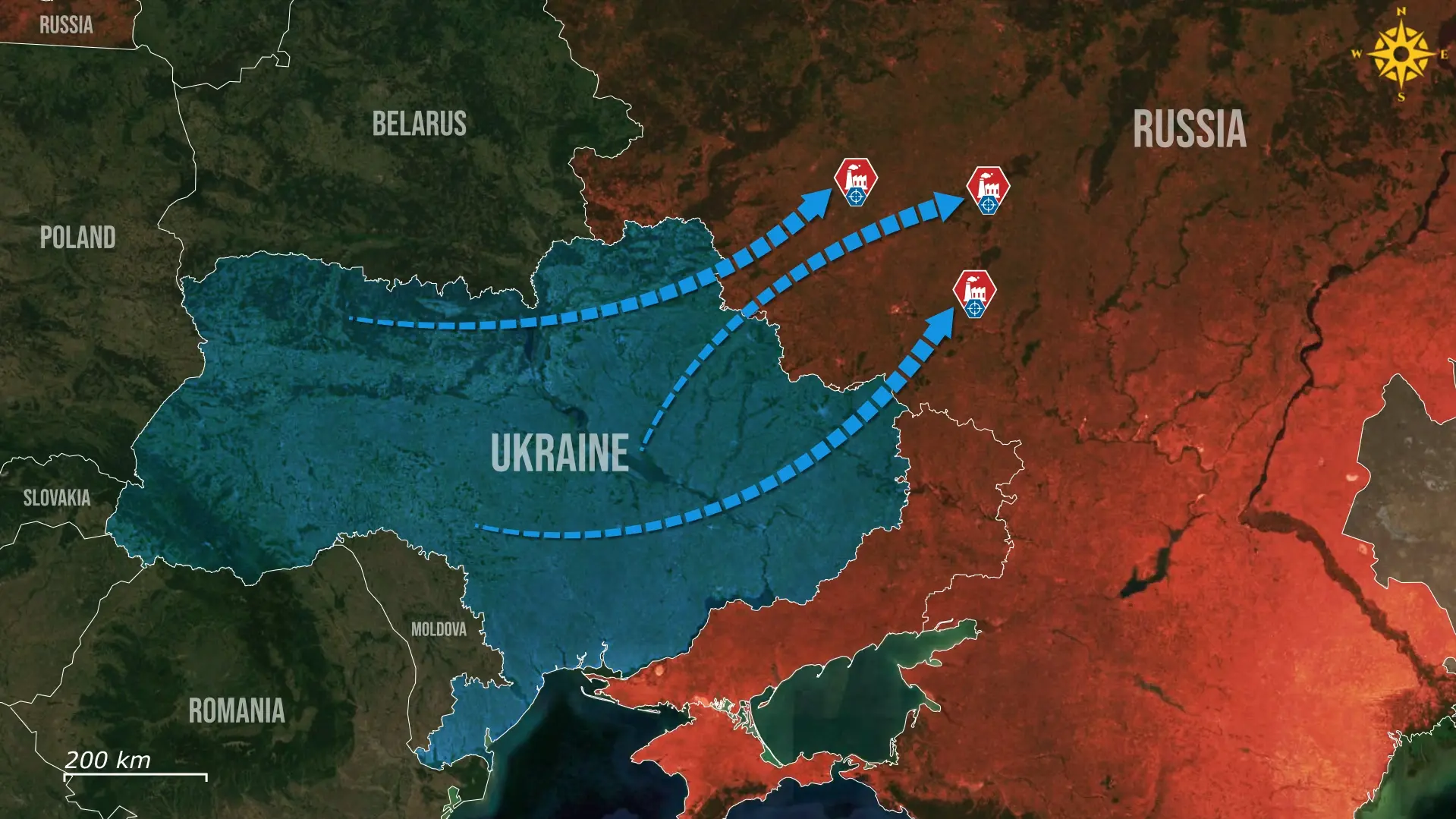
The immediate cause is that Ukraine has found a way to bring the war into ordinary Russian life. Its recent campaign targeting strikes on Russian online retail giant Wildberries warehouses across Russia is central to that shift. At least nine facilities have reportedly been attacked, damaging more than twenty-five percent of the company’s logistics capacity. Wildberries is not merely an online retailer, but is embedded into everyday consumption and supports hundreds of thousands of small merchants. When these warehouses burn, ordinary Russians experience delayed parcels, but businesses using them to sell products are ruined by completely destroyed inventories. At the same time, Wildberries says they will not compensate for the destruction of property in case of Ukrainian strikes, ultimately forcing the merchants into bankruptcy. The Kremlin’s promise that the war would remain distant from normal urban life becomes impossible to maintain when the biggest distribution centers are destroyed across multiple regions, without any attempt to prevent it.
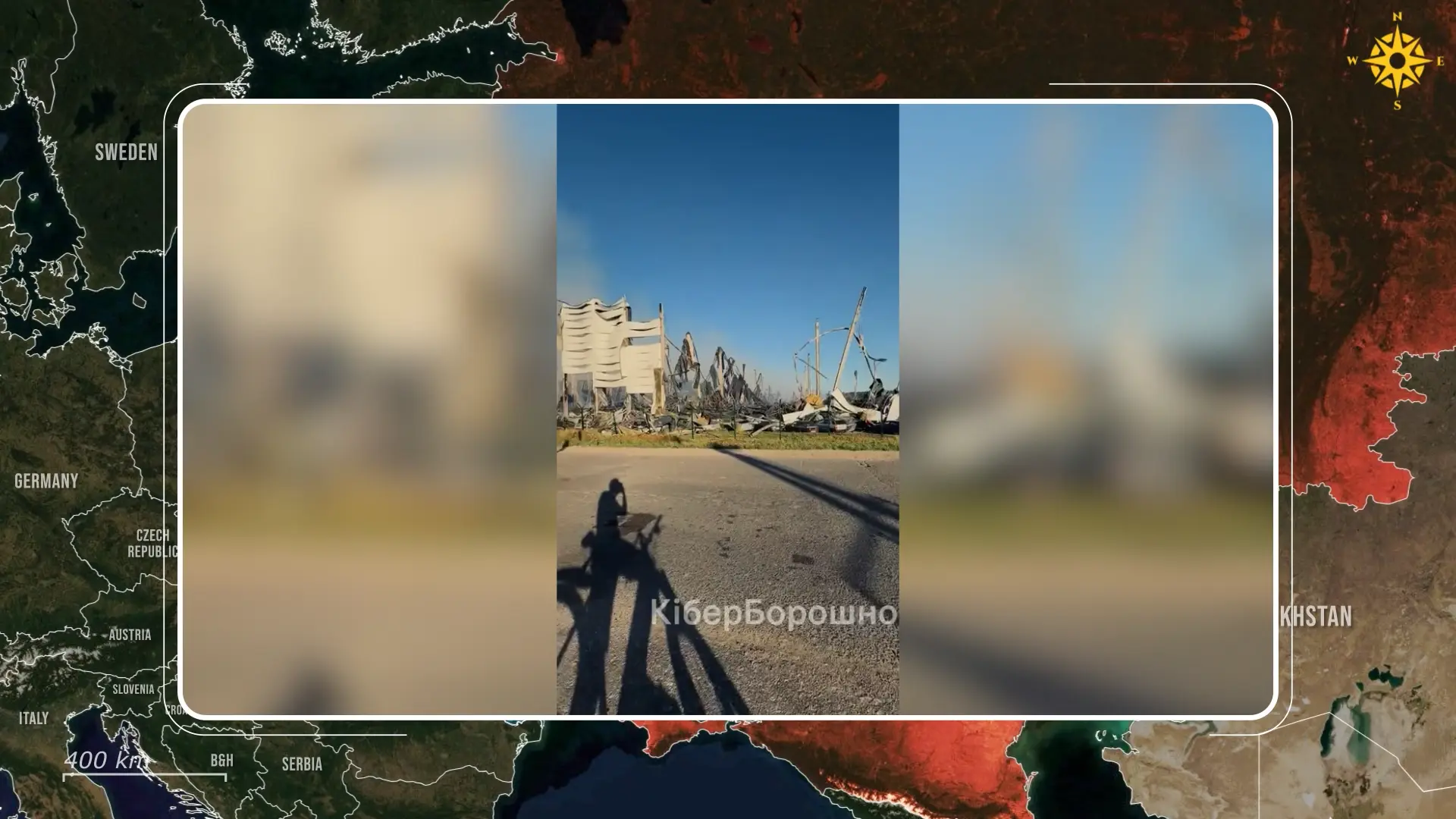
As a result, this is quickly becoming Ukraine’s most politically consequential strike campaign. Russia, as the aggressor state in the war, can only continue the war while its population tolerates the costs. Attacks on oil refineries impose strategic damage, but much of that burden is initially absorbed by the state and major corporations; and while fuel shortages massively disrupt Russian citizen’s lives and create big social unrest, for most it does not result in financial bankruptcy. Warehouse strikes are different, as small and medium-sized merchants place nearly all available capital into goods stored inside these centralized distribution centers. When those goods disappear, owners lose inventory, revenue, customer trust, and sometimes their entire livelihoods. The losses then spread to suppliers, transport companies, employees, and consumers, as millions of Russians start to directly feel the consequences of Putin's war.
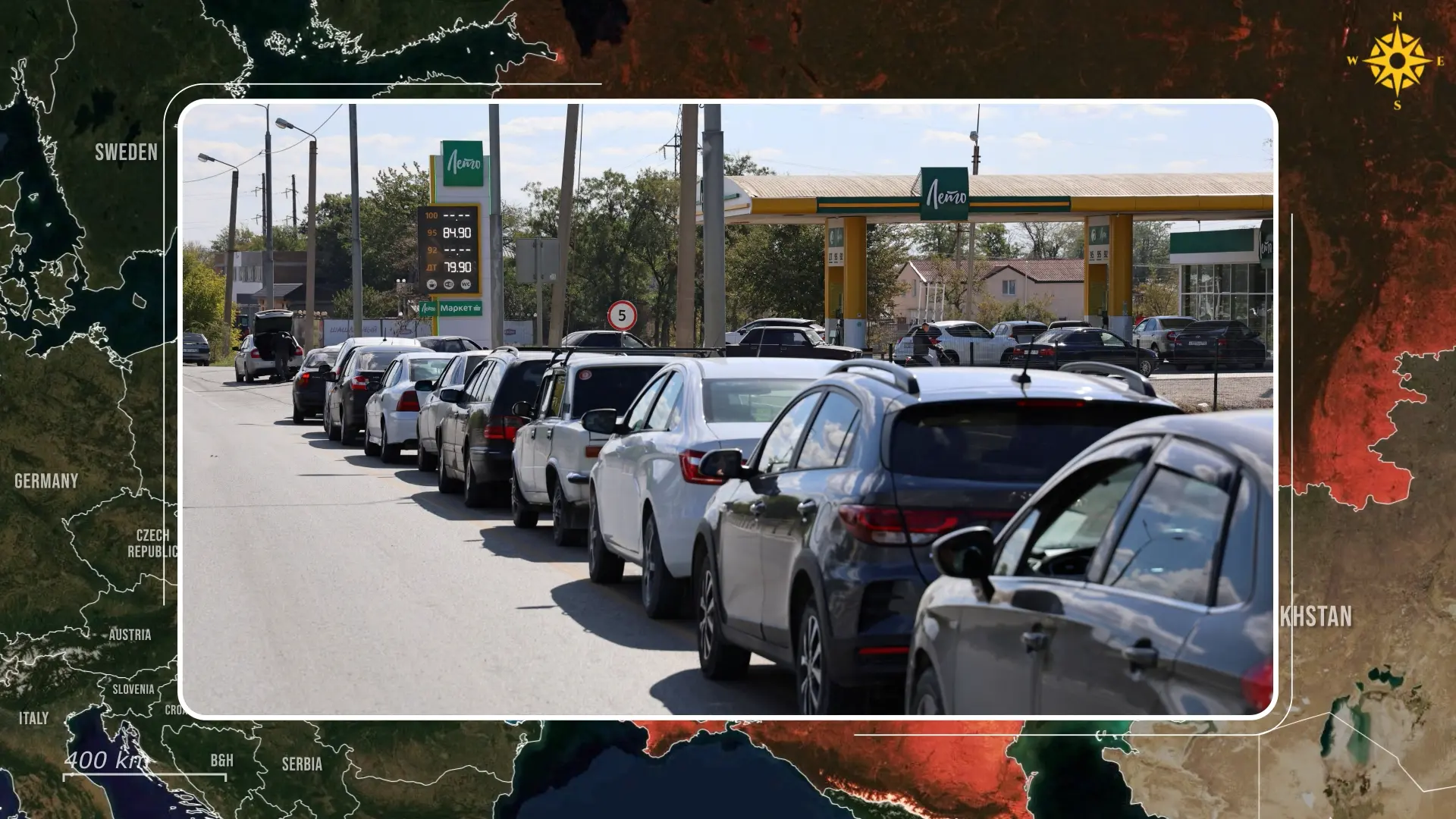
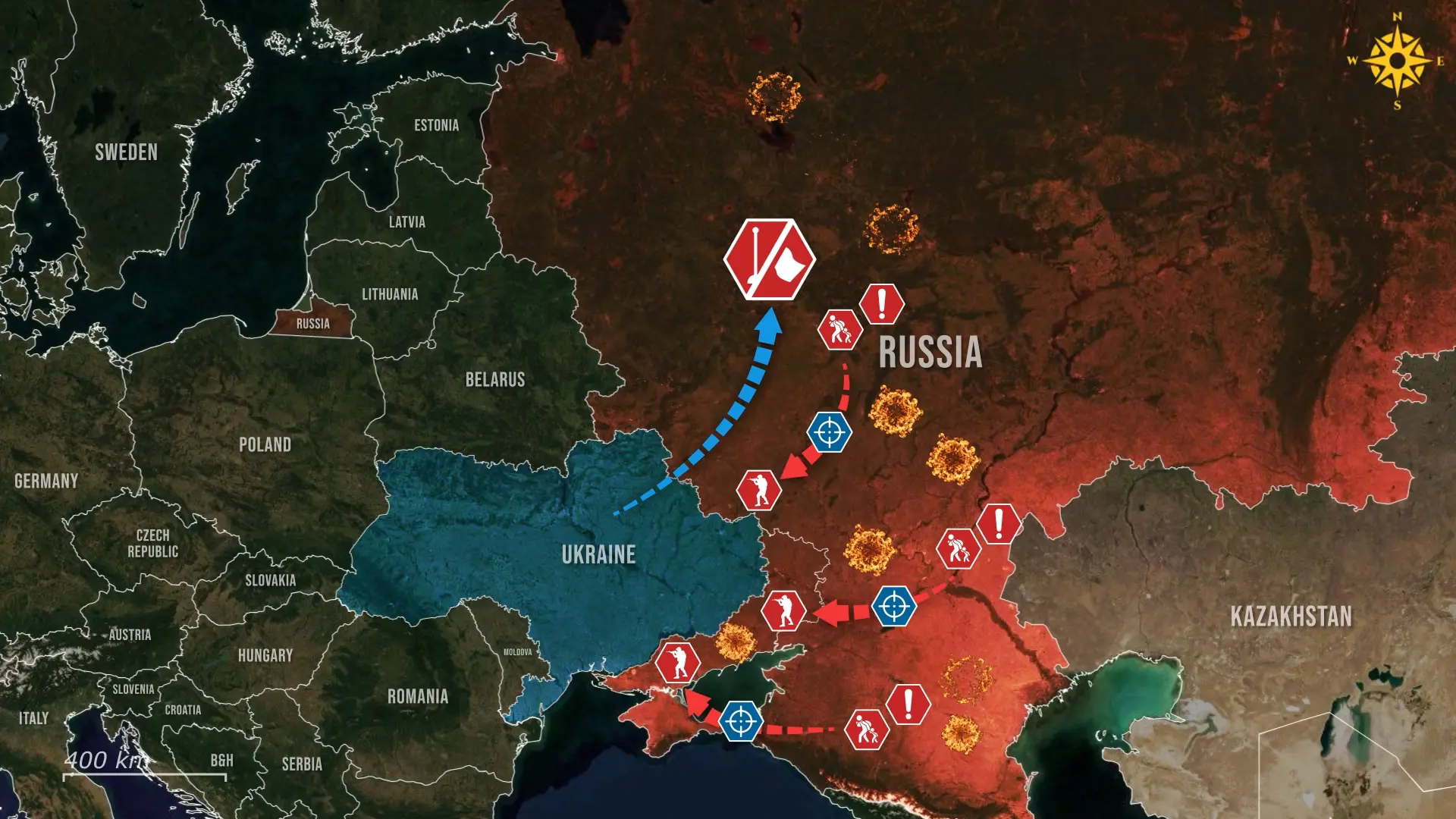
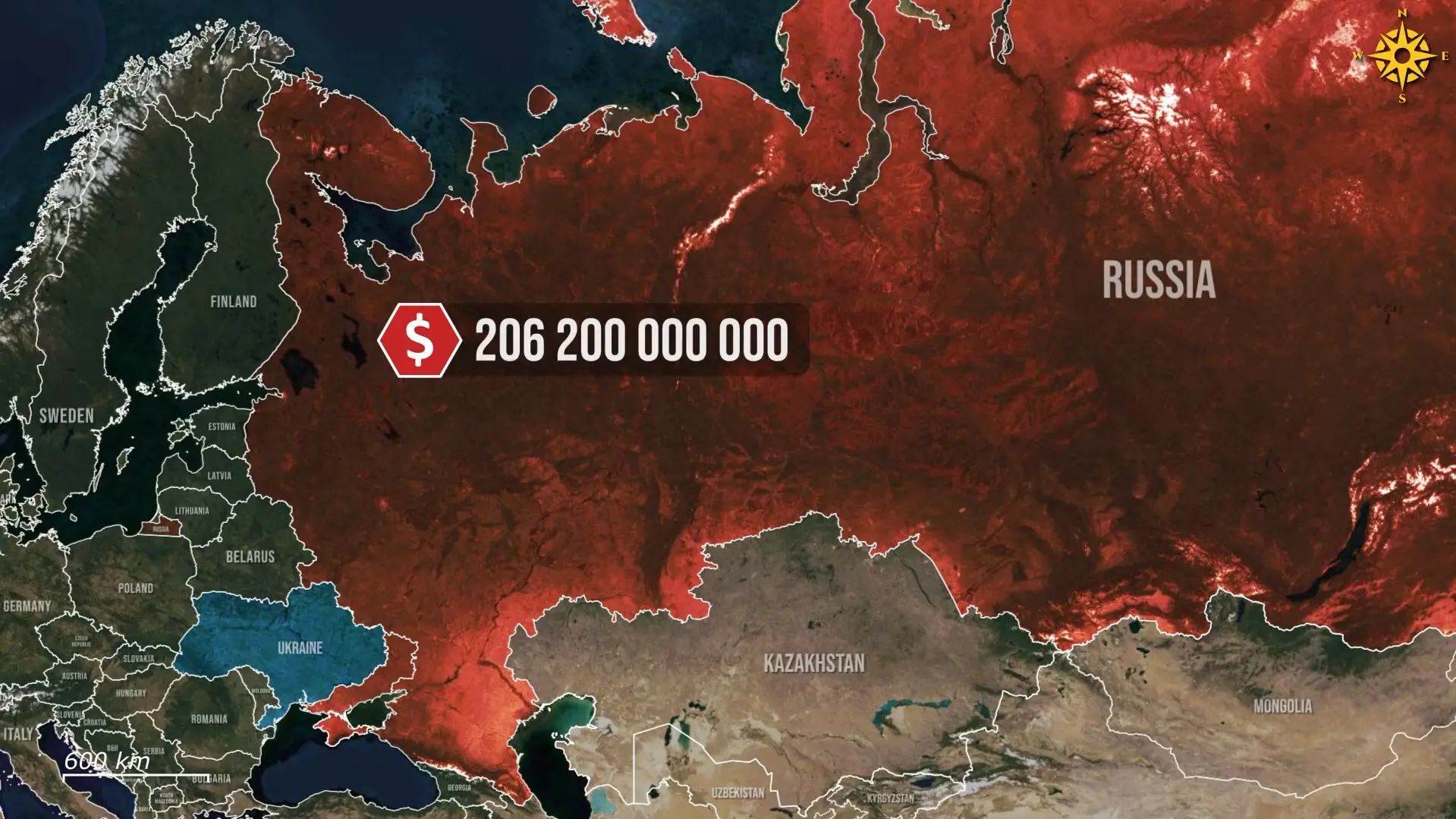
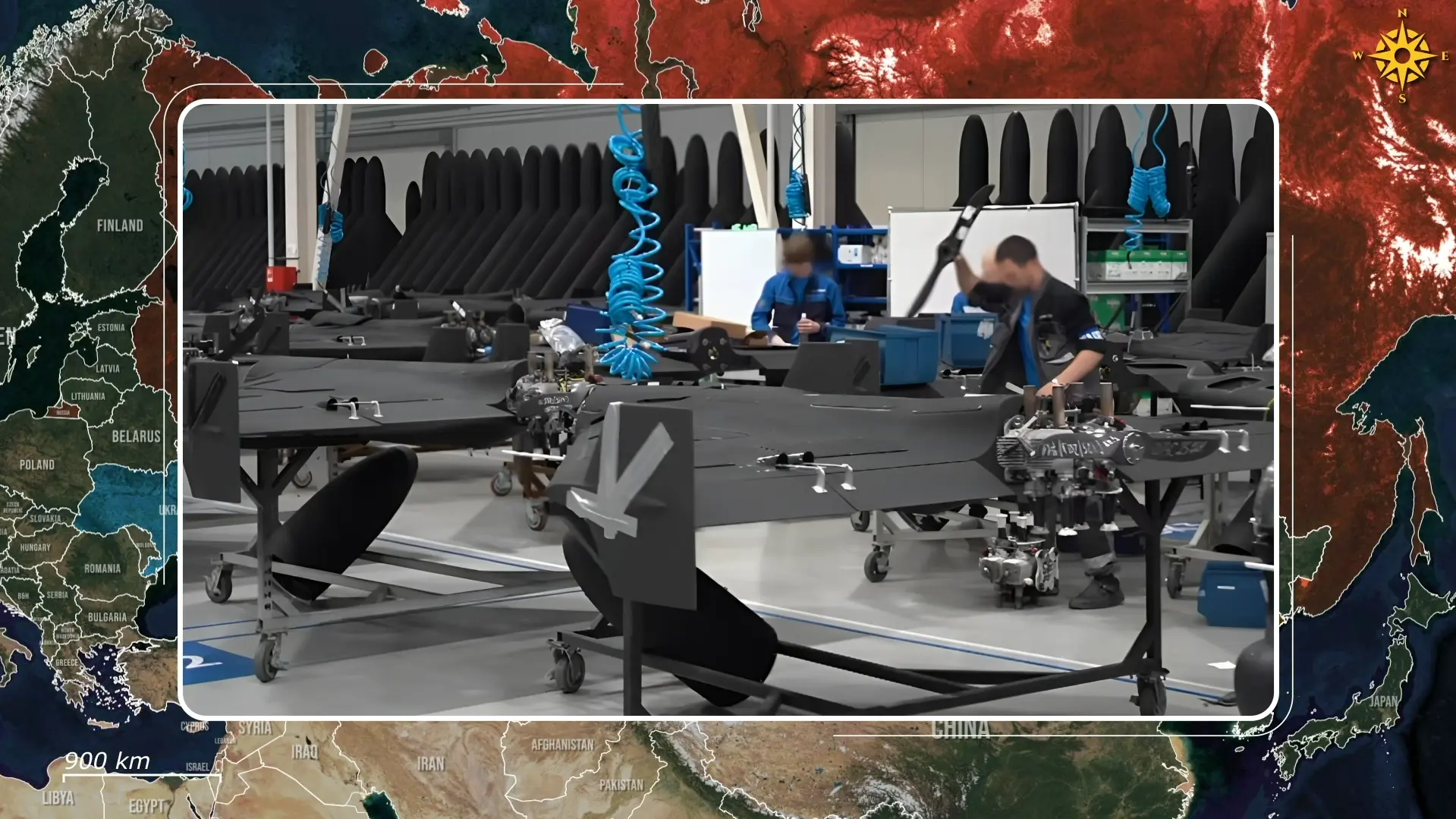
At the same time, this new wave of pressure arrives while Russia’s economy is already overstretched by military production, sanctions, manpower shortages, inflation, reduced oil income, and the worst fuel crisis in Russian history. Refinery attacks have created shortages and rising prices for consumers, while weakening government revenue and stability. Now the destruction of logistics hubs threatens civilian commerce as well, and it’s already leading to open criticism of the Russian regime. However, the true extent of the impact of burning warehouses has not even arrived yet, as business bankruptcies reduce employment, tax receipts, consumption, and confidence, forcing the state to spend more money stabilizing the home front while still financing the war.
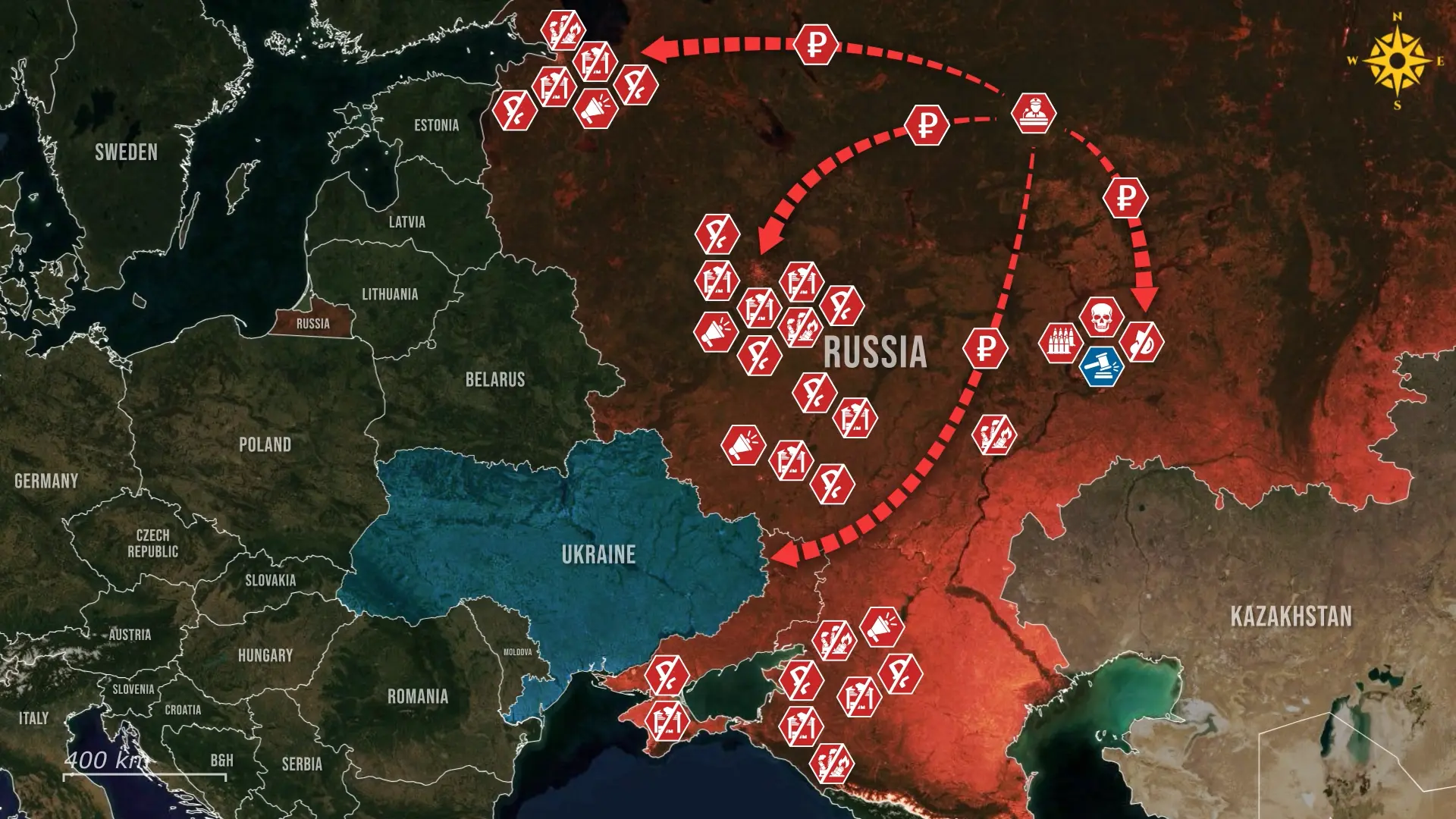
The political danger for Putin is therefore multiplying. The fuel crisis alone erased more than five percentage points from his approval rating in only a month and pushed his rating to an all-time low. Burning Wildberries warehouses will now accelerate the decline because they transform strategic disruption into personal loss for ordinary Russians. Putin already appears cornered, hiding behind hardened security and reportedly fearing betrayal, assassination, or a coup. Public anger that would have been unthinkable only months ago is now surfacing openly, as every destroyed hub therefore becomes not merely an economic loss, but evidence that the Kremlin cannot protect the stability on which its legitimacy has always depended.
Overall, Ukraine has identified the weakest point in Putin’s system: the illusion that ordinary Russians can support his war without paying for it. As warehouses burn, businesses collapse, fuel disappears, and daily life deteriorates, that illusion is failing. Putin’s house of cards depends on stability, fear, and public passivity. Ukraine’s strategy is attacking all three simultaneously, and the resulting anger suggests Russia is moving closer to open internal revolt.
.jpg)



Comments