

.svg)
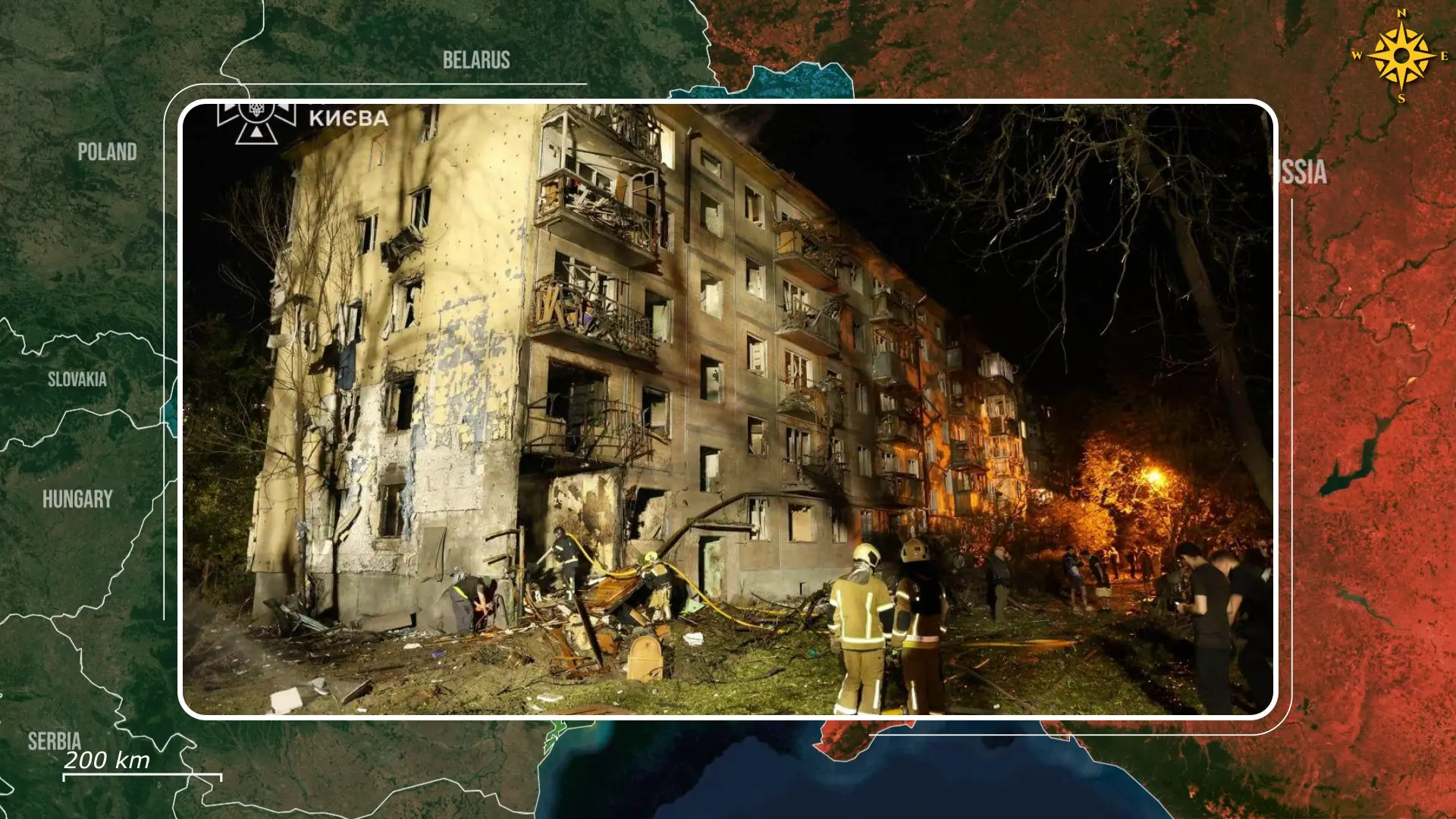
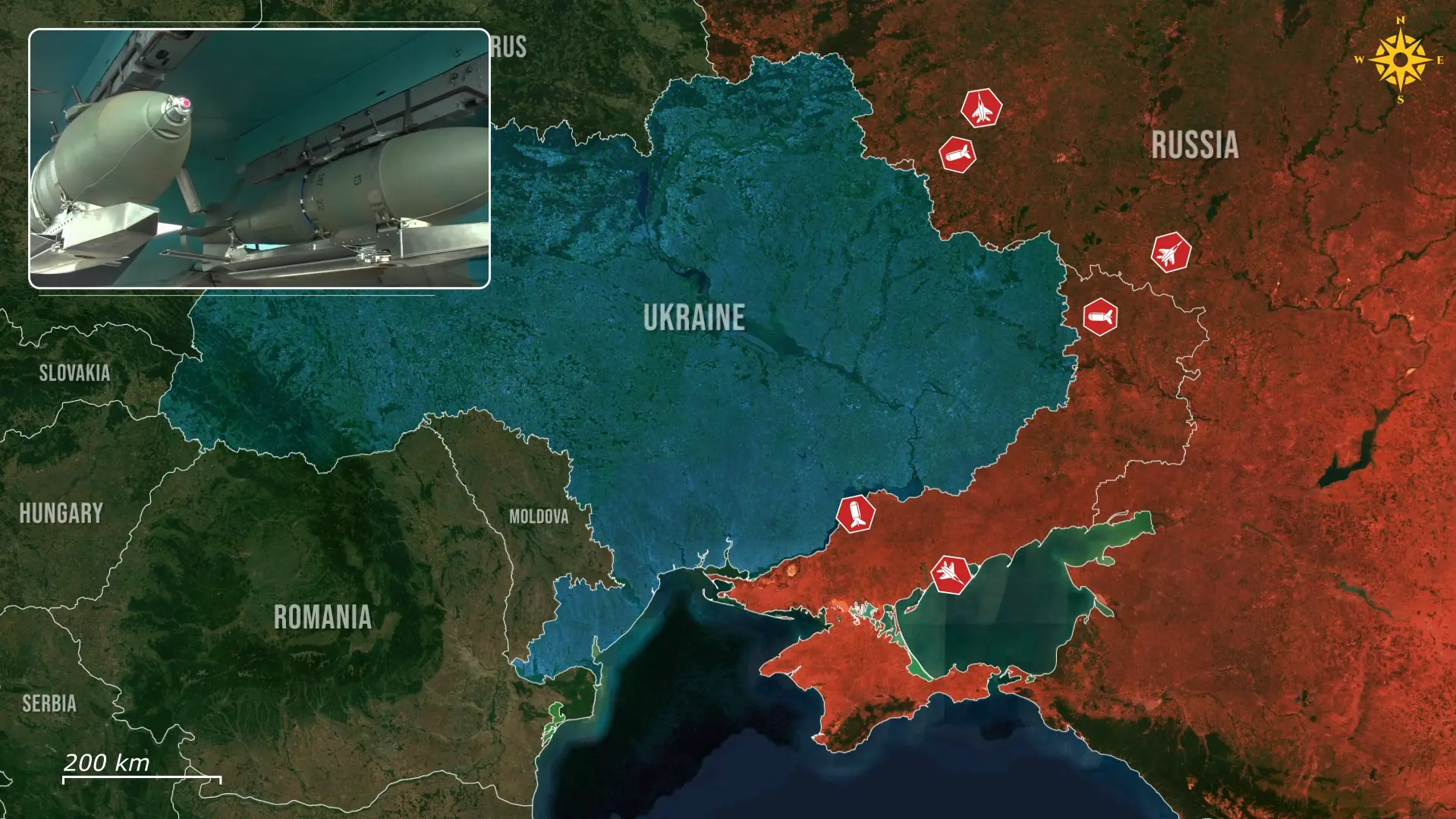
During Russia’s mass attack on the night of July thirty-first, Russia launched thirty-five missiles, including twenty-seven ballistic missiles, and one hundred eighty-five strike drones. Yet Ukraine intercepted only one ballistic missile, with Zelensky confirming that Patriot interceptor missiles have now run out, as Ukraine faced the shortage Zelensky had warned about for months. The attack killed nine people in Kyiv and one other in nearby Brovary, while dozens more were injured. The ballistic missiles hit apartment complexes, parks, and a marketplace, as Ukrainians are once again forced to mourn civilians killed by Russian attacks.
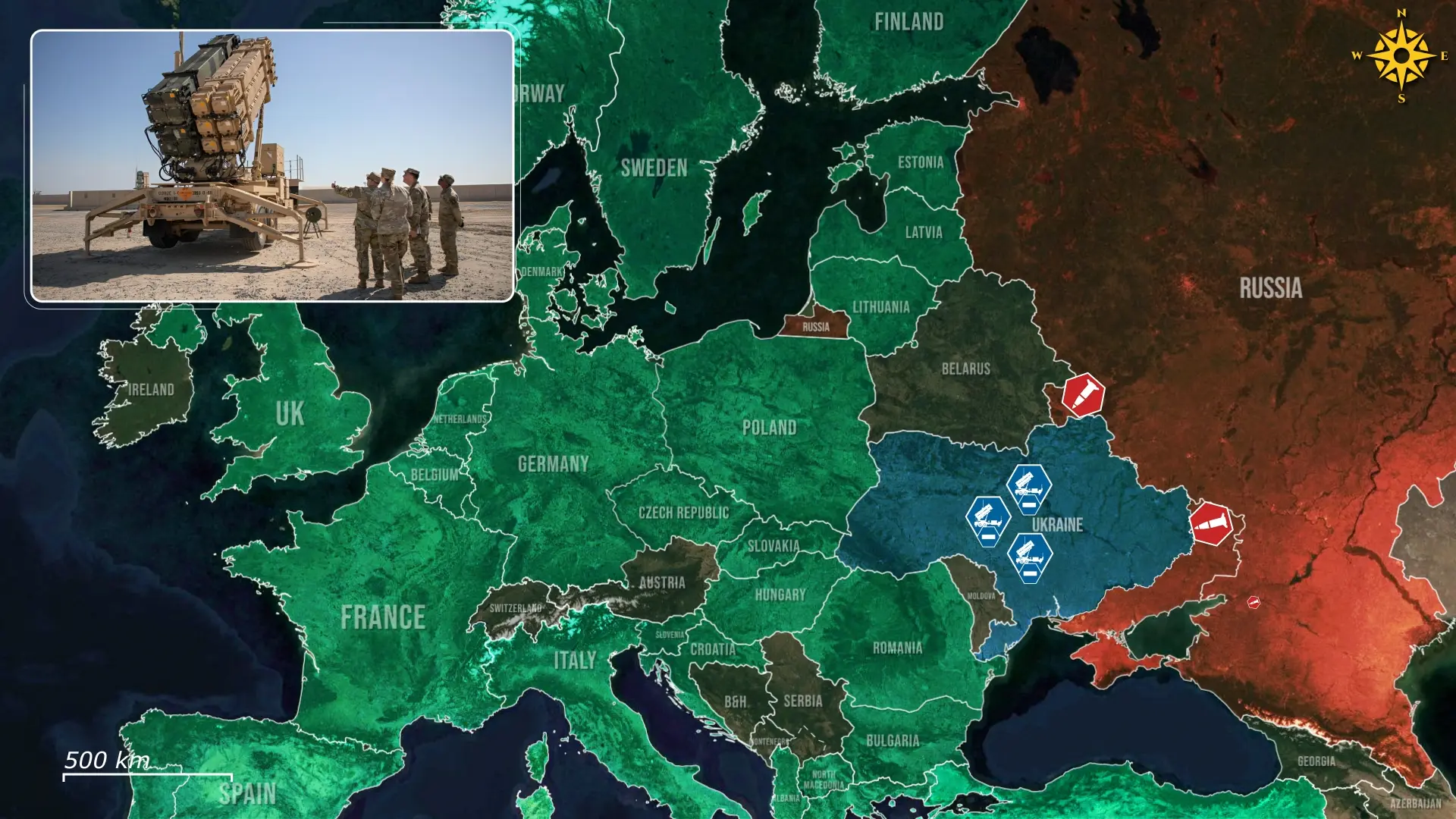
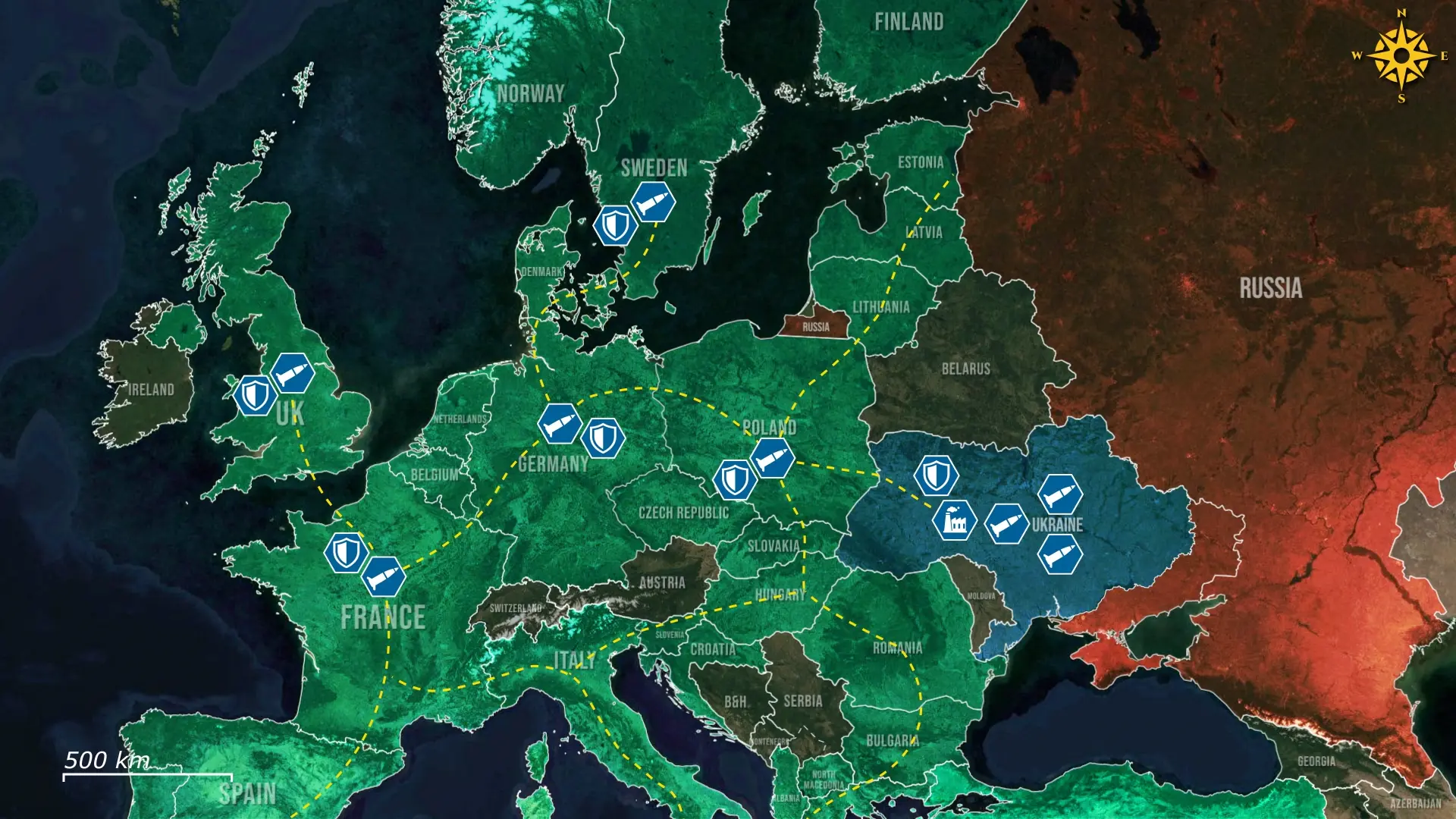
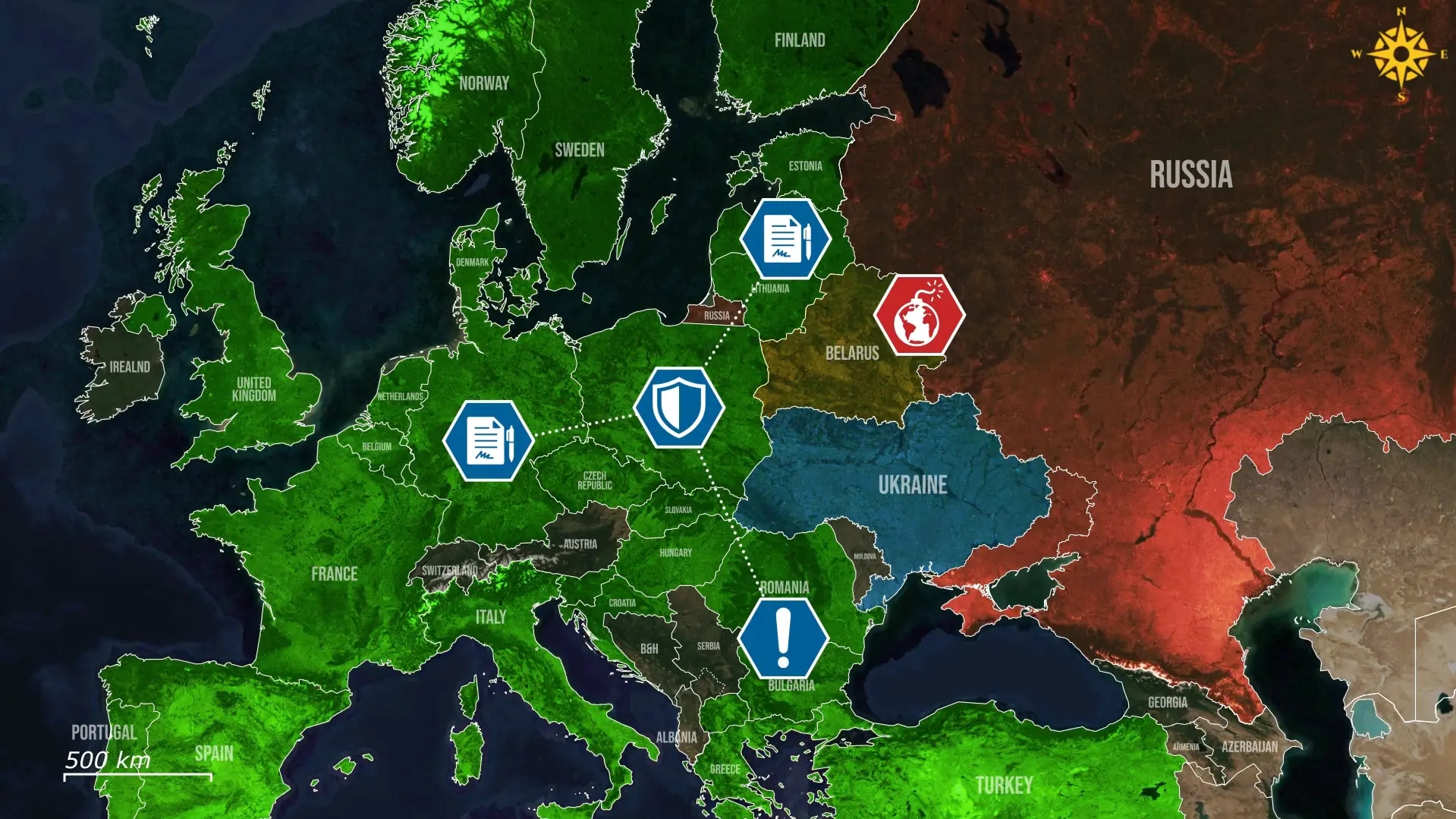
After the United States entered the war with Iran, more Patriot missiles were required in the Middle East, leaving fewer available for Ukraine. Zelensky called Patriot ammunition Ukraine’s greatest air-defense problem, and the Ukrainian Air Force repeatedly warned that stocks could not sustain repeated attacks. Those warnings have now became reality over Kyiv, where Ukraine lacks the missiles needed against the Russian ballistic threat. In February, shortly after the opening of the Iran war, Kyiv proposed joint anti-ballistic development with European countries, with many agreeing to the project. The co-production plan put Ukrainian companies in charge of manufacturing the interceptor missiles themselves, taking advantage of Ukraine’s wartime production capacity. European partners would provide the tech: infrared seekers, target-detection, tracking radars, data links, and advanced guidance systems, taking advantage of European technological expertise. France, Germany and the United Kingdom agreed to support the effort, while Nato itself began coordinating with governments and various defense companies.
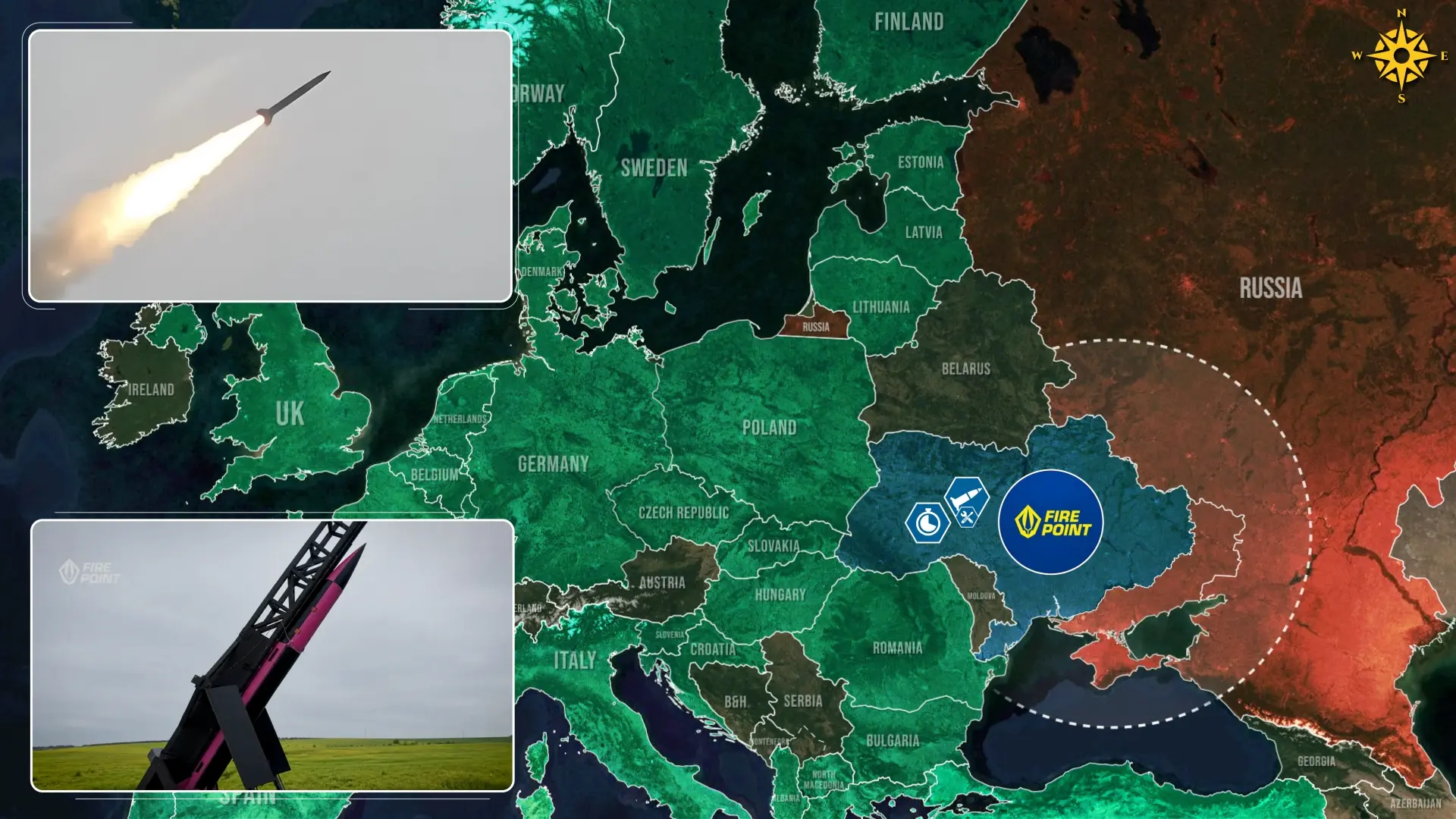
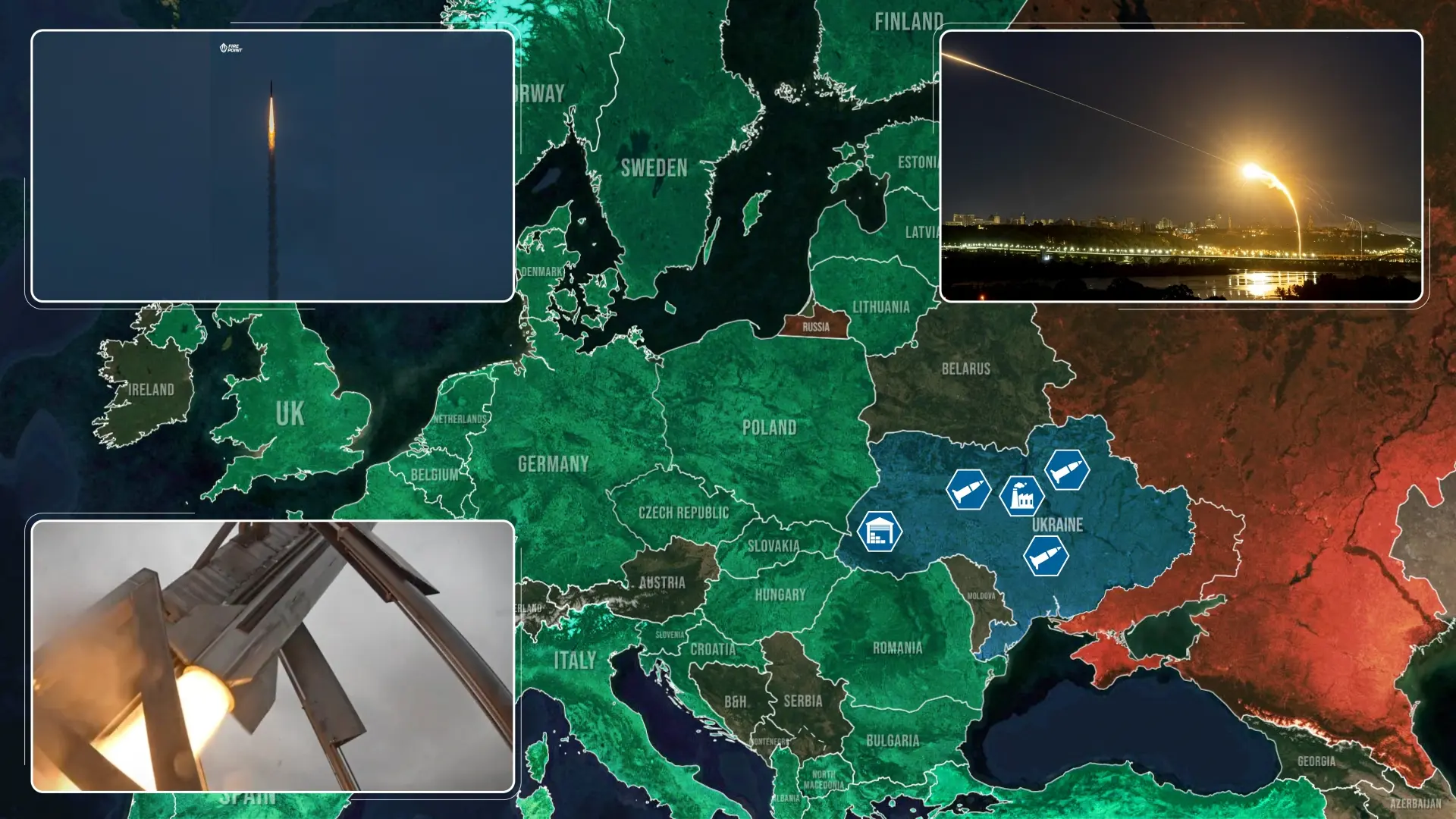
Notably, Ukraine’s Fire Point defense company, known for producing the FP-one and FP-two strike drones raining fire on Russian refineries, and the FP-five Flamingo cruise missile dealing devastating damage to Russian military industrial factories, already had a new weapon under development. The FP-seven began as a ballistic strike missile with a range of roughly three hundred kilometers, intended as a cheaper alternative to Atacms with an even larger warhead. With designing a ballistic missile interceptor becoming a priority, it quickly became clear that the FP-seven could be redesigned to fit this role with minimal adjustment. As a result, Fire Point continued developing the original FP-seven for ground strikes while opening a parallel track for the FP-seven-X under a new name, the Freya. This used the same industrial base to give Ukraine a head-start in production but required different guidance and tracking technology to intercept ballistic missiles in flight. Instead of waiting years to develop a completely separate interceptor, Ukraine could connect European electronics to a Ukrainian missile that was already being developed.
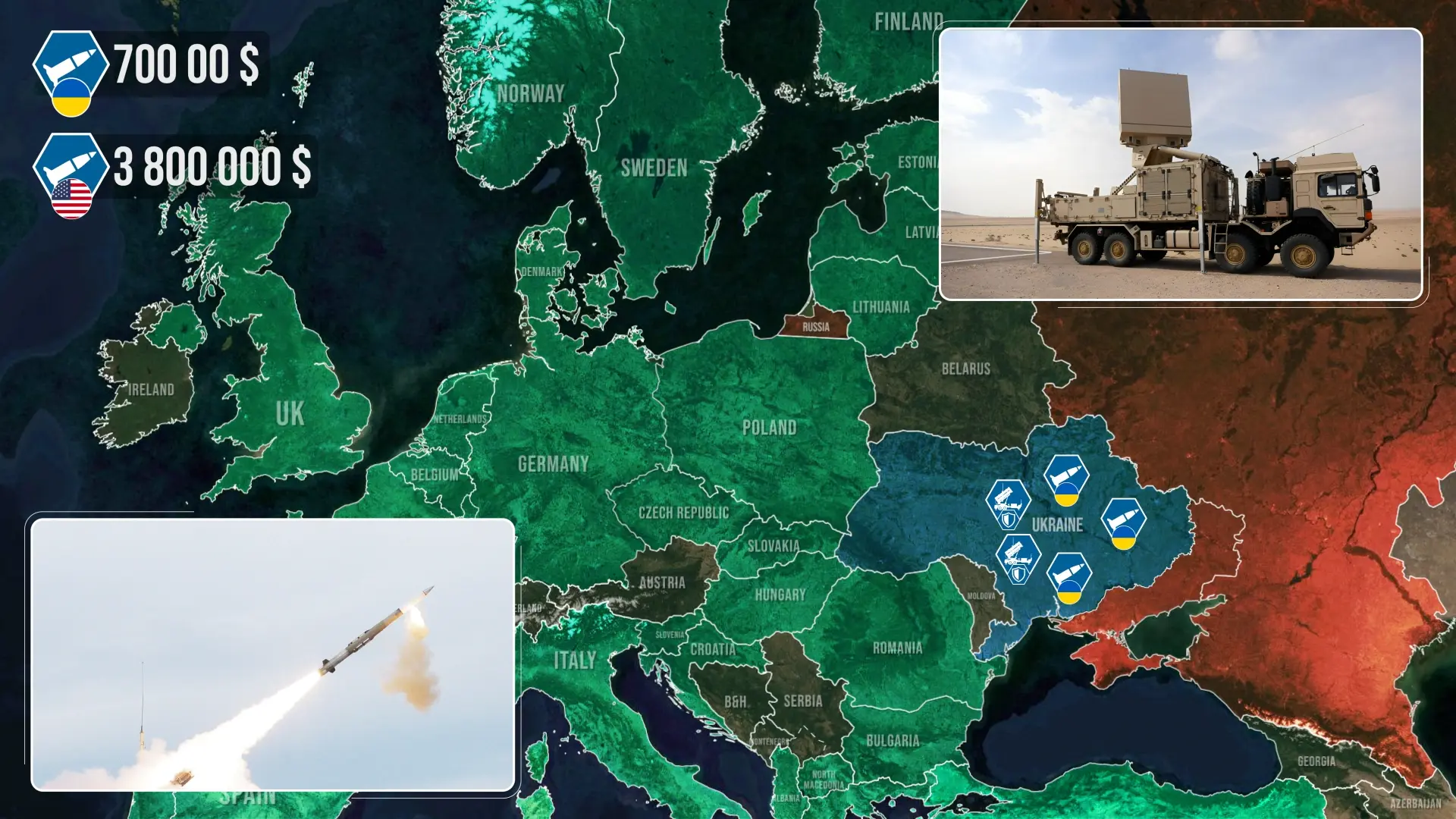
The new FP-seven-X is designed to make ballistic defense affordable enough to use at scale, with Fire Point claiming a price of around seven-hundred-thousand dollars per interceptor compared to the roughly three-point-eight million dollars for a Patriot Pac-three, meaning only a fifth of the cost. The company also claims an engagement altitude of up to twenty-five kilometers and a speed between fifteen hundred and two thousand meters per second, fast enough to take down ballistic missiles. Radar guides the interceptor towards the target before an imaging infrared seeker takes control during the final stage, combining the Ukrainian missile body with the European technology needed to complete the interception. However, it is important to note that infrared terminal guidance may also be easier to deceive than Patriot’s system, so the FP-seven-X is intended to complement Patriot by engaging the vast majority of threats first, while preserving Pac-three missiles as a more expensive last line of defense.
The next challenge is turning those claimed advantages into a working air-defense system, and Fire Point began that process with the first test flights in early June. That progress allowed Fire Point to announce that mass production would begin in August, with a planned production rate of up to three missiles per day. Notably, some may initially be produced and stored without seekers until European partners deliver the remaining components. The FP-seven-X was then officially unveiled in July, followed by launch images showing an unidentified missile that resembled the long-awaited interceptor. The focus has therefore moved beyond whether the missile can fly and towards whether production has begun, when the European systems will be integrated, and when the complete interceptor system will attempt its first real ballistic engagement. Fire Point expects fully completed missiles in two thousand twenty-seven, making successful integration and interception testing the final steps between a promising design and a system capable of defending Ukrainian cities.
Overall, Freya could allow Europe to prepare missile defense for a long war instead of treating every interceptor shortage as a temporary emergency. A distributed production chain would keep replacing missiles even if one supplier falls behind or one factory comes under attack. Ukraine’s combat data could feed directly into improving the system, giving European engineers constant feedback about how Russian missiles behave and where the defense fails. If that model succeeds, Europe will gain an industry that improves during the conflict instead of discovering after each attack that its available interceptors cannot keep pace.

.jpg)

Comments