

.svg)
Today, the biggest news comes from Ukraine.
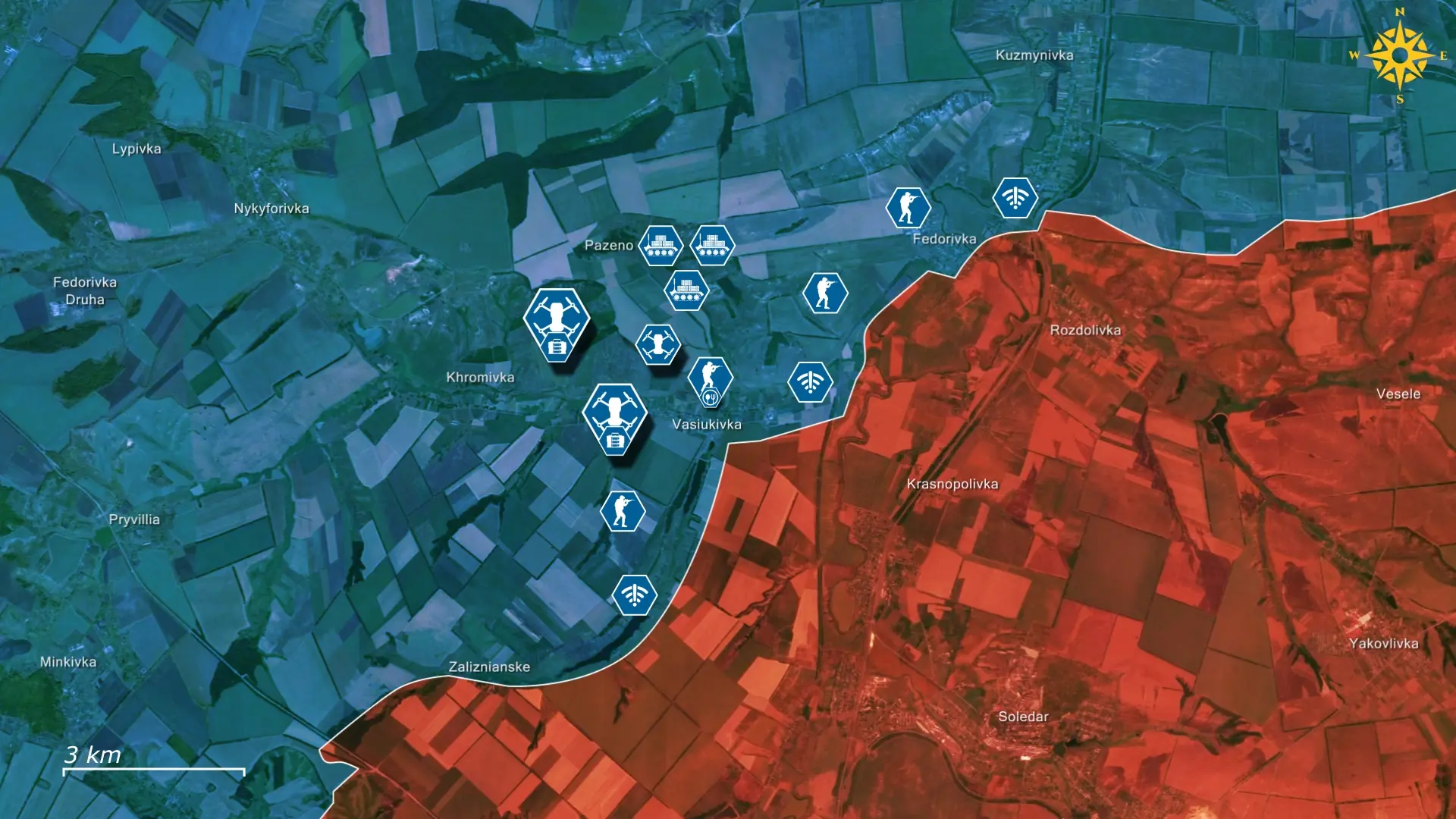
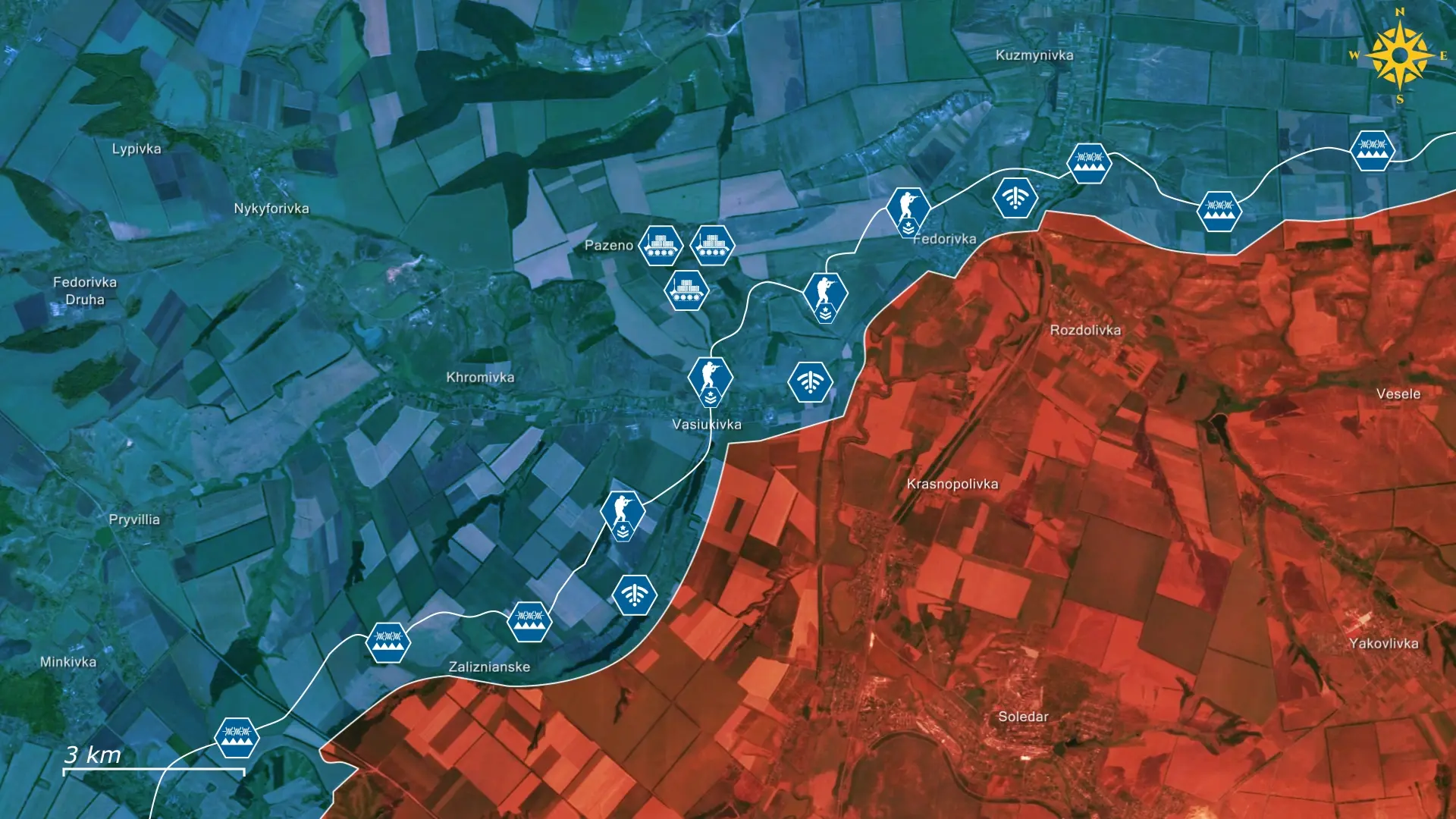
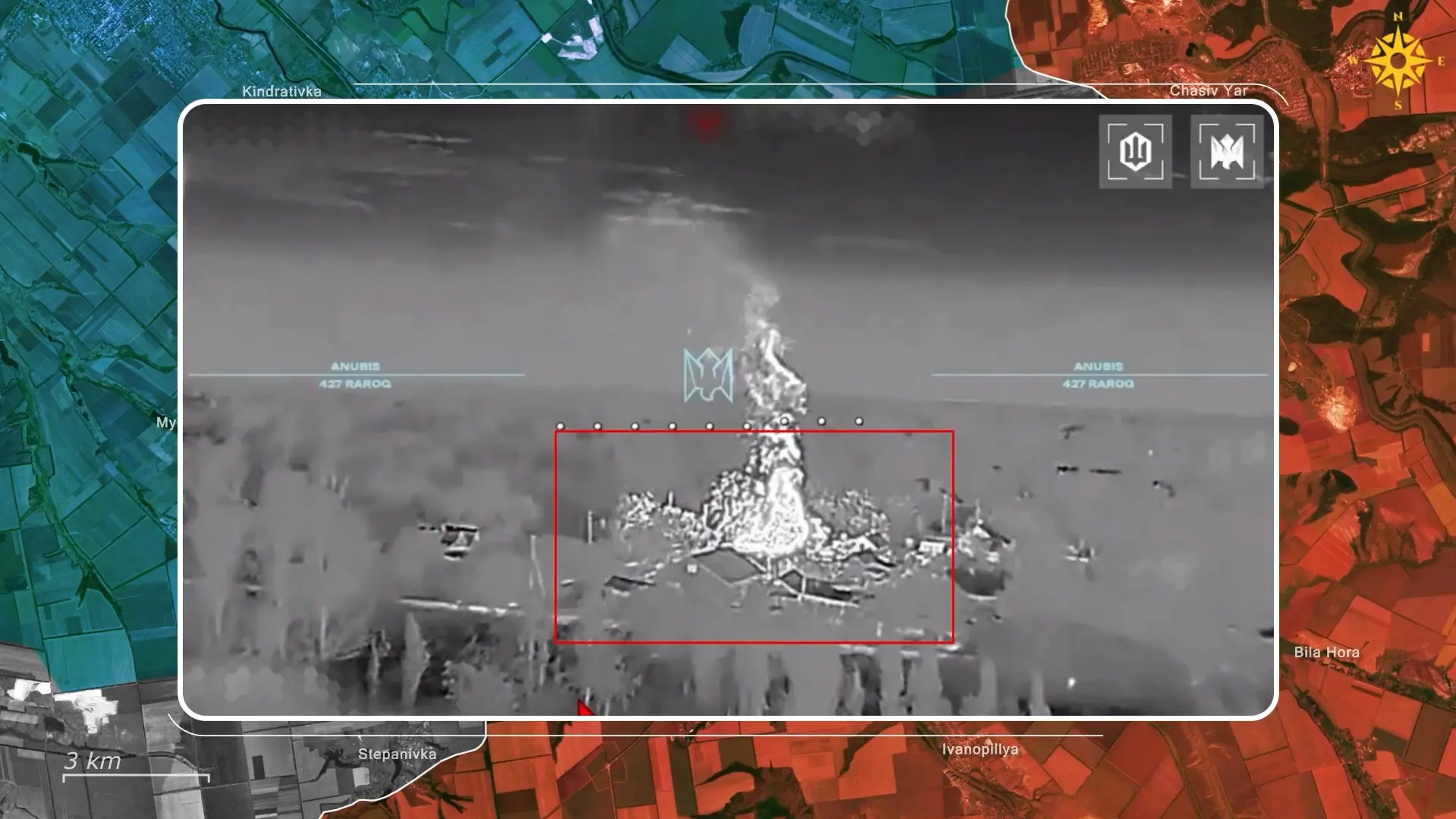
Here, near the village of Vasyukivka, a combat medic from the 30th Mechanized Brigade has just been evacuated after remaining in the same frontline position for four hundred seventy-one consecutive days. In a war dominated by drones, surveillance, and electronic warfare, this case shows with rare clarity what it now takes to equip, supply, and hold ground under constant aerial threat.
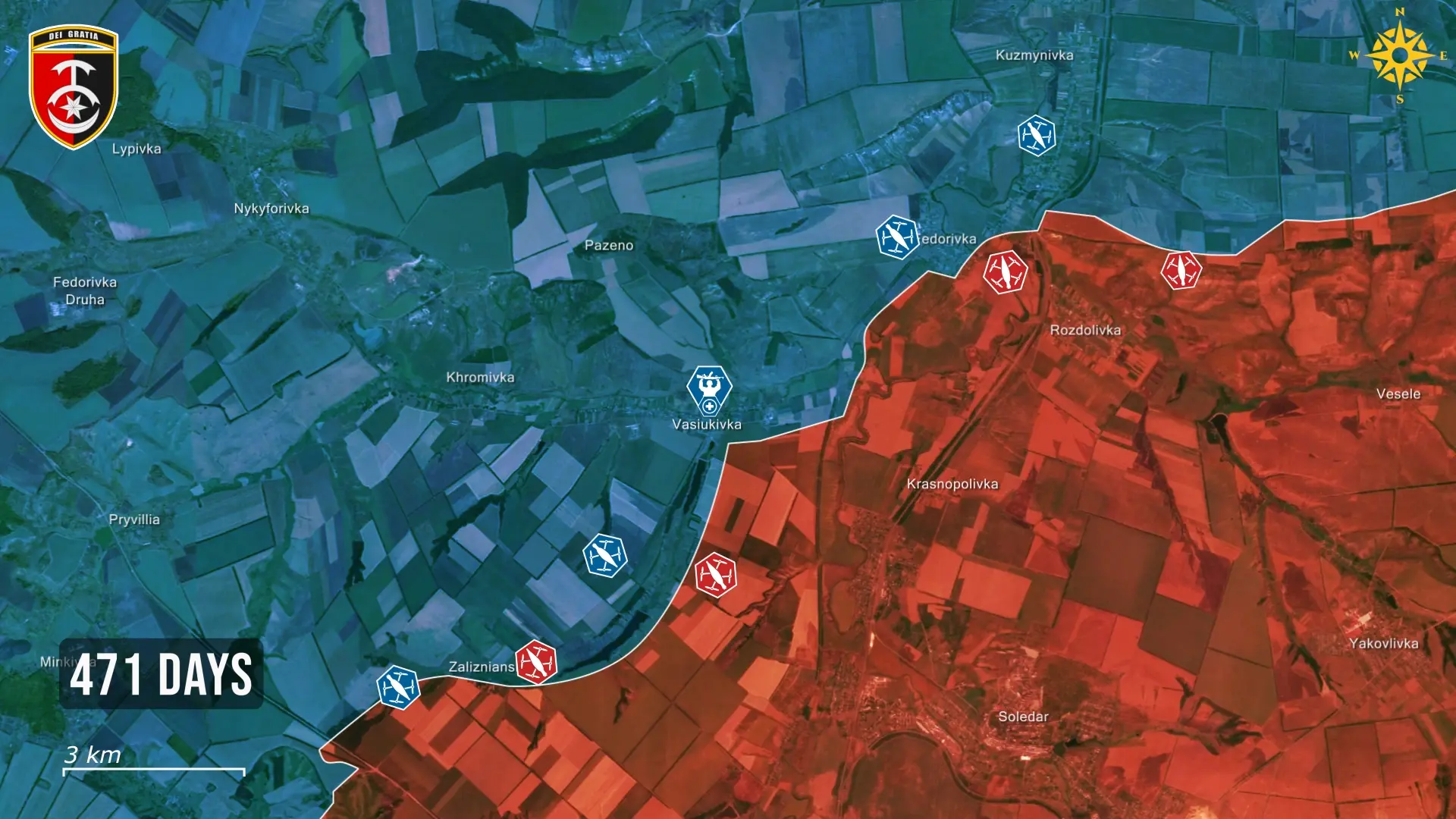
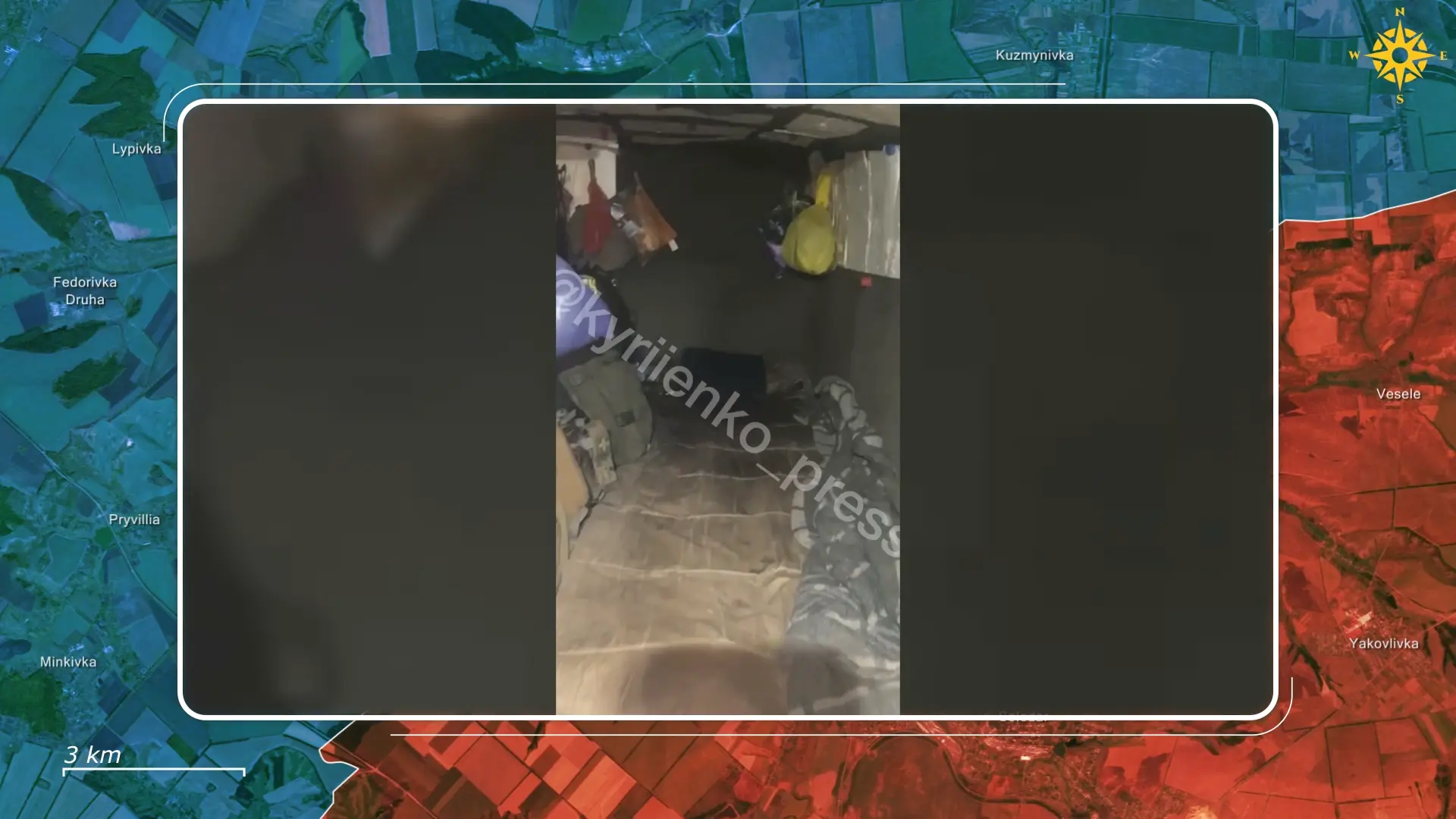
Together with three fellow soldiers, Serhi Tyshchenko survived inside the active drone belt where reconnaissance quadcopters, FPV strike drones, and artillery observation platforms operated daily, making any movement above ground potentially fatal within minutes. Their protection relied not on hardened bunkers but on stacked bags of clay and compacted earth, layered above their trench, to absorb fragmentation from FPV strikes and artillery. Food, batteries, ammunition, and medical supplies arrived almost exclusively by drone drops carried out during narrow, low-visibility windows at dawn and dusk.

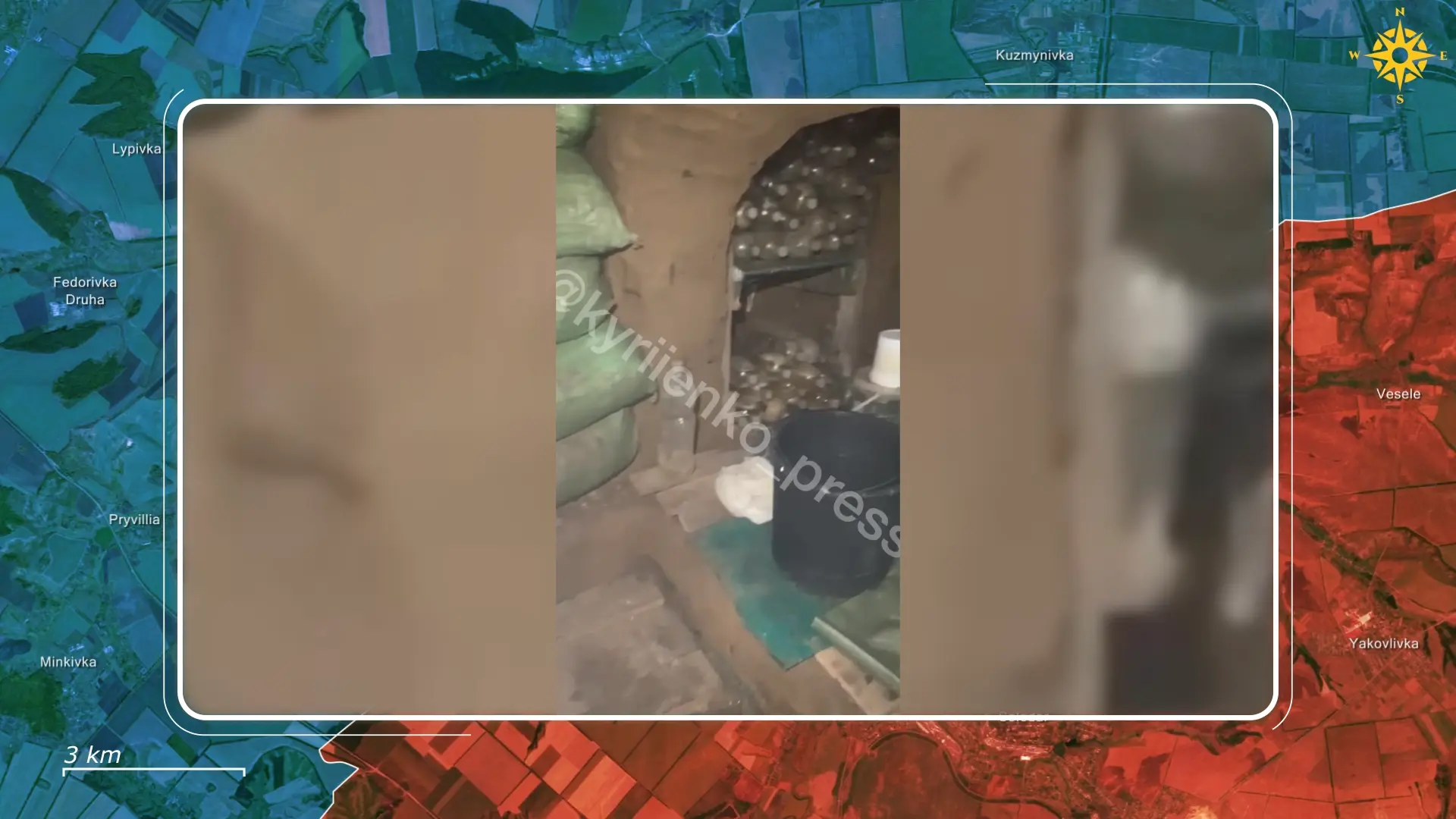
Water became the most critical vulnerability, as dropped bottles often shattered on impact, leaving the men without drinking water for days at a time. This ultimately forced them to dig a three-meter deep well by hand directly into their trench system under constant risk of detection, transforming what began as a temporary fighting position into a self-sustaining underground shelter carved into the soil.
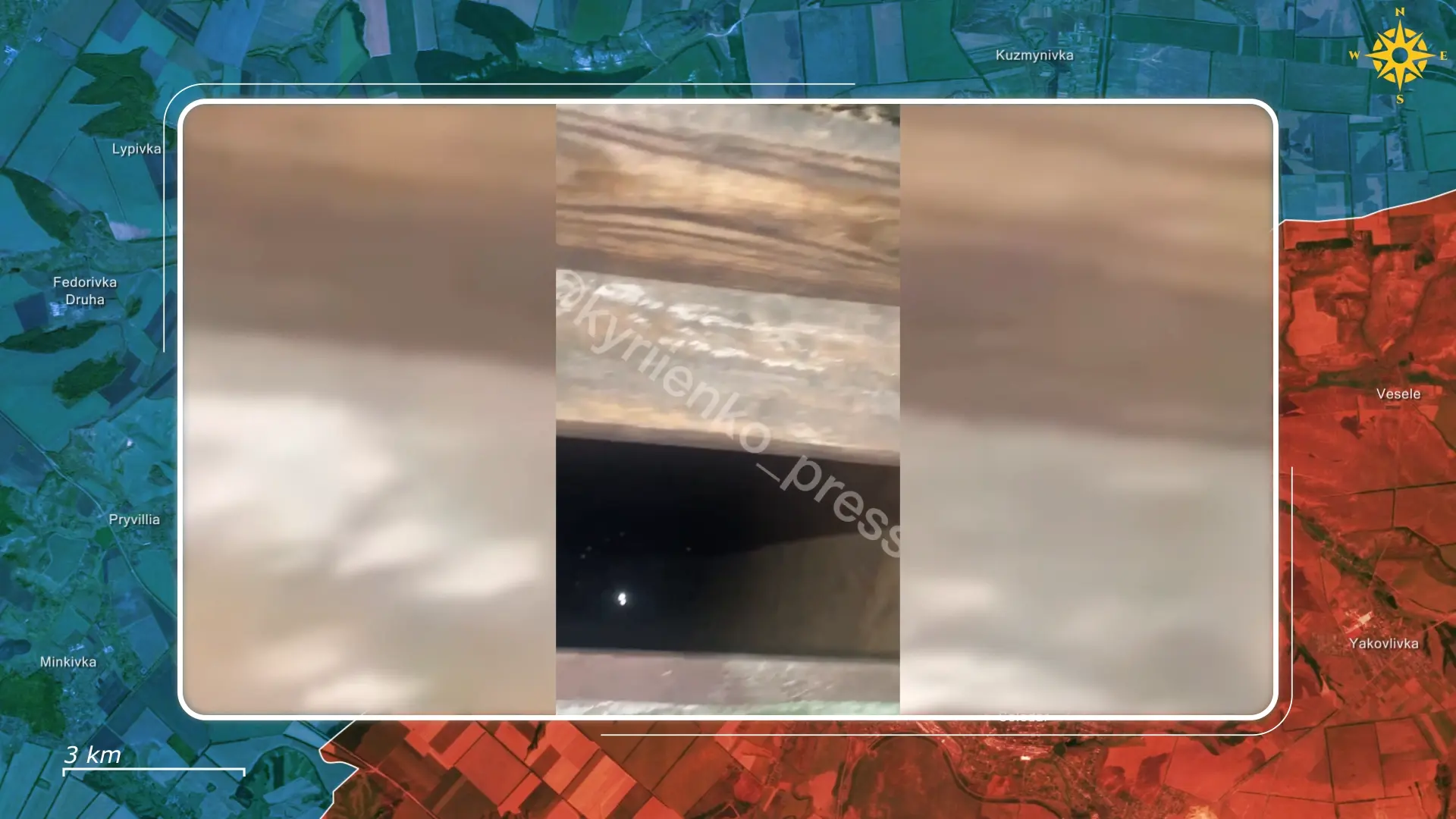
Staying in the same trench for more than fifteen months without rotation is far outside normal frontline practice, as most Ukrainian units rotate after days, weeks, or a few months, depending on pressure, casualties, and supply conditions.
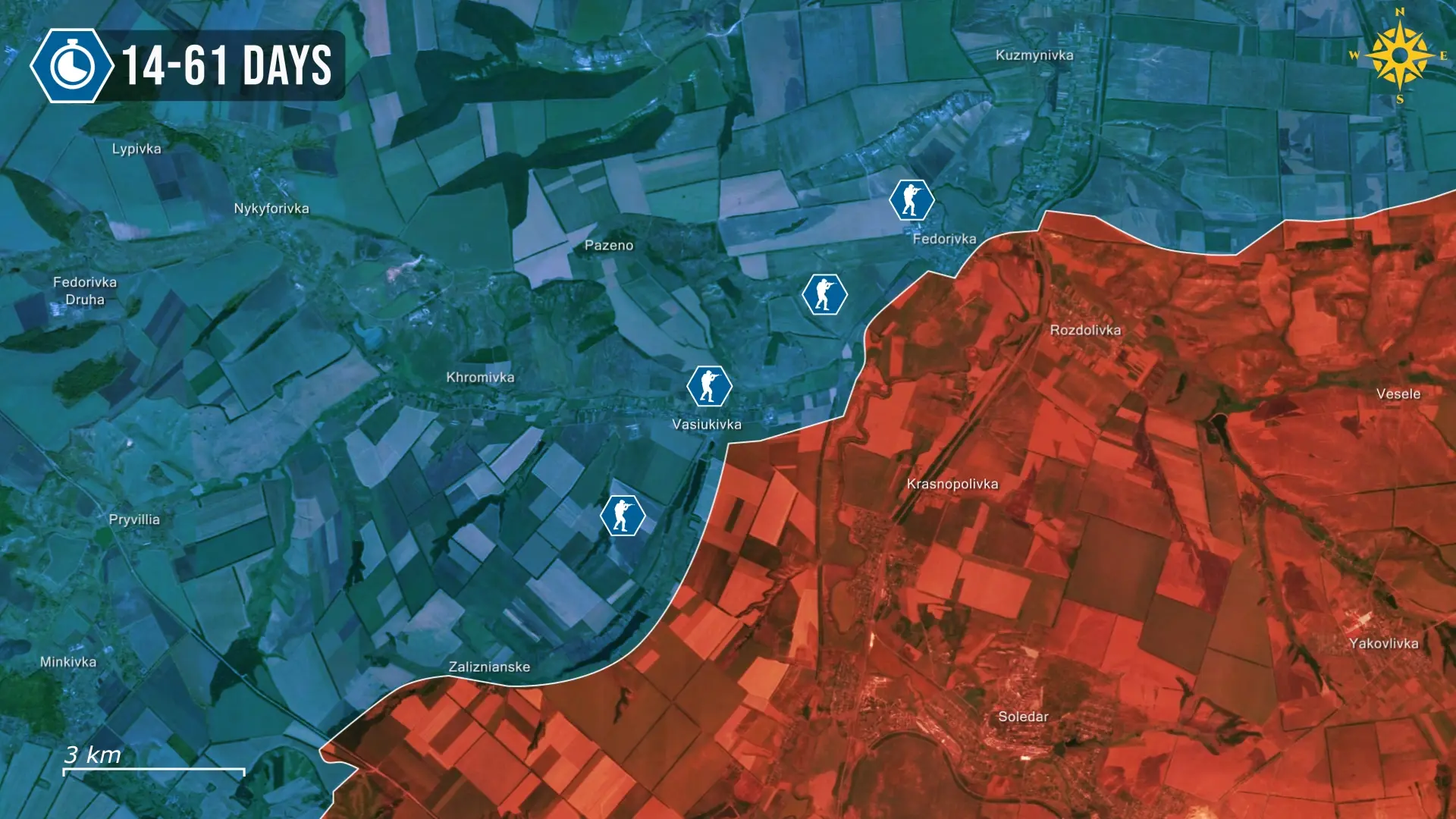
This extraordinary endurance was possible because the Vasyukivka sector, while never safe, was not under uninterrupted twenty-four-hour bombardment by glide bombs and artillery, but instead existed in a permanent state of drone surveillance, intermittent shelling, and periodic probing attacks.
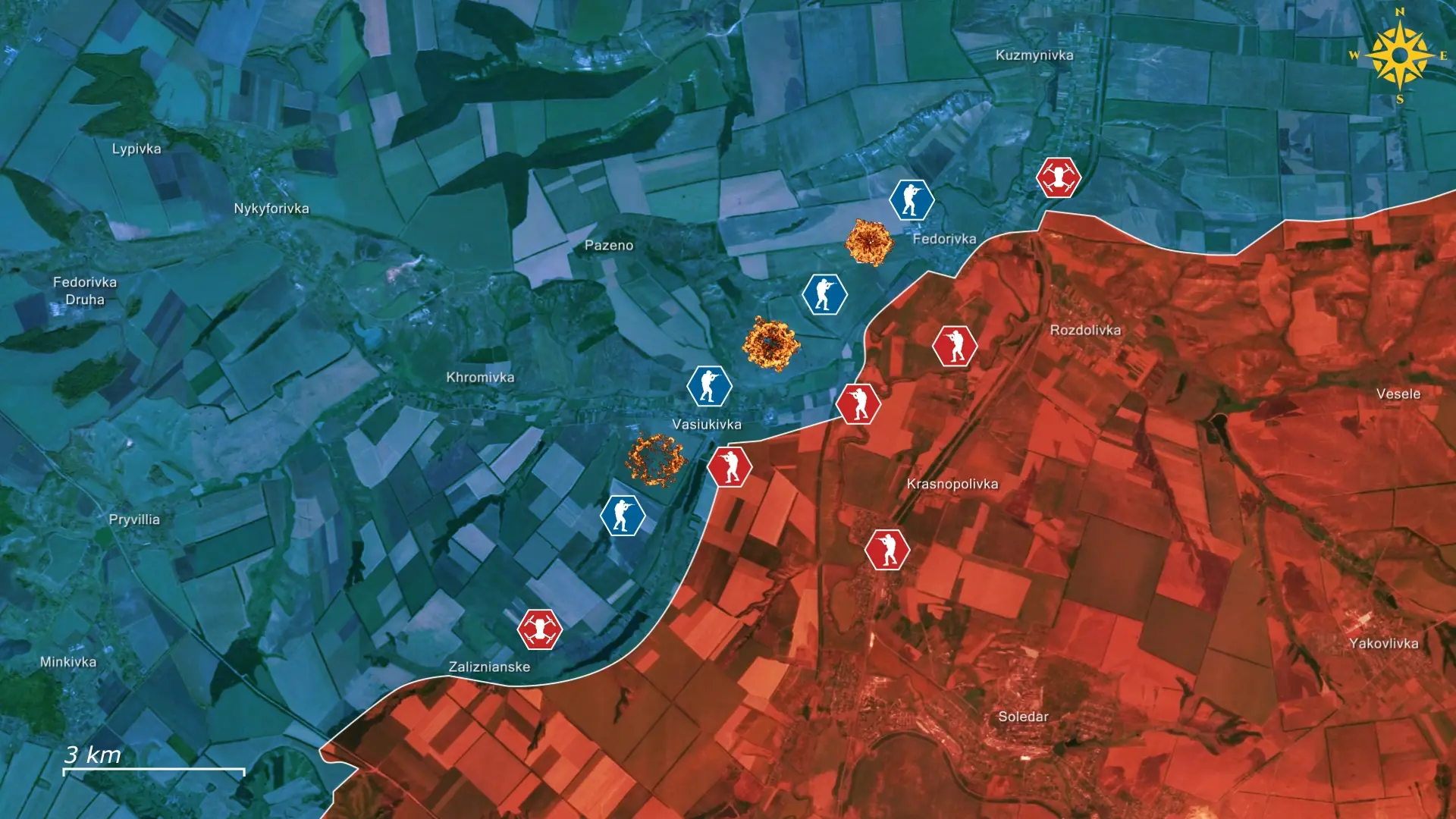
The soldiers could sometimes rest inside their bunker for longer periods, yet quiet never meant safety, because silence often meant observation rather than calm. They stayed because their trench covered tactically sensitive ground that could not be left unmanned without exposing friendly neighboring positions. Rotating them under drone eyes would have exposed both outgoing and incoming soldiers directly to the enemy kill chain, leading to the decision to keep the men at their positions for so long.
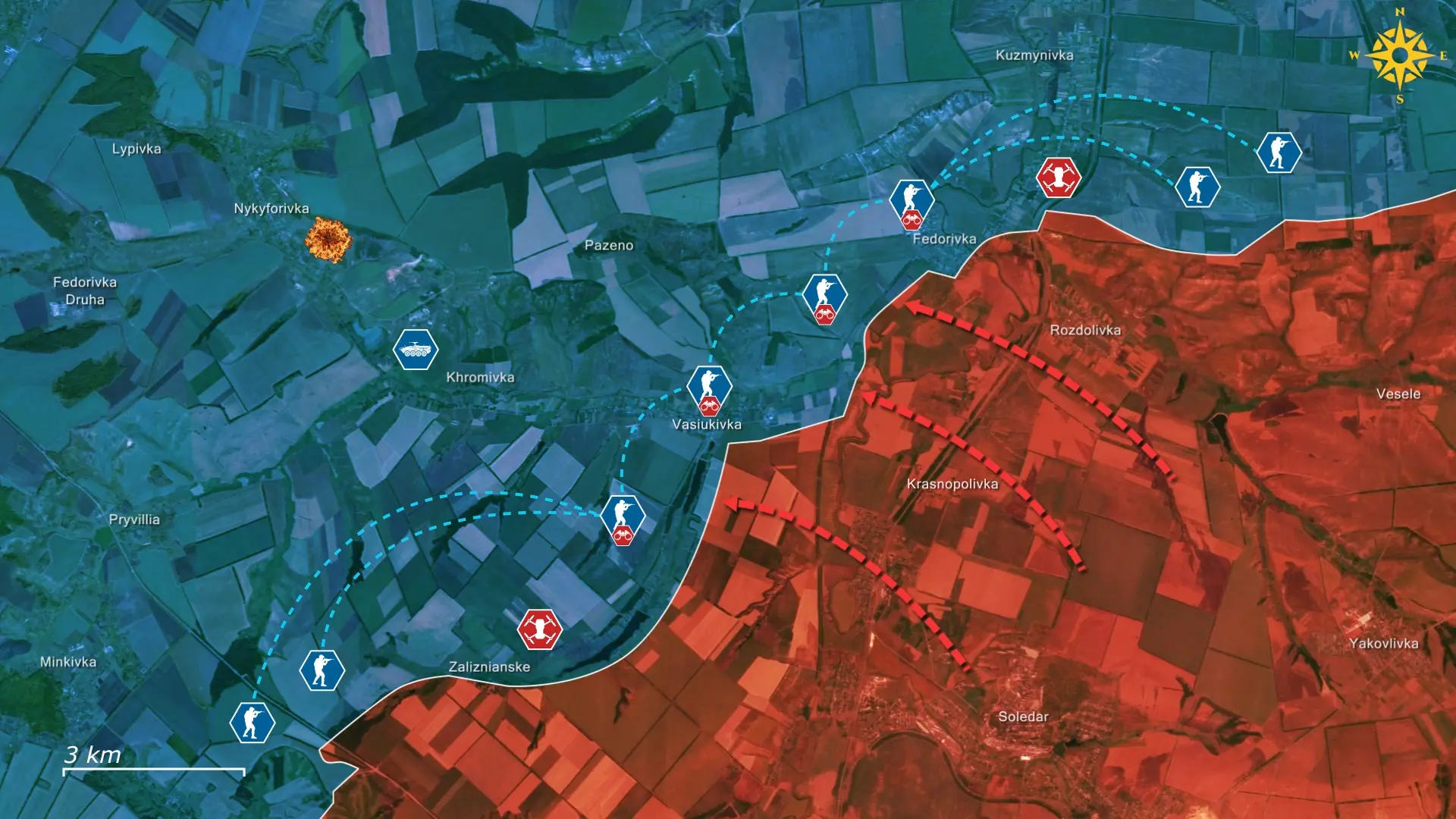
However, the physical and psychological cost was extreme, as confinement, irregular sleep, and the risk of dehydration and infection steadily wore the defenders down. Yet beneath the ceaseless presence of drones, their endurance became a testament to Ukrainian resilience, the ability to hold on under conditions designed to break both body and spirit.
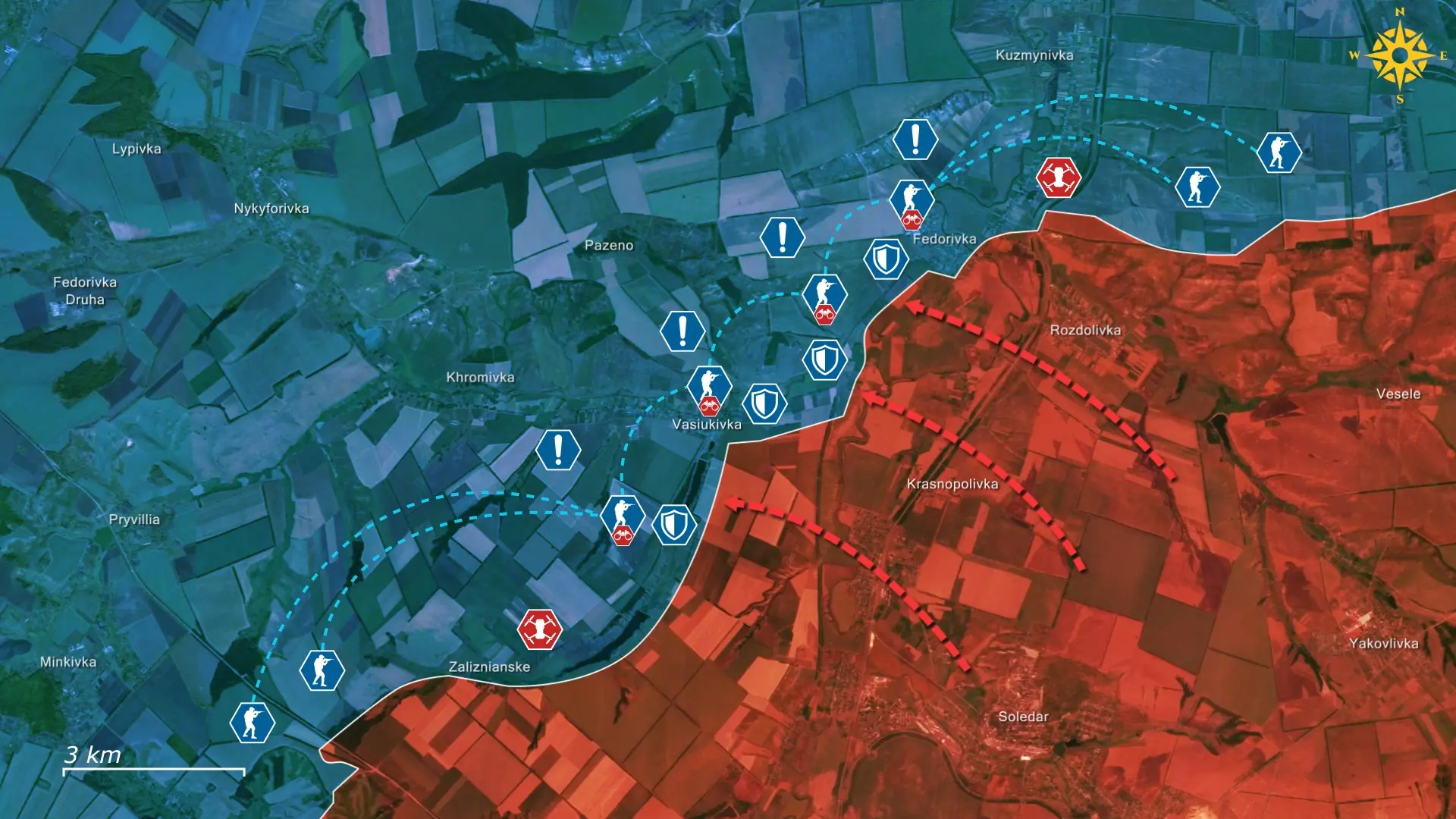
Defensive operations like this in a drone-saturated environment are built as layered, three-dimensional systems that combine concealment, surveillance, electronic warfare, and dispersed logistics into a single process. The trench itself serves as the final physical layer beneath an aerial battlespace, where constant reconnaissance drone patrols scan approaches in real time.
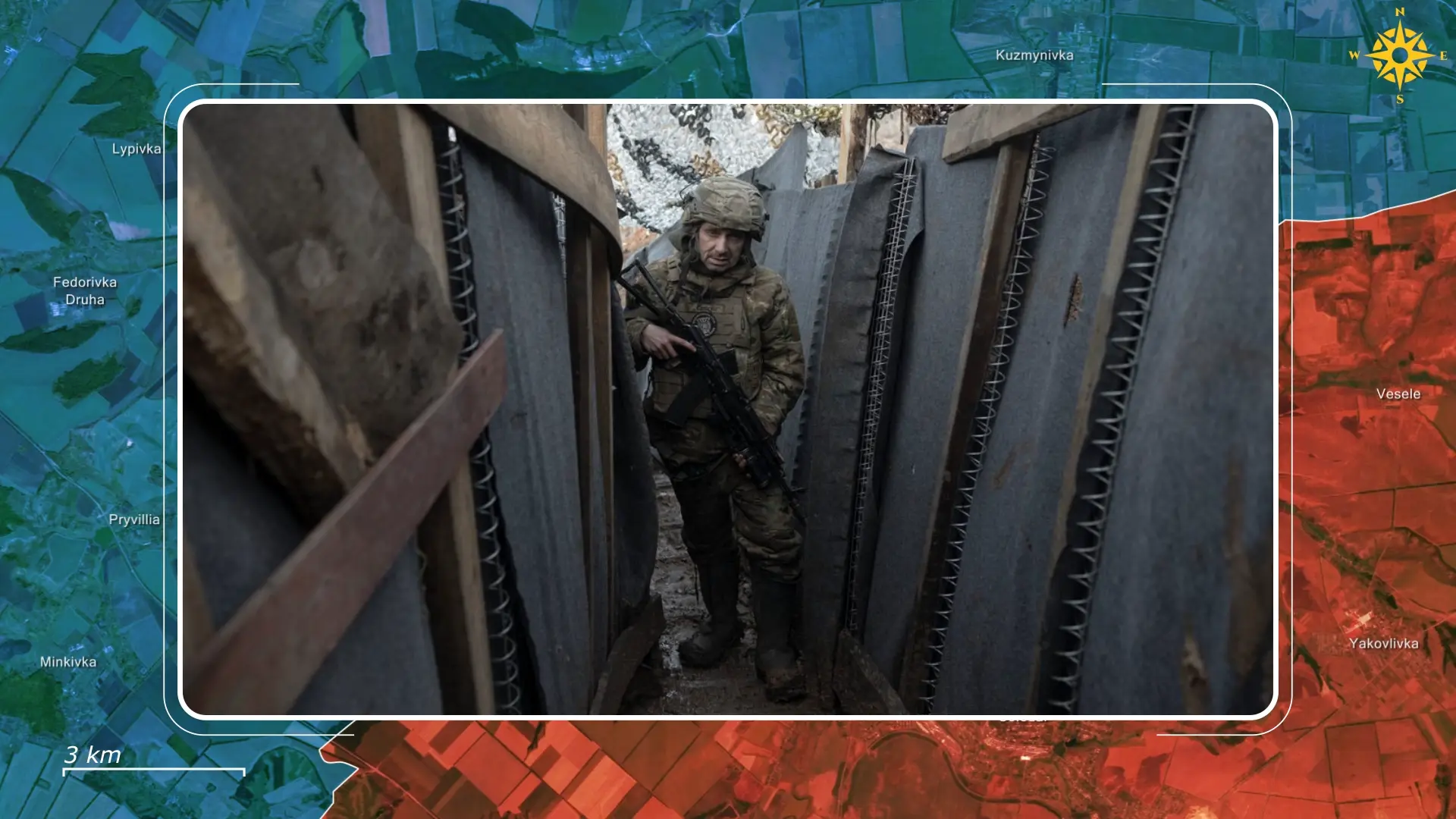

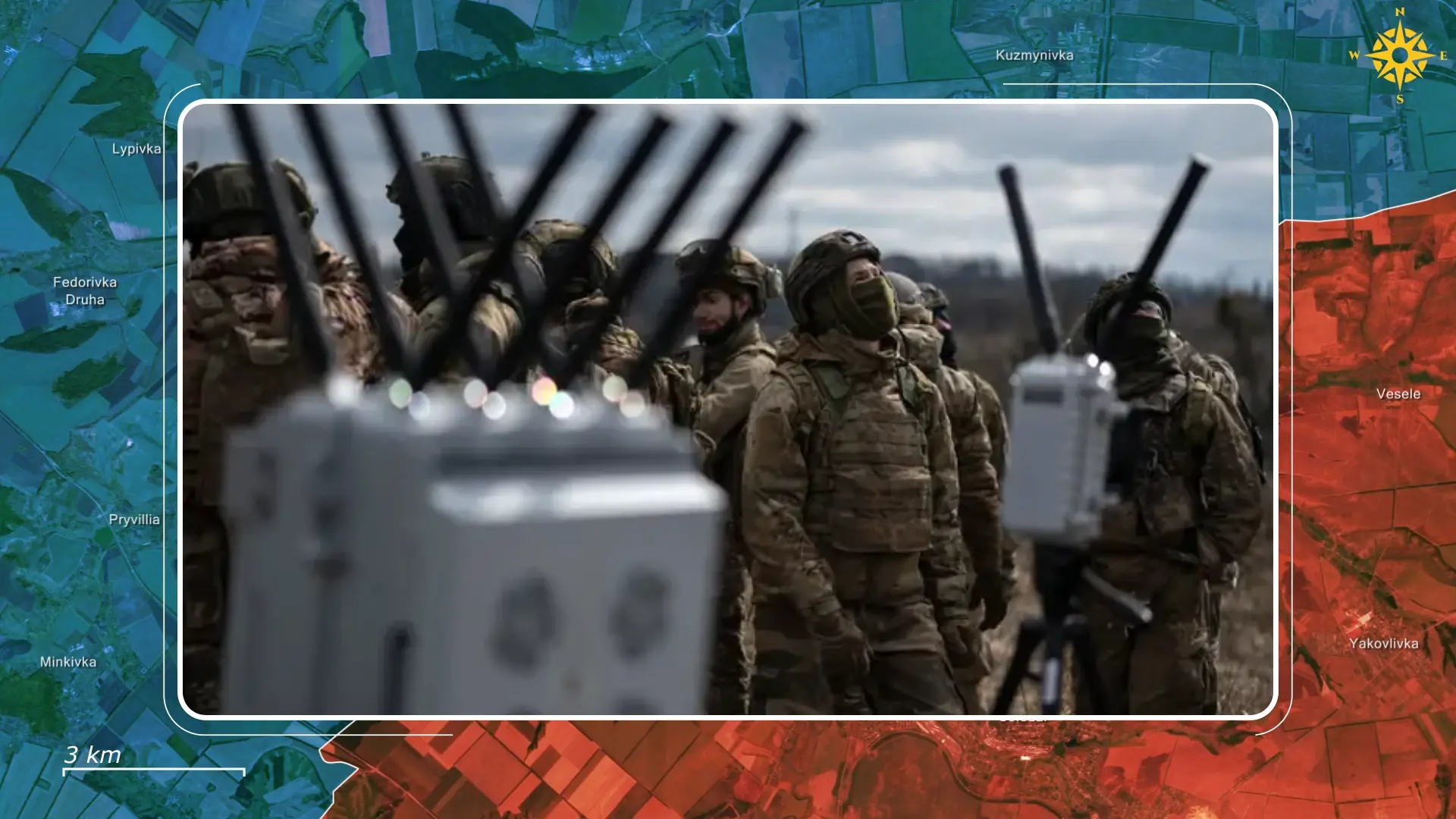
When enemy movement is detected in tree lines, ravines, or open ground, Ukrainian FPV teams typically engage within minutes, often disrupting assaults before attackers ever reach small-arms range. Electronic warfare systems positioned behind the trenches attempt to suppress incoming radio-controlled drones in overlapping jamming zones.
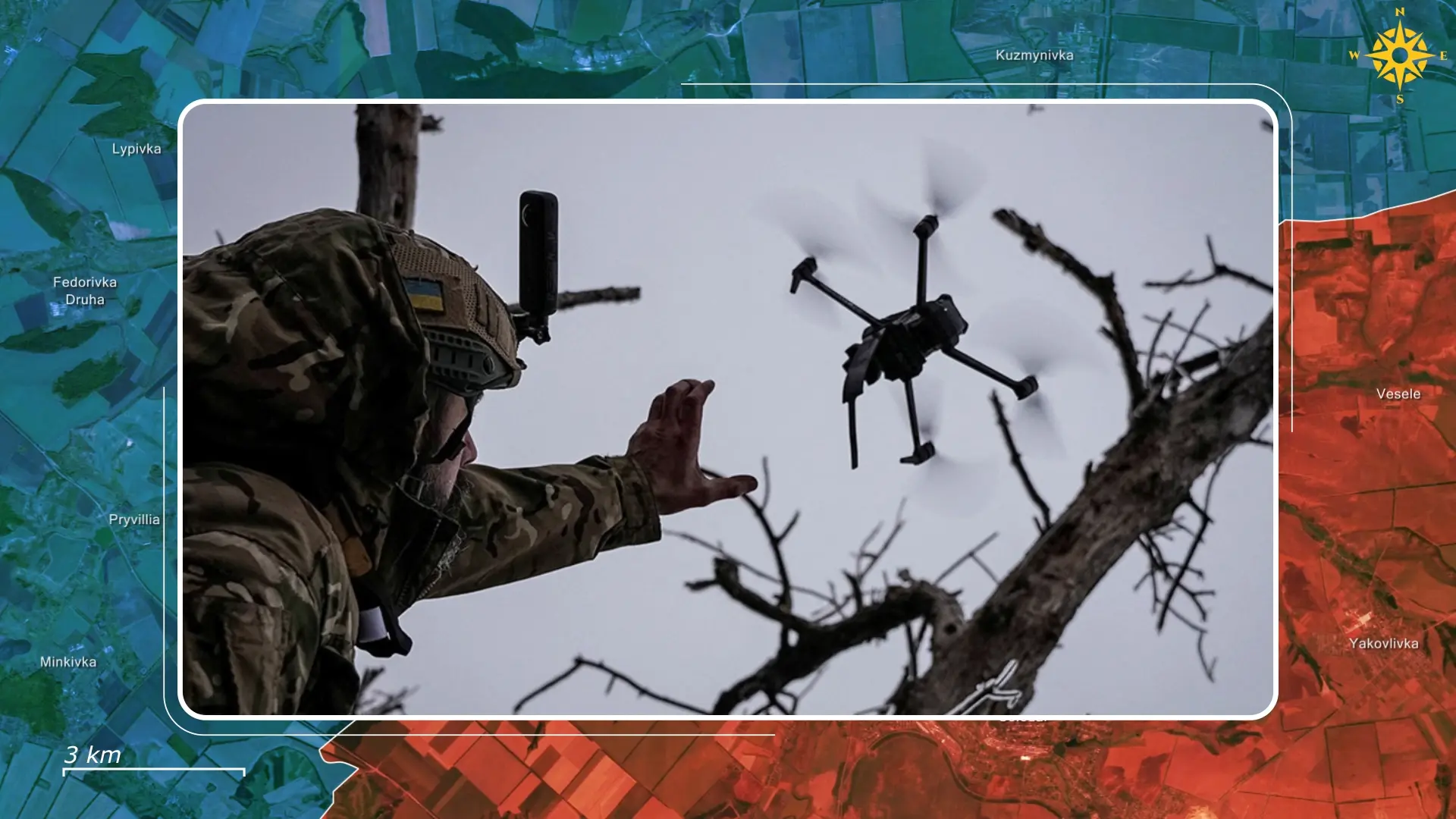
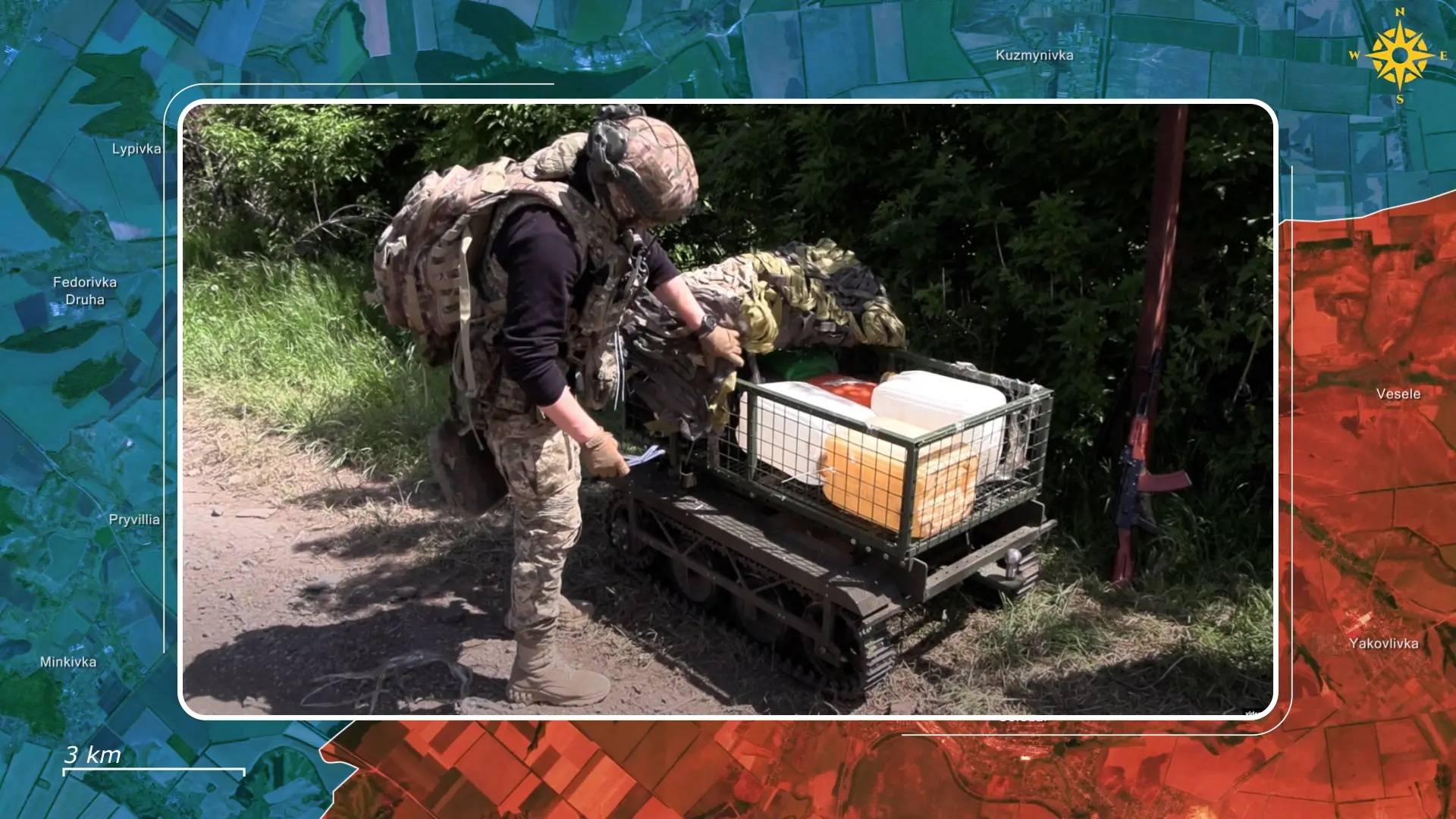
Logistics and sustainment are fully integrated into this defensive cycle, with micro-resupply by small cargo drones and, where terrain allows, unmanned ground vehicles replacing traditional supply trucks that would be immediately targeted under drone observation. These deliveries are usually conducted at night or during poor visibility, with supplies broken into small loads to limit losses from interception. Water, medical items, batteries, and ammunition are prioritized, creating a slow but survivable supply line under the constant enemy drone threat.
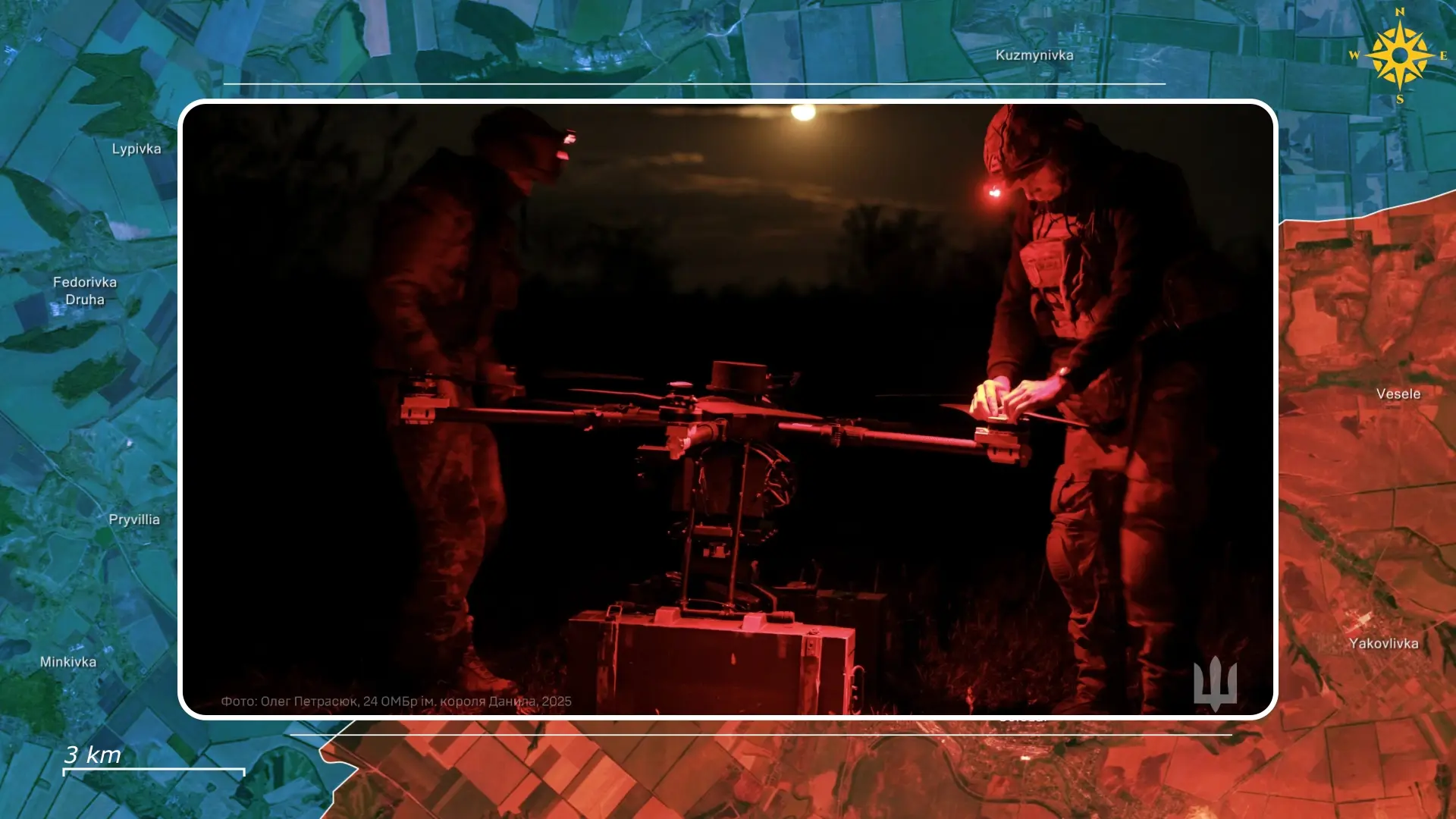
Overall, the trench at Vasyukivka shows that holding ground in an intense drone environment now depends more on concealment, electronic protection, and micro logistics than on traditional mass and firepower. The survival of four men for four hundred seventy-one days was made possible only through continuous adaptation of fortifications, supply methods, and daily routines to the unforgiving logic of permanent aerial surveillance.
This case should not be romanticized as a model for large-scale defense, as it represents an extreme case of human strain at the limits of endurance. It does, however, point toward a future in which the ability to hold territory will belong to the force that best integrates trenches, drones, electronic warfare, and underground survival into a single adaptive logistical system.
.jpg)

Comments