

.svg)
Today, the most interesting update comes from Ukraine.
Here, a new upgrade for Leopard tanks is showing that each weapon is forced to evolve under extreme pressure to keep its place in the modern battlefield. What appears to be a routine Western tank delivery is already unfolding very differently on the ground, as these new Leopards are not being used as expected.
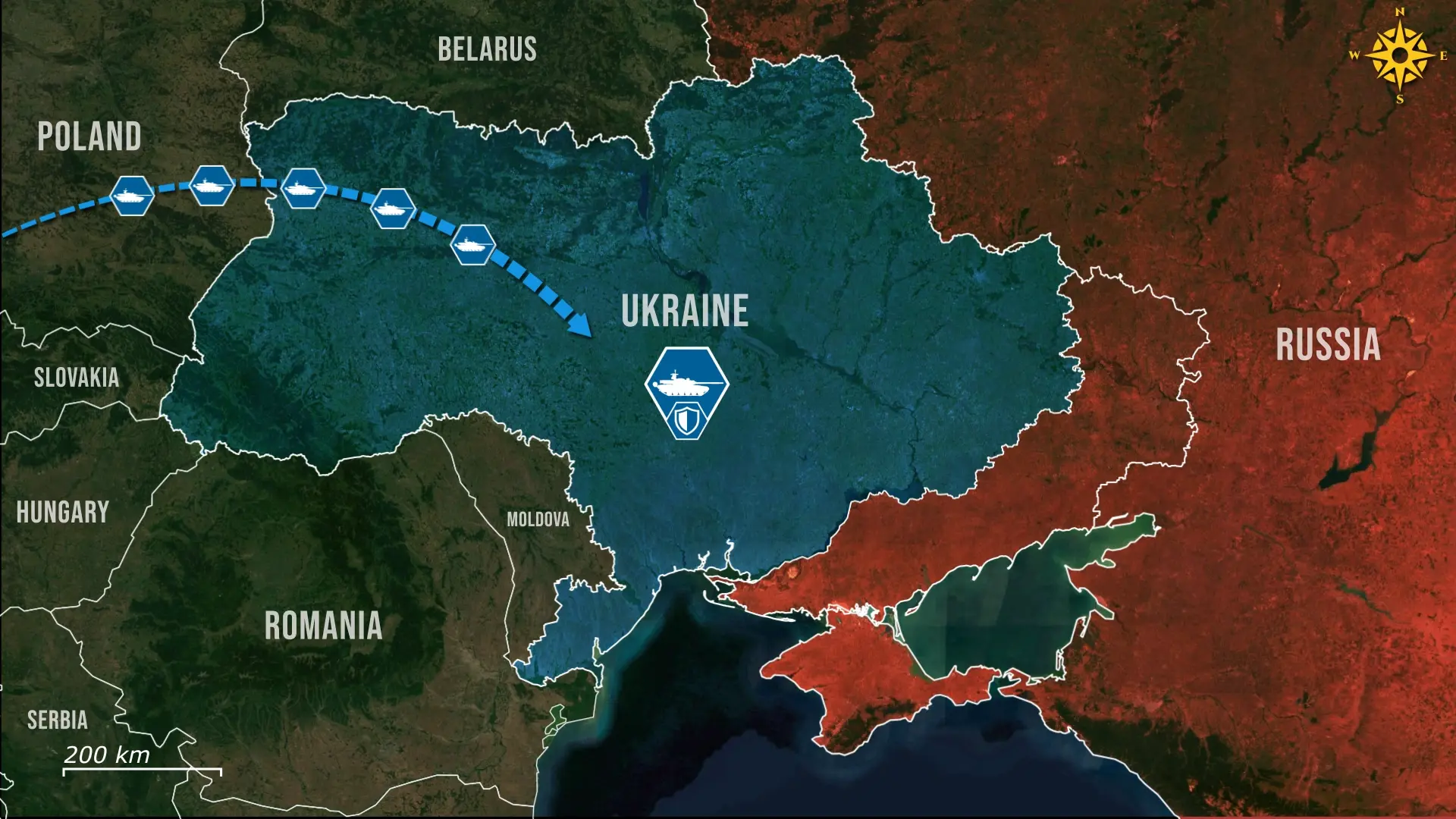
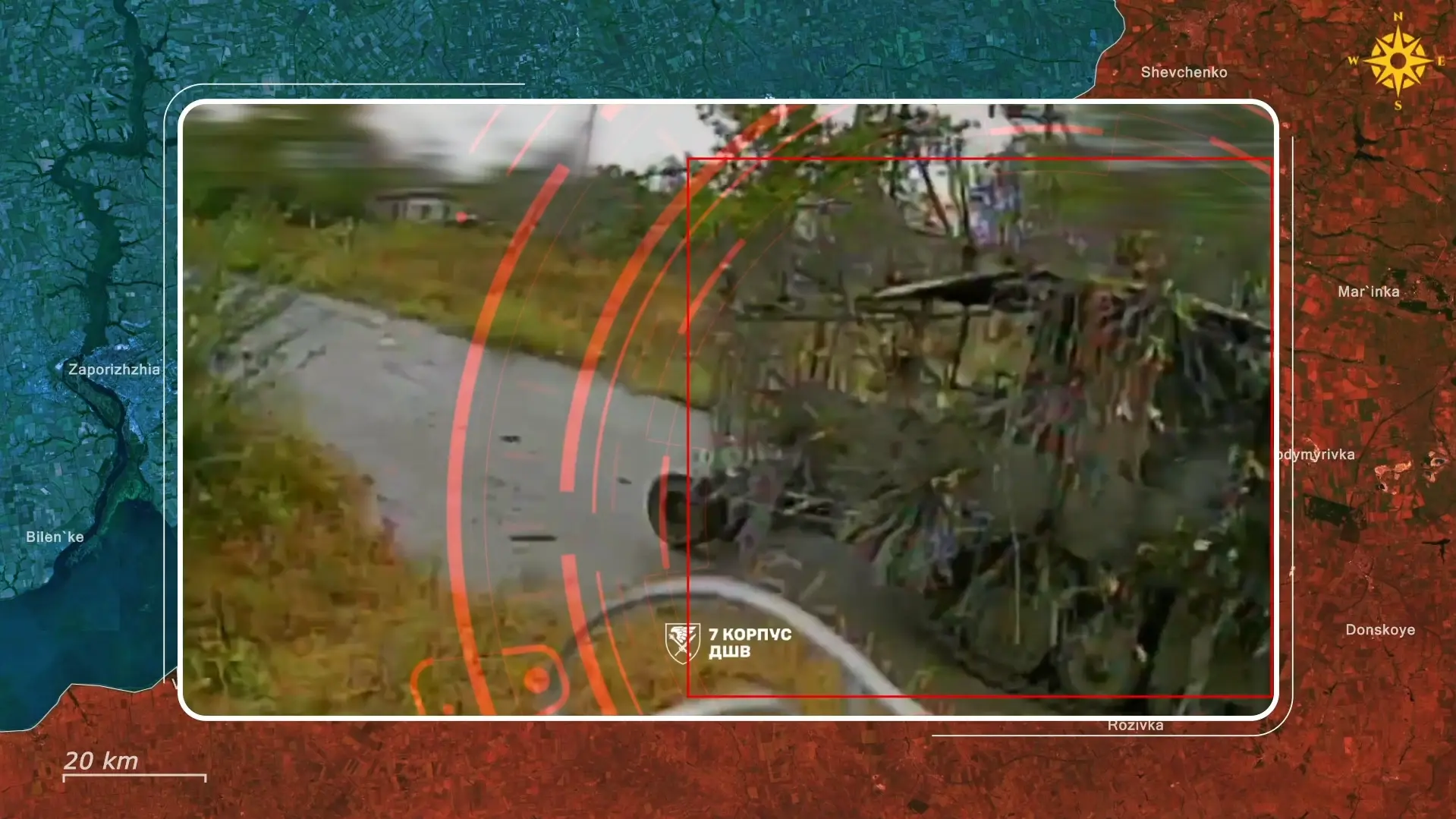
When Western countries first agreed to send Leopard tanks to Ukraine, many analysts believed that they would allow Ukrainian forces to overwhelm Russian positions, as they were designed for fast, protected advances against less capable defenses. That expectation did not materialize, as tanks quickly proved unable to operate as planned once they entered the battlefield. Movement slowed immediately because minefields forced armored units into narrow, predictable routes, making them easier to intercept.
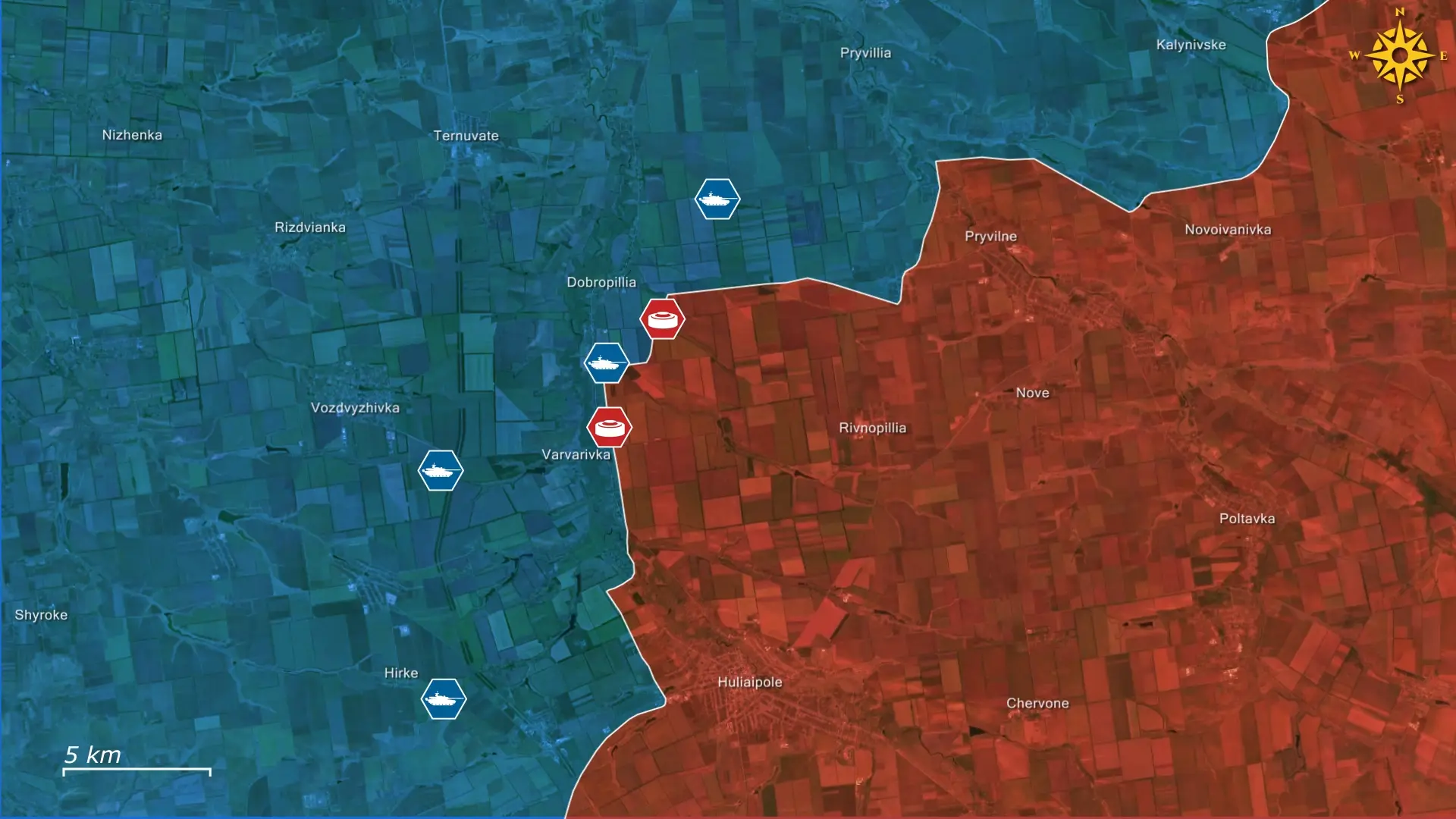
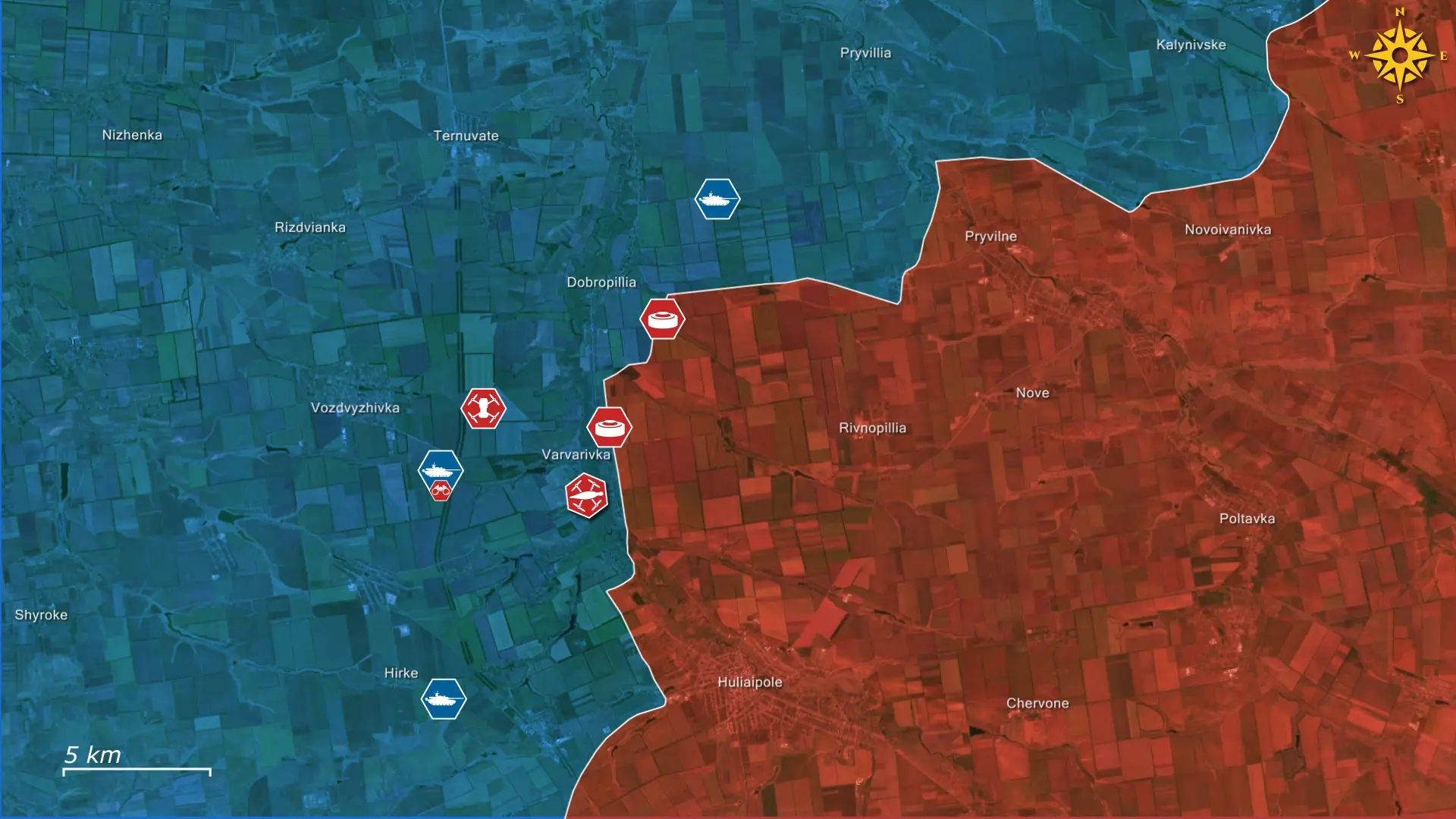
At the same time, constant drone surveillance meant that any movement was detected within minutes, allowing the enemy to strike before tanks could engage. Once spotted, FPV drones targeted weaker tank areas from above, exploiting vulnerabilities, as traditional armor is significantly thinner on the roof and not designed to withstand strikes from elevated angles.
As a result, Ukraine abandoned the idea of sustained mechanized assaults and breakthrough operations, where tanks would push forward and remain under continuous exposure.
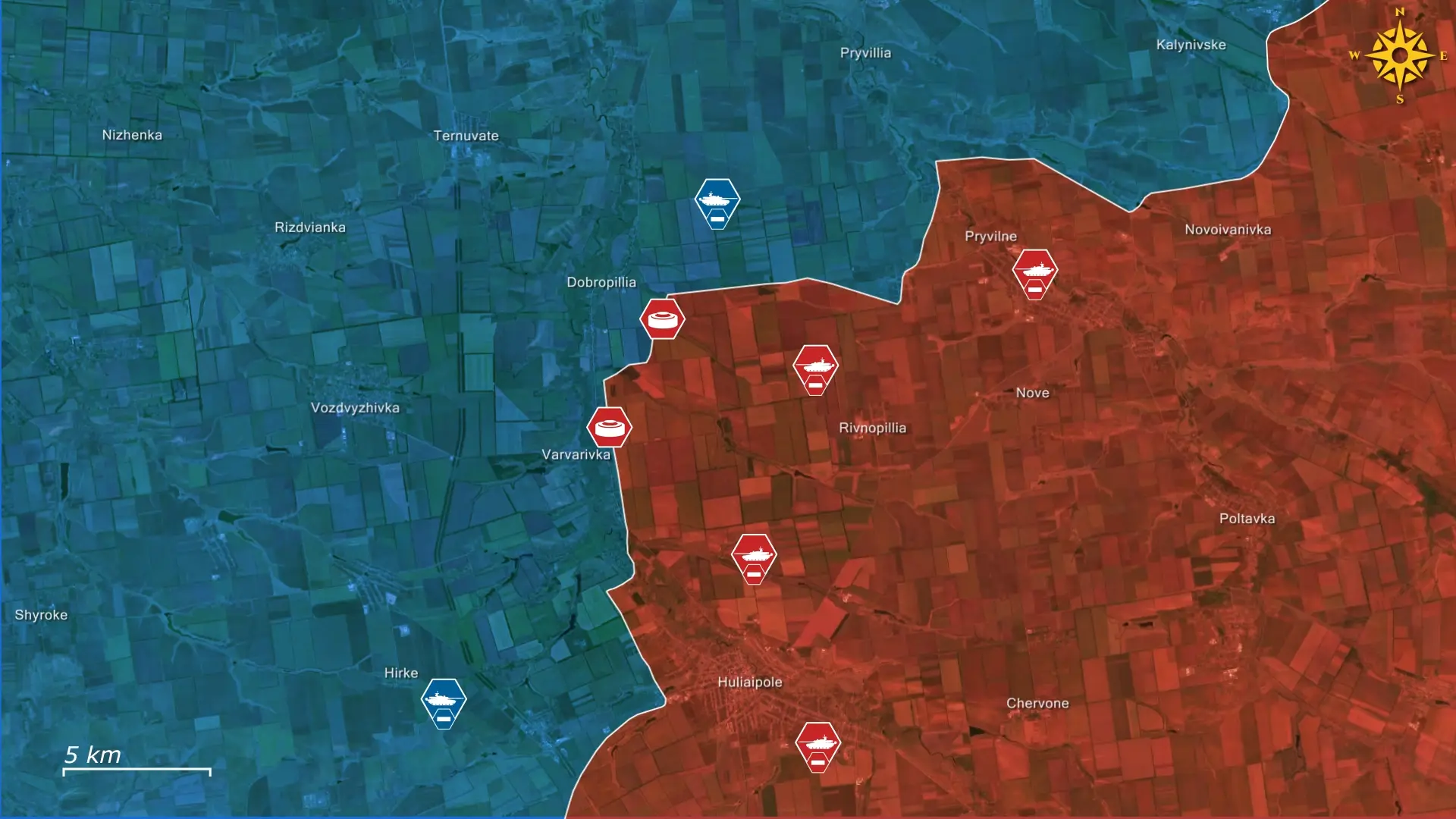
This led both Ukraine and Russia to adjust how tanks are used, even though Russian forces now deploy them far less in direct assault roles due to severe losses. Ukrainian forces use tanks, but under stricter conditions, bringing them into pre-selected firing positions where they can engage from safer distances under cover and when visibility is reduced, operating without immediate detection.
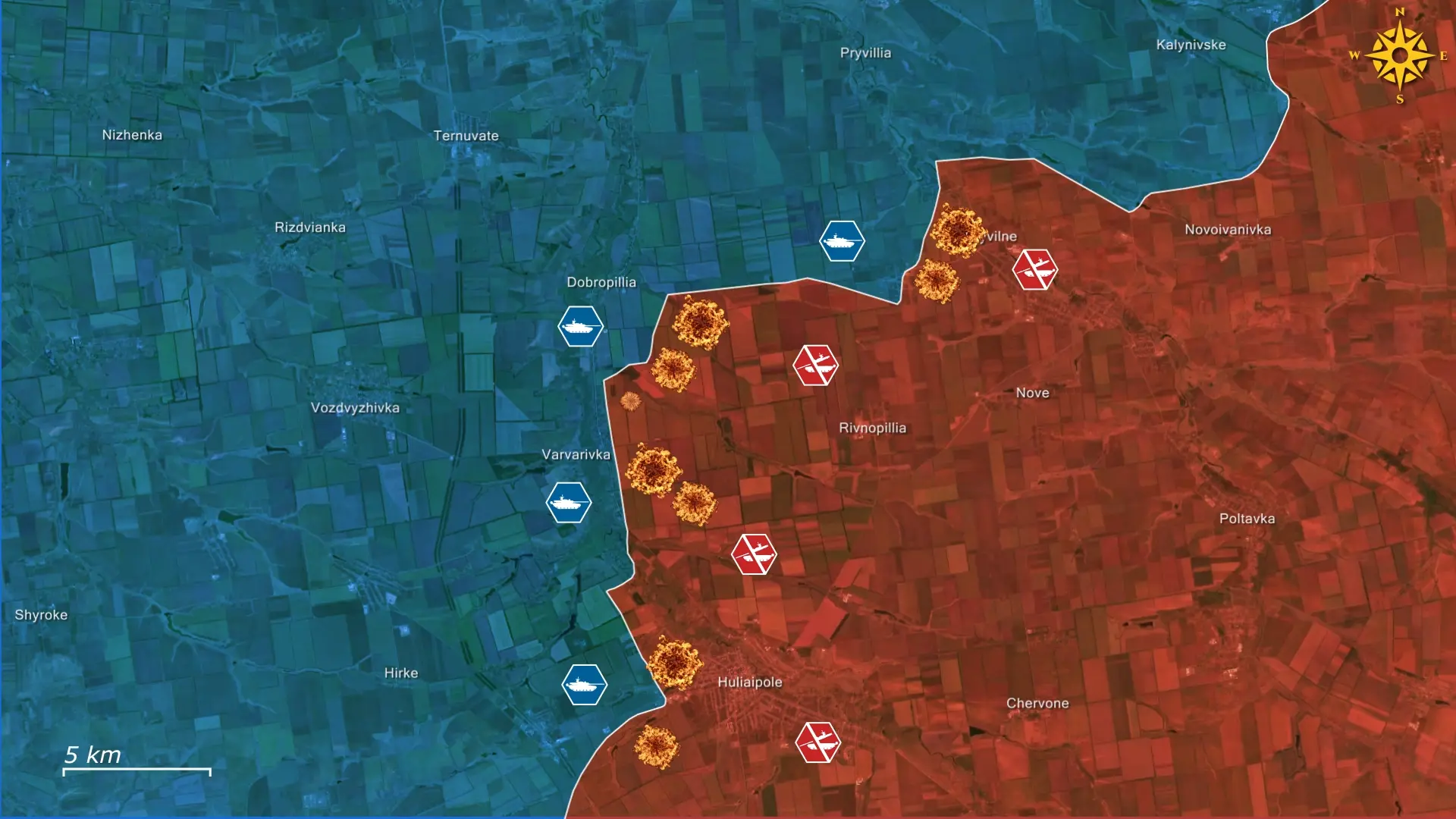
Engagements are kept brief, with crews firing within short windows before withdrawing, as staying in place increases the chance of being tracked and targeted. As a result, tanks no longer shape the fight by storming positions, but influence it through short, controlled fire missions that support other units.
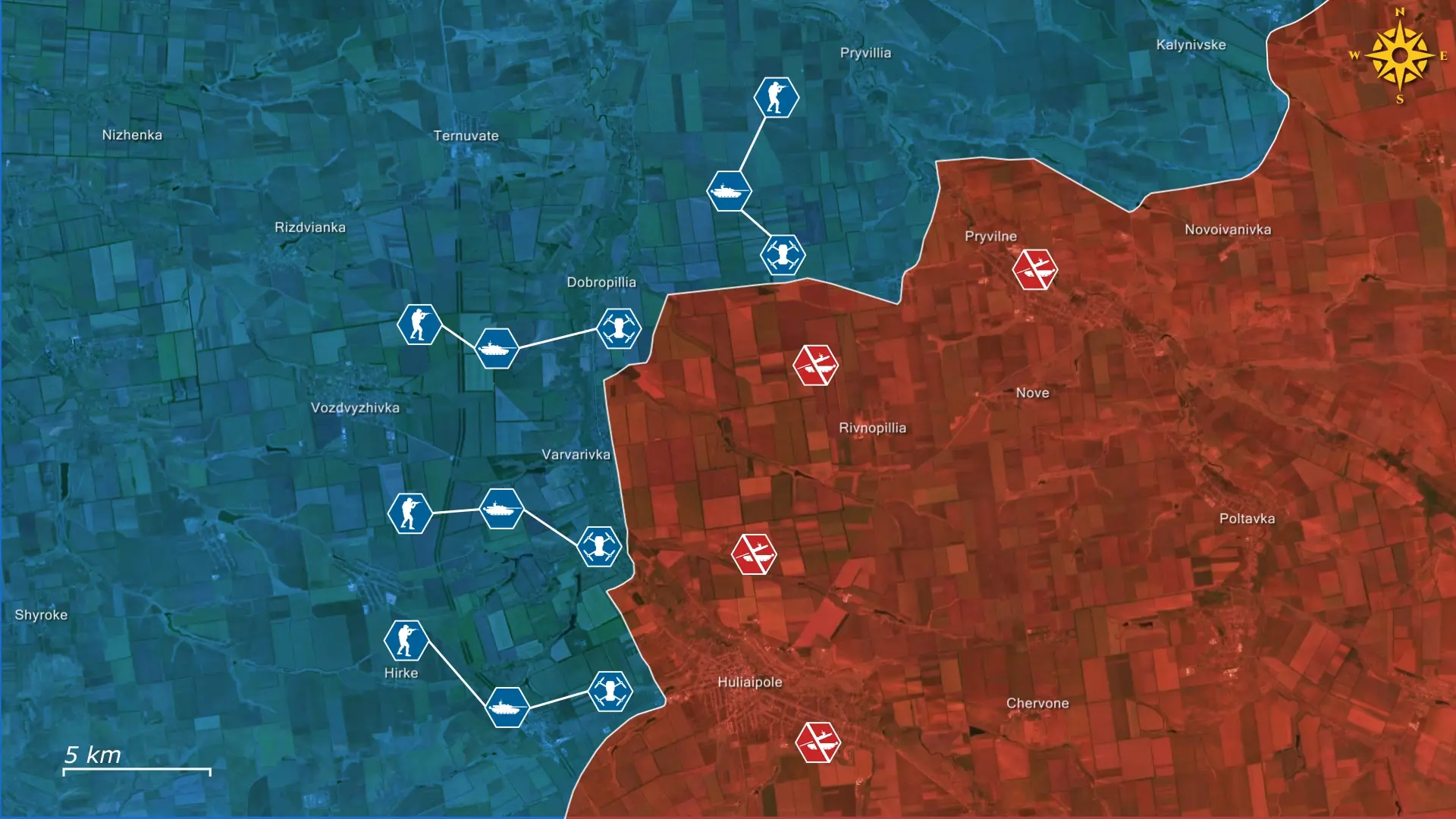
To preserve Western tanks’ usability, Ukraine upgraded them to survive in a drone-dominated environment by adding anti-drone cages, mounting reactive armor to enhance protection against newer threats, and electronic warfare systems to jam hostile drones. The goal is to extend the time a tank can remain operational during an engagement, creating a short window to fire and withdraw safely, and survive if still spotted and targeted.
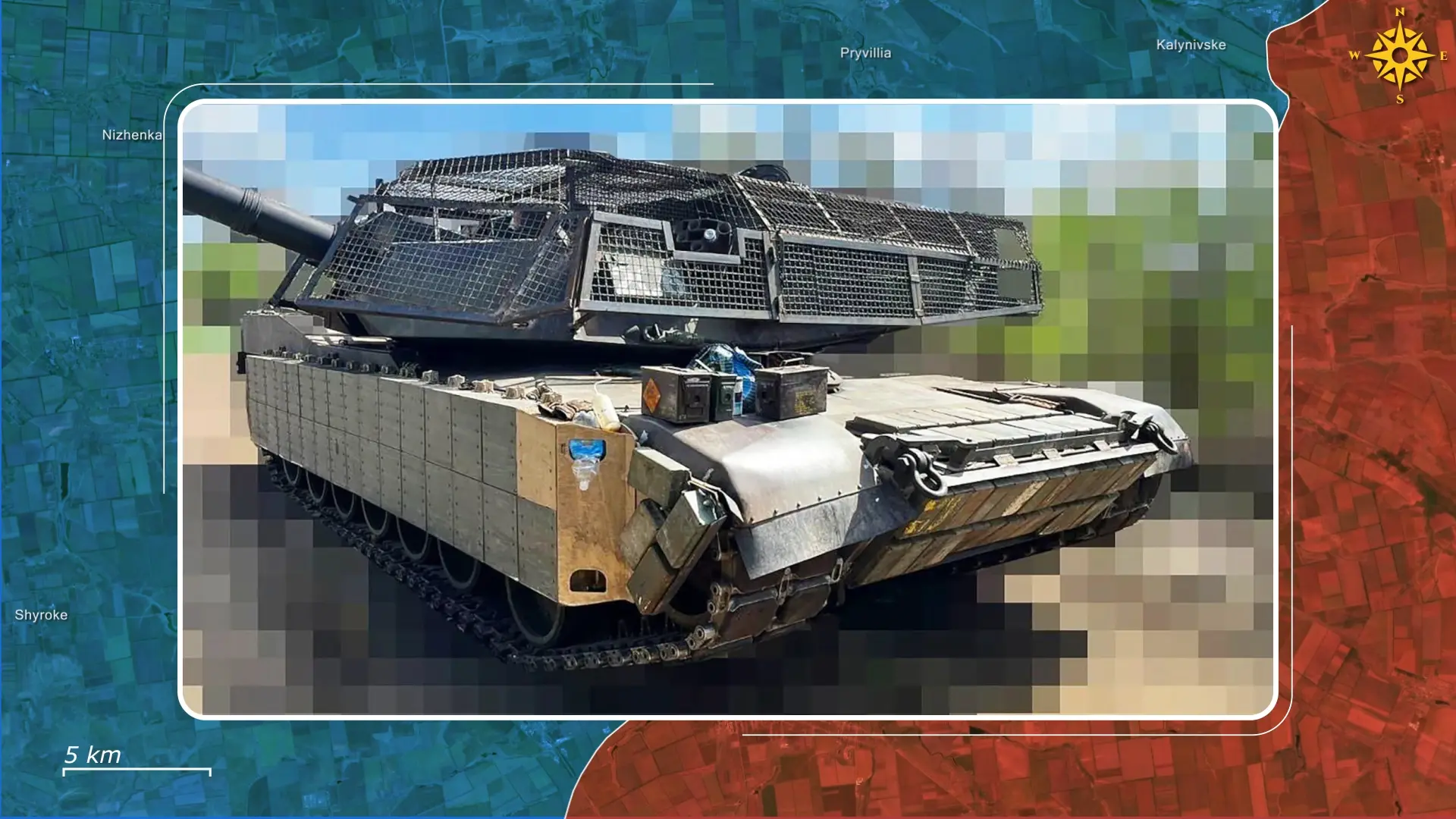
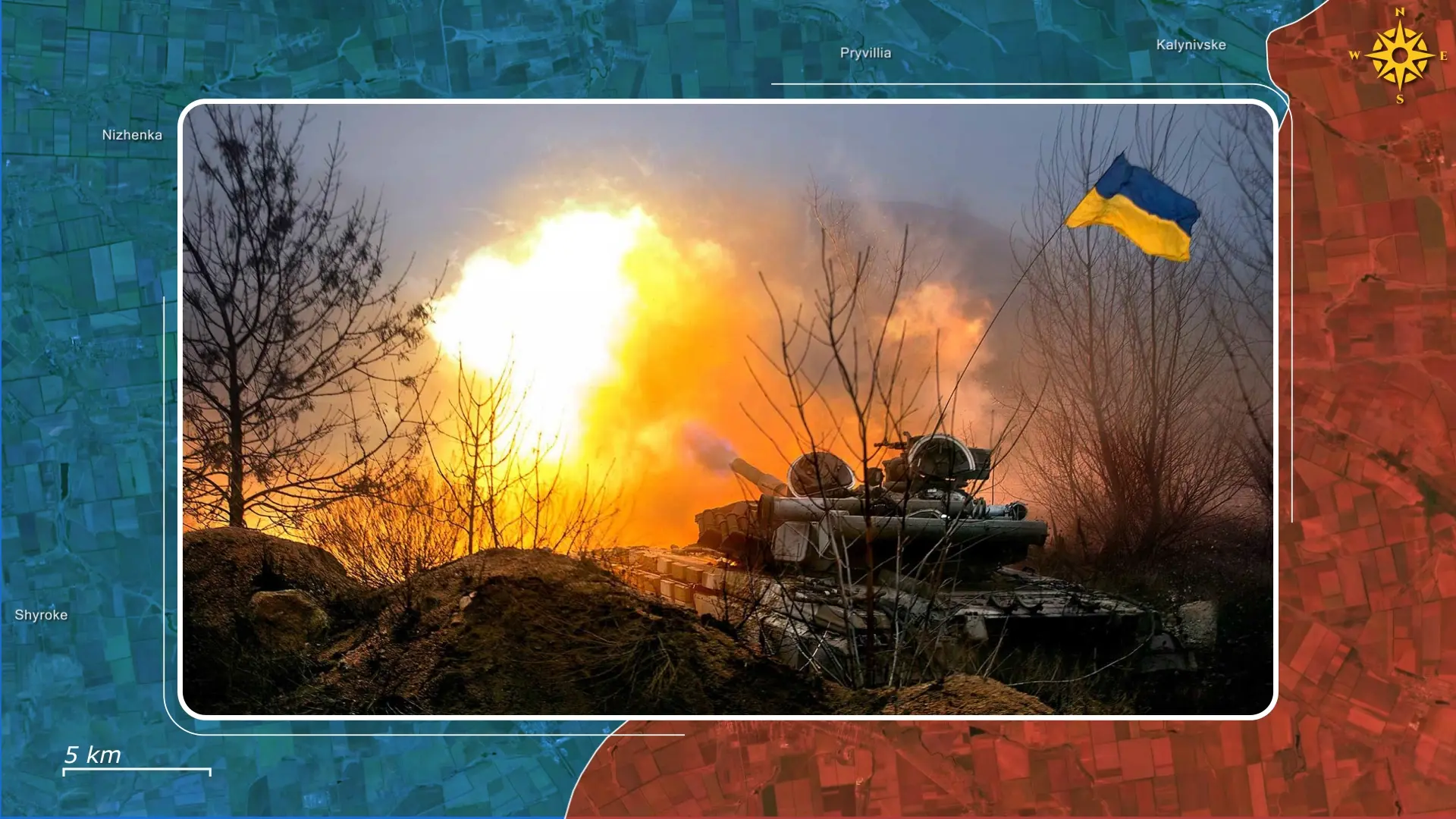
This also protects the crew, as each new defense layer reduces the likelihood of a successful enemy strike. This approach is already visible in the upgraded Leopard 1 delivered through Belgium, supplemented with a John Cockerill 3105 turret, integrating an autoloader, stabilized day and thermal imaging sights, and additional fire capability.
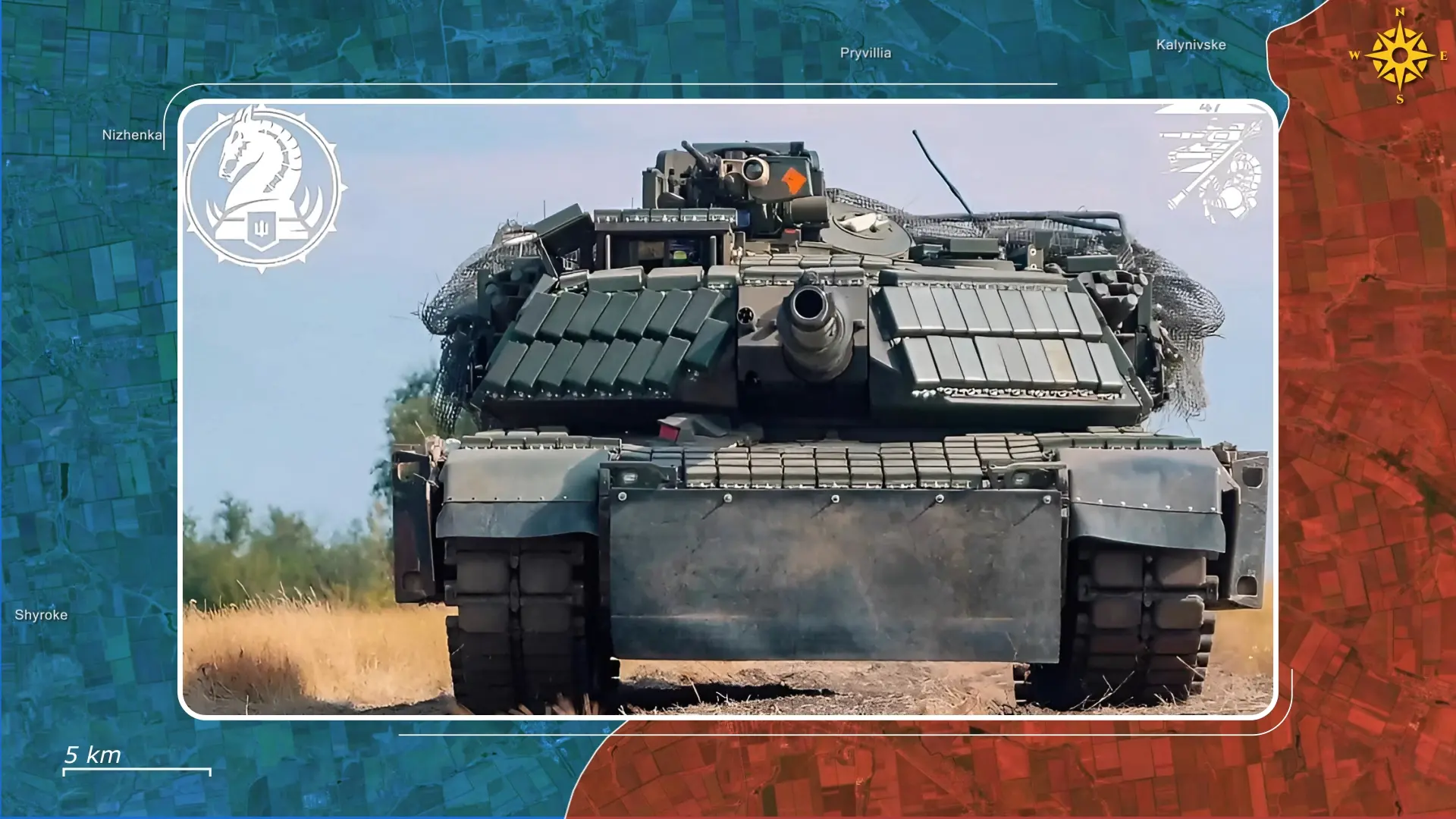
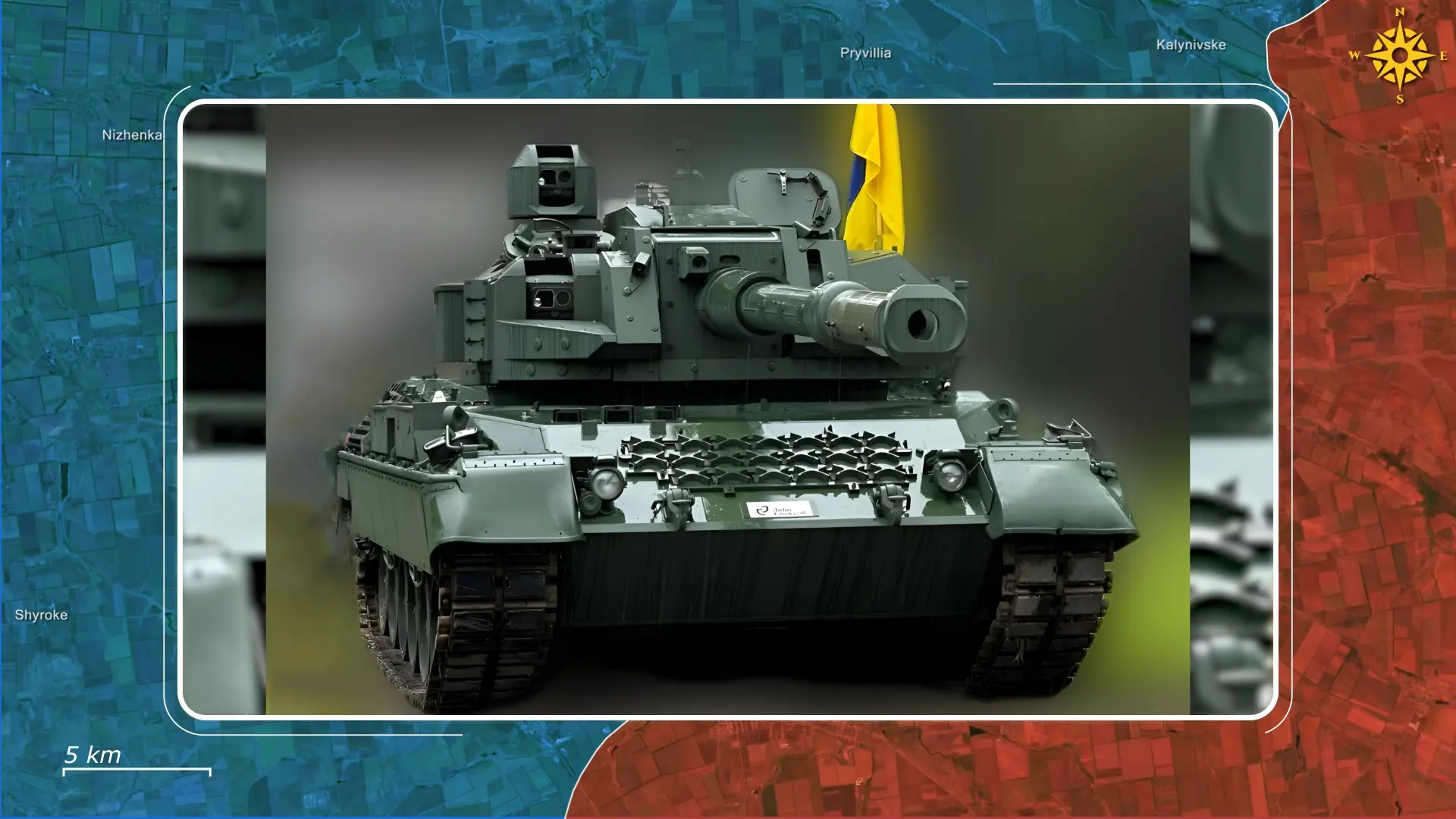
This allows the tank to detect targets at long distances while remaining concealed and engage them using coordinates provided by drones and reconnaissance units in real time. This shifts its role toward a fire support platform operating from cover. The sighting system enables both day and night operations, allowing tanks to engage targets in low-visibility conditions and respond more quickly to changes on the battlefield.
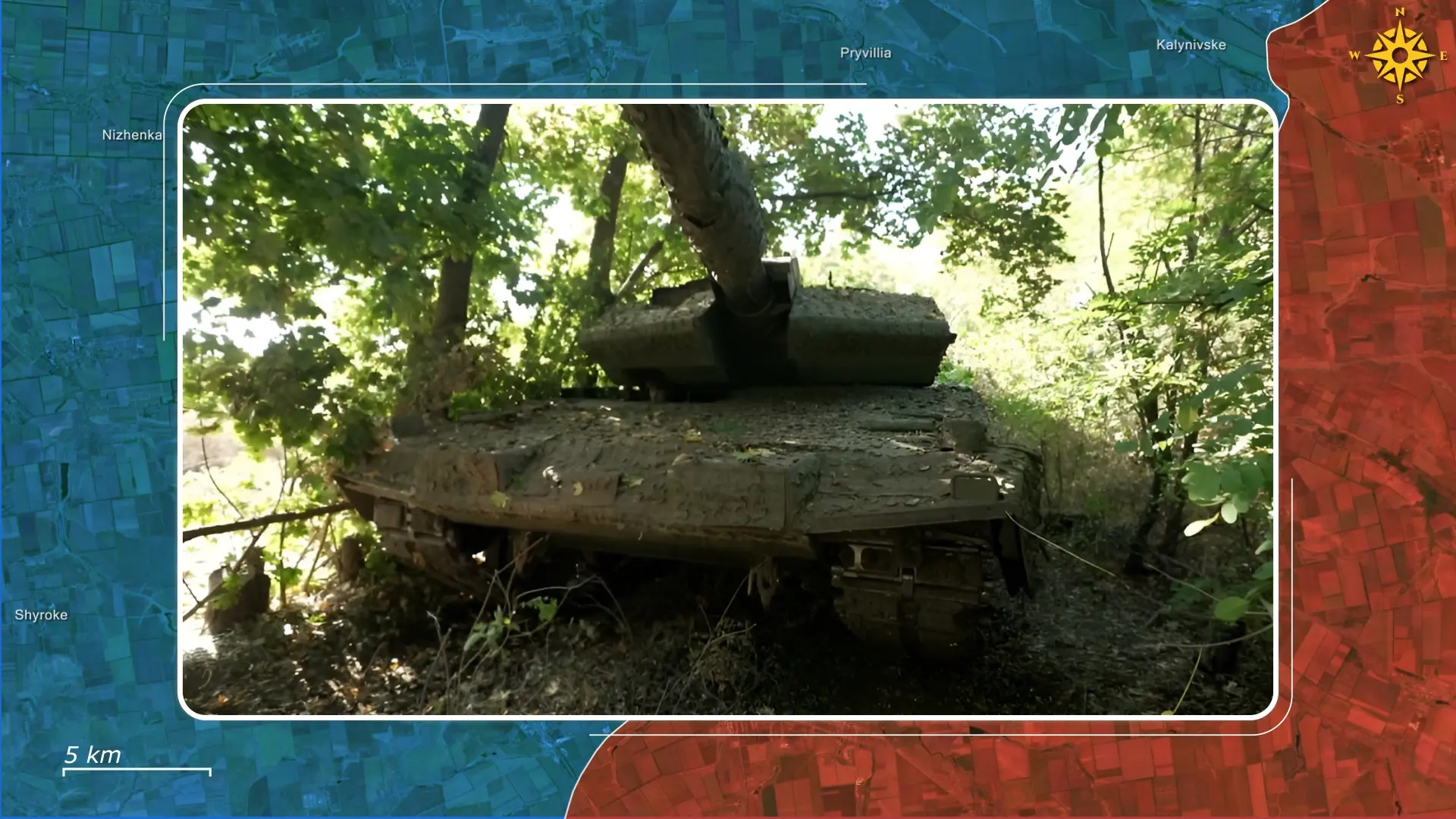
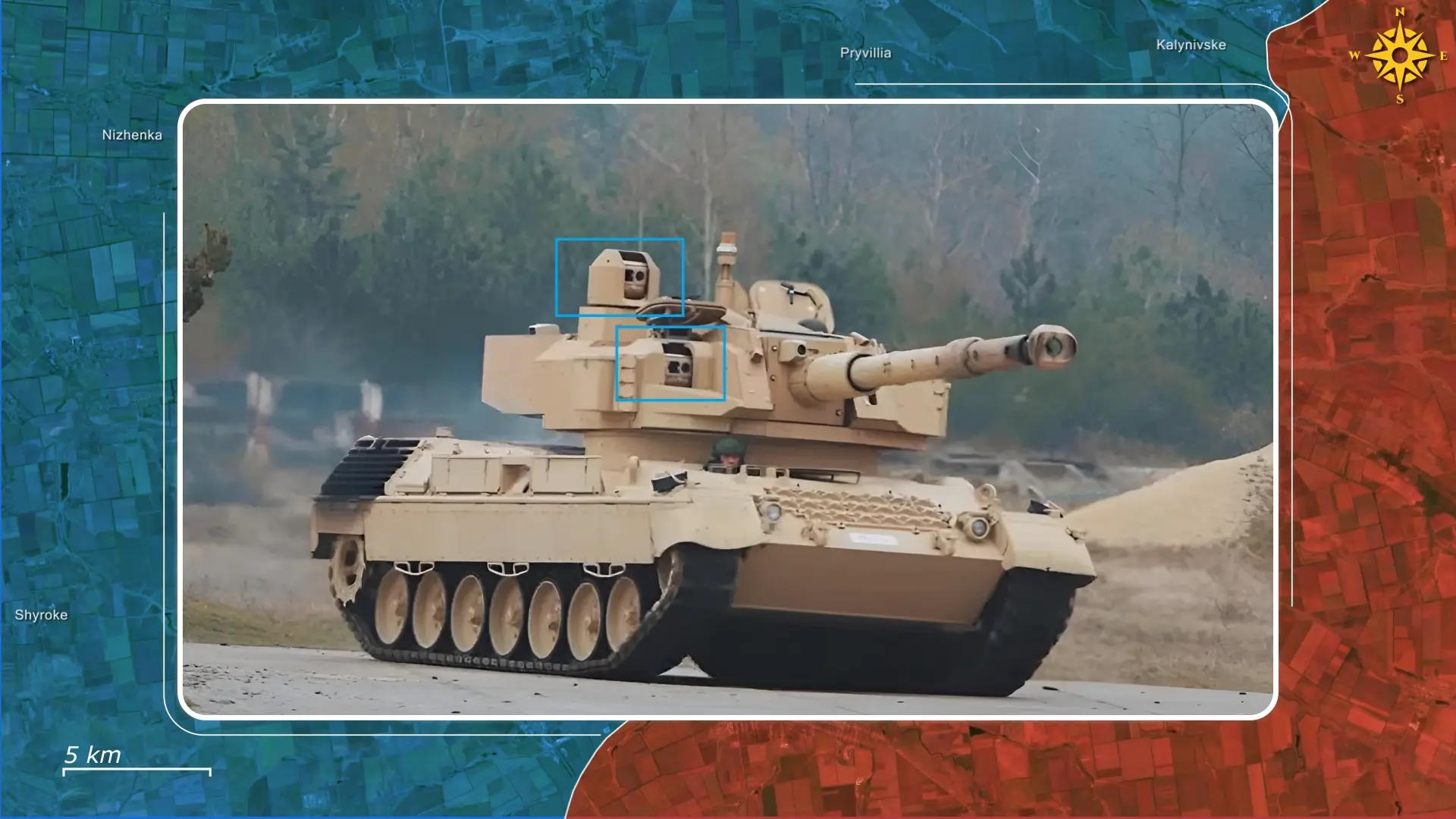
The role of tanks through such approach changes, as they are no longer used to penetrate the frontline, but to strike targets from a greater distance. Instead of rapid advances, the role of the tank in the Ukrainian army is being rebuilt around concealment and rapid displacement. The Belgian Leopard 1 upgrade aligns with this shift, showing how even more aging platforms can be adapted to deliver accurate fire while minimizing exposure, redefining tank doctrine to suit the reality of the modern battlefield.
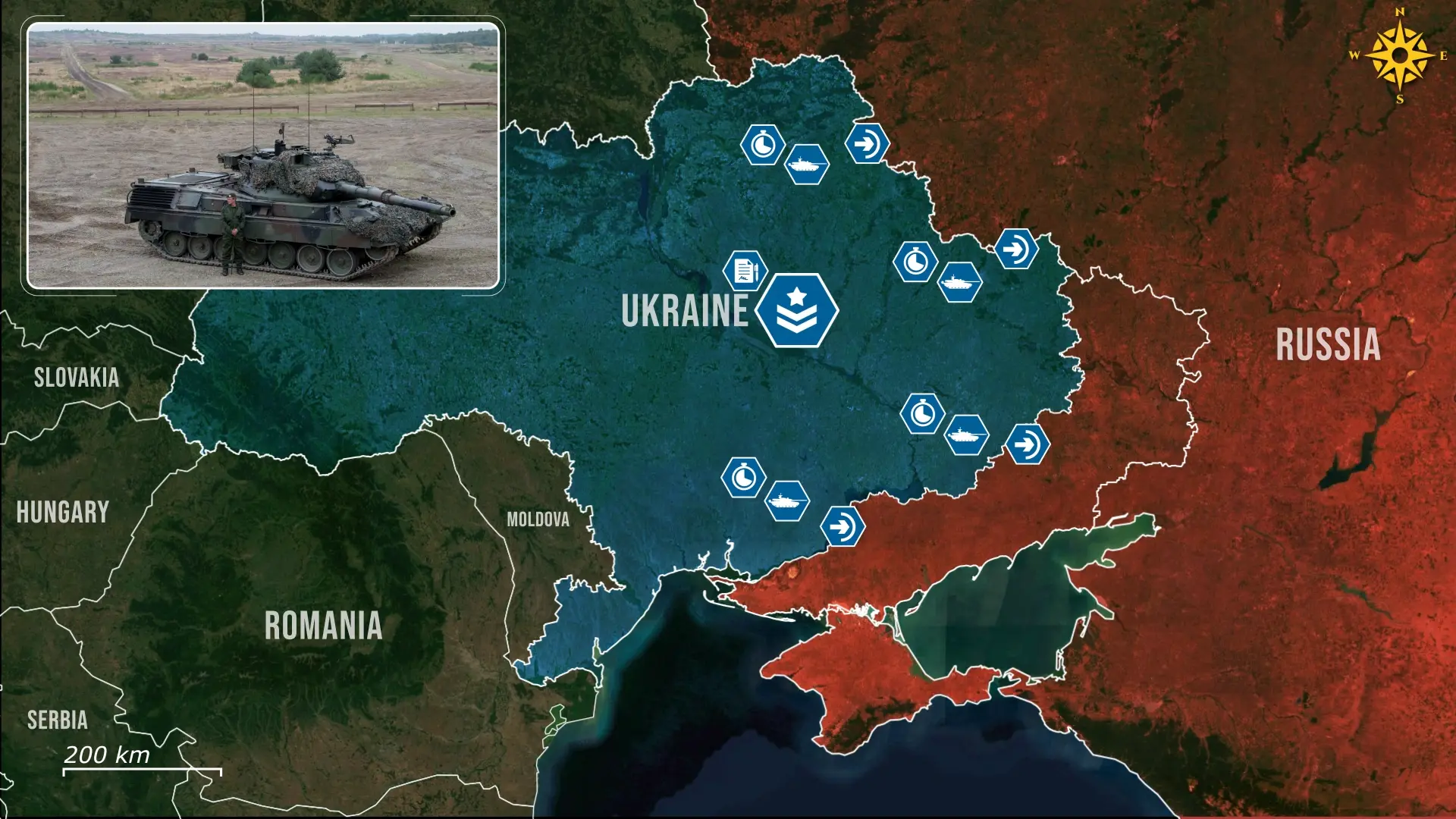
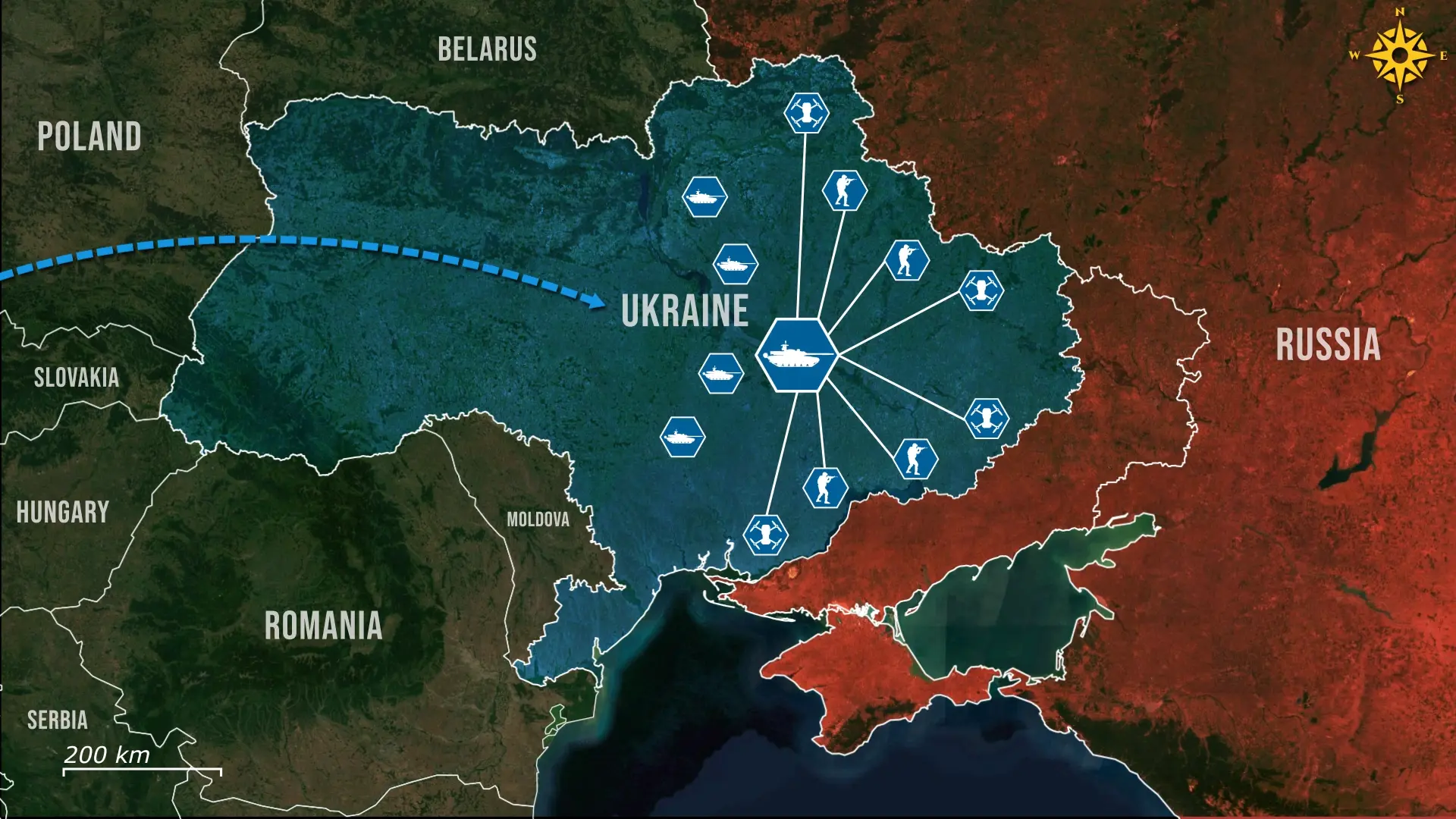
Overall, the war in Ukraine redefined the use of tanks, as they now operate as dispersed elements across the battlefield, integrated with other key elements like drones and infantry assault groups. Reality on the frontline creates a continuous cycle where detection and firing are tightly linked, and effectiveness depends on how quickly each step is completed.
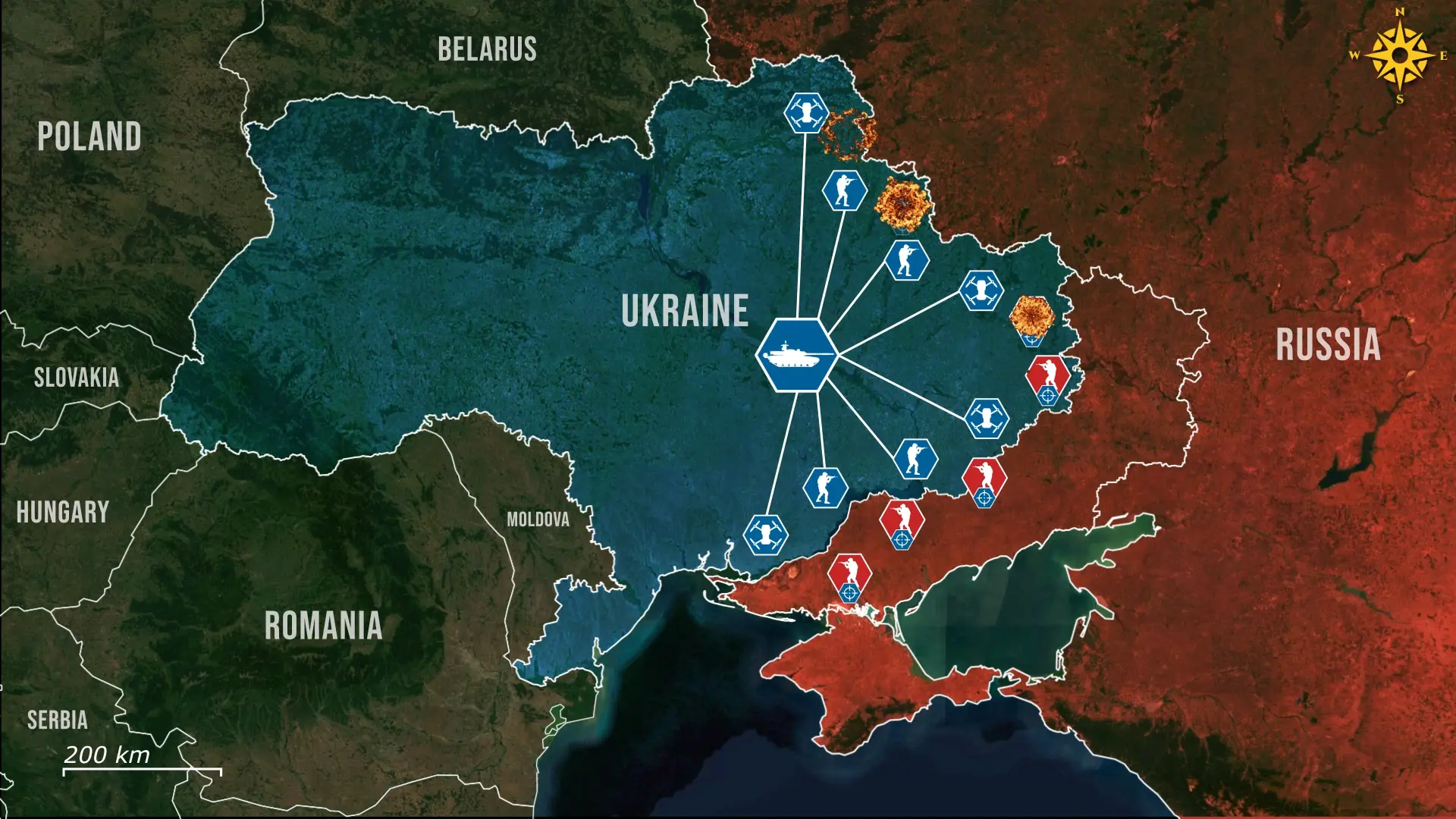
In this context, the upgraded Leopard 1 is not an isolated improvement but a clear example of this transition, showing how tanks are being adapted to operate within this system and still achieve impactful results.

.jpg)



Comments