

.svg)
Today, the biggest updates come from the skies of Ukraine.
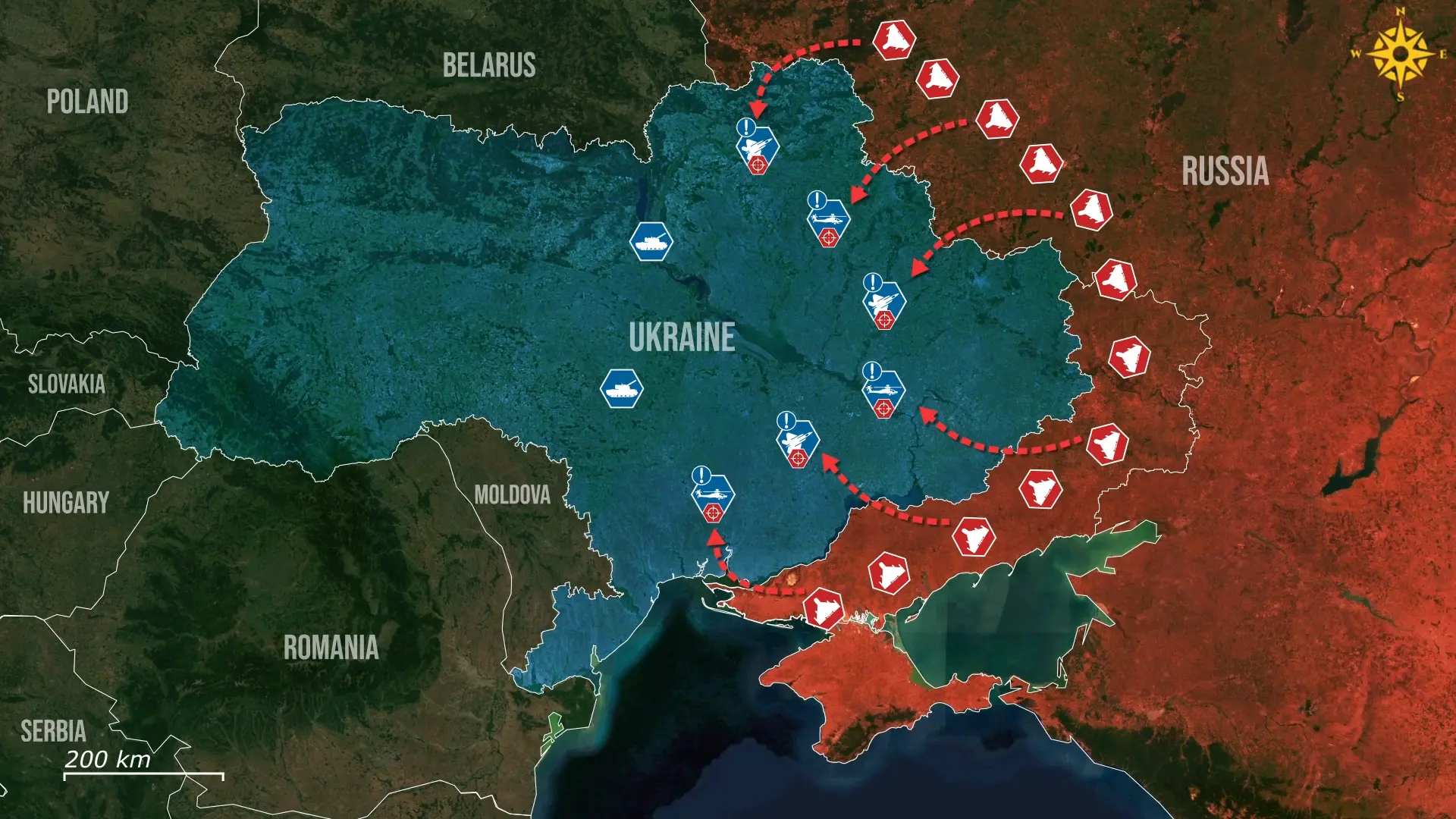
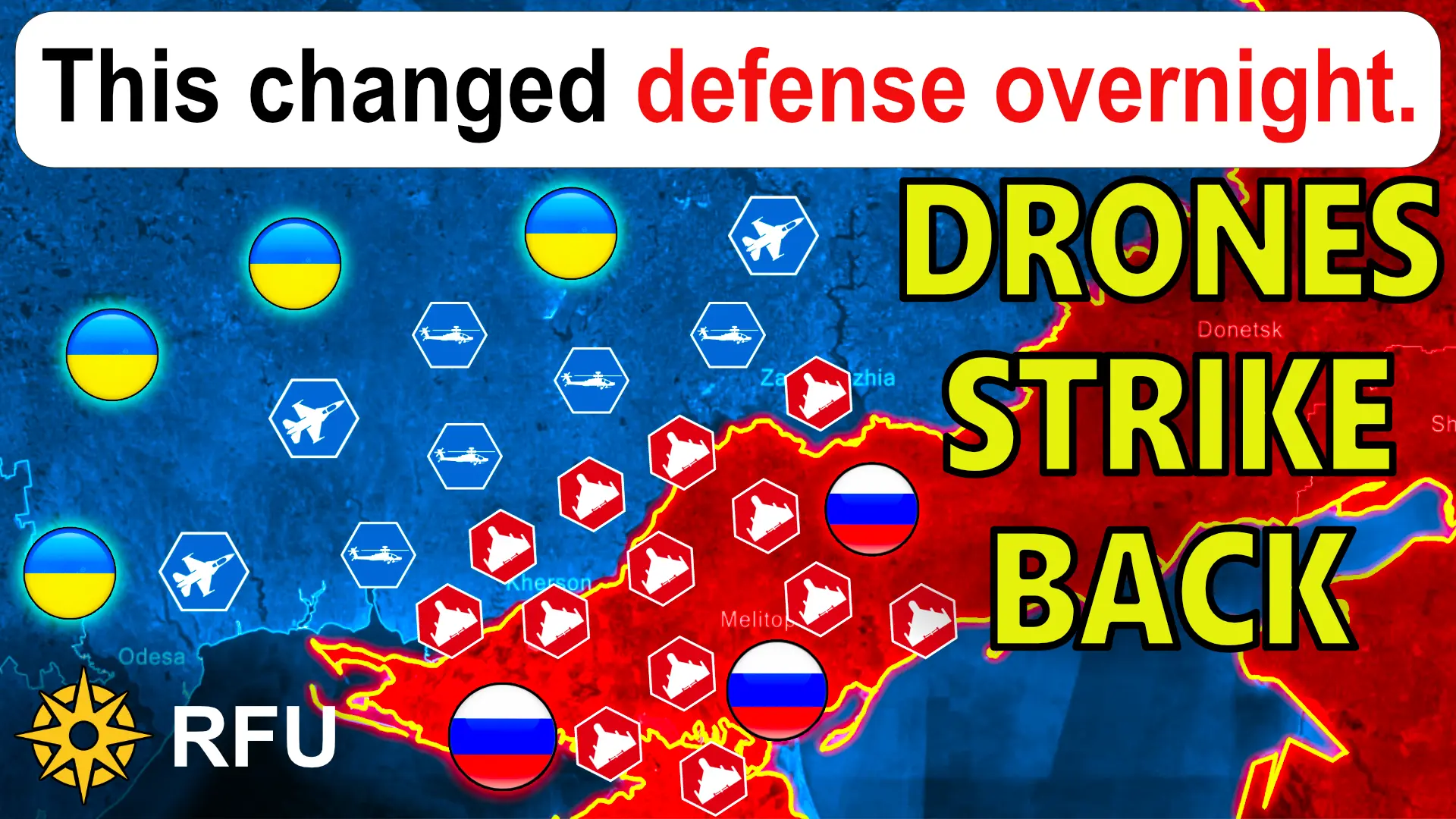
The Ukrainian helicopters and Yak-52 trainers that are hunting Russian drones now face new threats, following the new upgrades made by the Russians. Shahed kamikaze drones are now being modified and armed with R-60 air-to-air missiles, as Russians are hoping to find an answer to the Ukrainian air campaign that has already destroyed thousands of their Shahed and Geranium drones.
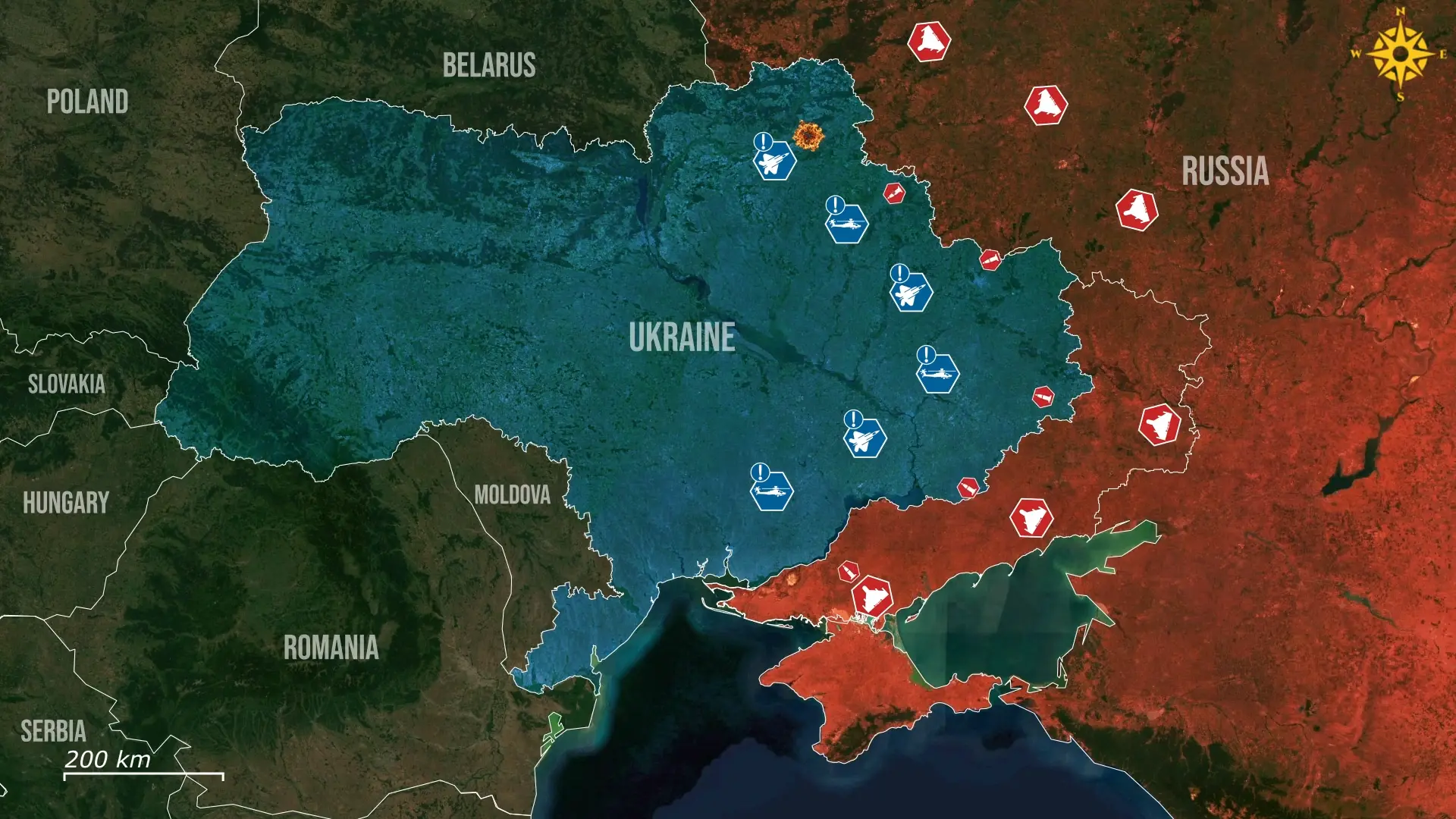
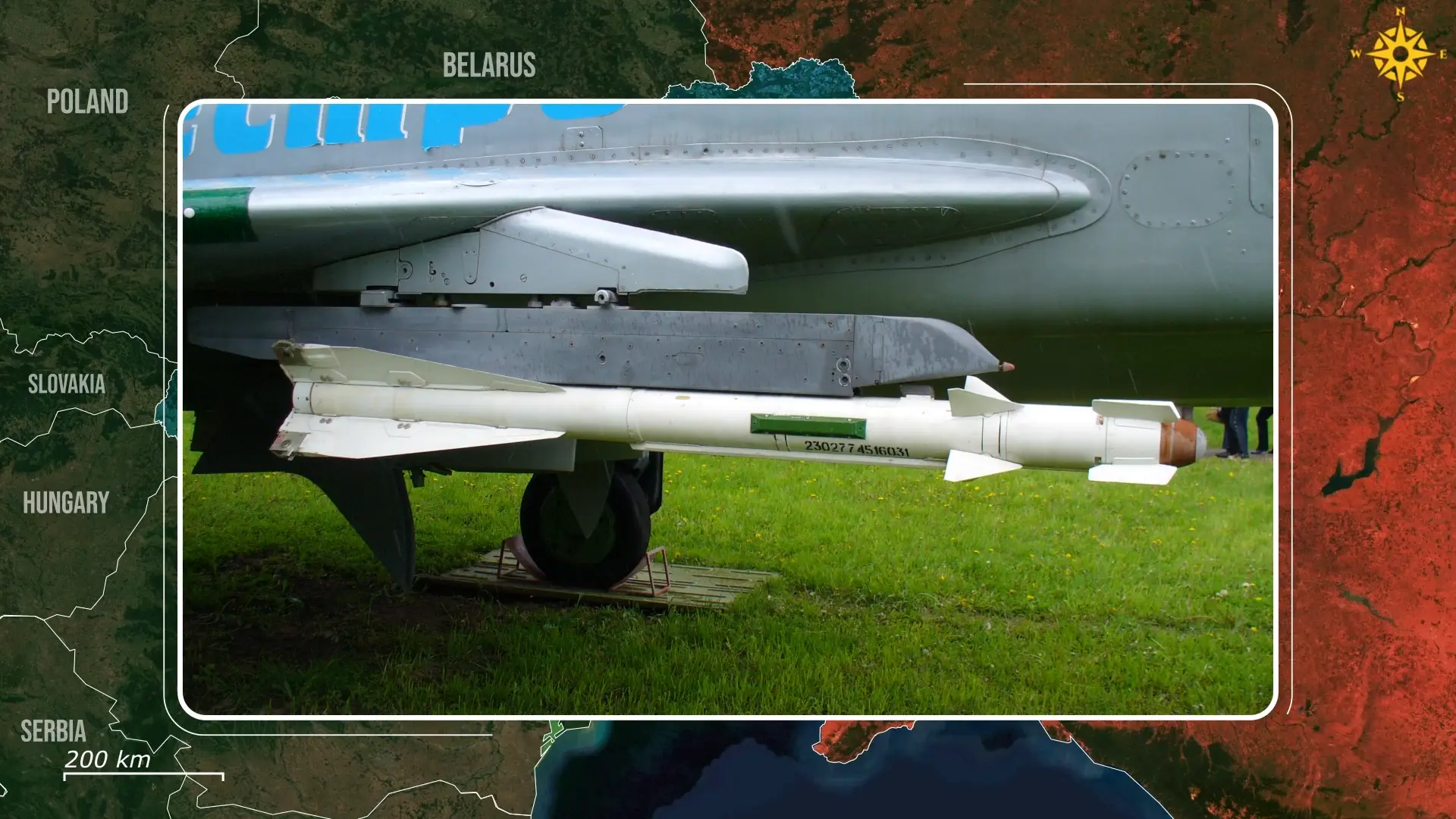
Russia has begun fielding the Russian version of the Shahed drones, the Geran-2, with Soviet-era R-60 short-range air-to-air missiles. This modification turns the Geran-2 drones into fighters, enabling them to target and engage Ukrainian interceptors while airborne.
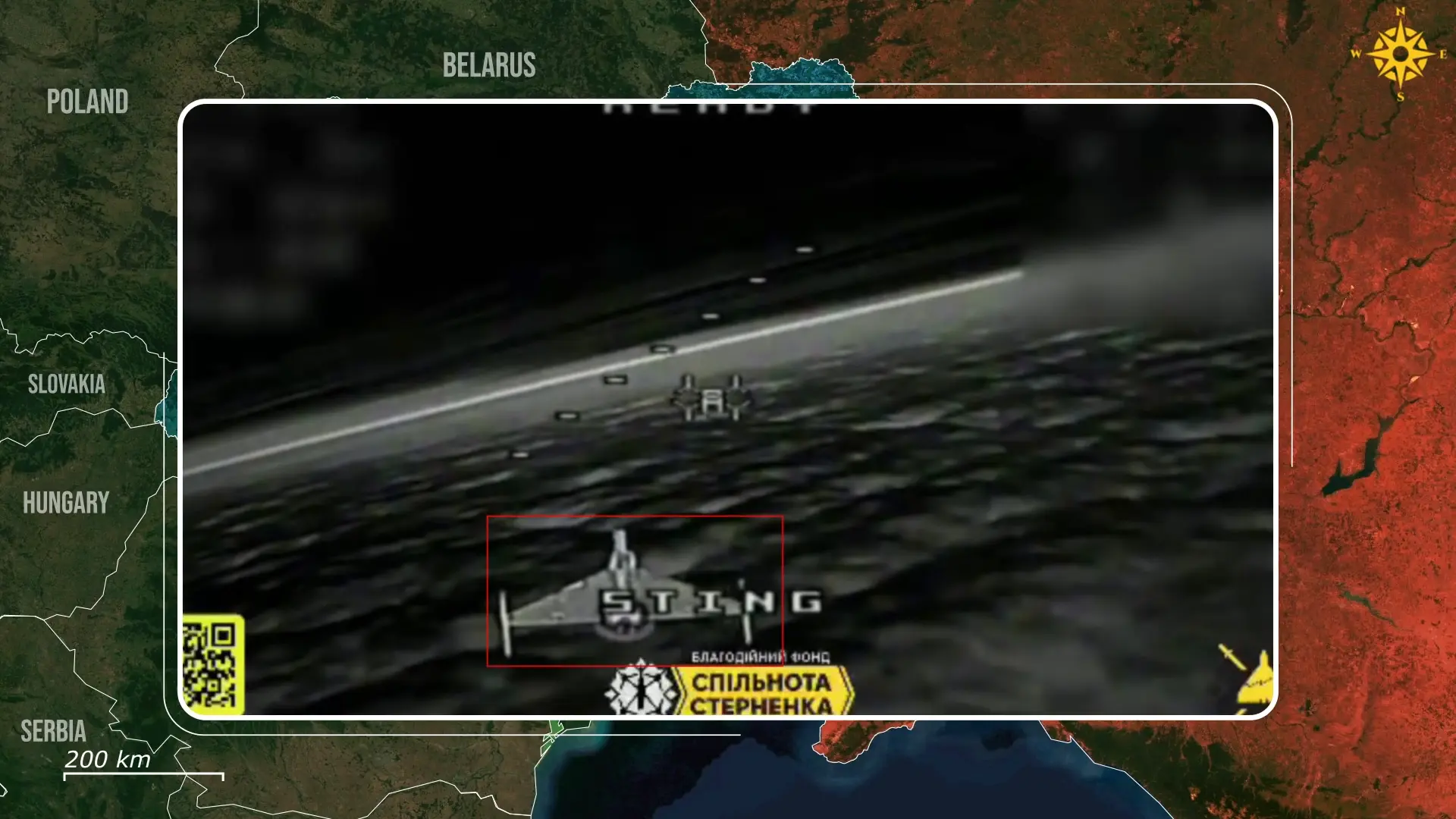
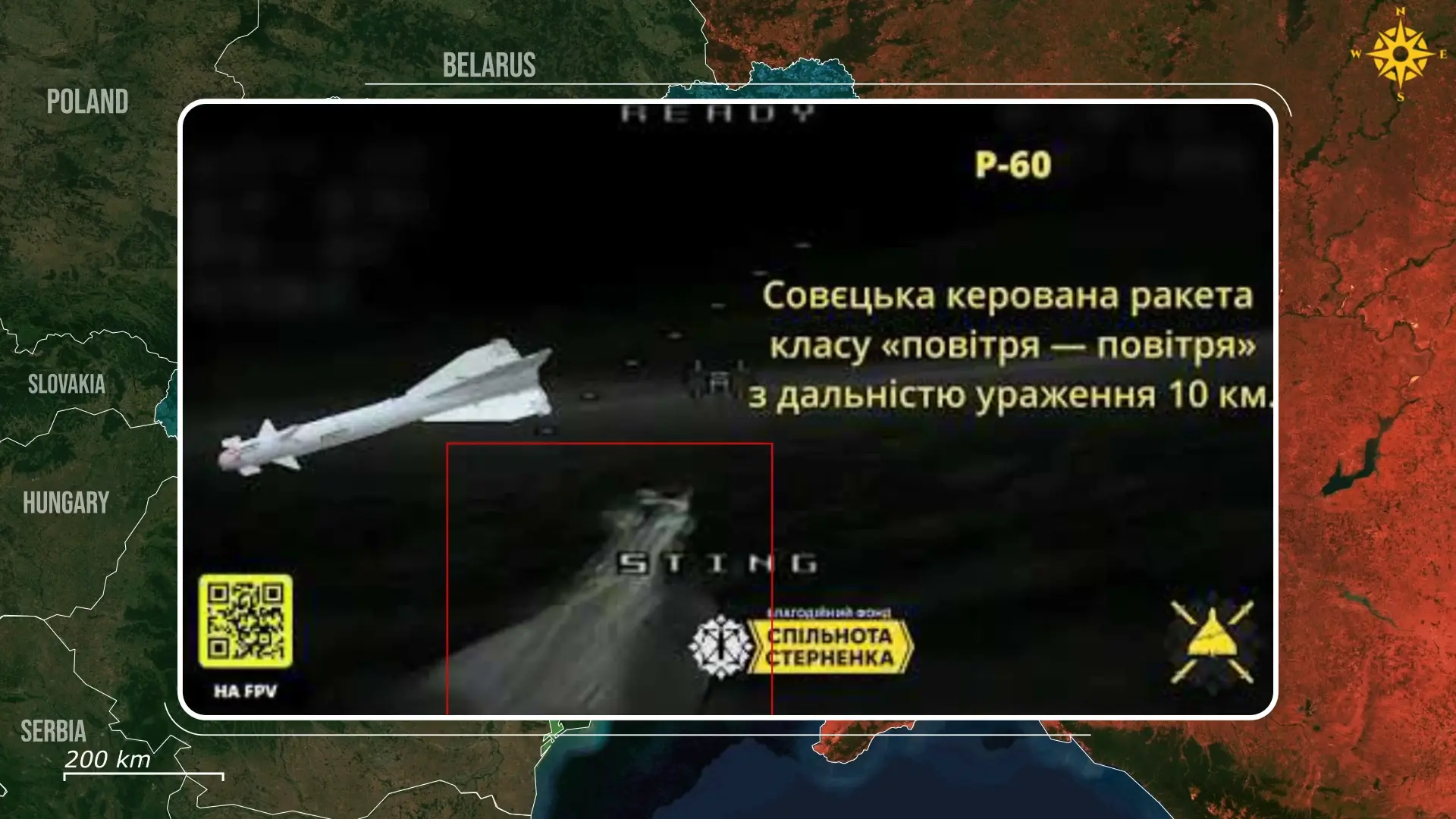
The first confirmed instance of this occurred when a Ukrainian Sting drone shot down an armed Geran-2 before the Russian drone could fire its missile. Exclusive footage and photos of the wreckage confirmed that the R-60 missile is mounted on a pylon at the centerline of the Geran-2 drone.
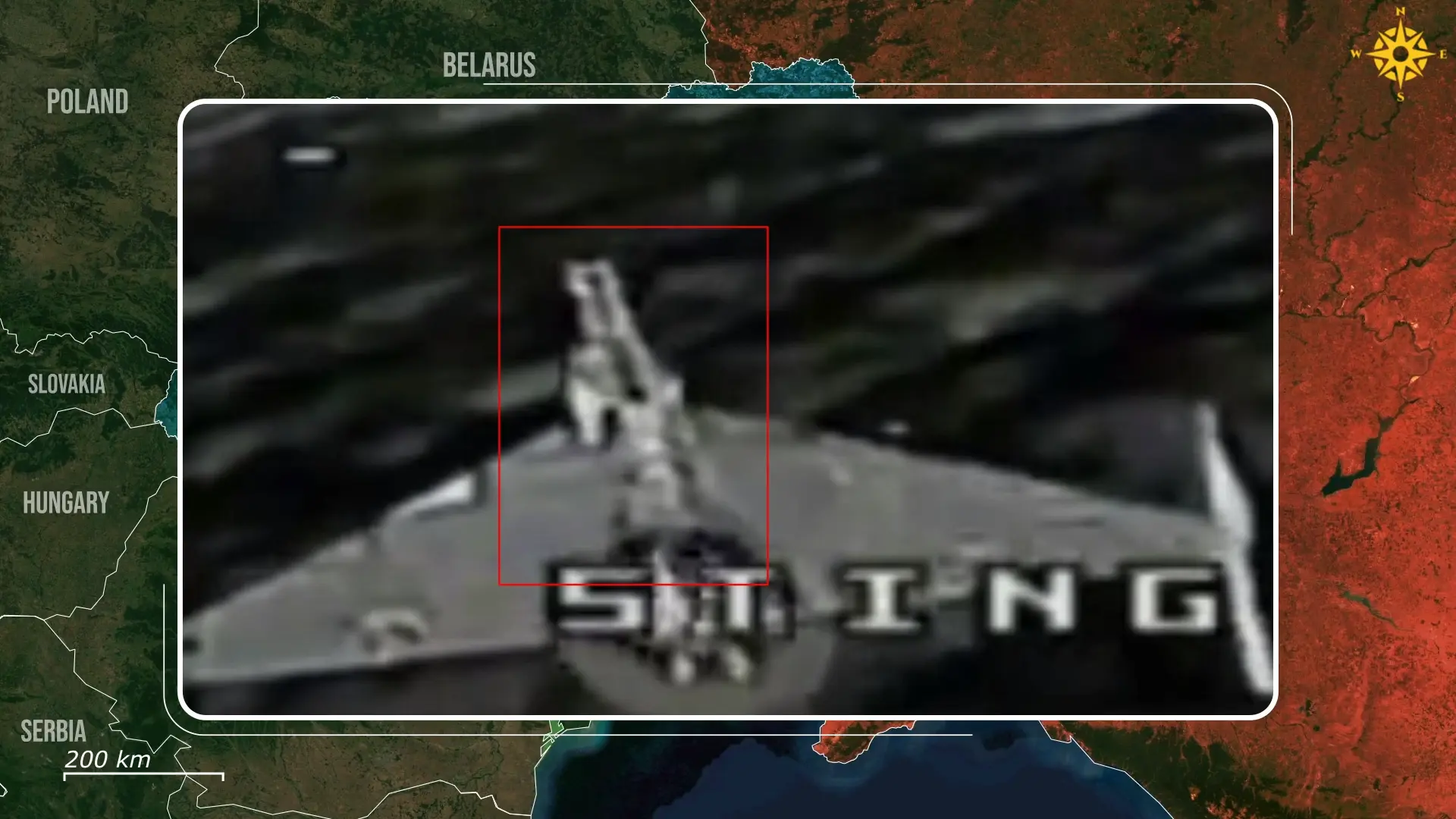
Further reports, including from Ukrainian intelligence, revealed the upgrade, showing a lighter R-60 missile combined with nose-mounted cameras and real-time control with a Russian operator via a mesh network. This upgrade lets Russians visually track and fire at approaching targets like helicopters, Yak-52 trainers, and even tactical jets.
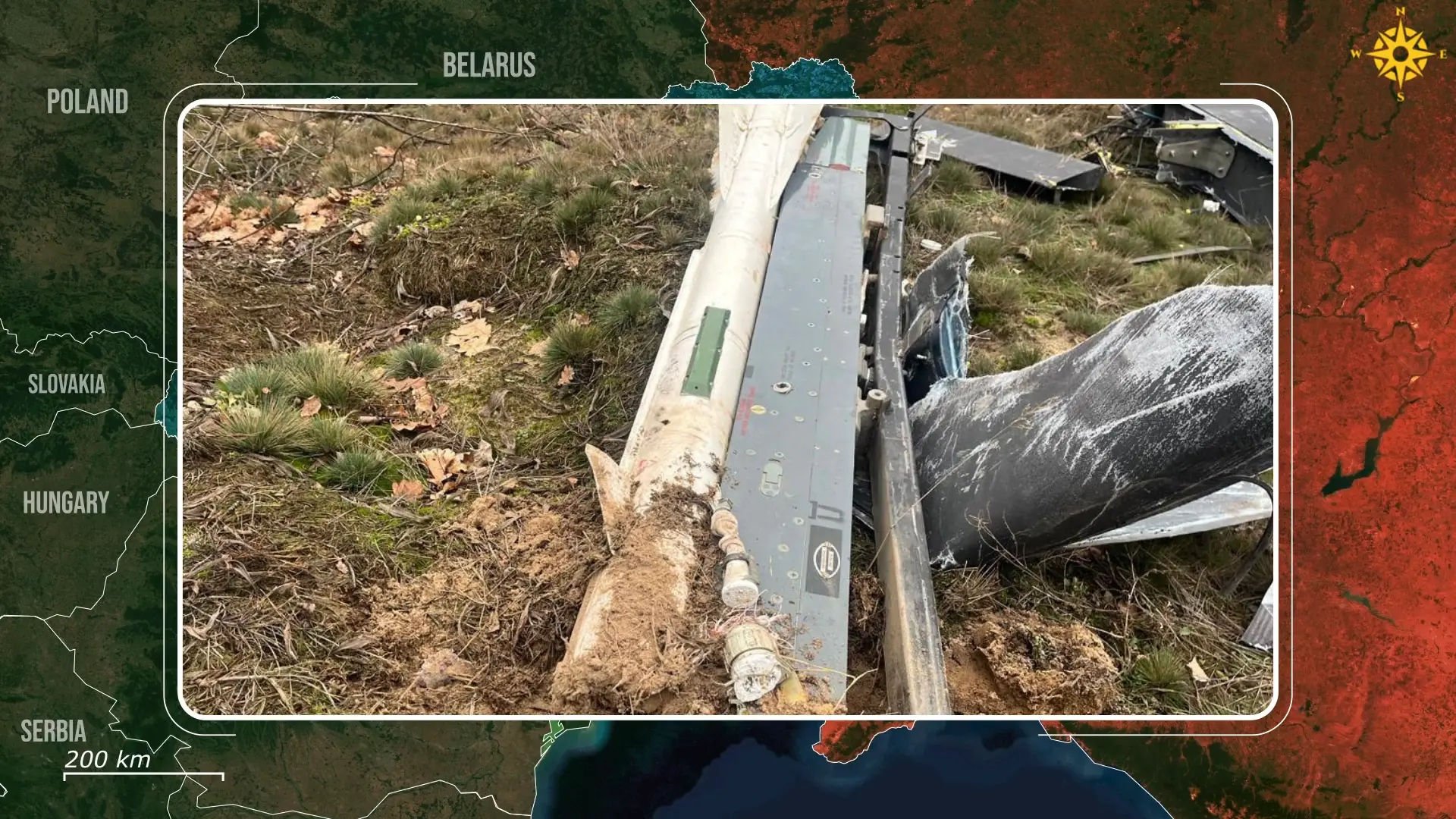
While no Ukrainian aircraft have been lost to these drone-mounted missiles, the modification challenges Ukraine’s cost-effective manned interception tactics. This new threat forces Ukrainian pilots to approach more carefully, or risk being struck by the missile-armed drones.
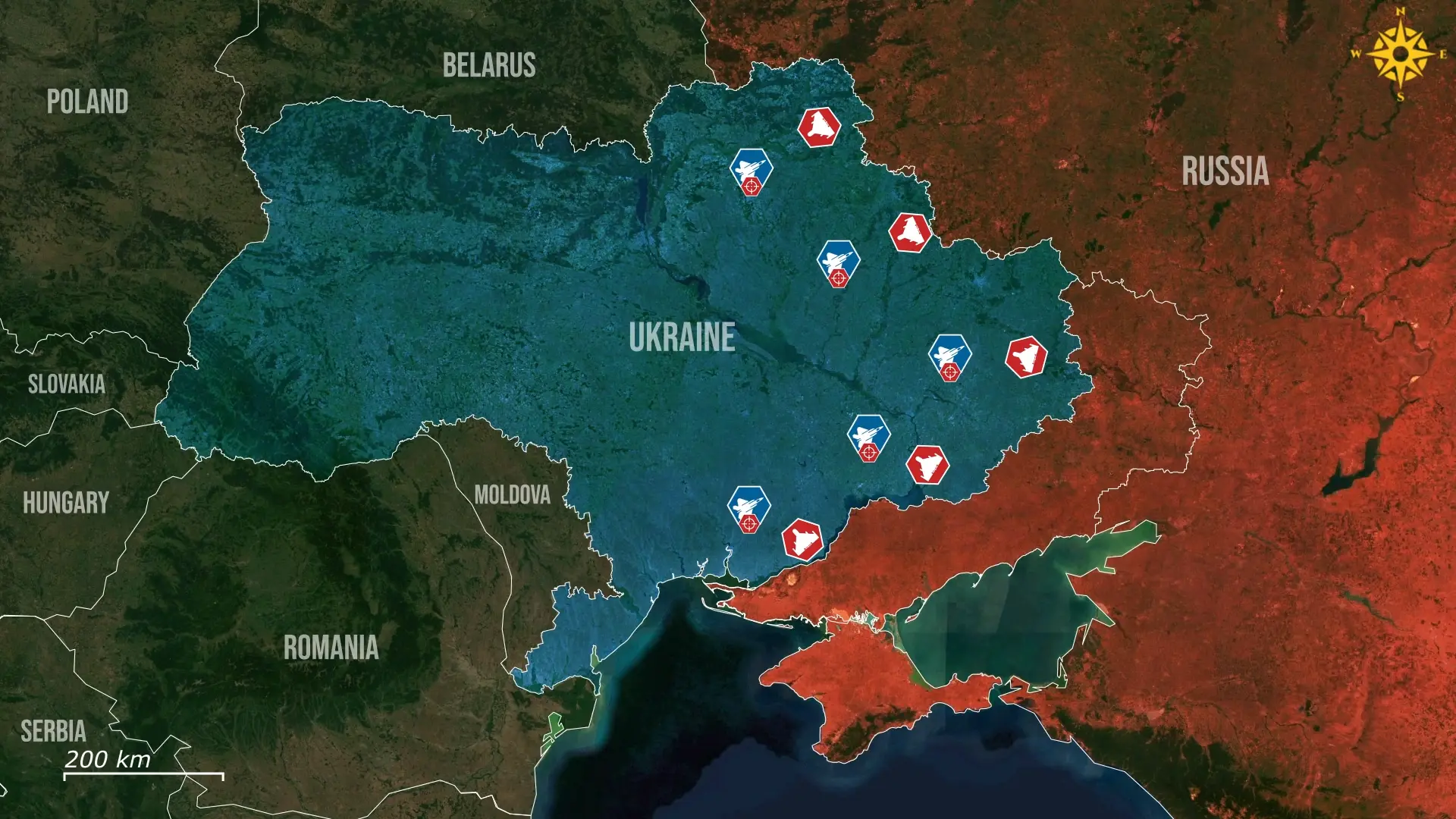
Since late 2024, Ukrainian rotorcraft and piston trainers have become the primary night-time counter to low and slow Geran waves, with helicopter crews alone claiming over 3,200 confirmed kills by December 2025 and Yak-52 units adding many more. Operating at similar altitudes and speeds, these manned platforms visually acquire drones, engage with machine guns, shotguns, or air-burst rockets at close range, and achieve 70 to 90 precent success rates at a fraction of the cost of Sam shots. This asymmetric approach has severely disrupted Russia’s intended cost-exchange ratio, forcing Moscow to adapt or accept diminishing returns on its mass drone campaigns.
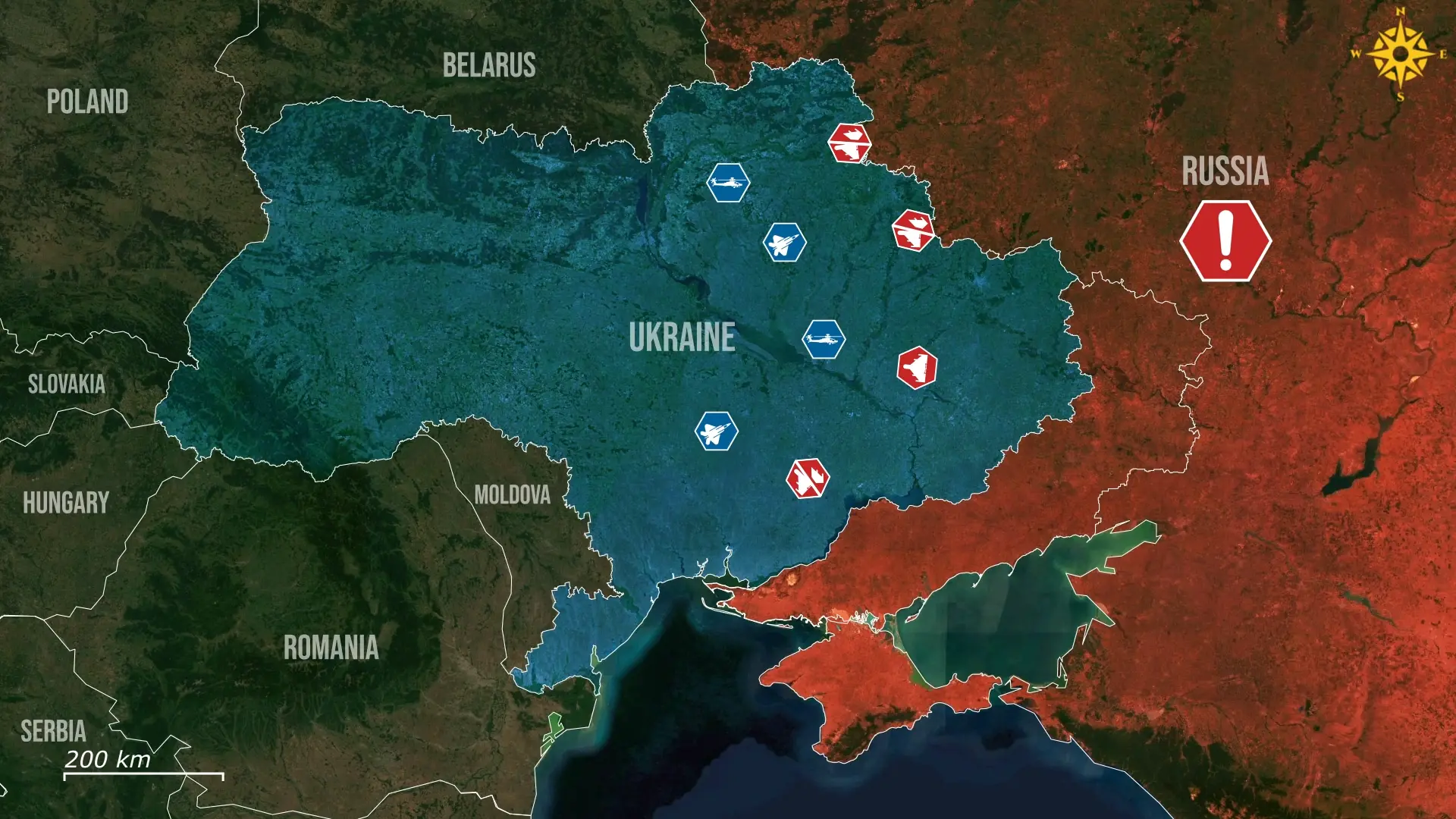
The R-60 modification is not aimed at high-performance Western jets like F-16’s or Mirage 2000’s, as those are more agile, fly faster, higher, and typically engage Shaheds with long-range missiles from standoff distances. Instead, it specifically targets the slow, low-flying helicopters and Yak-52’s that loiter in drone corridors waiting for visual contact. The R-60 gives the otherwise defenseless Geran a credible flank threat against these vulnerable interceptors, potentially deterring aggressive pursuits and restoring some measure of safety for the drone swarms penetrating Ukrainian airspace.
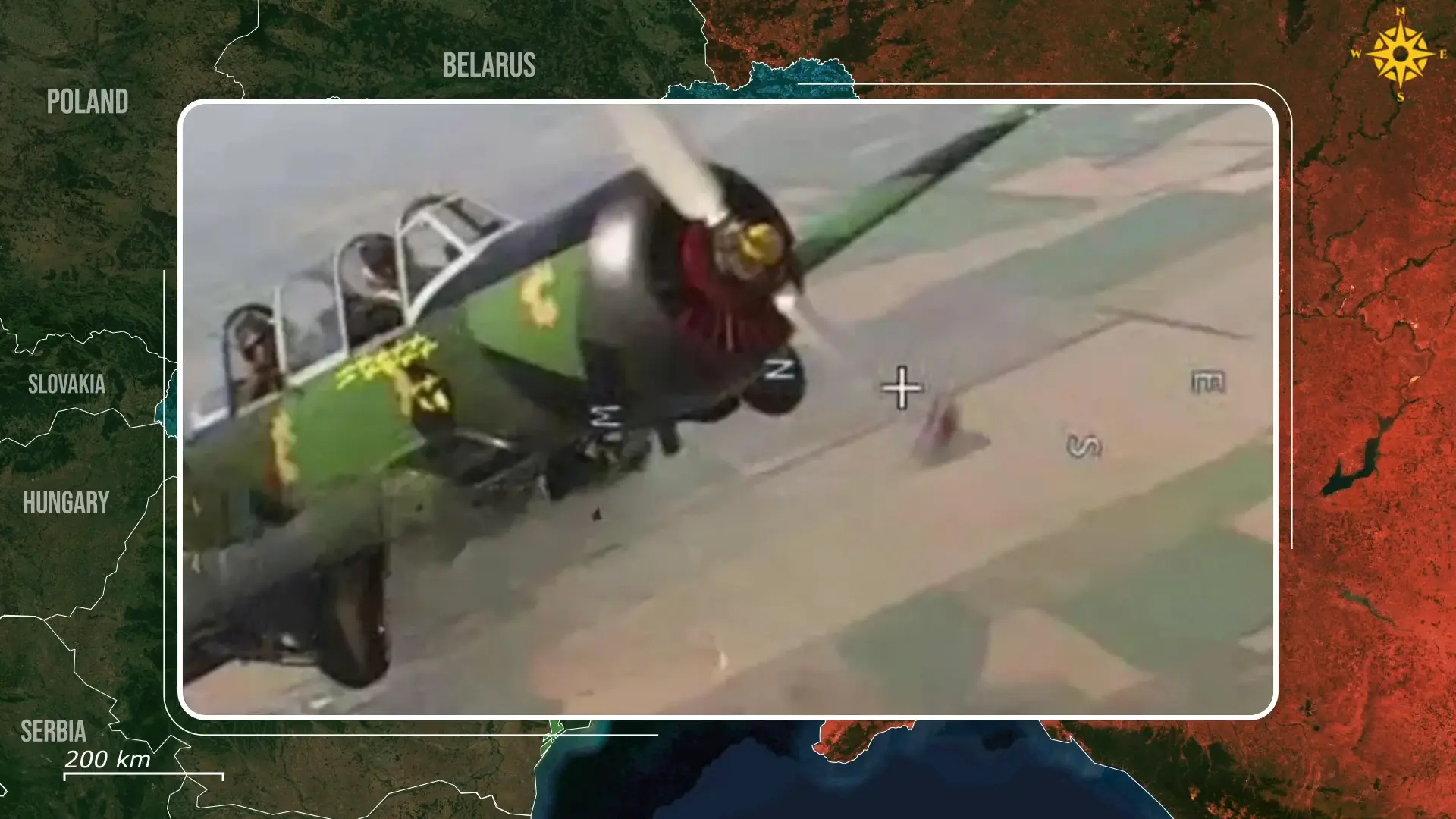
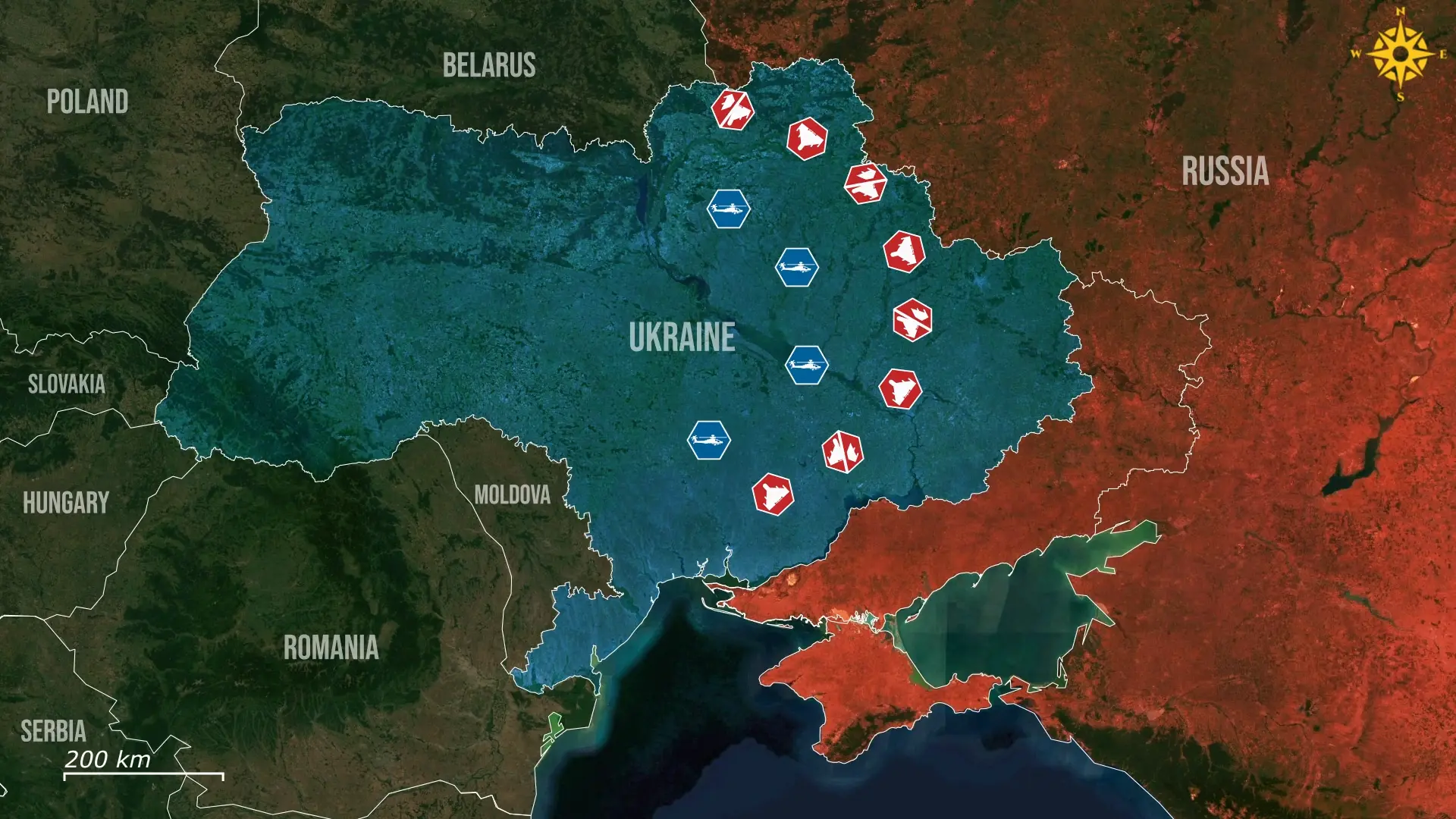
The air war over Ukraine has become a relentless cycle of adaptation, with both sides rapidly countering each other’s innovations in the drone campaign. Ukraine’s use of Yak-52 trainers and Mi-8 or Mi-24 helicopters as low-cost drone interceptors forced Russia to adapt by raising drone flight altitudes, using decoys, and extending attack durations. Despite these measures, thousands of Shaheds still fell to machine-gun fire and air-burst rockets.
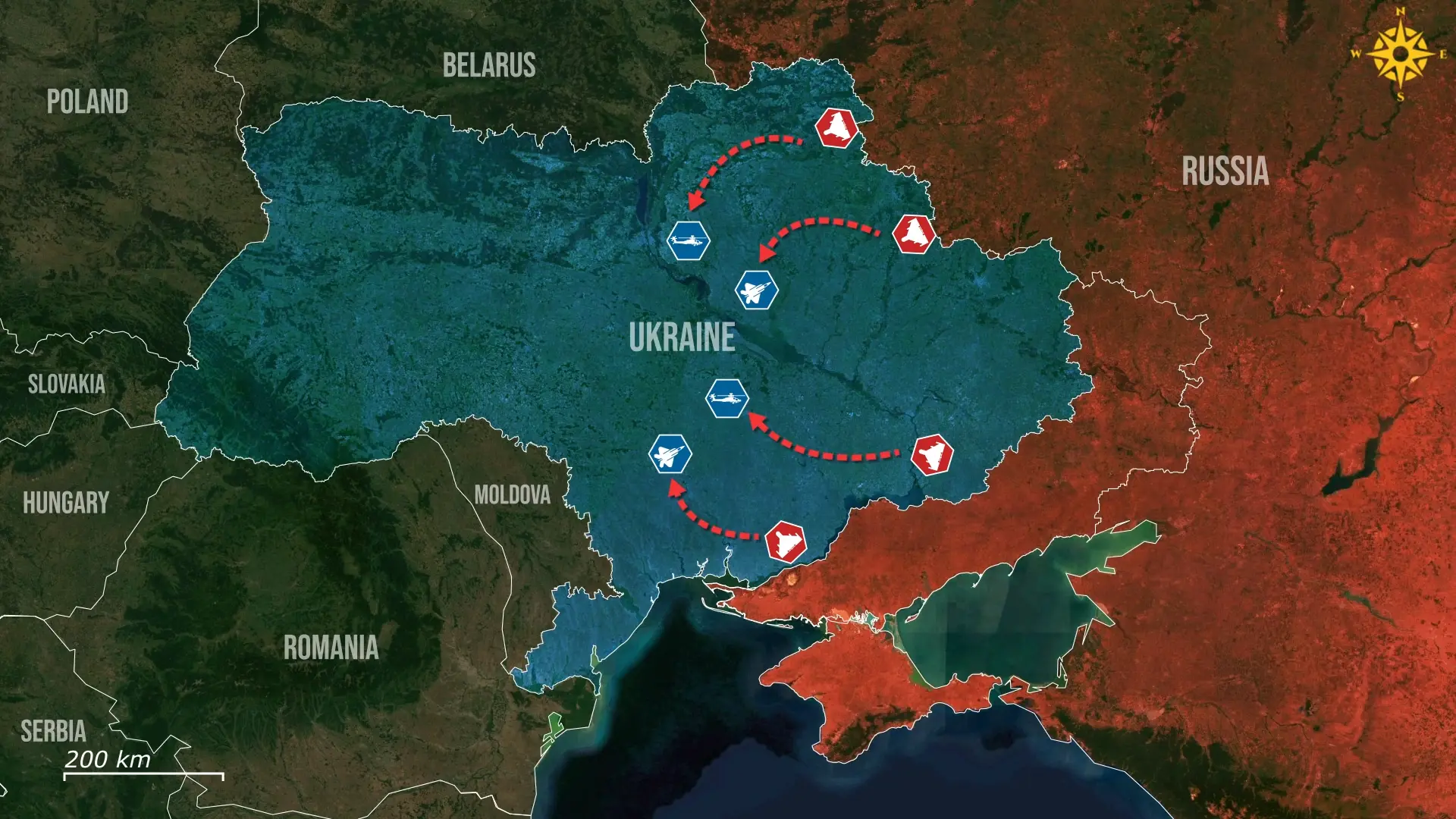
In response, Russia has upgraded some Shaheds with real-time video feeds, mesh networking, and even R-60 missiles, transforming these kamikaze drones into active threats capable of striking back at interceptors.
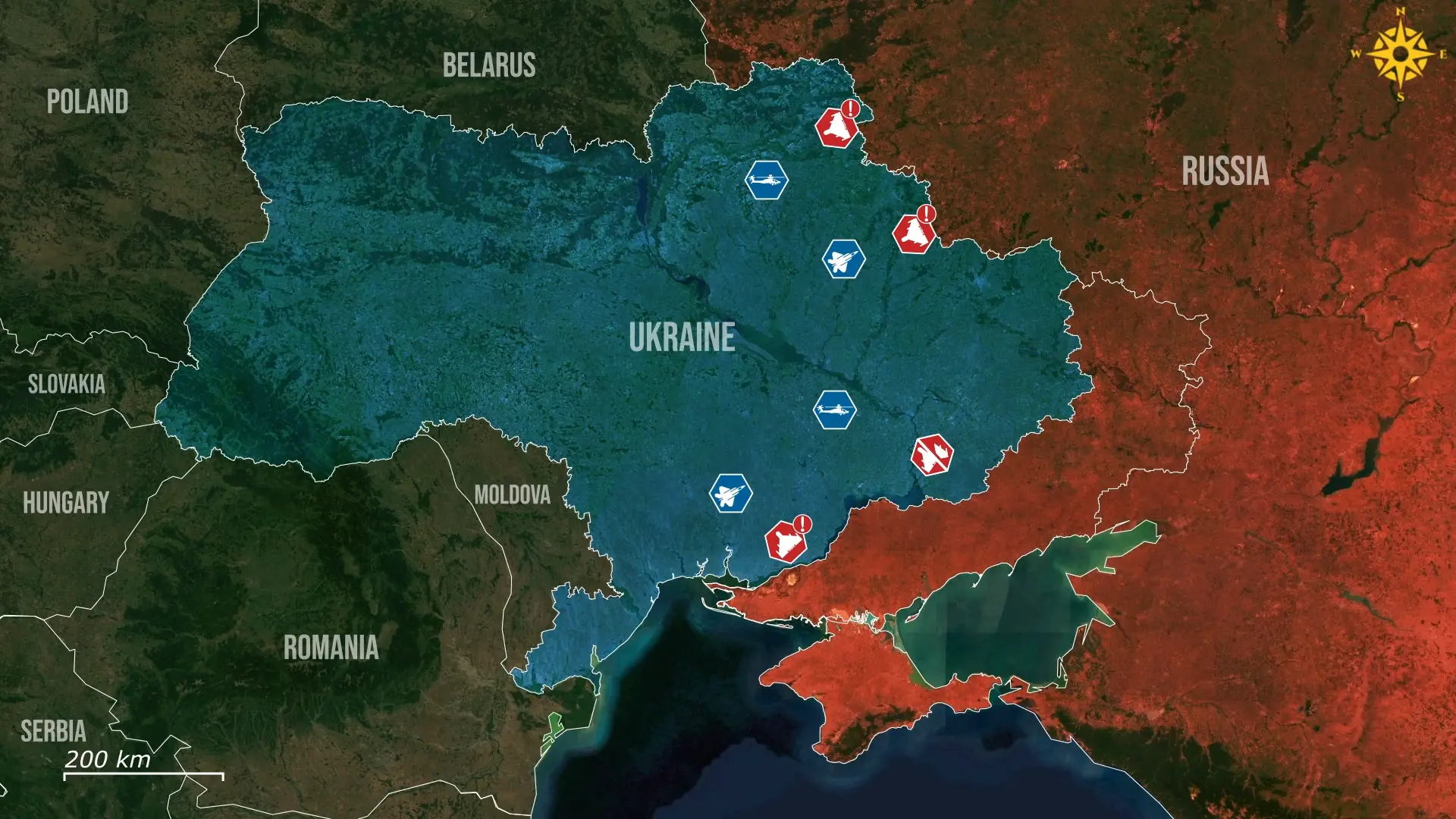
This in turn forces Ukraine to rethink tactics, with pilots now maintaining greater standoff distances, reducing interception rates. However, the ever-increasing production and use of interceptor drones like the Sting makes mounting more expensive air-to-air missiles a net-loss for Russian strike forces.
Each new countermeasure erodes the opponent’s cost advantage, driving both sides into ever-more complex technical innovation and new methods to outplay one another, as air dominance is determined not by traditional dogfights, but by who can more efficiently neutralize the other side’s mass-produced drone threats.
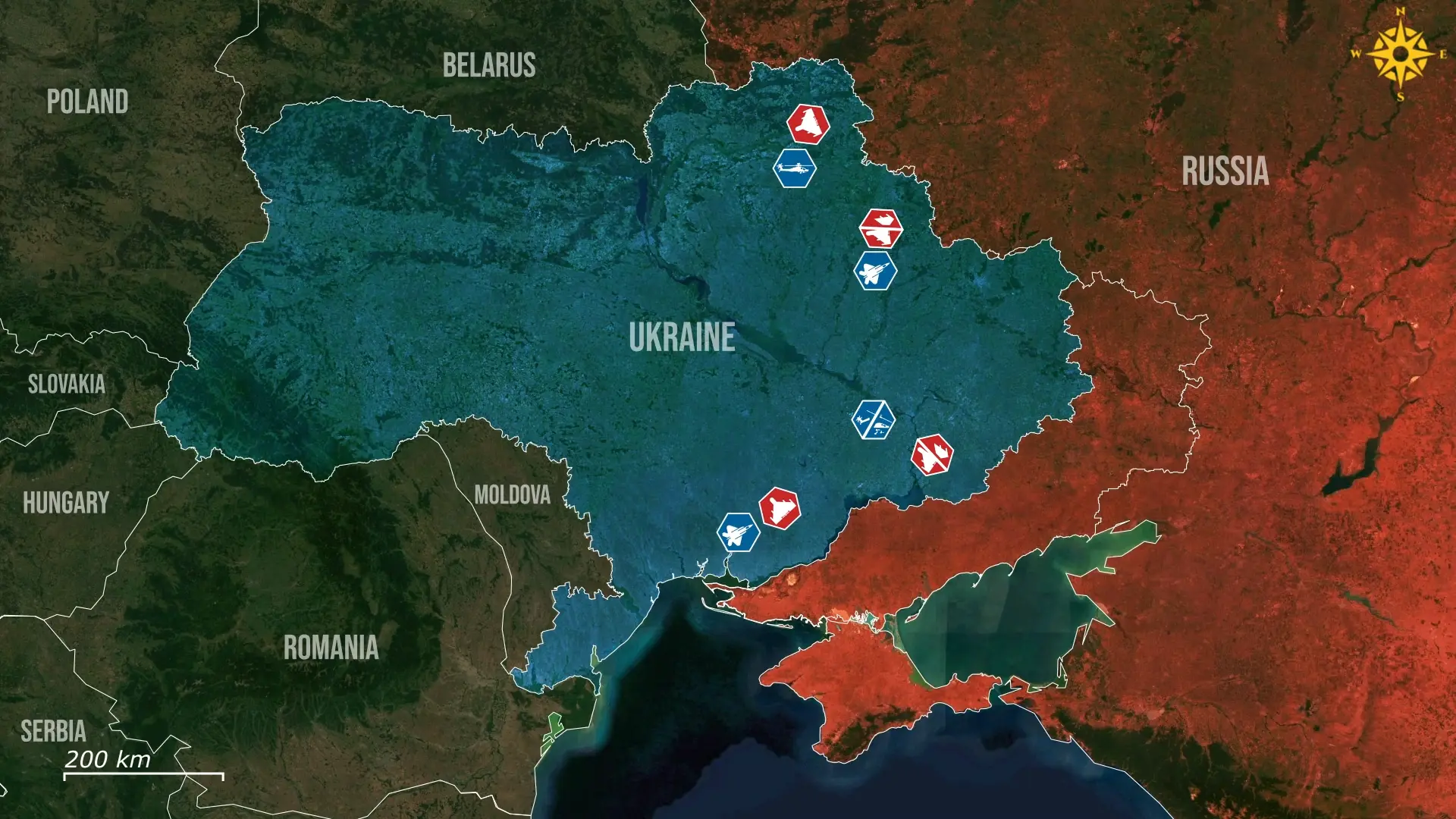
Overall, Russia’s arming of Geran-2 drones with R-60 missiles directly challenges Ukraine’s cost-effective manned interception tactics, threatening to reverse the attritional advantage Kyiv has gained through helicopters and Yak-52’s. By turning cheap kamikaze drones into active defenders of their own swarms, Moscow reimposes risk on Ukrainian pilots and forces greater expenditure of scarce Sam’s or Western munitions. This escalation restores elements of Russia’s favourable cost-exchange ratio in the drone war, demonstrating that persistent technical adaptation can neutralize even the most ingenious asymmetric countermeasures. In a conflict defined by who best exploits low-cost mass, these weaponized Shaheds signal Russia’s determination to reclaim initiative in the skies.
.jpg)

Comments