

.svg)
Today, the biggest news comes from Ukraine.
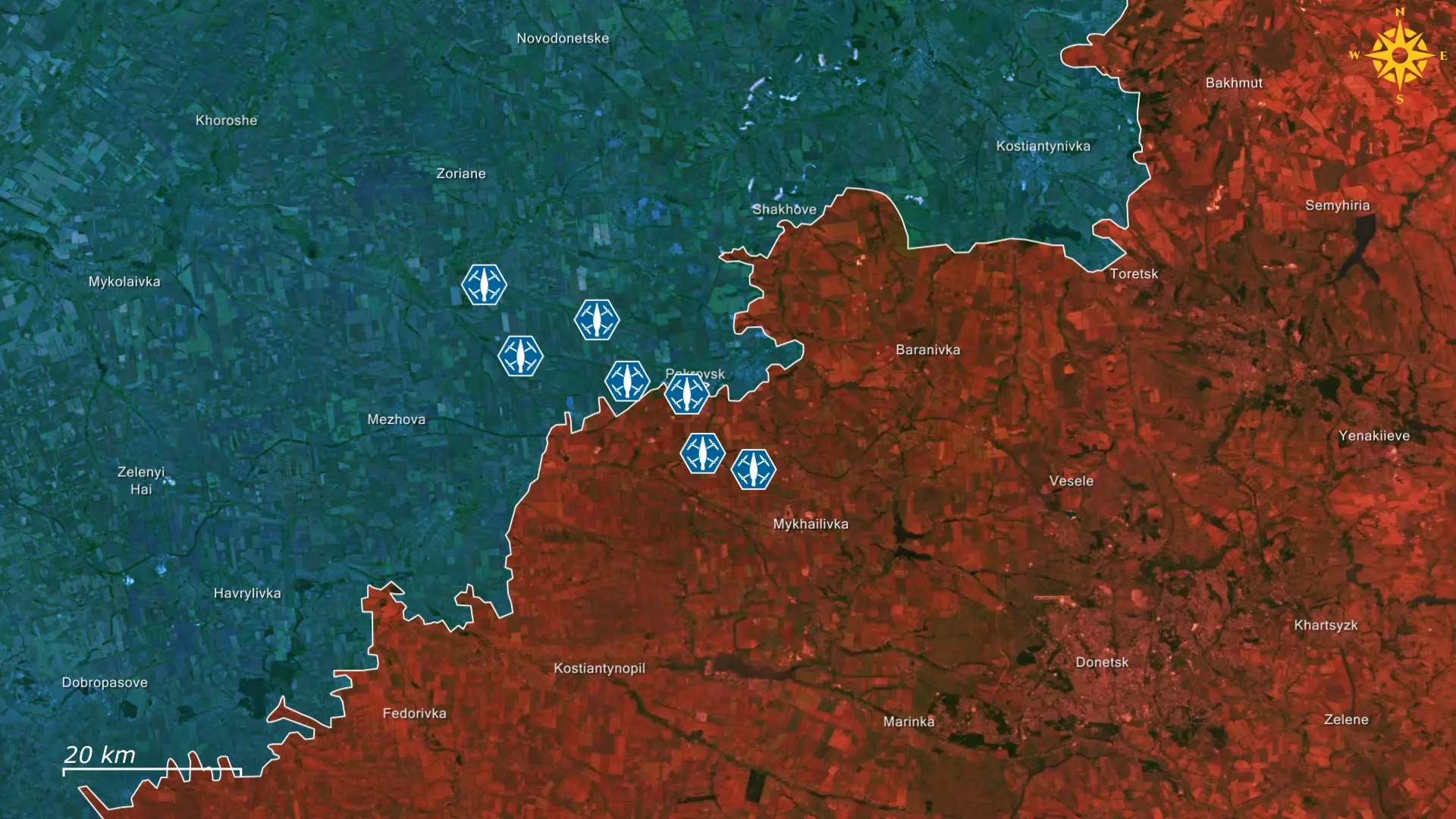
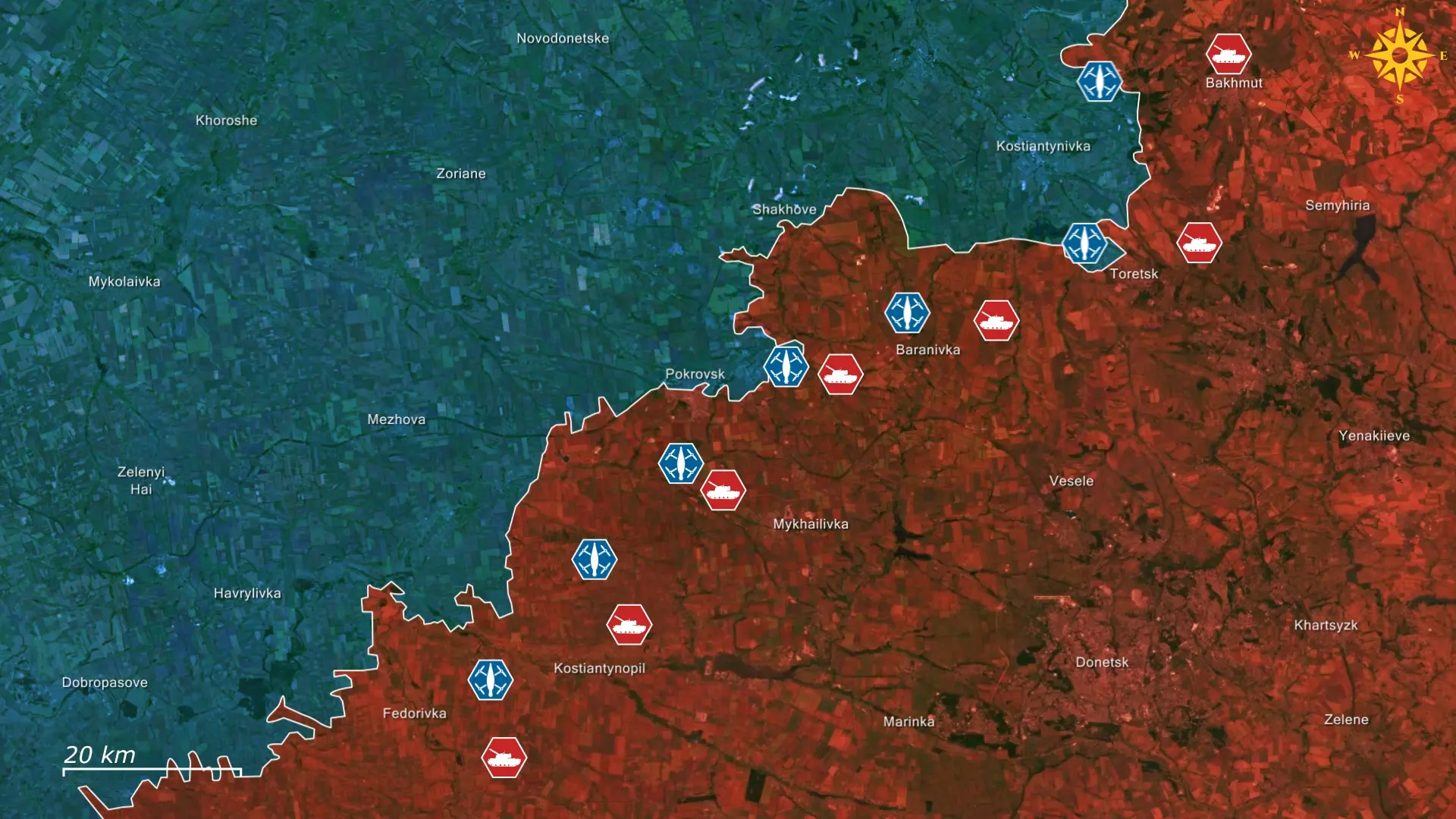
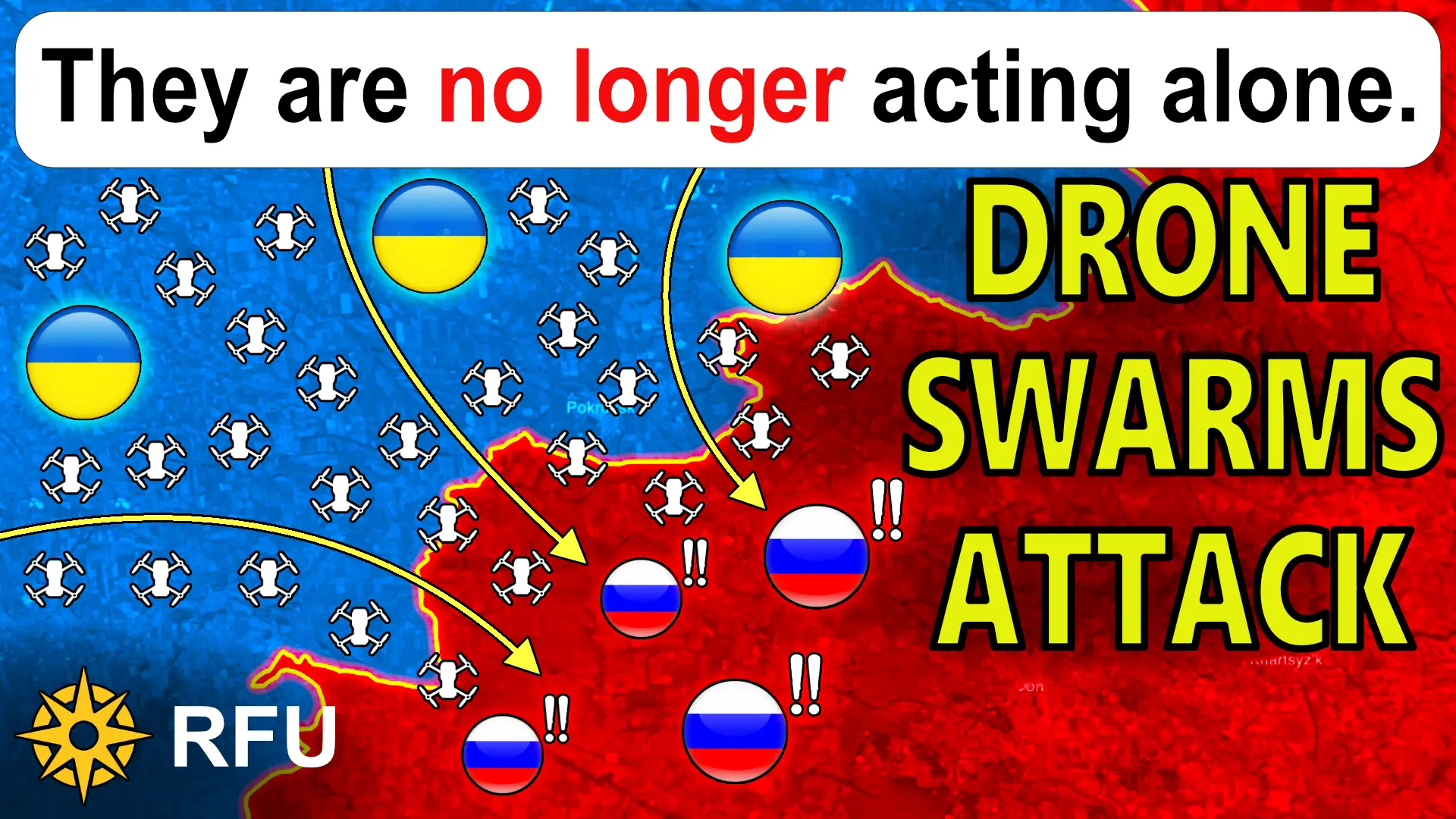
Here, artificial intelligence, mass production, and battlefield necessity are converging in the form of drone swarms, pointing toward a shift not in individual drone performance but in how unmanned systems are organized and employed. Recent tests suggest that the decisive change is not what drones can do individually, but what becomes possible when they act together.
That shift is visible in newly released footage from the German defense technology company Auterion, which has been testing swarm-capable drone systems under controlled conditions. In the footage, groups of small drones lift off almost simultaneously, immediately conveying scale instead of drawing attention to any single platform.
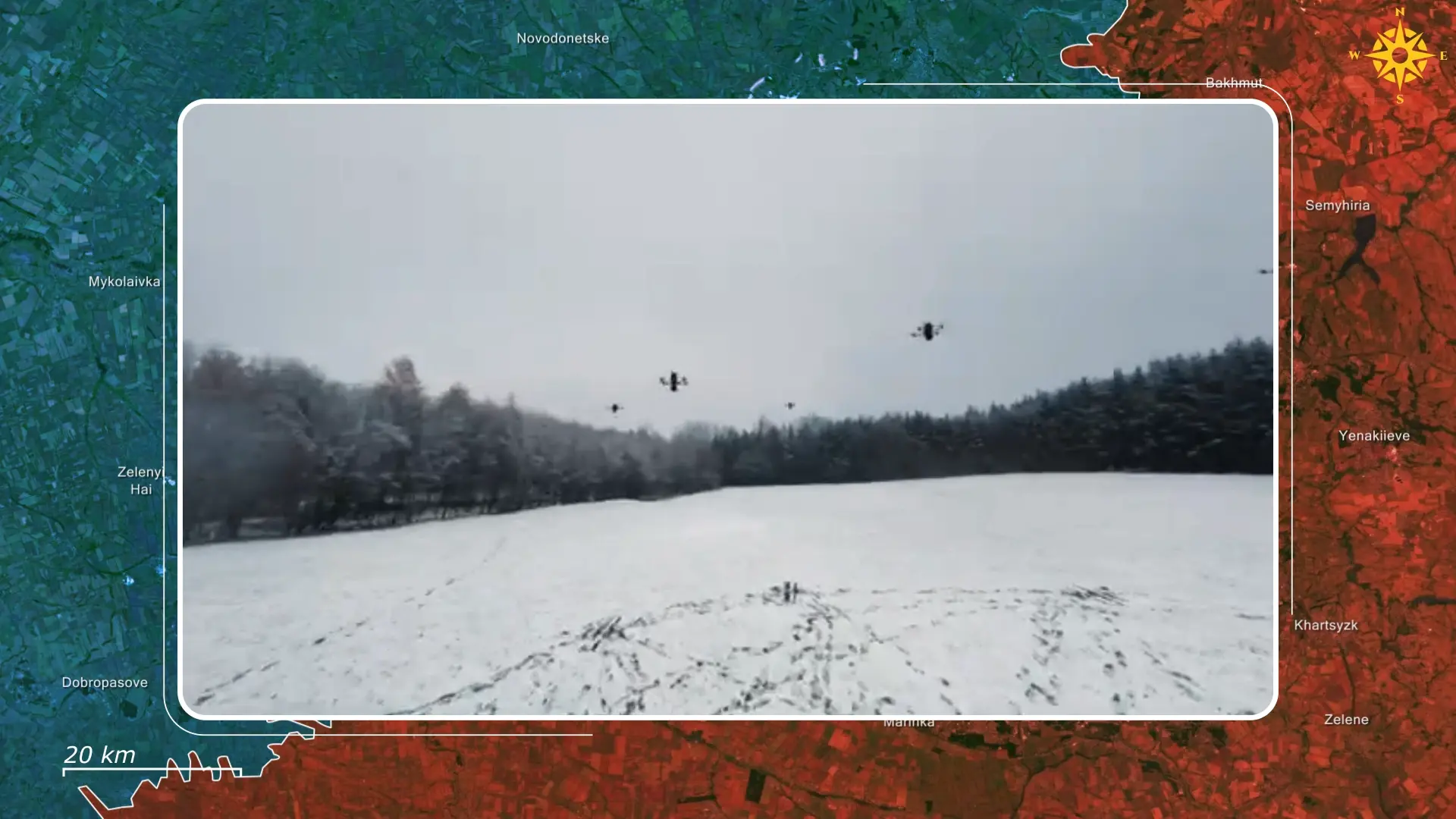
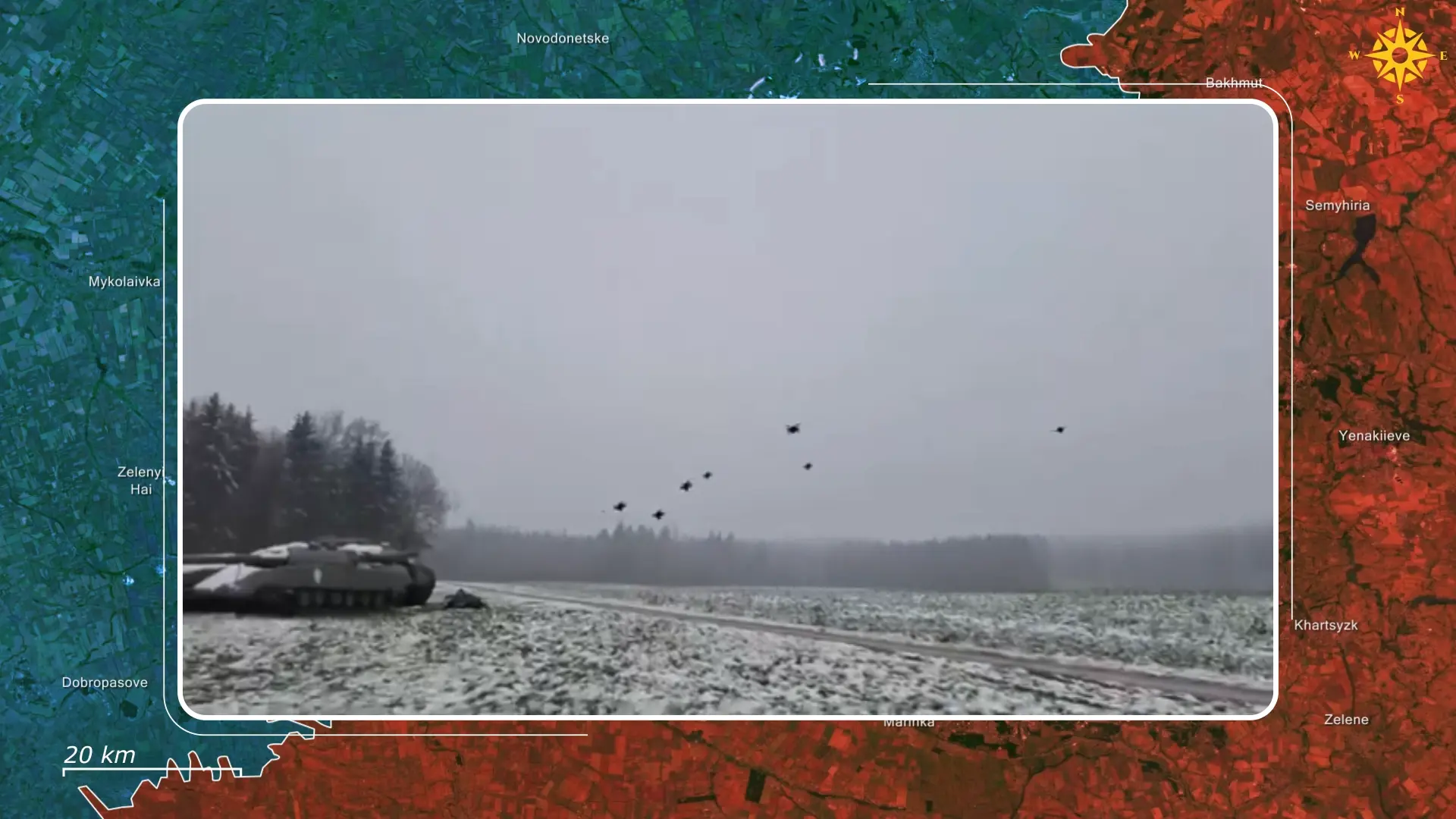
As they move forward, the drones spread across altitude and direction, continuously adjusting spacing and speed to preserve formation without locking into rigid patterns. The movement feels adaptive and responsive rather than scripted, with the formation reacting to conditions in real time rather than following a fixed path. As the swarm approaches its target, the formation compresses and realigns, with drones arriving from multiple vectors instead of along a single axis.
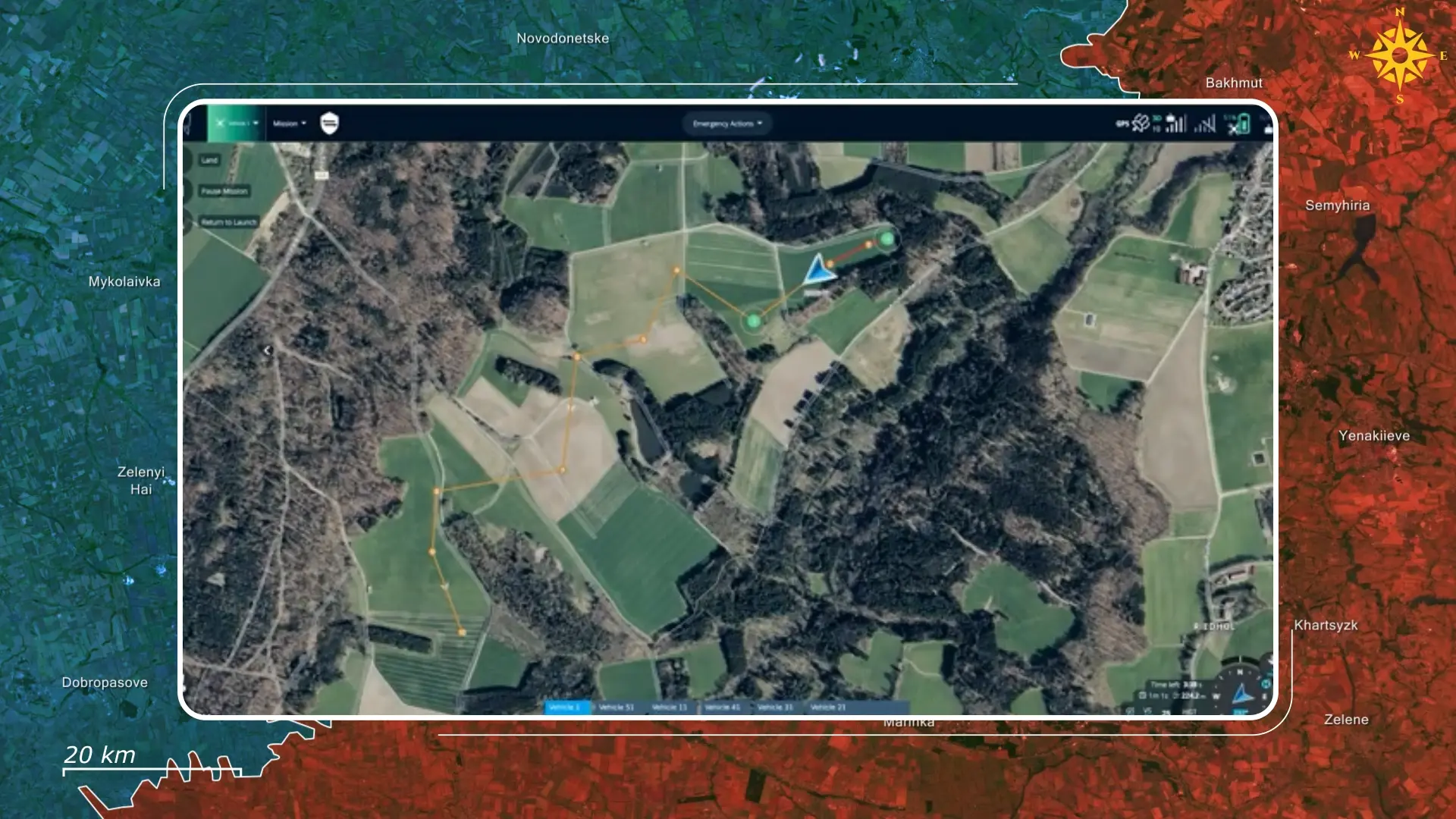
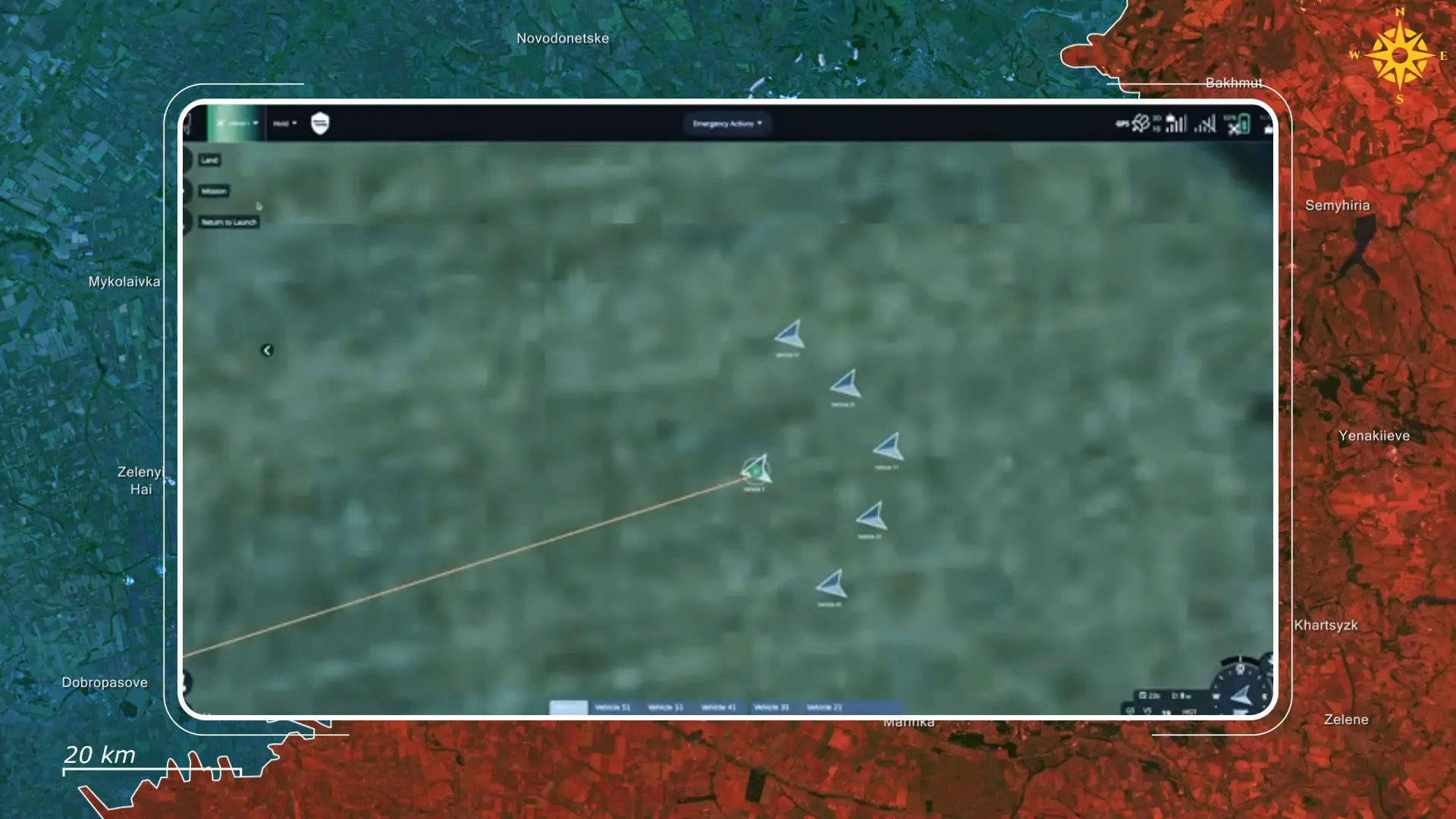
What separates this footage from earlier multi-drone demonstrations is not simply the number of drones in the air, but the way control is distributed across the group. Drone swarms operate by shifting decision-making away from constant human input and toward onboard autonomy, which is shared among the drones themselves. Each unit carries onboard computing and sensors that allow it to track its own position, monitor nearby drones, and respond dynamically to changes in the environment. Software platforms such as Auterion’s Nemyx provide a shared control layer, allowing drones from different manufacturers to operate under the same mission logic rather than as isolated systems.
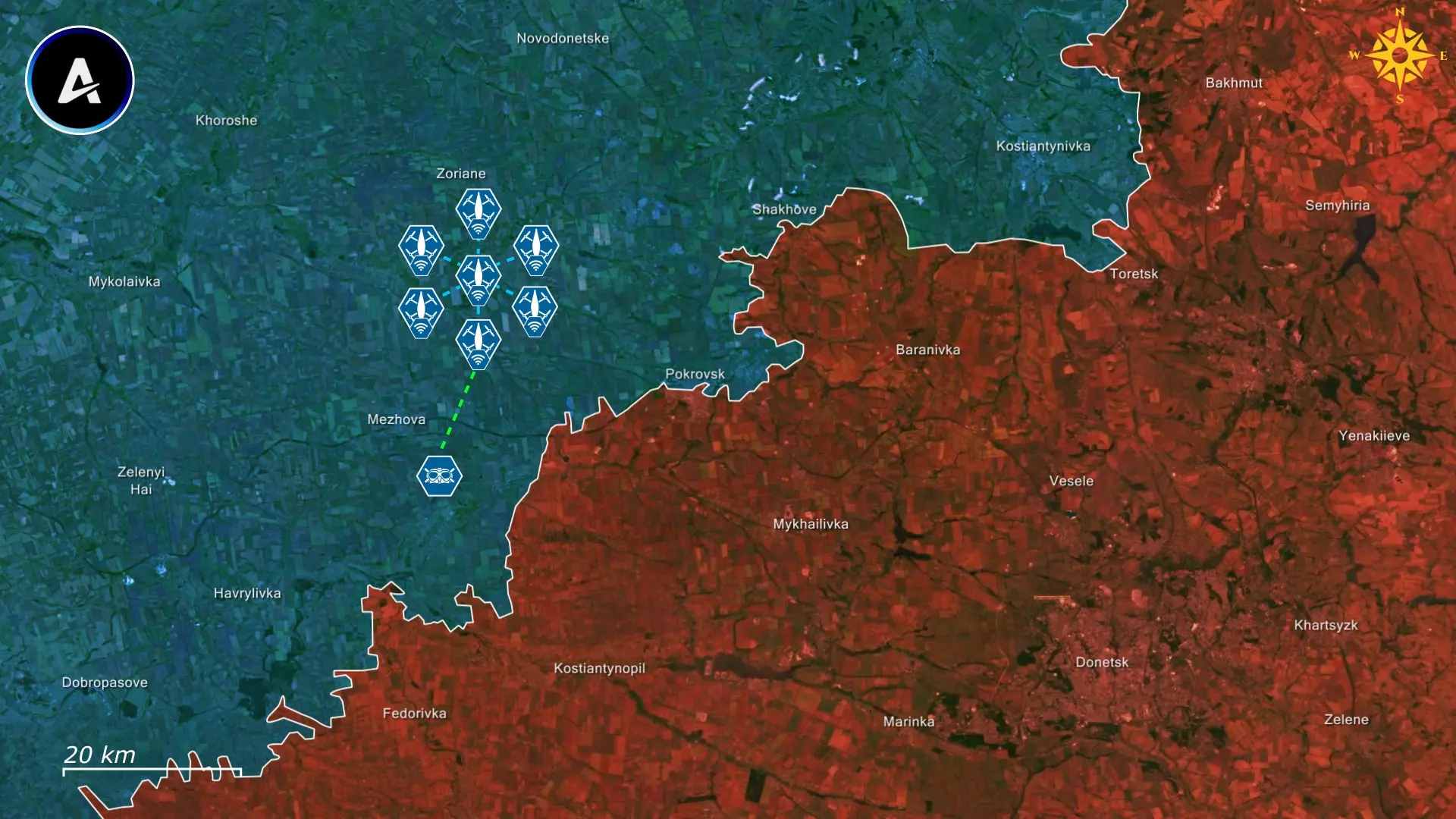
The human operator defines objectives and constraints, while the swarm software manages navigation, spacing, timing, and task allocation in real time. If communication with the operator is disrupted or individual drones are lost, the remaining drones continue executing the mission autonomously, a design choice shaped by battlefields where GPS disruption and electronic jamming are routine rather than exceptional.
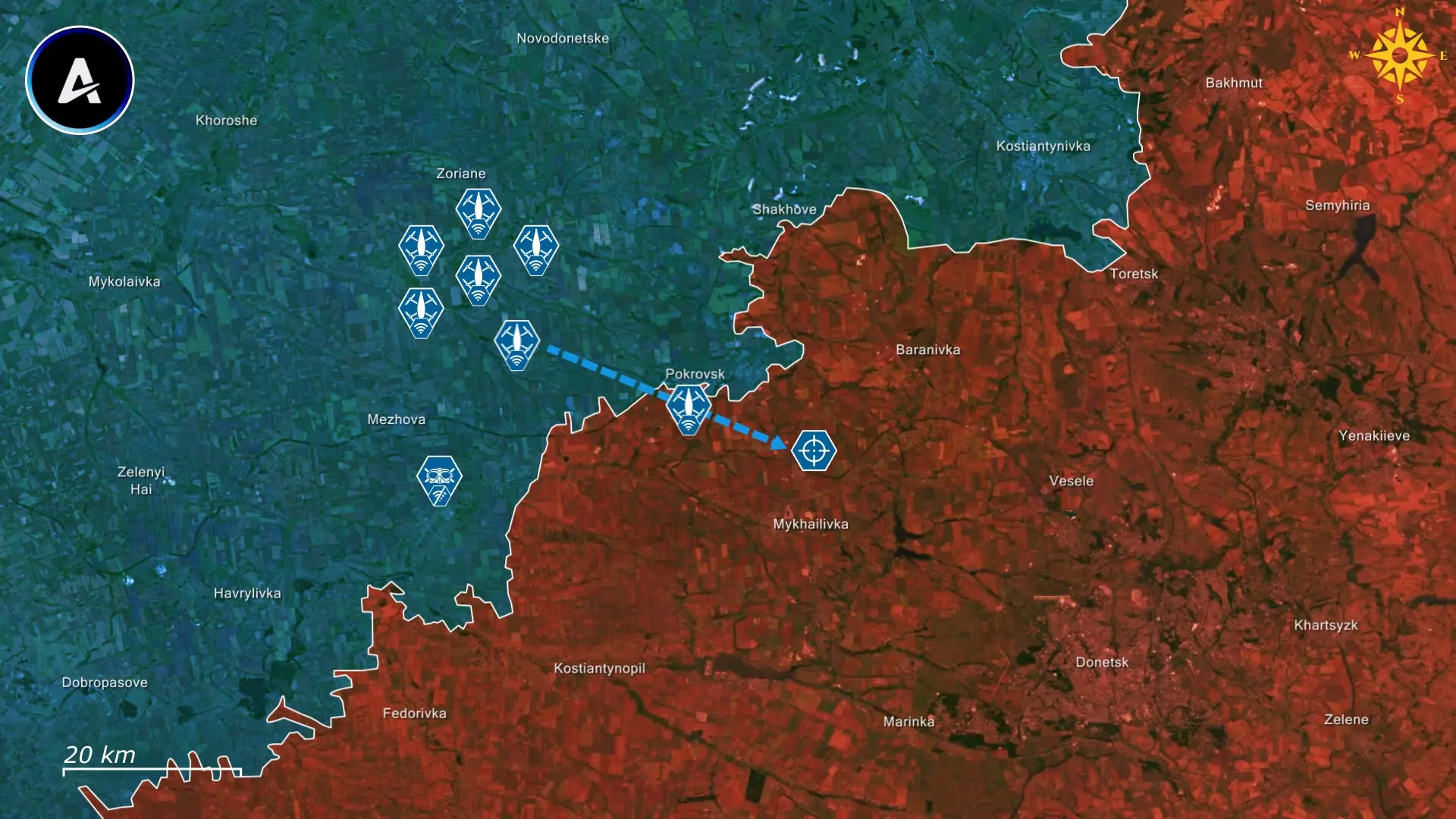
Drone swarms will only change warfare when they can be deployed at a scale large enough to shape operations rather than produce isolated effects. A coordinated swarm can destroy a tank, but wars are decided by the ability to repeatedly engage hundreds of armored vehicles, thousands of support assets, and large concentrations of manpower over time. Because swarms rely on multiple drones working together to achieve each effect, they require far higher overall drone availability than conventional one-drone-one-target systems. The decisive question is therefore not whether swarms work, but whether they can be produced, sustained, and replaced fast enough under combat attrition.
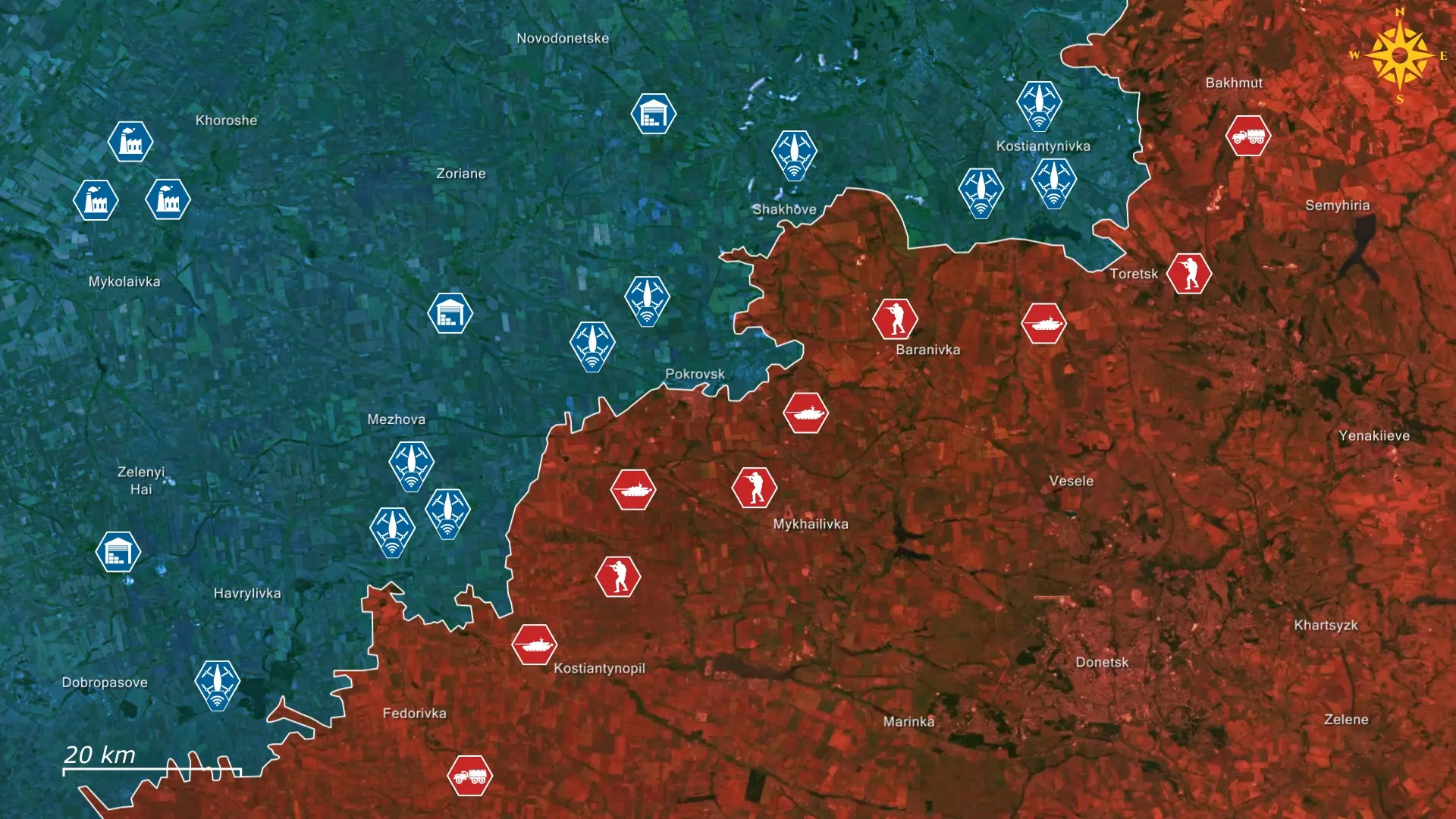
Only when coordinated drone groups can be launched repeatedly across multiple sectors do they begin to impose cumulative pressure on defenses, compress reaction times, and force defenders to spread resources thin at the operational level.
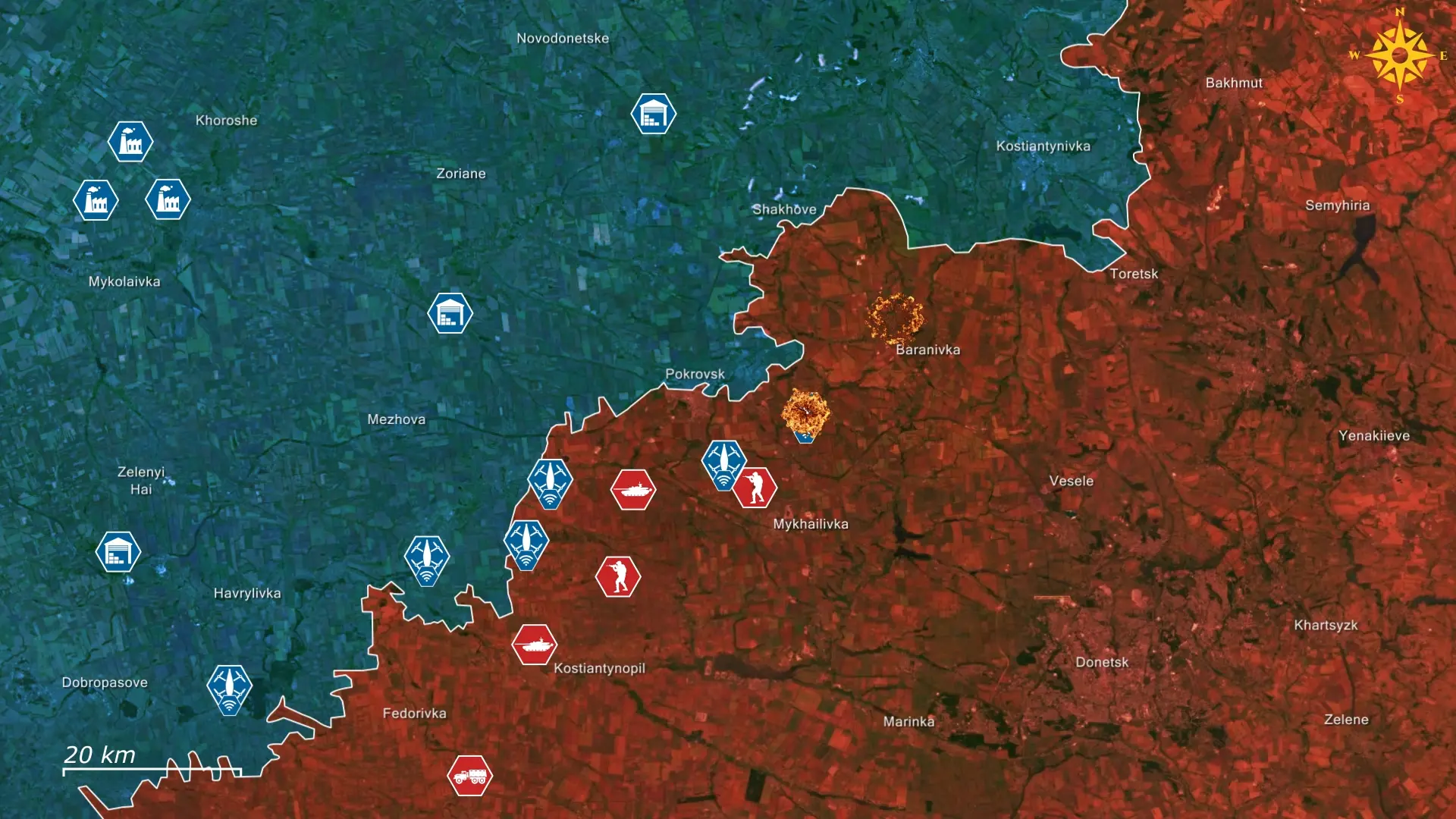
That requirement for scale also defines how soon swarms might appear in combat in a meaningful way. Rather than immediate front-wide adoption, the most likely path is concentrated deployment in selected sectors where trained units, logistics, and electronic warfare support can be focused.
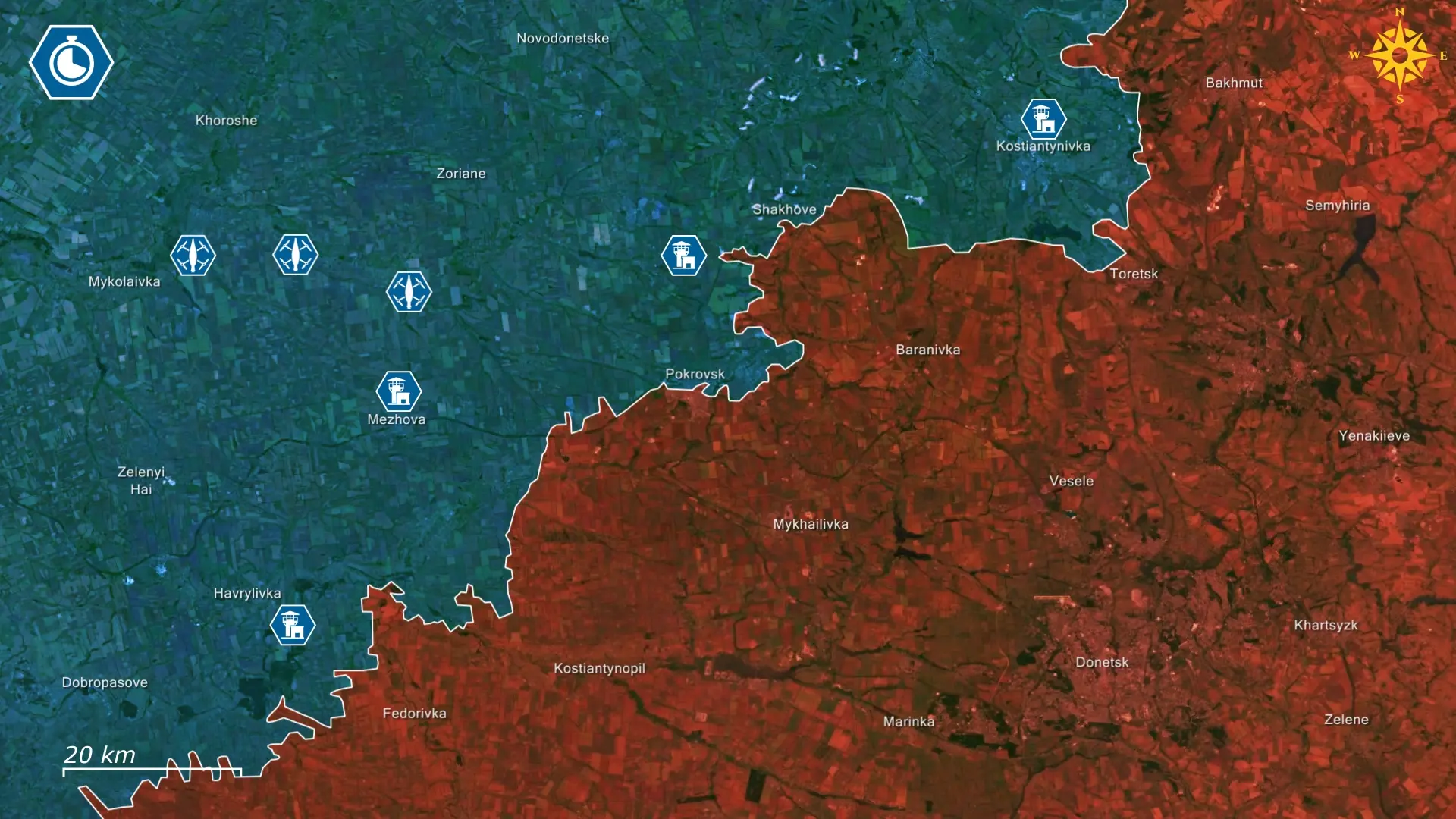
Auterion’s plan to deliver tens of thousands of AI-enabled drone strike kits to Ukraine points toward preparation for sustained use rather than limited trials. While it remains unclear whether the exact swarm configurations seen in testing will be fielded immediately, upgrading existing drones lowers the barrier to operational experimentation. If these systems prove viable in narrow sections of the front, they can be expanded outward as production, training, and confidence grow, turning experimental coordination into a repeatable battlefield capability.
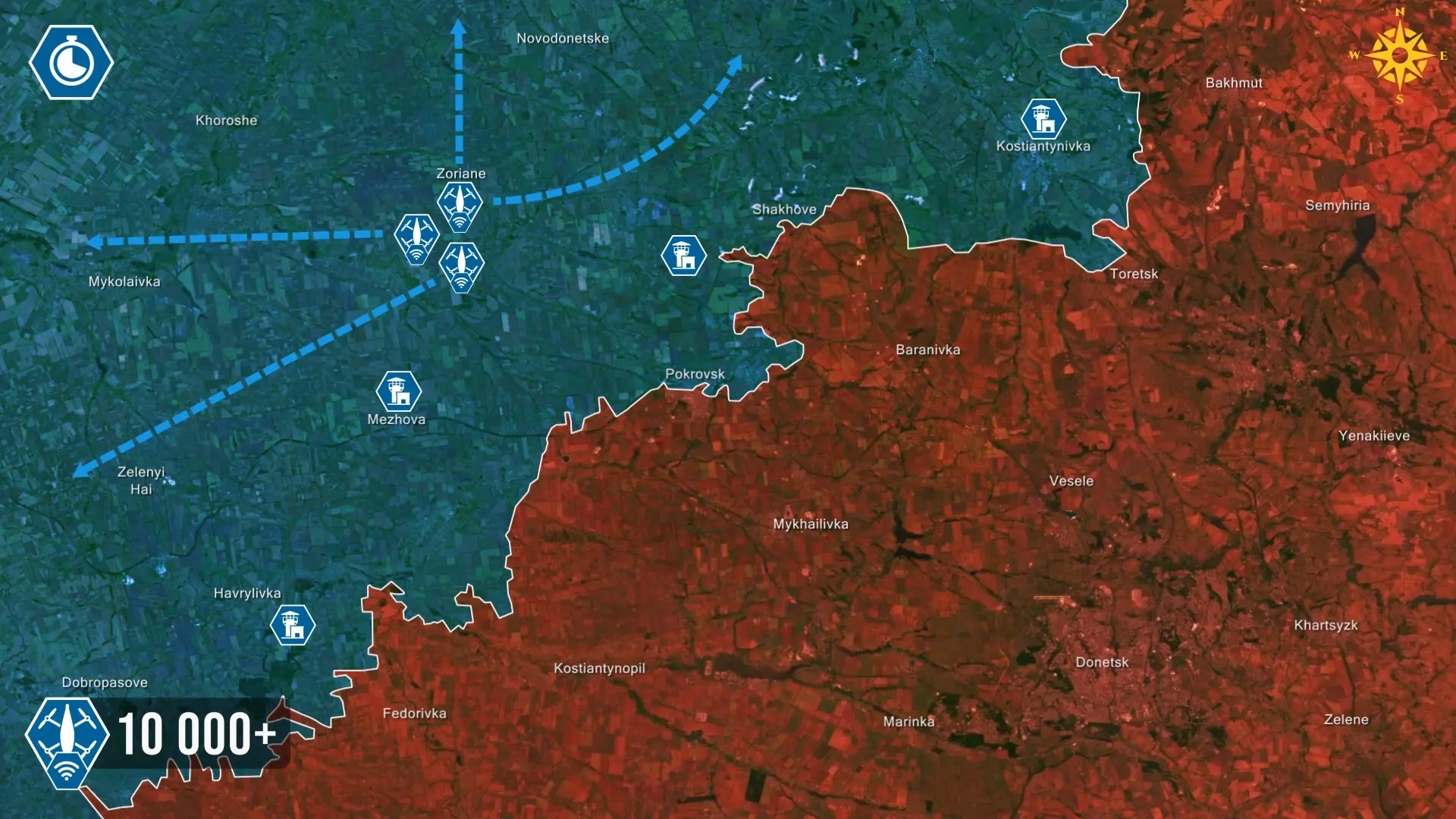
Overall, drone swarms represent a shift away from individually piloted drone warfare toward coordinated systems built around mass and autonomy. Their importance lies not in technological novelty, but in the ability to scale coordination under real combat conditions. Early use is likely to be uneven and localized, reflecting the realities of training, logistics, and experimentation under fire.
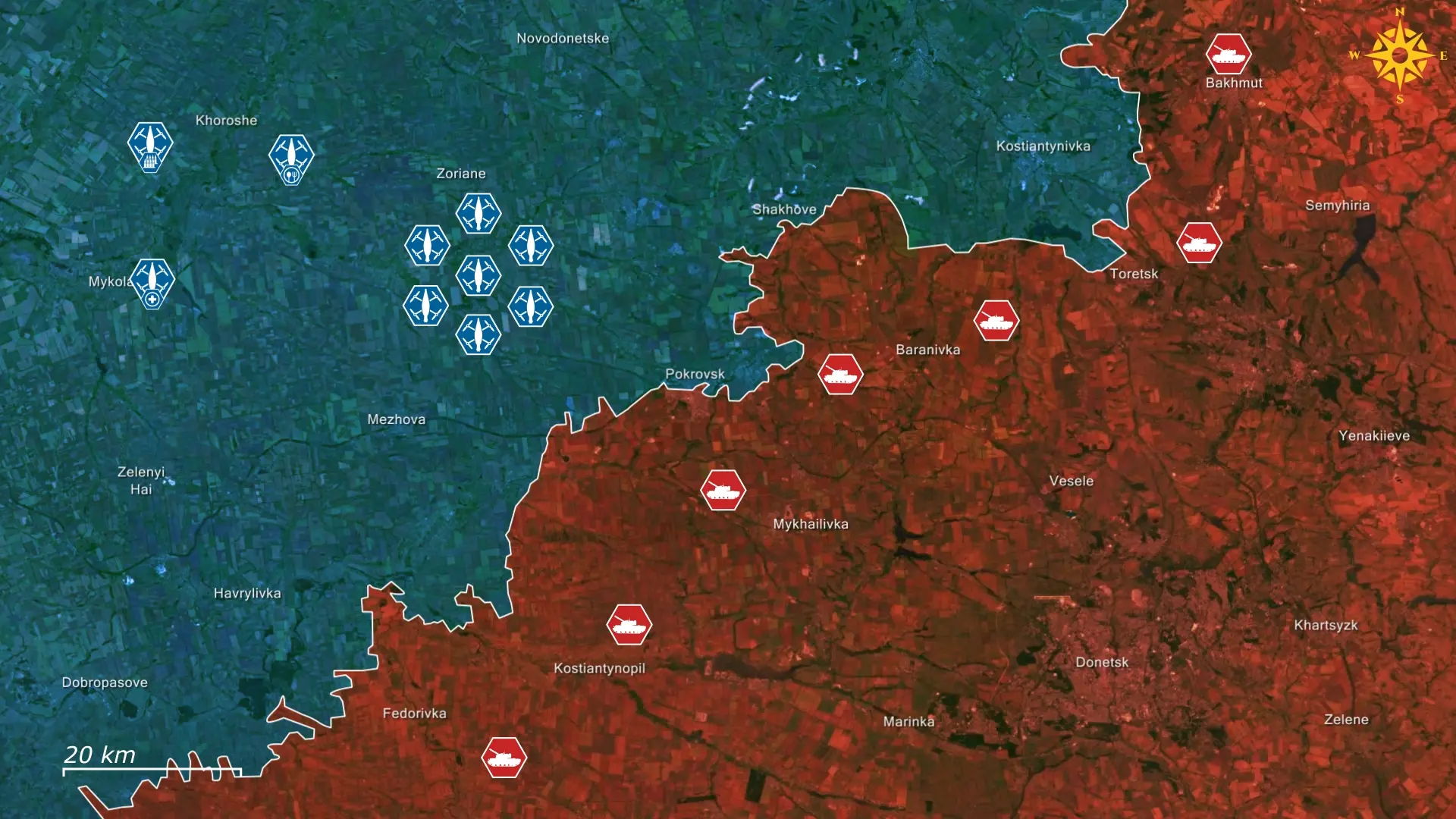
If scaling succeeds, coordination itself may become the decisive advantage, reshaping how air power is applied at the tactical level.
.jpg)



Comments