

.svg)
Today, the biggest updates come from Russia.
Here, millions of Russians have come to rely on Telegram as the backbone of daily communication and a vital channel for real-time wartime updates. Now that this system is being dismantled, the same network that once accelerated information flow risks turning into a sudden vacuum, with consequences reaching far beyond civilian life and into the battlefield itself.
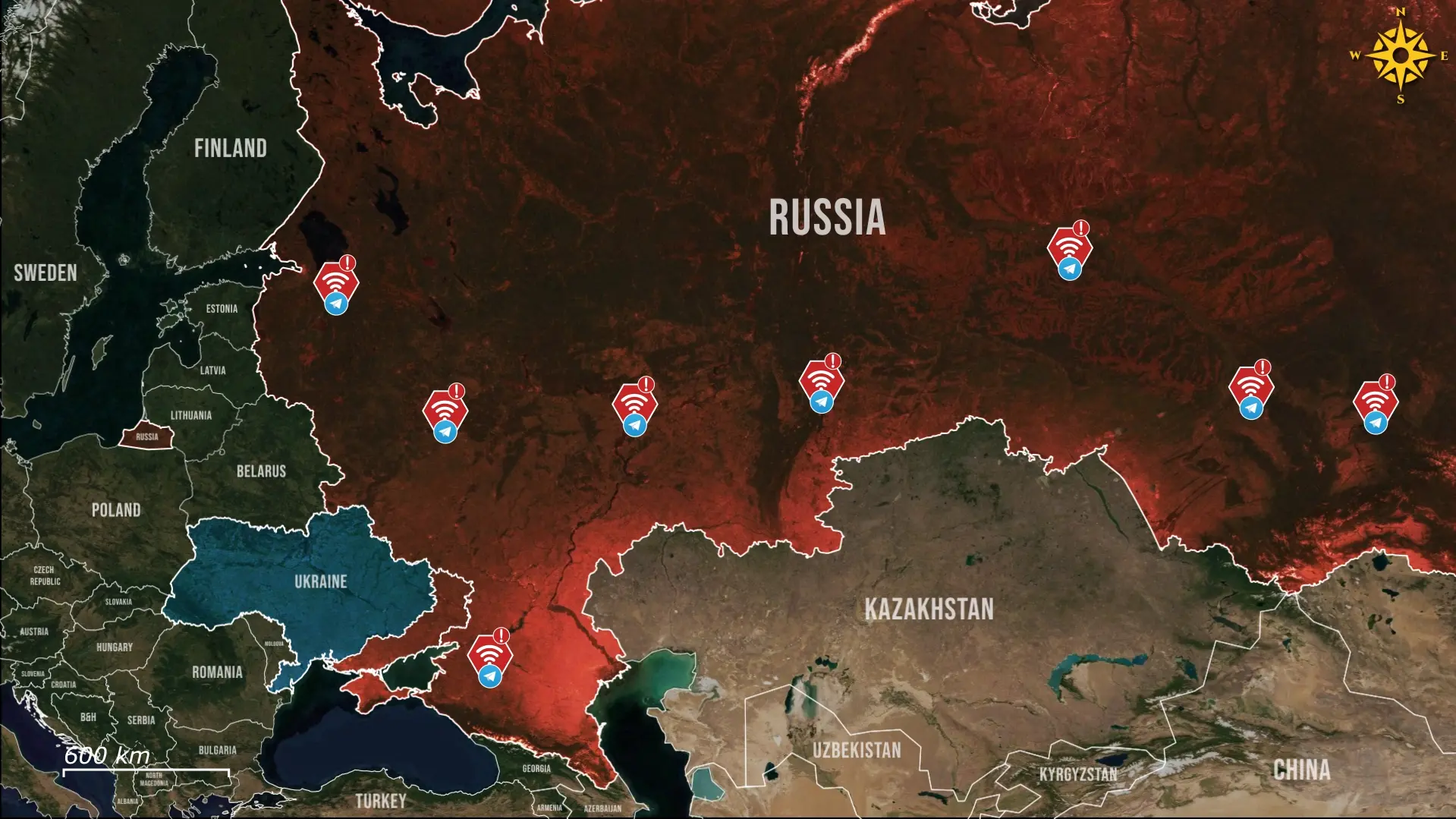
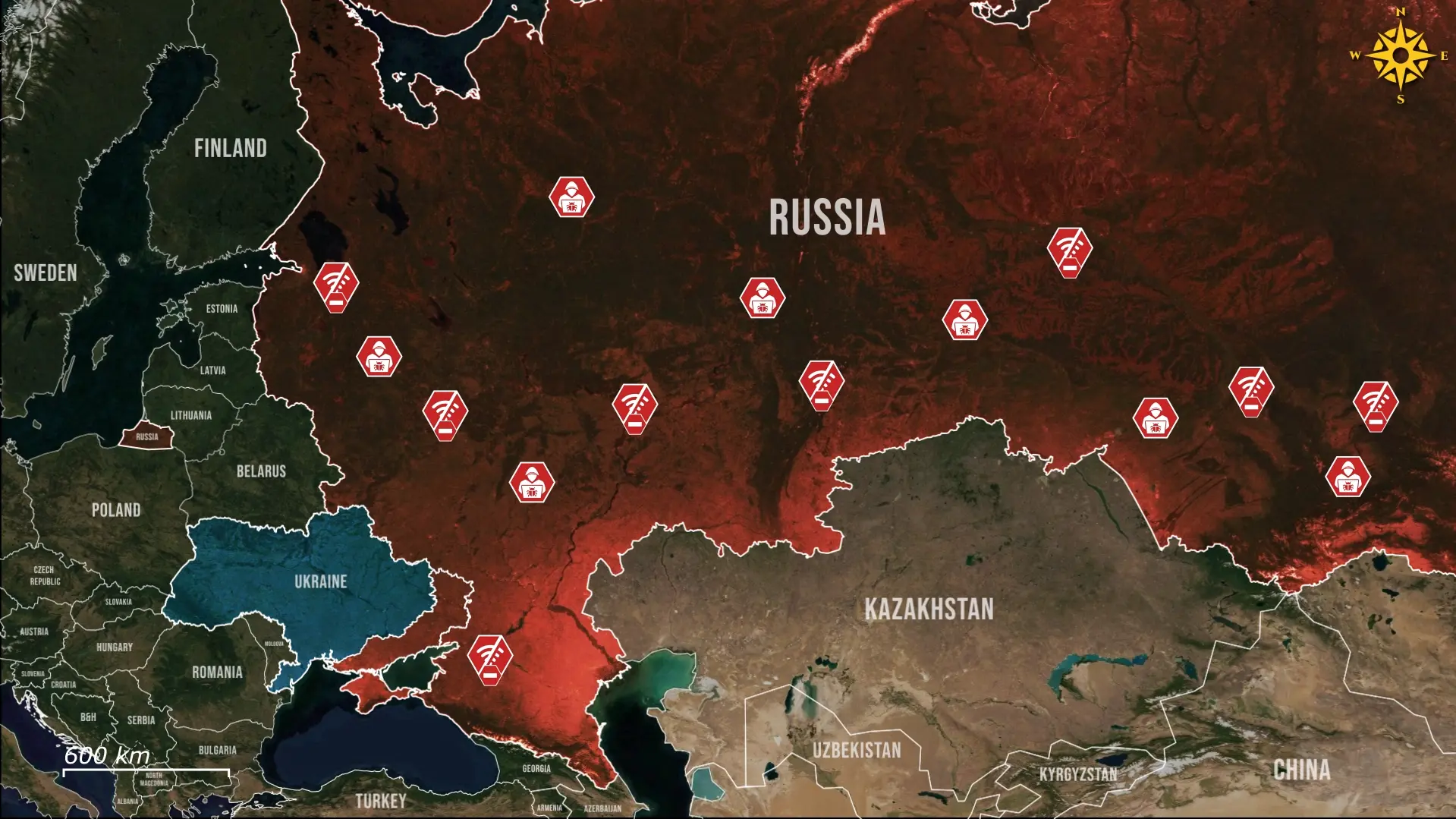
Russia has begun blocking Telegram across the country, marking the start of what authorities expect to become a complete shutdown of the messaging platform. Early reports indicate that restrictions started rolling out on March sixteenth, initially affecting major urban centers including Moscow and St. Petersburg, before spreading to regions such as Tatarstan, Sverdlovsk, and parts of Siberia.
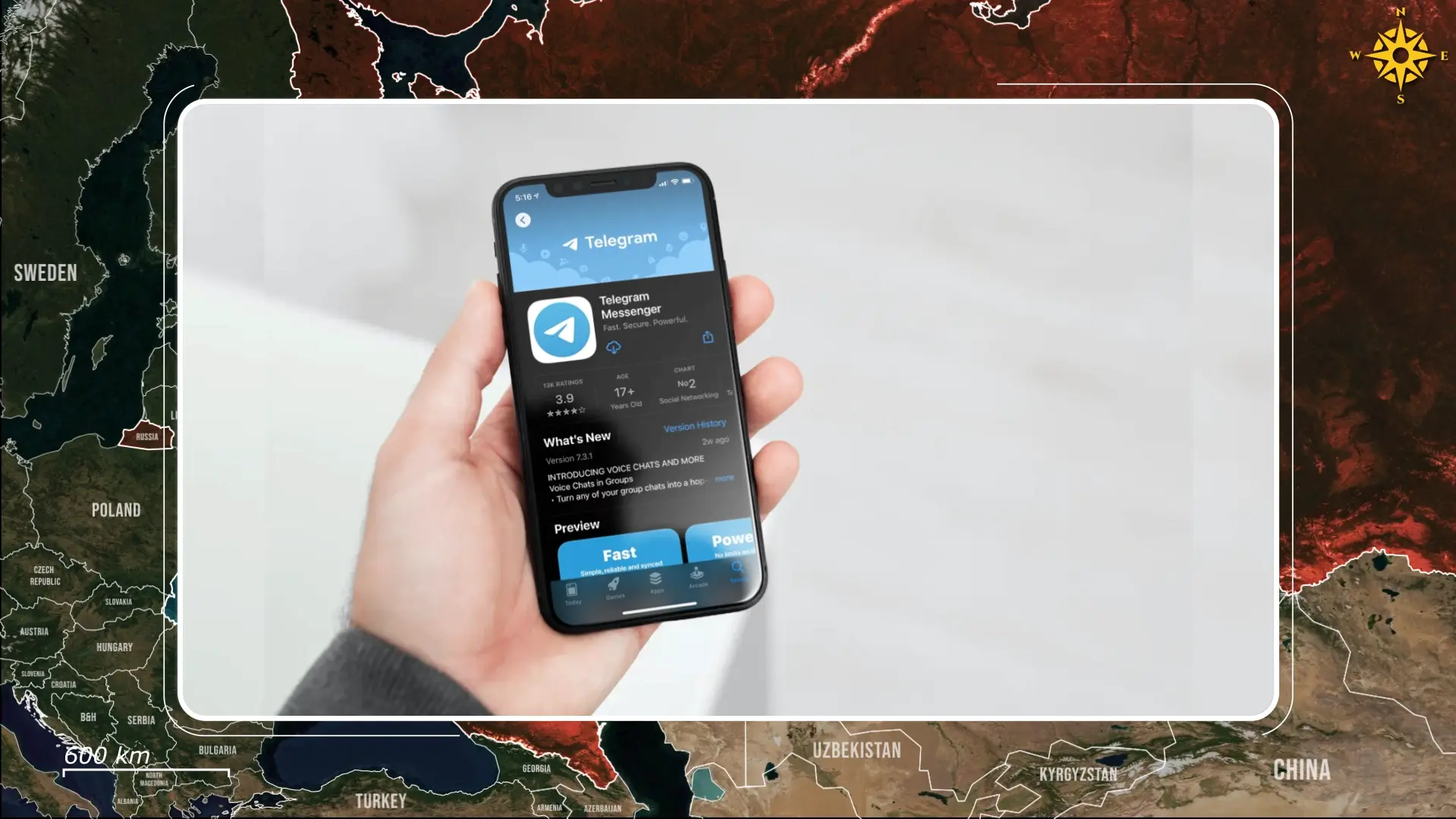
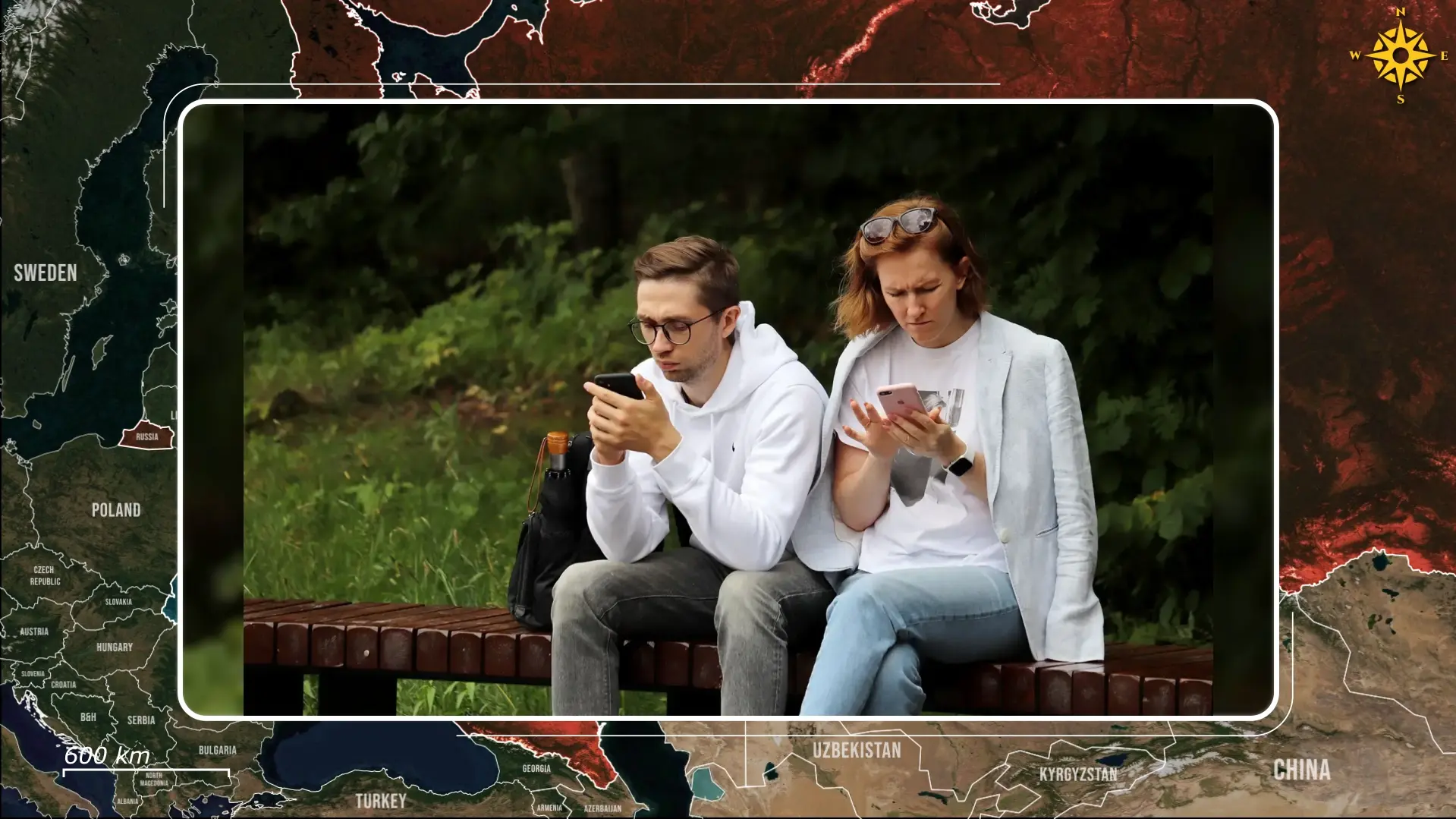
The rollout triggered immediate disruptions for users trying to access chats, channels, and file sharing. Within the first day alone, more than 12,000 complaints were registered by users reporting failed connections and service interruptions. Officials and monitoring groups warn that the restrictions are only the first phase of a broader campaign. If the current pace continues, analysts expect a full nationwide block to be implemented by early April across Russia.
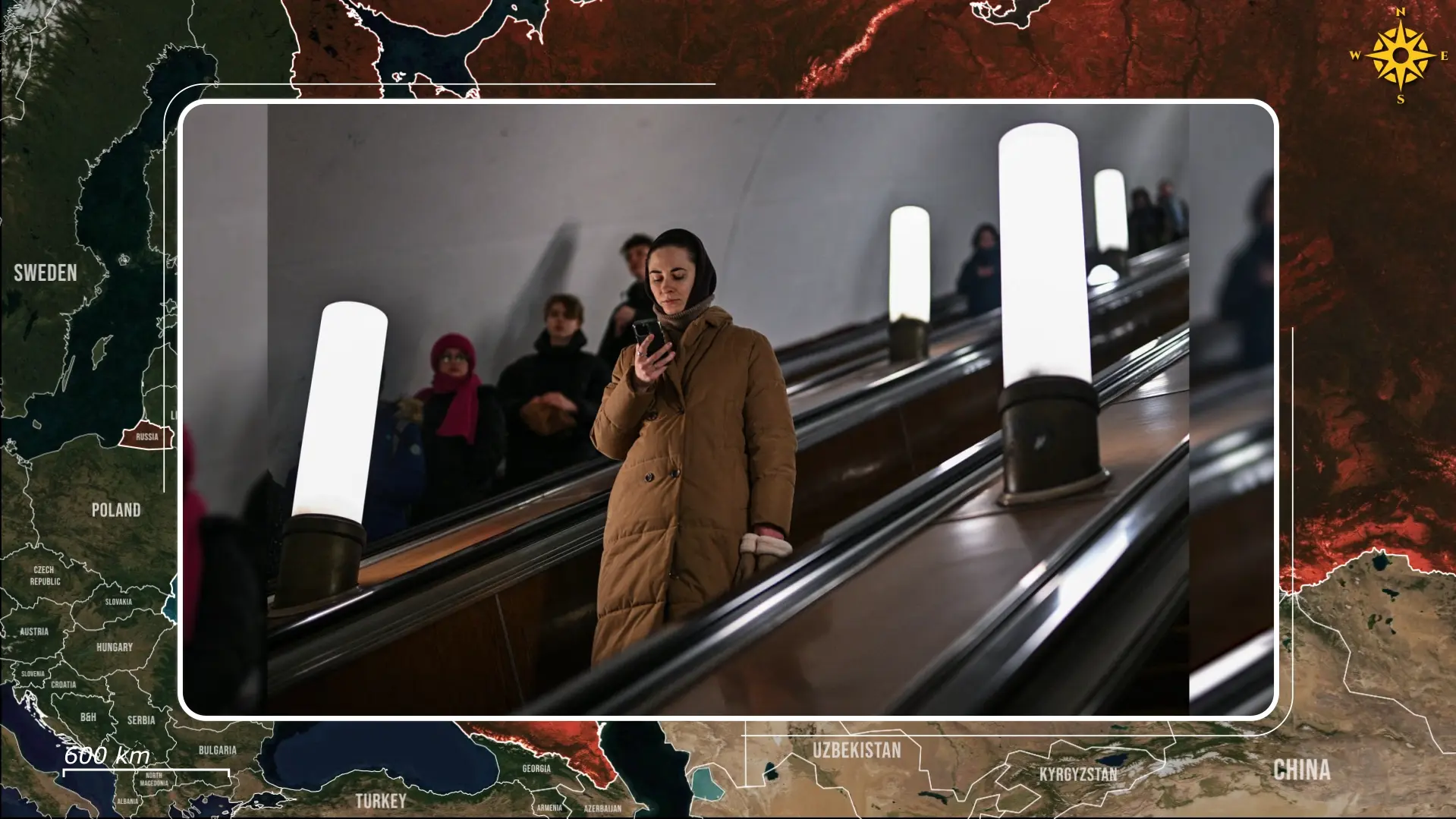
Telegram is a widely used encrypted messaging platform that blends private chats with broadcast-style channels, combining elements of apps like WhatsApp, Signal, traditional SMS texting, and even social feeds similar to X. It has become a central hub for communication and information sharing in Russia. The restrictions mean that users across Russia are gradually losing the ability to access Telegram altogether.
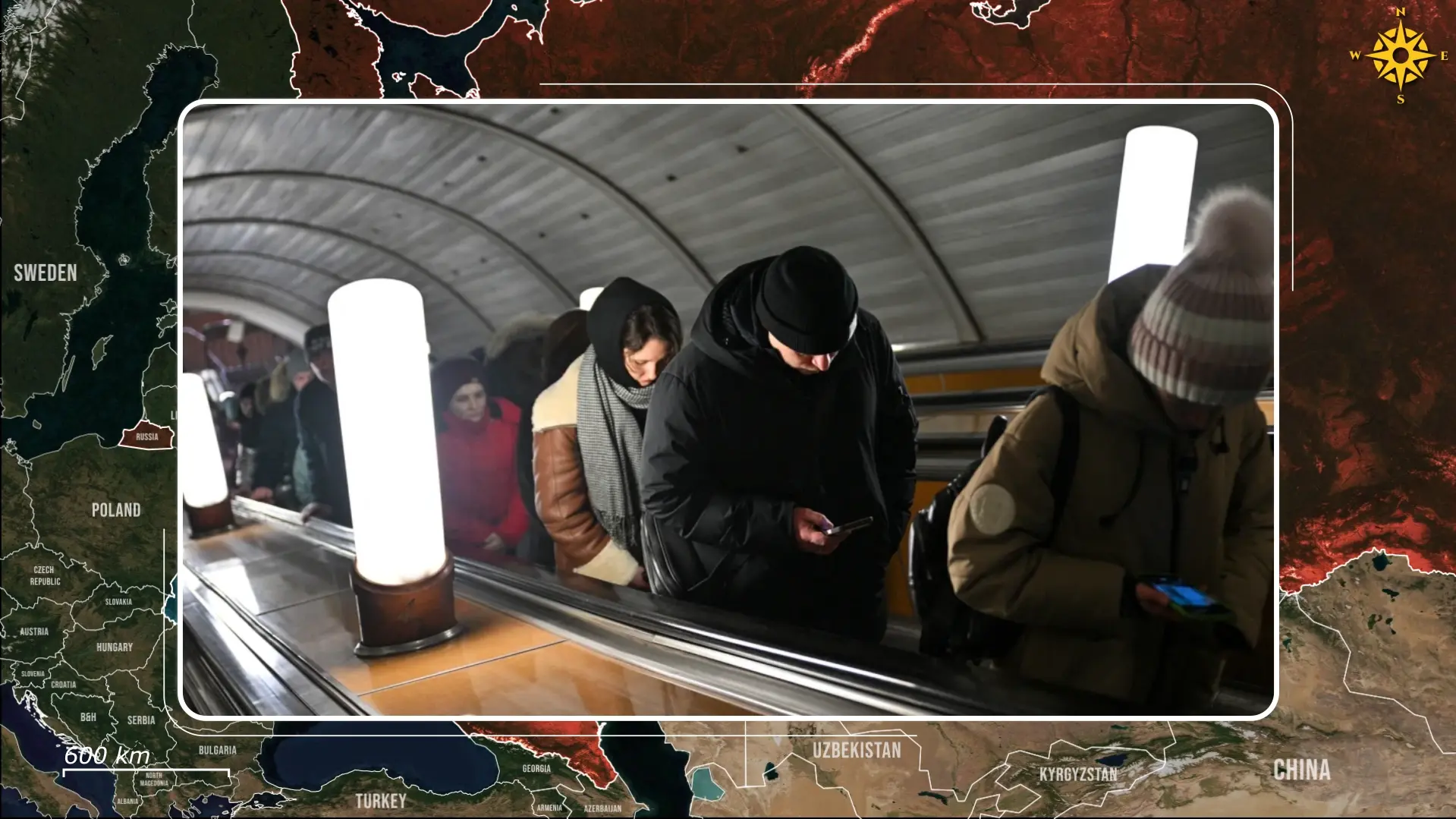
Connections to the platform are being throttled or blocked by internet providers, preventing messages from being sent, channels from loading, and files from downloading. The result is a growing communications blackout on one of the country’s most widely used digital platforms. Authorities have also warned that attempts to bypass the block may fail. Officials say the technical measures being introduced are designed to prevent access even through virtual private networks, meaning many Russians may find that common VPN tools will no longer allow them to reach Telegram.
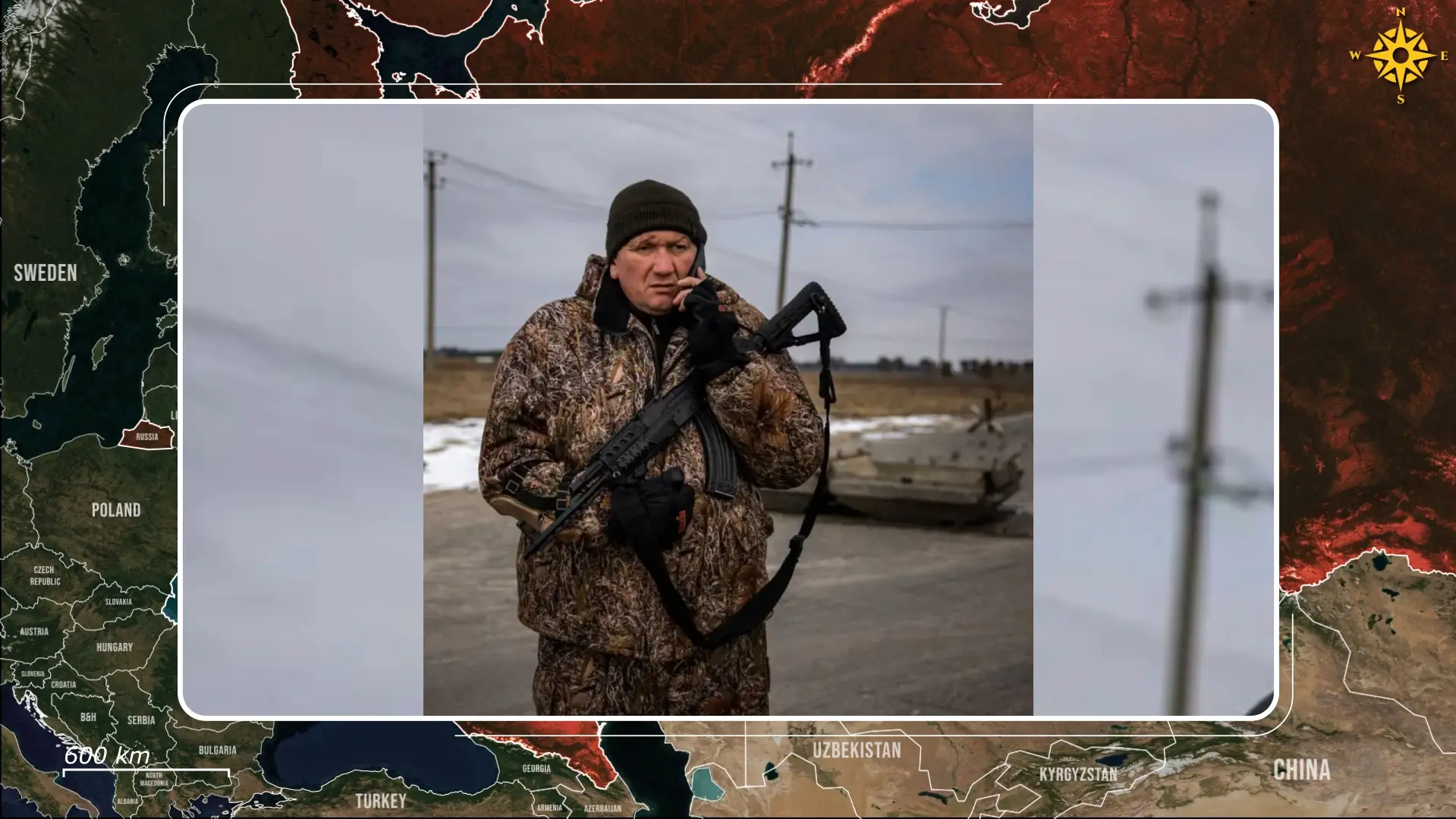
The shutdown carries significant military consequences because Telegram has become one of the most widely used communication tools across the Russian war effort. Frontline units, volunteer groups, and pro-war military bloggers rely on it for battlefield updates, coordination, and sharing reconnaissance footage in near real time.
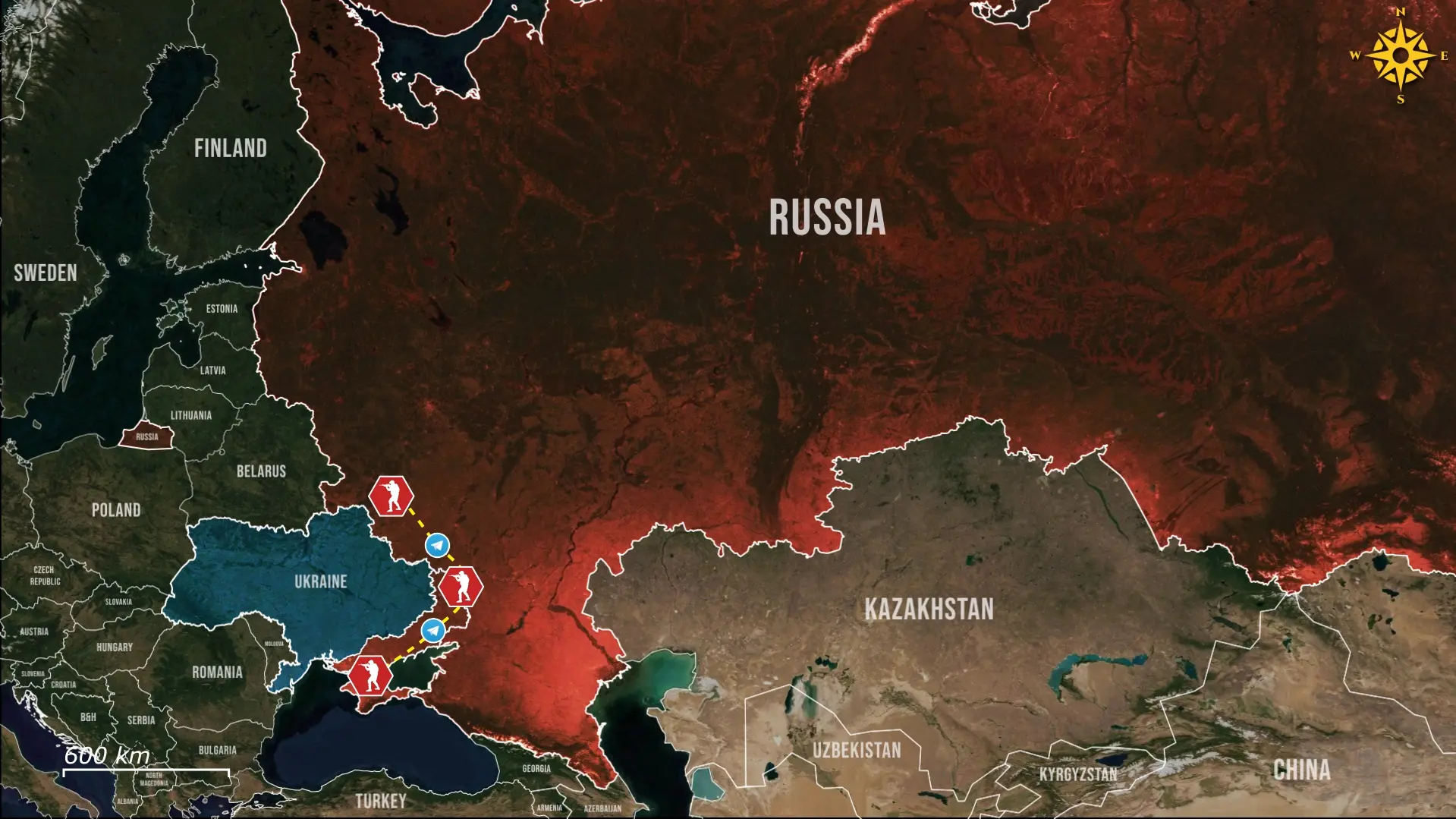
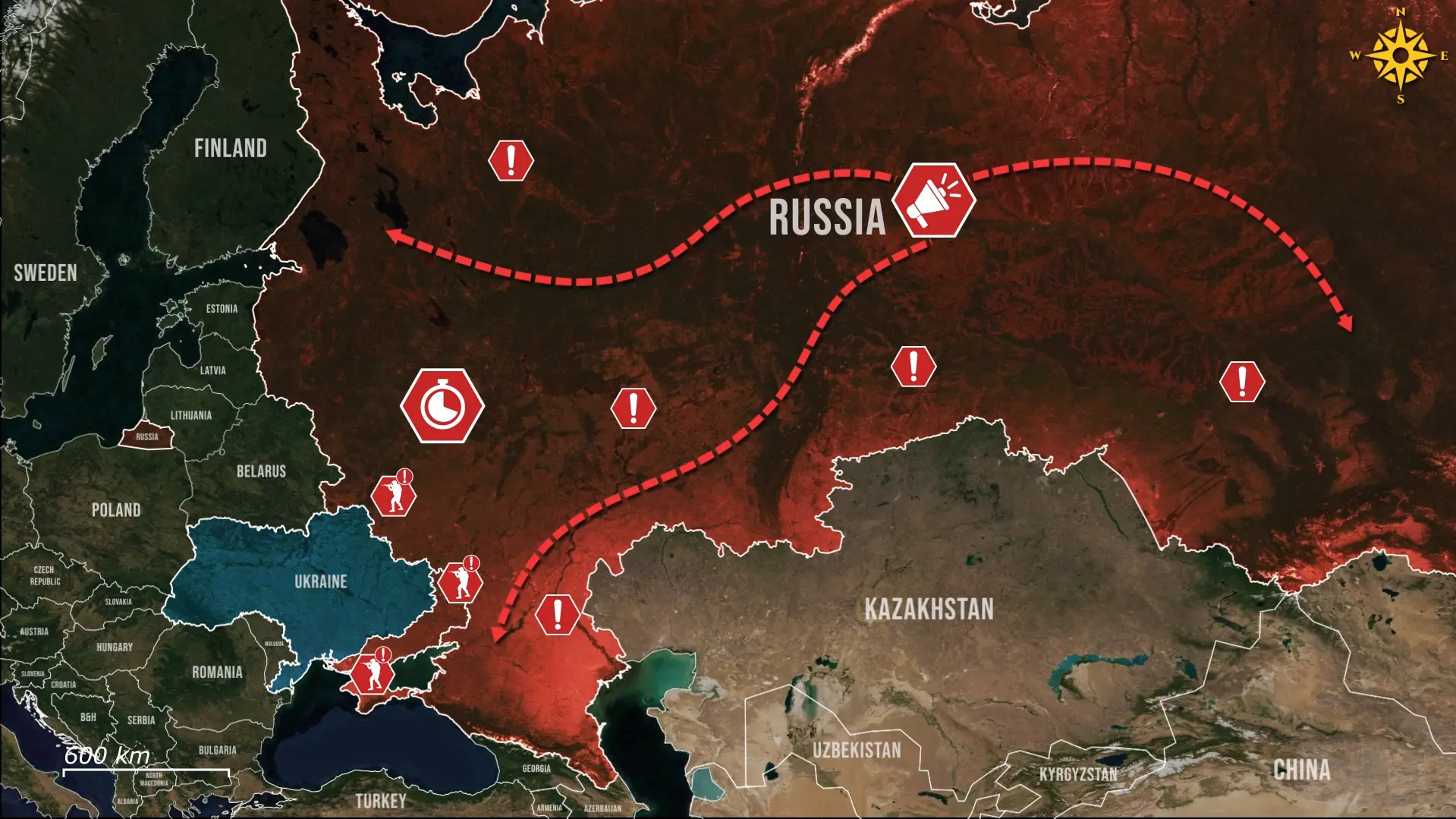
Removing access forces a shift to slower, fragmented, or less secure alternatives, delaying the flow of information and complicating coordination between units and support networks. This can reduce responsiveness on the battlefield and disrupt logistics. Military analysts warn that the restrictions will slow communication between the front and the public as the war continues.
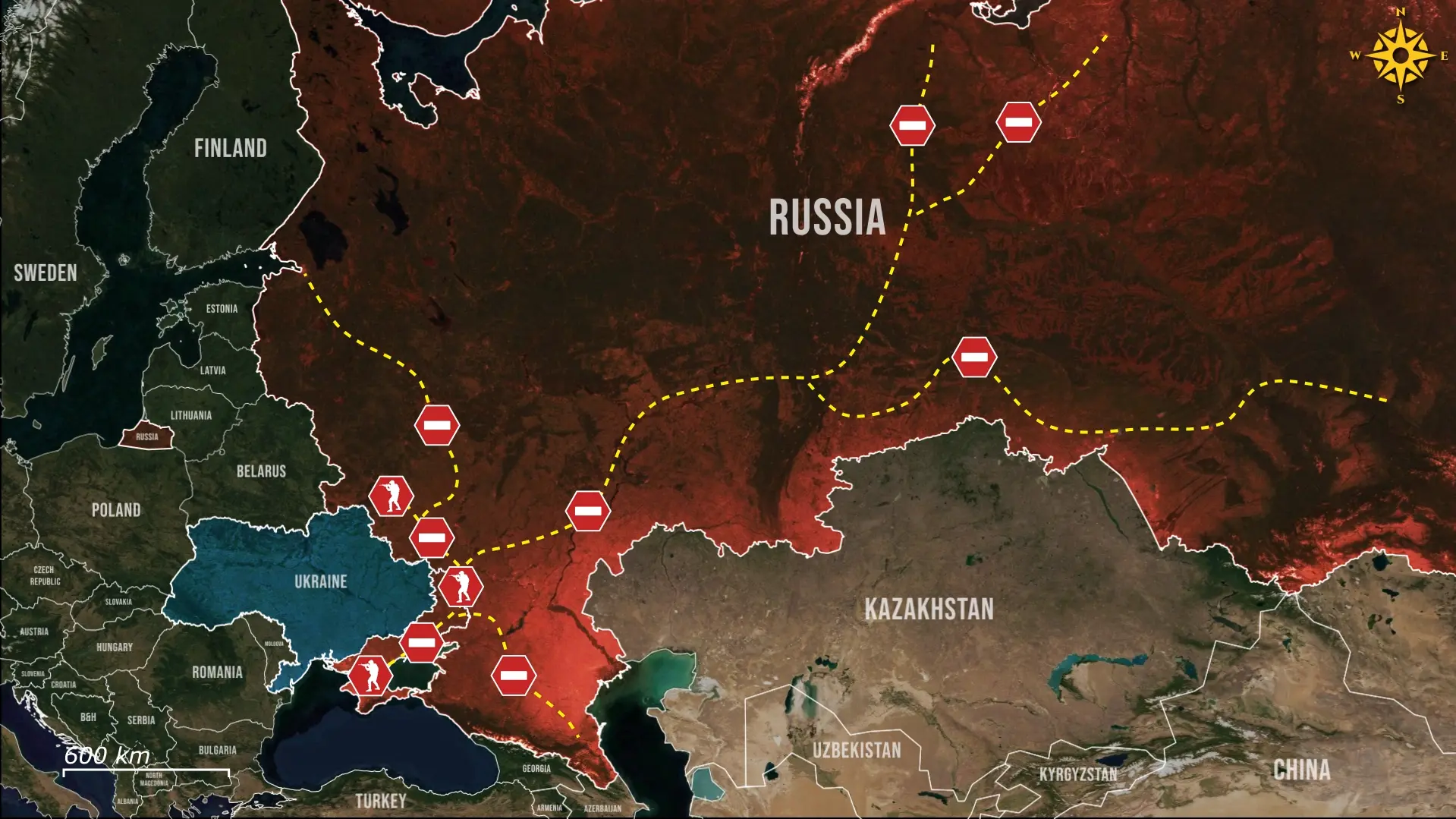
The decision by Russia to block Telegram appears tied to a more immediate effort by the Kremlin to contain specific forms of wartime information that have increasingly slipped beyond its control. In recent months, pro-war military bloggers have used the platform to openly criticize battlefield decisions, expose logistical failures, and report losses, ahead of official statements.
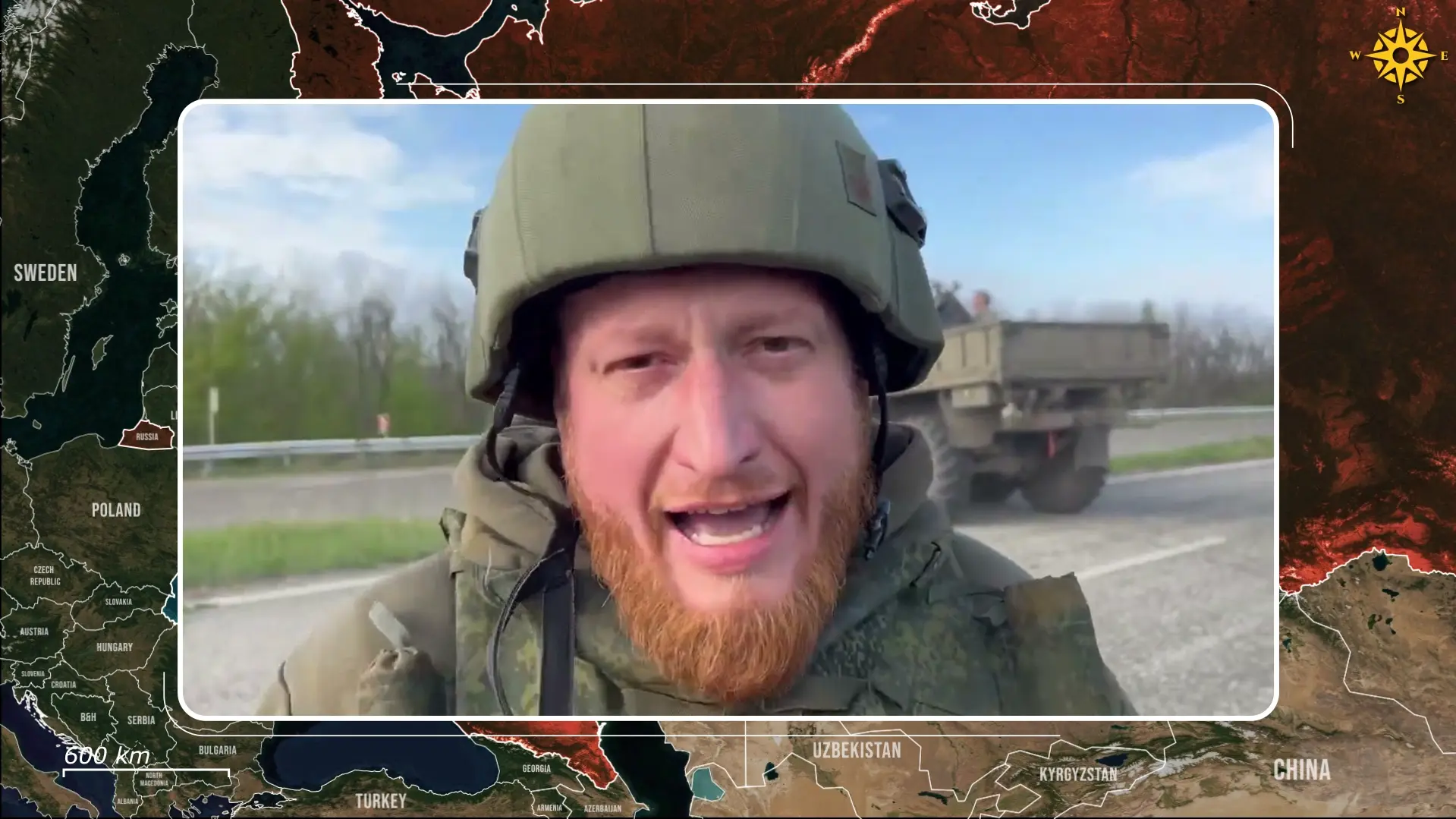
At times this was shaping public perception more quickly than state media. This created an unusual space where even pro-government voices contributed to internal criticism. By moving now, authorities appear to be trying to curb these leaks, regain narrative control, and prevent further erosion of confidence as the war continues.
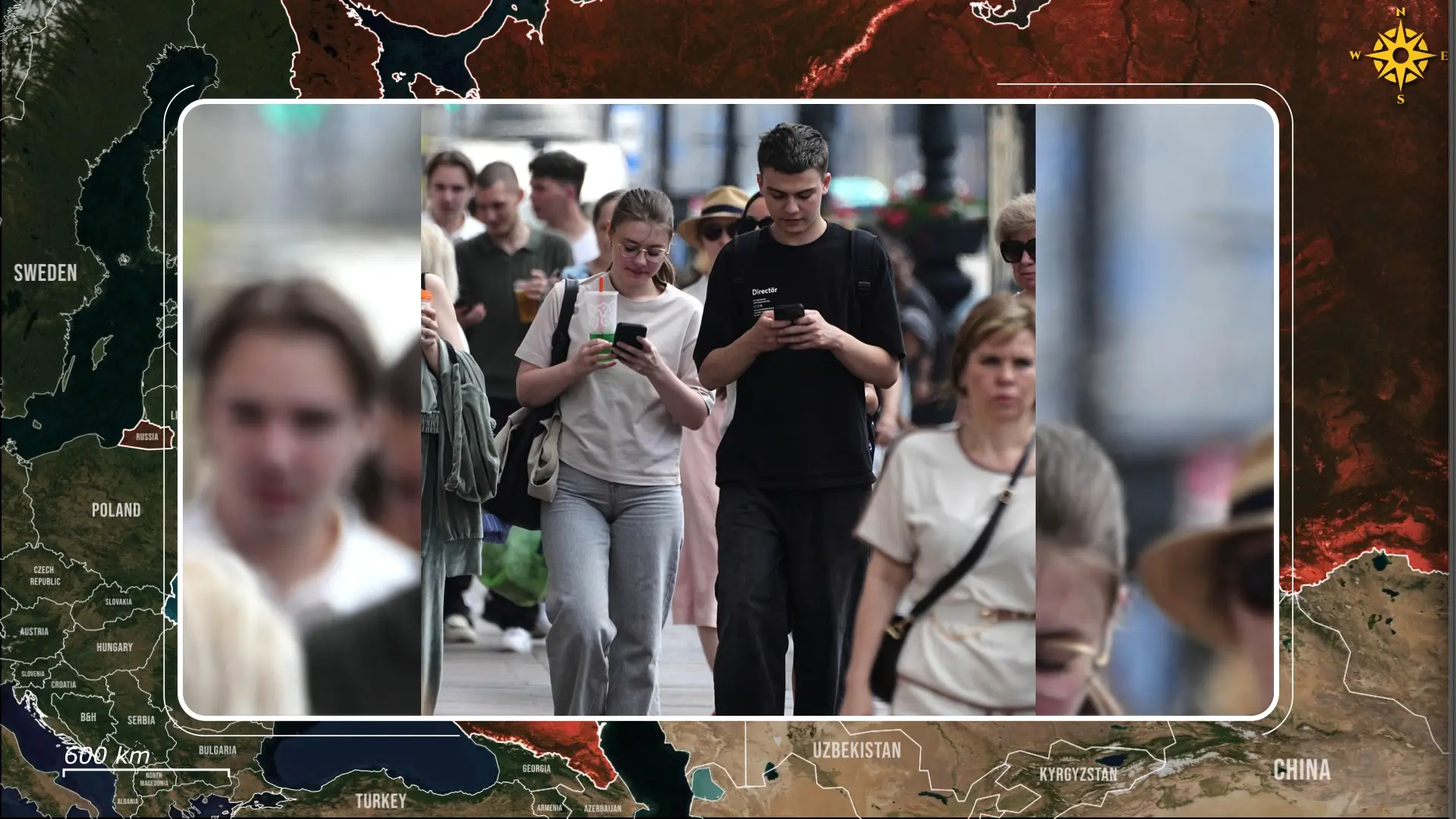
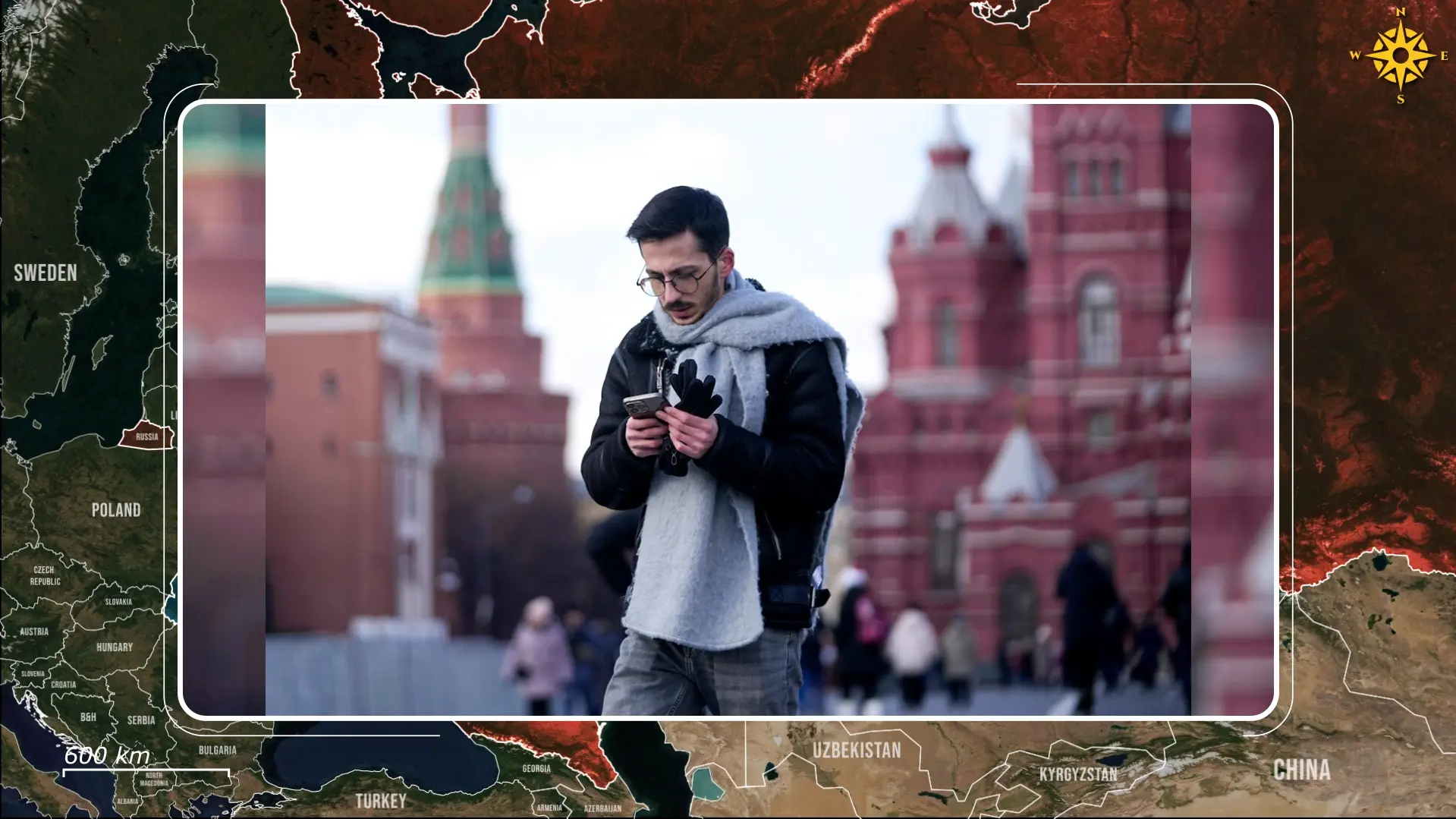
Beyond politics and the military sphere, the shutdown affects everyday life across Russia, where Telegram has become deeply embedded in daily routines. Millions of people rely on the platform not only for messaging, but also for local news, business promotions, community groups, and public service announcements. Small businesses advertise products through Telegram channels, while residents follow city updates, transport changes, and emergency alerts. Removing access, therefore, disrupts far more than private conversations. It weakens a digital ecosystem that many Russians use to organize social life, share information quickly, and maintain connections both inside the country and with contacts abroad.
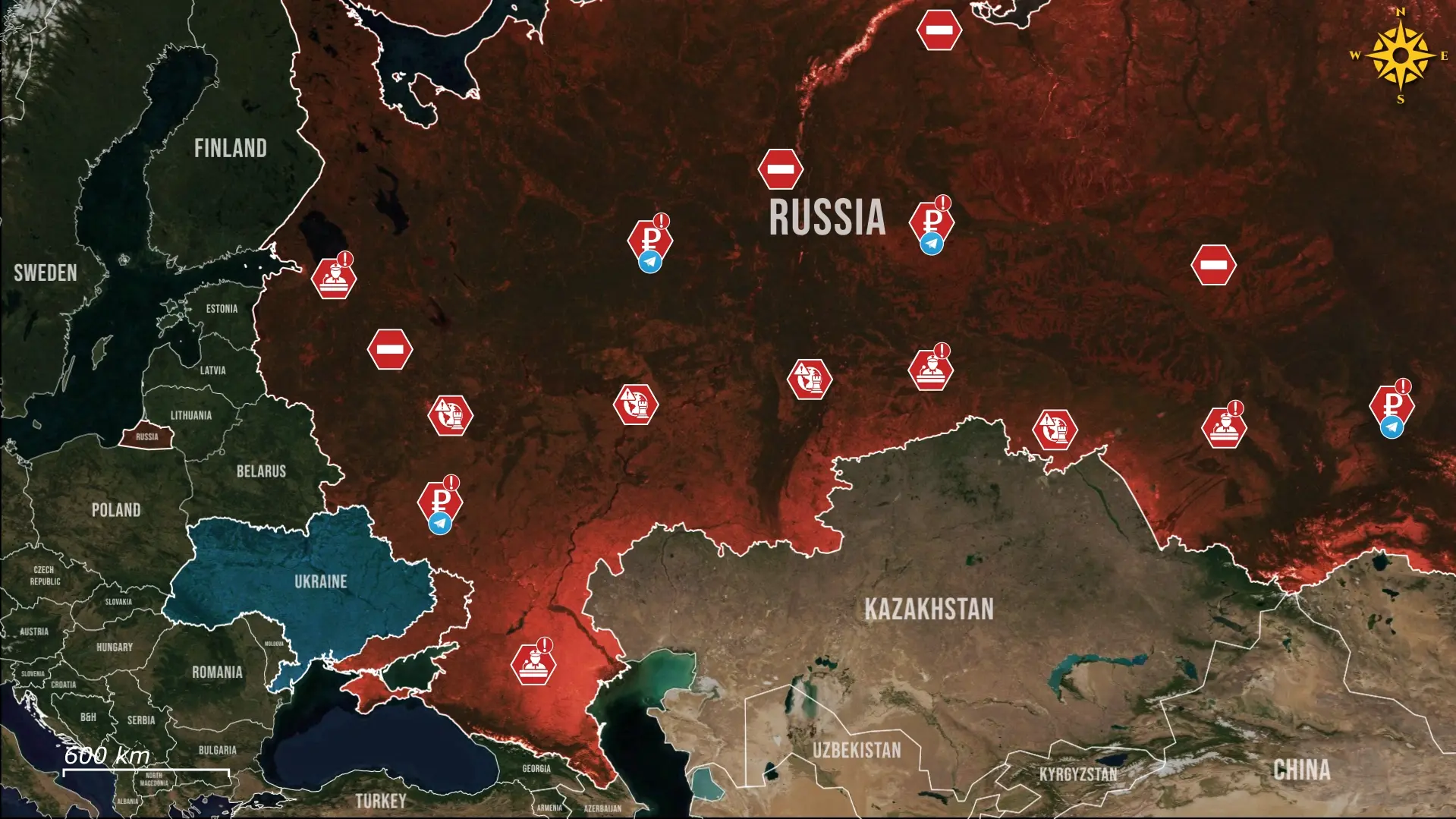
Overall, the move signals a shift toward tighter wartime centralization, where the Kremlin prioritizes absolute narrative control over the flexibility and speed that platforms like Telegram provided. It reflects growing concern that even pro-war voices have begun to shape public perception in ways the state cannot fully manage. Rather than a position of strength, the decision suggests sensitivity to internal criticism and a reduced tolerance for decentralized information flows during a prolonged conflict. Going forward, it points to a more controlled but less adaptive system, where information discipline is enforced at the cost of responsiveness across both society and the battlefield.

.jpg)

Comments