

.svg)
Today, the biggest news comes from Ukraine.
Drone technology has completely transformed the nature of combat in the Russia-Ukraine war. Russia has established an elite drone unit called Rubicon, which is currently exerting a significant impact on Ukrainian military operations.

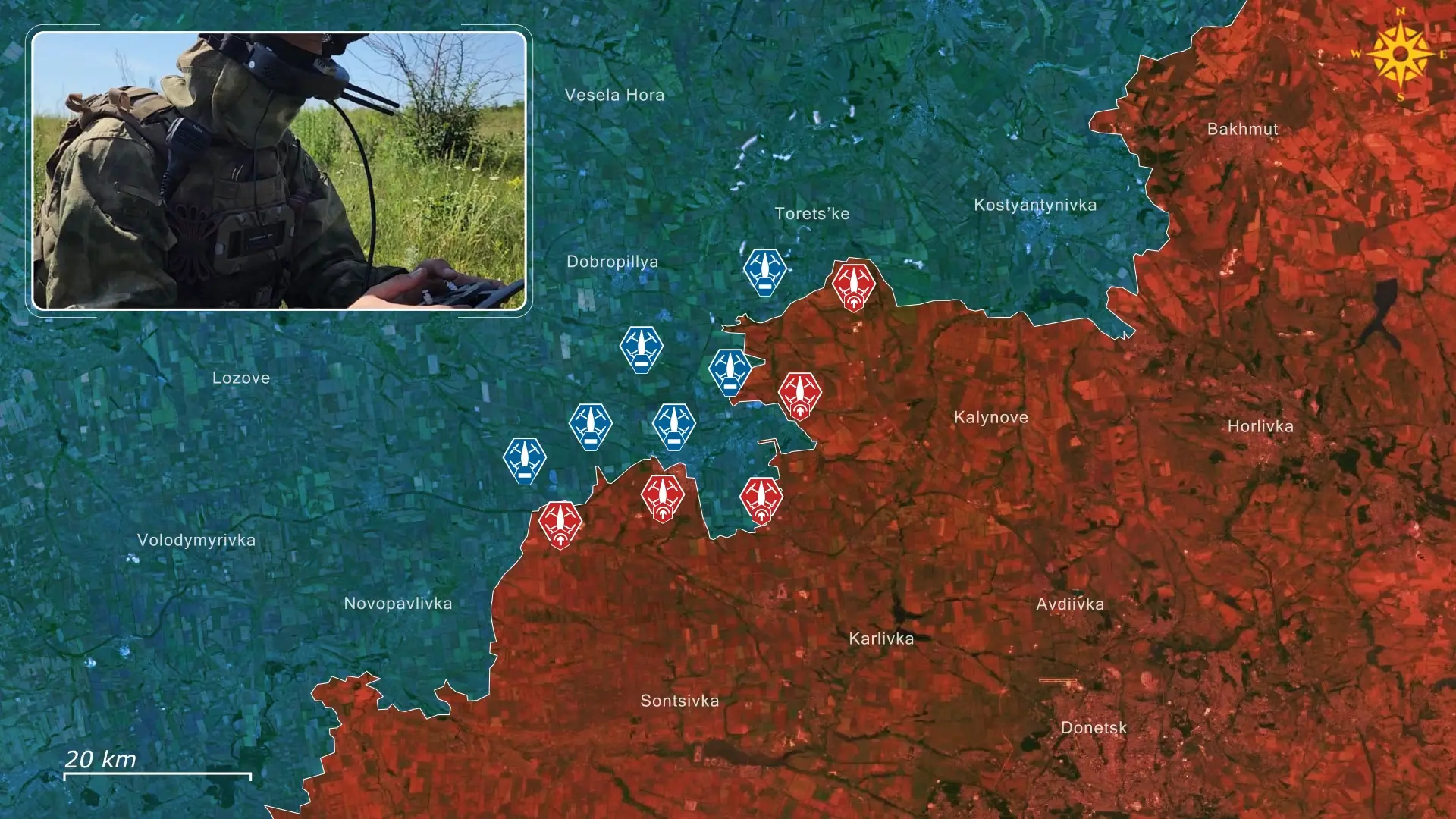
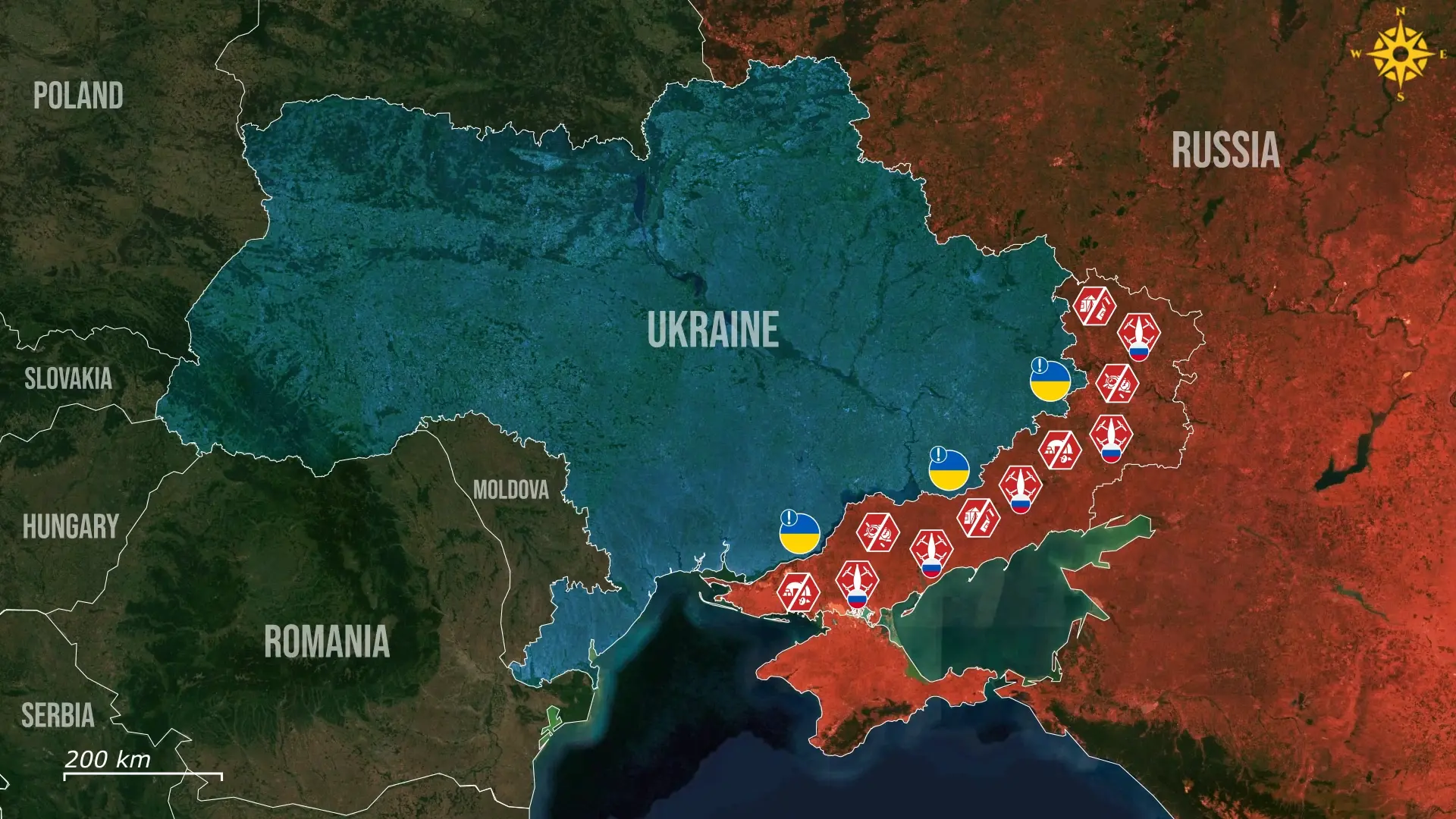
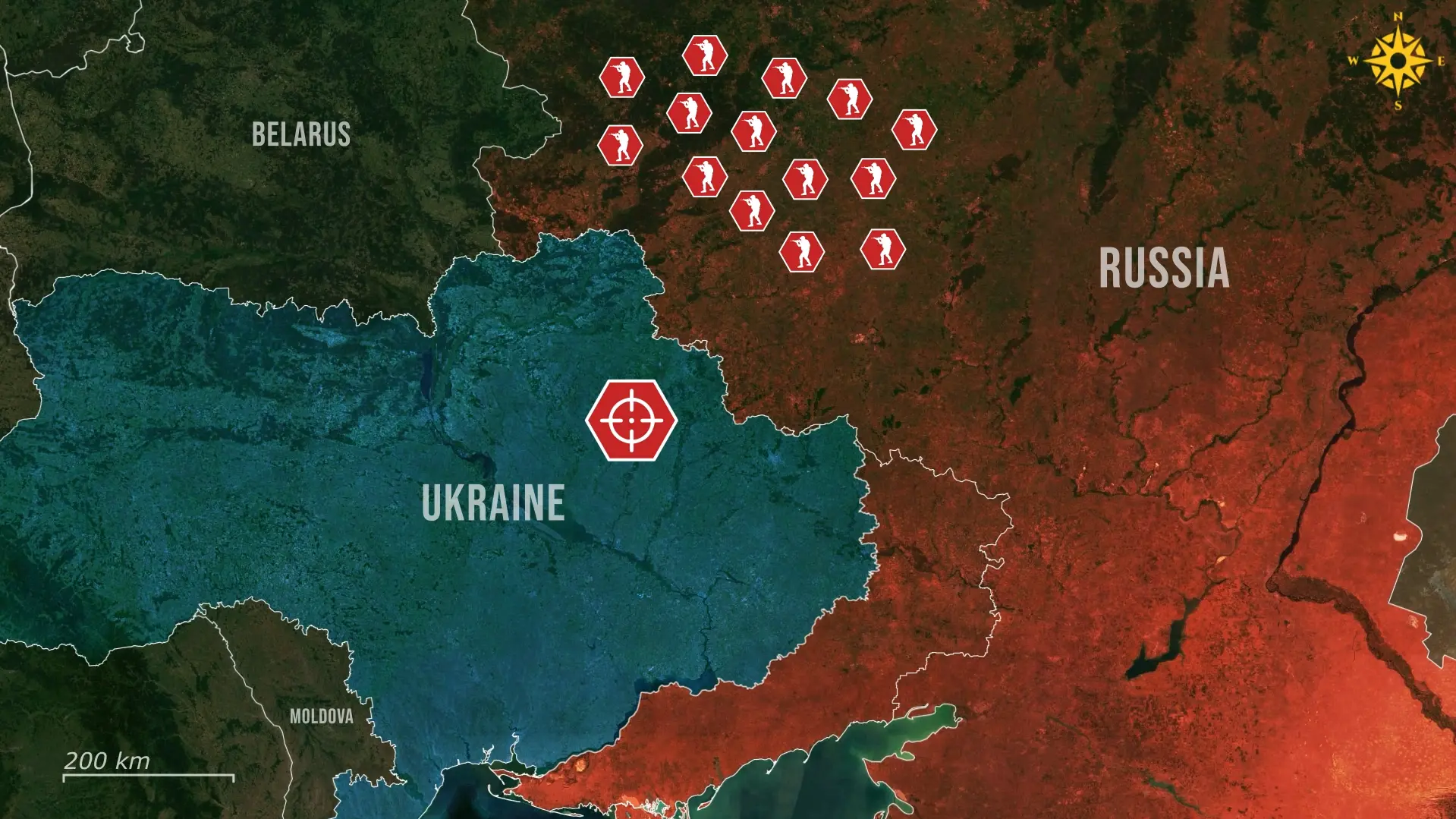
Since early 2025, Russia’s elite Rubicon drone unit has operated across several fronts, with Donetsk Oblast-and especially the Pokrovsk axis-becoming its main focus since May. Here, Rubicon’s advanced FPV and long-range strike drones have systematically targeted Ukrainian armor, artillery, reserve rotations, and supply lines, accelerating Russian advances, reducing Russian losses, and disrupting Ukrainian defenses.
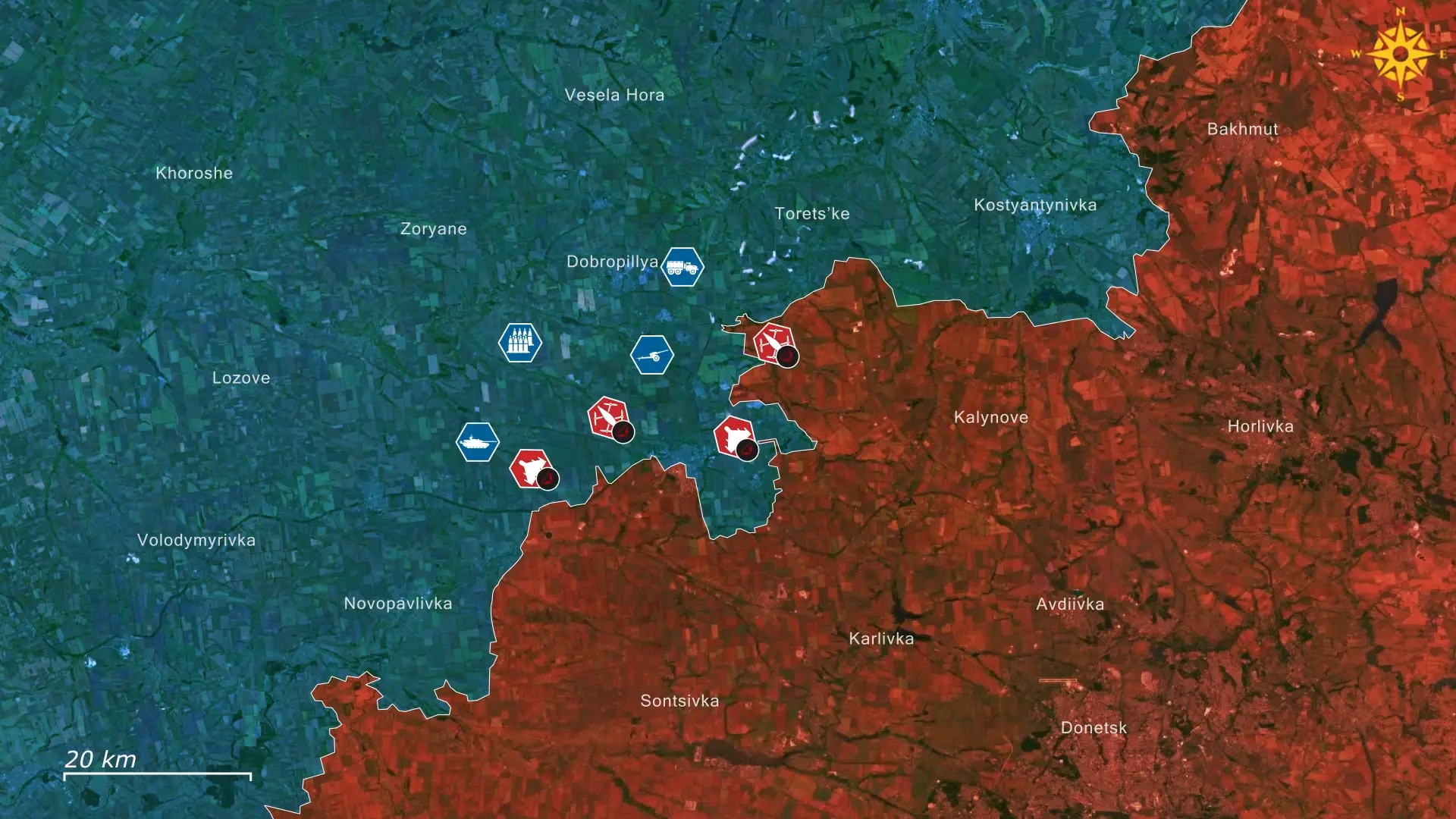
In response, Ukraine adopted a structured three-tier strategy to degrade Rubicon’s effectiveness. At short range, Ukrainian FPV teams are tracking and striking Rubicon drone groups on the frontline. At medium range, Ukrainians are hitting Rubicon command posts, relay stations, and communications nodes. At long range, Ukraine is targeting Rubicon’s rear logistics-drone warehouses, repair centers, fuel depots, and industrial facilities-such as the Bars drone strikes on the Rubicon UAV depot, aiming to paralyze the unit’s supply chain.
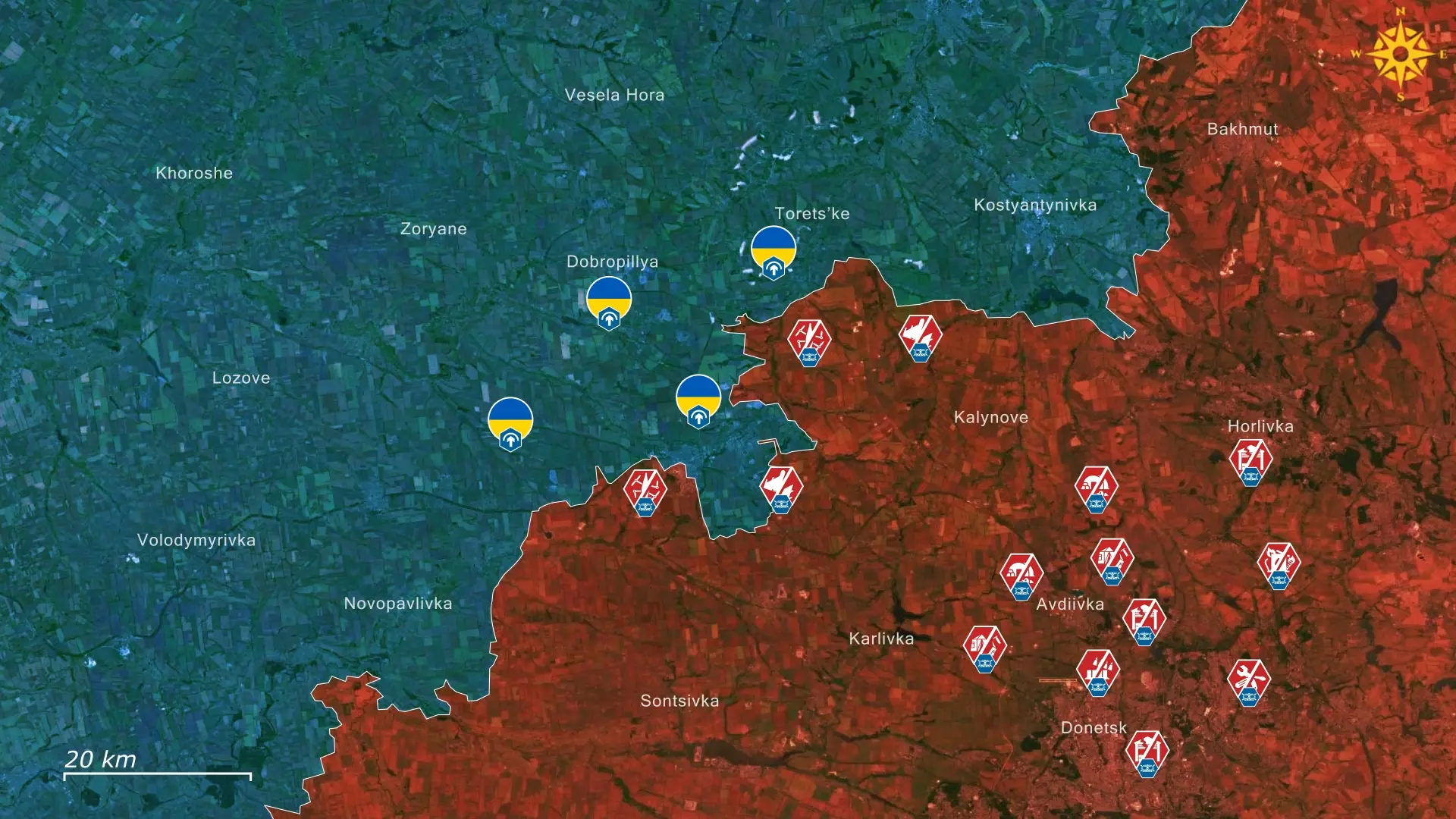
Rubicon is Russia’s most effective and tightly organized drone unit, composed of seven highly specialized sub‑units, each staffed with roughly 130 to 150 skilled operators and technical personnel. Together, they form an all-round drone task force that the Russian high command deploys to the most critical sectors of the front, with most of the units currently concentrated at Pokrovsk. One sub‑unit operates jam‑resistant fiber‑optic FPV drones, while others are equipped with nighttime thermal cameras that both deliver precise strikes on Ukrainian vehicles, and movements up to 15 kilometers deep.
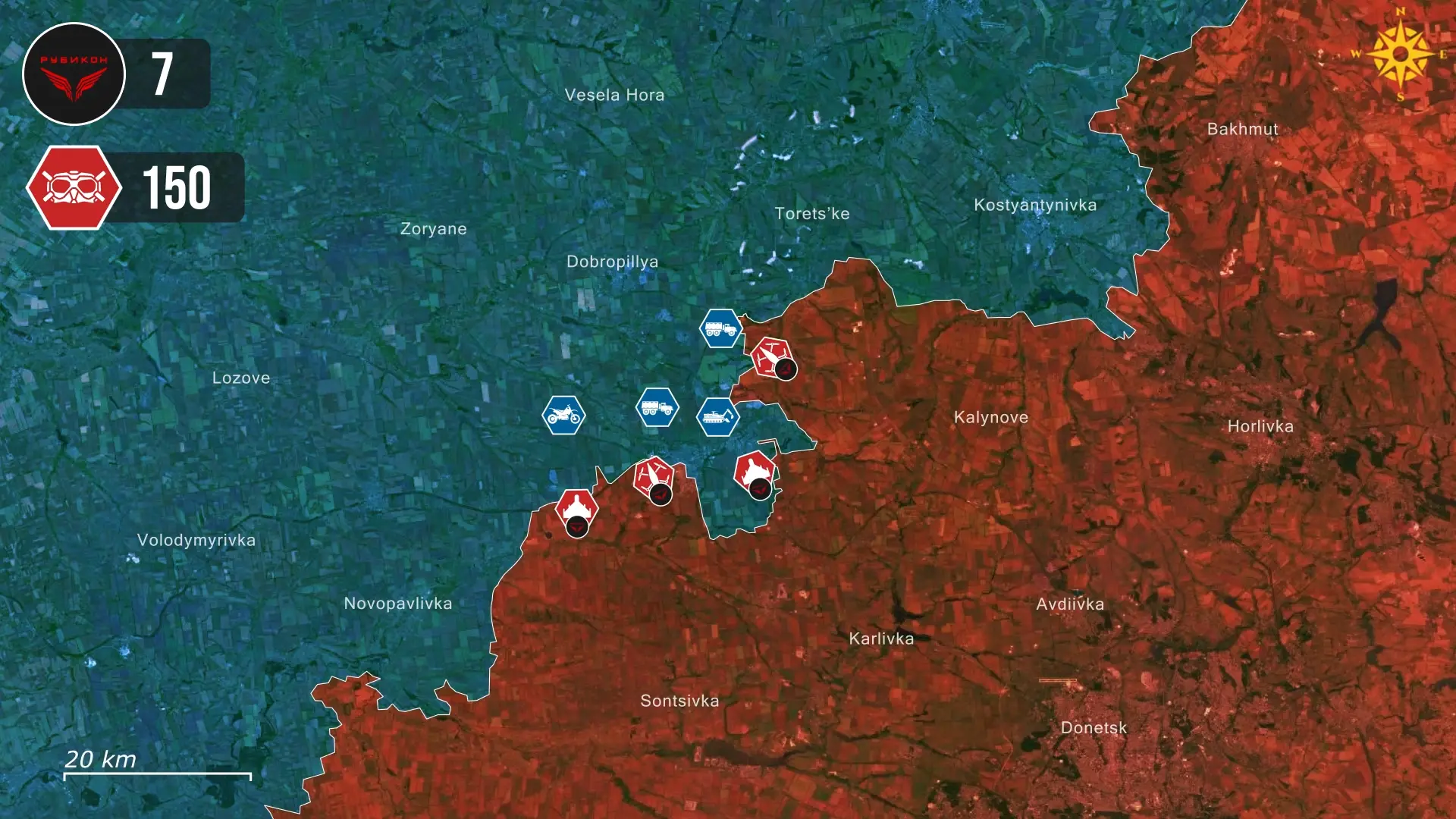
Another sub‑unit runs the sensor‑to‑shooter chain, detecting enemy drones of all types through various sensors, transmitting the information to interceptor or jamming teams that can quickly neutralize the Ukrainian drone threat.
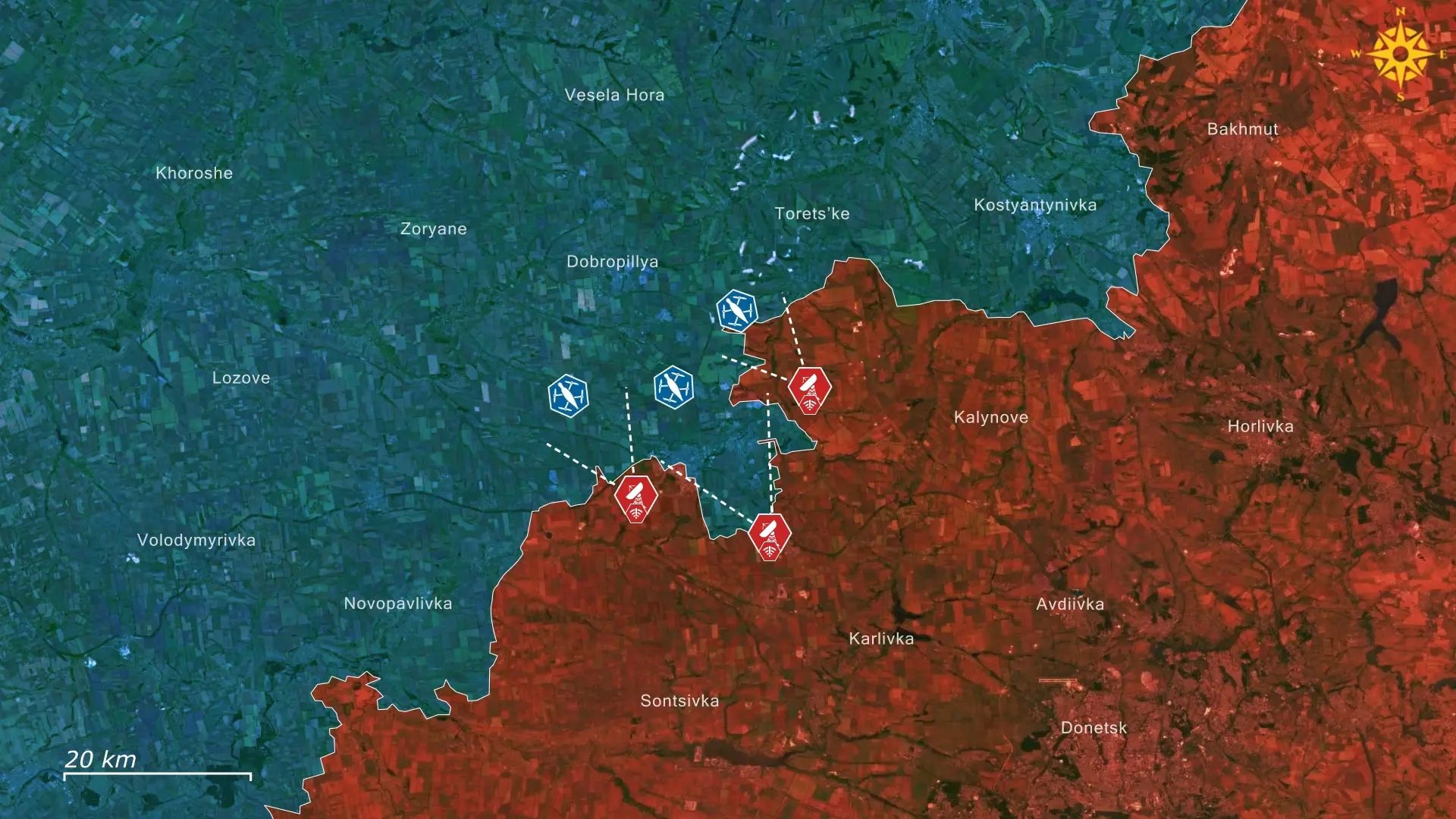
The remaining sub‑units are design and test robotic and AI‑driven systems, provide strike‑drone support directly on the frontlines, and train local Russian UAV units. This allows Rubicon to rapidly upgrade its own technology and significantly boost the overall effectiveness of Russian drone forces at the frontline, reducing Ukraine’s reconnaissance and attack efficiency.
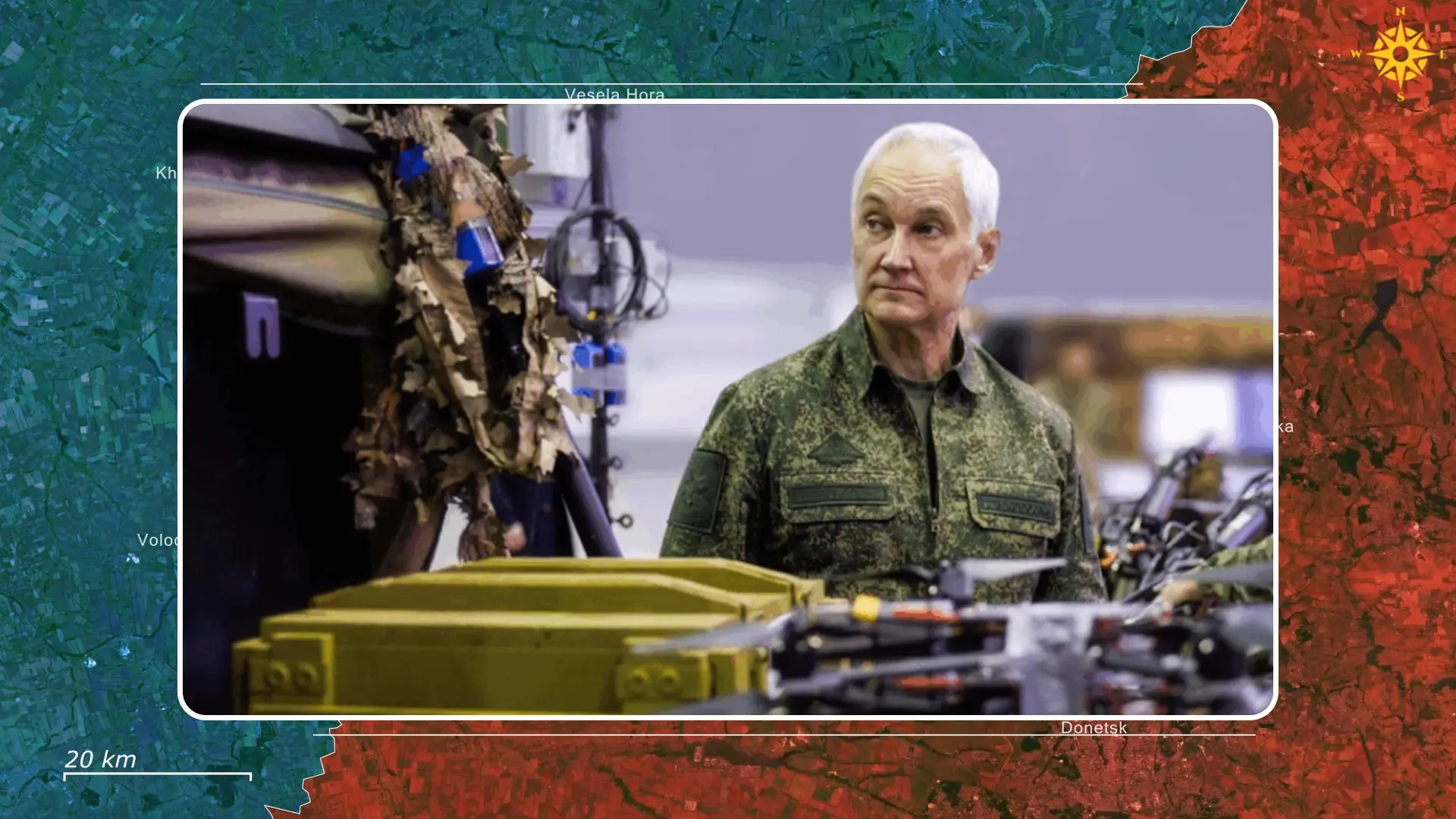
The unit’s origin came after repeated failures and shortcomings for Russia in the drone war, leading to the creation of a highly secretive unit in summer 2024 under Defense Minister Andrei Belousov, officially called the Rubicon Center for Advanced Unmanned Systems, or simply, Rubicon.
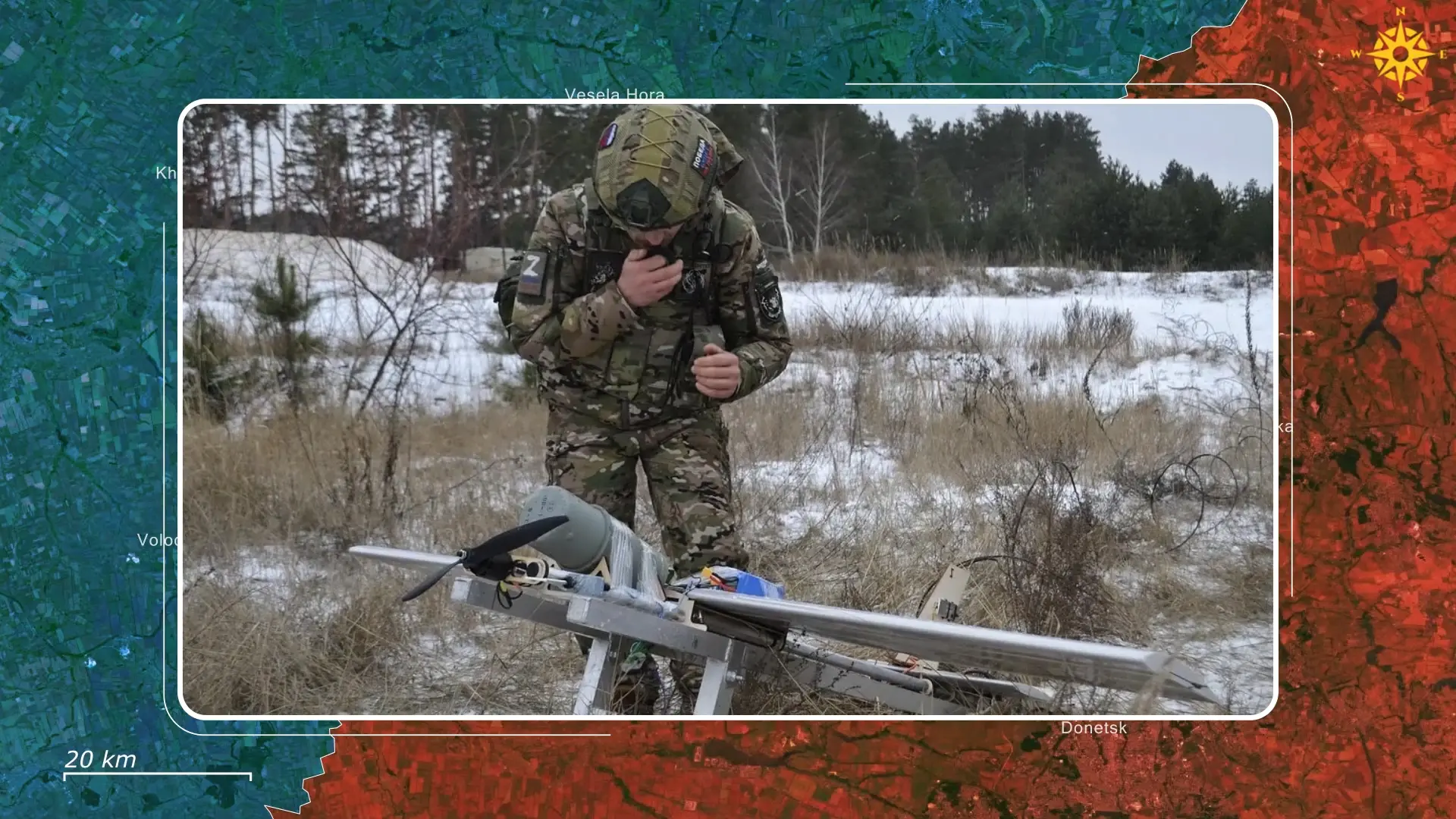
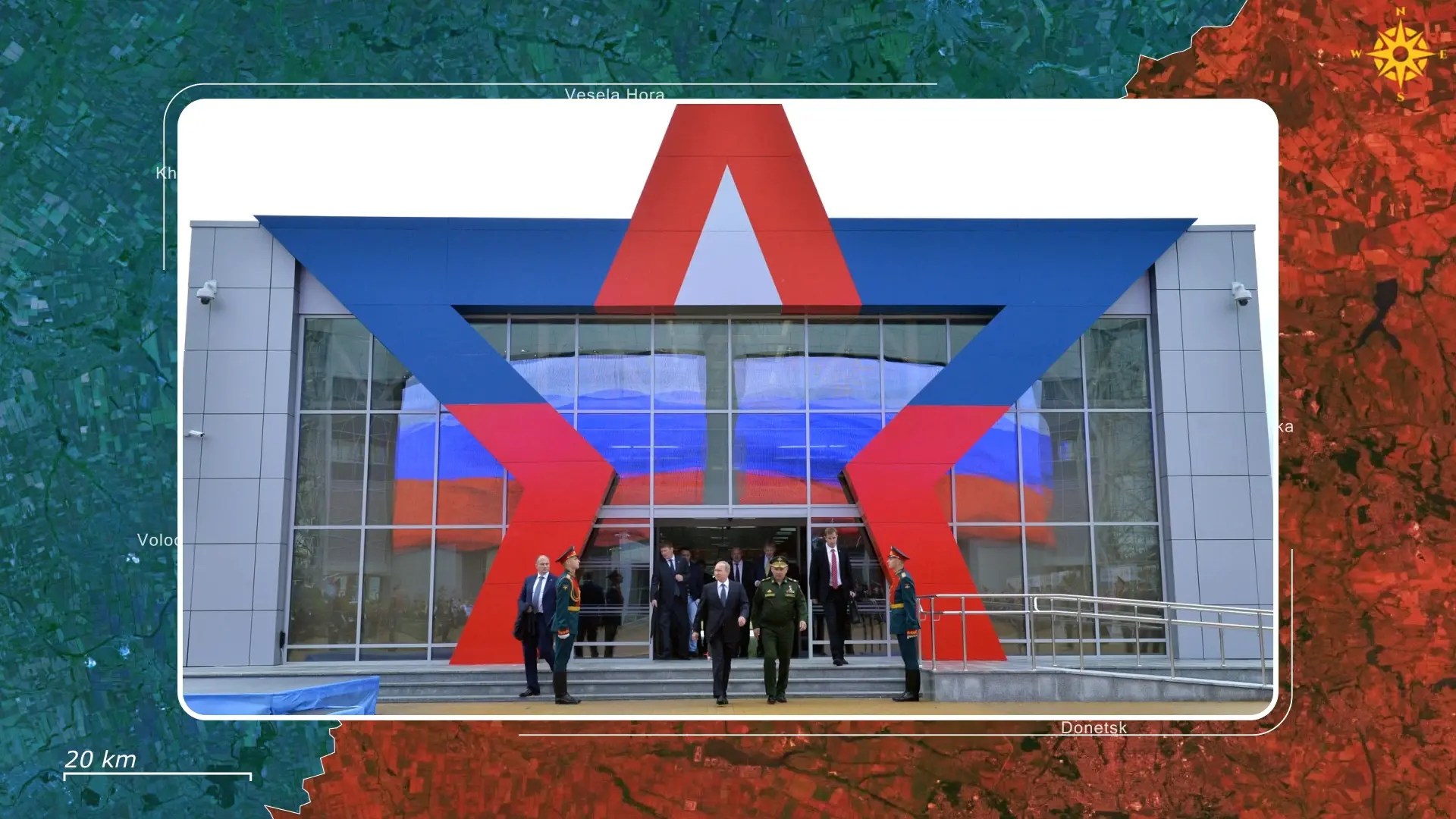
Rubicon’s headquarters is located at Patriot Park, near Moscow, and the unit is commanded by 37-year-old Guards Colonel Sergei Budnikov, an experienced artillery and marine infantry officer who previously served as chief of staff of the 9th Guards Artillery Brigade.

Russia’s advanced electronic warfare and signal‑intelligence systems are creating a deep strategic threat to Ukraine’s defensive architecture. By integrating drone, reconnaissance, and counter-drone warfare into a unified network, Russia can conduct real‑time target acquisition and coordinated strikes, rapidly weakening Ukrainian frontline units, communication and logistics lines, and drone operations. In the short term, this has sharply reduced the effectiveness of Ukraine’s own drone units, increased the vulnerability of its defensive lines, and allowed Russian forces to advance with comparatively less resistance-an effect that became particularly evident in Pokrovsk, where one unnamed brigade reported losing 70 percent of their drone operators in just one week partially due to Rubicon targeting. Over the long term, Ukraine is forced to reconsider its battle plans, and taking rapid or independent military actions like before has now become difficult.
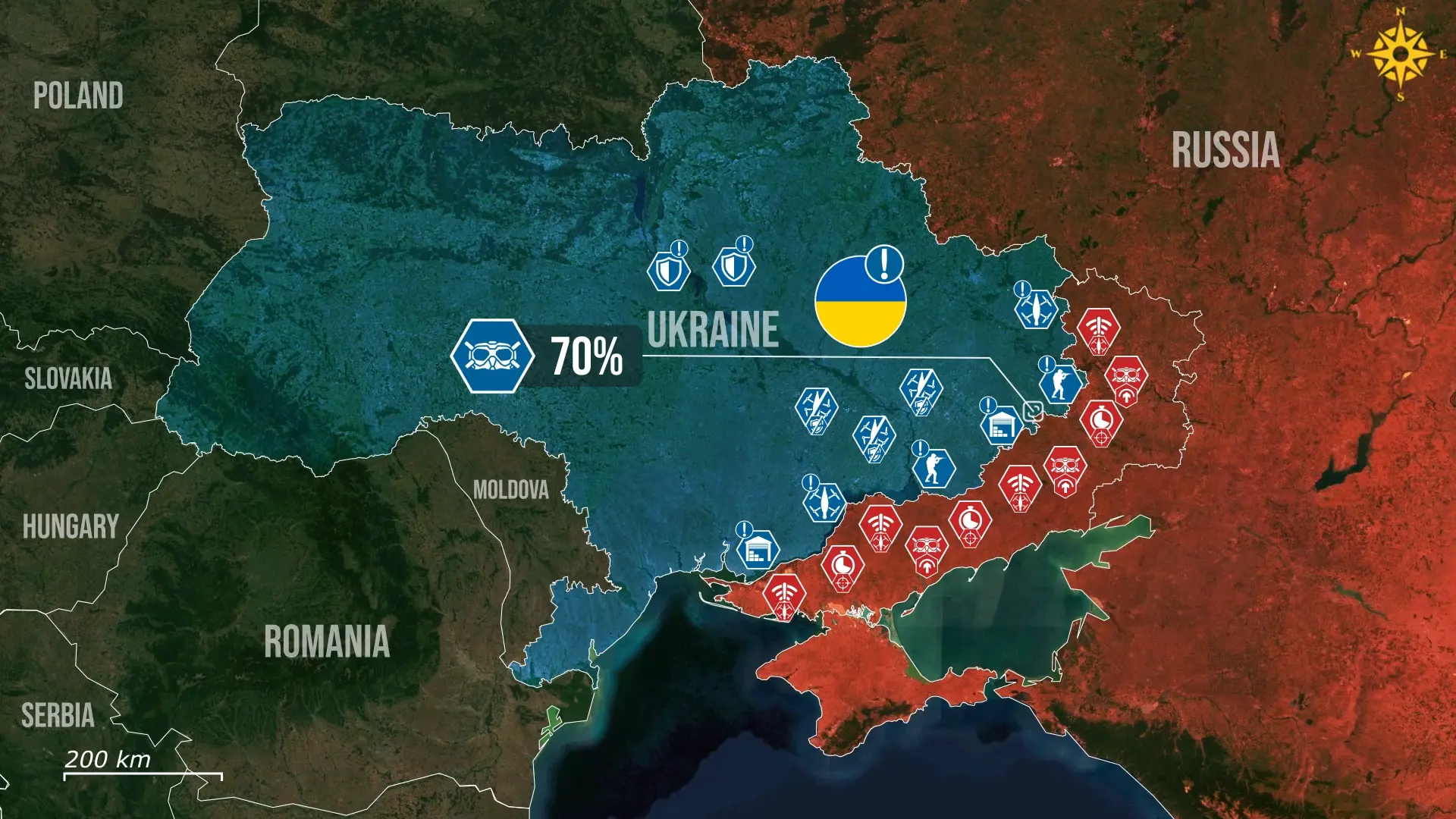
However, Ukraine is not remaining passive. In recent months, Kyiv has significantly strengthened its electronic warfare capabilities and improved cyber-radar coordination, reducing the effectiveness of Russian drones. As a result, many Russian FPV and reconnaissance drones are now being diverted, disrupted, or disabled before reaching their targets. Simultaneously, the Ministry of Defense approved a new standard for anti-drone munitions, and as production scales up, frontline defenses are becoming faster and more resilient, diminishing the precision and success rate of Russian strikes.
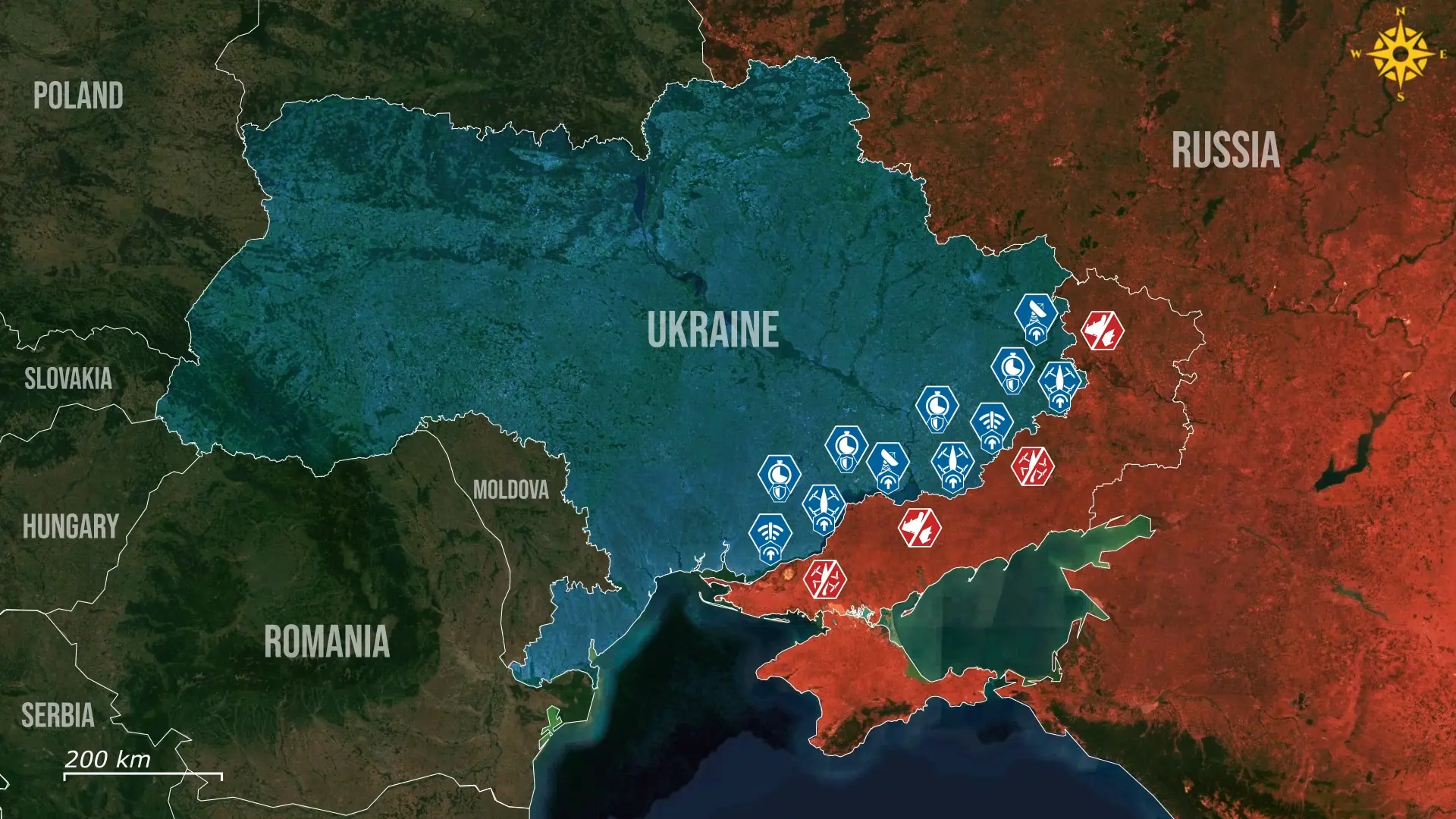
Overall, Russia’s elite Rubicon drone unit has fundamentally reshaped the character of the war. Its rapid, highly precise drone strikes are consistently disrupting Ukraine’s military architecture, while its jam-resistant fiber-optic FPV drones and powerful long-range strike platforms allow Rubicon to target Ukrainian supply lines and reserve movements with exceptional accuracy.
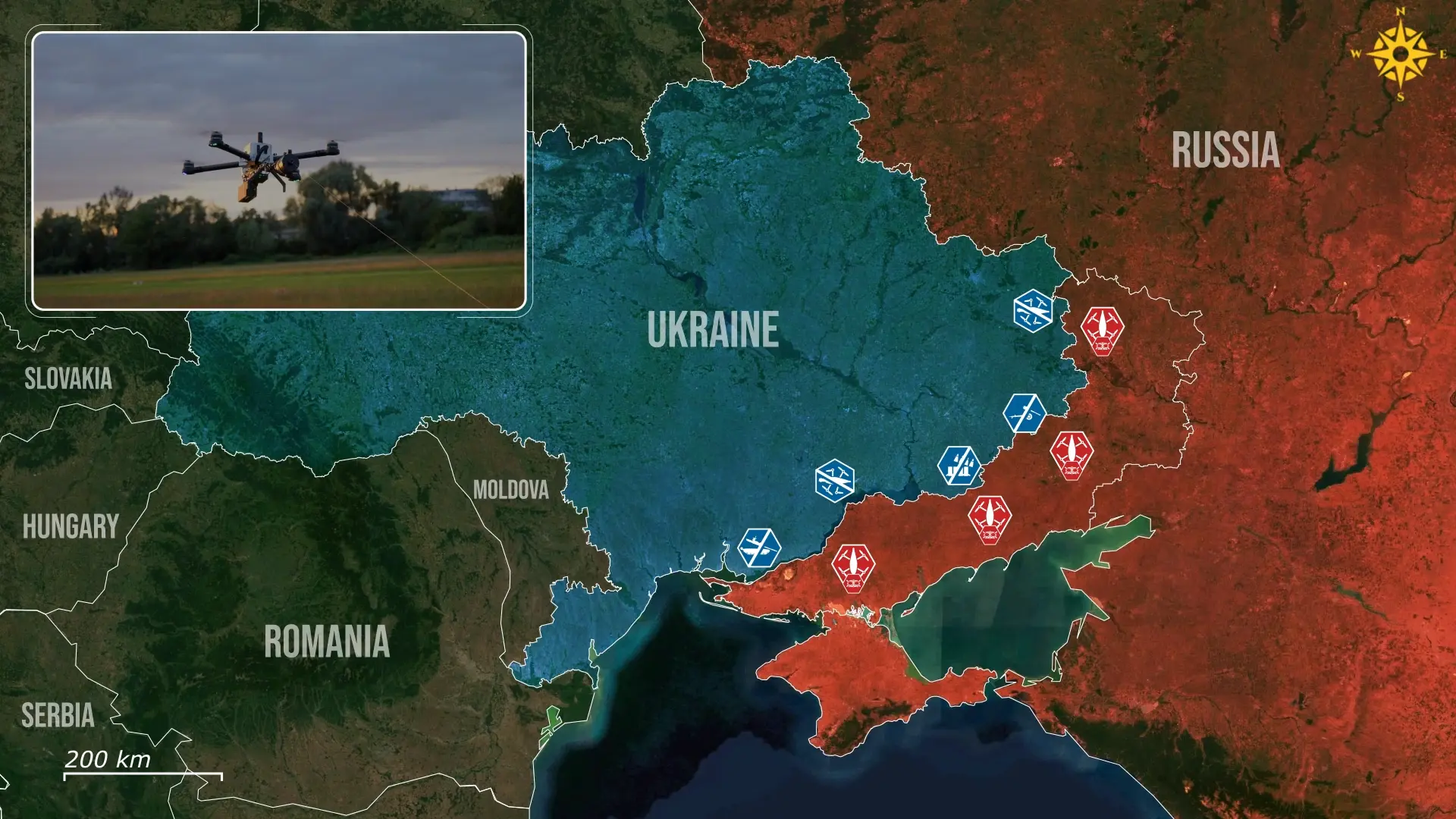
In response, Ukraine has adopted a three-tiered strategy-striking Rubicon’s operators, command posts, and rear-area infrastructure-in an effort to degrade the unit’s effectiveness. Yet despite these countermeasures, Rubicon’s technological sophistication and rapid-response capability have given Russia a clear advantage in the drone war, forcing Ukraine to rethink its broader operational strategy.
.jpg)



Comments