

.svg)
Today, the biggest updates come from Romania.
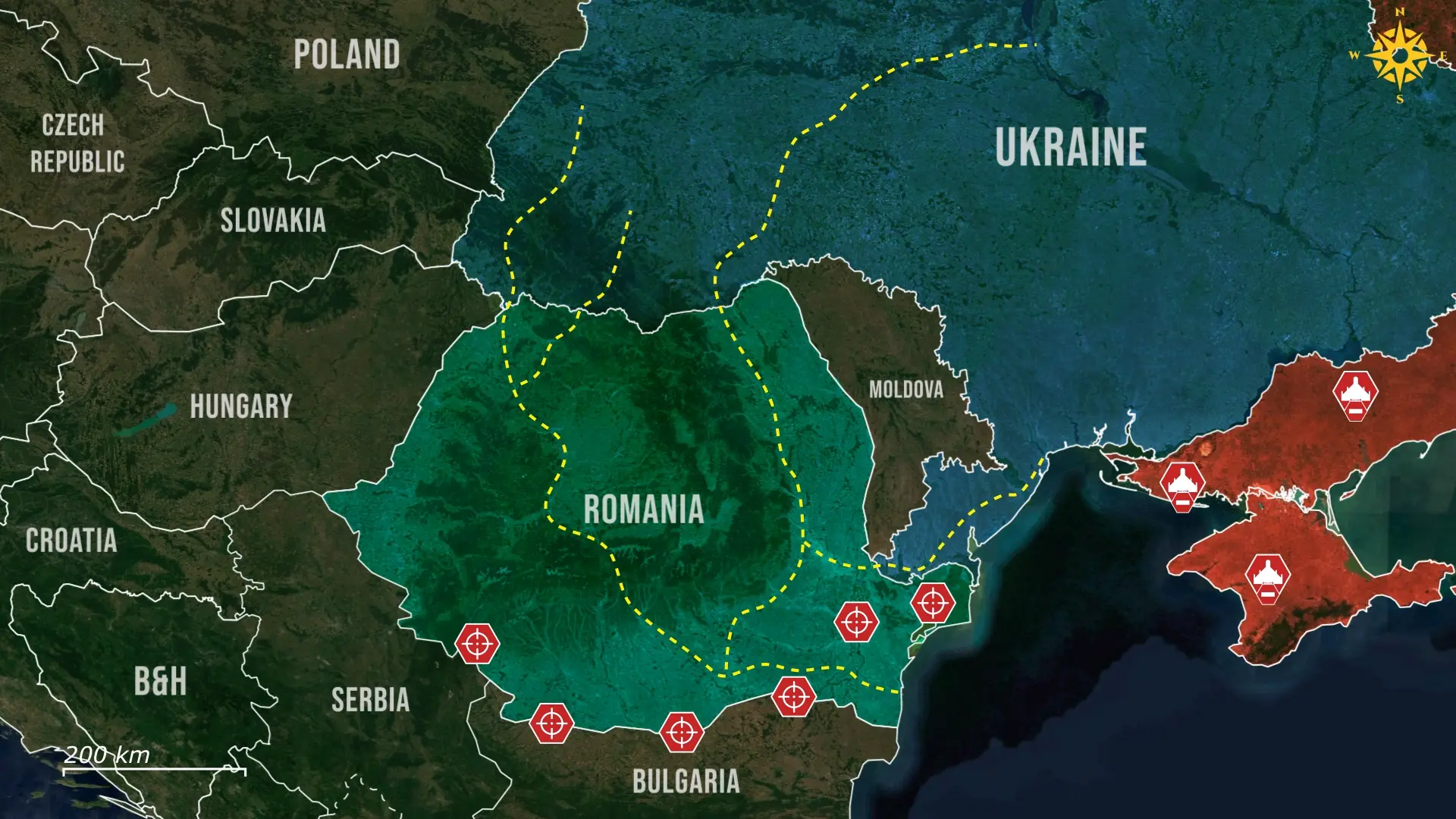
Ukraine and Romania formally committed to accelerate joint border infrastructure projects, meant to improve the trade a military cooperation between the 2 nations. With Russian forces still within striking distance of the Danube and over a hundred drones having violated Romanian airspace since 2022, this new crossing is no longer just about trade, but it has become a silent guarantee that Nato’s eastern flank will not be left isolated if the worst comes to pass.
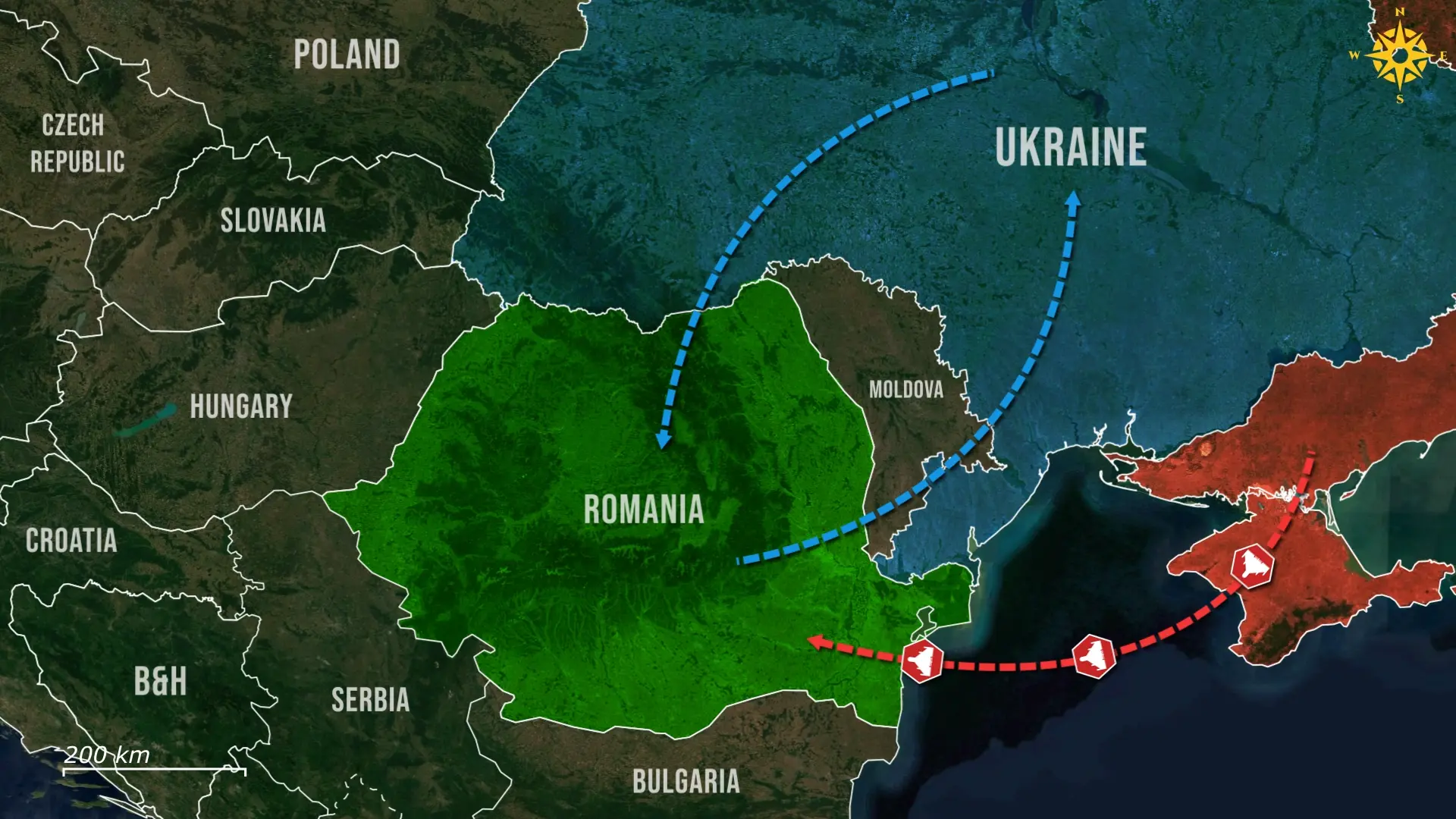
During an official visit to Bucharest, Ukrainian First Deputy Prime Minister Yuliia Svyrydenko and Romanian officials signed a joint statement committing to accelerate shared infrastructure projects.

The centerpiece is the new 261 meters road bridge over the Tisa River connecting Sighetu Marmației and Bila Tserkva, whose construction is already 90 percent complete and expected to open in 2026.
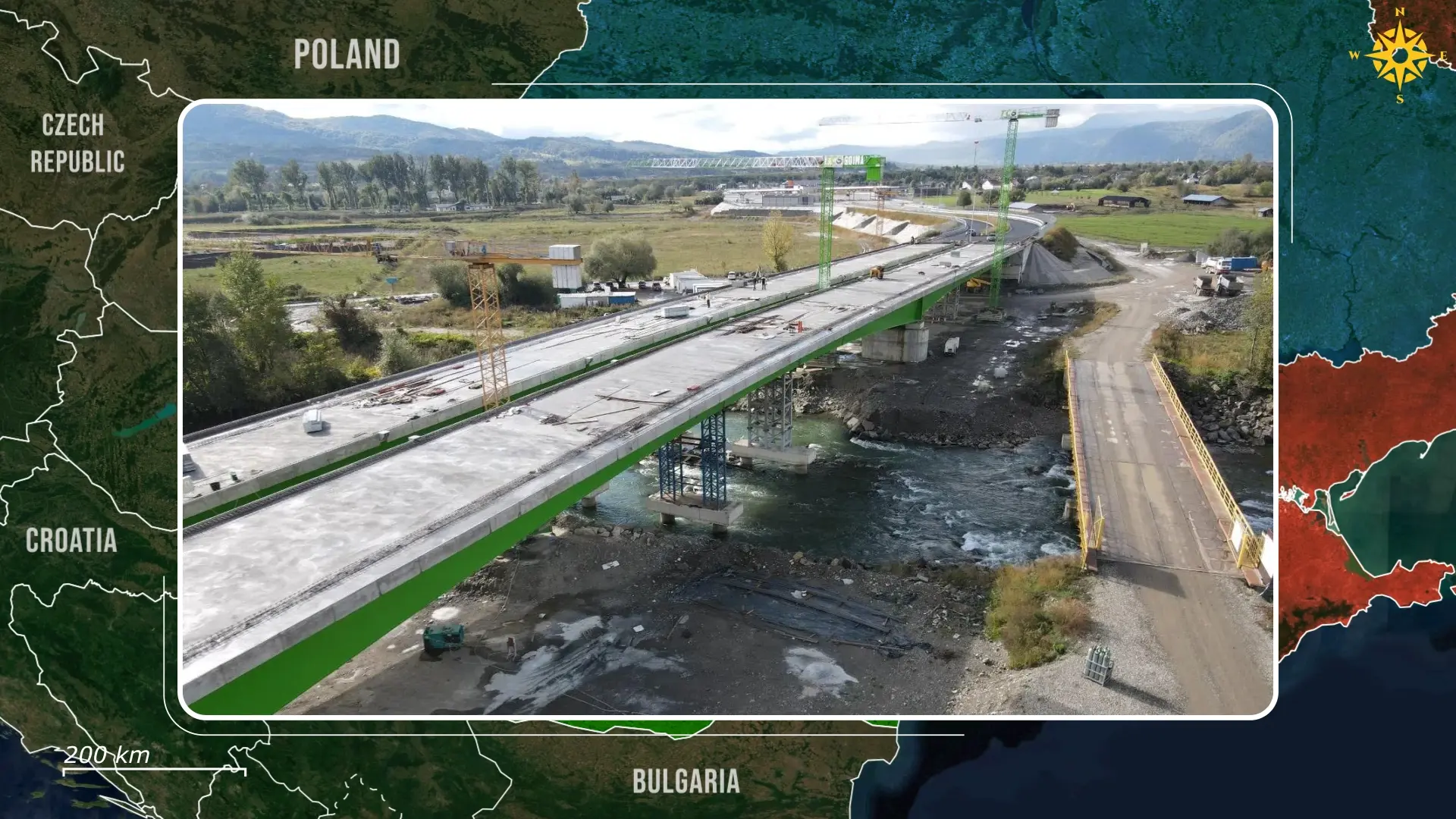
The agreement also covers four additional border-crossing points, modernization of existing rail and road links, and enhanced Danube port cooperation, all aimed at dramatically increasing cross-border capacity in the shortest possible time.
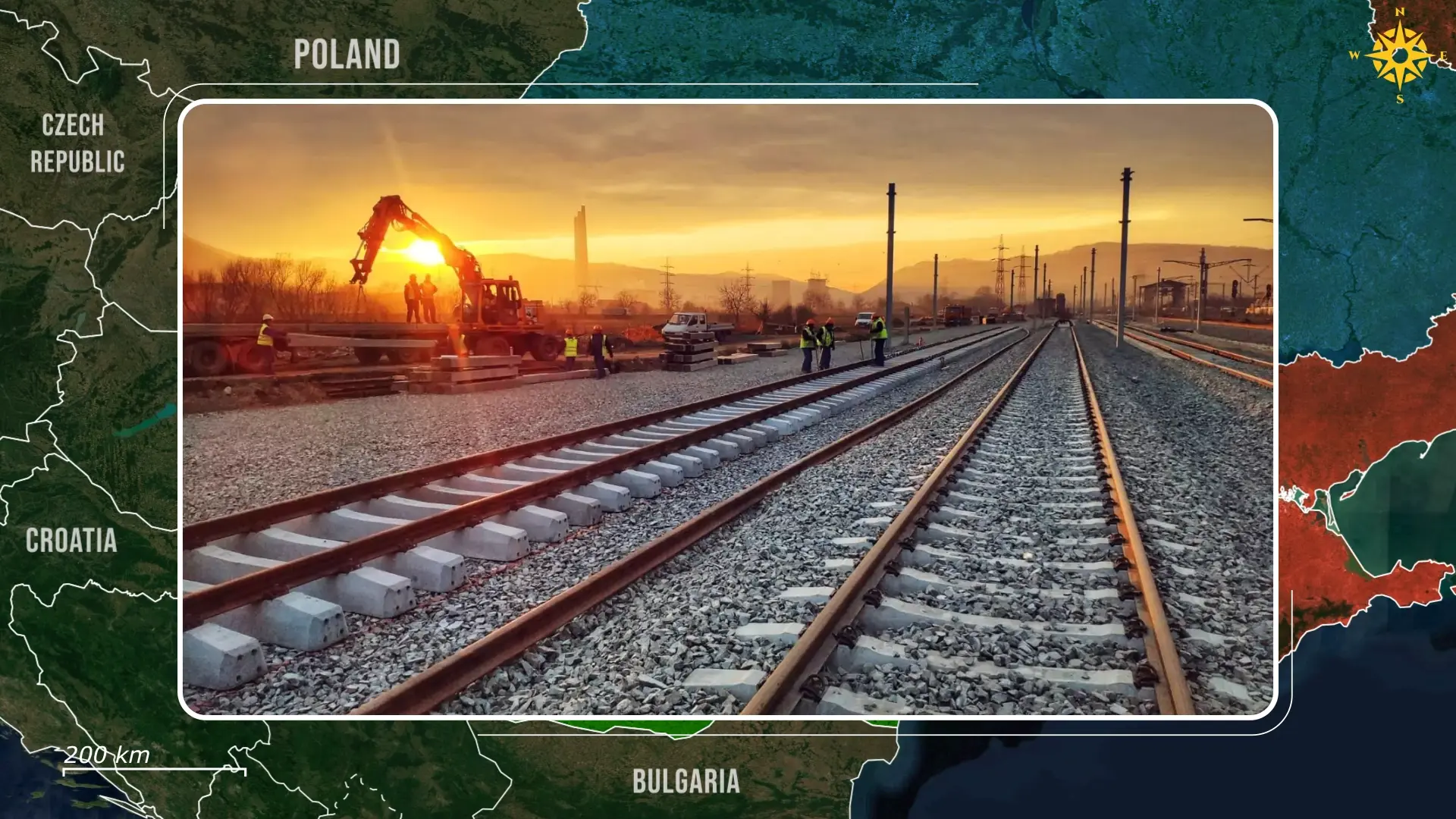
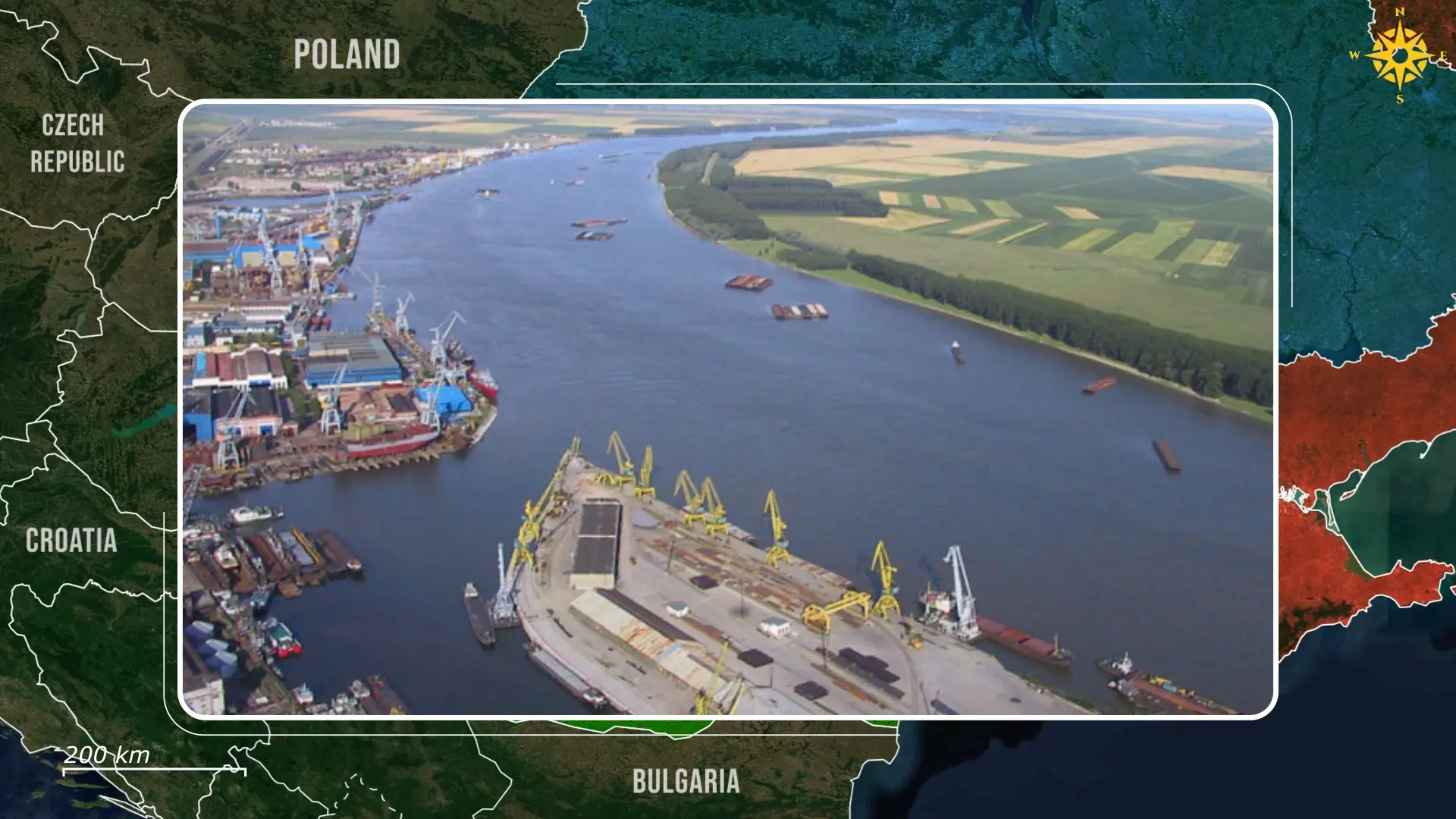
The Ukraine-Romania border infrastructure agreement, highlighted by the Tisa River bridge, addresses intertwined economic, logistical, and security imperatives amid Russia's ongoing invasion. Economically, it counters the fallout of Russia’s Black Sea blockade on Ukraine, as Romania has become Ukraine's primary grain export route, handling over 60 percent of the 30 million tons shipped since 2022 via the Constanța port.
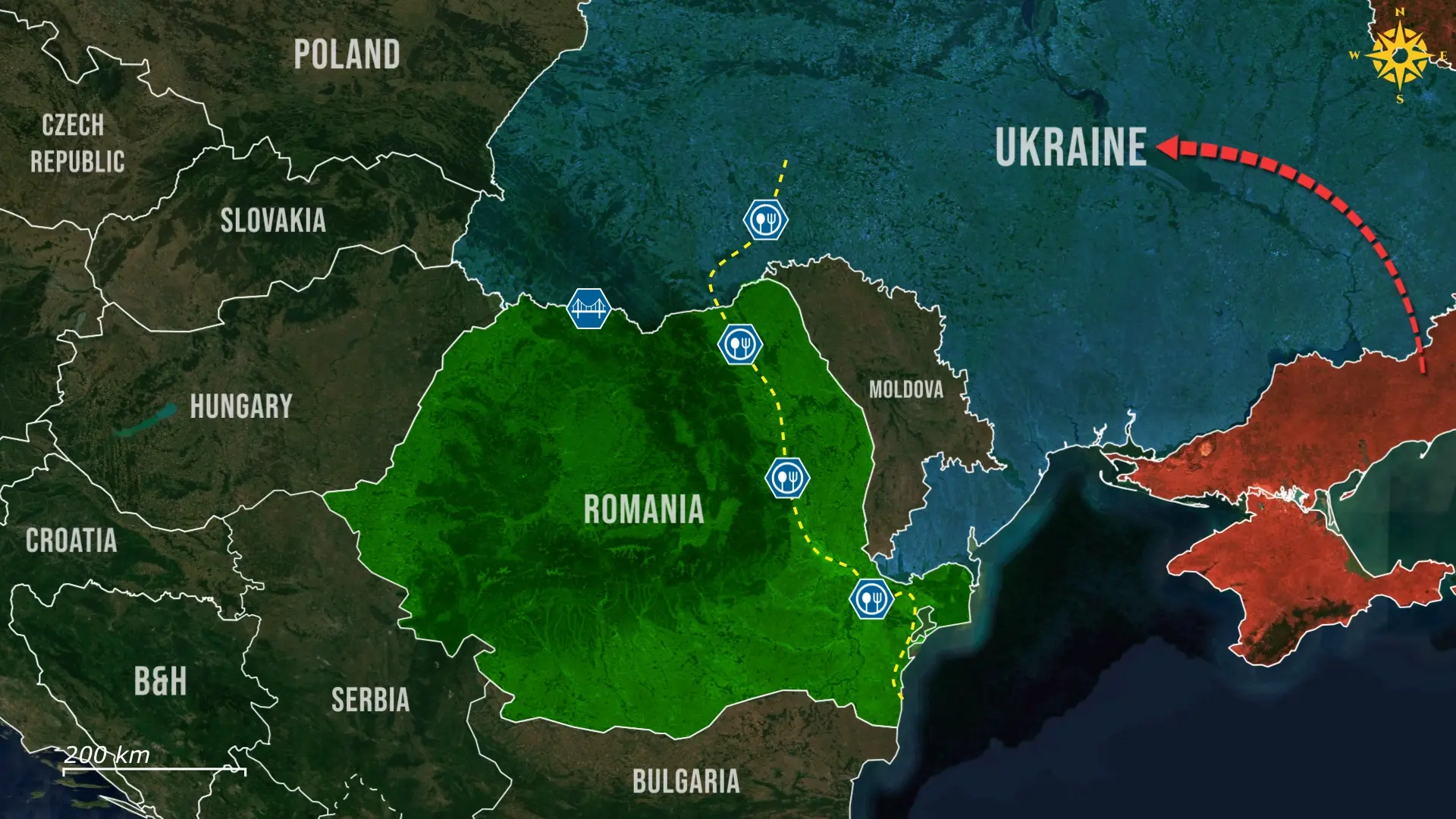
Current crossings measure approximately 10 active road and rail points along the 614 kilometers long border, with the largest ones. Porubne-Siret and Reni-Giurgiulești. Those face bottlenecks, processing 4 million tons of all kinds of goods monthly but with delays up to 24 hours during peaks.
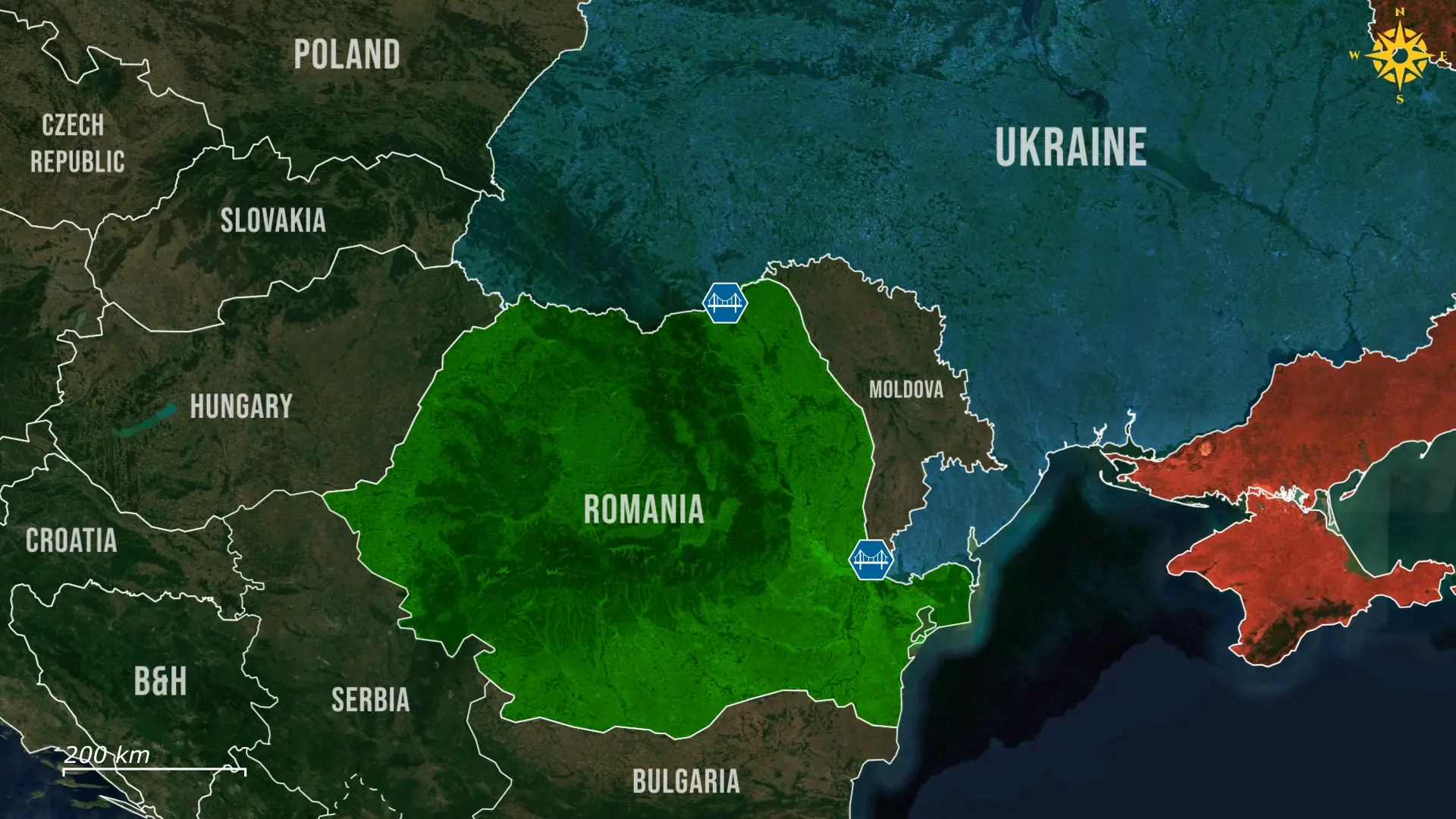
The new bridge and four more crossings being built will boost the capacity by 50 up to 100 precent, enabling 1 to 2 million additional tons of goods annually per EU projections, while slashing transit times by 20 to 30 precent through joint customs pilots. This fosters EU integration and safeguards Ukrainian farmers from export gluts.
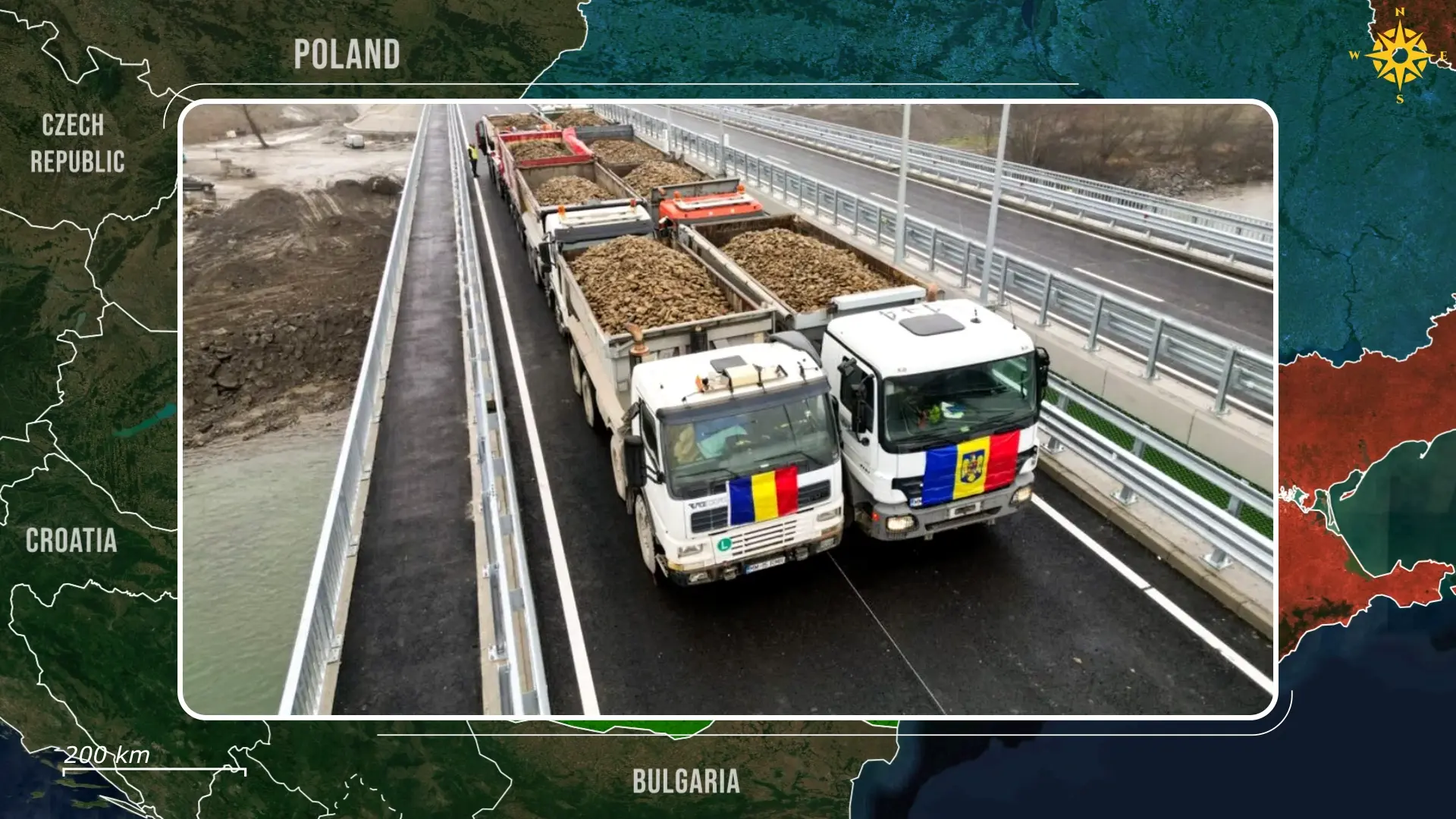
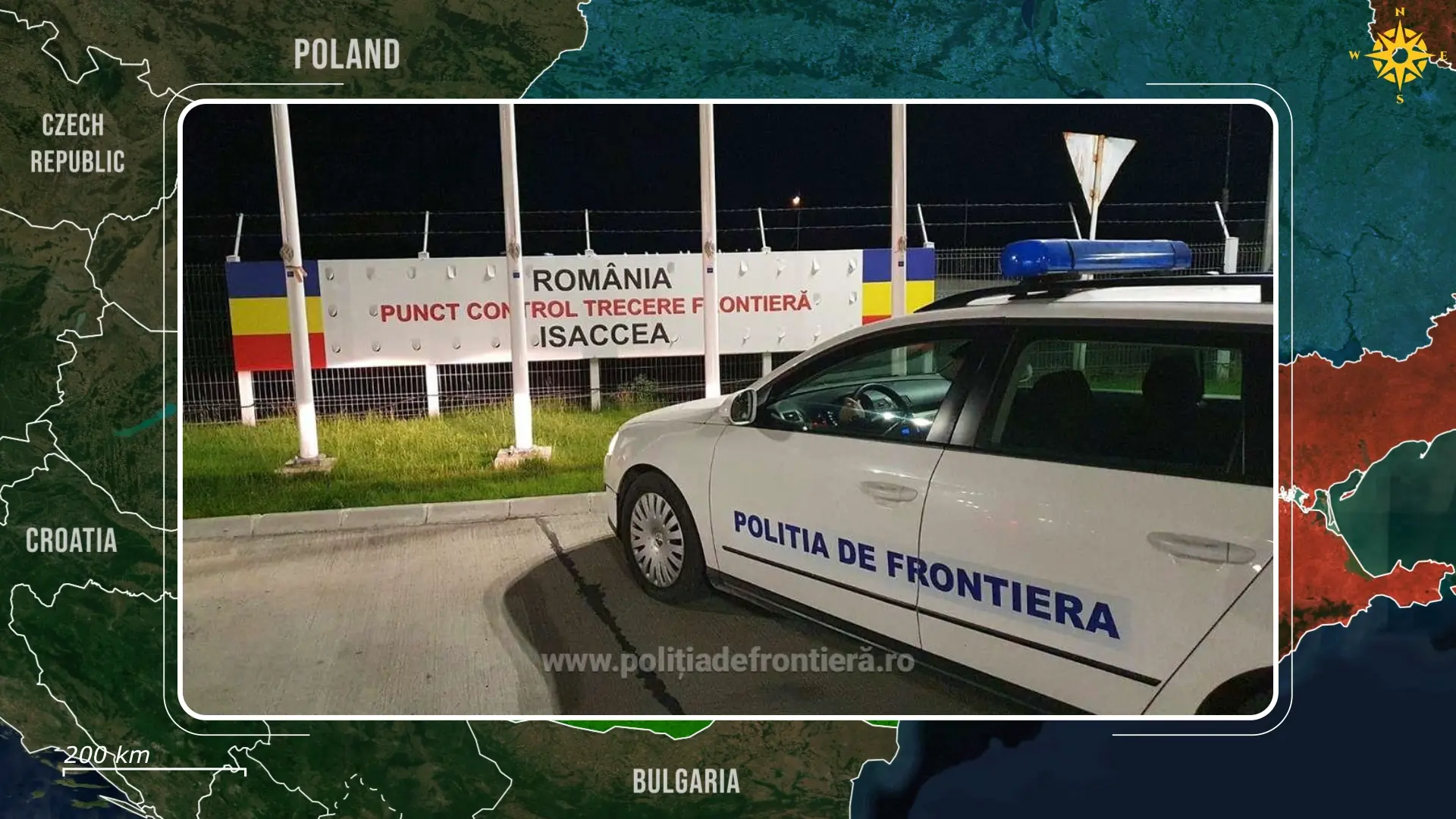
Yet, military imperatives dominate, transforming the project into a Nato resilience network. While exact numbers of military aid transit through Romania are classified, Romania alone has sent 23 aid packages since 2022, totaling over 3 billion euros in value, including Soviet-era ammunition, armored vehicles, rocket launchers, howitzers, and a full Patriot system to Ukraine.
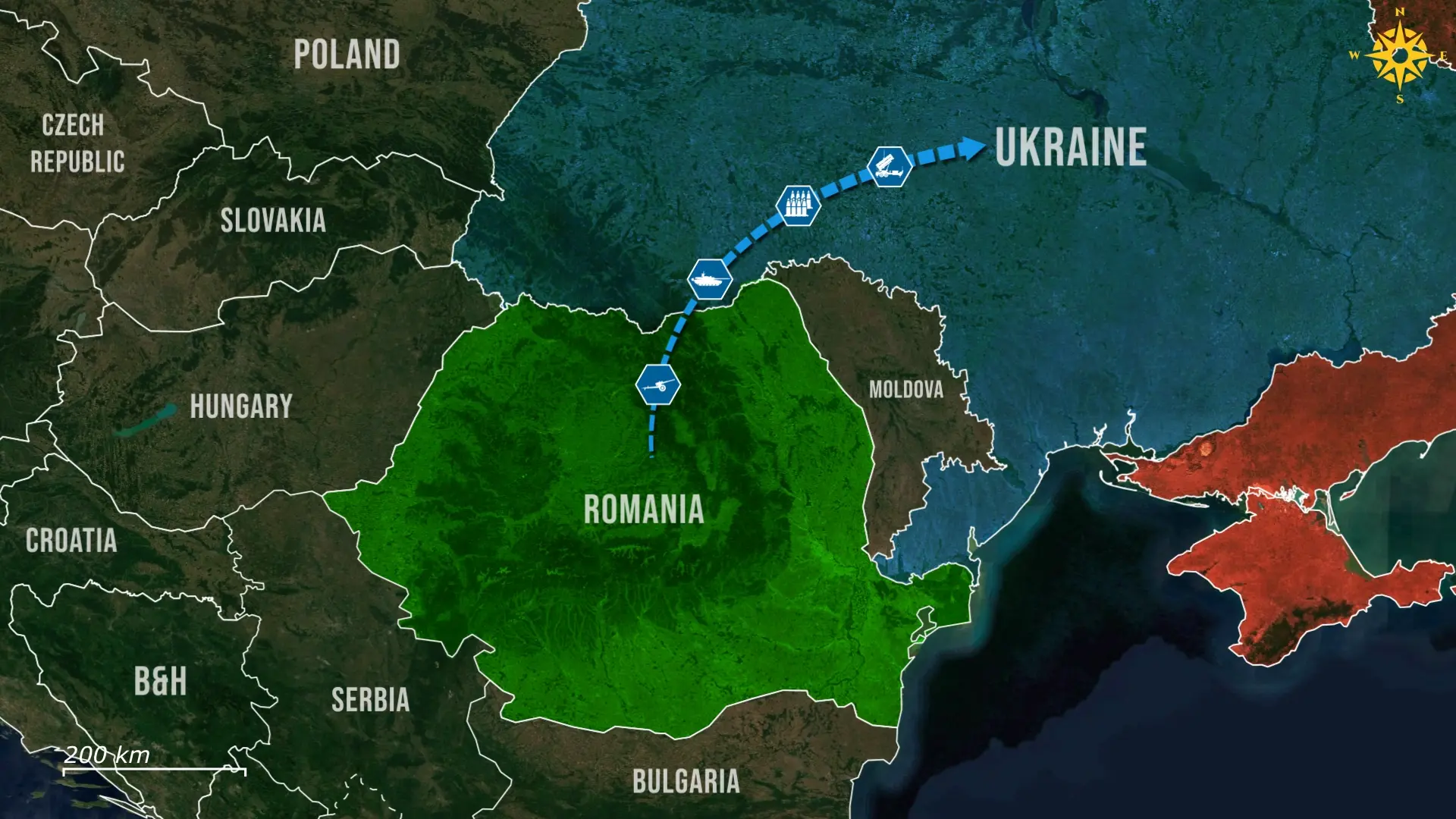
These have moved via the 10 existing crossings, but vulnerabilities persist, with Russian drones having breached Romanian airspace over 100 times since 2022 in an effort to hit points in Ukraine, targeting aid convoys and forcing F-16 scrambles. The Tisa bridge, funded at 100 million euros, adds a hardened route for rapid aid surges, potentially doubling vehicle throughput to 600 per day at Sighetu Marmației-Bila Tserkva, reducing exposure to strikes on Danube ferries like at Orlivka. As a result, the massive infrastructure project promises seamless Nato logistics integration with shorter supply chains, cutting delivery of aid from days to hours, enabling timely resupply of frontline units with ammo and vehicles, while decongesting overburdened points like Mohyliv-Podilskyi.
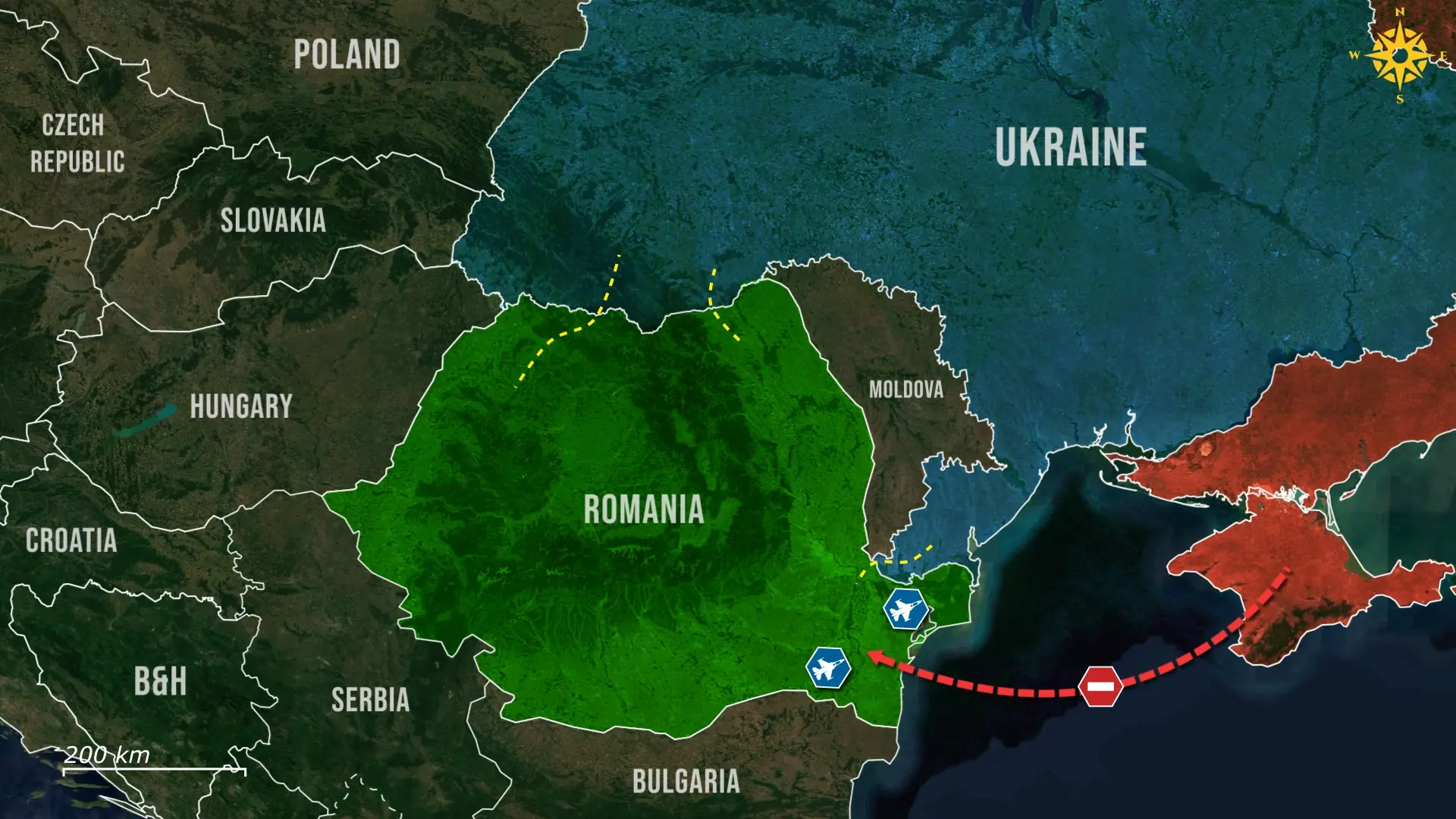
For deployments, the upgrades signal precautionary escalation planning. NATO's rotational U.S. brigade in Romania, tested in 2025's Steadfast Defender and Saber Guardian exercises, relies on these routes for rapid reinforcement. For instance, moving mechanized units from Constanța to Ukraine's west in under 48 hours or the other way around. The bridge integrates with the Safe program joint defense production like the Ukrainian drones in Romanian facilities and Purl military aid initiative for US weapons transit, enhancing interoperability.
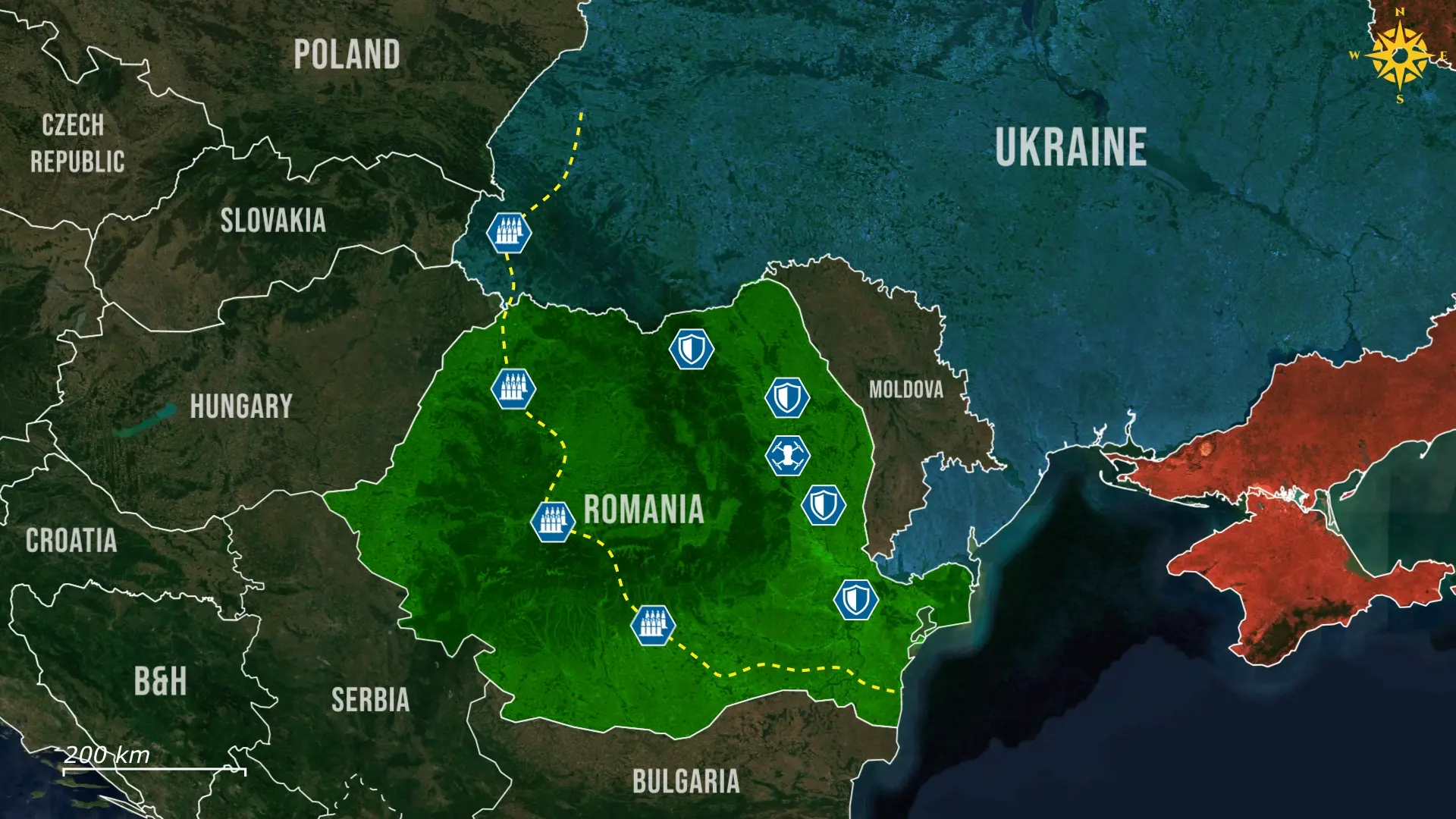
Russia's August 2025 maps eyeing the Danube underscore threats thus, Romania's 2025-2030 strategy earmarks 148 million euros for border highways and drone walls, framing the Tisa link as a just-in-case enabler for intervention, bolstering deterrence without provoking, per CSAT directives. These enhancements yield asymmetric gains, with fortified aid flows sustaining Ukraine's defense, while deployment readiness deters Russian probes, turning a trade artery into a strategic shield.
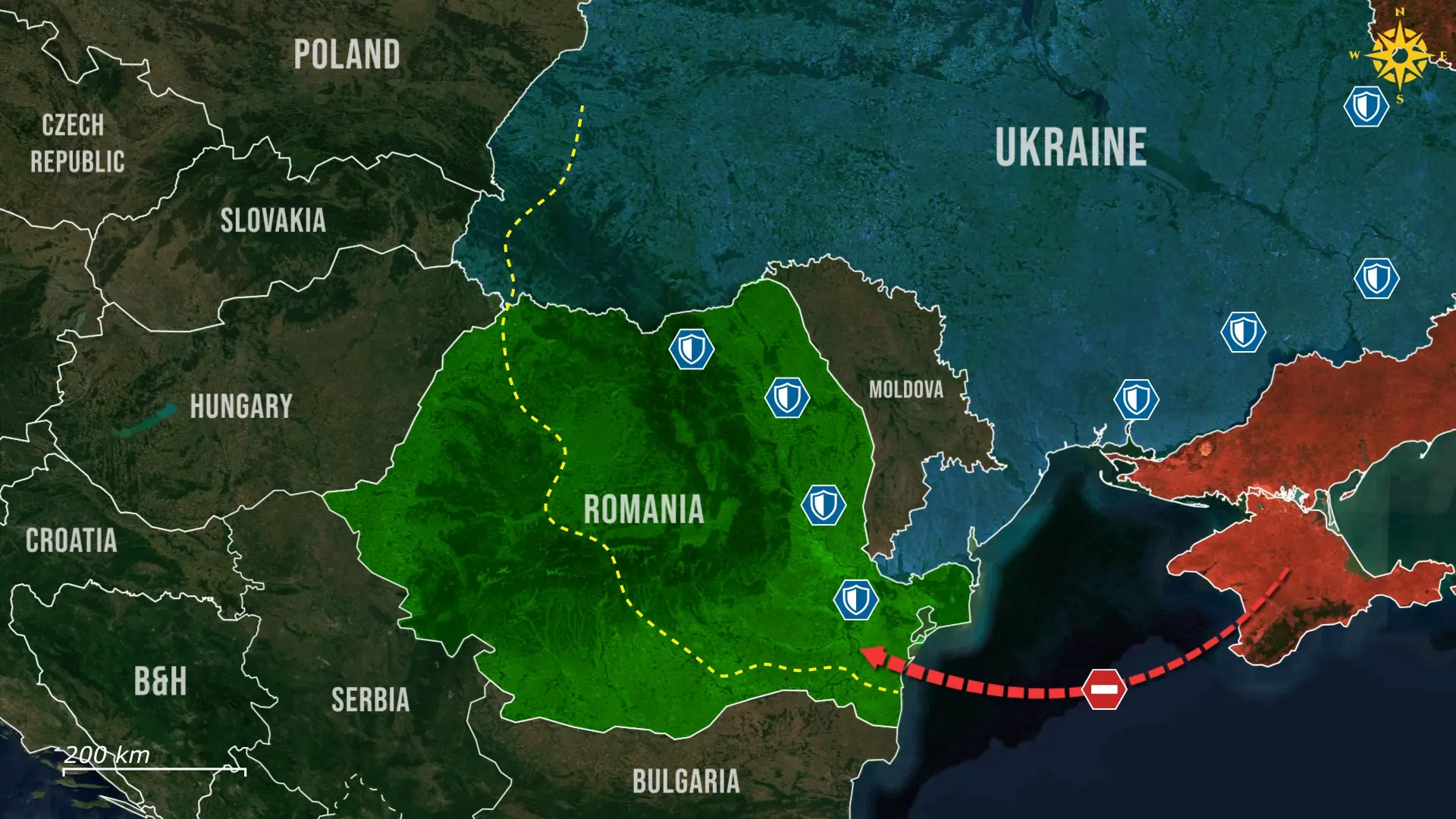
Overall, the Tisa bridge and the other border upgrades transform a once-marginal frontier into a hardened Nato lifeline that simultaneously sustains Ukraine’s war economy and pre-positions the alliance for rapid response. By doubling throughput capacity and shortening aid-to-frontline timelines, these projects deny Russia the ability to strangle Ukrainian exports or isolate its western logistics hub without directly confronting Nato territory. It also signals that Bucharest and Kyiv find that their mutual survival now depends on irreversible infrastructure entanglement, with Romania’s security no longer separable from Ukraine’s battlefield endurance. In an era when Russian doctrine openly contemplates reaching the Danube, this quiet engineering offensive may prove more decisive than any single weapon system.

.jpg)

Comments