

.svg)
Today, the biggest news comes from Ukraine.
Ukraine is systematically improving its drone technology based on real battlefield experience, the pressure of electronic jamming, and the requirements of long-range operations. To overcome the limitations of basic FPV drones, it has begun deploying more advanced and effective AI-powered FPV drone mothership systems on the battlefield.

In May 2025, Ukraine deployed the Gogol-M AI-powered FPV drone mothership, developed by the Ukrainian company Strat-force, on the battlefield for the first time. This deployment marked the beginning of a new era in conducting autonomous combat operations, in which drones increasingly reduced their reliance on direct human control and became capable of operating more independently.
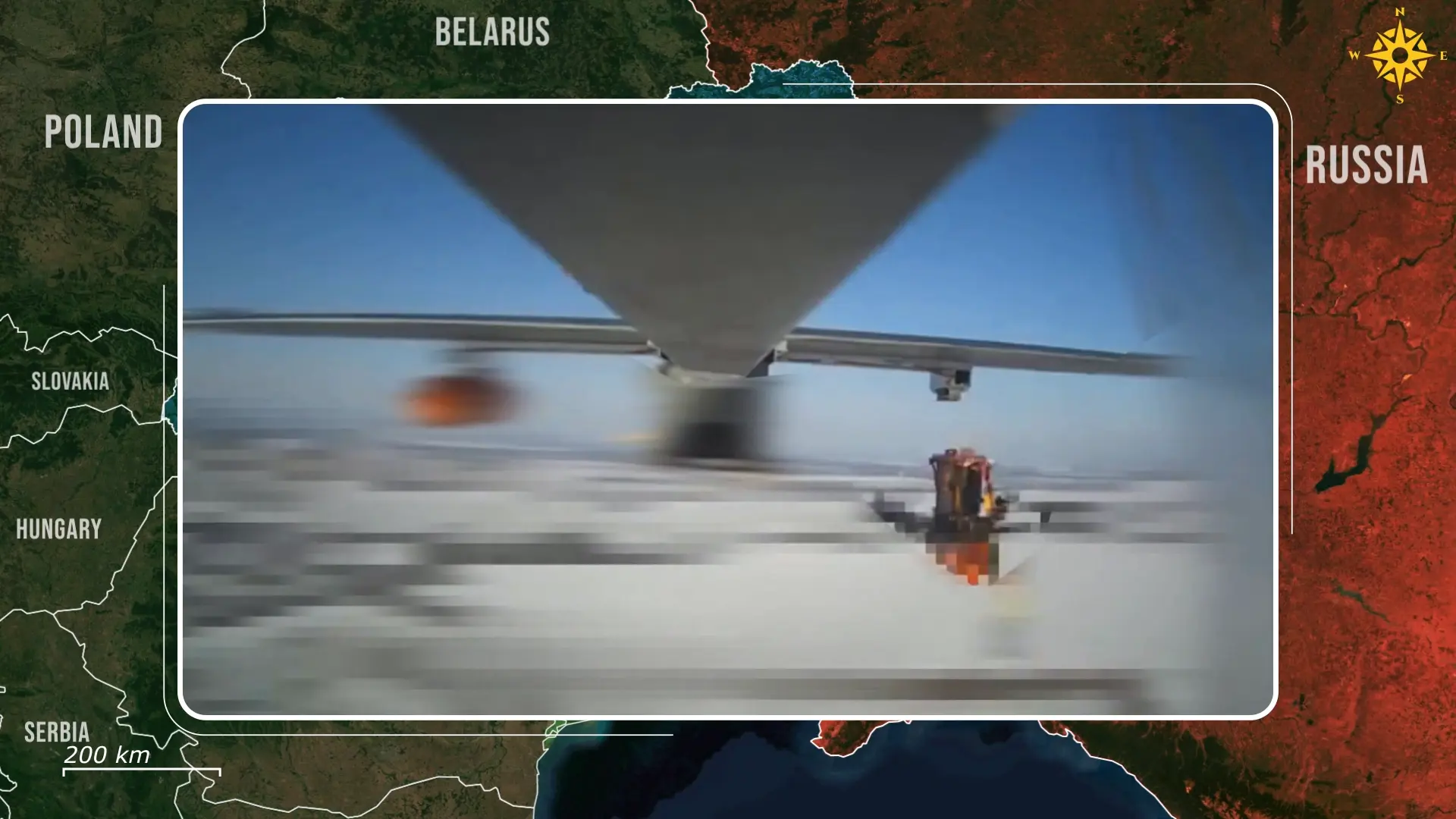
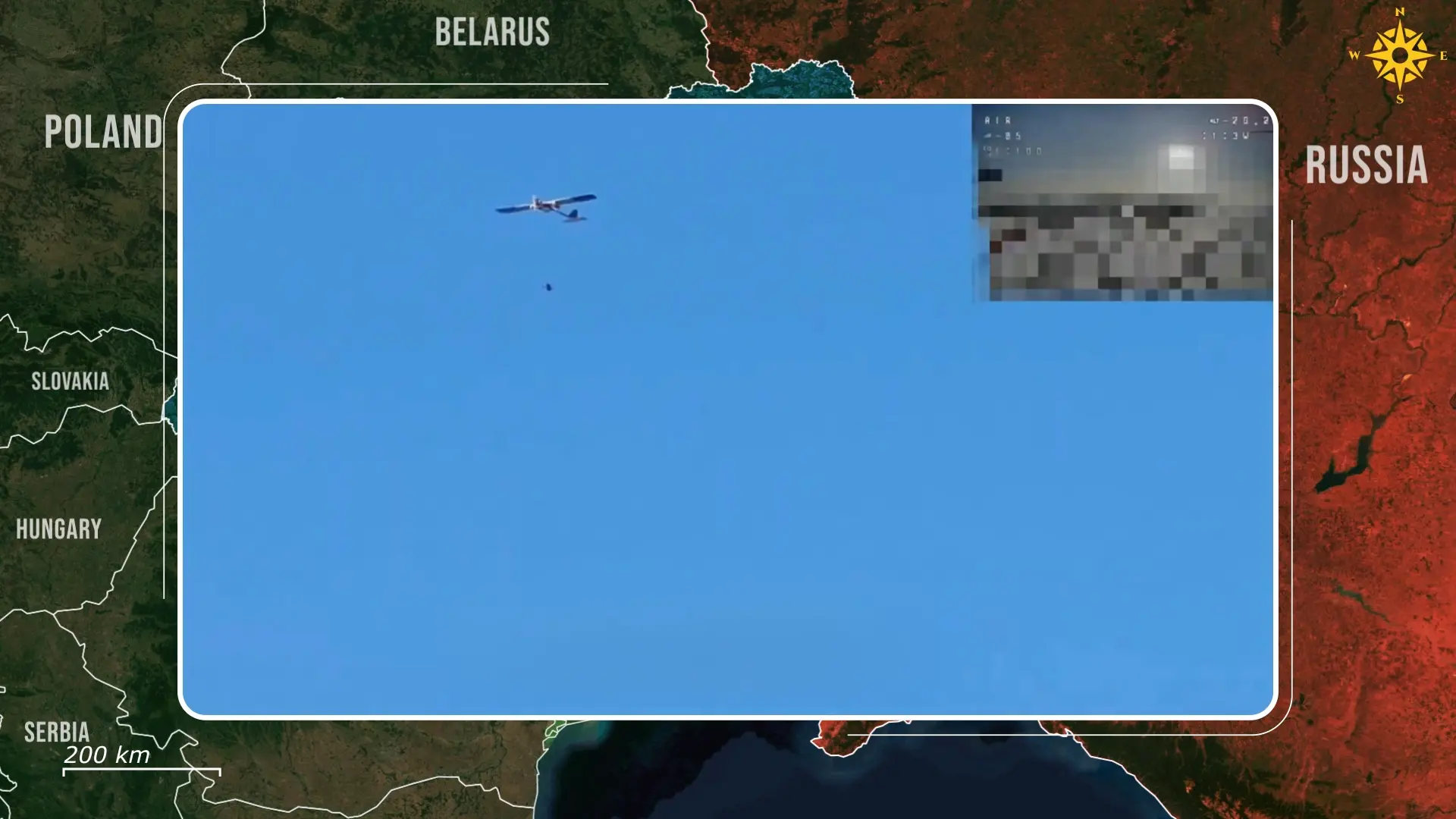
The primary objective behind Ukraine’s development and use of AI-enabled mothership drones is to overcome the limitations of conventional drone systems and establish a sustainable and reliable combat capability on the battlefield.
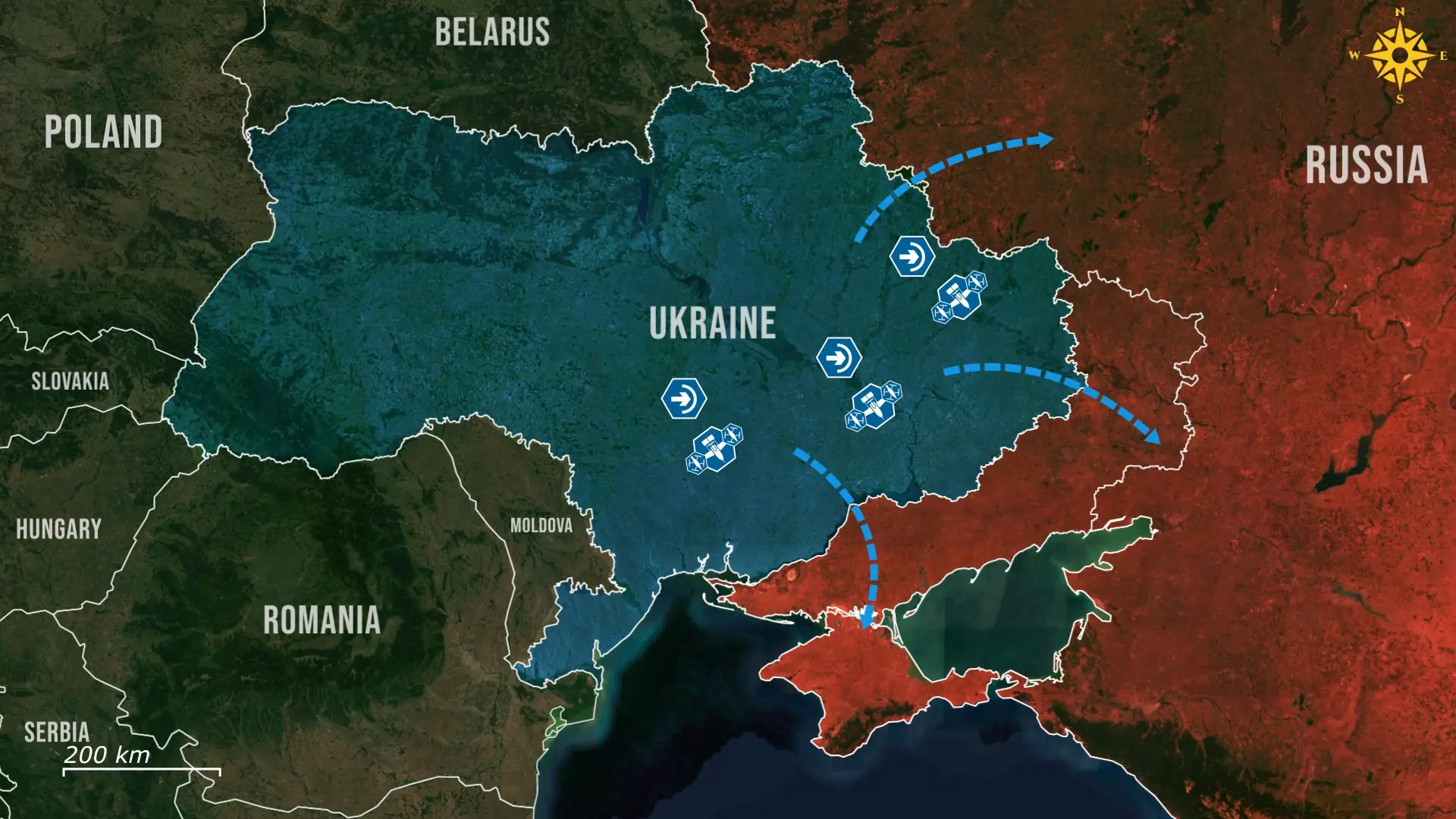
Ukraine’s conventional drones are primarily used for immediate strikes or surveillance, which limits their operational flexibility to remain inactive near a target for extended periods. By contrast, the AI-powered mothership drone’s autonomous ambush mode enables it to remain silently concealed near enemy targets and strike suddenly at the optimal moment.

Operating without direct human control, it can evade enemy surveillance and conduct highly covert and effective attacks. This capability enables Ukraine to deliver silent, sudden, and highly precise strikes against key Russian rear positions, such as airfields, logistical targets, and military vehicles, causing serious disruption to Russian operations on a wider scale.

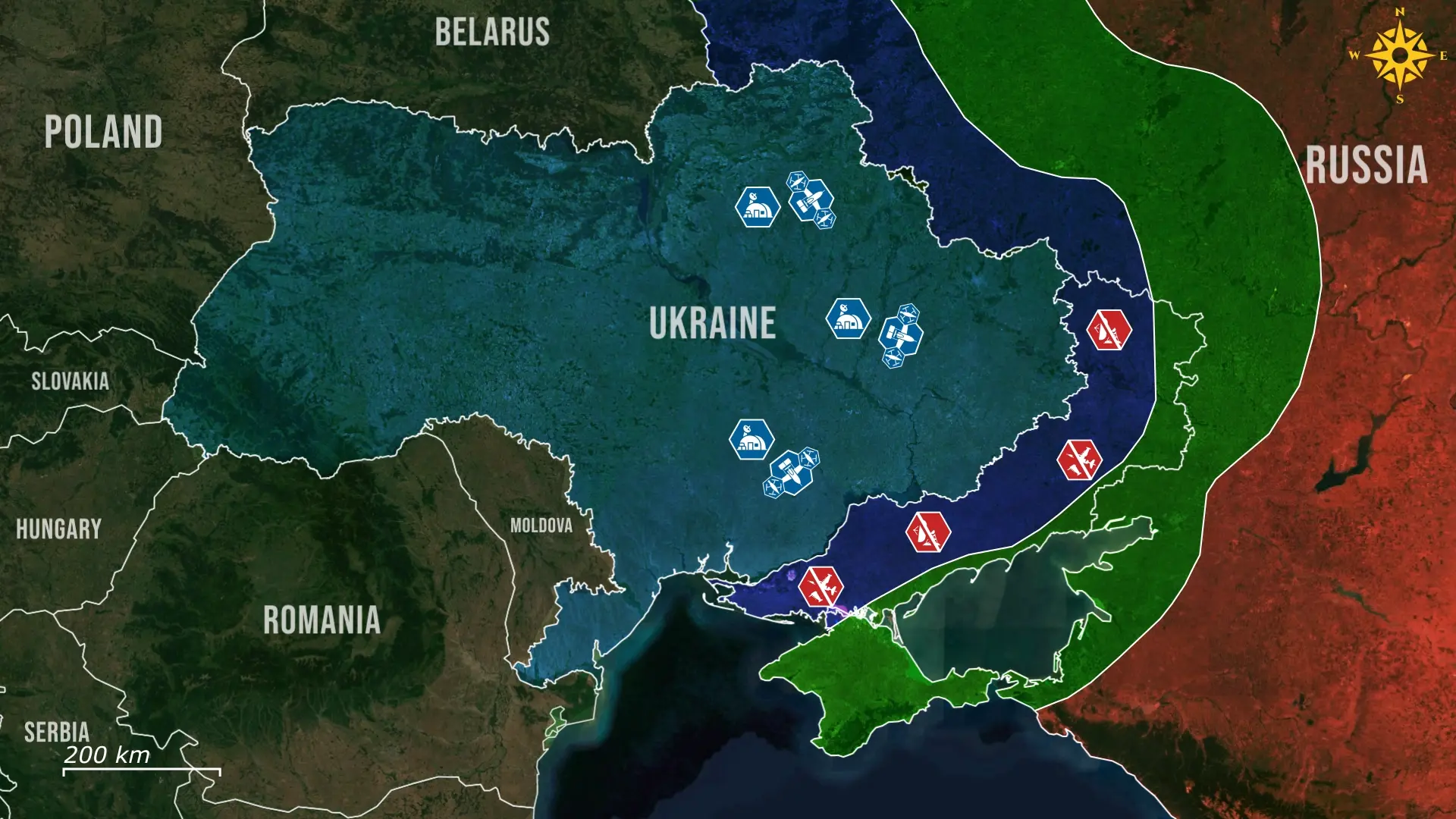
From ground control, an overall mission is first assigned to the mothership drone-which includes the flight distance, target area, and return route. The mothership drone can carry and deploy two strike FPV drones up to a maximum distance of 300 kilometers. These FPV drones can automatically identify and strike targets-ranging from enemy aircraft and air defense systems to critical infrastructure facilities. If the mission distance is within 100 kilometers, the mothership drone returns to base after the attack, allowing for reuse.
At the core of this entire system is Smart Pilot – an onboard artificial intelligence system that can analyze situations and make decisions like a human fighter pilot. It operates without relying on GPS signals, instead using a visual-inertial navigation system, where data received from cameras enables the mothership drone to accurately perceive its position, trajectory, and surrounding environment.
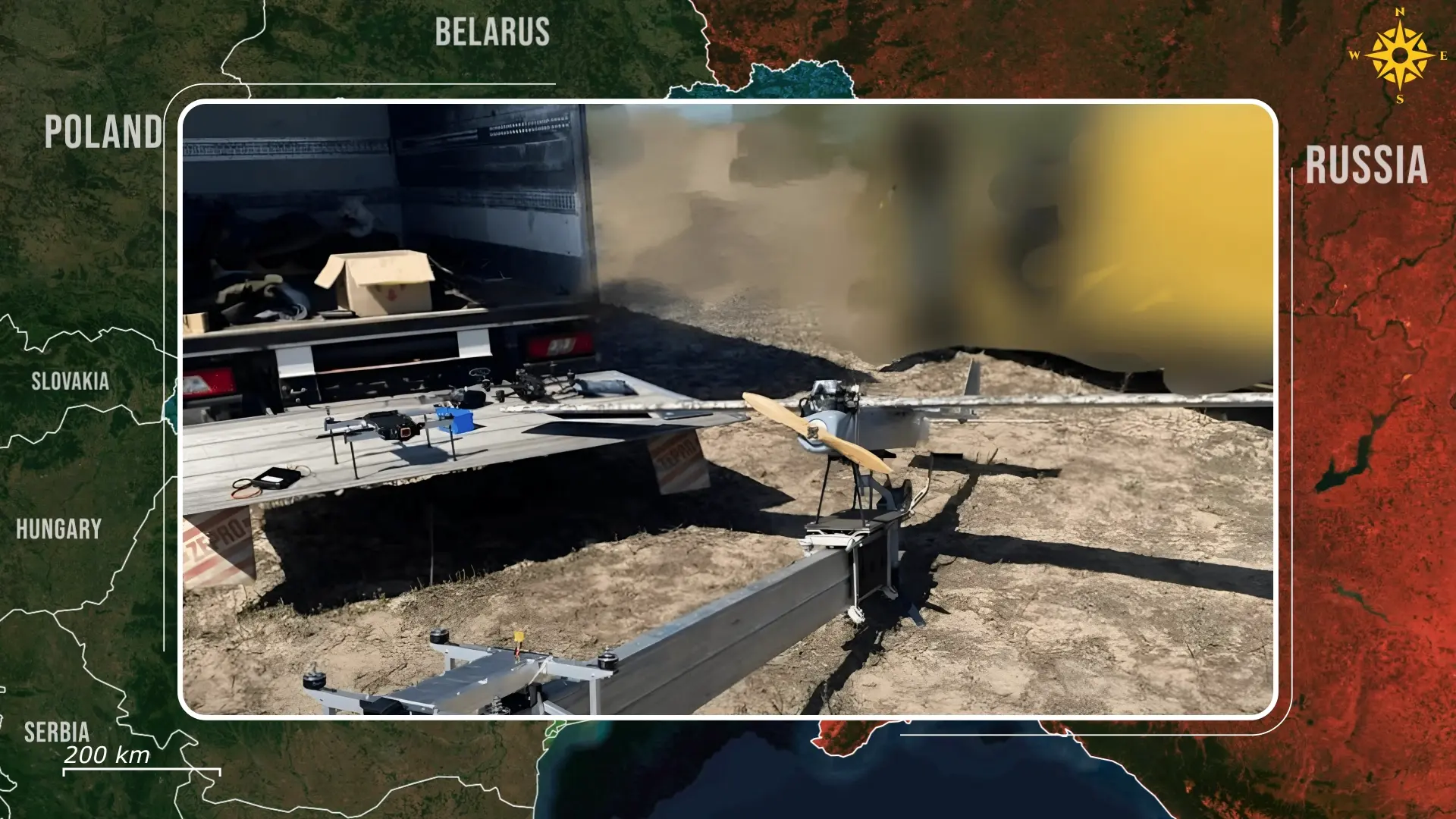
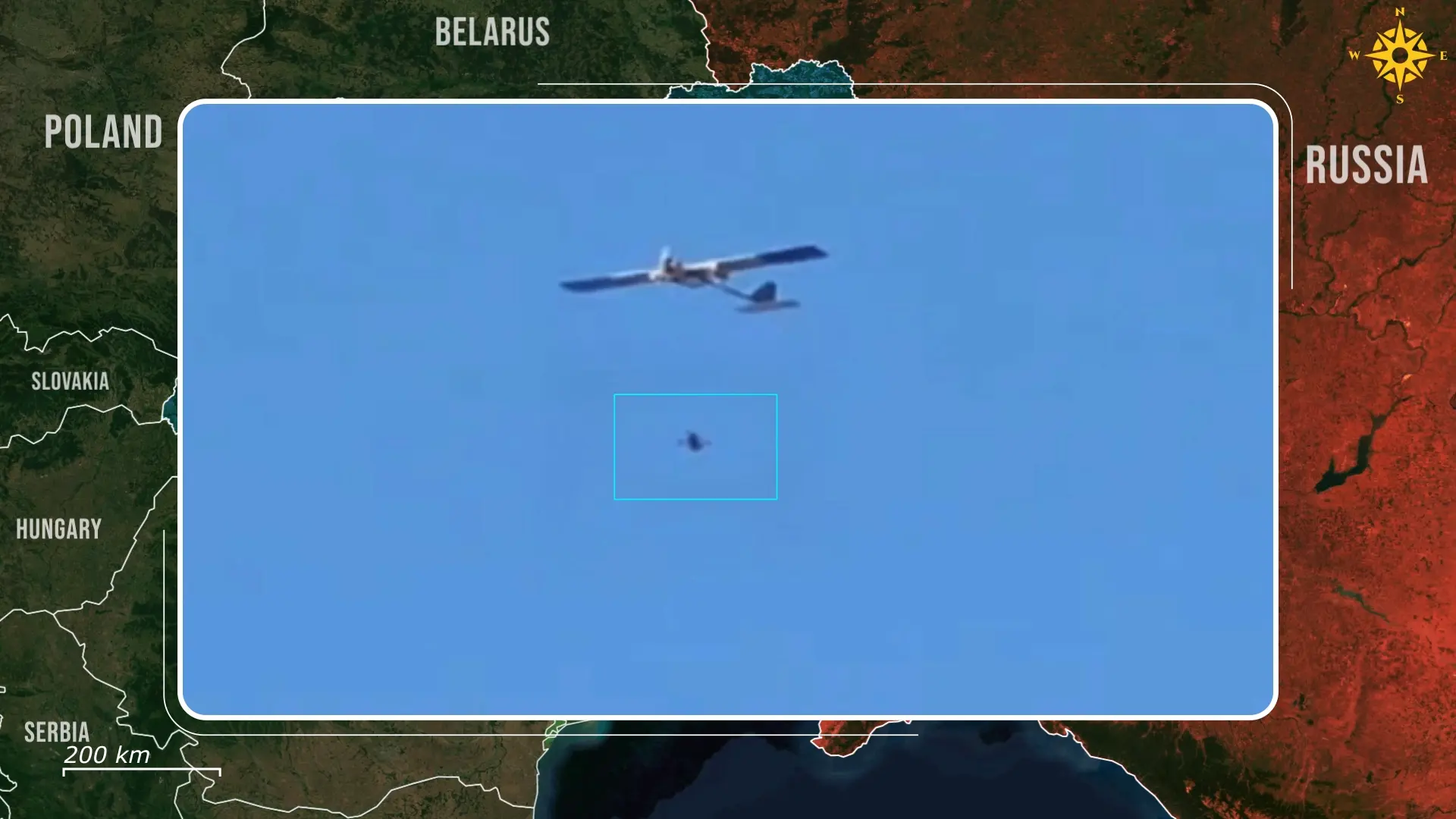
In addition, to enhance navigation accuracy, a Lidar system has been integrated, which works as a laser radar and creates a detailed three-dimensional map of the surrounding environment. It does not depend on lighting or weather conditions, making it highly effective for reliable autonomous missions even in low-visibility environments.

The advanced capabilities of the AI mothership drone become even more evident when compared to traditional relay drones. In modern warfare, electronic jamming, long distances, and geographical obstacles-such as buildings, mountains, or dense forests-often weaken or completely disrupt direct communication between ground control stations and operational drones. To address this challenge, a relay drone operates from an intermediate position in the air, retransmitting radio, video, and data signals to establish a stable and continuous communication link.
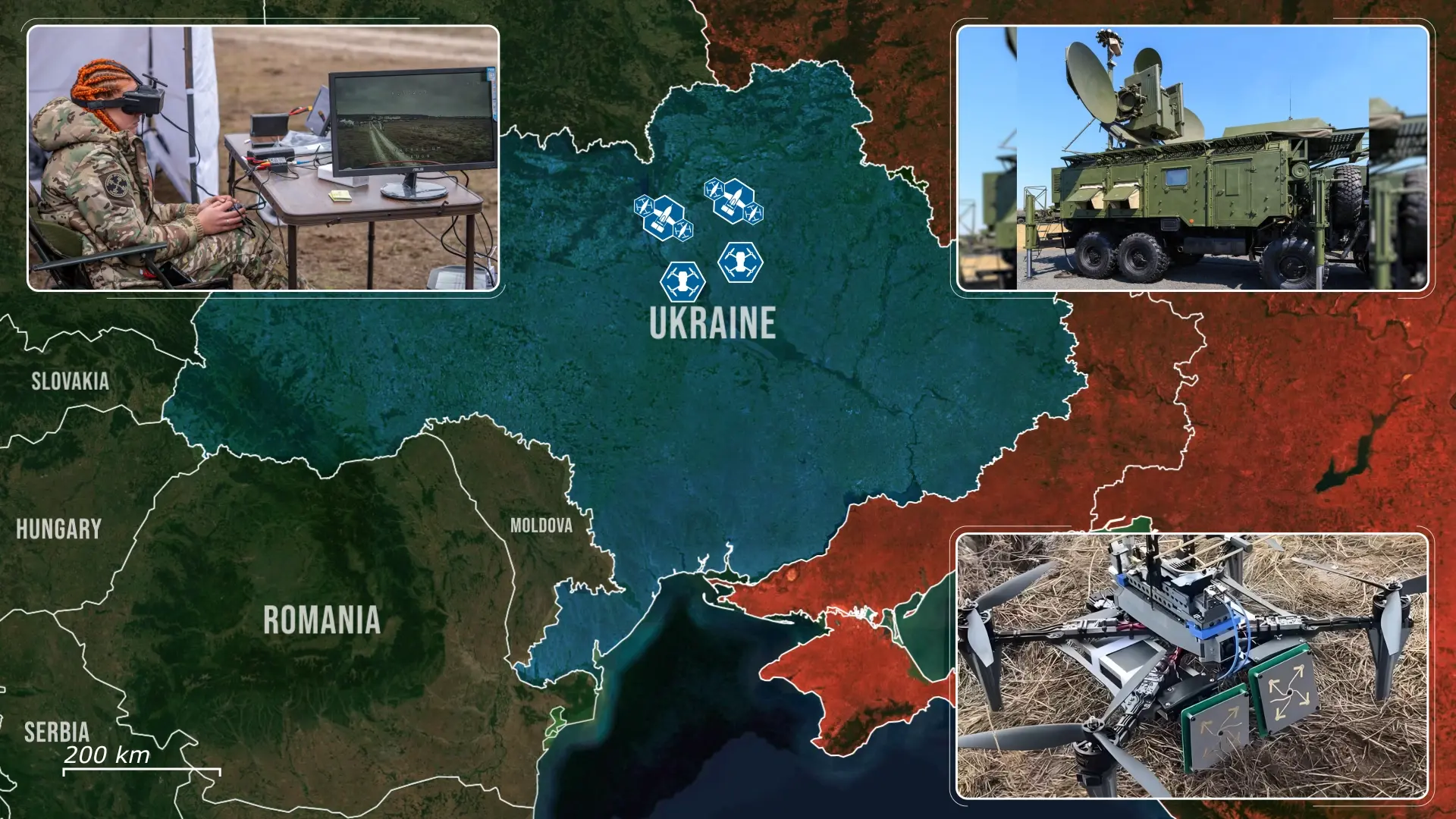
In Ukraine, relay drones primarily maintain communication between ground operators and standard FPV drones, but the FPV drones still have to travel long distances. As a result, battery consumption increases rapidly, exposure to electronic jamming is prolonged, and the risk of detection before the attack also rises.
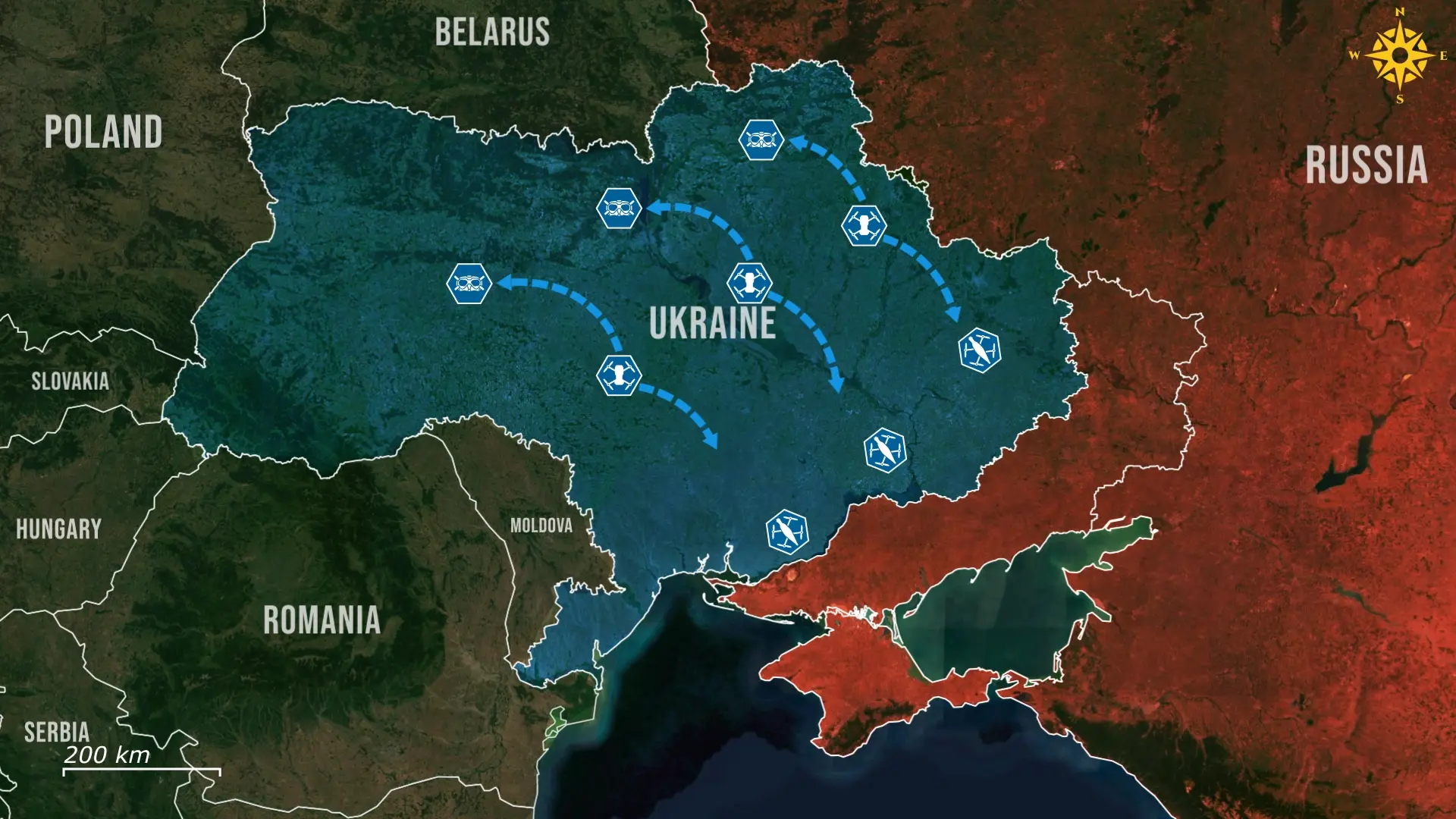
In contrast, a mothership drone functions as a forward launch platform that can fly far beyond the line of contact and deploy FPV drones close to the target area. This significantly reduces FPV flight time, lowers jamming exposure, and increases the probability of a successful final strike. At the same time, FPV drones launched from the mothership are often pre‑programmed or AI‑assisted, which reduces reliance on live communications and allows missions to be completed even if the link is disrupted. As a result, Ukraine’s medium to long‑range FPV drone strikes become more reliable, effective, and jamming‑resilient, enhancing the capability to deliver precise strikes deep inside enemy territory.
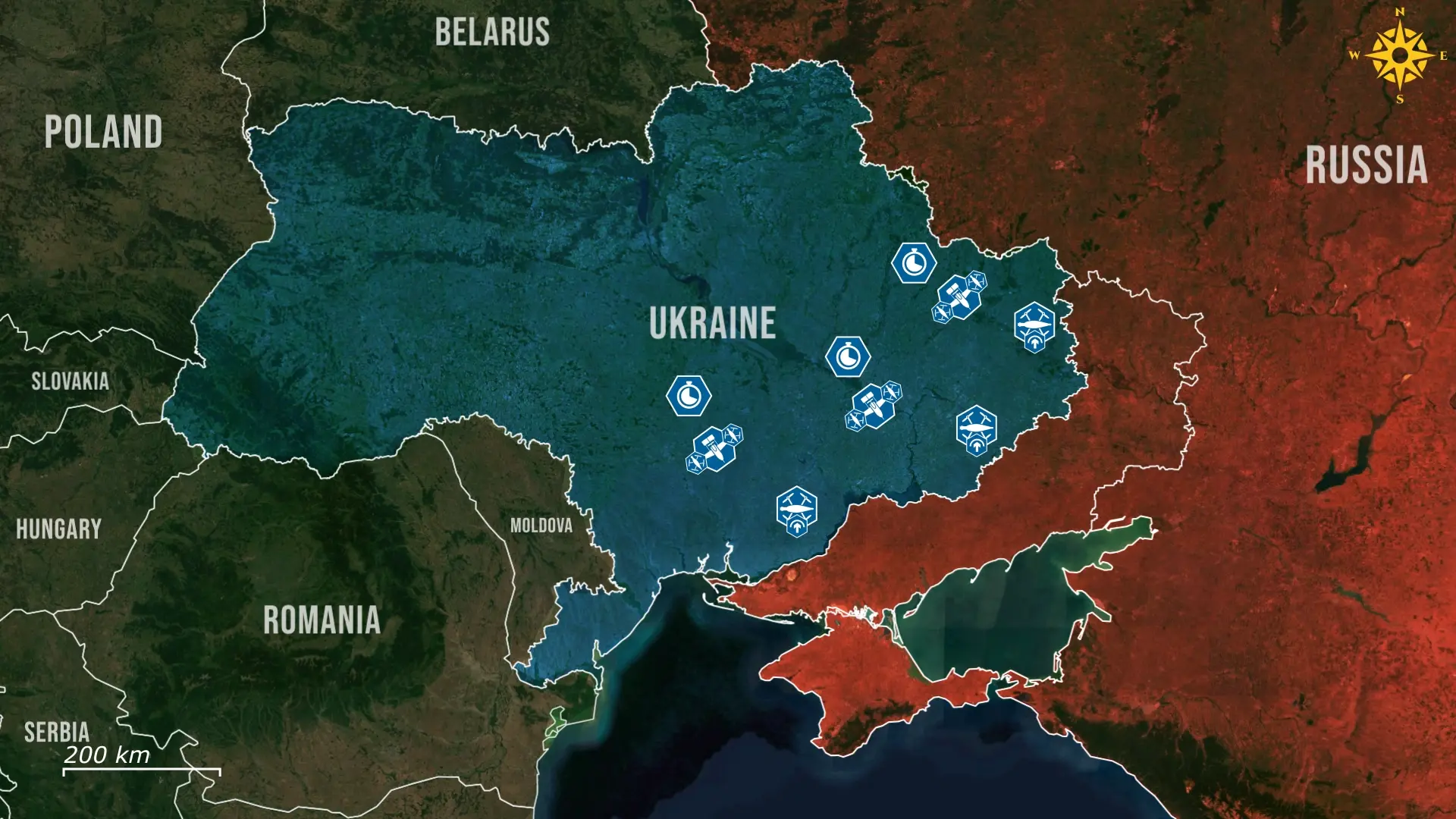
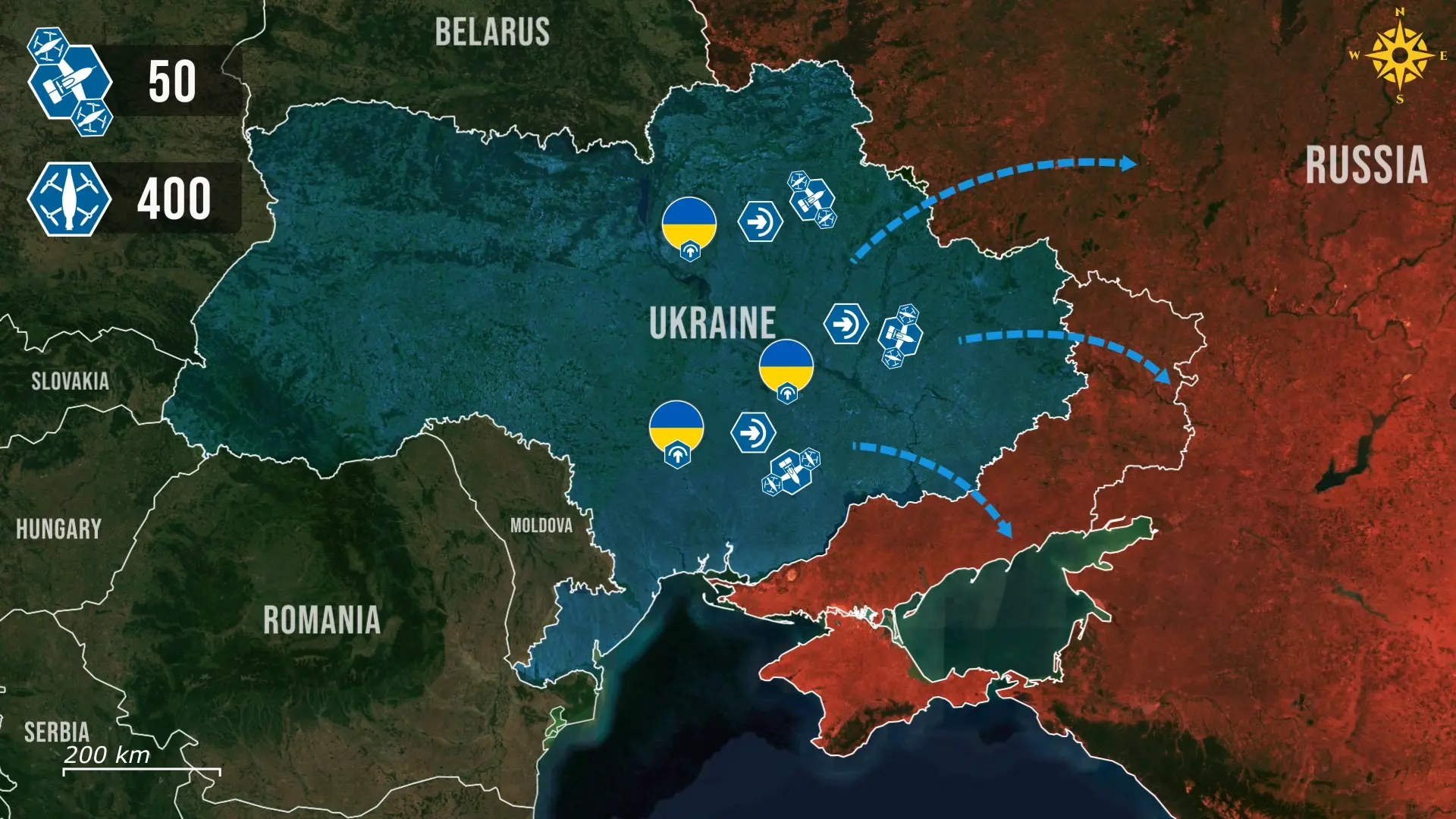
Overall, AI-powered mothership drones clearly signal a deep, forward-looking, and strategic transformation in Ukraine’s drone warfare doctrine. This technology goes beyond the limitations of conventional drone systems by significantly expanding operational range, improving precision, and enhancing the ability to conduct coordinated, multi-layered operations. Currently, the Ukrainian Strat-force manufacture is able to produce 50 motherships and 400 accompanying FPV attack drones per month. And as the technology continues to mature, Ukraine is likely to gain progressively greater strategic advantages in drone operations and integrated battlefield coordination.

.jpg)




Comments