

.svg)
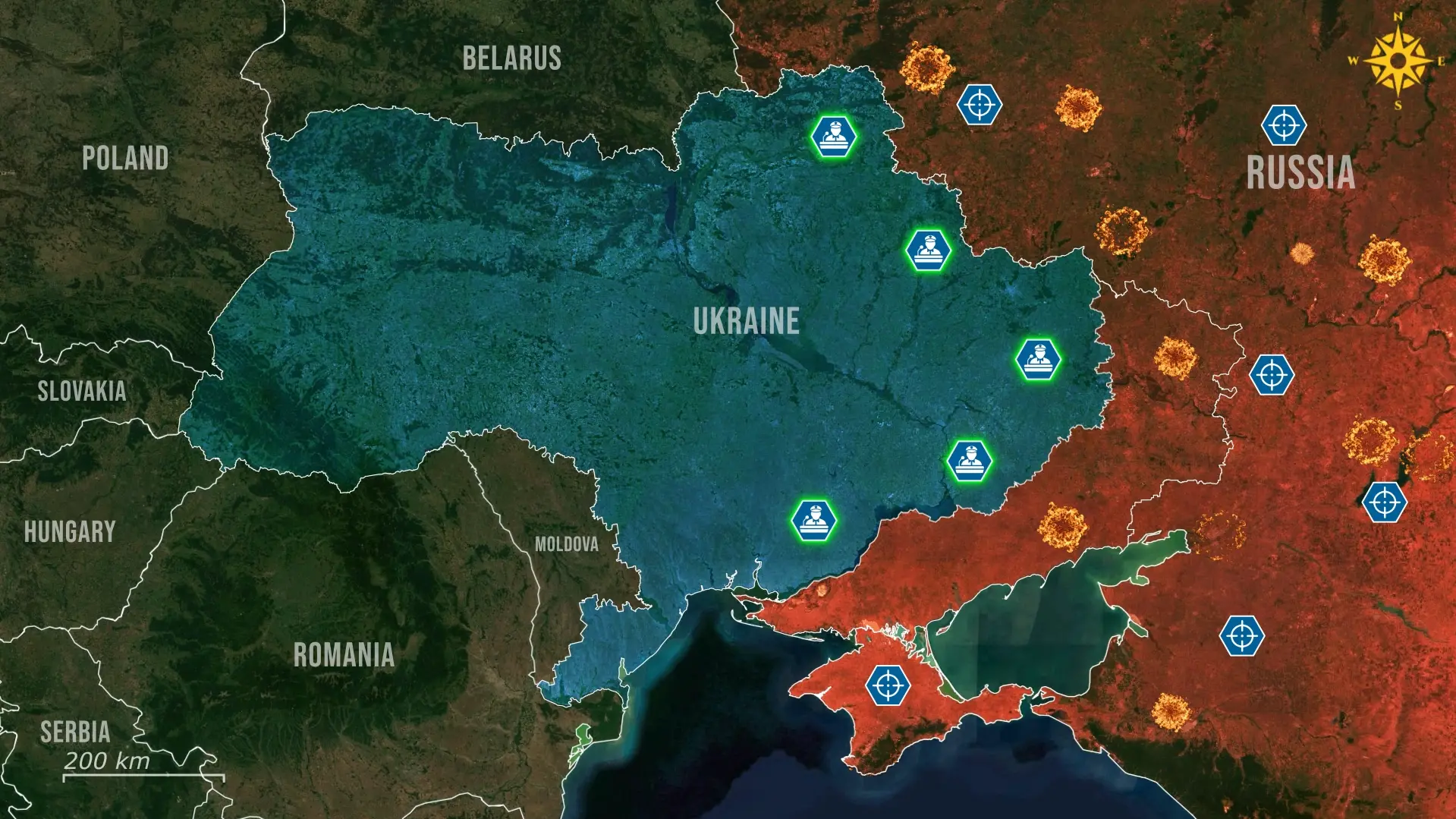
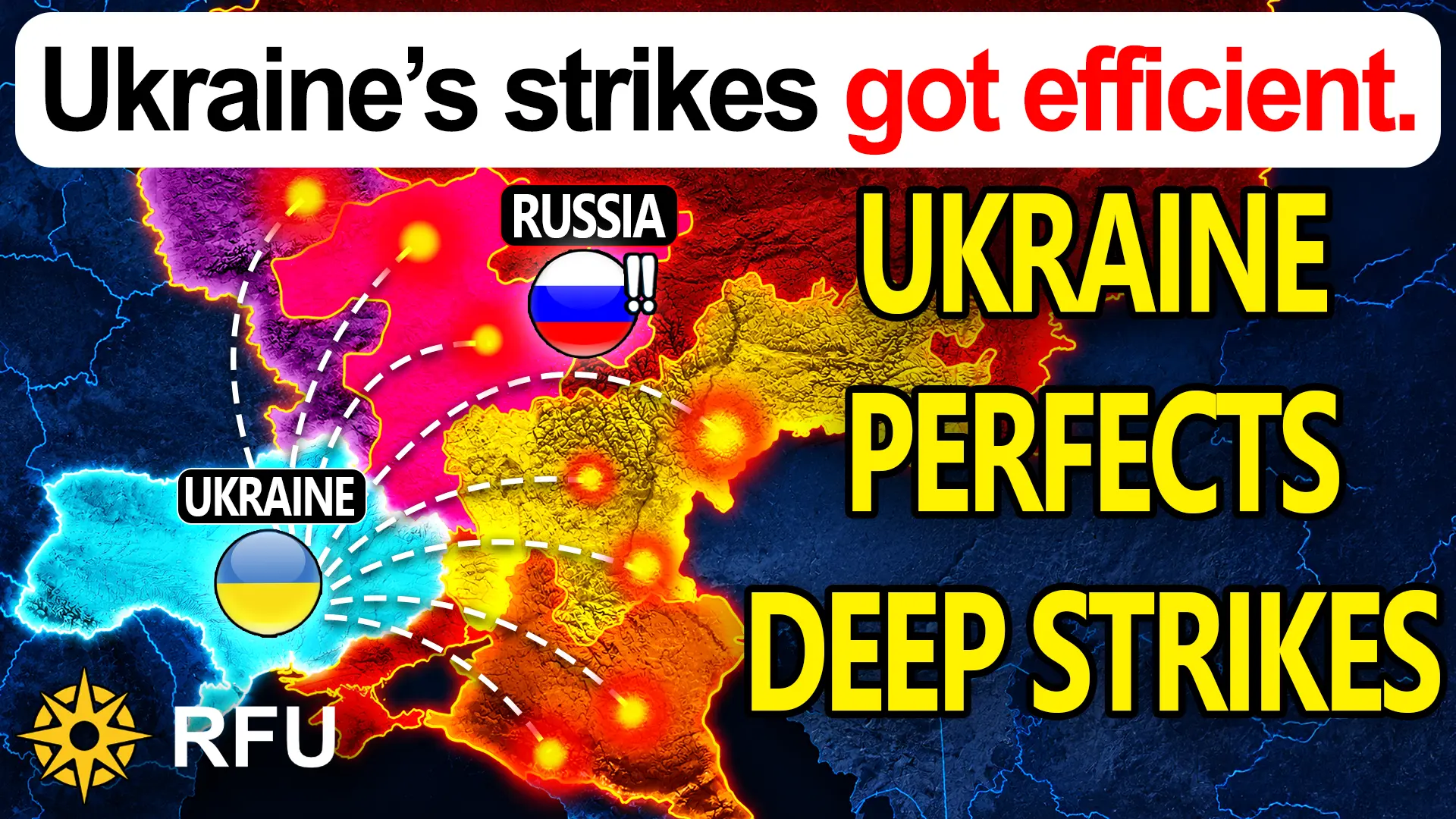
Ukraine’s long range strike campaign is being reorganized to make deep strikes against Russia more efficient. Until recently, several Ukrainian agencies operated their own long range missions, including the Gur, SBU, National Guard of Ukraine, and Armed Forces of Ukraine. Each organization could plan and conduct drone operations independently, which created a risk of agencies planning overlapping missions on the same target, without closely coordinating. Ukraine is now addressing this problem by dividing the country’s deep strike responsibilities into five regional command zones. Each zone is assigned to a dedicated command responsible for targets and missions along a specific strike direction into Russia. This divides responsibility between several commands instead of concentrating it under one headquarters. The regional division also reduces overlap between separate agencies by giving each command a clearer area of responsibility, making it less likely that multiple groups will independently concentrate on the same targets.
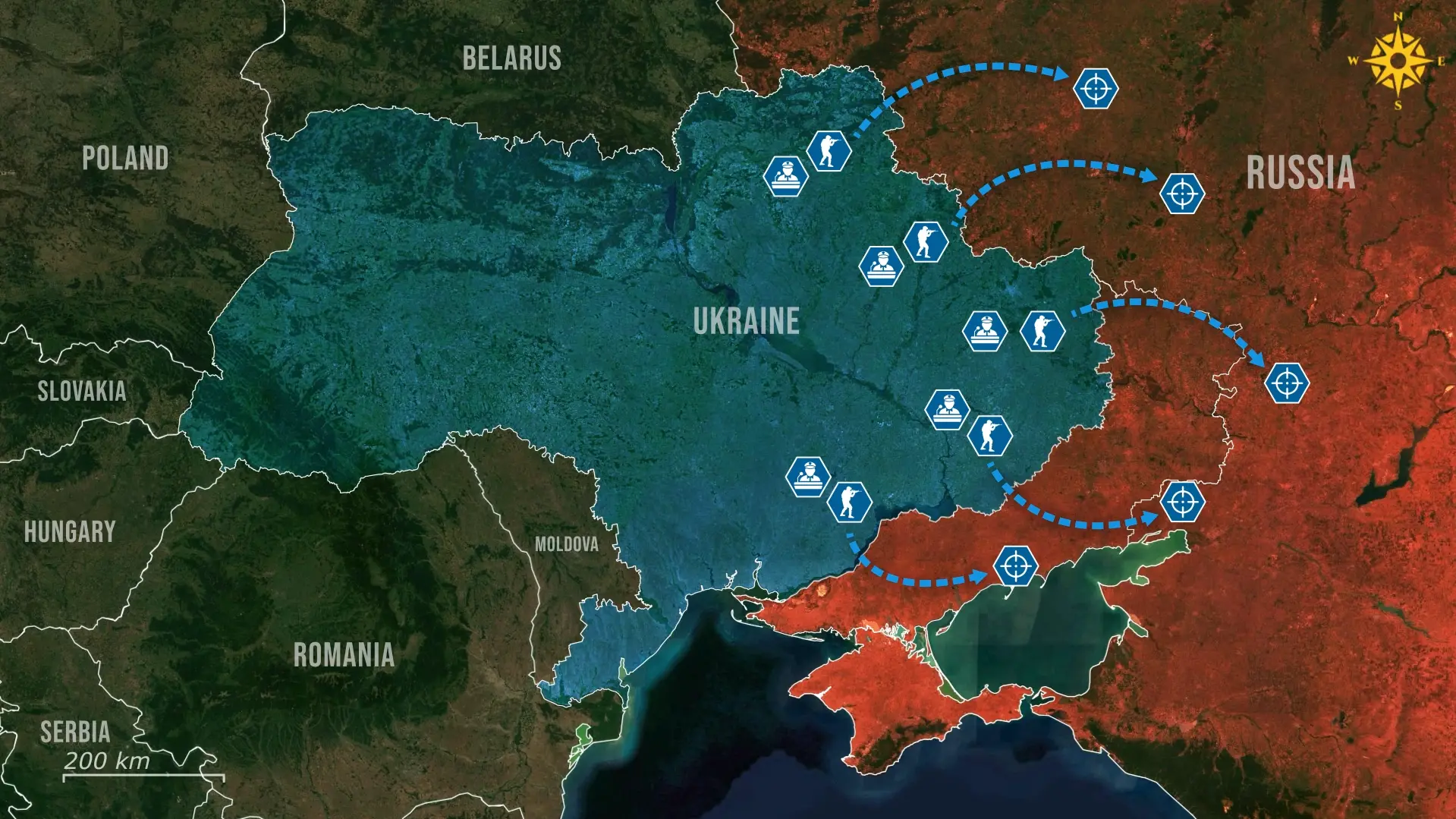
Managing long range strikes across the entire Russian Federation creates a significant organizational challenge. A single command would have to track a large number of targets and coordinate multiple operations simultaneously across Russia’s vast territory. This could slow decision making and make it harder to respond quickly to changing opportunities. However, leaving each agency to conduct its own missions creates a different problem. Separate organizations have limited visibility of each other’s plans, which can reduce coordination and result in multiple groups concentrating on the same target. Ukraine’s regional command structure addresses both problems by dividing the overall strike campaign into smaller areas of responsibility. Each command can focus on the targets and operations within its assigned direction. This reduces the amount of information each command must manage, as it only needs to track targets and missions within its assigned direction.
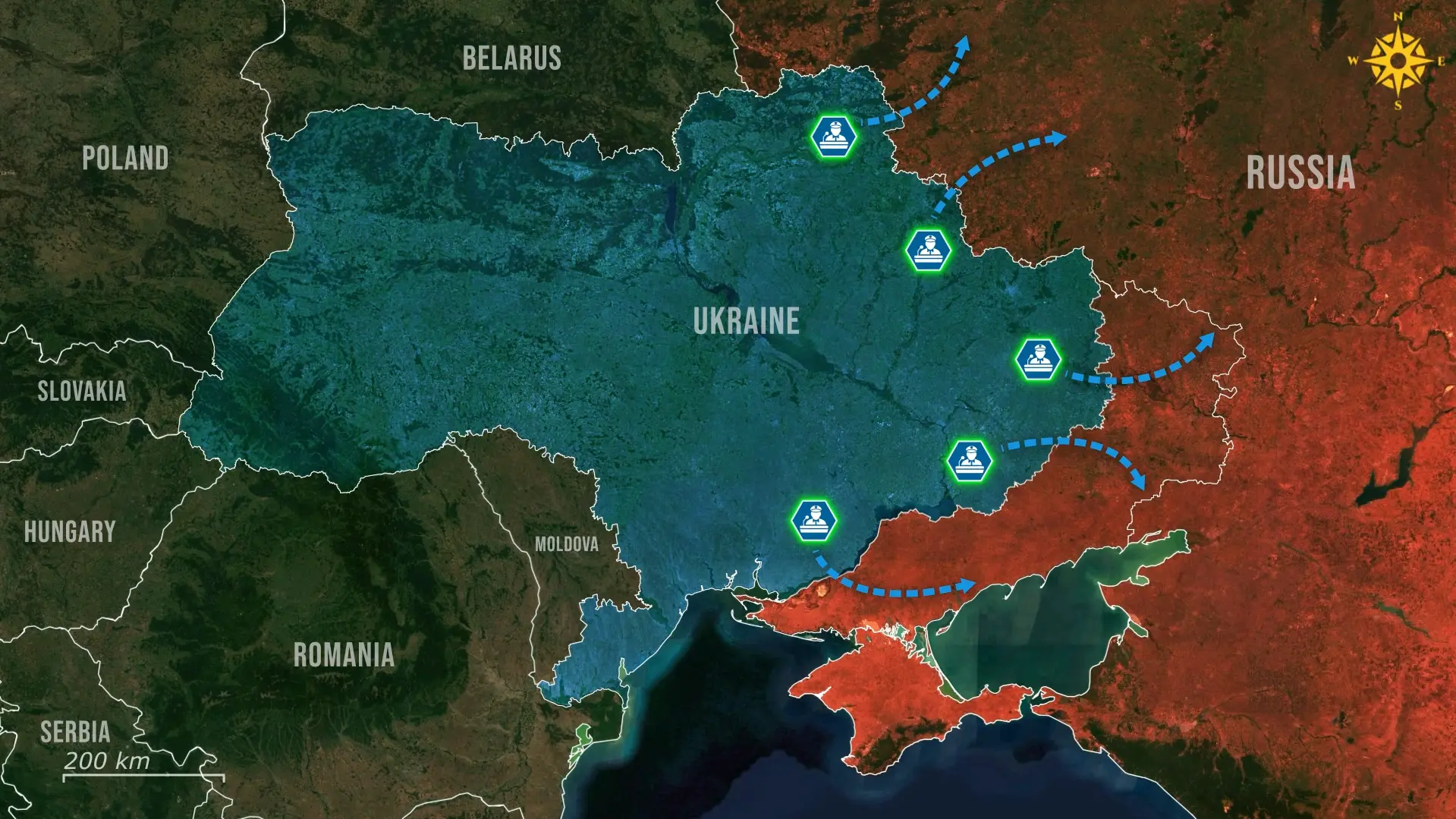
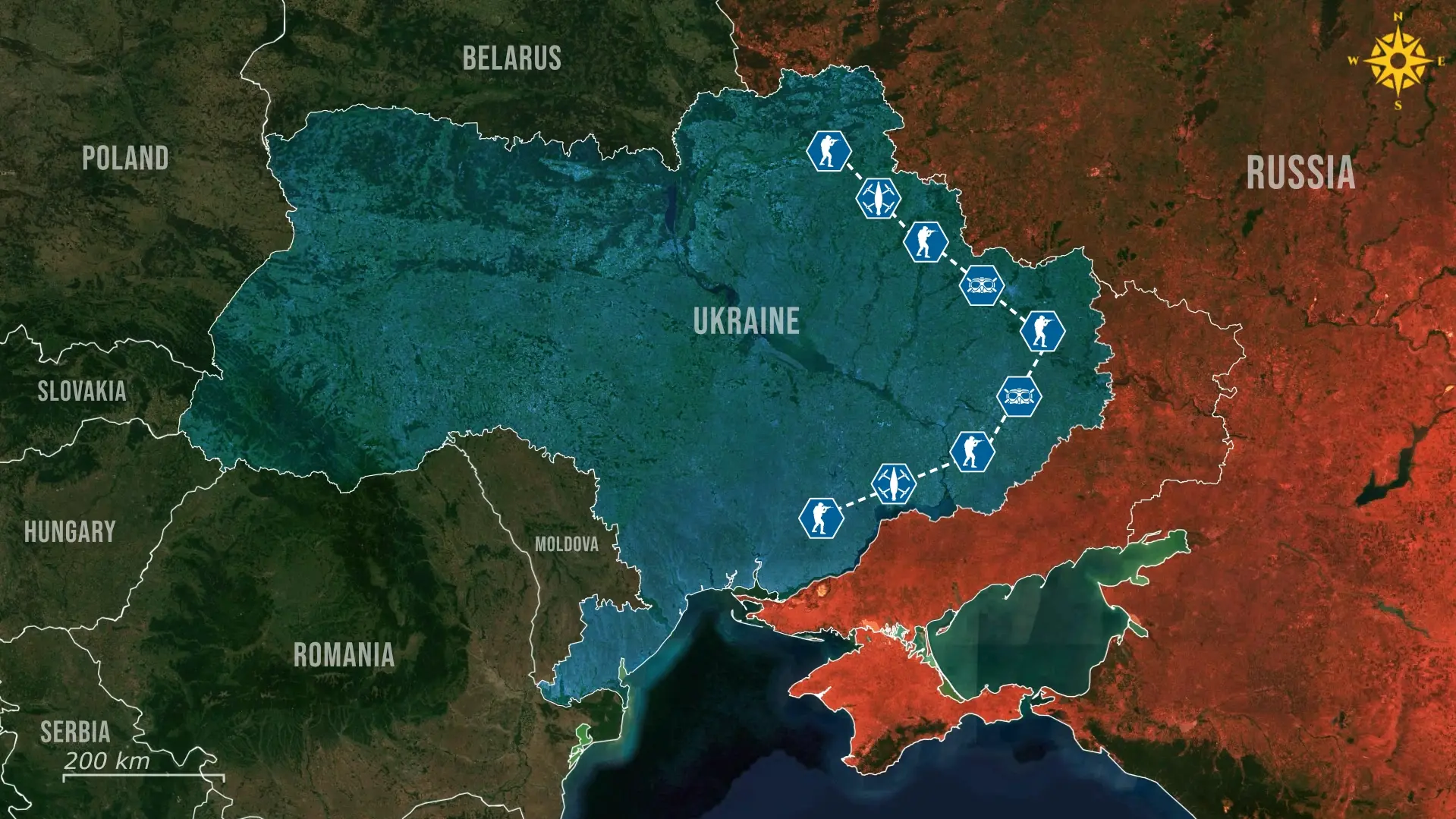
However, the five regional zones are not intended to function as rigid boundaries. Their purpose is to organize responsibility while allowing Ukraine to shift forces when operational requirements change. A unit assigned primarily to one strike direction can therefore be deployed to support an operation in another zone if additional capabilities are needed there. This gives commanders greater flexibility without abandoning the advantages of a regional structure. This means regional responsibility remains fixed even when individual strike units are temporarily reassigned elsewhere. Some strike directions may temporarily require additional drone or specialist units, so forces can still be shifted between zones when needed. The system therefore allows Ukraine to reinforce major strikes without disrupting the wider division of responsibilities between regional commands.
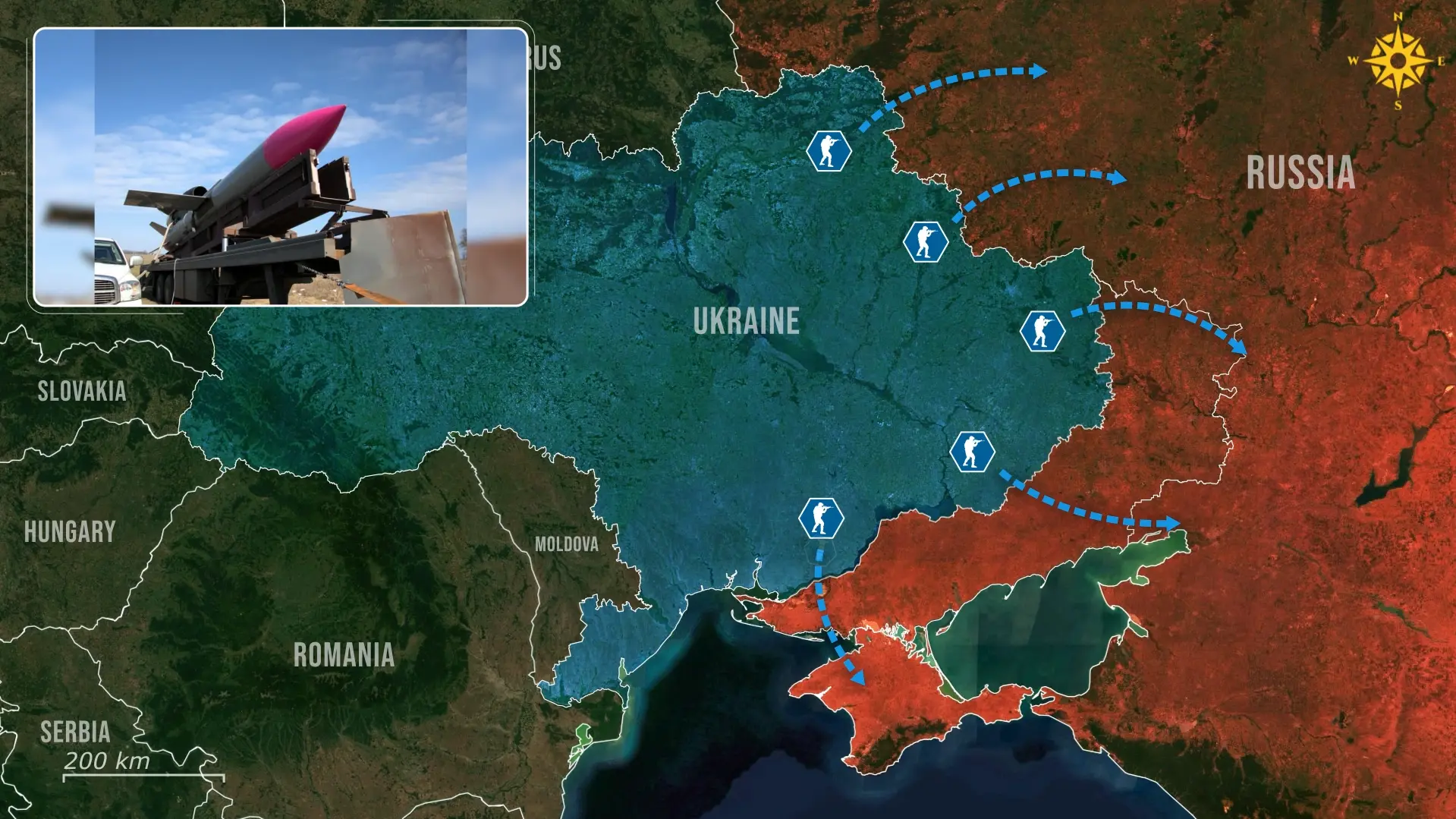
Ukraine also aims to expand this system by bringing missile units into the same command structure as its long range drone forces. The reported objective is to increase the number of Flamingo missiles used in a single strike from roughly six to as many as fifteen. This would allow Ukraine to concentrate far more missiles in a single strike, increasing the number of threats Russian air defenses must intercept at once. The key development would be the ability to coordinate missile and drone units as a single strike package, rather than having the two capabilities operate as separate parts of the campaign. Drones could be used alongside missiles, creating multiple simultaneous threats that Russian air defenses would have to detect and intercept within the same attack. This would bring Ukraine closer to the combined strike model Russia has used against Ukrainian targets, where mixing missiles and drones creates a more complex air defense problem than attacking with a single type of weapon. Integrating these capabilities would therefore allow Ukraine to turn its expanding arsenal into larger and more coordinated mixed missile drone attacks.
Overall, Ukraine’s reorganization shows that it is improving not only its long range strike capabilities, but also the command system that coordinates and directs those weapons, making the overall deep strike campaign more efficient. The regional structure gives Ukraine a command system that can handle a growing number and variety of long range weapons without concentrating the entire workload under one headquarters. Its flexible design and planned integration of missile units could allow Ukraine to concentrate different strike capabilities around priority targets, generating larger and more complex attacks when the opportunity arises. Taken together, these changes could allow Ukraine to translate its growing arsenal into larger and more complex attacks without creating the coordination problems that come with operating more weapons and units.
.jpg)

Comments