

.svg)
Fire Point has publicly revealed its new FP nine ballistic missile, marking a significant step in Ukraine’s effort to develop an indigenous long range strike capability. The missile is reportedly approaching the final stages of development and has already entered testing. According to specifications published by Fire Point, the missile is designed to carry a payload of up to eight hundred kilograms over a distance of roughly eight hundred and fifty five kilometers.
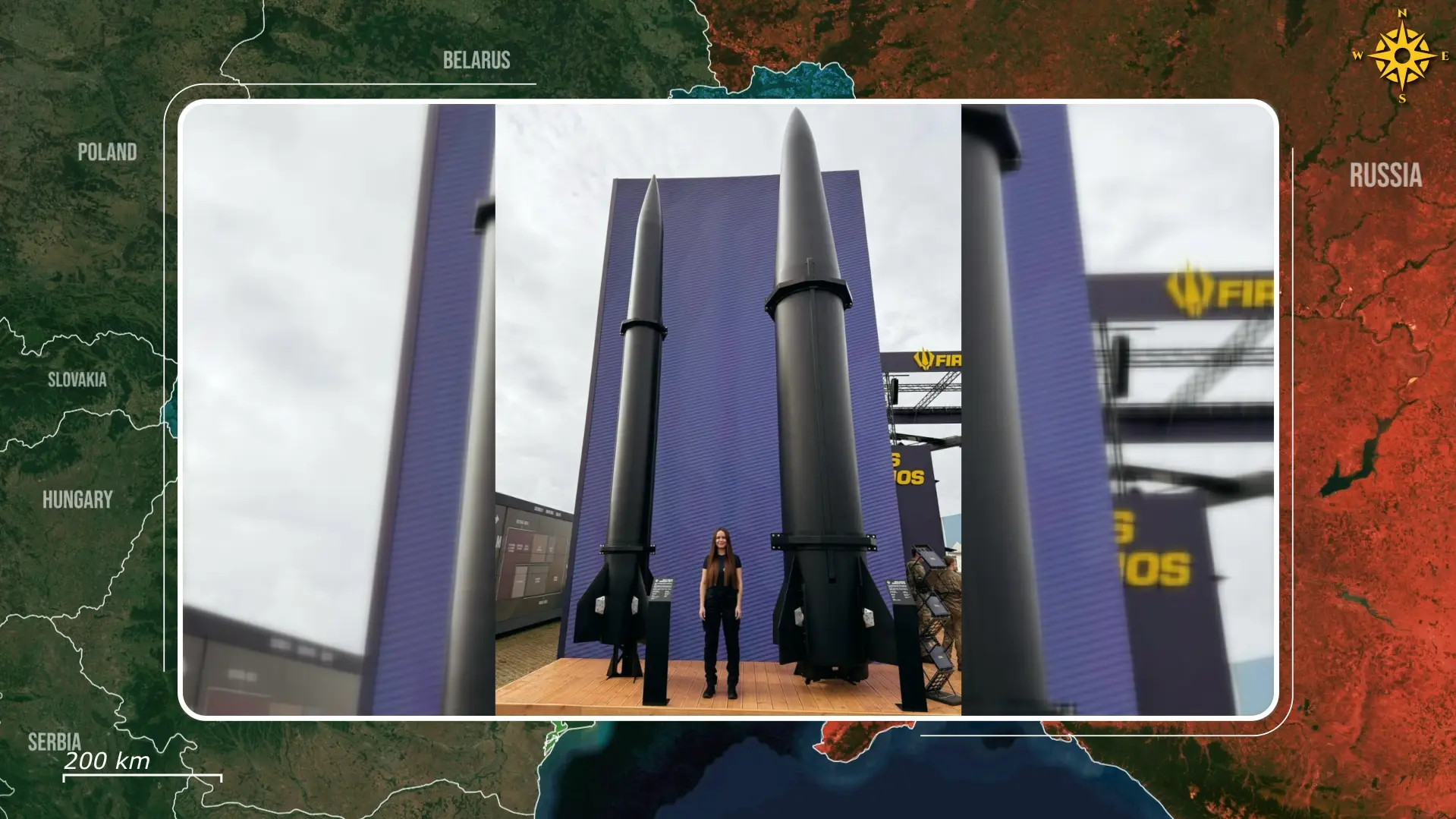
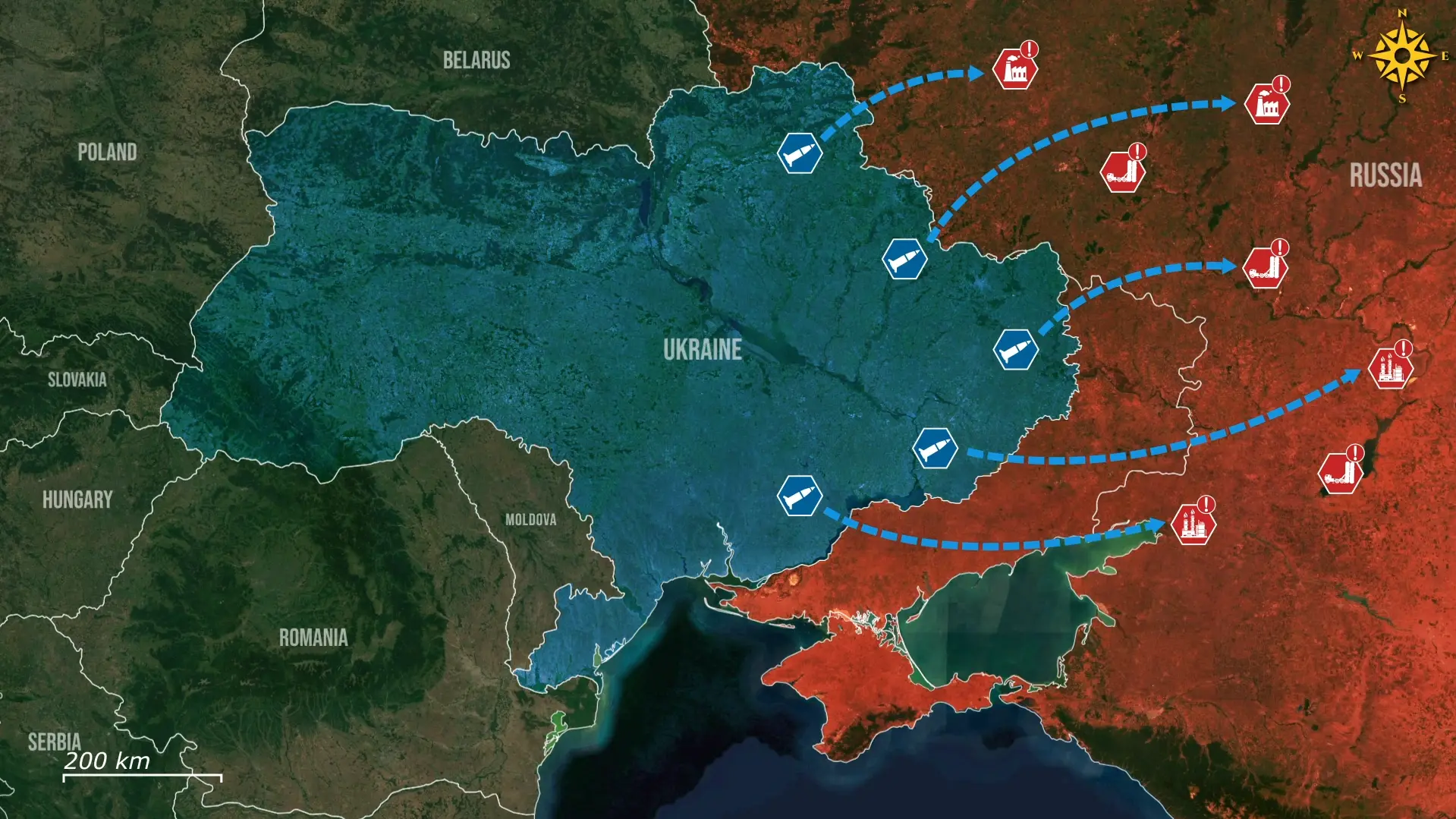
The payload would also give the missile the capacity to deliver a much heavier warhead than Ukraine’s long range drones, increasing its potential impact against hardened or high value targets. Its stated range could also bring Moscow within reach from potential launch areas in Ukraine, although the exact coverage would depend on the missile’s final performance and deployment location. If successfully fielded, it would give Ukraine a domestically produced weapon combining deep strike range with a much heavier payload than most attack drones.
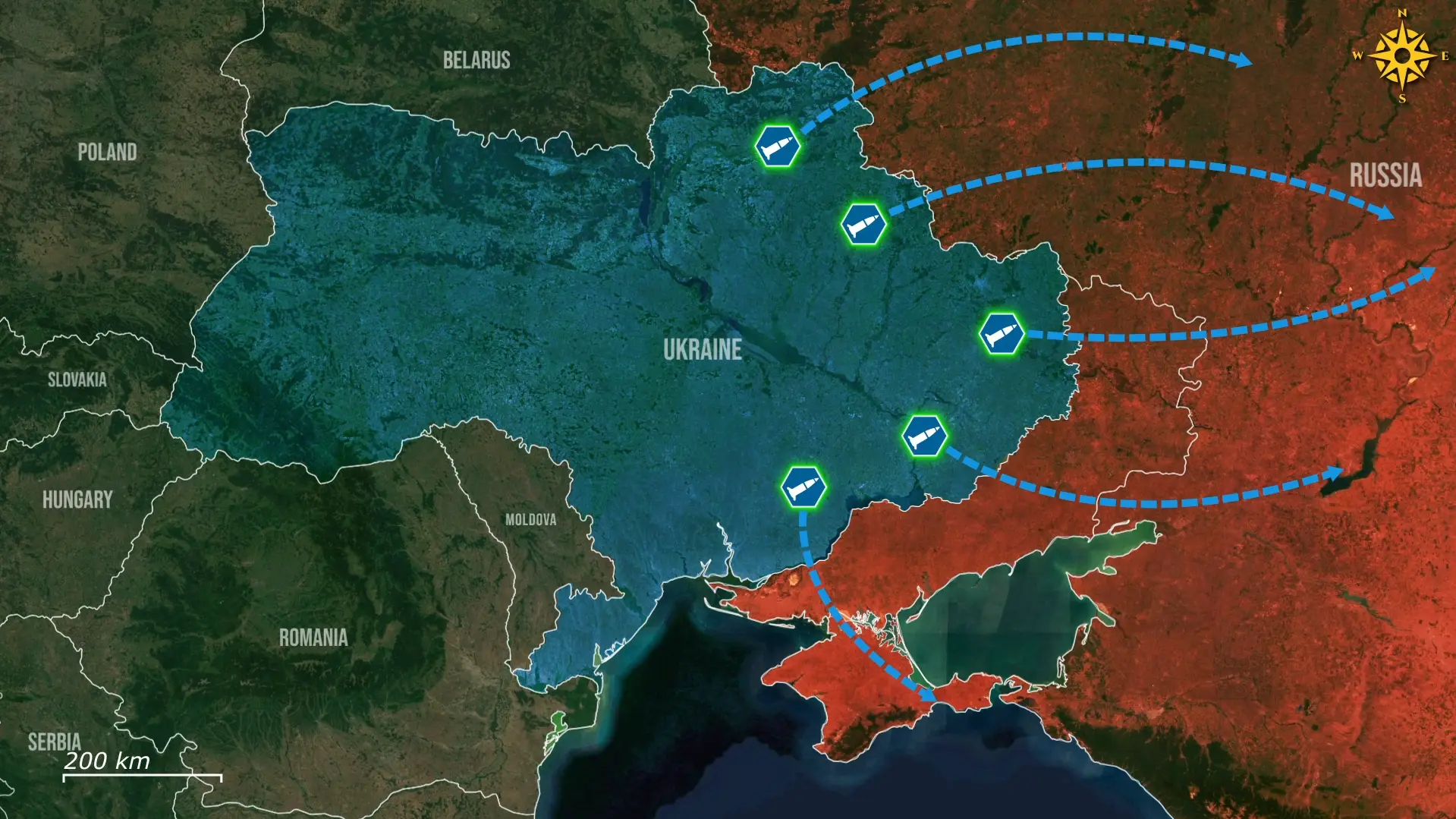
The importance of the missile goes beyond its range and payload, as its ballistic flight profile could make it a significantly harder target for Russian air defenses than the slower drones and cruise missiles Ukraine has used for long range strikes. Drones typically travel at relatively low speeds, giving defensive systems more time to detect and engage them. The key difference is speed, as a ballistic missile can travel toward its target far faster than a typical cruise missile, leaving air defenses less time to detect and engage it. A ballistic missile on the other hand follows a different path, accelerating to Mach six point four before descending toward its target at a steep angle. Russia operates sophisticated air defense systems, but those systems still face physical limits when responding to fast moving ballistic targets. The missile would therefore introduce a different and potentially more demanding threat that could complicate the defense of targets deep inside Russian territory.
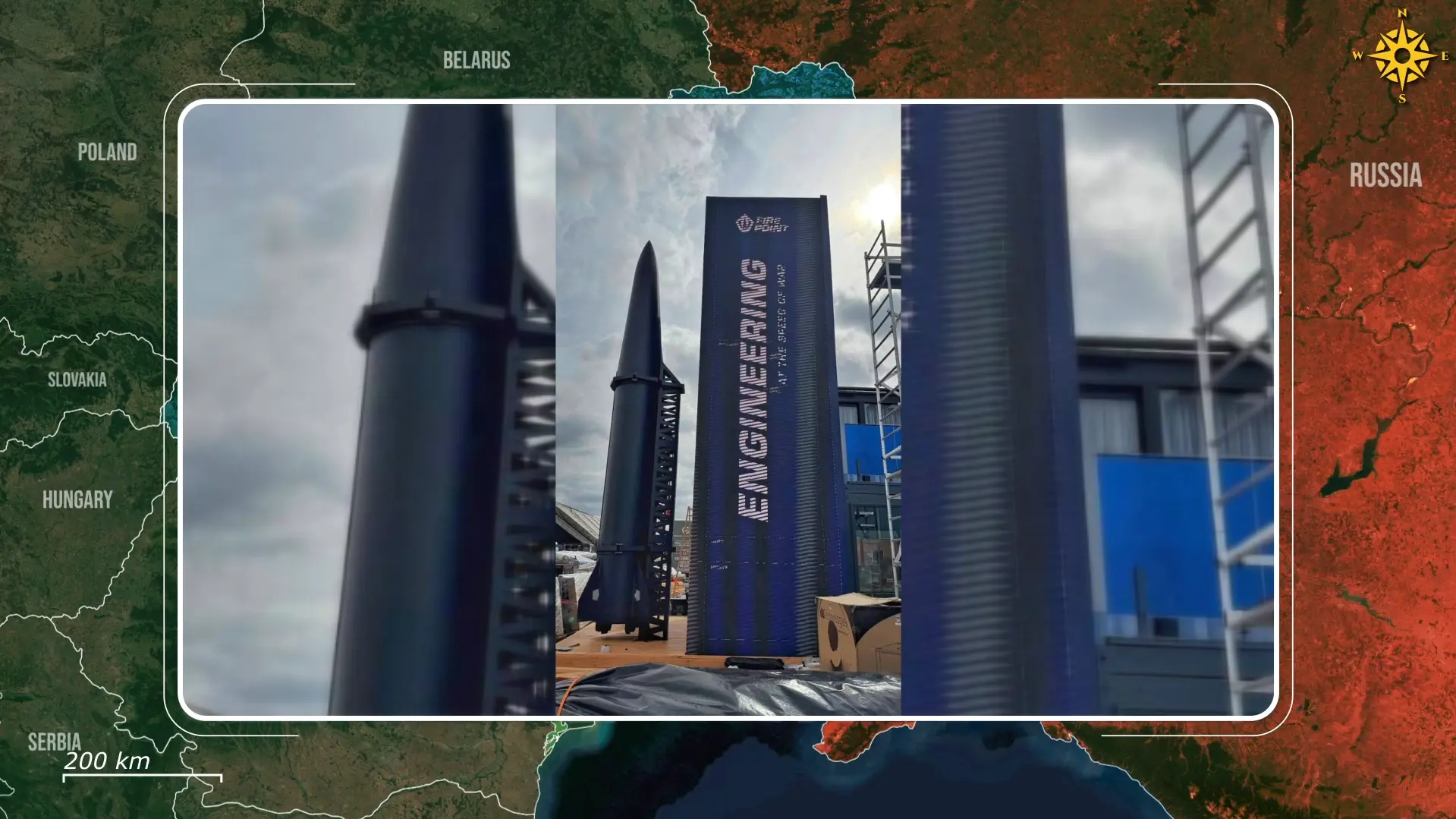
The new missile has progressed beyond the initial development stage, with ground testing reportedly completed and flight testing now representing the next major step toward operational use. Tests have reportedly focused on the missile’s flight performance and accuracy, with results showing an accuracy of around twenty meters. The missile still has to demonstrate reliable flight performance and the ability to reach its intended range under realistic test conditions before it can be considered ready for operational use. Even after the first flight tests, further trials would likely be needed before the missile could enter regular combat use. With ground testing reportedly completed, the next major milestone is the missile’s flight test campaign, which will provide the first direct evidence of how the system performs in actual flight.
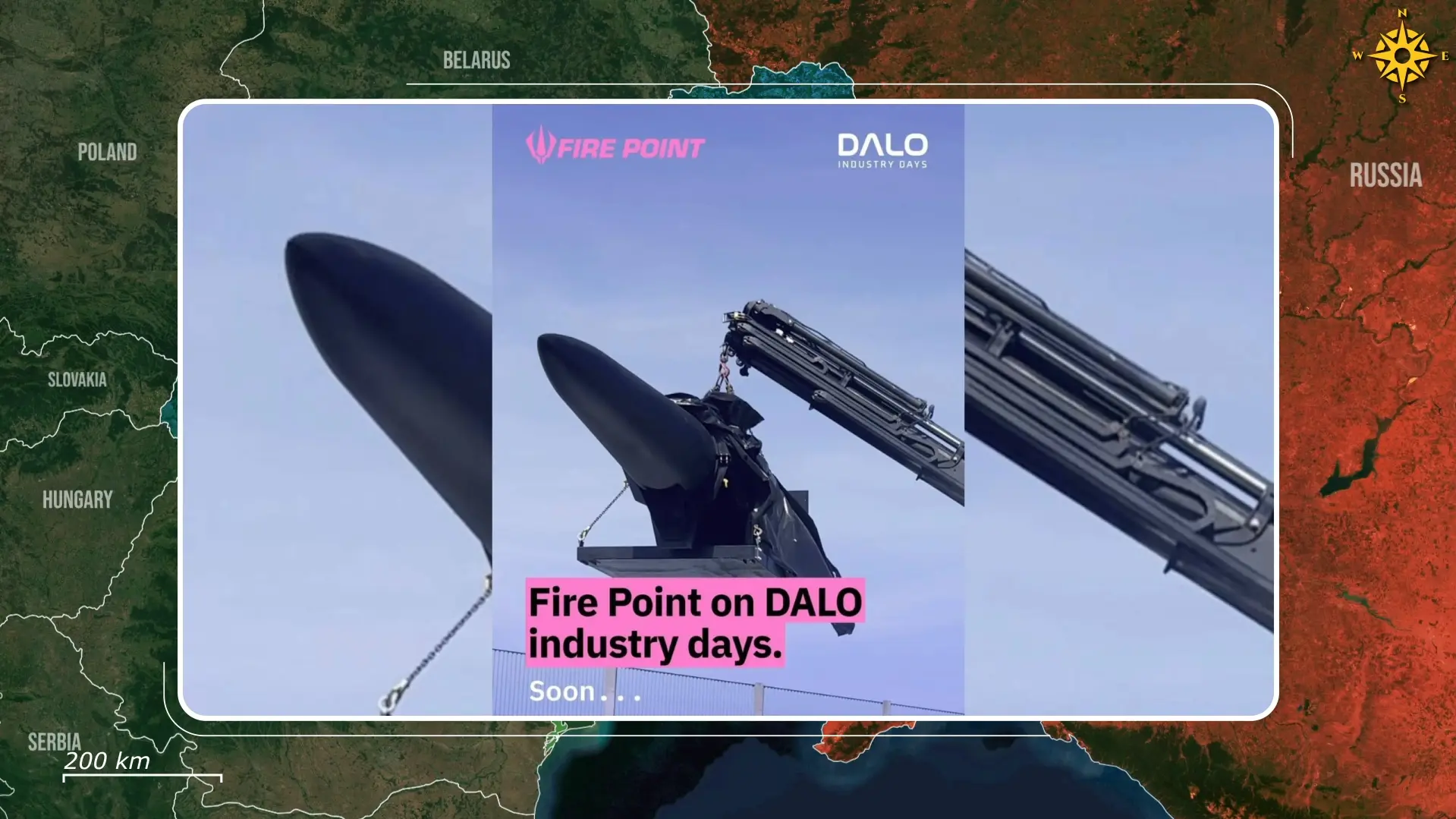
The FP nine could give Ukraine a ballistic missile capable of striking targets deep inside Russia without relying on long range weapons from other countries. Domestic production would also give Ukraine more control over how many missiles it receives and how they are used. It could also give Kyiv greater freedom of action by reducing the impact of foreign political restrictions on where and how long range weapons can be used. Ukraine could also plan strikes around its own military priorities instead of waiting for foreign deliveries or approval. Domestic production would also allow Ukraine to rebuild and replenish its missile stocks on its own terms. The result could be a more independent strike capability that Ukraine can supply and use whenever it wants.
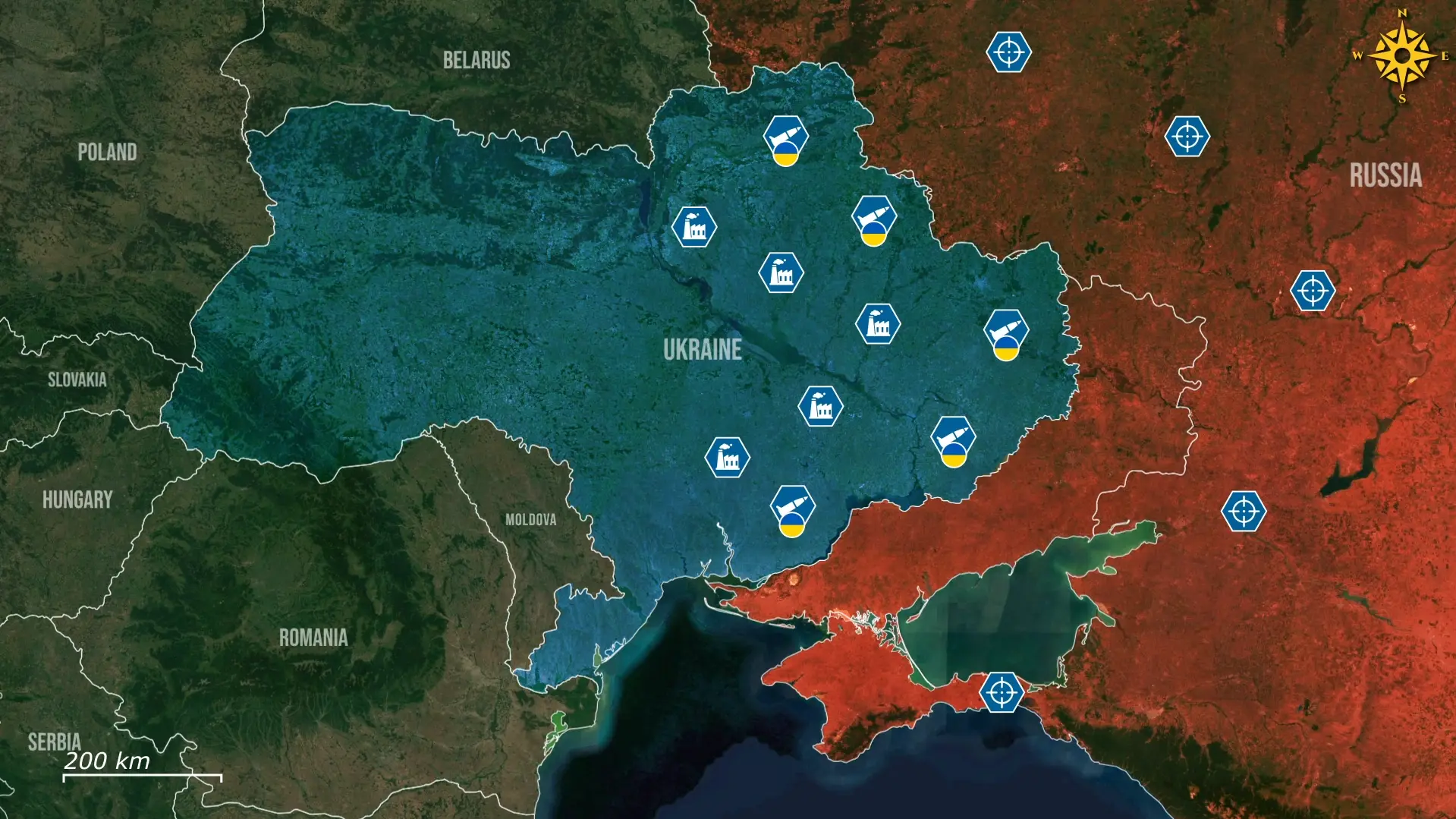
Overall, the emergence of the FP nine missile signals that Ukraine is expanding its domestic long range strike capabilities beyond drones into ballistic missile technology. For Russia, the wider consequence could be the need to protect a much larger number of strategically important sites farther from the front, increasing the resources required to defend its rear areas. Its deployment could also force Russia to reconsider how it distributes air defense systems and other high value assets across its rear areas. More broadly, the missile would show that Ukraine is not only adapting existing weapons for the war, but developing an indigenous ballistic capability that could reshape the threat environment for Russia.

.jpg)


Comments