

.svg)
Today, there is dangerous news from Hungary.
Here, the situation before Hungary’s elections is rapidly escalating into a highly volatile crisis, worsened by the arrival of Russian architects of the hybrid war in Donbas. Following the Russian playbook and issuing daily threats against Ukraine, Orban is risking another Russian-inspired war on the European continent, this time on Ukraine’s western border.
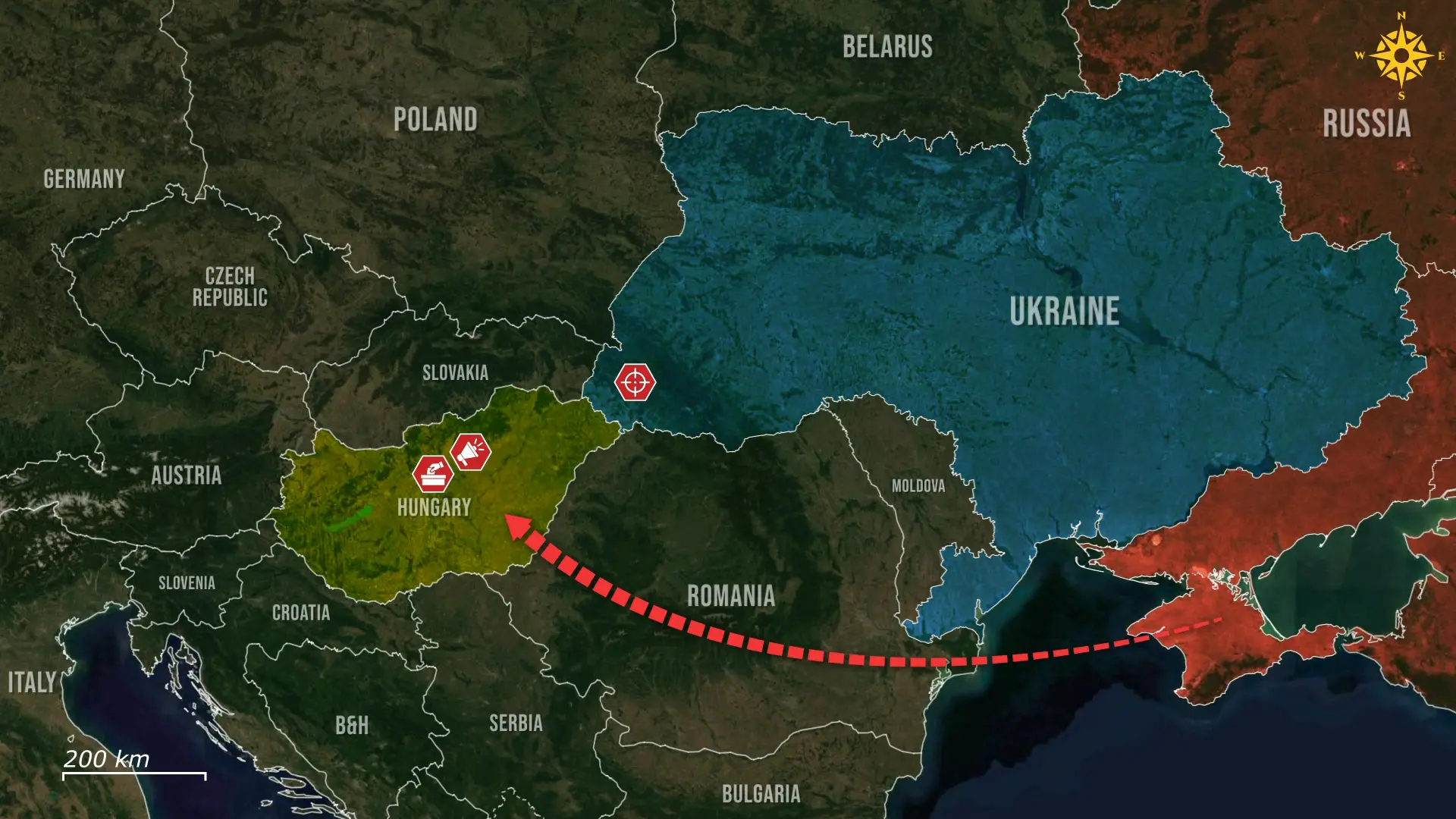
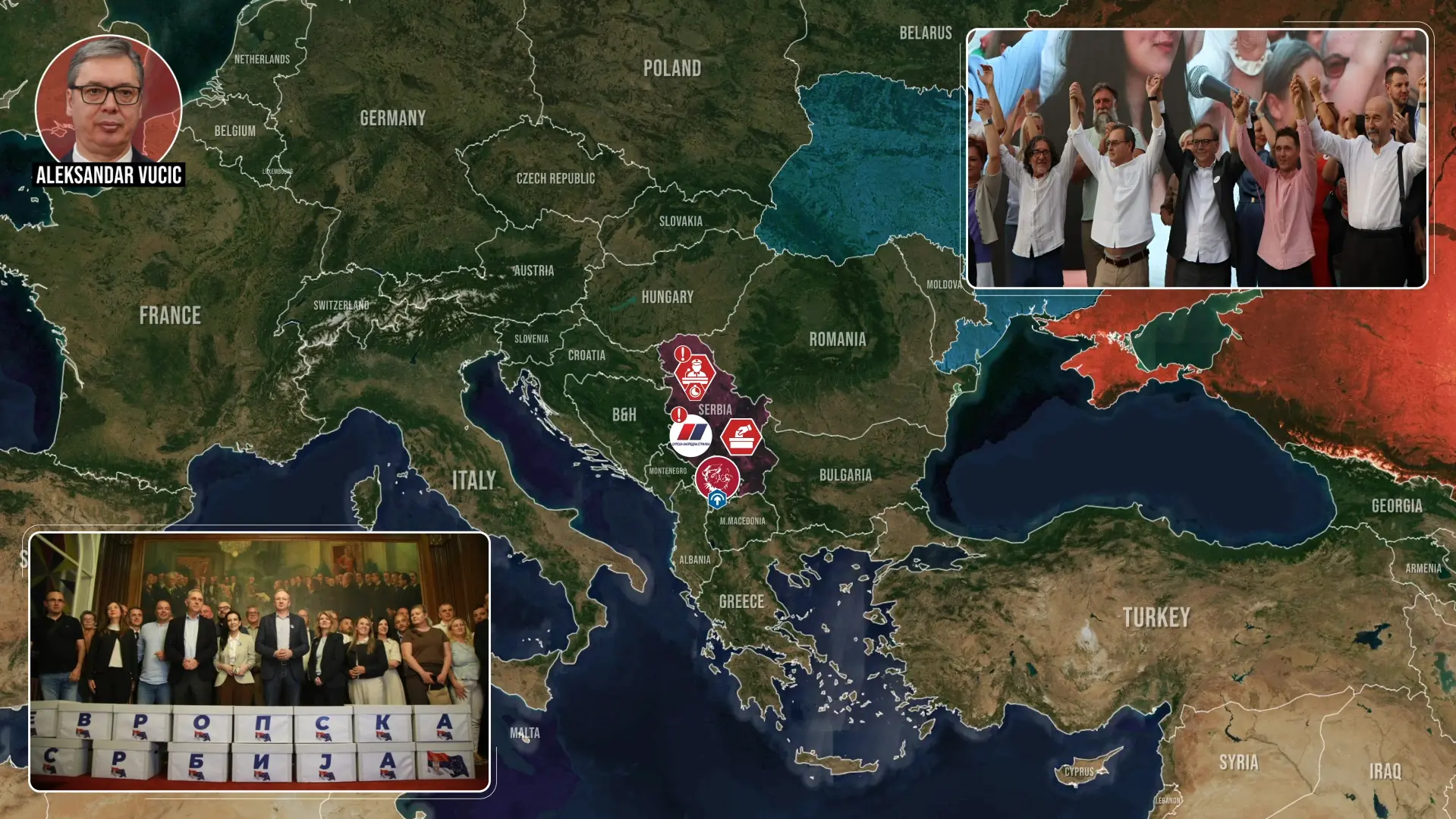
The latest crisis point came with the sudden discovery near the TurkStream gas pipeline running between Serbia and Hungary, after Serbian President Aleksandar Vucic confirmed that high-powered explosives and detonation tools were found dangerously close to the infrastructure, framing it as a deliberate act meant to send a political message. Almost immediately, Hungarian authorities convened an emergency defense council, while pro-government media began amplifying the narrative of Ukrainian sabotage, setting the stage for a sharp escalation.
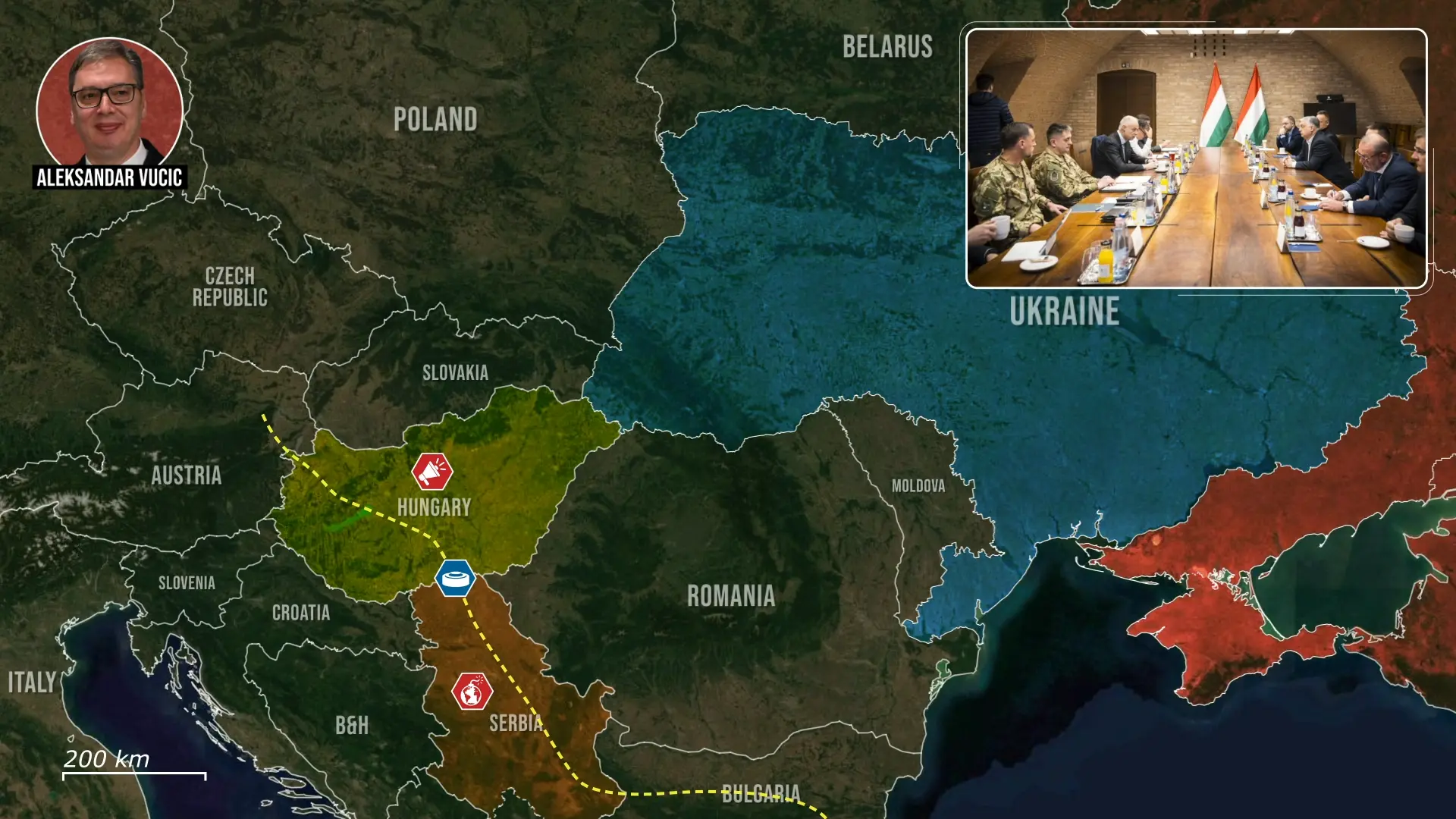
However, Serbia rejected Hungarian claims linking Ukraine to a sabotage plot, as investigators stated that the device was US-made but emphasized that the origin of the materials does not indicate the perpetrator. This coincided with American vice president JD Vance’s visit to Hungary to support Orban’s election campaign.
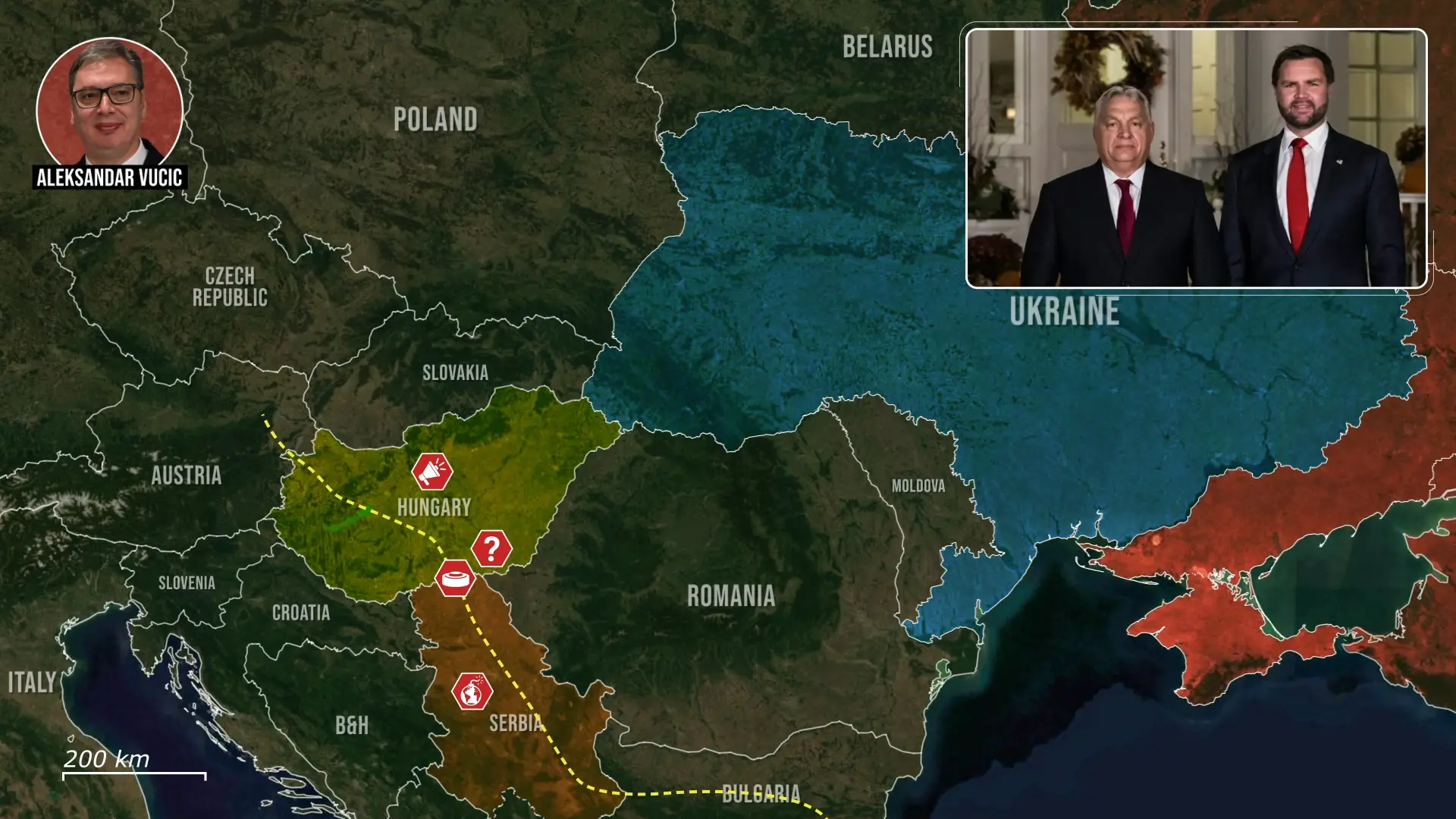
The incident unfolded just days after Viktor Orban openly threatened Ukraine with an open war if the pipeline were targeted again. However, Ukraine rejected the accusations instantly and warned that the entire incident bears the exact hallmarks of a coordinated false-flag operation. Kyiv’s Foreign Ministry pointed directly to Russia, while respected Hungarian investigative voices echoed the same concern.
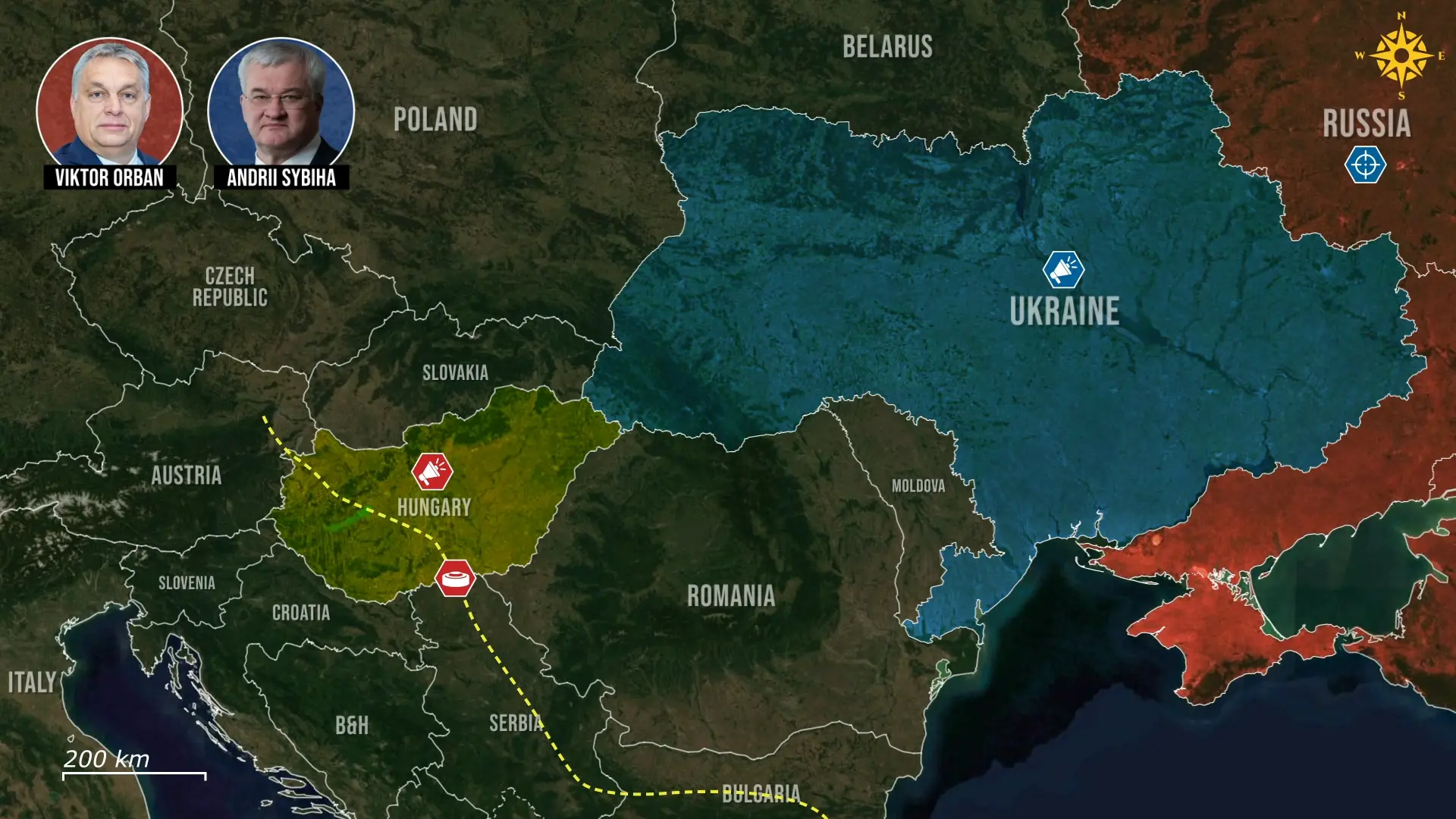
Hungarian journalists and sources linked to government circles revealed that intelligence about a potential staged incident had circulated for weeks in advance.
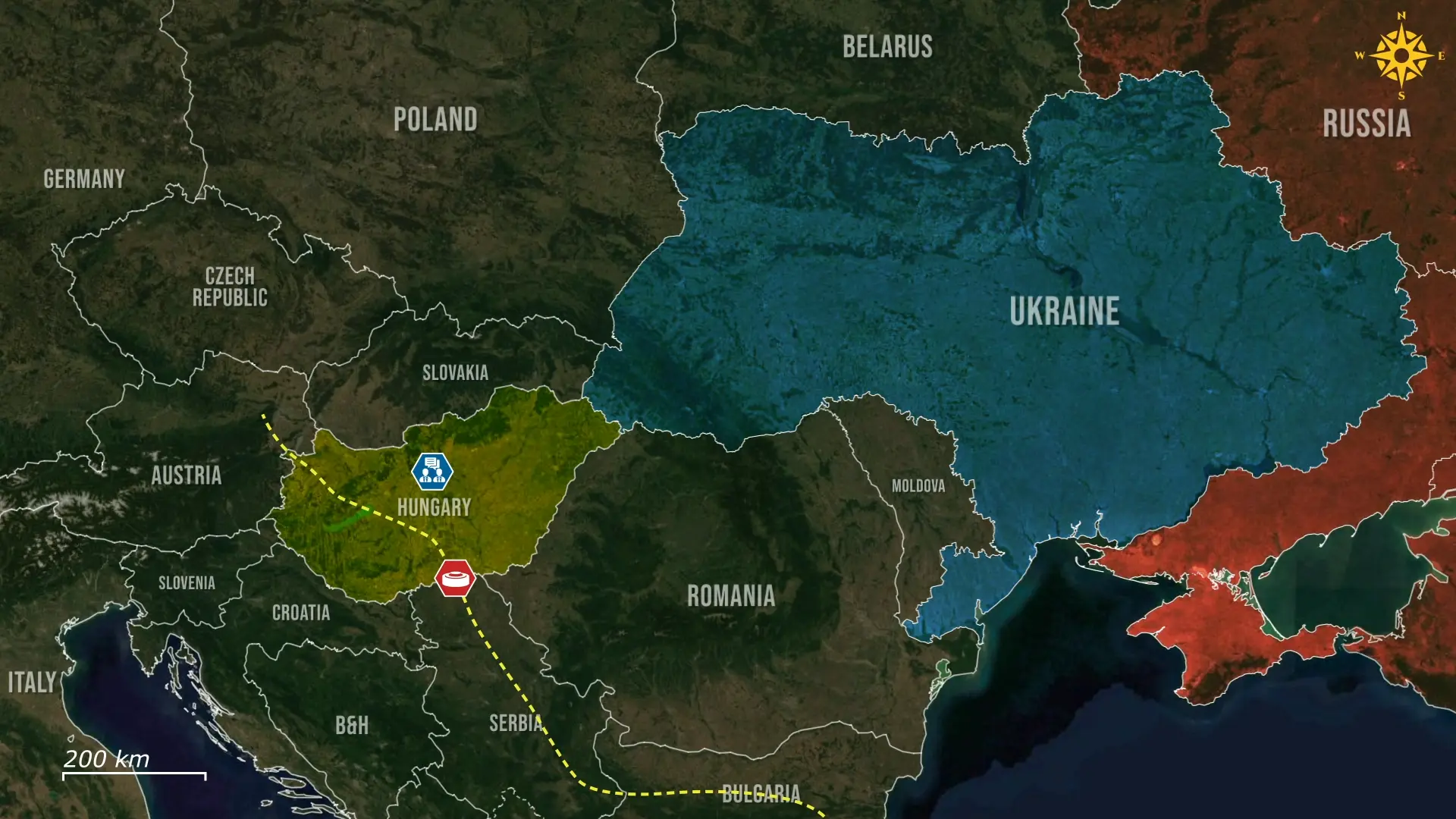
This timing aligns almost perfectly with mounting political pressure on Orban, as analysts suggest that such an incident could be used as a pretext to declare a state of emergency that would dramatically reshape the political landscape just days before Hungary’s elections.
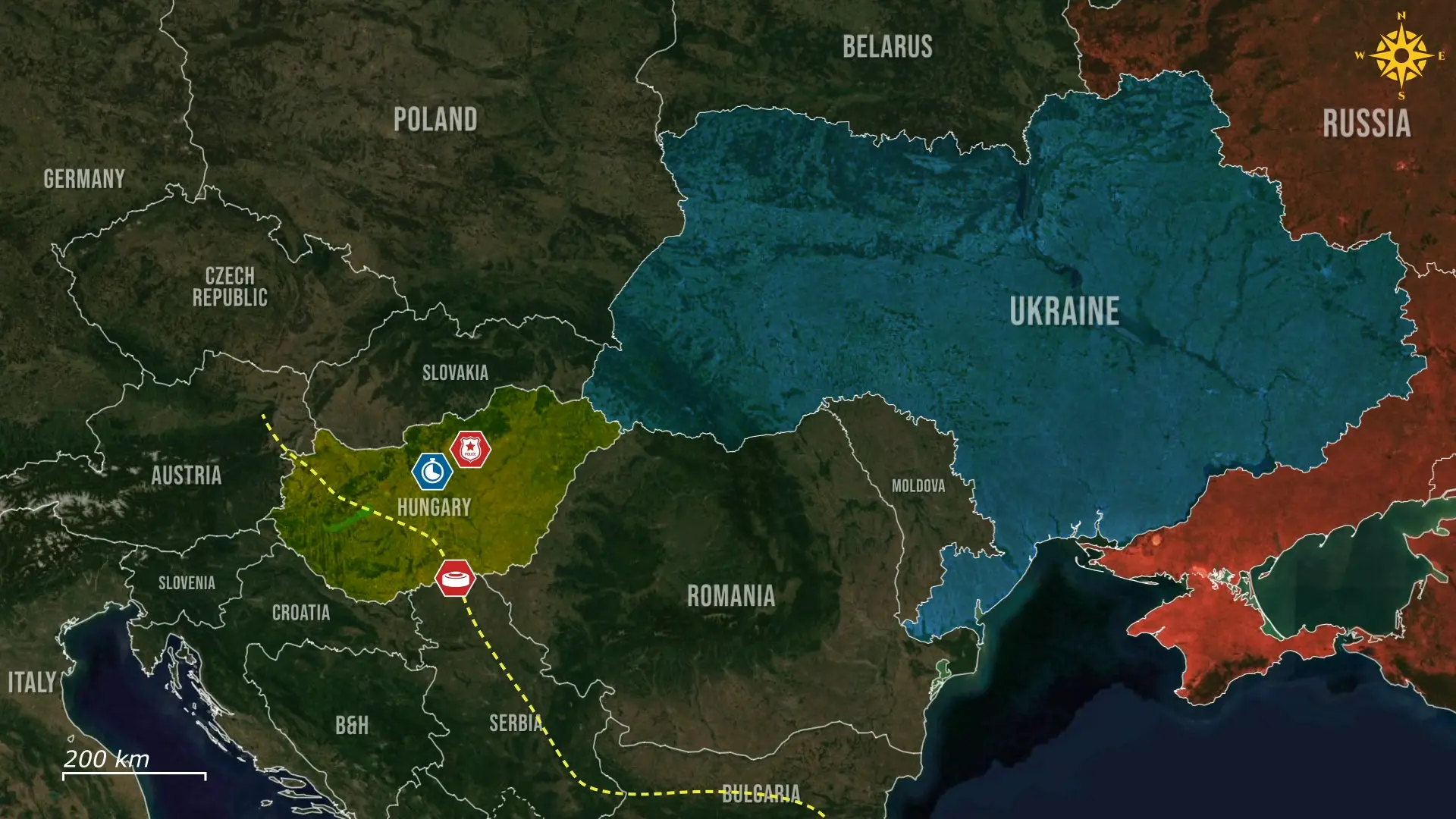
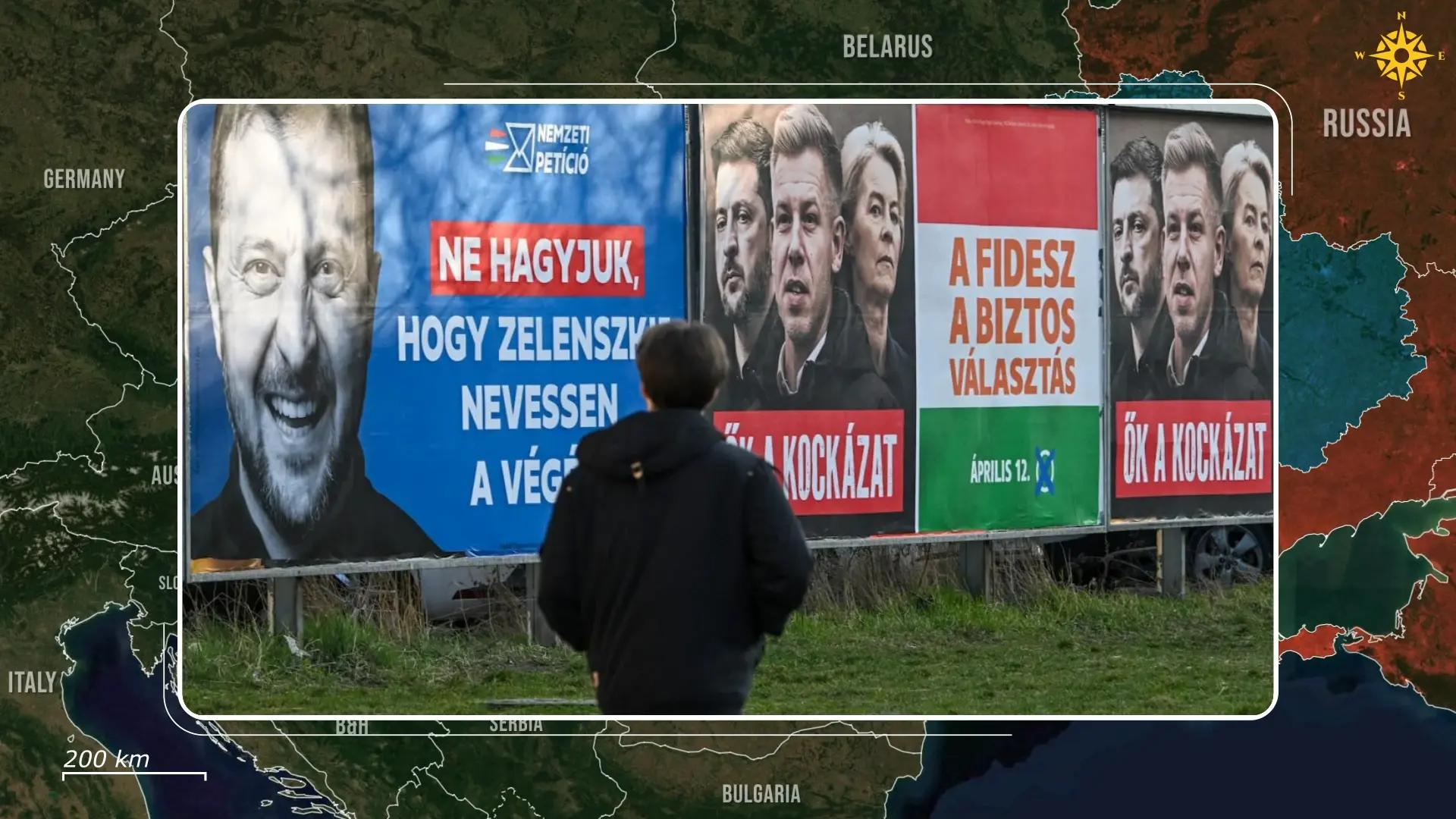
For the first time in over a decade, his grip on power is visibly weakening, with polls showing the opposition Tisza party holding a commanding lead, with support among decided voters reaching nearly 60 percent compared to roughly 35 percent for Orban’s Fidesz party.
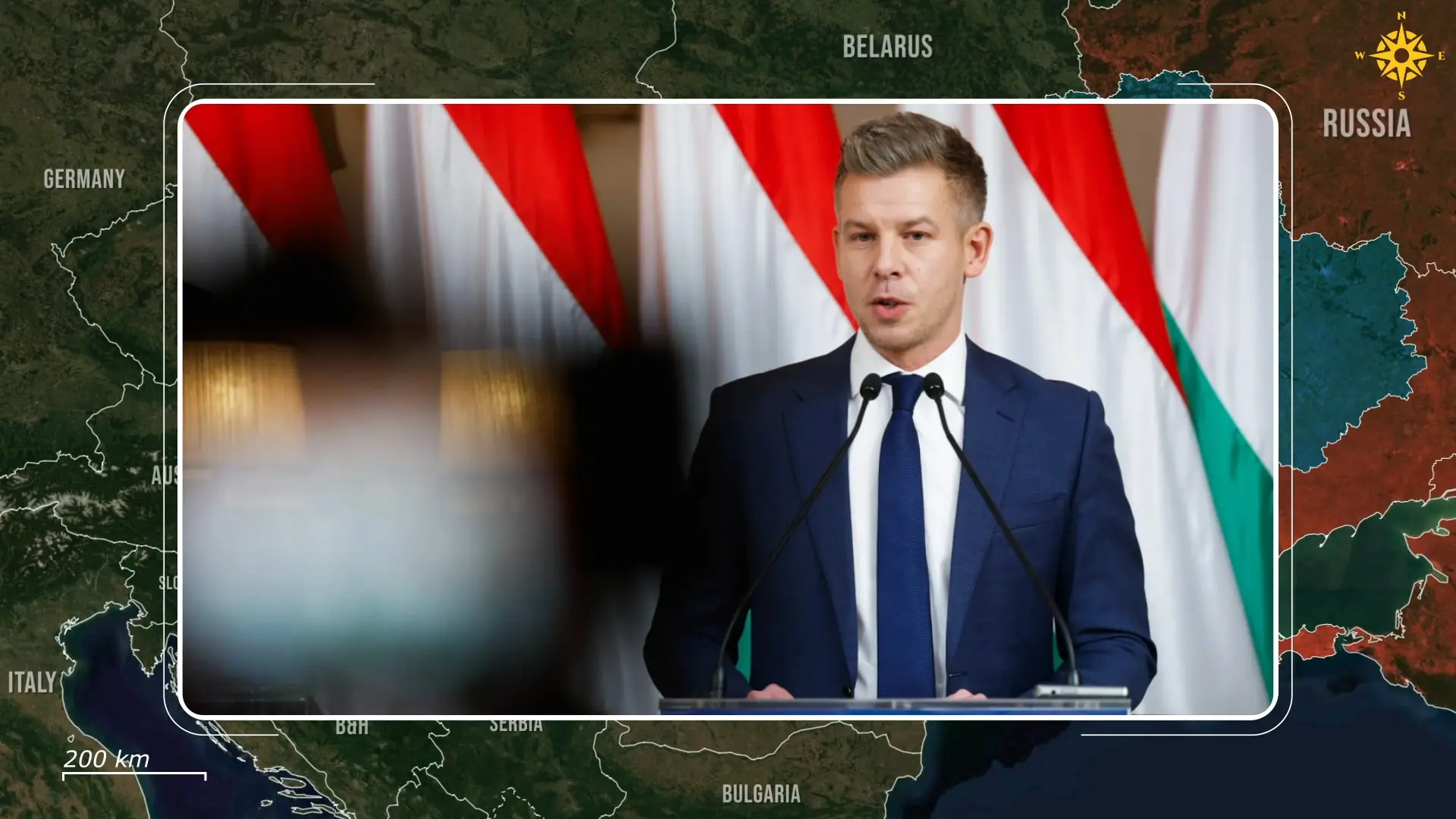
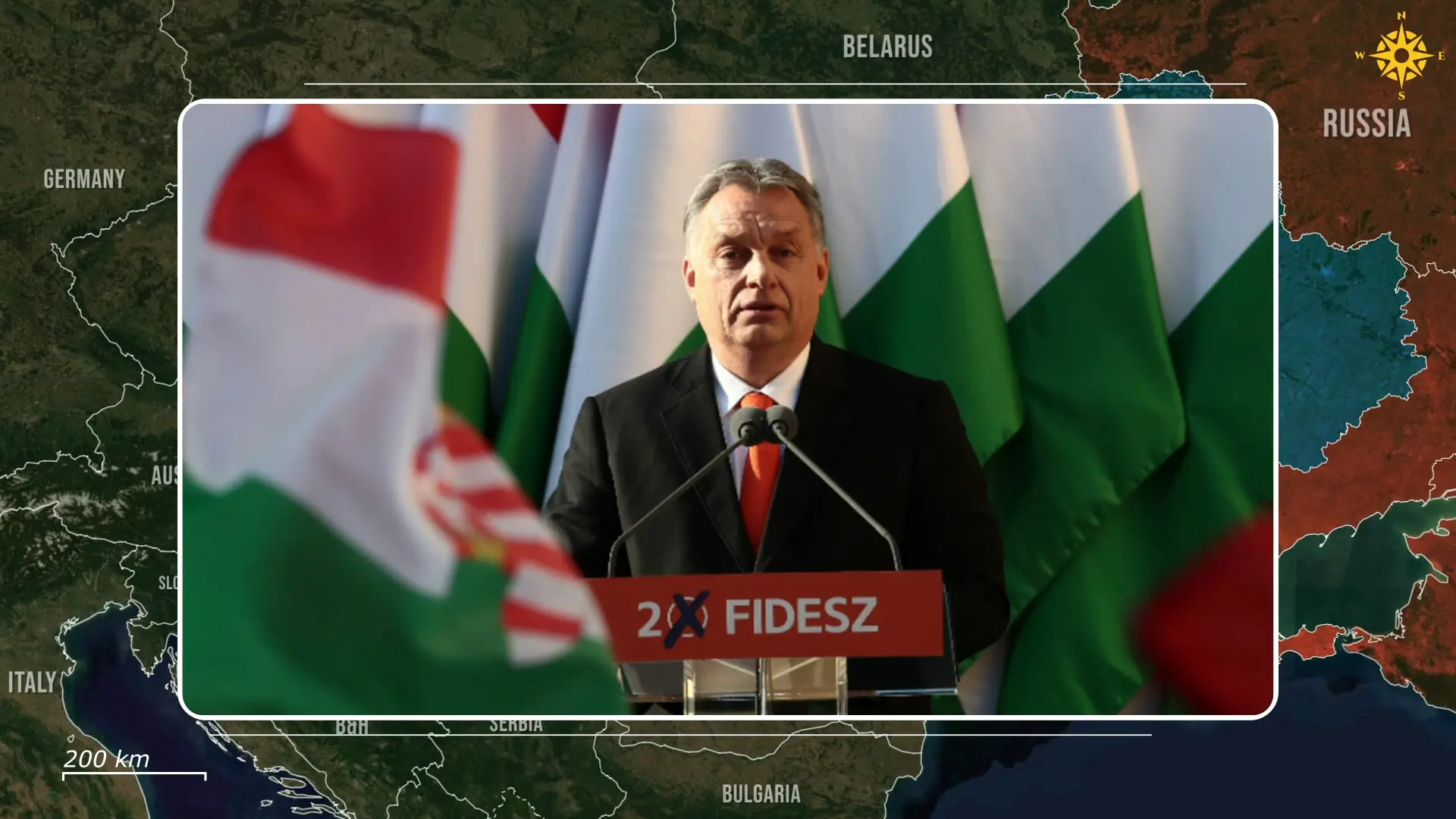
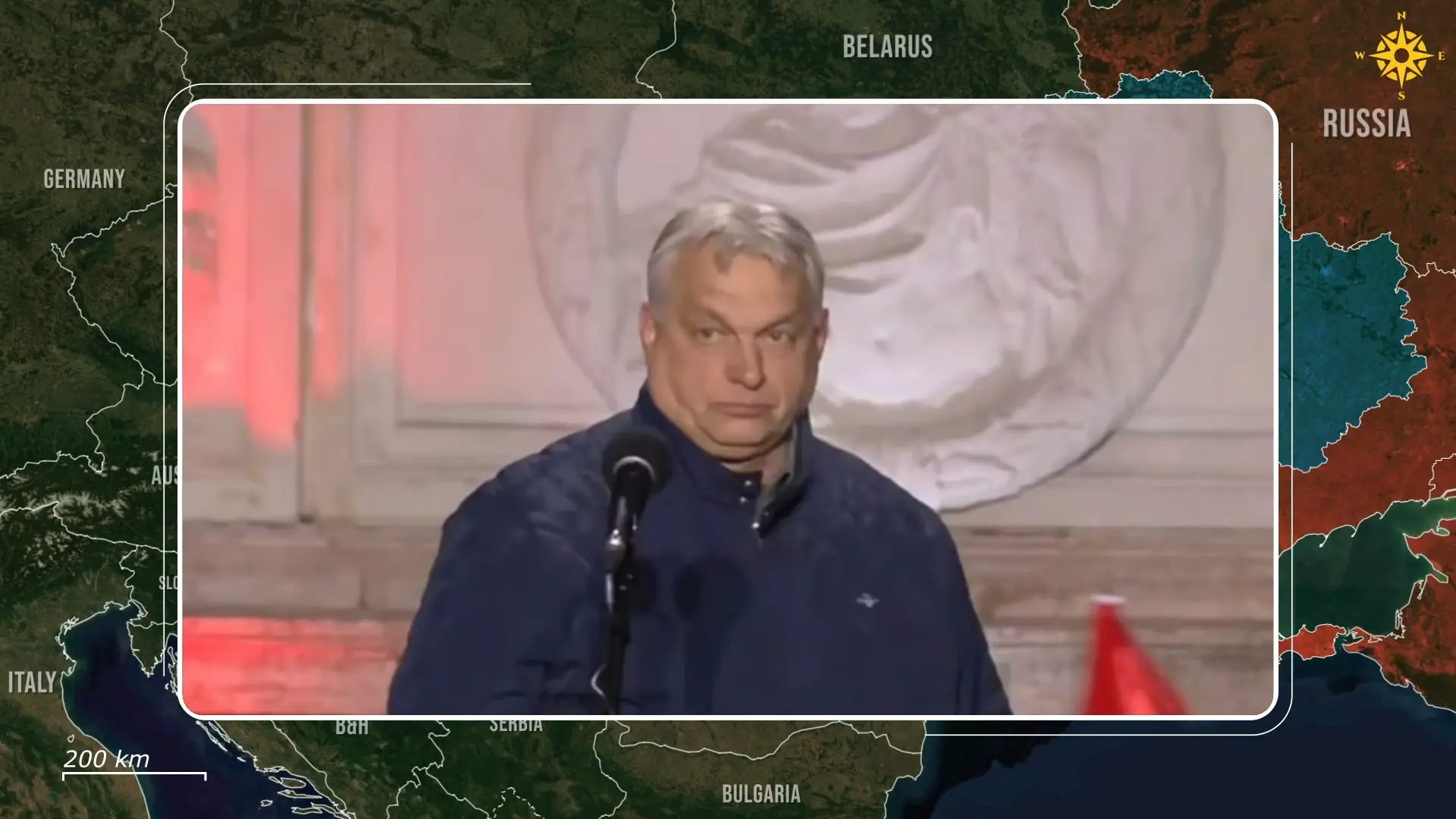
Even in traditional strongholds, Orban is facing open hostility, including protests and public confrontations during his own campaign events. At the same time, his rhetoric has shifted sharply toward external threats, increasingly portraying Ukraine as an enemy and invoking fears of war to mobilize support, and in this context, the pipeline scare appears less like an isolated act and more like a carefully prepared trigger.
Yet, deeper connections are emerging behind this escalation, as European intelligence services have confirmed the presence of Russian operatives in Hungary, tasked with influencing the election outcome. Hungary has long served as Russia’s key foothold within the European Union and Nato, providing insight into internal discussions and occasionally obstructing collective decisions. Reports indicate that high-level coordination has taken place for years, with Hungarian officials maintaining direct communication channels with Russian counterparts. This was confirmed by leaked conversations between the Hungarian and Russian foreign ministers directly discussing Hungary implementing Russian requests into EU debates, and explains the growing sense of urgency and the willingness to escalate.
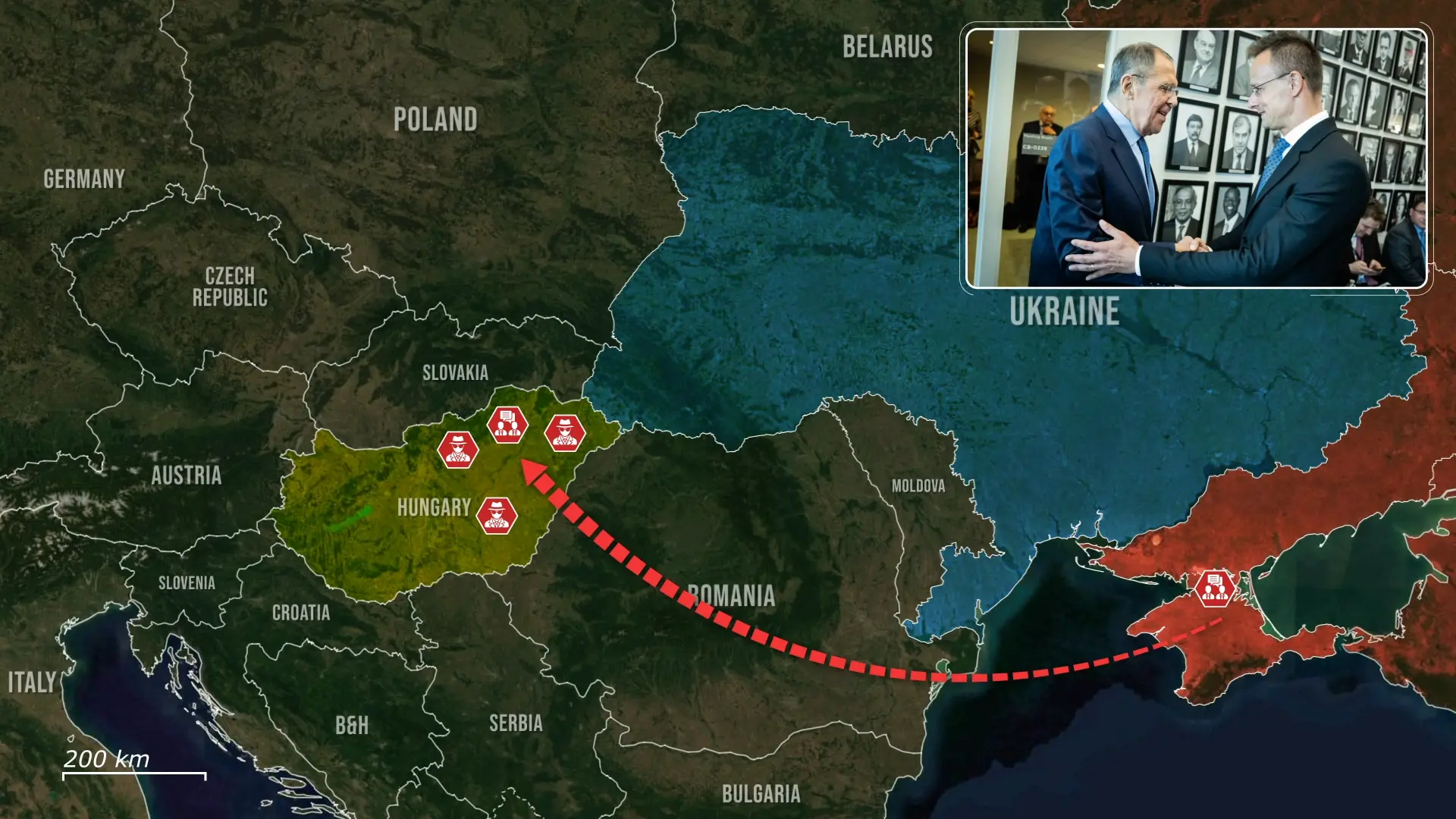
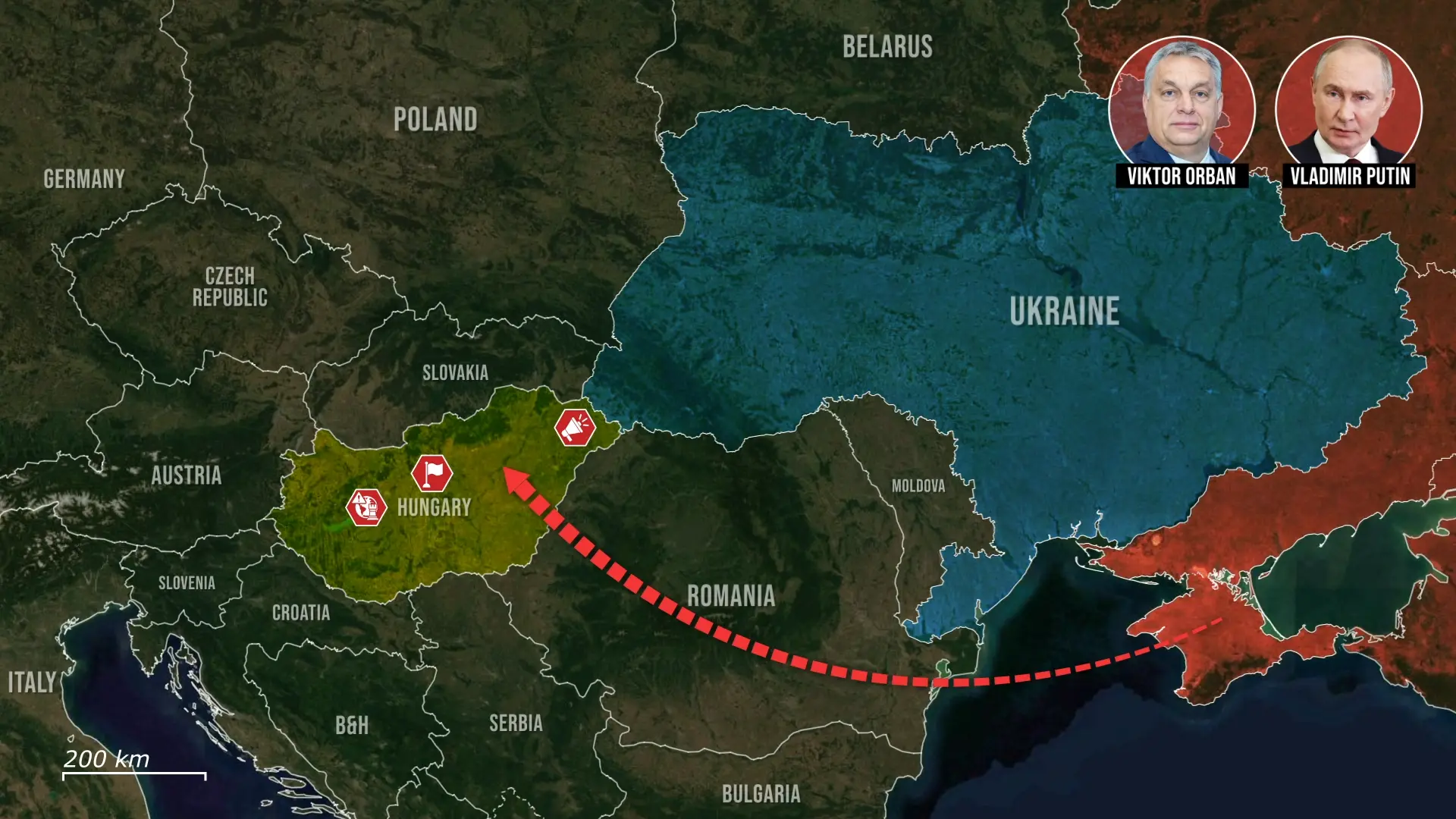
This culminated in the arrival of Vladislav Surkov, a Russian politician and businessman known as the architect of the hybrid war in Donbas, and he is currently serving as an informal adviser to Viktor Orban himself. This indicates preparations for a much more dangerous scenario, in which if Orban loses the elections, Surkov would assist him in carrying out a state coup with support from Moscow, while current actions are aimed at preventing elections outright.
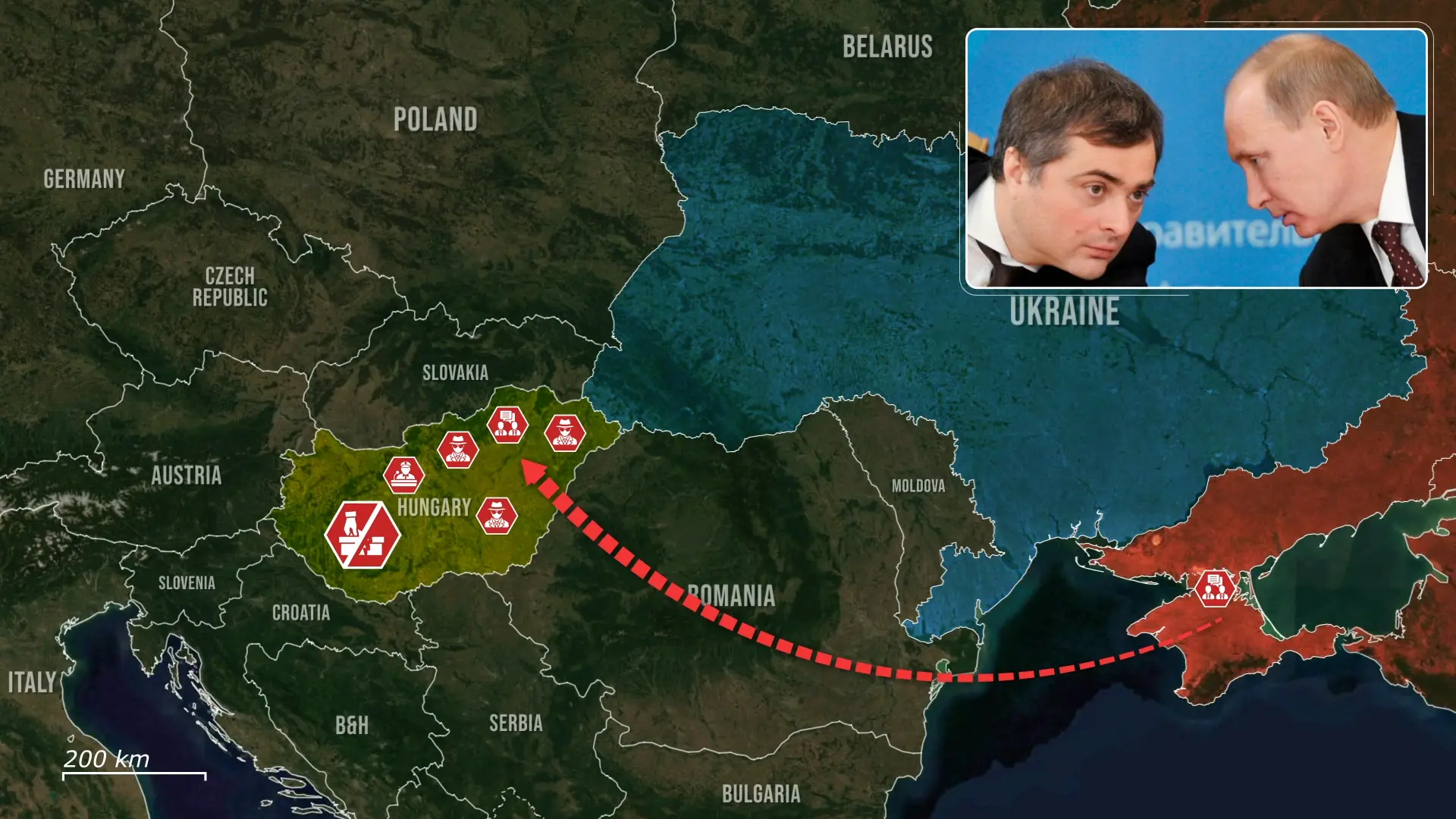
Now, with Orban’s position at risk, the Kremlin is ready to deploy the same influence playbook used in Ukraine in 2014 and in Moldova last year, combining information operations, covert networks, and on-the-ground operatives to shape the political environment and stage false flag operations, provoke and create tension.
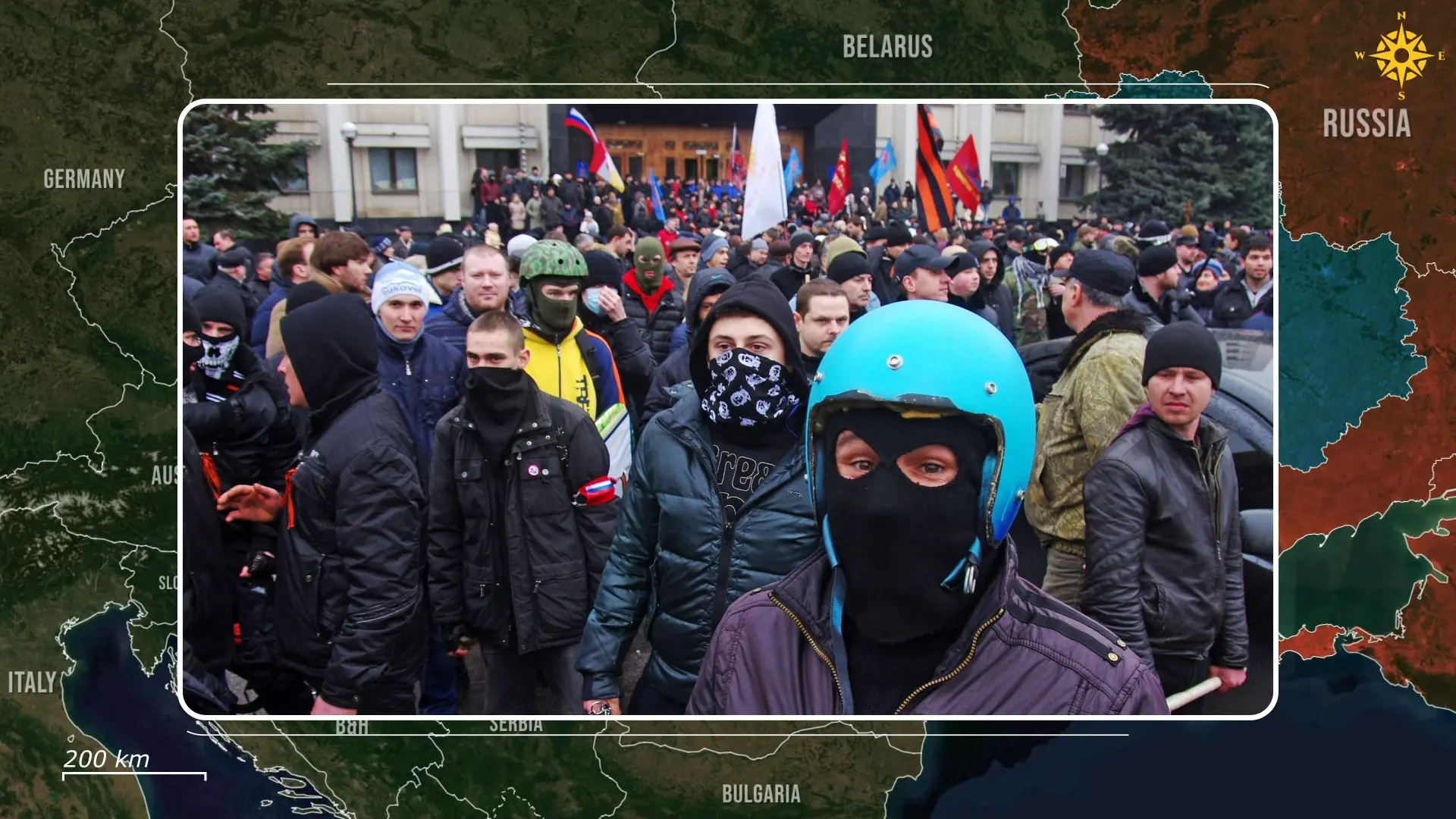
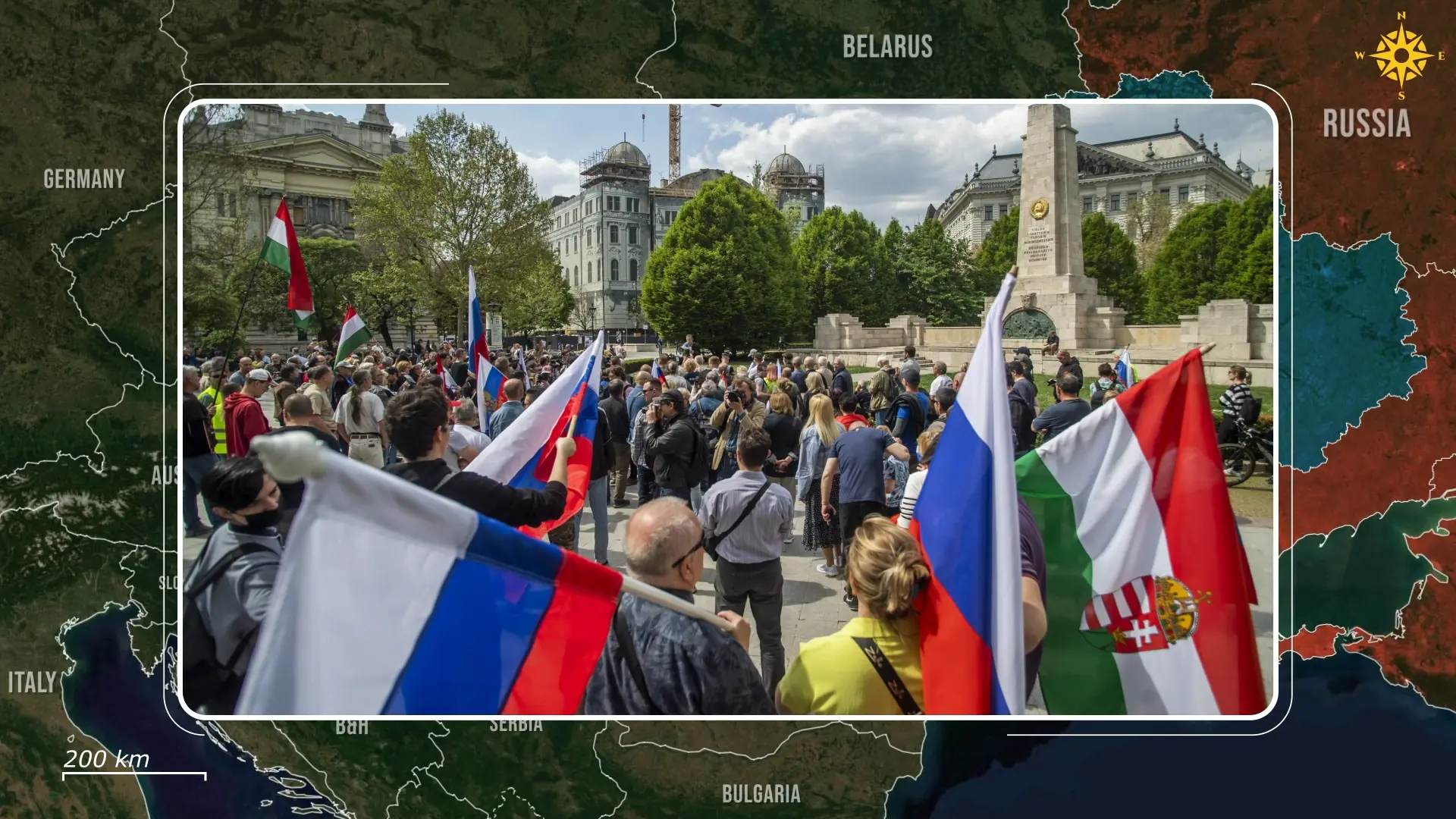
Intelligence leaks share more alarming indications that Russian operatives have considered extreme measures to alter the course of the election, including staging a major security incident to shift public perception. One proposal reportedly involved simulating an assassination attempt on Orban to transform the campaign from a debate over economic performance into an emotional struggle centered on national security. Such a move would not only rally Orban’s base but also justify extraordinary measures, including emergency powers that could disrupt or delay the electoral process altogether.
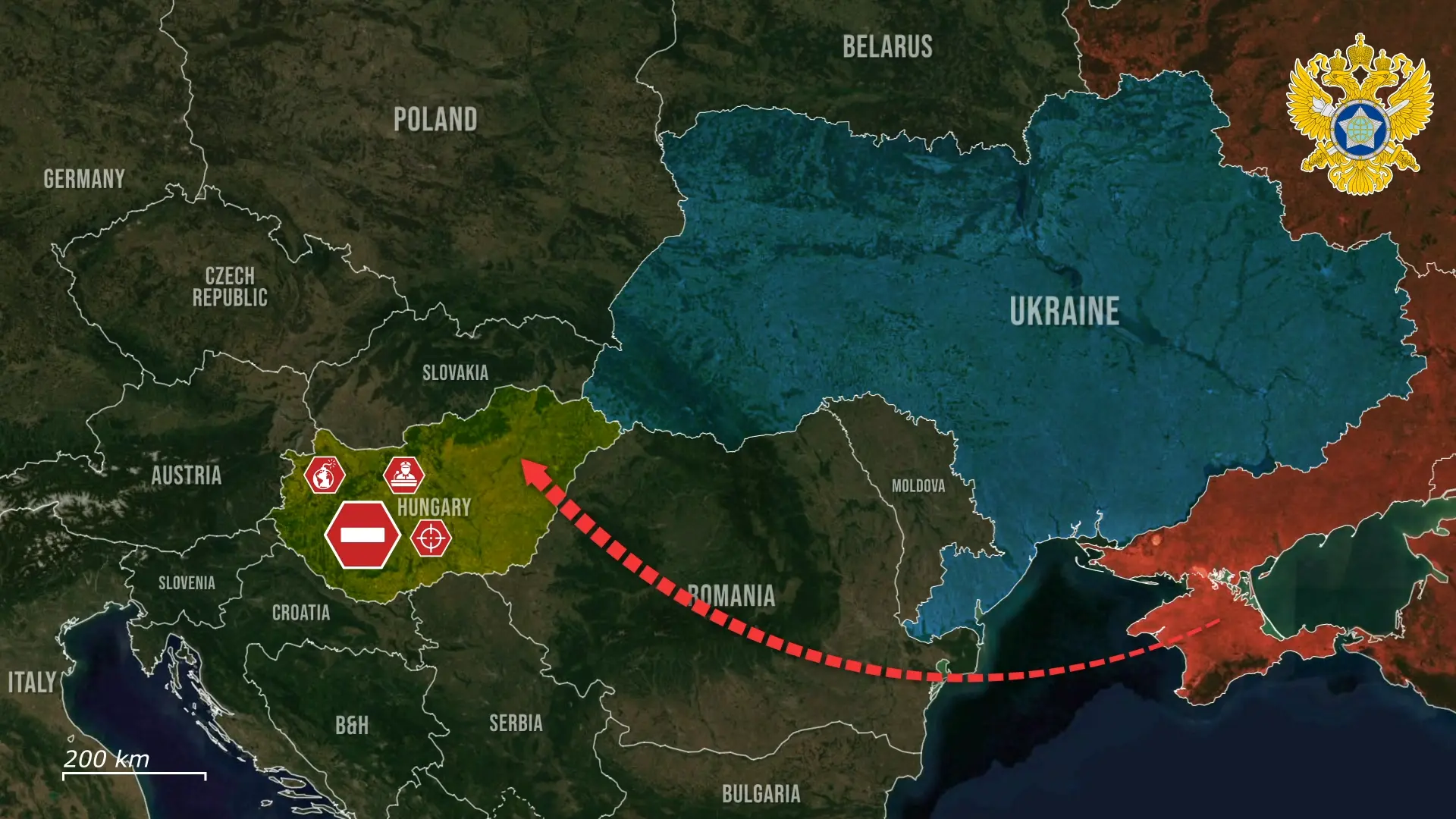
Overall, the situation reveals how high the stakes have become for both Orban and Moscow, as defeat would be not just political but strategic. This is why neither side appears willing to take chances, and false flags, covert operations, and escalating rhetoric are all part of a broader effort to reshape reality before voters make their decision. Even if it means manufacturing crises or pushing the region toward open confrontation, the Russian objective remains the same: keep Orban in power at any cost.

.jpg)

Comments