

.svg)
In this video, we will analyze how Ukraine pressured Belarus into giving up.
Belarus started surrendering to Ukrainian pressure after Kyiv warned Lukashenko to shut down Russian relay towers that were helping Moscow strike targets across Ukraine. Every further concession to Russia now risked bringing Ukrainian strikes onto Belarusian territory and turning the country itself into part of the battlefield.
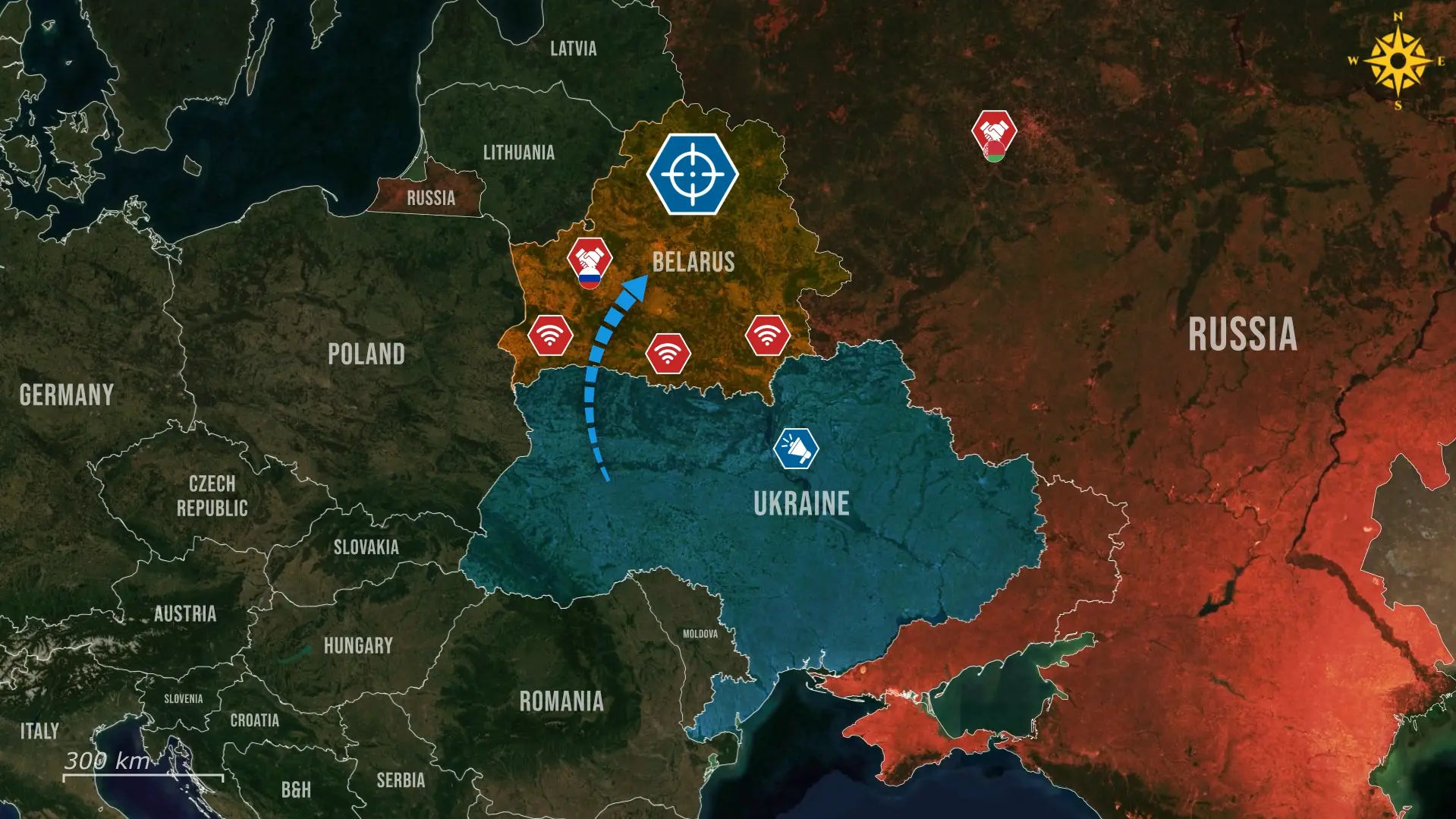
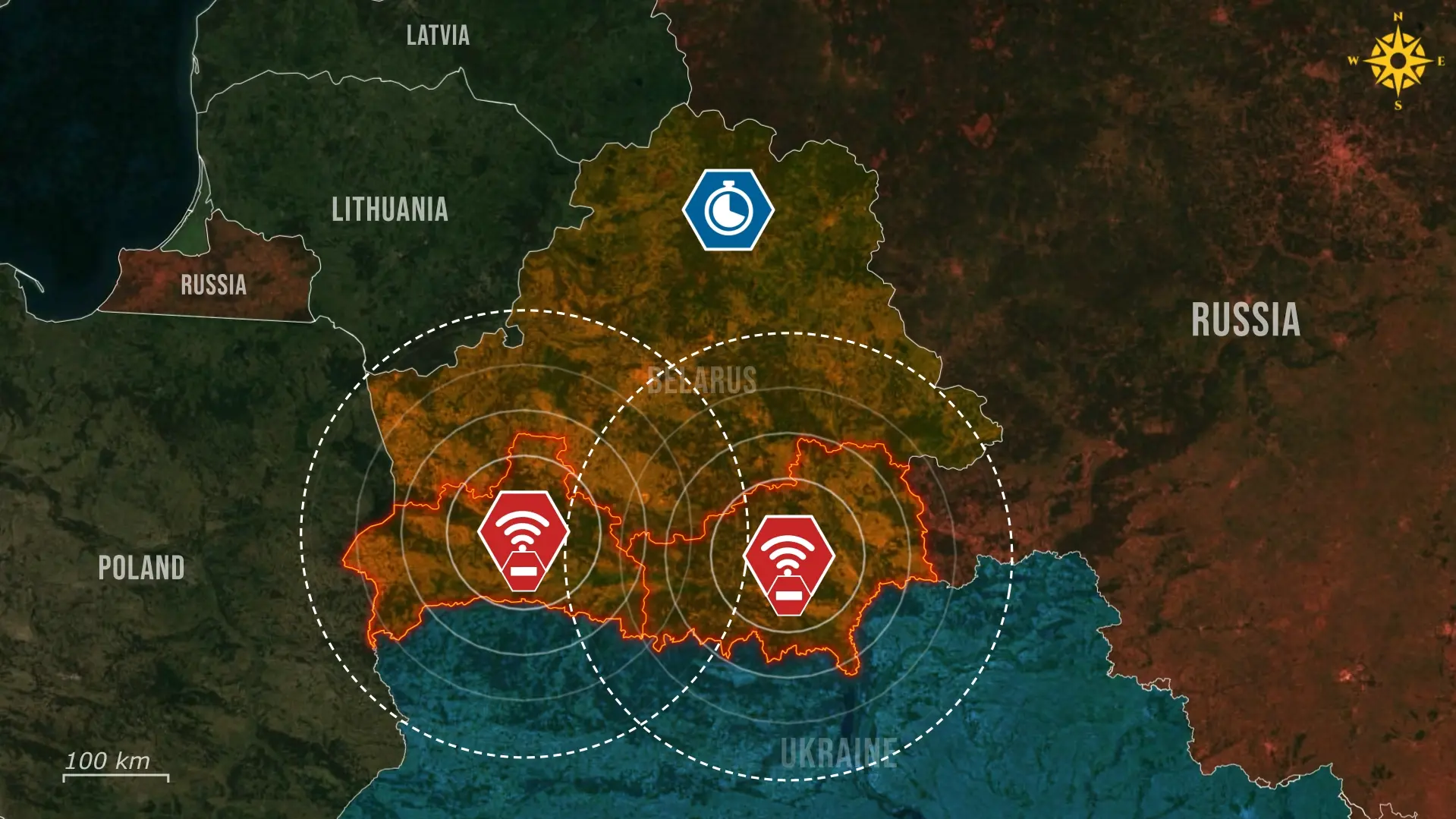
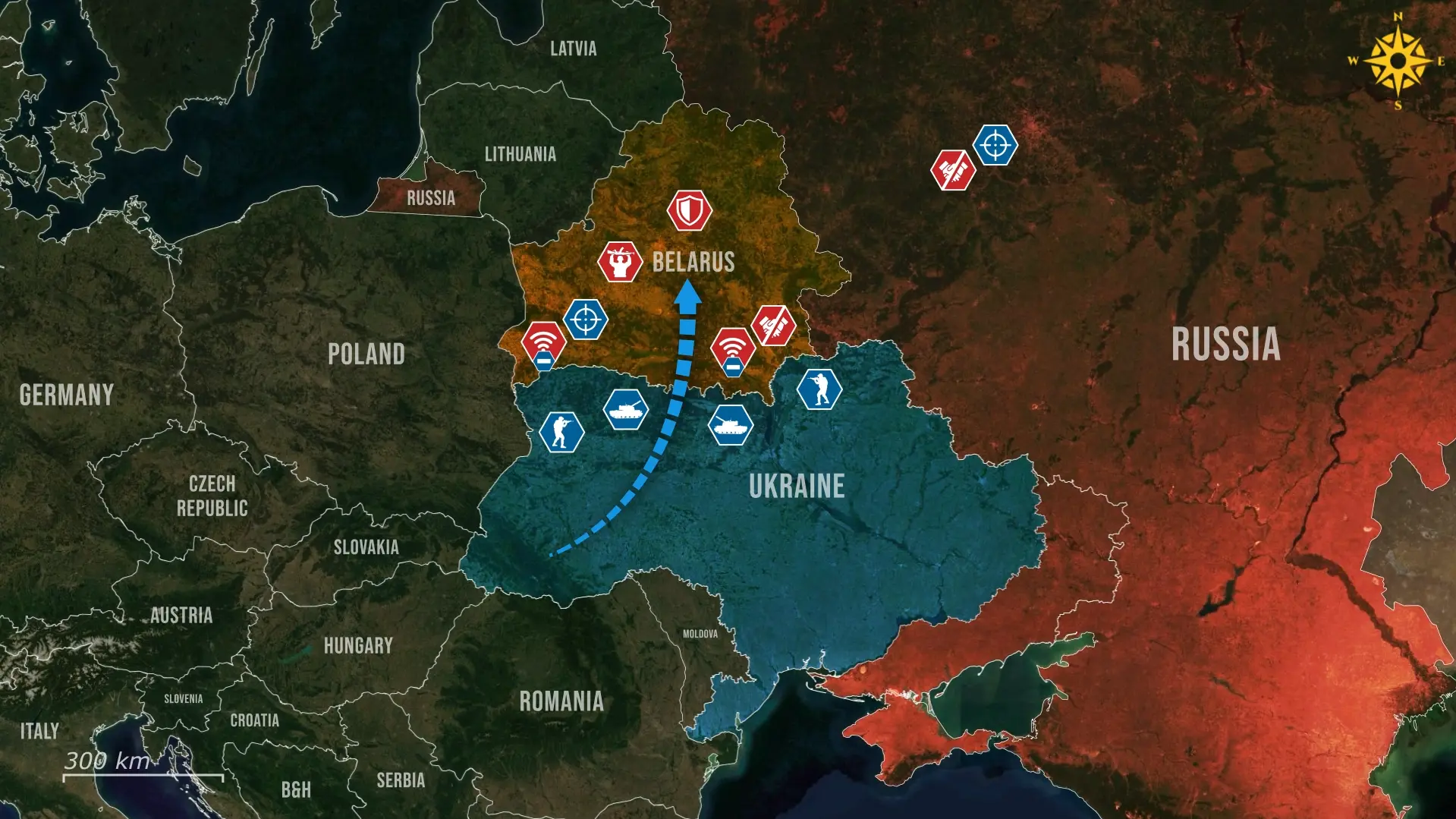
Ukraine gave Minsk only one week to dismantle systems in the Gomel and Brest regions that were helping Russian Geran drones keep contact during flight and strike targets deeper inside Ukraine. Minsk then gave way, beginning to disconnect parts of the relay network rather than risk Ukrainian strikes on its own territory. That decision immediately complicated Russian attacks from the north, because every tower taken offline reduced the signal coverage and communications support that helped drones stay connected in flight and reach targets more reliably. Instead of using Belarusian territory as a stable support layer for strikes, Russia now faced a weaker northern network and a harder task in sustaining drone attacks along that route.
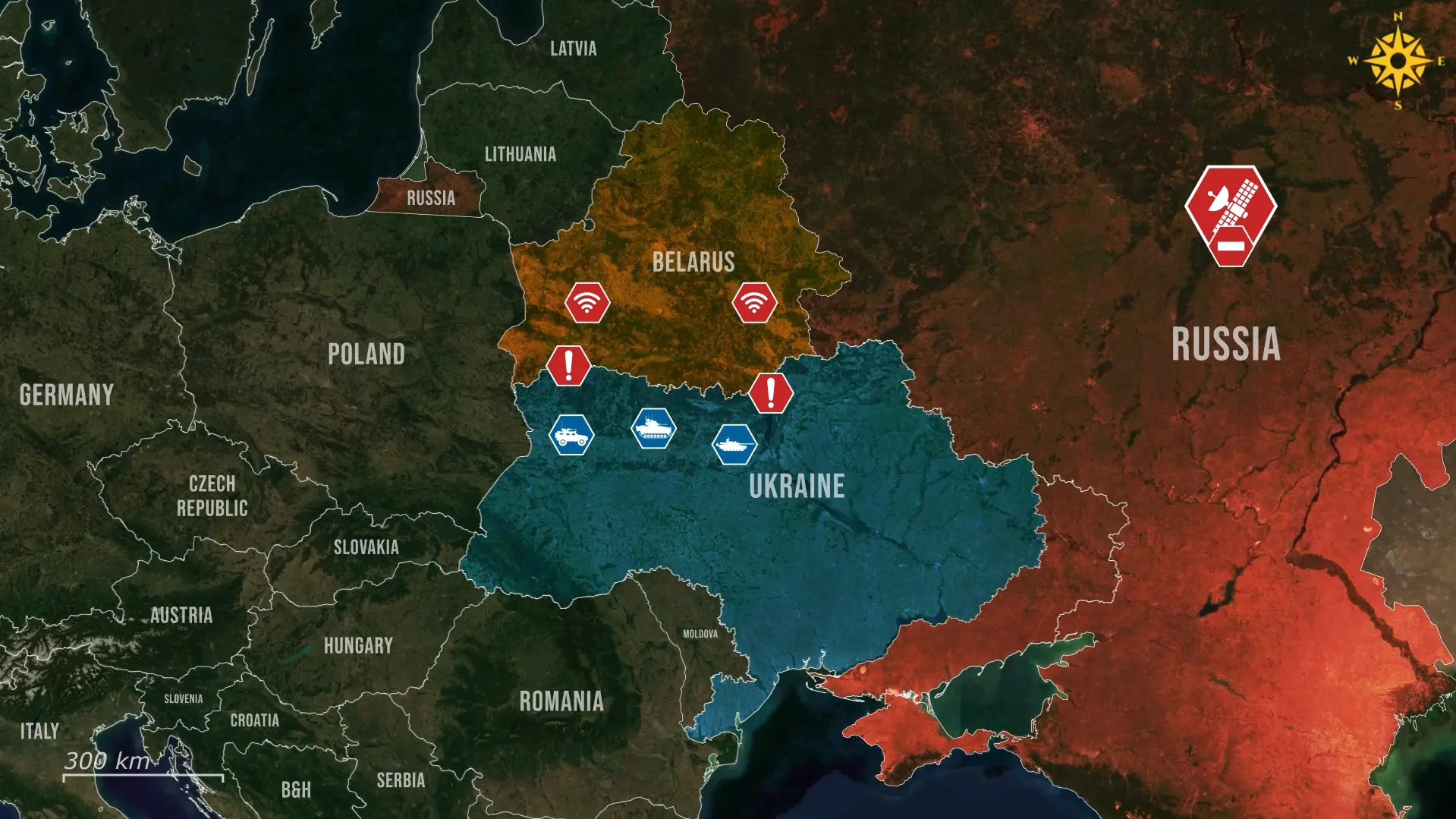
The move immediately sent shock through Moscow, as spokesperson of Vladimir Putin, Dimitry Peskov, stated that Putin wants to immediately speak with Lukashenko regarding the relay stations. He called the Ukrainian ultimatum aggressive, and accused Ukraine of interfering in Belarusian affairs. The urgency of Putin's call to Lukashenko underscores how important the Belarusian relay network is to Russia. After the Starlink shutdown and lack of domestic alternatives, these relays are the only way for Russia to accurately strike Ukrainian targets in the west and north of the country. As much of Western military aid and support flows through these channels, Belarus caving to Ukraine in these demands means a halt to Russian strikes on one of Ukraine's most crucial supply lines.
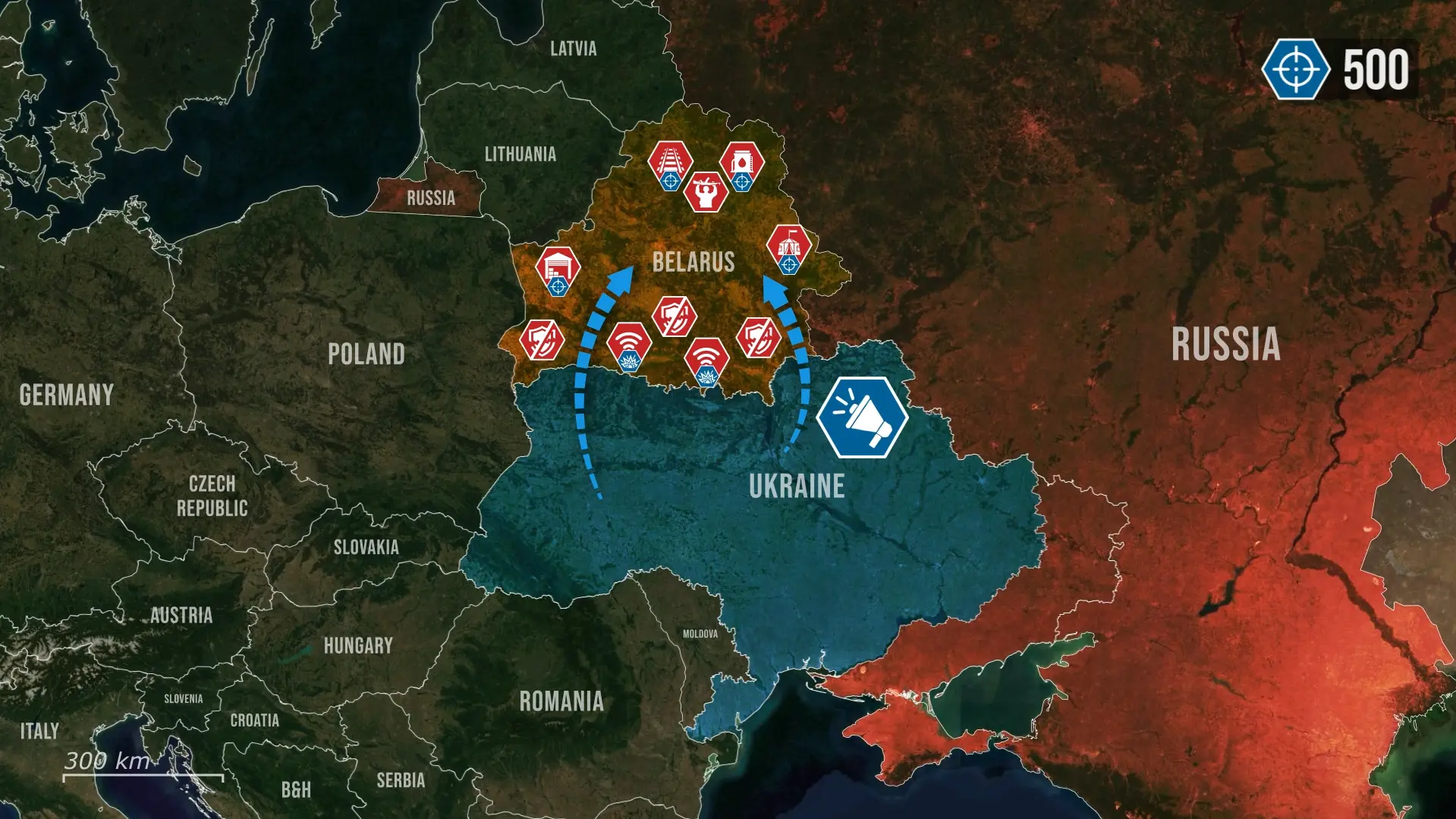
That also explains why Belarus could not risk escalation once the ultimatum took effect, because Lukashenko understood that Belarus could not defend itself if Ukraine launched major strikes. Ukrainian officials stated that more than five hundred targets inside Belarus had already been preselected, including military sites, logistical hubs, and fuel and transport infrastructure supporting Russian operations. The relay towers were only the first layer of that target map, raising the risk of strikes spreading across Belarusian territory and disrupting both military support and internal stability. Once Kyiv made clear that Belarus itself would pay the price for helping Russian attacks, Lukashenko effectively chose surrender over escalation.
That is what made Belarus’s decision important beyond the relay towers themselves, as Belarus has long helped Russia keep alive the possibility of pressure from the north. That forced Ukraine to hold troops, air defenses, reconnaissance assets, and engineering resources along a border of roughly one thousand kilometers. That alone was a win for the Russians, because every Ukrainian unit and weapon system fixed there was one less available for the fighting in the east. By forcing Belarus to shut down Russian relay stations, Ukraine is now weakening one of the systems that helped Russia sustain the Shahed threat from the Belarusian direction.
Lukashenko then began speaking more openly, drawing a public line against any deeper role for Belarus in Russia’s war. He stated that Belarus would never attack Ukraine and rejected the idea of sending Belarusians to become cannon fodder for Moscow. Those remarks placed distance between his position and Russia’s expectations while also showing the Belarusian public that he was not prepared to drag the country from indirect support into open participation. Deeper involvement would leave Belarus exposed to retaliation, tie Lukashenko’s regime more directly to a war many Belarusians did not want to fight, and leave him with far less room to resist Moscow’s push for Belarus to commit its army and territory more openly to the war.
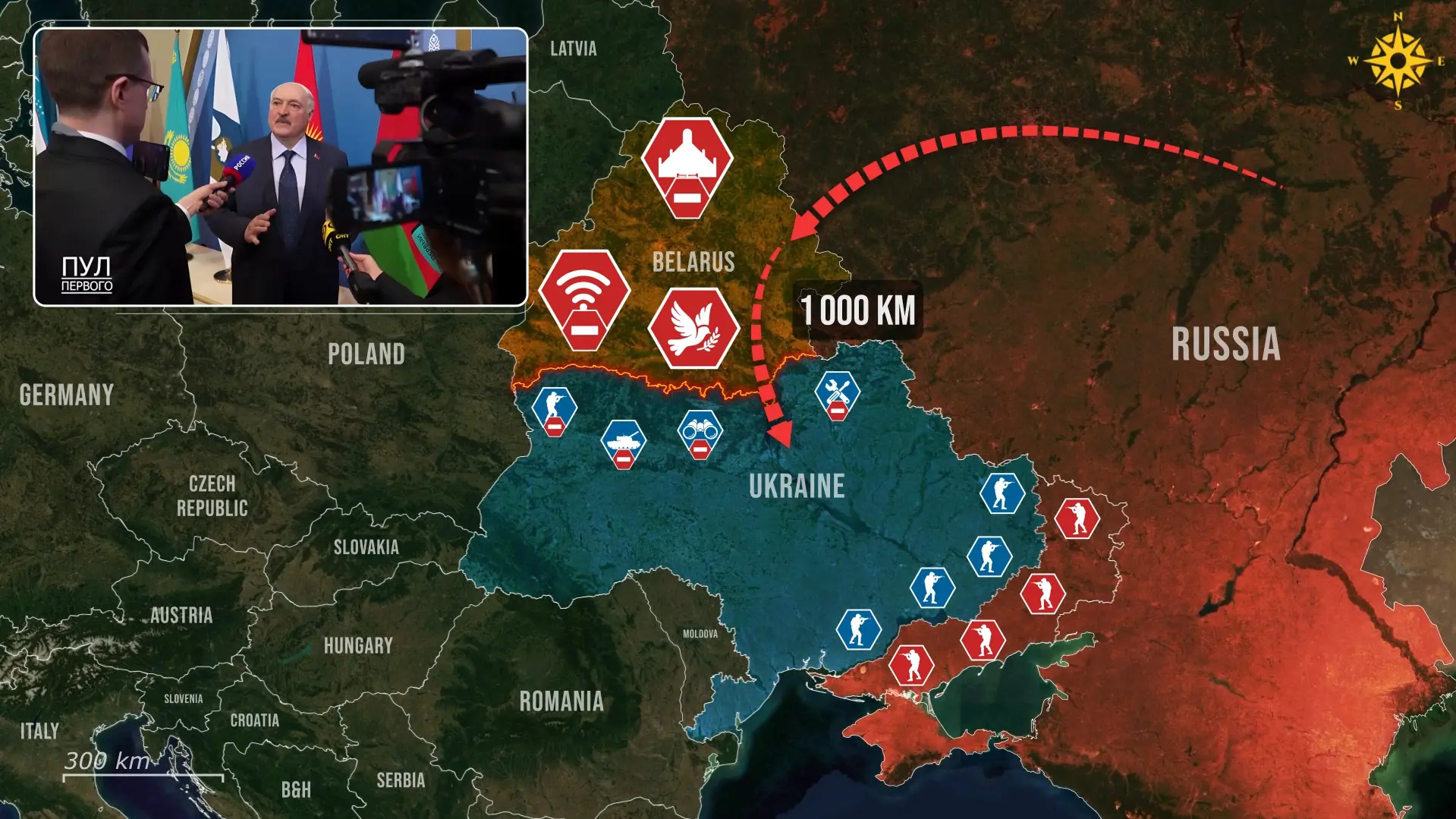
Overall, Ukraine succeeded in forcing Belarus to back down, handing Putin a personal setback alongside a strategic loss for Russia. Lukashenko’s retreat showed that years of pressure, threats, and dependence still were not enough for the Kremlin to keep its closest military ally taking risks once Ukraine raised the cost. Belarus had been expected to remain a reliable northern support zone and a constant source of pressure that pinned down Ukrainian troops and defenses along the border. Lukashenko has now made his choice in the clearest way so far, putting self preservation over Russian demands, cutting into Putin’s northern pressure strategy, and showing that even the Kremlin could not pull Belarus deeper into the war once Ukraine raised the cost.

.jpg)


Comments