

.svg)
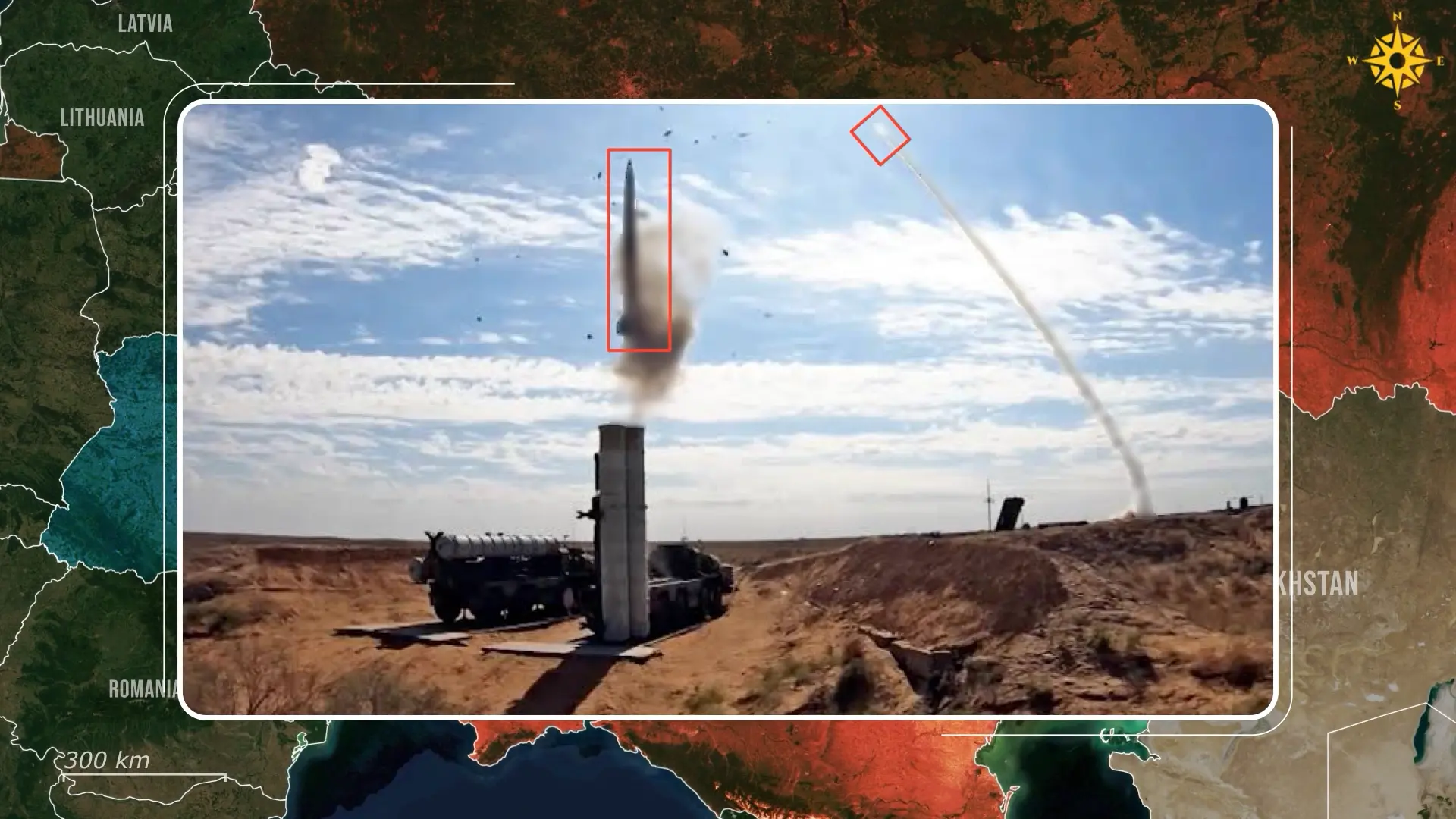
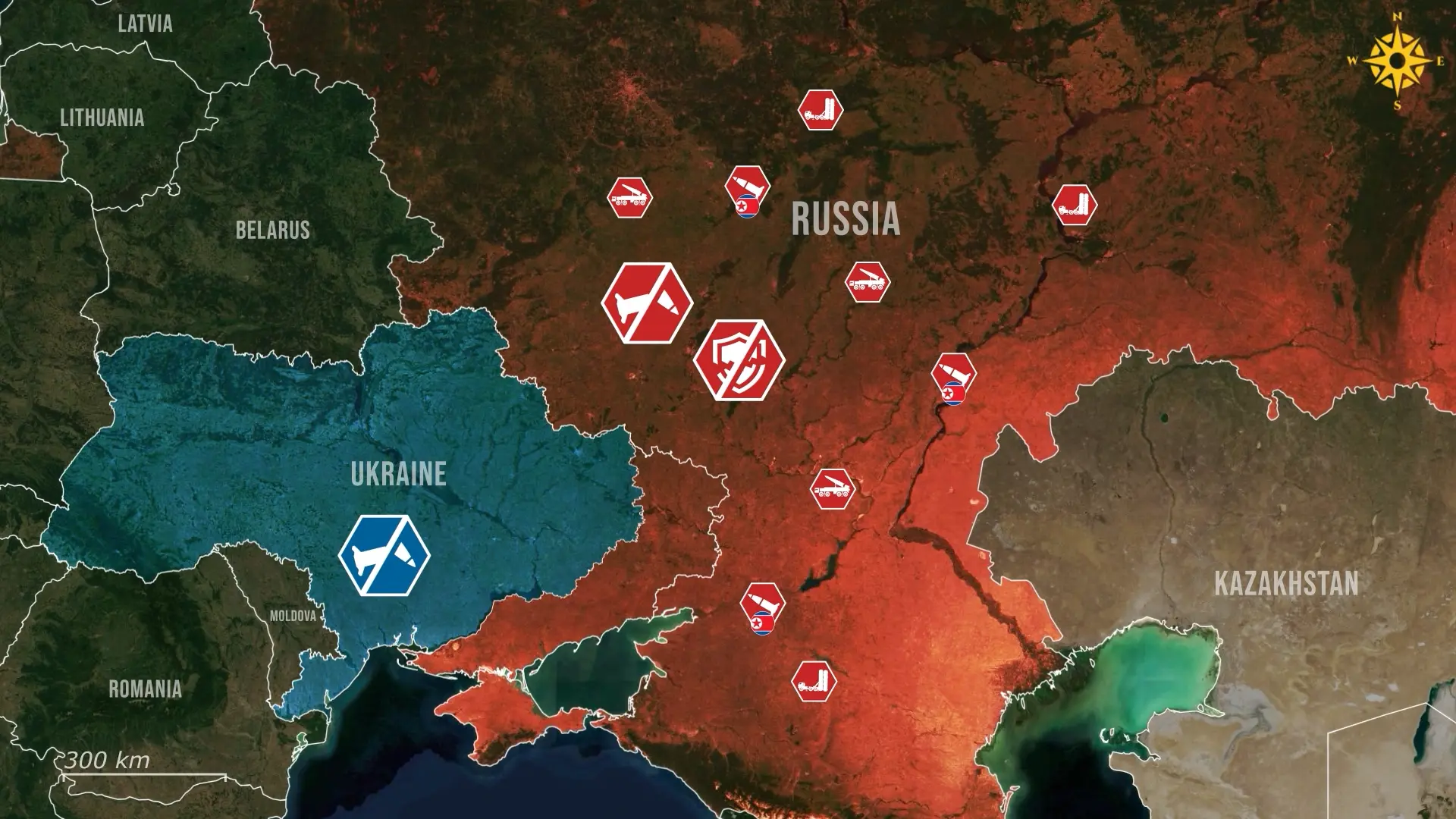
Russians have now officially started to dismantle their own air defense, leaving even more gaps for Ukraine to exploit. All of this was done solely to increase the number of strikes on Ukraine, as Russia has begun converting its existing air defense missiles into ground-attack ballistic missiles. According to Ukrainian intelligence, Russia converted around two-hundred missiles in two-thousand-and-twenty-five and plans to convert an additional four-hundred-and-eighty by the end of this year. However, as these missiles were never designed for such ground-attack purposes, their accuracy is horribly ineffective. Additionally, using air defense interceptors as strike weapons creates a serious long-term vulnerability for Russian air defense as a whole, as production capabilities is refocused and repurposed, while Russians already suffer from a serious air defense problem.
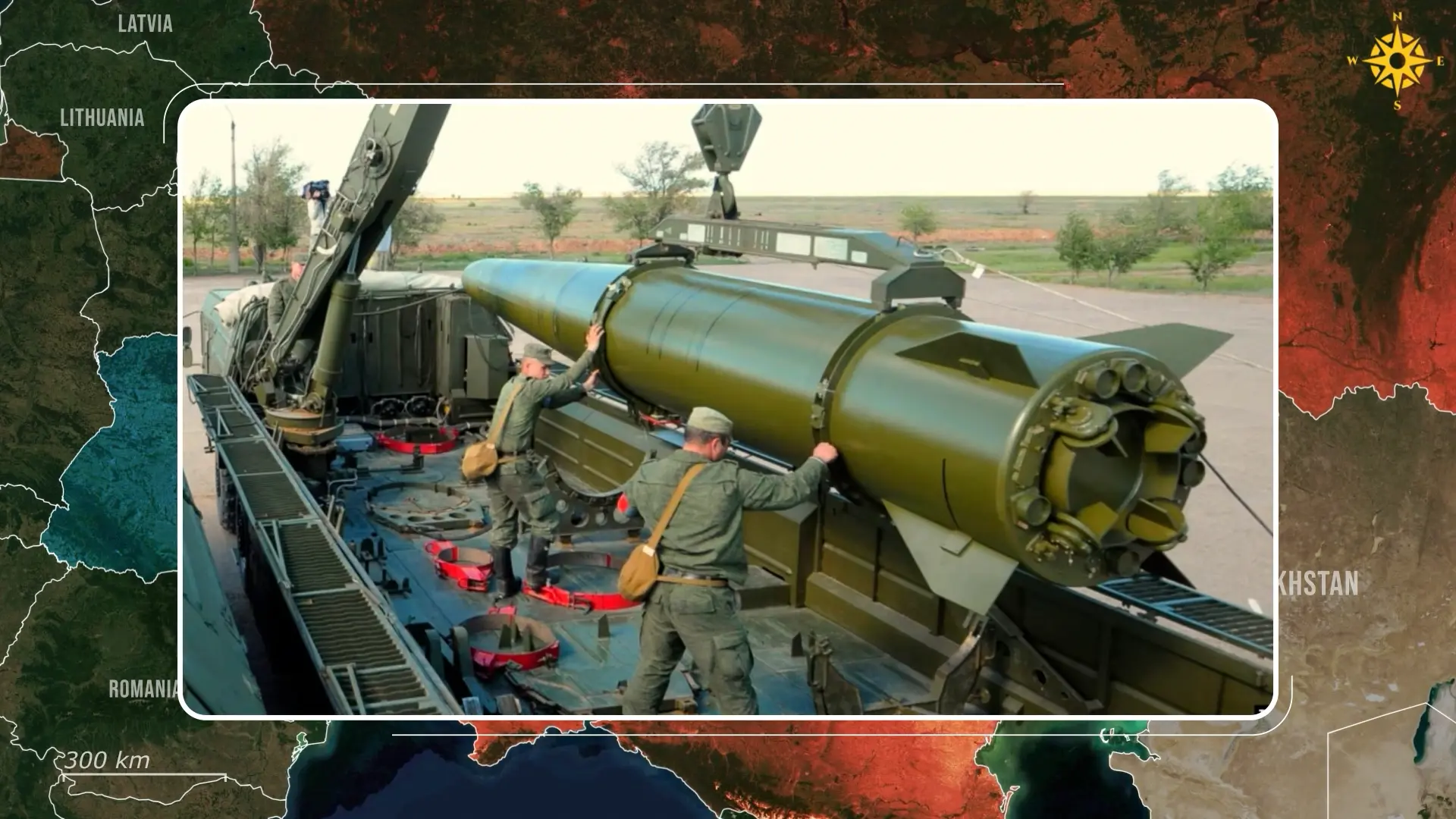
Russian air defenses are already placed under significant strain, with Russian military analysts stating that Russia is experiencing a true air defense shortage. Ukrainian saturation tactics using waves of drones and missiles force Russian systems to already expend valuable interceptors, with some units already reporting a shortage. Instead of addressing this shortage, the Russian leadership has decided to prioritize offensive strikes against Ukraine. This decision may exploit Ukraine’s own shortage of ballistic missile interceptors, but it leaves Russia with a thinner and less capable defensive shield of its own, while Ukraine works to strengthen theirs instead. Despite this obvious misalignment of priorities, Russia is now focusing massively on launching as many of them as possible to strike targets across Kyiv.
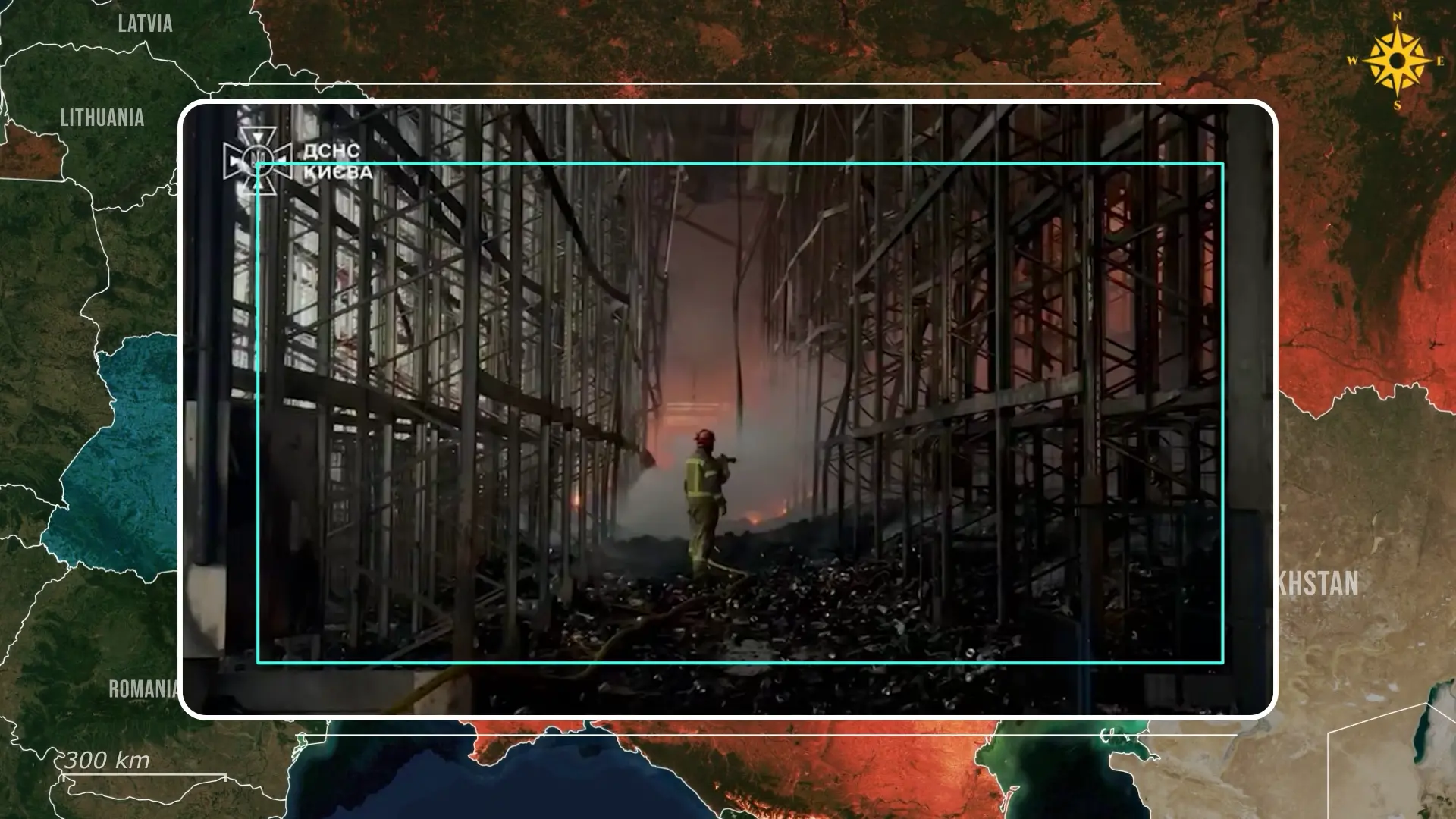
The latest Russian strike involved twenty-four ballistic missiles, four Zircon missiles, and more than one hundred drones. Russians deployed ballistic missiles with cluster warheads to target warehouses within the city. As a result of the attacks, seventeen people were killed, more than forty were injured, and fire raging for hours.
Simultaneously, Russia is importing additional offensive capacity while prioritizing missiles that weaken or fail to replenish its homeland defense. A North Korean missile unit has recently been deployed to the Voronezh region to support missile strikes against Ukraine. The contingent includes approximately six individual ballistic missile launchers and more than one-hundred-and-twenty ballistic missiles. These North Korean missiles and launchers will soon enable Russia to conduct even larger salvos and more frequent attacks on Ukraine, putting Ukraine’s air defense network under increasing strain.
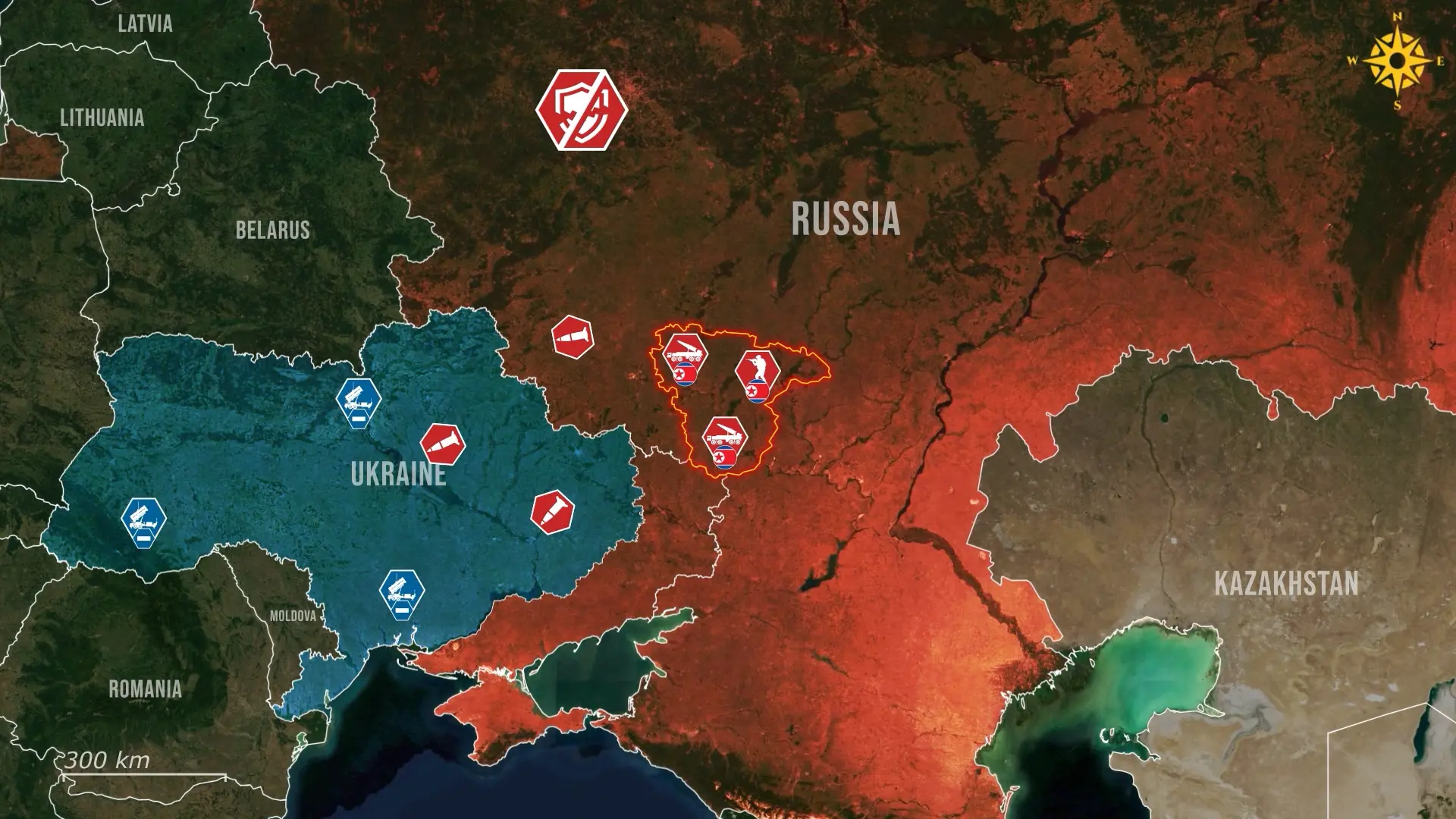
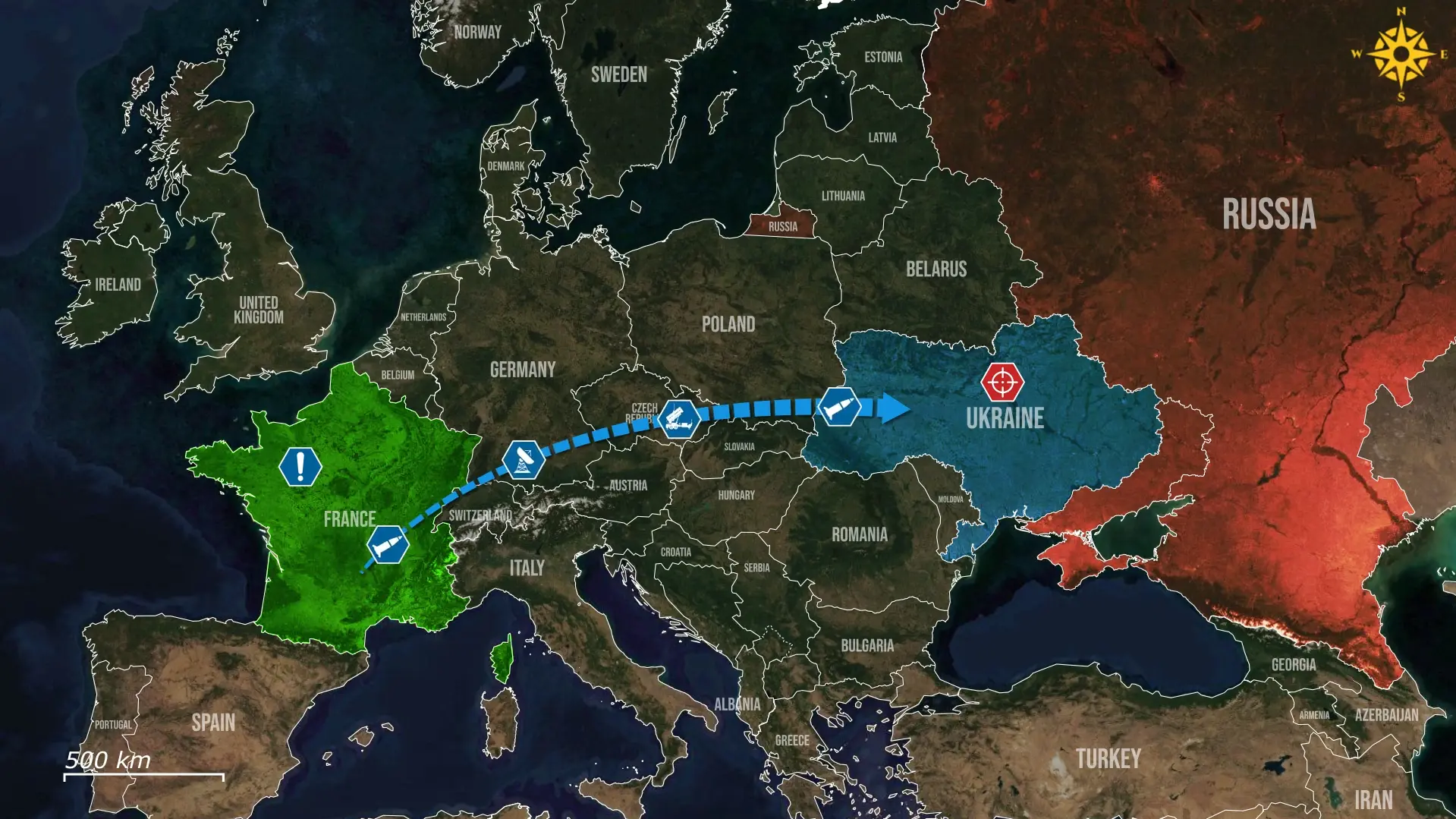
However, destroying the launchers before firing may be more realistic than attempting to intercept every missile after launch. Ukrainian Foreign Minister Andrii Sybiha has declared that North Korean missile installations or systems deployed to attack Ukraine are legitimate military targets. President Volodymyr Zelensky has additionally made a decree to prioritize the destruction of Russian ballistic missile launchers to reduce the number of strikes against Ukraine. Zelensky stressed that Ukrainian forces already know how to track the locations of the launchers with the help of Western intelligence support. At the same time, Ukraine is working together with European partners to produce an anti-ballistic missile air-defense system as a long-term solution. The interceptor missiles of the Freya system will be manufactured domestically by Fire Point, while its radar and sensors would be supplied by Europe. This would help to reduce Ukraine’s dependence on the US-made Patriot system with a domestic alternative. If this new air defense system is successfully developed and mass-produced, while Ukraine strikes Russia’s launchers, Ukraine could significantly reduce the number of successful ballistic missile strikes. Moscow is now exploiting Ukraine’s temporary shortage, but it is encouraging Ukraine to destroy Russian launchers and accelerate a European replacement for Patriot.
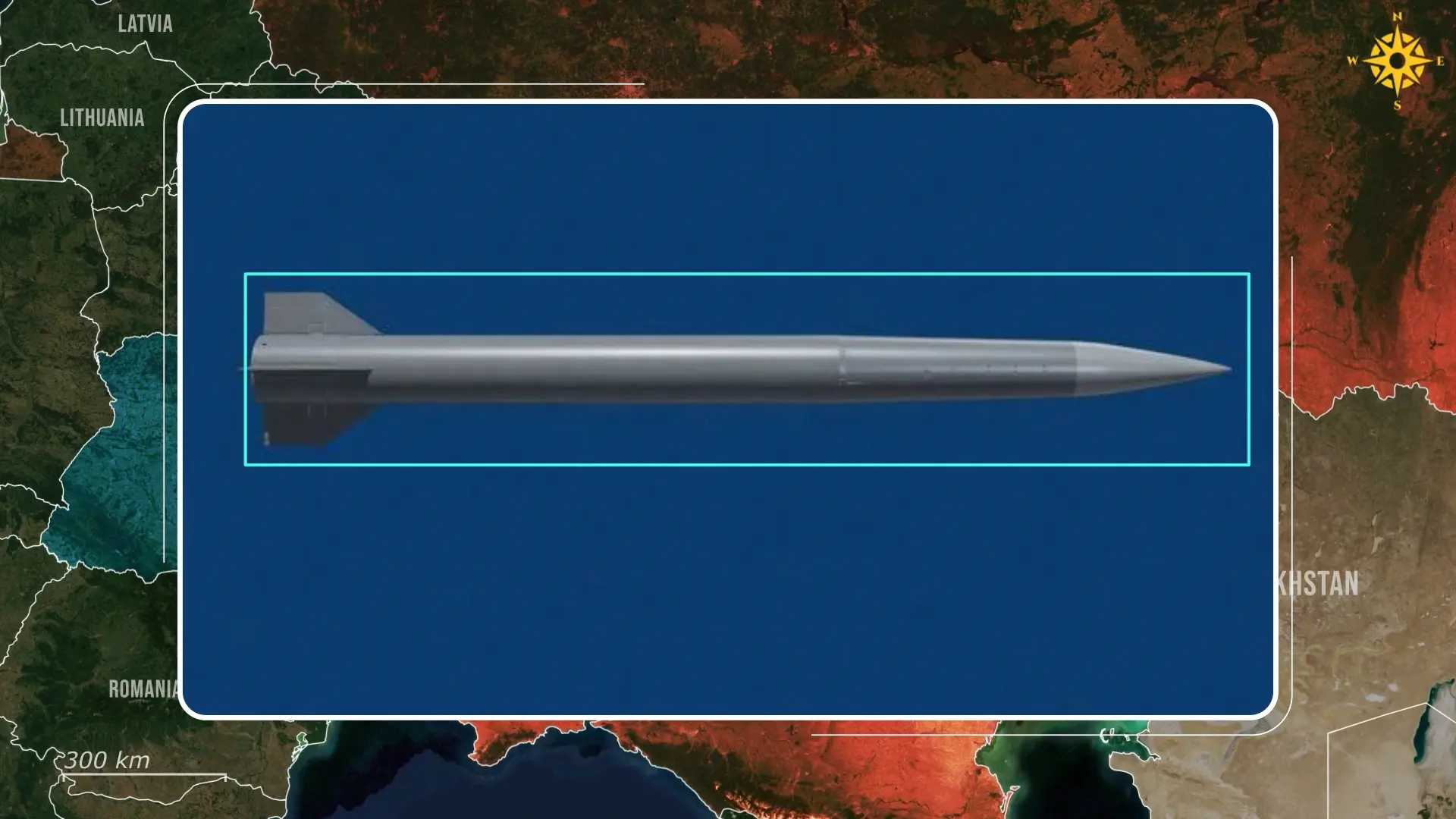
Overall, diverting air defense interceptors into ground-attack missiles is Russia’s biggest mistake, because they are trading long-term homeland protection for short-term strike capacity against Ukraine. Every gap in Russian protection, which they voluntarily make, creates additional opportunities for Ukraine, which they can exploit. Additionally, importing North Korean missiles increases short-term attack volume but does nothing to repair the growing defensive vulnerability inside Russia. Russia is trying to exploit Ukraine’s temporary shortage by creating a potentially longer-term shortage in its own defensive system.

.jpg)

Comments