

.svg)
Today, the most notable developments are coming from Hungary.
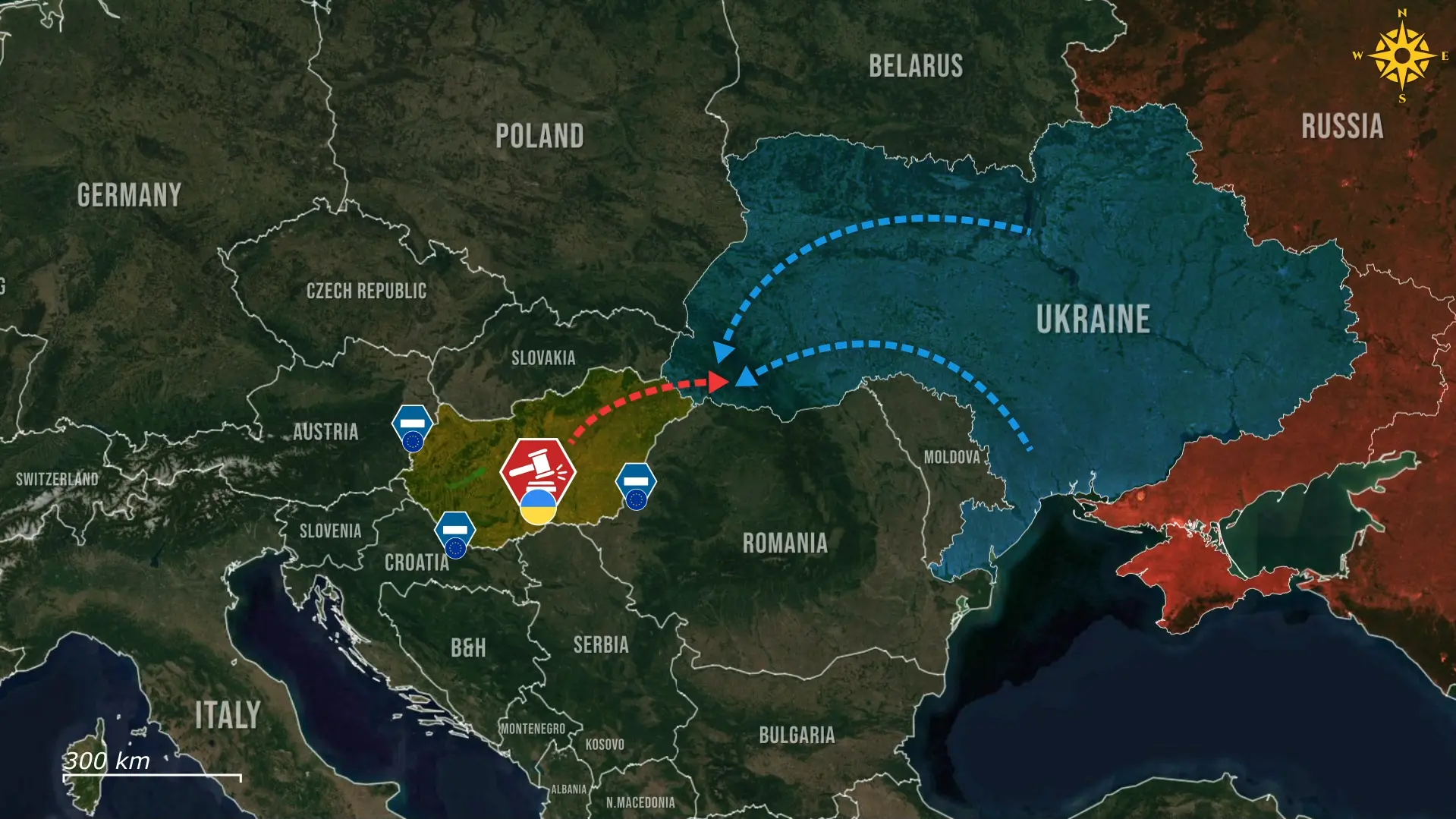
Here, Viktor Orban has pushed his conflict with Ukraine to the point where an energy dispute is now being framed as a potential trigger for an all-out military confrontation. And this is already crossing into a broader escalation, as Hungary threatens war and Orban’s campaign openly claims parts of western Ukraine as its own.
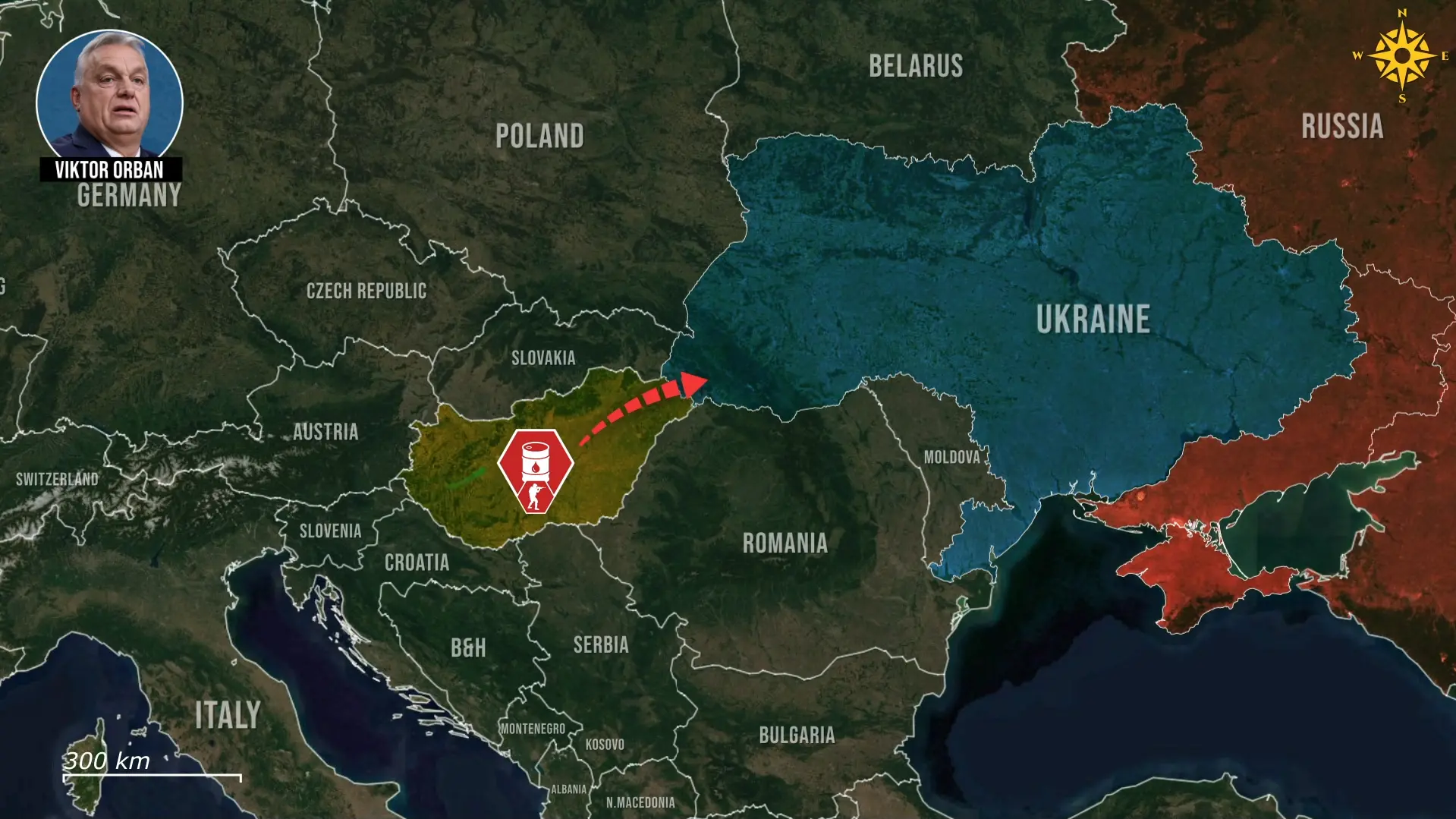
Orban’s office publicly warned Kyiv that another Ukrainian strike on the Turk Stream energy route would be treated as an attack on a Nato country, following earlier reported Ukrainian strikes on infrastructure linked to the Turk Stream pipeline, which runs from Russia under the Black Sea to Turkey and into southeastern Europe. Hungary depends on it for most of its gas supply, with Russian gas making up roughly seventy percent of its imports.
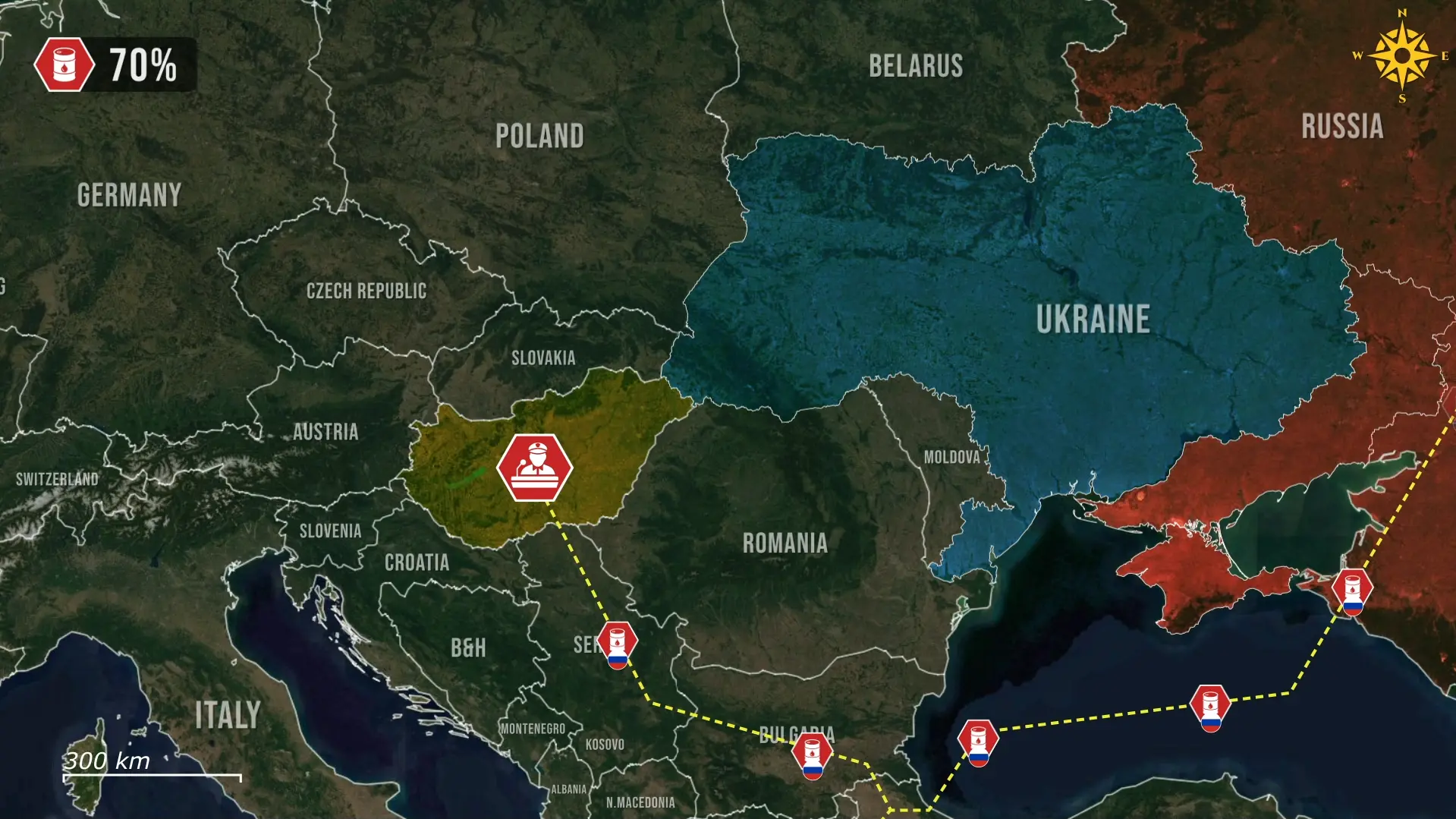
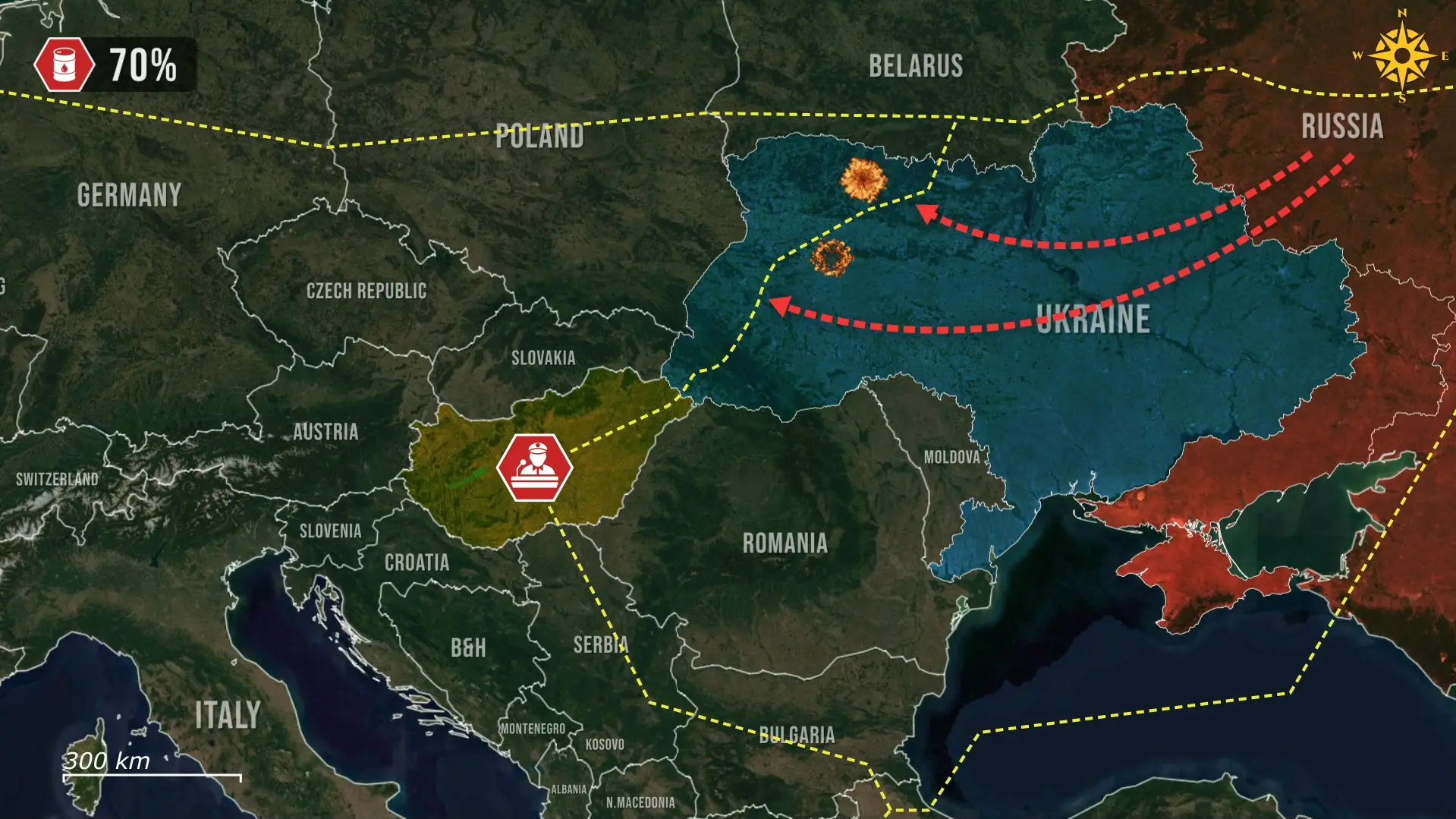
This warning grew out of the Druzhba dispute, where oil transit to Hungary and Slovakia stopped after infrastructure in Ukraine was damaged in a Russian attack, while Budapest claims the restart is being delayed for political reasons.
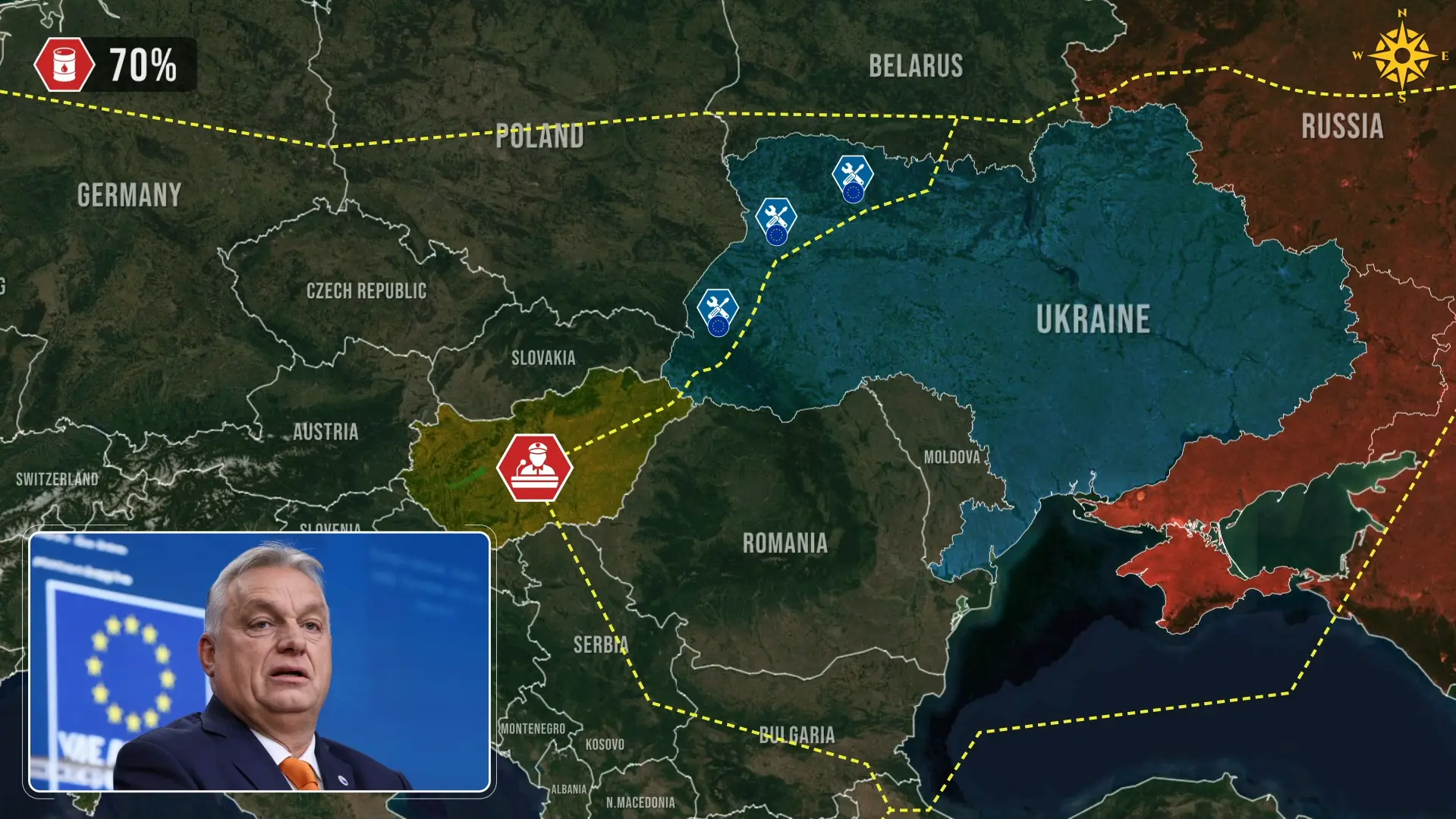
The EU has offered technical help and funding for repairs, and Ukraine has accepted that support, meaning the repair process is already underway. Orban is therefore not reacting to a lack of solutions, but using the restoration timeline as leverage.
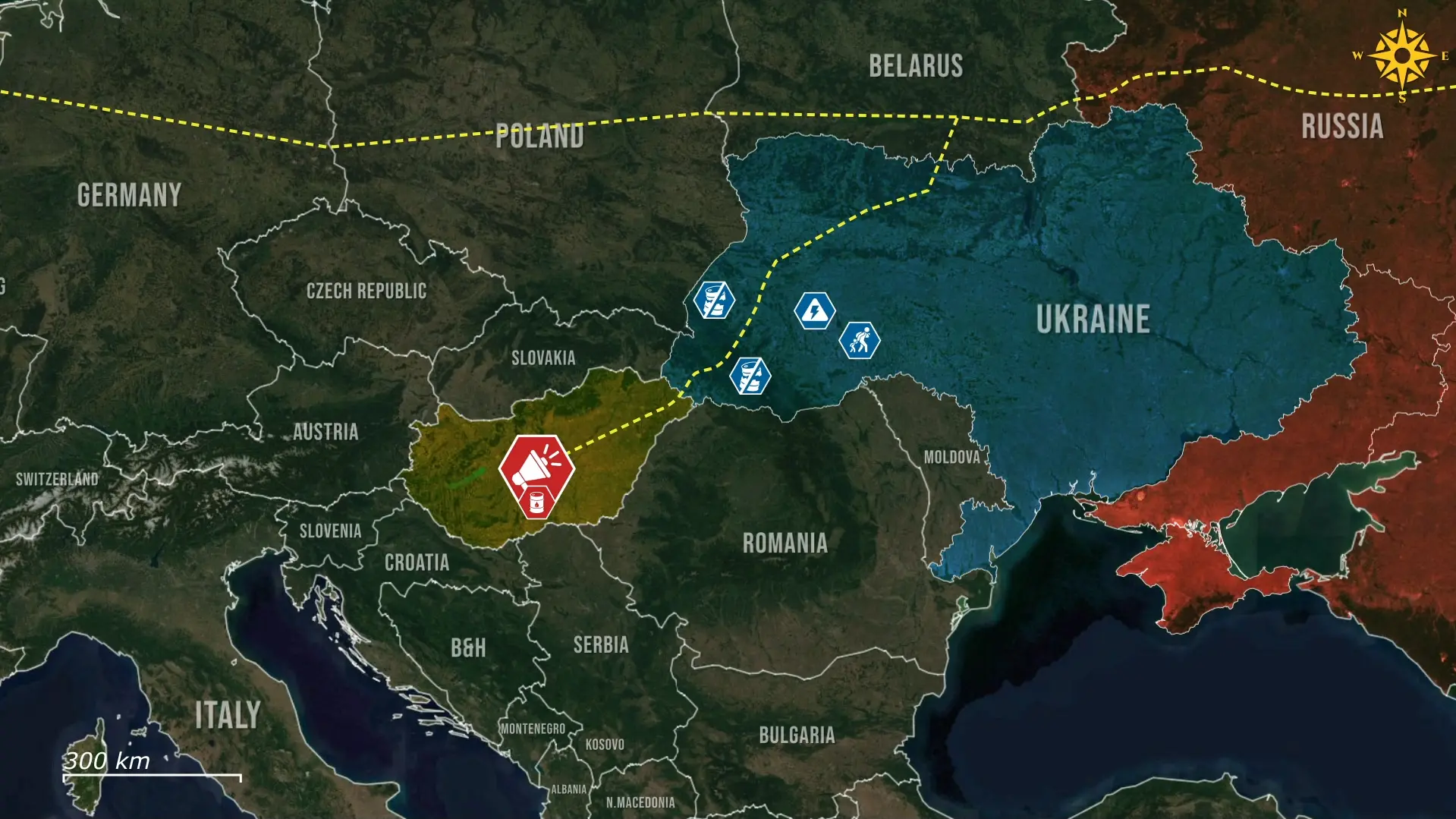
That leverage quickly spread beyond oil, as Hungary moved to restrict gas supplies to Ukraine until oil flows through the Druzhba pipeline resume, even though gas was still physically flowing.
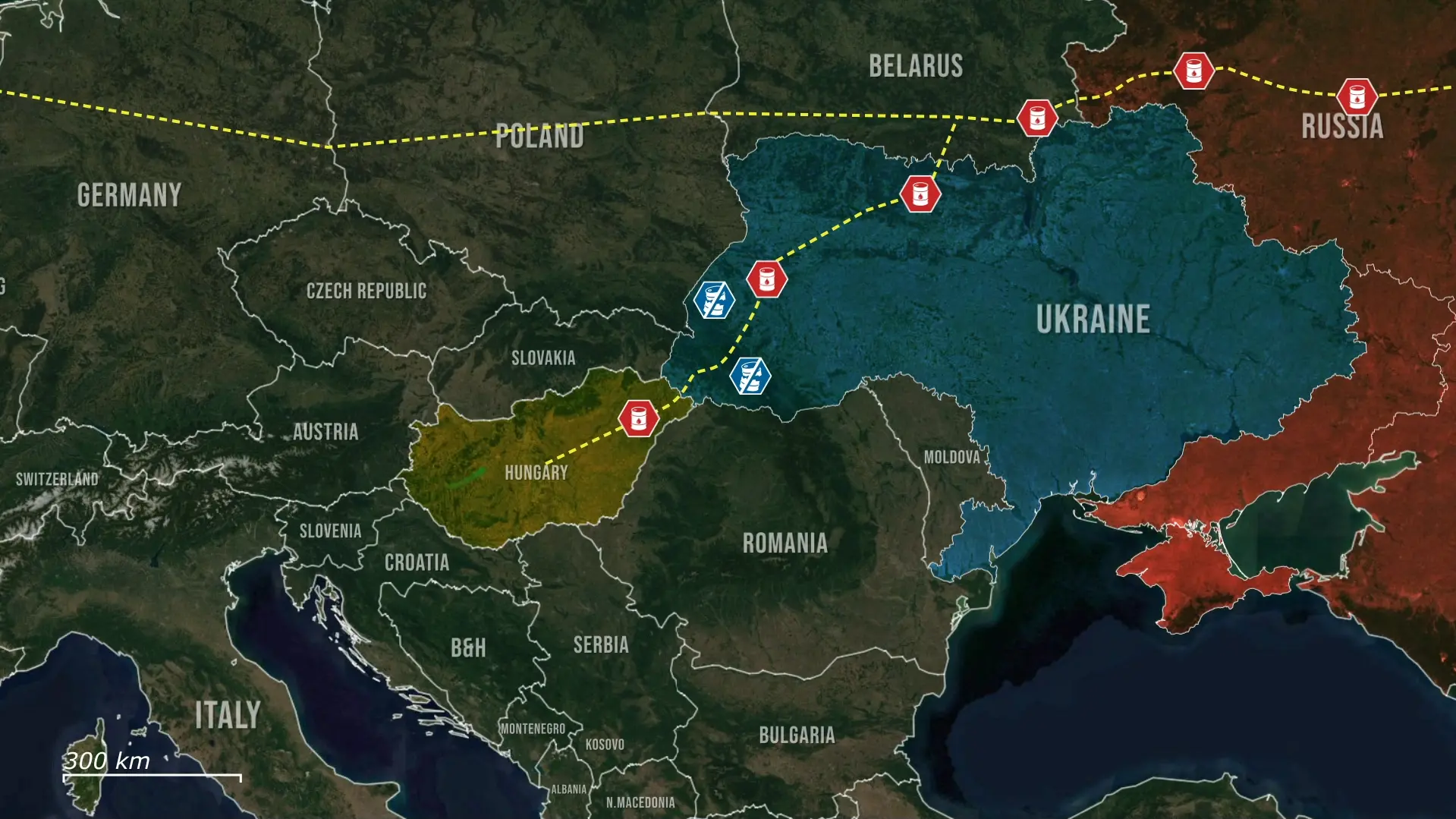
This marks a clear escalation, because gas is not tied to the original dispute, yet it is being used to increase pressure. In practical terms, this gas supports heating, power generation, and industry, so even a partial cutoff places immediate strain on Ukraine’s wartime economy.
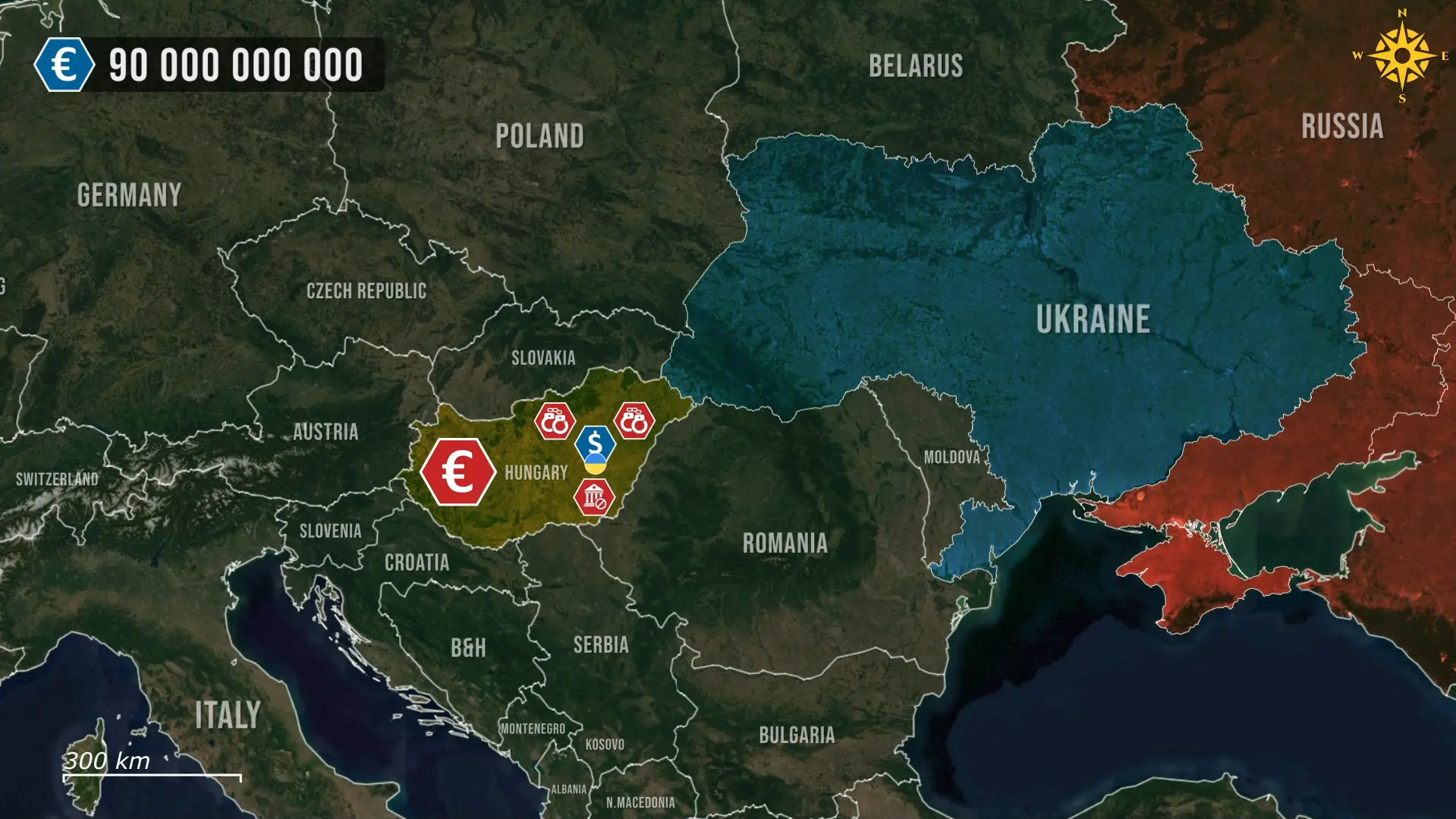
The pressure was then deliberately expanded into finance as the next step. Orban’s ruling party, Fidesz, drafted a bill to keep the cash and gold seized from Ukrainian bank employees after Hungarian authorities intercepted their vehicles, allowing the state to hold those assets for up to two months and formalize the seizure. At the same time, Budapest continues blocking the EU’s ninety billion euro loan for Ukraine, extending the pressure into the European system and affecting Ukraine’s ability to fund state functions and defense. As the pressure expands from oil to gas, and then into finance and EU decisions, this becomes a coordinated campaign across multiple fronts.
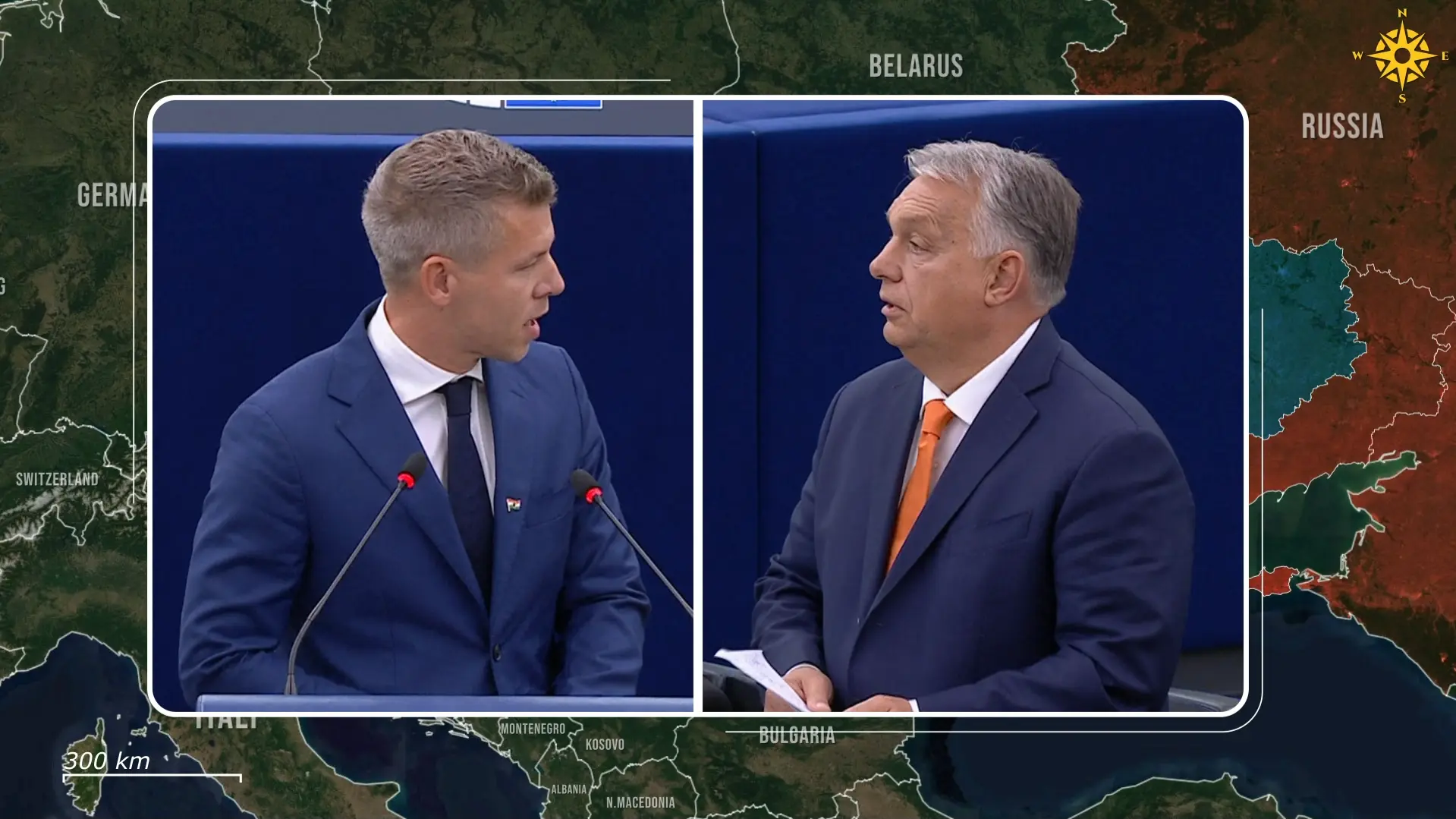
That strategy is colliding with a difficult political moment at home, as Orban faces his toughest election in sixteen years with Peter Magyar leading in the polls, while growing frustration over inflation, corruption, and weak services is driving mass protests across the country. In that environment, escalation against Ukraine can help him strengthen his political position by shifting attention toward external threats.
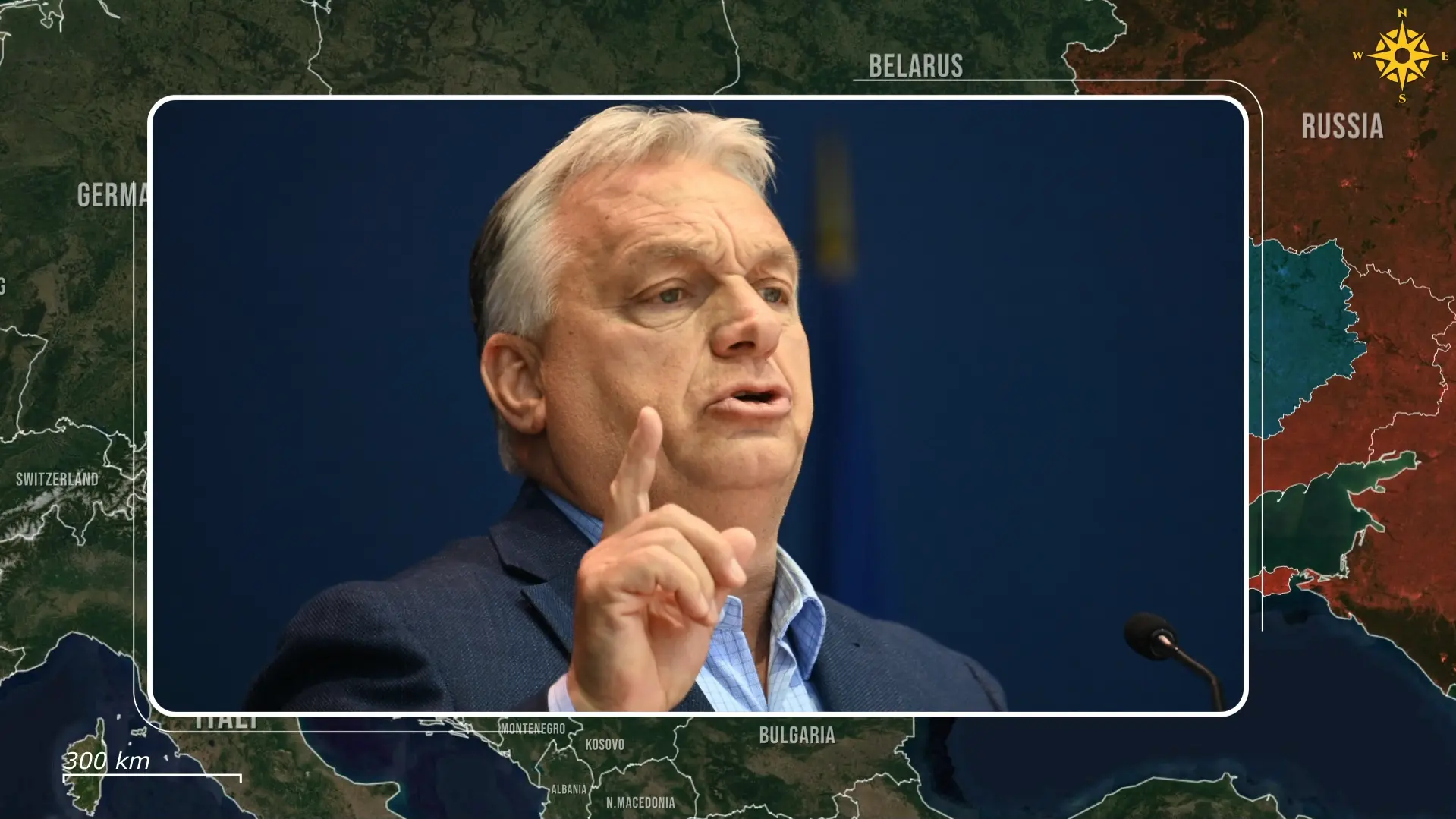
Brussels has delayed approval of Hungary’s access to EU backed defense loans, leaving it the only member state still waiting for funding. At the same time, Kyiv answered the bank seizure with criminal proceedings and legal action, turning the dispute into a formal conflict between states. As pressure builds on both fronts, Orban’s strategy begins to trigger countermeasures that increase isolation and lock Hungary into a cycle of escalation.
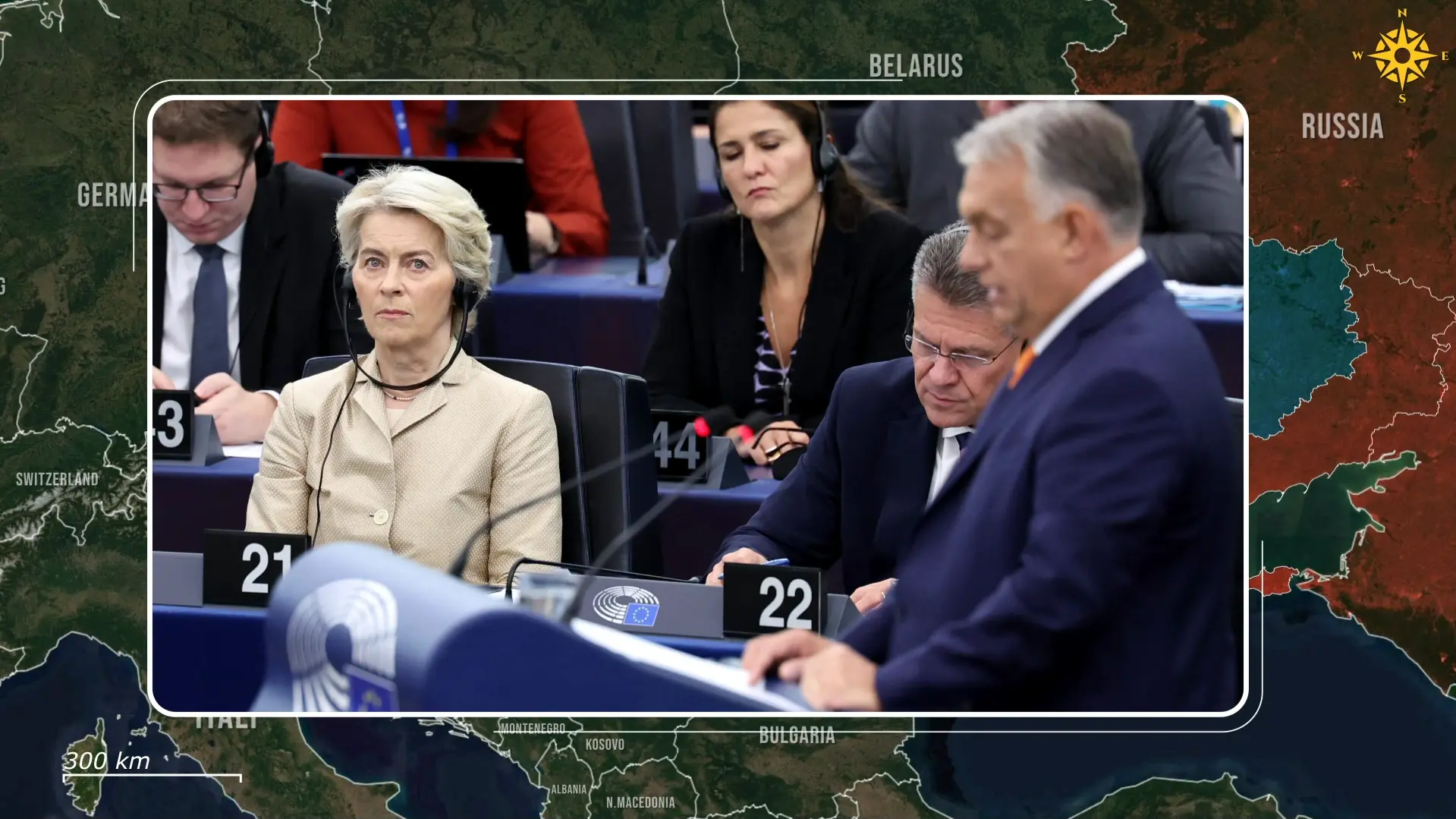
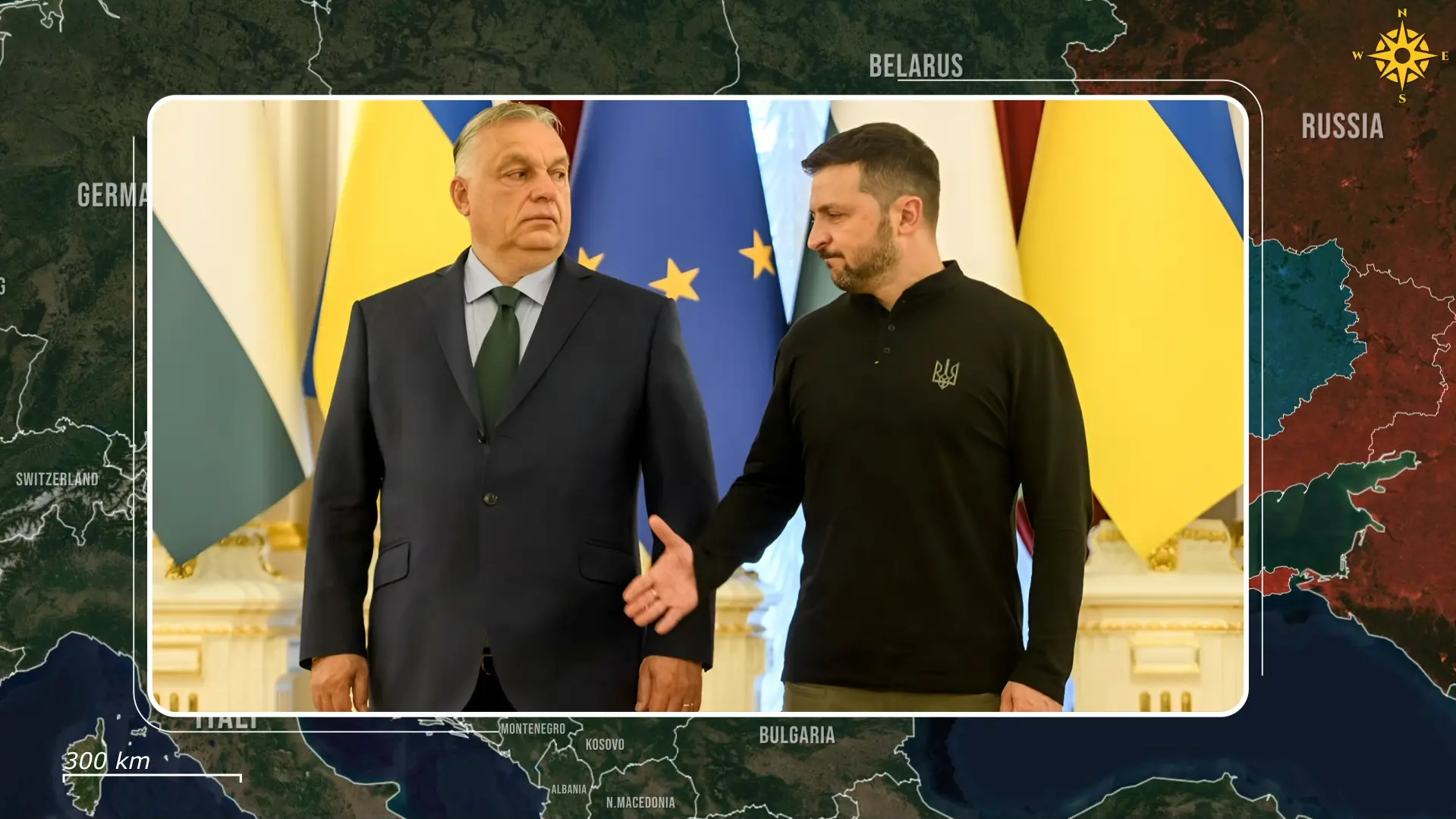
That pressure has now moved beyond energy and finance into open escalation. In Budapest, an anti-Ukraine campaign has taken shape, openly presenting parts of western Ukraine as Hungarian territory. This mirrors the same logic used before past territorial conflicts, where the presence of an ethnic minority is used to justify claims over land. Zakarpatia is central to this, as a western Ukrainian border region with a Hungarian minority now being drawn into this narrative. Ukrainian authorities have identified and acted against a Hungarian officer directing a spy network in the region, tasked with collecting data on air defenses, how people would react, and possible responses to any future Hungarian troop presence. This introduces a direct security dimension, as intelligence activity now overlaps with territorial claims. As economic pressure, territorial messaging, and intelligence activity converge in the same region, the situation begins to resemble the early stages of a potential territorial confrontation.
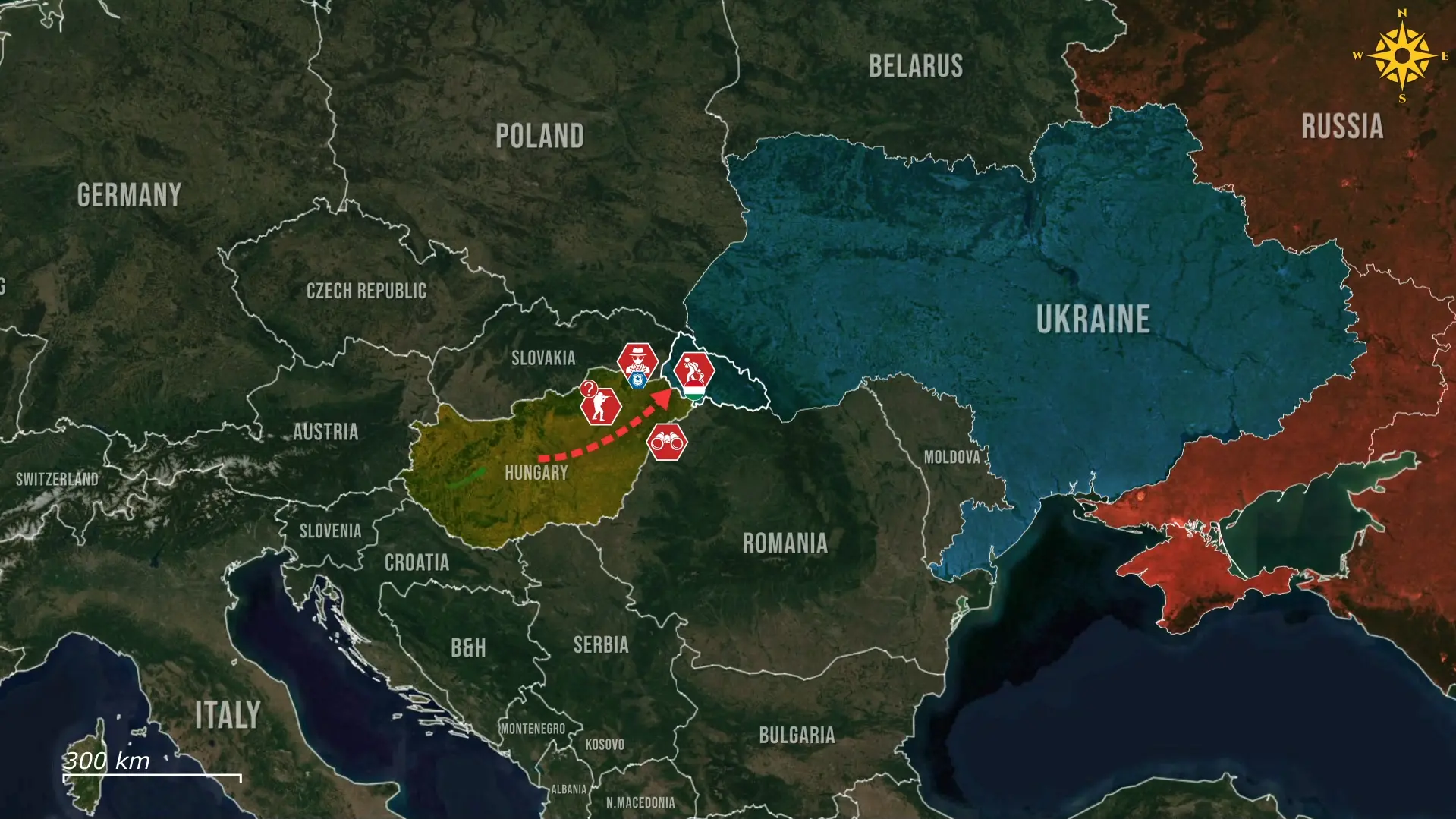
Overall, this is likely to turn into a long pressure campaign where Hungary keeps using energy, money, and EU decisions to limit Ukraine without starting a war. In the coming months, the EU is moving to bypass Hungary more often, reducing its influence in EU decision-making, while also choosing to wait out Orban until after the elections to avoid interfering in domestic politics. At the same time, rising tension around Zakarpatia could escalate into a direct security threat if it begins to shape events on the ground. If this continues, Hungary and Ukraine relations could shift into a sustained and unstable confrontation as long as Orban remains in power.

.jpg)

Comments