

.svg)
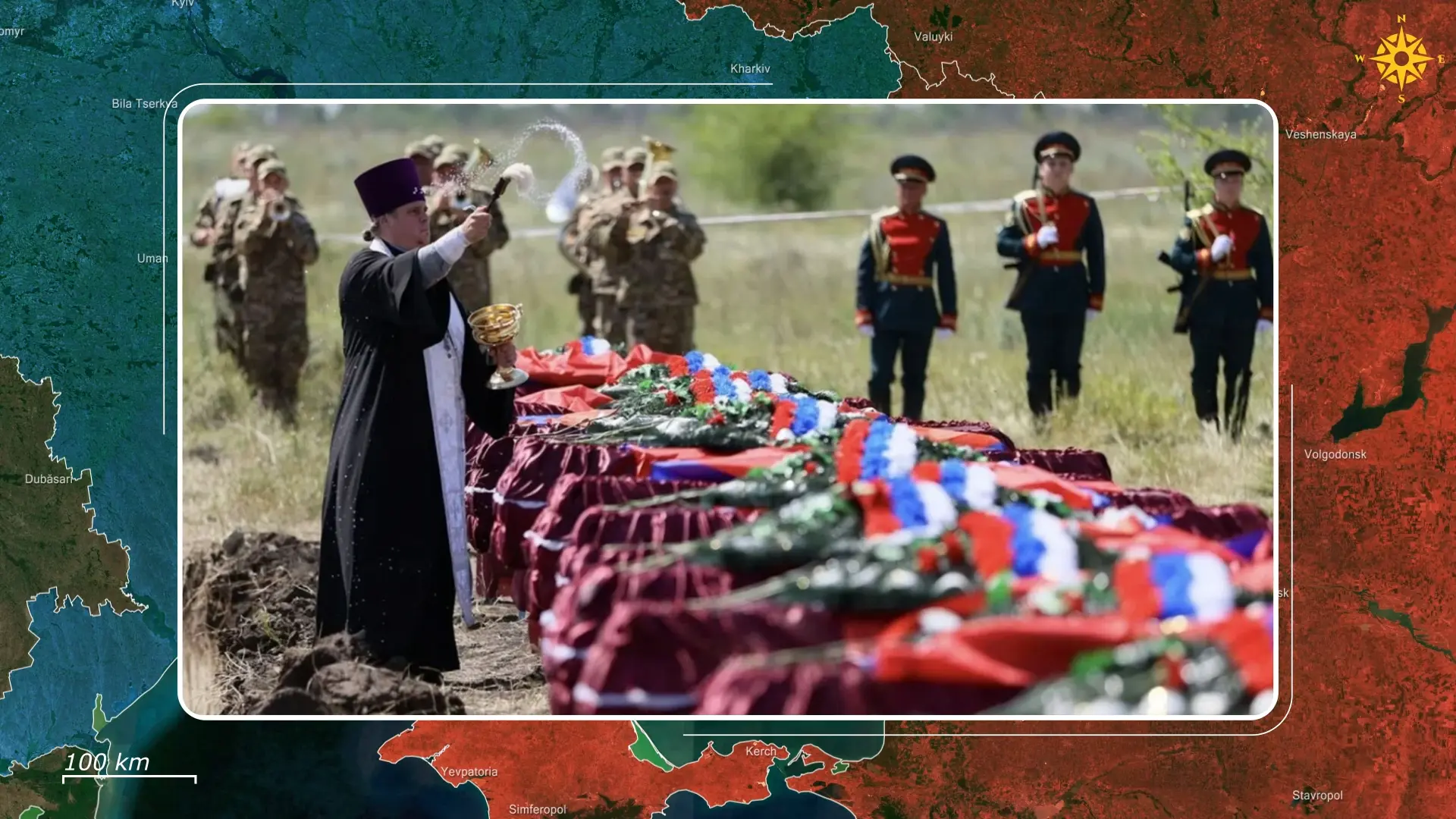
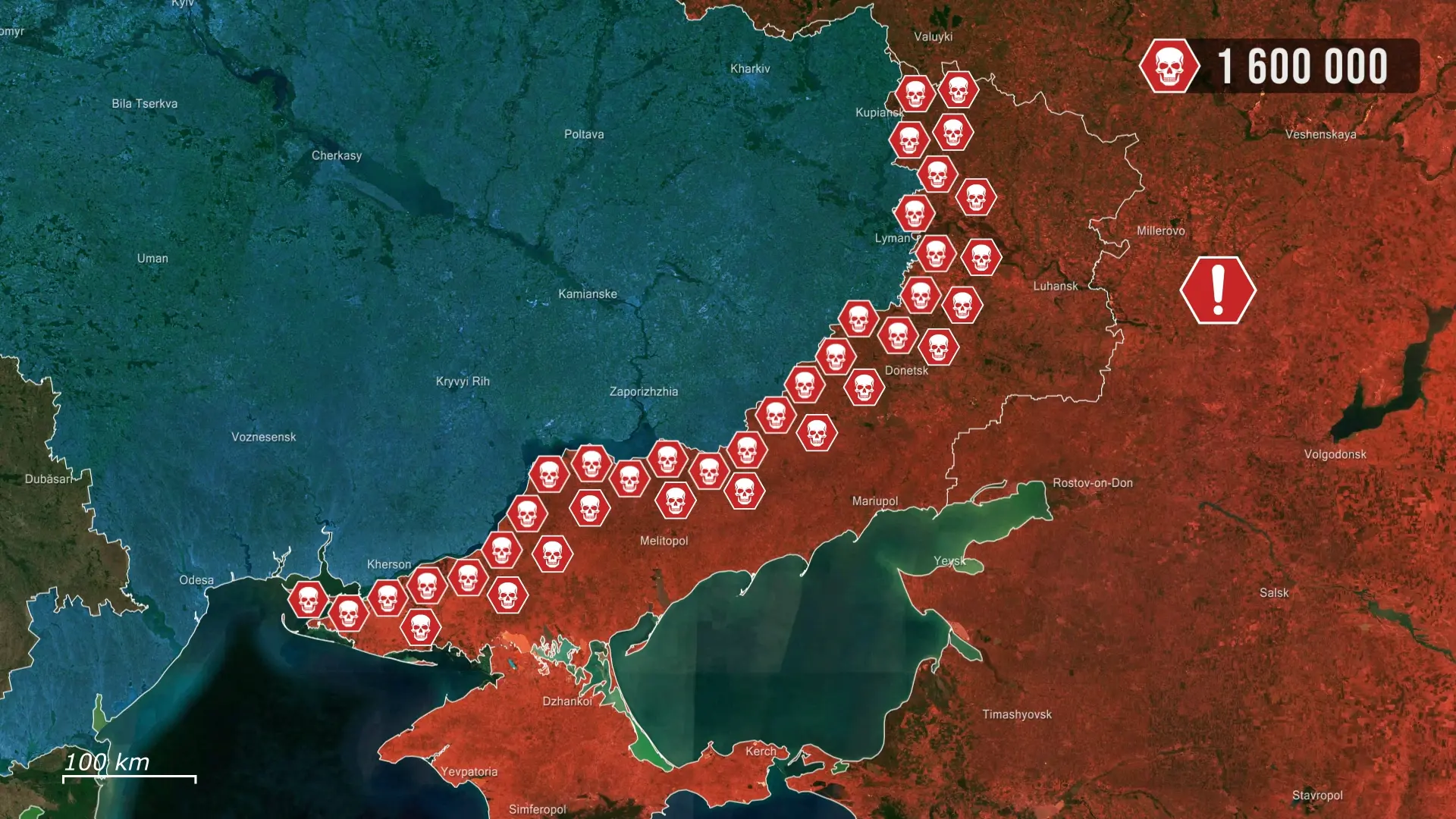
Russia's losses in the war against Ukraine have reached one point six million troops, including killed, wounded, or missing. Out of this, approximately seven hundred thousand are killed, which is around forty-four percent of all casualties. This is significant because historically, only one-third of all casualties are dead and the rest are wounded, indicating that Russia is lacking in battlefield medical care, which leads to higher fatalities. This is a problem for Russia because some wounded soldiers can be sent back to the frontline to fight, but if they die because of the lack of evacuations and casualty care, they need to be replaced.
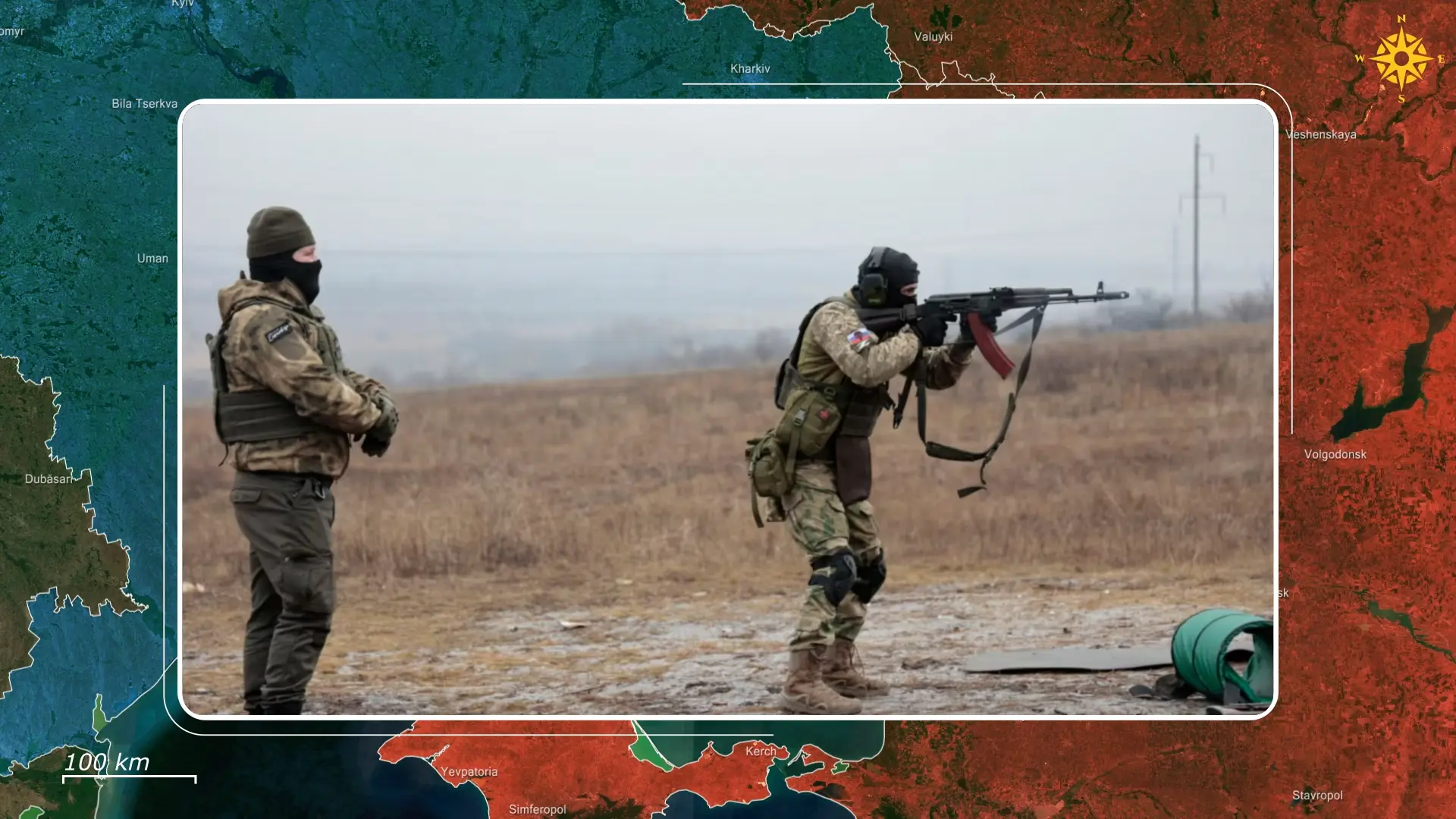
The average lifespan of a recruit from arrival at the training ground to deployment to the frontline ranges from ten to twenty-one days. This shows that Russian soldiers only receive very limited training in small-arms handling and tactics, which significantly reduces their effectiveness on the battlefield. Replacements also arrive too slowly and are usually eliminated before units can rebuild their strength, which means that there is no coming back from the already accumulated losses at this stage of the war.
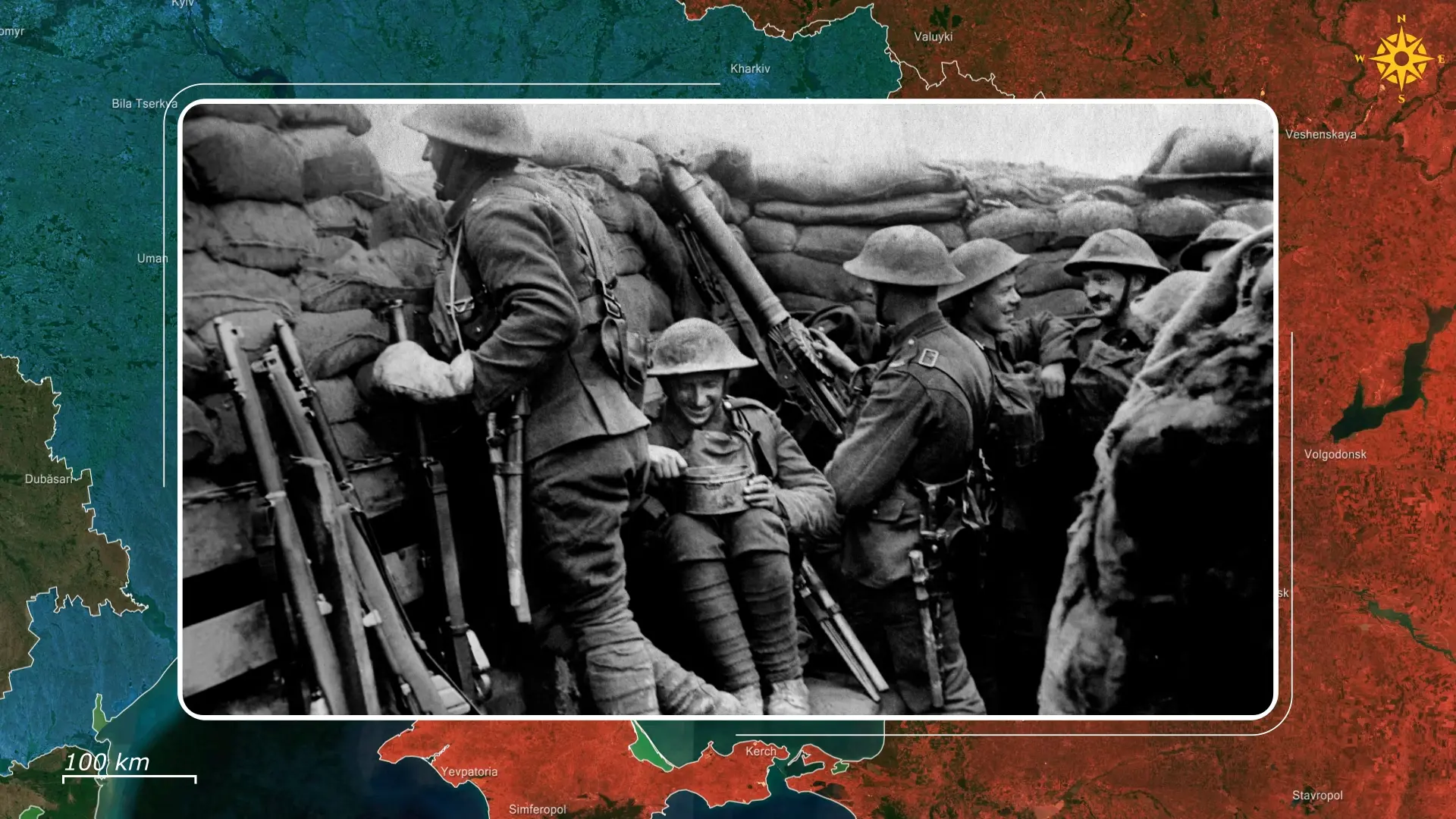
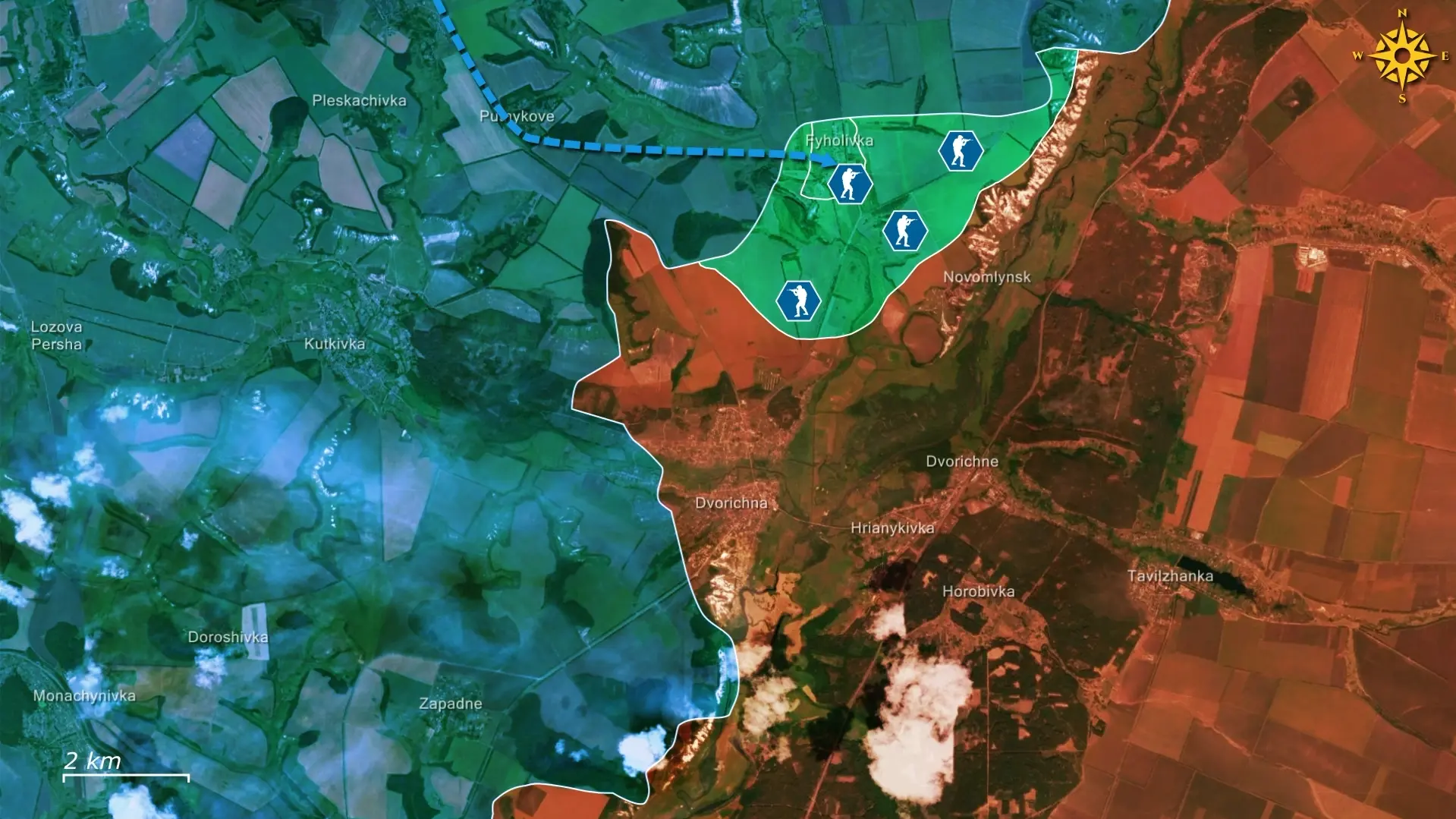
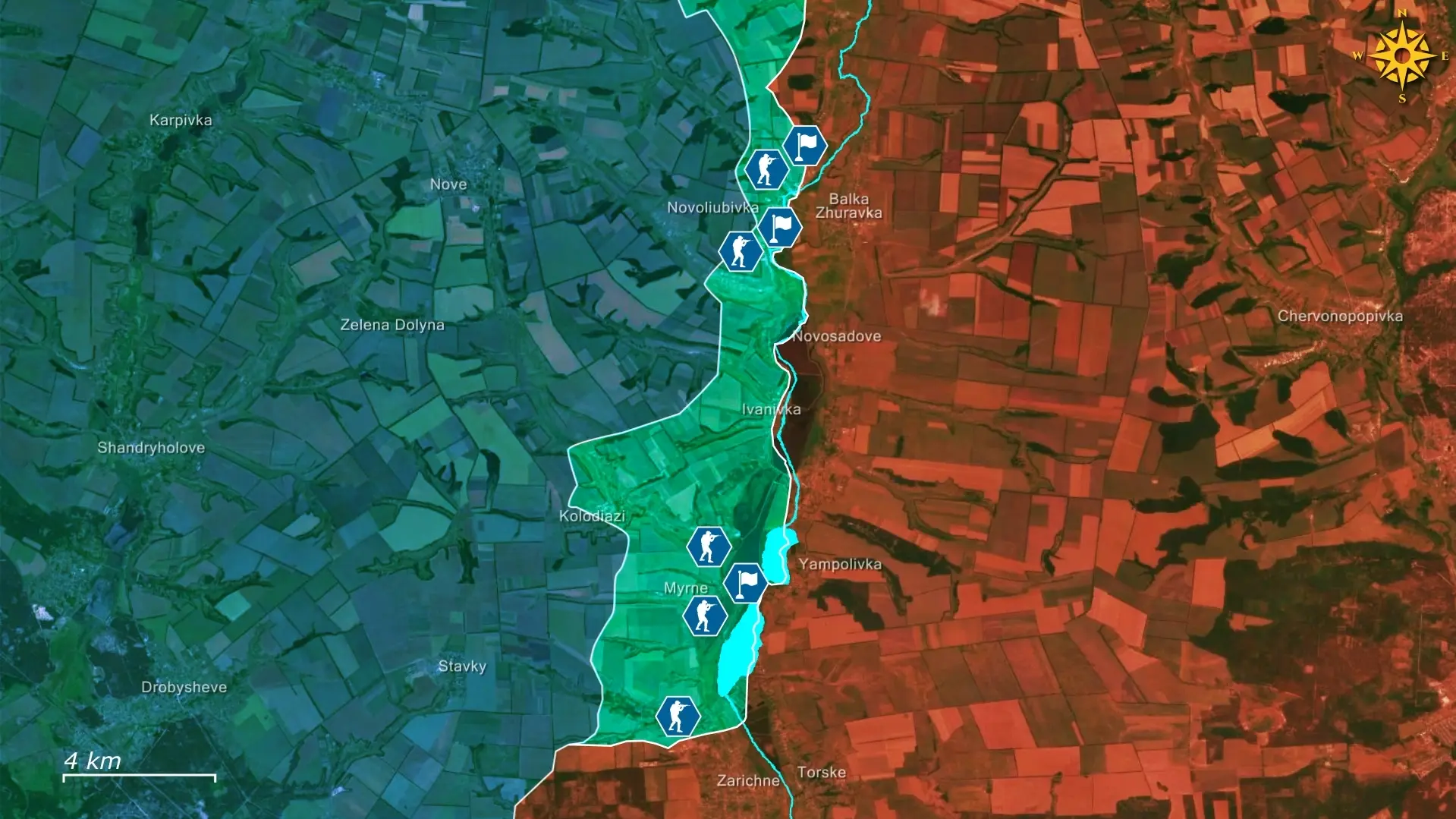
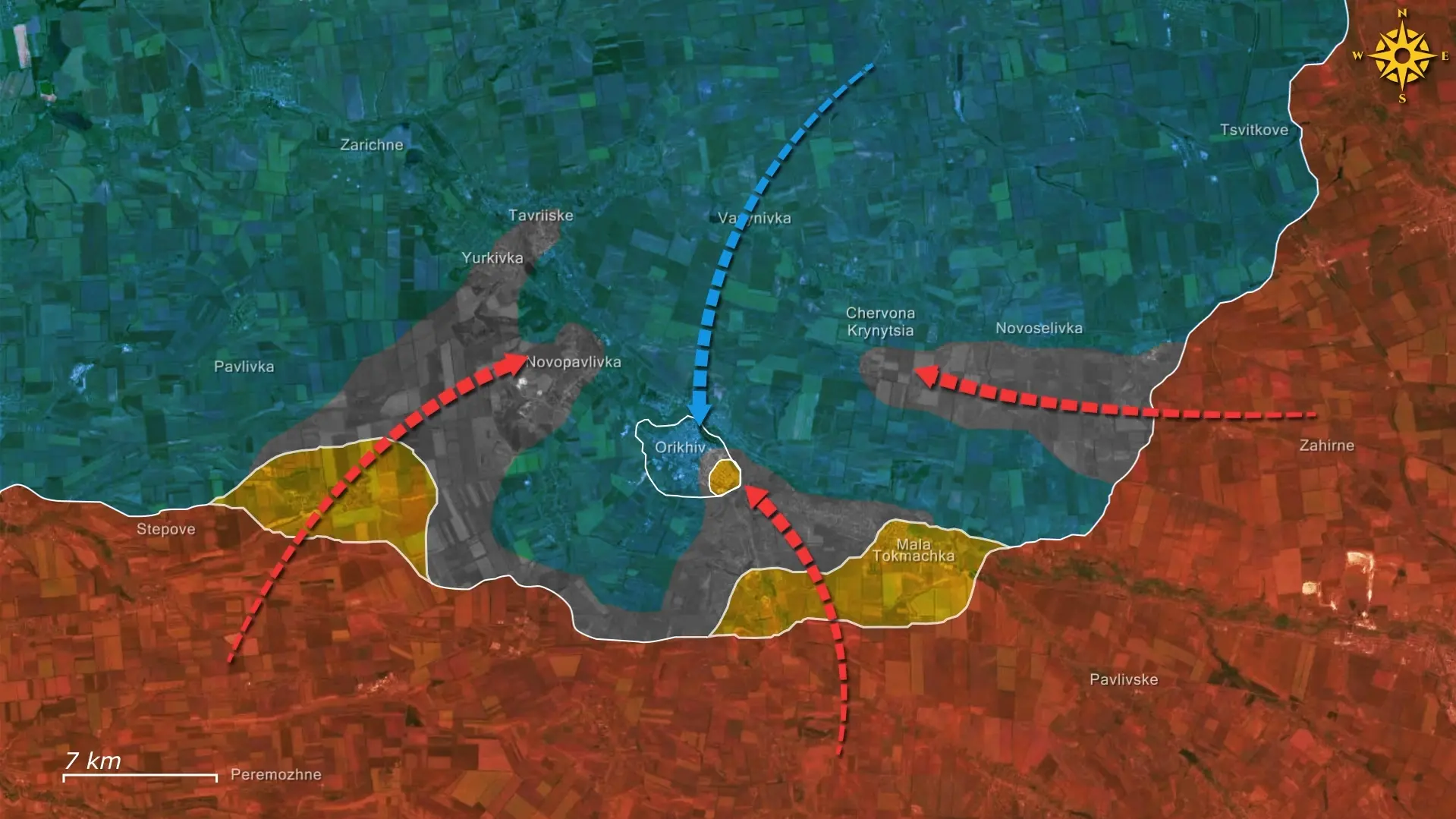
Russia's losses have steadily depleted its trained assault troops, exhausted operational reserves, and reduced its ability to replace experienced soldiers. As a result, Russian units increasingly lack the manpower needed to sustain offensive operations. This prevents Russia from exploiting tactical gains into operational breakthroughs, causing advances across the frontline to stall. For example, in July two-thousand-and-twenty-five, the Russians took control of more than five-hundred square kilometers of Ukrainian territory. In contrast, in July two-thousand-twenty-six, Russia managed to capture only thirty square kilometers, which is seventeen times less. If we take a look at the most important sector based on Russia’s stated war aims, Russia took nine square kilometers of territory in Donbas in July, while last year this figure was more than four-hundred square kilometers, which represents a decline of approximately ninety-eight percent. At the same time, Russia is increasing assault frequency while reducing the size, quality, effectiveness, or depth of each attack. As a result of this, Russia lost the initiative in the Zaporizhzhia, Dnipropetrovsk, and Sumy regions. In contrast, Ukraine is conducting counterattacks, recovering ground towards Kamianske in the Zaporizhzhia sector, pushing back the Russians from the first defense line. Ukraine also conducts counteroffensives towards Komar along a fifty-kilometer-wide area in the Dnipropetrovsk region, forcing Russia to redeploy troops from other sectors. North of Lyman, Ukraine is pushing forward to cut the Russian salient and relieve pressure on the town. This shows that Russia is only partially successful in small areas such as in Kostiantynivka and north of Pokrovsk, where they push forward fifteen meters per day, although the tempo of their advance is still slower than the French and British advance on the western front in World War One.
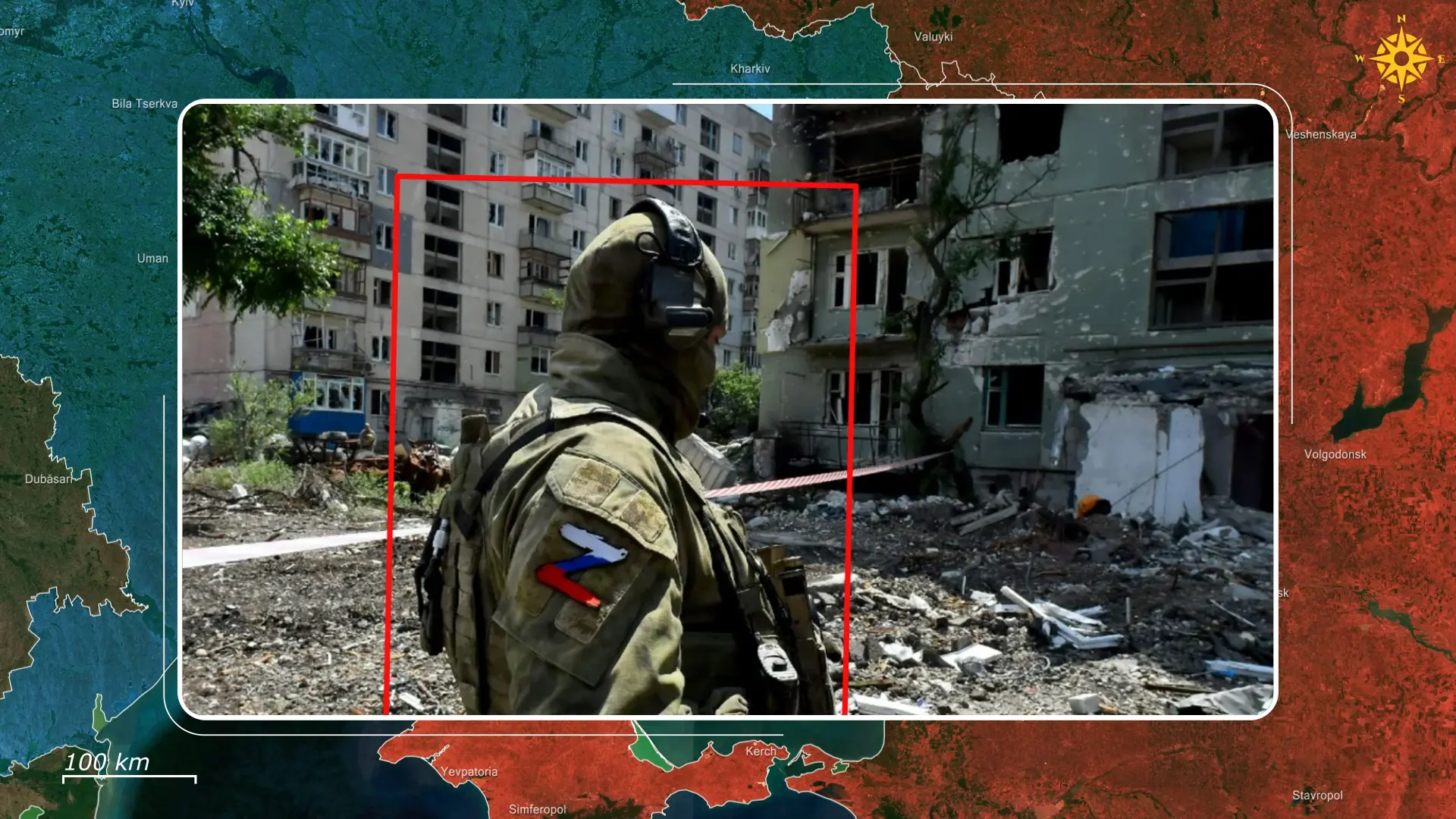
Summer months are traditionally the most successful for the Russians in terms of advance, as leaf cover can reduce aerial detection of small infantry groups moving through tree lines, increasing the chances of survival and advancement. Despite this, Russia’s advance has been decreasing, and now they are losing more than one-thousand-and-four- hundred soldiers per square kilometer. Russia may capture individual positions tactically while failing to create an operational breakthrough or improve its strategic position, burning through manpower without generating operational depth, leaving whole sectors weaker and increasingly vulnerable to Ukrainian counterattacks.
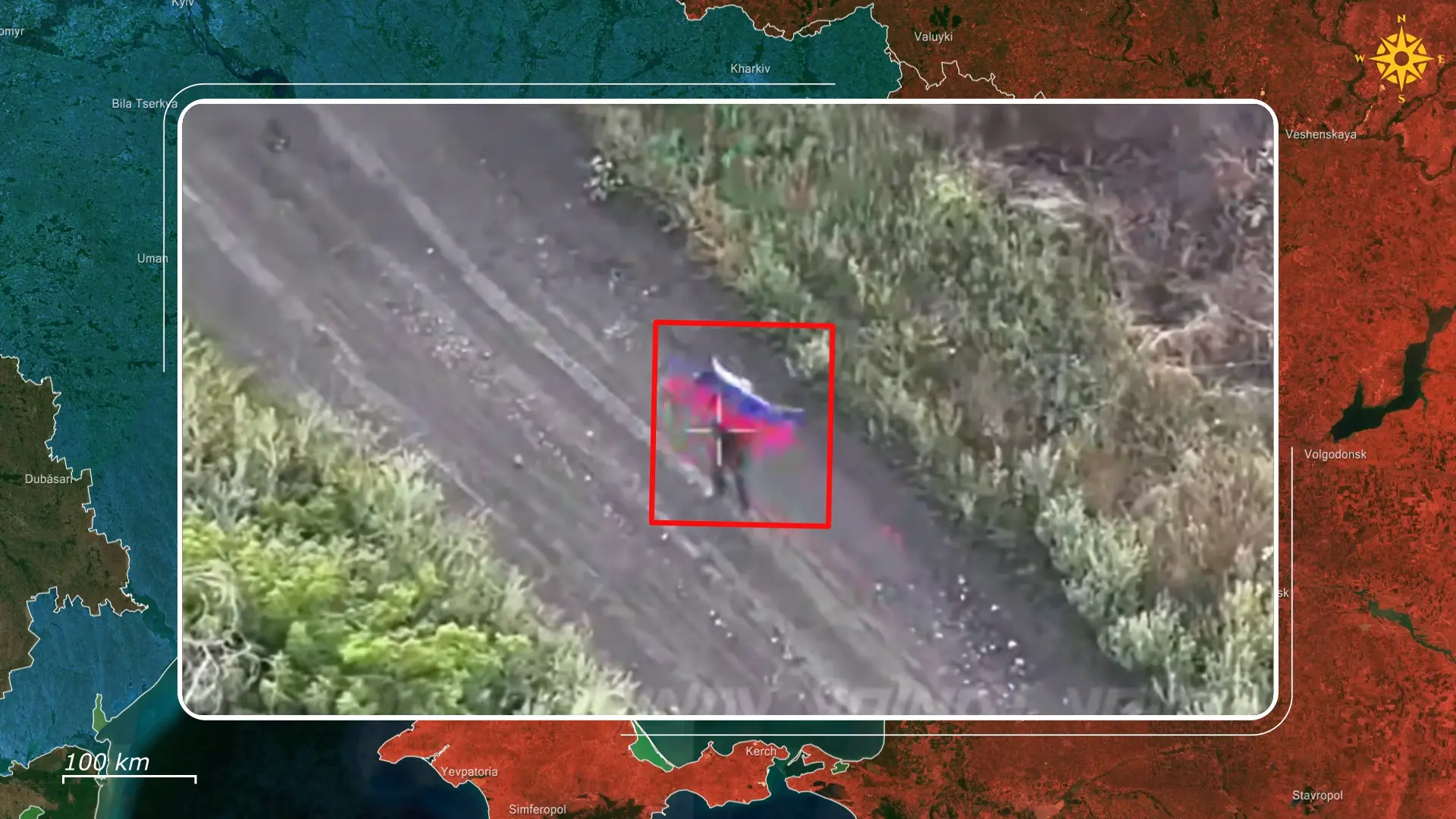
Because Russia is currently unable to compensate for its high losses, it has resorted to fake flag-planting videos made with artificial intelligence. In the past, Russian forces at least attempted to create the illusion of larger advances by sending infiltrators deep behind Ukrainian positions to raise flags in settlements. While these soldiers were often captured or killed shortly after exposing their position, they had still managed to penetrate far enough to stage such footage. A recent example, however, reportedly shows a Russian soldier raising a flag to confirm troop advances, yet the scale of the soldier and the trees is inconsistent, and as the drone’s camera zooms out, the soldier suddenly disappears without moving behind terrain or a visible camera cut, suggesting the video was AI-generated or manipulated. Russian soldiers now often fail to survive long enough or penetrate deeply enough into Ukrainian positions even to stage these symbolic displays, forcing Russia to rely on fabricated videos instead of footage from the battlefield.
Overall, Russia's one-point-six-million accumulating casualties, from which seven-hundred-thousand are irreversible, are the reason why the Russian army is crippled and its advances stalled this year. Casualties outpace Russian recruitment, and poorly trained replacements cannot restore lost experience, depleted units cannot consolidate gains, rotate exhausted forces, or stop Ukrainian counterattacks. Russia has consumed most of its pre-war trained manpower and future recruitment capacity that cannot be restored quickly enough, marking a point of no return. Additional mobilization may provide bodies but cannot quickly recreate the experienced formations, reserves, and offensive capacity already lost to make a significant impact.
.jpg)

Comments