

.svg)
Today, the biggest news comes from Northern Europe.
Here, after months of unexplained damage beneath the Baltic Sea, Finland has moved into action by intercepting a vessel directly linked to the cable cuts. For the first time, a Russian operation that relied on distance and unclear responsibility has been exposed through enforcement rather than inference.
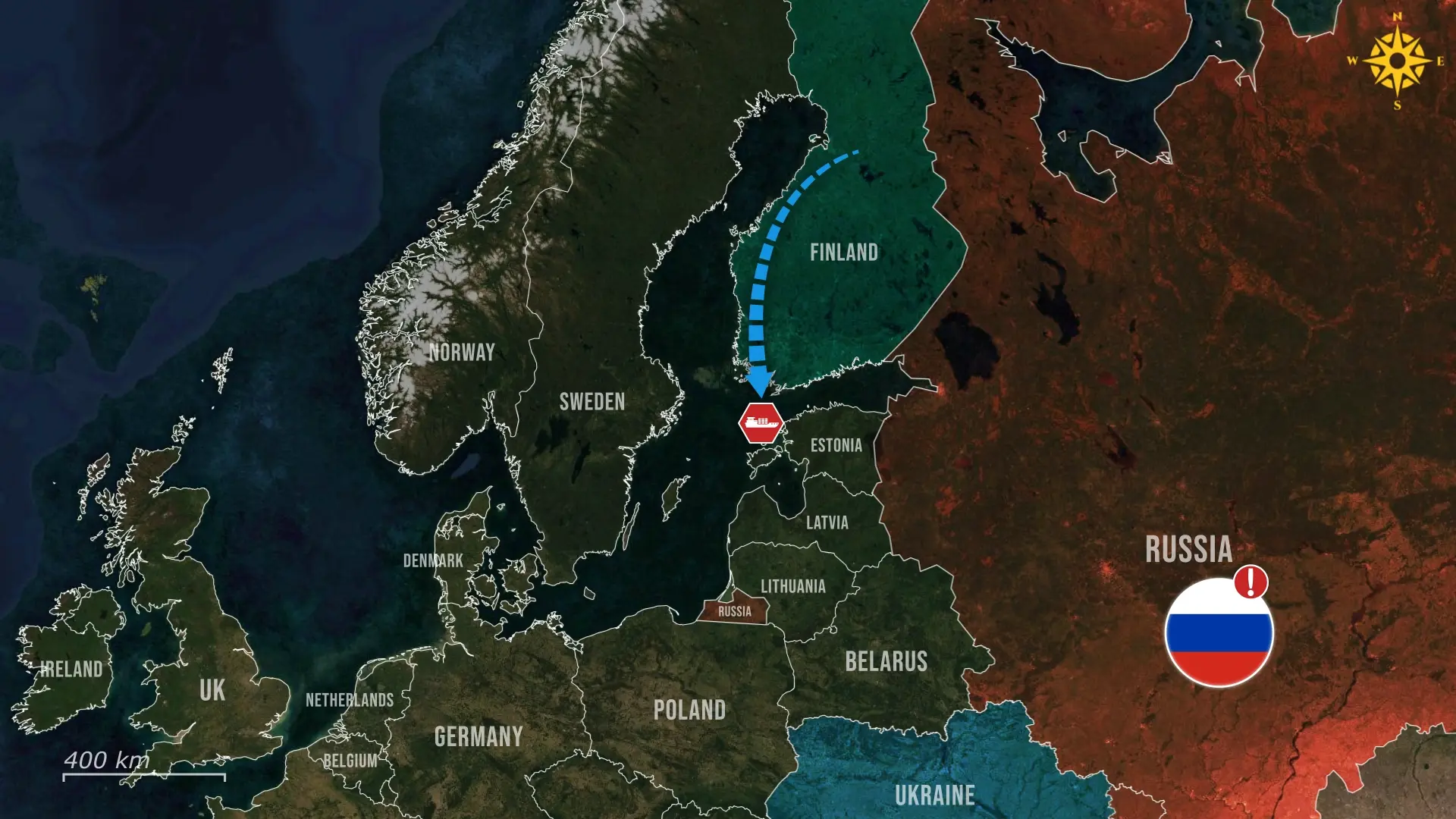
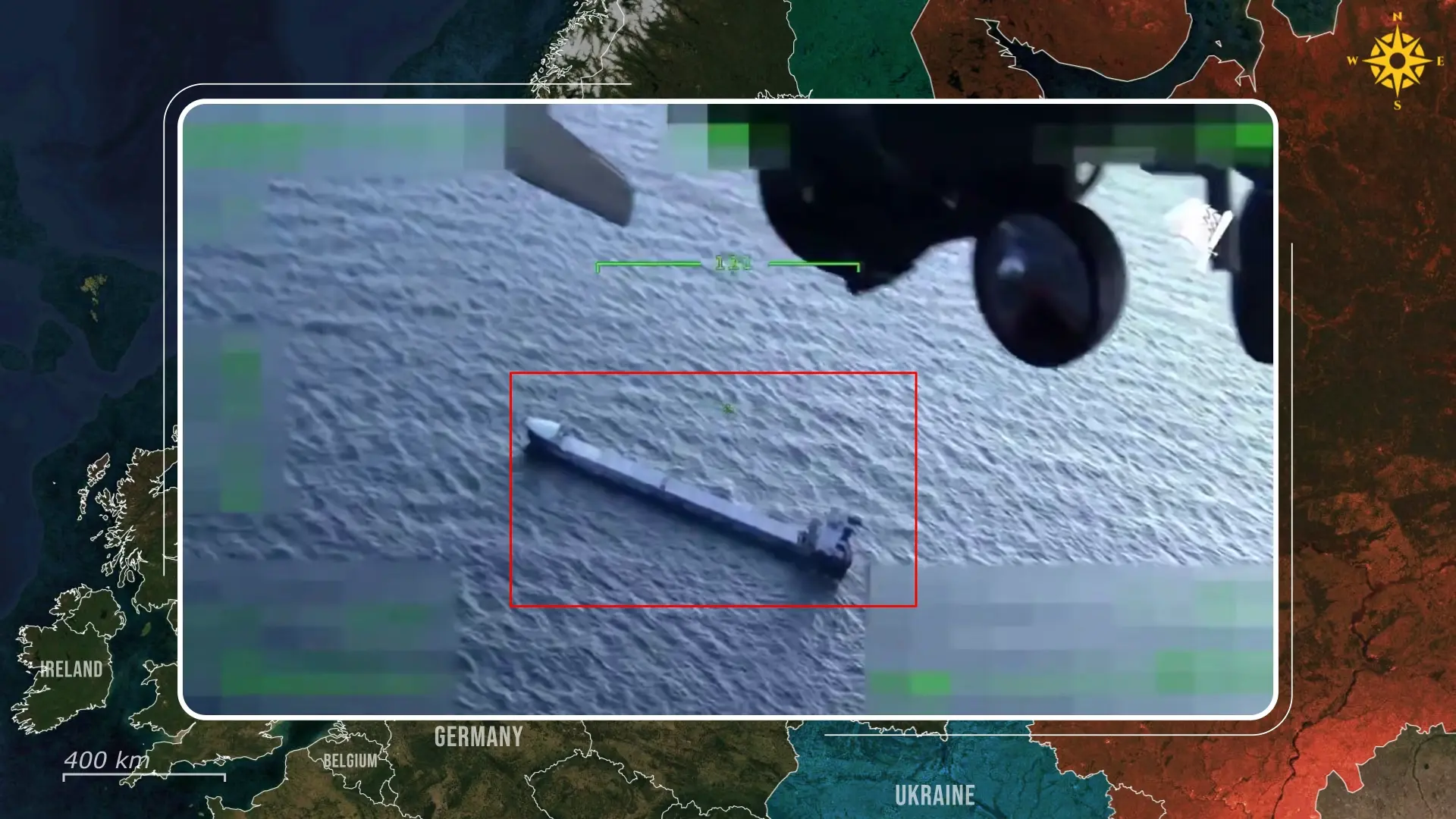
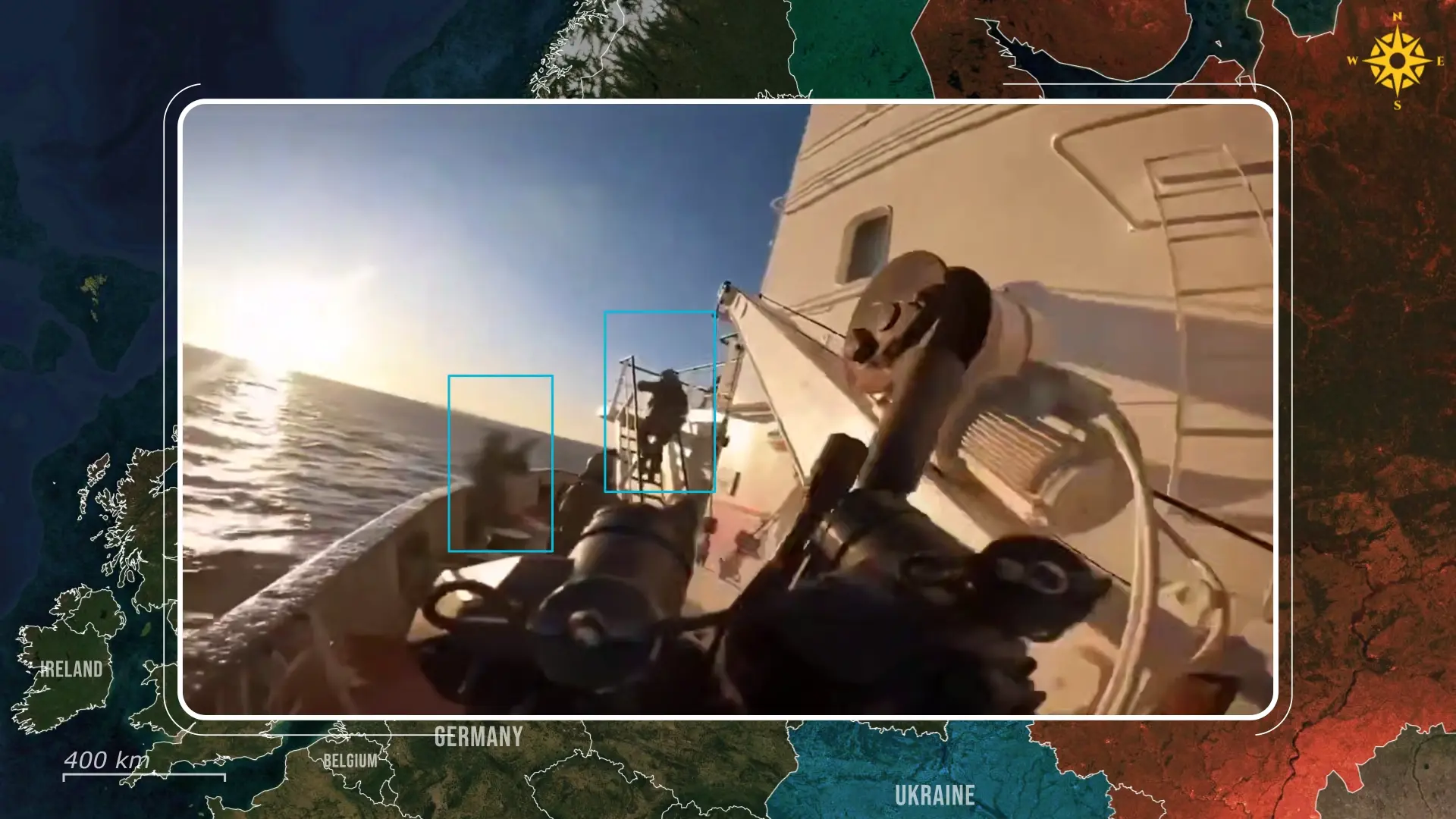
Finland intercepted and exposed a Russian-linked civilian vessel connected to the cutting of underwater cables between Finland and Estonia, marking the first time one of these grey-zone operations has been confronted directly at sea. Footage released by Finnish authorities shows a controlled interception unfolding step by step in open waters, starting with Finnish patrol vessels pulling alongside and ordering the ship to slow and hold its course.
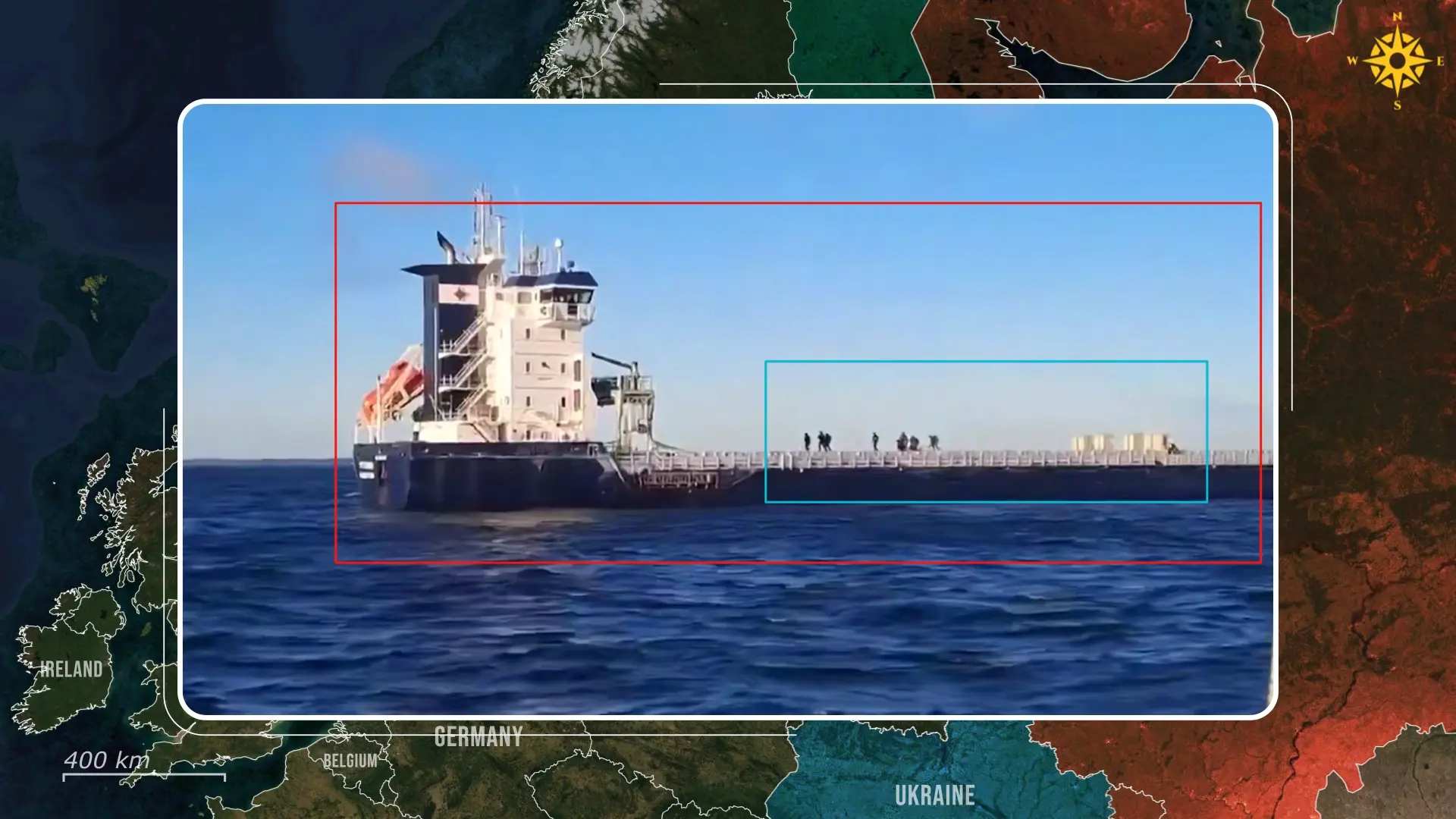
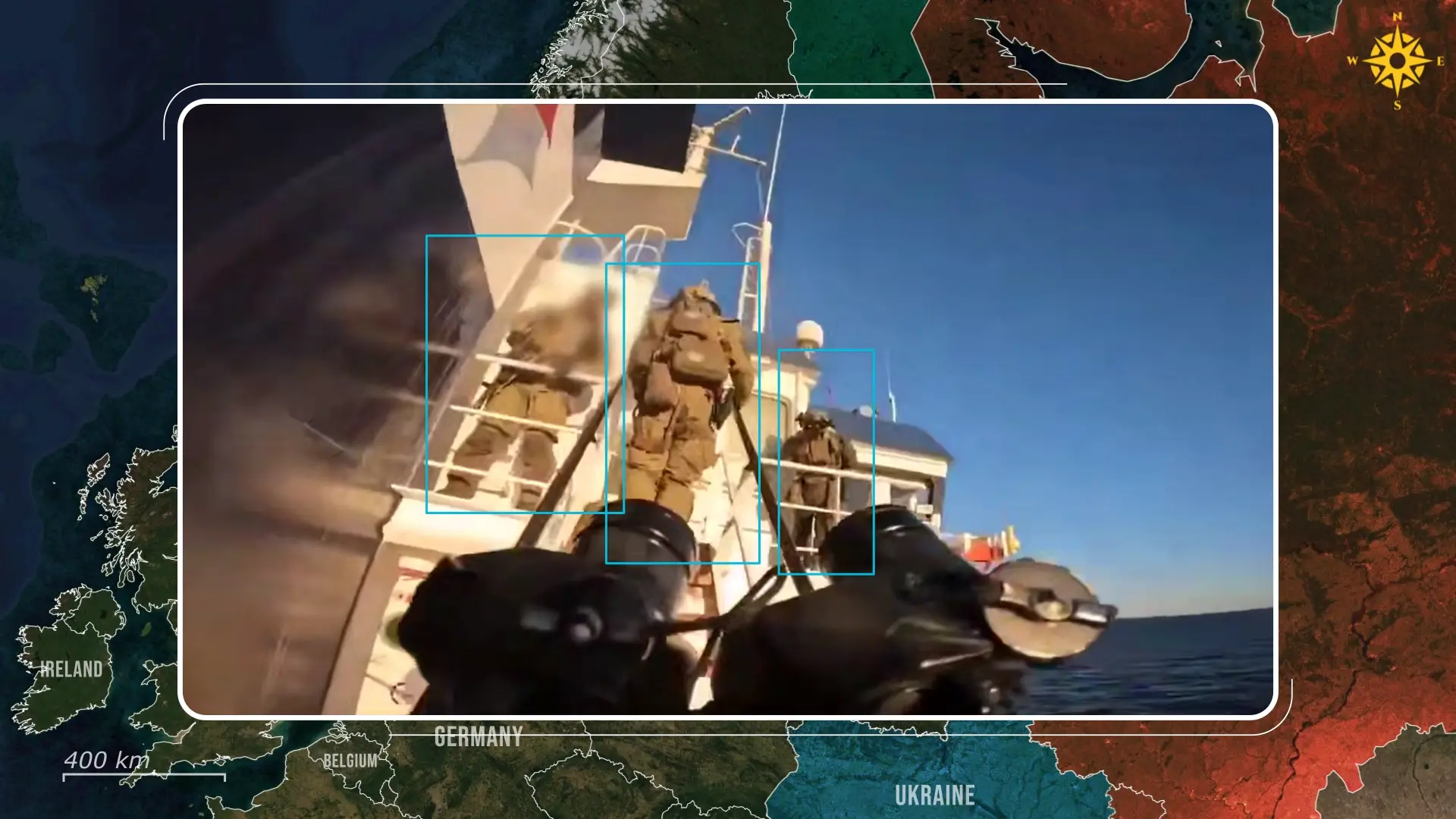
A boarding team then moves in, climbs aboard, and secures the deck before the inspection begins, room by room. Officers check the bridge and paperwork, photograph key equipment on deck, and move down into the holds to document the cargo, while others log the ship’s recent course and movements from its onboard records. By the end of the boarding, the operation is no longer a vague suspicion at sea, but a documented sequence of actions tied to a specific vessel and its violations.
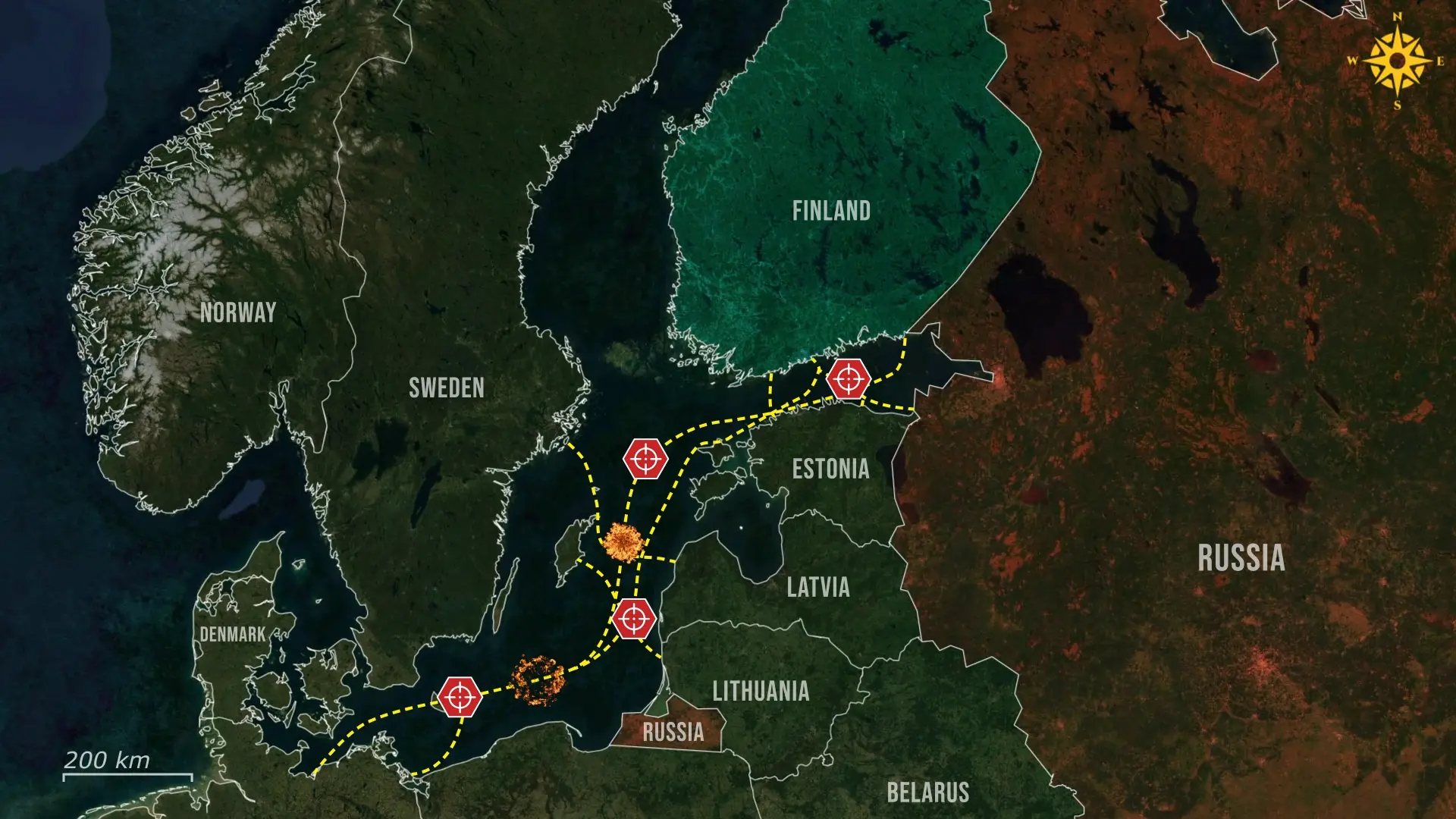
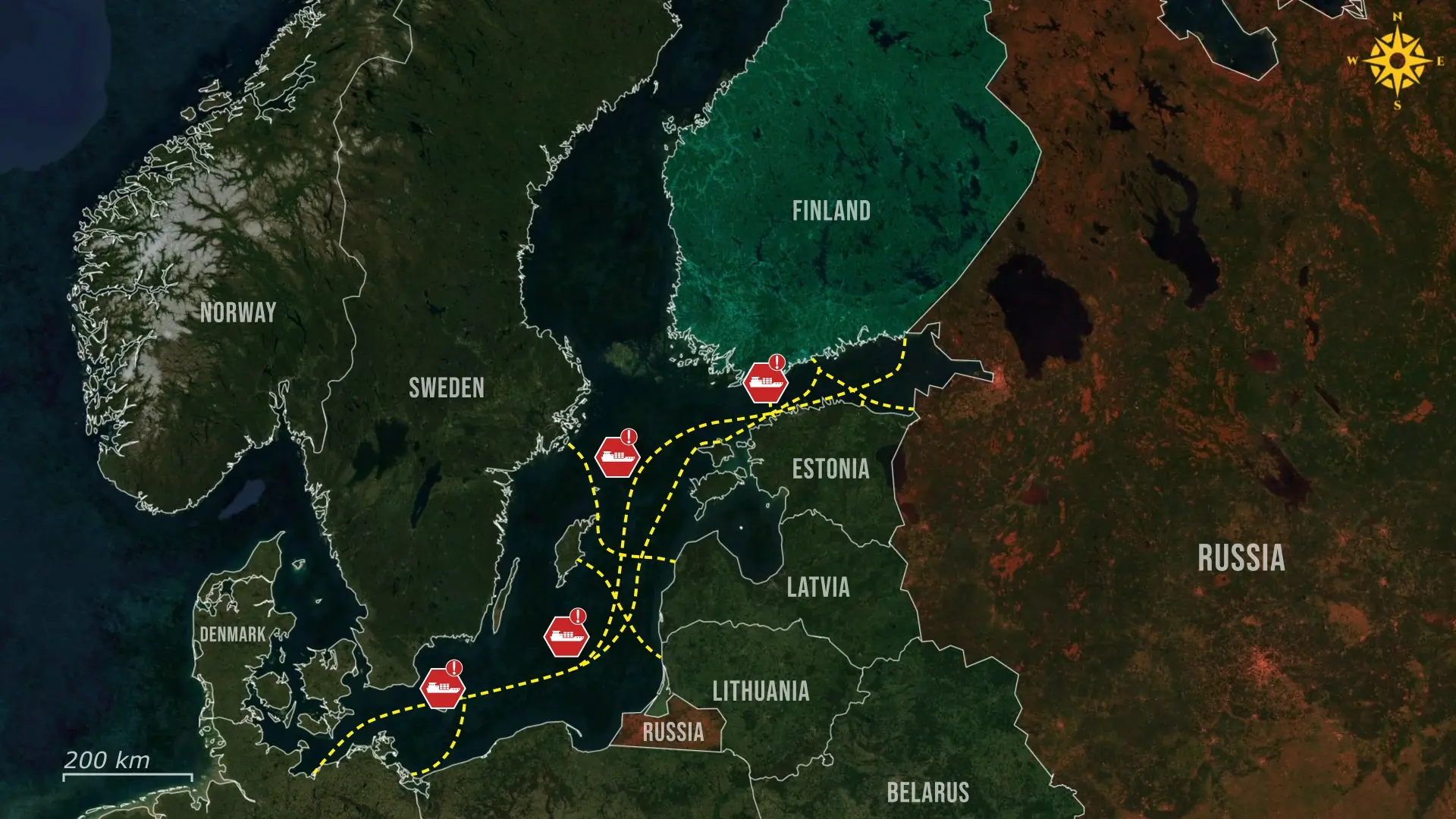
This incident fits into a broader Russian campaign targeting underwater infrastructure across the Baltic Sea, where power cables and data lines form the backbone of everyday life. Over recent months, multiple fiber-optic and power cables linking Nordic states have been cut or damaged under suspicious circumstances, often near known shipping lanes.
While there was broad agreement that these incidents were not random, the lack of direct attribution prevented authorities from acting beyond repairs and diplomatic warnings. The aim has created disruption that creates uncertainty, repair costs, and political hesitation without triggering a direct military response. The method is simple and hard to counter, because civilian vessels move slowly along established shipping routes, blend into dense maritime traffic, and operate in areas where cables are known to run.
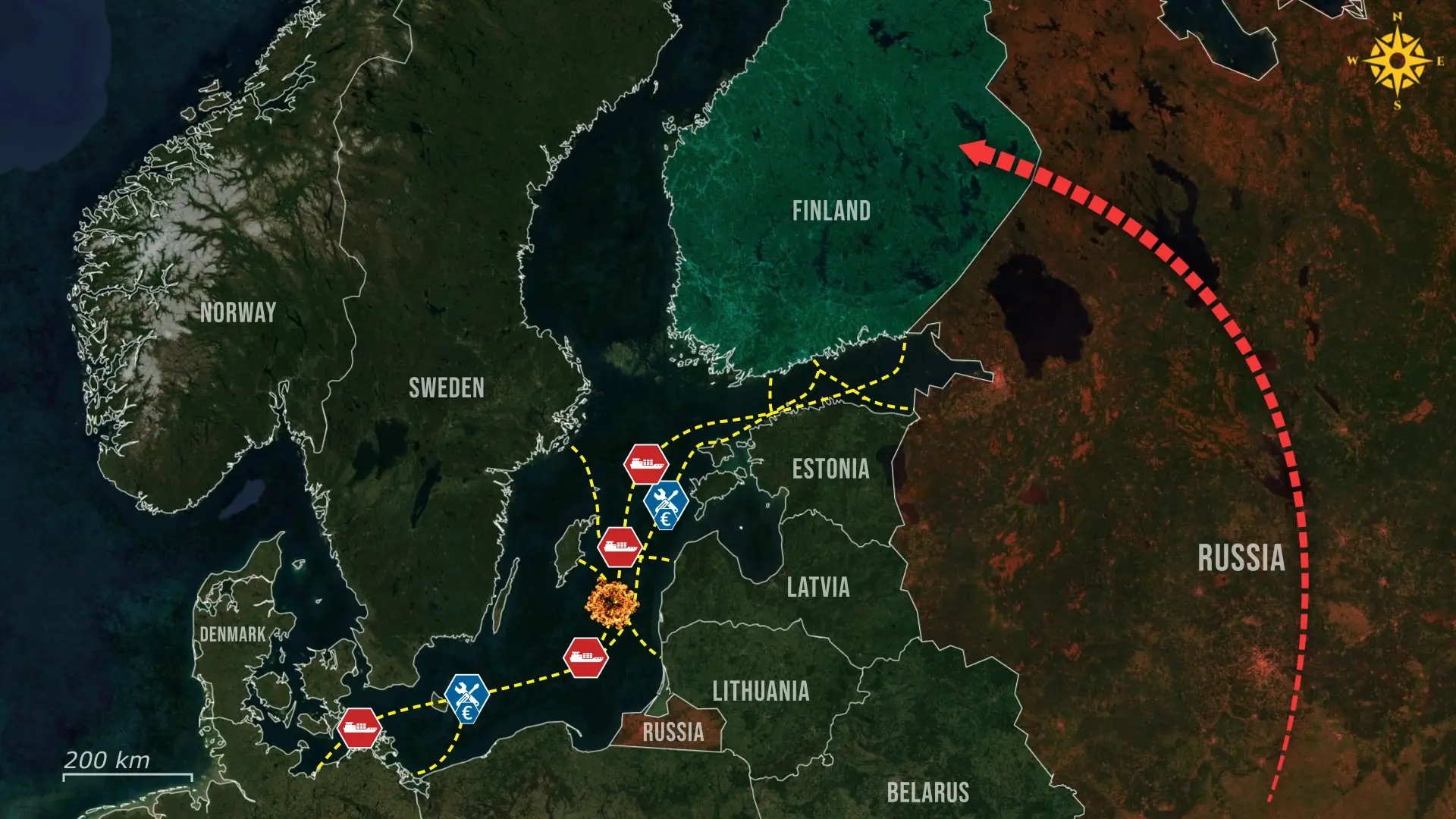
Damage is inflicted in ways that are difficult to prove in real time, and by the time repairs begin, the ship involved is often long gone. This allows Russia to inspect Nato infrastructure repeatedly while avoiding responsibility, forcing governments to absorb the cost and complexity of repair without clear attribution.
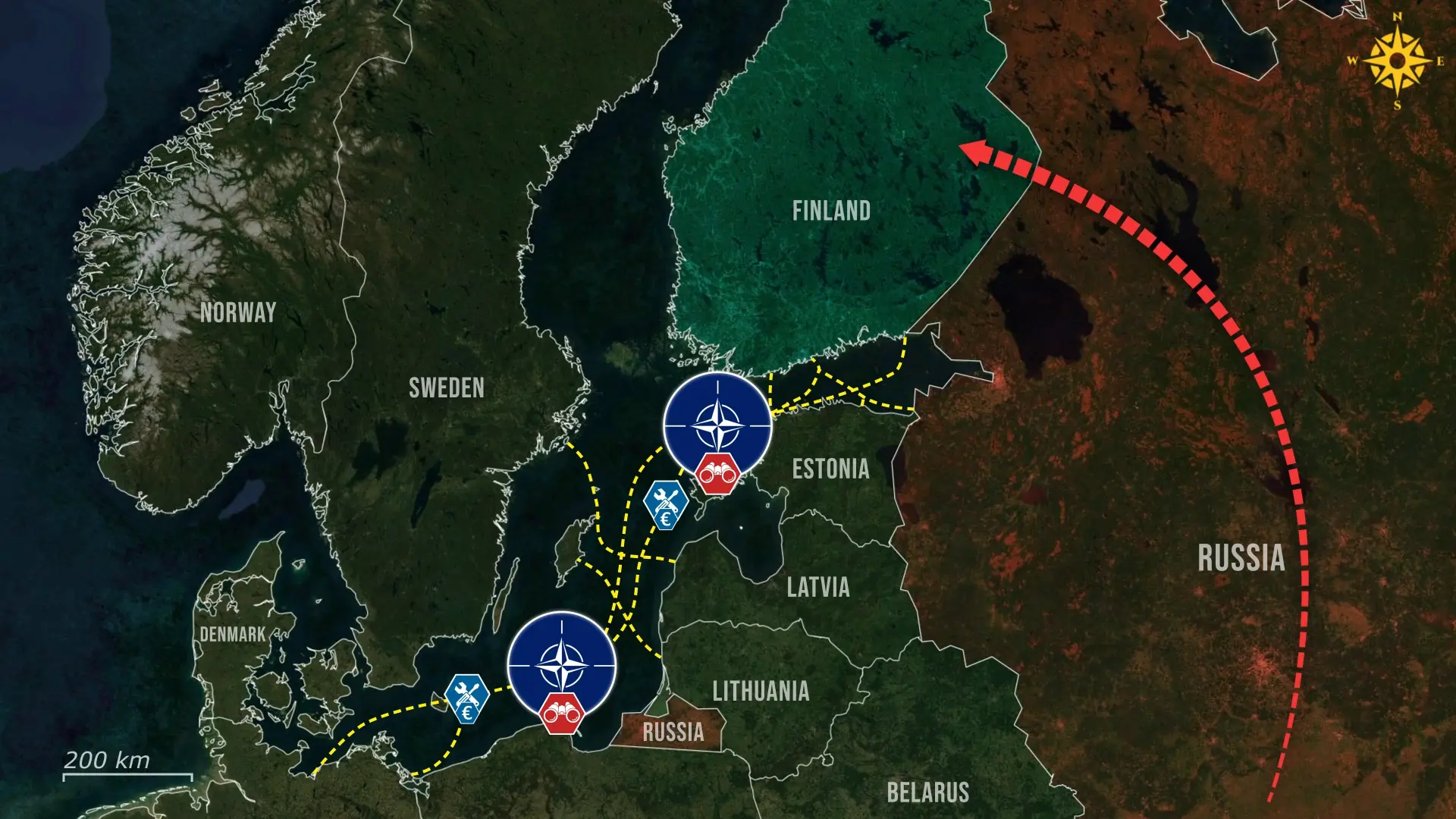
The breakthrough came when investigators confirmed not only that the vessel was operating along sensitive seabed routes during the cable damage, but also that it was carrying sanctioned steel products. This turned a pattern of suspicion into a provable violation, allowing Finnish authorities to move immediately from monitoring to action using existing law. Instead of another case of accidental damage in busy waters followed by statements and quiet inquiries, Finland now had clear grounds to act openly and decisively. By anchoring the response in documented violations rather than intent or attribution debates, Moscow’s usual escape route of denial and ambiguity collapsed the moment the cargo was recorded.

For years, grey-zone operations have thrived because responses stopped at warnings, investigations, or diplomatic pressure. This case establishes a different precedent, as intelligence collection tied to legal preparation and immediate enforcement, allowing states to act publicly without escalating militarily. Operationally, it lowers the threshold for boarding and inspection, politically it removes the need to argue intent, and legally it shifts the burden onto Russia to explain documented violations rather than deny them.
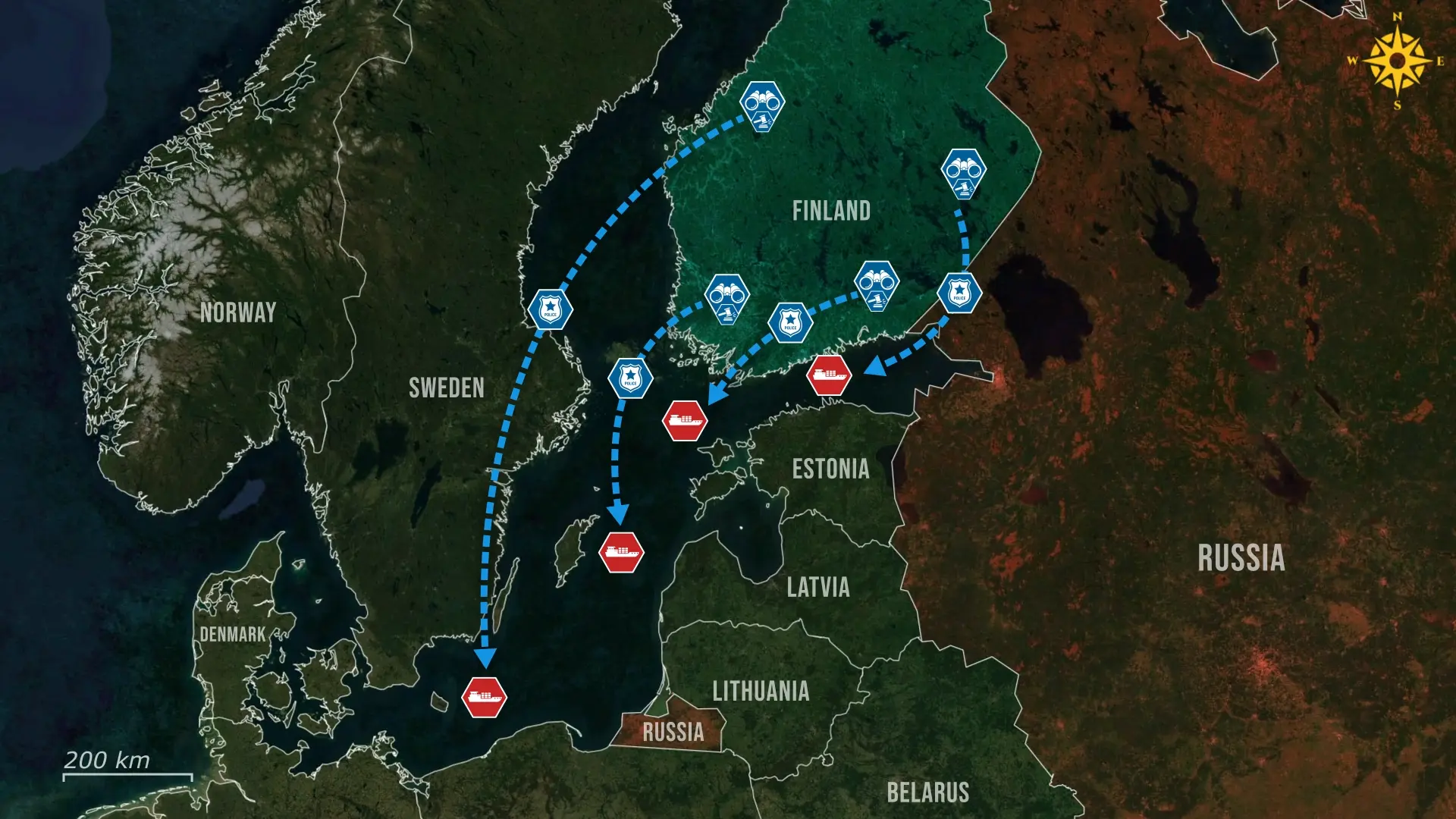
This case shows another path, as it shows that intelligence gathering, legal preparation, and enforcement can be combined into a response that exposes the operation without turning it into a military confrontation. Once a ship is boarded and its cargo documented, the shield that protects hybrid warfare disappears. This is especially important for the Baltic Sea, where dense traffic and shared infrastructure make covert interference tempting, and if similar enforcement actions follow elsewhere, Russia’s ability to test and disrupt Nato infrastructure without consequences will shrink.
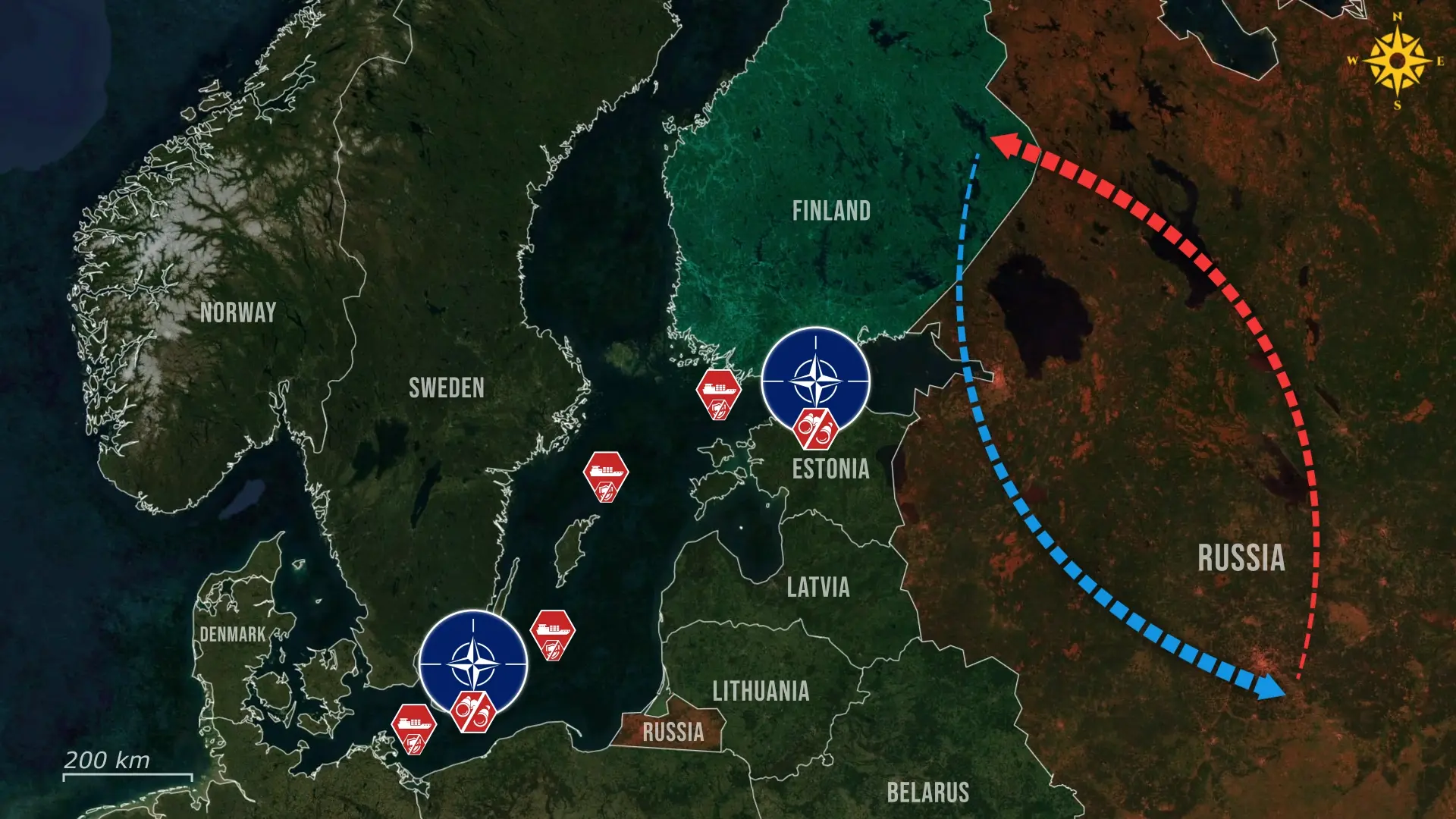
Overall, Finland’s interception marks a shift from passive monitoring to active pushback against grey-zone sabotage in the Baltic Sea. By treating underwater cable attacks as violations rather than unfortunate mysteries, Helsinki raised the cost of covert operations without escalating the conflict.
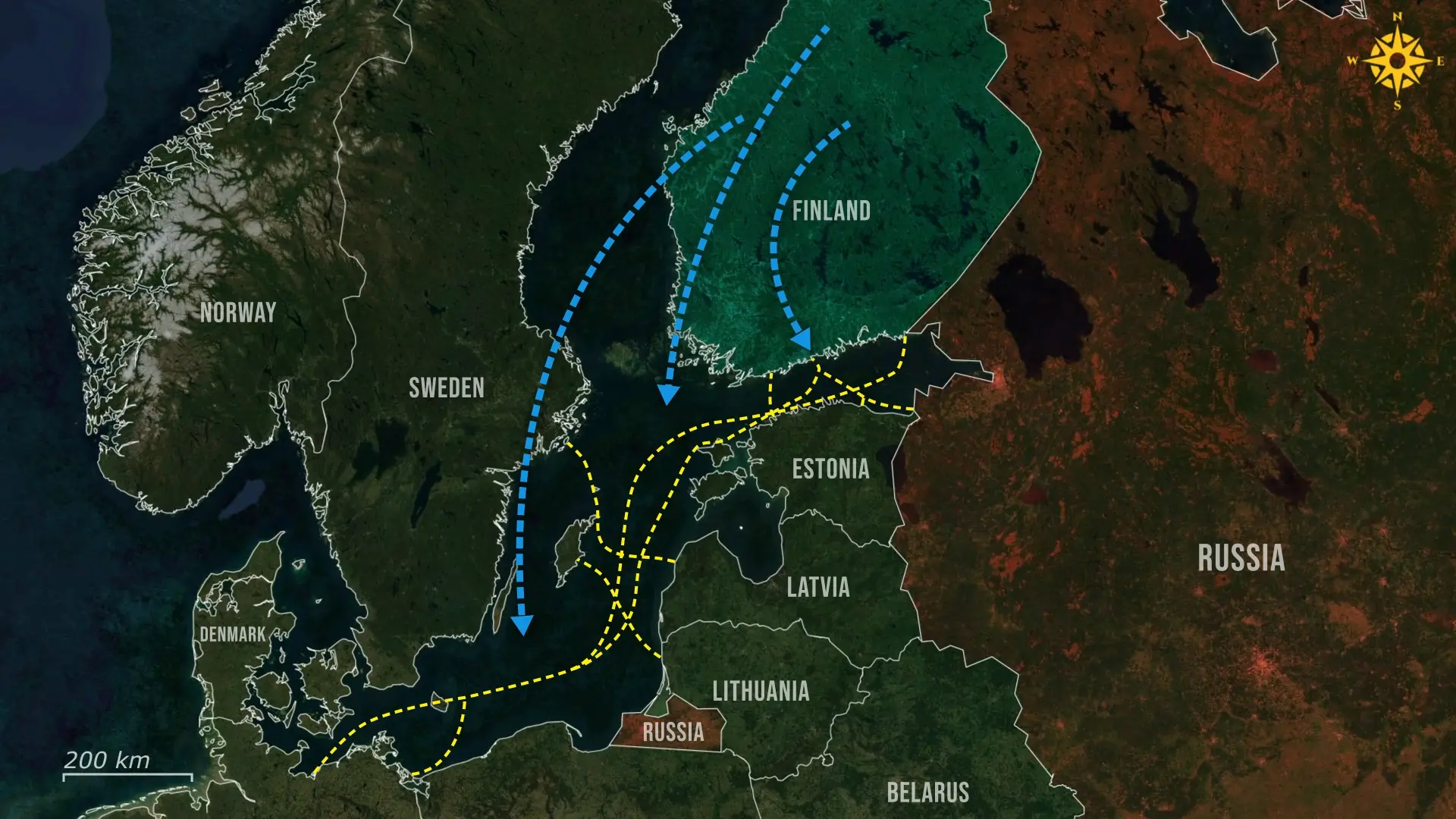
Russia now faces a Baltic environment where denying responsibility is becoming harder and exposure more likely. If this approach spreads, the quiet campaign beneath the sea will become far more difficult to sustain.

.jpg)


Comments