

.svg)
Today, there is important news from Ukraine.
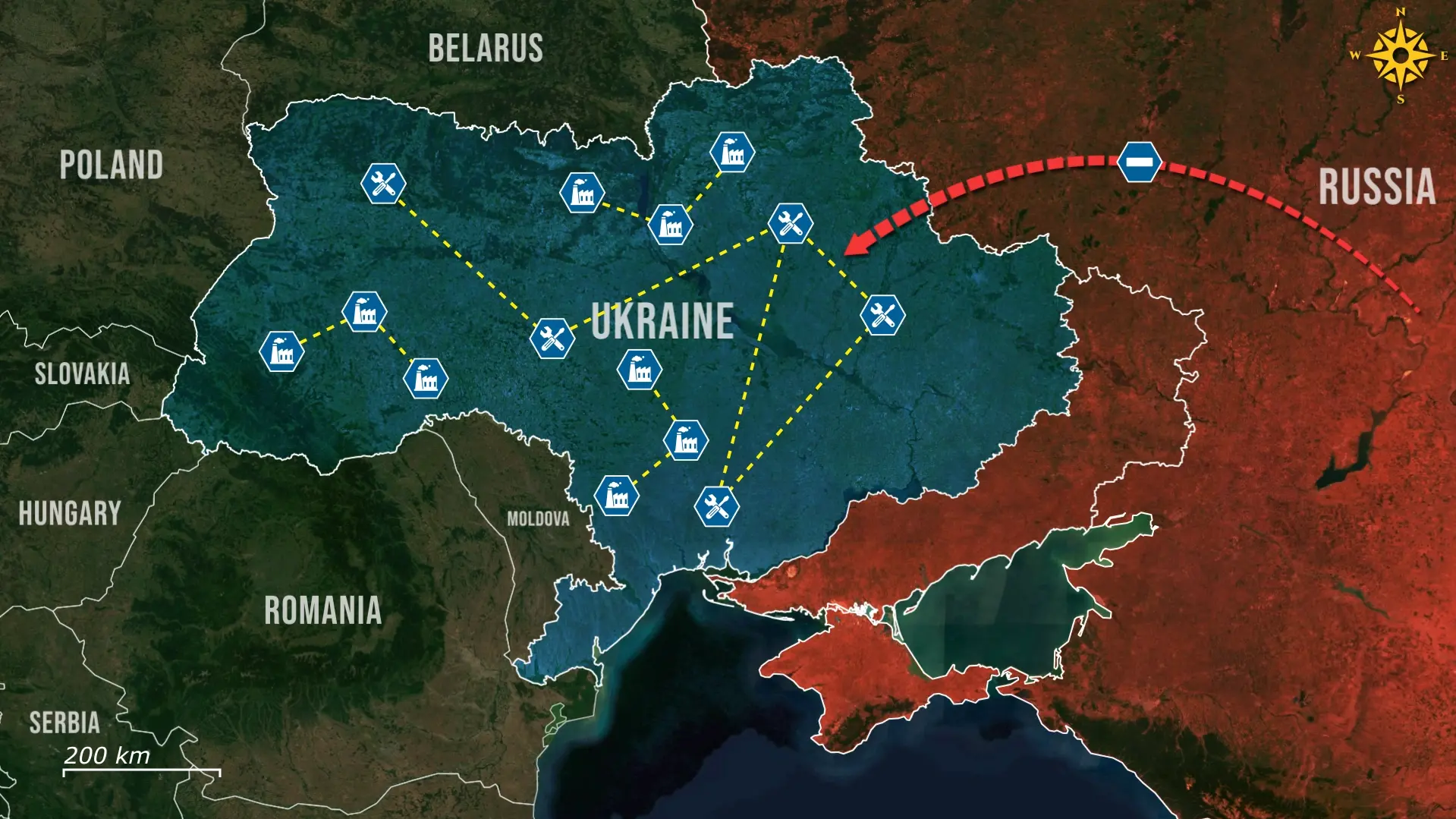
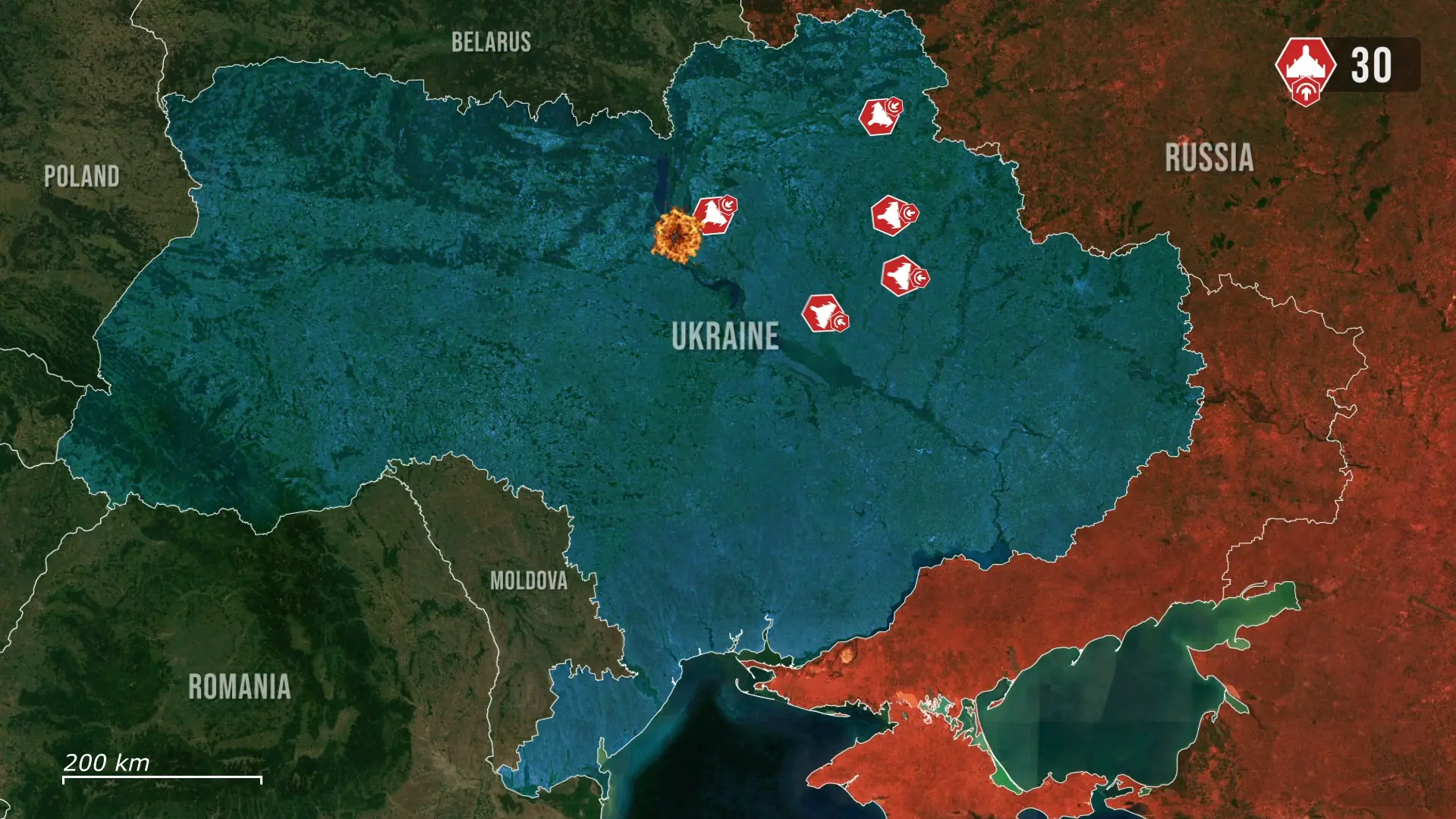
Here, Russia has been relentlessly bombarding Ukraine’s energy grid with the goal to finally collapse it completely and plunge the country into darkness. However, these massive strike operations have now officially failed, with Russian analysts raising the alarm that the last chance to cripple Ukrainian military has been lost forever.
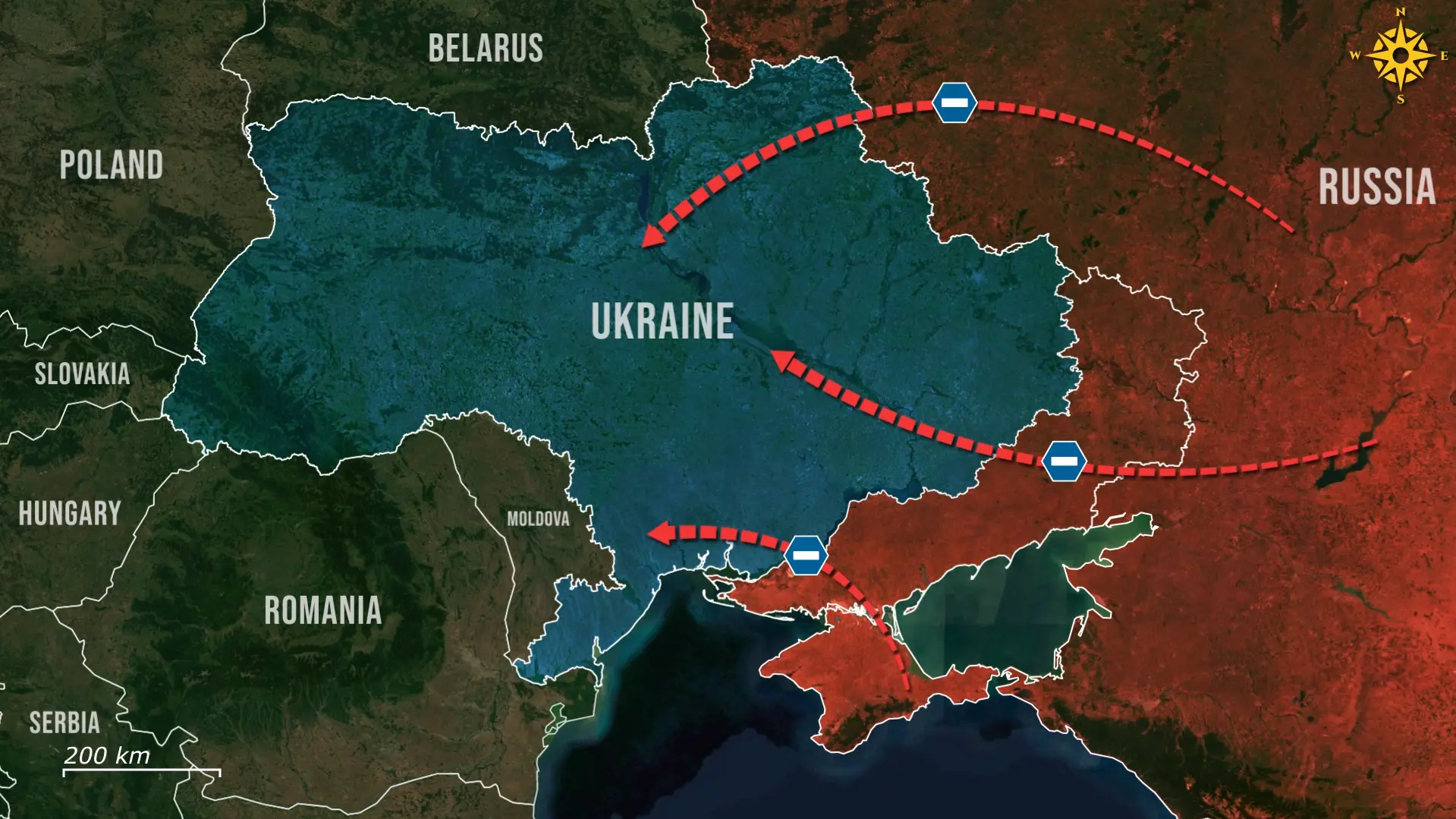
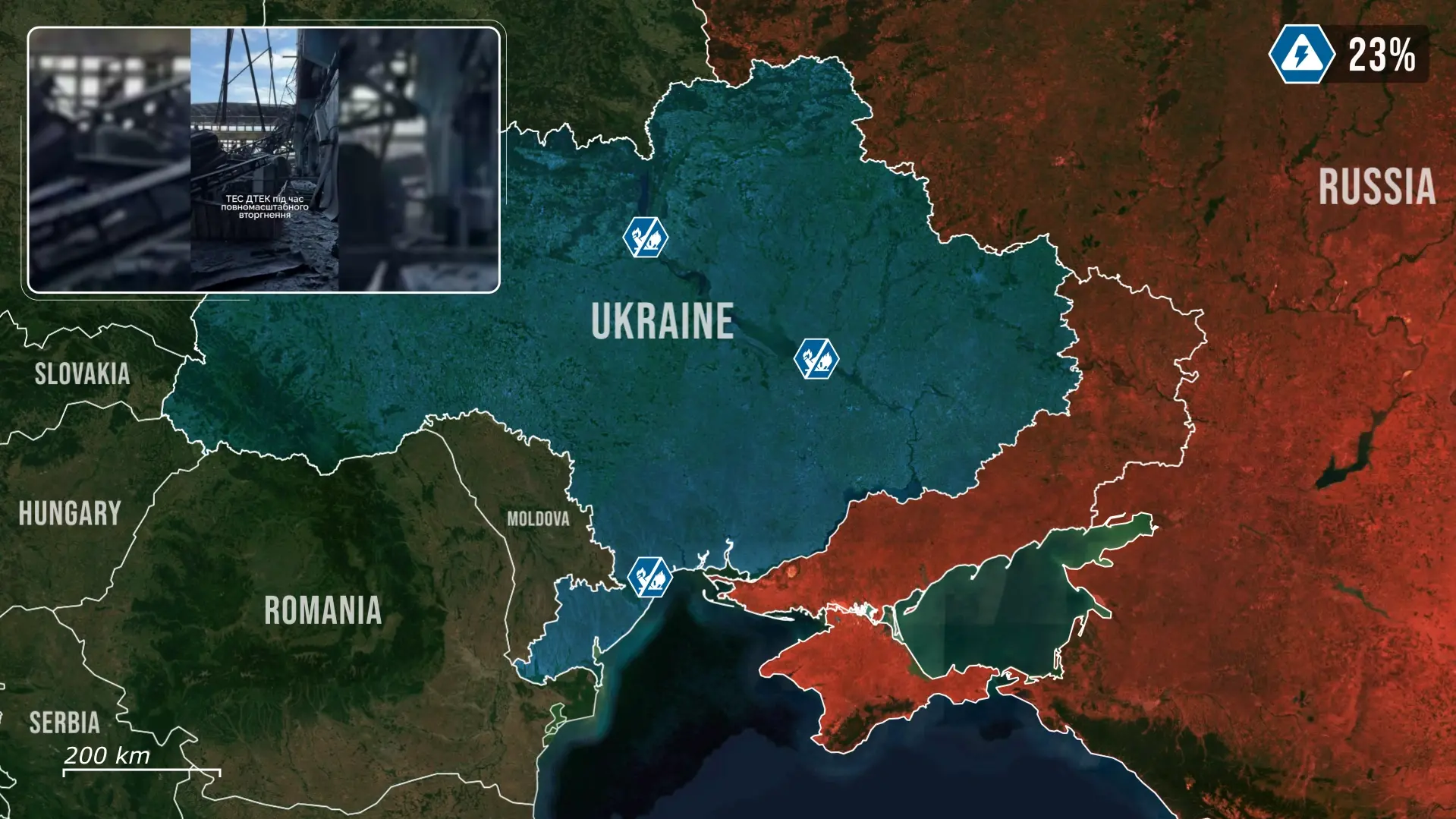
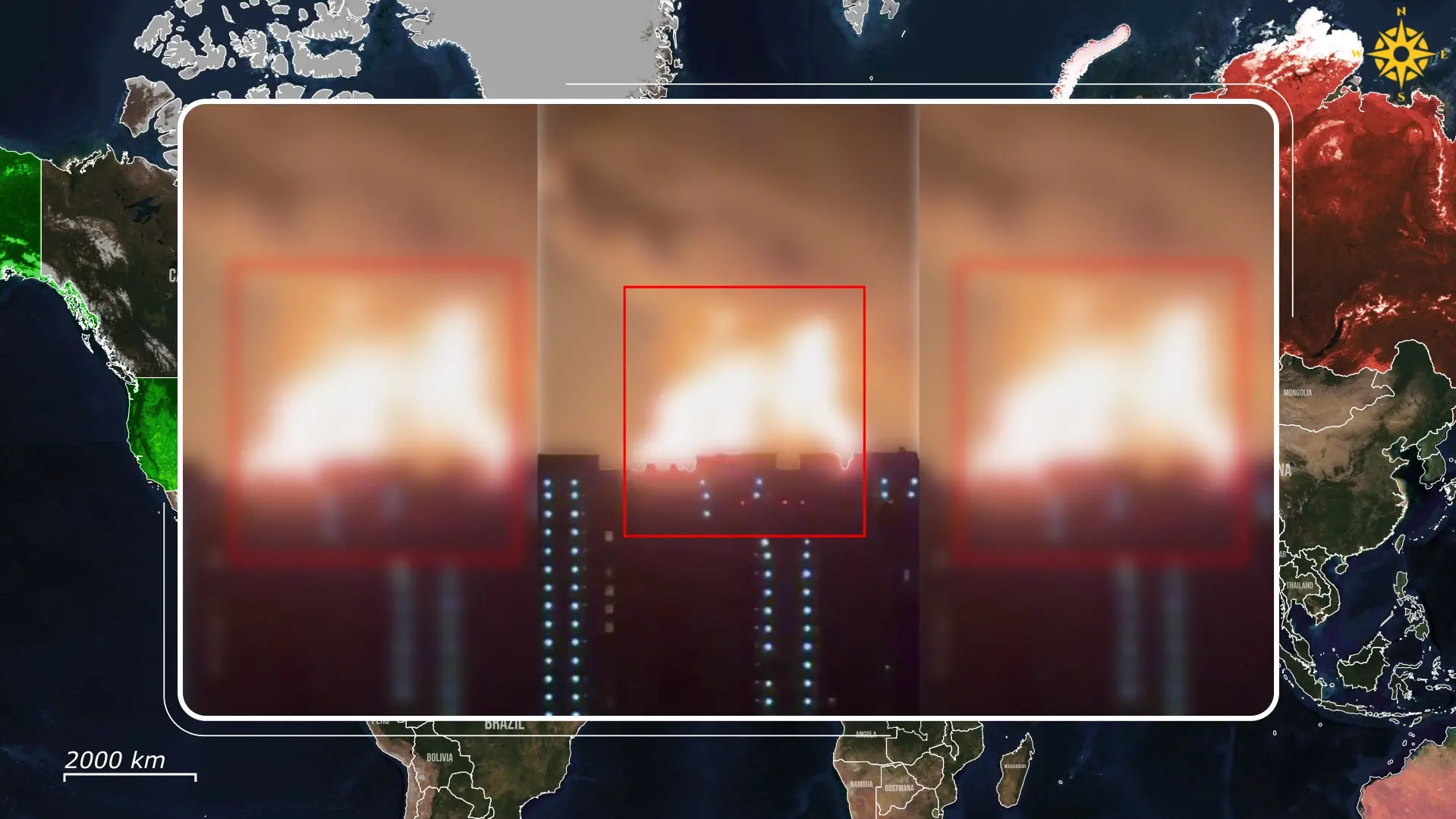
Russian forces have struck Ukraine’s energy facilities more than 220 times, according to D-tek, in what was intended to be a decisive campaign to collapse the grid during the harshest winter of the war. At its lowest point, electricity availability fell to just 23 percent, pushing the centralized systemic to the brink of collapse.
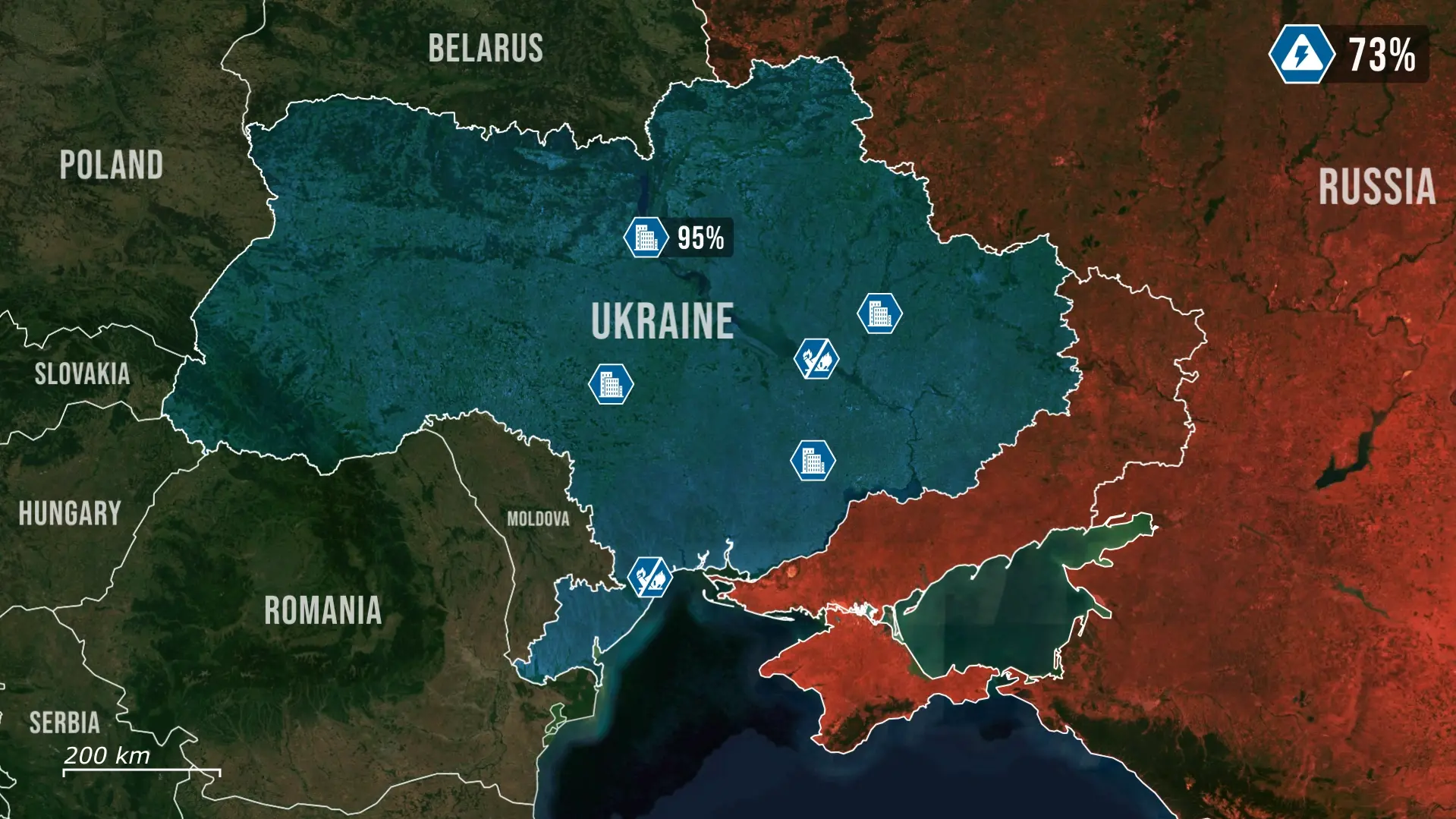
Yet within two weeks of the latest large-scale strikes, Ukraine restored more than half of its damaged generation capacity, driving availability from 23 to 73 percent by February 24th. Instead of collapsing, the grid rebounded, leaving Kyiv with 95 percent of residents supplied and marking the failure of what appeared to be Russia’s final opportunity to break Ukraine’s power system.
This happened despite the sudden Slovakian cutoff, as its prime minister, Robert Fico, used the moment and announced that Bratislava would suspend emergency electricity exports to Ukraine until Russian oil transit through the Druzhba pipeline is restored. Fico thought that, amid sustained Russian attacks on Ukraine’s energy infrastructure, Slovakia’s electricity supplies would be a critical leverage, allowing him to pressure Kyiv.
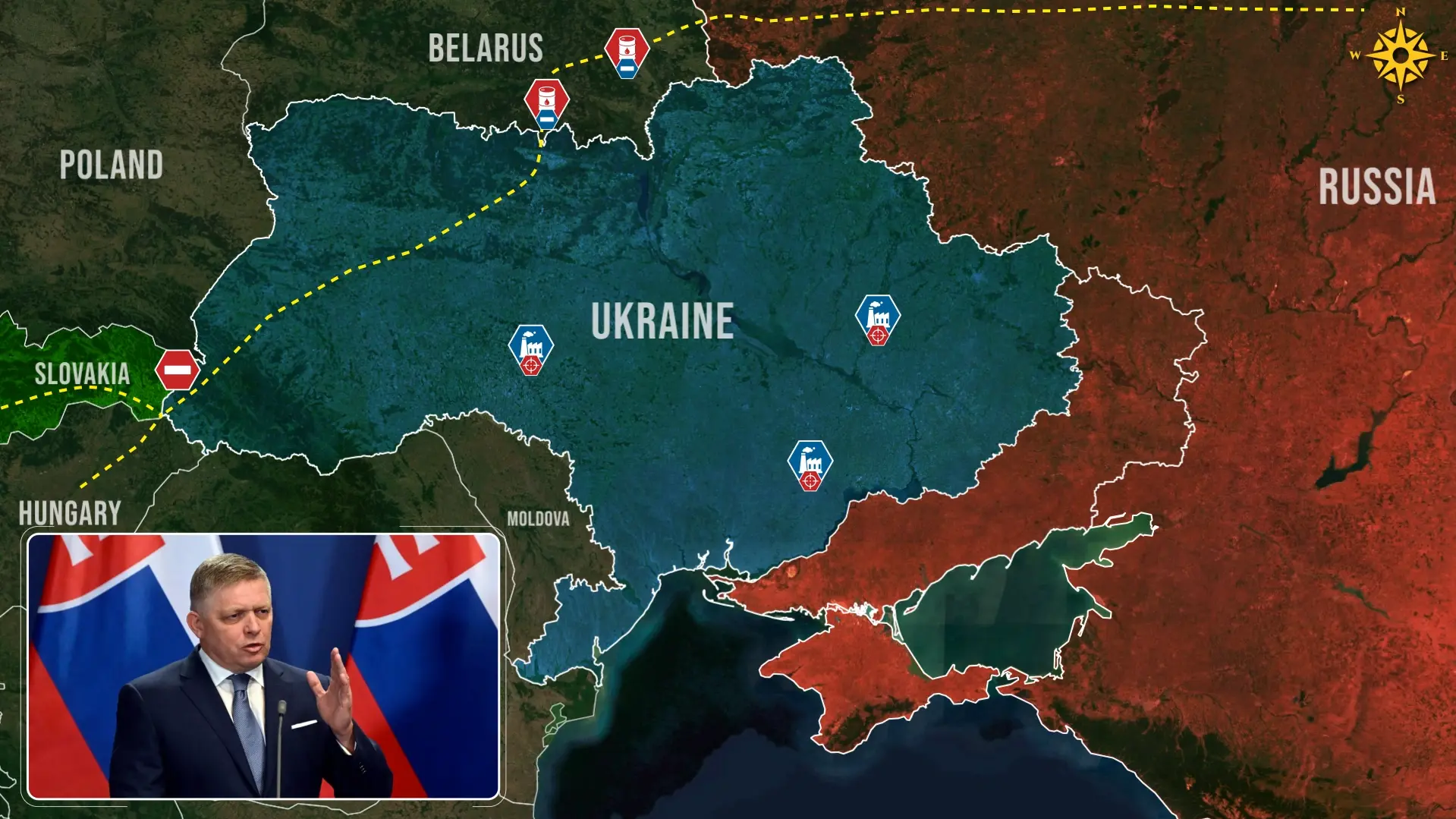
However, the impact of his move turned out to be limited as the reduction amounts to roughly 0.4 gigawatts, which is approximately 2 percent of Ukraine’s overall electricity consumption, which stands at 18 gigawatts. Despite all attacks, national electricity availability has continued to rise from 23 percent to more than 73 percent despite Slovakia restricting its electricity exports, showing how Fico’s blackmail attempt turned out to be meaningless.
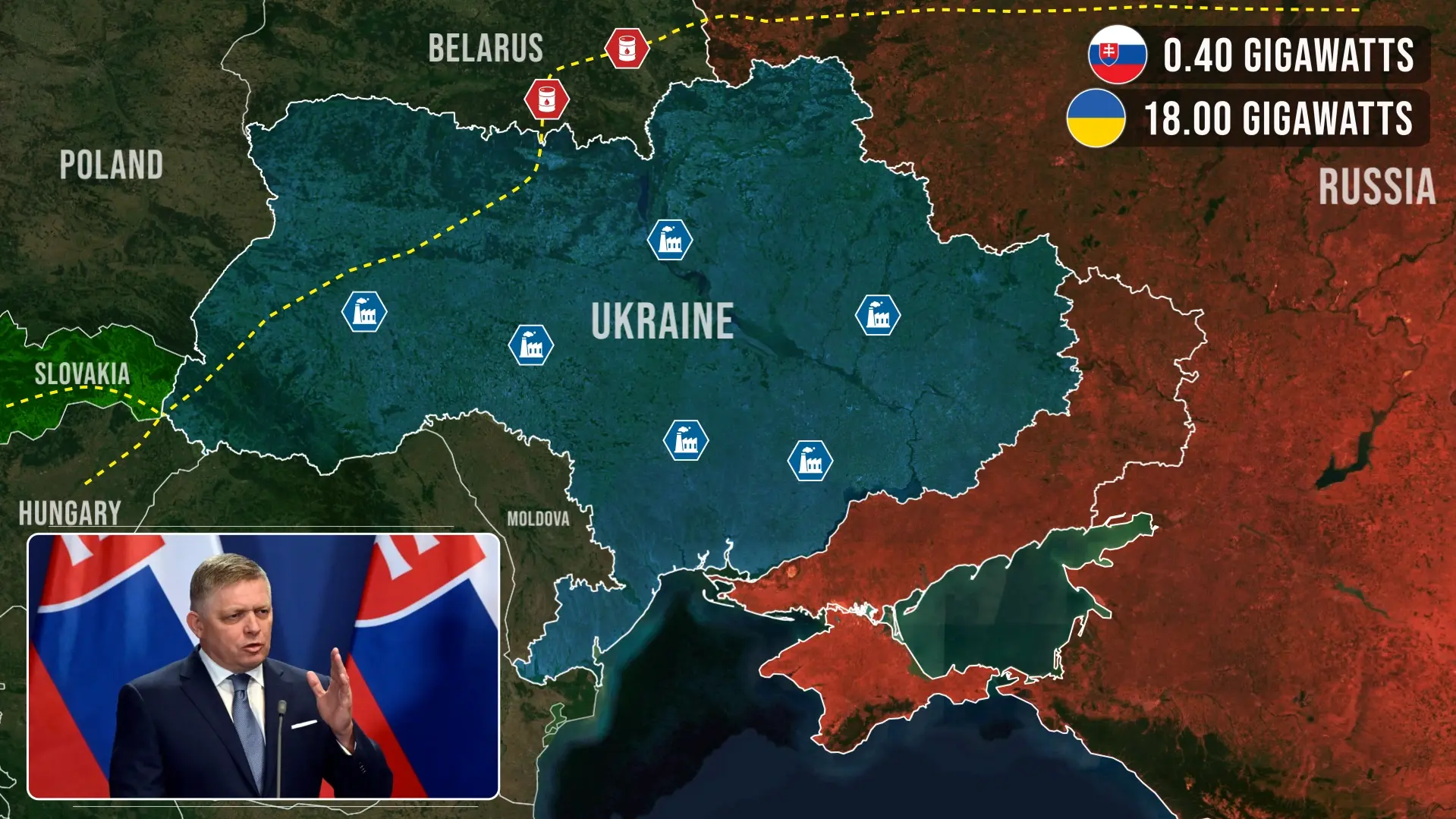
As the situation was critical a couple of weeks ago, Ukraine started significantly increasing electricity imports up to 900 Megawatts in January, which facilitated the rapid rebound. By relying on external supply, Naftogaz, the largest national oil and gas company of Ukraine, needs only to maintain grid interconnections rather than produce the entire required volume domestically. Imported electricity now covers more than half of the needs of Naftogaz group enterprises, which frees a substantial portion of domestic generation capacity for residential consumers, helping shorten outages and stabilize supply.
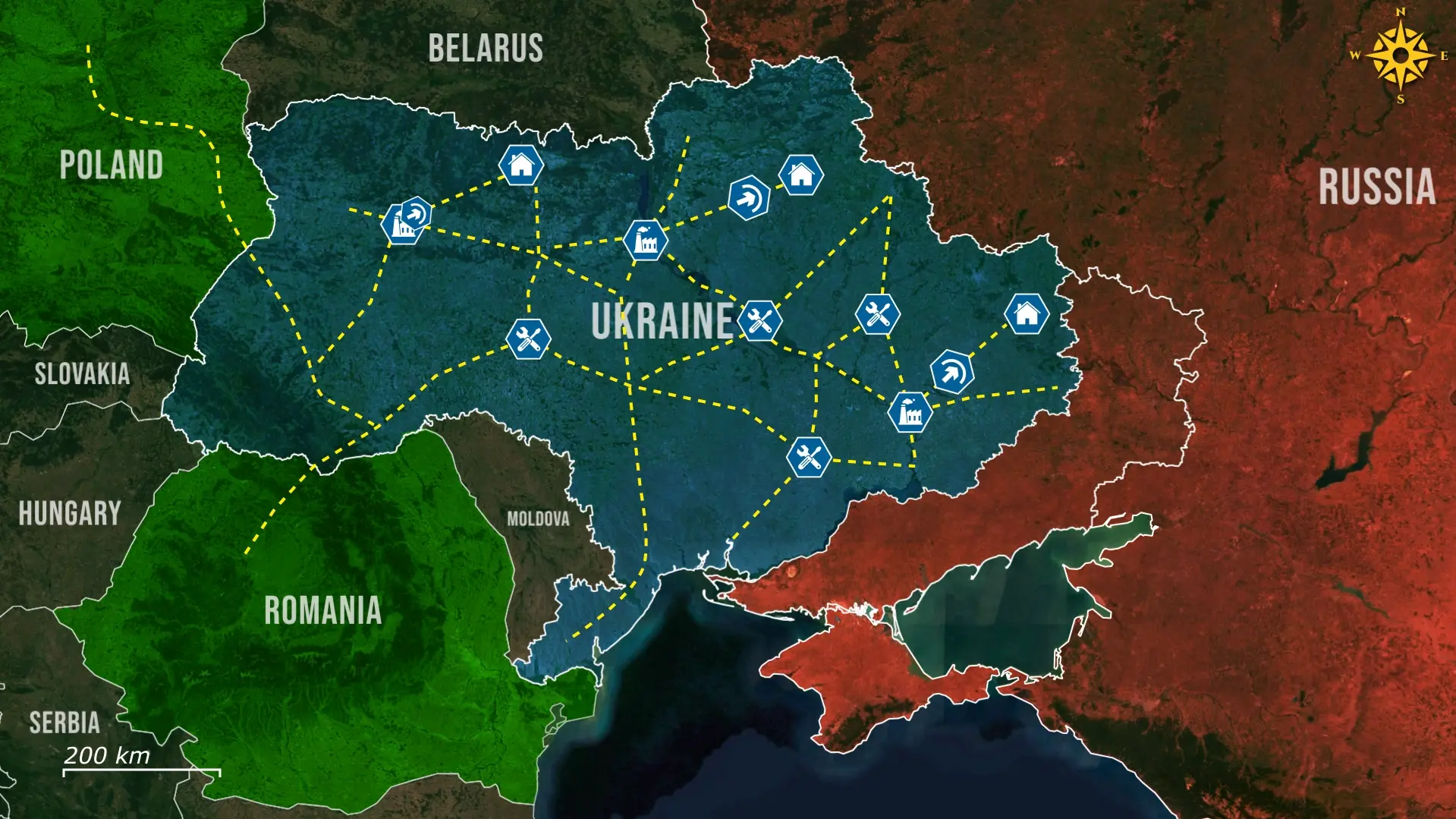
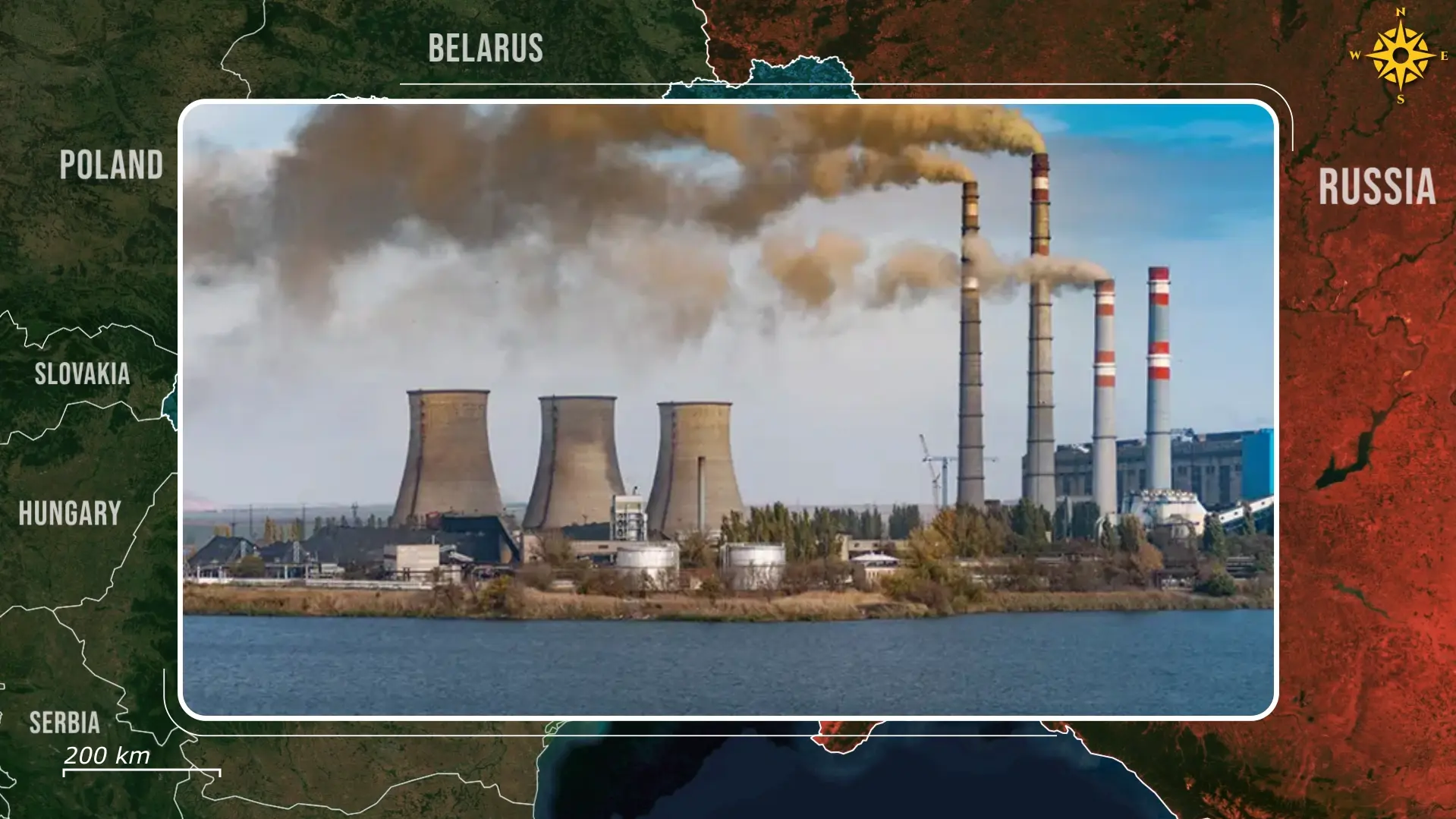
Now, Russia has effectively lost its opportunity to cripple Ukraine’s power system through large-scale strikes. By deploying portable generation, Ukraine is transitioning from a highly centralized, vulnerable model to a distributed grid architecture that is more resilient. Unlike large power plants, which are concentrated, decentralized assets are geographically dispersed and modular.
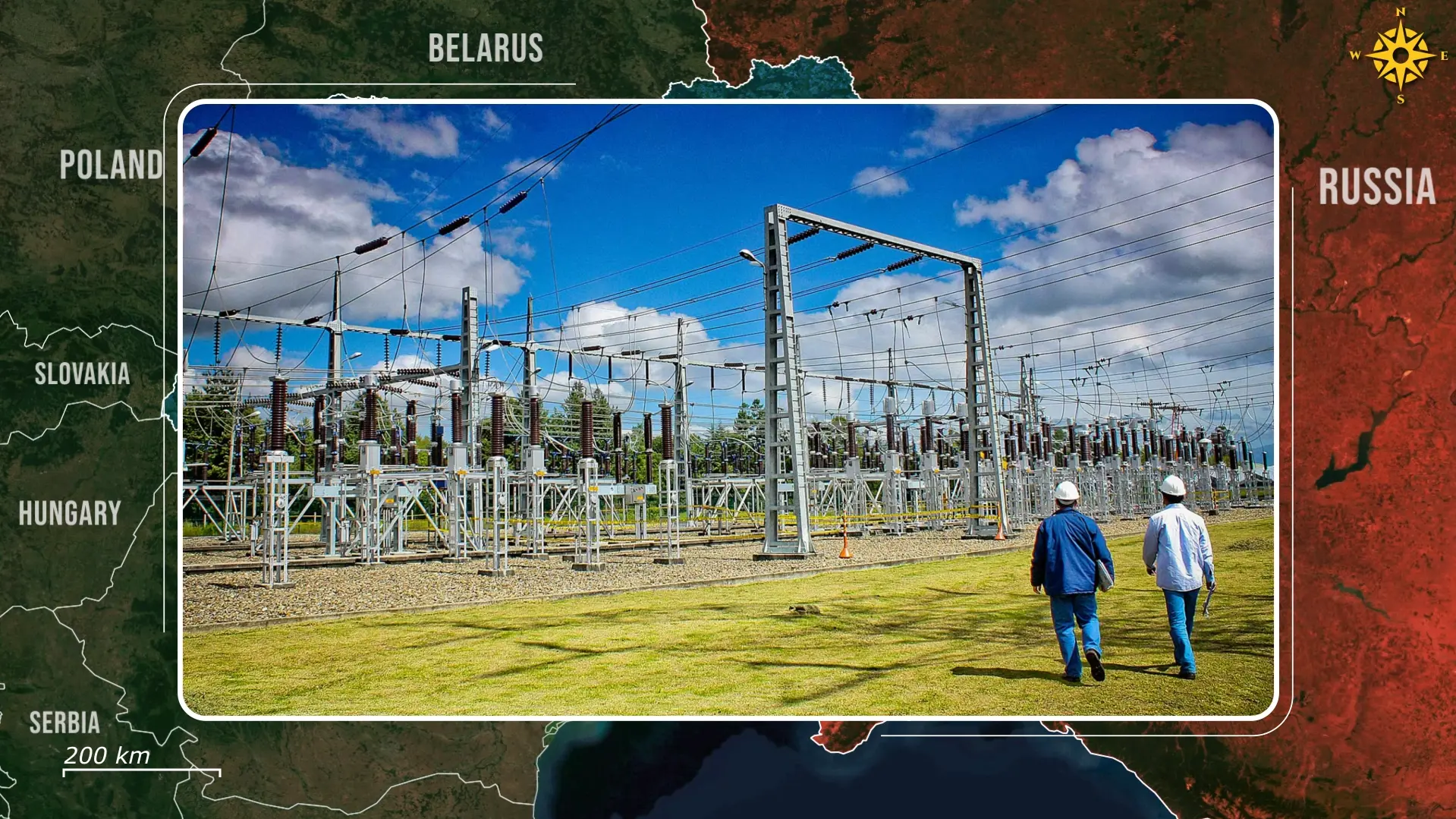
This makes them significantly more difficult to disable through attacks and far harder to disrupt, which will protect Ukraine against future blackouts. An estimated 5 to 6 gigawatts of portable and distributed generation capacity are being deployed, including small-scale gas turbines, gas-piston cogeneration units, and renewables such as rooftop solar systems, wind installations, and battery storage to store the energy to meet demand anytime.
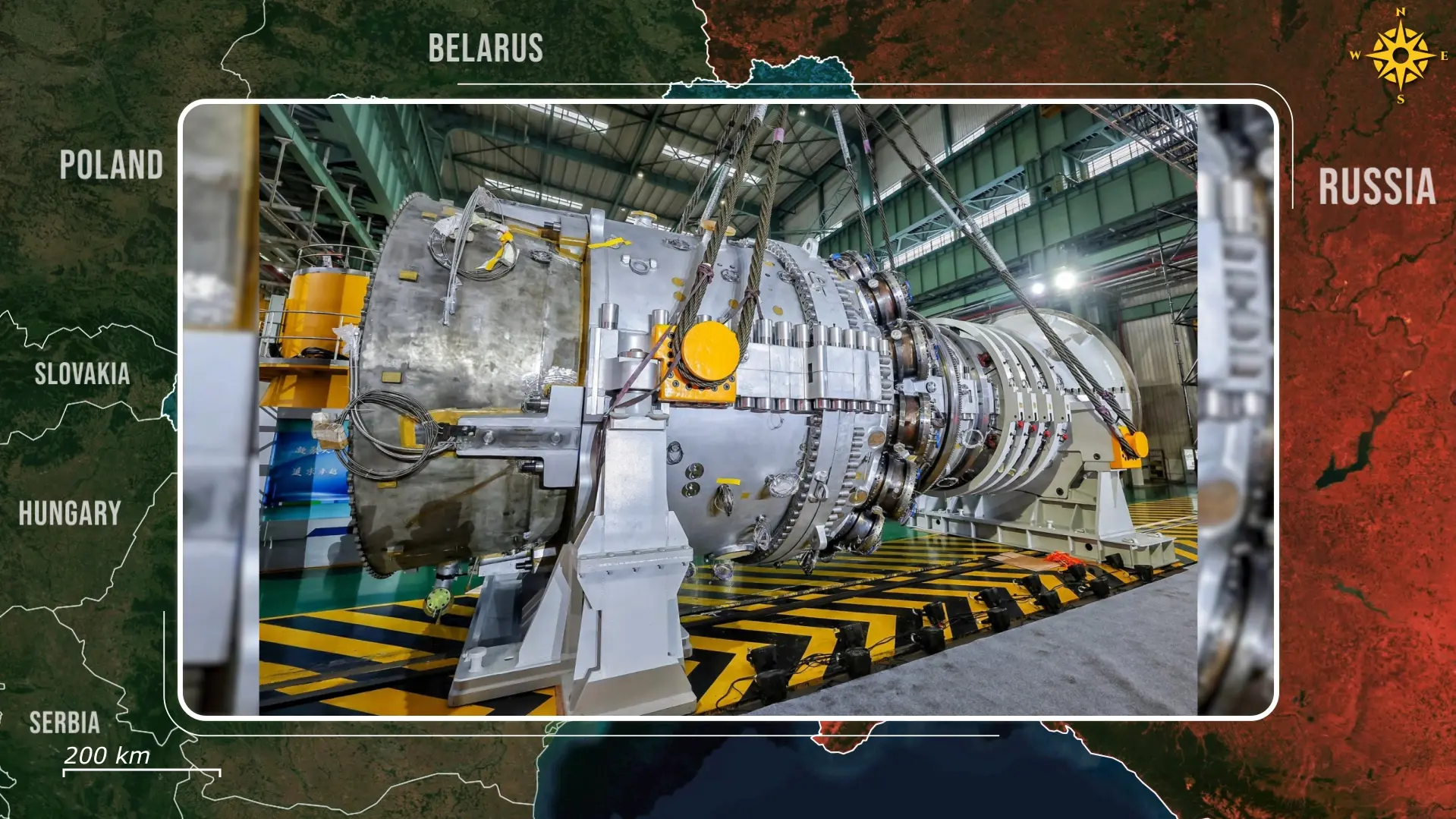
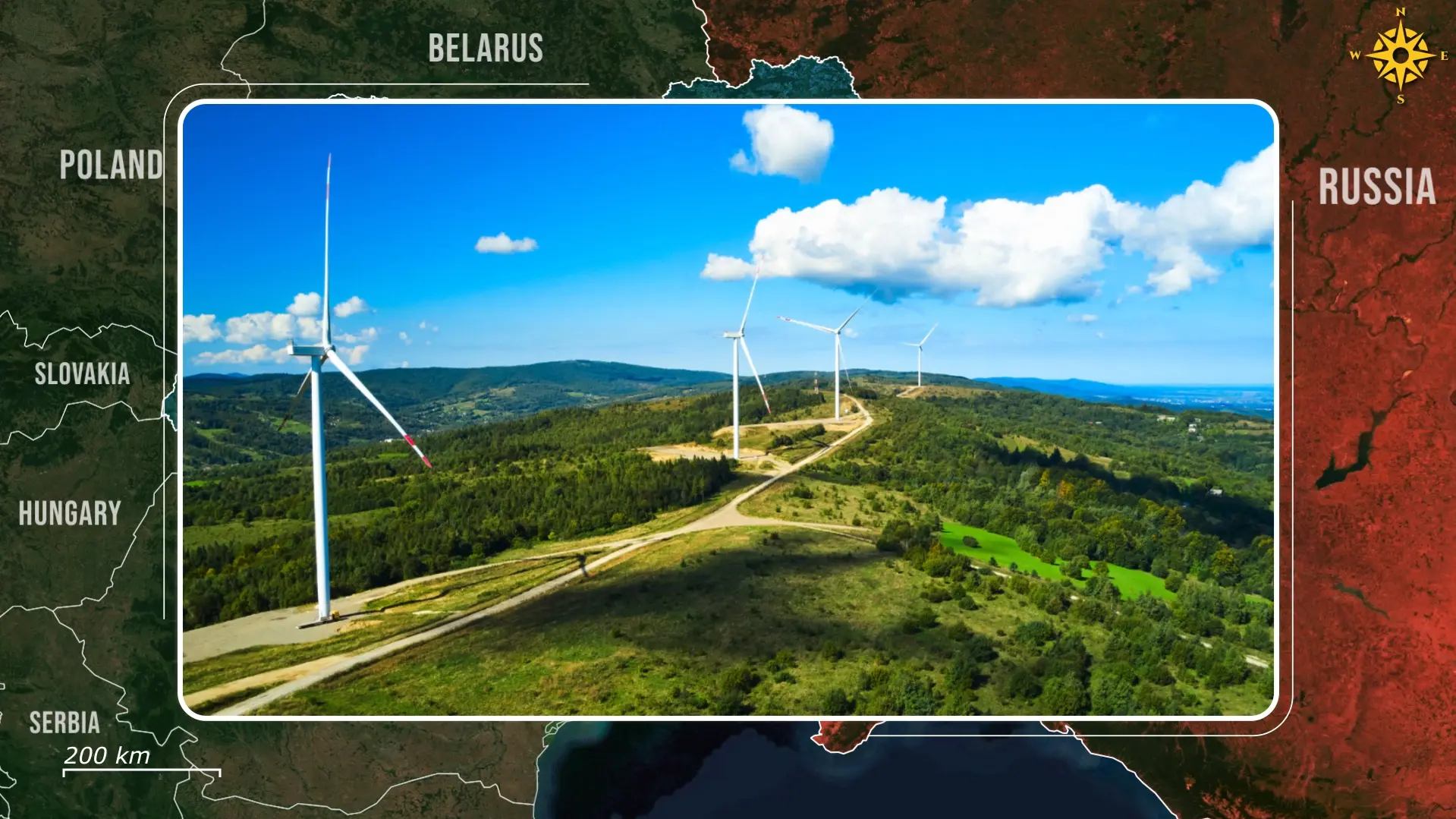
In 2024, 835 megawatts of decentralized facilities were connected to the grid, with financing secured for an additional 430 megawatts. These additions include cogeneration plants, solar installations, and smaller diesel or gasoline generators.
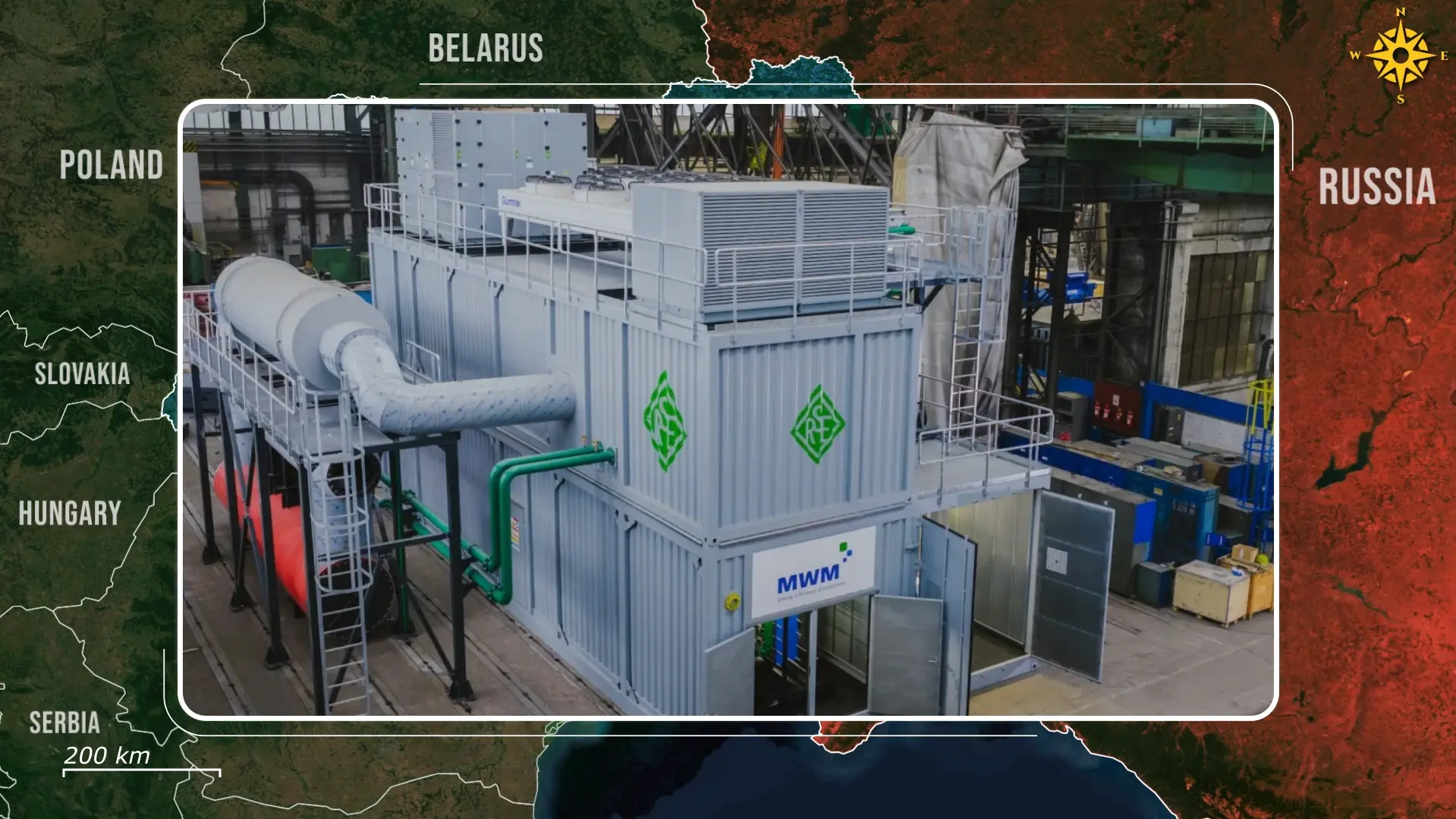
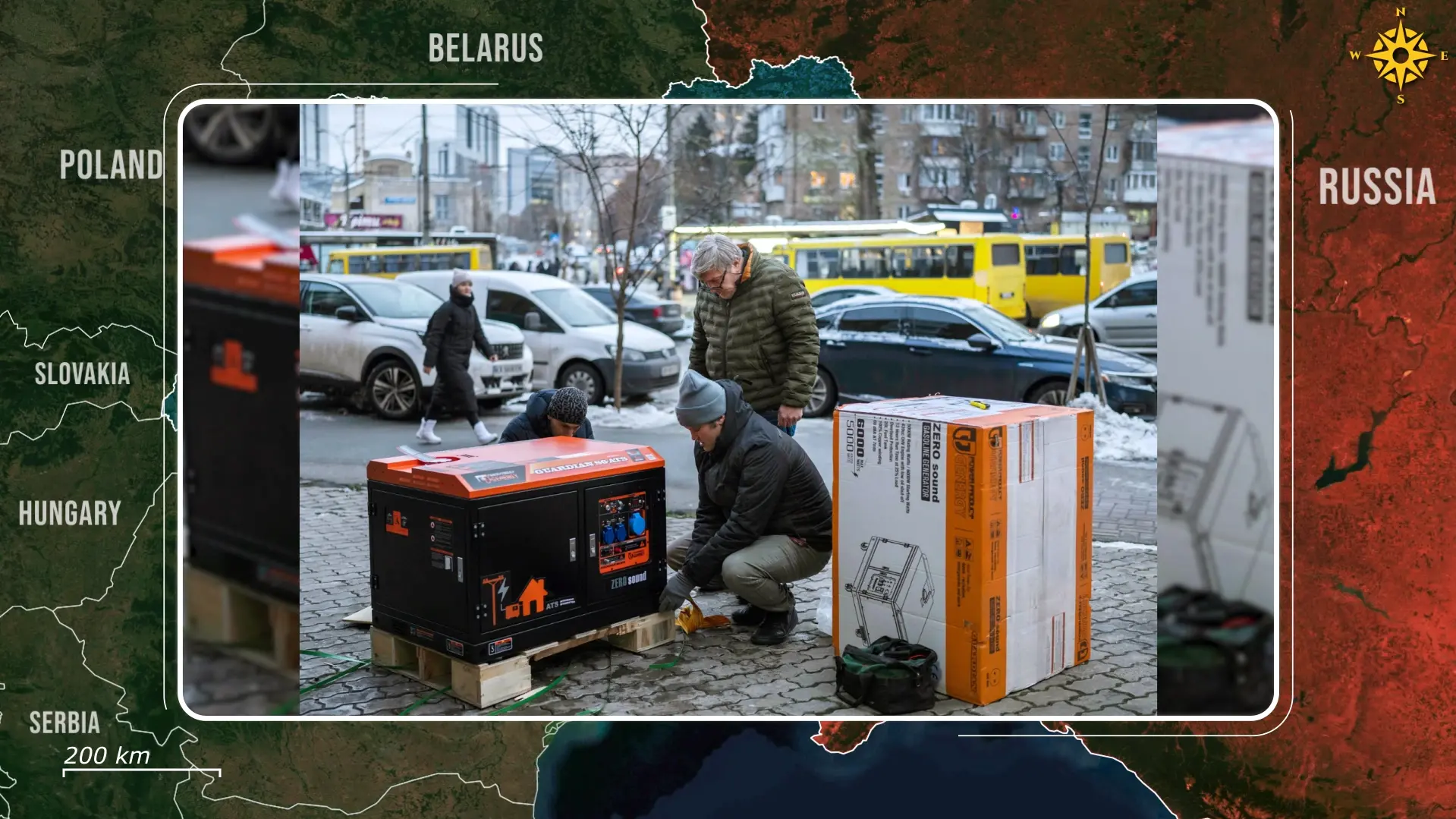
Since the full-scale invasion began, more than 3 gigawatts of new renewable capacity have been installed, including 1.5 gigawatts of solar in 2025 alone, sufficient to power roughly 1.1 million households. In Kyiv, seven reinforced gas-piston mini Combined Heat and Power plants have been installed to supply critical infrastructure such as hospitals and district heating networks. Additionally, 62 million US dollars were allocated in January 2026 for high-capacity mobile generators in frontline regions, including Donetsk and Kharkiv.
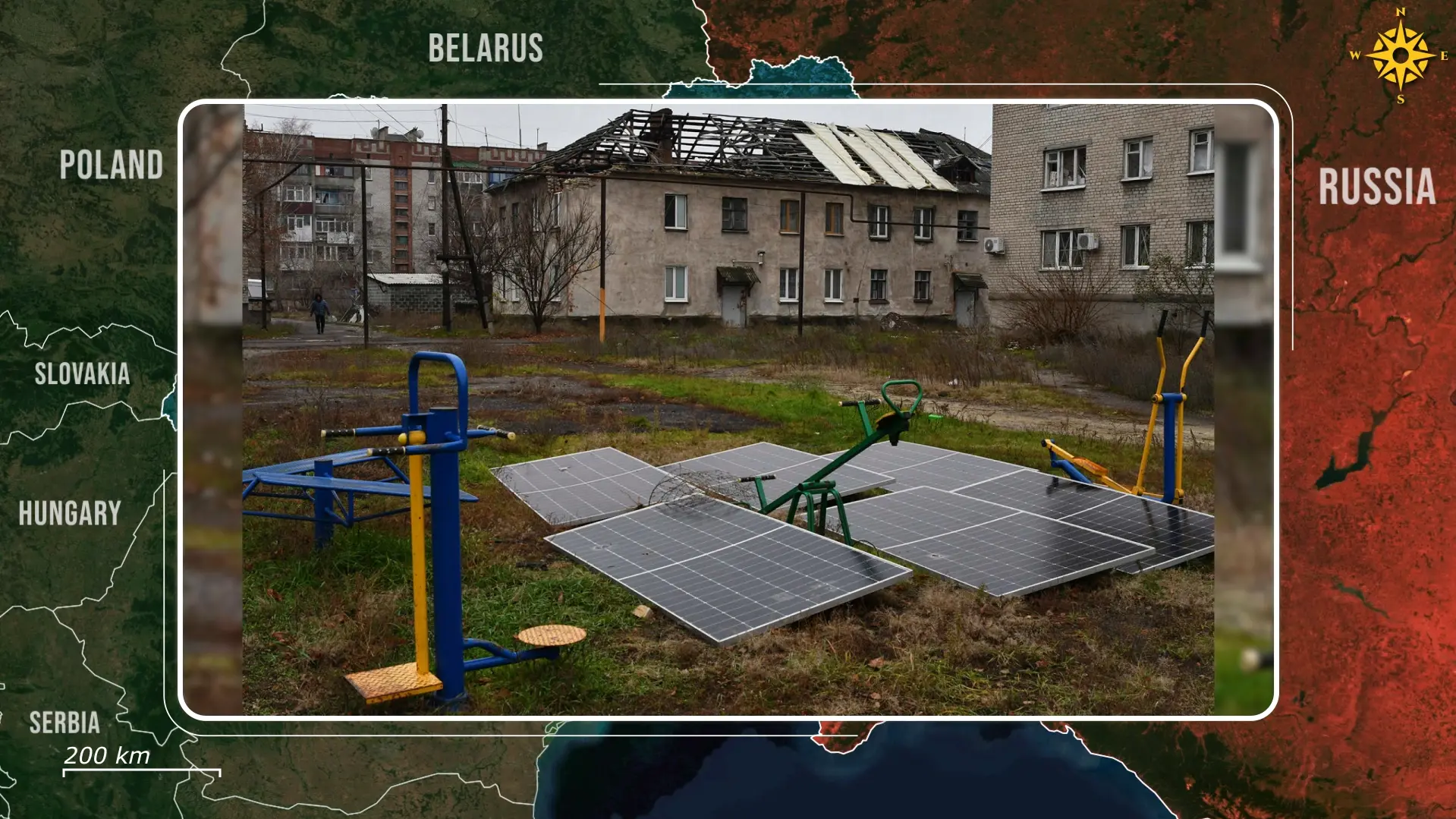
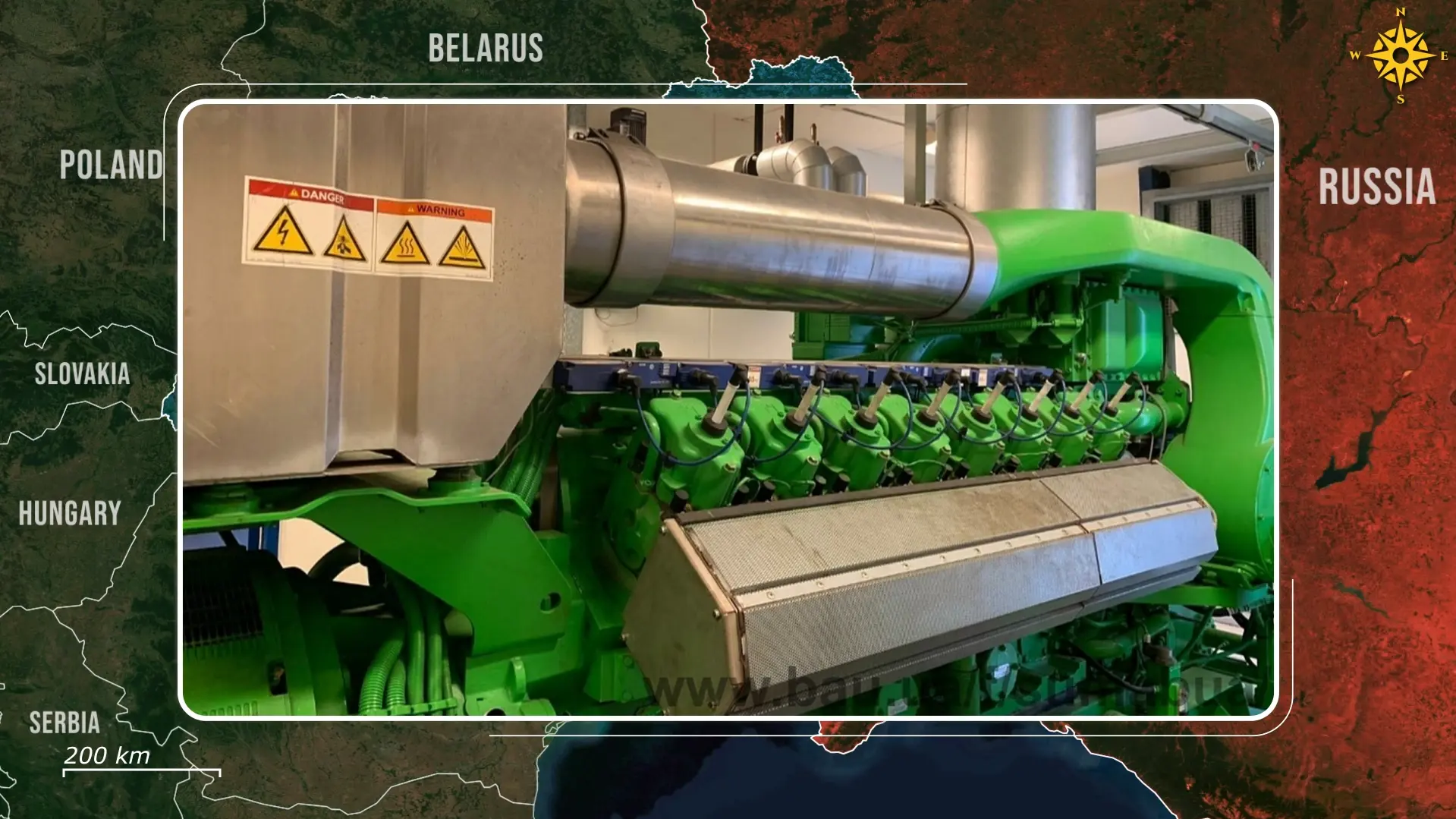
Overall, after four years of continuous strikes, Russia has failed to achieve its main goal of collapsing Ukraine’s power system as a tool to force the country to capitulate. Ukrainian countermeasures, like rapid restoration, expanded imports, and large-scale deployment of distributed generation, have transformed what was once a vulnerable centralized network into a far more adaptive and resilient system.
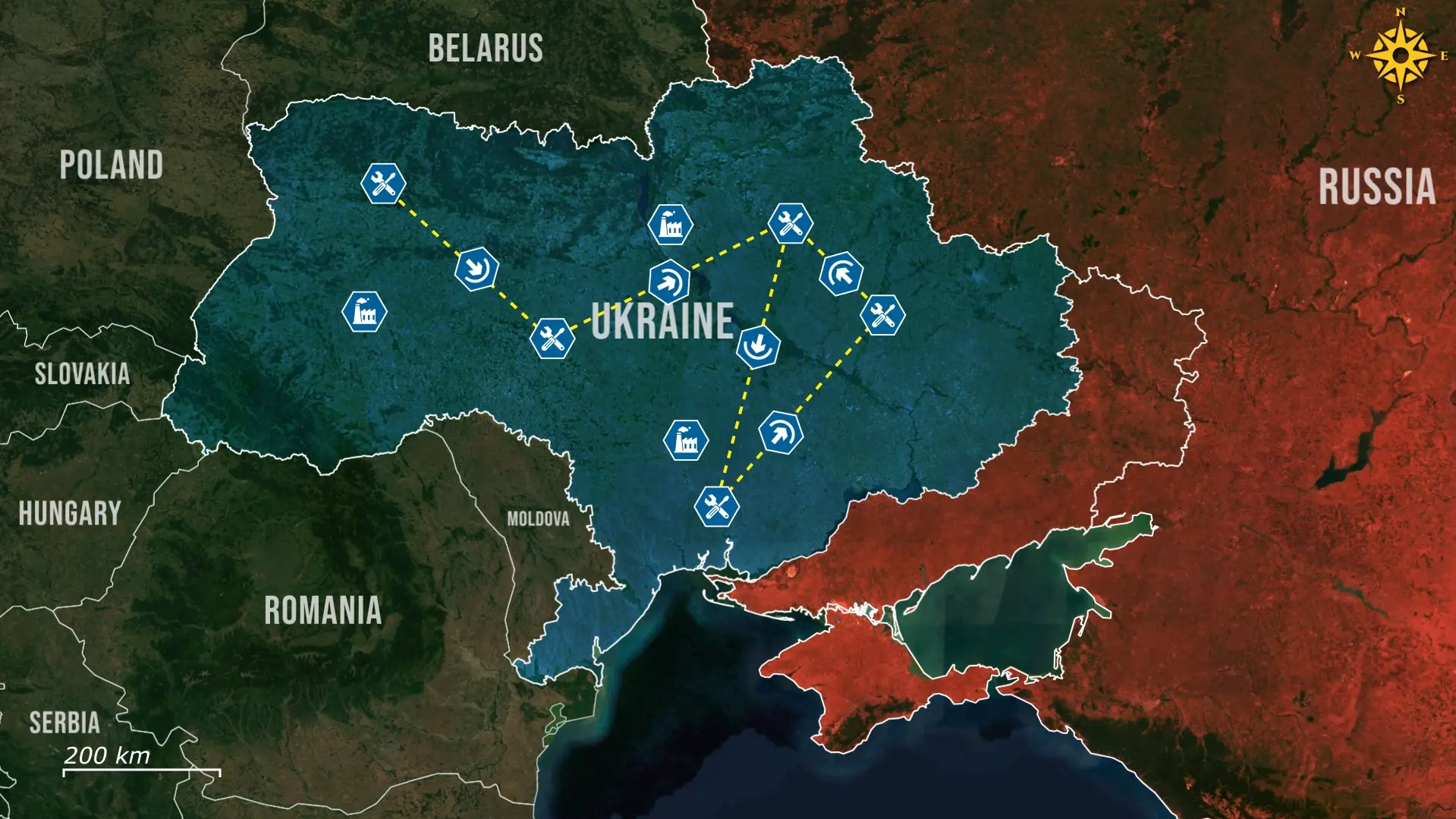
Ukraine is set to continue deepening this decentralization process to protect its energy grid against future attacks. As this accelerates, Russia’s ability to inflict system-wide blackouts will continue to diminish, making the destruction of Ukraine’s energy infrastructure less likely.

.jpg)

Comments