

.svg)
Today, the biggest news comes from Russia.
Here, missile armed Shahed drones have appeared as a new attempt to make Ukrainian aerial interception more dangerous and more costly. However, Ukraine may not even need a special tool to counter this, as the Russian threat is arriving on a battlefield already shifting against it.
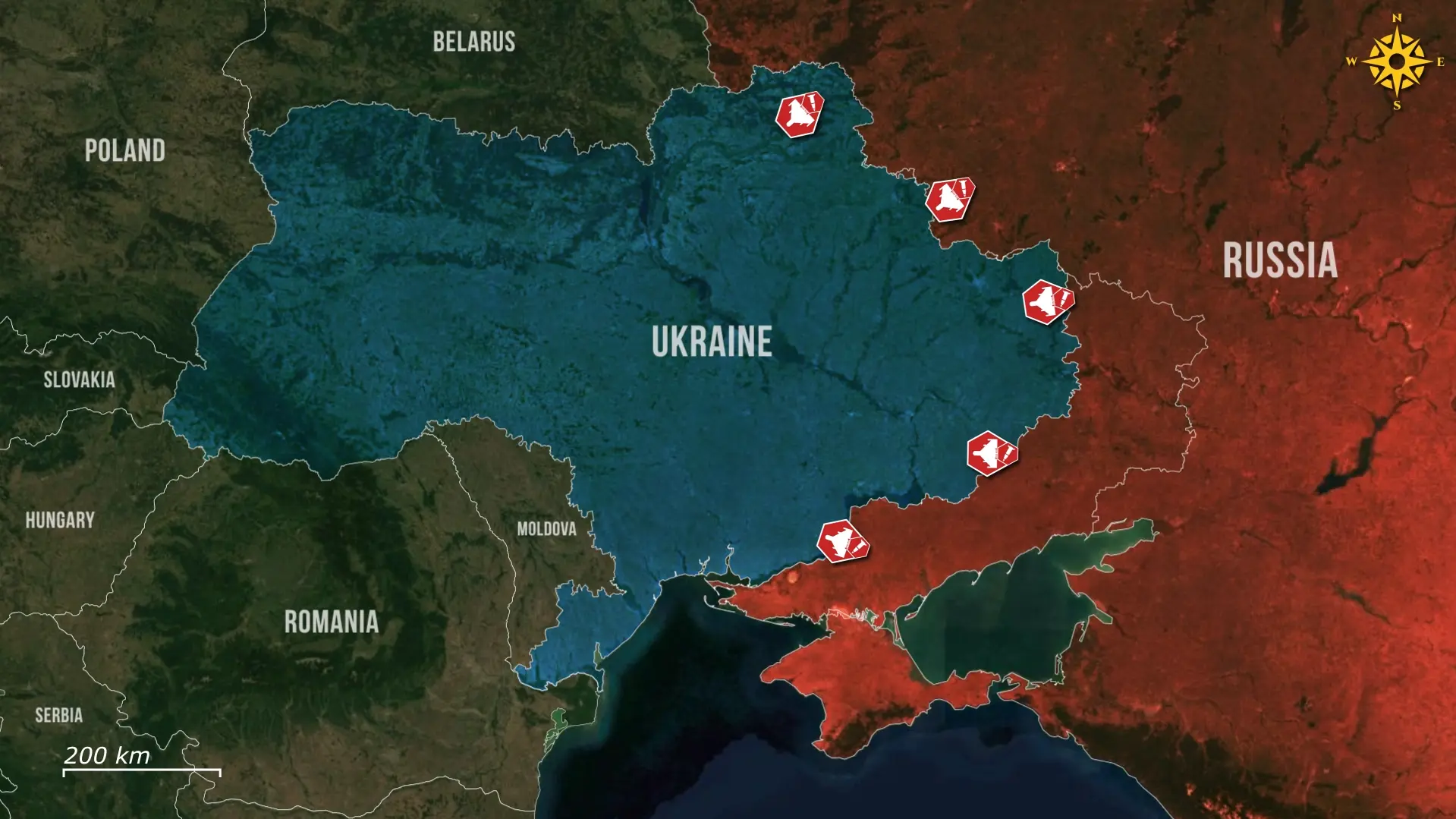
Russia started looking for such a solution after Ukrainian helicopters, light aircraft, and later interceptor drones began neutralizing its long-range drone strikes by destroying Shaheds before impact. Moscow’s answer was to turn some of the Shaheds from strike drones into crude airborne ambush platforms by adding an air-to-air missile aimed mainly at manned interceptors that still had to close in. In theory, even limited success could force Ukrainian crews to approach more cautiously, making manned interceptions less efficient over time.
Russia expanded this tactic by producing Shaheds with built in fuselage compartments designed specifically to carry the missile. That shift showed the idea was moving past a rough experiment, because Russia was beginning to adapt the drone’s body around the weapon itself rather than merely attaching one to it. The more integrated layout reduced some of the drag and instability caused by an exposed mount, while also making the missile less obvious during approach. From the Russian perspective, this started to look like a wonder weapon that answered the interception problem without sacrificing the Shahed’s original strike role.
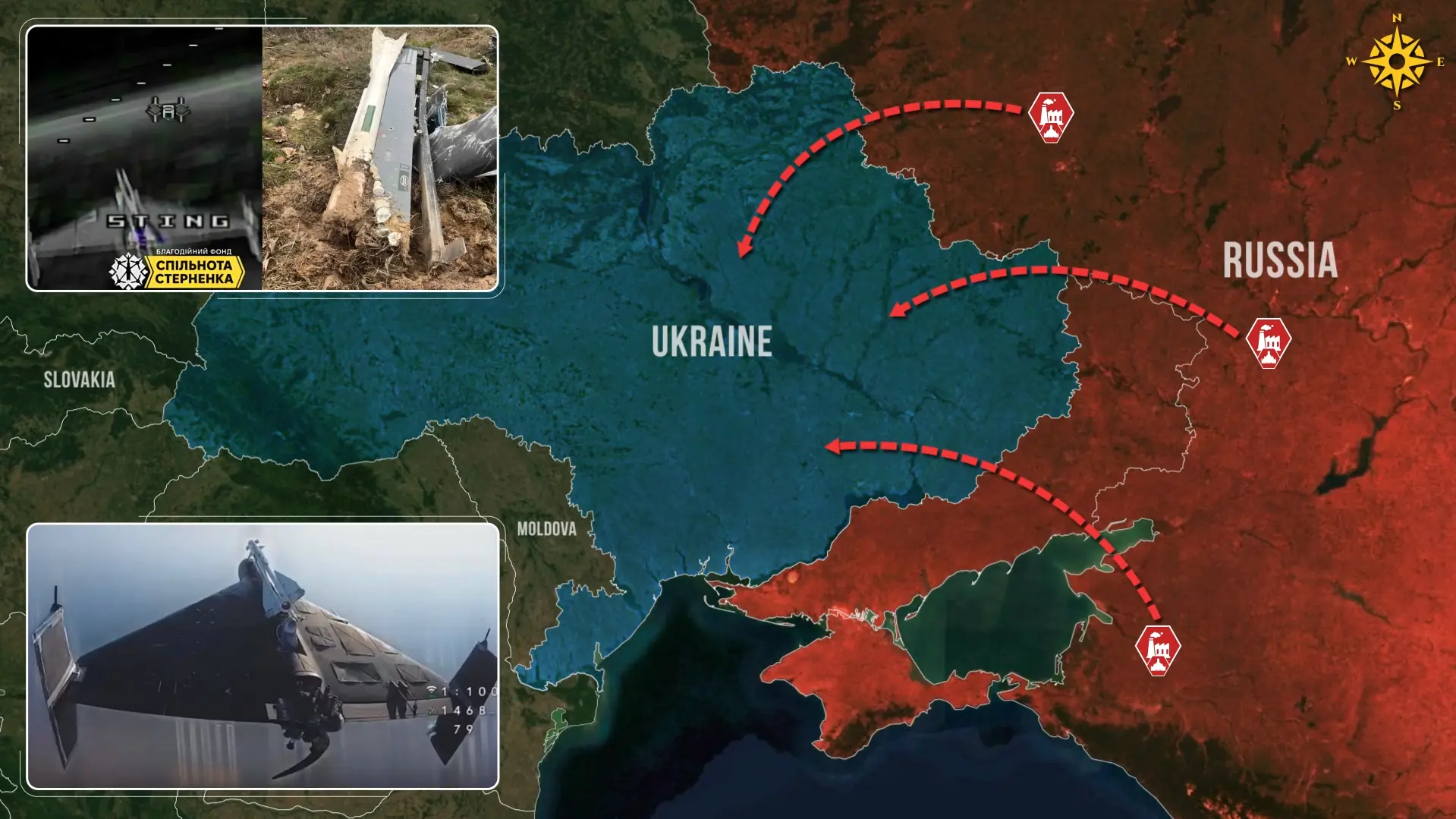
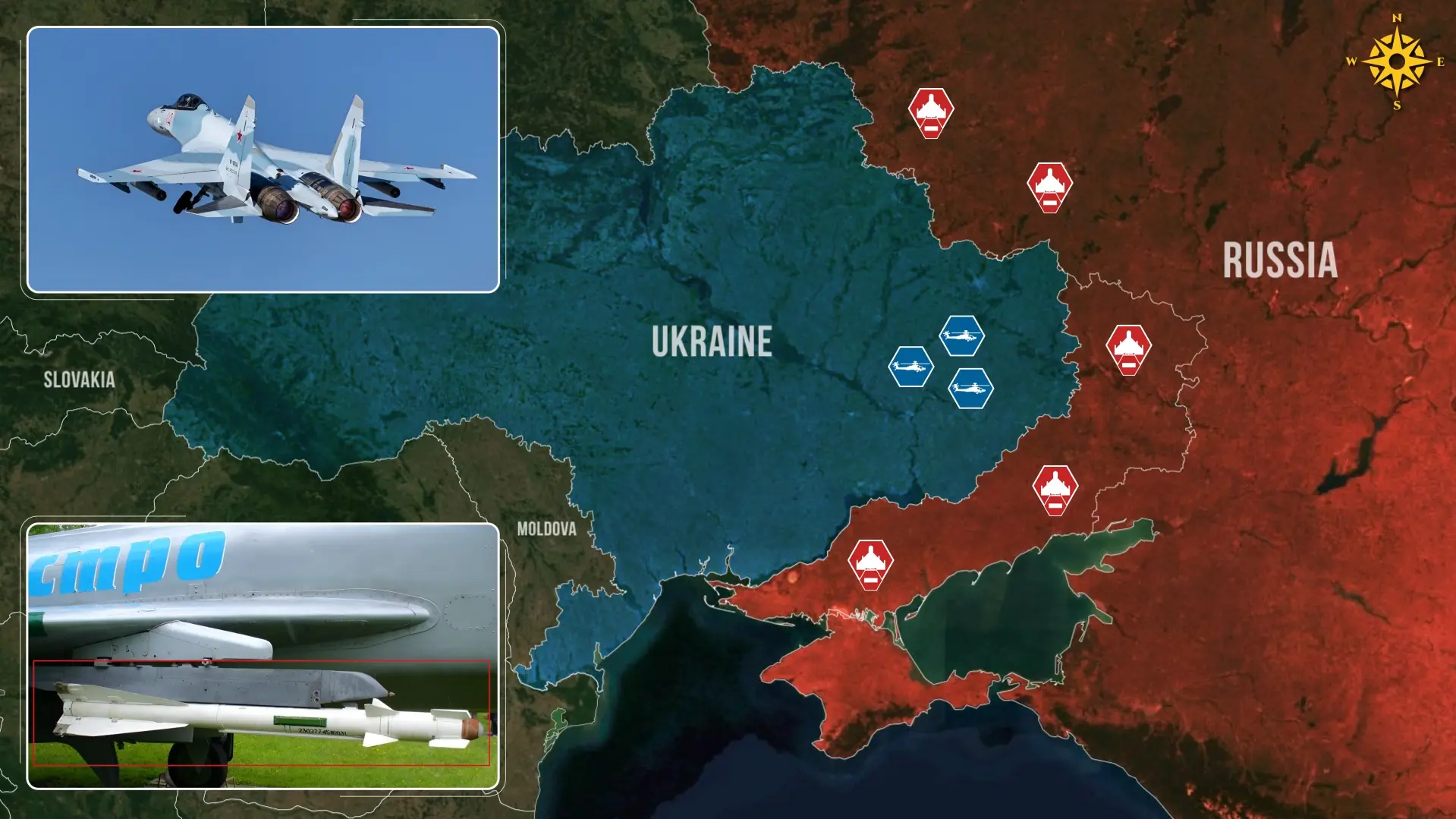
That goal, however, runs into serious limits once it is tested against the actual requirements of such an operation. Before a missile can be fired, the drone has to notice the interceptor, understand its direction and speed, and move into the narrow position from which the seeker can detect the target’s heat after launch. A combat aircraft does that with sensors, fire control, speed, maneuverability, and a pilot building a live picture of the airspace, while the Shahed was built to follow a route toward fixed ground targets. The platform still carries the R sixty, an older short range infrared guided missile that can be dangerous once it is properly cued onto a target. The real limitation lies in the carrier itself, because it lacks the awareness, targeting support, and control needed to set up that shot reliably. That means the missile may still threaten an opponent in a favorable moment, but the Shahed is poorly suited to creating those moments on a consistent basis.
That leaves the missile equipped Shahed dependent on outside guidance at the most important moment, with an operator needed to keep track of the interceptor and guide the Shahed into position until the missile can be launched inside a very precise firing window. Distance, Ukrainian jamming, and unstable communication links can break that chain at any moment, and once the target picture starts to blur, the shot opportunity disappears with it. The problem is not simply that the drone becomes blind, but that this nullifies its dual-purpose ability of carrying a weapon that only works from the right angle, distance, and timing.
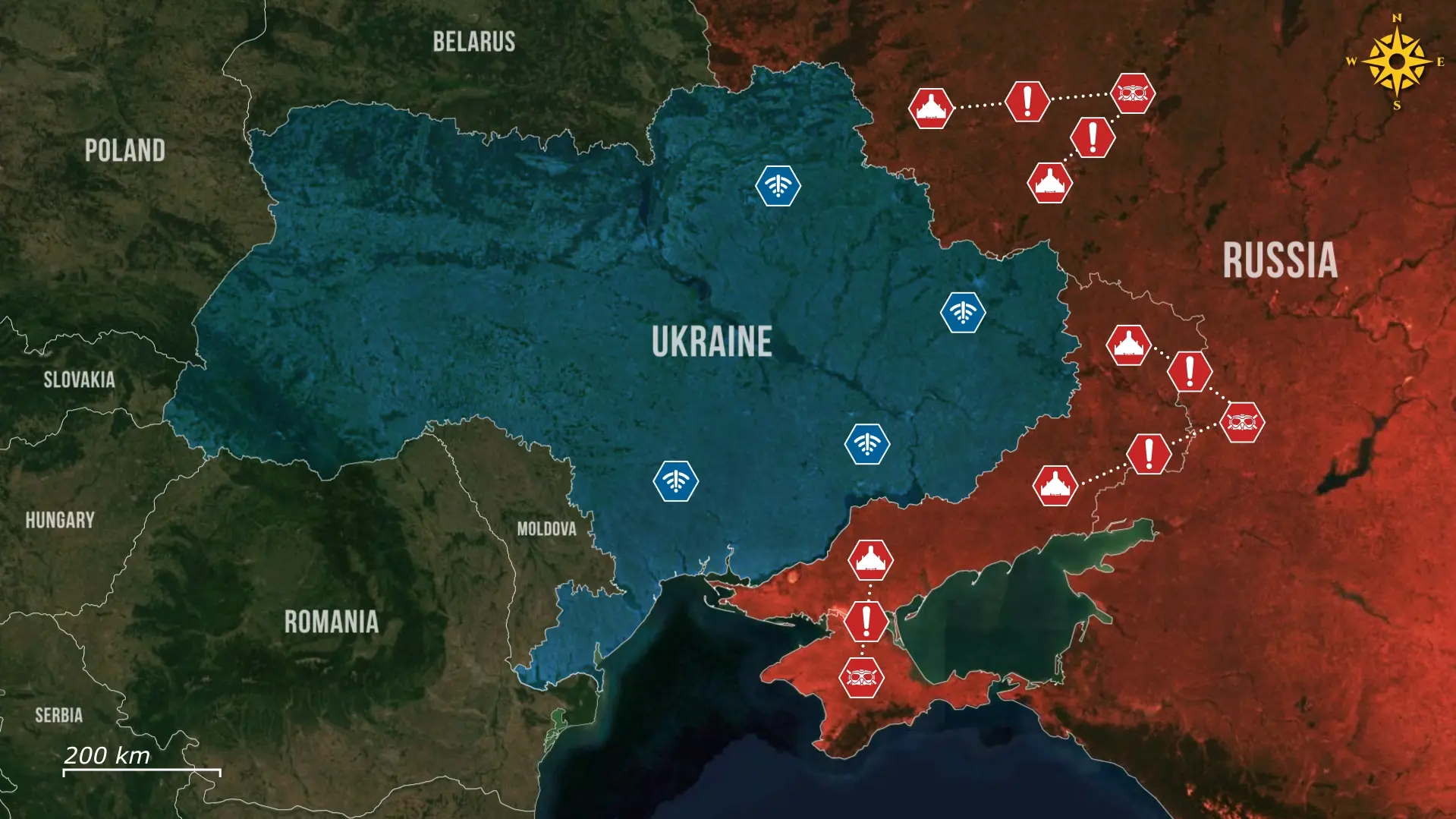
An even bigger problem for Russia is that the battlefield is already moving away from the conditions this concept was built to exploit. Ukrainian forces are increasingly using interceptor drones instead of manned aircraft against incoming drones, which strips away much of the missile equipped Shahed’s original value as a tool for deterring pilots and expensive platforms. Ukraine did not reduce this threat by inventing a direct counter to the missile itself, but by changing the interception method so the Russian solution has fewer useful targets before it can fully mature. For Russia, that is a warning that adaptation has no value if it is built too late.
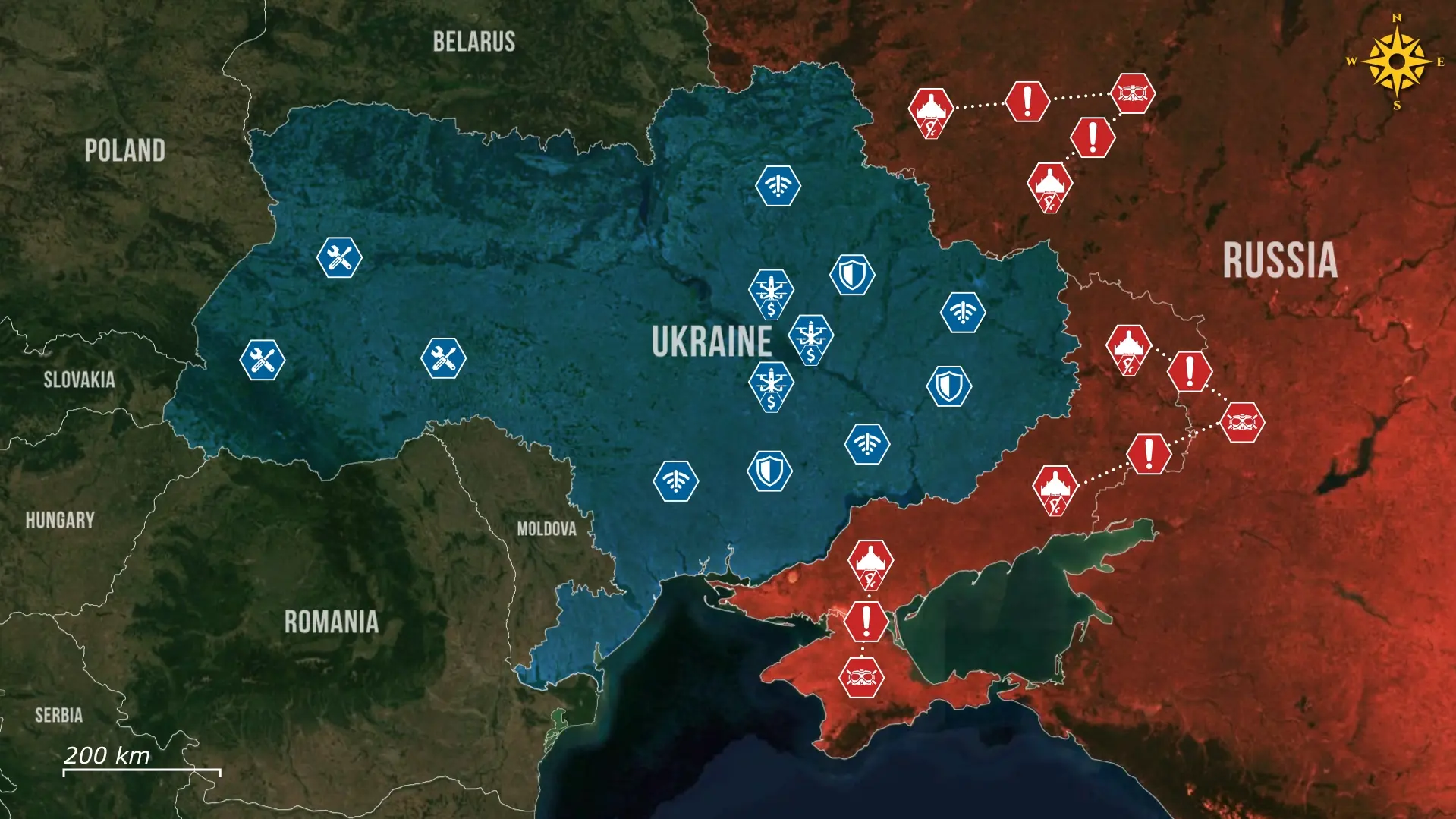
Overall, the collapse of the missile armed Shahed concept shows that simply attaching an air-to-air weapon to a strike drone does not create a successful self-defending system. If Russia wants this idea to survive, it will need drones that can sense, track, and position for a shot without depending on fragile outside guidance at the decisive moment. Ukraine, meanwhile, is pointing toward a cheaper defensive model in which unmanned interceptors make Russian threats less relevant, demonstrating how evolution outpaces adaptation. The battle for Ukraine’s sky will be decided not by turning Shaheds into makeshift missile carriers but by whether drones can reliably destroy other drones in the air on their own.
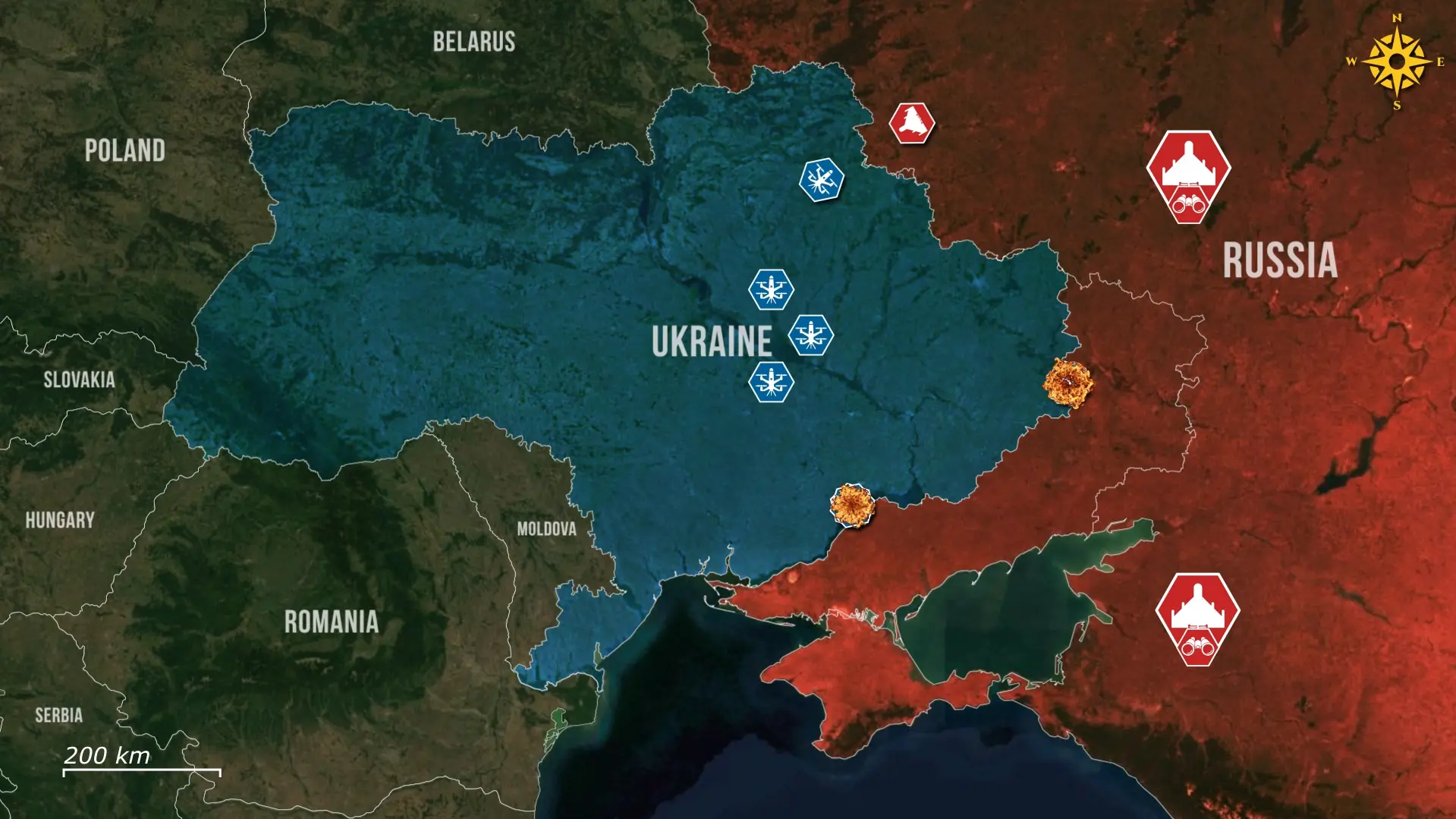

.jpg)

Comments