

.svg)
Today, the biggest news comes from the Black Sea.
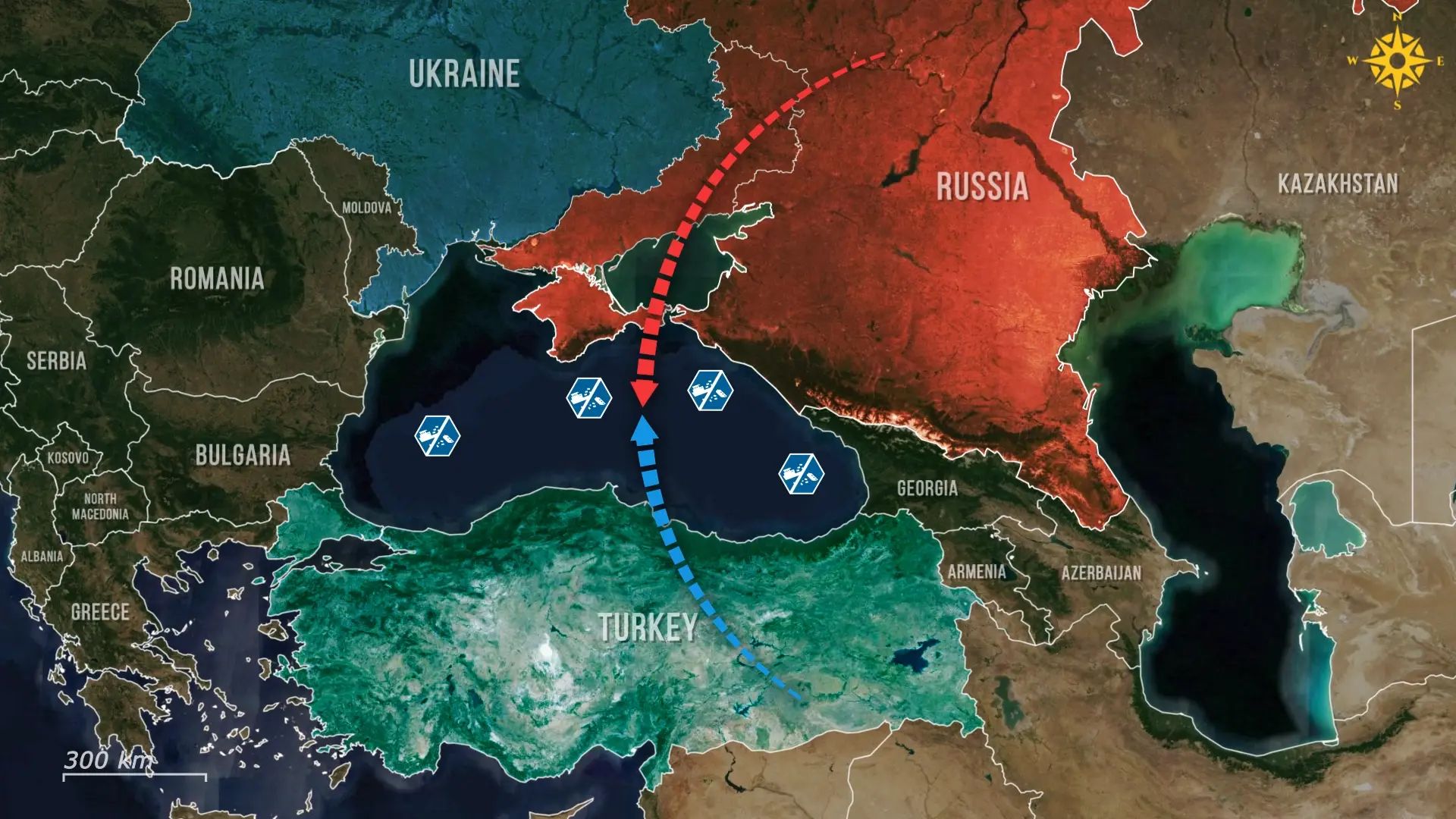
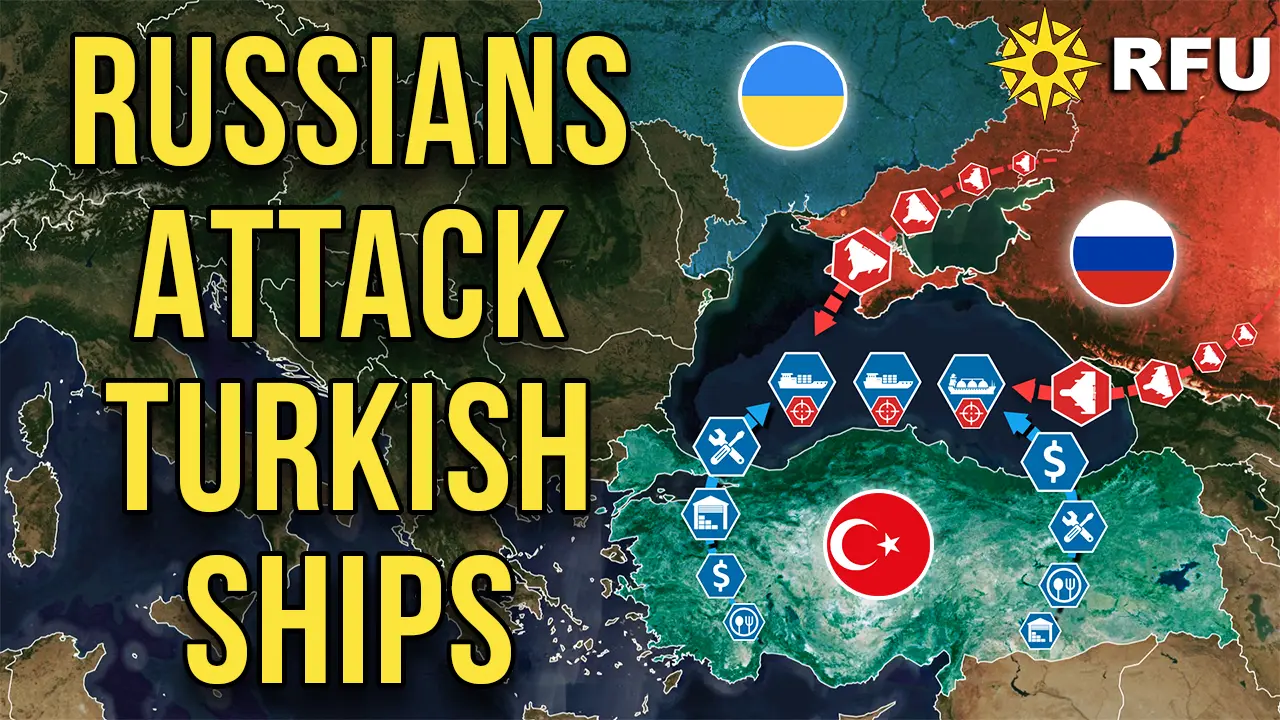
Here, Russia’s strikes on commercial vessels have now collided directly with Turkey’s interests in the Black Sea. Only days after Moscow accused Europe and Nato states, including Turkey, of guiding Ukrainian strikes, the same narrative has been followed by attacks on ships operated by a Nato member itself.
Recently, Russian forces struck two Turkish-operated vessels near Odesa, and Moscow did not frame these hits as accidental; Russian Kremlin-linked channels presented the attacks on the Viva tanker and the Cenk ferry as precise, intentional strikes carried out with drones equipped with control links and cameras.
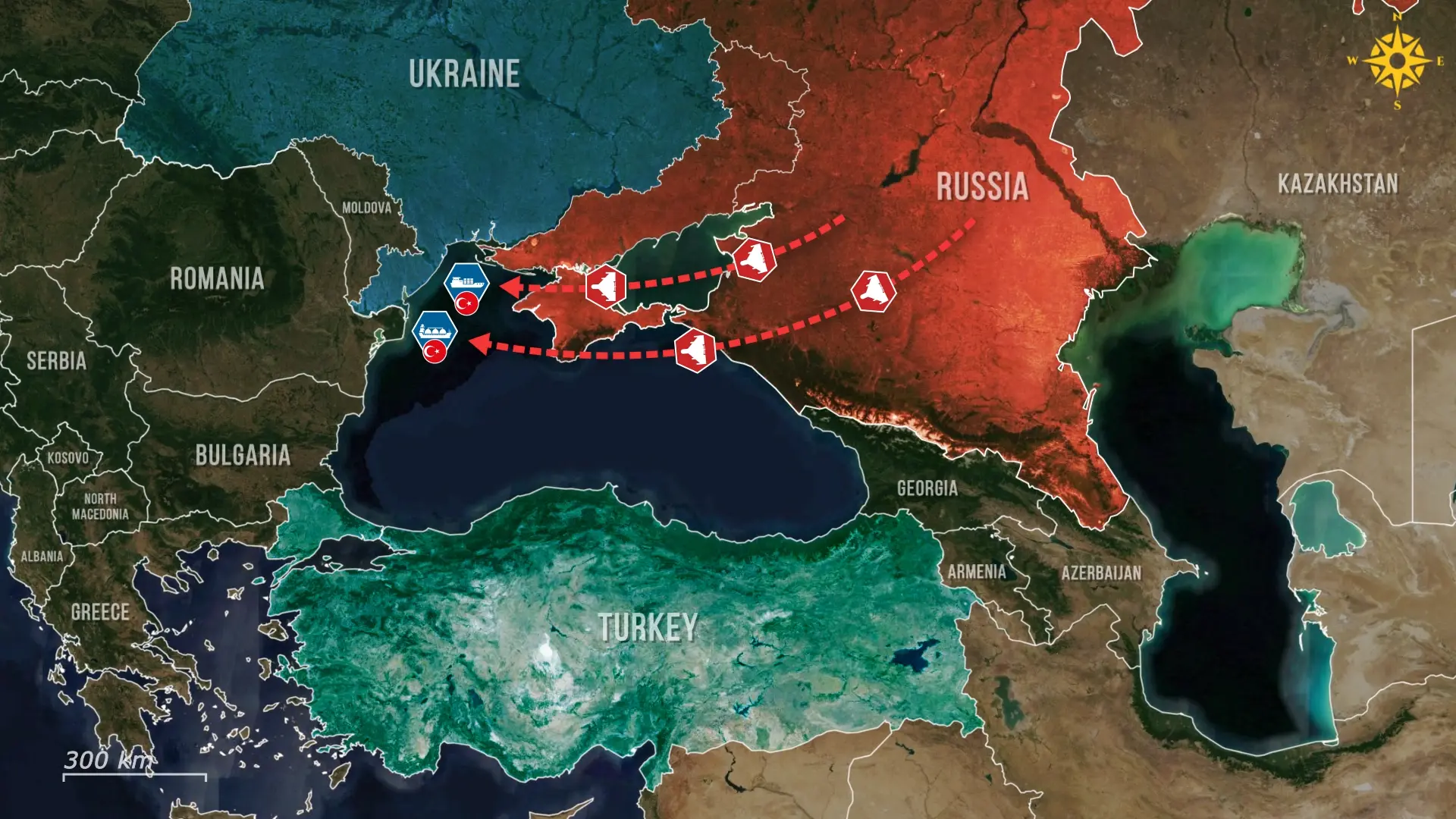
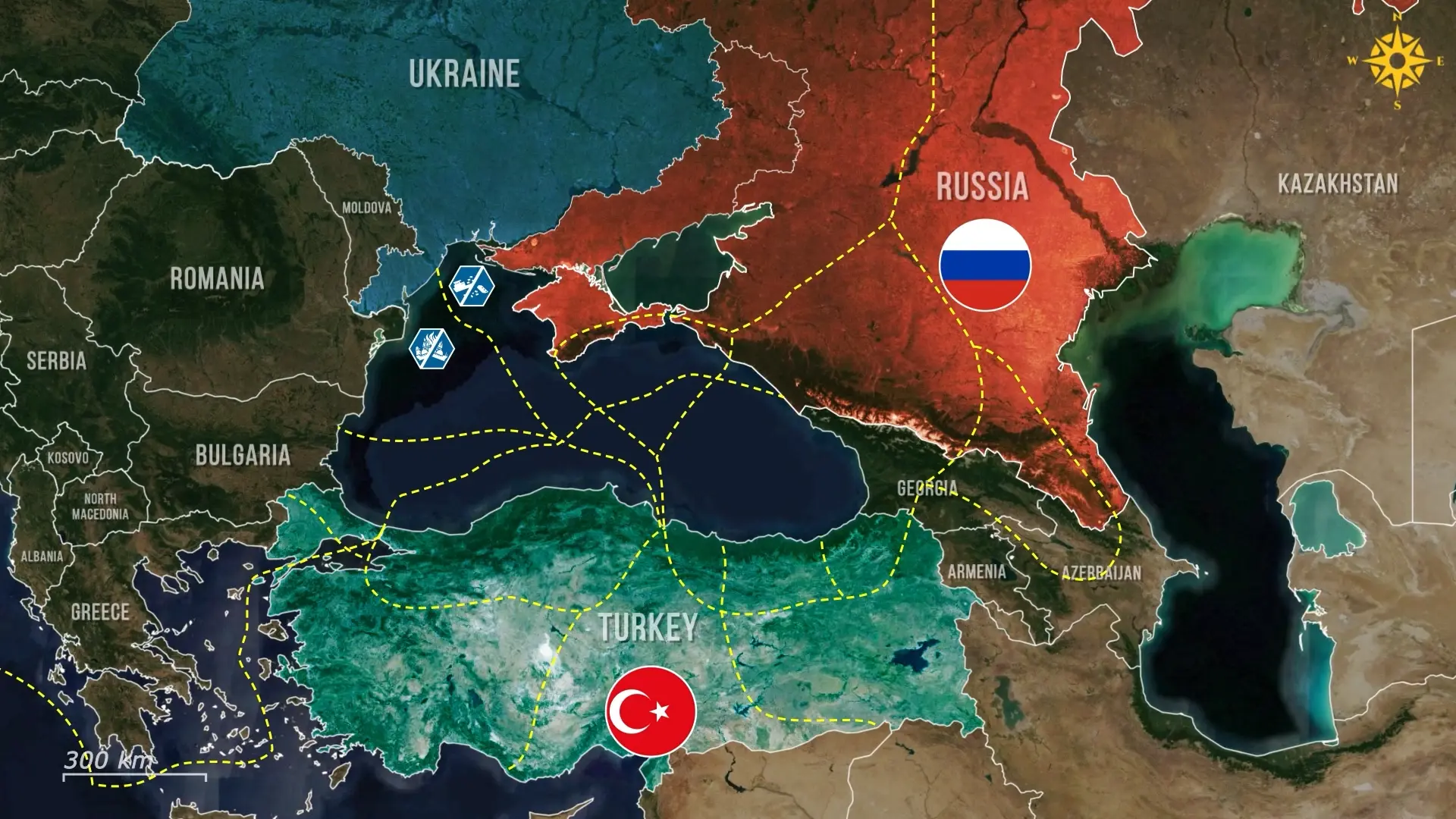
Footage from the crews showed fires spreading across the ships as emergency teams worked to contain the damage. Russian commentators framed the incident as a message to Kyiv, claiming that Moscow was demonstrating its ability to shut down port traffic if Ukrainian forces continued to target Russian tankers. The problem is that this interpretation ignores the wider context, because Turkey does not see a controlled warning to Ukraine but an unnecessary strike on vessels flying its flag and those being operated by its companies, carried out in Ukraine’s exclusive economic zone, where Ankara expects predictable security conditions. This matters because the Black Sea is not just a sea route for Turkey; it is a key part of its economy, as a large share of Turkey’s short-range shipping moves through the Odesa-Constanta-Istanbul corridor, connecting Turkish industry with agricultural exports from Ukraine, fuel flows from regional suppliers, and bulk commodities moving through the northern Black Sea.
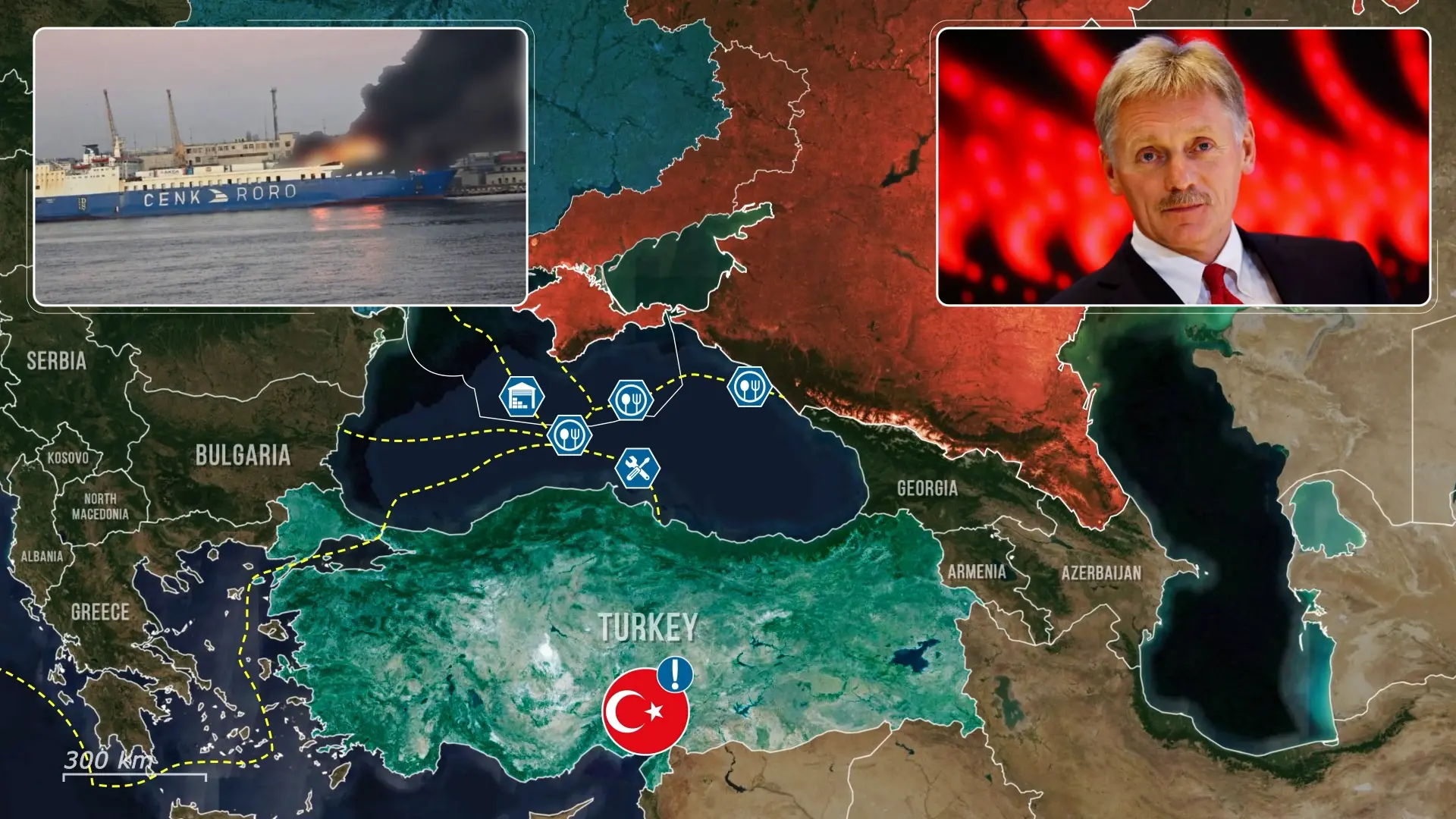
Turkish shipping firms maintain a dense rotation of tankers, barges, and cargo vessels across these routes, and their insurance, contracting, and delivery schedules depend on the assumption that commercial vessels will not be directly targeted. When Russian strikes hit Turkish-linked ships, they introduce hostility into a system that relies on speed and predictability. If insurers raise premiums or restrict coverage, shipping becomes slower and more expensive. On top of that, if firms reroute cargo through the Mediterranean, Turkish shipping companies lose competitiveness, and if crews refuse to sail into contested zones, port rotation slows. The result is a direct economic cost for Ankara and a reputational cost for any government that cannot protect its own maritime routes.
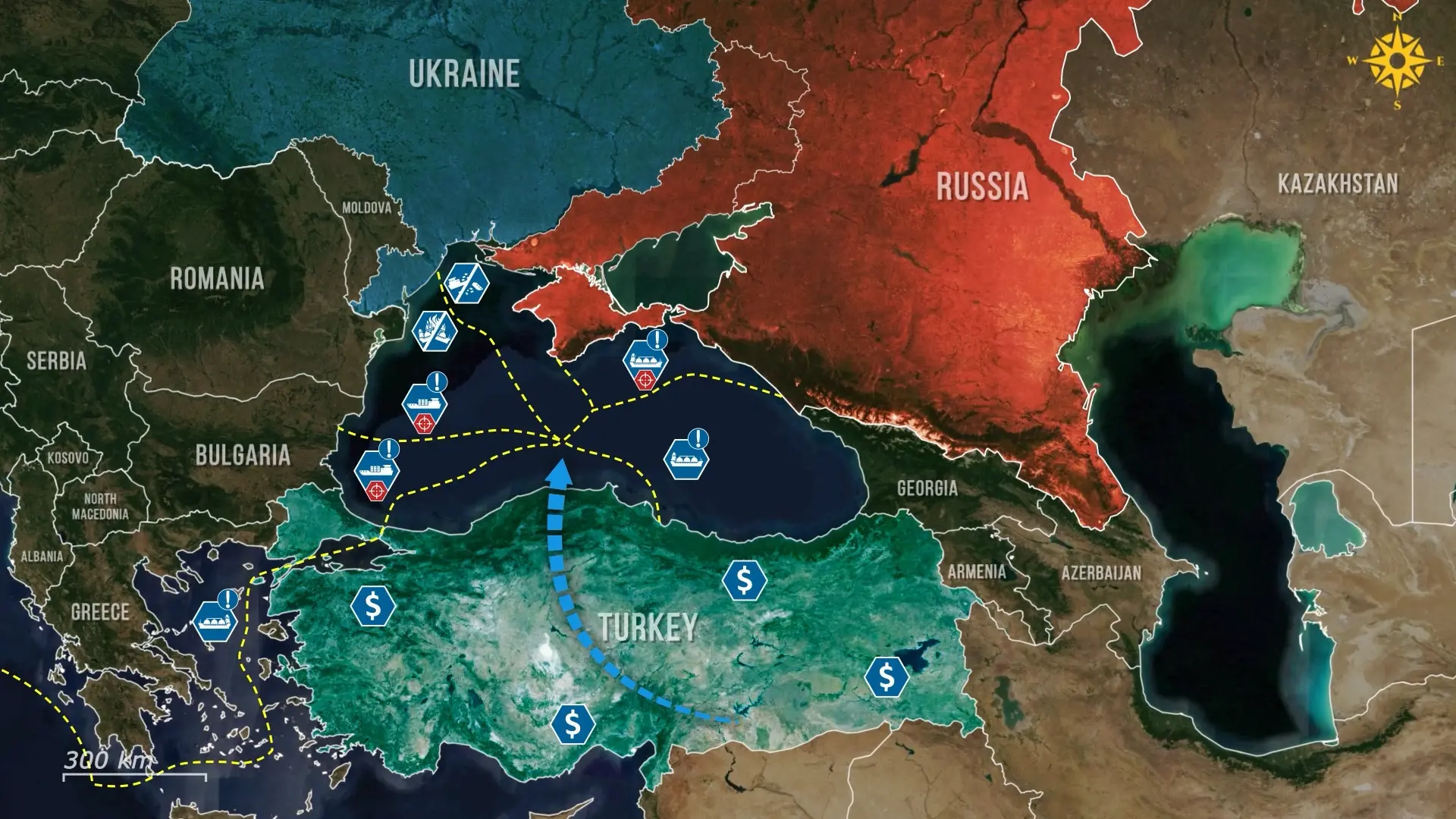
Turkey has responded forcefully and without ambiguity, consistent with its long-standing practice of enforcing red lines around its security and airspace. President Erdoğan underscored this posture by publicly demanding during his meeting with Vladimir Putin that attacks on ports and energy infrastructure stop immediately. Ankara then demonstrated it was not posturing: a Turkish F-16 promptly shot down what appeared to be a Russian long-range reconnaissance drone over the Black Sea, a platform Ukraine does not operate in that area, where only NATO and Russia field deep-recon assets.
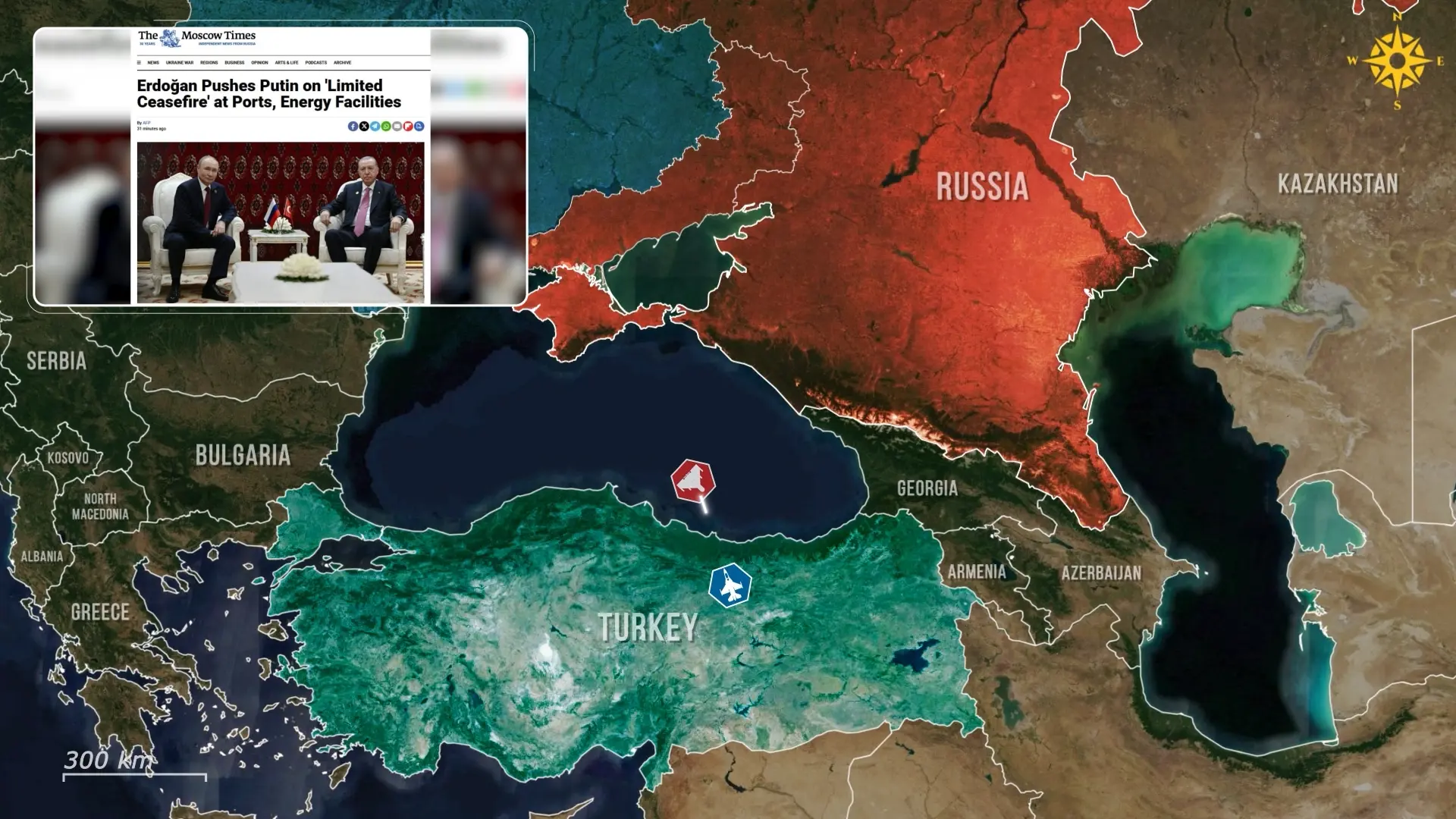
Turkish officials framed the incident within a broader warning against turning the Black Sea into a confrontation zone, signaling that such strikes are viewed as destabilising actions with serious regional consequences rather than isolated events. This shift matters because Turkey’s influence in the Black Sea rests on its ability to maintain security guarantees for its own and other’s shipping communities, and by speaking publicly, Turkey is saying that Moscow is testing the limits of that balance.
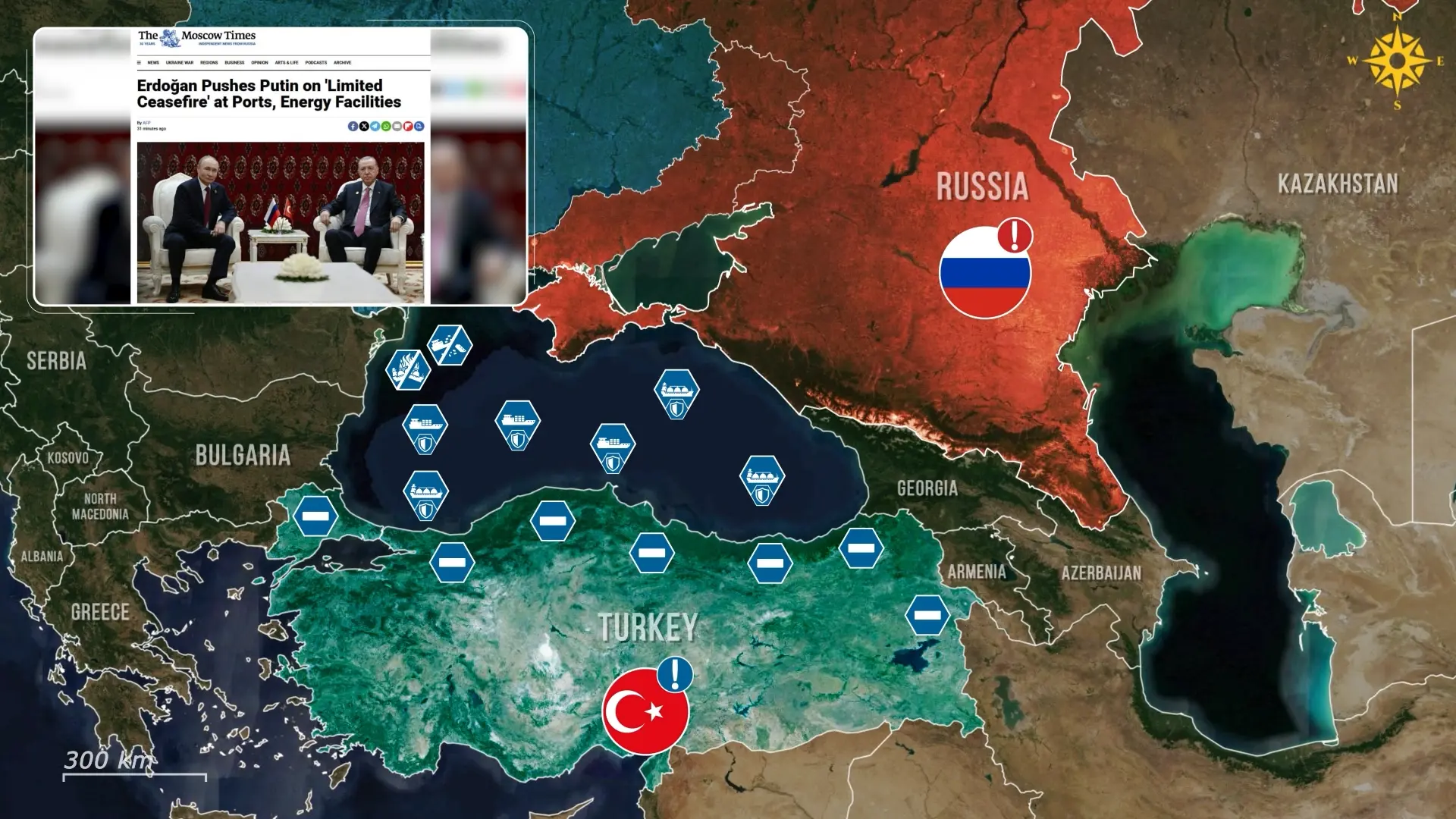
Importantly, Russia cannot afford this escalation, as Turkey is one of the few major Nato states that still provides Moscow with commercial and diplomatic space. Turkish ports handle oil products, industrial goods, and dual-use components that Russia struggles to source elsewhere. Turkish banks and intermediaries help Russia navigate sanctions, and Turkish firms support logistics chains that keep Russian industries supplied, while Turkish diplomacy softens Russia’s isolation in forums where Ankara can mediate between Moscow, Kyiv, and Western capitals. If Ankara rethinks this relationship, Russia faces slower trade, fewer loopholes, and tighter restrictions on the very goods that sustain its war economy. The consequences extend beyond economics, as Russian influence in Syria becomes more fragile, Russia’s leverage in the South Caucasus weakens, and Ankara gains room to align more closely with Western security priorities if it chooses. A single maritime miscalculation can therefore widen into a strategic setback.
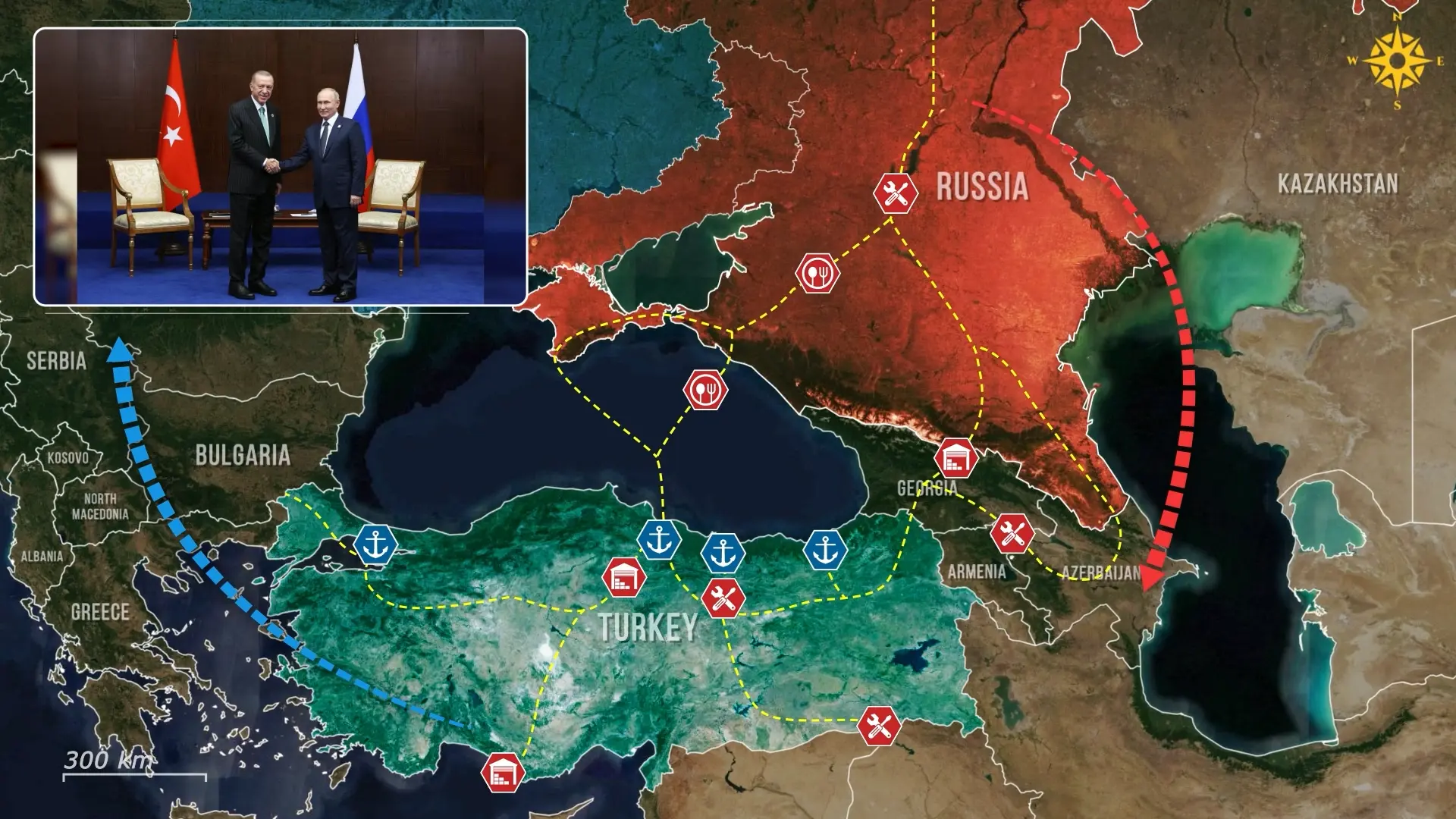
Overall, Russia’s strikes on Turkish-linked vessels expose a risk that goes far beyond maritime pressure, as Ankara is one of Moscow’s last major partners for trade, transit, and diplomatic flexibility, and any deterioration in this relationship would tighten sanctions pathways and complicate Russia’s regional operations. If the pattern continues, Moscow will face growing constraints in energy logistics, financial channels, and coordination in Syria, turning a short-term pressure tactic into a long-term strategic cost.
.jpg)


Comments