

.svg)
Today, the biggest news comes from the Russian Federation.
Here, Russia’s logistics network faced one of its most destructive nights yet, as Ukrainian drones simultaneously struck three major distribution centers belonging to Ozon, one of Russia’s largest online retailers. However, the attack also targeted several Russian air defense infrastructure objects and a military airfield, expanding the targets beyond logistics.
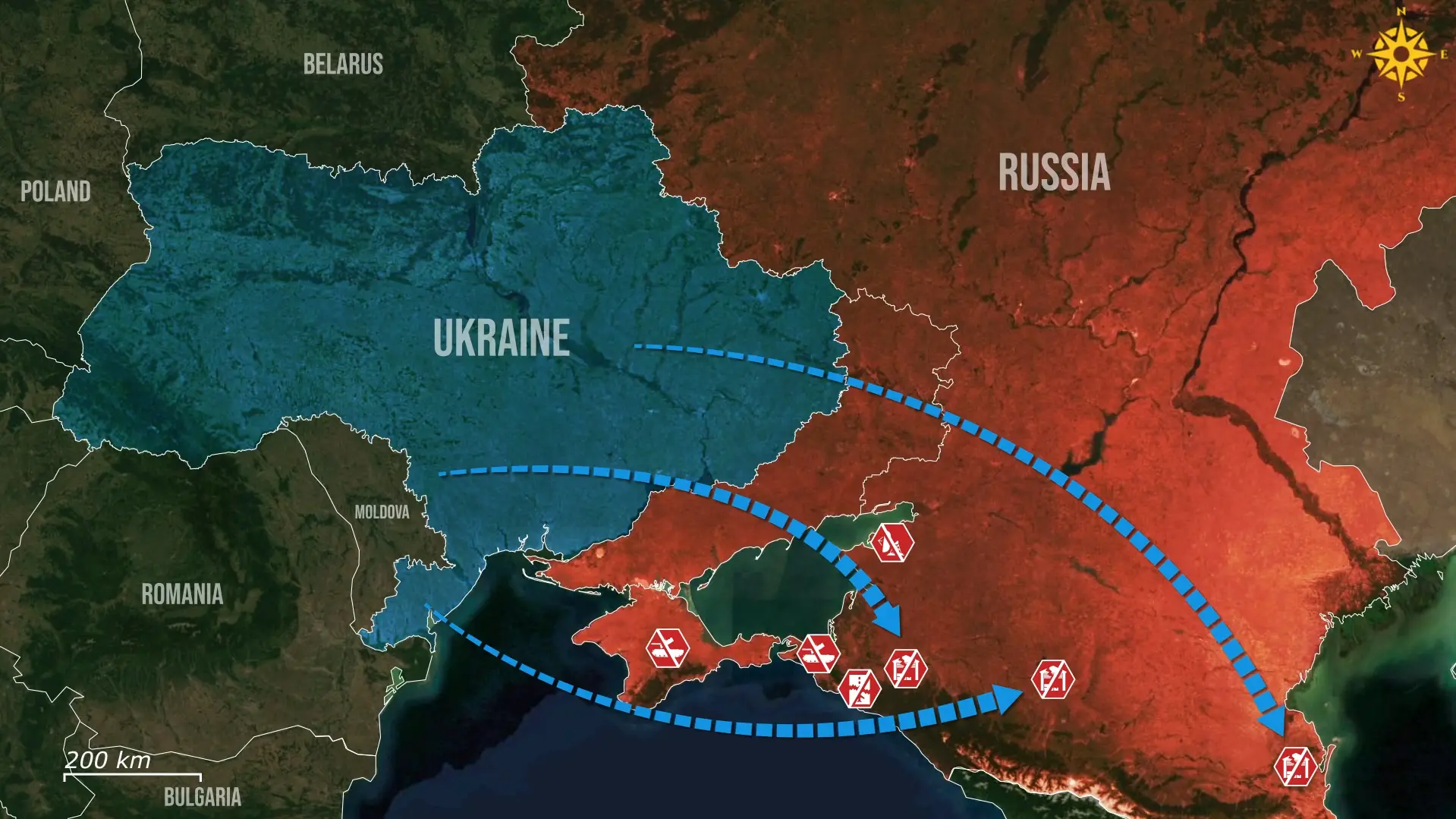
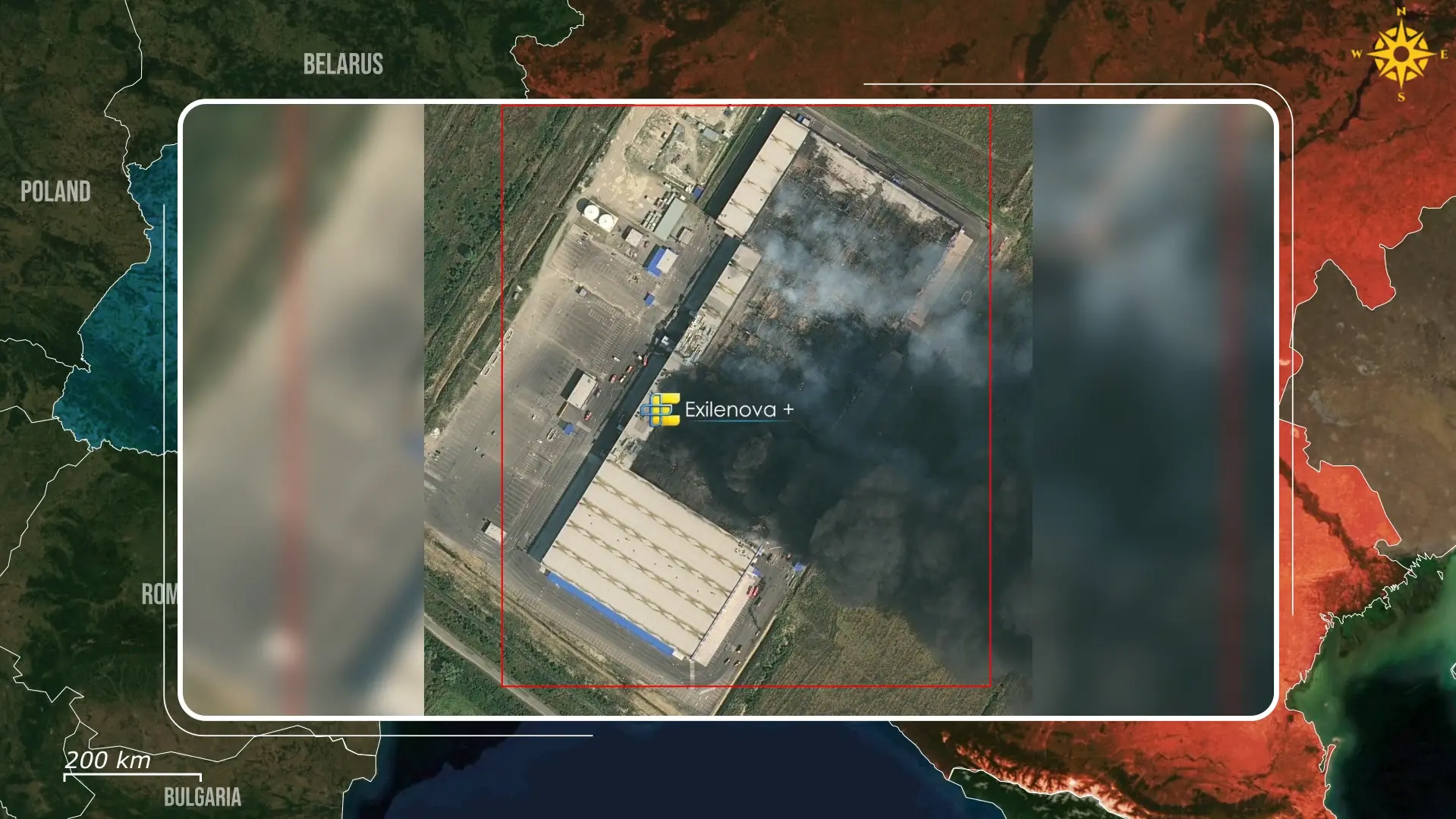
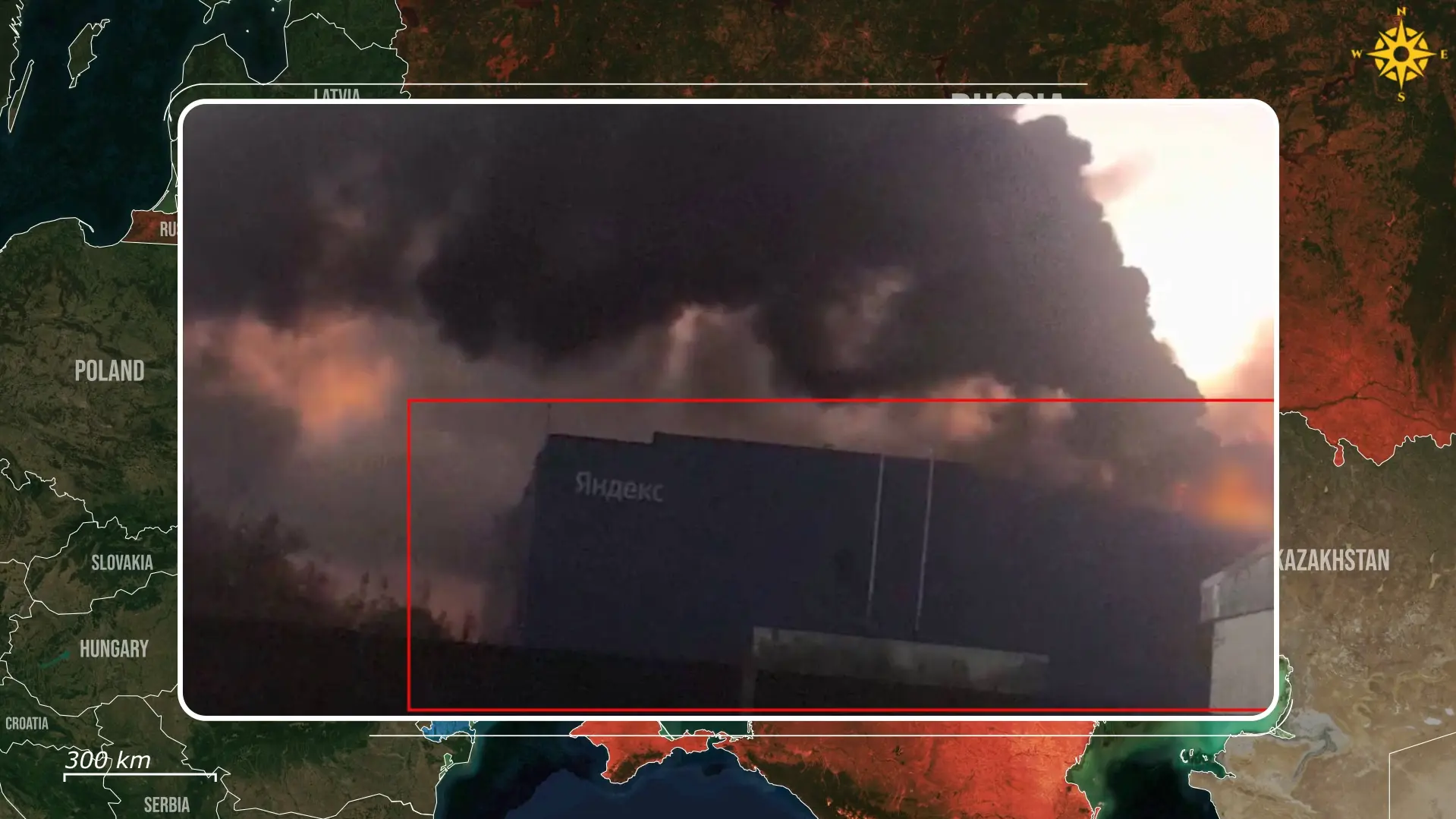
The target of the first Ukrainian strike reached deep into the North Caucasus, where the enormous Ozon complex at the Tyube industrial park in Dagestan was engulfed by fire. That facility alone reportedly covers approximately one-hundred-thirty-thousand square meters and handles receiving, storage, sorting, and distribution across the region. Footage from Tyube showed a drone descending directly onto the complex before the resulting fire spread through the facility. The second strike was to the west in Nevinnomyssk in the Stavropol Region, where another Ozon fulfillment center with ninety-three was attacked, with regional authorities confirming Ukrainian drones had reached the city’s industrial zone, as seen in footage showing the result of the drone strike. The third strike against Ozon occurred in Adygea, as the approximately ninety-one thousand square-meter Ozon logistics center near Enem erupted in flames after being hit.
Another logistics facility belonging to a local home-goods retailer was set ablaze in Krasnodar during the same wave of strikes along the three Ozon hubs across three Russian southern regions, indicating that Ukraine’s campaign against Russia’s centralized distribution infrastructure is rapidly expanding beyond the already destroyed facilities of Wildberries.
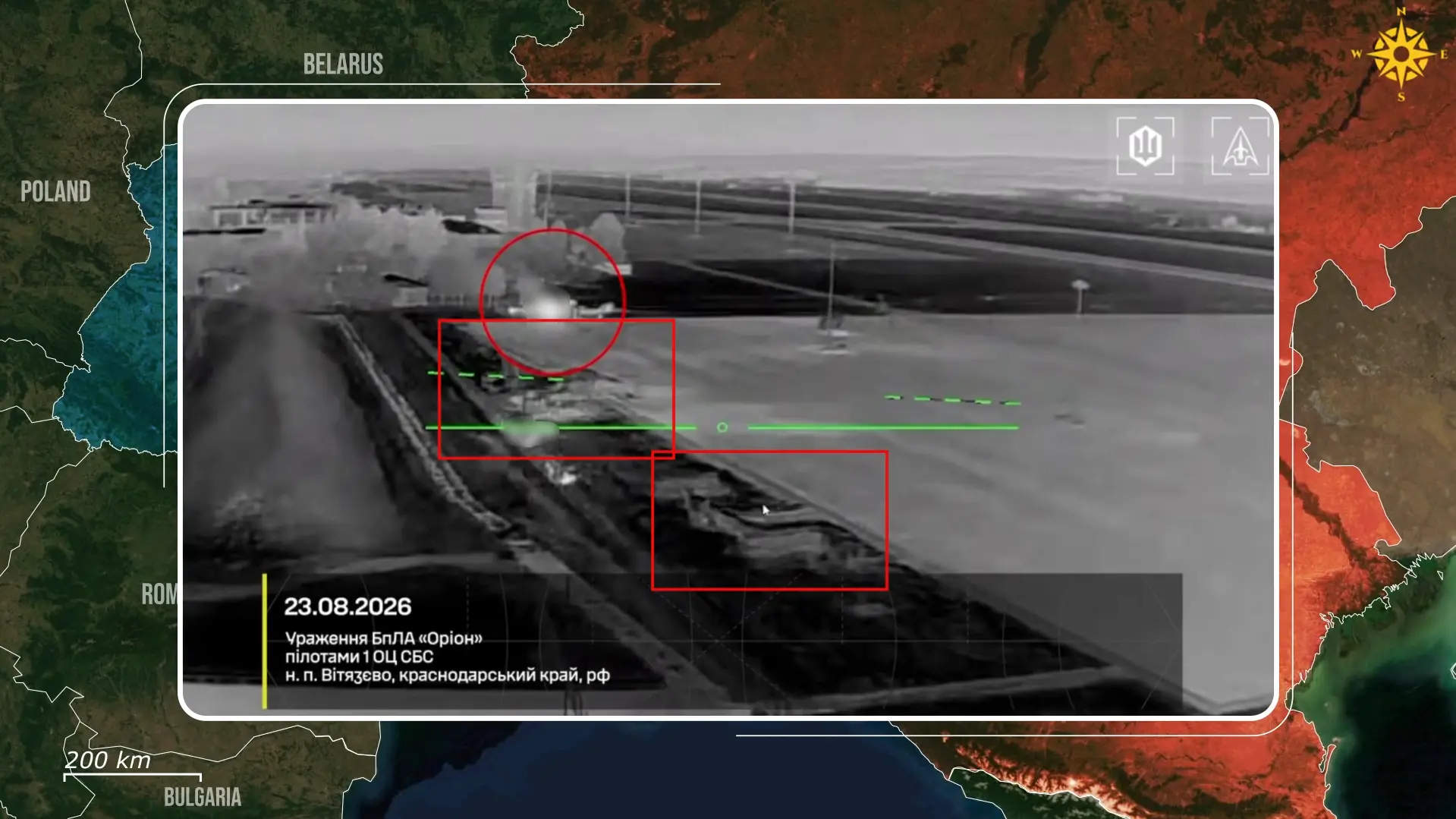
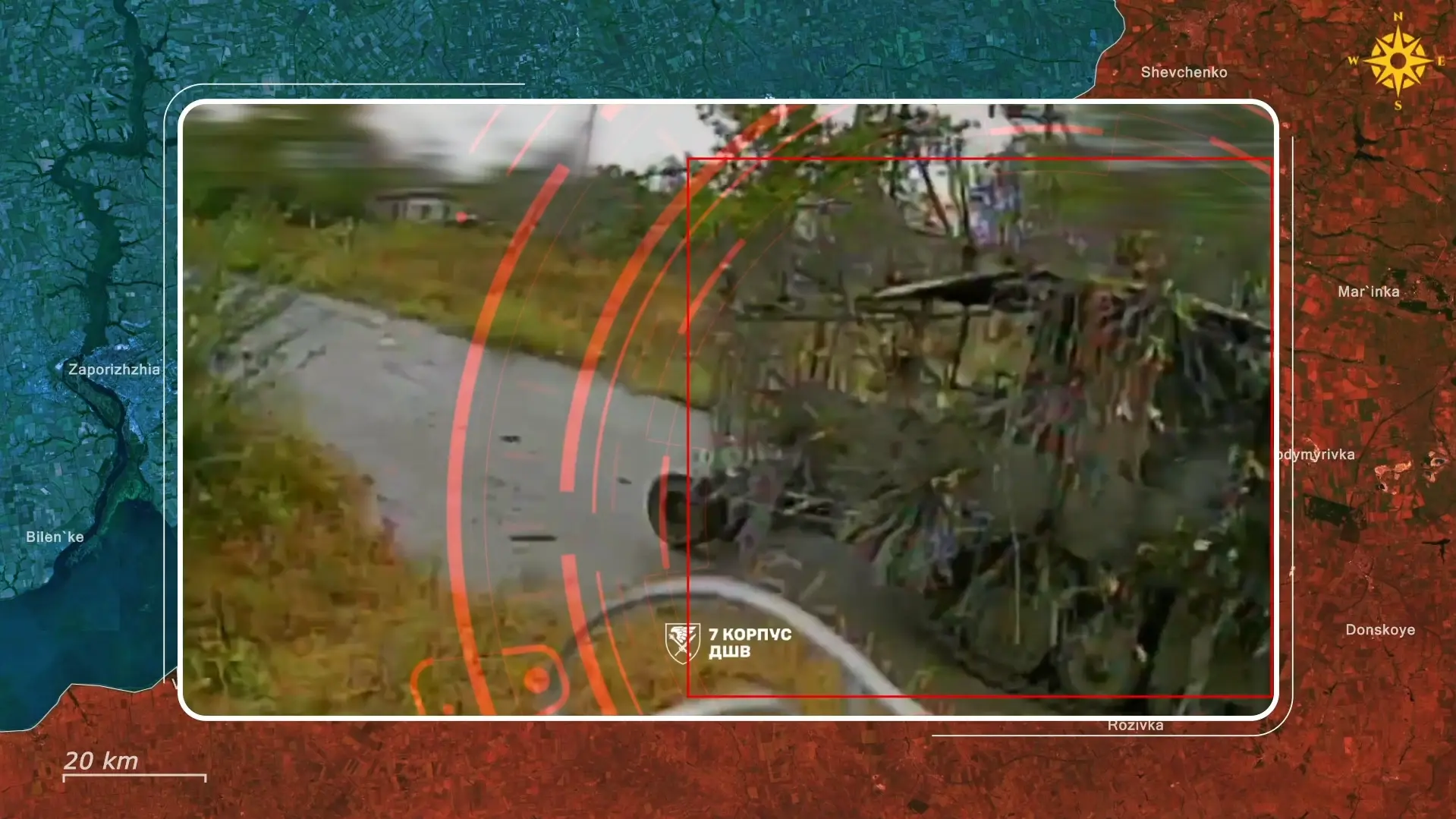
However, Ukraine did not concentrate exclusively on warehouses in last night’s strike wave, as Ukrainian Unmanned Systems Forces commander Robert Brovdi reported that his forces struck sixty-six Russian targets during the night, turning the operation into a much broader attack against Russia’s military infrastructure across the south. One of the most important targets was Vityazevo airfield in Krasnodar Kraj, where Ukrainian drones hunted Russian military aircraft directly on the ground. Released footage showed one drone approaching a Su-Thirty fighter and exploding nearby, starting a fire that Russian personnel desperately attempted to extinguish.
During subsequent battle-damage assessment in real time, Ukrainian operators spotted another valuable target: a Russian Mig-Twenty-Nine. This time the attacking drone achieved a direct hit, causing a substantial fire around the aircraft. Ukrainian drones additionally attacked an Orion reconnaissance-and-strike drone located at the airfield. These damaged aircraft stationed in southern Russia are used for patrols and strikes against Ukrainian targets with missiles. They also help intercept Ukrainian long-range drones and cruise missiles and hunt Ukrainian naval drones in the Black Sea. Orion drones similarly provide reconnaissance and can function as communications relays or support attacks against Ukraine’s coastline.
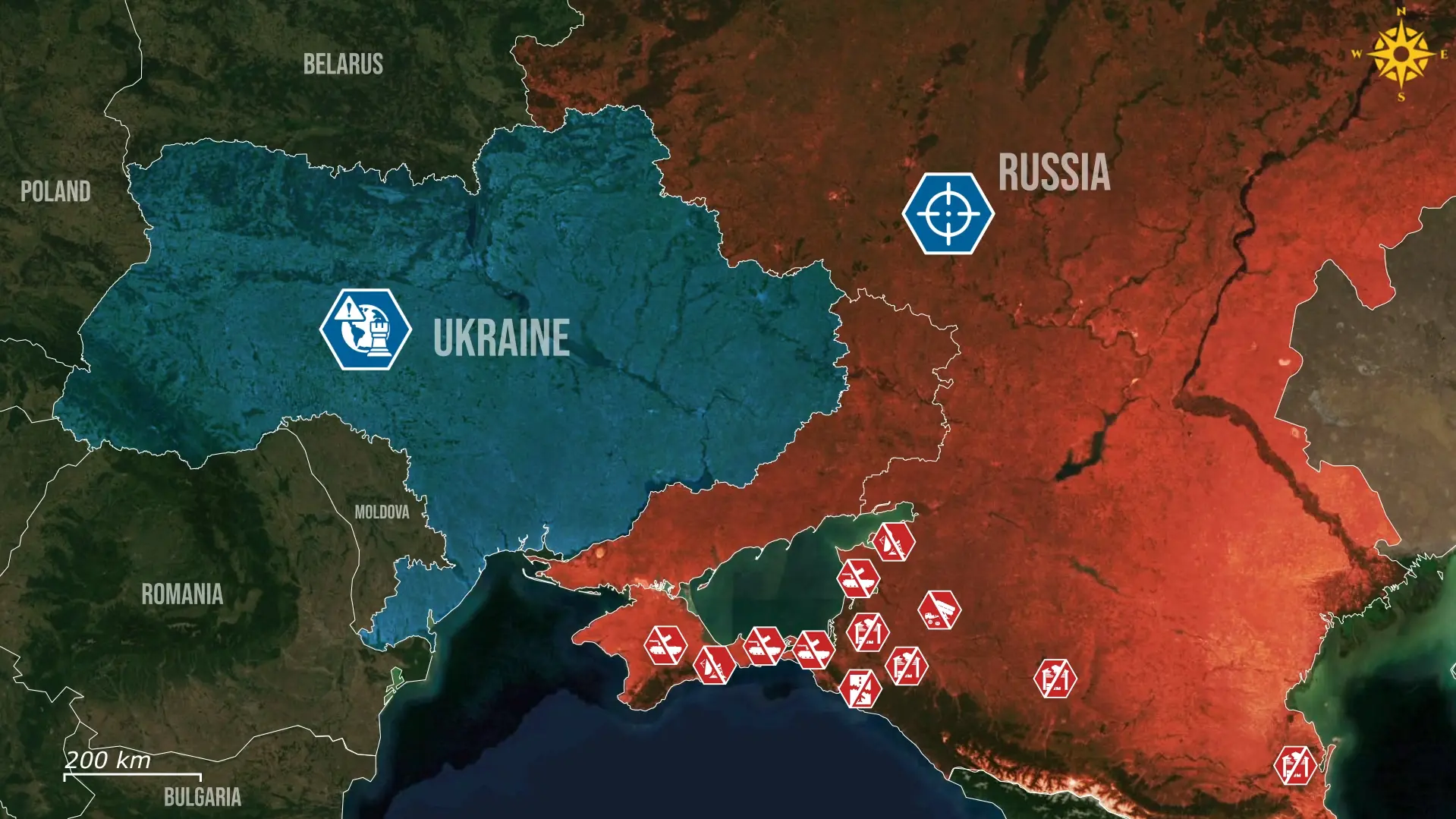
Ukrainian forces also attacked eight Russian radar systems, together with an S-Four-hundred air-defense position and Tor and Pantsir systems in the Krasnodar Region. Ukraine was therefore simultaneously attacking the infrastructure protecting Russian airspace, the aircraft conducting combat operations, and the logistics network sustaining Russia’s economy. That combination forces Moscow into an increasingly difficult defensive dilemma: every additional warehouse, refinery, airfield, radar station and port requiring protection stretches a finite air-defense network farther.
The attack against Ozon is even more consequential because the latest one represented an acceleration of a campaign that had already become visible two days earlier. Two days ago, Ukrainian drones struck an Ozon logistics warehouse in Chapayevsk in Russia’s Samara region. Subsequent satellite imagery showed extensive destruction, with more than half of the facility apparently burned to the ground. Rather than remaining an isolated incident, however, it quickly became the opening attack in a sequence. The following day, August Twenty-Third, another Ozon logistics center was struck in Orenburg. The facility reportedly covers approximately two-hundred-thousand square meters, making it an enormous component of the company’s regional distribution network.
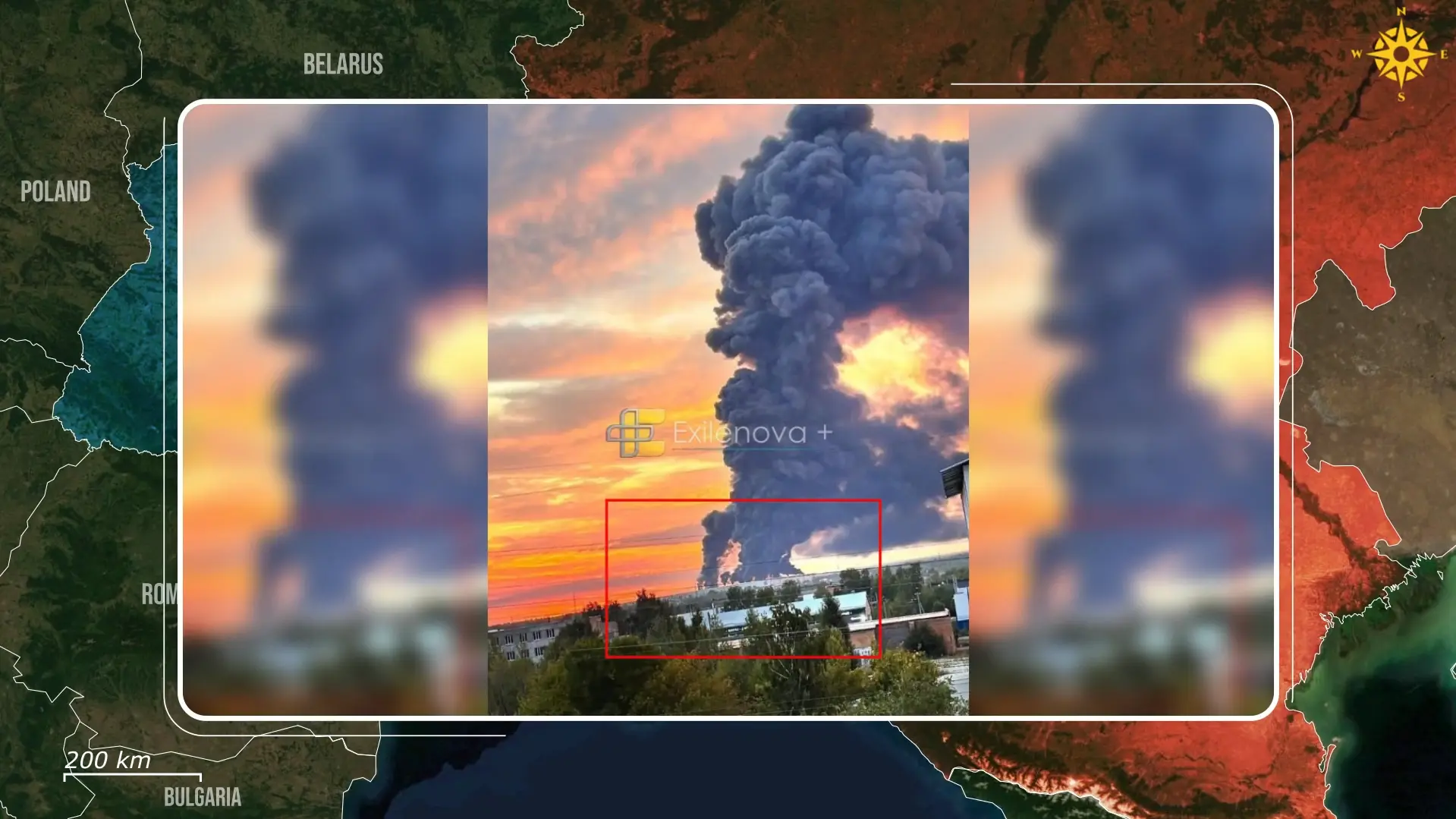
Additional Russian warehouse infrastructure was simultaneously coming under pressure elsewhere, as a warehouse caught fire in Akulovo in the Moscow Region. Around the same period, a major fire engulfed warehouse infrastructure near St. Petersburg following Ukrainian drone activity. The industrial zone is significant because it contains heavy-engineering, metallurgical, and metalworking enterprises alongside facilities producing equipment for Russia’s energy and nuclear sectors.
When the additional commercial warehouse and associated logistics targets are included, the number of damaged warehouse facilities reaches approximately six across this short period, confirming that Ukraine has moved from testing attacks against individual Ozon facilities toward attacking several components of the company’s logistics network within the same operational window.
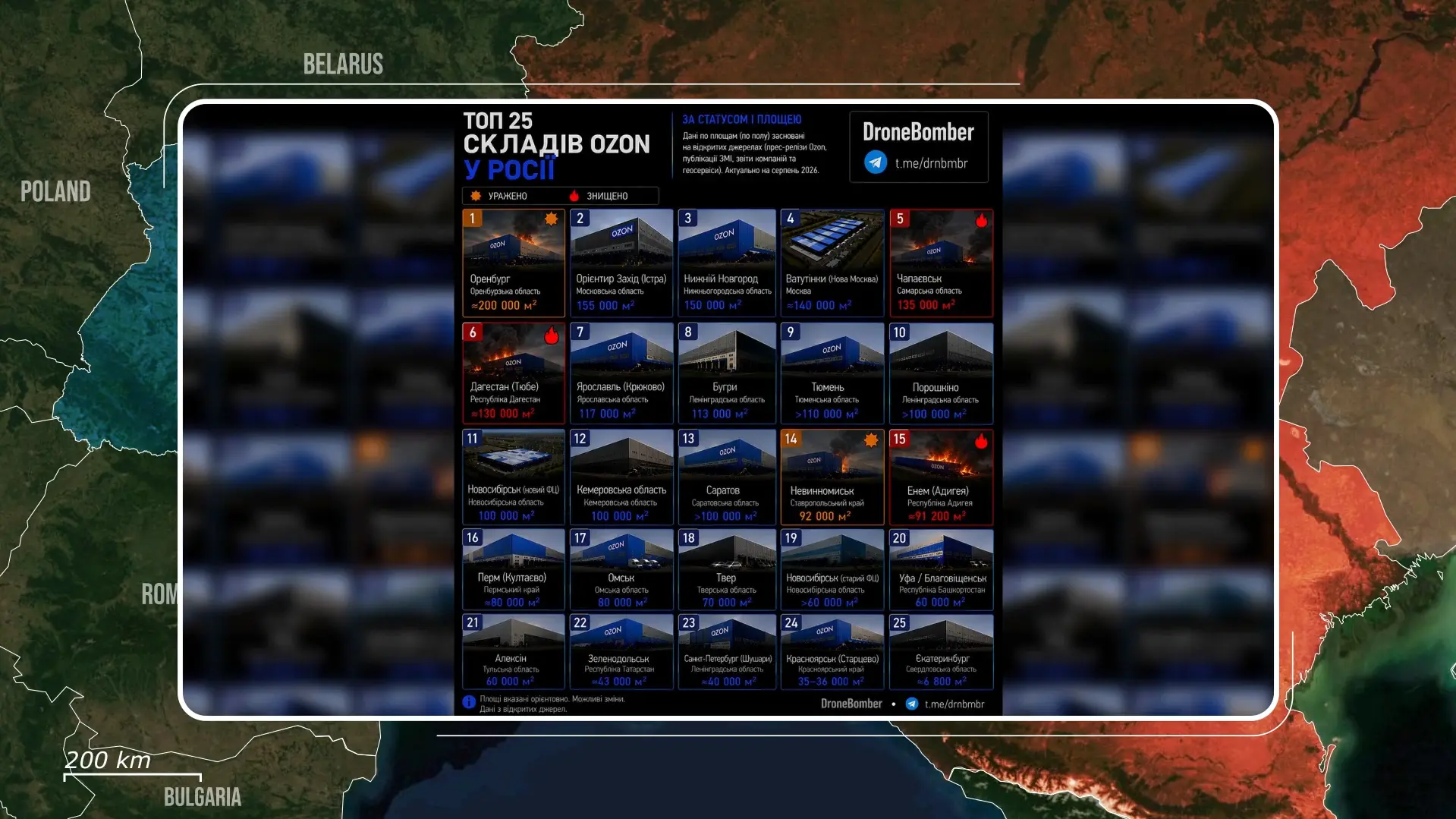
That development strongly resembles what previously happened to Wildberries, as Ukrainian strikes first demonstrated that individual Wildberries warehouses were vulnerable, then expanded into repeated attacks against some of the company’s largest logistics centers. Ozon, the other giant of Russian online retail, now appears to be facing a similar systematic campaign. Large fulfillment centers are particularly vulnerable because their efficiency depends precisely on centralization. Concentrating enormous inventories, sorting capacity, and transportation connections inside one complex lowers costs during peacetime, but during sustained drone attacks it creates exceptionally valuable single targets. Destroying one warehouse does not merely burn merchandise; it forces shipments toward other centers, overloads neighboring facilities, lengthens delivery routes, and increases costs throughout the network.
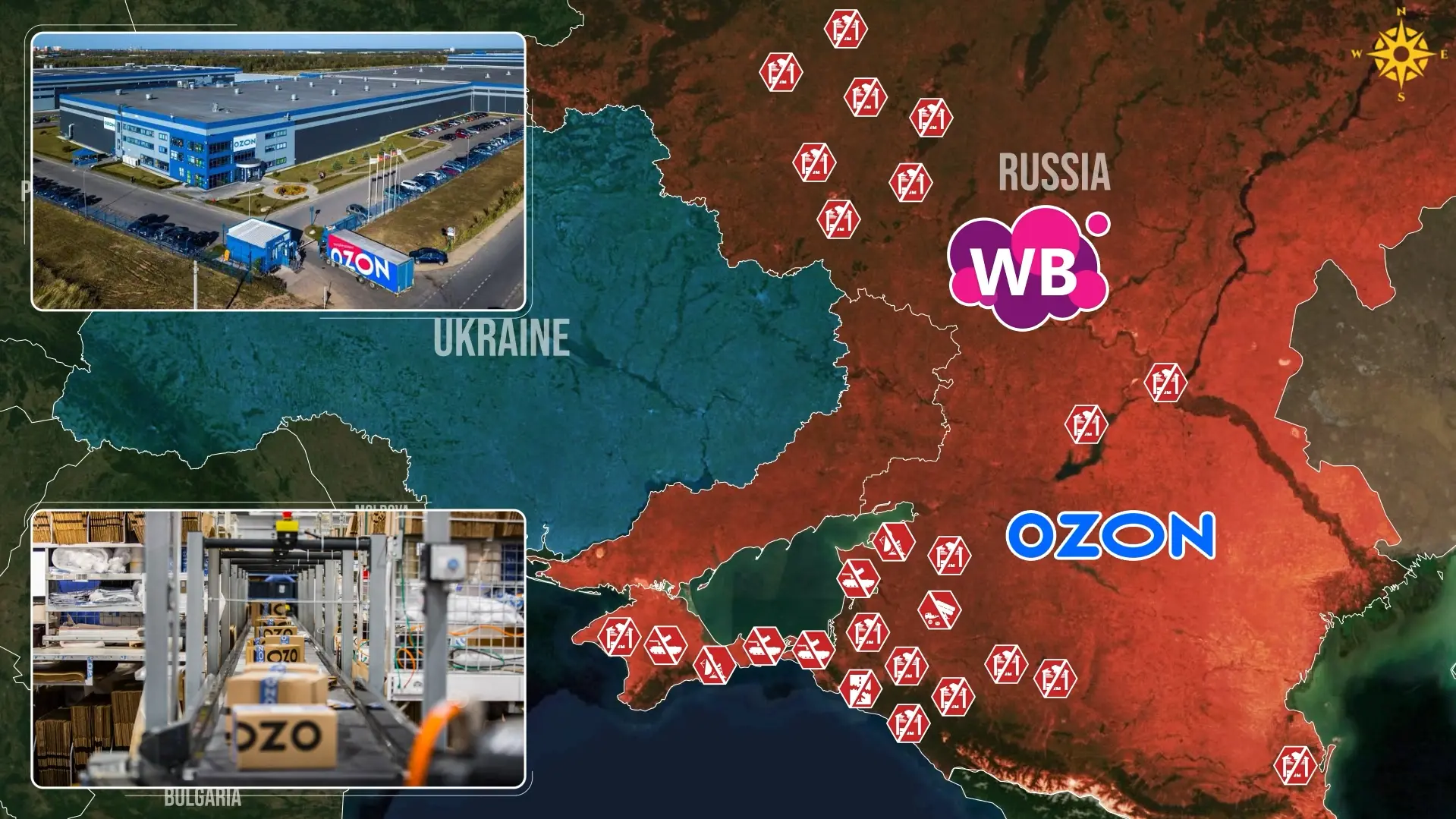
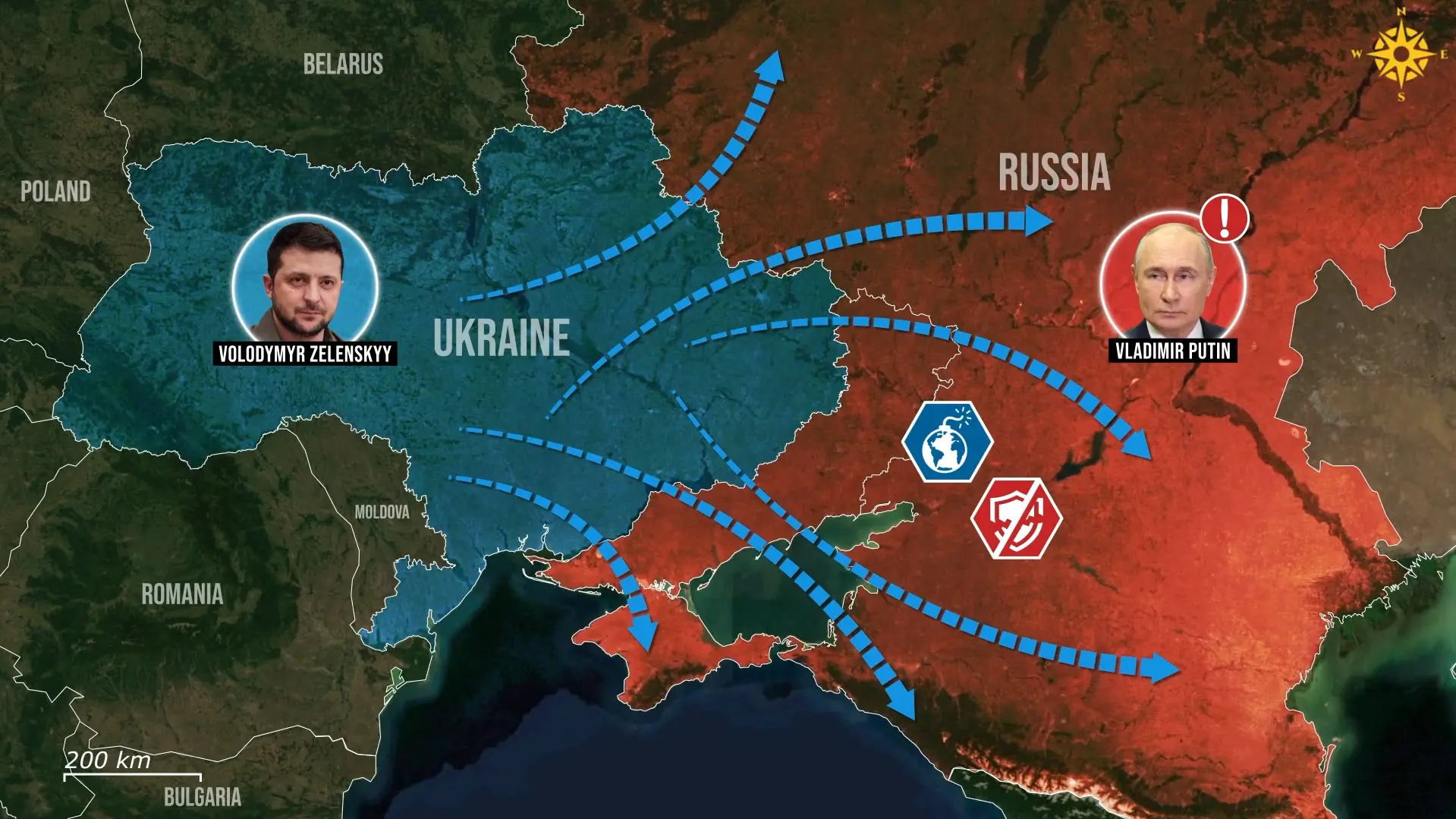
Overall, the last strikes therefore demonstrated something broader than Ukraine’s ability to burn warehouses. Within the same night, Ukrainian forces reportedly struck three Ozon hubs, another commercial logistics facility, military aircraft, reconnaissance systems, radar installations, and air defenses across Russia’s southern regions. After systematically attacking Wildberries’ largest distribution centers, Ukraine now appears to be applying the same pressure against Ozon. The consequences reach both Russia’s wartime logistics and ordinary economic activity: every destroyed hub removes distribution capacity while simultaneously imposing losses on businesses, merchants and consumers dependent upon it. Ukraine is increasingly demonstrating that Russian military infrastructure and the economic networks supporting life behind it can be attacked together, forcing Moscow to defend an ever-expanding collection of targets with increasingly stretched resources.
.jpg)



Comments