

.svg)
Today, there are interesting updates from the Russian Federation.
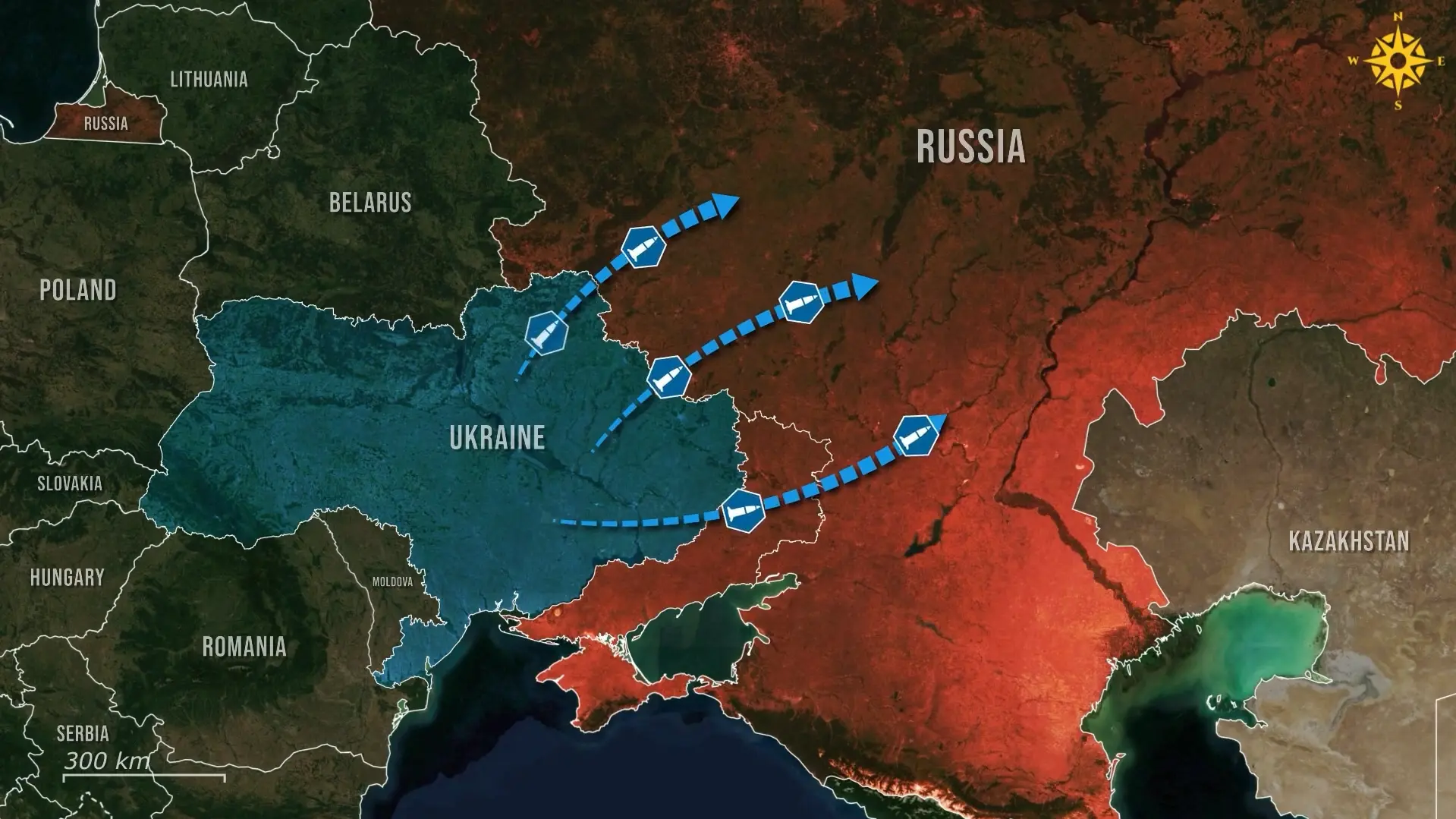
Here, Ukrainian forces caught the enemy unprepared, and Russia just suffered the most destructive disruption to its oil export system in its history. By launching a massive drone attack that lasted multiple days, Ukraine obliterated three biggest ports in Russia.
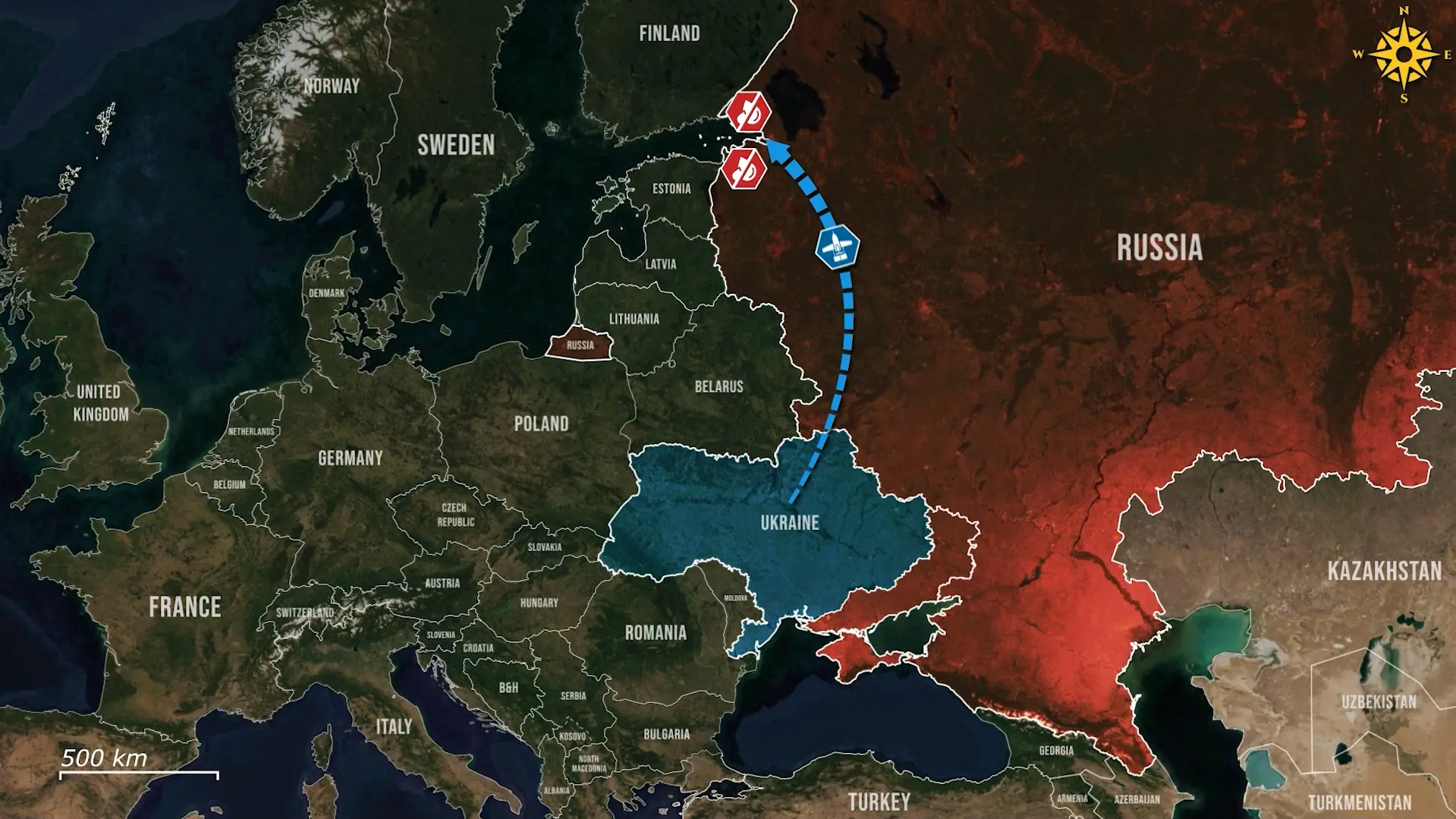
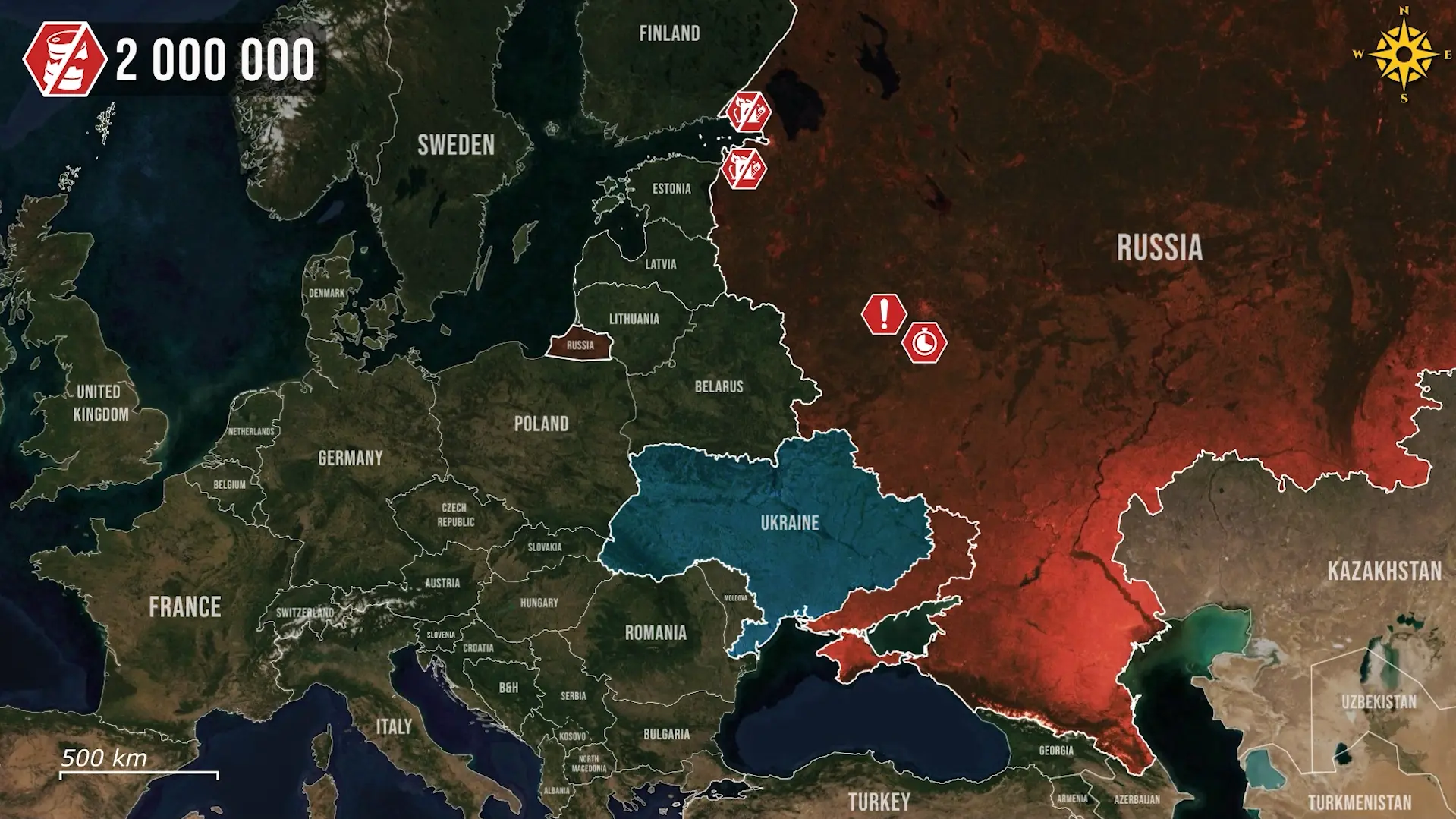
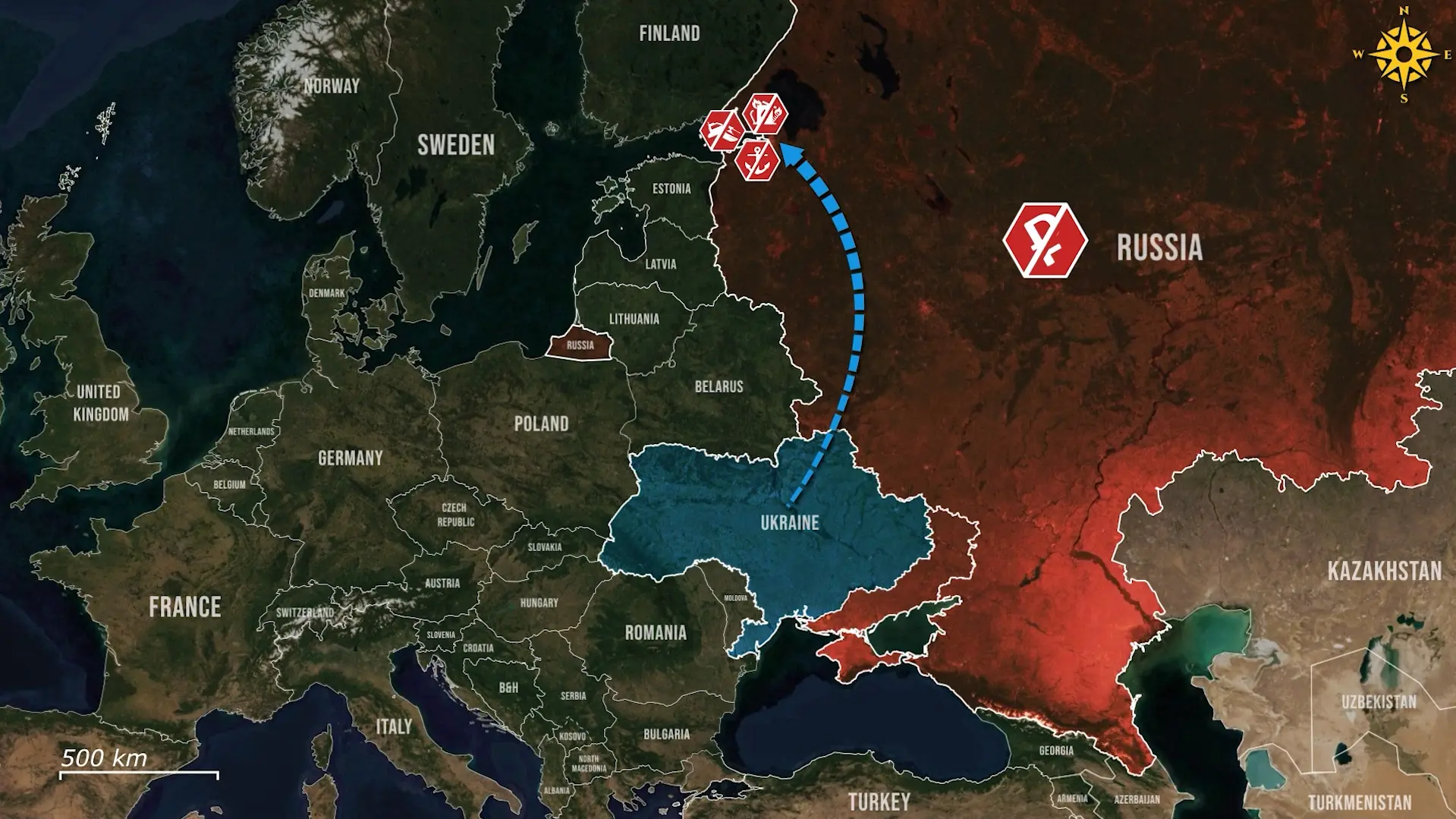
Ukrainian drone strikes have shut down up to forty percent of Russia’s crude export capacity of roughly two million barrels per day, by knocking out the key Baltic hubs Primorsk and Ust-Luga. Loadings at major ports have halted, creating a cascading logistical crisis across Russia’s energy network. The timing could not be worse, as global oil prices have surged above one hundred US dollars per barrel due to the Iran war, and Moscow hoped this would stabilize its revenues.
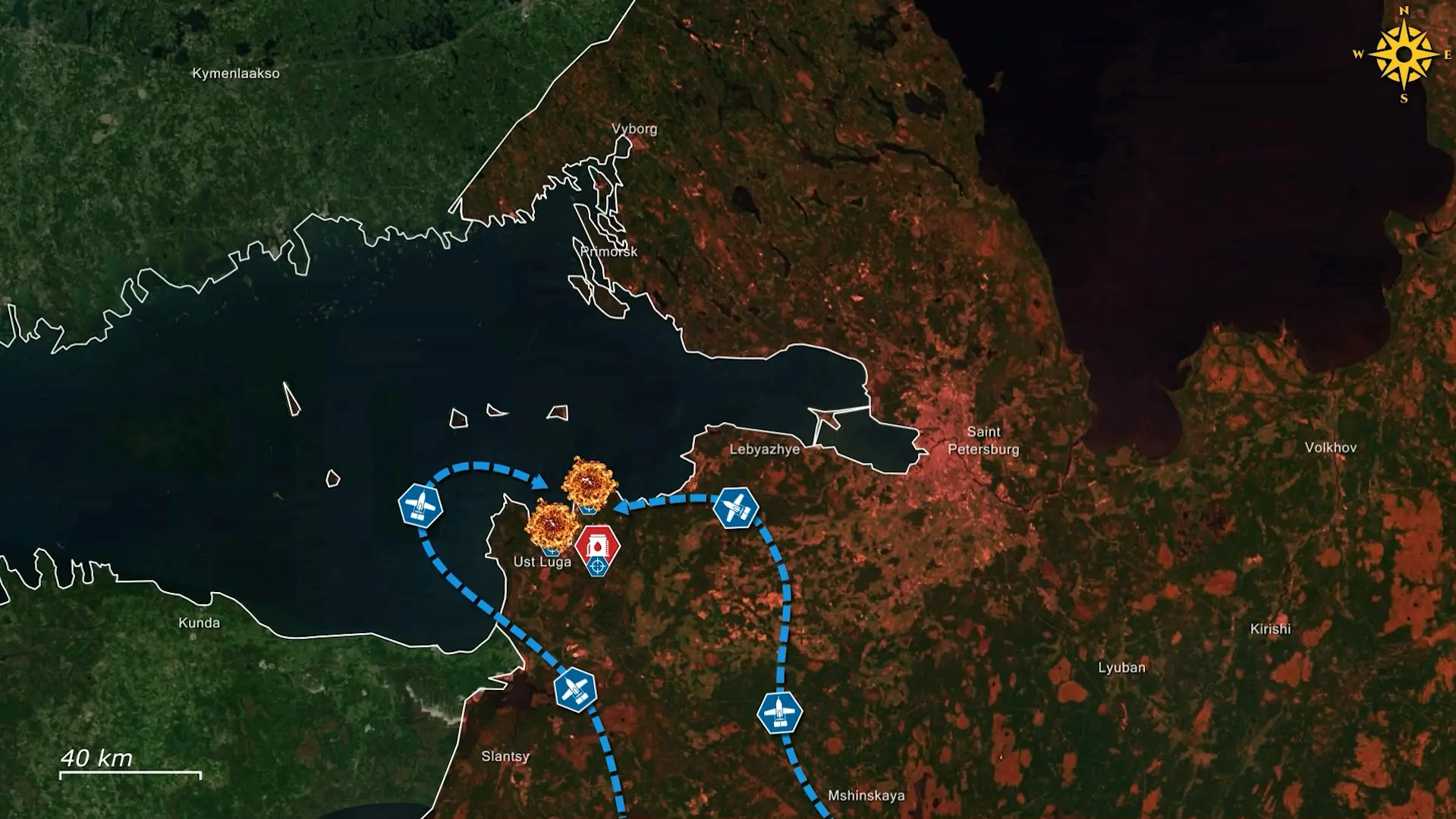
Instead, Ukraine has turned that opportunity into a strategic shock, with the centerpiece of the campaign being the first strike on Ust-Luga, one of Russia’s most critical export terminals. On the night of March twenty fourth, Ukrainian forces launched a coordinated deep-strike operation targeting the Novatek-Ust-Luga complex. The attack involved a sophisticated mix of long-range unmanned systems, likely between eight and fifteen primary strike drones supported by smaller decoys designed to saturate Russian air defenses. These drones traveled approximately one thousand kilometers from Ukrainian territory, penetrating deep into Russian airspace and reaching the Gulf of Finland near the Estonian border.
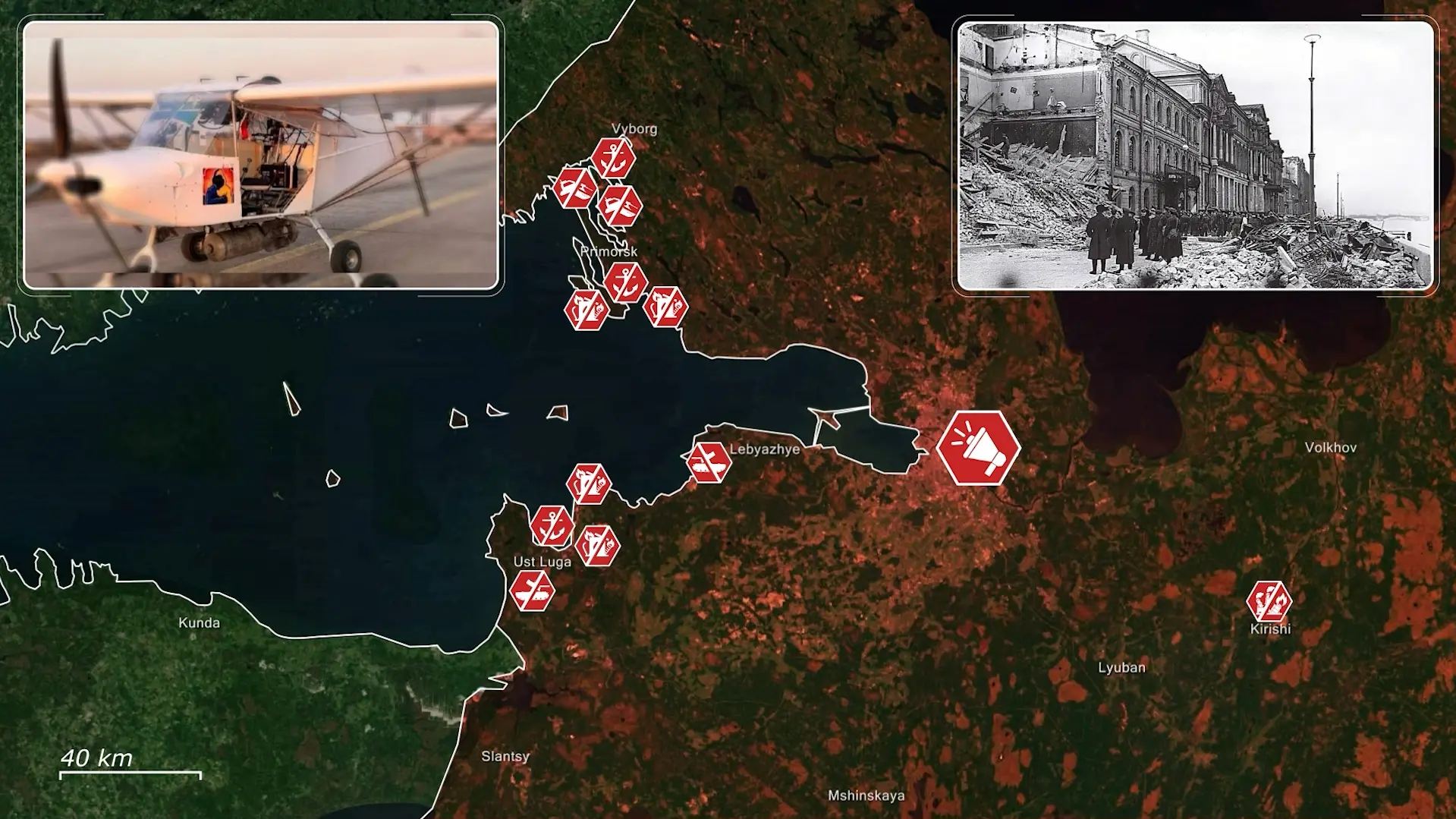
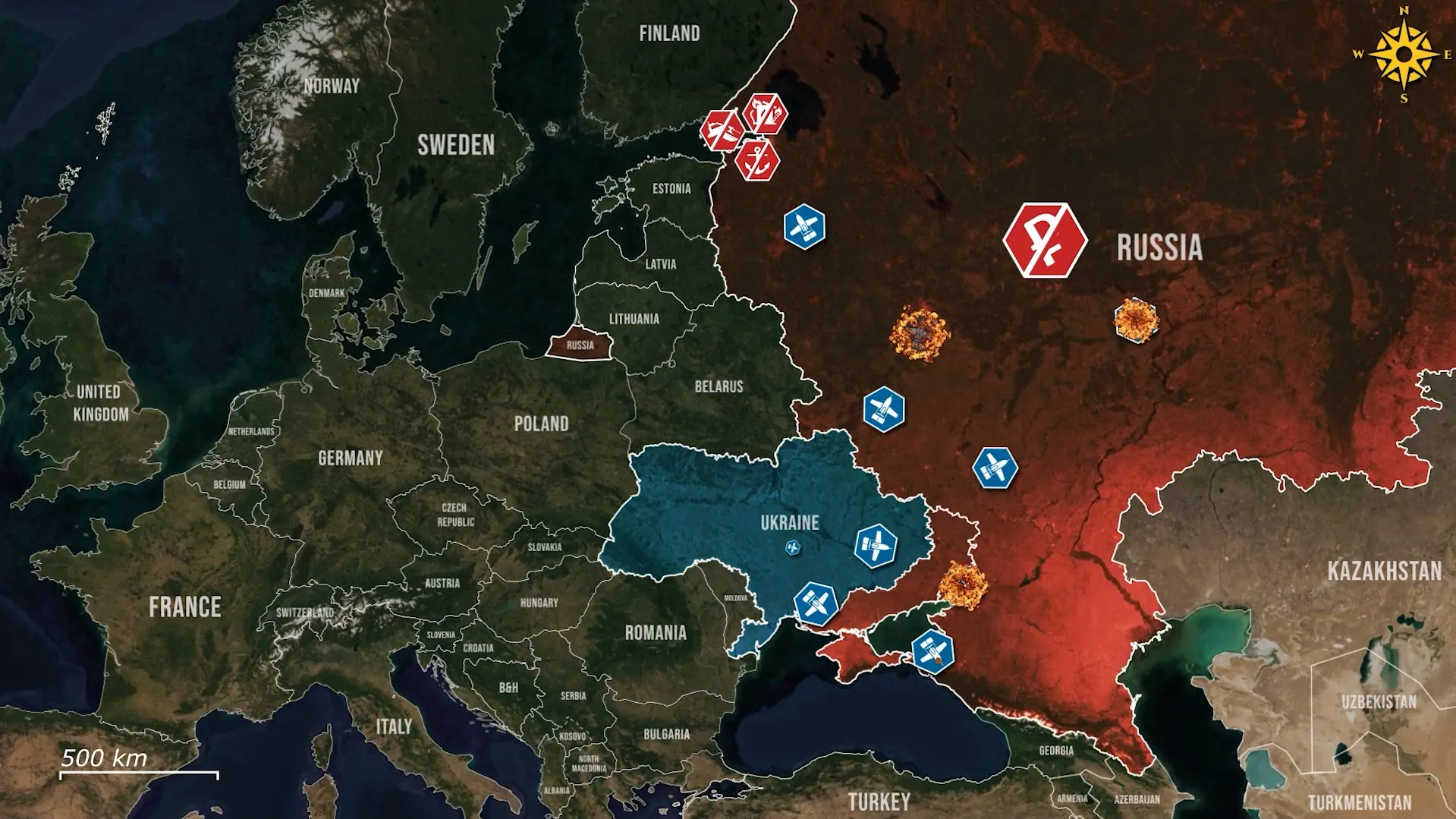
Evidence suggests the use of fixed-wing kamikaze drones optimized for endurance and precision. Ukrainians also utilized small prop-planes modified to fly as unmanned aircraft, mounting droppable Fab bombs on the bottom, which could be dropped on target, in addition to the craft being used as a kamikaze platform.
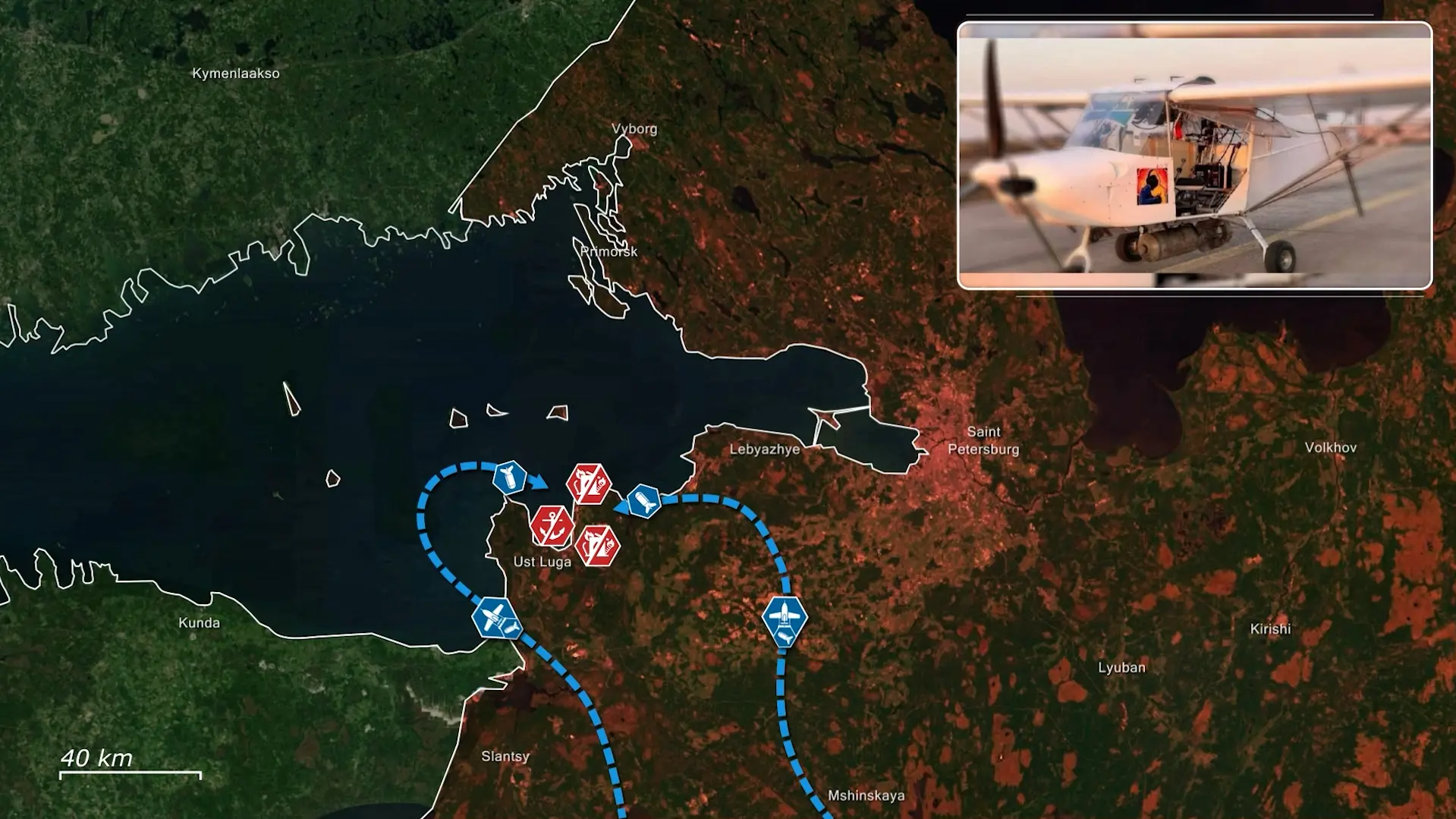
The scale of the operation indicates one of the largest Ukrainian drone barrages of the war, and Russian authorities claimed multiple hundreds of drones were intercepted nationwide, yet many systems broke through the defensive perimeter. The attacking drones approached from different vectors, both from the sea and land, compressing Russian response times and exploiting gaps in radar coverage.
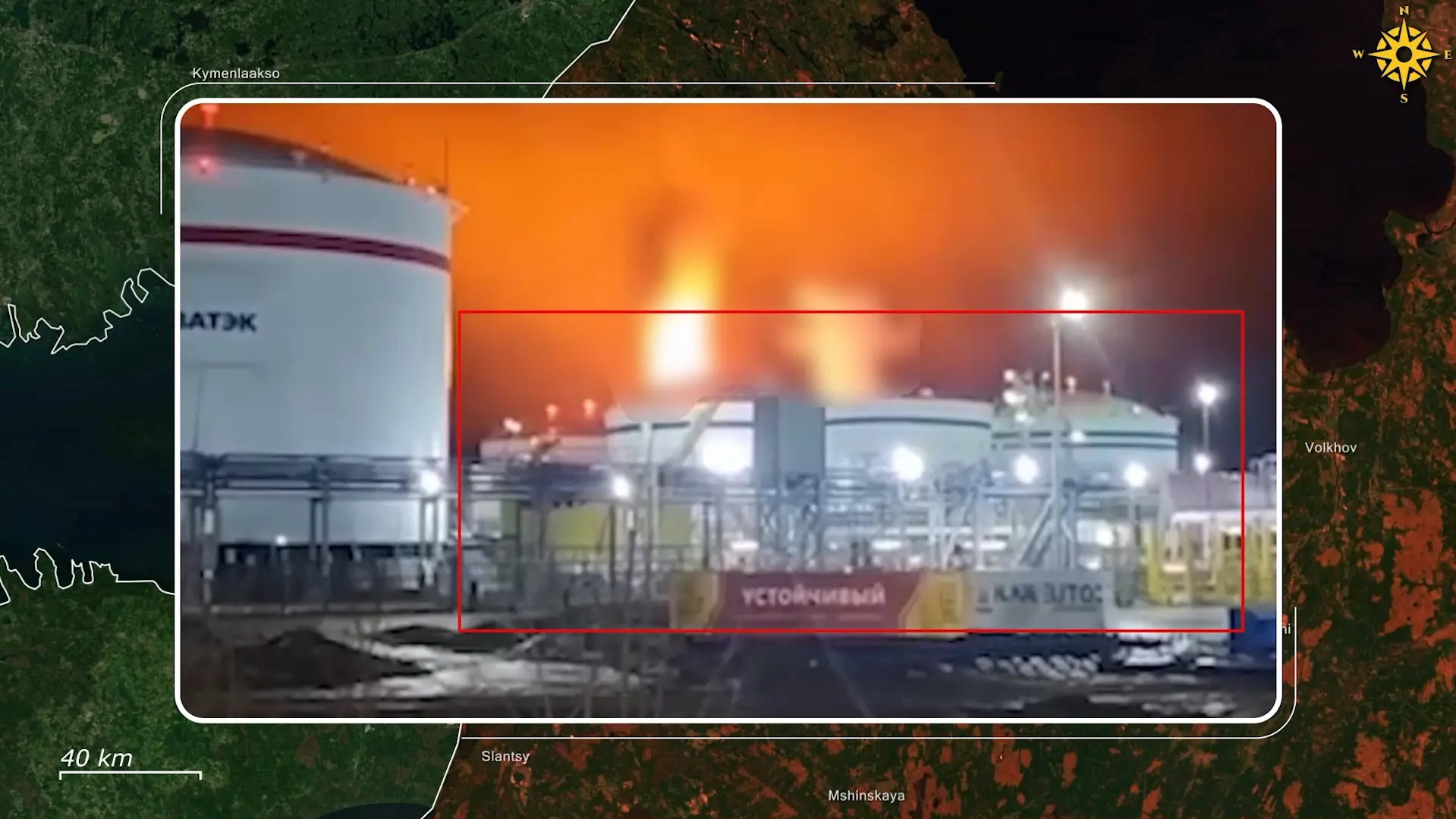
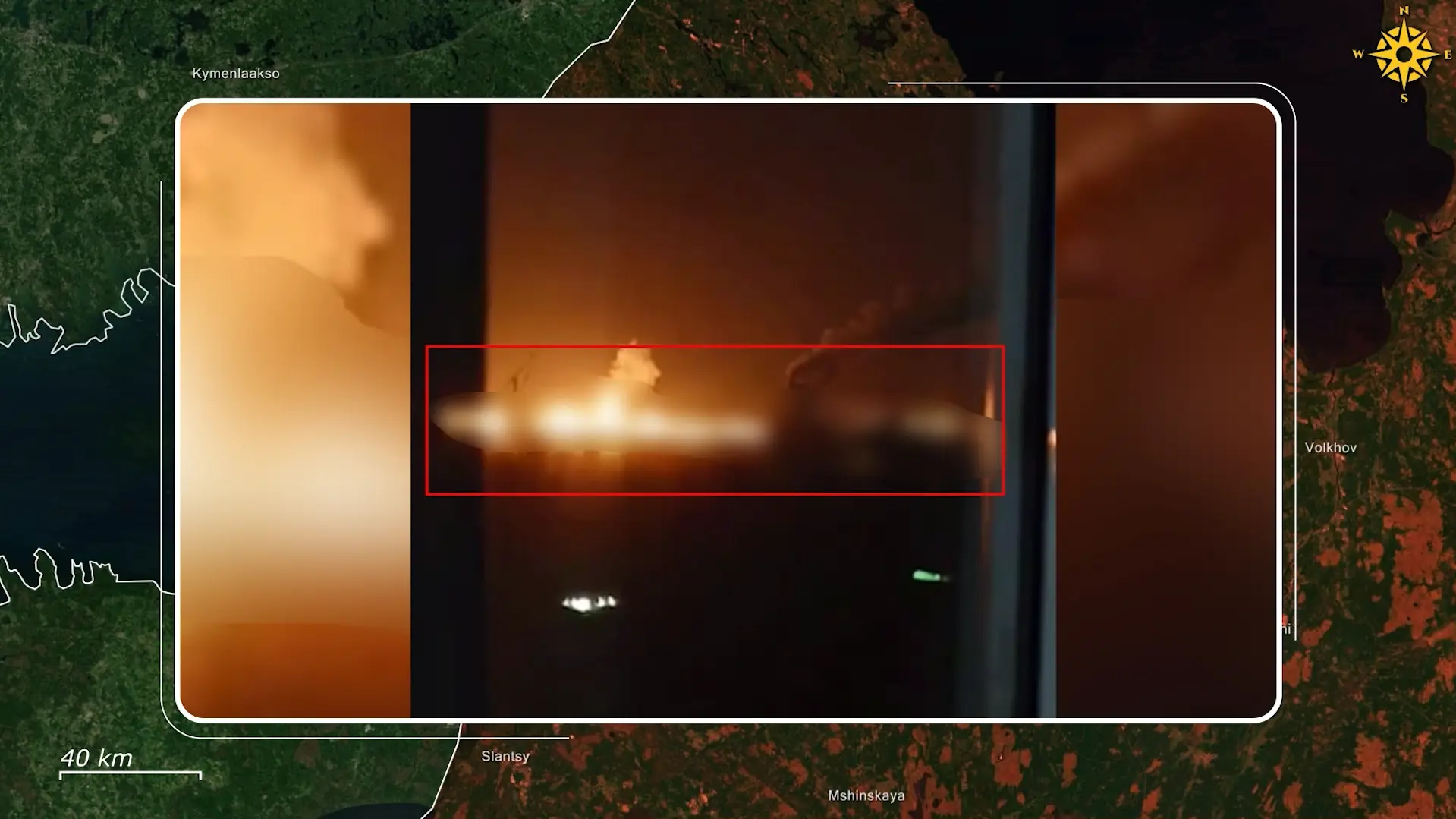
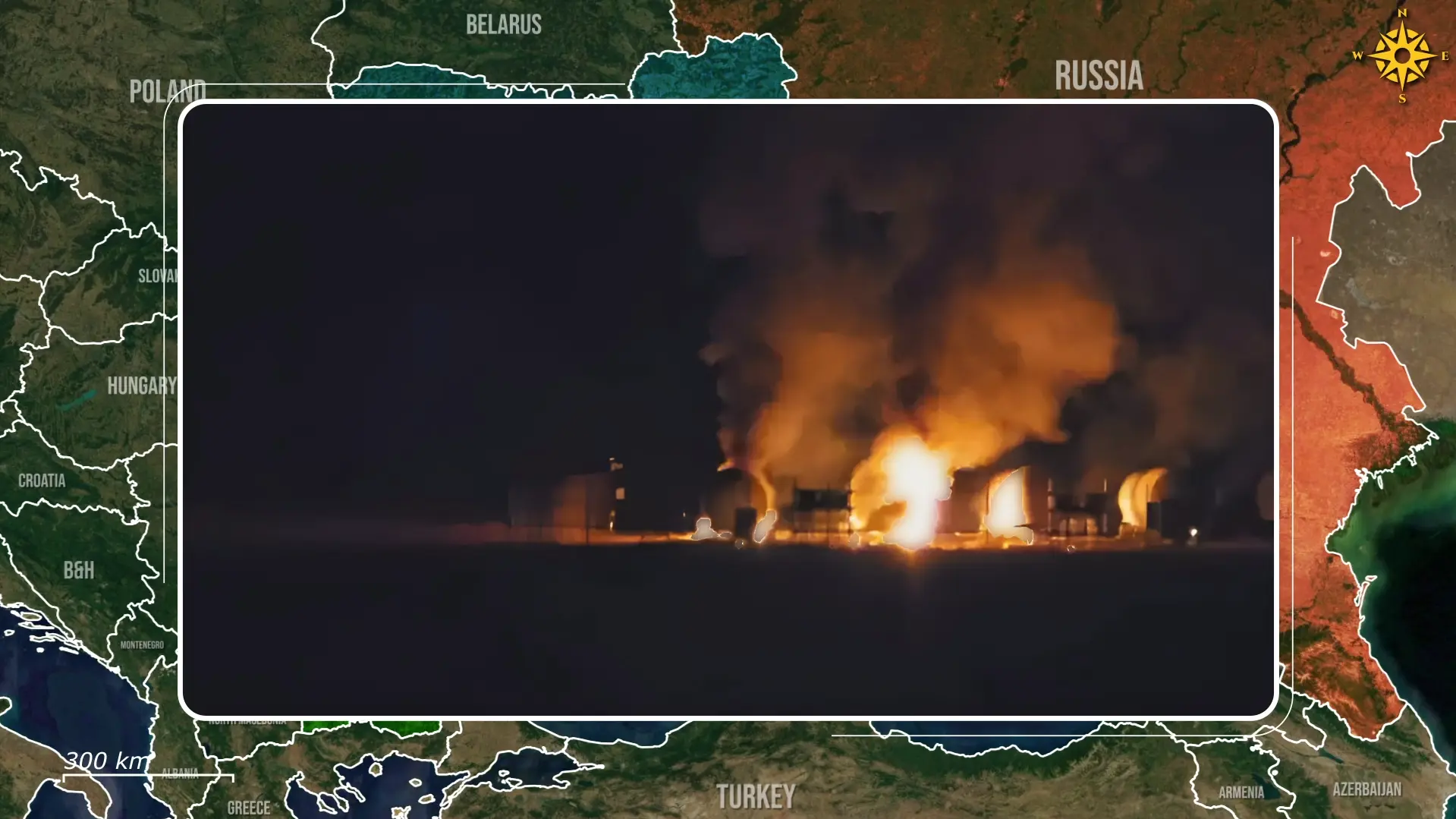
Once inside the target area, they struck key elements of the terminal’s infrastructure, including storage tanks, loading racks, and fuel handling facilities essential for transferring oil products to tankers. The impact was immediate and severe, as explosions ignited large-scale fires across the terminal, with flames engulfing tank farms and loading installations.
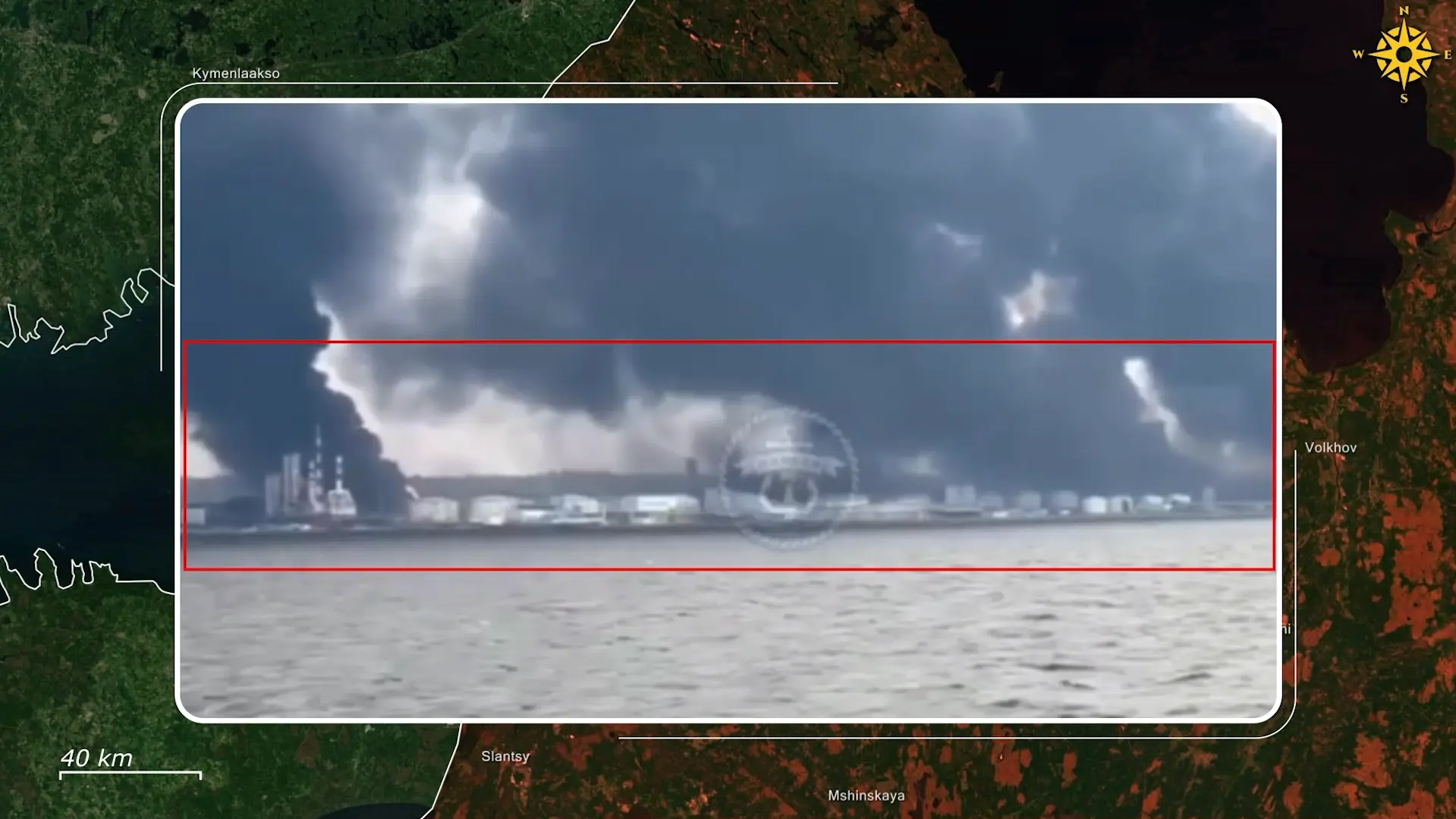
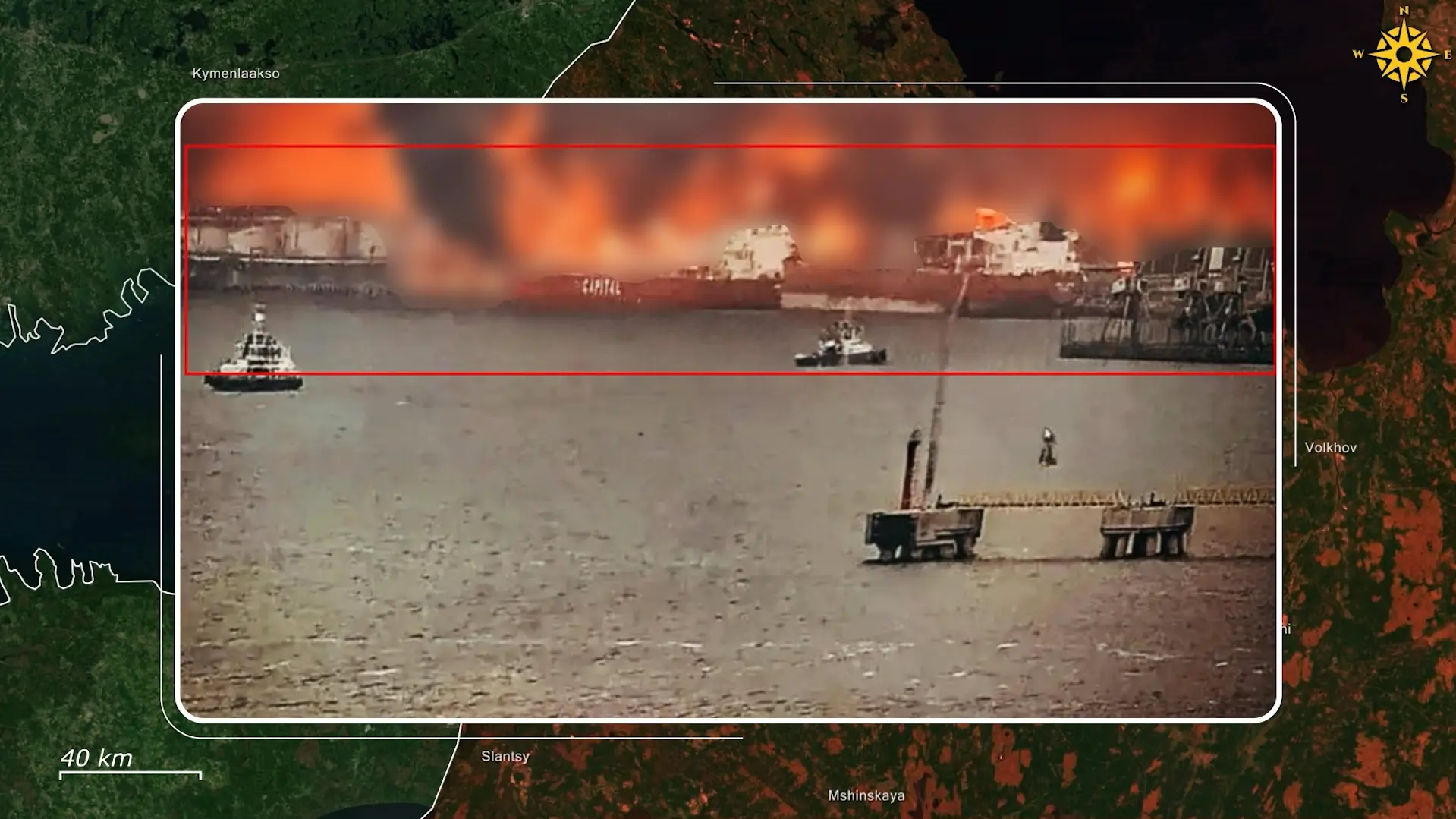
Thick black smoke was visible even from neighboring Finland, underscoring the magnitude of the damage. The fire spread rapidly due to the volatile nature of stored fuels, forcing Russian authorities to seal off the facility, while operations were already halted due to the attack against the Primorsk port the day before.
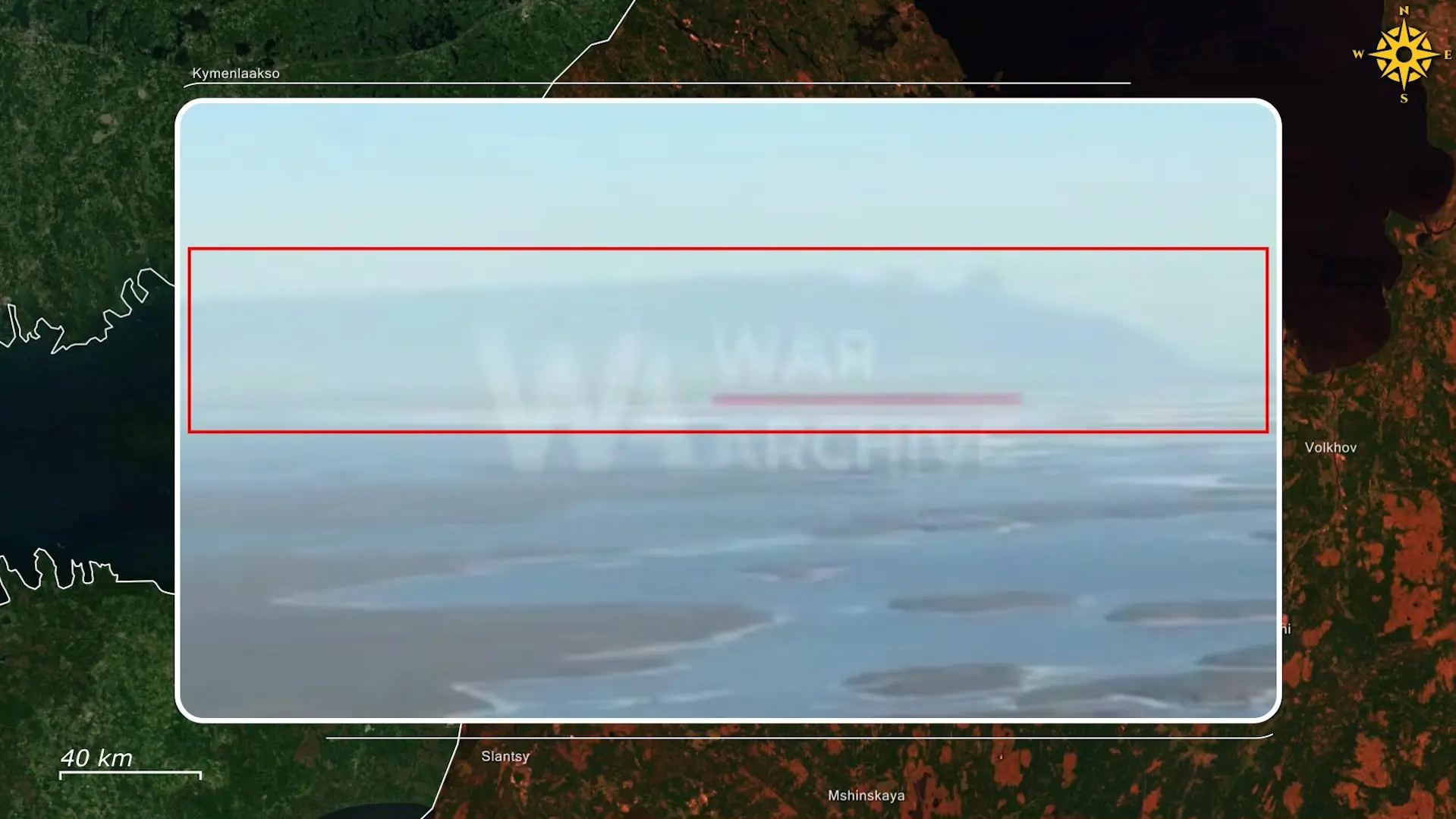
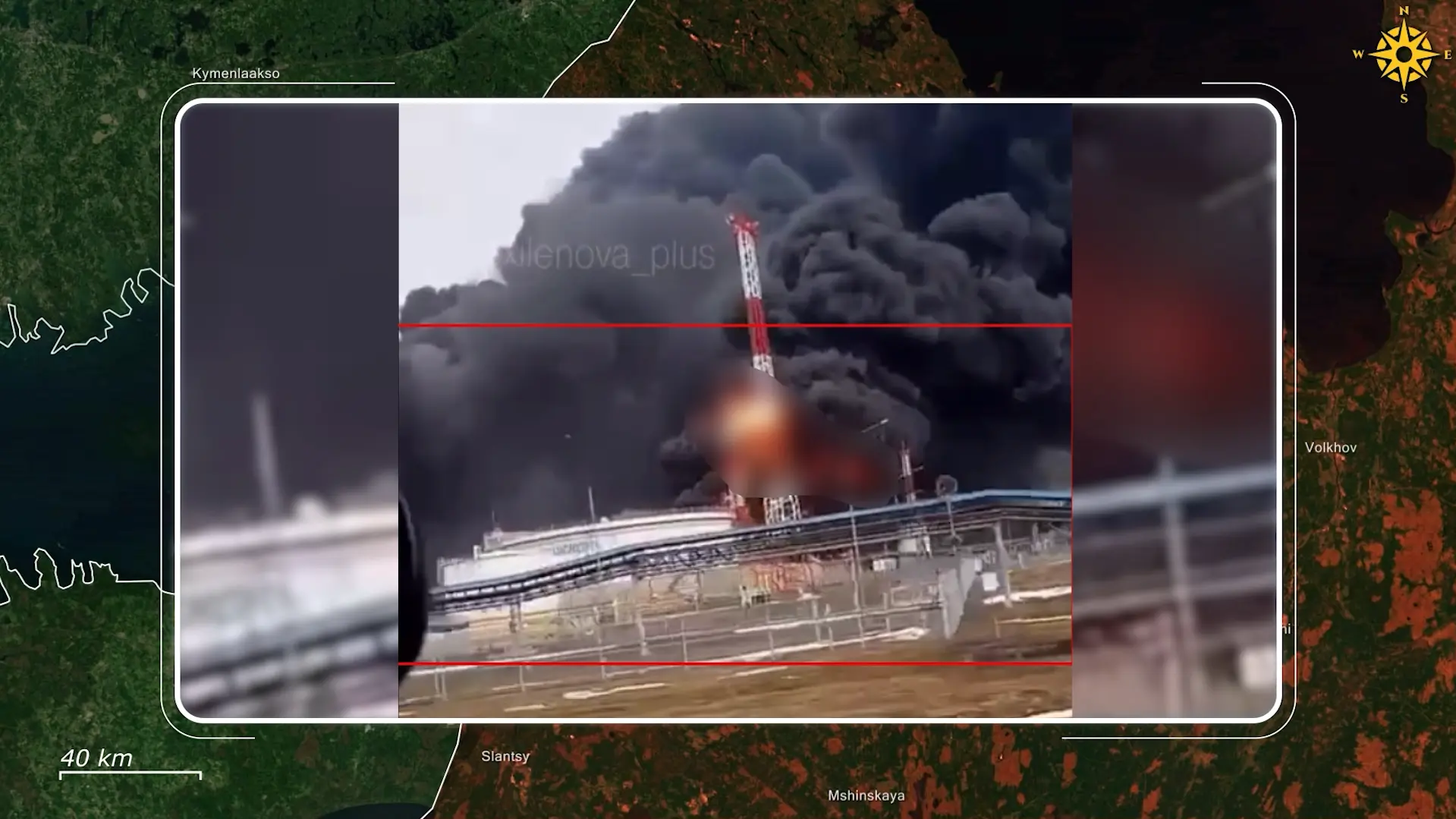
Satellite imagery confirmed sustained burning at multiple impact points, indicating direct hits on a high-value target, effectively shutting down the hub permanently, dealing both operational and financial damage to Russia’s war economy. The aftermath revealed the deeper significance of the attack, as emergency crews struggled to contain the fires, but more importantly, the strike exposed systemic vulnerabilities in Russia’s air defense network.
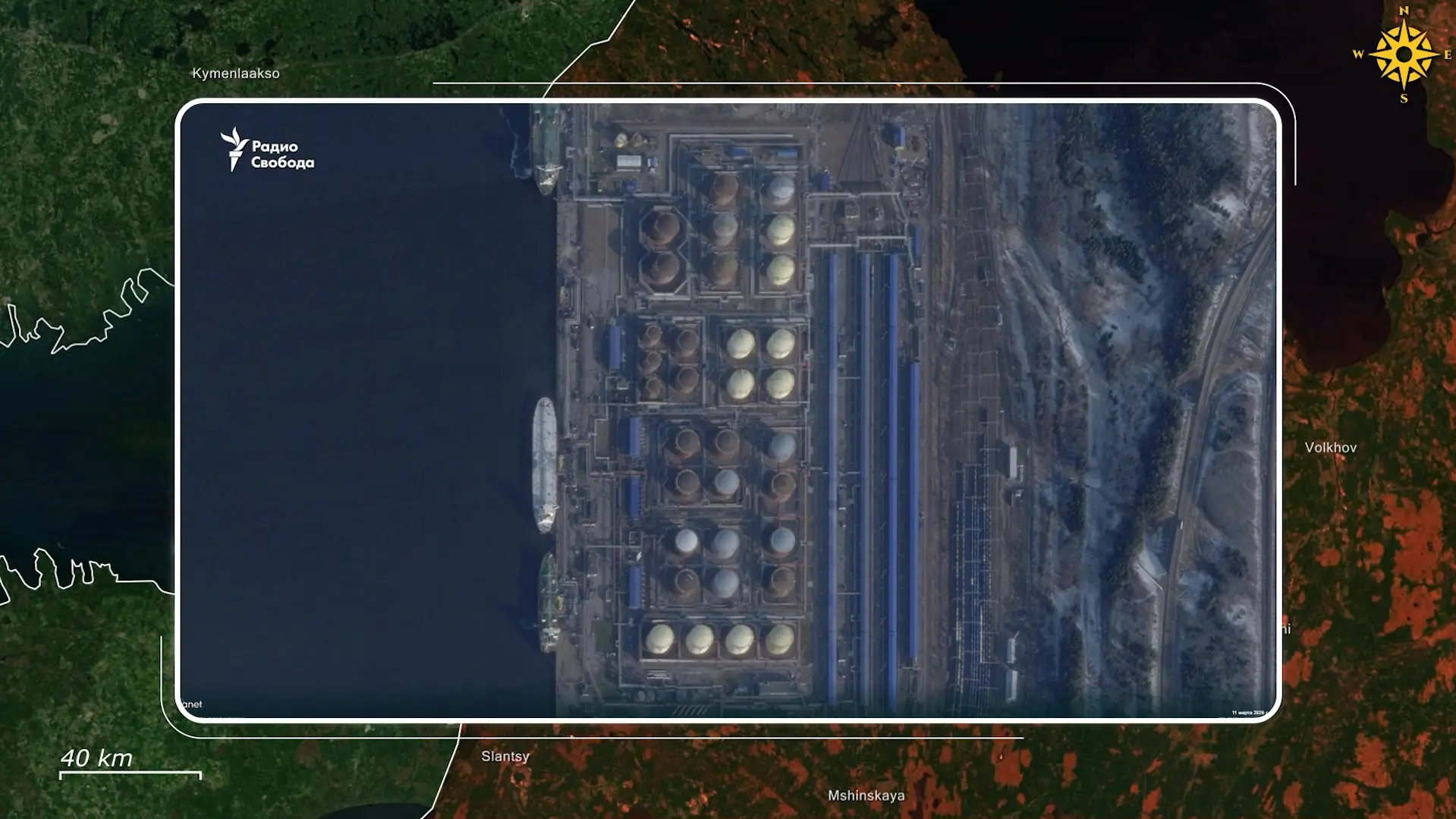
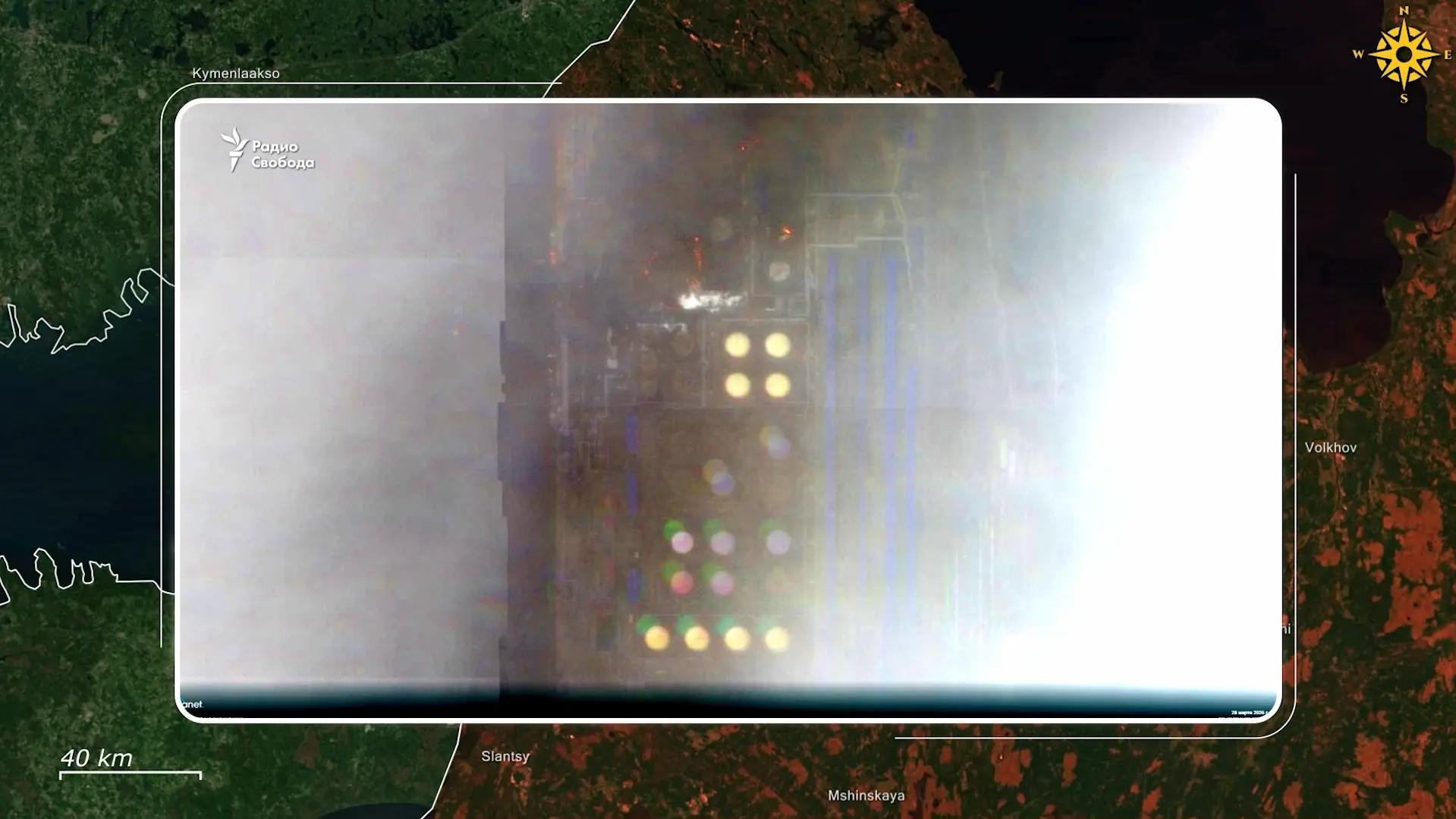
At the same time, Ukrainian drones struck the Vyborg shipbuilding plant in the same region, damaging two patrol icebreakers, degrading Russia’s ability to secure Baltic shipping routes, particularly in winter conditions. The coordinated Ukrainian campaign also targeted the Kirishi Two oil refinery in Russia’s Leningrad region, with Nasa Firms data confirming a huge fire across the whole industrial complex.
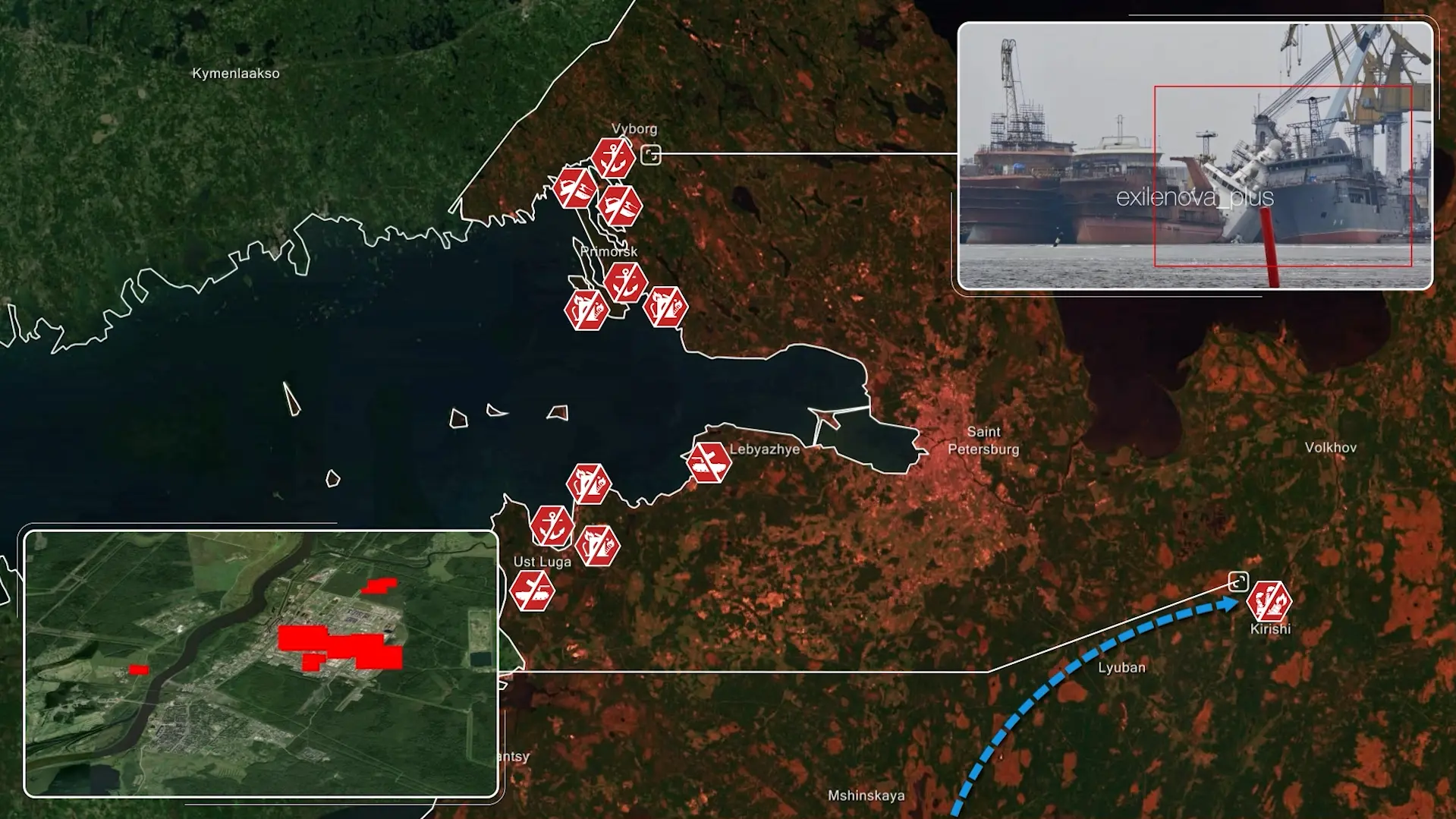
The reaction in Russia was fierce, as analysts and commentators began pointing fingers, questioning how such a high-value target could be struck so effectively. Ukrainians threw fuel on the fire by correctly stating that this was the first time since World War Two that Leningrad was hit by aerial bombs, infuriating Russian criticism even more.
However, as Russians were busy pointing the finger of blame instead of closing the blatantly obvious gaps in their air defenses, Ukrainians launched a second wave of strikes on Ust-Luga.
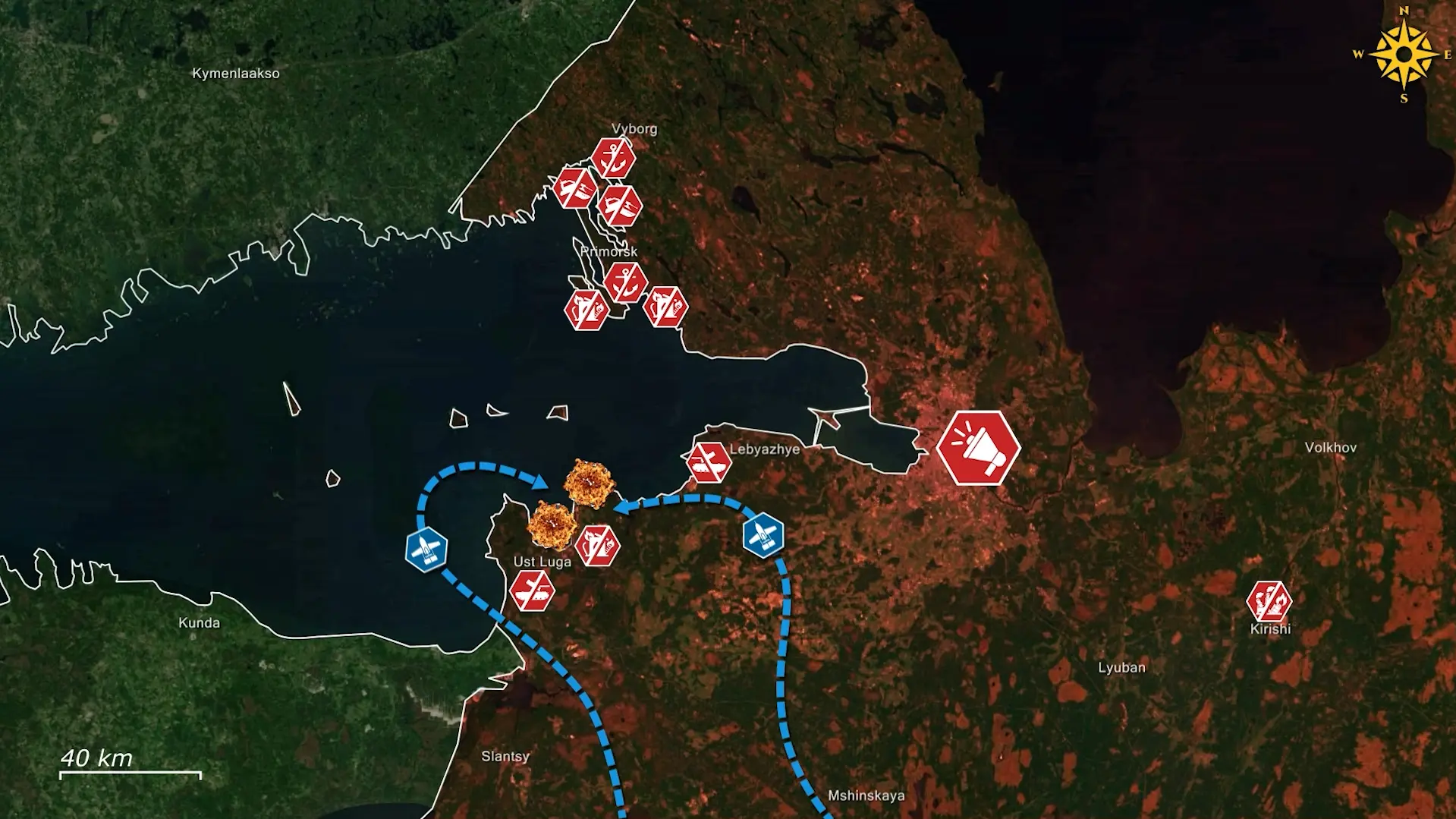
The Ukrainian follow-up involved a tighter, more focused drone wave that again penetrated air defenses and hit fuel handling zones, igniting new fires even as previous blazes were still burning. This double-tap approach ensured that previously undamaged infrastructure was also destroyed, compounding the disruption.
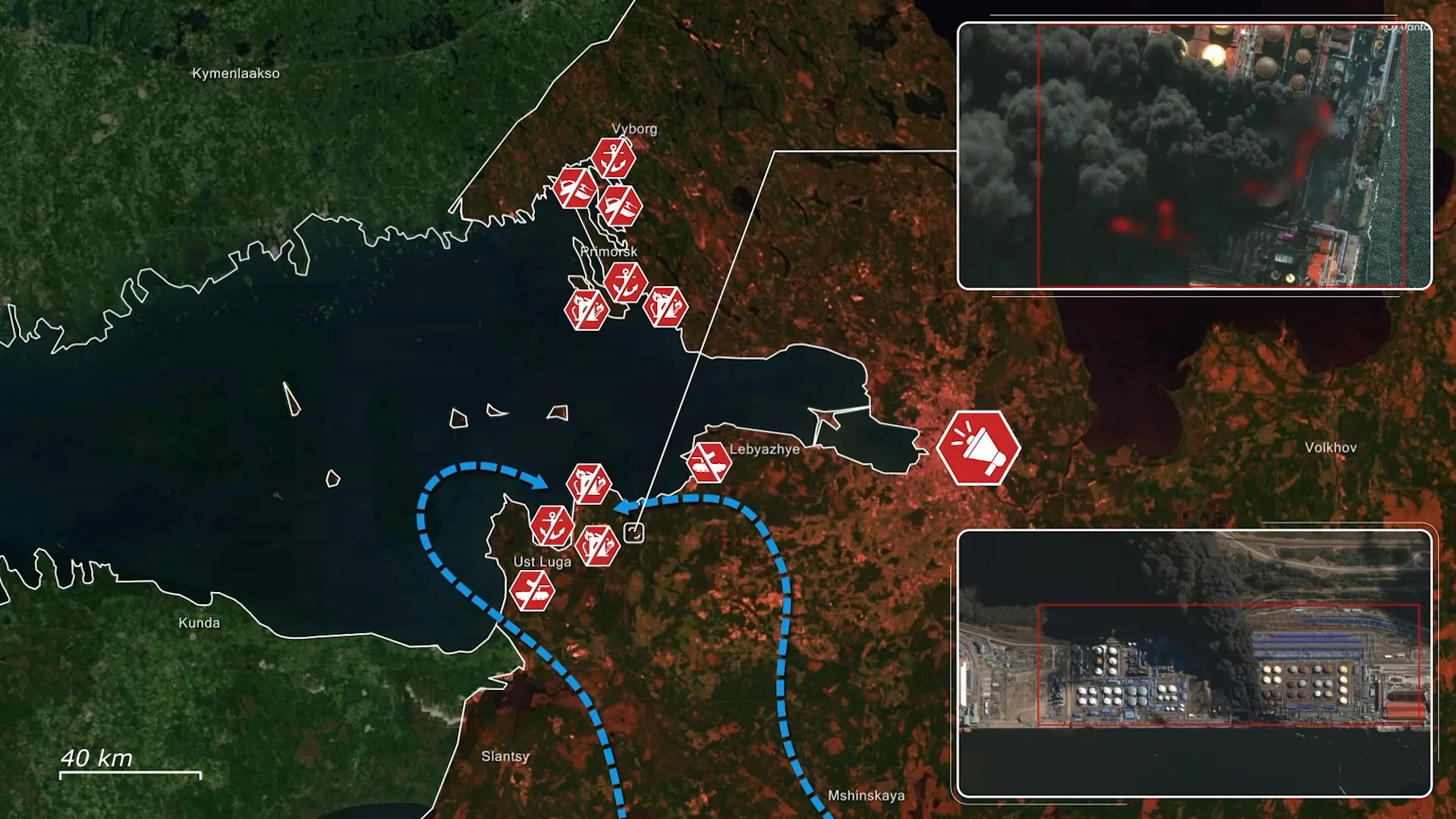
Overall, the targeting of all these elements shows that Ukraine has not conducted isolated strikes but a coordinated campaign targeting the entire export ecosystem: ports, infrastructure, and supporting maritime capabilities. Ukraine has delivered a decisive strategic blow just as Russia expected to capitalize on soaring oil prices driven by the Iran war, but got its export system crippled instead.
With unimaginable 40% of its oil export capacity wiped out, ports burning for days, and follow-up strikes continuing, the question is no longer whether Russia can recover quickly, but whether Ukraine will strike again before Russia has the chance to do so.

.jpg)

Comments