

.svg)
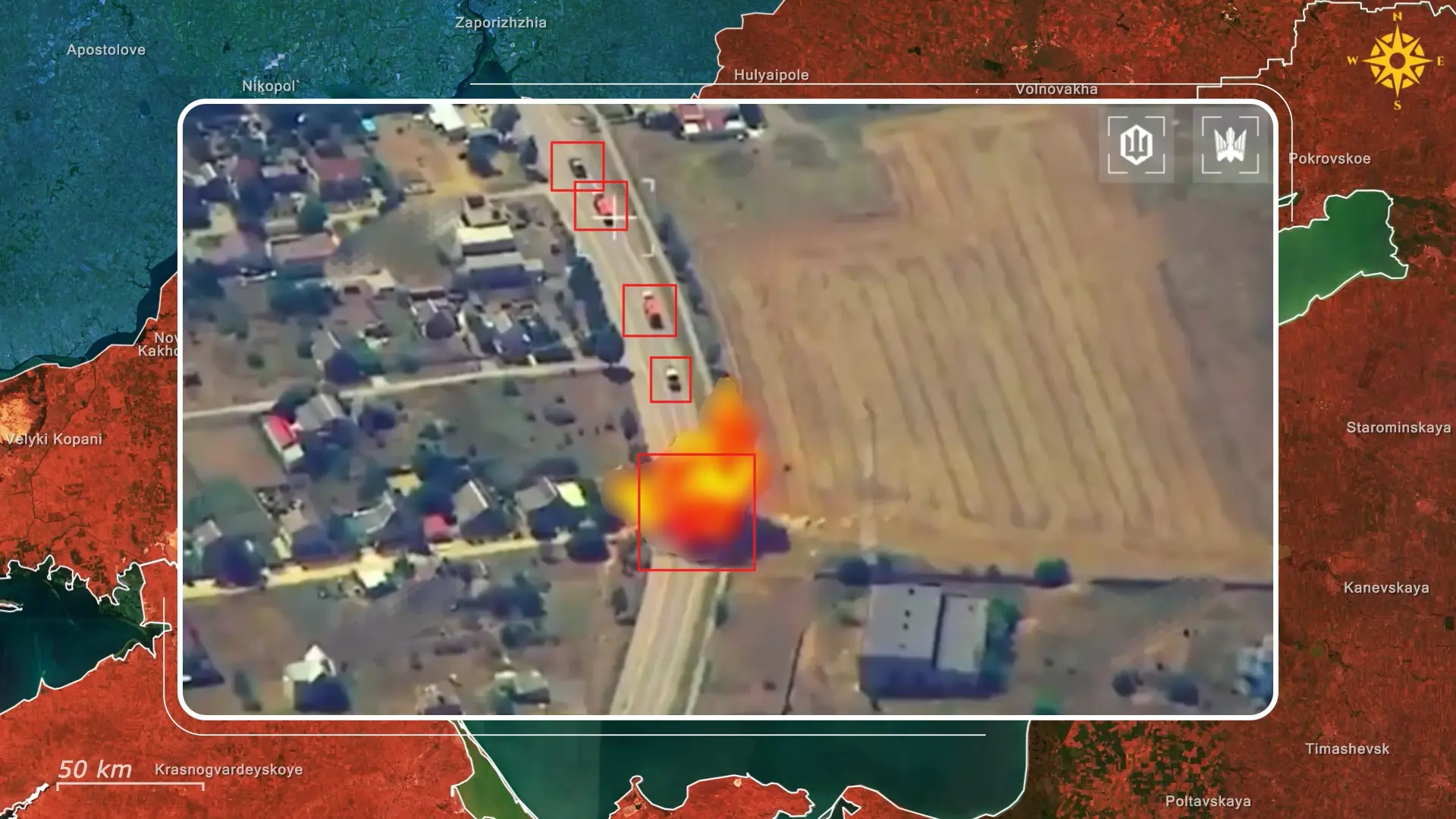
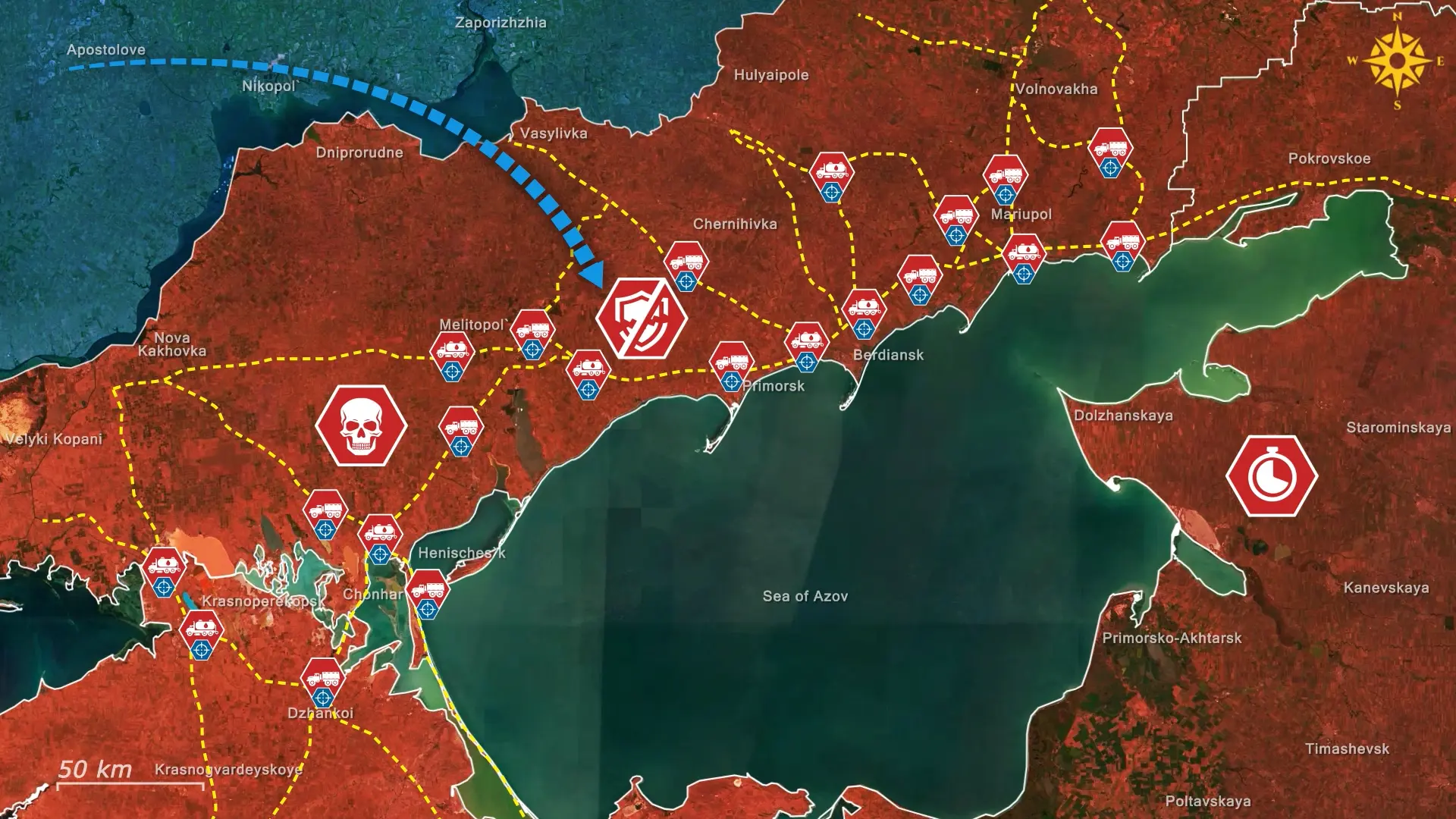
Ukraine’s campaign against Russian logistics in the south is increasing the pace, and the latest evidence comes from near Primorsk in the Russian-controlled part of the Zaporizhia Region, where Ukrainian reconnaissance drones detected a convoy of fuel tankers, and escorted by military trucks serving as mobile air-defense teams while it transported fuel toward Russian forces in Crimea. Ukrainian operators struck the last tanker first, triggering an explosion powerful enough to destroy the accompanying escort vehicle as well. They then attacked the vehicles at the front of the column, filling in the road and its sides with burning wrecks. Footage from both reconnaissance and strike drones confirmed the systematic destruction of the convoy, demonstrating that even heavily protected fuel movements remain vulnerable.
The scale of the escalating Ukrainian campaign is visible in the statistics and is not slowing down, as geolocated footage alone confirms that six-hundred and fifty-six Russian trucks, fuel tankers, cargo vehicles, and other military transport assets were destroyed across Russian-controlled territories in July. That represents an increase from five-hundred and eighty-six visually confirmed losses in June. However, these numbers include only vehicles that were filmed and independently confirmed as successfully destroyed. Many shattered trucks are never recorded, disappear in areas without persistent surveillance, or are withheld from publication for security reasons not to endanger future operations, meaning the true number of successful strikes in reality is considerably higher.
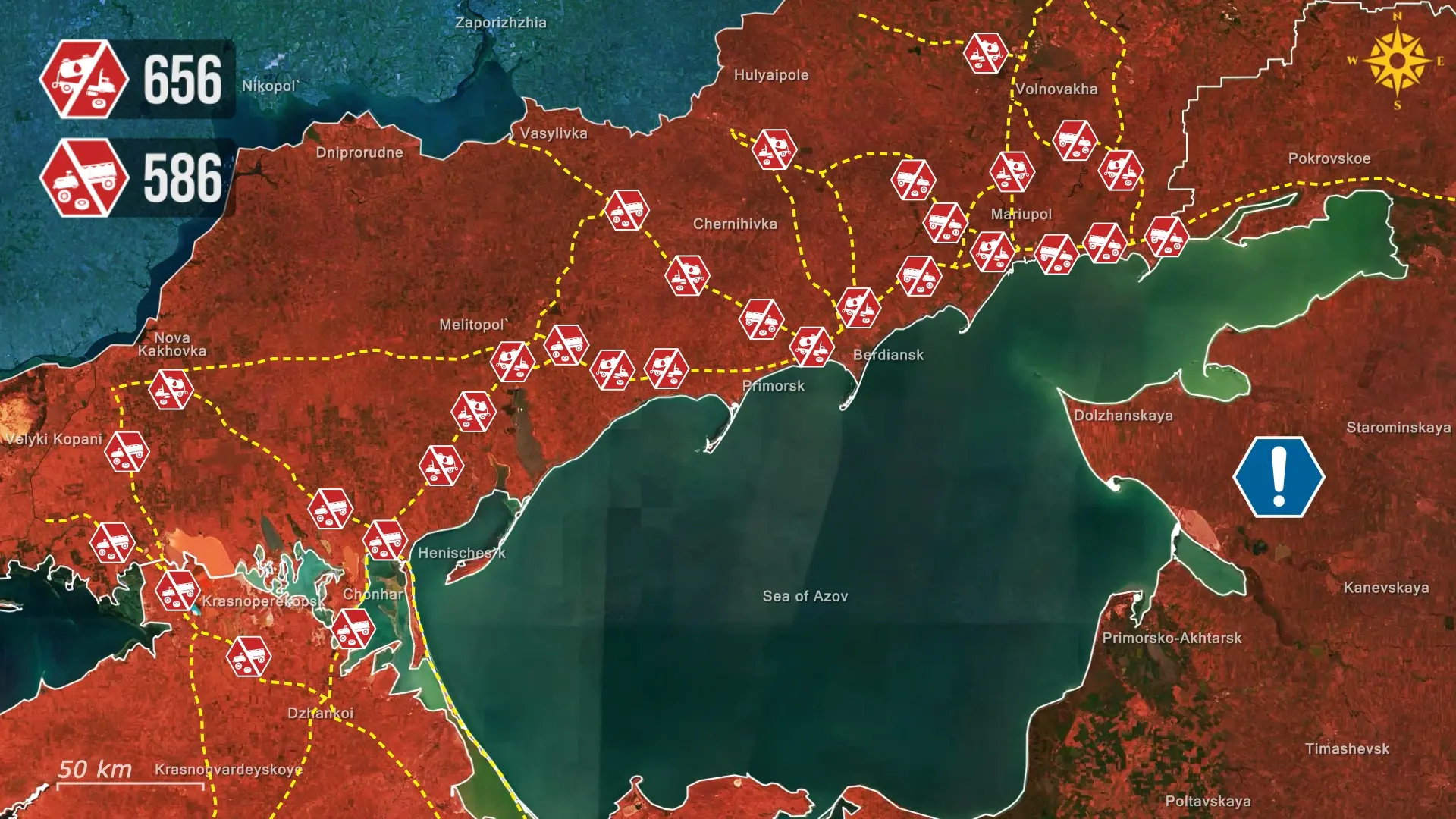
Ukraine had planned to increase the pace even more dramatically and double the successful strikes from June, but several Russian adaptations prevented this from fully happening. The first and main reason was that Russian commanders had reduced traffic massively along the most dangerous highways, which in turn limited the available targets for the Ukrainians to strike.
Second, Russia has begun disguising military vehicles as civilian traffic, with trucks being painted white, fuel tankers covered to resemble cargo trailers, and some tank vehicles modified to look like municipal water carriers. This forces Ukrainian operators to spend more time verifying targets and avoiding genuine civilian transport and leads to some valid military targets being missed.
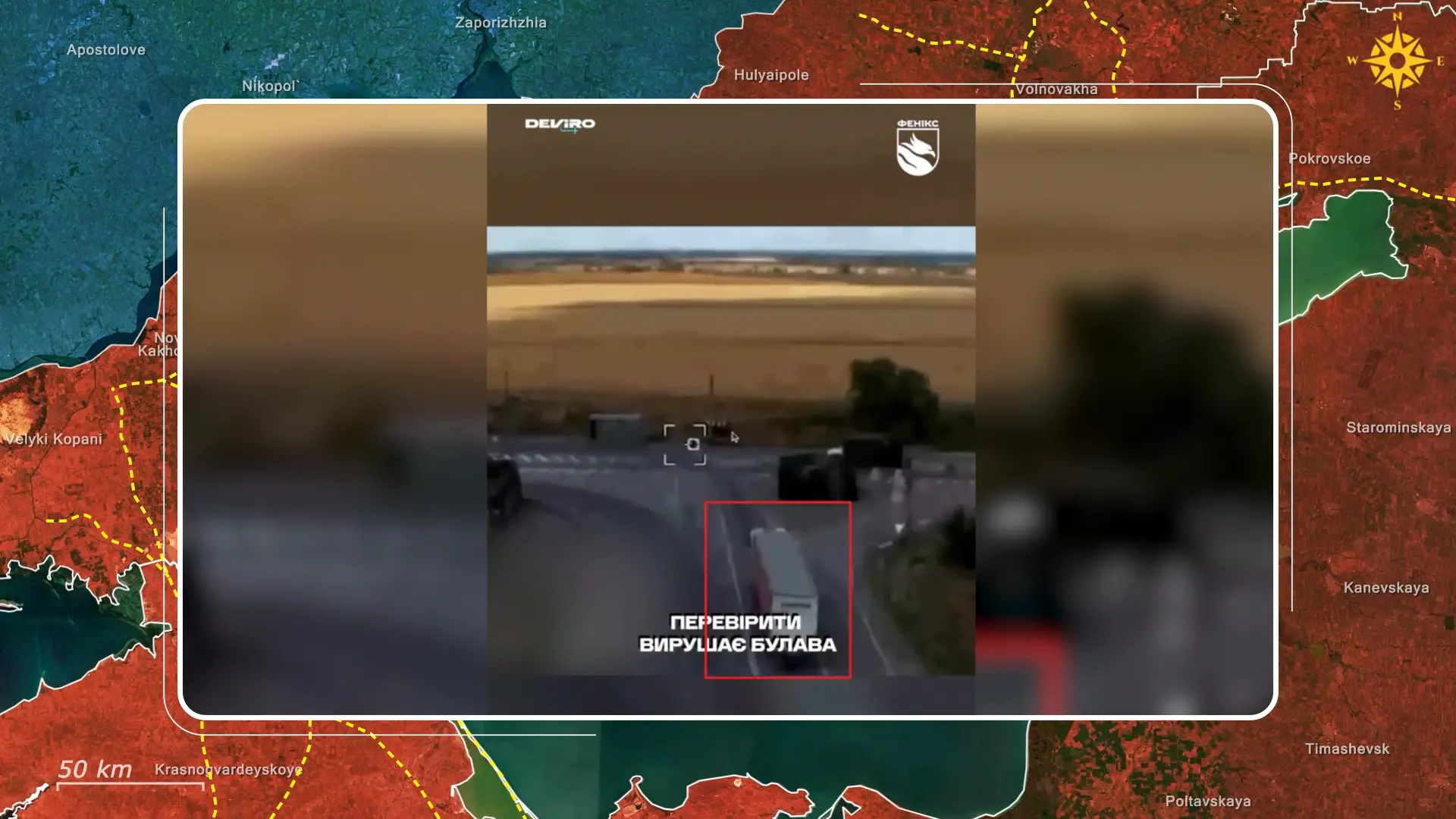
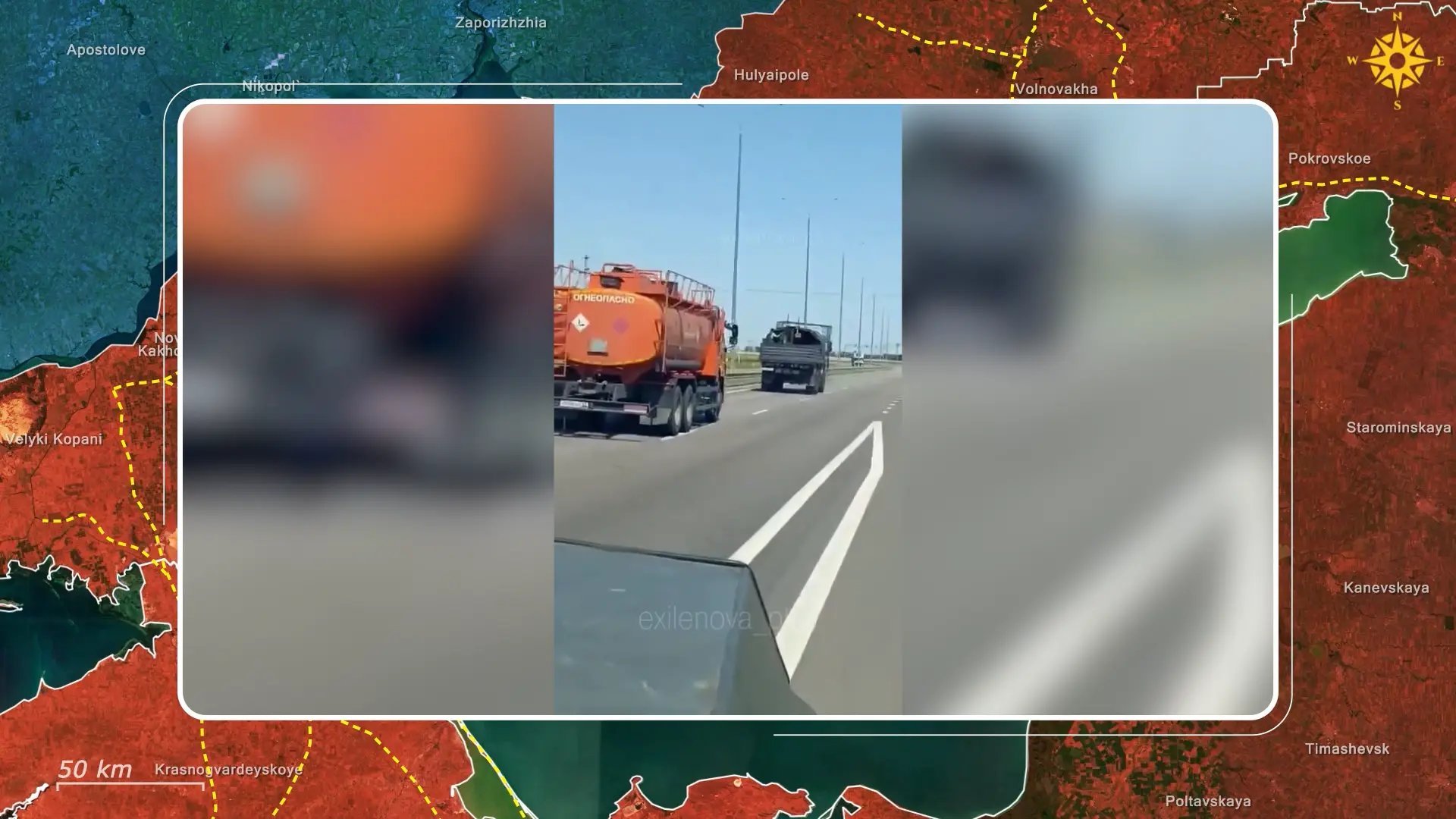
Third, Russia has deployed mobile fire groups and electronic-warfare teams along important supply routes. High-value fuel convoys increasingly travel with armed escorts, short-range air-defense vehicles, and rapid-response teams positioned beside highways. Additionally, these mobile air defense groups are filled completely before departure and carry larger fuel tanks, so they do not need to stop at exposed filling points. These measures have intercepted some Ukrainian drones and helped several Russian trucks reach their destinations.
Yet Russia’s countermeasures have also created new vulnerabilities, as escort vehicles clearly reveal which convoys carry something important, as ordinary commercial traffic does not travel with a military escort. Instead of hiding fuel movements, the escorts often identify and reveal them for Ukrainian reconnaissance, allowing operators to prioritize the convoy and strike the protective vehicles together with the tankers.
However, the Russian air-defense groups cannot stop every attack either, as the statistics show how confirmed truck losses still rose despite all the added protection and deception measures, and the footage proves that Ukrainian drones continue striking enemy logistics and the groups responsible for protecting the convoys as well. Russia’s camouflage policy has also provoked a more determined Ukrainian response, as Unmanned Systems Forces commander Madiar declared that all Russian trucks moving along the southern military supply highways would be treated as potential military targets because Russia itself had erased the distinction by disguising tankers and military transport as civilian vehicles.

Overall, Ukraine raised the number of successful strikes but did not double the number of confirmed hits. Russian defensive measures achieved little, as they reduced Russia's own traffic, slowed deliveries, abandoned efficient routes, and exposed valuable convoys with obvious escorts. Russia tried to protect its supply network by hiding military vehicles among civilian traffic but to no benefit. Instead, it expanded Ukraine’s target set, and every day the Russian southern logistics system becomes slower, more dangerous, and increasingly crippled.
.jpg)

Comments