

.svg)
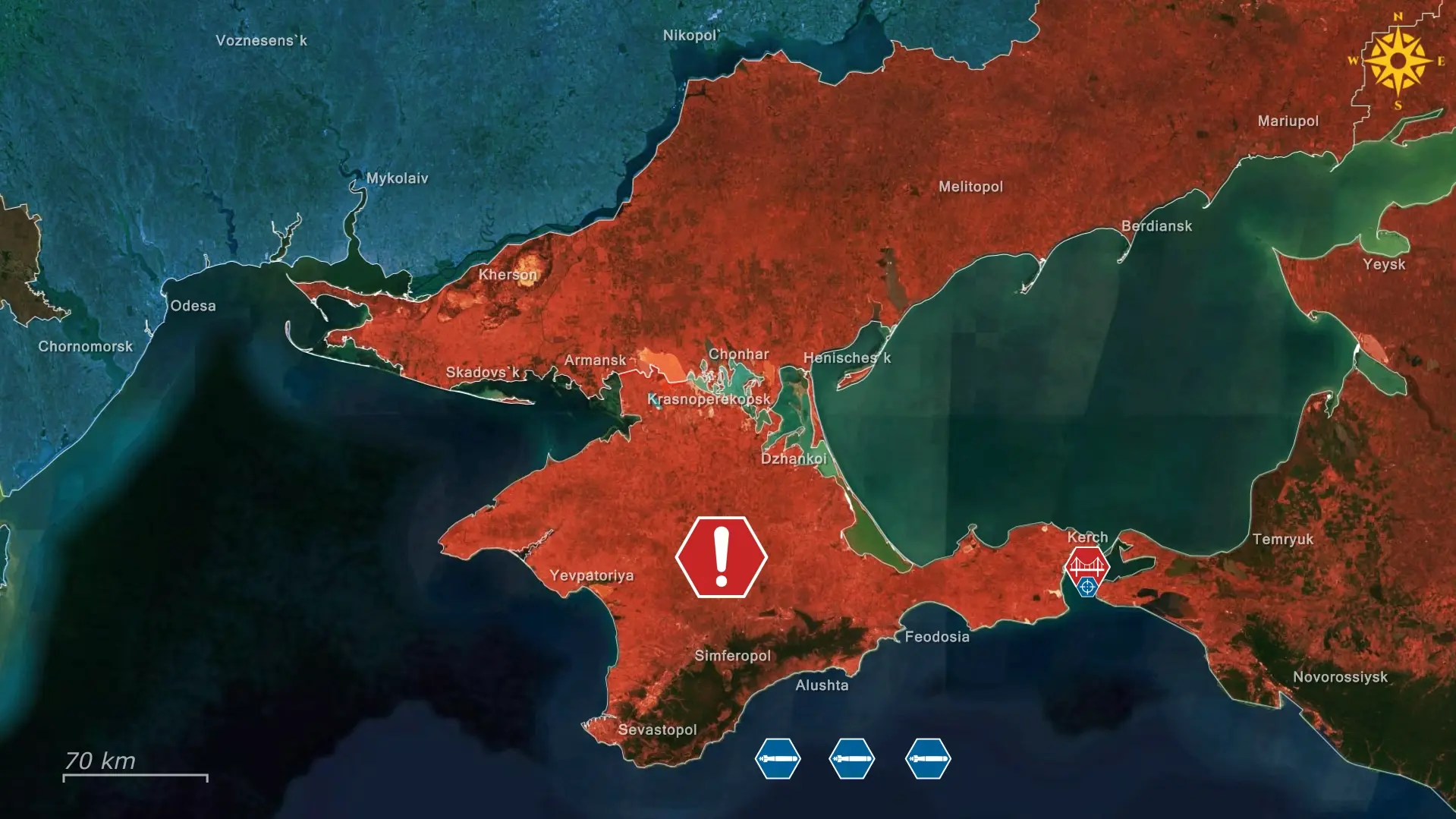
In this video, we will analyze Ukraine’s operation targeting the Kerch Bridge.
Here, Ukraine just unveiled its new underwater drone, built to destroy the Kerch bridge. This caused absolute panic among the Russians, knowing that now their bridge is becoming increasingly vulnerable to a Ukrainian strike.
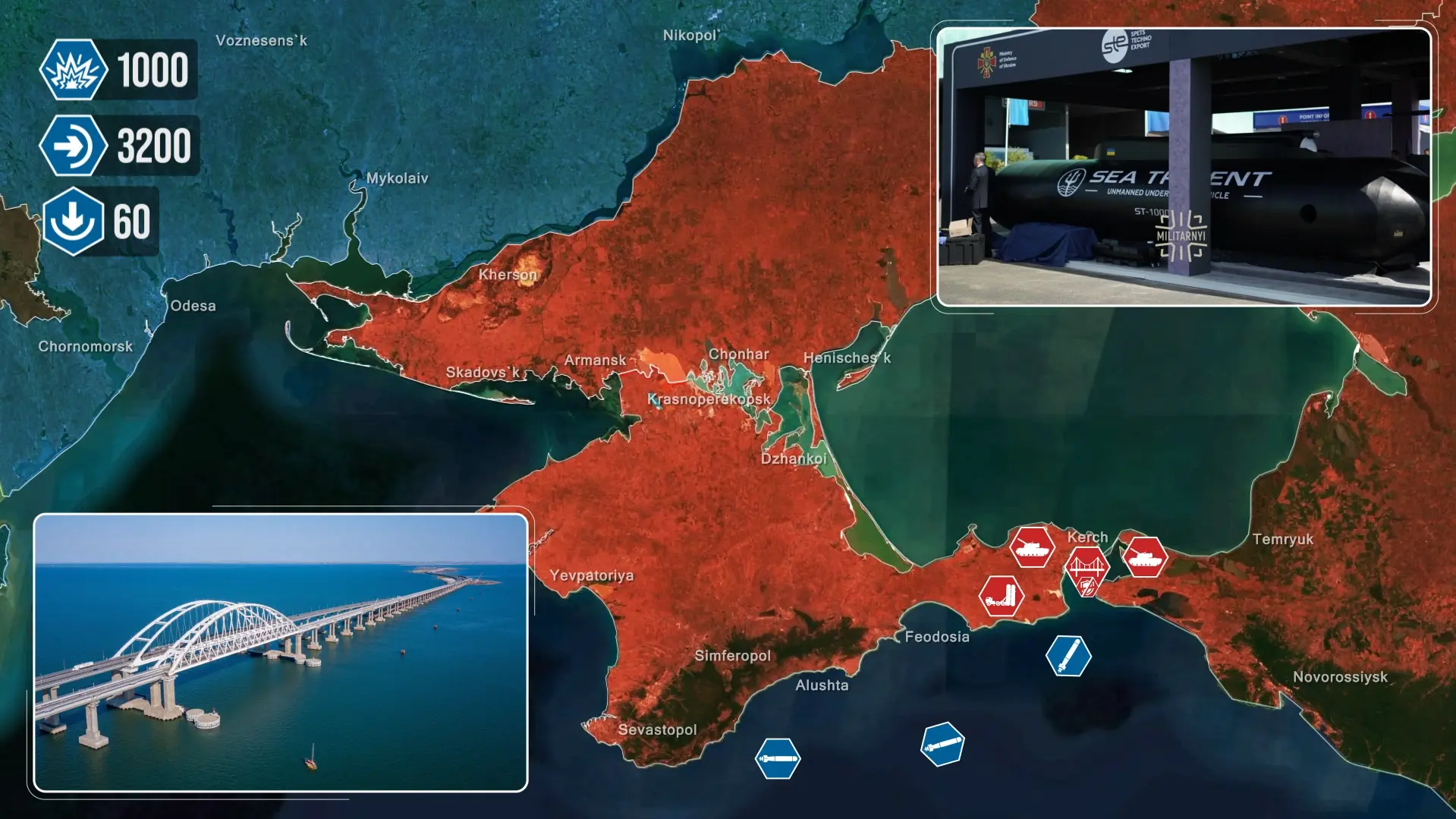
Recently, a Ukrainian company revealed its latest heavy underwater drone, the Sea Trident. It seems that it was specifically designed to destroy strategic targets, like the Kerch bridge. The drone has a one-thousand-kilogram payload, which could damage the support elements below the waterline that hold the bridge. Russia’s defenses are built mainly to stop air and surface threats, while this drone attacks from under the water, which Russia is less capable of defending. With a three thousand and two hundred kilometer range, Ukraine can launch it from anywhere on its coast, and a maximum operating depth of sixty meters complicates detection. This makes the Sea Trident the underwater element for a combined strike against the Kerch bridge.
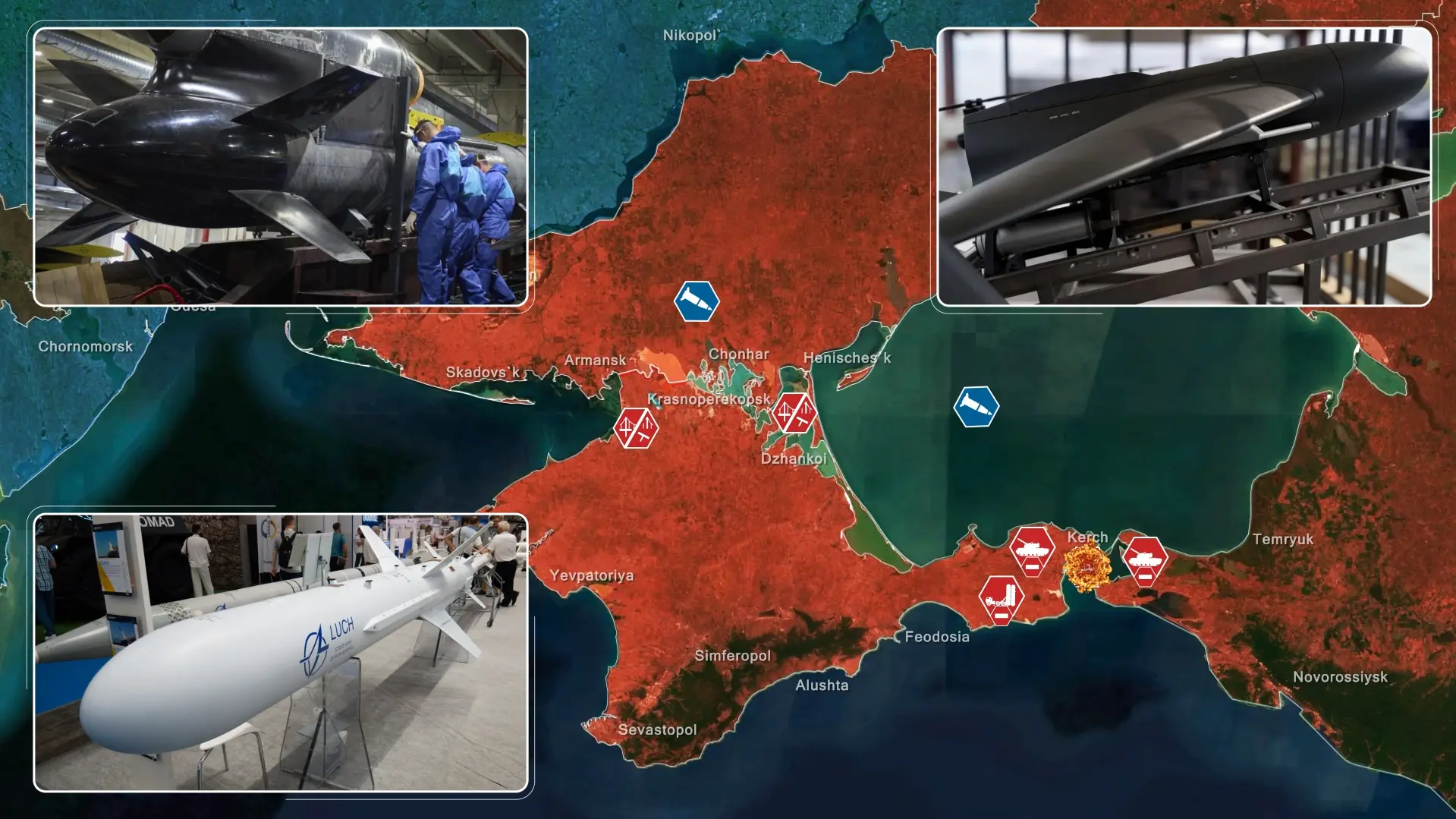
Standard Ukrainian drones would be used mainly to overwhelm Russia's air defenses, while missiles can strike the bridge from above in coordination with new underwater drones striking the pillars from below. Additionally, drones with enhanced warheads or thermobaric charges, such as the Behemoth, can be deployed, as they have already proved their effectiveness in disabling the bridges in northern Crimea. However, to maximize the chance of structural damage to the much bigger Kerch Bridge, Ukraine would combine these drones with long-range Neptune and Flamingo missiles with much heavier warheads of up to one ton of explosives, as they can provide a more impactful aerial strike layer. These missiles threaten support infrastructure, and the bridge spans from above, while naval drones suppress the defenses and underwater drones strike the bridge supports. All operations can be protected by naval drones equipped with FPV-launch and air defense capabilities, which can attack patrol aircraft and boats, forming a Kerch Bridge kill chain where each layer is designed to overwhelm a different Russian element of defense.
The recent Ukrainian strikes around the bridge are part of a systematic campaign to make the Kerch bridge less protected. So far, Ukraine has avoided a premature direct strike on the bridge itself and focused on targeting its surrounding defense infrastructure as preparation for the final blow that Russia knows is coming.
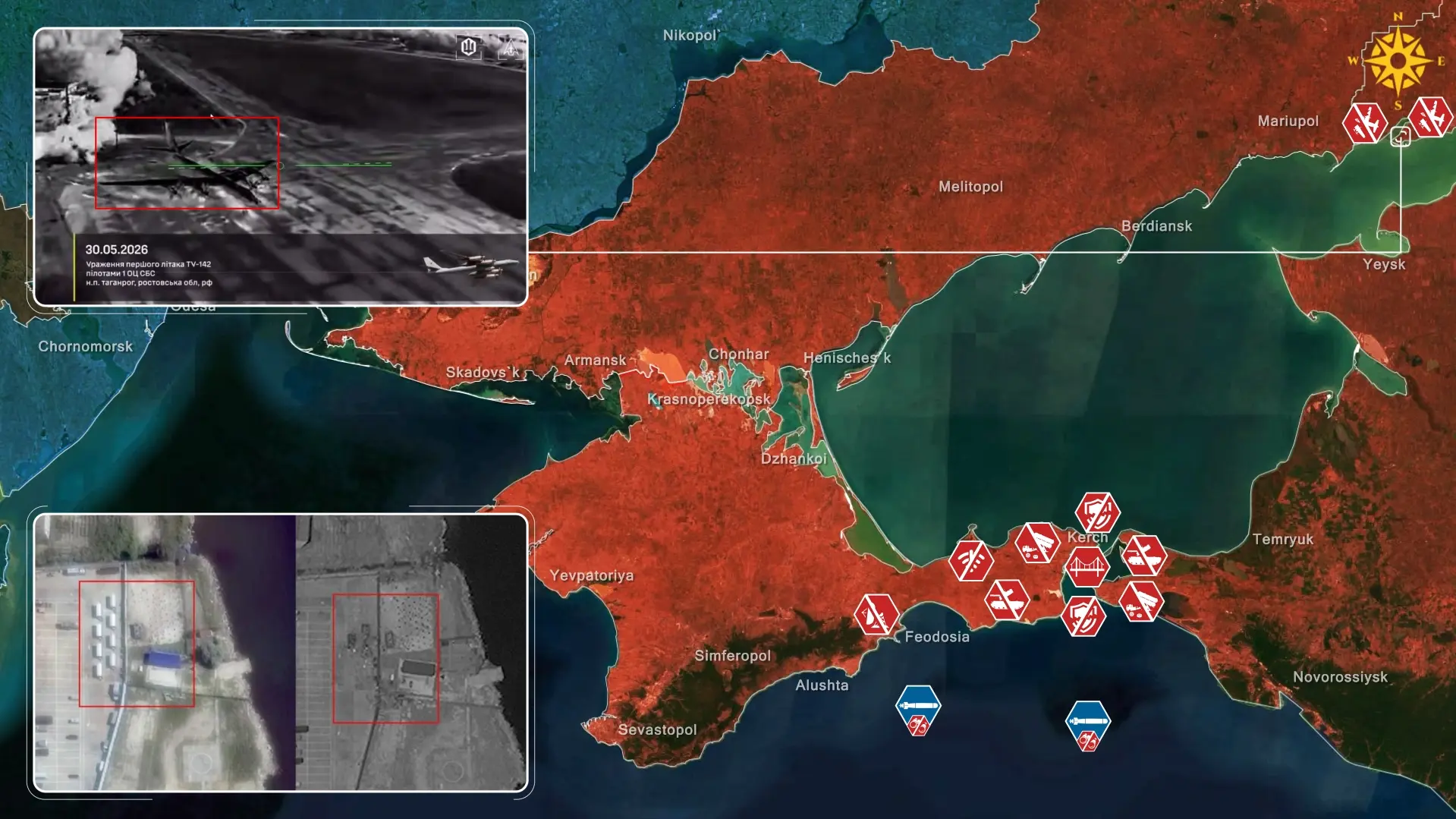
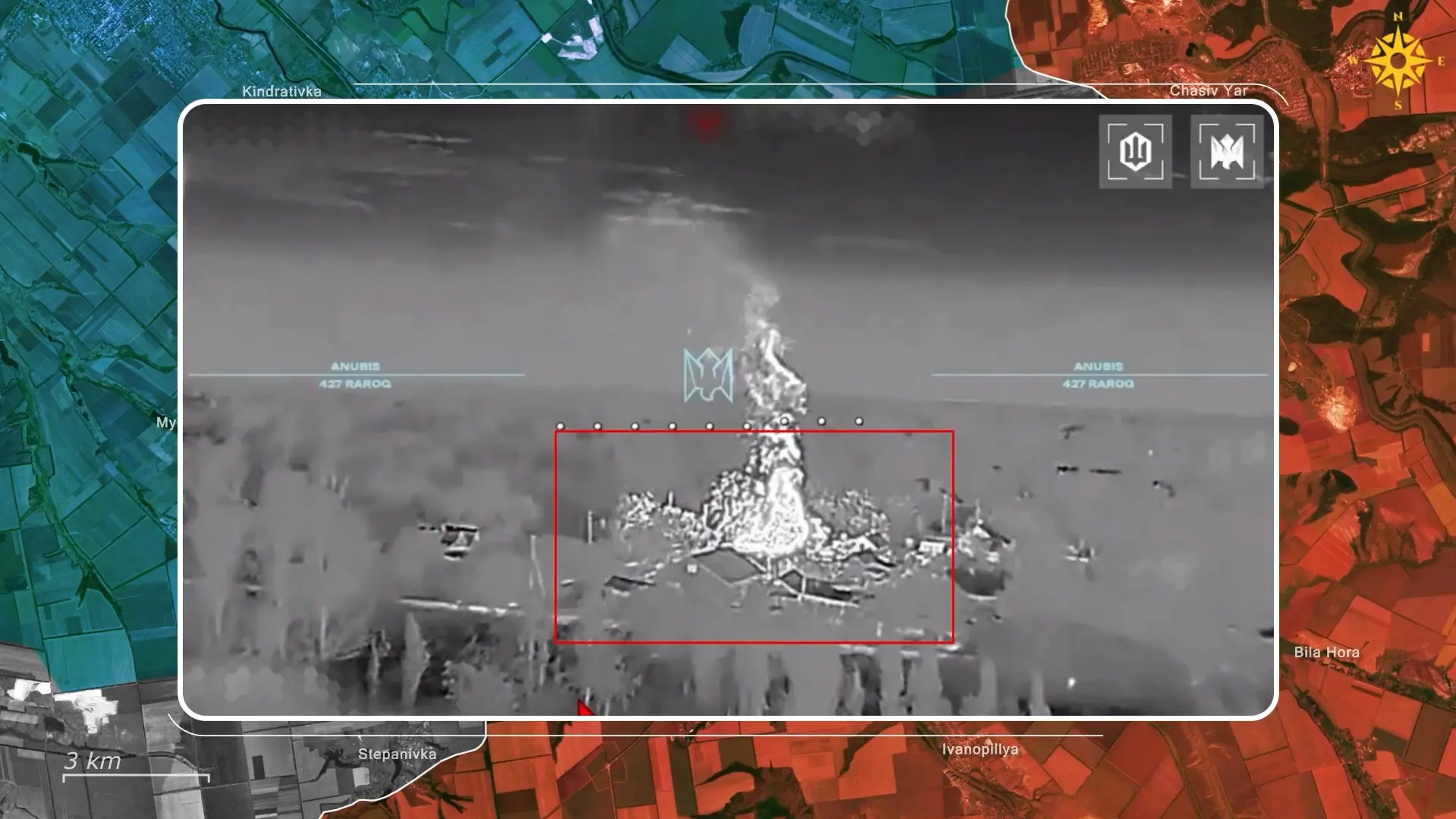
In the past few weeks, Ukraine has targeted the exact systems Russia needs to detect drones, missiles, and maritime threats before they reach the bridge. Notably, Ukraine’s drones hit a radar system in Feodosia, responsible for the tracking of targets at low altitudes, which leaves Russia with less warning time against Ukrainian drones. The most recent Ukrainian strike disabled four S-four-hundred radars, which weakens Russian early-warning capabilities against Ukrainian cruise and ballistic missiles, while the two destroyed Pantsir systems around the bridge weaken its short-range protection, exposing it even more.
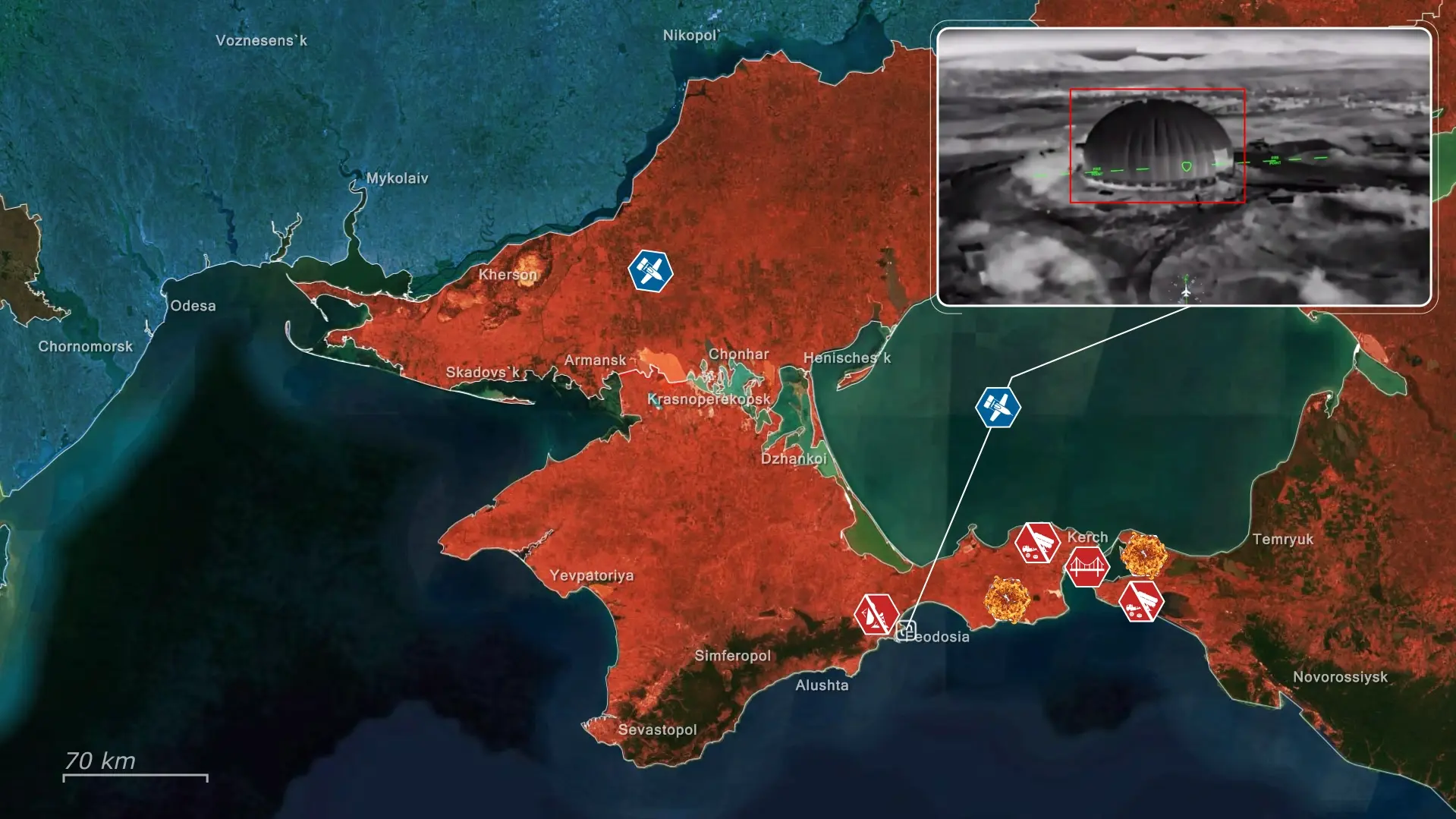
An electronic warfare system interfering with Starlink was also destroyed in Kerch, as it was interrupting the communication of Ukrainian drone operators with their drones. These operations are opening corridors for drones, forcing Russian systems to relocate, and making the bridge harder to defend during a combined strike. Simultaneously, Ukraine cleared the way for its maritime drones by striking two long-range anti-submarine aircraft on the ground, which were designed to hunt underwater vessels like the Sea Trident. With this strike, Ukraine is blinding the systems that could stop the underwater strike, increasing the chances of the Sea Trident reaching the Kerch bridge.
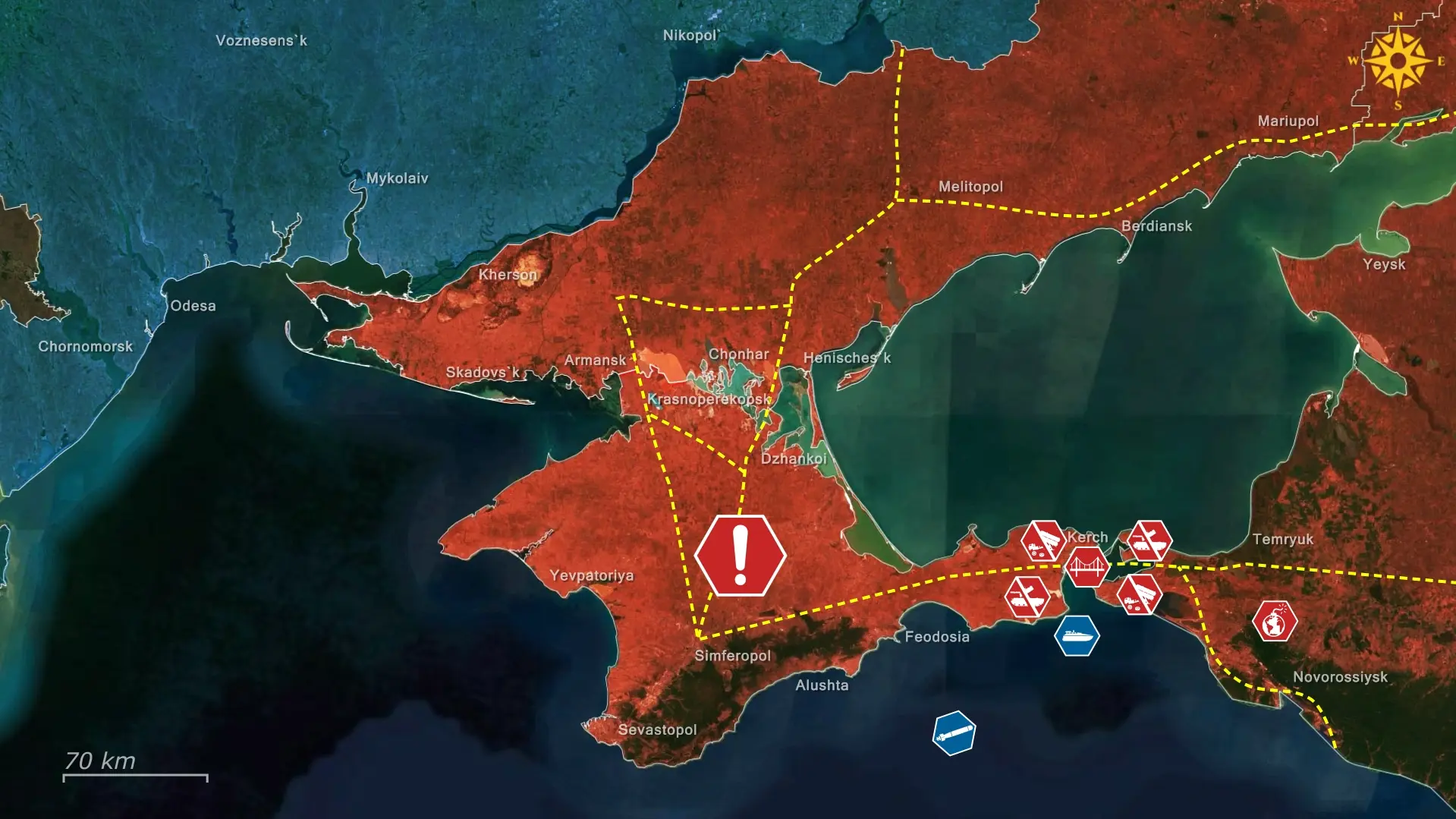
As a result of this series of strikes, the Russians sound the alarm that a massive, combined strike on the bridge is inevitable. Because of the success of recent Ukrainian strikes, many Russians have nearly already accepted that the Kerch bridge will be struck eventually, as proved by the anxiety of their military analysts. Combined with the repeated bridge closures due to nearby attacks, Russia isn’t guessing anymore, but tries to prepare for a nightmare that is now only a matter of time.
Overall, the newly developed Ukrainian underwater drone changes Russia’s defense posture by forcing it to expect simultaneous threats from the air, the surface, and underwater, creating a real defensive nightmare. Now, each destroyed Russian defensive asset reduces Russia’s ability to defend against the final strike, which the Russians know is coming. Losing the Kerch bridge would be devastating for Russia as it is a logistical artery, a geopolitical trophy, which the Ukrainian bridge-killer drones now threaten to turn from a symbol of control into the biggest embarrassment.

.jpg)


Comments