

.svg)
Today, there are interesting updates from South America.
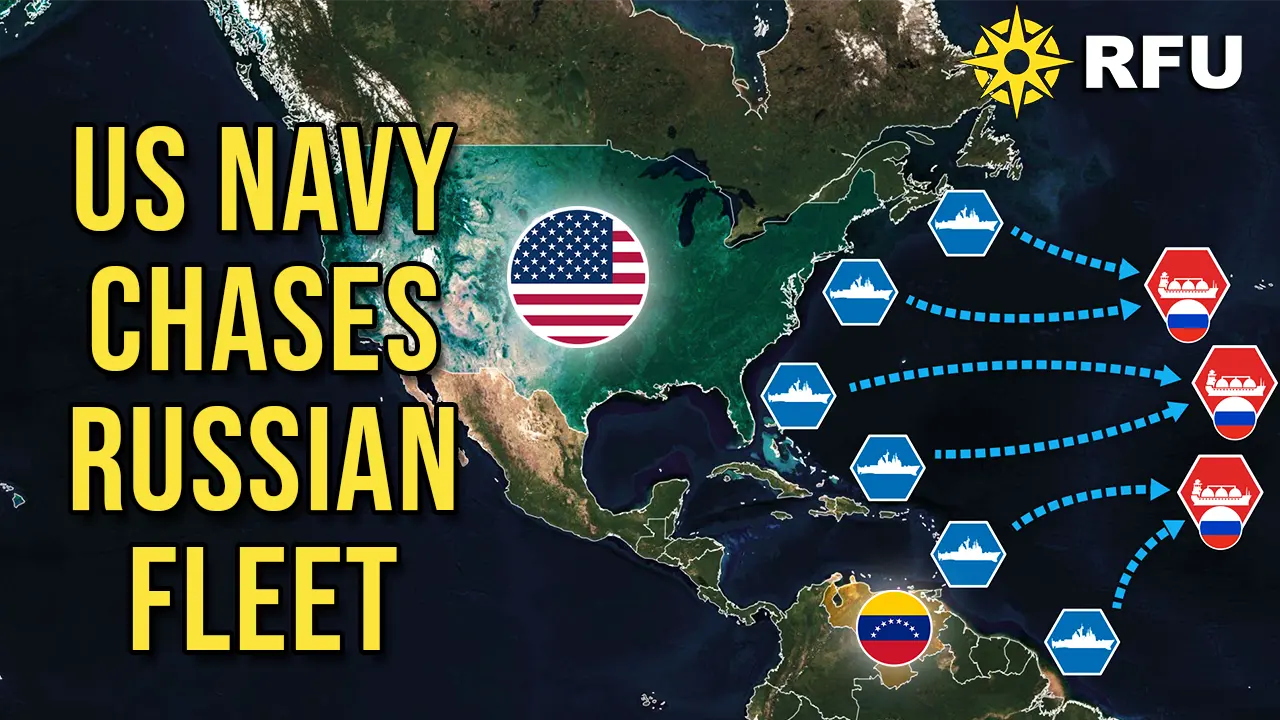
Here, the United States started seizing shadow fleet tankers carrying Venezuelan oil to enforce sanctions and apply even more pressure. With the declaration that all in and out-going vessels will be stopped by the US Navy, the captains of the Russian ships started to panic, understanding that they will be targeted next as they were sanctioned by the US as well.
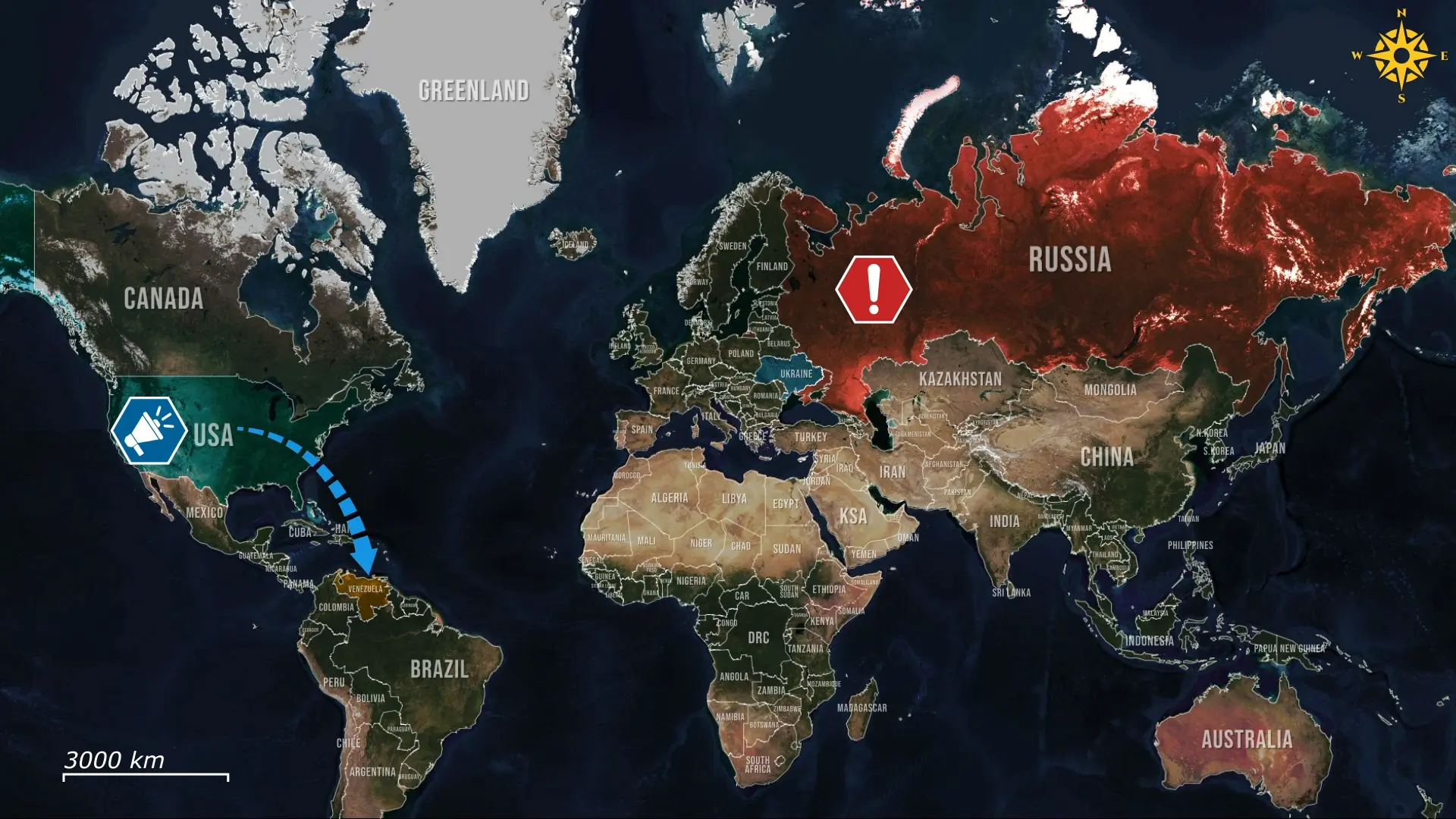
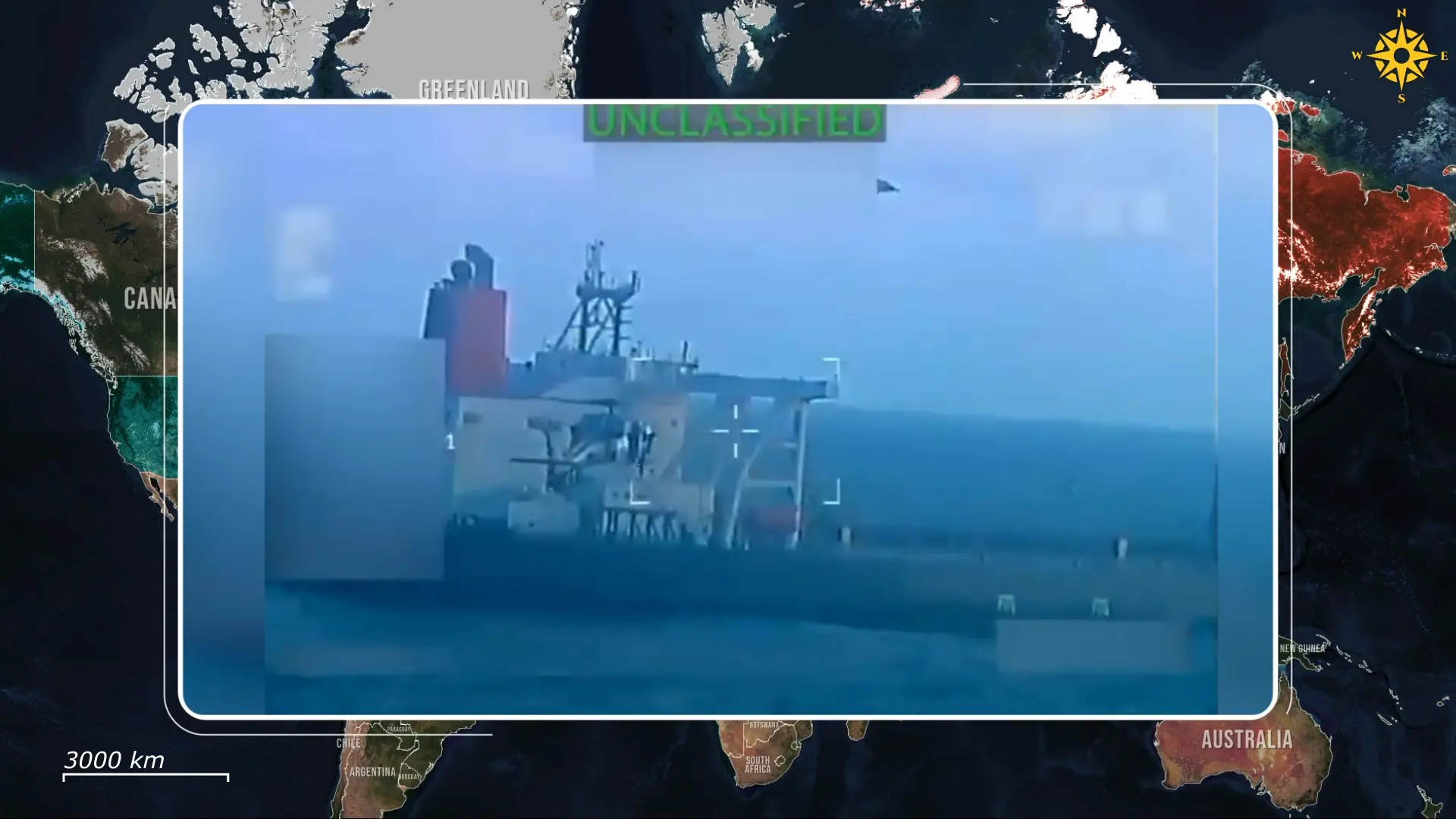
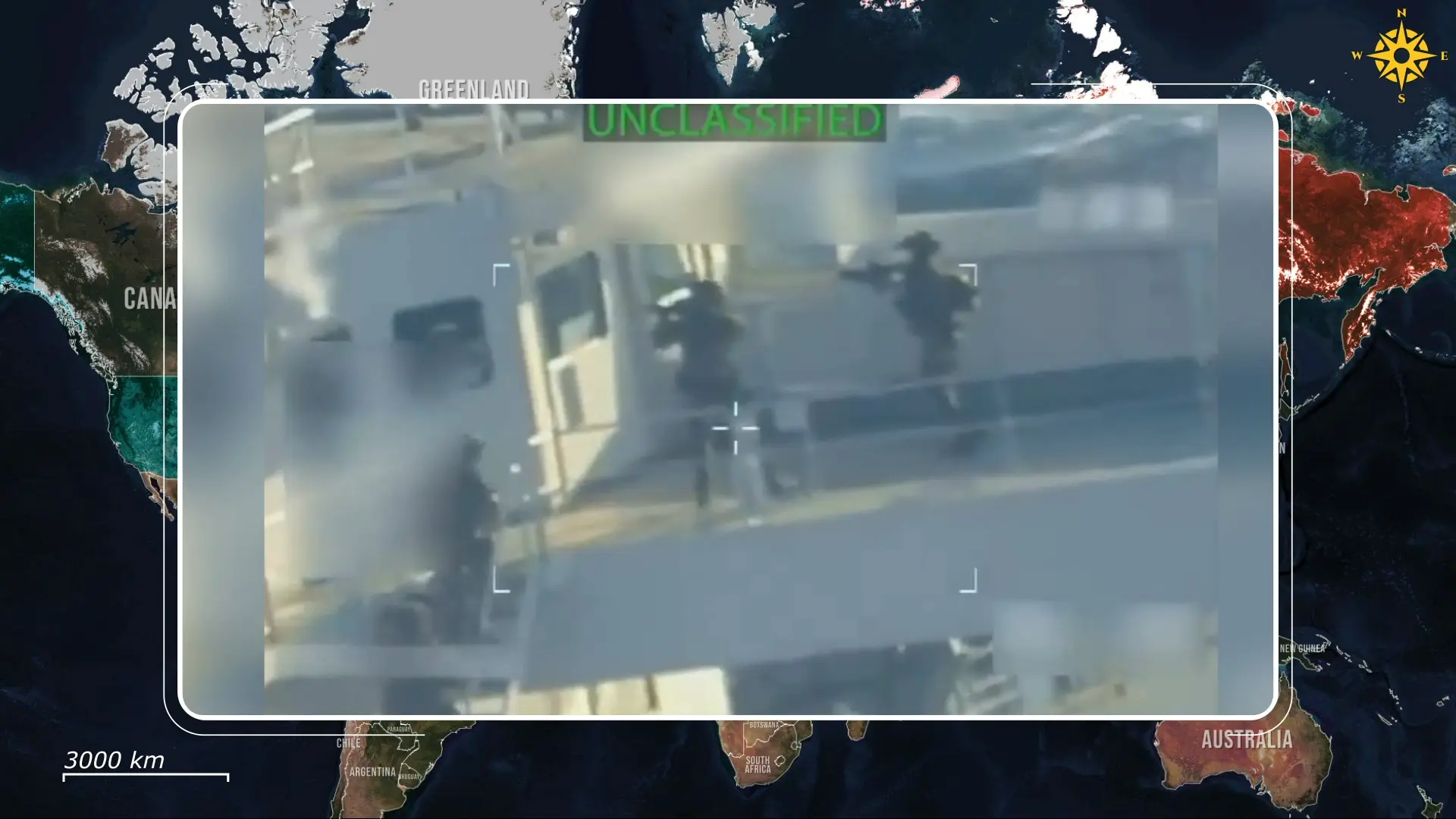
Russia and Venezuela have been caught off guard by a sudden and forceful escalation at sea, as the United States Navy and Coast Guard began actively intercepting sanctioned oil tankers in the Atlantic and Caribbean, directly threatening the shadow fleet that they rely on to survive economically. The first clear signal came when US forces seized an oil tanker off the coast of Venezuela in international waters. The vessel, sanctioned for years for involvement in illicit oil trafficking supporting Venezuela and Iran, was boarded in a dramatic helicopter operation. Armed personnel rappelled onto the deck, secured the crew, and diverted the ship, signaling a fundamental shift from passive enforcement to active maritime action.
The seizure was not an isolated act, as it coincided with a major American military buildup across the southern Caribbean, with Washington making clear that more interceptions are coming, and additional tankers may be seized in the coming weeks. This targets the financial lifeline of Nicolas Maduro’s regime, which depends almost entirely on oil exports, much of which now flows through opaque shadow networks designed to bypass sanctions, allowing Venezuelan exports to rebound to roughly 920,000 barrels per day, undermining the intended impact of US pressure until now.
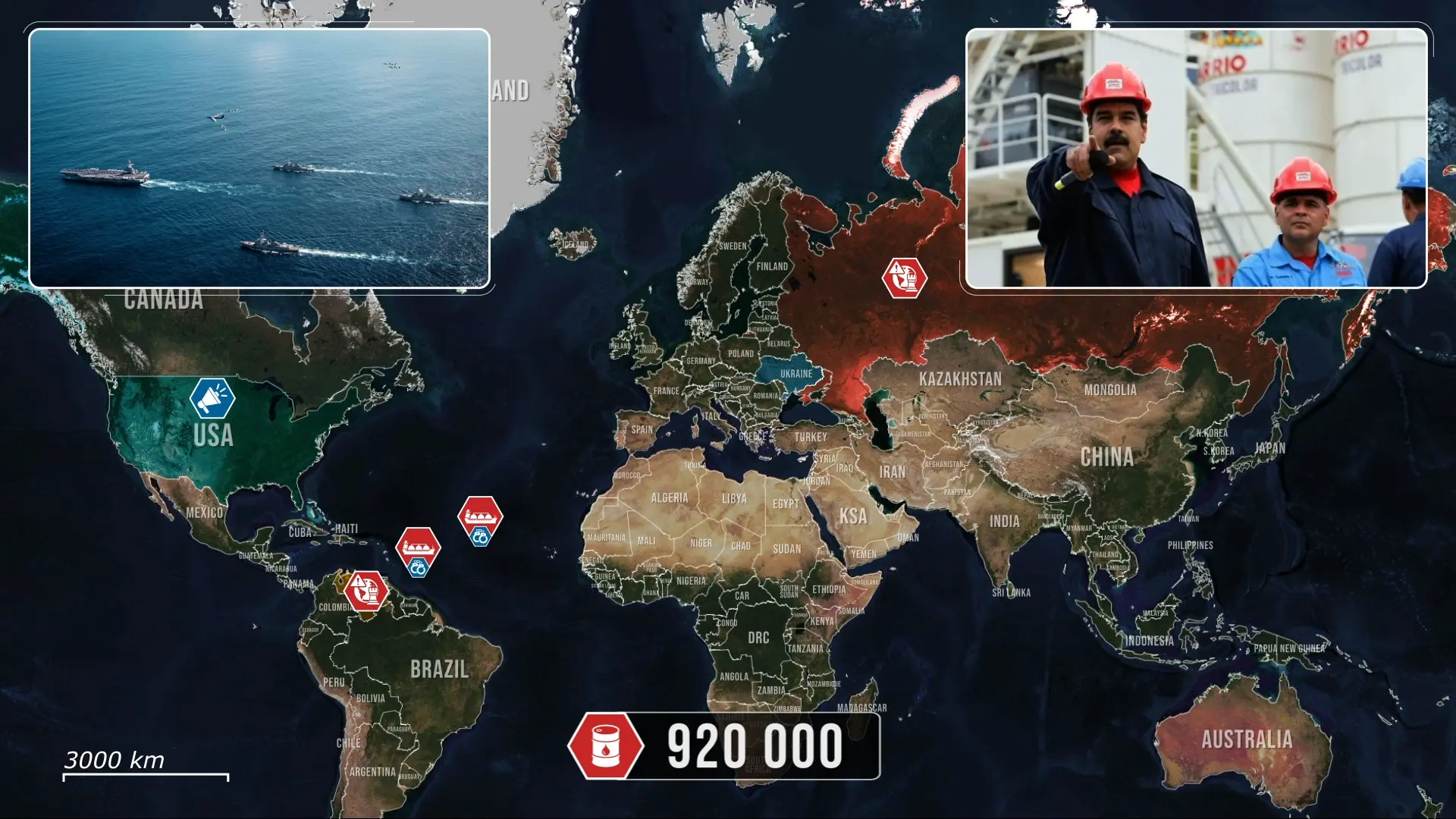
The US raised the stakes by announcing a total and complete blockade of sanctioned oil tankers entering or leaving Venezuela, highlighting the concentration of naval assets in the region and warning that more could be deployed. With over 30 of the 80 vessels near Venezuelan waters already sanctioned, the message was clear: the shadow fleet model is no longer tolerated.
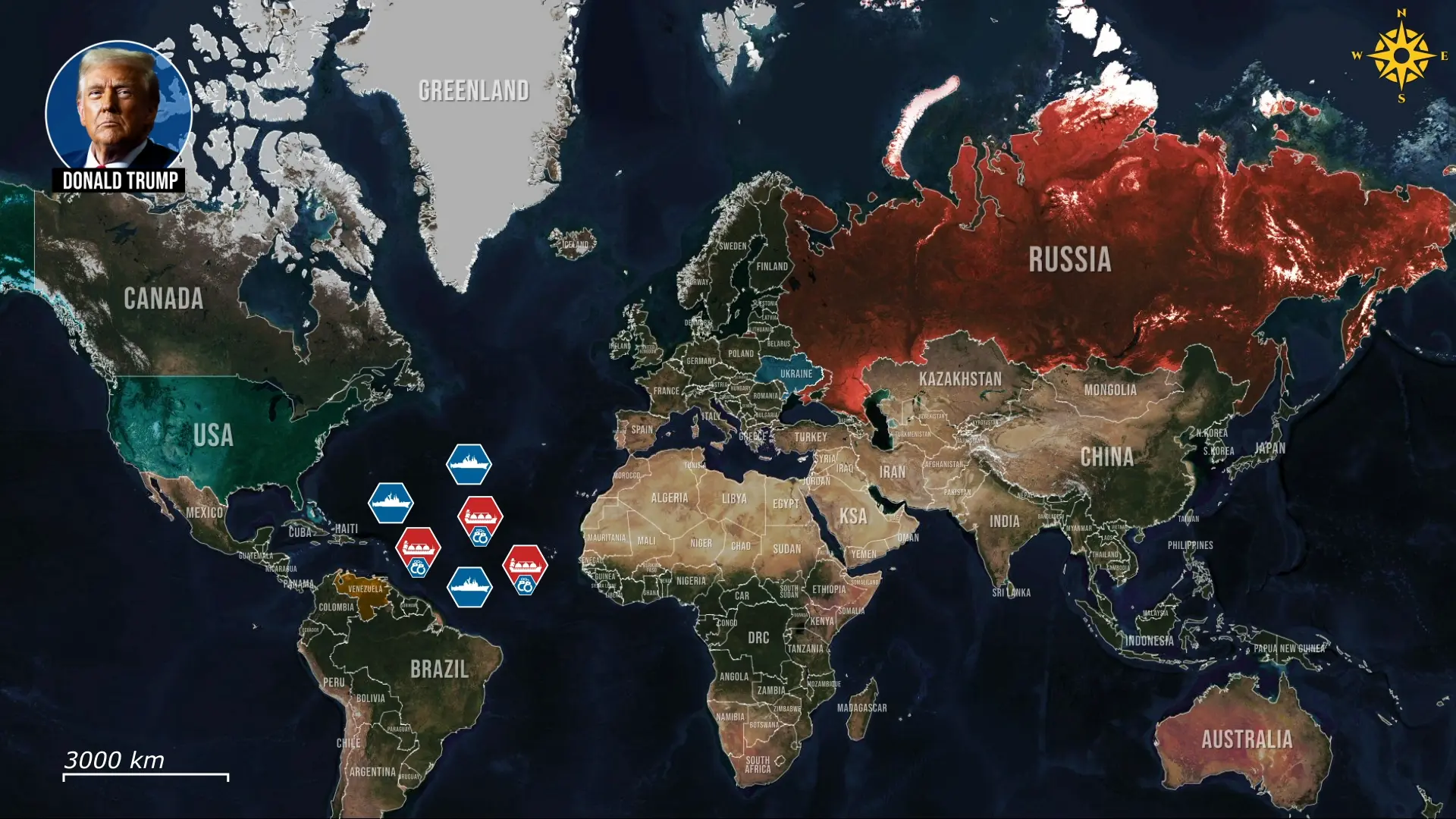
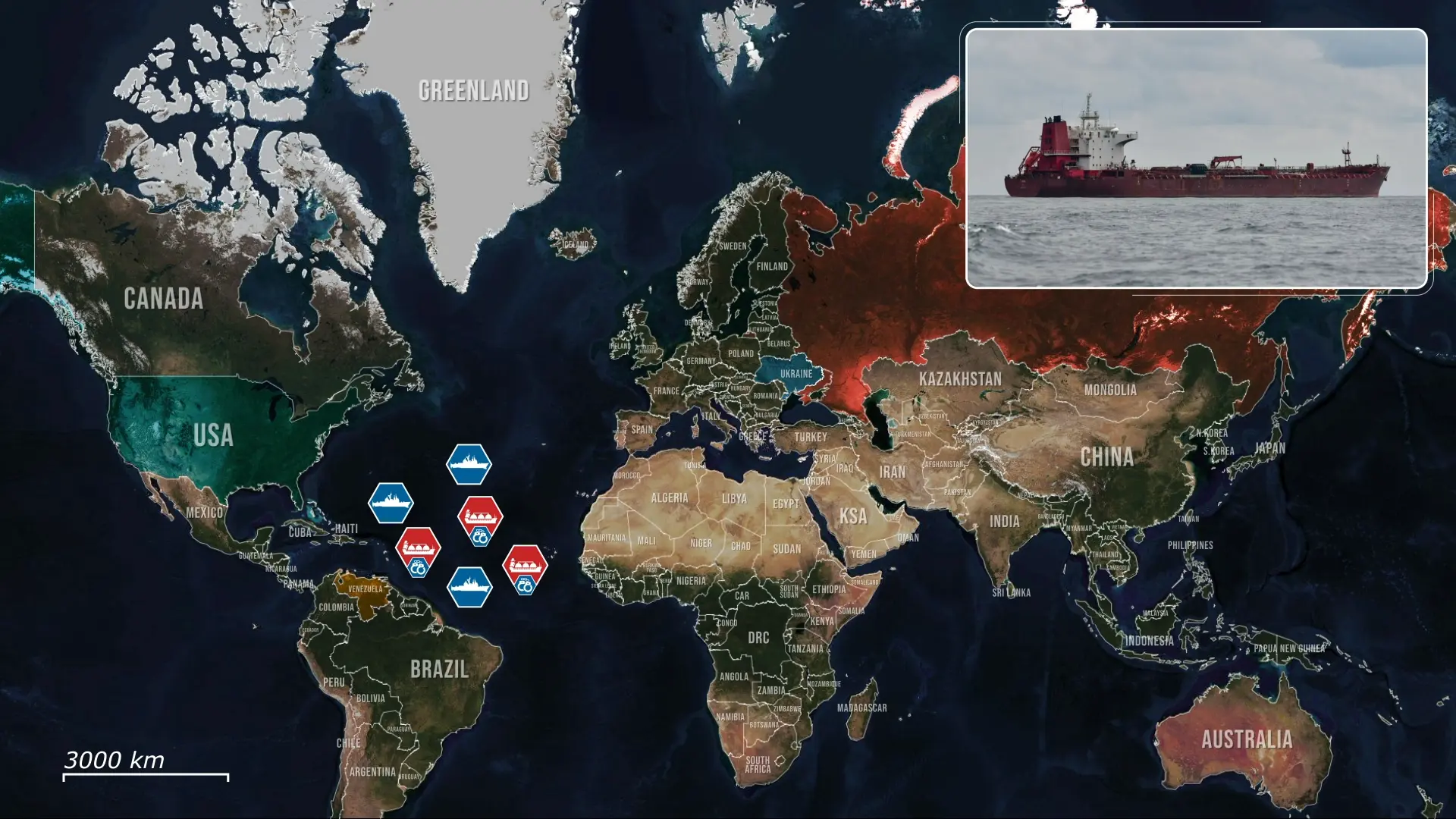
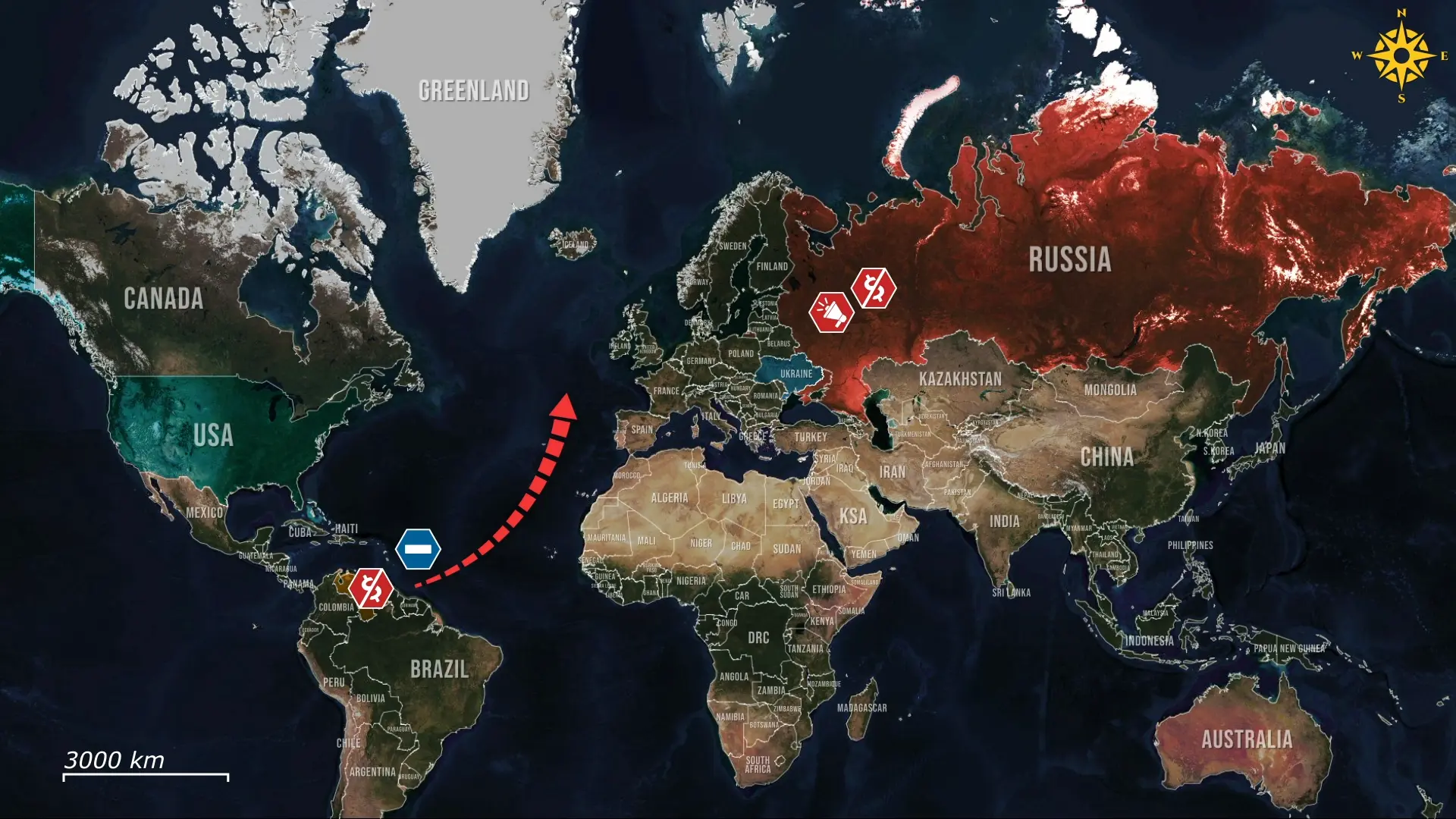
This development immediately rattled Russia, as its shadow fleet tankers are also under US sanctions, so all Russian ships were seen to abruptly change course as they approached the Caribbean. Multiple vessels made U-turns rather than risk interception by American forces, as they are not insured to withstand seizure, and their crews have no incentive to challenge the US Navy. According to analysts, one in five oil tankers worldwide is now involved in sanctioned oil transport, with half dedicated exclusively to Russian crude. Thus, the Caribbean blockade strikes directly at a key ally of Russia’s sanctions-evasion strategy.
The fear is so acute that Russia has begun placing armed personnel aboard some shadow fleet tankers, particularly in the Baltic Sea. Swedish authorities have confirmed repeated sightings of Russian military personnel on vessels suspected of sanction evasion. In some cases, Russian military pilots have even assisted tankers navigating narrow straits.
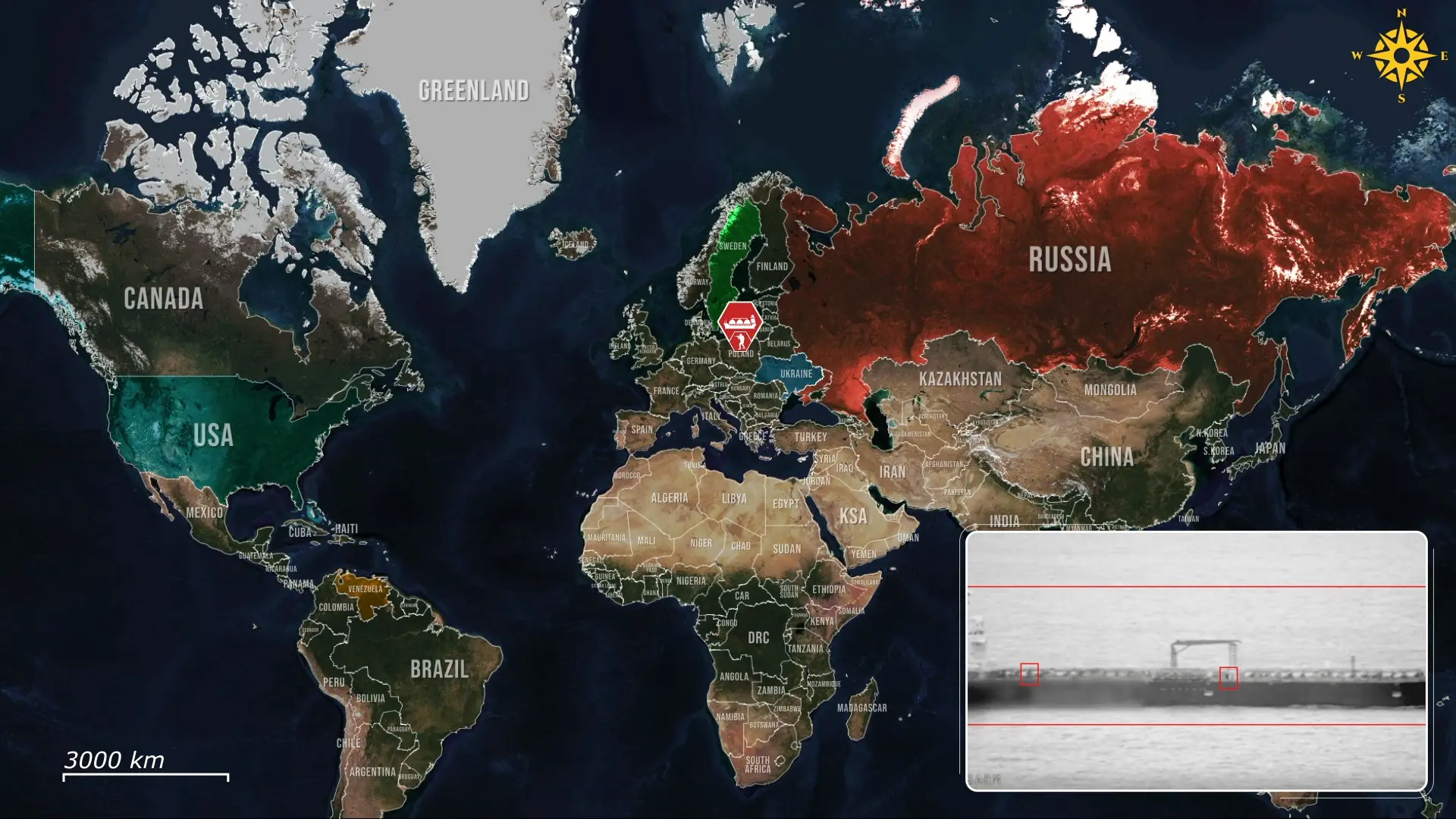
Despite this militarization, Russian vessels still avoid the Caribbean entirely, underscoring how seriously Moscow takes the risk. The presence of soldiers may deter inspections in contested zones, but it offers no protection against a determined US naval operation.
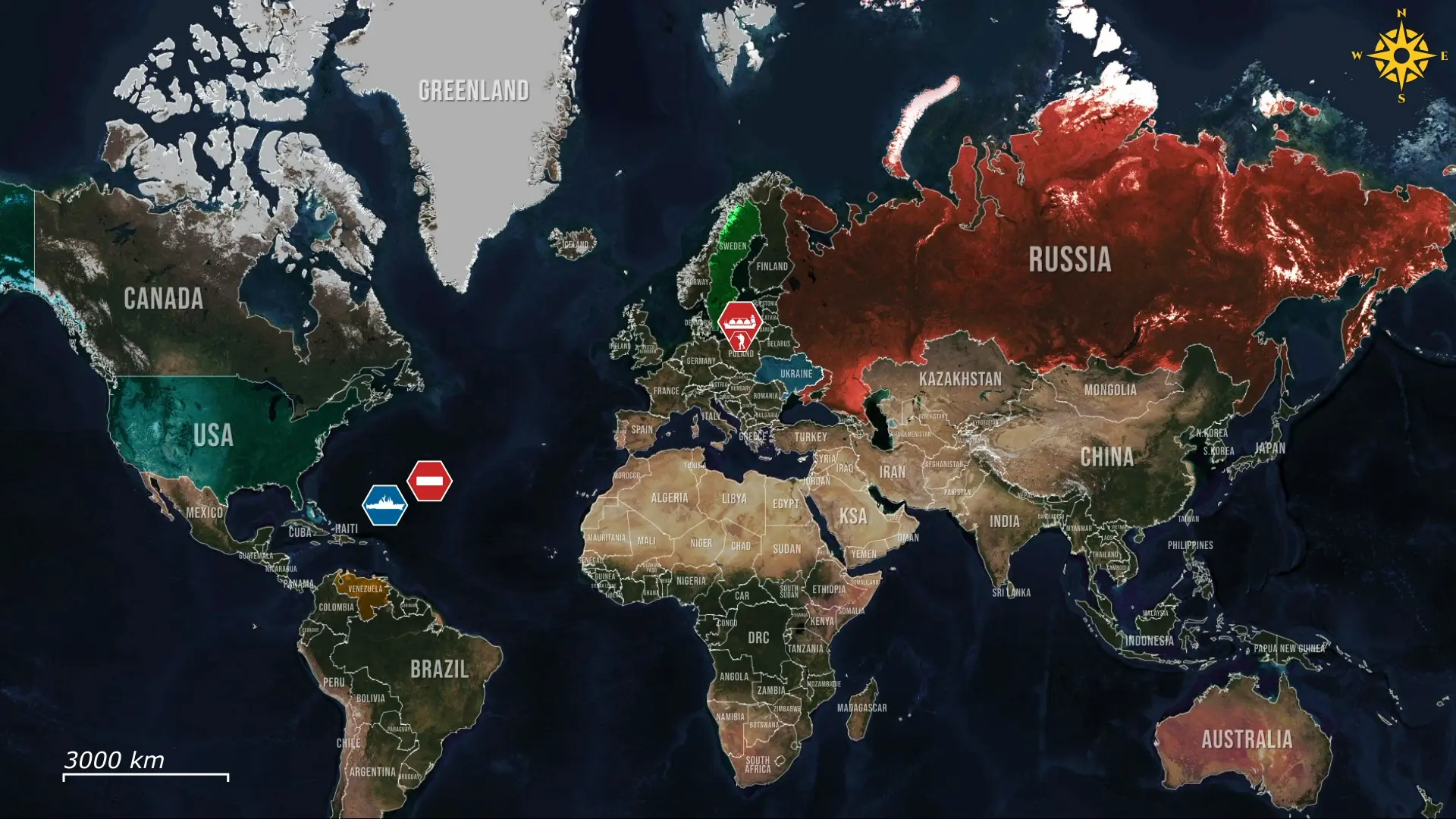
The broader geopolitical impact is severe, as Russia and Venezuela’s authoritarian regimes have grown increasingly dependent on each other as Western isolation deepened. Despite Russian trade routed through the Caribbean waters being negligible, Venezuela’s economy depends heavily on maritime oil exports, compromising 90% of its revenue, with around 20 to 30% of them relying directly on Russian vessels.
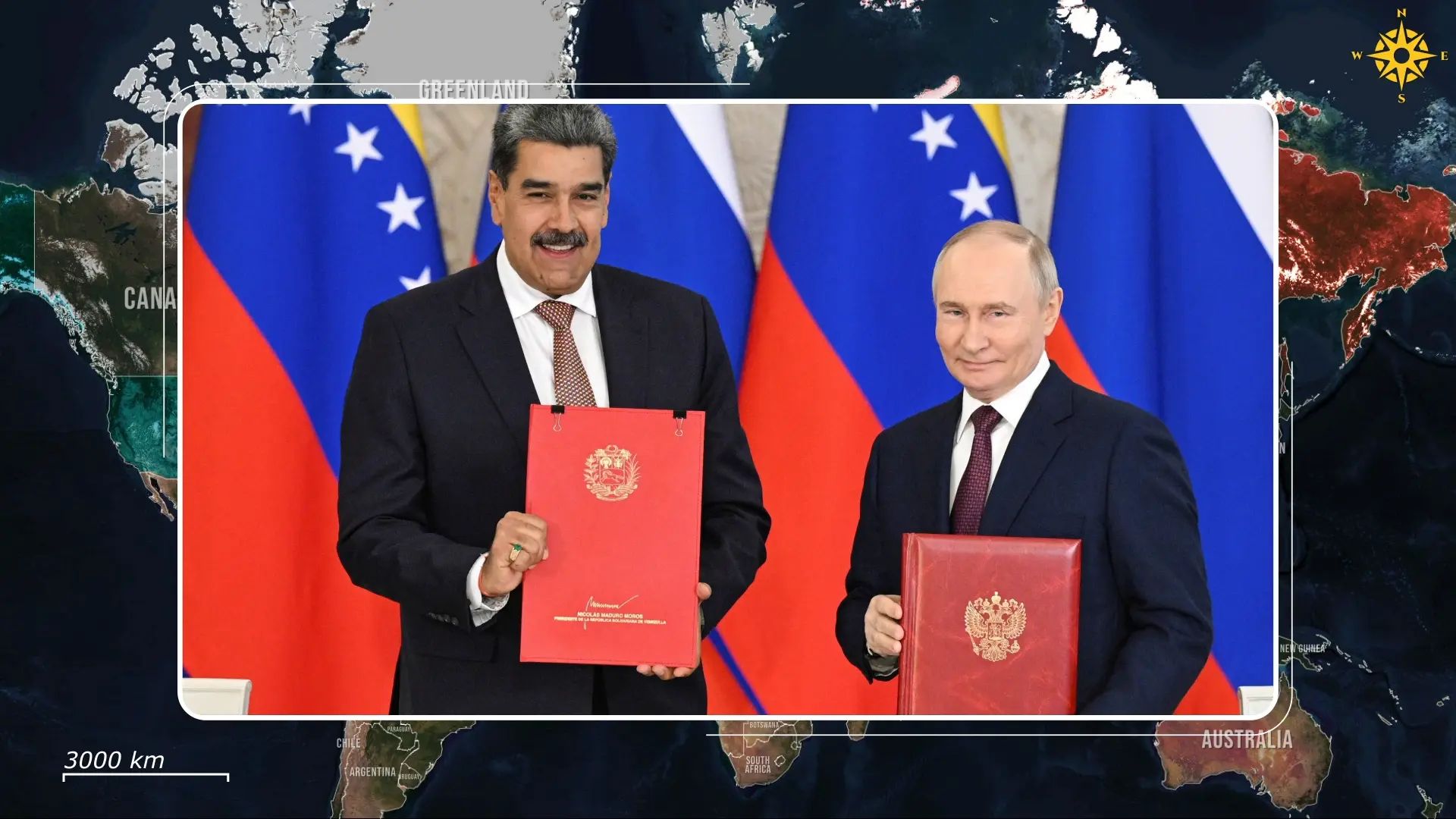
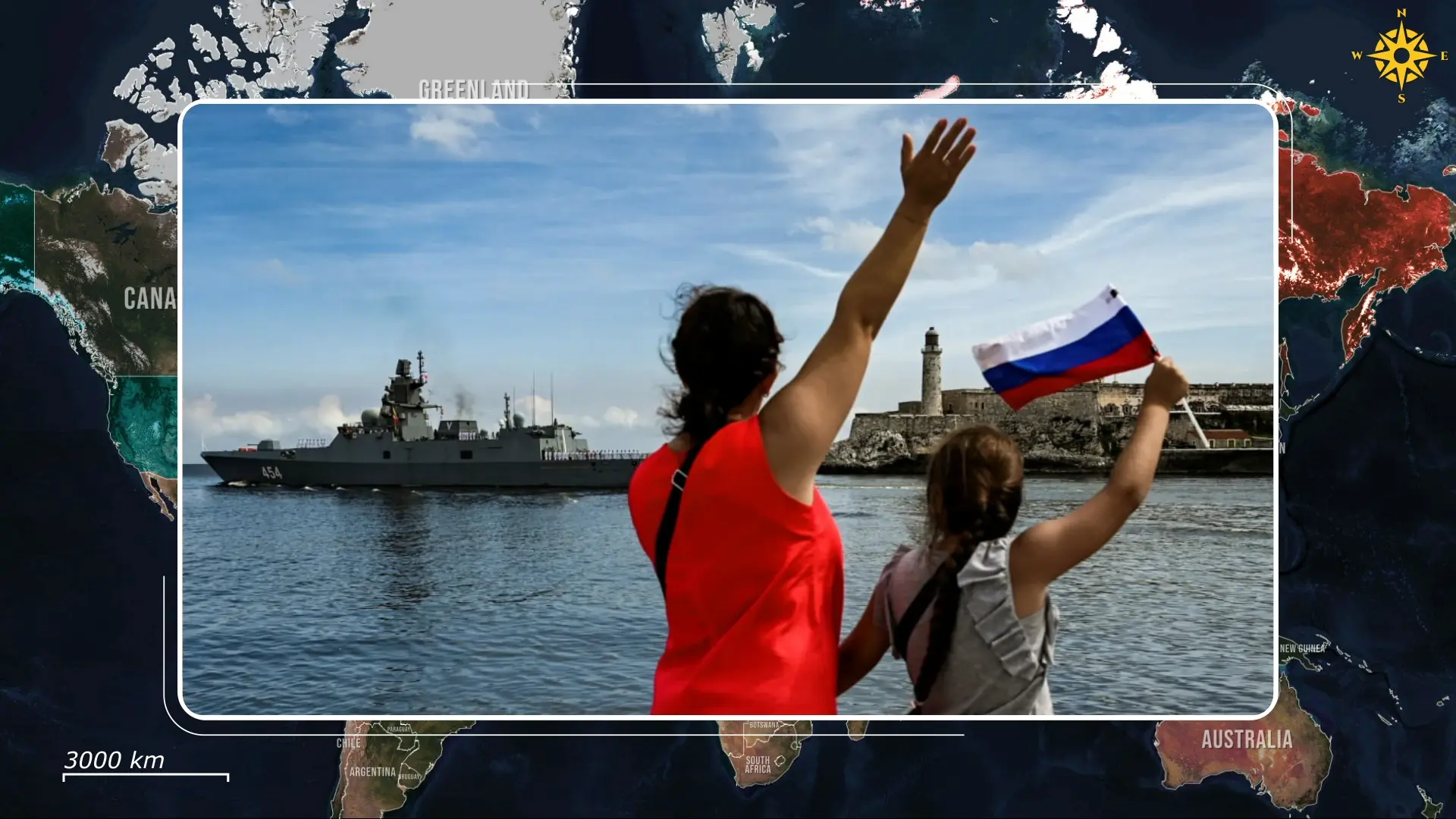
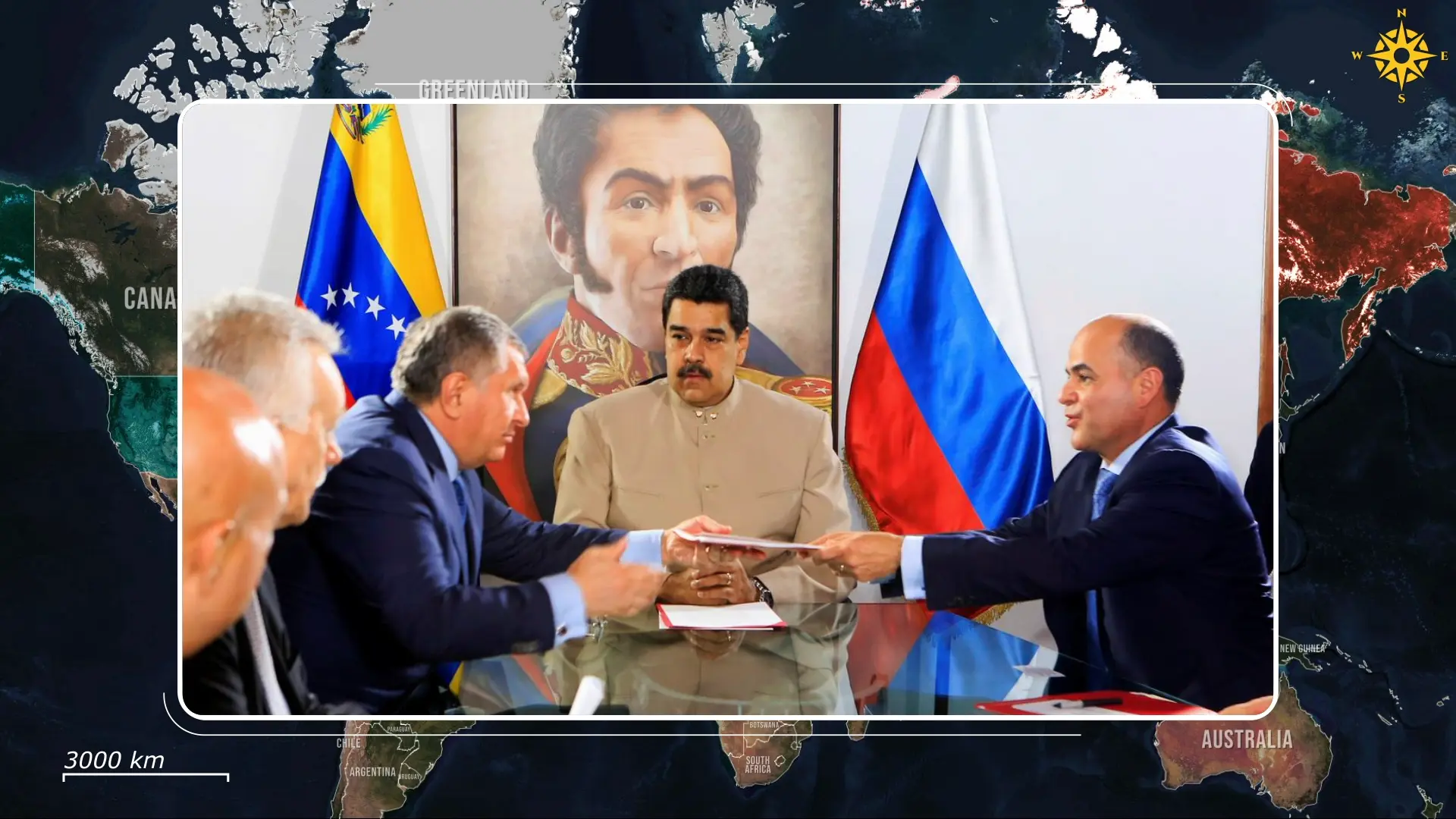
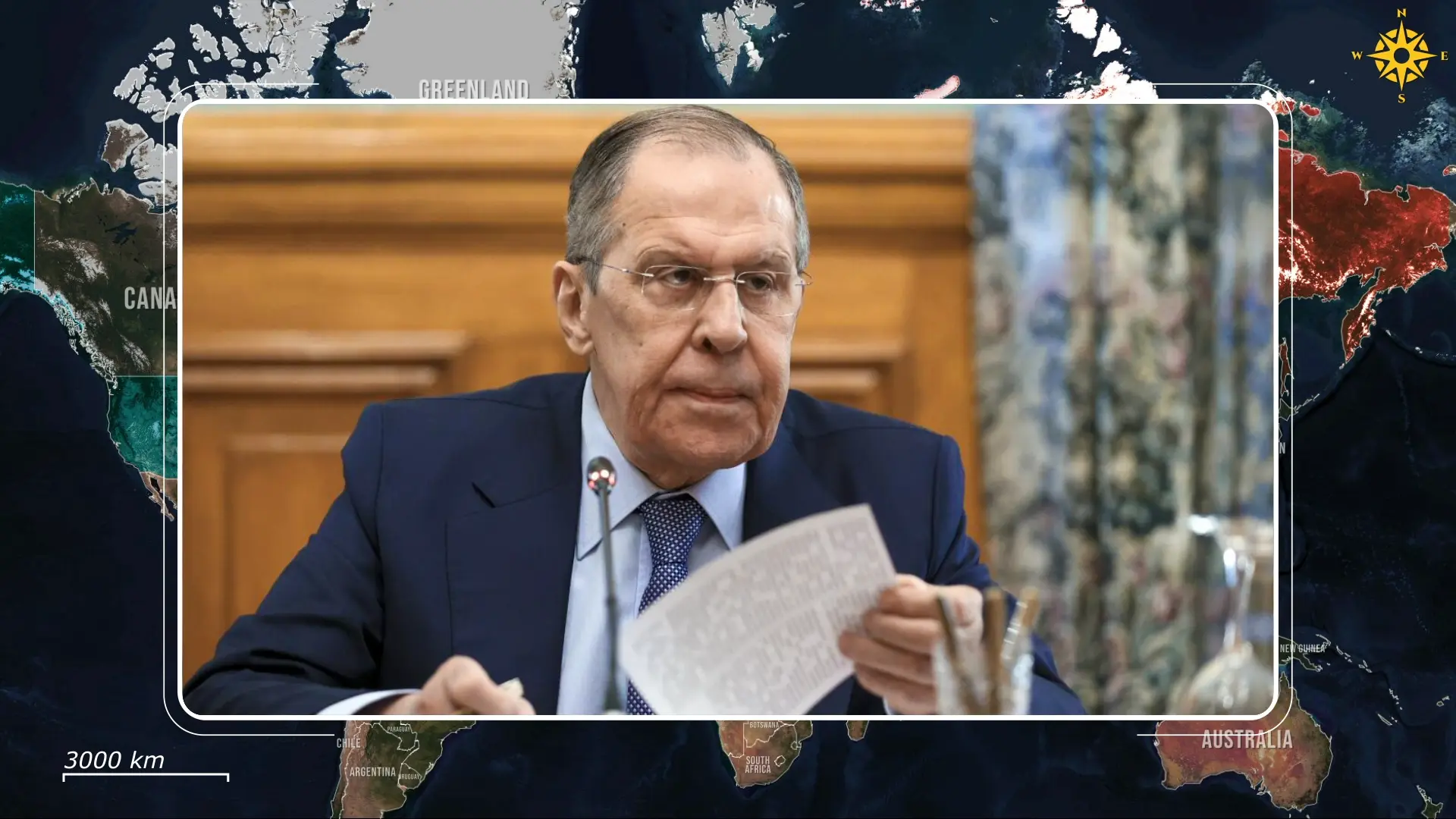
Moscow provides technical expertise, oil investments, and political backing, while Venezuela serves as a key economic and strategic foothold in Latin America. By targeting Venezuelan oil shipping, Washington is effectively severing this partnership, and Russia’s reaction was swift, with Foreign Minister Sergey Lavrov accusing the Pentagon of aggression in the Caribbean, condemning US naval actions in the area.
All this comes on top of mounting global pressure on the Russian shadow fleet, as Ukrainian naval drones have turned parts of the Black Sea into a graveyard for tankers. European states are detaining ships in the Baltic, while unexplained explosions near West Africa have damaged or sunk sanctioned vessels. Insurance costs are soaring, routes are shrinking, and now the Atlantic is no longer safe.
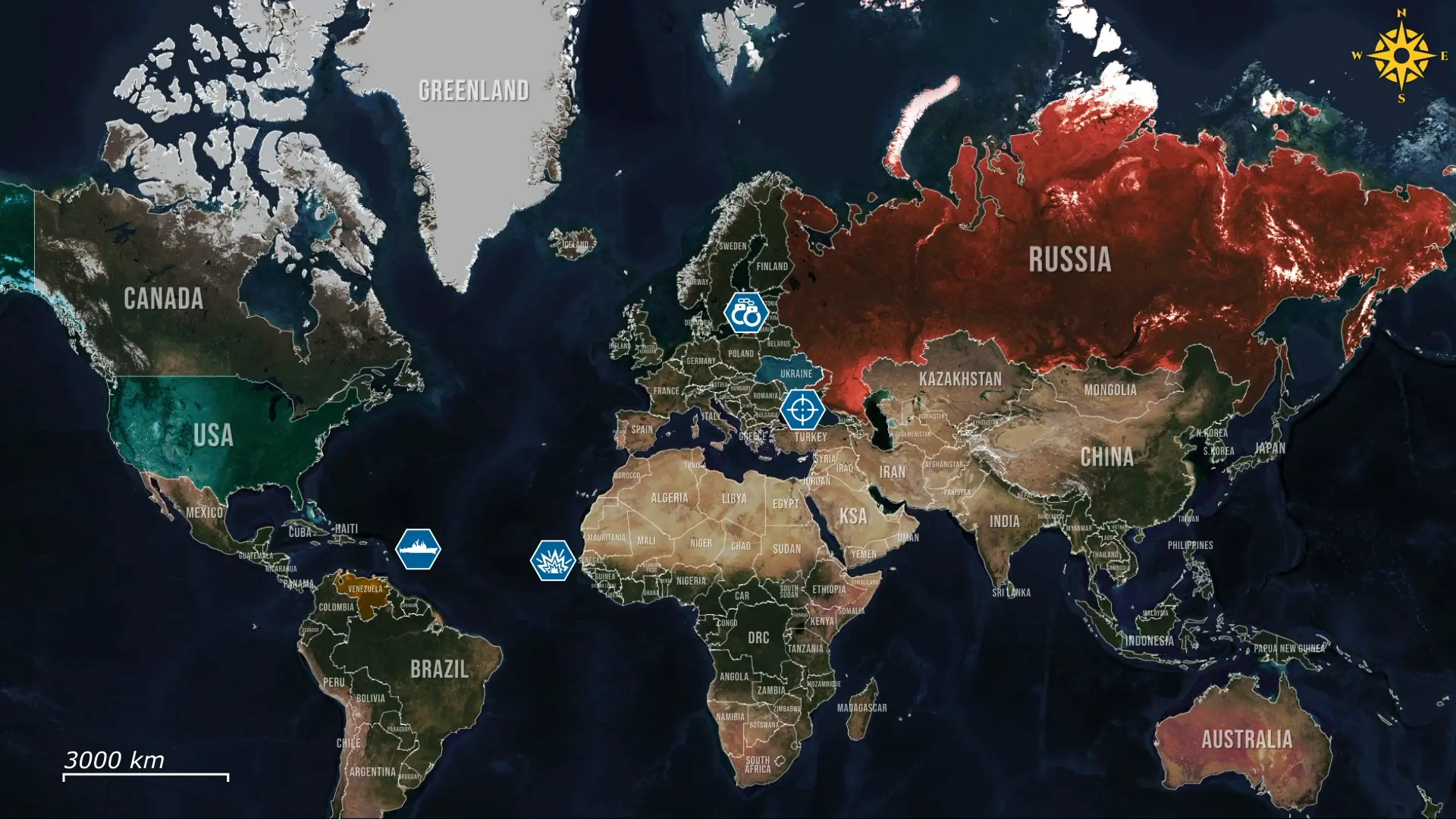
Overall, the American decision to actively block shadow fleet tankers linked to Venezuela delivers a major blow to Russia’s sanctions-evasion system. The sudden retreat of Russian vessels from the Caribbean and the furious reactions from Moscow confirm the effectiveness of this move. As oil revenues shrink further, Russia and its allies face deepening economic strain, tightening the noose around regimes already struggling to maintain internal stability.
.jpg)

Comments