

.svg)
Today, the biggest news comes from Ukraine.
Ukraine’s advance in the Dnipropetrovsk region has become one of the most striking battlefield successes of the year. However, these advances are not only valuable in themselves but also highlight the genius of new Ukrainian tactics.
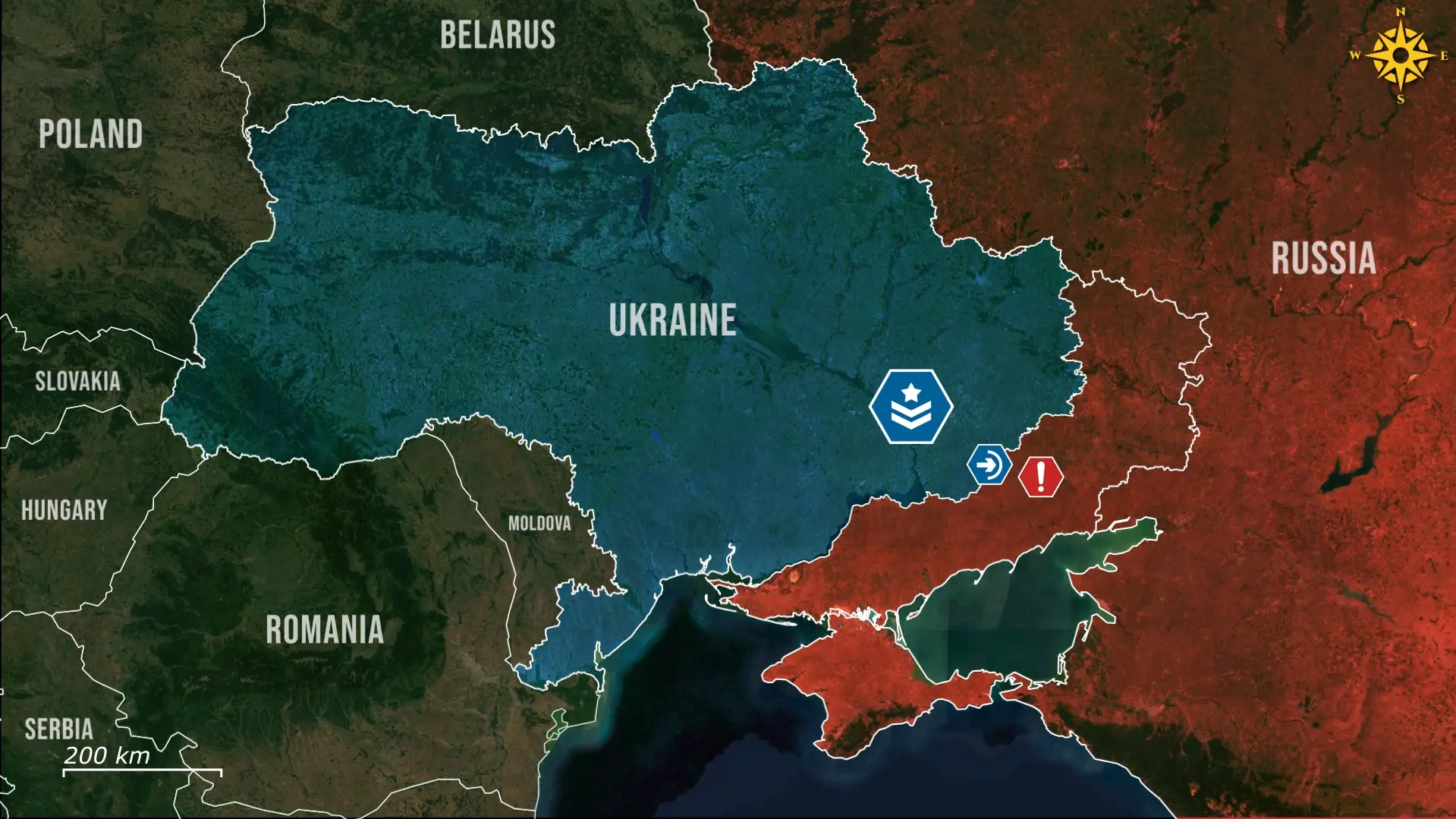
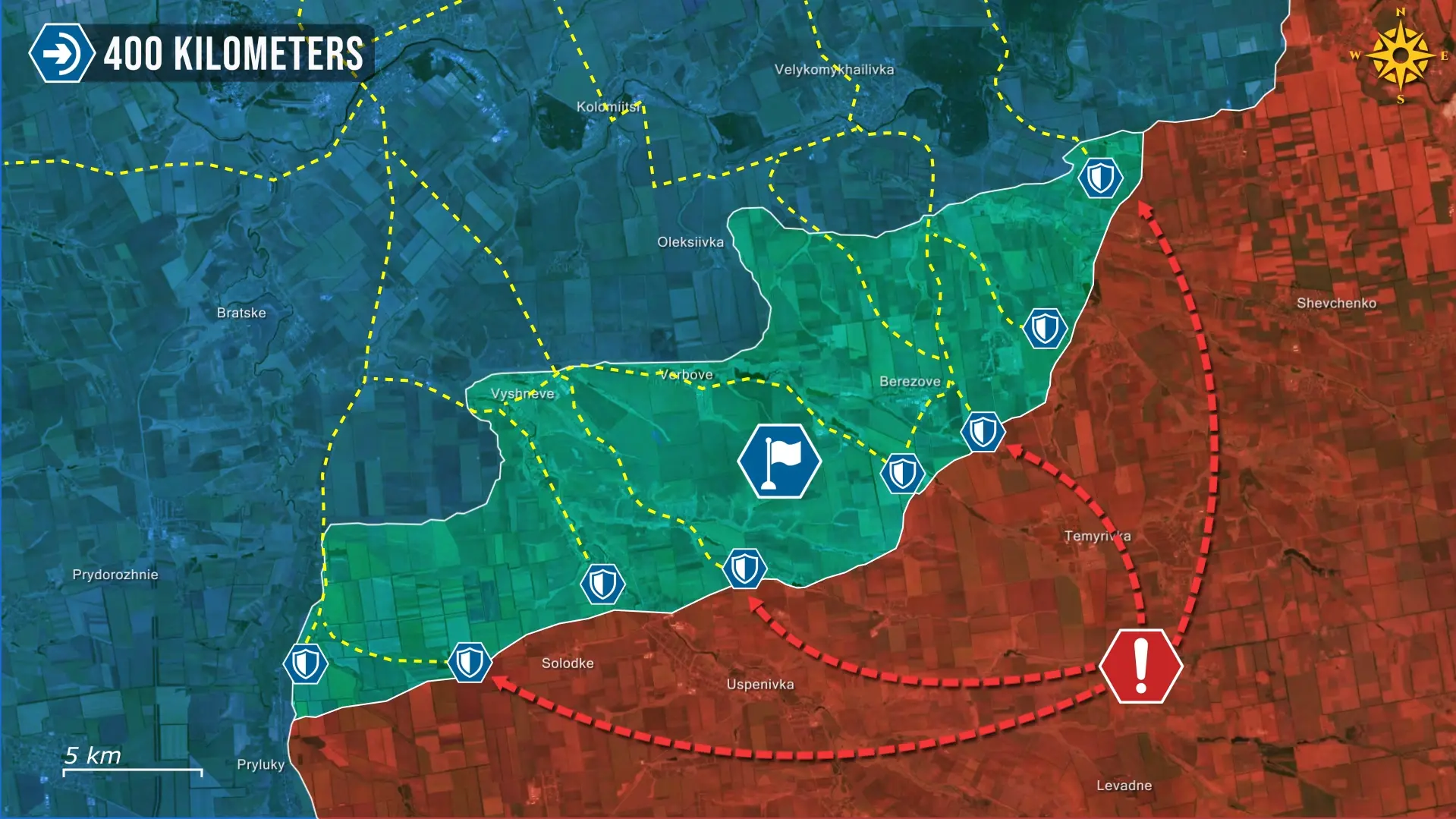
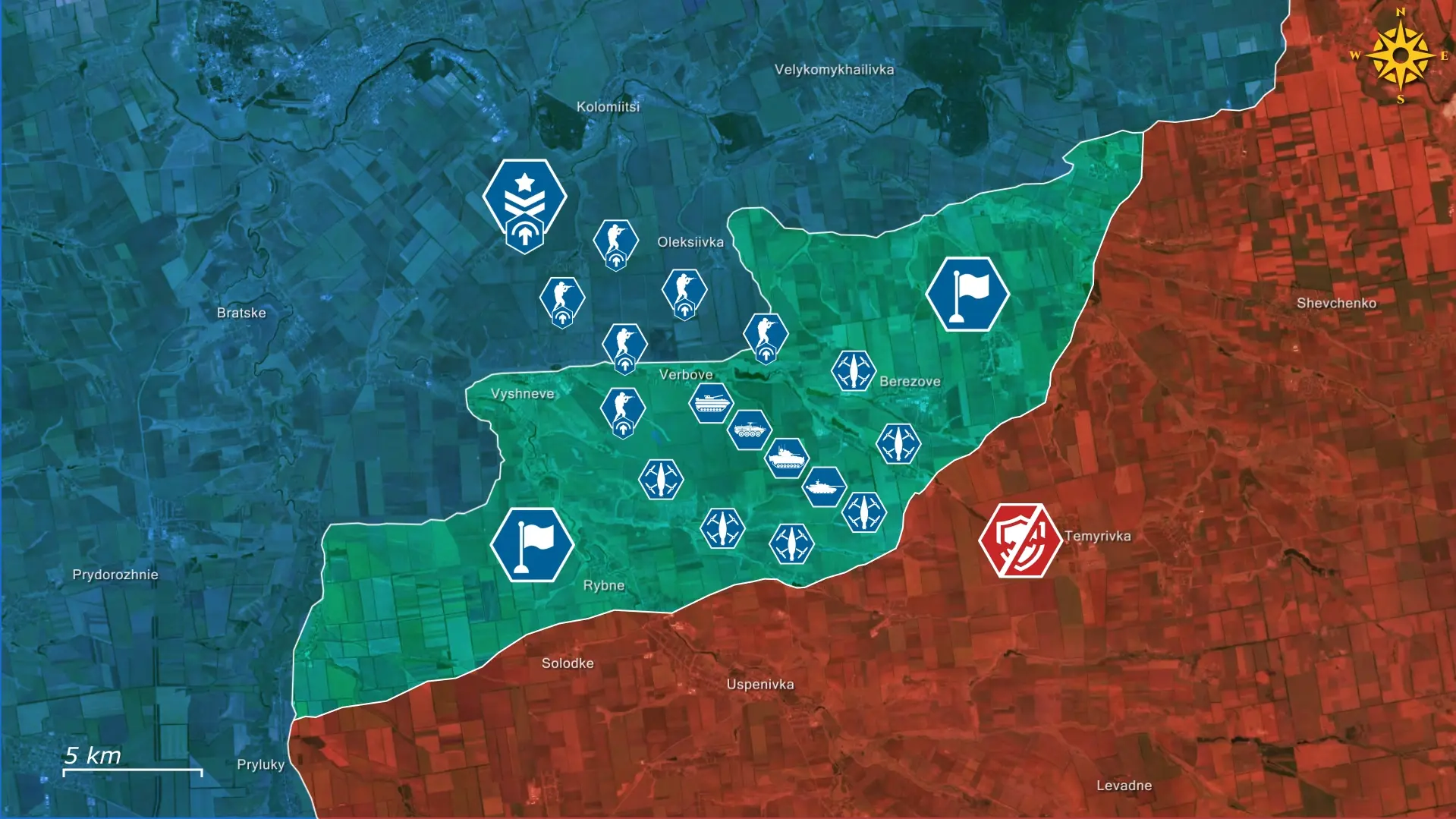
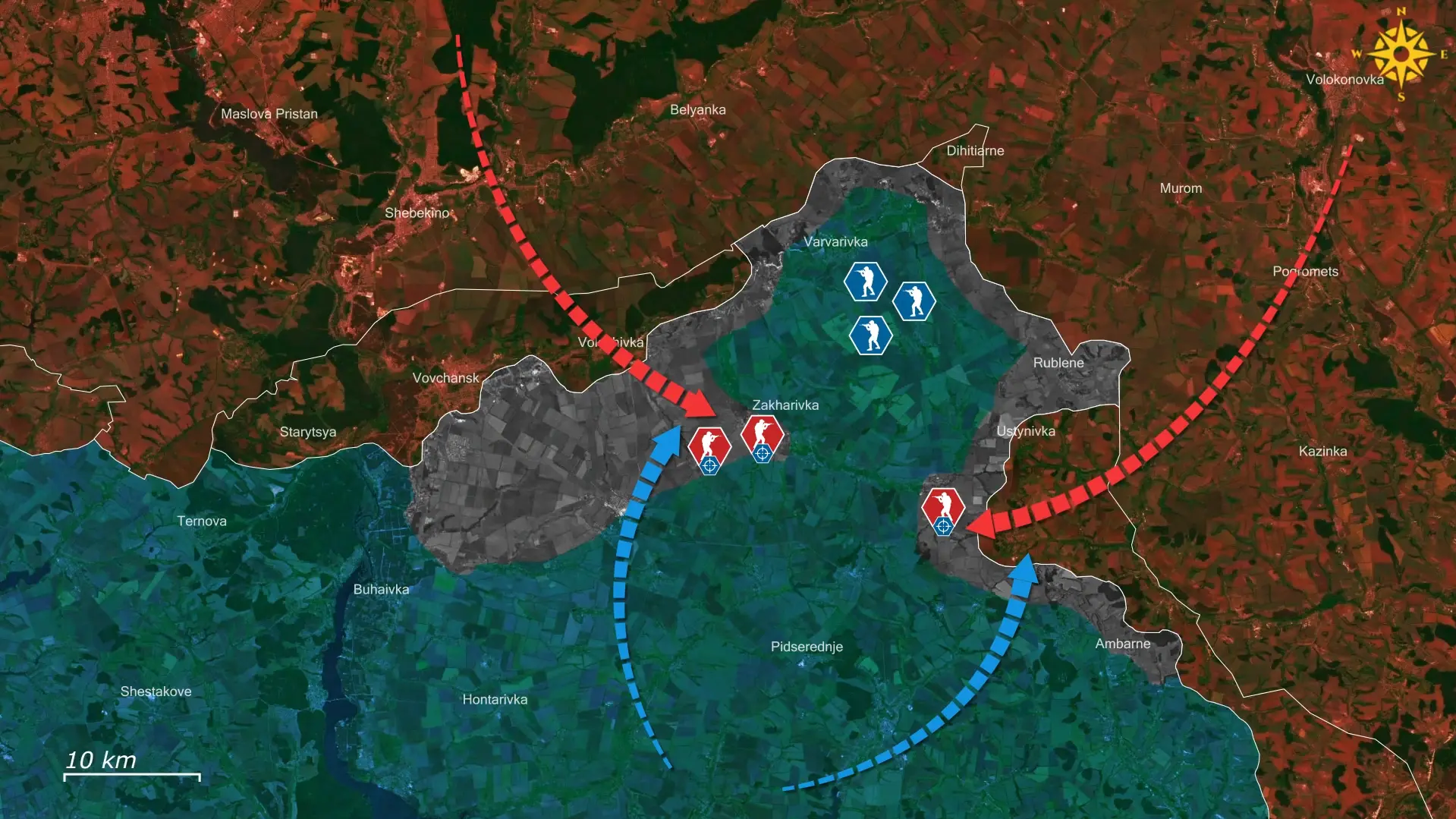
Ukrainian assault operations in the Dnipropetrovsk sector have been underway for 3 weeks now, during which Ukrainian forces retook more than 470 square kilometers and pushed Russian units out of several contested settlements. The pace of these gains has been extremely rapid, especially when compared to the Russian advance rate of 15 to 70 meters a day. Ukrainian units are now focused on stabilizing the newly controlled areas by securing supply routes and preventing the Russians from reentering the liberated territories. These consolidation tasks remain complex because the frontline remains fluid and Russian units continue to counterattack to roll back their losses; however, the progress has showcased the Ukrainian ability to regain the initiative.
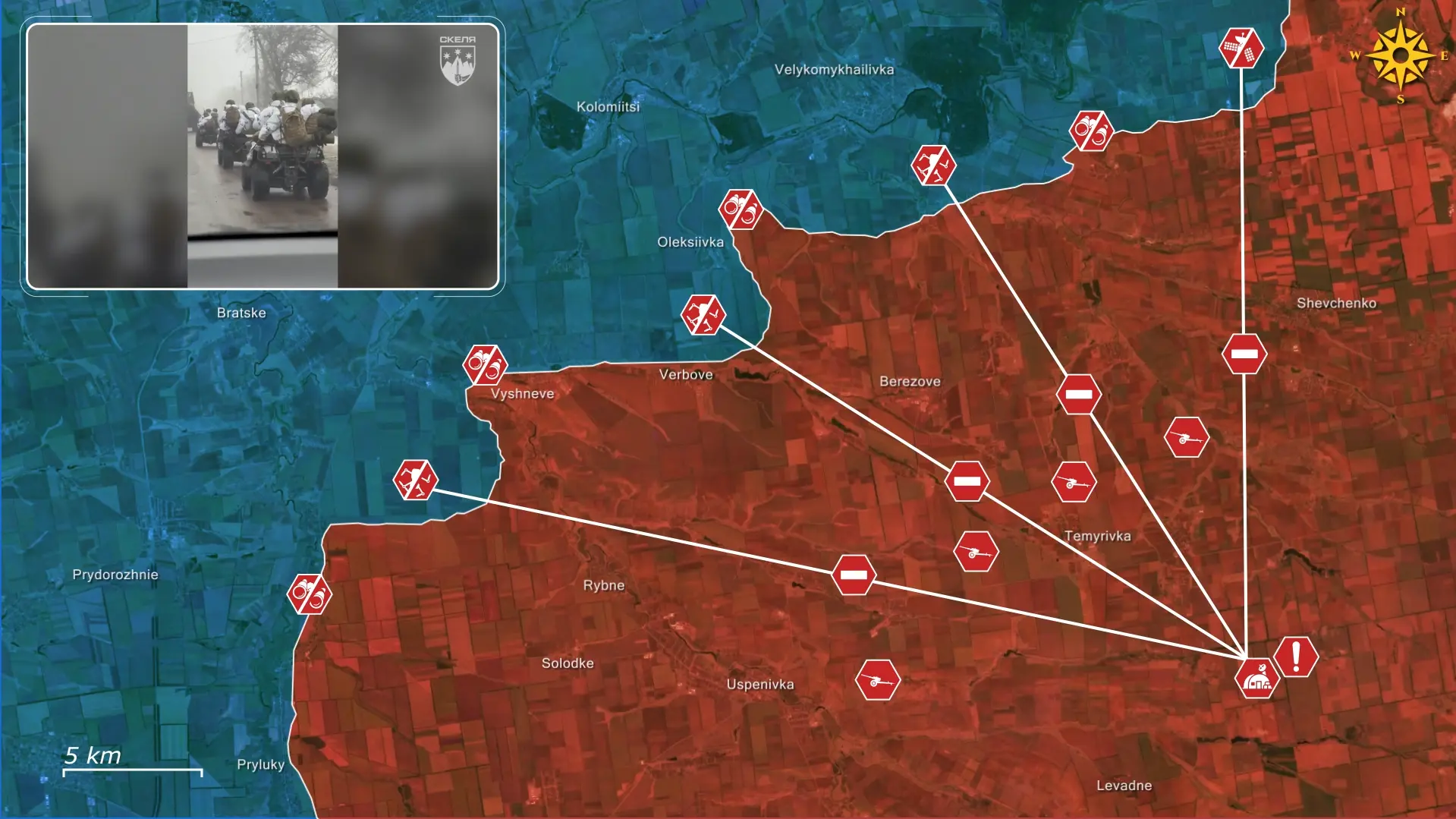
The opening phase of the Dnipropetrovsk offensive occurred under poor weather conditions that significantly reduced visibility and the effectiveness of drone reconnaissance. In the meantime, the Starlink outage disrupted Russian battlefield connectivity and, by extension, command and communication systems. This combination created a temporary window in which Russian forces were unable to maintain coherent surveillance or coordinate artillery and drone responses.
Consequently, Ukrainian units exploited this window by maneuvering with reduced exposure to Russian drones and ground units, and by advancing before Russian commanders could reestablish alternative communication links.
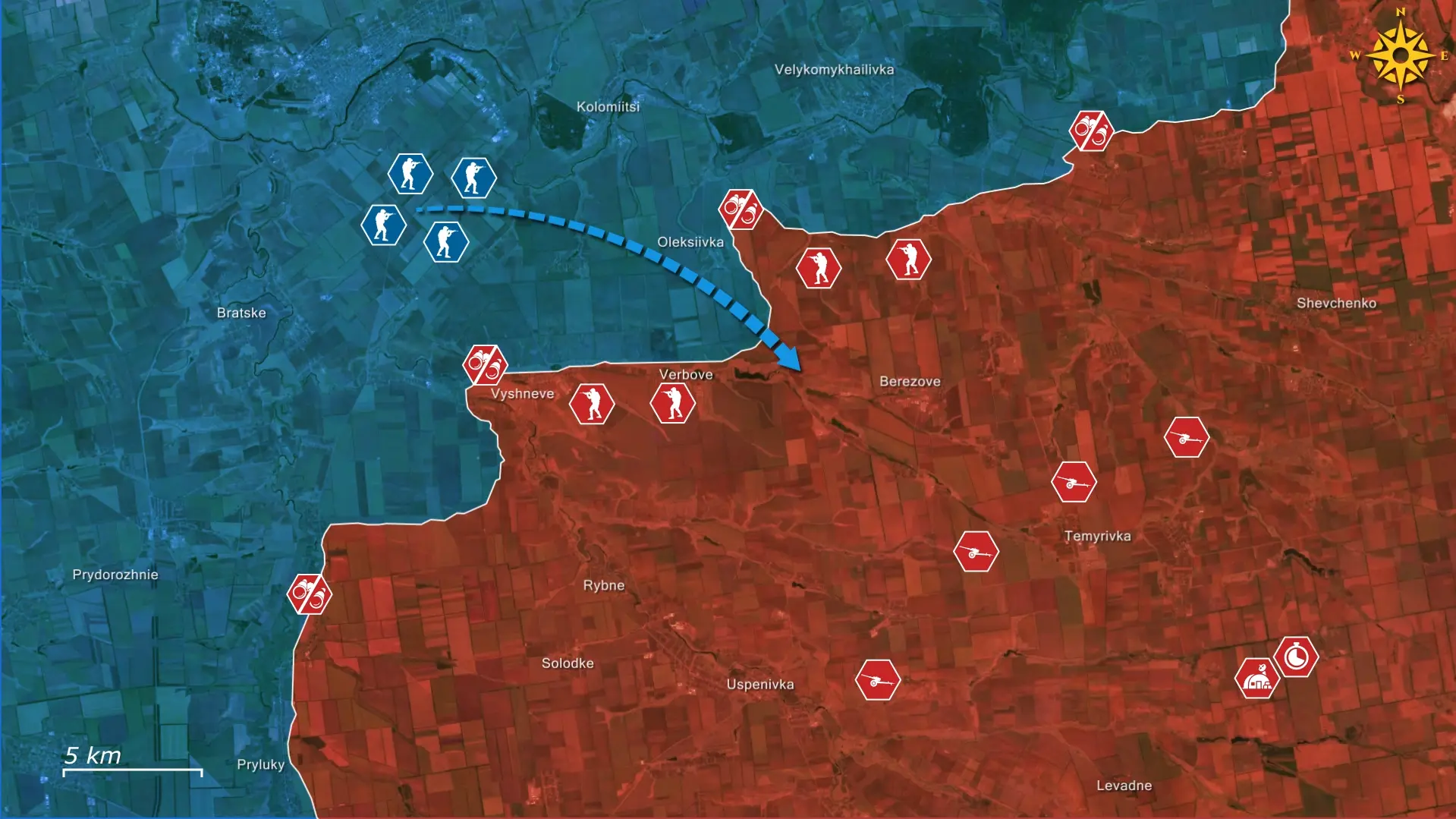
Another important element for these breakthroughs has been Ukraine’s use of a rolling drone barrage. In practice, this involves sustained waves of FPV that move forward with the assault, continuously striking Russian positions, observation posts, and logistics nodes.
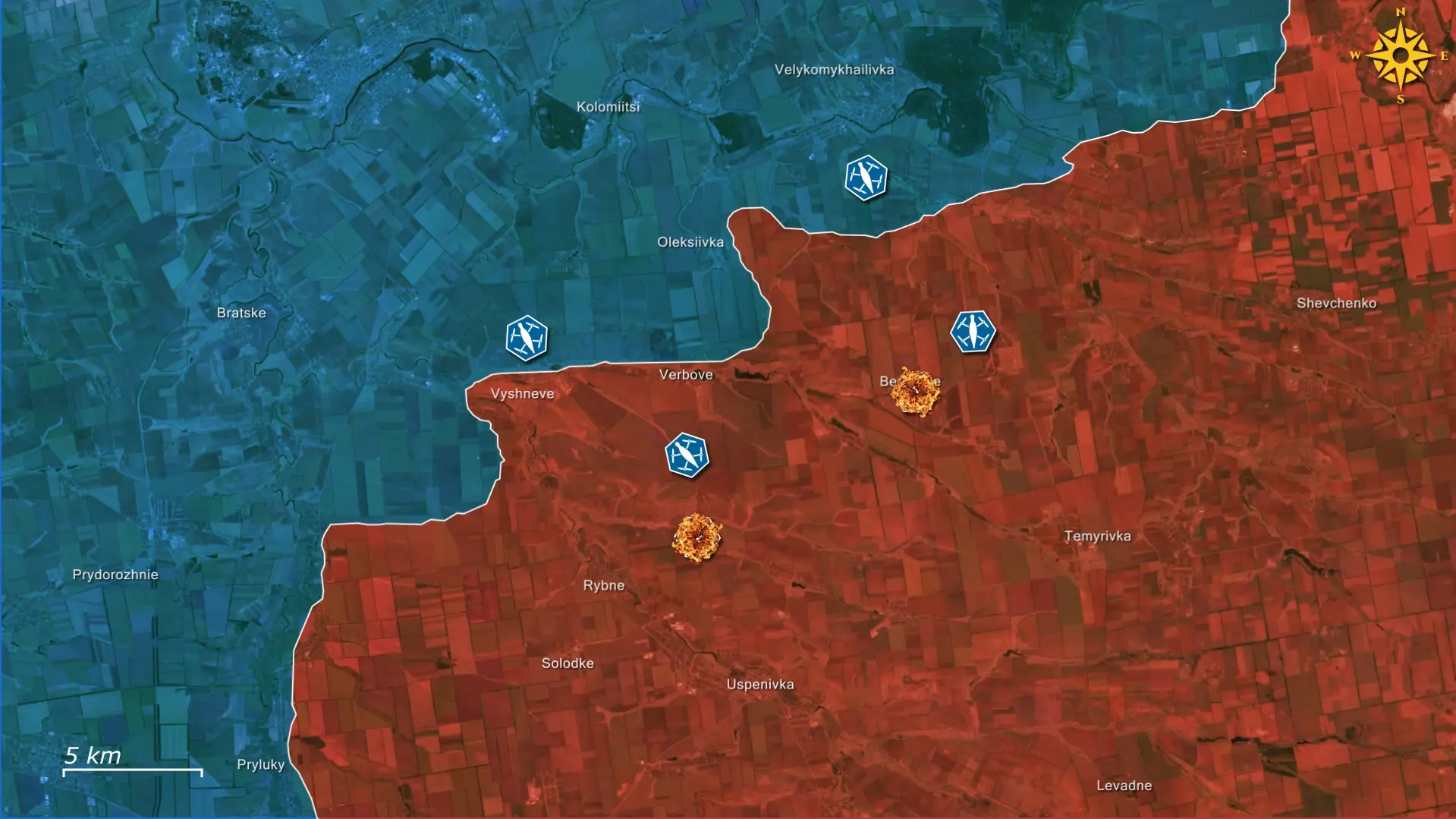
The barrage maintains constant pressure, forcing Russian units to remain under cover or abandon positions, degrading their ability to defend and creating gaps that Ukrainian ground forces can exploit.
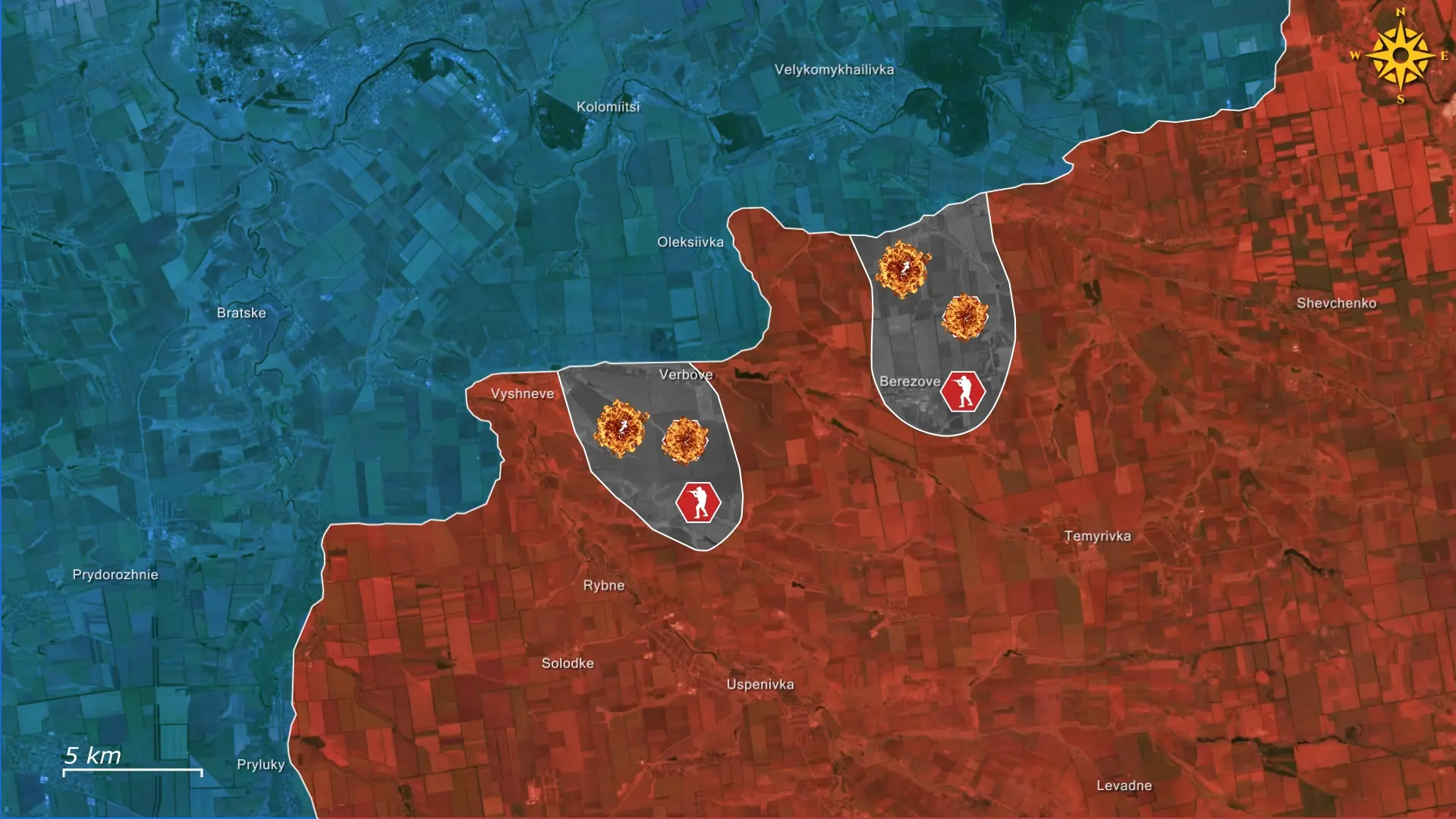
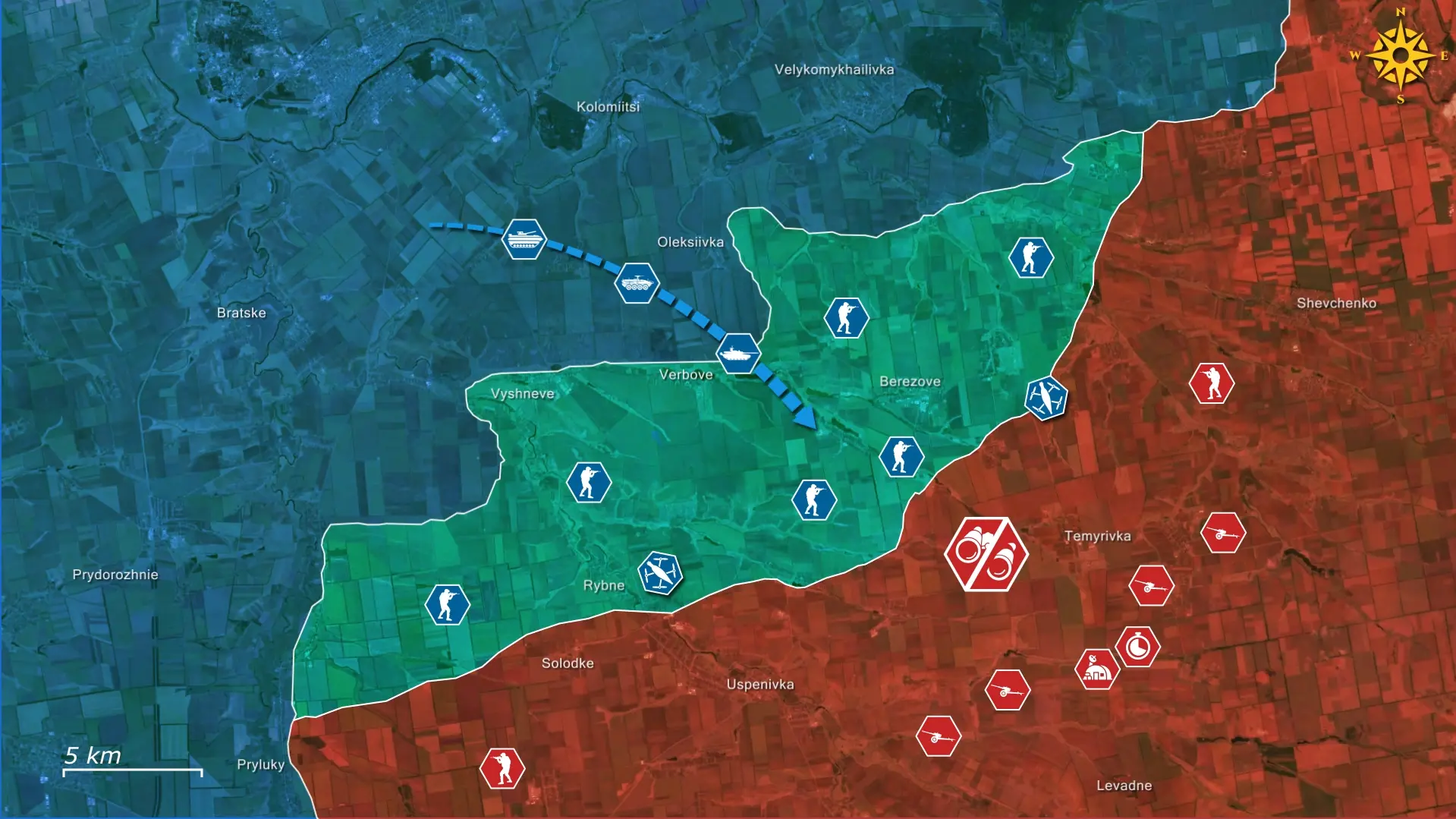
This modern implementation of First World War artillery fire support methods, and the gaps that they created, opened the door to a second new Ukrainian tactic of mechanized infiltration. The mechanized infiltration tactic involves pushing armored vehicles and mechanized infantry through narrow, weakly defended gaps in the enemy line, limiting the defender’s ability to detect the push and react.
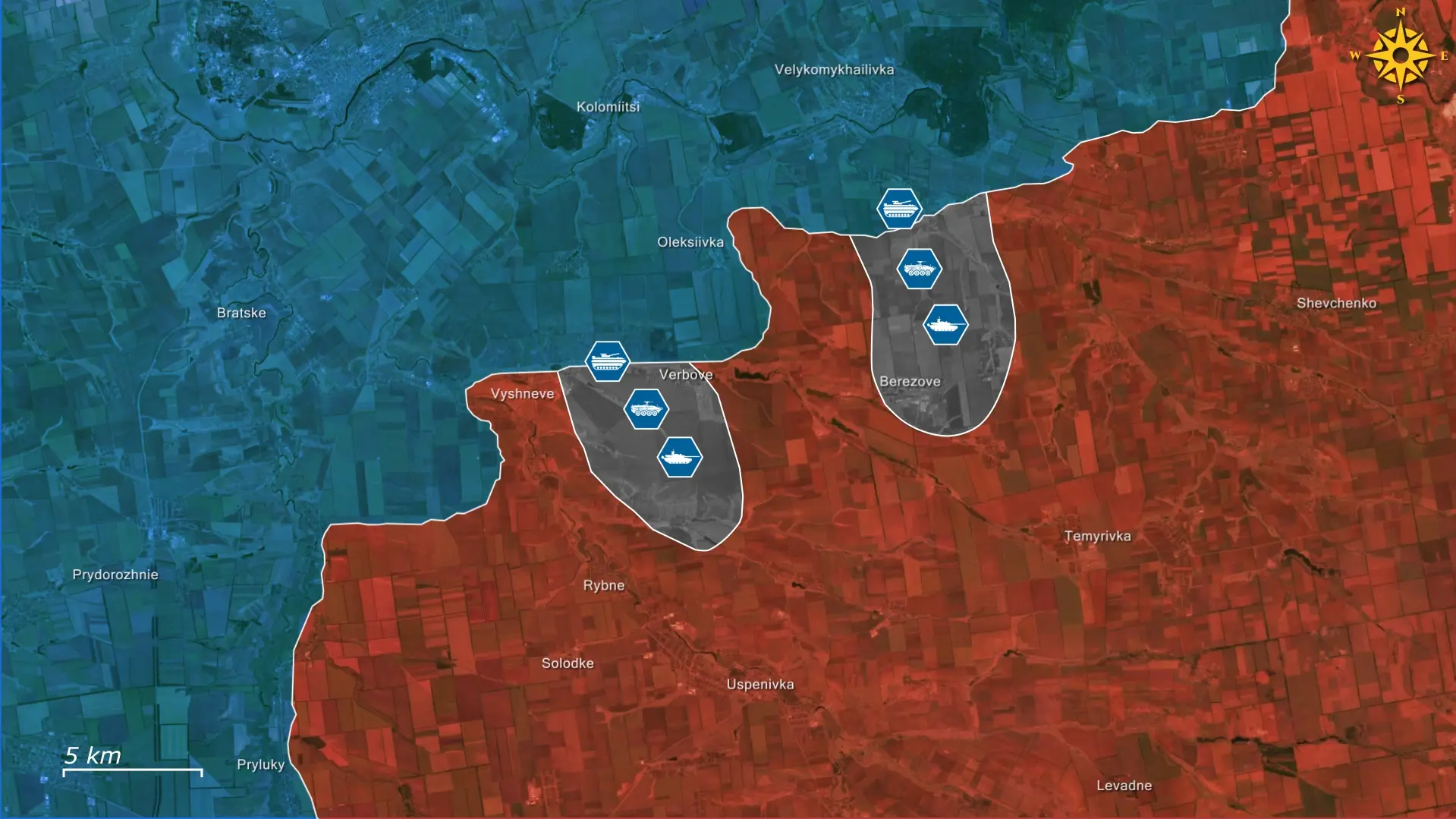
In the Dnipropetrovsk case, Ukrainian forces exploited both the weather‑induced surveillance gap and the effects of the rolling drone barrage to move mechanized units into Russian-held areas.
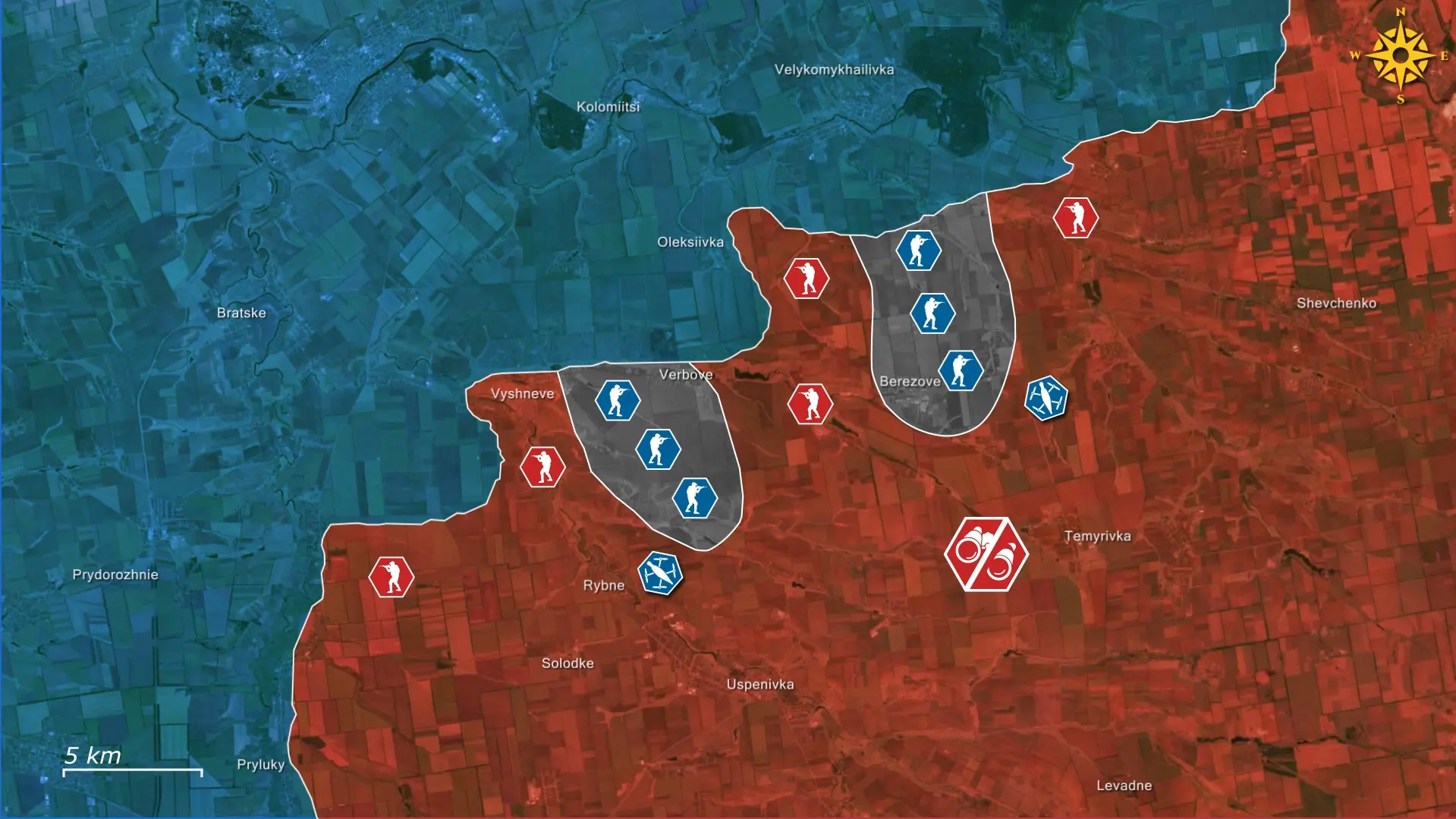
Once inside these positions, Ukrainian units expanded in width, targeting Russian tactical command points and unsuspecting Russian units, and forcing Russian troops to withdraw to avoid encirclement. The approach was effective as Russian defensive methods rely heavily on drone observation and centralized command structures to direct artillery fire. Mechanized infiltration exploited this vulnerability by compressing the time window in which Russian forces can react.
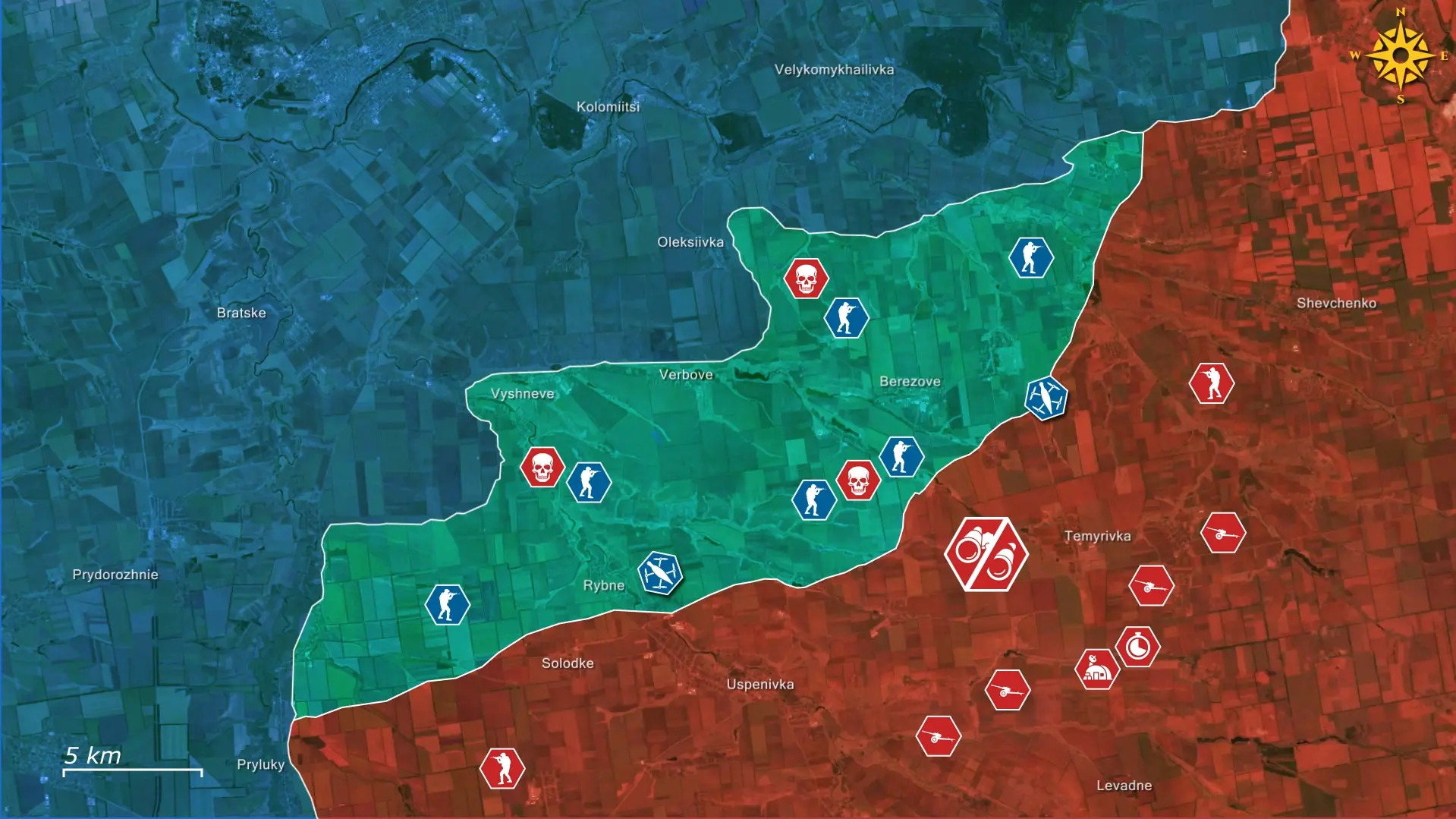
However, mechanized infiltration also carries significant risks, requiring modern armored vehicles, precise timing, and a reliable flow of forces to secure the breakthrough. Without these elements, the risk of overextension and the enemy closing the gaps behind them increases sharply.
The Dnipropetrovsk offensive offers several lessons. First, Russian defensive capacity is conditional and can quickly break if a few elements in the equation are altered. In fact, when temporarily deprived of stable observation and communication, Russian units struggle to maintain a coherent line and often retreat in disarray.
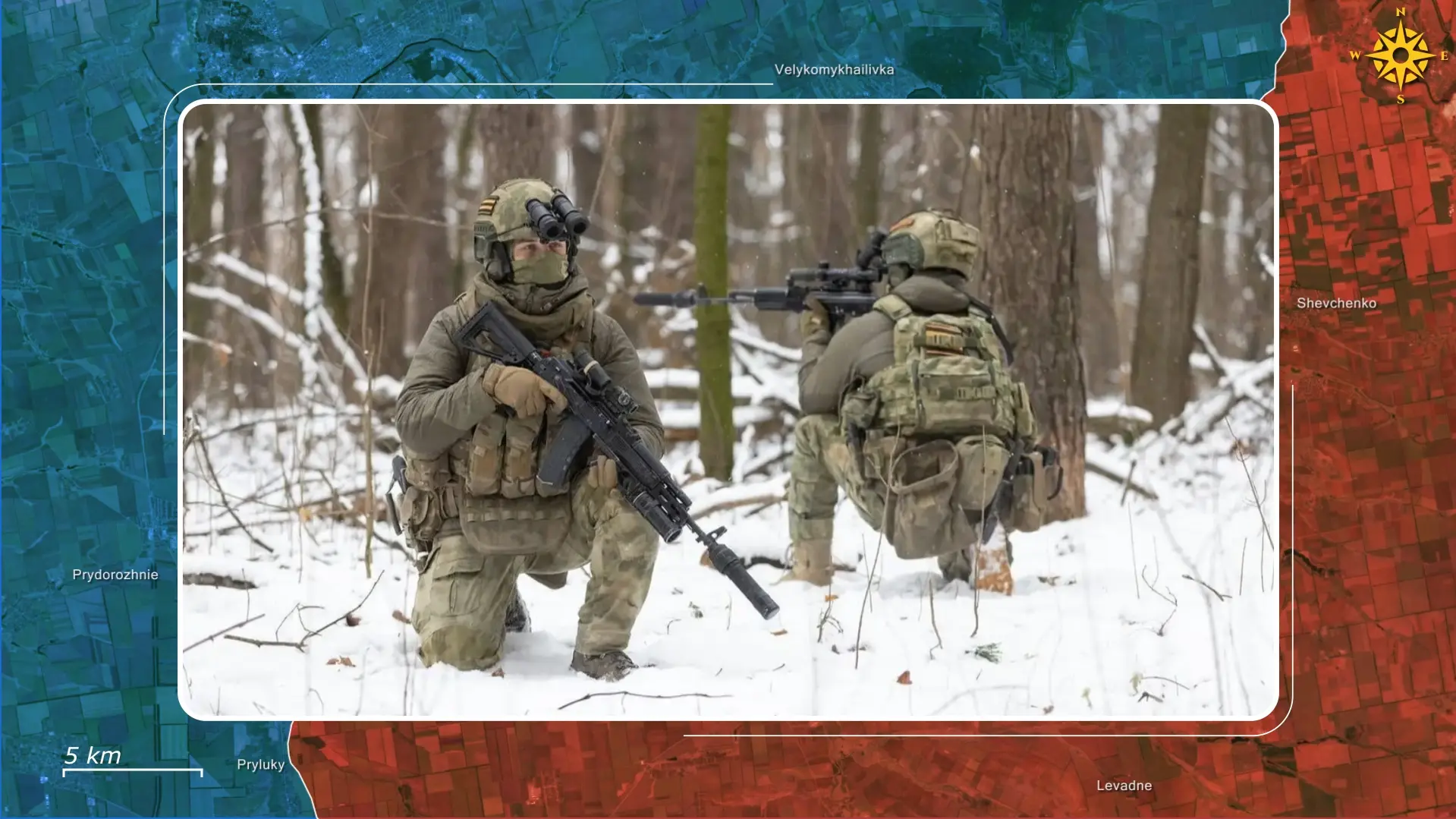
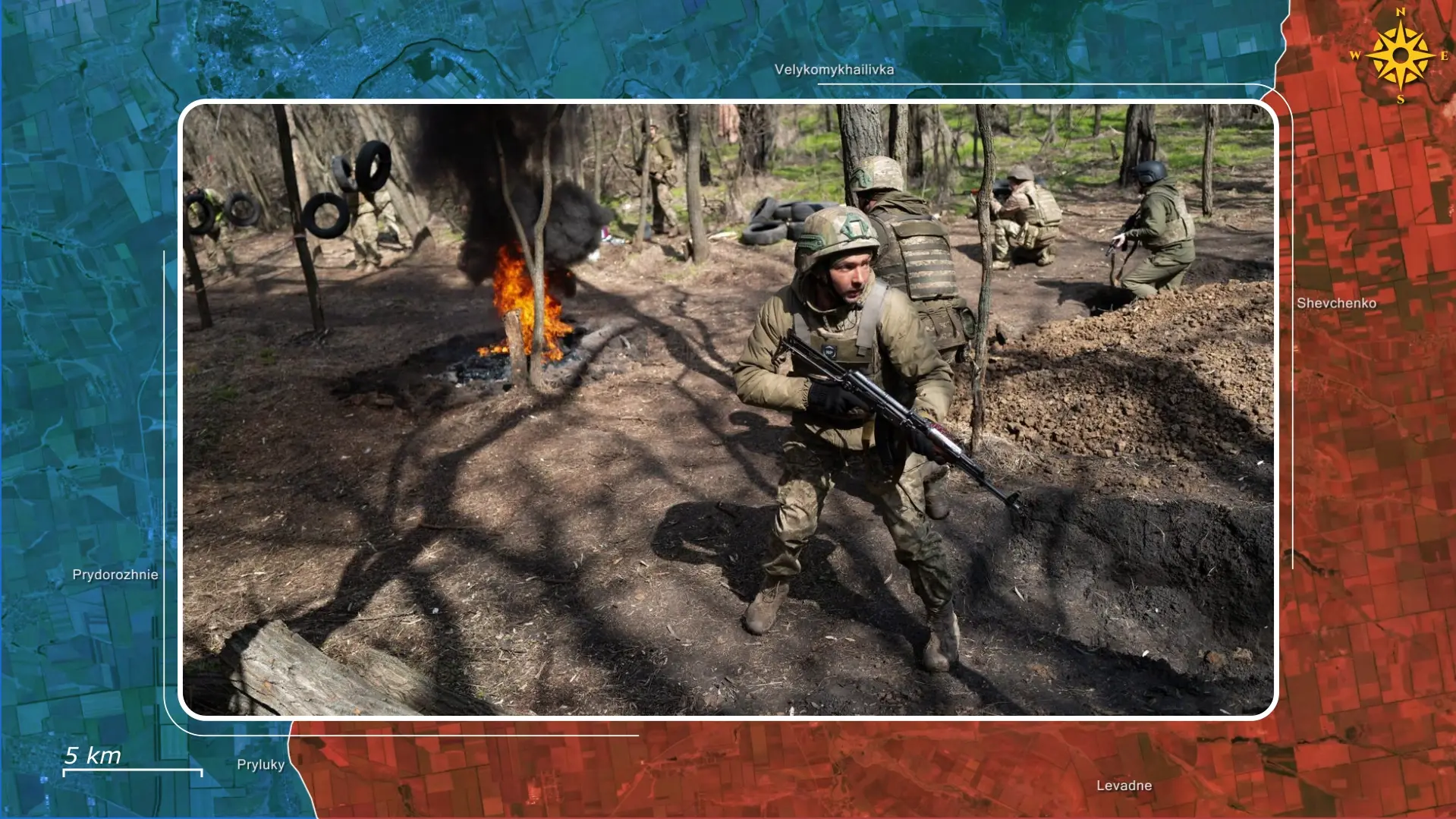
Second, mechanized infiltration is a valid alternative to the old-fashioned mechanized assaults hampered by drones’ dominance in the current conflict. Hence, armored and mechanized forces can continue to play a critical role in exploiting temporary windows of opportunity.
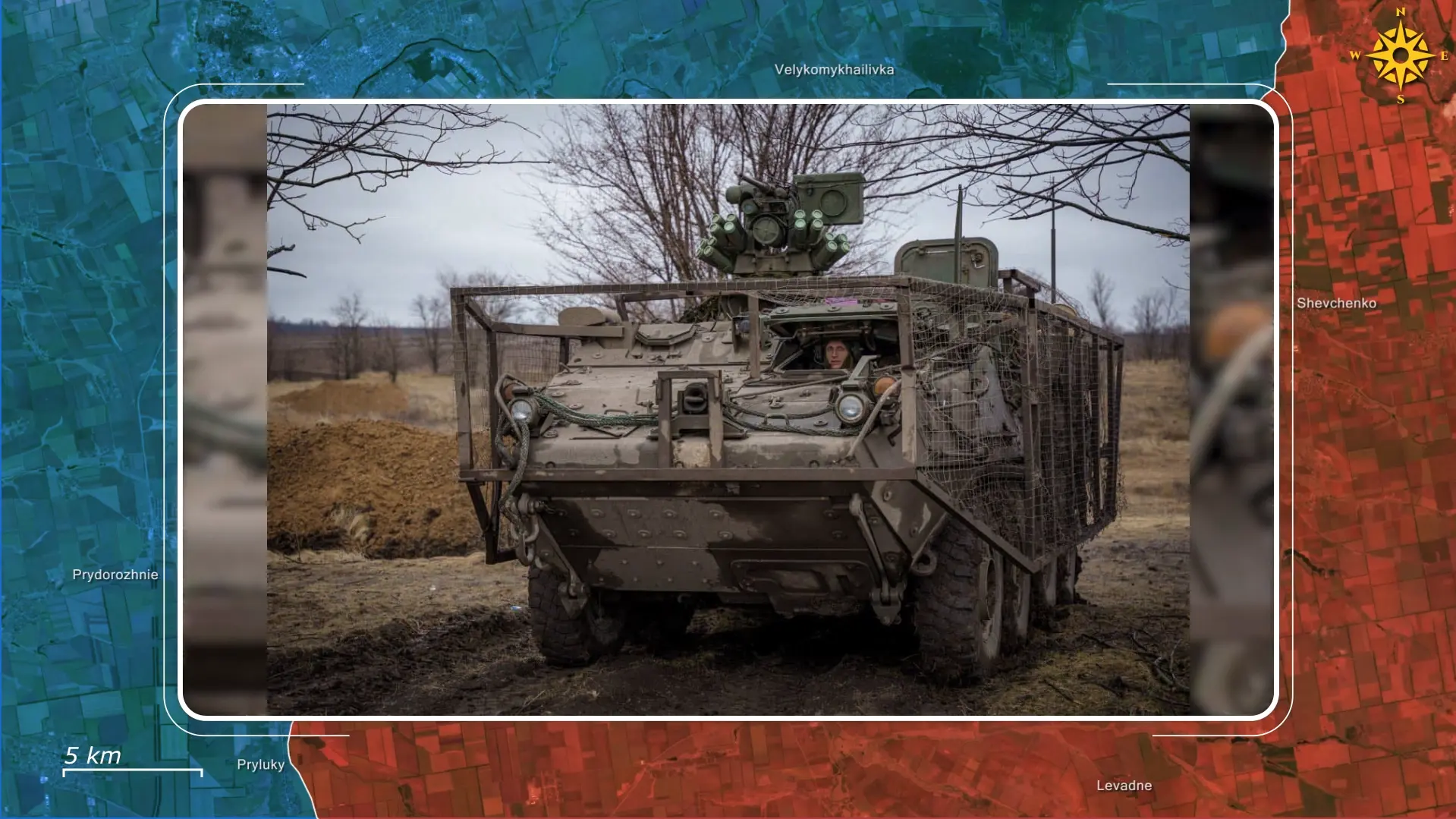
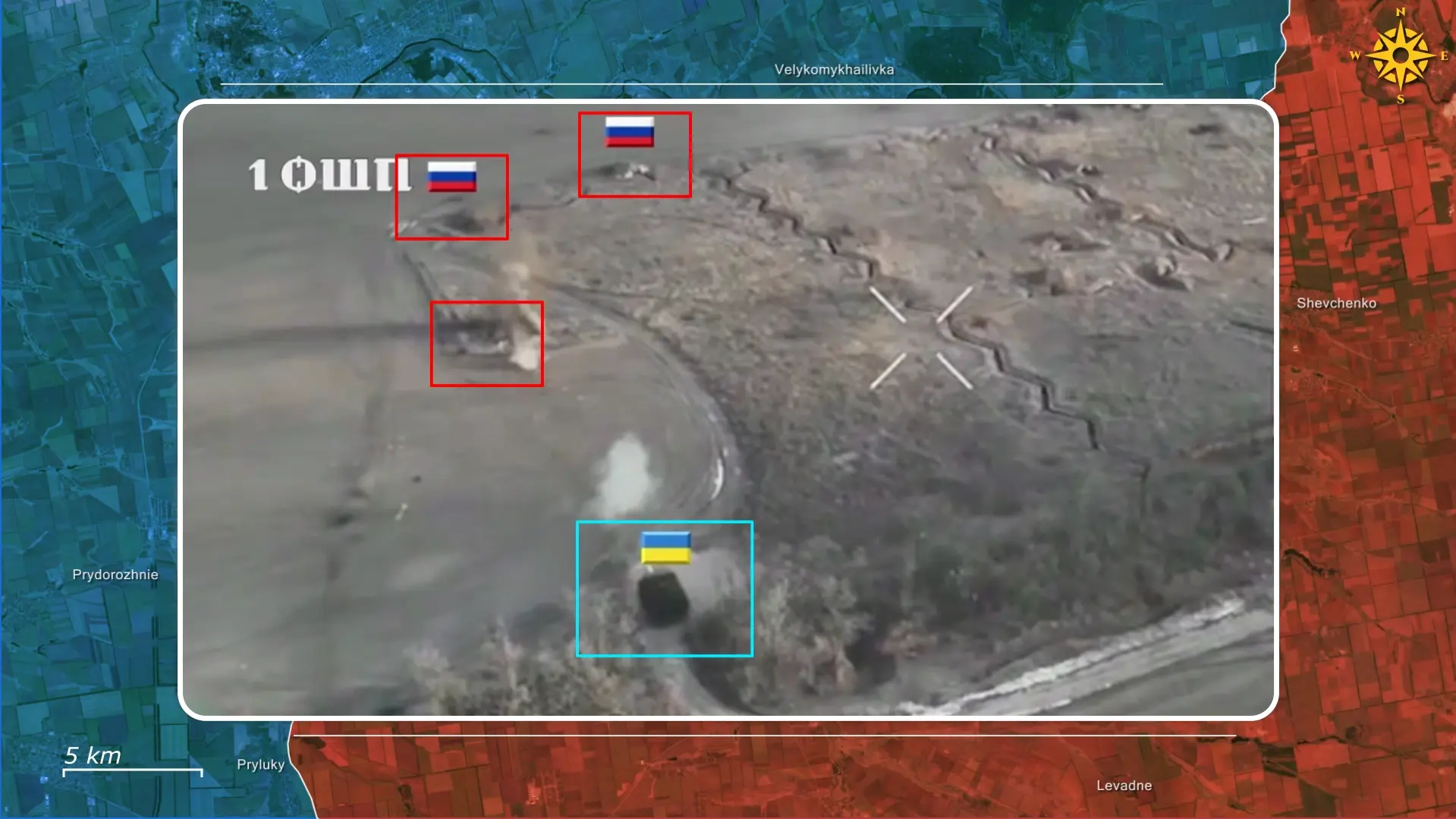
Third, the rolling drone barrage demonstrates that drones are no longer just a supporting asset but a central tool for shaping the battlefield, systematically degrading Russian positions before ground forces move. Finally, counter-drone measures must be treated as a core operational function rather than a secondary task, as in modern warfare, denying the enemy observation is as important as the firepower or manpower any assault can bring to bear.
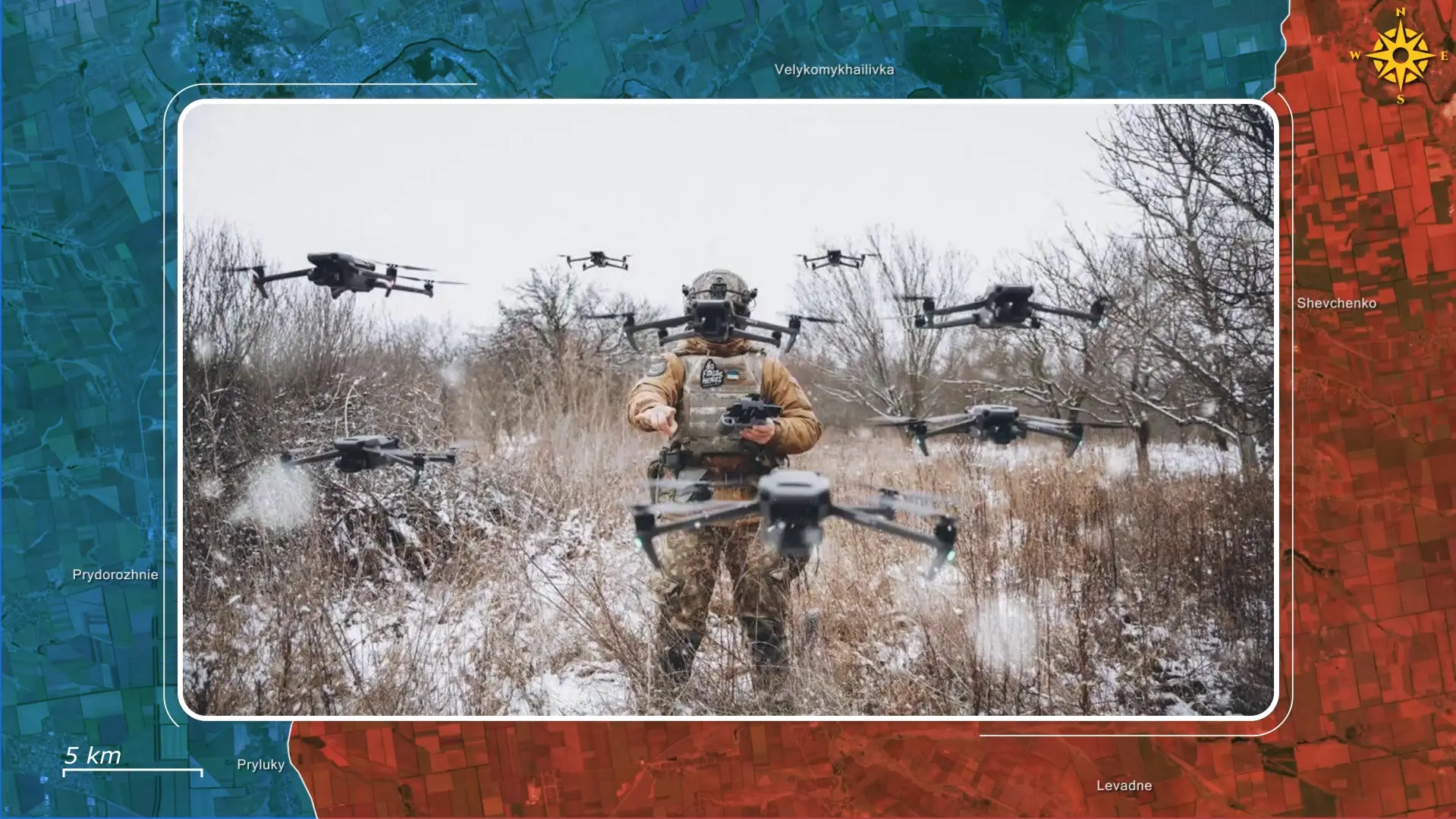
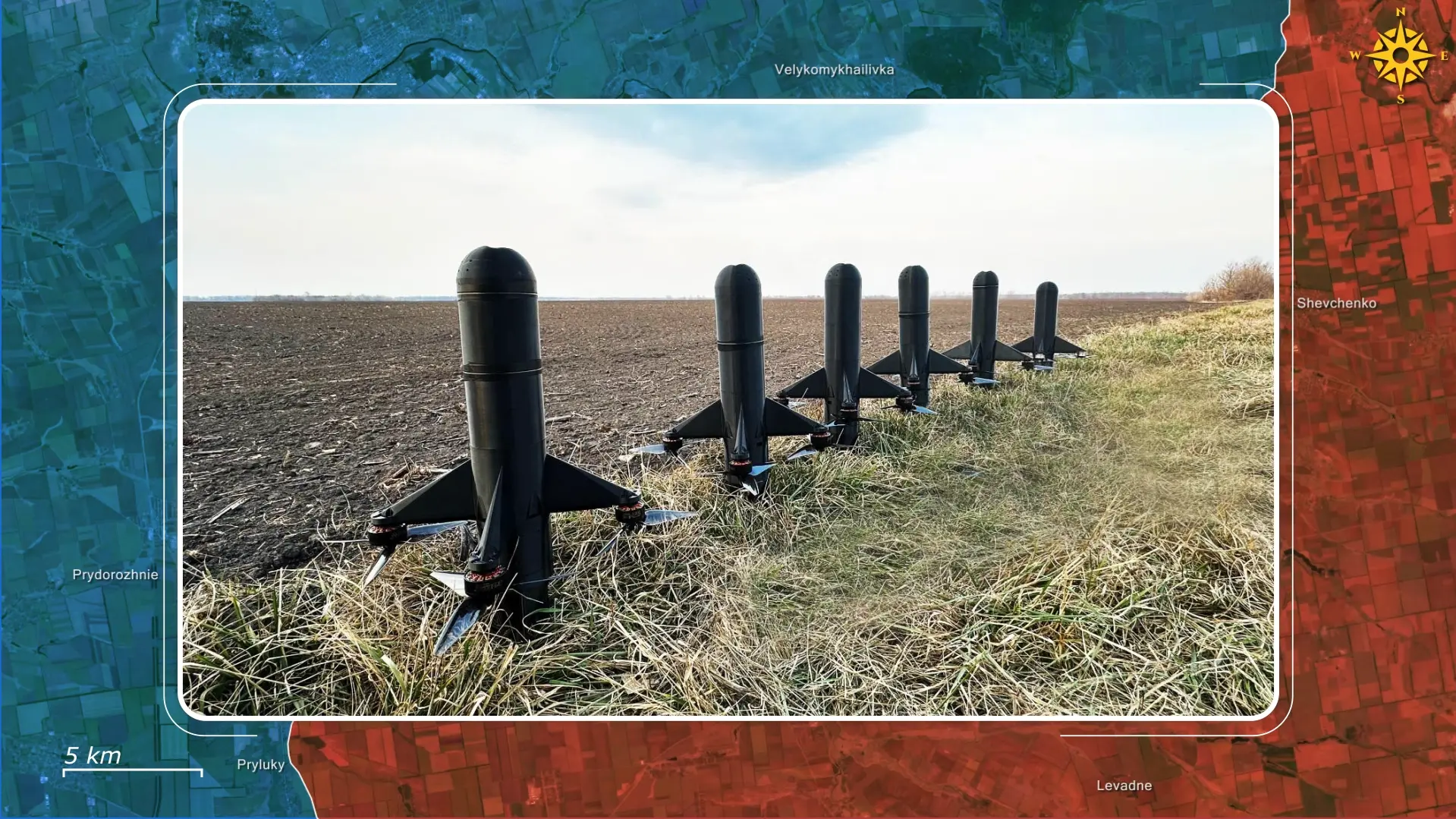
Overall, the Dnipropetrovsk offensive indicates that Ukraine is moving toward an operational model that models the battlespace before committing ground forces. The integration of rolling drone barrages with mechanized infiltration shows how Ukraine can generate momentum even without large, armoured reserves. Ukraine has shown once again that the limiting factor for bigger offensives is not training or doctrine but the availability of modern armoured platforms, which creates an imbalance between Ukraine’s tactical competence and its material constraints.

.jpg)



Comments