

.svg)
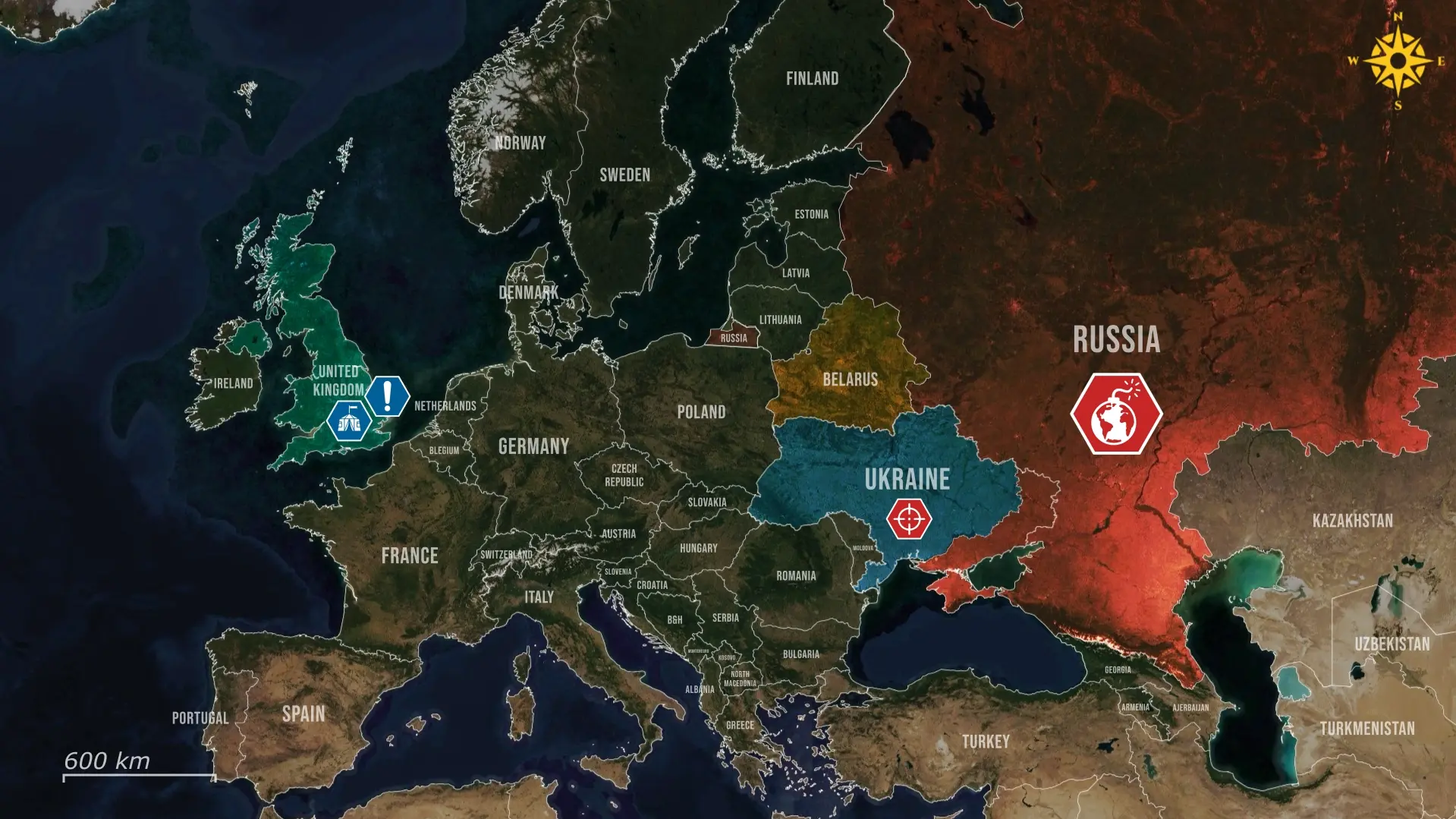
Today, the biggest news comes from the UK.
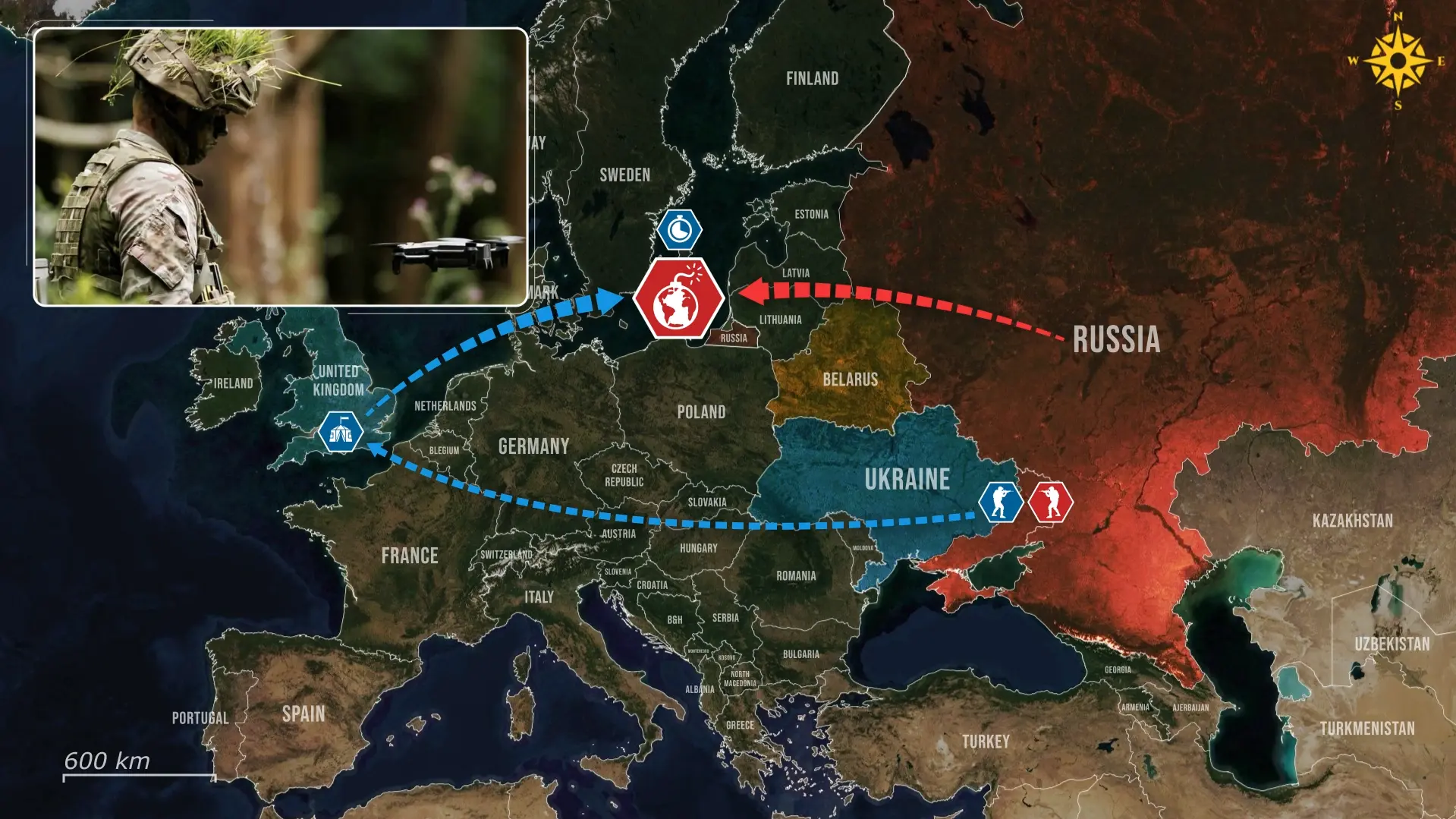
The United Kingdom is preparing for the next war, as underscored by its newest training infrastructure. However, this is not a simple training facility, but an effort to prepare British forces for the type of warfare that Russia is waging in Ukraine.
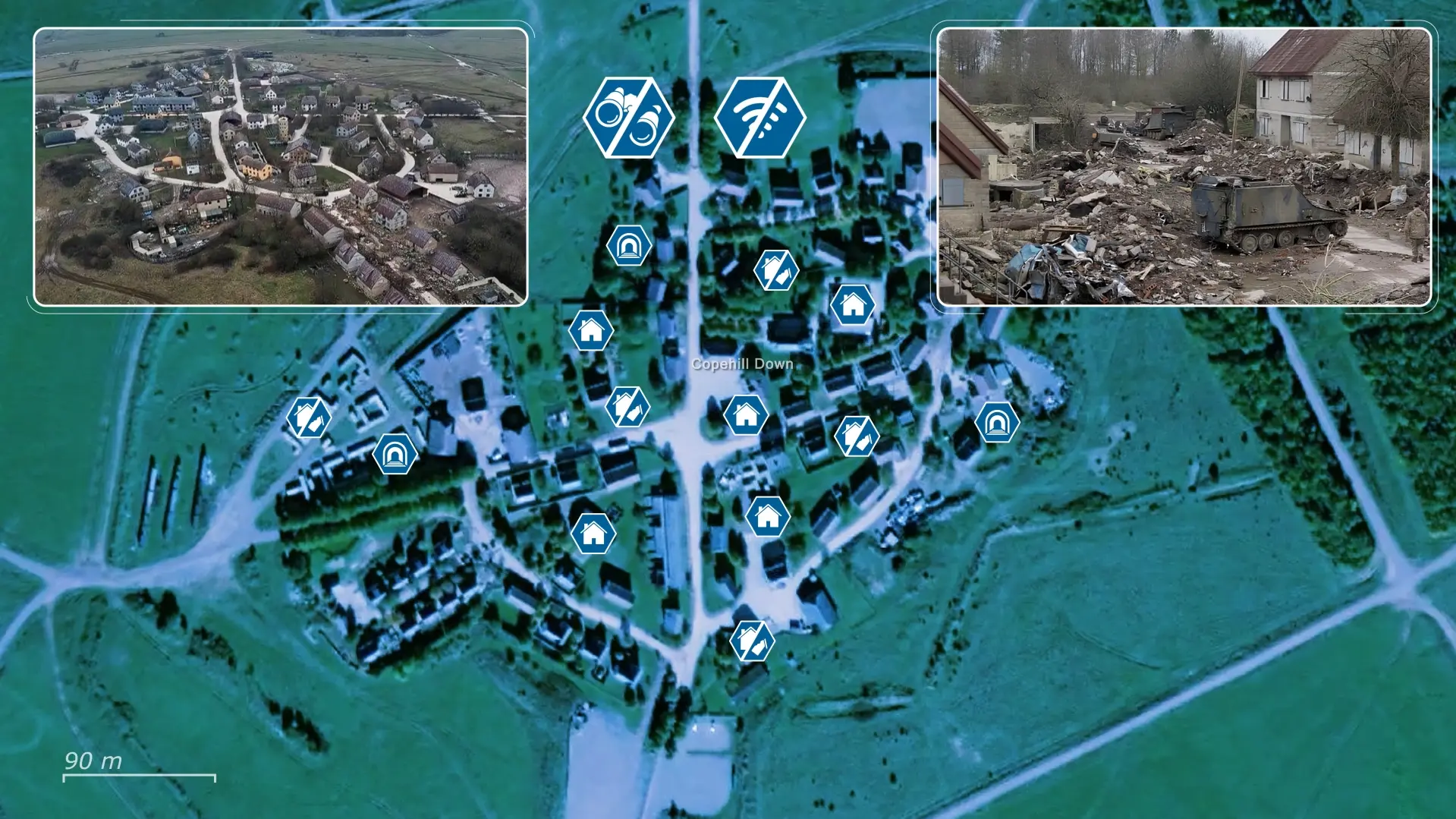
The centerpiece of this effort is Copehill Down, a long-standing urban warfare site that has been adapted to resemble the operational environment in Ukraine. British media describe it as the most realistic domestic simulation of the conflict, with dense housing blocks and war-torn surroundings. These features mirror the challenges Ukrainian forces face in contested cities with multi-story structures, where visibility is limited, and communication is degraded. The recreation of the battlefield even includes destroyed buildings and tunnels.
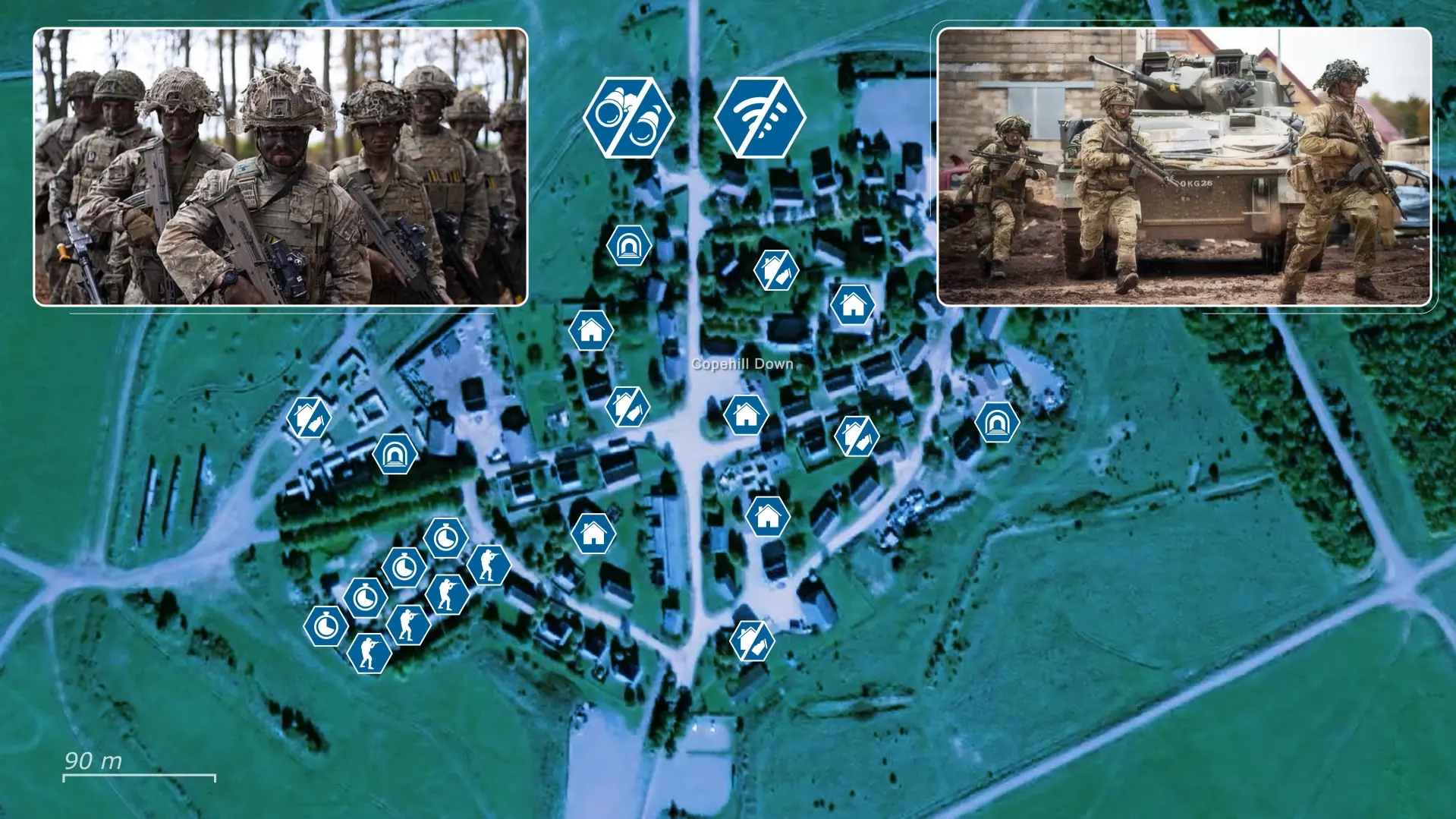
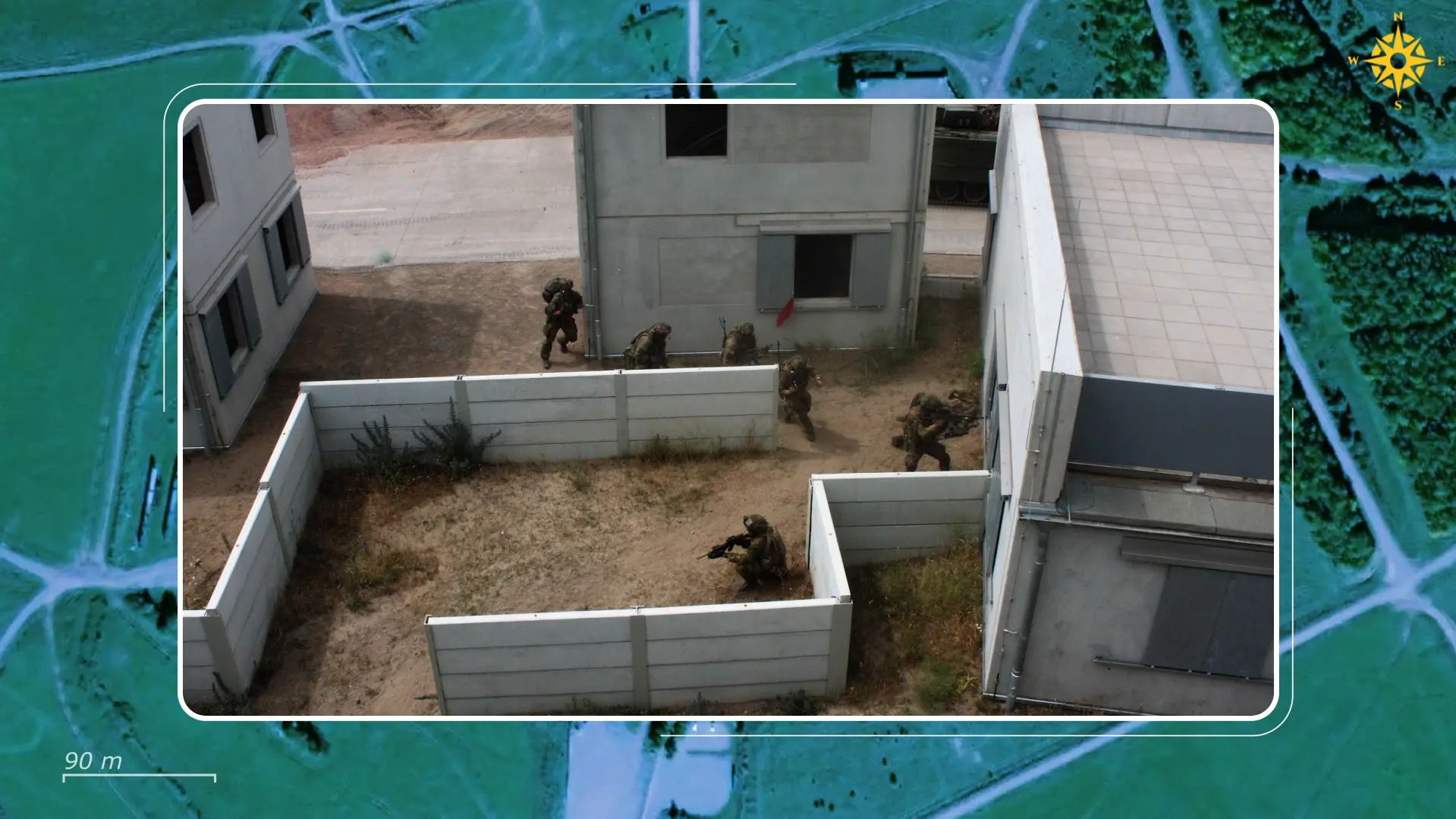
British soldiers from the Rifles Regiment have been undergoing months of intensive drills at this reconditioned facility. The types of training include building assaults and close-quarters engagements. Furthermore, the soldiers are put through these trainings under sustained fatigue to simulate prolonged deployments.
British instructors have incorporated lessons gathered directly from Ukrainian officers who periodically brief NATO partners on evolving Russian tactics. These inputs ensure that the scenarios reflect current battlefield conditions rather than generic urban combat.
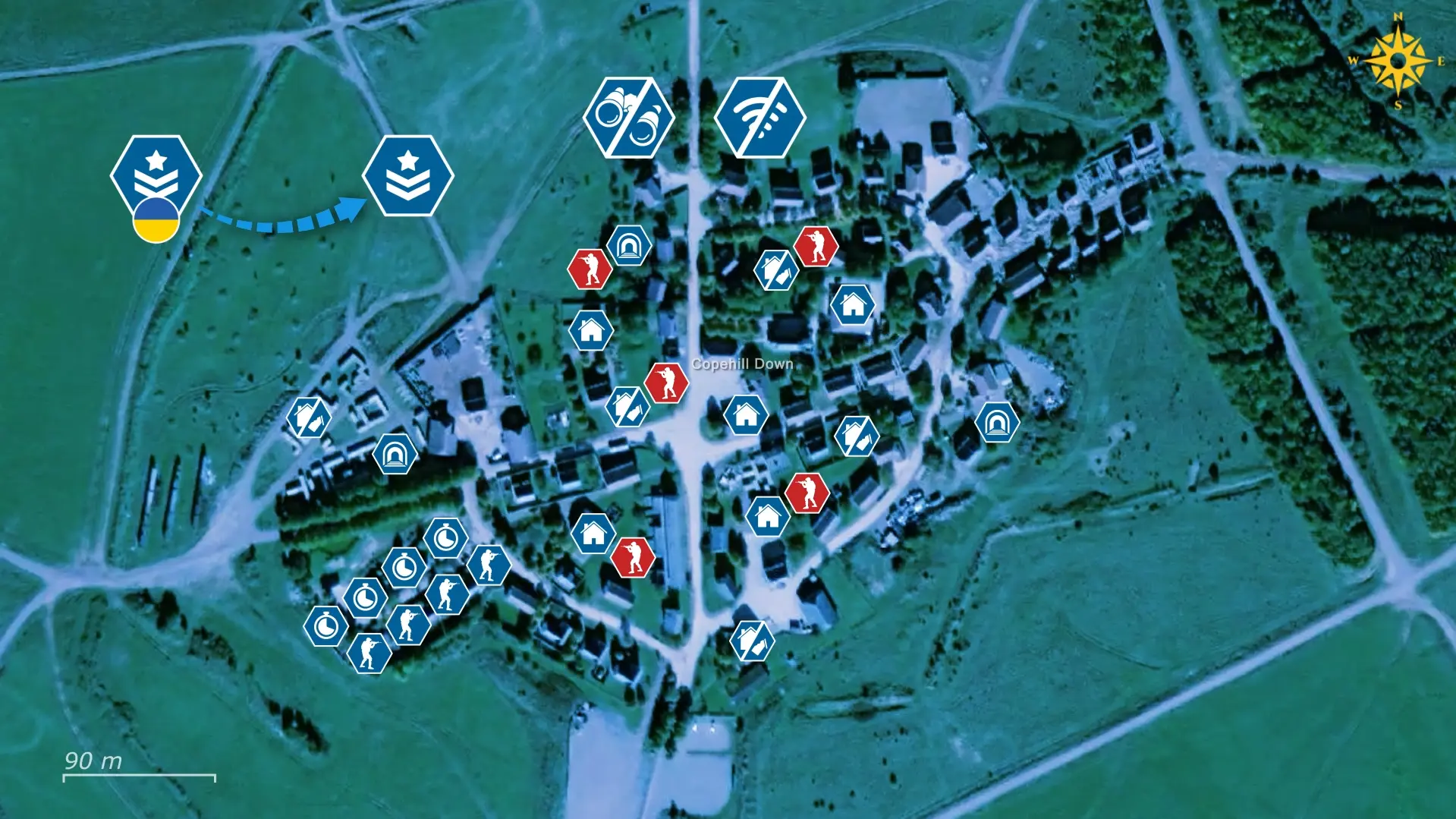
The use of artificial settlements, often called ghost cities, is a standard method for preparing units for complex operations. These sites allow forces to rehearse movement, communication, breaching, and casualty evacuation in controlled environments that replicate real-world constraints. Every terrain, scenario, or building presents its own tactical challenges, and pinpoint preparation is essential to increase mission success. Repeated training exposure to realistic settings reduces uncertainty and increases confidence during actual missions.
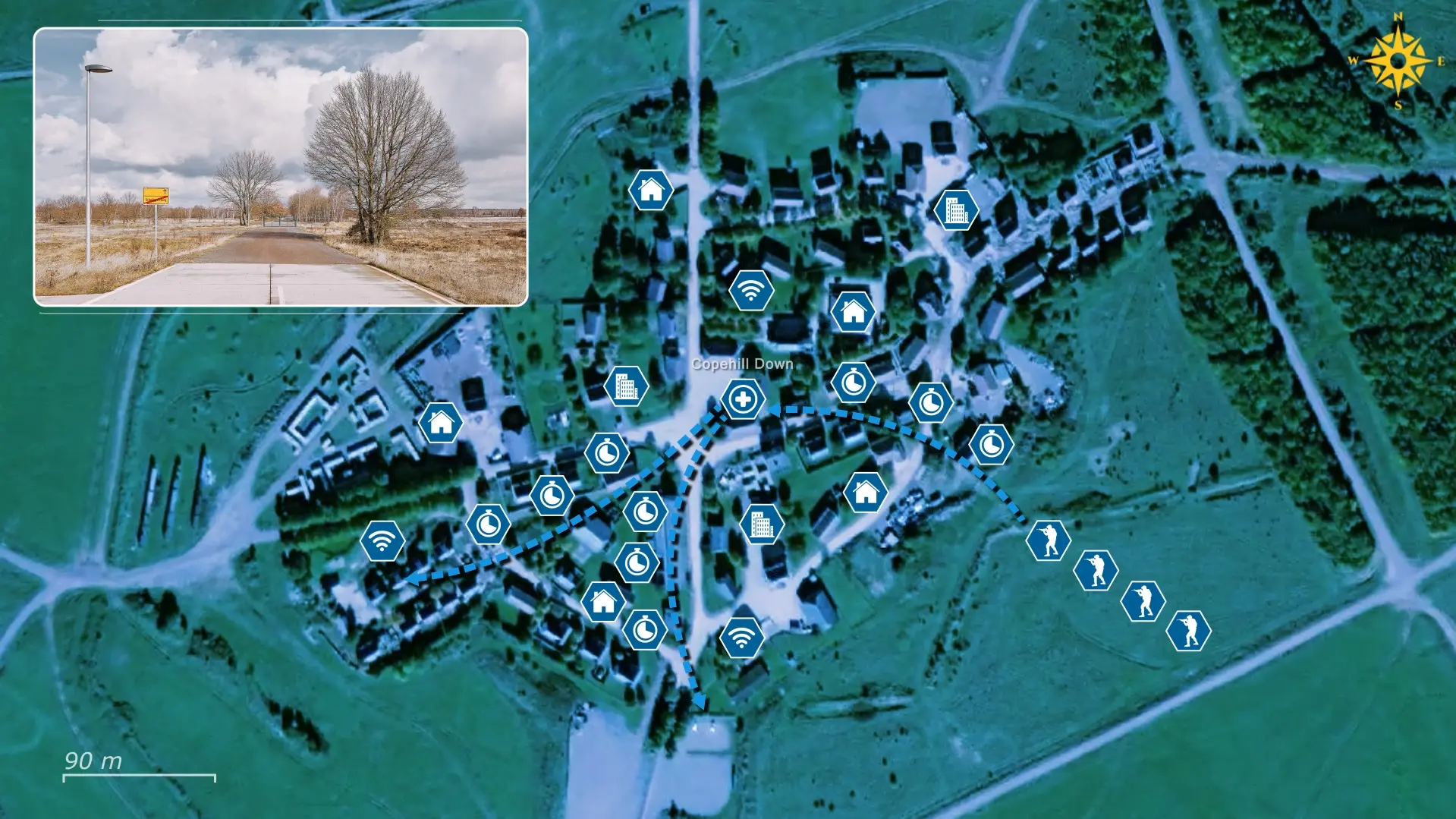
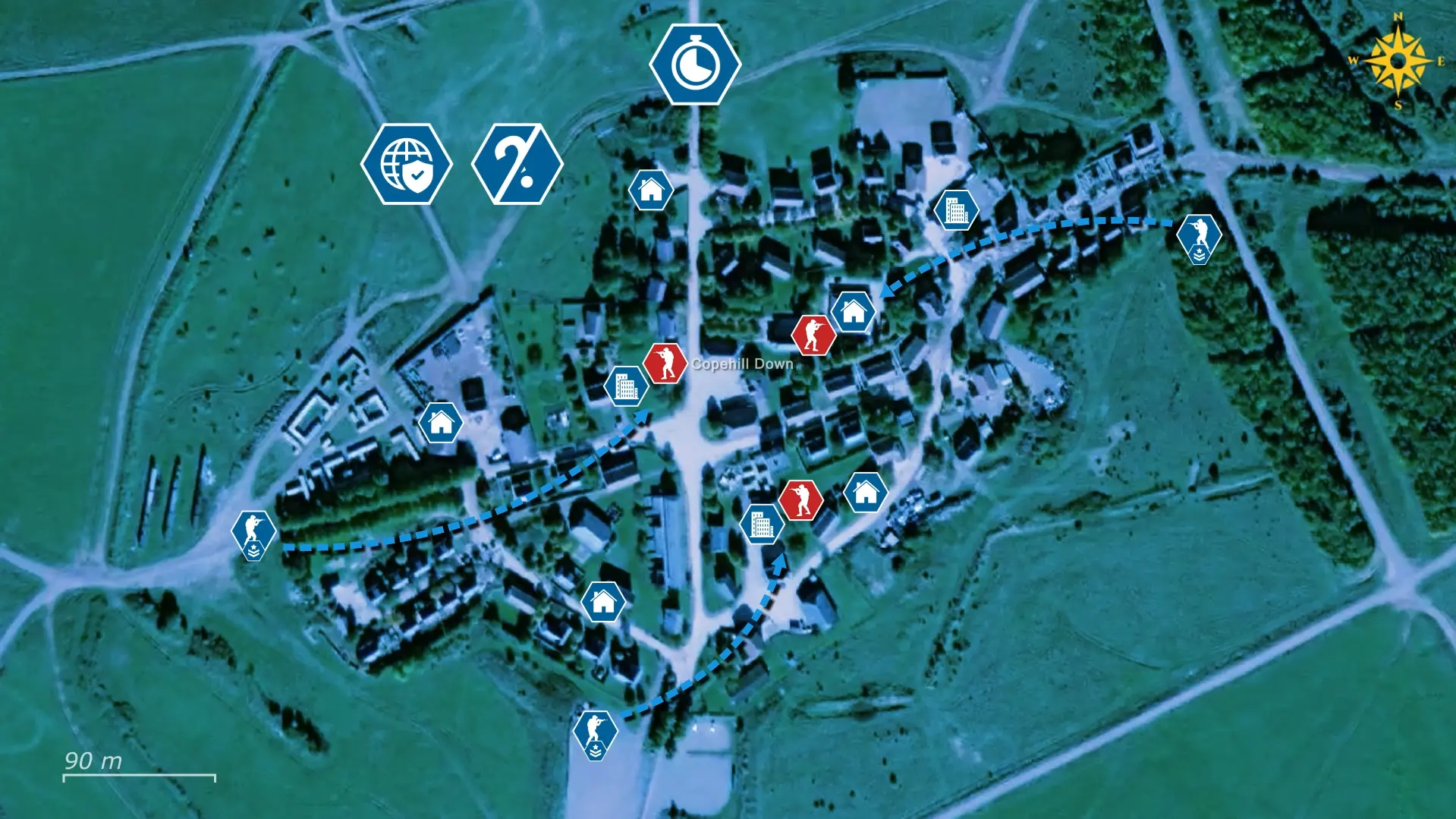
For special operations forces, ghost cities are particularly valuable. In fact, they support full-mission rehearsals, where teams practice entry sequences, timing, and coordination under conditions nearly identical to real operations. The setting is also important for intelligence and surveillance data, ensuring that units train with the same information that they will encounter in the field. This method improves procedural memory and reduces cognitive load when operating in unfamiliar or high-risk environments.
The effectiveness of such training is documented in different missions, such as the famous raid on Osama bin Laden’s compound in Pakistan, prior to which the United States constructed a full-scale replica of his residence. During the training, pilots and special forces rehearsed the mission repeatedly, including testing Black Hawk helicopter behavior in confined spaces.
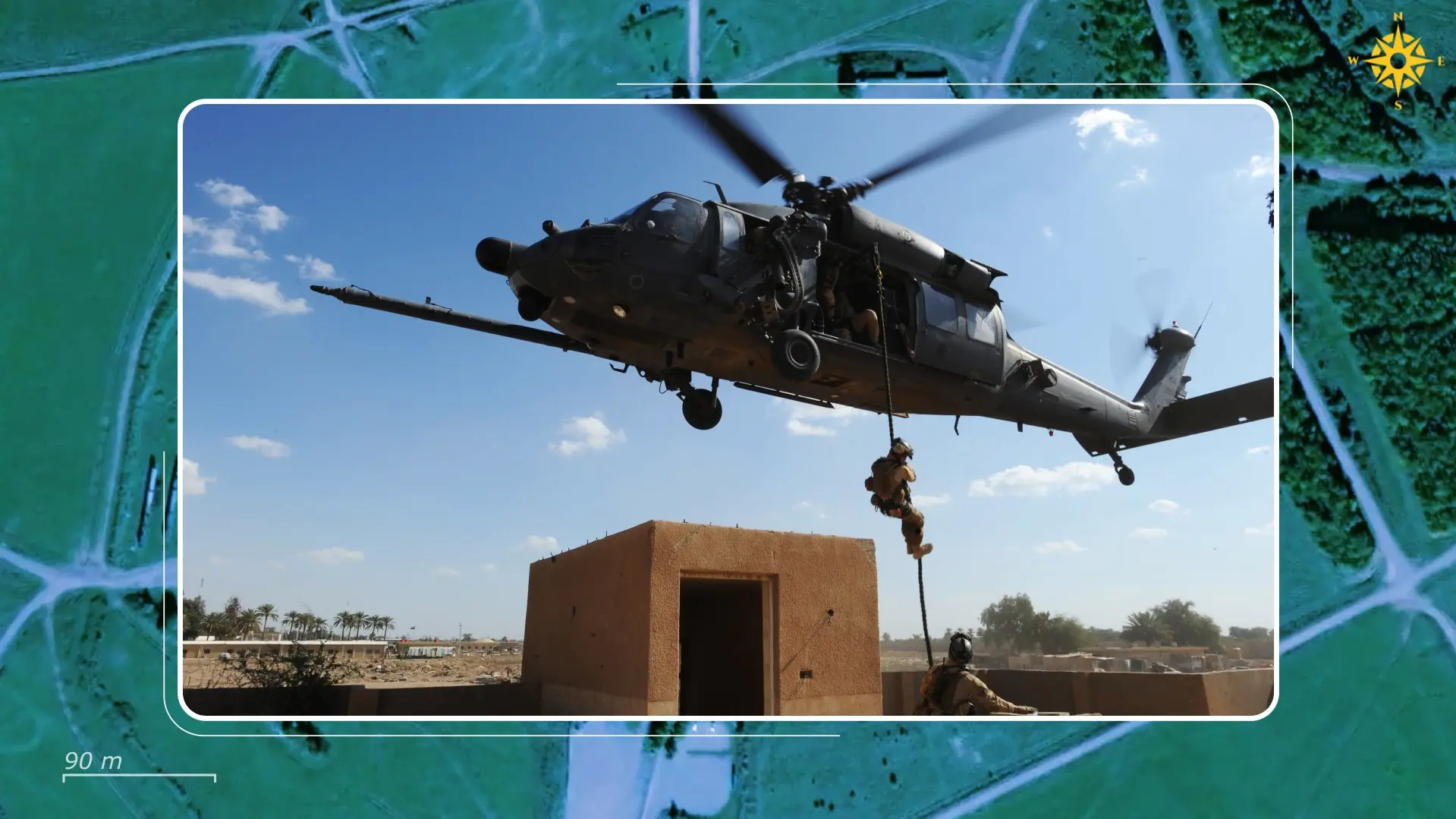
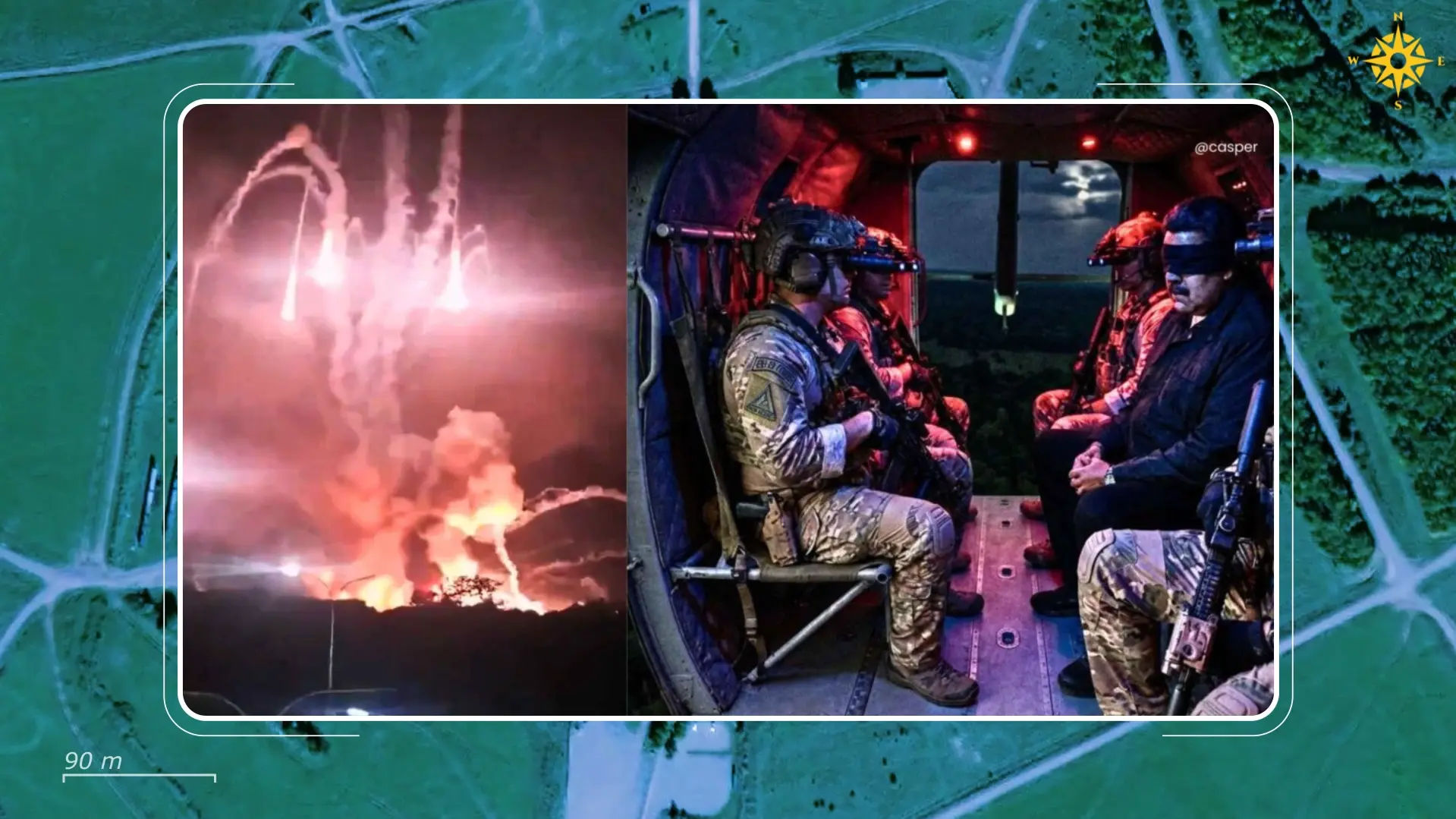
Similar methods have been used in the recent high-risk capture operation of Venezuelan President Nicolás Maduro at his heavily guarded residence. The US forces built a replica of Maduro’s residence months before the actual raid, using satellite imagery, human intelligence, and architectural analysis, resulting in an impressive recreation that included furniture placement and surface textures.
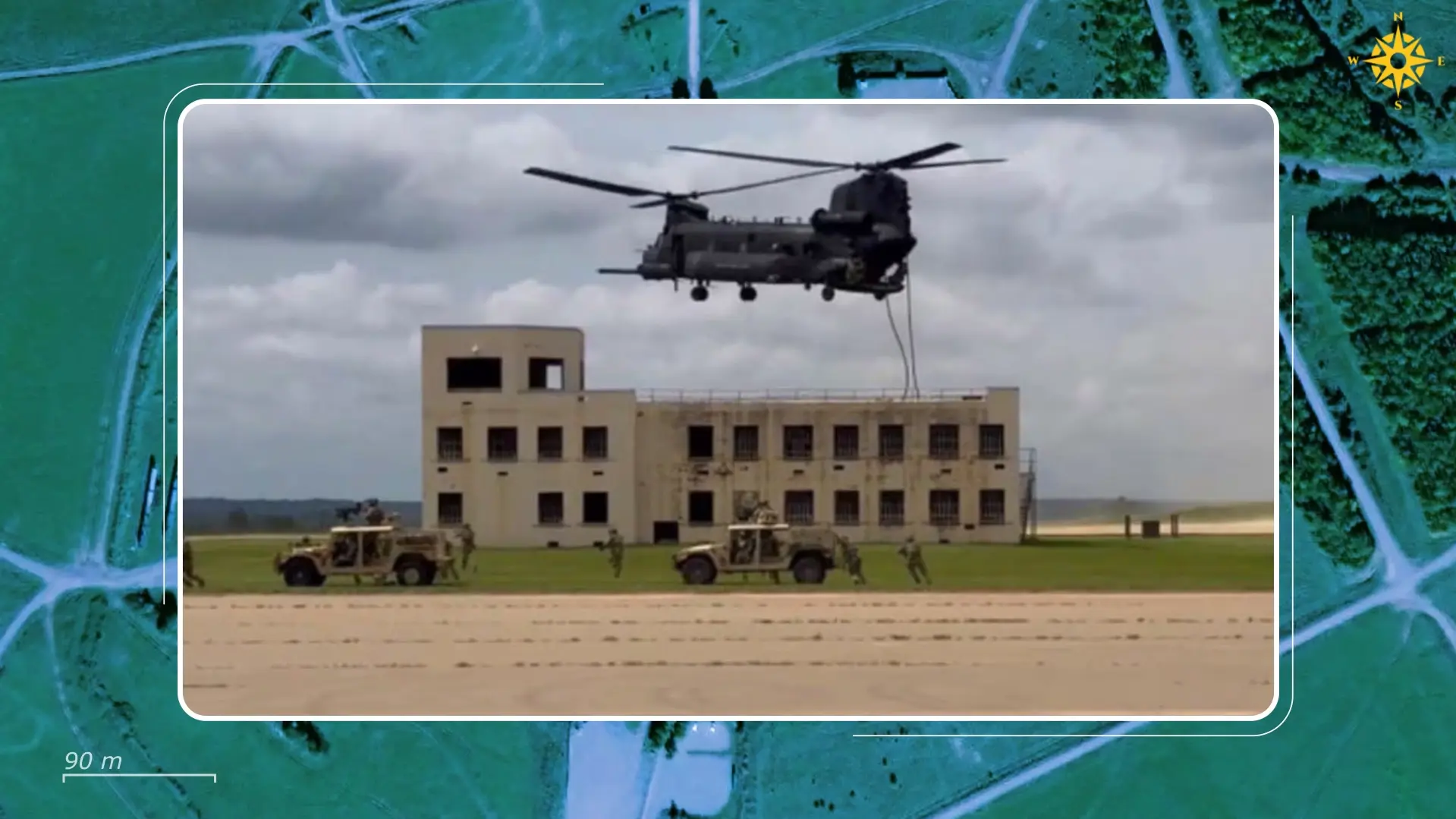
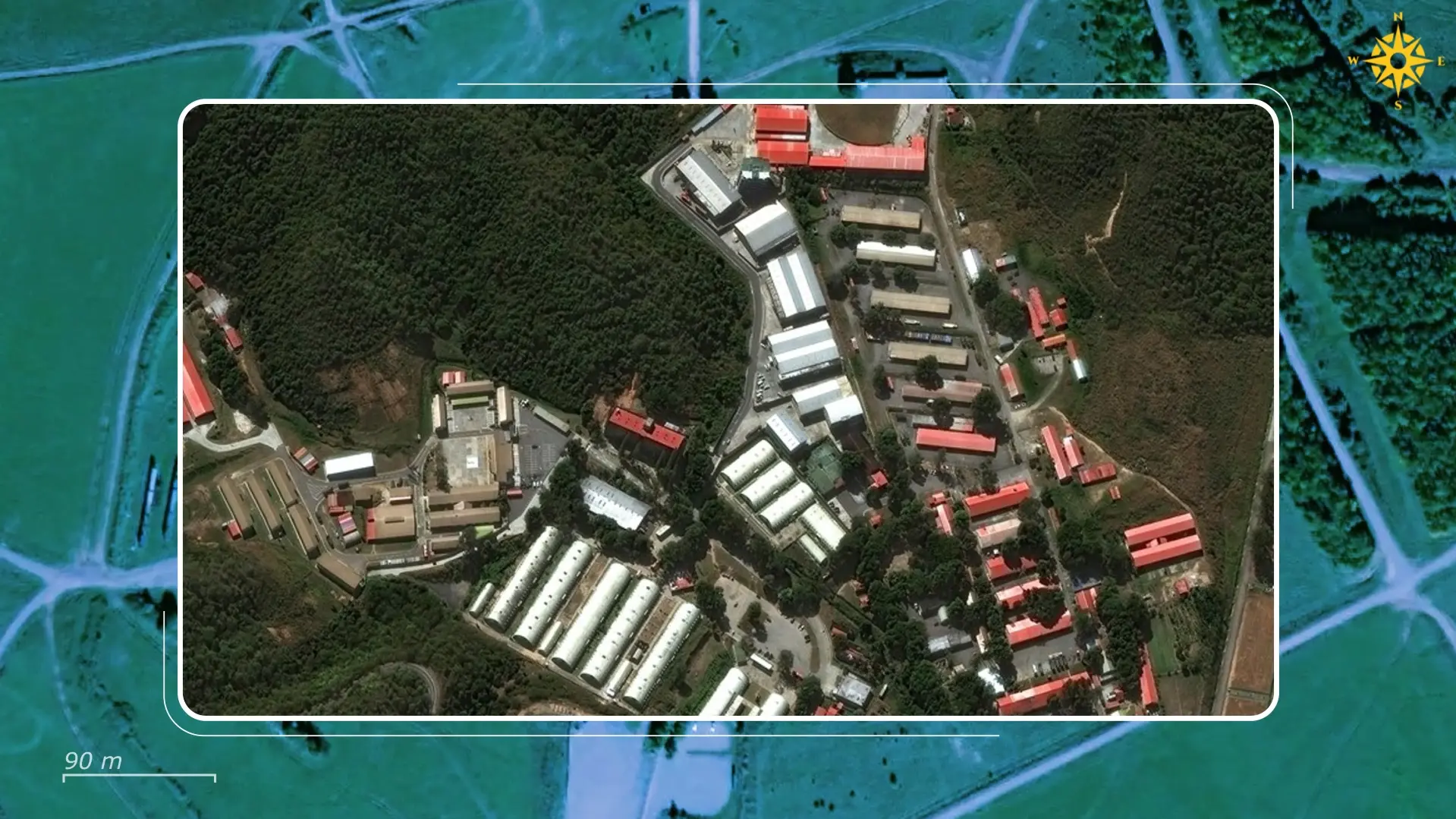
As a result, the Delta forces internalized the environment long before deployment, leaving little room for chance. During the mission, they repeated what they had rehearsed in months of training in nearly identical conditions, culminating in a 20-minute-long operation.

The United Kingdom’s decision to build a Ukrainian-style settlement follows the same logic. British forces are preparing for environments shaped by the conditions seen in Ukraine, including drone threats and rapid transitions between open terrain and dense urban zones. The setting allows the UK to test new tactics and evaluate how small units perform under such a difficult scenario. This type of training also reinforces interoperability with Ukrainian forces, which have accumulated extensive experience in high-intensity urban combat. The Chief of Defense has publicly stated that the army must be ready for war within the coming years, which includes mastering new technologies and strengthening infantry skills. By replicating the environment in Ukraine, the UK reduces the time required for adaptation if its forces face similar conditions in the future.
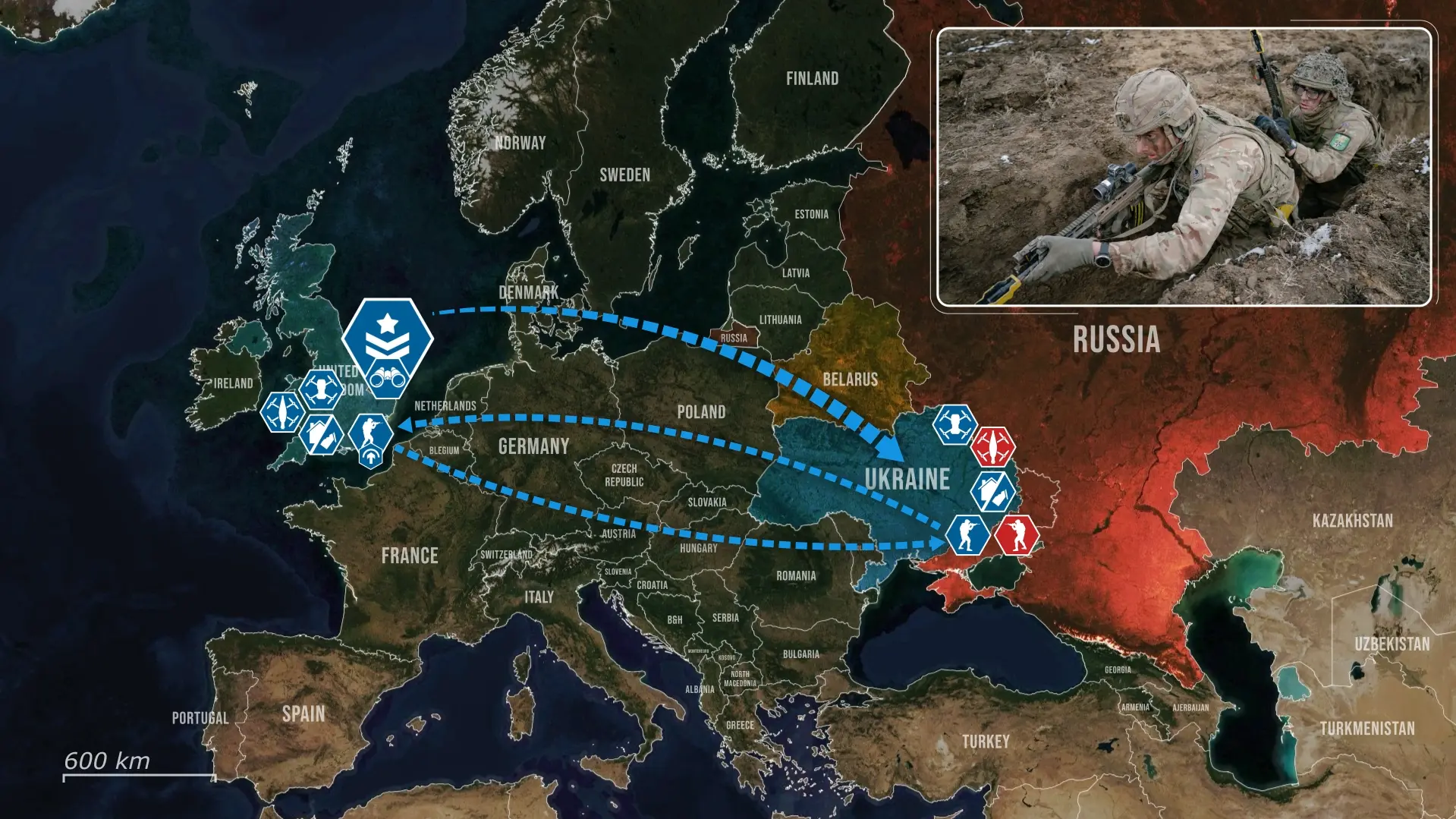
Overall, the construction of a Ukrainian-style mock settlement shows British defense planning for preparing for high-intensity conflict against Russia. It indicates that the UK views the lessons from Ukraine as directly relevant to its own force development and considers a hypothetical military confrontation with Russia more likely. As drones and electronic warfare grow in relevance, the value of controlled, accurate training environments will rise, as militaries prepare for more complex operations in the years ahead.

.jpg)


Comments