

.svg)
Today, the biggest news comes from Iran.
The opening phase of the attack against Iran created the strongest impression in years that its regime might finally fall. However, the momentum for the United States objective collapsed almost as quickly as it appeared.
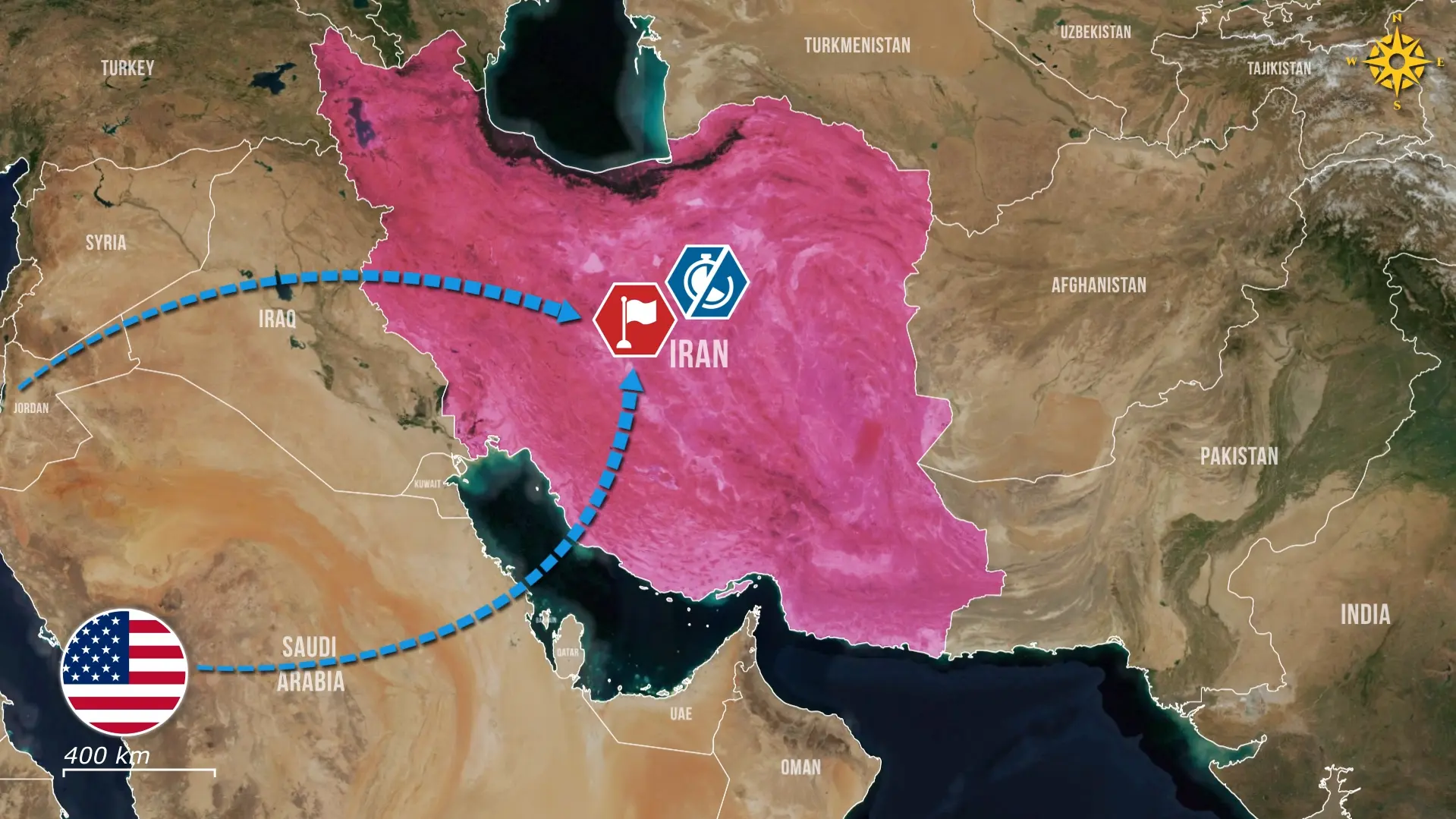
The United States and Israel opened the conflict, launching nearly nine hundred decapitating strikes on Iran’s leadership in the first twelve hours. The supreme leader, Ayatollah Ali Khamenei, was killed in the first wave, together with several senior IRGC commanders and intelligence officials. Among them, the Iranian head of intelligence and the Defense minister, whose successor was also killed in a successive strike only three days later. In fact, the strategic strikes continued to hit the leadership across the country, with an estimated total of around fifty Iranian officials killed. Although this was the most extensive decapitation effort ever carried out against Iran, the Iranian state regime proved resilient and kept functioning.
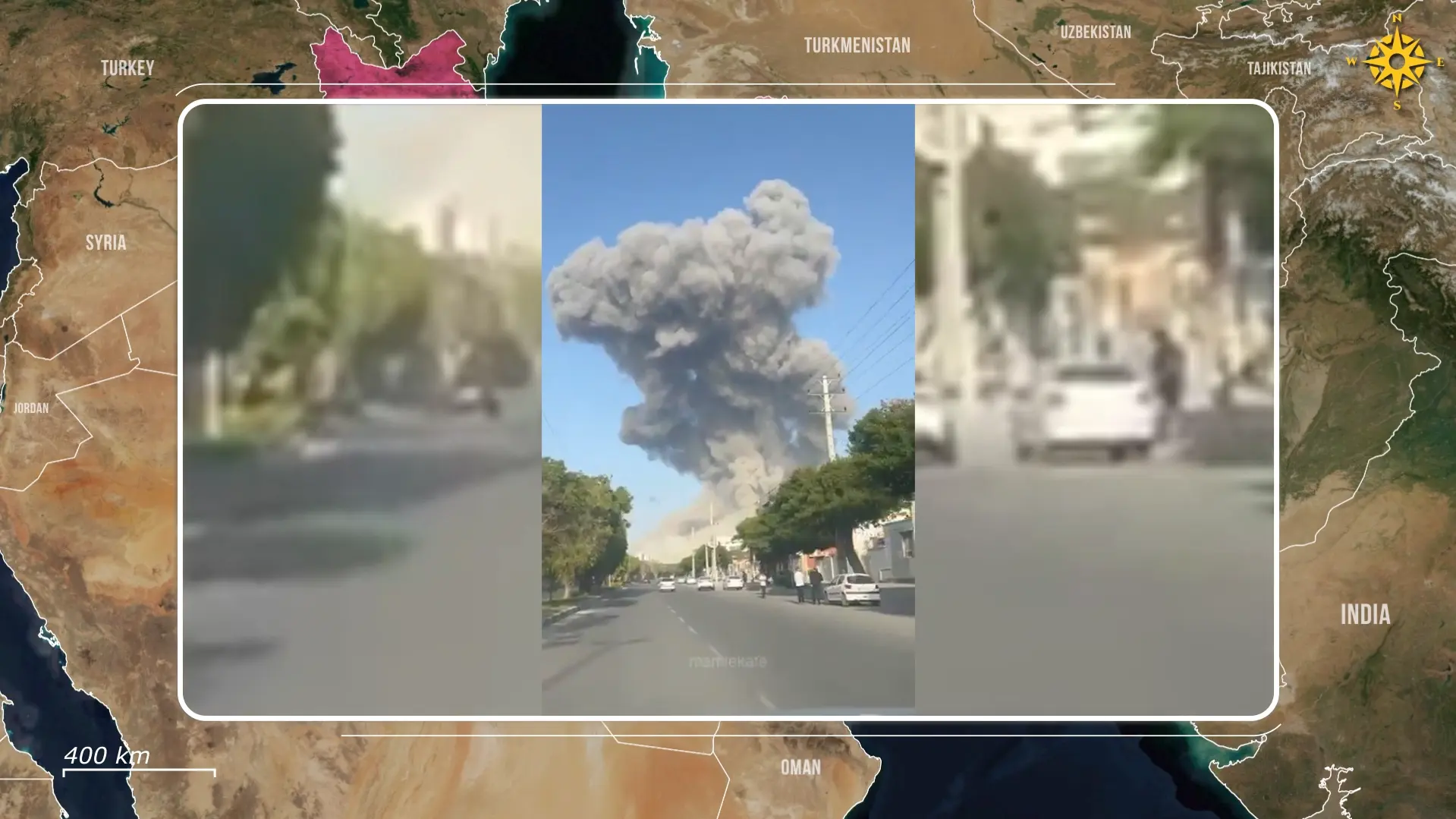
In fact, Iran had prepared for this scenario, with at least three lines of succession pre appointed for each military leader, and when senior figures were killed, replacements were ready to step in quickly. In the meantime, many leaders had dispersed into safe houses when the attack began and avoided any electronic communication, relying instead on couriers and hand-carried messages. Despite its authoritarian nature, the system did not rely on a single person or circle but had sufficient decentralized depth to absorb losses and continue operating, even under such heavy pressure.
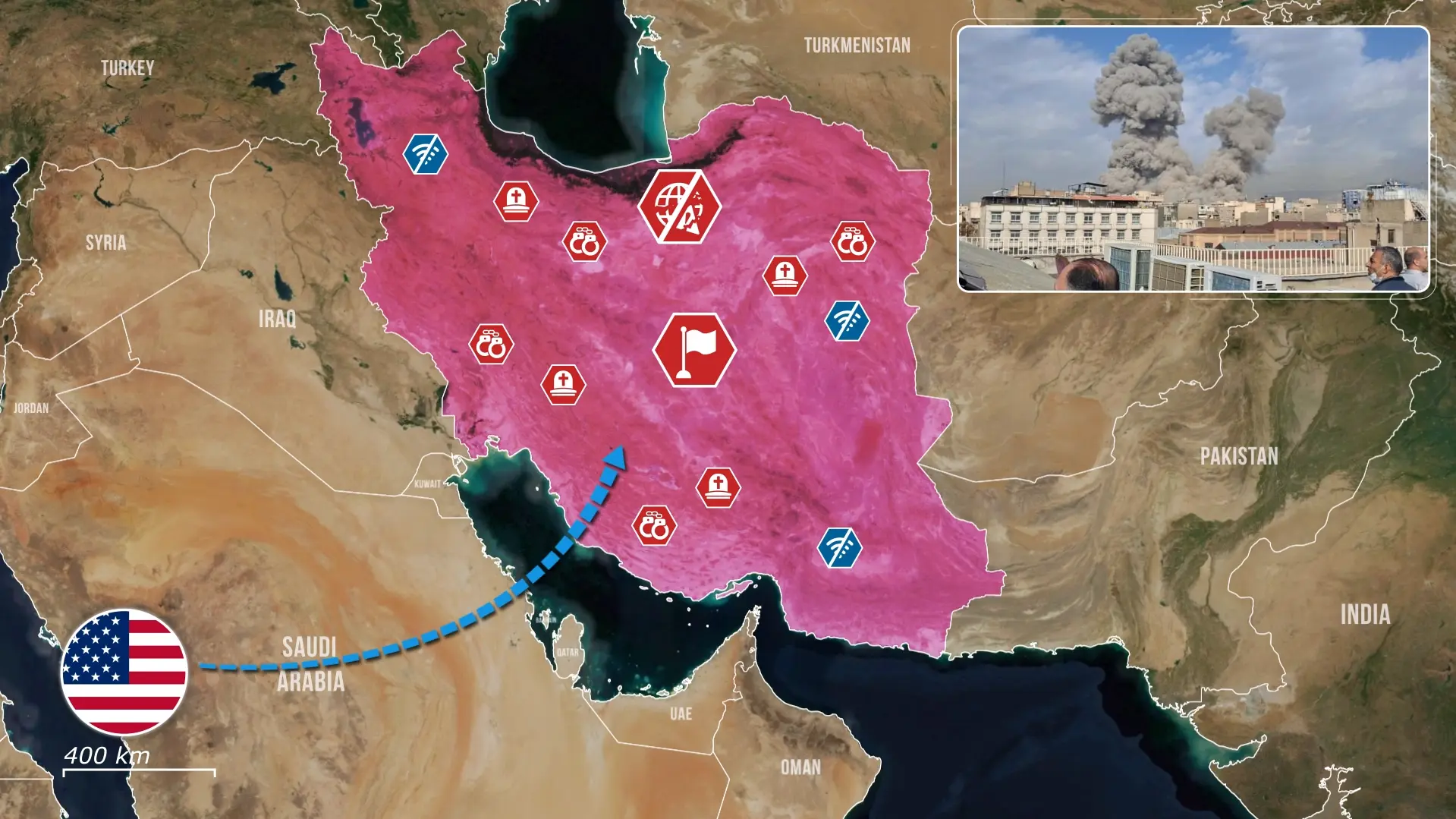
This made it particularly difficult to effectively decapitate the regime, especially as the strikes started after the popular uprising had largely diminished in its intensity. Most of the protesters willing to take risks and revolt had been killed, arrested, or forced into silence during the earlier crackdown on protests. Any private radio or satellite communication devices available to the public had been destroyed earlier in the year, and once the war began, Iran reinstituted the nation wide internet shutdown that continues to last to this day. Notably, the US strikes on research and government‑linked facilities also hit several universities, which had the unfortunate side-effect of removing many of the remaining physical spaces that had historically served as coordination hubs for protest movements.
In the meantime, the Iranian military itself stayed largely intact despite heavy losses, as it did not face the kind of pressure that breaks an army. The United States and Israel relied on airpower and long‑range strikes, which, although damaging, were still manageable for a military that did not have to face a ground invasion. It was a different scenario from Iraq in two thousand three, as it was the combination of airpower, ground offensives, and political collapse that paralyzed the Iraqi army. In Iran, the chain of command remained in place, there was no advancing land force to exert pressure on the ground, and as a result, units did not mass defect in panic despite the intensity of air strikes. The Iranian army only needed to hold together and adapt, which it did effectively under these conditions.
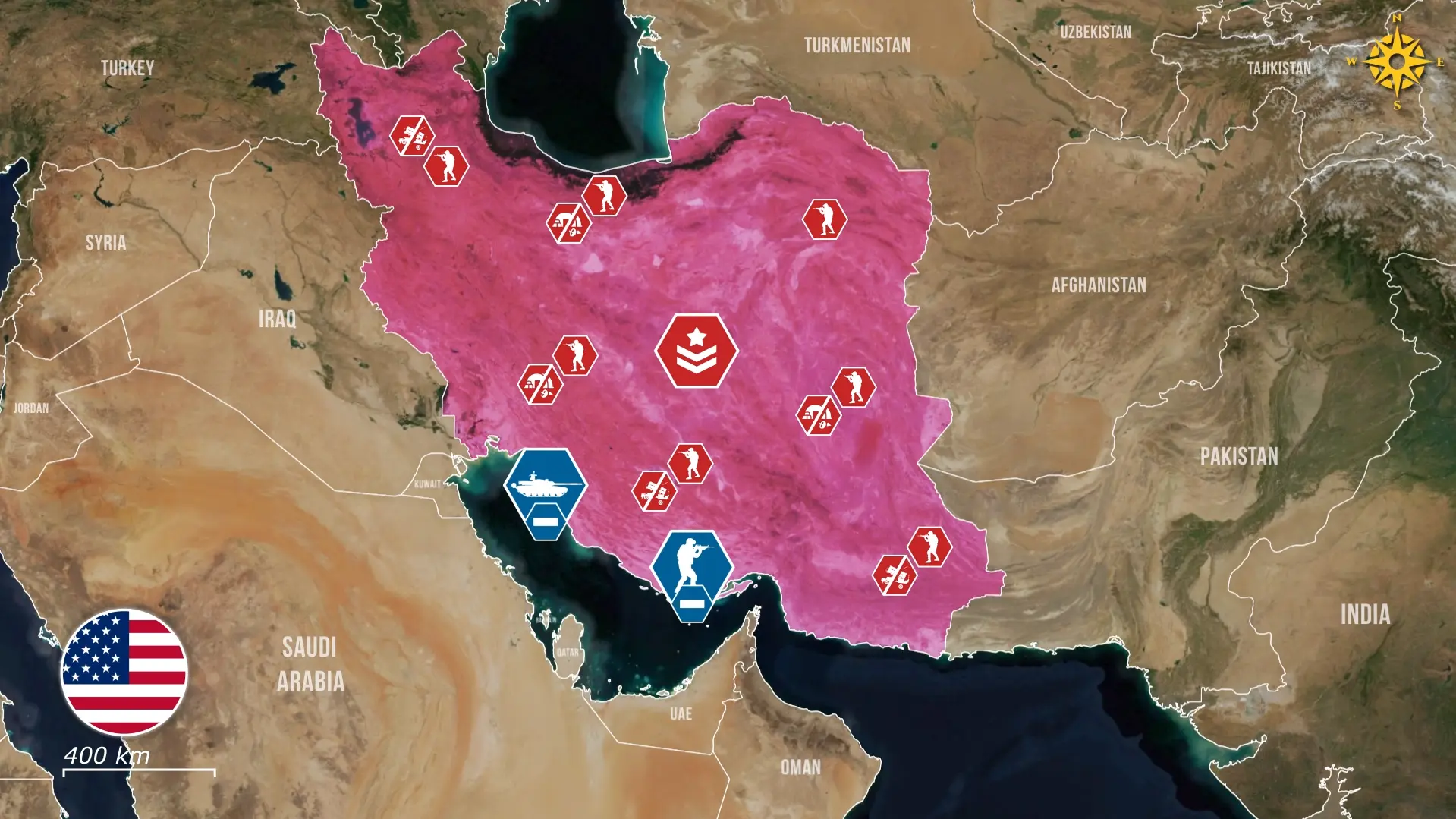
The United States and Israel recognized that people were not returning to the streets on their own, so they began striking security checkpoints and more IRGC facilities to remove the physical barriers that prevented dissent from mobilizing onto the streets. The United States, together with Iranian activists, also smuggled in Starlink equipment to help protestors coordinate, while exploring ways to deliver weapons as well. Iran responded by escalating its own threats, externally and internally, including threats to kill any child who expressed support for the enemy.
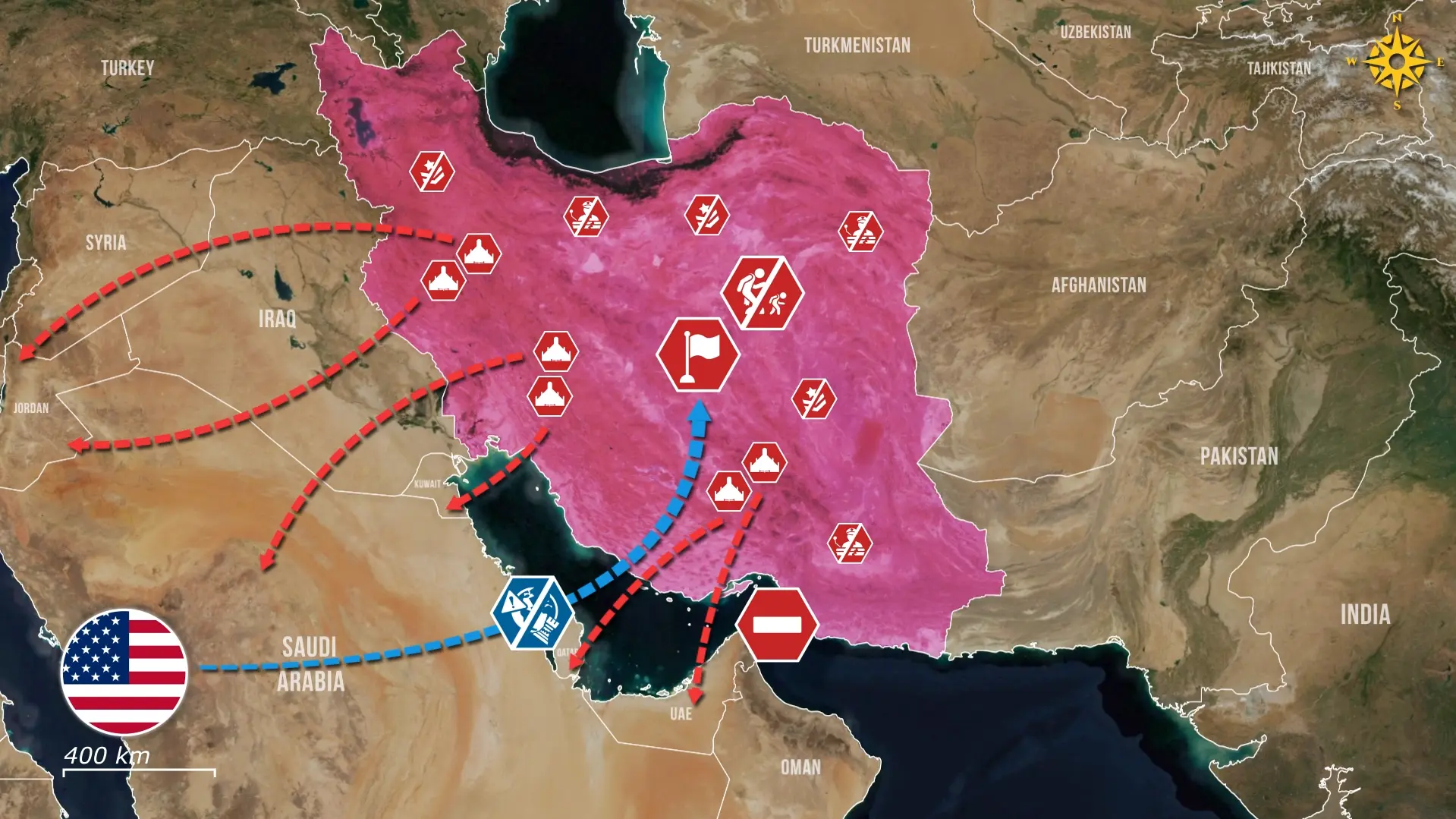
As the weeks passed and despite of all these efforts, it became clear that the decapitation strategy and the intense pressure would not achieve the goal of regime change in Iran; the regime had unfortunately completely suppressed any ability for protests to reignite, pushing the United States and Israel to gradually abandon any hint of their initial goal. Instead, the conflict entered a more predictable phase, with attention shifting to blockades and traffic management in the Strait of Hormuz. Over time, the Strait and the efforts to reopen it became the central arena of the war and of the diplomatic battle, rather than any further attempt to reshape Iran’s internal politics.
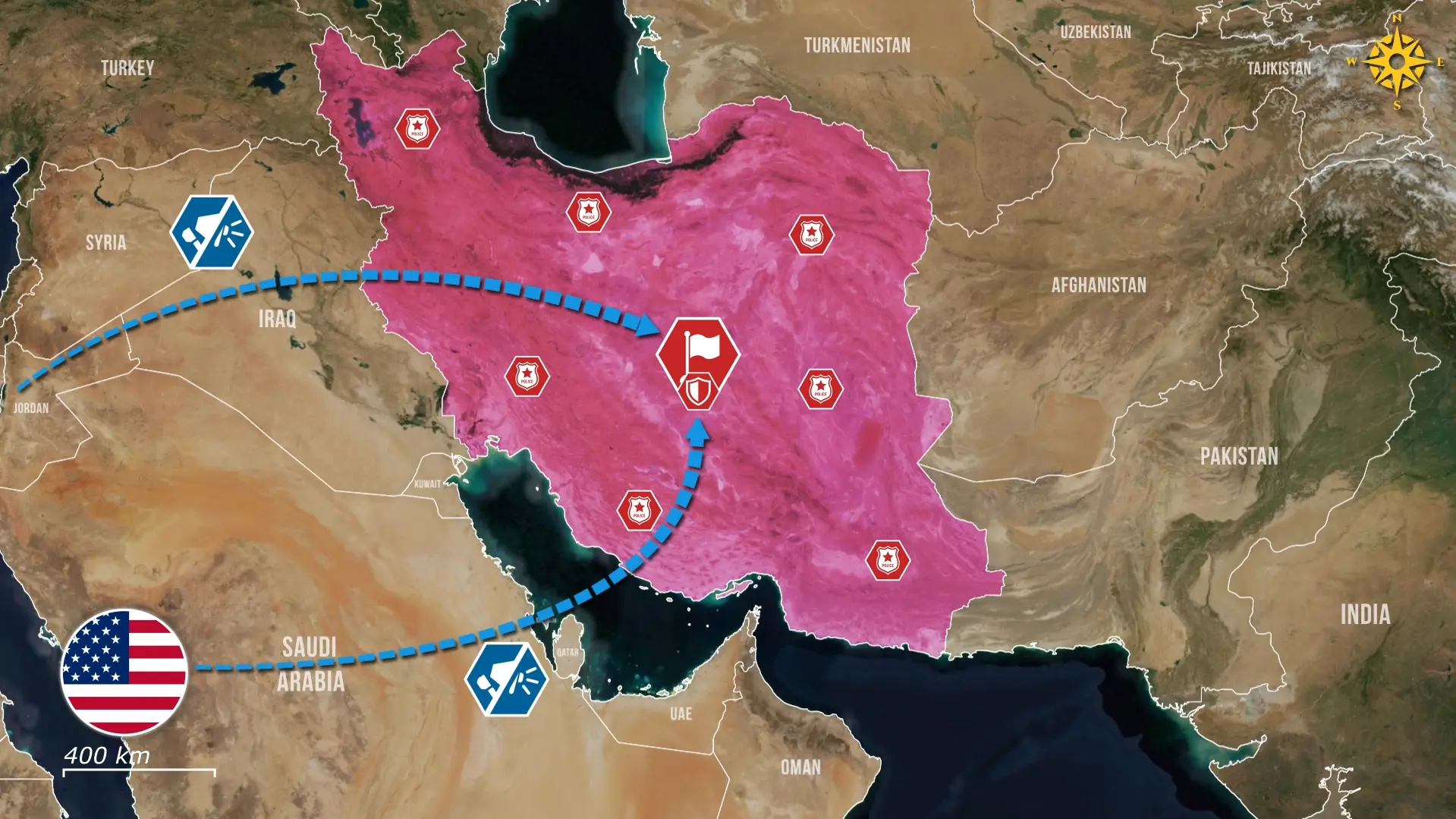
Overall, regime change failed because the protestors' momentum had passed, and the military campaign did not align with the reality on the ground. While the leadership was hit hard, it had enough depth to survive, and apply effective counter strategies such as repeated long range drone strikes and the closure of the Strait of Hormuz. What remained after the devastating strikes was a regime willing to escalate, a military capable of enduring, and a population too battered and isolated to act.

.jpg)

Comments