

.svg)
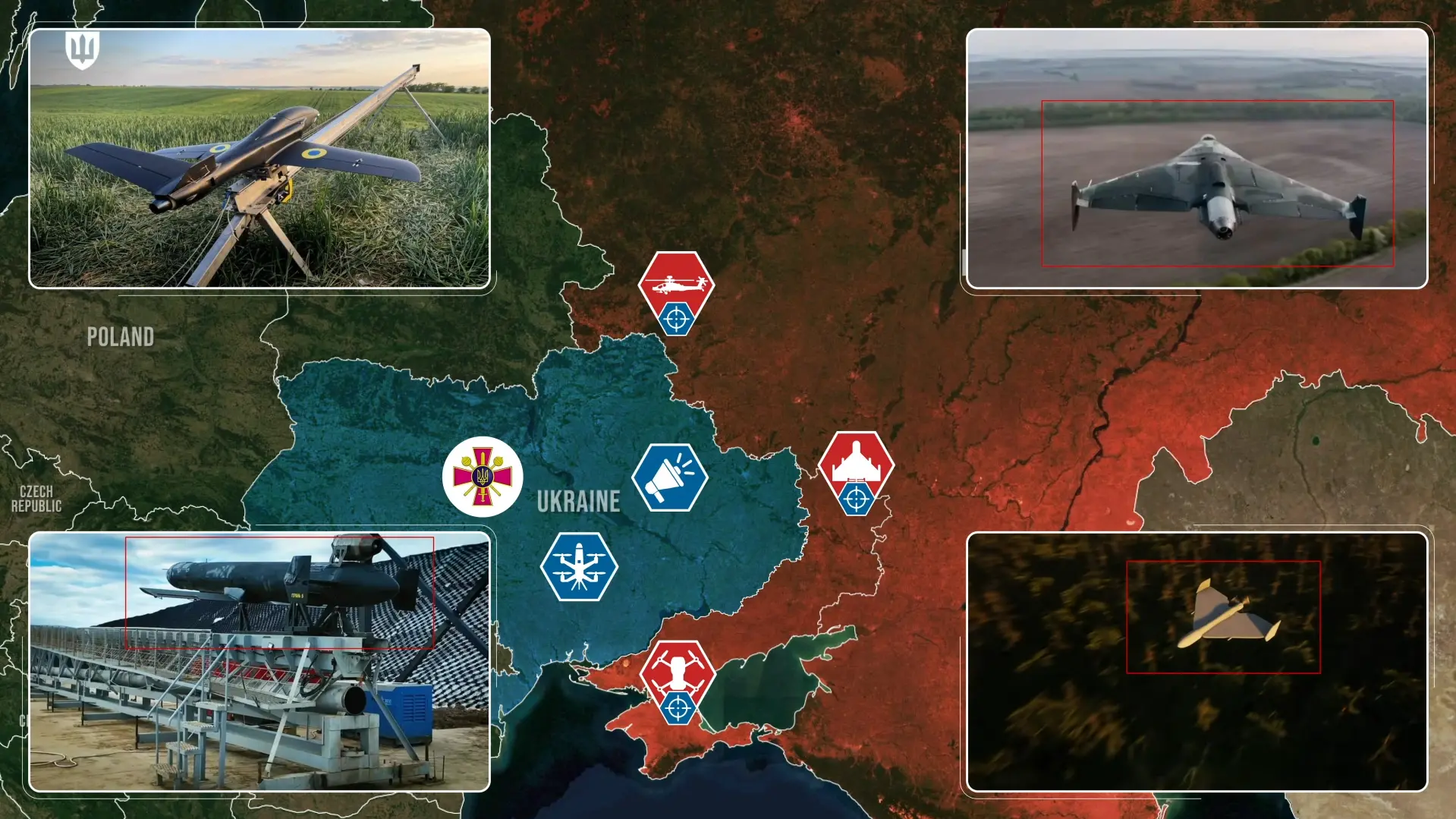
Ukraine’s Ministry of Defense has recently confirmed that the Alexa Spatium, the country’s first fully domestically produced jet powered drone interceptor, has entered service with the Ukrainian Armed Forces. This high-speed interceptor is primarily designed to destroy Russia’s Geran series kamikaze drones, including the Geran three, Geran four, Geran five, and Shahed one hundred thirty-one. According to Ukraine’s Ministry of Defense, the interceptor can also engage Russian reconnaissance drones, helicopters, and other individual aerial targets, as well as targets on land and at sea.
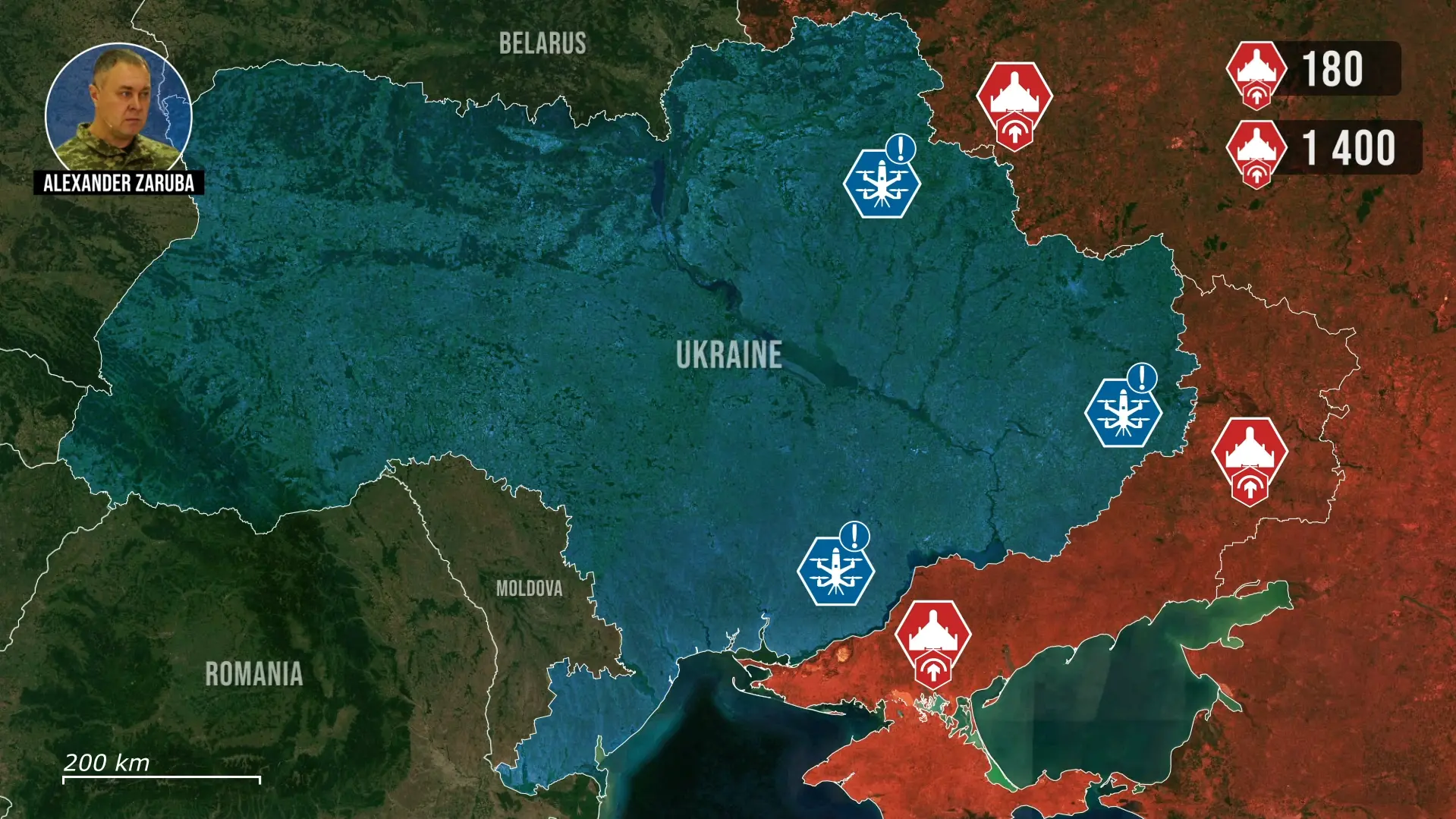
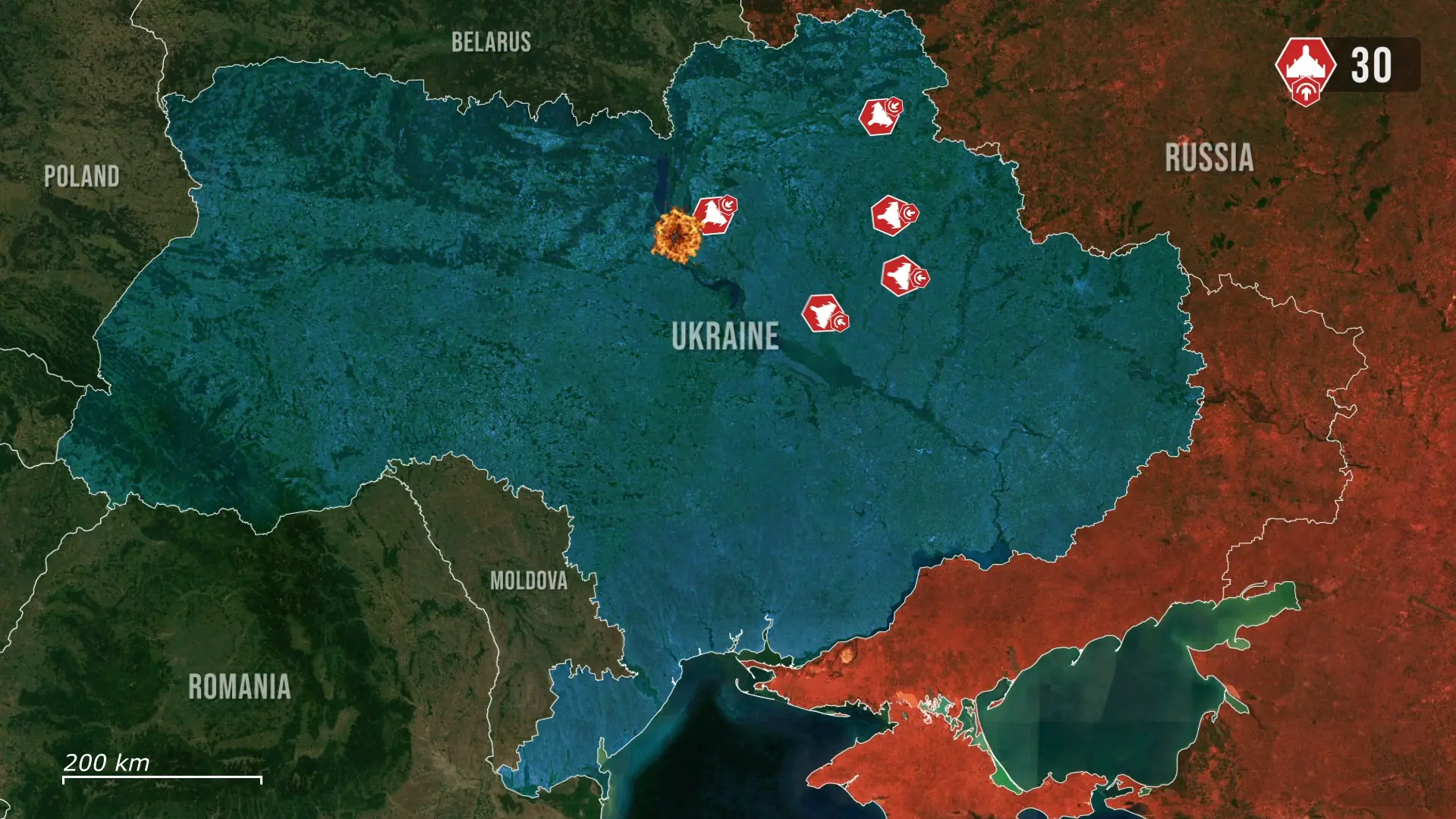
Recently, jet powered attack drones have emerged as a new and growing threat on the battlefield in Ukraine. According to Colonel Alexander Zaruba, chief researcher at Ukraine’s Research Institute of Weapons and Military Equipment, Russia used only one hundred eighty jet powered drones in attacks on Ukraine in two thousand twenty-five. But since the beginning of two thousand twenty-six, that number has risen to around one thousand four hundred representing an almost eightfold increase compared with two thousand twenty-five. This rapid increase means Ukraine is facing far more targets that its older, slower interceptors were not designed to chase.
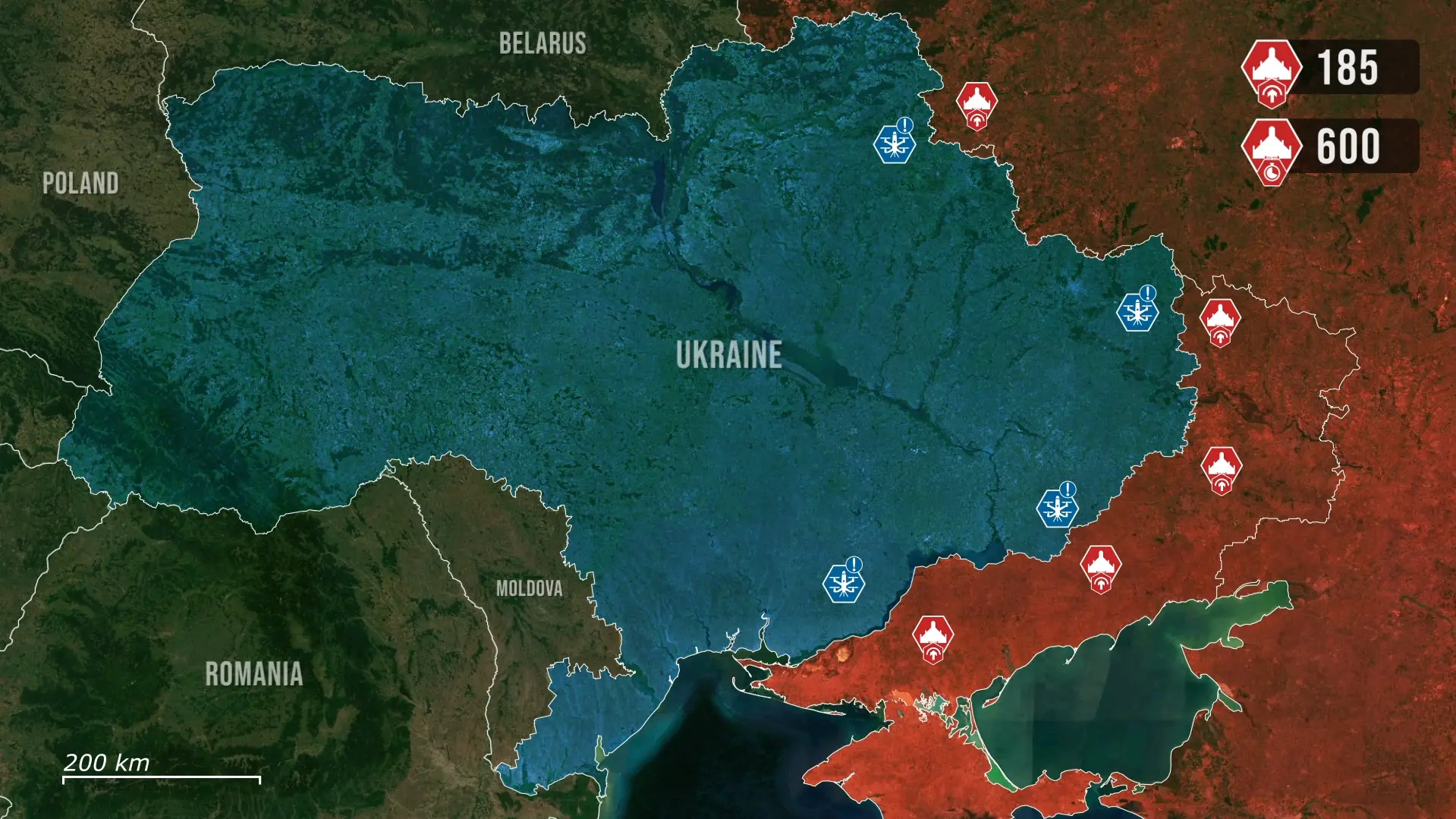
For example, during the early stages of the war, Russia’s widely used propeller driven Geran two and Shahed one hundred thirty-six drones had a top speed of around one hundred eighty-five kilometers per hour. The newer jet powered Geran series drones, however, can now reach speeds of between three hundred and six hundred kilometers per hour. In contrast, the propeller driven interceptor drones used by Ukrainian forces on the battlefield have proven effective against Russian Shahed one hundred thirty six and Geran two drones. However, with Russia’s new jet powered drones flying at significantly higher speeds, these interceptors are increasingly struggling to catch and intercept them.
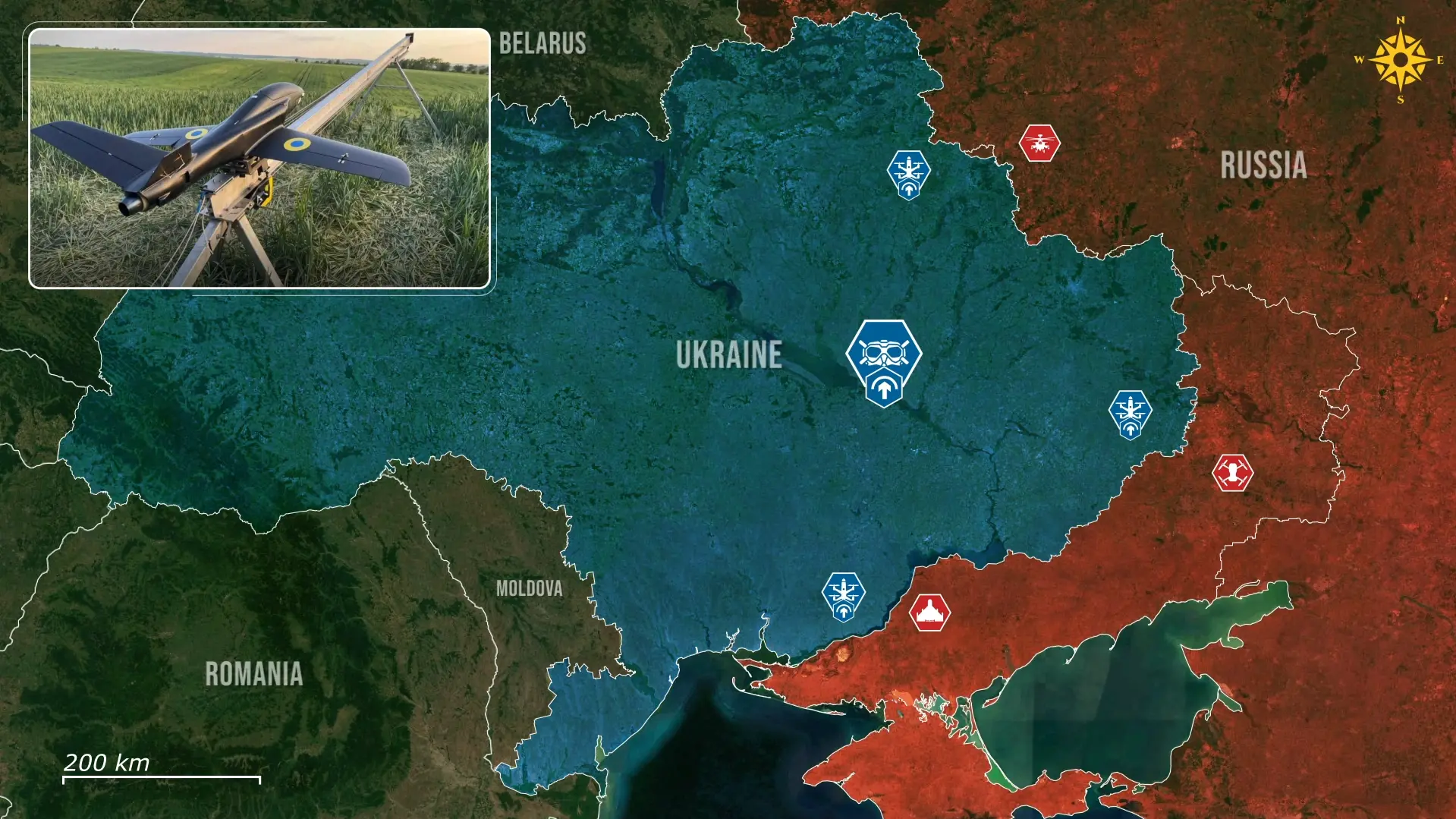
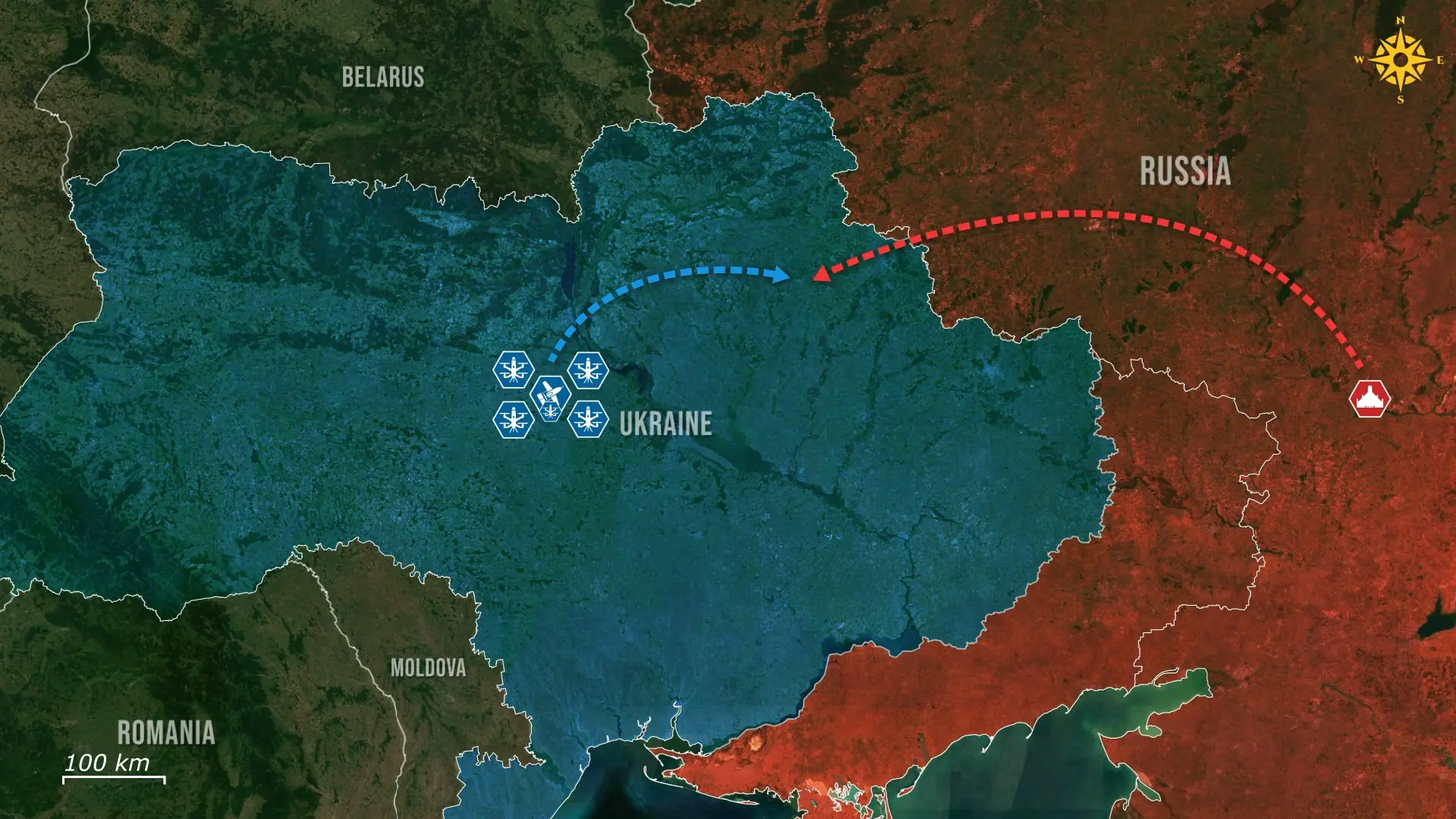
To counter the threat posed by these fast moving Russian jet powered drones, Ukraine has already begun deploying the Alexa Spatium interceptor drone on the battlefield. Ukrainian forces have equipped the interceptor with a turbojet engine, giving it a top speed of more than six hundred kilometers per hour. Its speed gives Ukrainian operators an interceptor capable of keeping up with Russia’s newer jet powered attack drones. Moreover, the interceptor can operate autonomously using pre programmed coordinates or in direct control mode, allowing Ukrainian drone operators to adjust its engagement method according to battlefield conditions. The drone can also carry various types of warheads, including high explosive fragmentation, shaped charge, and thermobaric warheads, making it capable of engaging a range of aerial targets, including Russian attack and reconnaissance drones and helicopters. In addition, the interceptor can return to its launch site if it misses its target during a mission, allowing it to be recovered and reused. Furthermore, its compact size allows it to be transported and deployed rapidly. Measuring approximately one point five by one point seven meters, the drone can be launched within minutes from a mobile catapult. This enables Ukrainian air defense teams to rapidly reposition and quickly deploy the interceptor against aerial threats approaching from any direction.
Moreover, Interceptor drones are emerging as a cost effective alternative to expensive air defense missiles for Ukraine in countering Russia’s fast moving drones on the battlefield. One of the biggest problems in modern air defense is the cost of stopping cheap drones. A defender can end up using an extremely expensive air defense missile to destroy a relatively low cost attack drone, quickly driving up the cost of defense over the long term. With this reality in mind, Ukraine is significantly expanding its use of interceptor drones on the battlefield. These drones can counter fast moving aerial threats at a relatively low cost, reducing the need to use expensive missiles against every individual target.
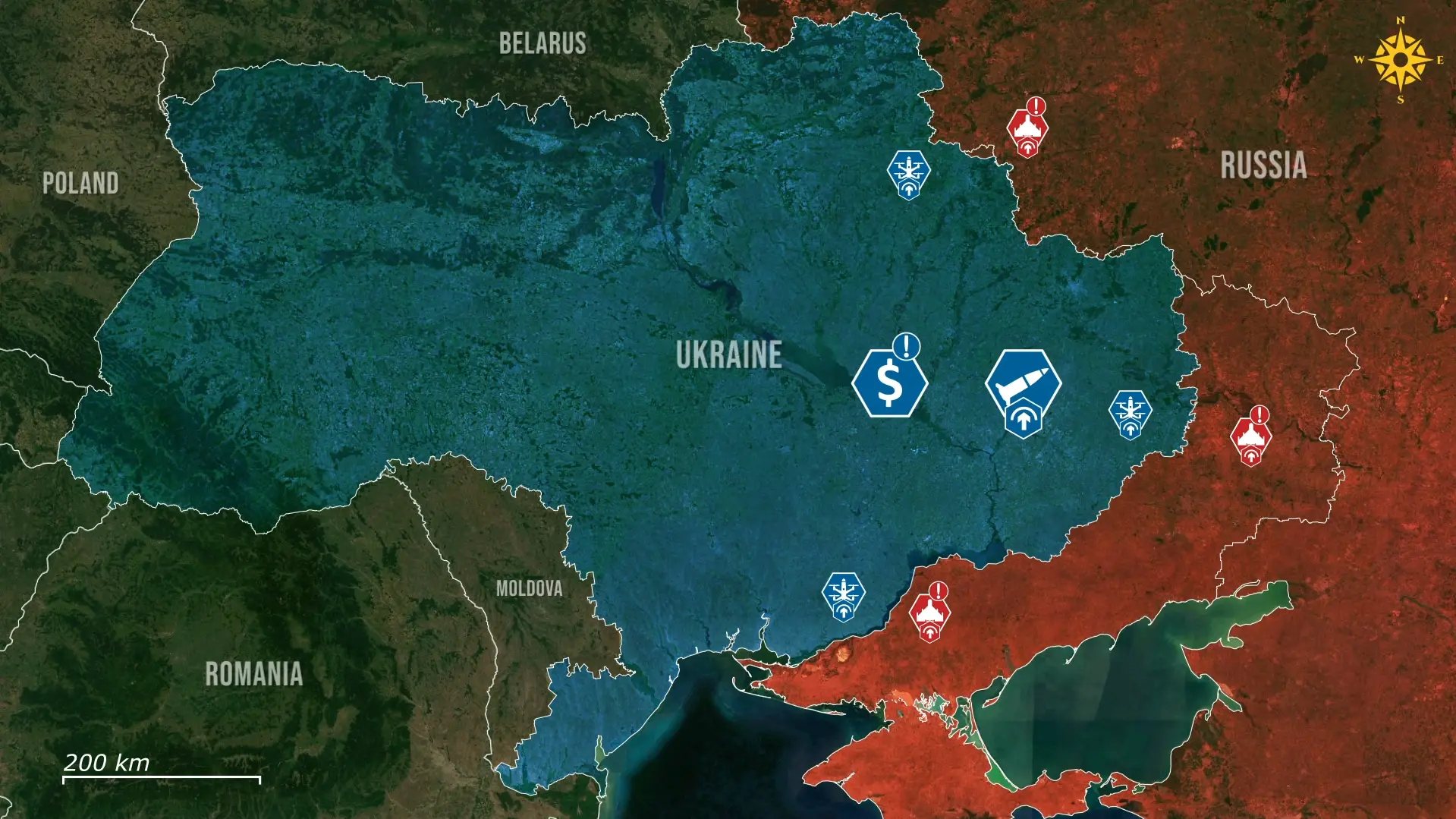
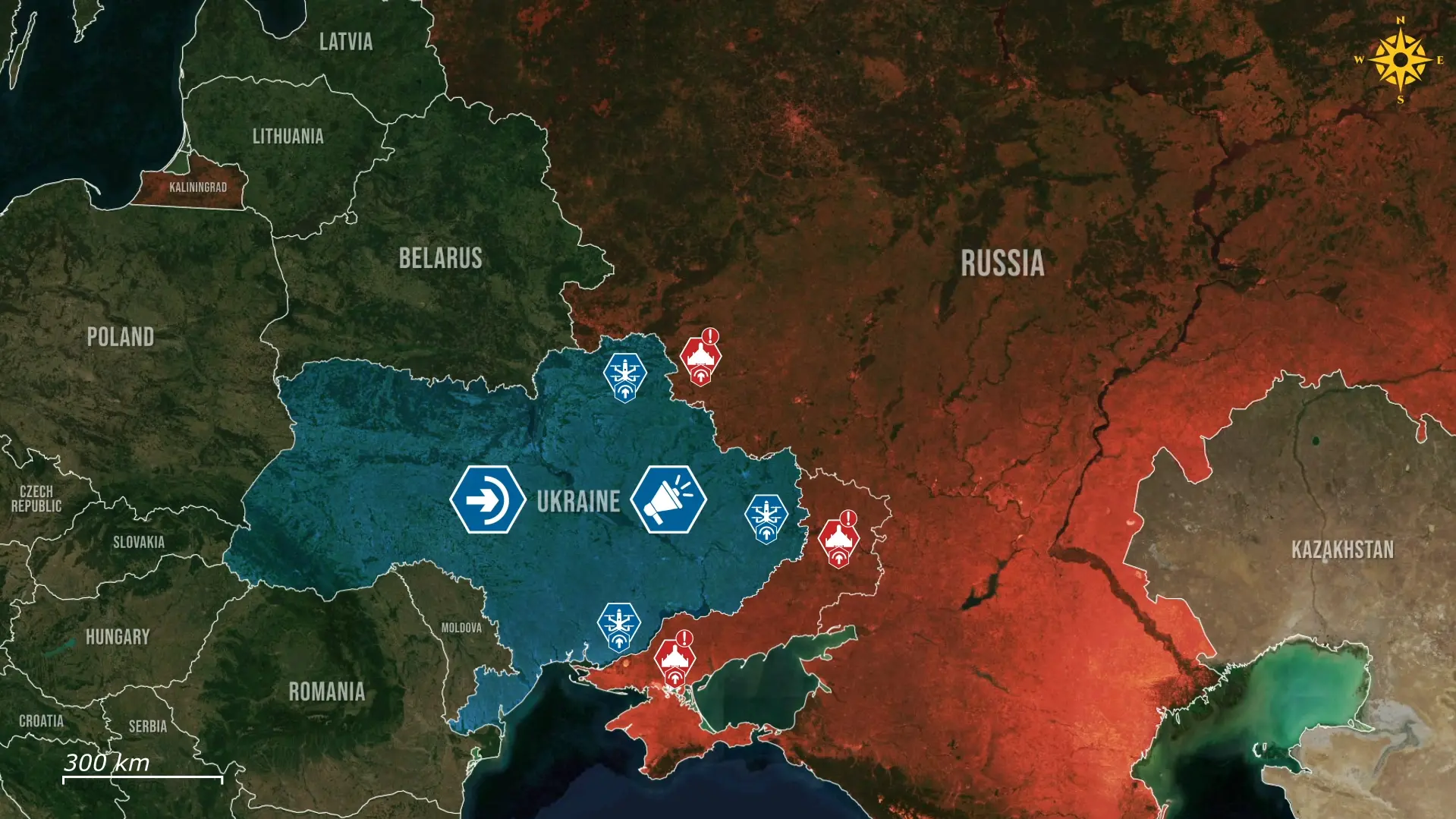
Overall, the integration of the Alexa Spatium into Ukraine’s air defense architecture marks an important shift in the country’s defensive strategy. The emergence of jet versus jet warfare is more than just the arrival of a new type of weapon. It shows how Russia’s use of faster drones is forcing Ukraine to adapt its defenses and develop new ways to protect its airspace. The Alexa Spatium is a clear example of this shift, giving Ukraine a specialized interceptor for a threat that its older systems were increasingly struggling to address.

.jpg)


Comments