

.svg)
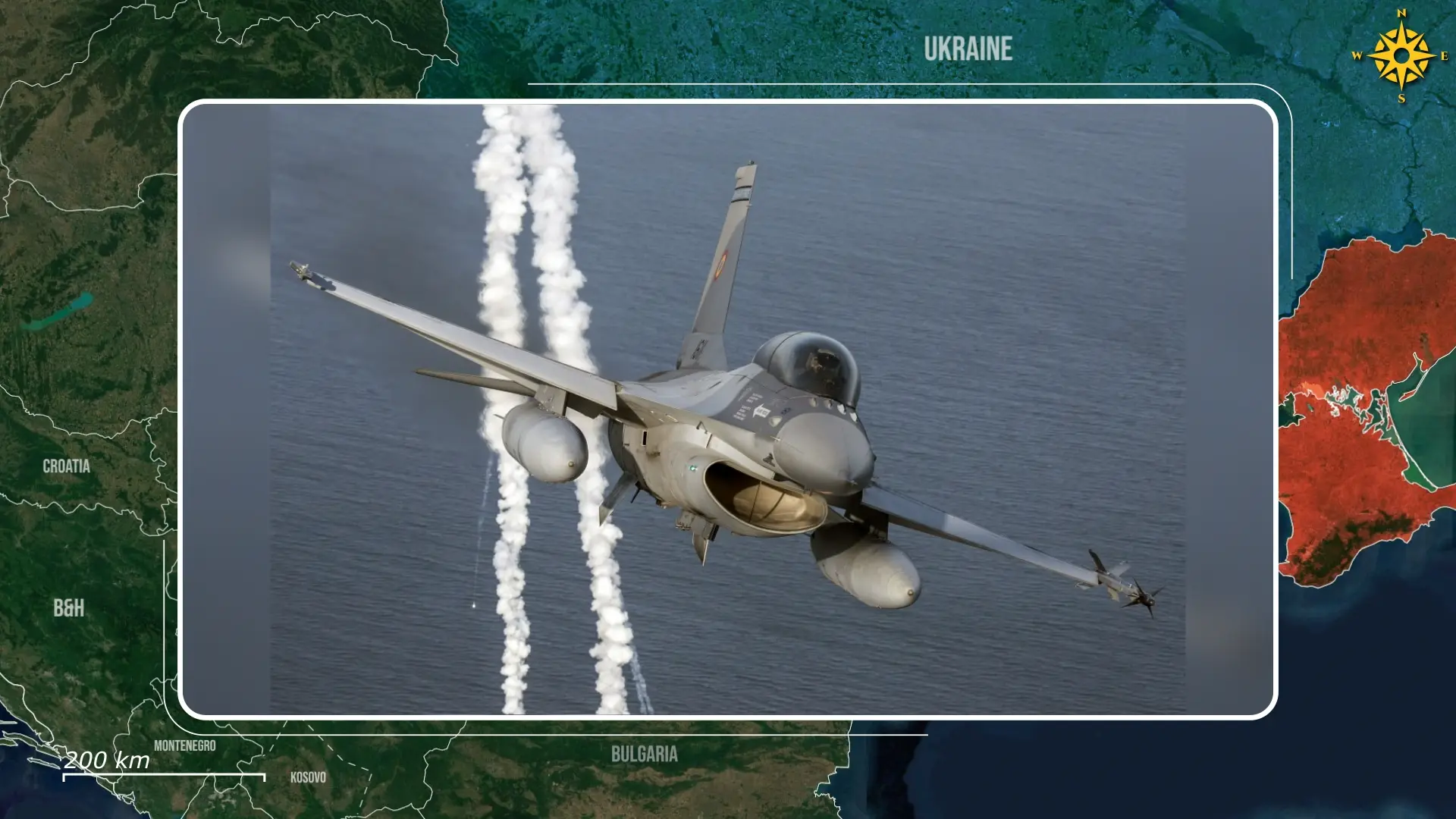
Russia has pushed Romania beyond the point of restraint after consecutive Shahed drone incursions transformed repeated airspace violations into an unmistakable pattern. Incoming Russian Shaheds forced Romania to scramble F-Sixteen fighter jets in three consecutive days, shooting the intruders over Romanian territory and territorial waters. Russia’s consecutive drone violations of Romanian airspace represent a serious escalation, with the follow-up intercepts marking a shift from prior passive responses of the Nato member state.
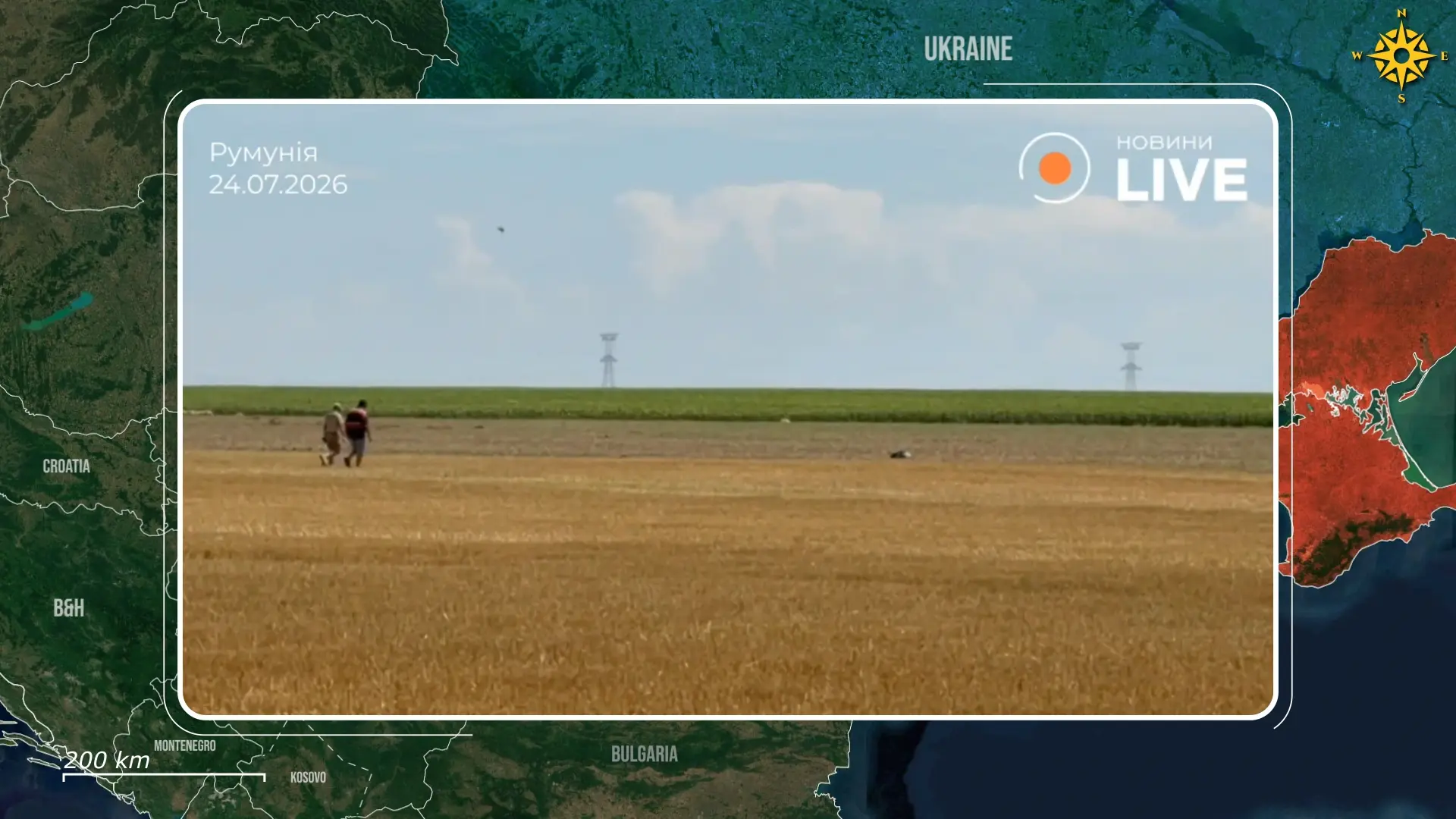
Ukraine’s Air Force revealed the most important detail about these incursions: the drones were confirmed to be controlled by Russian operators through a mesh network, allowing them to be controlled in real-time and voiding any excuse of this being a series of unfortunate accidents. Traditional Shaheds rely on pre-programmed GPS routes, vulnerable to jamming. Mesh networks use modems installed on the drones themselves, connected to other Shahed drones also in the air. This forms an active web where each Shahed drone functions as a communication node, relaying commands, being steered in live-time. This means that because the drones are directly steered by Russian drone operators and are not vulnerable to GPS spoofing, repeated flights into Romanian territory cannot be dismissed as an accident and amount to a calculated provocation against Romania and Nato.
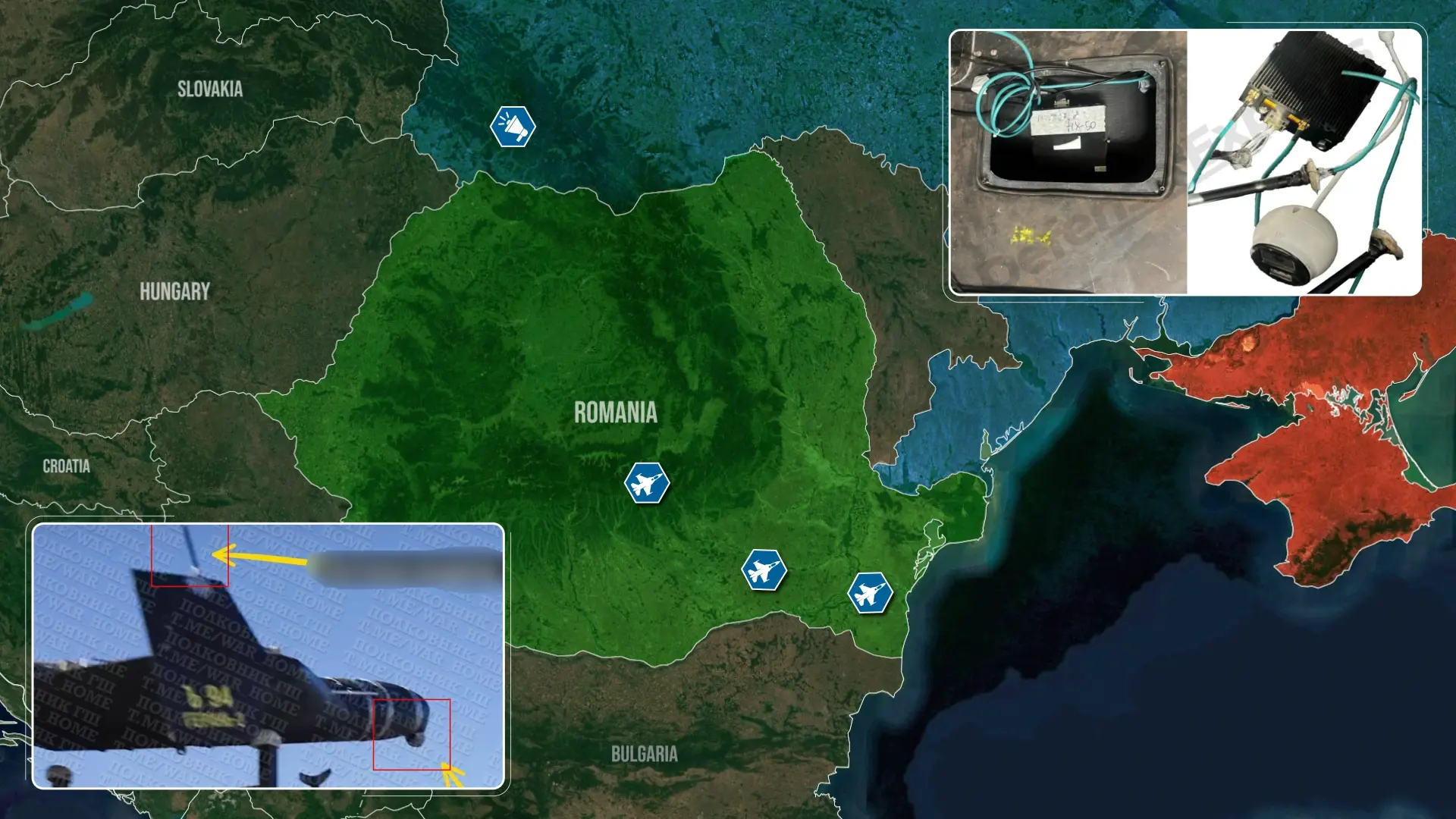
The motive is consistent with Russian threats, as the Kremlin repeatedly warned Europe that helping Ukraine would bring consequences and greater suffering, telling Europeans to prepare for what is coming. Such incursions allow Russia to test how quickly Nato radars detect a threat, how long fighters take to launch, which bases respond, what interception tactics are used, and where the alliance’s escalation limits lie. They may also impose an unfavorable financial exchange, forcing Romania to expend valuable air-defense missiles, while the Russian command gathers intelligence; as a Shahed can cost roughly twenty to fifty-thousand US dollars, while an air-to-air missile fired by an F-Sixteen can cost from five-hundred-thousand to one-million US dollars.
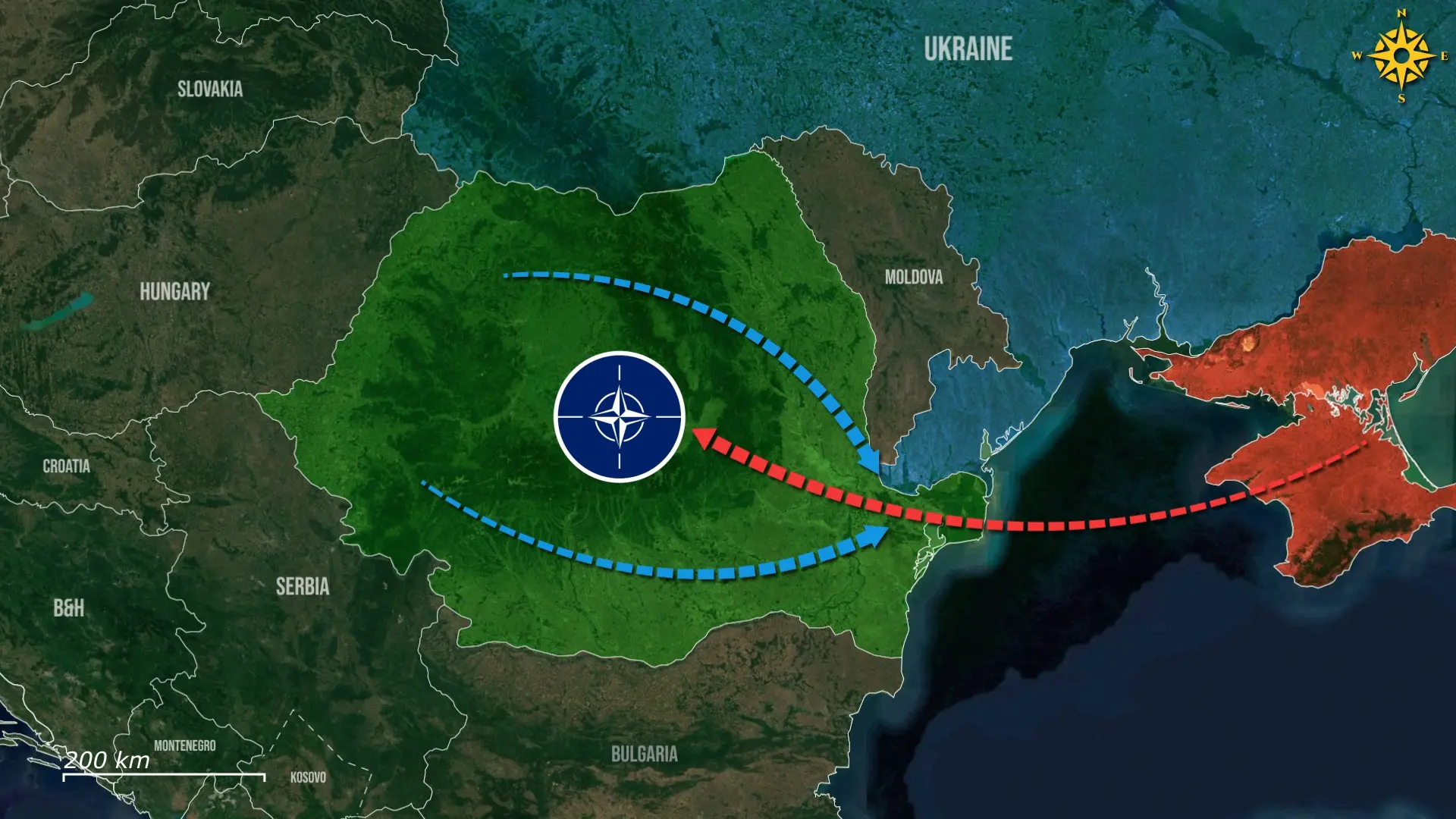
However, Romania has now clearly drawn a line, and instead of merely tracking intruding drones or recovering debris afterward, its multirole fighters are actively destroying them. This shows Bucharest is not afraid to answer Russian escalation with military force when Romanian territory is threatened. It also creates a serious new problem for Russian attacks on Odesa, as the Ukrainian port region lies immediately beside Romania and the Danube Delta, while Russian drones frequently approach through the Black Sea or along border corridors to make interception harder.
Previous Russian raids have repeatedly sent drones or wreckage onto Romanian soil, so Romanian fighters can begin consistently intercepting Russian drones, as they can’t trust that Russian drones and missiles won’t hit Romanian territory. This would mean that the most secure way to prevent that chance altogether will be to shoot them down before they can reach Ukraine and Romania. As a result, Russia will lose not only its safest approach route toward Odesa, but this could also quickly lead to the establishment of an actual Nato-imposed no-fly-zone over parts of Ukrainian territory.

At the same time, Bucharest reinforced this military response diplomatically, as the Russian ambassador was summoned, handed a formal protest, and a Russian embassy employee was declared persona non grata. The message was direct: Romania will no longer listen patiently to denials after repeated violations. If Russian drones approach its territory, Romania will defend its airspace, and Moscow will have little standing to complain about the consequences.
This follows Russia's use of this method before: act subtly, blame Ukrainian electronic warfare, suggest accidental deviation, or accuse Kyiv of arranging a false flag operation and launching a Russian drone against Nato territory. Although Russian officials rarely admit that such violations are purposeful, this time the scale and repetition have made any excuses impossible to sustain, as daily Russian provocations forced Romania to move from observation to armed interception.

Overall, Russia may have intended to intimidate Romania, test Nato, and increase the cost of defending the alliance’s eastern flank. Instead, it has encouraged a Nato member to take up arms and interfere directly with Russian strike routes toward Odesa. By continuing deliberate incursions, Russia now risks provoking wider Nato involvement, stronger regional air defenses, and a Black Sea increasingly closed to its drones.
.jpg)



Comments