

.svg)
Today, there are interesting updates from the Kupiansk direction.
Here, the final survivors of the Russian infiltration forces are trying to hold out as long as possible inside Kupiansk to keep Putin’s claim of control alive. However, Ukrainian forces reinforced with Columbian units rushed in one of its most lethal units to clear the hiding enemy once and for all.
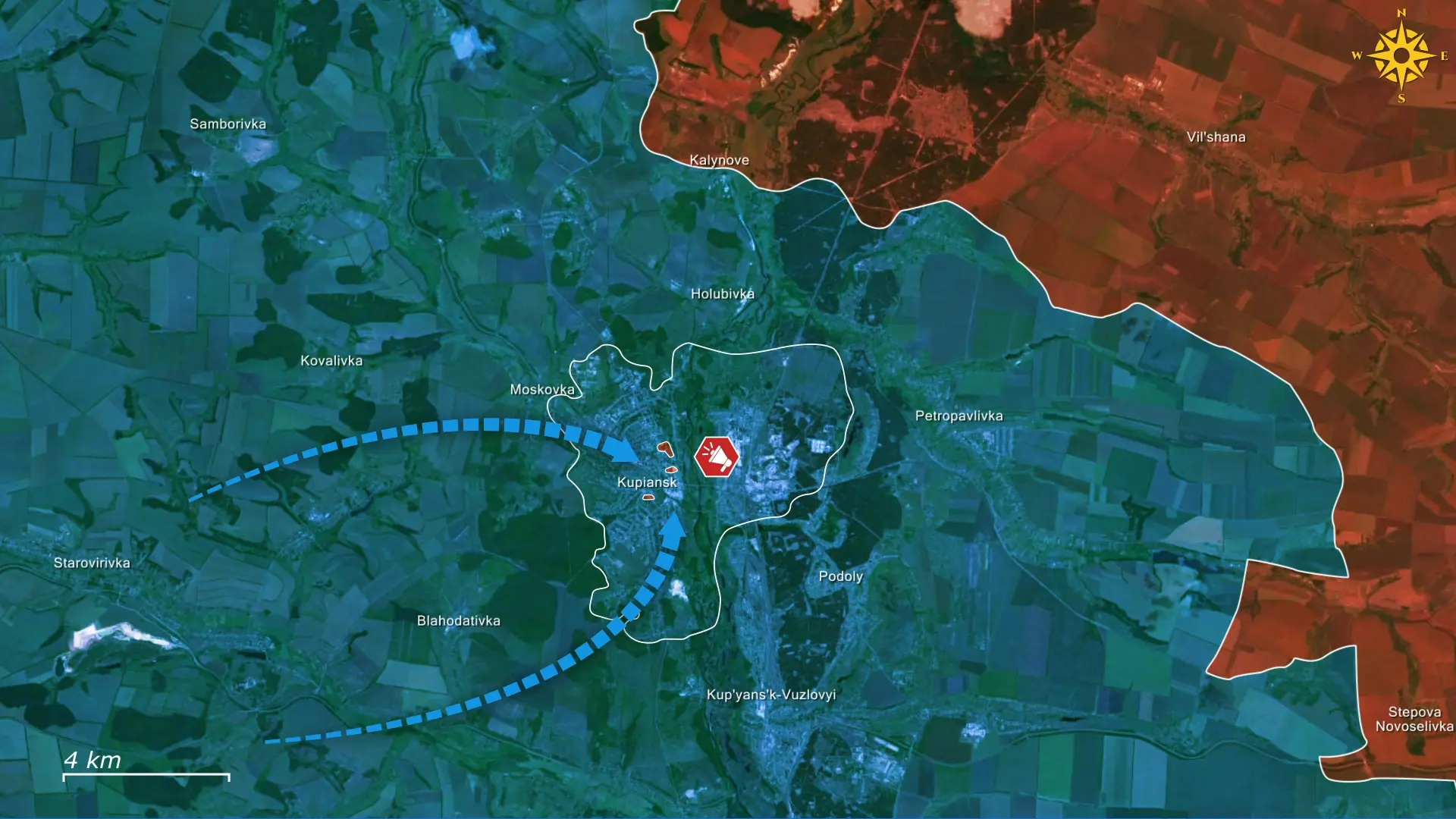
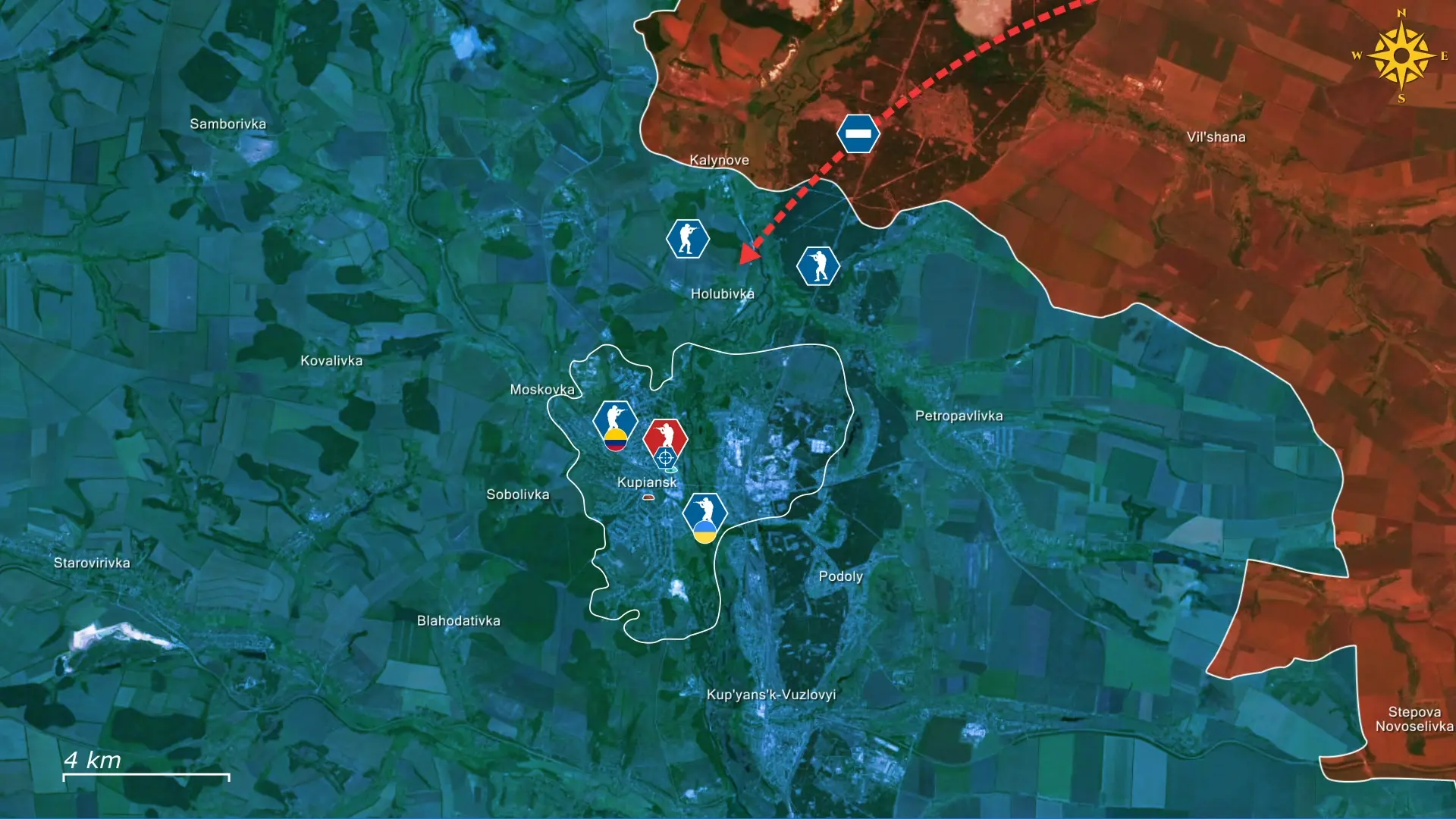
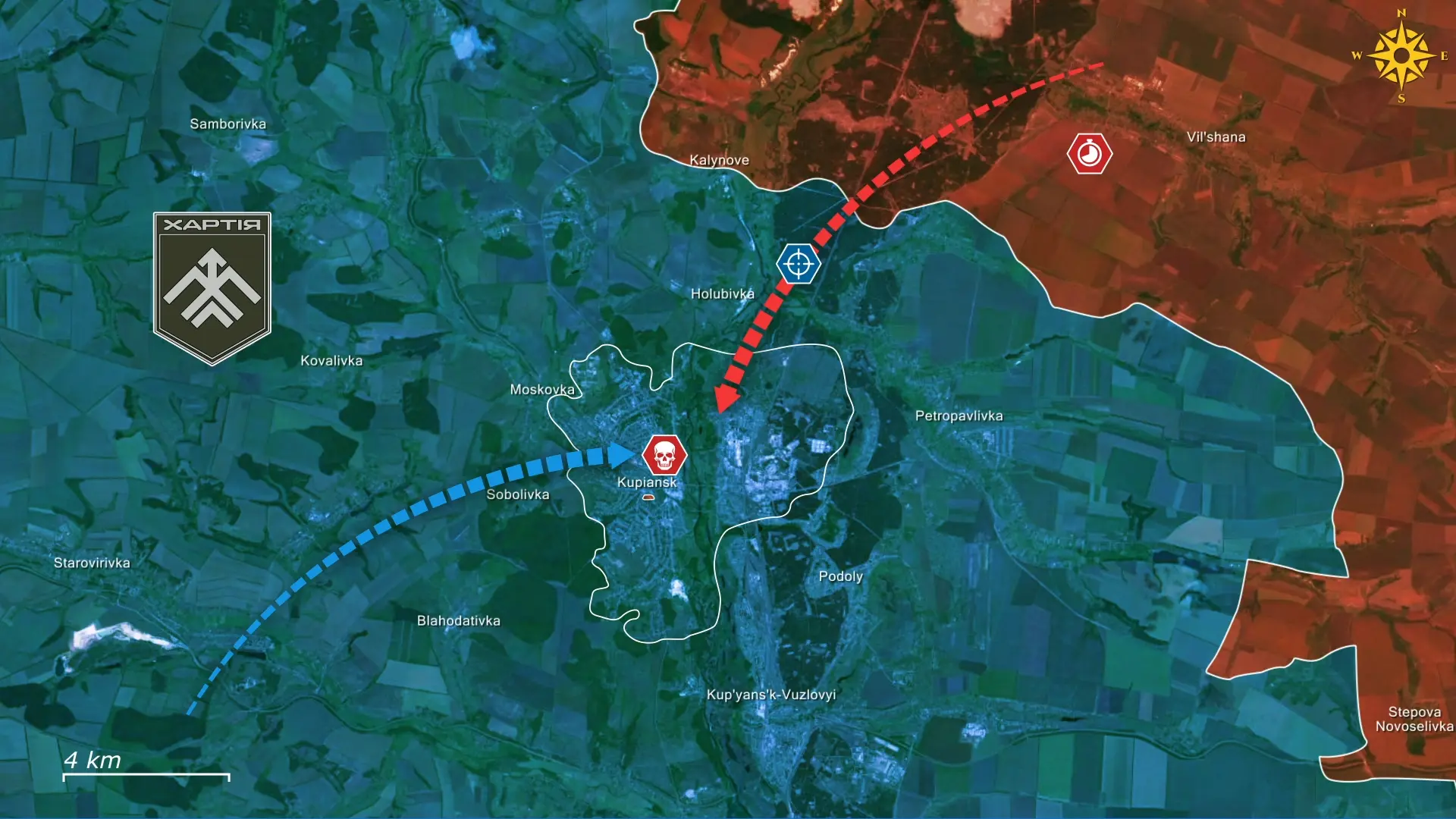
The Ukrainian command deployed the Reconnaissance and Strike Group to Kupiansk, an assault group formed by Colombian volunteers alongside other Spanish-speaking fighters from South America, part of the 13th Khartia Brigade. Many of its troops are former military veterans with decades of combat experience against guerrilla movements and organized crime, giving them a background well-suited to complex urban and irregular warfare. As such, they were deployed specifically to help encircle and dismantle the remaining Russian presence in Kupiansk.
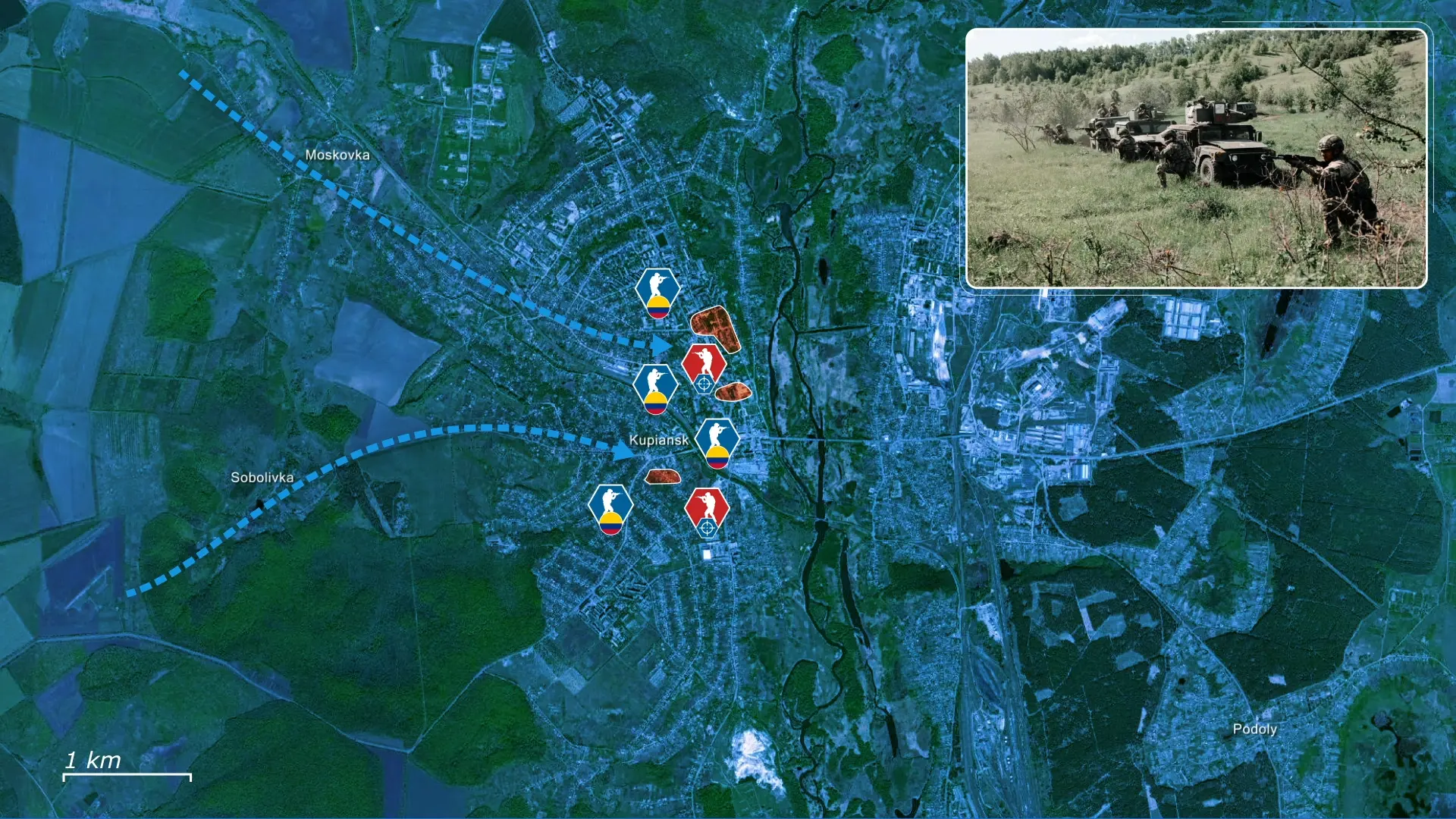
Rather than conducting broad frontal assaults, the Colombian-dominated RUG focused on small-unit maneuver, urban movement, and systematic encirclement of Russian positions. Drawing on their background in counter-insurgency and high-risk operations, these fighters are experienced operating in compact teams and capable of rapid decision-making under fire.
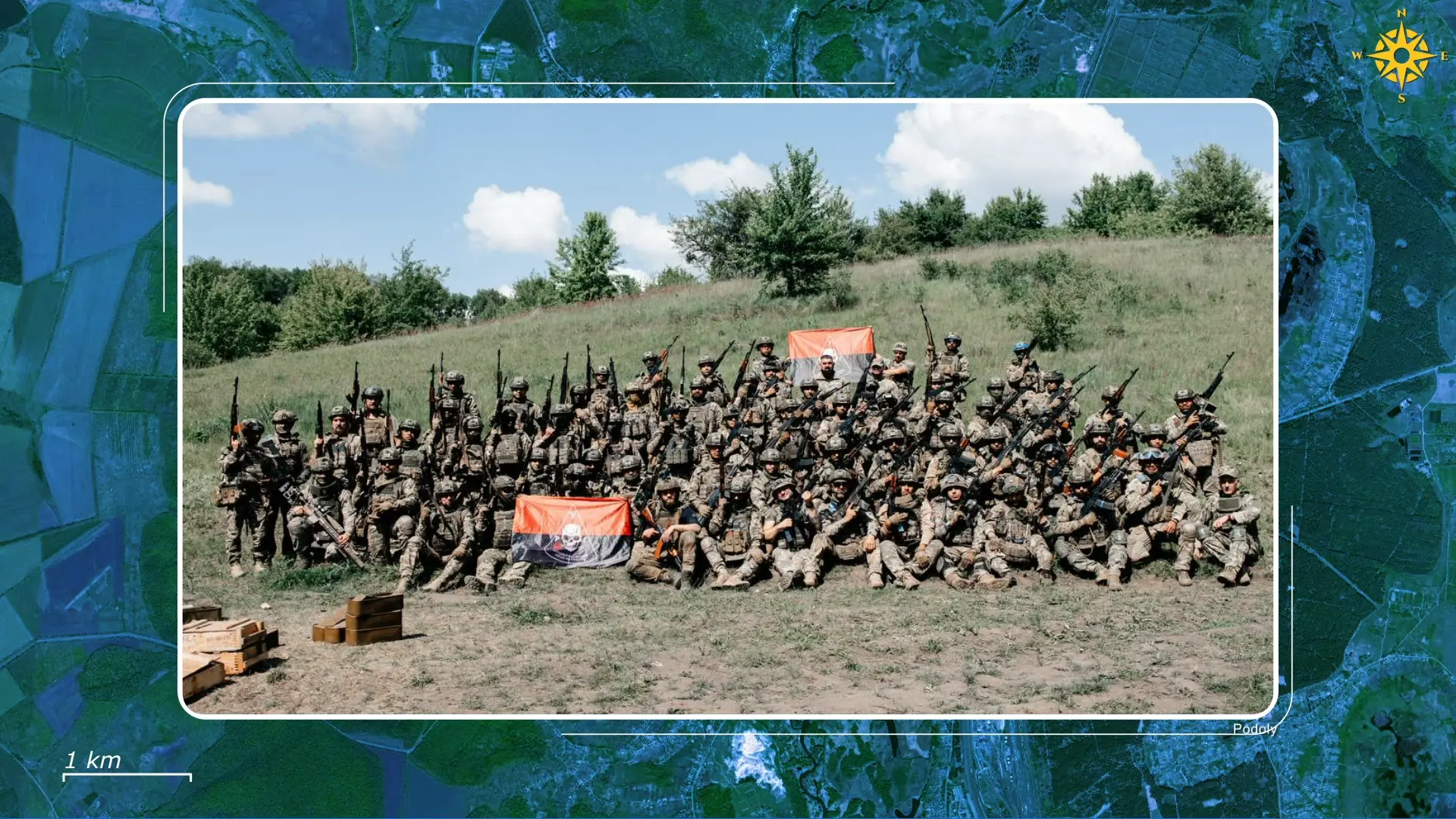
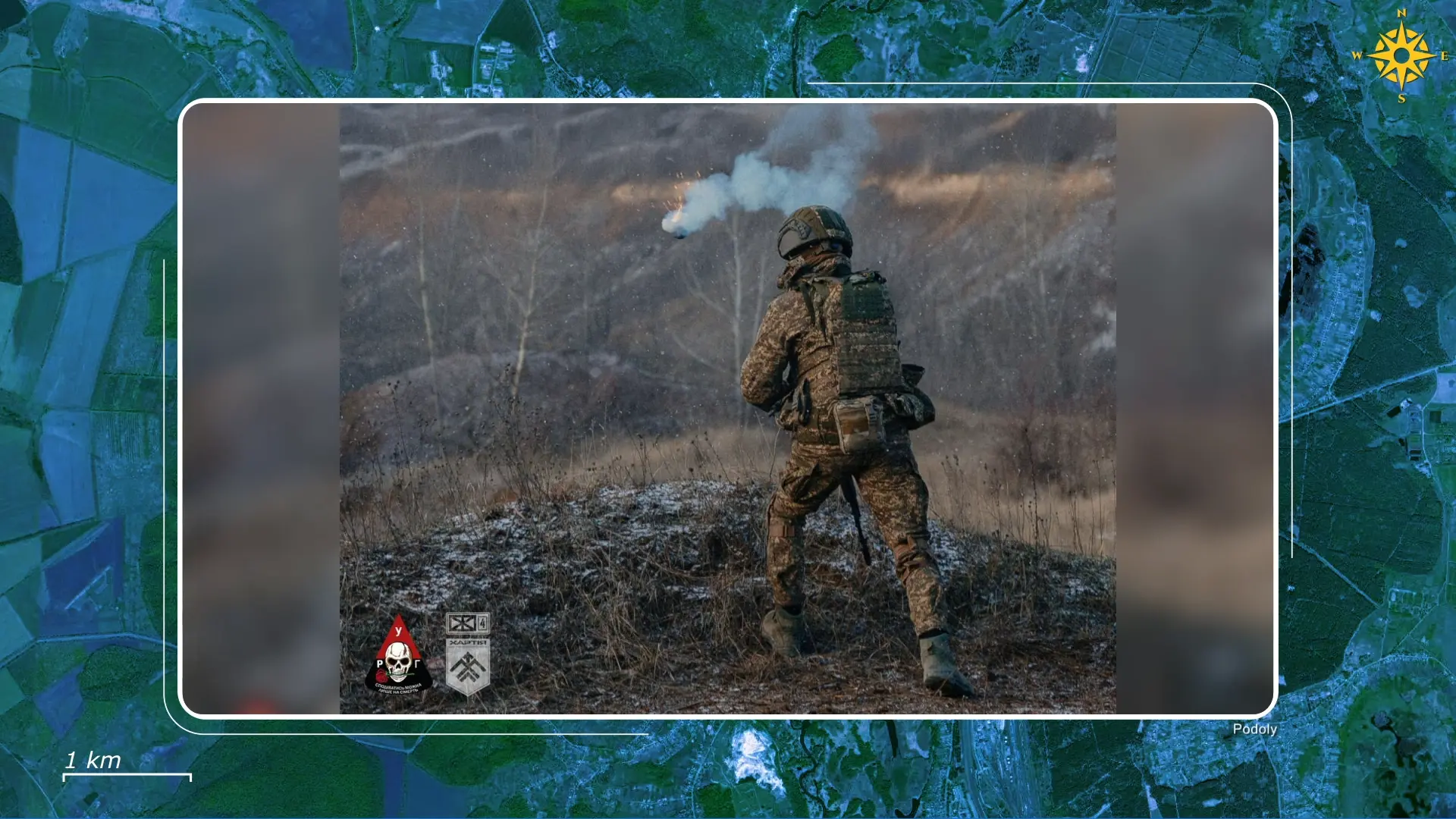
Skills that are especially important in Kupiansk’s fragmented frontline, which has translated into a series of micro-encirclements, where Russian groups are cut off from one another, with denied escape routes, and being neutralized or captured in controlled engagements to minimize Ukrainian casualties.
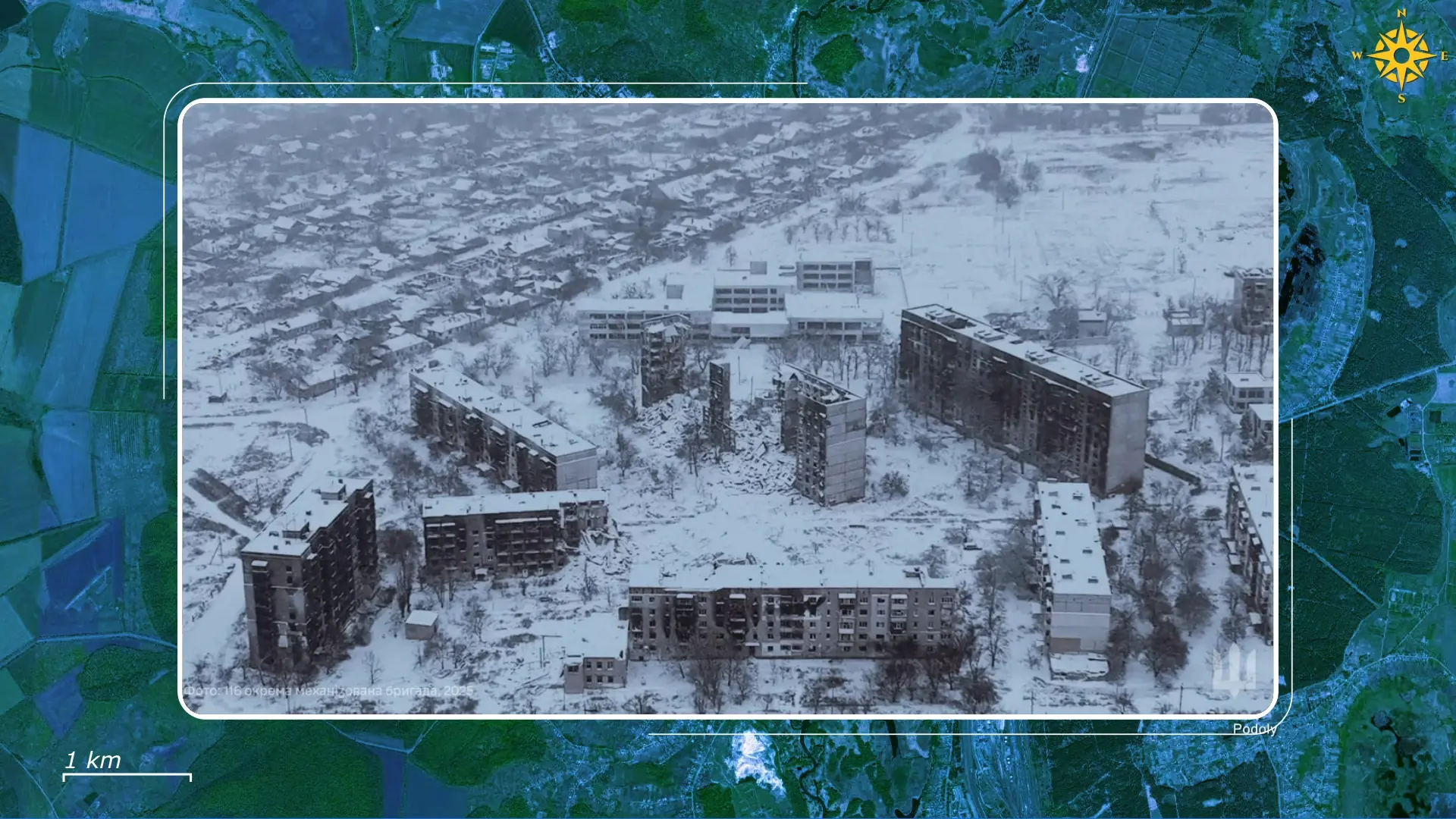
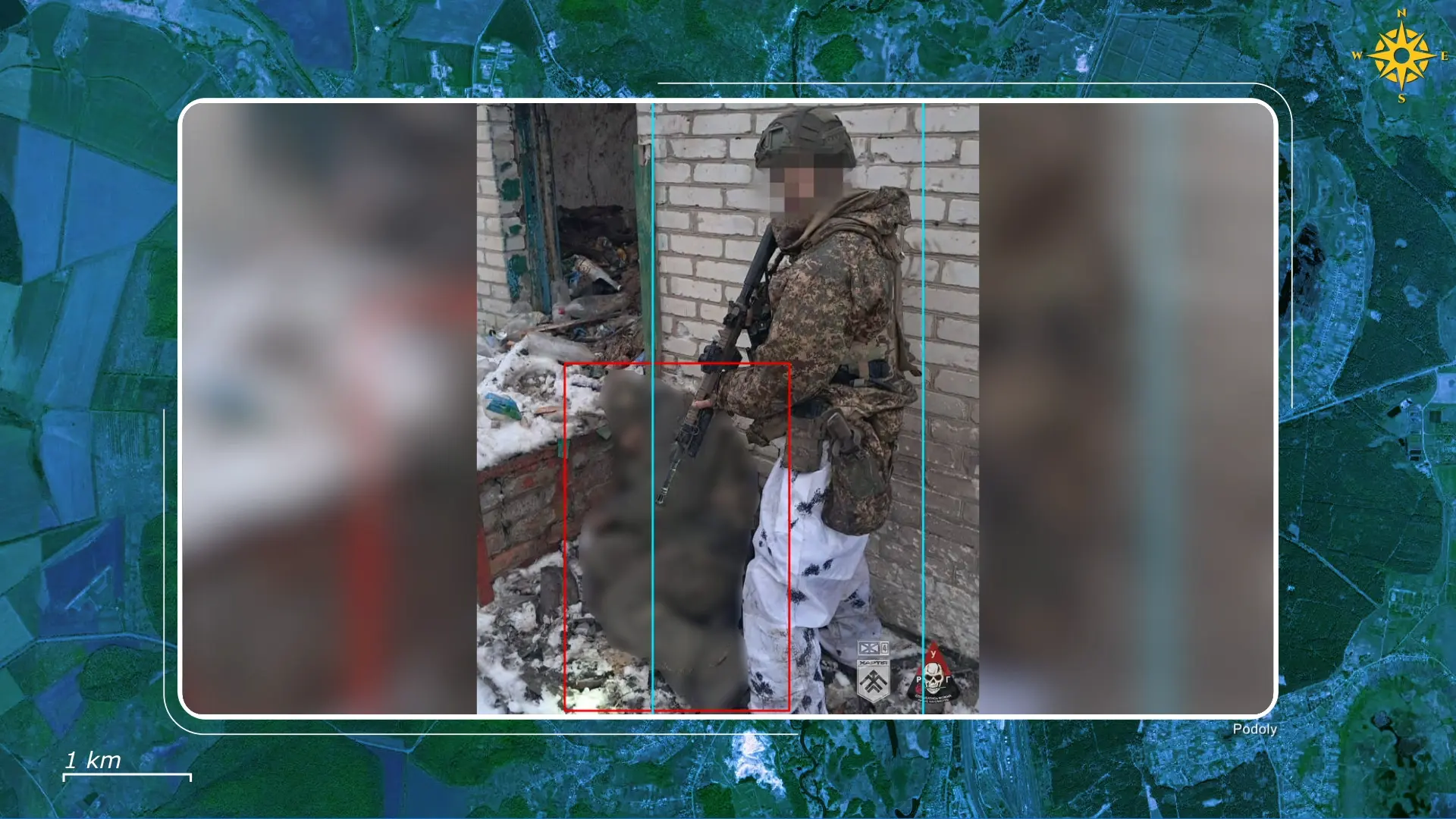
Footage from the unit illustrates how this approach unfolded in practice, showing Colombian fighters advancing through a ruined urban block under active Russian drone threat. Despite a drone exploding near them and some sustaining minor injuries, the unit continued its movement, using shattered walls and collapsed structures as cover.
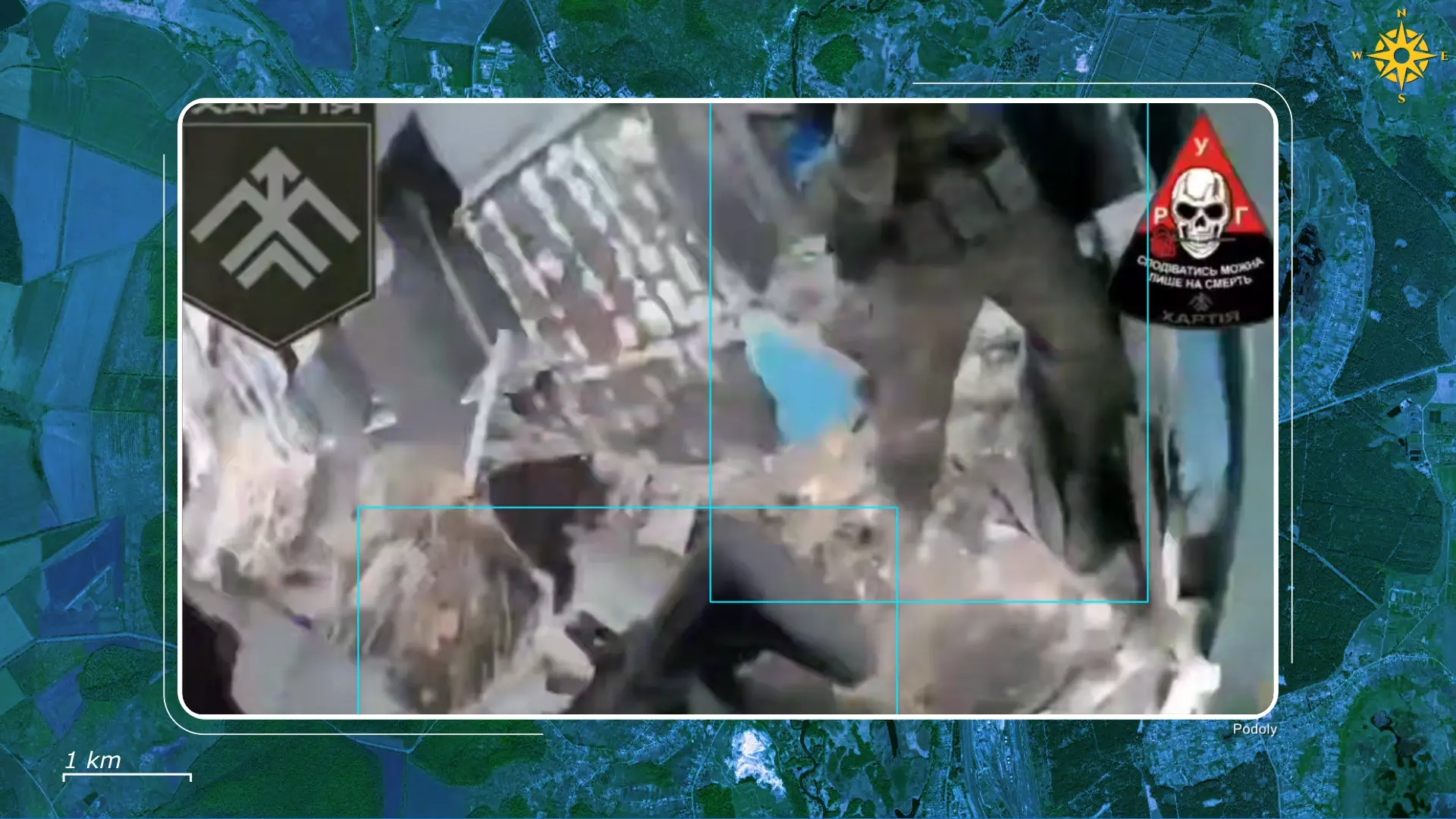
Another clip filmed by a Colombian volunteer shows careful surveillance from an upper-floor position, scanning streets and courtyards for hidden Russian soldiers while simultaneously monitoring the sky for enemy drones.
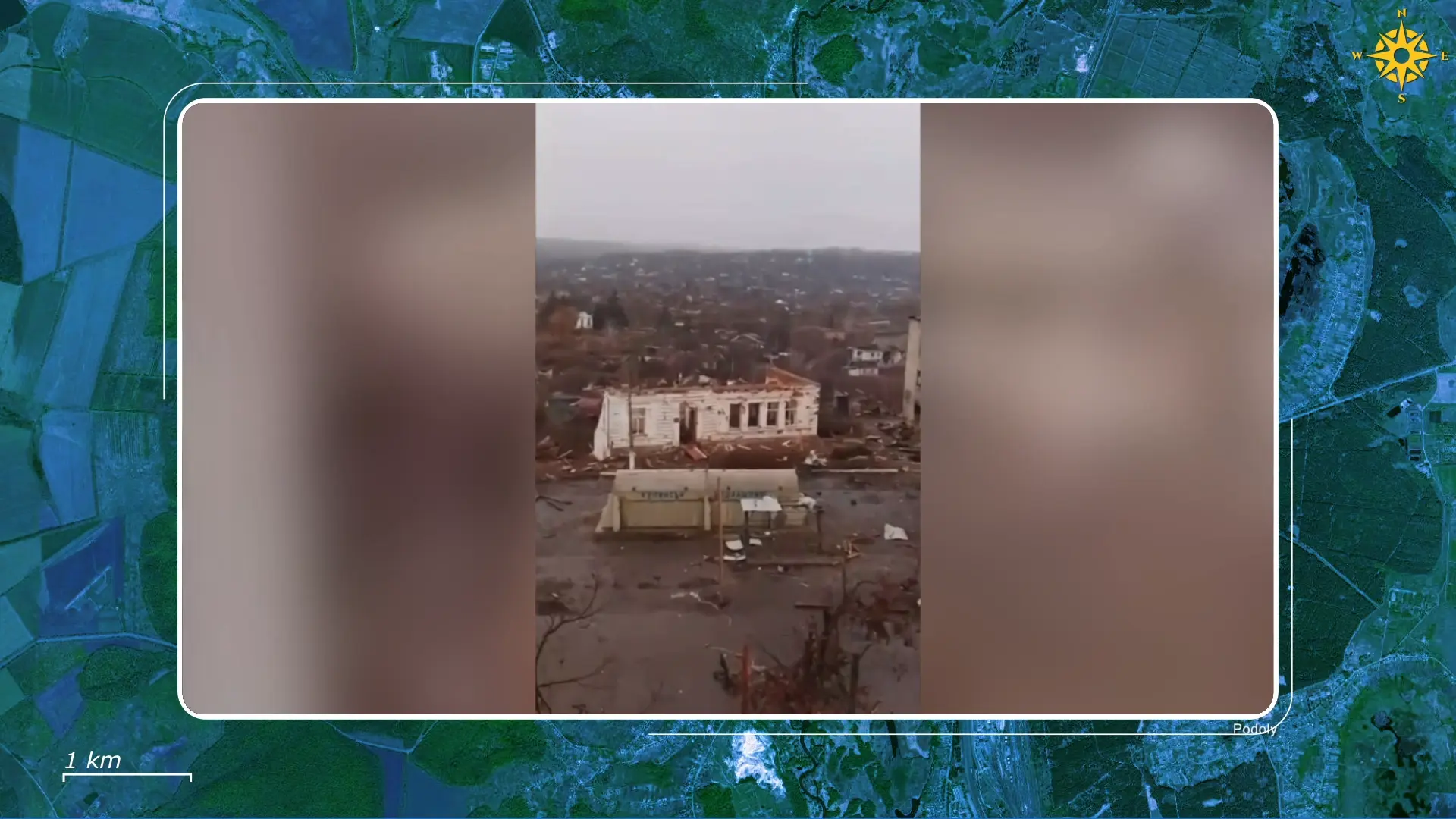
Benefitting from this surveillance on the ground and the constant work of drone operators, the Ukrainian command identified a pocket of Russian troops hiding in and around Kupiansk’s town council building, which sits on a relatively open square offering good observation and firing angles that could benefit the Russians.
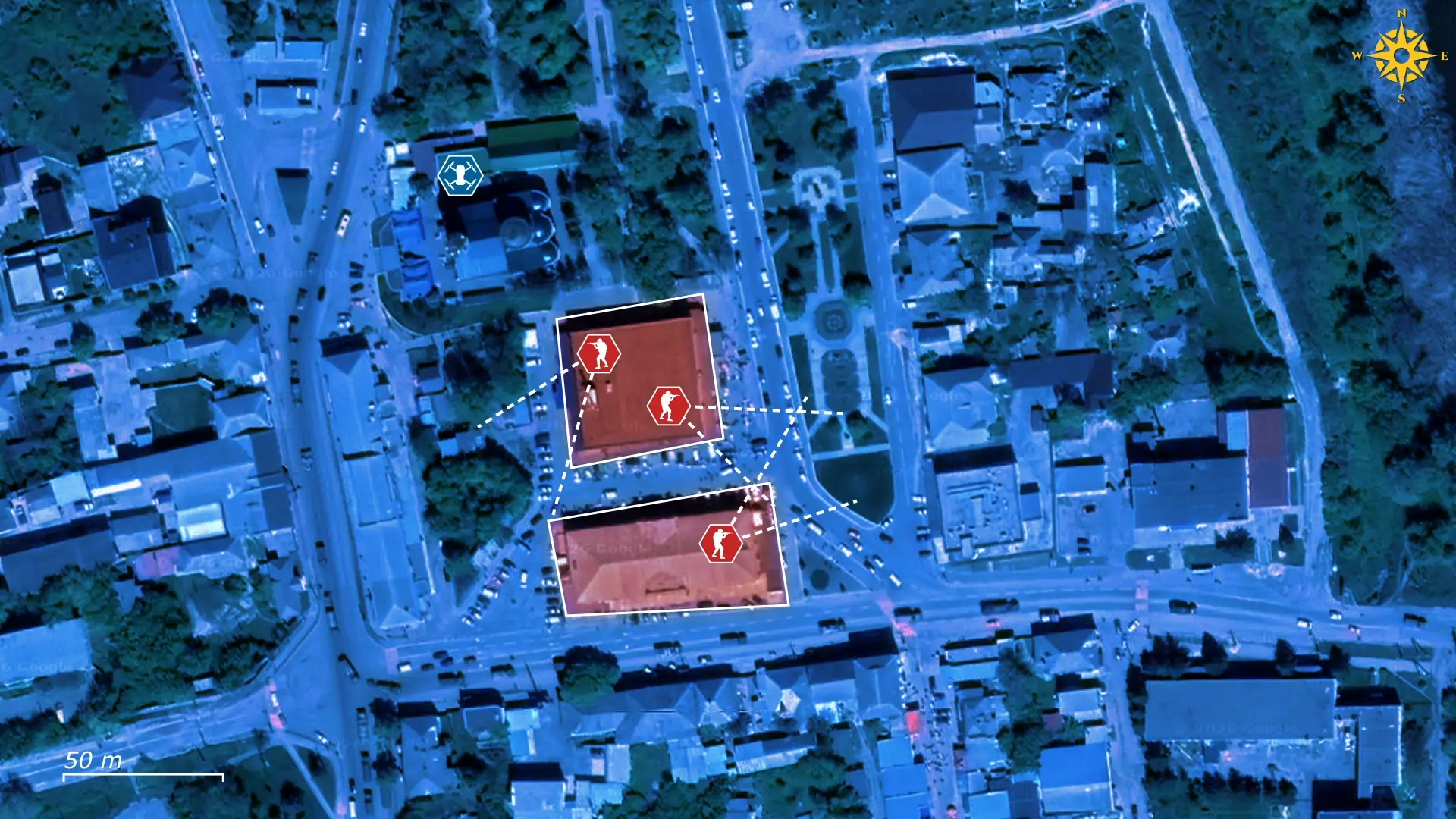
Rather than assaulting it directly, the Colombian group first cleared a five-story building on the opposite side of the square to prevent getting under crossfire from multiple directions. After a close-range firefight secured that structure, Ukrainian drone operators confirmed continued Russian presence inside the town hall. Colombian fighters then opened sustained small-arms fire, forcing Russian soldiers to reposition inside the building.
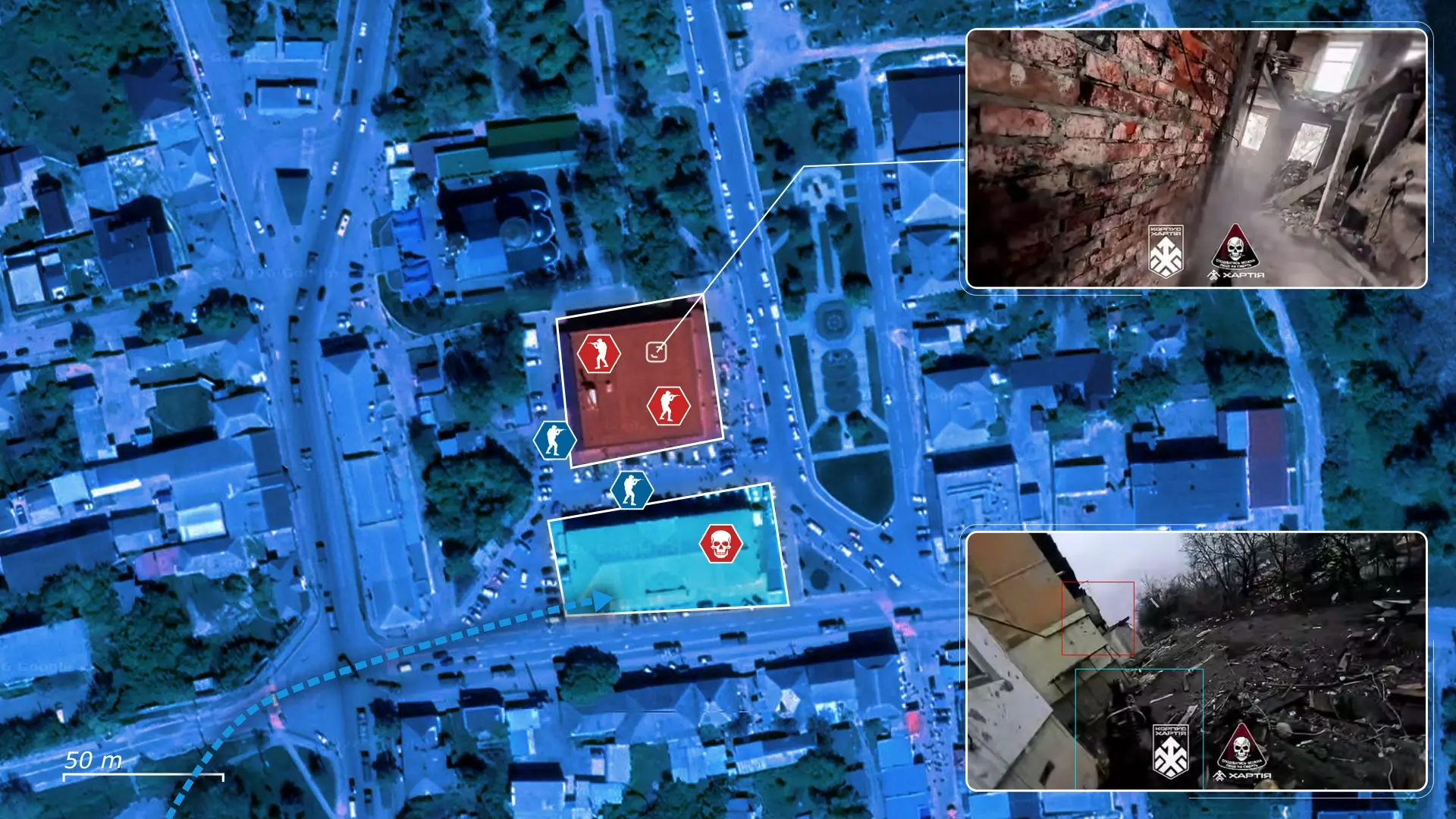
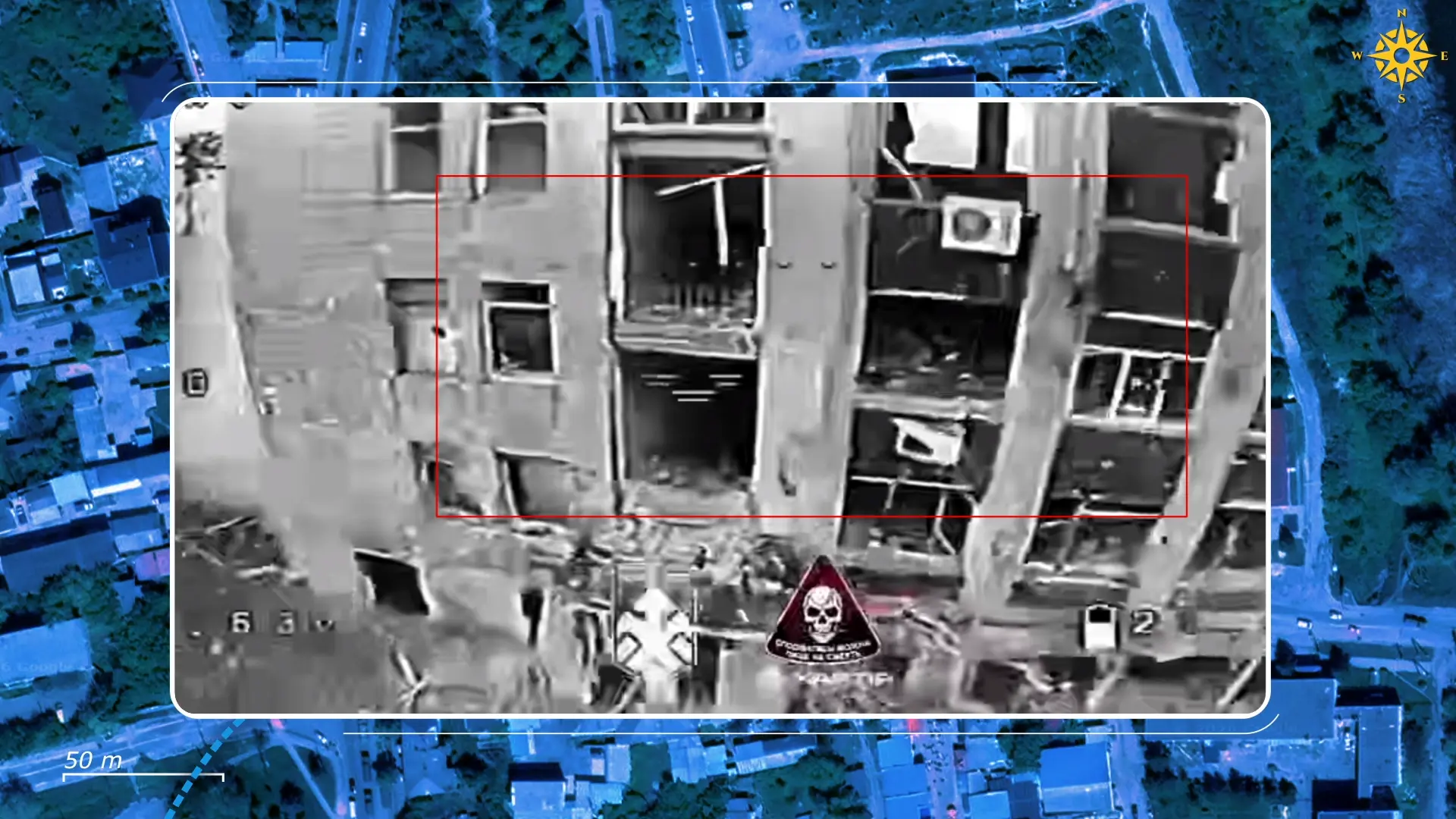
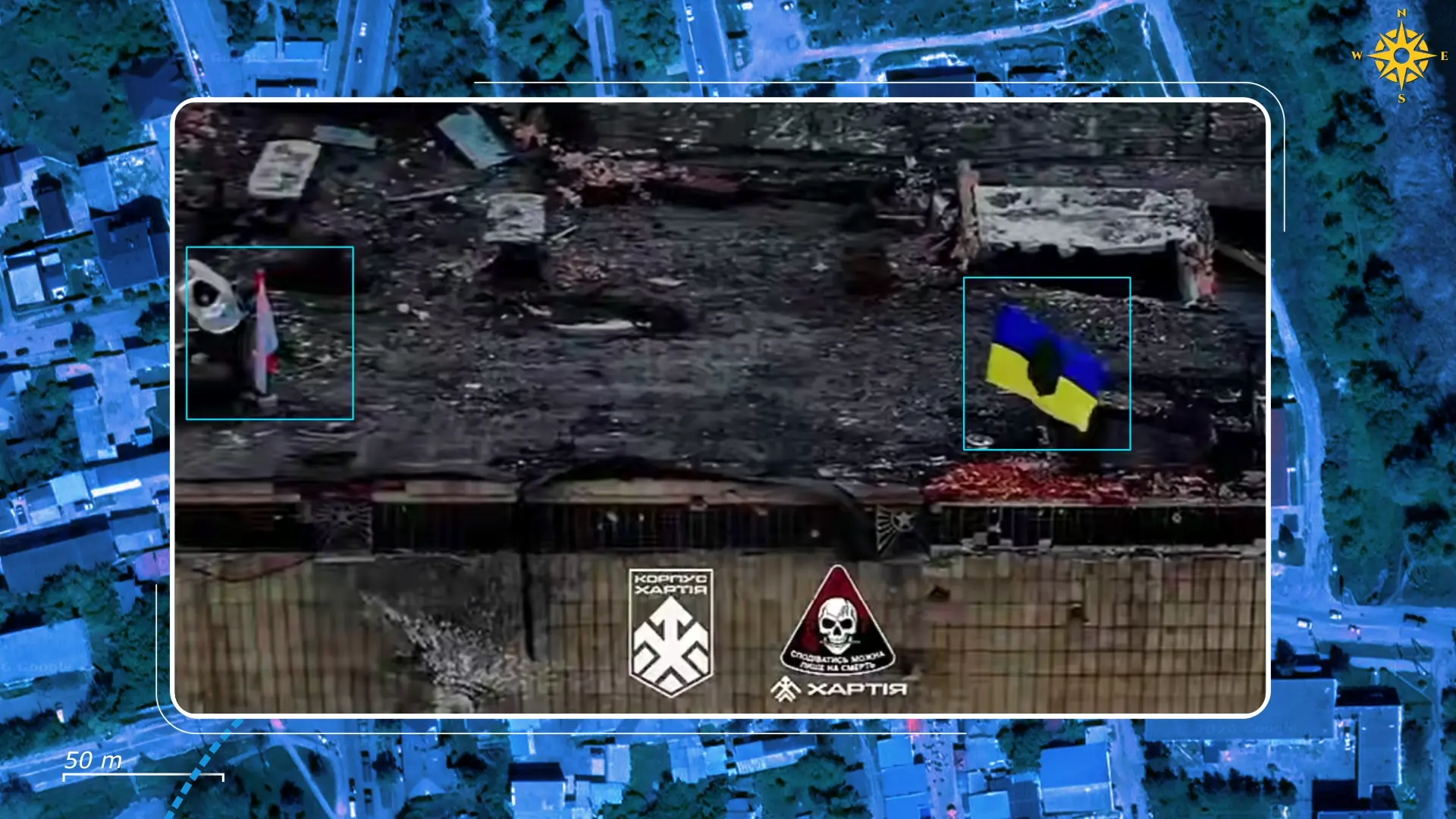
These movements exposed their locations, enabling Ukrainian FPV drones to strike them in successive waves. Once resistance was weakened, the assault group moved in to clear the building itself, eliminating the remaining defenders and raising their flags over the site and the adjacent square. These developments and the further degradation of the surviving Russians inside the town forced the Russian command to look for a way to rush reinforcements to support them.
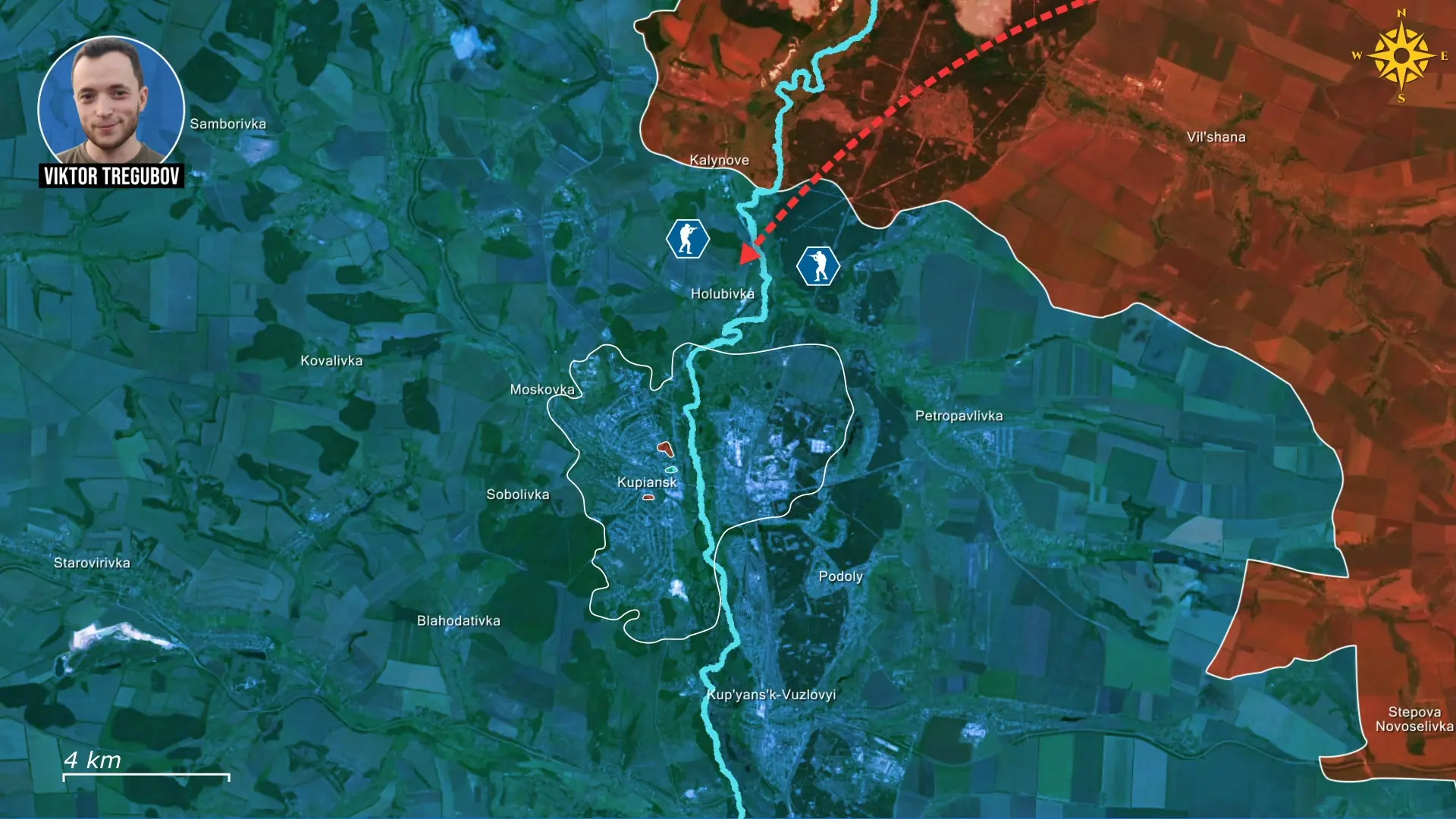
Exploiting the cold weather, the Russians tried repeatedly to cross the frozen Oskil River north of Kupiansk. While ice temporarily eased movement, Ukrainian troops had both riverbanks near Kupiansk under control, rendering the crossing almost impossible. According to Ukrainian spokesperson Viktor Tregubov, Russian units achieved only limited, temporary footholds before being pushed back by drone strikes and artillery.
Despite their losses and attempts to use the weather on their side, the Russians haven’t managed to improve the situation of those encircled. As a result of the combined Ukrainian-Colombian clearing operation, fewer than 100 Russian soldiers remain inside Kupiansk, scattered, undersupplied, and largely hiding in basements in the central and northwestern districts, facing stark options: surrender or gradual elimination.
Overall, the integration of Colombian veterans into the Khartia strike group proved pivotal in breaking Russian resistance inside Kupiansk. The pressure that they exerted has significantly accelerated the Russian collapse, demonstrating how experienced small-unit tactics can dismantle a numerically inferior but entrenched force. Although Russian commanders still aim to retake Kupiansk, having now set a new deadline for February, the current situation underscores how targeted, well-executed Ukrainian efforts can decisively shift the balance on an urban battlefield.

.jpg)

Comments